The Vatican formally repudiated the “Doctrine of Discovery” that legitimized the colonial-era seizure of Native lands. (Gregorio Borgia/AP)
Using 15th-century papal decrees, European colonial powers captured and claimed Indigenous land in the Americas and elsewhere. Now, in a significant move centuries later, the Vatican on Thursday rejected the contentious “Doctrine of Discovery,” addressing a long-standing demand led by Indigenous groups in Canada.
The church acknowledged in a statement that these papal bulls “did not adequately reflectthe equal dignity and rights of indigenous peoples,” and said that the doctrine is not part of the teaching of the Catholic Church.
Indigenous groups have argued that European explorers used the principle of discovery — which was based on the presumed superiority of European Christians — to legally and morally justify the subjugation and exploitation Indigenous communities, and to rule over them.
The Vatican statement also recognized that acts of violence were committed against Indigenous communities by colonial settlers, and asked for forgiveness for “the terrible effects of the assimilation policies and the pain” they experienced. The doctrine of discovery was previously rejected by several faith communities in the United States and Canada.
The Canadian Minister for Justice David Lametti credited the Vatican’s declaration to the hard work of Indigenous communities. “A doctrine that should have never existed. This is another step forward,” he said in a tweet.
The latest move follows the reconciliation that Pope Francis sought in Canada during his visit last year, when he apologized for the role Christians played in the tragic history of its residential school systems, many of which were run by the Catholic Church in the 19th and 20th centuries.
Indigenous children in Canada were forcibly removed from their families to integrate them into a Euro-Christian society, where they had to give up their language and culture; many were sexually abused. Thousands of children died at these schools and their unmarked graves continue to be discovered.
During his trip last year, Francis was confronted by protesters holding banners calling on him to rescind the discovery doctrine.
The announcement this week was greeted by Indigenous advocates. The news was “wonderful,” Phil Fontaine, a former national chief of the Assembly of First Nations in Canada, told the Associated Press.
“The church has done one thing, as it said it would do, for the Holy Father,” said Fontaine, who was part of the First Nations delegation that met with Francis.“Now the ball is in the court of governments, the United States and in Canada, but particularly in the United States where the doctrine is embedded in the law.”
In a landmark 1823 case, U.S. Supreme Court Chief Justice John Marshall invoked the papal discovery doctrine to rule that Indigenous people only had rights of occupancy and not ownership. This jurisprudence on Native American lands has persisted through the years and was referred to as recently as 2005.
A New York court, in the case of City of Sherrill v. Oneida Nation, relied on the earlier acceptance of the discovery doctrine by courts. Those rulings inferred that land titles were vested with European colonists, and later, the U.S. government.
In recent years, the movement to reclaim Native American lands has grown in the United States. In January 2022, 523 acres of redwood forest in Mendocino County, Calif., were transferred to the InterTribal Sinkyone Wilderness Council and, in April, the Rappahannock Tribe reacquired 460 acres of ancestral land in Virginia after 350 years.
Most Native American lands are trust lands, the U.S. government says — lands where the title is held by the federal government but the beneficial interests are with the tribes.
TheUnited Nations said in 2012 that international law demands that governments rectify the wrongs caused by such colonial doctrines, “including the violation of the land rights of indigenous peoples, through law and policy reform.”
[RESUMO] Em novo livro, Muniz Sodré contesta o conceito de racismo estrutural, que a seu ver carece de base científica. Embora não se oponha ao uso da expressão, o sociólogo e colunista da Folha afirma que a discriminação racial no Brasil é difícil de combater por ser institucional e intersubjetiva, tendo como marca a negação do preconceito, e que teria se reconfigurado depois da Abolição com as ideias fascistas europeias. Sodré defende ainda que o pensamento da aproximação, manifestado em algumas situações brasileiras, traz oportunidade de combater o racismo.
Muniz Sodré é um intelectual de luta. Faixa-preta de caratê, continua a praticar o esporte aos 81 anos. A idade só o obrigou a deixar para trás a capoeira, que ele treinou com mestre Bimba, um dos grandes capoeiristas do Brasil.
O sociólogo e colunista da Folha Muniz Sodré em seu apartamento no bairro Cosme Velho, no Rio – Eduardo Anizelli/ Folhapress
Além de livros publicados sobre a mídia, Sodré também publicou obras acerca da cultura brasileira, em especial a cultura negra. Em seu novo lançamento, “O Fascismo da Cor” (Vozes), ele traça uma radiografia da discriminação racial no Brasil, construindo o argumento de que, passadas a Abolição e a Proclamação da República, uma outra forma de racismo se estabeleceu no país.
Para o pesquisador, essa nova configuração tem laços com as ideias fascistas surgidas na Europa e com o eugenismo associado a elas. Um dos divulgadores desse discurso no país, lembra, era o escritor Monteiro Lobato.
Além desse diagnóstico, Sodré dedica parte significativa do livro a contestar o conceito de racismo estrutural, tal como desenvolvido por Silvio Almeida, agora ministro dos Direitos Humanos e da Cidadania. “Se fosse estrutural, já teria sido derrotado. O movimento negro é o movimento mais antigo da sociedade brasileira”, diz o autor, que propõe no lugar o conceito de “forma social escravista”.
Em entrevista à Folha, Sodré analisa o perfil do racismo à brasileira e explica os motivos pelos quais discorda de Silvio Almeida. Ele também defende que as rodas de capoeira e os candomblés podem oferecer uma chave de saída para a discriminação racial.
Na primeira metade do seu livro, o sr. contesta o conceito de racismo estrutural, hoje muito popular. Por que considera essa definição insuficiente para explicar o racismo no Brasil?
O conceito de estrutura é um conceito complexo. Primeiro, tenho que advertir que não tenho nada contra falar em racismo estrutural, porque acho que, do ponto de vista político, é bom, é fácil. Dá um ancoramento para a ideia de racismo aqui no Brasil.
Mas eu digo que ele não é estrutural. Parto de coisas simples, como a frase do ministro Luís Roberto Barroso, do STF, quando ele disse que, no Brasil, as estruturas são feitas para não funcionar. Ele está falando da estrutura jurídica, da estrutura econômica, e é verdade. As estruturas aqui são feitas para não funcionar. Por que a única a funcionar seria o racismo?
Acho que o racismo funciona exatamente porque ele não é estrutural. Minha visão é que o racismo que existia no Brasil estava consolidado e ligado à escravatura. Portanto, a estrutura escravista existia. Há um livro do historiador Jacob Gorender em que ele mostra a estrutura existente na escravidão. Outros ensaístas, como Alberto Torres, mostram que era uma estrutura que funcionava.
O Brasil se sustentou na escravidão, foi ela que fez a acumulação primitiva [de capital] aqui e foi a coisa mais bem-organizada neste país. Mas isso acabou com a Lei Áurea. Ao contrário do que acham alguns amigos meus escritores negros, a Abolição não foi uma farsa. Ela efetivamente acabou com a sociedade escravista e, portanto, acabou com a estrutura escravista, mas não acabou com o racismo. São duas coisas diferentes.
Antes da Abolição, não era necessário um racismo atuante. Quatro quintos da população que trabalhavam como escravos eram torturados no Império de dom Pedro 2º. Mesmo assim, houve naquele momento uma classe média negra, uma intelectualidade negra que emergiu. Grandes figuras da literatura e das artes eram negras.
O primeiro embaixador plenipotenciário do Brasil na Inglaterra, Francisco Jê Acaiaba Montezuma, era um negão baiano muito brilhante. Os artistas negros de Pernambuco formavam uma classe média com quase 2.000 pessoas. Só ouvimos falar deles hoje depois de livros focados nisso porque, como dizia Mário de Andrade, foi uma aurora que não deu dia. Quando veio a Abolição, se esqueceu de tudo isso. A cultura negra passou a ser a cultura popular, reconhecida muito tempo depois.
Desenho de Angelo Agostini publicados na “Revista Ilustrada”, que retrata a brutalidade do cotidiano escravocrata. Acervo Biblioteca Mário de AndradeDesenho de Angelo Agostini publicados na “Revista Ilustrada”, que retrata a brutalidade do cotidiano escravocrata. Acervo Biblioteca Mário de Andrade
Se o racismo brasileiro não é estrutural, qual seria a característica dele?
Ele é institucional. Defino no livro o que é estrutura. É um termo muito preciso na sociologia e na filosofia. O conceito pressupõe uma totalidade fechada de elementos interdependentes. Você pode falar, por exemplo, da estrutura jurídica: a doutrina do direito se reflete nos tribunais, no processo penal, nas leis. Isso é estrutural.
Se dissermos que o racismo é uma estrutura, temos que mostrar qual é a interdependência dos elementos. Aí você diria que, quando se vai selecionar alguém para um emprego, só brancos são selecionados. Mas a estrutura é formal, tem uma forma escrita ou uma forma de costumes que é reconhecida por todos. A discriminação racial no Brasil não é reconhecida por ninguém. Nenhum Estado ou governante se diz racista. Às vezes, os racistas mais atrozes diziam que não eram racistas.
A grande dificuldade do combate ao racismo no Brasil é que, aqui, a negação funciona. O grande mecanismo do racismo é a negação.
Li o livro do Silvio Almeida (“Racismo Estrutural”), e ele não diz o que é uma estrutura. O racismo foi estrutural nos Estados Unidos, na África do Sul…
Então, o sr. defende que, para ser estrutural, o racismo precisa estar explicitamente amparado pela burocracia do Estado.
Silvio Almeida fala de instituições que funcionam como uma correia de transmissão do racismo.
Sou obrigado a me perguntar: correia de transmissão a partir de onde? Quando Lênin diz que os jornais deveriam ser a correia de transmissão do partido para as massas trabalhadoras, você tem de um lado o partido, de outro, as massas, e no meio, o jornalismo.
Sem dúvida, as instituições são uma correia de transmissão, mas não de uma estrutura. Onde é que está essa estrutura? No Estado? Mas o Estado não tem leis racistas, elas acabaram com a Abolição. Estão na economia? Não conheço leis econômicas racistas, conheço discriminações econômicas, mas não leis.
Manifestantes pintam frase #vidaspretasimportam na avenida Paulista. Discriminação racial é o ato de discriminar alguém por conta de sua raça, origem étnica, cor e/ou condição que apresente diferença, com demonstração de suposta superioridade sobre a vítima e com o objetivo de anular ou restringir o reconhecimento, o gozo ou o exercício em igualdade de condições, de direitos e liberdades fundamentais no campo político, econômico, social, cultural ou em qualquer outro campo da vida pública ou privada. Folhapress/Bruno Santos – 21.nov.20Ato pelo Dia Nacional de Denúncia contra o Racismo, na avenida Paulista. RACISMO ou INJÚRIA RACIAL: A principal diferença entre o crime de injúria racial e racismo é a quem é dirigida a ofensa . Folhapress/Jardiel Carvalho – 13.mai.21
Não tem uma implicação estritamente racial, são os pobres que pagam mais impostos. Entre eles, você tem claros e escuros —ainda que, sem dúvida, os salários mais baixos sejam dos negros. Acho importante que se estudem esses aspectos embutidos na economia, nas instituições, na remuneração da força de trabalho. Com esses dados, é possível intervir no debate público, tomar um partido antirracista.
Não sou contra a expressão racismo estrutural, sou contra a cientificidade dela.
O sr. disse que, depois da Abolição e da Proclamação da República, surgiu uma nova forma de racismo. Qual é o seu perfil?
O segundo ponto do livro é mostrar a diferença entre sociedade e forma social. Você não vai encontrar na literatura sociológica brasileira essa distinção, mas ela é feita por mim. A sociedade implica uma estrutura: ela tem uma interconexão de seus elementos, ou seja, o modo de produção está articulado com o sistema jurídico, com a política… Toda a visão marxista sobre a sociedade, para mim, é coerente. Nesse ponto, sou bem marxista.
Mas a forma social é outra coisa. Ela é uma imagem que a sociedade projeta de si mesma, que ela tem ou quer ter de si. Isso nós temos individualmente: você tem uma imagem de si mesmo e quer que os outros reconheçam você como uma imagem válida.
Isso também existe em termos coletivos. A imagem que a sociedade tem de si é gerida pelo Estado e pelas classes dirigentes. Ela pode ser oficial, mas também subterrânea, uma imagem oculta que existe e lhe determina. Isso eu chamei de forma social escravista.
Aluna da Emef Ruben Bento Alves, em Caxias do Sul (RS), Sophya Domingues Marcos, 13, tem na família da mãe a afrodescendência . /Carlos Macedo/Folhapress
O que seria essa forma social escravista?
Ela é aparência, mas isso não quer dizer que seja uma ilusão. As aparências existem e continuam a existir por ter força, e é um erro querer lidar só com o que é material, concreto. Na forma social, falo de uma aparência que a sociedade quer ter sobre si mesma: as classes dirigentes querem se ver como brancas, europeias e cristãs, sem ter nada a ver com negros.
Esse querer ver-se é a forma social. Dentro dessa imagem, se desenvolvem os mecanismos linguísticos, psicossociais, de subjetividade e de comunicação. Portanto, a aparência cria formas.
Ou seja, acabou a escravidão, mas nasceu a forma social escravista. Ela mantém a escravidão como ideia e como discriminação institucional. Essa forma não é captada apenas objetivamente, não está em números. Portanto, não é pega pela sociologia quantitativa. São também as percepções, os afetos. A forma social é um conceito que vem da sociologia alemã e está na sociologia francesa contemporânea.
O sr. dá um papel de destaque ao patrimonialismo nisso que chama de forma social.
A forma escravista está ancorada nesse modo de controle social que é o patrimonialismo, ou seja, no poder exercido por grandes famílias, pelo compadrio, pelo afilhadismo. Esse parentesco dominante no Brasil é branco e reproduz a forma social racista. Quis mostrar como essa forma é tão ampla, tão invasiva, tão maior que a estrutura que ela pode atingir o próprio preto. O preto pode se adequar a ela e ser racista contra pretos também.
Vivemos essa forma no cotidiano. Podemos vê-la em explosões súbitas de fúria e agressões. No Maranhão, o cara estava passando com a mulher, veem um homem tentando abrir o próprio carro e acham que ele está tentando roubar o veículo. Aí os dois descem a porrada no homem. Quando foi jogado no chão, a mulher grita para o marido chutar a cabeça da vítima. O carro era dele. Isso é diário no Brasil.
Kaique do Nascimento Mendes (de camisa da seleção) e seu advogado, Ewerton Carvalho. Folhapress/Marlene Bergamo
O sr. diz que essa nova manifestação do racismo está ligada ao fascismo europeu. Qual é a relação entre os dois fenômenos?
Diferentemente do período da escravidão, o racismo pós-abolicionista é plenamente doutrinário, ou seja, ele incorpora ideias europeias sobre o racismo. Essas ideias vêm principalmente da doutrina do eugenismo.
Isso não coincide, em termos de data, só com o período pós-Abolição, mas, nesse momento no mundo, o eugenismo faz parte de uma atmosfera fascista. O que faz com que o fascismo se expanda para Portugal, Espanha e outros países é a questão da preservação do cristianismo e da pureza do homem europeu. É o nacionalismo extremado do homem branco.
O racismo ocidental vem da Igreja Católica e é primeiro antissemita. O modelo do racismo [contra os negros] é o antissemitismo: as primeiras vítimas são os judeus, e os primeiros carrascos são os padres. Depois, isso se transfere para o negro. Os escritos do fascismo incorporam a ideia de eugenia e isso chega aqui muito tempo depois da Abolição, através de igrejas, mas principalmente por meio de intelectuais —Monteiro Lobato é o grande modelo.
O fascismo é o espírito da época do racismo brasileiro. É dele que conflui, para as classes dirigentes brasileiras, a discriminação do negro, que já não era mais jurídica nem política.
No livro, o sr. aponta Nilo Peçanha, que virou presidente em 1909 e era negro, como um caso a ser estudado. O que a história dele diz sobre o racismo à brasileira?
Examinaram pouco essa história.Nilo Peçanha veio de uma família pobre em Campos dos Goytacazes (RJ), a mãe era meio clarinha e o pai era preto, eram agricultores. Ele se tornou um político brilhante e abolicionista, mas não queria ser reconhecido como negro. Ele se maquiava para clarear a pele antes de ser fotografado, e as fotos eram retocadas.
É o primeiro e único presidente negro do Brasil. É uma figura importante por mostrar esse mascaramento, ou seja, a tentativa de não parecer negro, que foi típico do mulato aqui no Brasil. A imprensa o ridicularizava. Faço uma análise linguístico-filosófica do discurso racial, mostrando como ele é atravessado pela ambiguidade. Quis mostrar como há jogos de linguagem no discurso racista, para mostrar como a forma social escravista opera.
O medo é um elemento importante nas relações hierárquicas. Torturavam-se escravospara infligir medo. Uma tortura podia começar porque a sinhá achava que o negro olhou atravessado para ela.
Mas o medo é uma faca de dois fios. O torturador tem medo também. Temer os negros foi algo que se intensificou com a Revolta dos Malês, em 1835, mas já vinha do Haiti e de Cuba e se disseminou entre as classes brasileiras.
Mas como esse medo de revoltas negras nas Américas se transforma no medo de manifestações culturais?
O racismo cultural é o racismo do sentido que o outro produz. Junto com ter medo físico do negro vem, principalmente depois da Abolição, ter medo da cultura afro, do feitiço, que era um ponto de repulsa e atração, porque a classe média branca sempre se consultou nos cultos afros.
Como você sabe, eu sou de candomblé, da hierarquia do Ilê Axé Opô Afonjá. Conheci ao longo da vida professores razoáveis, ateus, que têm medo do pertencimento ao candomblé. A pessoa não acredita em nada, mas tem medo. Isso é o preconceito.
Ao mesmo tempo que há esse preconceito, as artes brasileiras promoveram uma celebração da cultura afro-brasileira, como na obra de tropicalistas ou de Jorge Amado. Como o racismo brasileiro comporta essa contradição?
Porque ele não é estrutural [risos] e essa celebração não foi insurrecional.
Conheci bem o Jorge Amado. Ele dizia que não acreditava em nada, mas era do Axé Opô Afonjá como eu. Não viajava de avião sem que uma mãe de santo fizesse um jogo para ele, porque morria de medo. Quando me confirmei como obá de Xangô, Caymmi entrou comigo. Quando eu estava na Bahia, Caetano Veloso, Gilberto Gil, esse pessoal não era de candomblé. Hoje, Gil também é obá de Xangô.
Quando digo que essas celebrações na cultura brasileira não representam uma insurreição, quero dizer que não são algo contra o Estado, é mais uma posição existencial. Mas celebrar o candomblé é celebrar aquilo que a cultura afro traz de mais precioso, o apego à vida.
Se o catolicismo é a religião do amor universal irradiado de Cristo, o candomblé é a alegria, uma alegria litúrgica. Quem é baiano é atravessado por essa liturgia. Jorge Amado foi o grande romancista disso. Ele inventa uma Bahia, a língua da Bahia para fora é o jorge-amadês. Todas aquelas histórias são e não são inventadas.
Filhas de santo com trajes rituais e colares de conta nas cores de seus orixás, no terreiro Ilê Axé Oyó Ibessi, de pai Gegeo, no bairro Faceira, em Cachoeira, Recôncavo Baiano . Raul Spinassé/Folhapress/Filha de santo na subida que dá acesso ao terreiro Ilê Axé Oyó Ibessi em Cachoeira, no Recôncavo Baiano; ao fundo, o Rio Paraguaçu e, na outra margem, a cidade de São Félix . Raul Spinassé/Folhapress
Jorge Amado é o ideólogo do povo nacional, e esse povo nacional era um povo mestiço, os baianos. Ele vai encontrar o modelo dessa mestiçagem no candomblé, em que essa mestiçagem não é só ideológica, é cultural também.
No Axé Opô Afonjá, eu já vi padre bater cabeça, já vi judeu bater cabeça. É isso que sempre atraiu Jorge Amado. Quando Jean-Paul Sartre esteve na Bahia, passou o dia inteiro no Axé Opô Afonjá, sentado com mãe Senhora.
Os negros americanos são diferentes. Acho que nossas condições de luta e opressão são bastante diferentes e o que é igual é a cultura negra. O samba nasceu na Praça 11 nas mesmas circunstâncias que o jazz nasceu na praça Congo, em Nova Orleans. Nasceu do candomblé, com os baianos que civilizaram o Rio de Janeiro.
Falo da cultura como a vitalidade do povo. O que é forte nos Estados Unidos vem dos negros, nada é mais forte que a música, que o jazz. Isso cria uma ponte, é como se o ritmo viajasse pelos Estados Unidos, pelo Caribe, por Cuba, e essa ponte não está sob a égide do Estado, é também uma forma social.
Em um mundo com trocas possibilitadas pelas tecnologias da informação, seria necessário pensar o racismo com um recorte global em vez de apenas nacional?
O pensamento nacional, se for forte, vai ser global. O pensamento global não atinge o núcleo do racismo, que está em conformações nacionais. O combate aqui no país tem que ser pensado em termos brasileiros para ser suficientemente forte e se irradiar transnacionalmente. É algo que o Brasil pode oferecer ao mundo, uma chave de saída do racismo.
Como?
O principal modo de combater o racismo não é pensar intelectualmente a diferença. Não dou muita atenção a toda essa coisa de proteger linguisticamente a diferença, por exemplo. A filosofia da diferença é a grande filosofia moderna, que fala da necessidade de aceitar o diferente. É um pensamento avançado e global.
Mas, para mim, o principal modo de combater o racismo é o pensamento da aproximação, que é mais completo. É o morar junto, a vizinhança na escola, no trabalho, nas relações amorosas. A aproximação está em qualquer unidade que se possa construir, e o racismo se exacerba quando os diferentes estão próximos.
O Brasil já é um país que tem as oportunidades de aproximação pela própria heterogeneidade da população. Temos que pensar as diferentes formas de existir no Brasil e aprender com elas. Onde você não encontra racismo aqui? No Axé Opô Afonjá, no candomblé de Menininha do Gantois, no terreiro da Casa Branca, nas rodas de capoeira. Será que não pode vir daí uma lição?
Não é que as pessoas sejam perfeitas, mas há modos de vida ali que são antirracistas. São casos pequenos, mas é do pequeno que você começa a pensar o grande. Foi assim que Davi matou Golias.
O FASCISMO DA COR: UMA RADIOGRAFIA DO RACISMO NACIONAL
Cerimônia que contou com presenças de lideranças indígenas e de entidades acadêmicas destacou necessária união e encontro de saberes para a difusão do conhecimento e garantia da dignidade humana
Por Denis Dana Fotos: Alex Reipert
Mesa de abertura da cerimônia de outorga do título de doutor honoris causa a Davi Kopenawa
Em cerimônia realizada na última quarta, 15 de março, que contou com presenças de lideranças indígenas e acadêmicas, além de representante do governo federal, por meio do Ministério dos Povos Indígenas, o Yanomami Davi Kopenawa, pensador, líder político e xamã de seu povo recebeu o título de doutor honoris causa da Universidade Federal de São Paulo (Unifesp). Inédita na universidade, a concessão do grau teve processo iniciado em 2021, após iniciativa da Cátedra Kaapora de Conhecimentos Tradicionais e Não Hegemônicos, da Cátedra Sustentabilidade e Visões de Futuro e do Projeto Xingu, com centenas de assinaturas de apoio de docentes, técnicos(as) e estudantes em reconhecimento ao trabalho e luta de Kopenawa pela defesa dos povos originários, do meio ambiente, da diversidade cultural e dos direitos humanos.
Odair Aguiar Junior, diretor acadêmico do Campus Baixada Santista e presidente da comissão de Títulos Honoríficos da universidade
A mesa de honra da sessão solene foi composta por Raiane Assumpção, reitora pro tempore e presidenta do Conselho Universitário (Consu), Juma Xipaia, secretária de Articulações e Promoção dos Direitos Indígenas do Ministério dos Povos Indígenas, Odair Aguiar Junior, diretor acadêmico do Campus Baixada Santista, membro do Consu e presidente da comissão de Títulos Honoríficos da universidade, Renzo Taddei, docente do Instituto do Mar (IMar/Unifesp) – Campus Baixada Santista e membro da Cátedra Sustentabilidade e Visões de Futuro, e Ilana Seltzer Goldstein, docente da Escola de Letras e Ciências Humanas (EFLCH/Unifesp) – Campus Guarulhos e membro da Cátedra Kaapora de Conhecimentos Tradicionais e Não Hegemônicos.
Ao abrir os discursos, Odair Aguiar celebrou a ocasião, que marcou o encerramento de todo o rito realizado na universidade, no processo de proposição do título honorífico para Davi Kopenawa, o primeiro da Unifesp. “Este é um momento histórico e de muita celebração para nós, não só como instituição, mas também como país, ao outorgar como doutor honoris causa essa grande liderança nacional que é Kopenawa”.
Ilana Seltzer Goldstein, docente da Escola de Letras e Ciências Humanas (EFLCH/Unifesp) – Campus Guarulhos e membro da Cátedra Kaapora de Conhecimentos Tradicionais e Não Hegemônicos
Responsável por apresentar o currículo de Davi Kopenawa ao público que acompanhava a sessão solene presencial e virtualmente, Ilana Goldstein teve como desafio resumir toda a trajetória de vida do agraciado. Ao construir uma linha do tempo, Ilana trouxe os principais passos de Kopenawa, desde seu nascimento, passando pelas dificuldades na infância e sua adolescência na cidade, onde aprendeu e desenvolveu o português, tão importante para lhe permitir a tradução entre mundos. A apresentação do currículo também destacou a construção de sua família, o desenvolvimento de atividades xamânicas e sua inserção nas mobilizações e lutas em defesa dos povos originários, bem como no universo da literatura e de outras manifestações artísticas, sempre com o objetivo de conscientização e educação para um planeta mais tolerante e mais saudável.
Na primeira imagem, Marcos Antonio Pellegrini, docente da Universidade Federal de Roraima (UFRR) proferindo seu discurso. Já segunda imagem, o cineasta Edmar Tokorino Yanomami (de vermelho) fala sobre o filme Uma Mulher Pensando, exibido durante a cerimônia
Ao término da apresentação, a docente fez um agradecimento especial ao mais novo doutor da Unifesp: “neste encerramento do processo de titulação, diplomamos aqui um homem único e singular, celebrando sua vida e obra, de forma que possamos continuar aprendendo contigo outros modos de pensar a relação entre os seres humanos e os não humanos e de questionar os valores que nos movem. Muito obrigado Davi Kopenawa”.
Reconhecimento mais que necessário
Renzo Taddei docente do Instituto do Mar (IMar/Unifesp) – Campus Baixada Santista e membro da Cátedra Sustentabilidade e Visões de Futuro, utiliza o púlpito para destacar o trabalho de Kopenawa
Na sequência da cerimônia, ao ser convidado para um breve discurso, Marcos Antonio Pellegrini, docente da Universidade Federal de Roraima (UFRR), médico formado pela Escola Paulista de Medicina (EPM/Unifesp) – Campus São Paulo e integrante do Projeto Xingu, destacou o necessário reconhecimento do agraciado. “Esse título é um reconhecimento à sua coragem, sua luta e todo o seu conhecimento relacionado aos povos indígenas que você representa. É uma grande alegria ver o reconhecimento autêntico e necessário do conhecimento indígena e seu modo diferente de ver o mundo. Parabenizo também a Unifesp por esse reconhecimento”
O reconhecimento foi novamente ressaltado durante o discurso panegírico, proferido por Renzo Taddei. Logo em suas primeiras palavras, Taddei referenciou que “a Unifesp está localizada justamente em território ancestral dos povos indígenas Guarani Mbya, Tupi-Guarani, Kaingang, Krenak e Terena, a quem possuímos dívidas históricas não saldadas de honra, gratidão e reparação”.
Davi Kopenawa recebendo o título de doutor honoris causa pela Unifesp
“Este é um momento ímpar na história da Unifesp. É de beleza sublime o fato de que o primeiro título honorífico da universidade seja concedido a Davi Kopenawa. Contudo, façamos dessa celebração, um momento de reflexão e apoio à luta do agraciado, que vem em um contexto de violência hedionda sofrida pelo povo Yanomami”, disse Taddei.
Além de celebrar a trajetória e feitos de Davi Kopenawa, o docente da Unifesp destacou em seu discurso panegírico as implicações mais importantes de sua grande obra literária, A Queda do Céu, e de seu pensamento para o fazer da ciência e para o mundo universitário.
Na primeira imagem, o discente Willian Jorge Pires da Silva lê um trecho do livro A Queda do Céu, de Davi Kopenawa. Na segunda imagem, a secretária do Consu/Unifesp, Maristela Feldman, faz a leitura do termo concessivo
Após destacar a inclusão da sabedoria indígena em debates de coletividades de cientistas de alto nível mais diretamente ligadas ao combate à crise ambiental causada pela modernidade ocidental, como o Painel Intergovernamental sobre Mudanças Climáticas (IPCC) e a Plataforma Intergovernamental de Políticas Científicas sobre Biodiversidade e Serviços Ecossistêmicos (IPBES), ambos diretamente ligados à ONU e suas agências, Taddei finalizou sua fala novamente com destaque à importância do reconhecimento do trabalho de Kopenawa: “a concessão desse título honorífico é mais do que simplesmente uma declaração de apreciação de sua atuação e de suas ideias, é também uma declaração de que somos seus aliados”.
Ritual contou com discursos impactantes
Davi Kopenawa e os membros da mesa de abertura da cerimônia acompanhando os discursos
Davi Kopenawa passou por todo o ritual de concessão de título, incluindo a leitura e assinatura do ato concessivo do título de doutor honoris causa, a vestimenta doutoral, marcado pela colocação da beca com o auxílio de sua filha, Tuíra Kopenawa, o pronunciamento da concessão de grau, feito por Raiane Assumpção, e a entrega do diploma. Foram momentos de bastante atenção do público, bem como dos discursos que se seguiram, de maneira impactante.
Ao representar o Ministério dos Povos Indígenas do Brasil e sua ministra Sonia Guajajara, Juma Xipaia afirmou “estar honrada em fazer parte desse momento tão importante de respeito da ciência e dos saberes indígenas. Não há uma única ciência, há inúmeros povos com suas ciências. Esse título da Unifesp apresenta ao mundo o reconhecimento de toda a ancestralidade e de todo o saber dos povos indígenas do Brasil representada por essa grande liderança que é Davi Kopenawa”.
Renzo Taddei docente do Instituto do Mar (IMar/Unifesp) – Campus Baixada Santista e membro da Cátedra Sustentabilidade e Visões de Futuro
Em seu discurso, Juma fez um alerta para que a humanidade desperte para o que tem acontecido com o mundo. “Nossa luta nunca foi somente pelo povo indígena, algo isolado, é algo muito maior. Sempre foi por todos, pelo planeta e pela existência de todos nós. Temos que garantir para as nossas e para as próximas gerações o direito não somente de resistir, mas, principalmente, de existir”.
“É preciso que esse exemplo de valorização e reconhecimento que a Unifesp dá seja multiplicado, não só com os povos indígenas, bem como com todos aqueles detentores de saberes que habitam nessa diversidade ainda existente no Brasil,o que faz nosso país tão lindo e com tanta riqueza”, destacou.
Juma Xipaia, secretária de Articulações e Promoção dos Direitos Indígenas do Ministério dos Povos Indígenas, discursando no evento
Seu discurso foi seguido pelo do então mais novo doutor da Unifesp, Davi Kopenawa, que logo em suas primeiras palavras agradeceu o título concedido pela universidade. “Estou muito contente com esse reconhecimento da universidade em ver a minha luta pela defesa dos Yanomami e de todos os povos indígenas do Brasil. Para mim, esse título representa mais uma flecha para seguir nessa luta”.
Sem deixar de citar o horror vivido pela comunidade Yanomami nos últimos anos em decorrência do avanço do garimpo ilegal, Kopenawa também aproveitou o momento para alertar os povos não indígenas sobre o necessário cuidado com o planeta. “Hoje, com vocês da universidade, vejo que nós não estamos sozinhos. Nossa defesa é por todos. Somos um planeta só”. (Veja aqui a íntegra do discurso de Davi Kopenawa).
Raiane Assumpção, presidenta do Consu/Unifesp, durante seu discurso
O discurso final ficou por conta da reitora pro tempore da Unifesp, Raiane Assumpção. Honrada por ter Davi Kopenawa como o primeiro doutor honoris causa da universidade, Raiane ressaltou o significado da sessão pelo ineditismo e também pela figura do agraciado, mas também por toda a responsabilidade de reafirmação do compromisso compartilhado com Kopenawa e suas causas no que diz respeito à defesa do planeta e da sociedade.
“Há décadas a nossa instituição vem construindo vínculo com os povos indígenas, possibilitando assistência e produzindo conhecimento em conjunto, reiterando o compromisso da Unifesp com a formação na graduação, pela extensão e pela pesquisa e que não é no fazer por, mas no fazer com, numa produção de conhecimento que é feito com as pessoas”.
A presidenta do Consu/Unifesp assinando o termo de outorga do título de doutor honoris causa
“Ao longo dos anos fomos construindo uma forma de encontro de saberes. Saberes científicos, tradicionais, populares, que são necessários para que a nossa sociedade caminhe mais e melhor. Que possamos seguir nesse rumo, construindo uma melhor forma de existência e de formação e uma contribuição para que nosso estado brasileiro tenha um desenvolvimento para a dignidade humana”, concluiu Raiane.
Um pouco da arte de Kopenawa
Davi Kopenawa asssinando o termo de outorga do título de doutor honoris causa
Durante a cerimônia de entrega do título honoris causa à Davi Kopenawa, o público pode acessar um pouco da obra do agraciado, com a leitura de trecho do livro A Queda do Céu, feita pelo discente Willian Jorge Pires da Silva, e com a exibição de um trecho do filme Uma Mulher Pensando, do cineasta Edmar Tokorino Yanomami, que, em suas palavras, “foi feito com o objetivo de incomodar e de servir como sinal de alerta e apoio para a luta em defesa da vida”.
Autoridades presentes na sessão solene: Dácio Roberto Matheus, reitor da Universidade Federal do ABC (UFABC); Soraya Smaili, reitora da Unifesp gestão 2013 a 2021; Andrea Rabinovici, vice-reitora da Unifesp gestão 2020 e 2021; Rafael Alves Scarazzati, pró-reitor de Extensão do Instituto Federal de São Paulo (IFSP), representando o reitor da instituição; Dan Levy, chefe de gabinete da Unifesp; Maria Beatriz de Souza Henriques, coordenadora da Unidade de Preservação do Patrimônio Museológico da Secretaria de Cultura e Economia Criativa do Estado de São Paulo; Carlos Papá, cineasta e líder espiritual do povo Guarani; Cristine Takuá, diretora do Instituto Maracá e educadora das Escolas Vivas; Zysman Neiman, coordenador da Cátedra Sustentabilidade e Visões de Futuro da Unifesp, Valéria Macedo, da coordenação colegiada da Cátedra Kaapora de Conhecimentos Tradicionais e Não Hegemônicos; Sofia Mendonça, coordenadora do Projeto Xingu; Douglas Rodrigues, médico coordenador do Ambulatório de Saúde dos Povos Indígenas do Hospital São Paulo; Artionka Capiberibe, diretora do Centro de Pesquisa em Etnologia Indígena, Áurea Gil, coordenadora do Centro de Memória da Sociedade Brasileira para o Progresso da Ciência (SBPC); Fernando Stickel, diretor-presidente da Fundação Stickel; Kelly Adriano de Oliveira, gerente adjunta de Ação Cultural do SESC São Paulo; Rubens Belfort Jr, professor emérito e membro titular da Academia Brasileira de Medicina; Marlon Alberto Weichert, Procurador Regional da República no Ministério Público Federal; Daniel Munduruku, diretor presidente do Instituto Uk´A; Tata Katuvanjesi, autoridade tradicional de matriz centro africana; Renato Sztutman, diretor do Centro Ameríndios da USP; Martin Grossman, diretor da Cátedra Olavo Setubal da USP; Ana Maria Gomes, docente da UFMG e coordenadora do Observatório Educacional Intercultural Indígena, Fernanda Pitta, curadora do Museu de Arte Contemporânea da USP; Luísa Valentini, supervisora do Centro de Pesquisa e Referência do Museu das Culturas Indígenas, além de representante da liderança indígena Xokleng.
Ingestão de plástico por humanos e animais modifica células, dizem cientistas
Clive Cookson
9 de março de 2023
Novas evidências alarmantes estão surgindo sobre os danos potenciais causados pela poluição generalizada por plástico, com níveis significativos de partículas microscópicas da substância descobertas em muitos órgãos humanos e uma nova doença identificada em aves marinhas.
As pessoas consomem hoje, em média, cerca de cinco gramas de microplásticos por semana, ingeridos em alimentos e bebidas e inalados ao respirar ar poluído, disse o professor Philip Demokritou, da Universidade Rutgers, na reunião anual da Associação Americana para o Progresso da Ciência, em Washington.
“O que é realmente alarmante é que os microplásticos entram nas células e interferem nos núcleos, o que levanta preocupações sobre possíveis danos ao DNA”, disse ele. “Outro exemplo alarmante é que eles podem interferir na digestão e absorção de nutrientes importantes.”
Separadamente, no último dia 3, cientistas do Museu de História Natural de Londres anunciaram a descoberta de uma nova doença em aves marinhas causada exclusivamente pela ingestão de plástico. Eles chamaram a condição de plasticose —uma doença fibrótica causada por pequenos pedaços de plástico que inflamam o trato digestivo. A inflamação persistente danifica os tecidos, que ficam marcados por cicatrizes e deformados.
Estudando cagarras na ilha de Lord Howe, na Austrália, eles descobriram que o proventrículo —a primeira parte do estômago das aves— tinha cicatrizes generalizadas. As aves que ingeriram mais plástico tinham mais cicatrizes.
“Embora esses pássaros possam parecer saudáveis por fora, eles não estão bem por dentro”, disse Alex Bond, curador do museu encarregado dos pássaros. “Este estudo é a primeira vez que o tecido do estômago é investigado dessa maneira e mostra que o consumo de plástico pode causar sérios danos ao sistema digestivo dessas aves.”
As aves afetadas tornam-se mais vulneráveis a infecções e parasitas, enquanto perdem parte da capacidade de digerir alimentos e absorver vitaminas.
Outro estudo identificou partículas de plástico “não apenas no tecido placentário, mas também no mecônio, as primeiras fezes do bebê, o que significa que as partículas podem atravessar a placenta e chegar ao feto”, disse Campagnolo.
“Um grande número de diferentes tipos de partículas de plástico foi identificado”, acrescentou. “O mais abundante é o PVC, mas basicamente todos os outros tipos de plástico que fazem parte dos produtos de consumo diário estavam presentes.”
Craig Bennett, executivo-chefe do grupo de conservação The Wildlife Trusts, do Reino Unido, disse que a pesquisa “ressalta meu medo de que estejamos testemunhando apenas o começo do problema do plástico. Nossos mares, rios e campos já estão inundados de poluição plástica. A pesquisa mostra como os humanos e a vida natural consomem microplásticos comendo, bebendo e respirando.”
For the last four years Brazil’s rainforests bled. “They bled like never before,” said Felipe Finger as he prepared to venture into the jungle with his assault rifle to staunch the environmental carnage inflicted on the Amazon under the former far-right president Jair Bolsonaro.
Moments later Finger, a mettlesome special forces commander for Brazil’s environmental protection agency, Ibama, was airborne in a single-engine helicopter, hurtling over the forest canopy towards the frontline of a ferocious war on nature and the Indigenous peoples who lived here long before Portuguese explorers arrived more than 500 years ago.
Felipe Finger, a special forces commander for Brazil’s environmental protection agency, Ibama, leads his troops on a mission to destroy illegal mines into the Yanomami Indigenous territory. Photograph: The Guardian
Felipe Finger torches a motor used by illegal goldminers. Photograph: Tom Phillips/The Guardian
The group’s objective was Xitei, one of the most isolated corners of the Yanomami Indigenous territory on Brazil’s northern border with Venezuela. Tens of thousands of illegal miners devastated the region during Bolsonaro’s environmentally calamitous 2019-2023 presidency, hijacking Indigenous villages, banishing health workers, poisoning rivers with mercury, and prompting what his leftist successor, Luiz Inácio Lula da Silva, has called a premeditated genocide.
As Finger’s aircraft swooped down into a muddy clearing beside a Yanomami village, a handful of those miners scurried into the forest in their wellies in an attempt to avoid capture.
The motors fuelling their clandestine cassiterite mining operation were still growling as members of his six-strong unit leapt from their helicopters and fanned out across an apocalyptic landscape of sodden craters and fallen trees.
“Illegal mining on Yanomami land is finished,” declared Finger, a camouflage-clad forest engineer turned rainforest warrior whose team has been spearheading efforts to evict the prospectors since early February.
Environmental special forces burn down a mining camp in the Yanomami Indigenous territory. Photograph: Tom Phillips/The Guardian
The raid in Xitei was part of what has been hailed by the government as a historic drive to expel miners from Yanomami lands and rescue the Amazon after four years of chaos, criminality and bloodshed such as that which saw the British journalist Dom Phillips and the Indigenous specialist Bruno Pereira murdered last June.
The Guardian was one of the first media organisations granted access to those efforts, traveling deep into Yanomami territory to accompany Finger’s elite squad, the Special Inspection Group (GEF).
The group’s agents gathered early last Friday at a camp on the Uraricoera River – one of the main arteries miners use to invade the territory, which is the size of Portugal and where about 30,000 Yanomami live in more than 300 villages.
Twenty-four hours earlier a gang of illegal miners – who the government has ordered to leave the territory by 6 April – had exchanged fire with troops who blockaded the waterway in order to cut off their supplies. One miner was shot in the face.
Shortly before 11am the agents took to the skies in two Squirrel helicopters and powered south-west towards Xitei where they had spotted a series of mines during a surveillance flight the previous day.
“This region has been absolutely devastated … there are villages that are now completely surrounded by the mines,” said Finger, 43.
Aerial view of mines in the Yanomami territory. Photograph: Tom Phillips/The Guardian
Thirty minutes later his first target came into view. The helicopters corkscrewed down from a cloud-filled sky into a tawny gash in the forest where miners had been pillaging gold from protected Yanomami lands.
The miners had fled, abandoning their equipment in a muddy pit where a small brook once flowed. “They left in a hurry – just a few days ago,” Finger said as his crew trudged through their deserted encampment.
Clothes, empty packets of cigarettes and painkillers and spent 12-gauge shotgun cartridges littered the ground near a wooden sluice used to separate gold from gravel and dirt.
Finger’s troops raid an illegal goldmine in the Yanomami Indigenous territory. Photograph: Tom Phillips/The Guardian
After setting fire to the sluice and the motors that powered hoses used to blast away soil, Finger’s group reboarded their helicopters and raced towards their second target: a larger cluster of mines near the Venezuelan border.
When the Guardian last visited the Xitei region in 2007, it was a sea of largely pristine rainforest dotted with traditional communal huts and deactivated clandestine airstrips that were dynamited during the last major operation to evict miners, in the early 1990s.
Fifteen years later the jungle around Xitei has been shattered. Immense sand-coloured lacerations have replaced dark green woodlands. Ramshackle mining campsites stand where tapirs and deers once roamed. Unknown quantities of mercury have polluted rivers, poisoning the fish on which the Yanomami rely.
Yanomami villagers carry away the supplies from an illegal mining camp raided by environmental troops near the village of Xitei. Photograph: Tom Phillips/The Guardian
Dário Kopenawa, a prominent Yanomami leader, compared the environmental desecration to leishmaniasis, a disease carried by sand flies that causes horrific skin lesions and ulcers.
“Our land is so sick. Our rivers are sick. The forest’s sick … the air we breathe is sick,” he said, using a Yanomami word to describe the catastrophe that unfolded under Bolsonaro, whose anti-environmental rhetoric and crippling of protection agencies such as Ibama caused deforestation to soar.
“I would call it onokãe,” Kopenawa said. “It means a genocide which kills people, spills blood and ends lives.”
As the Ibama team landed in the cassiterite quarry, its operators scattered. Dozens of Yanomami villagers emerged from the jungle, curious about the arrival of Finger’s flying squad.
The women wore traditional red loincloths and had yellow and white beads draped over their bare chests. The men wore jaguar teeth necklaces and clutched arrows adorned with the black feathers of pheasant-like curassow birds. The children sported flip-flops and football shirts, given as gifts by the miners.
Yanomami villagers watch Finger’s troops arrive. Photograph: The Guardian
The men shook their heads when asked to name Brazil’s current and former presidents. But the consequences of Bolsonaro’s incitement of environmental crime were visible all around: the wrecked forest, the bulging sacks of illegally extracted minerals, and the filthy encampment where beer cans and tins of sardines were strewn on the ground.
Yanomami villagers watch environmental troops land in an illegal mine near their community. Photograph: Tom Phillips/The Guardian
Nearby, Finger’s team chased down one fugitive miner, a former butcher named Edmilson Dias from the mid-western state of Goiás.
Dias, a weather-beaten 39-year-old whose eight years toiling in the mines had given him the appearance of a far older man, voted for Lula in last October’s crunch election. But the miner lambasted the new president’s crackdown and insisted it would fail.
“Mining’s a fever,” the dejected miner said as he sat on a tree trunk flanked by Finger’s heavily armed troops. “If you kick me out of this mine … I’ll just go somewhere else because illegal mining will never end.”
Similar defiance could be heard around the swimming pool of the best hotel in Boa Vista, the city nearest to the Yanomami enclave. On a recent afternoon one portly mining boss sat there, swigging beer and bragging how his team had buried its gear in the jungle to prevent troops destroying it. Miners had doused the earth over the concealed objects with petrol to help them relocate their equipment by stopping the forest from growing back.
Environmental agents frisk suspected miners at a blockade along the Uraricoera River. Photograph: Tom Phillips/The Guardian
The boss predicted Lula’s clampdown would fade after six months, allowing miners to resume their multimillion dollar activities in more than 200 pits. But Lula allies are adamant they have come to the Yanomami territory to stay.
“This is Lula’s pledge and we’re all working … so this pledge becomes reality. We are determined to make this work,” said the environment minister, Marina Silva, vowing to defend other Indigenous territories ravaged by illegal mining such as those of the Munduruku and Kayapó peoples.
A Yanomami man sits beside an illegal cassiterite mining operation deep in the Indigenous territory. Photograph: Tom Phillips/The Guardian
For the Yanomami such pledges are a matter of life and death. At least 570Yanomami children reportedly died of curable diseases during Bolsonaro’s administration, partly because rampant mining gangs had caused an explosion of malaria and made it impossible for health workers to operate.
“This is a crime. There’s no other name for it – an attempted genocide,” said Silva, denouncing the “ethically, politically, morally and spiritually degrading” conditions she believed the Yanomami had been deliberately subjected to under Bolsonaro.
André Siqueira, a malaria expert who visited the Yanomami territory recently to assess the health emergency, described horrifying scenes of malnourishment and neglect. “I saw five-year-old children who weighed less than my two-year-old. Even on trips to Africa I’d never seen such levels of malnutrition. I’d only seen it in books,” he said.
Bruce Albert, an anthropologist who has worked with the Yanomami since the 70s, when miners first stormed their territory, accused Bolsonaro of seeking to “totally annihilate” the Yanomami by sabotaging efforts to shield the lands they are thought to have inhabited for thousands of years.
“Bolsonaro’s plan was a species of genocide by means of intentional negligence,” Albert said of the politician, who he believed was obsessed with military dictatorship-era conspiracy theories that hostile foreign powers wanted to annex the border region by inciting an Indigenous separatist movement. “And if Bolsonaro had had another four years [in power] his plan would have succeeded.”
Brazil’s former president has called such accusations a leftist “farce”. Dias also rejected claims miners were destroying the Yanomami.
“When our machines are all working they eat well and they live well,” he said reeling off the names of three supposed Yanomami collaborators. “Miners aren’t crooks and what they are doing to us is a total disgrace.”
Dias also denied miners were collecting gold with the use of mercury, which can cause birth defects, kidney damage and even death. Moments later, however, Finger emerged from Dias’s shack brandishing a plastic flask filled with the toxic heavy metal. “It’s not just dangerous, it’s lethal – for them [the miners] and for the Indigenous,” he bristled.
Ibama agent Rafael Sant’Ana dismantles a wooden sluice used to separate gold from dirt. Photograph: Tom Phillips/The Guardian
Dias confessed to paying about five grams of gold (£240) for the silvery substance. “It comes from X-ray machines, hospitals, that sort of thing,” he mumbled.
After Dias’s supplies were distributed to Yanomami villagers, his hovel was torched. He was fined and left in the forest to find his way home.
Finger’s troops soared back to base to clean their weapons and prepare for the next day’s mission at the vanguard of Lula’s campaign to write a new chapter for the environment, the Yanomami, and the global fight against climate change.
“We’re fighting a de facto war,” Finger said as Ibama agents frisked down a group of miners fleeing along the river behind him. “It’s a silent war that society doesn’t see – but those of us doing battle know it exists.”
Bruce Albert, o antropólogo francês que trabalha há quase 50 anos com os Yanomami, acredita que levará tempo, esforço e muitas ações para reverter o cenário desolador de desnutrição e falta de assistência de saúde ao povo indígena. “Ainda há muito trabalho pela frente para articular um sistema de assistência em saúde eficiente na Terra Indígena Yanomami que permita reverter o quadro assustador do presente”, diz ele. “A dramática situação de saúde e desnutrição causada pela invasão da mineração ilegal na TI Yanomami, e a destruição da base da subsistência indígena com os rios poluídos, a caça afugentada e as roças devastadas, estão longe de ser resolvidas.”
Albert, um dos maiores antropólogos contemporâneos, acredita que, do mesmo modo que é preciso criar um sistema de saúde duradouro na terra indígena, será necessário criar um sistema de monitoramento com imagens de satélites e drones e intervenção rápida de equipes da Funai e do Ibama, para controlar invasões na área.
“Fora da TI Yanomami também é preciso ter um planejamento de inteligência eficiente para desmantelar a logística das mineradoras ilegais”, diz. “O comércio do ouro deve ser profundamente revisto para que seja implementada, de maneira sistemática, a fiscalização da origem do metal produzido e destinado ao setor financeiro e joalheiro”, defende.
Nascido no Marrocos e doutor em antropologia pela Université Paris X Nanterre, Albert é tido como uma das maiores referências entre estudiosos dos Yanomami. Começou a trabalhar com o povo em 1975, fala bem uma das línguas e foi um dos fundadores da Comissão Pró-Yanomami, a CCPY, que conduziu com o xamã Davi Kopenawa, a célebre fotógrafa Claudia Andujar e o missionário Carlo Zacquini a campanha nacional e internacional de 14 anos pela homologação da Terra Indígena Yanomami, em 1992.
Intérprete do inquérito que ouviu sobreviventes do massacre de Haximu em 1993 – que vitimou 16 crianças, velhos, mulheres e até um bebê- Albert enxerga duas causas básicas para o drama atual que acomete o povo indígena: a abertura “escancarada” da terra indígena “a verdadeiras empresas-piratas de extração de ouro e cassiterita” e “um cínico desmantelamento de todas as estruturas assistenciais -ambientais, sociais e sanitárias-, na TI Yanomami e na Amazônia em geral.” Atribui ambos “à mortífera desgovernança do ex-presidente Jair Bolsonaro’.
Para Albert, criar o que chama de “auxílio garimpeiro” seria um erro que premiaria “a busca de lucro em atividades ilegais nas terras indígenas. E ainda pago pelo erário público, que já se encontra muito lesado pela mobilização necessária para conter e remediar estas ilegalidades, sem contar o prejuízo ecológico enorme ao patrimônio público”. Na visão do antropólogo “quem tem que financiar a saída dos garimpeiros da TI Yanomami são os donos das mineradoras clandestinas”.
Em 1992, a retirada dos garimpeiros da TI Yanomami foi “relativamente rápida, mas os Yanomami de Roraima tinham perdido 13% da sua população”, lembra. Alguns garimpeiros nunca saíram da região, conta, e quando o preço do ouro voltou a subir, retornaram em número muito maior, mecanizados e possivelmente apoiados pelo crime organizado. “As lideranças Yanomami e suas associações alertaram inúmeras vezes o governo e a imprensa sobre a iminência de uma crise humanitária sem precedentes na terra indígena. Sem resultado. Desde 2015 pouco foi feito para resolver a situação e, a partir de 2019, o governo Bolsonaro agravou a crise. Acabou se configurando uma verdadeira tentativa de genocídio.”
Albert acaba de voltar de viagem aos Estados Unidos com o amigo Davi Kopenawa e Claudia Andujar. Participaram da abertura da exposição “The Yanomami Struggle”, em Nova York, com fotos de Claudia Andujar e o trabalho de vários artistas Yanomami – Albert foi o consultor antropológico. Estiveram nas universidade de Princeton e Columbia, onde relataram o que vem ocorrendo com o povo Yanomami e encontraram o secretário-geral das Nações Unidas, António Guterres.
Albert, que escreveu com Davi Kopenawa “A Queda do Céu”, prepara em março o lançamento de “O Espírito da Floresta”, também em coautoria com o xamã e editado pela Cia. das Letras. O livro reúne reflexões e diálogos que, a partir do conhecimento xamânico Yanomami, evocam imagens e sons da floresta. Ao retornar dos EUA, concedeu esta entrevista ao Valor, por escrito:
Valor: O senhor já dizia, em entrevista em 2021, que a pior catástrofe que viu em 50 anos de convívio com os Yanomami, é a que assistimos nos últimos anos. Por quê?
Bruce Albert: A trágica situação na qual se encontram atualmente os Yanomami do Brasil – que é de fato a pior em 50 anos – tem duas causas imputáveis à mortífera desgovernança do ex-presidente Jair Bolsonaro entre 2019 e 2022. A primeira é a abertura escancarada da Terra Indígena Yanomami a verdadeiras empresas-piratas de extração de ouro e cassiterita, em desprezo total das leis e da Constituição brasileiras.
Valor: E a segunda causa?
Albert: A segunda: paralelamente [à abertura da terra indígena às empresas de mineração de médio porte que atuam clandestinamente na TI Yanomami] ocorreu um cínico desmantelamento de todas as estruturas assistenciais – ambientais, sociais e sanitárias -, na TI Yanomami e na Amazônia em geral. Eu me refiro à Fundação Nacional dos Povos Indígenas (Funai), à Secretaria Especial de Saúde Indígena (Sesai) e ao Instituto Brasileiro do Meio Ambiente e dos Recursos Naturais Renováveis (Ibama).
Valor: O senhor foi intérprete do inquérito que ouviu os sobreviventes do massacre de Haximu, em 1993, quando morreram 16 crianças Yanomami, idosos, mulheres e um bebê. O massacre foi caracterizado como genocídio pelo Superior Tribunal de Justiça, a única vez, na história do país. O senhor dizia, em 2021, que tolerar o garimpo em terras indígenas configurava um crime de genocídio por omissão.
Albert: O planejamento e a execução desses dois ataques complementares contra a integridade da TI Yanomami e de seus habitantes indígenas configuram exatamente a situação descrita no artigo 2o item c da Convenção para a Prevenção e Repressão de Crime de Genocídio promulgada por decreto no Brasil [decreto no 30.822/1952, assinado por Getúlio Vargas. O artigo 2o entende por genocídio “atos cometidos com a intenção de destruir, no todo ou em parte, um grupo nacional, étnico, racial ou religioso” e o item c diz “submissão deliberada do grupo a condições de existência que acarretarão a sua destruição física, total ou parcial”]. Nos anos 90, Bolsonaro, então parlamentar, tentou por todos os meios legais impedir a demarcação da TI Yanomami. Em vão. Um decreto presidencial [assinado pelo então presidente Fernando Collor] e as disposições da Constituição de 1988 garantiram a sua homologação em 1992. Não podendo anular legalmente a TI Yanomami, Bolsonaro deixou, na sua Presidência, os Yanomami serem dizimados pelos garimpeiros. Ele deverá responder pelo crime diante da justiça nacional e/ou internacional.
Valor: O senhor pode contar algo do processo de desintrusão dos garimpeiros nos anos 90?
Albert: A desintrusão da invasão garimpeira do fim dos anos 80 começou em janeiro de 1990 com uma ação conjunta e simultânea da Polícia Federal, do Exército, do Ministério da Saúde. Imediatamente após a desintrusão entraram equipes médicas com voluntários do país inteiro mobilizadas pelo Ministério da Saúde e membros de ONG parceiras dos Yanomami, indigenistas e antropólogos, que conheciam a área e a língua yanomami. Eu mesmo trabalhei meses como intérprete nestas equipes. A desintrusão foi relativamente rápida, mas os Yanomami de Roraima tinham perdido 13% da sua população e núcleos de garimpeiros profissionais “radicais” permaneceram durante décadas entricheirados em lugares de difícil acesso na TI Yanomami.
Valor: E o que aconteceu depois?
Albert: Esse garimpo começou a expandir novamente com a subida do preço do ouro nos mercados internacionais no fim de 2015, e explodiu em proporções inéditas durante a presidência Bolsonaro, pelas razões que mencionei. No fim dos anos 80 estimava-se que os garimpeiros na TI Yanomami eram 40 mil. Em 2022 eram provavelmente ainda mais numerosos, em vista da extensão das áreas devastadas que quase quadruplicaram de 2018 a 2022 chegando a praticamente 4.500 hectares de florestas destruídas. Há anos estes garimpeiros estão submetendo mais da metade da população Yanomami a terríveis condições de degradação sanitária e desnutrição, violência, exploração sexual e degradação social. As lideranças Yanomami e suas associações alertaram inúmeras vezes o governo e a imprensa sobre a iminência de uma crise humanitária sem precedentes na terra indígena. Sem resultado. Desde 2015 pouco foi feito para resolver a situação e a partir de 2019, o governo Bolsonaro agravou a crise. Acabou se configurando uma verdadeira tentativa de genocídio.
Valor: Na sua visão, como o processo de desintrusão deveria ser feito agora, com o garimpo ilegal mecanizado e muito mais violento?
Albert: A situação é mais complexa hoje do que em 1990, é óbvio. Em 1990 assistimos a um início de mecanização e capitalização do garimpo. Em 2022 estamos frente a verdadeiras empresas ilegais de extração de ouro e cassiterita, altamente mecanizada e capitalizadas, operando com retroescavadeiras, abrindo estradas privadas na floresta, com frota de aviões e helicópteros. São protegidas por milícias com armamento pesado e provavelmente associadas ao crime organizado do sul do país, para lavagem de dinheiro. Não tem mais nada a ver com o que era, no passado, o garimpo artesanal. Aliás, chamar de “garimpo” a mineração ilegal na Terra Indígena Yanomami é hoje impróprio -pode esconder a verdadeira natureza da situação e sua extrema gravidade. O novo governo parece agir com prudência e determinação para retirar os garimpeiros da TI Yanomami, controlando o espaço aéreo para forçar, em um primeiro momento, a saída espontânea dos garimpeiros; e, em um segundo momento, implementar uma intervenção repressiva direta na área para quem tentar ficar e manter lugares de garimpo. Obviamente este planejamento, por mais bem-intencionado que seja, não é perfeito. Sabemos que os garimpeiros desabastecidos que devem sair por sua própria conta, sem controle, acabam muitas vezes roubando a ajuda humanitária levada aos Yanomami e cometendo mais violência. Muitos cruzam a fronteira da Venezuela para esperar a pressão baixar e poder voltar mais tarde, impunemente, na TI Yanomami do lado brasileiro.
Valor: O senhor acha que pode haver resistência?
Albert: Em 30 anos de garimpo na TI Yanomami, os invasores desenvolveram técnicas sofisticadas para esconder seus equipamentos. Vai ter uma grande resistência para manter a mineração clandestina na área. Os interesses econômicos envolvidos são poderosos e os políticos locais são favoráveis à mineração ilegal. Isto sem contar o envolvimento das facções criminosas no garimpo da TI Yanomami. Circulam também noticias sobre um possível auxílio público aos garimpeiros o que me parece o cúmulo do populismo.
Valor: Por quê?
Albert: “Garimpeiro” não é uma profissão permanente, só para muito poucos. Trata-se, em geral, de uma atividade ilegal temporária nas terras indígenas e pela qual abandonam um emprego. Ou buscam a atividade no desemprego, por ser mais lucrativa que um emprego legal na cidade – e isto sem falar da criminalidade profissional que é muito presente nos garimpos. Portanto, criar um “auxílio garimpeiro” seria premiar a busca de lucro em atividades ilegais nas terras indígenas. E ainda pago pelo erário público, que já se encontra muito lesado pela mobilização necessária para conter e remediar estas ilegalidades. Isso sem contar o prejuízo ecológico enorme ao patrimônio público. Nos caso dos Yanomami seria um verdadeiro “auxílio genocídio”. Quem tem que financiar a saída dos garimpeiros da TI Yanomami são os donos das mineradoras clandestinas cujos bens, mal adquiridos, devem ser confiscados e assim pagar a retirada de seus empregados abandonados na floresta.
Valor: O quadro atual levará tempo para ser revertido?
Albert: A dramática situação de saúde e desnutrição causada pela invasão da mineração ilegal na TI Yanomami, e a destruição da base da subsistência indígena com os rios poluídos, a caça afugentada e as roças devastadas, estão longe de ser resolvidas. Não basta o fluxo emergencial de cestas básicas. Pelo que soube, a ação sanitária de emergência em campo ainda é pouco organizada e sistemática, e não consegue atingir as piores áreas onde o garimpo ainda é ativo. As equipes de saúde trabalham em situações de alto risco com falta de pessoal competente e insumos médicos especializados. As ONGs médicas que conhecem a área começam apenas estes dias a ser autorizadas a colaborar no sistema de assistência emergencial. Enfim, o Distrito Sanitário Yanomami ainda não tem nova direção e não foi reestruturado, enquanto políticos locais, cúmplices do genocídio yanomami, rondam para interferir na nomeação. Ainda há muito trabalho pela frente para articular um sistema de assistência em saúde permanente e eficiente na Terra Indígena Yanomami que permita reverter o quadro assustador do presente.
Valor: Como fazer para que os garimpeiros não retornem?
Albert: Do mesmo modo que a assistência em saúde, será precisar articular um dispositivo de controle permanente na TI Yanomami. Este sistema deveria ser de monitoramento e contar com radares, imagens satélites e drones. E também com intervenção rápida de equipes da Funai, do Ibama e outros, em lugares estratégicos da terra indígena. Fora da TI Yanomami também é preciso ter um planejamento de inteligência eficiente para desmantelar a logística das mineradoras ilegais que compreende voos, combustíveis, circuitos comerciais dos insumos, por exemplo. O comércio do ouro deve ser profundamente revisto para que seja implementada, de maneira sistemática, a fiscalização da origem do metal produzido e destinado ao setor financeiro e joalheiro.
Valor: O governo Lula criou o Ministério dos Povos Indígenas. Como o senhor viu essa decisão?
Albert: Esta criação é obviamente uma vitória e um momento histórico para os povos indígenas do Brasil que reivindicaram esta decisão por muito tempo. É a primeira vez na história do Brasil que os povos indígenas ganham espaço no poder Executivo para administrar seu próprio destino.
Valor: O governador de Roraima Antônio Denarium deu entrevista à “Folha de S.Paulo” dizendo “que os Yanomami têm que se aculturar e não podem mais ficar no meio da mata, parecendo bicho”. O que acha deste pensamento, que é, também de boa parte da população?
Albert: Os ditos do governador de Roraima caracterizam um infame retorno do recalcado cultural e social do Brasil colônia, o que é inacreditável e inaceitável em 2023. Com estereótipos racistas só se pretende encobrir o extermínio dos Yanomami pela mineração selvagem invadindo suas terras. Isto é indigno de um cargo publico no Brasil contemporâneo. Alem disso, tais colocações parecem tão medíocres e anacrônicas quando o mundo inteiro reconhece a profunda sabedoria filosófica e ecológica da tradição do povo Yanomami, através de livros de pensadores como Davi Kopenawa [“A Queda do Céu”, com Bruce Albert], que foi publicado em oito idiomas. E a exposição de arte Yanomami nos museus e galerias de arte contemporâneas de São Paulo, Londres, Paris, Xangai e Nova Iorque com obras de Joseca Mokahesi e outros artistas Yanomami.
Indigenous communities protect more than 80% of the world’s remaining biodiversity.
To achieve the Sustainable Development Goal 2 of the Global Goals, Indigenous voices are crucial to ensuring that a future free of famine is created by 2030. | IFAD
As stewards of the earth, the 476 million Indigenous Peoples living across more than 90 countries have an essential role to play in our world’s future. Generations of traditional knowledge, cultural responsibility, and sustainable land management have proven how critical Indigenous voices are to both protecting our planet and solving the global food crisis.
Yet for decades, Indigenous communities and activists have called for urgent action on climate change and food security — calls that have largely gone ignored. As protectors of more than 80% of the world’s remaining biodiversity, their leadership and consultation hold the key to a resilient and sustainable future.
And two things are clear — Indigenous voices must be heard, and their recommendations must be taken seriously.
That’s why, in 2011, the Indigenous Peoples Forum (IPFI) was launched by the UN agency, the International Fund for Agricultural Development (IFAD), to ensure an in-person, open dialogue existed between communities at the heart of climate change and development agencies on the front lines. The 2023 Indigenous Peoples Forum runs from Feb. 9-13, and is bringing together Indigenous leaders to discuss food security, climate action, traditional knowledge, and more.
Indigenous communities come face to face with climate change every day — one of the reasons why it’s important that they have the opportunity to shape the future of climate action and inform adaptation measures beyond their communities.
Despite contributing the least to climate emissions, Indigenous Peoples are among the communities suffering most from its impacts, which threaten food security, livelihoods, and millennia of culture. Here are five key reasons it’s essential to make sure Indigenous voices are present at every climate discussion.
1. Custodians of Knowledge
From unusual weather patterns to land management and sustenance farming, Indigenous Peoples have spent millennia accumulating knowledge about their environment. This place-based knowledge can help us predict and adapt to accelerated climate change on a global scale, because protecting and conserving ecosystems and nature is about preserving the diversity of human cultures.
Just 6% of the global population is Indigenous. Still, they speak more than 4,000 languages, including unique words and concepts to describe how they interact with the natural environment that demonstrate a respectful, symbiotic relationship.
Triệu Thị Tàn, a traditional healer from the Dao-Que Lam community who lives in the village of Phien Phang in Northern Vietnam, used traditional knowledge to help save her daughter’s life during pregnancy using a recipe passed on by her grandmother.
Like generations before her, she collects and cultivates medicinal plants in the complex forest-based ecosystems near her home, using ancestral knowledge to grow medical plants that only survive where their original habitats are intact.
Over 3 days of productive dialogue, representatives of Indigenous Peoples around the world have gathered at IFAD to share their views and recommendations & celebrate indigenous climate leadership.
— International Fund for Agricultural Development (@IFAD) February 13, 2023
2. Life-Saving Food Systems
The climate crisis is driving up rates of hunger worldwide. Today, the realities of globalized networks and years of compounding crises, like war and COVID-19, have uncovered the weaknesses in the global food system. From 2019 to 2022 alone, the number of malnourished people grew by as many as 150 million.
One of the best solutions is to build resilient food systems at the community level, with Indigenous knowledge serving as both beneficiaries and drivers of the answers we need to curb hunger.
The food systems of Indigenous Peoples’ have traditionally provided healthy diets anchored in sustainable livelihood practices. One of the main goals of the International Fund for Agricultural Development (IFAD) has always been to place small-scale farmers and other rural people at the heart of work to transform food systems, fostering action-orientated and sustainable solutions for food systems around the world.
This includes IFAD’s investment in Slow Foods — a program that’s dedicated to enhancing “local value chains for traditional foods” and which operates across 86 countries, helping Indigenous farmers sustain traditional crops and farming practices while protecting biodiversity and species at risk of extinction. Farmers are then encouraged to scale production to sell on the national commercial market, like cities and wholesale producers.
Smallholder farmers, who are already facing drought and extreme weather events, will continue to face the biggest future impacts of climate change. Programs like Slow Foods help preserve generational farming that could inform sustainability agriculture for the future, promote nutrition security worldwide, and generate income at the community level.
3. Protecting Biodiversity
Biological diversity, or biodiversity for short, is the variety of all living things, as well as how these species interact with each other. These interactions can either lead to species extinction or the creation of new ones, a natural process that exists in harmony with the sustainable practices championed by Indigenous communities.
Of the world’s remaining biodiversity, a massive 80% is located in the lands of Indigenous Peoples, who use sustainable farming methods and land management practices that help protect this biodiversity. Preserving biodiversity and reducing the greenhouse gas emissions across the world is crucial to tackling the climate crisis.
Centuries of deforestation, the expansion of agricultural land, the hunting of wildlife, as well as the more recent additions of fossil fuels, and the impacts of climate change have put Indigenous communities and our planet at risk.
That’s why this year’s Indigenous Peoples Forum is convening under the theme “Indigenous Peoples’ climate leadership: community-based solutions to enhance resilience and biodiversity” in support of Indigenous Peoples and their role in protecting diversity, “one harvest at a time.“
In the Peruvian Amazon, employment opportunities in gas exploration have drawn many Indigenous communities to jobs in the field. But when strict COVID-19 laws in 2020 forced mining work sites to close, many Indigenous families returned to farming on their traditional lands as a means of survival, using knowledge and conservation-based agricultural practices that protected their livelihoods and the environment.
— International Fund for Agricultural Development (@IFAD) February 12, 2023
4. Safeguarding Conservation and Wildlife
While the exact amount isn’t known, it’s estimated that 50-65% of the world’s land is held by Indigenous Peoples and other communities, serving up to 2.5 billion Indigenous and non-Indigenous people who depend on that land for their livelihoods and well-being.
Almost two-thirds of that land is considered “essentially natural,” — an internationally recognized legal term to describe how Indigenous communities live in harmony with nature and the essential role they play in its conservation. In 2022, this was recognized at the UN Biodiversity Conference (COP15) in Canada when 190 countries signed onto the “30 x 30′ Agenda” calling for the protection of 30% of the world’s land and sea biodiversity while recognizing the role of Indigenous communities play as “stewards of nature.”
As one example, the Indigenous community of the Manobo people in the Philippines has protected their homeland, Pangasinan Island, through cultivation and land care practices for centuries, writes Vox. Centuries of “intuitive” cultivation have contributed to an island abundant in wildlife, allocating specific hunting seasons and dedicated areas for farming.
Within decades, millions of animals and plants will be at risk of extinction due to a decline in biodiversity worldwide at rates never witnessed in human history. Our climate is changing, and its effects are felt in all aspects of life, including food security, gender equality, political stability, and peace. Indigenous Peoples hold the key to developing future solutions, thanks in part to open forums like the The Indigenous Peoples’ Forum at IFAD, which draw on the wealth of knowledge, wisdom, and leadership their communities provide.
📸: Indigenous leaders from all over the world are at IFAD, sharing inspiring stories of resilience.
Indigenous Peoples have ancestral knowledge and unique approaches that are invaluable in battling the #ClimateCrisis. We should all learn from them. pic.twitter.com/RQjexWNEWq
— International Fund for Agricultural Development (@IFAD) February 10, 2023
Driven by the impacts of the war against Ukraine, the COVID-19 pandemic, and climate change, the world faces the largest food crisis in modern history. Indigenous knowledge will play an important role in preventing future food crises and solving the current one. Through community-based action and national and international advocacy, they’re generating practical adaptation initiatives, and solutions for our future.
OUTRO LADO: Defesa Civil diz que enviou SMS para 34 mil celulares cadastrados na região do litoral norte
Isabela Palhares
22 de fevereiro de 2023
O Cemaden (Centro Nacional de Monitoramento e Alerta para Desastres Naturais) afirma ter alertado o Governo de São Paulo cerca de 48 horas antes sobre o alto risco de desastre no litoral paulista.
Segundo o Cemaden, que é um órgão federal, a Defesa Civil estadual foi alertada sobre a ocorrência de chuvas fortes na região e o alto risco de desastres em uma reunião online na manhã de sexta (17). A vila do Sahy, o ponto em que mais pessoas morreram, foi citada como uma área de alto risco para deslizamento.
Em nota, a Defesa Civil diz que emitiu alertas preventivos à população desde que foi informada da previsão de fortes chuvas.
“Nós alertamos e avisamos a Defesa Civil na sexta, foram quase 48 horas antes de o desastre acontecer. Seguimos o protocolo que é estabelecido, alertando a Defesa Civil estadual para que ela se organizasse com os municípios”, disse Osvaldo Moraes, presidente do Cemaden.
O Cemaden é ligado ao Ministério da Ciência, Tecnologia e Inovação. O centro é responsável por monitorar índices meteorológicos e geológicos e alertar, caso necessário, os órgãos de prevenção.
Moraes diz que, ainda na quinta-feira (16), um boletim meteorológico já indicava as fortes chuvas na região. Esse boletim foi repassado para a Defesa Civil do estado.
Depois desse primeiro alerta, o Cemaden se reuniu com um representante da Defesa Civil estadual na sexta de manhã. “Nós emitimos boletins diários, o de quinta já indicava o risco. Mas o de sexta-feira aumentou o nível de alerta para essa região.”
A Defesa Civil disse que enviou 14 alertas de mensagem de texto (SMS) para mais de 34 mil celulares cadastrados na região do litoral norte. O órgão informou ainda que começou a articular ações as defesas civis municipais na quinta-feira quando recebeu a previsão de fortes chuvas na região.
“Os primeiros avisos divulgados pela Defesa Civil do Estado, que ocorreram ainda de forma preventiva, foram publicados por volta das 15 horas de quinta-feira, nas redes sociais da Defesa Civil e do Governo com informações sobre o volume de chuvas estimado para o período, bem como as medidas de segurança que poderiam ser adotadas pela população em áreas de risco”, diz a nota.
O órgão disse ainda que à 00h52 de sexta, ao acompanhar imagens de radares e satélites, enviou a primeira mensagem de SMS com o alerta.
Nas redes sociais da Defesa Civil, a primeira mensagem de alertas para chuvas fortes no sábado foi feita às 12h22. A mensagem, no entanto, não fala sobre os riscos de desmoronamento.
Durante a noite, outros alertas foram postados pelo órgão e nenhum deles faz menção ao risco de desmoronamento de terra. Foi só às 19h49 uma mensagem recomendou que as pessoas deixassem o local se precisassem.
Para os especialistas, a proporção do desastre e o elevado número de vítimas mostram que apenas a estratégia de envio de SMS aos moradores não é eficiente. Além de não ser possível saber se as pessoas viram os alertas, não havia um plano ou orientação sobre o que fazer na situação.
“Você cria um sistema de aviso, as pessoas podem até receber a mensagem, mas não sabem o que fazer com aquela informação. Não há uma orientação para onde devem ir, quando sair de casa, o que levar”, diz Eduardo Mario Mendiondo, coordenador científico do Ceped (Centro de Estudos e Pesquisas sobre Desastres) da USP.
Para ele, a estratégias devem pensar também criação de rotas de fugas em áreas de risco e na orientação aos moradores. “A população precisa saber qual o risco está correndo e como se proteger. É injusto depois dizer que eles não queriam sair de casa, eles não tinham orientação correta do que fazer.”
Segundo ele, em diversas cidades do país, como Petrópolis e Salvador, o alerta ocorre por uma sirene.
“Você garante que todo mundo vai ouvir a qualquer momento do dia. É o instrumento mais antigo, mas que funciona. Uma sirene dá o recado claro do risco iminente”, diz.
Para Fernando Rocha Nogueira, coordenador do LabGRIS (Laboratório Gestão de Riscos) da UFABC, as autoridade brasileiras assistem de forma inerte aos desastres que ocorrem no país. Segundo ele, o Brasil conta com bons sistemas de monitoramento, mas não desenvolve estratégias para proteger a população.
“Temos um problema grave de comunicação no país. Tinha o mapeamento de que iria chover muito, que havia um alto risco e não se deu a atenção devida. Milhares de pessoas desceram para o litoral, ignorando a previsão. Nós não temos conscientização do risco, nós vivemos um negacionismo das informações climáticas”, diz.
Como foram os avisos
Quinta-feira (16) Boletim do Cemaden alerta para a ocorrência de chuvas fortes e volumosas no litoral paulista durante o Carnaval
Sexta-feira (17) Em reunião virtual, o Cemaden faz alerta sobre a previsão de chuvas fortes e o risco de deslizamentos de terra para integrantes da Defesa Civil do estado. A vila do Sahy estava entre as áreas apontadas como de maior risco
Sábado (18)
12h22: Defesa Civil do Estado avisa nas redes sociais que a chuva estava se espalhando pela região de Ubatuba e Caraguatatuba. “Tem vento e raios. Atinge municípios vizinhos. Tenha cuidado nas próximas horas”, diz a mensagem
18h33: Uma nova mensagem da Defesa Civil é postada alertando para chuva persistente na região.
19h49: Outra mensagem é postada pela Defesa Civil diz que a “chuva está se espalhando” pelo Litoral Norte e pede para que as pessoas “tenham cuidado nas próximas horas”
23h13: A Defesa Civil alerta que a chuva persiste na região e recomenda “não enfrente alagamentos. Fique atento a inclinação de muros e a rachaduras. Se precisar saia do local”
03h15: O órgão volta a alerta sobre a chuva forte e persistente no litoral norte e diz “não enfrente alagamentos. Fique atento a inclinação de muros e a rachaduras. Se precisar saia do local.”
Especialistas apontam falta de investimento e defasagem do modelo; temporal foi agravado por ciclone extratropical, diz meteorologista
Carlos Petrocilo
22 de fevereiro de 2023
A falta de investimento em novas tecnologias, aliada à aceleração das mudanças climáticas, torna a previsão do tempo mais imprecisa no Brasil, segundo especialistas ouvidos pela Folha.
O serviço de meteorologia é essencial para que órgãos públicos, como Defesa Civil, se preparem com antecedência na tentativa de mitigar os efeitos de um temporal.
Como consequência do temporal, 48 pessoas morreram, sendo 47 em São Sebastião e uma em Ubatuba, conforme os dados desta quarta (22).
Segundo o professor Eduardo Mario Mendiondo, coordenador científico do Ceped (Centro de Educação e Pesquisa de Desastres) da USP, os modelos atuais de previsão utilizam parâmetros atmosféricos calibrados por condições históricas e precisam ser atualizados.
“O clima está mudando, com maior magnitude e com maior frequência de ocorrência de extremos. Os modelos precisam ser atualizados de forma constante, em escala global e em regiões específicas, com microclima e dinâmicas peculiares, como é o caso da Serra do Mar e da Baixada Santista”, afirma Mendiondo.
O professor chama atenção para falta de investimentos públicos. Segundo ele, o governo precisa reforçar o quadro de servidores e investir em novas ferramentas para Cemaden (Centro Nacional de Monitoramento e Alertas de Desastres Naturais), Inpe (Instituto Nacional de Pesquisas Espaciais) e Inmet (Instituto Nacional de Meteorologia).
“Falta aumentar em 20 vezes o potencial de supercomputadores atuais em território nacional, falta contratar até 20 vezes o número servidores de manutenção e operação de supercomputadores e falta contratar até em dez vezes o número atual de técnicos operadores”, afirma o professor da USP.
Para suprir tais necessidades, Mendiondo estima que é necessário investimentos de R$ 25 bilhões por ano. “Isto para converter essas novas evidências científicas, melhorando as previsões, seguindo exemplos como Japão, Europa e Estados Unidos.”
O meteorologista Mamedes Luiz Melo afirma que o volume de chuva foi agravado pela ação do ciclone extratropical associado a uma frente fria que passou pelo Sul do país e por São Paulo. “A tecnologia vinha alertando, mas estamos lidando com algo móvel na atmosfera”, afirma Melo.
A Defesa Civil diz, em nota, que os boletins especiais e de aviso de risco meteorológicos são emitidos com base em simulações numéricas de previsão do tempo. “Tais limiares baseiam-se no histórico da chuva da região em que a chuva acumulada representa risco para transtornos, como deslizamentos, desabamentos, alagamentos, enchentes e ocorrências relacionadas a raios e ventos”, disse a Defesa Civil.
As projeções do Inmet, que emite alertas sobre riscos de deslizamentos para órgãos públicos, previram volumes de chuva menores do que um modelo usado pela empresa de meteorologia MetSul.
O modelo da empresa, chamado WRF, apontou que algumas áreas poderiam ter chuva acima de 600 mm em alguns pontos do terreno, o que acabou se confirmando. As previsões mais graves do instituto federal falavam em chuvas no patamar de 400 mm.
A previsão do Inmet para a chuva no litoral norte utilizou seis modelos numéricos diferentes. O instituto também usa o WRF, mas com uma resolução menor do que a da MetSul. Ou seja, a empresa conseguiu fazer os cálculos a partir de detalhes mais precisos do relevo do que o órgão público.
“O WRF tem se mostrado uma ferramenta muito importante na identificação de eventos extremos de chuva”, diz a meteorologista Estael Sias, da MetSul. “É importante assinalar que o modelo WRF é meramente uma ferramenta de trabalho, um produto, e não a previsão, e que o prognóstico final divulgado ao público e clientes leva em conta outros modelos e também a experiência do meteorologista para eventos extremos.”
Segundo o meteorologista Franco Nadal Villela, da equipe do Inmet em São Paulo, a resolução não é o fator mais decisivo na previsão de chuvas. Ele diz que os modelos usados pelo instituto deram conta de prever que o temporal em São Sebastião seria muito grave, embora não tenham chegado ao valor de 600 mm.
“Há modelos de menor resolução que pontualmente previram menos precipitação”, diz Villela. “As previsões modeladas estavam prevendo bem este evento e as variações na quantificação de precipitação [volume de chuva por hora] são mais uma das varáveis que ponderamos para emitir alertas.”
A Folha enviou perguntas através de email ao Inpe, que coordena o Centro de Previsão de Tempo e Estudos Climáticos (Cptec), mas não obteve resposta até a publicação deste texto.
Para José Marengo, climatologista e coordenador do Cemaden, defende mudanças [sic]. Ele explica que o modelo de previsão do tempo divide a região em áreas de até 200 quilômetros quadrados. Com isso, não é possível prever a quantidade de chuva aproximada em toda a região.
“O Brasil não está preparado tecnologicamente. É como se dividisse o Brasil em caixas grandes de 200 quilômetros quadrados, por isso há distorções dentro da mesma região. Pode ter áreas em que chove menos e outras que superaram os 600 milímetros, a modelagem não é perfeita”, afirma Marengo.
Ele também alerta para a falta de novas tecnologias. “O supercomputador do Inpe, o Tupã, que resolve as equações matemáticas em alta velocidade, é de 2010 e considerado obsoleto”, afirma o climatologista.
O professor Pedro Côrtes, do Instituto de Energia e Ambiente da USP, concorda que é área precise de mais recursos, mas pondera que as previsões dos órgãos do governo foram suficientes para apontar que uma tempestade grave se aproximava.
“A espera pelo investimento não pode postergar a solução do problema, as previsões já funcionam.”
A Folha publicou, no dia 28 de dezembro de 2010, a inauguração do supercomputador. Na ocasião, o Tupã custou R$ 31 milhões e era utilizado em países como Estados Unidos, China, Alemanha e Rússia. Para operá-lo, o Inpe precisou construir uma nova central elétrica, de mil quilowatts —antes tinha só 280 quilowatts disponíveis no instituto.
Até hoje os especialistas apontam o Tupã como o melhor equipamento que o Brasil possui para prever, além de enchentes, ondas de calor e frio e os períodos de seca.
Microplastics found washed up on a beach. About 11 percent of microplastics in the atmosphere over the western U.S. come from the ocean. Visual: Alistair Berg/DigitalVision via Getty Images
Airborne microplastics can absorb or reflect sunlight and seed clouds. How might that change the planet’s trajectory?
Plastic has become an obvious pollutant over recent decades, choking turtles and seabirds, clogging up our landfills and waterways. But in just the past few years, a less obvious problem has emerged. Researchers are starting to get concerned about how tiny bits of plastic in the air, lofted into the skies from seafoam bubbles or spinning tires on the highway, might potentially change our future climate.
“Here’s something that people just didn’t think about — another aspect of plastic pollution,” says environmental analytical chemist Denise Mitrano of ETH Zürich University, in Switzerland, who co-wrote an article last November highlighting what researchers know — and don’t yet know — about how plastics can change clouds, potentially altering temperature and rainfall patterns.
This story was originally published by the Yale Environment 360 and is reproduced here as part of the Climate Desk collaboration.
Clouds form when water or ice condenses on “seeds” in the air: usually tiny particles of dust, salt, sand, soot, or other material thrown up by burning fossil fuels, forest fires, cooking, or volcanoes. There are plenty of these fine particles, or aerosols, in the skies — a lot more since the Industrial Revolution — and they affect everything from the quality of the air we breathe, to the color of sunsets, to the number and type of clouds in our skies.
Until recently, when chemists thought of the gunk in our air, plastics did not leap to mind. Concentrations were low, they thought, and plastic is often designed to be water repellent for applications like bags or clothing, which presumably made them unlikely to seed cloud droplets. But in recent years, studies have confirmed not only that microscopic pieces of plastic can seed clouds — sometimes powerfully — but they also travel thousands of miles from their source. And there are a lot more particles in the air than scientists originally thought. All this has opened researchers’ eyes to their potential contribution to atmospheric murk — and, possibly, to future climate change.
“The people who invented plastics all those decades ago, who were very proud of inventions that transformed society in many ways — I doubt they envisaged that plastics were going to end up floating around in the atmosphere and potentially influencing the global climate system,” says Laura Revell, an atmospheric scientist at the University of Canterbury in New Zealand. “We are still learning what the impacts are for humans, ecosystems, and climate. But certainly, from what we know so far, it doesn’t look good.”
Global annual production of plastics has skyrocketed from 2 million tons in 1950 to more than 450 million tons today. And despite growing concerns about this waste accumulating in the environment, production is ramping up rather than slowing down — some oil companies are building up their plastic production capacity as the demand for fossil fuel declines. To date, more than 9 billion tons of plastic has been produced, and about half of it has gone to landfills or been otherwise discarded. Some project that by 2025, 11 billion tons of plastic will have accumulated in the environment.
Plastic has been found in soils, water, crops, and on the ocean floor. And in recent years, several studies have suggested that microplastics (pieces less than 5 millimeters in length) and nanoplastics (smaller than approximately 1,000 nanometers) were being transported long distances through the air. In 2019, for example, researchers found microplastics in the Pyrenees that had arrived via rain or snowfall. In 2020, Janice Brahney of Utah State University and four co-authors published a high-profile Science paper revealing high amounts of plastic in federally protected areas of the United States. Brahney had found the plastic by accident; she had been looking for phosphorus, but was surprised by all the colorful bits of gunk in her ground-based filters. Her study led to a slew of headlines warning, “It’s raining plastic.”
Brahney’s extensive U.S. dataset also opened the door for modelers to figure out where, exactly, all this plastic was coming from. “It’s a really beautiful data set,” says Cornell University’s Natalie Mahowald, who did the modeling work.
Mahowald took the plastic concentrations Brahney had cataloged and mapped them against atmospheric patterns and known sources of plastics, including roads, agricultural dust, and oceans. On roadways, tires and brakes hurl microplastics into the air. Plastic winds up in agricultural dust, notes Mahowald, in part from plastics used on farm fields and in part because people toss fleece clothing into washing machines: The wastewater flows to treatment plants that separate solids from liquids, and about half the resulting biosolids get sent to farms for use as fertilizer. As for the ocean, Mahowald says, big globs of plastic in places like the Pacific Gyre degrade into microscopic pieces, which then float to the surface and are whipped up into the air by chopping waters and bursting air bubbles.
Mahowald’s model concluded that over the western U.S., 84 percent of microplastics were coming from roads, 5 percent from agricultural dust, and 11 percent from the oceans. Plastic is so lightweight that even chunks tens of micrometers across — the width of a human hair — can be lofted and blown great distances. The model revealed that some of this plastic was found thousands of miles from its presumed source. The smaller the pieces, the longer they can stay aloft.
While individual bits of plastic may stay in the air for only hours, days, or weeks, there’s so much being kicked up so consistently that there’s always some in the air: enough that plastic bits are now also found in human lungs. “We’re definitely breathing them right now,” says Mahowald.
Working out exactly how much plastic is in our skies is extremely difficult. Most of these studies are done by painstakingly teasing bits of plastic out of filters and examining them under a microscope to get an estimate of shape and color, then using spectroscopic techniques to confirm their source material. The smaller the pieces, the harder they are to identify. Studies can also be plagued by contamination: Walking into a lab wearing a fleece sweater, for example, can skew results with shedding plastic microfibers.
Nearly a dozen studies have shown airborne microplastic concentrations ranging from between 0.01 particles per cubic meter over the western Pacific Ocean to several thousand particles per cubic meter in London and Beijing. The cities showing higher levels are probably genuinely more polluted, says Revell, but it’s also true that those studies used a more-sensitive technique that could identify smaller bits of plastic (under 10 micrometers in size). The other studies would have missed such smaller pieces, which made up about half the plastic found in the London and Beijing studies.
Plastic bits are now found in human lungs. “We’re definitely breathing them right now,” says Mahowald.
Concentrations of airborne nanoplastics are understood even less. The numbers floating around today, says atmospheric chemist Zamin Kanji, Mitrano’s colleague at ETH Zürich, are likely to be “significantly underestimated.”
For now, the proportion of plastics to total airborne aerosols is tiny, so plastics aren’t contributing much to aerosol climate impacts, says Mahowald. Even in London and Beijing, plastic may account for only a millionth of the total aerosols. But plastic production, and the accumulation of plastic in the environment, keeps going up. Says Mahowald, “It’s only going to get worse.”
That’s especially true in less polluted regions — like over the oceans of the Southern Hemisphere, Kanji says. Since plastic can likely travel farther than other, denser aerosols, it could become a dominant airborne pollutant in more pristine areas. Brahney and Mahowald’s paper concludes that plastic currently makes up less than 1 percent of anthropogenic aerosols landing on the ground but they could, “alarmingly,” make up more than 50 percent of the aerosols landing on some parts of the ocean downwind from plastic sources.
Exactly how aerosols affect climate has been a critical sticking point in climate models, and many of the details are still unknown. Different aerosols can change the climate by either reflecting or absorbing sunlight, which can depend, in part, on their color. Black soot, for example, tends to have a warming effect, while salt reflects and cools. Aerosols can land on the ground and change the albedo, or reflectivity, of ice and snow.
Aerosols also affect cloud formation: Different bits and pieces can seed more and smaller droplets of water or ice, making for different types of clouds at different elevations that last for different amounts of time. High-altitude, thin, icy clouds tend to warm the Earth’s surface like a blanket, while low-altitude, bright and fluffy clouds tend to reflect sunlight and cool the Earth.
Though tiny, aerosols have an oversized influence on climate. The murk of anthropogenic aerosols in the sky has, overall, had a dramatic cooling effect since the Industrial Revolution (without them, global warming would be 30 to 50 percent greater than it is today). And they have more sway on extreme weather than greenhouse gases do: A world warmed by removing aerosols would have more floods and droughts, for example, than a world warmed the same amount by CO2.
Revell and her colleagues took a stab at trying to model how microplastics might affect temperature by either reflecting or absorbing sunlight, a calculation of what’s known as “radiative forcing.” For simplicity’s sake, they assumed that plastic is always clear, even though that’s not true (and darker material tends to absorb more sunlight), and that the global concentration is uniformly one particle per cubic meter, which is on the order of 1,000 times lower than concentrations measured in, say, London.
With those assumptions, Revell found that plastic’s direct impact on radiative forcing is “so small as to be insignificant.” But, importantly, if concentrations reach 100 particles per cubic meter (which they already have in many spots), plastics could have about the same magnitude of radiative forcing as some aerosols already included in Intergovernmental Panel on Climate Change assessments. In other words, plastics become noteworthy. But whether they would warm, or cool, the Earth is unknown.
Though tiny, aerosols have an oversized influence on climate.
Aerosols often have a greater impact on the climate through their influence on clouds. Pristine plastic beads, Kanji notes, repel water and so are unlikely to affect clouds. But plastic can “age” in a matter of hours, says Kanji, during its transit to the sky: It can be abraded, or it can accumulate salt from the ocean and other chemicals from the atmosphere, all of which can make the particles more water-loving. Plastic pieces can also contain nooks and crannies, which aid in the formation of ice.
In the lab, Kanji’s student Omar Girlanda has run preliminary tests showing that under such battered conditions, plastic pieces can be potent cloudmakers. “Some of them are as good as mineral dust particles,” says Kanji, “which is the most well-known, effective ice nucleus out there.”
Kanji says skies heavily polluted with plastic will probably make both more high-altitude ice clouds, which tend to warm the Earth’s surface, and more low-altitude water clouds, which tend to cool the Earth. Which effect will dominate is unknown. “It doesn’t make sense to model it at the moment, given the poor estimates we have of [atmospheric] plastic,” says Kanji. Plastic could also affect precipitation patterns: In general, Kanji says, clouds that are more polluted tend to last longer before bursting into rain than do less polluted clouds, and then they rain more heavily.
Revell and her colleagues are now whittling down the assumptions in their paper, working out more detailed calculations for more realistic estimates of plastic concentrations, colors, and sizes. “All we know is that the problem is not going to go away anytime soon,” she says. “These plastics are incredibly long lived. They’re breaking down, and they’re going to be forming new microplastics for centuries. We just don’t know how big the problem is that we’ve committed ourselves to.”
Nicola Jones is a freelance journalist based in Pemberton, British Columbia. Her work can be found in Nature, Scientific American, Globe and Mail, and New Scientist.
It was late fall of 2022 when David Stallknecht heard that bodies were raining from the sky.
Stallknecht, a wildlife biologist at the University of Georgia, was already fearing the worst. For months, wood ducks had been washing up on shorelines; black vultures had been teetering out of tree tops. But now thousands of ghostly white snow-goose carcasses were strewn across agricultural fields in Louisiana, Missouri, and Arkansas. The birds had tried to take flight, only to plunge back to the ground. “People were saying they were literally dropping down dead,” Stallknecht told me. Even before he and his team began testing specimens in the lab, they suspected they knew what they would find: yet another crop of casualties from the deadly strain of avian influenza that had been tearing across North America for roughly a year.
Months later, the bird-flu outbreak continues to rage. An estimated 58.4 million domestic birds have died in the United States alone. Farms with known outbreaks have had to cull their chickens en masse, sending the cost of eggs soaring; zoos have herded their birds indoors to shield them from encounters with infected waterfowl. The virus has been steadily trickling into mammalian populations—foxes, bears, mink, whales, seals—on both land and sea, fueling fears that humans could be next. Scientists maintain that the risk of sustained spread among people is very low, but each additional detection of the virus in something warm-blooded and furry hints that the virus is improving its ability to infiltrate new hosts. “Every time that happens, it’s another chance for that virus to make the changes that it needs,” says Richard Webby, a virologist at St. Jude Children’s Research Hospital. “Right now, this virus is a kid in a candy store.”
A human epidemic, though, remains a gloomy forecast that may not come to pass. In the meantime, the outbreak has already been larger, faster-moving, and more devastating to North America’s wildlife than any other in recorded history, and has not yet shown signs of stopping. “I would use just one word to describe it: unprecedented,” says Shayan Sharif, an avian immunologist at Ontario Veterinary College. “We have never seen anything like this before.” This strain of bird flu is unlikely to be our next pandemic. But a flu pandemic has already begun for countless other creatures—and it could alter North America’s biodiversity for good.
Deadly strains of avian flu have been ferried onto North American shores multiple times before, and rapidly petered out. That was the case in 2014, when a highly virulent version of the virus crossed the Pacific from Asia and invaded U.S. poultry farms, forcing workers to exterminate millions of chickens and turkeys. The brutal interventions worked: “They did all the right things, and nipped it in the bud,” says Nicole Nemeth, a veterinary pathologist at the University of Georgia. Hardly any wild birds were affected; egg prices bumped up briefly, then settled back roughly to baseline. “It just kind of died down,” Nemeth told me. “And everyone breathed a sigh of relief.”
Some birds are likely to make it through the outbreak just fine. For as long as humans have been aware of this particular strain of avian influenza, scientifically classed as H5N1, the virus has been relatively gentle on certain types of waterfowl, especially mallards, pintails, and other so-called dabbling ducks. “Some populations have a prevalence as high as 40 percent, and they’re as normal as normal could be,” Stallknecht said. Those same species have also been some of avian flu’s best chauffeurs in the past, silently spreading the feces-borne infection across countries and continents during their seasonal migrations.
Others haven’t been so lucky. Some of the same respiratory issues that strike humans who have the flu—sneezing, coughing, pneumonia when the disease gets severe—can hit birds, too. But across a variety of susceptible species, necropsies show more extensive damage, with evidence of virus in various organs, including the liver, gut, and brain. The neurologic problems can be among the worst: Swans might swim in listless circles; geese might waddle shakily onto shores, their necks twisted and turned; eagles might flap defeatedly from their perches, unable to launch themselves into the air. Michelle Hawkins, a veterinarian at UC Davis, told me that several of the red-tailed hawks she’s treated in her clinic have arrived with their eyes shaking so vigorously from side to side that the spasms turn the animals’ head; others appear to gaze off into nothingness, unresponsive even when humans approach.
Death can come swiftly—sometimes within a day or two of the infection’s start. Birds simply keel over as if they’ve been shot, their bodies dropping like rocks. On poultry farms, outbreaks can wipe out entire flocks in just two or three days. In wilder settings, locals have spotted bald eagles plummeting out of their nests, leaving shrieking chicks behind. By the time infected birds reach Hawkins in her clinic, “they’re usually almost dead,” she told me. “And we can’t figure out how to help them except to put them out of their misery.” Hawkins estimated that in the past few months alone, her team’s euthanasia rate has gone up by about 50 percent.
Mammals so far haven’t fared much better. Last spring, the corpse of a dolphin infected with the virus was found wedged into a canal in Florida—around the same time that Wisconsin locals happened upon litters of ailing fox kits, drooling, twitching, and struggling to stand in the hours before they seized and died. In the fall, three young, flu-stricken grizzlies in Montana were euthanized after researchers noticed that the disoriented animals had begun to go blind. Wendy Puryear, a molecular virologist at Tufts University, told me that seals sick with the virus will sometimes convulse so badly that they can barely hold their bodies straight. Every seal she’s seen that tested positive has ended up dead within days. This month, researchers in Peru reported that they were picking up the virus in some of the sea lions that have died by the hundreds along the country’s coast; a similar situation may now be playing out among a number of Scotland’s seals.
It’s hard to say why this outbreak is so much worse than the ones that came before. Microbial evolution may be one culprit: Flu viruses are particularly inclined to tweak their RNA code; when two genetically distinct versions of the pathogens wind up in the same cell, they can also swap bits of their genomes. This iteration of H5N1 may be particularly adept at sparking lethal disease—something Justin Brown, a veterinary pathologist at Penn State, thinks is quite likely, given how many animals have died. It may also be more easily exiting birds’ bodies in feces, or more efficiently entering cells in the airway or gut. “This particular virus seems to be better adapted to wild birds. I think that’s the key thing,” Stallknecht told me. As climate change alters migration schedules, and pushes certain avian species into more frequent contact with one another’s contaminated scat, the risks of intermingling are only growing. The greater the number of infections, the more animals will die. “It becomes a numbers game,” Stallknecht said.
Flu viruses have never had much trouble spreading: They can be breathed out or defecated; they can persist on surfaces for hours, and in cool waters for days. But Webby suspects that the ballooning of this epidemic can be at least partly blamed on the severity of disease. “The easiest birds to catch are the ones that are sick,” he told me. Hawks, eagles, owls, and other predatory birds may be stumbling across dying ducks and eating them, unwittingly infecting themselves. Nemeth thinks that certain species, including black vultures, are now cutting out the middlebird and feasting on the carcasses of their own kin as they continue to die in droves. “They see dead tissue, they’re going to eat it,” she told me. It’s a morbid tragedy of abundance, as the virus climbs the food chain to reach species it hasn’t easily accessed before. “The biggest impact is on these atypical hosts,” Webby told me, which lack the prior exposures to the virus that might have helped protect them.
Predation or scavenging of sick or dead birds is probably how certain mammals—grizzlies, foxes, opossums, and the like—are catching the virus too. The seals and dolphins present a bit more of a puzzle, Puryear told me, though it’s possible to guess at what’s at play. At least some types of seals have been documented consuming birds; other marine mammals might simply be gulping feces-infested water. A recent avian-flu outbreak at a mink farm in Spain suggests a more troubling mode of transmission: mammals repeatedly conveying the virus to one another—a possible first for H5N1. “That is really disconcerting,” Sharif told me. “It tells me the virus is adapting to mammals.”
Animals vulnerable to the virus don’t have many good options for protection. Some avian-flu vaccines have been used on certain poultry farms, mostly abroad. But some of the same issues that plague human-flu vaccines are obstacles in the bird world too, Brown told me: The ingredients of the shots aren’t always good matches for the circulating virus, and the immunizations, which may be pretty good at staving off severe disease, don’t do much to block infection or transmission, making outbreaks tough to contain. Wild birds, which can’t be corralled and immunized en masse, are essentially out of luck. Nemeth told me that some of her colleagues in Florida have been trying to clear the ground of carcasses so that they won’t become sources of infection for yet another unlucky mammal or bird. “But they just can’t keep up with the number of deaths,” she said. Essentially all avian species are thought to be susceptible to infection—and there’s simply no way to reach every bird, says Becky Poulson, an avian-flu researcher at the University of Georgia. After hopscotching across the globe for decades, H5N1 now seems very likely to be in North America for good, “part of the new normal here,” Poulson told me.
Experts told me they’re hopeful that the outbreak will abate before long. But even if that happens, some species may not live to see it. North America’s birds already face a medley of threats—chemical pollution, window collisions, habitat destruction, roving colonies of feral cats—and some of them cannot sustain another blow. “This could be the last nail in the coffin for some species,” says Min Huang, who leads the migratory-bird program at Connecticut’s Department of Energy and Environmental Protection.
The current epidemic “may not be directly affecting us, in that almost none of us are getting sick,” says Kishana Taylor, a virologist at Rutgers University. But the extent of its reach into wildlife means that humans will still notice its many impacts. In a world with fewer birds, other animals—such as coyotes, snakes, and even humans—might go hungrier, while the fish, insects, and rats that birds eat could experience population booms. The treetops and shorelines, once alive with song, could go silent; far fewer seeds might be dispersed. The U.S.’s national bird—one of the country’s few conservation success stories—could once again find itself pushed to the brink. Some locals in the Southeast have already told Nemeth that they’re feeling the absence of vultures, as roadside deer carcasses begin to fester in the sun. The bird pandemic will have its survivors. But they are likely to be living in a world that is quieter, lonelier, and harsher than it was before.
Com exposições, livros e itens raros, ‘Estadão’ ouviu especialistas
Conhecimento se adquire degustando, não engolindo inteiro, conta Alcida. Esta foi a lição que ela aprendeu junto ao povo Yanomami em 1968, quando começou sua pesquisa de doutorado com os Sanumá, Yanomamis da região do Rio Auaris, em Roraima. Ainda aprendendo o bê-á-bá da língua sanumá, uma das seis faladas na maior terra indígena do Brasil, Alcida conta que fez uma pergunta a uma mulher e recebeu uma resposta monossilábica. Meses mais tarde, a antropóloga fez a mesma pergunta à mesma mulher e recebeu um longo discurso como resposta. Quando Alcida questionou a resposta resumida de meses antes, a indígena respondeu: “Se eu lhe dissesse tudo naquele momento, você não ia entender nada!”.
A história que nos conta Alcida Rita Ramos, autora de inúmeros artigos de antropologia e livros dedicados a compreender o mundo Yanomami, fala sobre uma trajetória e um tempo que se leva para ter o vislumbre de uma outra cultura, aspecto que a voracidade colonizadora do homem branco materialista não tem condição de compreender, como mostra o líder Davi Kopenawa Yanomami ao escrever que “os brancos não sonham tão longe quanto nós. Dormem muito, mas só sonham com eles mesmos”.
Uma das formas para dar visibilidade a diferentes culturas e refletir sobre sua história é a arte, instrumento que tem sido usado pelo povo Yanomami. “Eu não vim à toa para passear, conhecer a cidade. Eu venho em nome do meu povo para dizer o que está acontecendo, para pedir apoio”, diz Morzaniel Iramari, por telefone, de Nova York para o Estadão. Morzaniel vive na região do Demini, na Terra Indígena Yanomami (TIY) situada entre os Estados de Roraima e do Amazonas, e assina a direção do filme Mãri hi – A Árvore dos Sonhos, curta-metragem de 17 minutos, que estreou no dia 3 de fevereiro na exposição The Yanomami Struggle (A Luta Yanomami), no museu The Shed, em NY.
O filme Thuë pihi kuuwi (Uma Mulher Pensando) também integra a exposição. Filmado e dirigido por mulheres Yanomamis e por Edmar Tokorino, o curta aborda o olhar de uma jovem sobre o trabalho dos xamãs. “Eu preciso muito mostrar a nossa cultura, é muito importante para os não indígenas. Para vocês defenderem o nosso direito também”, diz Edmar, que estava temporariamente em Boa Vista, Roraima.
A fotógrafa Claudia Andujar, pioneira na fotografia dos Yanomami, no IMS Foto: Denise Andrade/Estadão
“A presença de Davi Kopenawa, de Claudia Andujar, de vários artistas Yanomamis e da Associação Hutukara, que representa o povo Yanomami, despertou um interesse imenso em Nova York”, avalia João Fernandes, diretor artístico do Instituto Moreira Salles (IMS), instituição que já abrigou temporadas da exposição em São Paulo e no Rio e é uma das organizadoras.
Com mais de 200 fotografias de Claudia Andujar, fotógrafa dedicada às causas Yanomamis desde a década de 1970, mais de 80 desenhos e pinturas de artistas Yanomamis e filmes da produção recente indígena, a exposição vem ganhando maior presença e autoria do próprio povo. “A exposição passou a ser uma construção muito mais aberta e diversa a partir da obra da Claudia, que continua a ser um fio condutor”, conta João Fernandes, que também estava presente na inauguração em Nova York.
“Eu acho que arco e flecha hoje em dia não dão conta das metralhadoras, dos fuzis, das epidemias”, diz Angela Pappiani, comunicadora que desenvolve projetos com povos originários há mais de 30 anos. “Mas uma câmera de vídeo, um gravador, um celular, o rádio, a comunicação via internet são armas que protegem e que ajudam na sobrevivência.”
Eu acho que arco e flecha hoje em dia não dão conta das metralhadoras, dos fuzis, das epidemias – Angela Pappiani, comunicadora
A necessidade de usar a força da imagem – desde o trabalho de Claudia Andujar até as últimas produções dos cineastas Yanomamis – revela um conflito. “Esse recurso de defesa se faz contra a vontade dos próprios Yanomamis, que detestam ser fotografados e exigem que nunca se mostre a imagem de parentes que já morreram”, lembra Alcida. “Não deixa de ser paradoxal que, sendo uma prática anti-Yanomami, a fotografia tem o poder de ser, também, pró-Yanomami, pois a imagem é um dos recursos mais poderosos para sensibilizar os não indígenas.”
Assim como no cerne das culturas indígenas, a divisão em territórios e fronteiras não obedece à mesma lógica que na cultura do homem branco – tratam-se de culturas que cultivavam a terra muito antes de a cultura colonizadora chegar com suas regras de demarcação. A arte Yanomami também não é marcada pelas mesmas fronteiras da cultura ocidental. Ela se mistura ao cotidiano, ao artefato.
Dança dos índios yanomami (Crédito:Odair Leal/Reuters – 14/10/2012). Foto: STRINGER/BRAZIL/REUTERS
”A estética Yanomami é completamente entranhada na vida, ela faz parte da vida. O desenho Yanomami não existia enquanto tal, como uma atividade artística separada”, conta o sociólogo Laymert Garcia dos Santos que, em 2006, trabalhou na concepção artística da ópera Amazônia – Teatro Música em Três Partes com Yanomamis da aldeia Watoriki, no Amazonas. “O desenho Yanomami existia na pintura corporal, na pintura de cestos, de alguns instrumentos, na cerâmica, ou seja, sempre não associada a uma superfície, mas praticada num volume. Não existia essa noção de desenho tal como a gente entende pela história da arte ocidental, de uma superfície bidimensional na qual você distribui alguns elementos de figuração.”
Laymert explica que o desenho Yanomami parece integrado ao espaço, o papel faz as vezes de uma tela, onde se projeta uma ação. “Os Yanomamis têm uma relação com o movimento e com a ocupação do espaço que é totalmente diversa da maneira como a composição ocidental trabalhou a questão do desenho.”
Os Yanomamis têm uma relação com o movimento e com a ocupação do espaço que é totalmente diversa da maneira como a composição ocidental trabalhou a questão do desenho – Laymert Garcia dos Santos, sociólogo
Curioso é que a arte, instrumento capaz de sensibilizar o não indígena e abrir uma fresta potente para a compreensão de novas cosmologias, também pode servir a interesses menos nobres, como debateram curadores indígenas numa conversa promovida no dia 2 de fevereiro pelo IMS e o Museu da Língua Portuguesa.
“A arte mata, porque no livro da história da arte indígena bom é indígena morto ou ajoelhado na frente de uma cruz”, diz Daiara Tukano, curadora da exposição Nhe’ Porã: Memória e Transformação em exibição no Museu da Língua Portuguesa, São Paulo. “É dentro do campo da poesia, da literatura, daquilo que é chamado de arte pelo branco que se criou essa alegoria do indígena, essa imagem muito artificial, com a qual a gente não se identifica.”
Daiara Tukano na abertura da exposição Amõ Numiã na Galeria Millan Foto: Silvana Garzaro/Estadão
”Uma das figuras que sempre me arrepiaram, de me deixarem triste mesmo, de ter pesadelo era a imagem da Moema”, conta Daiara. A imagem da moça indígena morta na praia, retratada em pinturas e esculturas, personifica o amor de uma indígena pelo colonizador. Também das páginas do cearense José de Alencar emerge uma Iracema que morre de amor pelo português quando ele parte para a guerra, ilustrando quem sabe uma espécie de “síndrome de Estocolmo” – aquela patologia em que a vítima de abuso desenvolve uma relação sentimental pelo aproveitador.
Para confrontar esse tipo de visão, Daiara destaca a relevância de pensadores indígenas exporem sua arte. “Cada povo vai trazendo as suas narrativas e vai se empoderando de todas as linguagens. A música, a literatura, o desenho, a dança, o teatro, o cinema para trazer não apenas um relato de história, mas também uma maneira própria de contar essa história, de mostrar uma imagem que é própria da nossa linguagem, uma narrativa, um ritmo, uma relação de tempo, de mundo que é própria. São nossas cosmovisões, mas cada uma de nossas cosmovisões também carrega algo importante que é nossa cosmopotência. Nós somos culturas vivas, nós continuamos nos autogerando.”
Cada povo vai trazendo as suas narrativas e vai se empoderando de todas as linguagens – Daiara Tukano, artista
Em A Queda do Céu: Palavras de um Xamã Yanomami, livro revelador da cosmologia Yanomami escrito pelo antropólogo Bruce Albert e por Davi Kopenawa, o líder indígena compartilha sua estranheza ao ver objetos de seu povo guardados num museu, como relíquias de um passado longínquo, e questiona: “Depois de ver todas as coisas daquele museu, acabei me perguntando se os brancos já não teriam começado a adquirir também tantas de nossas coisas só porque nós, Yanomamis, já estamos começando também a desaparecer”.
Marcelo Moura Silva, pesquisador da cultura Yanomami no Instituto Socioambiental (ISA), destaca: “Eles não são janelas para o passado, não são resquícios de uma humanidade perdida, são nossos contemporâneos, estão aqui agora, vivendo um tipo de vida que é possível dentro do mesmo mundo em que estamos vivendo”.
O líder Yanomami Davi Kopenawa Foto: Amanda Perobelli/Reuters
Ainda em A Queda do Céu, Kopenawa escreve: “Os brancos nos chamam de ignorantes apenas porque somos gente diferente deles. Na verdade, é o pensamento deles que se mostra curto e obscuro. Não consegue se expandir e se elevar, porque eles querem ignorar a morte”.
Marcelo lembra que uma das mais bonitas festividades Yanomamis é o cerimonial funerário, que reúne grupos e parentes para reforçar laços de amizade numa grande demonstração de generosidade e abundância de alimentos. A festividade ajuda a apagar a memória da pessoa que partiu para que ela tenha paz e os parentes consigam viver fora do luto. Acontece que até o cerimonial funerário tem sido atingido pelo garimpo. “Nos lugares atingidos, não há força física ou produção de alimentos para ofertar”, ressalta o antropólogo.
“Gostaria que os brancos parassem de pensar que nossa floresta é morta e que ela foi posta lá à toa. Quero fazê-los escutar a voz dos xapiri, que ali brincam sem parar, dançando sobre seus espelhos resplandecentes. Quem sabe assim eles queiram defendê-la conosco?”, clama Kopenawa nas folhas que ele chama de pele de papel.
O uso da arte como flecha atinge a percepção de que precisamos nos apressar para poder degustar os conhecimentos milenares dos povos originários. “Assim como cada árvore que tomba na Amazônia é como um arquivo que se queima, cada povo dizimado é uma amputação da humanidade”, acrescenta Alcida Ramos. “O flagelo que se abate sobre os Yanomamis não podia se encaixar melhor na definição de genocídio da ONU”, conclui.
Davi Kopenawa 15 Fev 2023(atualizado 15 fev 2023 às 12h05)
Um dos mais influentes líderes mundiais na luta pelos direitos indígenas, Davi Kopenawa fala sobre como a ação de garimpos ilegais na Amazônia levaram à crise sanitária, destruição ecológica, e ameaça de extermínio de seu povo. O discurso do xamã e líder Yanomami, autor do aclamado “A Queda do Céu”, foi apresentado no evento “The Falling Sky and The Yanomami Struggle”, organizado pelo Brazil LAB e o Departamento de Antropologia da Universidade de Princeton (EUA), em 31 de janeiro de 2023, na mesma universidade
DAVI KOPENAWA
Vou dizer diretamente o que estou sentindo: eu estou de luto porque meu povo Yanomami está doente e morrendo. Nossas crianças estão adoecendo pela doença do homem branco, de doenças que chegam ao nosso território junto com os destruidores, que entram nas comunidades levando malária, gripe, diarreia, verminose e, agora, o coronavírus.
Este problema não é de hoje. Este é um problema antigo, que vem desde que os homens brancos chegaram à nossa terra indígena, e continua acontecendo. Essas são doenças que retornaram para destruir nossa saúde, nossa comunidade e nossa floresta. Isso não é bom. É algo muito triste. Quando você fica olhando de perto, começa a chorar.
Eu não estou aqui dizendo mentiras. Eu estou falando a verdade. Eu sou de lá. Minha casa fica no Território Yanomami. Eu estou vendo com meus próprios olhos nossas mulheres chorando quando as crianças morrem. Isso é muito triste – o que o homem branco está fazendo.
Atualmente, o número de não indígenas que vêm causando esses males é muito alto: 20 mil mil garimpeiros ilegais estão hoje na Terra Yanomami.
O preço do ouro aumentou. E é por isso que o número de garimpeiros aumentou.
Para eles, o preço do ouro tem valor. Para nós, povos indígenas, não tem. O ouro é só uma pedra, não é algo que se come. O ouro só cria problemas.
É por isso que estou contando tudo isso: para que vocês saibam o que está acontecendo e deem apoio à minha luta, a luta do povo Yanomami.
É importante que vocês ouçam os indígenas. Nós estamos sofrendo, nossas crianças estão morrendo. Nós, os povos tradicionais, não temos culpa. Culpado é quem rouba a terra do povo indígena. Esta é minha mensagem para que você saiba que meu povo está sofrendo.
MESA NO EVENTO “THE FALLING SKY AND THE YANOMAMI STRUGGLE”, NA UNIVERSIDADE DE PRINCETON (EUA). DA ESQUERDA PARA DIREITA: DEBORAH YASHAR, JOÃO BIEHL, DAVI KOPENAWA E ANA LAURA MALMACEDA
O povo Yanomami não pode sofrer. Nós somos seres humanos. Nós sabemos falar, sabemos lutar, sabemos cuidar de nosso lugar, sabemos defender nossos direitos, nossa saúde, nossa língua, nossos costumes. E é o povo Yanomami que está protegendo a Amazônia.
Todos sabem que a Floresta Amazônica é importante, e não apenas para nós, mas para o mundo inteiro.
O número de crianças Yanomami que morreram de doenças e de fome (nos últimos quatro anos): 570 crianças entre dez e catorze anos. E quando os pais morrem, as crianças também morrem. Uma criança sem mãe não consegue sobreviver. Se a mãe pegar malária, ela não vai conseguir procurar comida. É muito difícil para nós. É por isso que nós estamos aqui.
Essa notícia está rodando o mundo inteiro. Isso porque o povo Yanomami é conhecido no Brasil e fora por cuidar da floresta há muitos anos. Nossos antepassados e nossos pajés já cuidavam da floresta.
Essa é minha fala, que estou transmitindo para vocês, para vocês pensarem e sentirem vontade de proteger e defender os nossos filhos Yanomami.
Vocês, estudantes universitários, estão lendo o livro “A Queda do Céu”. Esse livro que nós, eu e meu shori 1 Bruce Albert, que foi à nossa Terra Yanomami e aprendeu a falar nossa língua, escrevemos.
Esse livro foi feito para vocês. Para que vocês conheçam a história do meu povo. Ele conta tudo que aconteceu ao longo de cinquenta, sessenta anos. Ele mostra a sabedoria do povo Yanomami e a minha sabedoria, a partir do que eu sonhei: uma ideia nova, sobre como levar nossa sabedoria para as pessoas da cidade.
Porque as pessoas da cidade não escutam o que é contado pela boca. Só “escutam” o que está escrito. Só entendem quando leem. Quando ouvem o que é dito espiritualmente, verbalmente, não escutam. Por isso eu tive a ideia de escrever nossa história. Eu queria contar nossa história através do livro “A Queda do Céu”. E ele está ajudando a divulgar nossa história.
Eu queria, aqui, também falar sobre os xapiris. Os xapiris da floresta. Eu não gosto de chamá-los de espírito. Espíritos são das igrejas. Esse nome, xapiri, veio viajando até chegar às nossas terras. Na língua Yanomami, eles chamam Xapiri. Eles são os protetores da floresta, da terra, do mundo. Quando está muita chuva, por exemplo, quando o tempo está muito feito, os xapiri trabalham. Trabalham para proteger nossas casas. Não deixam chover muito, porque se chove demais, nossas casas alagam. Eles também trabalham com o sol. Para que o tempo fique limpo, bonito, com os pássaros cantando, e as pessoas fiquem alegres.
Nosso universo, nosso planeta Terra, é disso que cuidamos. Não apenas de nossas casas. Nós, os pajés, a gente cuida do universo, para que o céu não caia outra vez. Essa é a mensagem que está escrita em “A Queda do Céu”. E é por isso que esse livro está entrando em universidades de todo o mundo, nos Estados Unidos, Inglaterra, Alemanha, Itália. O livro está divulgando o nome do povo Yanomami e falando da proteção do universo, da proteção da Terra. Porque nós estamos morando aqui, em um planeta que é único para todo mundo. Nós somos um só povo em toda a Terra. E nós moramos aqui. Awe!
Davi Kopenawa é xamã e um dos principais porta-vozes do povo Yanomami. Intelectual que tem estado na vanguarda das lutas pelos direitos dos povos indígenas e das iniciativas de conservação da Amazônia, ele é autor de “A Queda do Céu”. Em 2021, estrelou e foi um dos roteiristas do documentário “A Última Floresta”, vencedor do Prêmio do Público da Mostra Panorama, do Festival de Cinema de Berlim.
Cadê os trabalhos do Cacique Cobra Coral para o carnaval carioca, prefeito? /Foto: Reprodução G1/Marcelo Brandt
A frequência de Eduardo Paes no Centro de Operações Rio (COR) tem aumentado nas últimas semanas. O prefeito tem até um quartinho no prédio da Cidade Nova, como mostrou em vídeo, nessa segunda (13/02), para casos emergenciais, o que acontece bem pouco, já que ele não dorme.
No entanto, cariocas e turistas estão preocupados com a previsão de chuva forte para os dias de carnaval e já estão pedindo que Paes contrate os serviços da Fundação Cacique Cobra Coral, quer dizer, da médium Adelaide Scritori, que diz incorporar o espírito que espanta as águas e cujo trabalho funcionou no réveillon. Supõe-se!
Nas redes, comentários como “essa chuvarada constante no Rio me faz acreditar que o Cacique Cobra Coral já até recebeu o Pix do carnaval. Seria a única explicação para esse sofrimento atual. Estamos nos sacrificando em prol de um bem maior”, “Dudu, pague o Cacique Cobra Coral imediatamente!”, “acompanhando com preocupação a previsão do tempo para os dias de carnaval. Pensando em fazer uma vaquinha e contratar o Cacique Cobra Coral pra garantir sol até a Quarta-Feira de Cinzas” e assim vai.
Além do réveillon, a fundação também fez um trabalho para a posse de Lula em Brasília, já que a previsão do dia 1º de janeiro era de chuva. Mas a fundação não está vinculada a nenhum grupo político ou ideológico, tanto que também fez serviços na posse de Bolsonaro, em 2019. Hoje, a fundação atende clientes em 17 países de 4 continentes, com histórias de sucesso.
Cenas de horror dizem mais sobre os napë, os não indígenas, do que sobre esse povo
Dário Kopenawa Yanomami
8 de fevereiro de 2023
Neste momento em que muito se fala sobre a tragédia yanomami, há quem atribua as causas do sofrimento desse povo ao seu modo de vida. Sugerem que a fome e a doença são produtos da suposta ineficiência do sistema produtivo indígena, não da economia predatória que há anos vem devorando povos e territórios planeta afora. Ignoram que esse mesmo modo de vida garantiu uma existência abundante por séculos, enquanto o extrativismo não indígena é o verdadeiro produtor da escassez —algo que se vê, por exemplo, nos grandes centros urbanos que se pretendem monumentos da civilização ocidental. Como diria Davi Kopenawa, “o povo da mercadoria” está condenado.
Não é difícil notar a contradição no discurso que imputa aos indígenas a culpa por esta tragédia. Basta observar o que acontece nos lugares cotidianamente consumidos pelo garimpo. Onde há garimpo não há prosperidade. Há pobreza e violência, nada mais. Nesses lugares, enquanto a maioria padece de moléstias como a malária ou é envenenada pelo mercúrio, apenas alguns poucos acumulam riquezas, que são ostentadas bem longe das crateras de onde são extraídas.
Em meio à tragédia, é urgente não perder de vista a beleza desse povo. A beleza das festas reahu, das danças de apresentação. Céu azul, corpos pintados de vermelho, o balé das palhas amarelas. Tampouco perder de vista a beleza da floresta e do conhecimento milenar que ajudou a construí-la e torná-la ainda mais bela. Abelhas comendo no jatobá-roxo, os perfumes do fundo da mata, a majestade das sumaúmas e as fantásticas ilhas de pupunheiras e cacauais. Não podemos perder de vista a beleza dos xamãs e de seus espíritos auxiliares, que contribuem para o equilíbrio cósmico. A beleza da língua yanomami e dos seus cantos, que têm a sutileza de haicais e o ritmo dos cantos dos bichos.
Para os inimigos dos povos indígenas, uma forma de extermínio é a destruição dessa beleza. Pois é por meio da beleza que os yanomamis afirmam a sua humanidade no mundo.
Viver com a floresta é uma arte e requer uma sabedoria que não pode ser fabricada em laboratório. Os yanomamis manejam mais de 160 espécies vegetais silvestres comestíveis, conhecem minuciosamente o comportamento de mais de 80 animais de caça, pescam cerca de 50 tipos de peixes, coletam 30 variedades diferentes de mel silvestre, 11 espécies de cogumelos, dezenas de invertebrados e cultivam mais de uma centena de alimentos, com destaque para a banana, a mandioca, a batata-doce, a taioba, o cará, a cana e o milho.
Davi Kopenawa, com sua perspicácia e inteligência fora do comum, há anos vem nos alertando sobre isso, assim como vem lutando para que os napë (os não indígenas) reconheçam a beleza do seu povo, a sua humanidade.
Leiam as suas palavras em “A Queda do Céu“. Assistam à poesia dos moradores da serra do vento em “A Última Floresta“. Deixem-se apaixonar por esse povo e por sua maneira própria de criar mundos. A aposta de Davi é que o respeito pelo seu povo só pode nascer da admiração, não da pena ou da comiseração.
Um povo cujas crianças podem nomear mais de duzentos tipos de flores durante uma brincadeira é um tesouro. E é desse tipo de tesouro de que o Brasil e a humanidade precisam.
As cenas de horror que circulam hoje, seguramente, dizem mais sobre quem são os napë do que sobre os yanomamis.
— Fátima, para onde vão os Yanomami quando morrem?
— Para o hutu mosi.
— E onde fica o hutu mosi? Você já foi pra lá?
— Eu já fui pra lá em sonho. O hutu mosi fica no céu, parece longe, mas é perto. É bonito, há muita fartura, os Yanomami sempre dançam, cantam, as mulheres e os homens viram moças e rapazes, estão sempre enfeitados. Todos vivem felizes no hutu mosi.
— Como podem viver felizes se estão mortos?
— O corpo morre, mas a imagem se transforma em pore. São pore, mas ainda vivem.
A imagem que se transforma em pore quando a pessoa morre é a parte da pessoa que desprende do corpo quando ela sonha. Na língua Yanomami, se diz pei utupë. Se traduz como a imagem que todos os seres possuem dentro de si. Utupë também pode ser um reflexo, uma sombra. Assim, a imagem que se vê no espelho é um utupë, da mesma forma que uma foto, uma imagem que se vê na TV.
Para que um Yanomami possa morrer, é preciso que todas as partes que compõem a pessoa sejam destruídas.
— O que vocês, brancos, fazem quando morre um parente?
— A gente enterra.
— Vocês colocam seus mortos debaixo da terra?? Vocês deixam ele apodrecer sozinho?? Como podem fazer isso??
— É assim que a gente faz com os nossos mortos. Às vezes a gente crema, igual vocês, Yanomami, fazem.
— E o que vocês fazem com as coisas que eram do morto?
— A gente deixa para os nossos filhos.
— Como vocês são capazes de deixar as coisas dos mortos para os que estão vivos? Dessa forma, os vivos ficarão olhando para essas mercadorias e não conseguirão esquecer os mortos, e irão sofrer. Vocês, brancos, são mesmo outra gente!!
Estes foram alguns dos diálogos que tive com Fátima, uma mulher Yanomami de 40 anos, com quem convivi e aprendi muito sobre o mundo do povo que segura o céu. O assombro de Fátima vem do fato de que as coisas do morto possuem a marca do morto, e, portanto, geram tristeza e nostalgia naqueles que ficam. Dentro do pensamento Yanomami, é preciso realizar a separação entre os mortos e os vivos, e tudo o que remete ao morto deve ser apagado, algo que ocorre ao longo de sucessivos e complexos rituais funerários que podem durar anos.
A imagem faz parte do morto, assim como seu nome. Por isso, quando alguém morre, o nome não deve ser pronunciado, pois chamar é trazer para perto, e é preciso estabelecer distância dos mortos, é preciso esquecê-los, para que possam ir definitivamente para o hutu mosi, e para que os vivos possam seguir vivendo.
Tudo o que pertencia ao morto precisa ser destruído. É por isso que a imagem, que é parte constituinte e fundamental da pessoa Yanomami, é algo tão precioso e precisa ser tratada com cuidado. É por essa razão que os Yanomami pediram, dias atrás, que a foto onde aparece uma velha mulher em estado de desnutrição severa fosse apagada. Ela faleceu, mas no pensamento Yanomami ela não pode morrer enquanto sua imagem permanecer nesse plano e reanimar nos vivos a dor de sua ausência.
Davi Kopenawa, xamã e líder político Yanomami, sabe que sua imagem vai permanecer mesmo após a sua morte. Abriu essa concessão com a consciência de que era preciso levar para o mundo a situação que os Yanomami estavam vivendo durante o fim da década de 1980 e início de 1990, quando houve a primeira corrida do ouro. Sim, essa tragédia já aconteceu antes, mas nunca na escala em que está acontecendo agora.
As imagens capturadas pela fotógrafa Claudia Andujar também tiveram que percorrer o mundo para dar testemunho do que foi a tragédia da construção da rodovia Perimetral Norte, na década de 1970 – e, mais tarde, na explosão do garimpo, nos anos 1980. A foto do missionário da Consolata Carlo Zacquini, em que aparecem mulheres com rostos pintados de preto segurando cabaças, estampada na capa dos principais jornais do mundo em 1993, são mulheres em luto. Nas cabaças estão as cinzas de seus mortos, que foram assassinados no massacre de Haximu, considerado o primeiro crime de genocídio reconhecido pela justiça brasileira: 16 Yanomami, crianças, adultos e velhos foram brutalmente assassinados por um grupo de garimpeiros.
Essas imagens tiveram que vir à tona e percorrer o mundo para que os napë pë (brancos) pudessem ter a dimensão da tragédia humana que os Yanomami estavam vivendo. Neste ano, fará 30 anos do genocídio de Haximu e a tragédia novamente se repete, mas dessa vez os registros fotográficos dão prova do que acontece no meio da floresta. Nós, povo da mercadoria, como pontua Davi Kopenawa, também somos o povo da imagem, e é por meio dela que podemos constatar a calamidade que os Yanomami estão vivendo.
Se os relatos viessem sem as imagens dilacerantes publicadas em SUMAÚMA, que depois proliferaram por todos os lados nas redes sociais, certamente não causariam o necessário impacto que tiveram. Nós, napë pë, só cremos naquilo que vemos, e por isso as imagens são tão importantes. Mas, porque precisamos da imagem, os Yanomami hoje morrem sem poder morrer. Do lado de lá da floresta Yanomami, a imagem também tem o seu lugar. Para os parentes que ficam, é impossível lidar com a dor da perda do morto sabendo que parte da pessoa continuará presente no mundo dos vivos, reavivando neles a lembrança daquele que é preciso esquecer.
No início da pandemia, mães Sanumä perderam seus bebês, que foram enterrados na cidade de Boa Vista, sem o seu consentimento e com um falso diagnóstico de covid-19. Essas mães voltaram para suas comunidades sem seus filhos, não apenas porque eles morreram, mas porque seus corpos não puderam ser chorados, para que o luto pudesse se realizar. A separação entre vivos e mortos não foi possível.
A dor de não poder destinar aos seus mortos o devido tratamento funerário, porque falta o corpo, ou parte do corpo – sua imagem – não é uma especificidade dos Yanomami. Nós, napë pë, também temos nossos ritos. Para as famílias das três pessoas que ainda não foram encontradas na tragédia de Brumadinho ou para as famílias que tiveram seus parentes e amigos “desaparecidos” pela ditadura empresarial-militar (1964-1985), existe um vazio que não pode ser preenchido, um luto que não cessa, porque os corpos não foram encontrados e seus mortos não puderam ser devidamente chorados. Os Yanomami fazem um esforço permanente para esquecer seus mortos, sabendo que, quando morrerem, todos vão se encontrar no hutu mosi, um lugar muito melhor onde viverão felizes. Como diz Fátima, “são pore, mas ainda vivem”. A ideia de apagar os mortos da memória pode parecer estranha para nós, napë pë, que registramos tudo, e que fazemos questão de não sermos esquecidos, sobretudo após a nossa morte.
Mas se há algo que os Yanomami não esquecem são aqueles que mataram seus mortos. Nenhuma morte é natural, ela é sempre causada por um outro, que vem de fora. As 570 crianças Yanomami que morreram nos últimos quatro anos não morreram à toa, sem razão. Elas foram mortas por uma política deliberada do governo Bolsonaro. Sim, foi genocídio, e dessa vez não haverá anistia.
Hanna Limuljaé antropóloga e indigenista. Trabalha com os Yanomami desde 2008, tendo atuado em ONGs no Brasil e no exterior, como Comissão Pró-Yanomami (CCPY), Instituto Socioambiental (ISA), Wataniba e Survival International. É autora do livro O Desejo dos Outros — Uma Etnografia dos Sonhos Yanomami (Ubu, 2022).
Vista aérea da aldeia Demini, na Terra Indígena Yanomami, no Amazonas. Foto: Pablo Albarenga/SUMAÚMA
When Kyle Cornforth first walked into IDEO’s San Francisco offices in 2011, she felt she had entered a whole new world. At the time, Cornforth was a director at the Edible Schoolyard Project, a nonprofit that uses gardening and cooking in schools to teach and to provide nutritious food. She was there to meet with IDEO.org, a new social-impact spinoff of the design consulting firm, which was exploring how to reimagine school lunch, a mission that the Edible Schoolyard Project has been working toward since 2004. But Cornforth was new to IDEO’s way of working: a six-step methodology for innovation called design thinking, which had emerged in the 1990s but had started reaching the height of its popularity in the tech, business, and social-impact sectors.
Key to design thinking’s spread was its replicable aesthetic, represented by the Post-it note: a humble square that anyone can use in infinite ways. Not too precious, not too permanent, the ubiquitous Post-it promises a fast-moving, cooperative, egalitarian process for getting things done. When Cornforth arrived at IDEO for a workshop, “it was Post-its everywhere, prototypes everywhere,” she says. “What I really liked was that they offered a framework for collaboration and creation.”
But when she looked at the ideas themselves, Cornforth had questions: “I was like, ‘You didn’t talk to anyone who works in a school, did you?’ They were not contextualized in the problem at all.” The deep expertise in the communities of educators and administrators she worked with, Cornforth saw, was in tension with the disruptive, startup-flavored creativity of the design thinking process at consultancies like IDEO.org. “I felt like a stick in the mud to them,” she recalls. “And I felt they were out of touch with reality.”
That tension would resurface a couple of years later, in 2013, when IDEO was hired by the San Francisco Unified School District to redesign the school cafeteria, with funding from Twitter cofounder Ev Williams’s family foundation. Ten years on, the SFUSD program has had a big impact—but that may have as much to do with the slow and integrated work inside the district as with that first push of design-focused energy from outside.
Founded in the 1990s, IDEO was instrumental in evangelizing the design thinking process throughout the ’00s and ’10s, alongside Stanford’s Hasso Plattner Institute of Design or “d.school” (which IDEO’s founder David Kelley also cofounded). While the methodology’s focus on collaboration and research can be traced back to human-factors engineering, a movement popular decades earlier, design thinking took hold of the collective imagination during the Obama years, a time when American culture was riding high on the potential of a bunch of smart people in a hope-filled room to bend history’s arc toward progress. Its influence stretched across health-care giants in the American heartland, government agencies in DC, big tech companies in Silicon Valley, and beyond. City governments brought in design thinking agencies to solve their economic woes and take on challenges ranging from transportation to housing. Institutions like MIT and Harvard and boot camps like General Assembly stood up courses and degree programs, suggesting that teaching design thinking could be as lucrative as selling it to corporations and foundations.
Design thinking also broadened the very idea of “design,” elevating the designer to a kind of spiritual medium who didn’t just construct spaces, physical products, or experiences on screen but was uniquely able to reinvent systems to better meet the desires of the people within them. It gave designers permission to take on any big, knotty problem by applying their own empathy to users’ pain points—the first step in that six-step innovation process filled with Post-its.
We are all creatives, design thinking promised, and we can solve any problem if we empathize hard enough.
The next steps were to reframe the problem (“How might we …?”), brainstorm potential solutions, prototype options, test those options with end users, and—finally—implement. Design thinking agencies usually didn’t take on this last step themselves; consultants often delivered a set of “recommendations” to the organizations that hired them.
At the same time, consultancies like IDEO, Frog, Smart Design, and others were also promoting the idea that anyone (including the executives paying their fees) could be a designer by just following the process. Perhaps design had become “too important to leave to designers,” as IDEO’s then CEO, Tim Brown, wrote in his 2009 book Change by Design: How Design Thinking Transforms Organizations and Inspires Innovation. Brown even touted as a selling point his firm’s utter absence of expertise in any particular industry: “We come with what we call a beginner’s mind,” he told the Yale School of Management.
This was a savvy strategy for selling design thinking to the business world: instead of hiring their own team of design professionals, companies could bring on an agency temporarily to learn the methodology themselves. The approach also felt empowering to many who spent time with it. We are all creatives, design thinking promised, and we can solve any problem if we empathize hard enough.
But in recent years, for a number of reasons, the shine of design thinking has been wearing off. Critics have argued that its short-term focus on novel and naive ideas has resulted in unrealistic and ungrounded recommendations. And they have maintained that by centering designers—mainly practitioners of corporate design within agencies—it has reinforced existing inequities rather than challenging them. Years in, “innovation theater”— checking a series of boxes without implementing meaningful shifts—had become endemic in corporate settings, while a number of social-impact initiatives highlighted in case studies struggled to get beyond pilot projects. Meanwhile, the #MeToo and BLM movements, along with the political turmoil of the Trump administration, have demonstrated that many big problems are rooted in centuries of dark history, too deeply entrenched to be obliterated with a touch of design thinking’s magic wand.
Today, innovation agencies and educational institutions still continue to sell design thinking to individuals, corporations, and organizations. In 2015, IDEO even created its own “online school,” IDEO U, with a bank of design thinking courses. But some groups—including the d.school and IDEO itself—are working to reform both its principles and its methodologies. These new efforts seek a set of design tools capable of equitably serving diverse communities and solving diverse problems well into the future. It’s a much more daunting—and crucial—task than design thinking’s original remit.
The magical promise of design thinking
When design thinking emerged in the ’90s and ’00s, workplaces were made up of cubicles and closed doors, and the term “user experience” had only just been coined at Apple. Despite convincing research on collaboration tracing back to the 1960s, work was still mainly a solo endeavor in many industries, including design. Design thinking injected new and collaborative energy into both design and the corporate world more broadly; it suggested that work could look and feel more hopeful and be more fun, and that design could take the lead in making it that way.
When author and startup advisor Jake Knapp was working as a designer at Microsoft in the 2000s, he visited IDEO’s offices in Palo Alto for a potential project. He was struck by how inspiring the space was: “Everything is white, and there’s sunlight coming in the windows. There’s an open floor plan. I had never seen [work] done like that.” When he started at Google a few years later, he learned how to run design thinking workshops from a colleague who had worked at IDEO, and then he began running his own workshops on the approach within Google.
Knapp’s attraction was due in part to the “radical collaboration” that design thinking espoused. In what was a first for many, colleagues came together across disciplines at the very start of a project to discuss how to solve problems. “Facilitating the exchange of information, ideas, and research with product, engineering, and design teams more fluidly is really the unlock,” says Enrique Allen, cofounder of Designer Fund, which supports startups seeking to harness the unique business value of design in industries from health care to construction. Design thinking offered a structure for those cross-disciplinary conversations and a way to articulate design’s value within them. “It gave [your ideas] so much more weight for people who didn’t have the language to understand creative work,” says Erica Eden, who worked as a designer at the innovation firm Smart Design.
It makes a good story to say there’s a foolproof process that will lead to results no matter who runs it.
For Angela McKee Brown, who was hired by SFUSD to help bring the work IDEO had done on improving the school cafeteria to reality, the design thinking process was a language that bureaucracy could understand. In a district that had suffered from an overall lack of infrastructure investment since the 1970s, she watched as IDEO’s recommendations ignited a new will to improvement that continues today. “The biggest role that process played for us was it told a story that showed people the value of the work,” McKee Brown says. “That allowed me to have a much easier job, because people believed.”
The enthusiasm that surrounded design thinking did have much to offer the public sector, says Cyd Harrell, San Francisco’s chief digital services officer, who has worked as a design leader in civic technology for over a decade. Decades of budget cuts and a lack of civic investment have made it difficult for public servants to feel that change is possible. “For a lot of those often really wonderful people who’ve chosen service as a career, and who have had to go through times where things seem really bleak,” she says, “the infusion of optimism—whether it comes in the guise of some of these techniques that are a little bit shady or not—is really valuable.” And it makes a good story to say there’s a foolproof process that will lead to results no matter who runs it.
Ideas over implementation
Execution has always been the sticky wicket for design thinking. Some versions of the codified six-step process even omit that crucial final step of implementation. Its roots in the agency world, where a firm steps in on a set timeline with an established budget and leaves before or shortly after the pilot stage, dictated that the tools of design thinking would be aimed at the start of the product development process but not its conclusion—or, even more to the point, its aftermath.
When Jake Knapp was running those design thinking workshops at Google, he saw that for all the excitement and Post-its they generated, the brainstorming sessions didn’t usually lead to built products or, really, solutions of any kind. When he followed up with teams to learn which workshop ideas had made it to production, he heard decisions happening “in the old way,” with a few lone geniuses working separately and then selling their almost fully realized ideas to top stakeholders.
Execution has always been the sticky wicket for design thinking.
In the government and social-impact sectors, though, design thinking’s focus on ideas over implementation had bigger ramifications than a lack of efficiency.
The “biggest piece of the design problem” in civic tech, says Harrell, is not generating new ideas but figuring out how to implement and pay for them. What’s more, success sometimes can’t be evaluated until years later, so the time-constrained workshops typical of the design thinking approach may not be appropriate. “There’s a mismatch between the short-cycle evaluations [in commercial design] and the long-cycle evaluations for policy,” she says. For longtime public servants, seeing a project through—past implementation and into iteration—is crucial for learning and improving how infrastructure functions.
In a 2021 piece on the evolution of their practices, Brown, along with Shauna Carey and Jocelyn Wyatt of IDEO.org, cited the Diva Centres project in Lusaka, Zambia, where they worked to help teens access contraception and learn about reproductive health. Through the design thinking methodology, the team came up with the idea of creating nail salons where the teens could get guidance in a low-pressure environment. The team built three model sites, declaring the work a success; the Diva Centres project won a Core77 Service Design Award in 2016, and the case study is still posted on IDEO.org’s website. But while the process focused on generating the most exciting user experience within the nail salons, it neglected to consider the world outside their walls—a complex network of public health funding and service channels that made scaling the pilot “prohibitively expensive and complicated,” as the IDEO.org leaders later wrote. Though IDEO intended to build 10 centers by 2017, neither IDEO nor the partner organization ever reported reaching that milestone. The article does not say how much money or time went into realizing the Diva Centres pilot before it ended, so it’s not clear if the lessons learned were worth the failure. (IDEO.org declined to be interviewed for this story.)
IDEO’s 2013 work for SFUSD—the project that McKee Brown later worked on from the school system’s side—has a more complicated legacy. After five months, IDEO delivered 10 recommendations, including communal dining tables, vending machines with meals to grab on the go, community food partnerships for fresher produce, and an app and interactive web portal to give students and families more opportunities to participate in lunch choices. (The food itself was a different issue that the district was working on with its vendors.) On IDEO’s website today, the story concludes with SFUSD’s “unanimous enthusiasm” for the recommendations—a consultancy happy ending. Indeed, the project was met with a flurry of fawning press coverage. But with hindsight, it’s clear that only after IDEO left the project did the real work begin.
At SFUSD, McKee Brown saw instances in which IDEO’s recommendations did not take into account the complexities of the district’s operations and the effort it could take to even drill a hole in a wall in accordance with asbestos abatement rules. The vending machines the team proposed, for instance, would need a stable internet connection, which many target locations didn’t have. And the app never came to fruition, McKee Brown says, as it would have required a whole new department to continually update the software and content.
An analysis a few years after IDEO’s 2013 engagement showed that about the same number of kids or even fewer were choosing to eat school lunch, despite a continuous increase in enrollment. This may have had several reasons, including that the quality of the food itself did not significantly improve. The original goal of getting more kids to eat at school would eventually be met by an entirely different effort: California’s universal school meal program, implemented in 2022.
Nevertheless, IDEO’s SFUSD project has had a lasting impact, thanks to the work the district itself put into transforming blue-sky ideas into real change. While few of the recommendations ended up being widely implemented in schools exactly as IDEO envisioned them, the district has been redesigning its cafeterias to make the spaces more welcoming and social for students—after sometimes decades of disrepair. Today more than 70 school cafeterias out of 114 sites in the city have been renovated. The design thinking process helped sell the value of improving school cafeterias to the decision makers. But the in-house team at SFUSD charted the way forward after many of IDEO’s initial ideas couldn’t make it past the drawing board.
Empathy over expertise
The first step of the design thinking process is for the designer to empathize with the end user through close observation of the problem. While this step involves asking questions of the individuals and communities affected, the designer’s eye frames any insights that emerge. This puts the designer’s honed sense of empathy at the center of both the problem and the solution.
In 2018, researcher Lilly Irani, an associate professor at the University of California, San Diego, wrote a piece titled “Design Thinking: Defending Silicon Valley at the Apex of Global Labor Hierarchies” for the peer-reviewed journal Catalyst. She criticized the new framing of the designer as an empathetic “divining rod leading to new markets or domains of life ripe for intervention,” maintaining that it reinforced traditional hierarchies of labor.
Irani argued that as an outgrowth of Silicon Valley business interests and culture, design thinking situated Western—and often white—designers at a higher level of labor, treating them as mystics who could translate the efforts and experiences of lower-level workers into capitalistic opportunity.
Former IDEO designer George Aye has seen Irani’s concerns play out firsthand, particularly in settings with entrenched systemic problems. He and his colleagues would use the language of a “beginner’s mindset” with the clients, he says, but what he saw in practice was more an attitude that “we’re going to fumble our way through and by the time we’re done, we’re on to the next project.” In Aye’s view, these consulting engagements made tourists of commercial designers, who—however sincerely they wanted to help—made sure to “get some good pictures standing next to typically dark-skinned people with brightly colored clothes” so they could produce evidence for the consultancy.
Today in his own studio, which works only with nonprofit organizations, Aye tries to elevate what’s already being created by a local community, advocate for its members to get the resources they need, and then “get out of the way.” If designers are not centering the people on the ground, then “it’s profit-centered design,” he says. “There’s no other way of putting it.”
McKee Brown considers one of the greatest successes of the San Francisco cafeteria redesign project to be the School Food Advisory (SFA), a district-wide program in which high schoolers continually inform and direct changes to meal programs and cafeteria updates. But the group wasn’t a result of IDEO’s recommendations; the SFA was formed to ensure that SFUSD students would continue to have a voice in the district and a chance to collaborate often on how to redesign their spaces. Nearly a decade after IDEO completed its work, the best results have been due to the expertise of the district’s own team and its generations of students, not the empathy that went into the initial short-term consulting project.
As she’s continued to work on food and education, McKee Brown has adapted the process of design thinking to her experiences and team leadership needs. At SFUSD and later at Edible Schoolyard, where she became executive director, she developed three questions she and her team should always make sure to ask: “Who have you talked to? Have you tried it out before we spend all this money? And then how are you telling the story of the work?”
What’s next for design thinking?
Almost two decades after design thinking rose to prominence, the world still has no shortage of problems that need addressing. Design leadership and design processes themselves need to evolve beyond design thinking, and that’s an arena where designers may actually be uniquely skilled. Stanford’s d.school, which was instrumental in the growth of design thinking in the first place, is one institution pushing the conversation forward by reshaping its influential design programs. Within the physical walls of the school, the design thinking aesthetic—whiteboards, cardboard furniture, Post-its—is still evident on most surfaces, but the ideas stirring inside sound new.
In fact, the phrase “design thinking” does not appear in any materials for the d.school’s revamped undergraduate or graduate programs—although it still shows up in electives in which any Stanford student can enroll (and a representative from the d.school claims the terms “design” and “design thinking” are used interchangeably). Instead of “empathy,” “make” and “care” are the concepts that program leaders hope will shape the design education across all offerings.
In contrast with empathy, care demands a shift in who is centered in these processes—sometimes meaning people in generations other than our own. “How are we thinking about our ancestors? What is the legacy that this is going to leave? What are all the intended and unintended consequences?” says academic director Carissa Carter. “There are implications no matter where you work—second-, third-order consequences of what we put out. This is where we are pulling in elements of equity and inclusion. Not just in a single course, but how we approach the design of this curriculum.”
The d.school’s creative director, Scott Doorley, who has been with the school for over 15 years, has begun to hear the students themselves ask for fundamental shifts like these. They’re entering the programs saying, “I want to make something that not only changes things, but changes things without screwing everything else up,” Doorley says: “It’s this really great combination of excitement and humility at the same time.” The d.school has also made specific changes in curriculum and tools; an ethics course that was previously required at the end of the undergraduate degree program now appears toward the beginning, and the school is providing new frameworks to help students plan for the next-generation effects of their work beyond a project’s completion.
For the Design Justice Network, a collective of design practitioners and educators that emerged out of the 2014 Allied Media Conference in Detroit, slowing down and embracing complexity are the keys to moving practices like design thinking toward justice. “If we truly want to think about stakeholders, if we want to have more levels of affordances when we design things, then we can’t work at the speed of industry,” says Wes Taylor, an associate professor at Virginia Commonwealth University and a DJN leader.
IDEO’s practices have been evolving to better address that complexity. Tim Brown says that toward the beginning of the company’s life, its unique power was in bringing together different design disciplines to deliver new ideas. “We weren’t looking particularly to help our clients build their own capabilities back then. We were simply looking to do certain kinds of design projects,” he says.
Now, when the questions being asked of designers are deeper and more complicated—how to make Ford a more human-centered company rather than how to build a better digital dashboard, he gives as an example—IDEO leaders have recognized that “it’s the combination of doing design and building the capabilities [of IDEO’s clients and their communities] to design at the same time where the real impact can happen.” What this means in practice is much more time on the ground, more partnerships, and sometimes more money. “It’s about recognizing that the expertise is much more in the hands of the user of the system than the designer of the system. And being a little bit less arrogant about knowing everything,” says Brown.
IDEO has also been building new design capabilities within its own team, hiring writers and filmmakers to tell stories for their clients, which Brown has come to see as “the key activity, not a key activity” for influencing change in societal systems. “If you had asked me 10 to 15 years ago,” he says, “I would never have guessed that we would have as many folks who come from a storytelling background within a design firm as we do today.”
Indeed, design thinking’s greatest positive impact may always have been in the stories it’s helped tell: spreading the word about the value of collaboration in business, elevating the public profile of design as a discipline, and coaxing funding from private and public channels for expensive long-term projects. But its legacy must also account for years of letting down many of the people and places the methodology claimed it would benefit. And as long as it remains in the halls of consultancies and ivory-tower institutions, its practitioners may continue to struggle to decenter the already powerful and privileged.
As Taylor sees it, design thinking’s core problems can be traced back to its origins in the corporate world, which inextricably intertwined the methodology with capitalistic values. He believes that a justice lens can help foster collaboration and creativity in a much broader way that goes beyond our current power structures. “Let’s try to imagine and acknowledge that capitalism is not inevitable, not necessarily a foundational principle of nature,” he urges.
That kind of radical innovation goes far beyond the original methodology of design thinking. But it may contain the seeds for the lasting change that the design industry—and the world—need now.
Rebecca Ackermann is a writer, designer, and artist based in San Francisco.
Some things can’t be said easily in polite company. They cause offence or stir up intense anxiety. Where one might expect a conversation, what actually occurs is what the sociologist Eviator Zerubavel calls a ‘socially constructed silence.’
In his book Don’t Even Think About It,George Marshall argues that after the fiasco of COP 15 at Copenhagen and ‘Climategate’—when certain sections of the press claimed (wrongly as it turned out) that leaked emails of researchers at the University of East Anglia showed that data had been manipulated—climate change became a taboo subject among most politicians, another socially constructed silence with disastrous implications for the future of climate action.
In 2013-14 we carried out interviews with leading UK climate scientists and communicators to explore how they managed the ethical and emotional challenges of their work. While the shadow of Climategate still hung over the scientific community, our analysis drew us to the conclusion that the silence Marshall spoke about went deeper than a reaction to these specific events.
Instead, a picture emerged of a community which still identified strongly with an idealised picture of scientific rationality, in which the job of scientists is to get on with their research quietly and dispassionately. As a consequence, this community is profoundly uncomfortable with the storm of political controversy that climate research is now attracting.
The scientists we spoke to were among a minority who had become engaged with policy makers, the media and the general public about their work. A number of them described how other colleagues would bury themselves in the excitement and rewards of research, denying that they had any responsibility beyond developing models or crunching the numbers. As one researcher put it, “so many scientists just want to do their research and as soon as it has some relevance, or policy implications, or a journalist is interested in their research, they are uncomfortable.”
We began to see how for many researchers, this idealised picture of scientific practice might also offer protection at an unconscious level from the emotional turbulence aroused by the politicisation of climate change.
In her classic study of the ‘stiff upper lip’ culture of nursing in the UK in the 1950s, the psychoanalyst and social researcher Isobel Menzies Lyth developed the idea of ‘social defences against anxiety,’ and it seems very relevant here. A social defence is an organised but unconscious way of managing the anxieties that are inherent in certain occupational roles. For example, the practice of what was then called the ‘task list’ system fragmented nursing into a number of routines, each one executed by a different person—hence the ‘bed pan nurse’, the ‘catheter nurse’ and so on.
Ostensibly, this was done to generate maximum efficiency, but it also protected nurses from the emotions that were aroused by any real human involvement with patients, including anxiety, something that was deemed unprofessional by the nursing culture of the time. Like climate scientists, nurses were meant to be objective and dispassionate. But this idealised notion of the professional nurse led to the impoverishment of patient care, and meant that the most emotionally mature nurses were the least likely to complete their training.
While it’s clear that social defences such as hyper-rationality and specialisation enable climate scientists to get on with their work relatively undisturbed by public anxieties, this approach also generates important problems. There’s a danger that these defences eventually break down and anxiety re-emerges, leaving individuals not only defenceless but with the additional burden of shame and personal inadequacy for not maintaining that stiff upper lip. Stress and burnout may then follow.
Although no systematic research has been undertaken in this area, there is anecdotal evidence of such burnout in a number of magazine articles like those by Madeleine Thomas and Faith Kearns, in which climate scientists speak out about the distress that they or others have experienced, their depression at their findings, and their dismay at the lack of public and policy response.
Even if social defences are successful and anxiety is mitigated, this very success can have unintended consequences. By treating scientific findings as abstracted knowledge without any personal meaning, climate researchers have been slow to take responsibility for their own carbon footprints, thus running the risk of being exposed for hypocrisy by the denialist lobby. One research leader candidly reflected on this failure: “Oh yeah and the other thing [that’s] very, very important I think is that we ought to change the way we do research so we’re sustainable in the research environment, which we’re not now because we fly everywhere for conferences and things.”
The same defences also contribute to the resistance of most climate scientists to participation in public engagement or intervention in the policy arena, leaving these tasks to a minority who are attacked by the media and even by their own colleagues. One of our interviewees who has played a major role in such engagement recalled being criticised by colleagues for “prostituting science” by exaggerating results in order to make them “look sexy.”“You know we’re all on the same side,” she continued, “why are we shooting arrows at each other, it is ridiculous.”
The social defences of logic, reason and careful debate were of little use to the scientific community in these cases, and their failure probably contributed to internal conflicts and disagreements when anxiety could no longer be contained—so they found expression in bitter arguments instead. This in turn makes those that do engage with the public sphere excessively cautious, which encourages collusion with policy makers who are reluctant to embrace the radical changes that are needed.
As one scientist put it when discussing the goal agreed at the Paris climate conference of limiting global warming to no more than 2°C: “There is a mentality in [the] group that speaks to policy makers that there are some taboo topics that you cannot talk about. For instance the two degree target on climate change…Well the emissions are going up like this (the scientist points upwards at a 45 degree angle), so two degrees at the moment seems completely unrealistic. But you’re not allowed to say this.”
Worse still, the minority of scientists who are tempted to break the silence on climate change run the risk of being seen as whistleblowers by their colleagues. Another research leader suggested that—in private—some of the most senior figures in the field believe that the world is heading for a rise in temperature closer to six degrees than two.
“So repeatedly I’ve heard from researchers, academics, senior policy makers, government chief scientists, [that] they can’t say these things publicly,” he told us, “I’m sort of deafened, deafened by the silence of most people who work in the area that we work in, in that they will not criticise when there are often evidently very political assumptions that underpin some of the analysis that comes out.”
It seems that the idea of a ‘socially constructed silence’ may well apply to crucial aspects of the interface between climate scientists and policy makers. If this is the case then the implications are very serious. Despite the hope that COP 21 has generated, many people are still sceptical about whether the rhetoric of Paris will be translated into effective action.
If climate change work is stuck at the level of ‘symbolic policy making’—a set of practices designed to make it look as though political elites are doing something while actually doing nothing—then it becomes all the more important for the scientific community to find ways of abandoning the social defences we’ve described and speak out as a whole, rather than leaving the task to a beleaguered and much-criticised minority.
Defesa barrou aeronaves a ações contra garimpo e faltou monitoramento de espaço aéreo; militares só agiriam em situações extremamente excepcionais, disse ex-ministro
O ápice da atuação de mais de 20 mil invasores foi em 2022, o último ano do governo.
A Folha ouviu fontes com atuação direta em ações de tentativa de desmobilização de garimpeiros, consultou documentos enviados ao STF (Supremo Tribunal Federal) e ao MPF (Ministério Público Federal) e analisou decisões judiciais, o que permitiu identificar sete situações envolvendo os militares que, no fim das contas, favoreceram a permanência do garimpo na terra yanomami.
O território fica numa região de fronteira com a Venezuela. O Ministério da Defesa de Bolsonaro barrou o fornecimento de aeronaves a operações da PF (Polícia Federal) em 2022, feitas em cumprimento a decisão do STF. Quando forneceu, os militares cobraram ressarcimento.
Houve ainda pedidos do tipo para uso de base militar em Surucucu e falta de monitoramento do espaço aéreo do garimpo.
A conivência com o garimpo ilegal e a desassistência em saúde indígena na terra yanomami provocaram uma crise humanitária no território, com explosão de casos de malária, desnutrição grave e outras doenças associadas à fome, como infecções respiratórias.
No último dia 20, o governo Lula (PT) declarou estado de emergência em saúde pública na terra indígena. Os casos que demandam mais urgência –tanto na assistência em saúde no próprio território, nas regiões de Surucucu e Auaris, quanto nos transportes aéreos a hospitais em Boa Vista (RR)– são os de desnutrição grave e malária.
Cinco dias depois, em atendimento a uma determinação do ministro da Justiça, Flávio Dino, a PF em Roraima instaurou um inquérito para investigar a suspeita de crime de genocídio de indígenas yanomamis durante o governo Bolsonaro.
Serão investigados garimpeiros (tanto os que estão na linha de frente quanto os operadores da logística do garimpo, donos de maquinários e aviões), ex-coordenadores de saúde indígena e agentes políticos, o que pode incluir o próprio ex-presidente, incentivador de mineração em terras indígenas.
As frentes de investigação sobre genocídio foram ampliadas com uma decisão do ministro Luís Roberto Barroso, do STF, que determinou que a PGR (Procuradoria-Geral da República) investigue a suposta prática do crime por parte de autoridades do governo Bolsonaro.
Barroso encaminhou ainda a determinação de investigação sobre genocídio e outros crimes ao MPM (Ministério Público Militar), um indicativo de que crimes militares foram cometidos por fardados ou ex-fardados durante a gestão passada.
Em 2022, dos 3 ciclos de operações planejadas para a retirada dos invasores da terra yanomami, apenas 1 contou com aeronaves das Forças Armadas, segundo fontes da PF ouvidas pela reportagem sob a condição de anonimato.
Esses ciclos foram pensados para cumprimento de ordem do STF de desintrusão em sete terras indígenas tomadas por garimpo, entre as quais a terra yanomami, a maior do Brasil.
No único ciclo em que houve fornecimento de aeronaves, a PF desembolsou de seu orçamento R$ 2,5 milhões para o custeio de horas por voo de uma única aeronave. Na operação, houve destruição de motores e equipamentos a serviço do garimpo.
As 7 recusas militares no governo Bolsonaro
Fornecimento de aeronave para uma operação na terra indígena em 2022 somente mediante custeio pela PF
Negativa do fornecimento de aeronave em uma segunda operação em 2022
Negativa do fornecimento de aeronave em uma terceira operação em 2022
Recusa de solicitação de monitoramento do espaço aéreo nos moldes especificados pela PF
Cobrança pelo uso da base militar na região de Surucucu, onde crise de saúde foi mais intensa
Falta de apoio logístico para retomada de região de Homoxi, onde garimpeiros inviabilizaram uso de pista de pouso da saúde indígena e atearam fogo em unidade de saúde
Falta de controle do tráfego aéreo de Roraima e de intercepção de aeronaves supostamente usadas no garimpo
Nas outras duas operações em 2022 na terra indígena, o Ministério da Defesa também fez exigências de ressarcimentos orçamentários, o que inviabilizou a disponibilidade de aeronaves.
Em um caso, foram usados helicópteros do Ibama (Instituto Brasileiro do Meio Ambiente e dos Recursos Naturais Renováveis), com destruição de maquinário no rio Uraricoera, um dos mais impactados pelo garimpo na terra yanomami.
No segundo caso de recusa de aeronaves pelos militares, policiais federais e agentes do Ibama fizeram a operação apenas por terra, o que resultou na destruição de uma aeronave do garimpo.
A ausência da Defesa impactou negativamente os resultados das operações. Os efeitos foram ínfimos na estrutura do garimpo ilegal, operado com maquinário pesado e com uma frota extensa de aviões e helicópteros irregulares.
A PF em Roraima não tem aeronaves disponíveis para ações como a de combate a garimpo ilegal, o que amplia a dependência de aviões e helicópteros das Forças Armadas.
Um documento da PF encaminhado ao STF, no curso da ação movida para retirada de garimpeiros de terras indígenas, dá mais detalhes sobre o papel desempenhado pelo Ministério da Defesa nessas operações.
Segundo o documento, em reuniões entre PF e Defesa, os militares apresentavam os custos necessários para o fornecimento de aeronaves.
Isso se deu numa ação prevista para desocupação da base de Homoxi, que acabou ficando pelo caminho por falta de apoio logístico.
Homoxi é uma região na terra yanomami que foi tomada por garimpeiros. Eles cercaram a unidade de saúde, tomaram a pista de pouso antes usada por aeronaves que transportam indígenas para atendimento médico e, por fim, em dezembro de 2022, atearam fogo na unidade. Desde maio, uma decisão da Justiça Federal em Roraima obrigava a retomada do lugar pelo governo Bolsonaro.
Fontes ligadas a ações de repressão ao garimpo afirmam ainda que pedidos para monitoramento do espaço aéreo na terra indígena não foram adiante, com alegação dos militares de que as aeronaves do garimpo voam muito baixo.
Também houve pedido para ressarcimento de recursos pelo uso de base militar em Surucucu. A região, uma das mais atingidas pela crise de saúde, tem um PEF (Pelotão Especial de Fronteira) do Exército.
A decisão de Barroso que determina investigação por PGR e MPM, a partir de um procedimento sigiloso no STF, traz detalhes sobre outros episódios envolvendo os militares e ações em terras indígenas.
O ministro disse que devem ser investigados crimes de genocídio, desobediência, quebra de segredo de Justiça e crimes ambientais com impactos na vida, saúde e segurança dos indígenas.
Os casos identificados pela reportagem dizem respeito ao período em que os ministros da Defesa eram o general da reserva Walter Braga Netto (PL), que depois foi candidato a vice-presidente na chapa de Bolsonaro à reeleição, e o general da reserva Paulo Sérgio Nogueira, o último a exercer o cargo na gestão passada.
A Folha não conseguiu contato com os dois generais.
Em um ofício ao MPF em outubro de 2022, para explicar a falta de apoio logístico na terra yanomami, Nogueira disse que a solicitação de colaboração das Forças Armadas “é de iniciativa do órgão federal de assistência ao índio”. A atuação prioritária deve ser da PF, segundo o então ministro da Defesa.
“A atuação das Forças Armadas em matéria de segurança pública deve ocorrer em situações extremamente excepcionais, quando esgotados os meios e instrumentos dos órgãos de segurança pública”, afirmou o general.
“A Marinha, o Exército e a Aeronáutica não podem atuar na segurança pública interna do país, exceto em situações temporárias e justificadas pela incapacidade dos órgãos de segurança pública de garantirem a lei e a ordem, ou seja, diante de um quadro emergencial e temporário, dependendo, inclusive, do reconhecimento da falência dos órgãos por governador ou presidente.”
O Ministério da Defesa da gestão Lula não se manifestou sobre a atuação dos militares na terra yanomami durante o governo passado.
O projeto tem o apoio da Open Society Foundations.
At a guest lecture at a military academy when the price of a single Bitcoin neared $60,000, I was asked, as finance professors often are, what I thought about cryptocurrencies. Rather than respond with my usual skepticism, I polled the students. More than half of attendees had traded cryptocurrencies, often financed by loans.
I was stunned. How could this population of young people come to spend time and energy in this way? And these students were hardly alone. The appetite for crypto has been most pronounced among Gen Z and millennials. Those groups became investors in the past 15 years at previously unseen rates and with exceedingly optimistic expectations.
I have come to view cryptocurrencies not simply as exotic assets but as a manifestation of a magical thinking that had come to infect part of the generation who grew up in the aftermath of the Great Recession — and American capitalism, more broadly.
For these purposes, magical thinking is the assumption that favored conditions will continue on forever without regard for history. It is the minimizing of constraints and trade-offs in favor of techno-utopianism and the exclusive emphasis on positive outcomes and novelty. It is the conflation of virtue with commerce.
Where did this ideology come from? An exceptional period of low interest rates and excess liquidity provided the fertile soil for fantastical dreams to flourish. Pervasive consumer-facing technology allowed individuals to believe that the latest platform company or arrogant tech entrepreneur could change everything. Anger after the 2008 global financial crisis created a receptivity to radical economic solutions, and disappointment with traditional politics displaced social ambitions onto the world of commerce. The hothouse of Covid’s peaks turbocharged all these impulses as we sat bored in front of screens, fueled by seemingly free money.
With Bitcoin now trading at around $17,000, and amid declining stock valuations and tech sector layoffs, these ideas have begun to crack. The unwinding of magical thinking will dominate this decade in painful but ultimately restorative ways — and that unwinding will be most painful to the generation conditioned to believe these fantasies.
Cryptocurrency is the most ideal vessel of these impulses. A speculative asset with a tenuous underlying predetermined value provides a blank slate that meaning can be imposed onto. Crypto boosters have promised to replace governments by supplanting traditional currencies. They vowed to reject the traditional banking and financial system through decentralized finance. They said they could reject the purported stranglehold of internet giants on commerce through something called Web 3.0. They insisted we could reject the traditional path toward success of education, savings and investment by getting in early on dogecoin, a meme coin intended as a joke that reached a peak market capitalization of over $80 billion.
These illusory and ridiculous promises share a common anti-establishment sentiment fueled by a technology that most of us never understood. Who needs governments, banks, the traditional internet or homespun wisdom when we can operate above and beyond?
Mainstream financial markets came to manifest these same tendencies, as magical thinking pervaded the wider investor class. During a period of declining and zero interest rates, mistakes and mediocrities were obscured or forgiven, while speculative assets with low probabilities of far-off success inflated in value enormously. Hawkers pitching shiny new vehicles — like “stablecoins” that purportedly transformed speculative assets into stable ones and novel ways of taking companies public without typical regulatory scrutiny — promised greater returns while dismissing greater risks, a hallmark of the ignorance of trade-offs in magical thinking. For an extended period, many investors bought the equivalent of lottery tickets. And many won.
The real economy could not escape infection. Companies flourished by inflating their scope and ambition to feed the desire for magical thinking. WeWork, a mundane business that provided flexible work spaces, was portrayed as a spiritual enterprise that would remake the human condition. Its valuation soared, obscuring the questionable activities of its founders. Facebook and Google reconceived themselves as technological powerhouses, rebranding as Meta and Alphabet, respectively. They sought broad capabilities that they could flex at will in the metaverse or with their “moonshot projects” when, in fact, they are prosaic (if extremely effective) advertising businesses. They are now struggling with many of their fantastical efforts.
Most broadly, many corporations have come to embrace broader social missions in response to the desire of younger investors and employees to use their capital and employment as instruments for social change. Another manifestation of magical thinking is believing that the best hope for progress on our greatest challenges — climate change, racial injustice and economic inequality — are corporations and individual investment and consumption choices, rather than political mobilization and our communities.
I confess that this screed reflects my own experience. For the past decade, being a finance professor meant being asked about crypto or about novel valuation methods for unprofitable companies — and being smiled at (and ignored) when I would counter with traditional instincts. Every business problem, I am told, can be solved in radically new and effective ways by applying artificial intelligence to ever-increasing amounts of data with a dash of design thinking. Many graduates coming of age in this period of financial giddiness and widening corporate ambition have been taught to chase these glittery objects with their human and financial capital instead of investing in sustainable paths — a habit that will be harder to instill at later ages.
Embracing novelty and ambition in the face of huge problems is to be lauded, but the unhinged variety of these admirable traits that we have seen so much of in recent years is counterproductive. The fundamentals of business have not changed merely because of new technologies or low interest rates. The way to prosper is still by solving problems in new ways that sustainably deliver value to employees, capital providers and customers. Over-promising the scope of change created by technology and the possibilities of business and finance to a new generation will lead only to disaffection as these promises falter. All those new investors and crypto owners may nurse a grudge against capitalism, rather than understand the perverse world they were born into.
The end of magical thinking is upon us as cryptocurrencies and valuations are collapsing — and that is good news. Vested interests will resist that trend by continuing to propagate fictions. But rising rates and a return to more routine business cycles will continue to provide the rude awakening that began in 2022.
What comes next? Hopefully, a revitalization of that great American tradition of pragmatism will follow. Speculative assets without any economic function should be worth nothing. Existing institutions, flawed as they are, should be improved upon rather than being displaced. Risk and return are inevitably linked.
Corporations are valuable socially because they solve problems and generate wealth. But they should not be trusted as arbiters of progress and should be balanced by a state that mediates political questions. Trade-offs are everywhere and inescapable. Navigating these trade-offs, rather than ignoring them, is the recipe for a good life.
Mihir A. Desai is a professor at Harvard Business School and Harvard Law School and the author of “How Finance Works and The Wisdom of Finance.”
Southern California quarterback Caleb Williams (13) throws during an NCAA college football practice Tuesday, April 5, 2022, in Los Angeles. Williams isn’t a typical transfer. Rather than adapting to a new coach and an entirely new system, Williams has followed Lincoln Riley from Oklahoma to USC. So he’s playing for the same coach, albeit at a different school. (AP Photo/Marcio Jose Sanchez, File)
Elizabeth A. Graddy, interim provost and senior vice president for academic affairs, said Thursday there is no campus prohibition on the use of “field” after an uproar over the USC Suzanne Dworak-Peck School of Social Work’s decision to replace the term with “practicum.”
“The university does not maintain a list of banned or discouraged words. We will continue to use words – including ‘field’ – that accurately encompass and describe our work and research,” said Ms. Graddy in an email to The Washington Times.
The School of Social Work was mocked relentlessly after the release of a Jan. 9 memo showing that the department had decided to abolish the word “field” from its curriculum, citing its association with slavery.
The memo from the “Practicum Education Department” said the change aligns with initiatives including the 2021 National Association of Social Work’s “commitment to undoing racism through social work.”
“This change supports anti-racist social work practice by replacing language that could be considered anti-Black or anti-immigrant in favor of inclusive language,” said the document. “Language can be powerful, and phrases such as ‘going into the field’ or ‘field work’ may have connotations for descendants of slavery and immigrant workers that are not benign.”
The memo was apparently posted first on Twitter by Houman David Hemmati, a Los Angeles doctor who studied at crosstown rival UCLA.
“Is this with merit or empty virtue signaling?” he asked.
Most responders went with the latter. Comments included “Ridiculous,” “Total insanity,” “For the love of all that’s holy, please make it stop,” and “Are my dreams coming true that I can call a soccer field a pitch?”
Others pointed out that USC has several large grassy expanses that include the f-word in their names, including Soni McAlister Field, Brittingham Intramural Field, and the Howard Jones Field/Brian Kennedy Field, where the Trojans football team practices.
“The USC Trojans Come Out of the Locker Room and Line Up on the Practicum,” said a Thursday headline on National Review.
Another perfectly good word is being canceled: The USC School of Social Work is nixing the word “field” as in “field work” & “going into the field.” USC thinks this has something to do with white supremacy. Please stop. pic.twitter.com/4AzzrJ3tV8
The USC social-work school isn’t alone. The Michigan Department of Health and Human Services said it would discontinue using “field work” and “field worker,” suggesting alternatives such as “community office,” according to a Jan. 4 memo obtained by the Washington Free Beacon.
USC’s School of Social Work offers advanced degrees that include a Master of Social Work and Master of Science in Nursing, which could be problematic, given that at least one realtors’ association has banned the word “master” over its connection to slavery.
The departmental memo acknowledged that “changing terminology can be challenging, and a complete transition will take some time, but we thank you in advance for joining in this effort.”
O ano de 2023 será profundamente marcado pelo protagonismo dos povos indígenas
4 jan 2023 – 16h19
(atualizado às 18h03)
Uma reparação histórica acontece nesse momento. Pela primeira vez depois de 522 anos, teremos indígenas no alto escalão do governo e nos espaços de poder.
O inédito Ministério dos Povos Indígenas tem à frente uma mulher indígena, Sônia Guajajara, que desde que assumiu seu cargo já recebeu várias lideranças indígenas para o diálogo e para a construção coletiva de lutar por direitos. Uma conquista do movimento indígena e a certeza de que a luta coletiva sempre trás boas conquistas.
Presidente Lula e a ministra Sônia Guajajara: nesse início de ano, povos indígenas contabilizam vitórias importantes para a luta coletiva dos povos. Foto: Divulgação/Ricardo Stuckert
Outro marco na história é ter uma mulher indígena na Presidência da Fundação Nacional dos Povos Indígenas (FUNAI). Joenia Wapichana é a nossa presidenta, a Funai terá a cara dos nossos povos e a força de uma guerreira indígena. Ela foi a primeira mulher advogada indígena e deputada federal do Brasil. A Funai faz parte do nosso Ministério dos Povos Indígenas (MPI). Com os dois órgãos e as duas lideranças construiremos para nossos povos proteção e segurança. E para nosso território, demarcação.
E a luta não para por aqui. Essa semana saiu a nomeação do vereador Weibe Tapeba para a Secretaria Especial de Saúde Indígena, que será o primeiro indígena a comandar o órgão que cuida da saúde dos povos indígenas do Brasil. Weibe Tapeba é Líder do povo indígena Tapeba, do município de Caucaia. Foi coordenador da Federação dos Povos e Organizações Indígenas do Ceará, é integrante do departamento jurídico da Articulação dos Povos e Organizações Indígenas do Nordeste, Minas Gerais e Espírito Santo. Vale ressaltar que assim como à Joenia, Weibe foi um dos três nomes sugeridos pela Apib (Associação de Povos Indígenas do Brasil) para ser indicado ministro dos Povos Indígenas, que teve Sônia Guajajara como nomeada.
As conquistas continuam: o advogado Eloy Terena será o secretário-executivo do Ministério dos Povos Indígenas. O anúncio oficial aconteceu nesta quarta-feira (4). Terena é integrante da Apib (Articulação dos Povos Indígenas do Brasil) e defende a pauta indígena em diversos processos no Supremo Tribunal Federal (STF), como o caso do marco temporal e de demarcação das terras indígenas. A convite da ministra, ele aceitou o cargo e irá compor o ministério.
O movimento indígena, inclusive, vê o nome dele como uma possível indicação para o Supremo. A ideia da direção da Apib é articular para que ele seja um dos cotados nas vagas que serão abertas na corte durante o governo de Luiz Inácio Lula da Silva (PT). O petista fará ao menos duas indicações.
Para reforçar mais ainda a presença de indígenas nos espaços de poder, Célia Xacriabá será a nossa voz no congresso. Eleita deputada federal por Minas Gerais, já começou suas articulações para defender os direitos dos povos indígenas do Brasil. Que os encantados guiem nossos parentes e que a luta democrática traga bons frutos de esperança de dias melhores para os povos indígenas.
Menos de 24 horas depois de trabalhar por um réveillon sem chuvas no Rio de Janeiro, a médium Adelaide Scritori, que diz incorporar o espírito do Cacique Cobra Coral, capaz de manipular o clima, se movimenta agora para que não caia um pingo d’água na cerimônia de posse do presidente eleito, Luiz Inácio Lula da Silva em Brasília. O porta-voz da instituição, Osmar Santos, chegou há pouco à capital em uma ”missão de reconhecimento”’ e diz que foram chamados a pedido de uma pessoa ligada à Janja, futura primeira-dama do país.
— Fomos convocados por uma pessoa ligada à primeira-dama, Janja. O tempo já melhorou em Brasília. Na hora da posse, o céu pode até ficar nublado. Mas não vai chover. Para isso, a intervenção atingirá todo Centro-Oeste. Por isso, antes de voltar ainda hoje para o Rio, vou ter que passar em Goiás para passar informações para Adelaide — disse Osmar.
O porta-voz contou que, em 2019, a Fundação também foi chamada para agir na posse de Jair Bolsonaro que deixa o cargo neste domingo. Mas na ocasião, o combinado era garantir que não chovesse enquanto o Rolls-Royce que tradicionalmente transporta os presidentes eleitos passasse pela Esplanada dos Ministérios.
— Não atendemos a um determinado governo. Mas instituições públicas: Presidência da República, governos dos Estados e prefeituras — explicou Osmar.
A médium já atuou em dezenas de situações com governos. O GLOBO, por exemplo, registrou a presença do cacique e o porta-voz em Copenhague, em 2009, quando o Rio era finalista para organizar a Olimpíada de 2016. Nos Jogos Olímpicos de Londres (2012), a Fundação Cacique Cobra Coral também atuou. Coincidência ou não, os jogos foram disputados em um ambiente mais quente que o normal para os padrões britânicos.
Nos próximos meses, a médium deve passar uma temporada na Europa. A ideia é tentar ”esquentar” o inverno da região, para evitar uma crise energética países não dependam tanto do gás russo.
— Ainda vamos avaliar se essa intervenção será a partir do Reino Unido, Espanha, Alemanha ou Itália — acrescentou o porta-voz.
Réveillon 2023: com previsão de chuva em Copacabana, produção chama cacique Cobra Coral para tentar virar o tempo (O Globo)
31/12/2022
Adelaide Scritori, médium contratada pela produção do réveillon em Copacabana. Reprodução
O clima é de festa, mas também de chuva no Rio na noite deste sábado. Para não atrapalhar as celebrações de quem vai comemorar a chegada do novo ano ao ar livre, a produtora dos shows que vão acontecer na praia de Copacabana pediu uma ajudinha mística: convocou a médium Adelaide Scritoi, que diz incorporar o cacique Cobra Coral, para intervir no tempo.
A última vez que Adelaide participou da festa foi em 2019, antes da pandemia. Com a intervenção, o produtor Abel Gomes disse não acreditar em chuva na hora da virada e aposta até no aparecimento da lua no céu.
— Na verdade, ela já está atuando. Hoje está chovendo, mas tivemos dias maravilhosos de sol antes disso, o que ajudou na montagem das estruturas — disse Abel.
A Fundação Cacique Cobra Coral é uma entidade esotérica brasileira, com sede em Guarulhos, São Paulo. É conhecida por manter contratos com empresas e órgãos governamentais para intervir misticamente no tempo e garantir tempo firme durante realização de eventos como o réveillon.
Chuva a qualquer hora
As áreas de instabilidade que atuam sobre o Estado do Rio tendem a enfraquecer no fim de semana, mas não vão se dissipar e não dá para descartar a chance de chuva. Em Copacabana, o céu nublado predomina no sábado, com sol entre nuvens pela manhã e pancadas de chuva com raios à tarde e à noite, o que pode atrapalhar os planos de quem planeja celebrar ao ar livre. A tendência, segundo o Climatempo, é que a chuva enfraqueça até a hora da virada, mas tem chance de persistir de forma fraca e passageira. O panorama é o mesmo tanto para a capital, quanto para o restante do estado do Rio de Janeiro.
— No momento da virada para 2023 ainda deve haver bastante nebulosidade e possibilidade de chuva fraca. Ao longo do dia, as temperaturas variam de 20 a 29 graus na cidade do Rio. Na virada, deve estabilizar em torno de 23 graus. O domingo deve amanhecer com sol e algumas nuvens, mas pancadas de chuva moderada a forte voltam a acontecer no decorrer da tarde e da noite, em vários pontos da cidade. Os termômetros variam entre 19 e 31 graus — informa Josélia Pegorim, meteorologista da Climatempo.
Na Região dos Lagos, o sábado vai ter bastante nebulosidade com chance de chuva a qualquer hora.
— Há possibilidade de chuva fraca e moderada inclusive na hora da virada, mais precisamente em Búzios e Cabo Frio. As áreas de chuva devem perder força ao longo da madrugada do dia 1º. Já o domingo tem previsão de períodos com sol já pela manhã, mas pancadas de chuvas com raios voltam a acontecer durante a tarde e à noite, podendo ser moderadas a fortes — acrescenta a meteorologista.
O clima vai estar abafado, segundo explica a meteorologista. Nos dois municípios, a temperatura mínima é de 20 graus e máxima é de 25, no sábado. No primeiro dia do ano a máxima sobe para 27. A segunda-feira segue a tendência de aumento, com 30 graus de máxima, podendo, no entanto, ter pancadas de chuva à tarde e à noite.
A terça-feira promete ser o melhor dia da semana para aproveitar praia: o calor chega ao ápice, com 31 graus de máxima, bastante sol e sem previsão de chuva. Mas tem que aproveitar: na quarta-feira, outra frente fria chega ao estado.
— A primeira semana do ano, que começa com tendência de melhora, com sol e tempo mais firme, vai ser interrompida com frente fria, nebulosidade e risco de temporais no estado do Rio, a partir de quarta-feira — conclui Josélia.
Réveillon carioca foi sem chuva, contrariando as previsões /Foto: Alexandre Macieira/ Riotur
Depois desse réveillon, pode-se dizer que o prefeito Eduardo Paes começou bem o ano. Pelas previsões do tempo dos mais considerados institutos, o sábado (31/12) seria de chuva forte com trovoadas, intercaladas com breves aberturas de sol, e a meia-noite debaixo d’água era praticamente certa. No entanto, aconteceu exatamente o contrário: sol reinando, praias lotadas e uma virada dos sonhos nas areias de Copacabana, para alegria de três milhões de pessoas espalhadas nos nove palcos – segundo dados da prefeitura. “Foi uma noite incrível. Depois de dois anos, o maior réveillon do mundo voltou, e retomamos a festa. Cariocas e turistas celebraram a chegada de 2023 em clima de paz, harmonia, amor e ao som de artistas incríveis”, disse Paes neste domingo (01/01).
Nas redes, o “milagre” tem nome: o cacique Cobra Coral — ou melhor, a médium Adelaide Scritori, que declara incorporar a entidade para intervir no tempo —, contratado pela prefeitura para a “limpeza” dos céus, na sexta (30/12), quando, segundo amiga, Paes acendeu até um charuto e recebeu a bênção do cacique com galhos de arruda, contra inveja e outros males. Entre os comentários, “não choveu no rio – a grana gasta com o cacique Cobra Coral sempre compensa, impressionante”, “a meta era não ter político de estimação, mas um dos obstáculos é Eduardo Paes. O prefeito contratou o cacique, limpou o céu, e ainda brotou no palco durante o show do Zeca Pagodinho tocando pandeiro!”, “é só andar na fé dos cariocas, que milagres acontecem. Contrariando as previsões, com a valiosa colaboração da Fundação Cacique Cobra Coral, o réveillon de Copacabana não viu um pingo de chuva”… e por aí vai.
A Fundação Cacique Cobra Coral é uma entidade esotérica brasileira, com sede em Guarulhos, São Paulo. É conhecida por manter contratos com empresas e órgãos governamentais para intervenções místicas e garantir tempo firme durante a realização de eventos.
O primeiro amanhecer de 2023 no Rio: Copacabana tem areia cheia e sol (Mix Vale)
Por Agência O Globo – 01/01/2023
Não faz muito tempo que nos despedimos de 2022. A vontade de celebrar a chegada de 2023 era tanta que às 6h do primeiro dia do ano, as areias de Copacabana, na Zona Sul do Rio, continuavam cheias. O número de pessoas vistas pode até parecer tímido perto dos mais de 2 milhões que ocuparam a orla da princesinha do mar. Shows e um espetáculo de 12 minutos de queima de fogos deixaram no passado a saudade de comemorar a chegada de um novo ano com pé na areia. A volta, enfim, ao normal após dois anos de pandemia da Covid-19.
Quem ficou de fora da festa foi a chuva, que prometia cobrir a cidade ao longo de todo o último dia do ano. Pelo visto, perdeu a hora para chegar na cidade. Já o sol garante presença no dia 1º desde as primeiras horas da manhã. A produtora do evento, que assumiu o comando numa revira-volta de última hora na organização da festa, disse ter contratado a Fundação Cacique Cobra Coral para garantir o tempo firme e a curtição da festa sem capa ou guarda-chuva para mudar o look.
Mas a tendência é de que o cenário mude, segundo o Alerta Rio, neste domingo. A previsão é de céu parcialmente nublado a nublado e de pancadas isoladas de chuva no período da tarde, acompanhadas de raios. Os ventos estarão fracos a moderados e as temperaturas permanecerão estáveis e elevadas, com máxima de 34°C, um pouco mais a cara da estação.

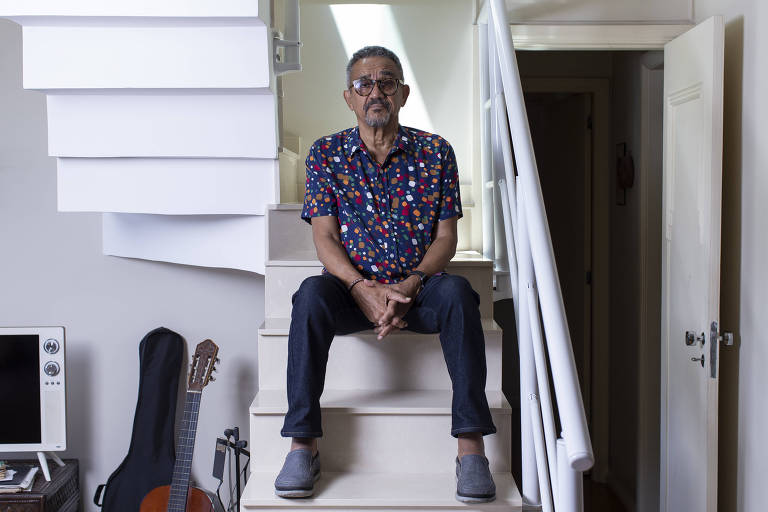
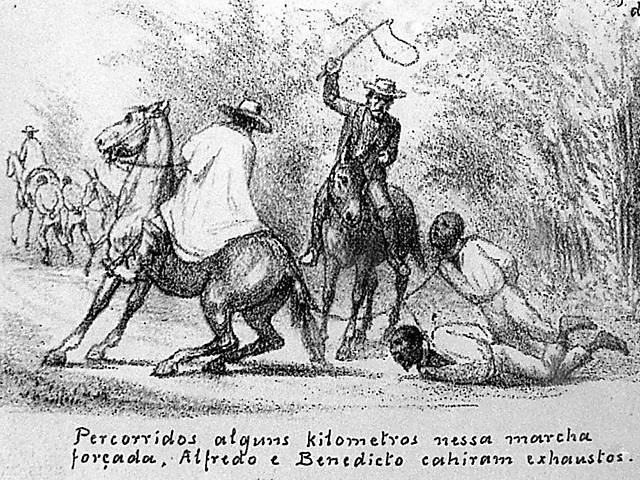
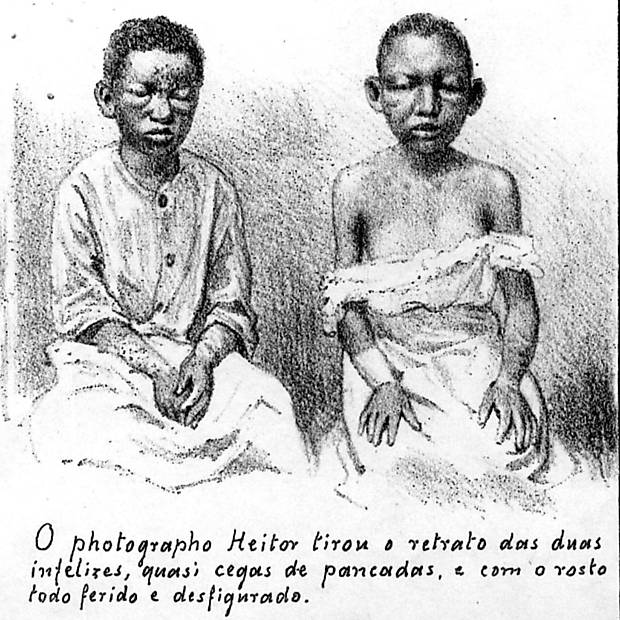
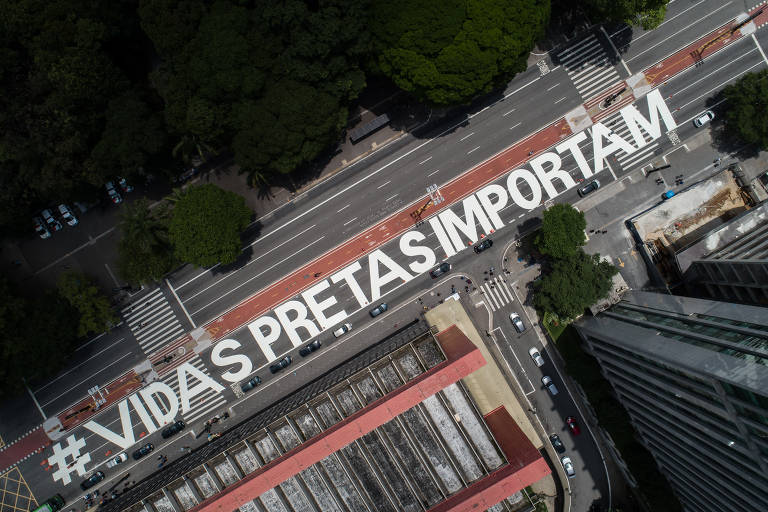
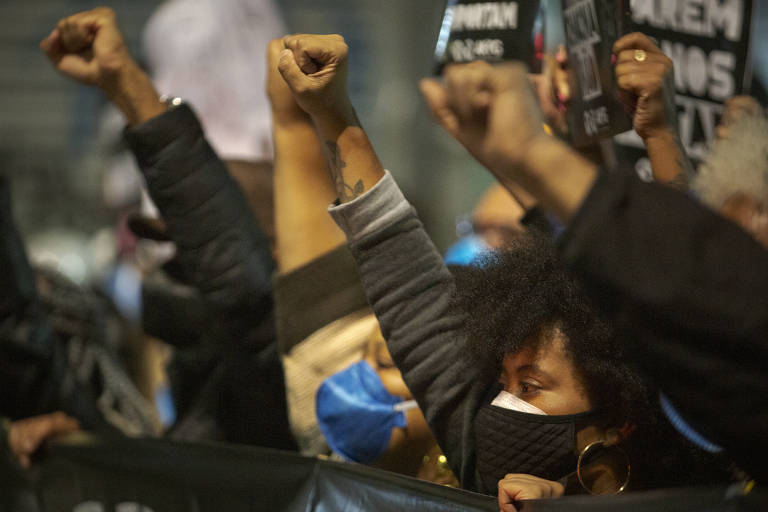

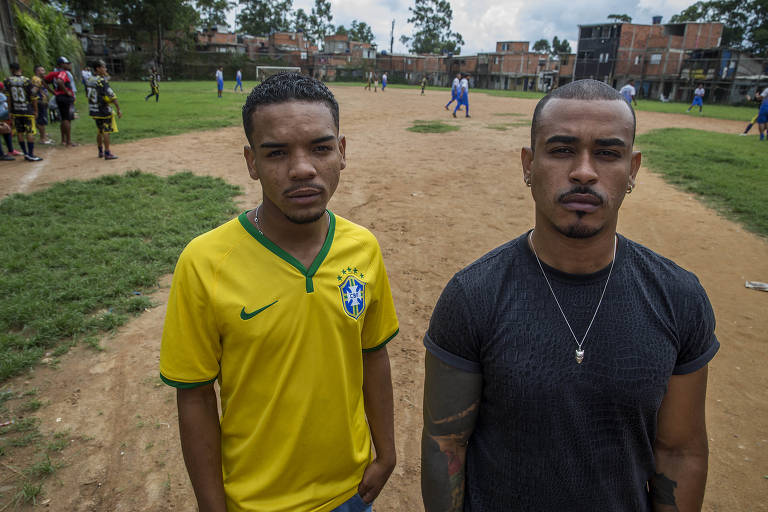
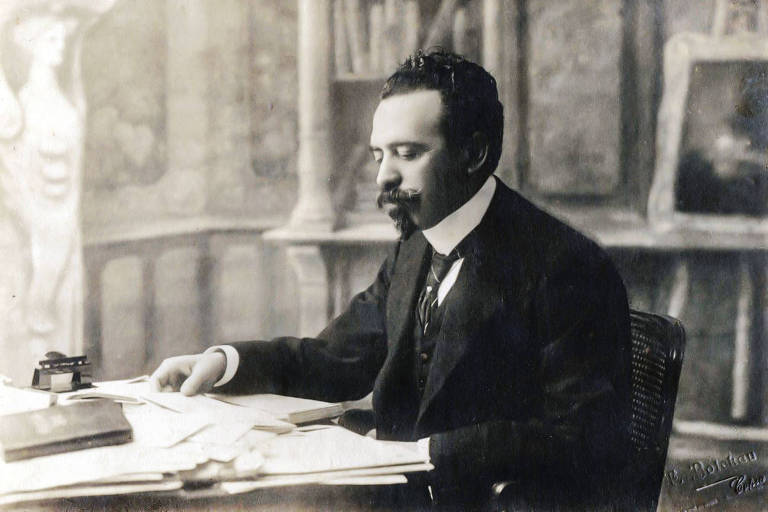
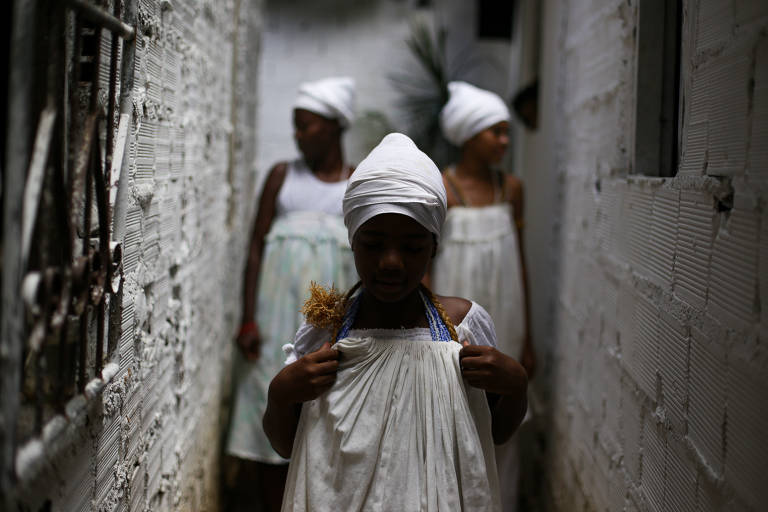
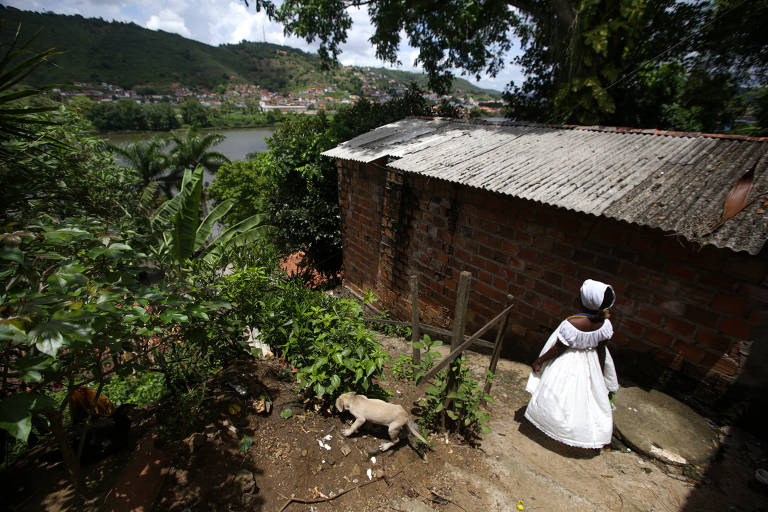


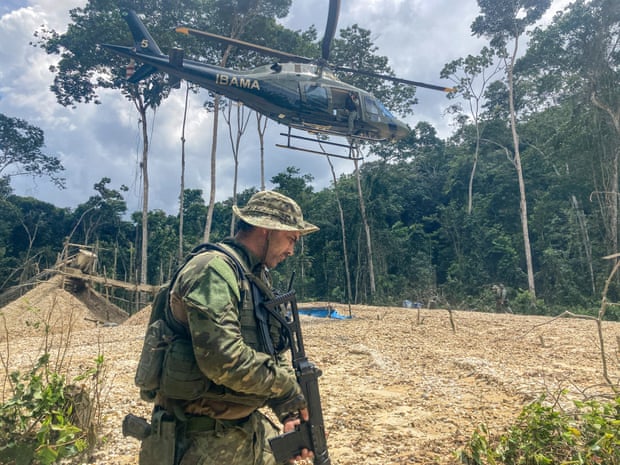

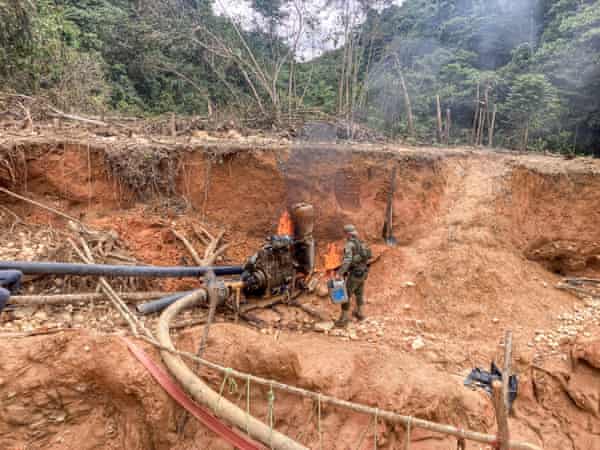
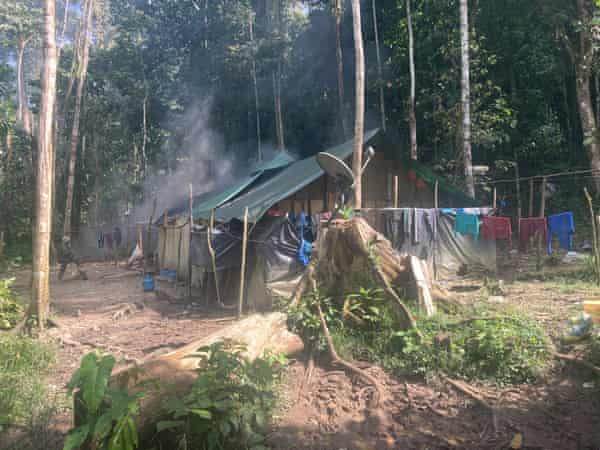
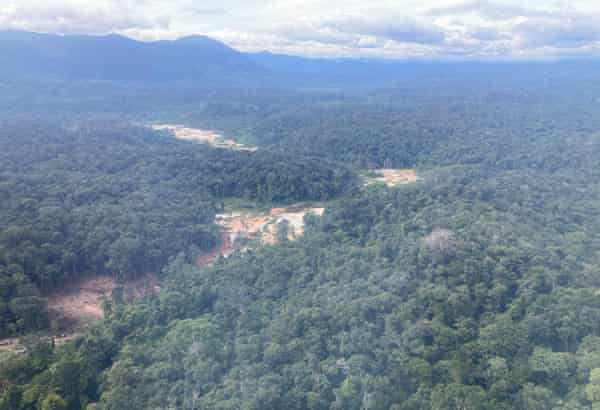
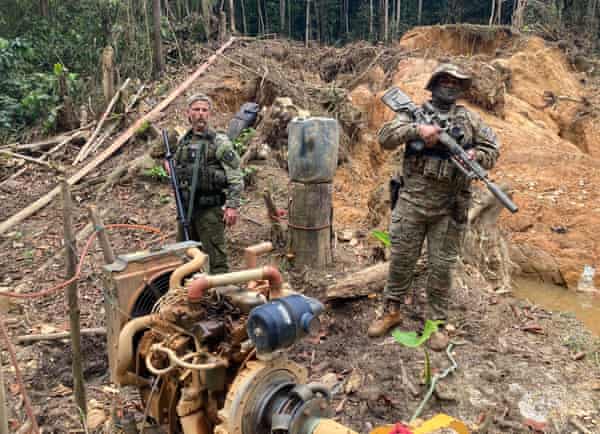
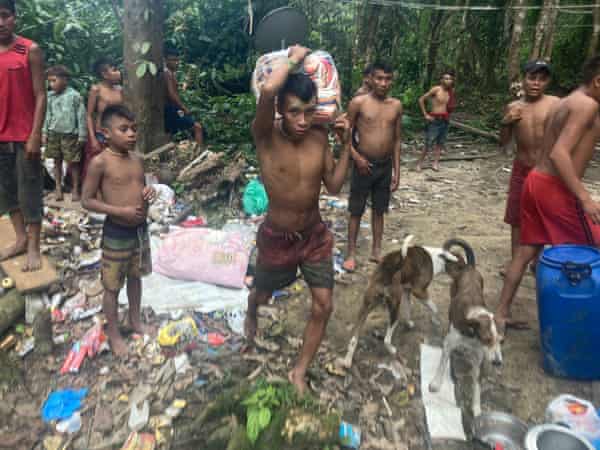
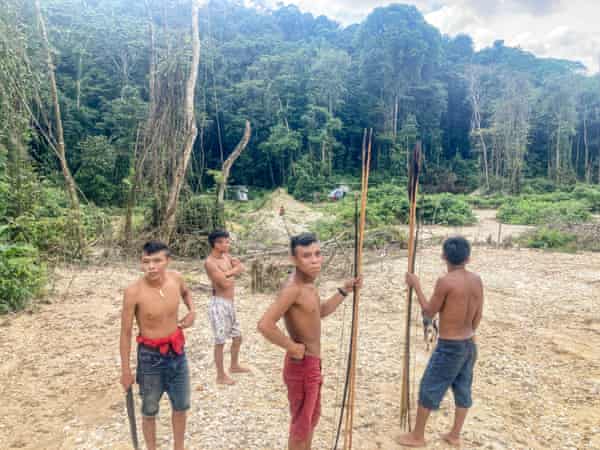

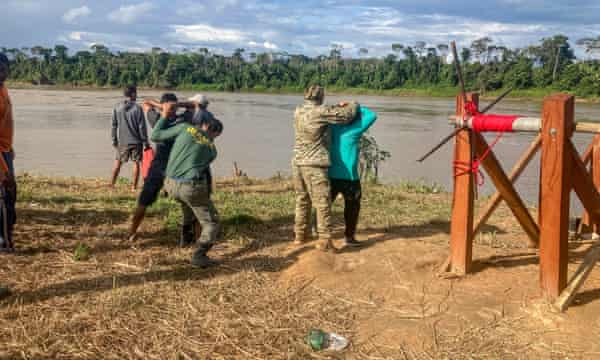

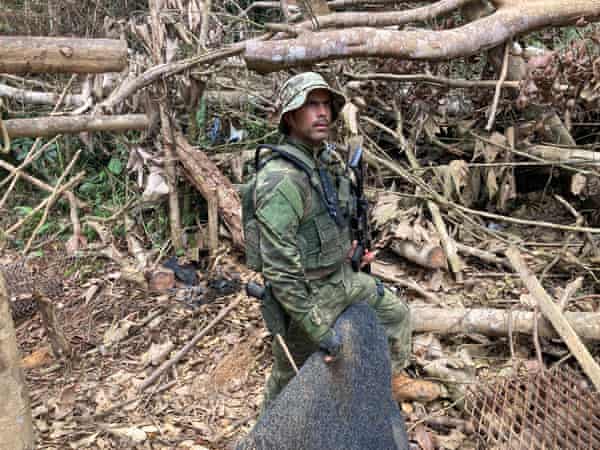


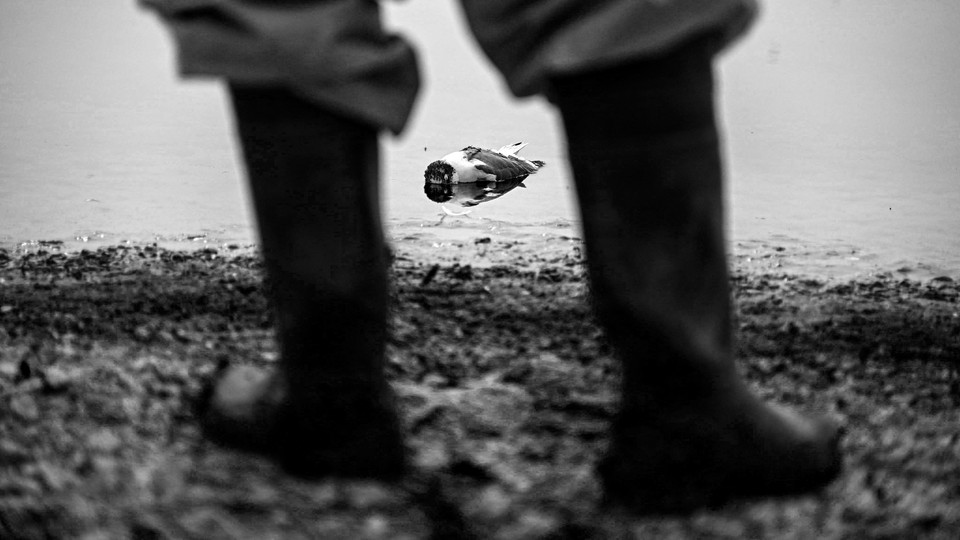
:quality(80)/cloudfront-us-east-1.images.arcpublishing.com/estadao/ANLWKYF7KBE2XBEMYB5S7HQHPM.jpg)


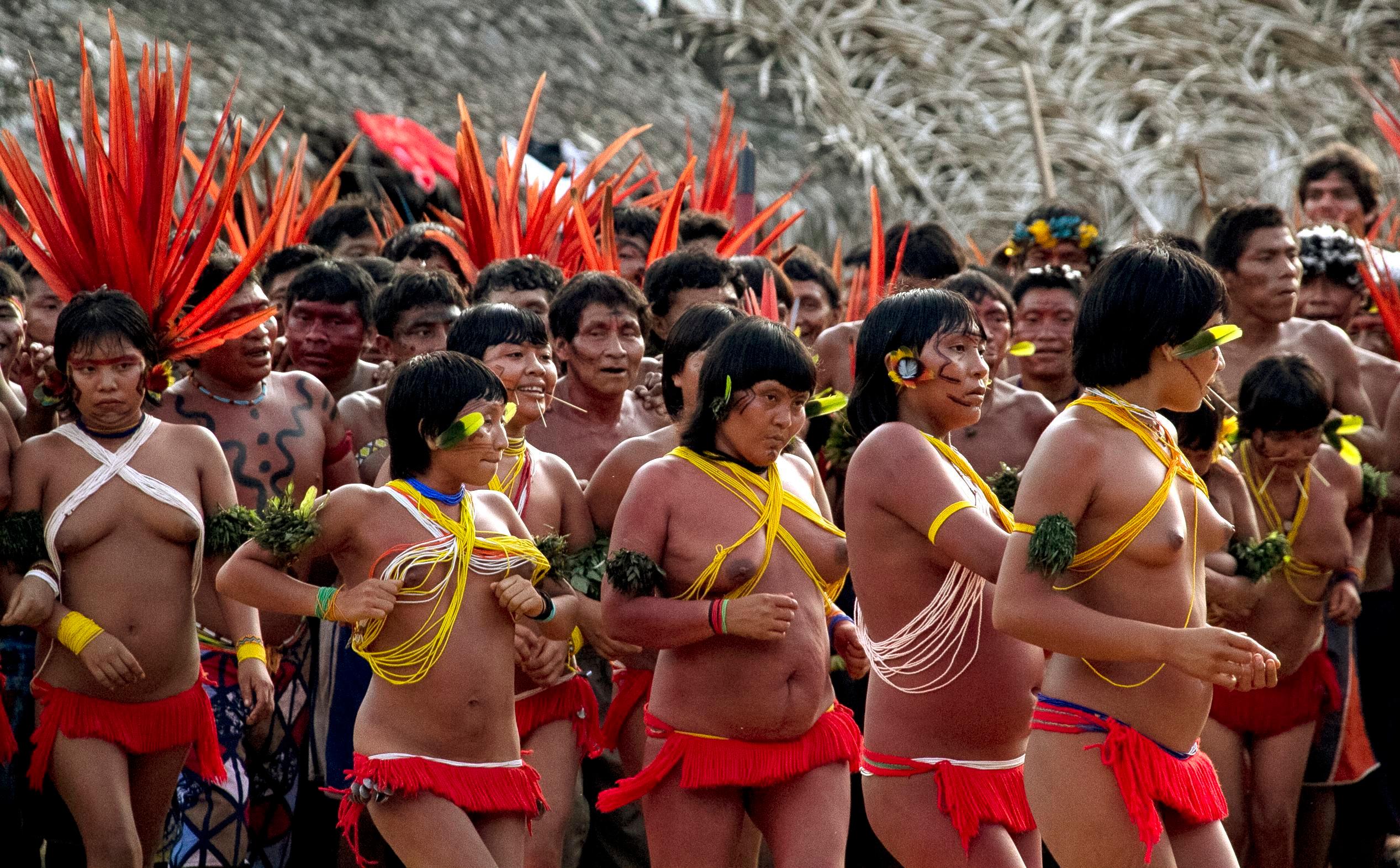

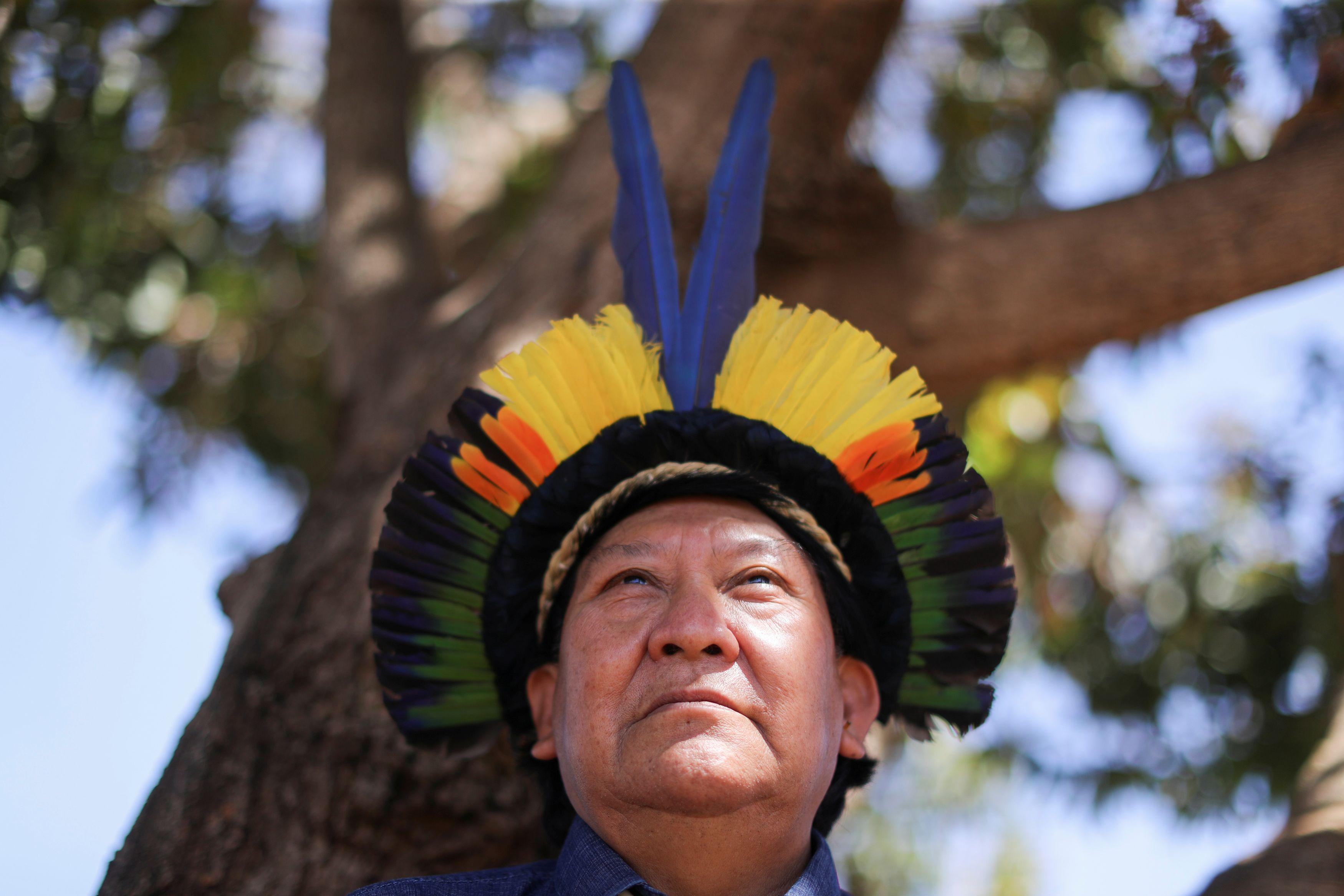








/i.s3.glbimg.com/v1/AUTH_da025474c0c44edd99332dddb09cabe8/internal_photos/bs/2022/b/m/VbHfteQPGuIM2lCcaN3w/55760565-medium-adelaide-scritori.jpg)


Você precisa fazer login para comentar.