Quantifying our lives is easier than it’s ever been. But a philosopher of games warns that external metrics and data can never capture what’s truly important.
Bryan Gardiner
June 19, 2026
There are plenty of useful things a metric can reveal. There are even more it can obscure or corrupt. It took me well over a decade of tracking my own life in ever greater detail to fully appreciate this duality, which probably reveals something about both me and the nature of measurement.
Like a lot of people bitten by the self-quantifying bug, I initially started gathering personal data to pursue a nebulous collection of goals and desires. As a sedentary technology journalist, I wanted to feel better physically and emotionally, to get outside more, and—where possible—to bring order to some of the messiness and uncertainty of my daily existence. These all seemed to be things that could be improved with the cool clarity of numbers.
Self-quantifiers often get stereotyped as obsessive self-optimizers (and many of them are), but my reasons for producing and collecting personal data were less about life-maxxing and more about life meaning—at least at first. As most people who know me will attest, I do not have now, nor have I ever possessed, a “productivity mindset.” I’m also not all that interested in life hacks, shortcuts, or new ways to compare myself with other people. Instead, what I wanted out of metrics—what I hoped I could divine from a never-ending stream of numbers about my health, work, and social life—was something more elusive: self-knowledge. This was my first mistake.
The idea that the more we know, the better is so profoundly embedded in our culture that it feels weird to even point it out. Since at least as far back as the Enlightenment, the primary way we’ve all agreed to go about knowing more has been through measurement and quantification. After all, more knowledge—more data—leads to better decisions, which leads to happier, more fulfilled people. Or so we’re told, and with increasing frequency in the era of AI.
When two Wired magazine editors, Gary Wolf and Kevin Kelly, coined the term “quantified self” in 2007 and helped launch the movement we are all now helplessly a part of, they were essentially selling this very idea. “Unless something can be measured, it cannot be improved,” wrote Kelly in an early blog post, doing his best impression of Lord Kelvin. “So we are on a quest to collect as many personal tools that will assist us in quantifiable measurement of ourselves.” Almost 20 years later, that quest is easier than ever thanks to a flood of devices, apps, and websites all designed to help us build our self-knowledge through numbers.
My first tool was a small, plastic clip-on Fitbit I started using in 2011. It did one thing: count the number of steps I took in a day. As a lifelong video game player, I was already well acquainted with the motivational power of simple scoring systems, and I hoped my new gadget would offer the gentle numerical nudge I thought I needed to step away from my Twitter feed and, if not touch grass, at least walk next to some. Walking also seemed to be one of the few times I had what could charitably be called intelligent ideas, which seemed like another promising by-product of doing more of it.
Alas, that was short-lived. I can’t tell you precisely when “getting out into nature more” or “thinking smarter thoughts” stopped mattering to me as goals, but I suspect it took no more than a few weeks. What I can say with certainty is that my initial goal of 6,000 daily steps quickly turned into 10,000, which then jumped to 15,000 and eventually settled at 20,000 for years. Stories about becoming a “steps guy” are clichéd at this point, and they’ve earned that status for a reason.
It didn’t take long for me to trade in pedometers for heart-rate monitors (I also started running), smartwatches, sleep-tracking rings, and an embarrassing number of macronutrient-tabulating apps. Outside the health and fitness realm, my early career as a journalist also happened to coincide with the rise of social media and web analytics tools like Chartbeat, which promised to further quantify difficult-to-measure aspects of my life, like “job success” and “impact,” by tracking things like page views, followers, retweets, likes, and all sorts of other attentional metrics that now carry great weight.
Metrics inevitably redefine your core sense of what’s important, whether you’re aware of the trap or not.
Ultimately, during the 10-plus years I diligently tracked my heart rate, steps, active calories, sleep, story engagement time, stress levels, and other metrics, I gained virtually nothing in terms of greater self-knowledge. (I suppose I did learn that I liked to make numbers go up and down, but who doesn’t?) The swirl of data that followed me everywhere did not lend additional meaning or insight to the way I relate to myself, my work, or the important people in my life. In fact, the more I used numerical proxies, the worse I felt about pretty much everything.
What I did learn were two important lessons about what happens when you try to quantify the minutiae of your life. First and foremost, whatever the amount of data you’re currently collecting about yourself, it will never feel sufficient. There’s always a new metric around the corner, a better way for a tracker to remix its readings and more accurately measure what’s “important”: heart rate variability, daily stress, exercise “readiness,” cardiovascular or “fitness” ages. Measurement begets more measurement. You can count on it.
The Score: How to Stop Playing Somebody Else’s Game
C. Thi Nguyen
The second lesson was less obvious but no less significant. The more personal or nuanced your goals are when you set off on your self-quantifying journey, the more likely it is you will ultimately replace them with some simplified metric or ranking. Want to become a better journalist? Why not use page views and leaderboards as a proxy for success? Enjoy cooking and want to improve? Foodie metrics dictate that more complicated recipes with longer ingredient lists are the answer. Even when we know that the value of good journalism isn’t reflected in how many people read a given story or that the joys of cooking are as much about improvisation and experimentation as about successfully following some complex recipe, it’s hard to resist the allure of a simple score or stat. Metrics inevitably redefine your core sense of what’s important, whether you’re aware of the trap or not.
Over the years, people have invented various terms to describe this phenomenon. In his recent book The Score: How to Stop Playing Somebody Else’s Game, the philosopher C. Thi Nguyen calls it “value capture.” Value capture happens, he says, when you adopt external sources of measurement and then let them rule you without adapting them to suit your life. “In value capture, you’re essentially outsourcing your values,” Nguyen writes. “You’re letting an external metric or ranking set what’s important for you.” Crucially, you’re also outsourcing the process of figuring out your own sense of meaning. It’s why my walks quickly shifted from feeling meditative to prioritizing miles.
Individuals, institutions, and indeed entire societies can fall prey to value capture. In fact, once you start noticing it, you start seeing it everywhere—in journalism, education, and business, but also in our food, our hobbies, and, yes, the way we measure our health and happiness. Here’s how Nguyen puts it:
Value capture happens when a restaurant stops caring about making good food and starts caring about maximizing its Yelp ratings. It happens when students stop caring about education and start caring about their GPA. It happens when scientists stop caring about finding truth and start caring about getting the biggest grants. It even happens in religion. A pastor recently told me that his church had become completely obsessed with baptism rates. The higher-ups had established an internal leaderboard in which the pastors competed on monthly baptism rates, and it was starting to dominate everybody’s attention. He’d found himself caring less about the long-term spiritual development of his flock and focusing more on trying to deliver popular sermons that would up his baptism rates and move him up that leaderboard.
At its core, The Score is trying to untangle a mystery that Nguyen, a specialist in the philosophy of games at the University of Utah, has been thinking about for a long time: Why is it that numbers and scoring systems in games can be the source of so much joy and fluidity and play, but public measures and institutional metrics (i.e., scores that apply to the real world) seem to drain the life out of everything and thrust us all into a bleak mindset of grinding optimization?
Porter, a historian of science who specializes in the social power of numbers, has spent his career looking at why quantification has become so dominant, not just in political and bureaucratic life but everywhere. One of his key insights about the inherent attractiveness of quantification, which he calls “a technology of distance,” is that it “minimizes the need for intimate knowledge and personal trust.” Put another way, metrics travel extremely well between different contexts and are easy to grasp and aggregate.
Whether it’s a student’s GPA or a country’s GDP, these measures are understood by pretty much everyone. But that understanding comes at a price, Porter reminds us: To arrive at a clear metric, you inevitably need to simplify what you’re attempting to measure, often jettisoning heaps of nuanced, qualitative, or open-ended information so that others can find the resulting number legible.
No one (hopefully) believes that a GPA captures in any meaningful way a student’s entire educational experience or aptitude for learning, but we’ve agreed to use it because more qualitative assessments are onerous to wade through and require expertise to decipher and compare. Ditto for the economic metric of GDP, which politicians and societies are now compelled to drive higher and higher because a group of economists once concluded that this figure correlates with general economic well-being.
This is the essential tension at the heart of all data, argues Nguyen. Any institutional quantification, he says, requires that the evaluation procedure and its product be comprehensible across contexts. That profoundly limits what the metric can actually measure. “In value capture, you’re ultimately taking that decontextualized nugget and internalizing it,” he writes. “You’re guiding your life using an evaluative technology that has been engineered to travel between contexts, by stripping it of nuance.”
Every so often I’ll find myself in friendly debate with a “numbers person”—a statistician, an economist, or a friend who’s still a committed self-quantifier. After patiently listening to my measurement-gone-awry examples—the disastrous attempt to quantify pain as “the fifth vital sign” in the mid-1990s (which exacerbated the opioid epidemic), or any of the countless examples of the McNamara fallacy, where decisions in academia, medicine, and politics are based solely on what’s easily measured—many will insist that I’m misunderstanding or misinterpreting the whole point of measuring. Metrics, they’ll say, are simply a means, and the important questions concern the ends for which they are used. In other words, these unfortunate outcomes amount to user error, not something inherently dangerous or misleading about the nature of measurement.
At some point during these conversations, Goodhart’s Law will invariably come up, usually as an explanation the metrics-minded deploy for why the ends get all mucked up. The principle, which is attributed to the British economist Charles Goodhart, is often expressed as the following: “When a measure becomes a target, it ceases to be a good measure.” I have a profound dislike for Goodhart’s Law, not because I think it’s untrue, but rather for the way it gets interpreted.
As Nguyen notes, Goodhart’s Law says very little about why metrics fail to capture what’s important—or what to do about it. Find better measures, some will conclude. Don’t let metrics become targets, others will insist. These are not helpful takeaways. All measurements, I would argue, are in fact targets, whether you intend them to be or not. Metrics inevitably present one direction or option as better, Nguyen writes in The Score—“longer lifespans, faster student graduation rates, more page views, higher customer satisfaction scores.” What people are talking about when they bring up Goodhart’s Law isn’t human error; it’s actually a fundamental problem with measurement itself.
I want to be clear here: Measurement can and does serve a number of vital functions. It has in a very literal sense made the modern world possible, with all its life-saving, suffering-reducing, and awe-inspiring scientific breakthroughs. When used with care and diligence, metrics can make our progress (or lack of it) clearer and more transparent. Are we decreasing carbon dioxide emissions or not? They can also introduce accountability into formerly opaque systems, such as by measuring whether a company is complying with state and federal regulations. They can even make us more objective, reduce biases, and galvanize us to act.
But as Nguyen points out throughout The Score, the fundamental weakness of metrics comes when we use them to pursue subtler, more personal goals. What I think many of us miss—what I know I certainly missed—is that there are always trade-offs when you try to distill something important down to a data point. When we turn to metrics to understand ourselves, our social world, and culture as a whole, they will never come close to capturing what matters. Even worse, they’ll often actively obscure it.
Today, I find that numbers have very little to offer when it comes to my daily work, my physical or mental fitness, my relationships, or any other part of my life I consider important. Granted, I’m lucky enough to be in relatively good health at the moment. I don’t have to track my glucose levels or monitor my blood pressure. As a freelance writer, I also have the luxury of not having numbers foisted on me in the form of key performance indicators (KPIs), objectives and key results (OKRs), or any of the endless quantitative evaluations that come baked into pretty much every corporate and gig economy job.
Still, in a very real sense, there is no escaping metrics or, especially, the logic that accompanies them. Knowing has become numeric, and we all live in a world that increasingly sees us as a collection of numbers—as “data subjects.” The first and most urgent challenge, I’d suggest, is finding a way to keep us from seeing ourselves and each other that way.
This won’t be easy. As Porter, Nguyen, and countless other philosophers, anthropologists, and historians have already observed, the language of numbers is largely how we ascribe value today—as well as how we digest and metabolize our relationships to ourselves, to others, and to the world around us. Indeed, many of us have accepted not only that metrics have a natural existence in human affairs but that there are in fact no aspects of human life that cannot be somehow translated into data.
Knowing has become numeric, and we all live in a world that increasingly sees us as a collection of numbers— as “data subjects.”
So how do we push back? Nguyen’s book offers a useful first step. As he notes again and again in The Score, believing that numbers say something real or useful about human needs and desires gives them power. We can, at the very least, start to seriously question that belief, to ask what meaning and pleasure we might be giving up in pursuit of a metric.
Doing so will hopefully lead to another realization: that playing the numbers game is ultimately a losing proposition for humans. If we insist on expressing our worth through attentional metrics and productivity scores, if we continue to turn intelligence and creativity into a series of benchmarks for AI to surpass, we’ve already lost. Of course machines will surpass us in a world built around metrics. That is literally what we create them to do. The answer is not to turn ourselves into machines too.
If there’s one thing that keeps me up at night, it is that we’ve become so accustomed to seeing and understanding the larger world and ourselves through numbers that it has deprived us of the language to express what’s fundamental and valuable about our own humanity. We need this ability now more than ever, especially if we’re going to adequately answer two of the most important questions of our era: What are humans for? And what is AI for?
As part of my own attempts to disentangle myself from a life of numbers—efforts that started shortly before covid—I’ve abandoned most of the tools of measurement I spent a decade collecting. I’ve largely given up on social media. I stopped using apps to track my health and well-being. The watch I currently wear tells me the time and the date and nothing else.
In fact, the only holdover from my days of obsessive self-quantification is a dogmatic devotion to walking—without all the step counting, of course. These days, I walk when I’m feeling disillusioned or overwhelmed; I walk when I can’t figure out how to finish an essay; I also walk because I enjoy spending time outdoors with my dog and catching up on the details of my neighbors’ lives. The benefits of pursuing this daily activity are as clear and obvious to me as anything could be in life. I just can’t express them in a number.
Bryan Gardiner is a writer based in Oakland, California.
The heatwave scorching western Europe is the most severe and widespread ever and is only possible due to the climate crisis driven by fossil fuel burning, scientists have said.
Almost half of Europe’s 850 largest cities are also enduring their worst ever heat stress, a combination of temperature and humidity, they found. Muggier conditions mean sweating is less effective at cooling the body, making heatwaves even more dangerous.
The analysis comes as the UK recorded its hottest ever June temperature on Thursday, 36.7C (98.06F) in Somerset, and much of western Europe recorded a sharp rise in medical emergencies, including some deaths.
In summer 2022, more than 60,000 people died due to heat in Europe. The statistical analysis needed to assess the impact of the current heatwave will take time to complete. Nonetheless, the heatwave is certain to exact a heavy toll and is also disrupting lives and livelihoods, with schools closed, hospitals struggling and rail and air journeys cancelled across the continent.
The new analysis by scientists from the World Weather Attribution (WWA) consortium shows how rapidly extreme heat is worsening as carbon pollution continues to pile up in the atmosphere. As recently as 2003, a heatwave like the current one in Europe would have been 2C cooler due to the lower level of global heating at the time. In 1976, another famous heatwave year, it would have been 3.5C cooler.
The sweltering night-time temperatures currently harming people’s sleep are about 100 times more likely today than in 2003. The scientists warned that without urgent climate action, future heat conditions would get even more extreme and the current summer could seem relatively cool in retrospect.
“This is the most severe and widespread heatwave to have ever affected this large a region of Europe,” said Dr Theodore Keeping, an extreme weather research associate at Imperial College London and part of the WWA team. “We found that in the last 50 years, during which time the planet has warmed by 1.1C, the chance of a heatwave like this has changed immensely. This event would not have been possible in June without climate change. But do we expect this to be a cool summer going forward? That’s absolutely the case.”
He said many capital cities were experiencing not only their hottest recorded three-day period in June but the hottest three-day period at any time of year. At least 100 million people in Europe were expected to face temperatures above 35C on Thursday.
The scientists used wet bulb globe temperatures to assess the additional impact of high humidity. “It accounts for the ability of the human body to cool itself down. With the worst conditions ever experienced in 45% of cities over 50,000 people, the health impacts of this heatwave are likely to be extremely high,” Keeping said. “The speed of change is startling.”
Commenting on the WWA analysis, Simon Stiell, the UN’s climate chief, said: “Climate change is running rampant, caused by the world’s addiction to burning coal, oil and gas. But the solutions are equally clear: a faster shift to clean energy – which is now much cheaper than fossil fuels – as well as protecting forests and building climate resilience.”
The WWA team used both observed and reliable forecast temperature data to analyse the hottest three-day period across a large area of western Europe, which is sitting under a “heat dome”. Using peer-reviewed methods, they found unequivocally that climate change was the driving force behind the severity of the heat.
They ruled out natural variability of the weather, in particular any influence from the El Niño event that has begun in the Pacific Ocean. The current weather pattern, a blocked high-pressure system trapping hot air over Europe and drawing warm air up from the Sahara, is not unusual in summer, the scientists said. Instead, the level of heat has been supercharged by global heating.
Carolina Pereira Marghidan, of the Red Cross Red Crescent Climate Centre, said: “After the devastating 2003 heatwave in Europe, many countries invested in early warning systems and action plans. Research shows that those have saved many lives, but it’s not enough.”
Heatwave Britain must do more to prepare for this scorching new normal (The Independent)
Editorial: As the UK swelters and June temperature records tumble, the government must redouble its investment in resilience policies that meet the future rather than ignore it
The “red alerts” issued by the Meteorological Office are rare, serious, and speak just as much to the climate crisis facing planet Earth as they do to the immediate risks to human health in Britain.
Perhaps it is the heat making the more vocal climate-change deniers dismiss the sweltering evidence before them, but against the backdrop of these record-breaking temperatures, their claims that “it’s just weather” appear in the worst of taste, and dangerous with it.
Temperatures approaching 40C in June are not normal. But they are increasingly frequent. So are extraordinarily wet winters. The reality of climate change from global warming, and the danger that it will accelerate into an unpredictable and catastrophic cycle by the middle of the century, should be treated with the urgency the moment demands.
In countries such as Britain, built on the perfectly natural presumption of a permanently temperate climate, there is an all too obvious need to increase resilience, from railway tracks to the foundations of buildings and flood defences.
A few years ago, this position was common ground. During his recent, almost valedictory appearance at Prime Minister’s Questions, Sir Keir Starmer bemoaned the loss of national purpose in restraining greenhouse gas emissions and pursuing the target of a net zero UK economy by 2050. After all, for all his fatal flaws, Boris Johnson accepted the science and the need for action at successive Cop summits, and it was Theresa May who put the net zero target into law.
Now Kemi Badenoch calls herself a “net zero sceptic” – rather too close to flat-Earthism for a serious politician. Still worse is the fracturing of the international consensus by an anti-science elite: Donald Trump’s inexplicable insistence that climate change is a “hoax” will be his true legacy to future generations.
Under the pressure of the cost of living crisis, strained public finances, and the frankly malign influence of the fossil-fuel lobby on British politics, the public and politicians alike have found more immediate, quotidian matters to fret about. This approach is perfectly understandable, but deeply flawed. Climate change, with its costly consequences for every nation and every human being, is an inconvenient truth, and an issue that should transcend all others.
In fact, humanity cannot afford to ignore the fact that renewable sources – alongside a role for nuclear power – can produce cheap, plentiful and clean energy. They will have to be adopted in any case, because fossil fuels are a finite resource, carry unacceptable geopolitical risks, and will so alter life on Earth as to render it almost unrecognisable, just as the weather is now. The drive to net zero is not a burden or an obstacle to higher standards of living, but the way to achieve hitherto unknown prosperity – especially if the voracious appetite for energy of the AI data centres can be satisfied without engendering irreversible climate change.
Paying for the massive investment in green power has always been the issue, but rarely is it set against the cost of doing nothing – crop failure, buildings collapsing from subsidence, increased incidence of earthquakes, hurricanes and floods, widespread disruption to transport and industry, and the flows of humans that will inevitably follow from the desertification of sub-Saharan Africa and water shortages across the equatorial regions.
What would the loss of pollinating insects and the rainforests do to our way of life? We know that it would not be cheap, or even possible, to fix.
Even if it is practically impossible to reverse climate change, we can still limit it. Some imaginative solutions will need to be found. How, for example, to discourage people from installing central heating systems – the wrong kind of resilience when powered in part by burning natural gas, thus creating a vicious cycle.
Could we reform school term times, which still revolve around the long-gone need to get the harvest in? Are there novel ways to bolster flood defences, both at the riverside and at the coast? Can we mandate the installation of new railway tracks that are less susceptible to buckling? What can the insurance sector do to help people affected by subsidence – especially as the UK has such an old housing stock? Must we shut motorways for hours after an accident, when people then have little access to water and shade?
The prime minister is right to have set up Cobra meetings to monitor the situation, but he, or more likely his successor, should also work on the ways in which we can protect lives – and the economy – from a hotter, damper future. And of course, the drive for net zero has to go on, because doing nothing cannot be an option.
“Esta é a onda de calor mais intensa e abrangente que já atingiu essa ampla região da Europa.” Theodore Keeping, pesquisador associado do Imperial College, deixa os números de lado ao explicar a jornalistas o que ocorre nesta semana na Europa. A mudança climática criou um evento virtualmente impossível há 50 anos.
Essas e outras conclusões constam de estudo publicado nesta sexta-feira (26) pelo WWA (World Weather Attribution), consórcio de cientistas liderados pela instituição londrina que verifica a responsabilidade da mudança climática em eventos extremos.
“Nos últimos 50 anos, o planeta aqueceu 1,1°C. Nesse período, a probabilidade de uma onda de calor como essa mudou imensamente. Esse evento não teria sido possível [na Europa] em um mês de junho sem as mudanças climáticas”, diz Keeping. “As temperaturas noturnas registradas não teriam sido possíveis em nenhuma época do ano sem as mudanças climáticas”, reitera.
Parisienses nadam no canal de Saint-Martin, em Paris, na noite de quinta-feira (25); a liberação de banho no local foi antecipada em razão da onda de calor recorde que assola a Europa nesta semana – Ludovic Marin/AFP
A responsabilidade pela crise do clima, mostra a ciência, reside sobretudo na queima de carvão, petróleo e gás. Ou, como diz Simon Stiell, chefe do clima na ONU, no “vício mundial” pela energia suja, mais cara do que as alternativas renováveis.
A probabilidade de que temperaturas máximas diárias como as desta semana ocorram durante três dias seguidos em qualquer época do ano aumentou mais de 500 vezes, calcula o estudo.
Na quinta-feira (25), a França registrou pelo terceiro dia consecutivo seu dia mais quente da história; a Météo-France informou que também a noite francesa foi a mais quente já registrada.
Duas estações nucleares foram desligadas no país devido ao aquecimento excessivo da água de rio utilizada para refrigerar os reatores.
As chamadas noites tropicais, quase uma rotina desde o fim de semana no Reino Unido, Espanha e na própria França, já alcançam Alemanha, Áustria e Itália. Quando os termômetros se mantêm acima dos 20°C no período noturno, o resfriamento do solo não ocorre e projeta um dia ainda mais quente na manhã seguinte.
A condição climática é considerada grave pela OMM (Organização Mundial de Meteorologia) por impedir a recuperação do corpo humano após um dia de esforço combatendo o calor. Provoca fadiga e doenças relacionadas ao calor, especialmente em crianças, idosos e portadores de comorbidades.
Apenas 20% das edificações na Europa têm ar condicionado. No Reino Unido, o número está perto de 5%. “Muitas residências, escolas e sistemas de transporte, bem como outras infraestruturas essenciais, foram projetadas para um clima mais frio, especialmente no noroeste do continente”, afirma Carolina Pereira Marghidan, do Centro de Clima da Cruz Vermelha Crescente Vermelho, que também participa do estudo do WWA.
A situação é diferente de 2003, quando uma onda de calor histórica matou mais de 70 mil pessoas no continente, grande parte idosos. “Muitos países investiram em sistemas de alerta precoce e planos de ação. Pesquisas mostram que essas medidas salvaram muitas vidas nas últimas décadas. A conscientização também cresceu muito, tudo isso é importante, mas não suficiente”, diz a pesquisadora.
Em entrevista ao jornal Le Monde, o prefeito de Paris, Emmanuel Grégoire, usou as escolas da cidade como exemplo para o tamanho da tarefa: com apenas 200 de 600 prédios adaptados ao calor, mesmo que existisse dinheiro para reformar tudo não haveria prestadores de serviço suficientes para terminar a tarefa em poucos anos.
“Para nos adaptarmos, precisamos mudar o ritmo de nossas vidas.”
Segundo o estudo do WWA, 45% de 854 cidades analisadas em 30 países europeus já bateram ou devem bater em junho marcas históricas de Índice de Bulbo Úmido Termômetro de Globo. O IBUTG, amplamente divulgado pela sigla em inglês (WBGT), é uma medida do estresse térmico e da capacidade do corpo de se resfriar por meio da evaporação do suor.
A combinação de calor intenso e umidade é perigosa, dizem os especialistas. Quando o corpo sua, o intuito é resfriá-lo. Com a umidade, o mecanismo perde eficácia.
A análise também compara o planeta atual, com 1,4°C de aquecimento global em comparação aos níveis pré-industriais, com aquele que testemunhou ondas de calor marcantes não apenas em 2003, como também em 1976.
Há 50 anos, um evento como o atual seria 3,5°C mais frio; há 23 anos, a ocorrência de noites tropicais como a desta semana seriam 100 vezes menos prováveis. E não dá para colocar a culpa no El Niño, condição climática que exacerba a ocorrência de secas e de chuvas extremas. O estudo afasta essa possibilidade.
“Sim, é a mudança climática; sim, a culpa é nossa; não, não é o El Niño. Sim, temos as soluções; não, não estamos colocando-as em prática com a rapidez necessária”, resume Friederike Otto, professora de Ciência do Clima do Imperial College.
“A questão é realmente que tipo de futuro queremos.”
A chegada do El Niño já faz as seguradoras calcularem os impactos do fenômeno e se prepararem para um pico de indenizações. O setor residencial espera aumento de prejuízos ligados a chuvas, enquanto a seca deve elevar os acionamentos de apólices rurais.
O El Niño é o aquecimento das águas do oceano Pacífico, que altera o clima do planeta. A Administração Nacional Oceânica e Atmosférica dos Estados Unidos confirmou o início do fenômeno no dia 11, com previsão de 63% de alcançar um nível muito forte de novembro a janeiro. A alta nas temperaturas globais tende a ampliar seus efeitos.
“Tudo indica que os maiores impactos nas carteiras de seguro residencial e patrimonial, como empresas e condomínios, serão na primavera, principalmente a partir de setembro e outubro”, diz Jarbas Medeiros, presidente da comissão de riscos patrimoniais massificados da FenSeg (Federação Nacional de Seguros Gerais).
Carros no pátio do Detran de Porto Alegre cobertos pelas águas da inundação do lago Guaíba – Bruno Santos – 19.mai.24/Folhapress
O cálculo do prejuízo depende das características de cada seguradora e da preparação das cidades atingidas, mas há clareza no setor residencial de que os maiores danos serão no Sul, onde chuvas fortes podem se tornar mais frequentes. No Norte e Centro-Oeste, o El Niño deve trazer mais seca e aumentar o risco de quebras de safra no agronegócio.
“Sabemos que podem acontecer eventos mais catastróficos em algumas regiões, e as seguradoras já começam a acompanhar isso muito de perto e a preparar suas estruturas, porque montamos uma força-tarefa para atendimento aos clientes em eventos extremos”, afirma Medeiros.
A última estimativa da FenSeg, de 2021, indicou que menos de 1% das residências do país tinha cobertura contra danos causados por alagamentos. Dados mais recentes das seguradoras apontam que a procura pela proteção aumentou, principalmente após o desastre no Rio Grande do Sul em 2024, mas os números ainda são baixos.
Sain’t Clair Lima, diretor de produtos da Bradesco Seguros, diz que de 4% a 6% das apólices residenciais da empresa cobrem inundações. A situação varia conforme a região: no Sul, a cobertura é de 6% a 7%.
“Se as previsões se confirmarem, deve ter aumento de pelo menos dois dígitos em relação à frequência de sinistros”, afirma Lima. Os sinistros são as ocasiões em que clientes sofrem danos e precisam acionar a seguradora para receber indenização.
Medeiros, que também atua como diretor de ramos elementares e vida na Porto Seguro, afirma que somente 3% das apólices residenciais da empresa incluem inundações. A cobertura alcança 50% para vendavais e 80% para danos elétricos devido a cortes de energia.
Segundo ele, dez seguradoras oferecem a proteção para alagamentos atualmente no Brasil, contra apenas três na época do desastre gaúcho.
“Embora essa seja uma cobertura bastante desafiadora do ponto de vista de subscrição e precificação, o mercado trabalha para ampliar a oferta, para que o cliente encontre nas seguradoras uma possibilidade de se proteger contra os eventos extremos”, diz.
Sinistros em condomínios e empresas também devem aumentar, e Medeiros afirma que a proteção contra alagamento nessas categorias não passa de 5% das carteiras.
De acordo com o diretor, 29% da receita com seguros residenciais da Porto Seguro vêm de coberturas de eventos climáticos, incluindo alagamento, vendaval e dano elétrico. Porém, 48% do valor pago em indenizações se deve a essas ocorrências, taxa superior ao montante indenizado por furtos ou roubos.
“Claramente são coberturas que trazem risco para a companhia, porque a proporção entre indenização e pagamento é maior”, afirma. “As pessoas têm medo de ser roubadas, de sair de férias e, quando voltar, ver que a casa foi arrombada. Mas, muitas vezes, não passa na cabeça que o que mais causa prejuízo é o evento climático”.
Adilson Lavrador, diretor-executivo de operações, sinistros e tecnologia da Tokio Marine, diz que a companhia acompanha as informações sobre o El Niño e que fenômenos climáticos podem impactar praticamente todo o ecossistema de seguros.
“Em cenários de enchentes severas, chuvas intensas e vendavais, os ramos de seguros patrimoniais, de automóvel e agrícola tendem a registrar elevação nas ocorrências”, afirma. “Em situações extremas, também impactam o seguro de vida”.
No agronegócio, os números mostram uma queda no valor pago pelos clientes às seguradoras. Daniel Nascimento, presidente da comissão de seguro rural da FenSeg, afirma que houve uma retração de 7% no valor do prêmio no primeiro trimestre de 2026, em relação ao mesmo período de 2025.
O setor também registra redução na área de lavouras protegidas: 3,2 milhões de hectares estavam segurados em 2025, menos da metade dos 7,1 milhões de hectares do ano anterior.
“As seguradoras vêm acompanhando de perto o El Niño e fazem um planejamento de vendas para não expor muito seu capital”, diz. “Nosso maior desafio é que o produtor não espere o próximo evento impactar a sua região [para contratar a proteção]”.
Lima, da Bradesco Seguros, afirma que os prejuízos do agro com eventuais perdas de safra não poderão ser totalmente compensados: “Por mais que o seguro consiga recompor de alguma forma a perda financeira, há uma preocupação com todo o ecossistema, principalmente o financeiro, porque vai faltar alimento no mercado e gerar inflação”.
It’s been hot in London this week. Really hot. A dangerous heat wave has hit Western Europe. Yesterday, the UK recorded its highest ever June temperature at 36.1 °C (about 97 °F). But as the weather app on my phone confirmed, it felt like 39 °C.
It’s frightening that we are seeing such temperatures in the UK in June. According to the Met Office, the country’s national weather and climate service, June temperatures peaked at an average 19 °C (66 °F) in England between 1991 and 2020. Across Europe, the heat wave is likely to cause thousands of deaths. There will be other awful consequences for agriculture, infrastructure, and the health system.
But this week I want to look at what the heat does to our minds and brains. Personally, I’ve found it almost impossible to think straight. The heat is distracting and my mind is foggy. I dread to think about the conditions of people who work outdoors, in even hotter regions.
It’s not just exhaustion and confusion. The effects of heat on the brain can be deadly. And researchers are still trying to figure out why.
Studies have confirmed that as temperatures rise, people seem to get more irritable and more violent. Most of these studies are based on associations, though. It’s difficult to directly study how a heat wave might affect our thinking, says Catherine Thompson, a cognitive psychologist at Liverpool Hope University.
She has been studying the effects of extreme heat on firefighters instead. It’s easier to measure people’s cognitive skills before and after they undergo scheduled training that involves entering a burning building.
It’s early days, but the team found that firefighters found it harder to focus and control their attention immediately after heat exposure—something people in heat waves can empathize with, I’m sure.
The firefighters’ skills returned to normal after 20 minutes or so of cooling down. But they’d experienced just 15 minutes of intense heat exposure. Thompson doesn’t know what the effects of living through a days-long heat wave might be—or how long they’ll last. Figuring that out might involve shipping cognitive test kits to thousands of people during the few days’ notice of an impending heat wave. “My guess [is] that no one’s done it because it’s just so difficult to do,” says Thompson.
Still, researchers can learn about some of the impacts of heat waves through studies after the fact. And those studies suggest that the heat seems to have more disastrous outcomes for people with mental-health disorders.
Those outcomes become apparent when temperatures rise above what is considered typical for a given region. “There seems to be a correlation where the hotter it gets, especially during the hottest times of the year, the worse the mental-health outcomes,” says Joshua Wortzel, who directs the Heat-Mind Lab at Hartford HealthCare in Connecticut.
In a study published in 2023, Emma Lawrence at the University of Oxford, who studies the effect of climate change on mental health, and her colleagues reviewed the evidence linking mental-health outcomes to ambient outdoor temperatures. They found that during heat waves, there was a 9.7% increase in the rate of hospital admissions for people with such conditions.
“People who live with mental-health conditions are among the most susceptible to the physical impacts of heat,” says Lawrence. People with schizophrenia were found to have been three times more likely to die during the record-breaking heat wave that affected Canada in 2021, for example.
In order to protect people, we need a better understanding of the mechanisms underlying these effects. After all, a lot of things change when it’s very, very hot. Some people may end up stuck indoors, avoiding outdoor play and exercise, and it can be difficult to get a good night of sleep, for example. Sleep, socializing, and exercise are all really important for our mental health.
But whether unusual heat does something specific to our brains is, as Wortzel puts it, “the million-dollar question.”
Research in lab animals suggests that excessive heat can alter the way chemical signals work in our brain. The levels of neurotransmitters like serotonin, for example, seem to increase when rats and mice are exposed to high temperatures, according to multiple studies. The heat may also interfere with the way networks in our brains communicate with each other. It might affect the way oxygen reaches our brain cells.
“There are so many biological reasons why brains may be negatively affected by heat,” says Wortzel.
Emerging research suggests that for whatever reason, children and young people are among the most vulnerable. In research published earlier this week, Wortzel and his colleagues saw a 2.97% increase in the suicide rate among people in the US aged 15 to 24 for every 1 °C increase in average monthly temperature. That’s more than double the increase seen in people over the age of 24 (which is concerning in its own right).
Other work hints that heat exposure might have long-term consequences for children’s brain development. Babies who were exposed to either extreme heat or cold appeared to have altered white matter by the time they were nine to 12 years old—although it’s not clear how these impacts might affect an individual child.
“It seems that extreme temperature exposure for very young children may affect their brain development,” says Lawrence, who spoke to me from Oxford. She was meant to be in London for Climate Action Week, but her event, which focused on extreme heat, ended up being canceled … owing to the extreme heat.
We are living through the effects of climate change. And that brings a new urgency to the question of how heat affects our brains. Children born in 2020 are predicted to experience around seven times the number of heat waves their grandparents did, says Lawrance. “[We] need to be serious about adapting to a warming world.”
Aseries in the Guardian recently declared “it’s time to talk about geoengineering.” So let’s talk about it. And let us start with some simple truths about this cluster of techno-optimistic “quick fixes” which purport to somehow offset our slow progress towards zeroing out planet-warming carbon emissions.
Solar geoengineering proposals – reducing sunlight – have received the most attention, but a host of desperate schemes have been proposed in an effort to “fix” the disruption of climate caused by the growing burden of carbon dioxide human activities add to the atmosphere.
Many threaten the most sensitive aspects of polar environments, extending even to wildly expensive proposals to dam the Bering strait. If implemented, geoengineering schemes would put Earth’s physical climate in a dangerously precarious state, and introduce a major new destabilizing technology to an already turbulent political climate.
The essential thing to understand is that carbon dioxide, once emitted, is only very slowly removed from the atmosphere. A sizable share of it will still be keeping Earth dangerously hot millennia from now.
Solar geoengineering proposals involve injection of substances whose effect, by contrast, decays in a matter of years. Some might think this is an advantage of solar geoengineering. We can turn it on and off quickly when the damage it is doing to our planet becomes clear, right? Wrong.
Recent analyses demonstrate that it would take as long as two decades to create the required infrastructure. By then we would be completely reliant on maintaining it – a tall task in a dangerous world with global conflict. It would only temporarily mask the pent-up warming implicit in the ongoing buildup of carbon dioxide, and this pent-up warming would be released in a catastrophically rapid “termination shock” if circumstances force the cessation of solar geoengineering.
So solar geoengineering does not “buy time” for decarbonisation. The same can be said for other geoengineering schemes, which also require sustained maintenance over centuries to millennia. Five hundred years from now, the fabled Bering dam may crumble, but the carbon dioxide wreaking havoc on the climate system will still be there waiting.
A lot of unforeseen things can happen in a few decades let alone over centuries. Do we really want to play dice with the planet? Do we want to commit today’s and future generations to maintain these approaches without fail?
Collectively, the four of us have studied the physics of climate for the equivalent of well over 100 years; we know how complex it is and how many surprises it holds in store. Since 1990, over its six assessment reports, the IPCC has worked with tens of thousands of scientists, from physicists to economists, to ensure that due diligence is done on the science and potential impacts of increasing carbon dioxide concentrations.
It took more than a century of carbon emissions before we could detect that our climate is changing and even longer to attribute those changes, unequivocally, to anthropogenic carbon emissions. It was only in 2015 in Paris that most countries accepted that the world is warming and that we are to blame (and 2023 for UNFCCC to mention fossil fuels in a COP outcome).
Now, proponents of geoengineering are proposing to bash the climate with a whole new hammer, and one that engages some of the most poorly understood aspects of the climate system, including aerosols, clouds and regional rainfall patterns. We know that this would trigger much more uncertainty on outcomes, in particular in the case of poorly planned, unmanaged, uncoordinated injections of various substances in the high atmosphere, with no governance framework. Surely, we should insist on the same level of scientific diligence as has been devoted to understanding the regional consequences of greenhouse gas emissions.
Climate model simulations can provide an indication of what might go wrong but can provide no reassurance of what will go right. So far there has been no rigorous modelling assessment to explore different solar geoengineering scenarios and no formal intercomparison of the sensitivity of the climate to such interventions, let alone the impacts on regional weather and climate variability.
What we do know is that the few models that have been used so far do not even agree on what level of intervention might be required, nor what the response will be. After only 10 years, for the same stratospheric aerosol injection, global cooling can be anything from less than 1C to as much as 3C – a change more rapid than anything we have seen so far from carbon dioxide emissions. We are essentially flying blind.
The notion that small-scale “safe” experiments can answer any of the important questions about the magnitude and effects of a deployment is fundamentally naive.
Any meteorologist or oceanographer knows that the massive forces involved in the global climate system – such as the great heat redistributing currents of the ocean and atmosphere, or year-to-year fluctuations in cloud patterns – will swamp the effects of any experiment and provide no indication of the efficacy and the risks of deploying solar geoengineering.
If we are to seriously consider geoengineering, then we need to make sure that the scientific foundations are in place. But for the most part, this is not the kind of research we are getting in the new tsunami of funding. What we are getting instead is funding targeted at developing the engineering technology for deployment, regardless of the consequences of what that deployment may be.
The solar geoengineering techno juggernaut rolls on, with what seems to be a complete disregard for what the damage might be to the planet, and despite several important assessments from leading scientific academies (to which we belong), eg the UK Royal Society, US National Academy, French Academy of Sciences.
Each has highlighted the major uncertainties, core ethics and governance issues, urging great caution. This is particularly true of the £60m geoengineering programme funded by the UK’s Aria agency. Aria’s chief aim is technology development, and indeed many of the geoengineering projects they are funding are being done in collaboration with for-profit companies.
Even more ominous is the explicit entry of venture-capital funded for-profit startups seeking to make money from solar geoengineering deployment in the near future. The Israeli-US startup Stardust has received more than $60m in venture capital, and their business model assumes near-term deployment. And then there’s Reflect Orbital which wants to put giant mirrors in low Earth orbit; they are pitching sales of illumination rather than solar geoengineering, but the technology is identical and we doubt it will be long before they try to get in on the “cooling credits” game.
All of this is happening in the total absence of governance. There are pious calls for governance from some of the pro-geoengineering researchers, but what is the path to get there? Is it governable at all? It is the height of folly to invest in developing the technology – even if we knew what might work – that only serves to enable unrestricted, profit-motivated deployment by outfits such as Stardust.
As private companies whose technology is subject to little regulation, they and their backers have no legal obligations to submit themselves to public scrutiny nor to provide any assurances on ensuing climate impacts. Will these technologies be carried out devoid of any serious scientific understanding of the consequences and of social, legal and political concerns?
All of this is a huge diversion of resources and deflection from the task at hand. As one of us likes to say, when you’re in a climate hole, stop digging … and burning fossil fuels. It really is, at some level, that simple.
Raymond Pierrehumbert is Professor of Planetary Science at the University of Oxford, and was a lead author on the IPCC Third Assessment Report, and the US National Academy’s first assessment report on solar geoengineering. He is a Fellow of the Royal Society
Julia Slingo was formerly Chief Scientist of the UK Met Office, and was awarded the Rossby Medal of the American Meteorological Society among other prestigious awards. She has received nine Honorary Doctorates including from Cambridge University. She is a Fellow of the Royal Society and is Dame Commander of the Order of the British Empire, and was a reviewer on the recent Royal Society report on solar geoengineering.
Michael E Mann is the Presidential Distinguished Professor in Earth and Environmental Science at the University of Pennsylvania, and Director of the Center for Science, Sustainability and the Media there; he is a Member of the US National Academy of Sciences and Foreign Member of the Royal Society
Valerie Masson-Delmotte is Directeur de Recherche at the Climate and Environmental Sciences Laboratory; she has been co-chair of IPCC Working Group 1 during AR6, and co-author of the French Académie des Sciences geoengineering report and a co-author of a peer-review assessment of polar geoengineering options.
This article was amended on 20 June 2026 to correct an editing error. An earlier version incorrectly stated that global cooling can be anything from less than “10C to as much as 30C”. The correct figures were 1 and 3C respectively.
I hear it’s close: two years, five years—maybe next year! And I hear it’s going to change everything: it will cure disease, save the planet, and usher in an age of abundance. It will solve our biggest problems in ways we cannot yet imagine. It will redefine what it means to be human.
Wait—what if that’s all too good to be true? Because I also hear it will bring on the apocalypse and kill us all …
Either way, and whatever your timeline, something big is about to happen.
We could be talking about the Second Coming. Or the day when Heaven’s Gaters imagined they’d be picked up by a UFO and transformed into enlightened aliens. Or the moment when Donald Trump finally decides to deliver the storm that Q promised. But no. We’re of course talking about artificial general intelligence, or AGI—that hypothetical near-future technology that (I hear) will be able to do pretty much whatever a human brain can do.
This story is part of MIT Technology Review’s series “The New Conspiracy Age,” on how the present boom in conspiracy theories is reshaping science and technology.
For many, AGI is more than just a technology. In tech hubs like Silicon Valley, it’s talked about in mystical terms. Ilya Sutskever, cofounder and former chief scientist at OpenAI, is said to have led chants of “Feel the AGI!” at team meetings. And he feels it more than most: In 2024, he left OpenAI, whose stated mission is to ensure that AGI benefits all of humanity, to cofound Safe Superintelligence, a startup dedicated to figuring out how to avoid a so-called rogue AGI (or control it when it comes). Superintelligence is the hot new flavor—AGI but better!—introduced as talk of AGI becomes commonplace.
Sutskever also exemplifies the mixed-up motivations at play among many self-anointed AGI evangelists. He has spent his career building the foundations for a future technology that he now finds terrifying. “It’s going to be monumental, earth-shattering—there will be a before and an after,” he told me a few months before he quit OpenAI. When I asked him why he had redirected his efforts into reining that technology in, he said: “I’m doing it for my own self-interest. It’s obviously important that any superintelligence anyone builds does not go rogue. Obviously.”
He’s far from alone in his grandiose, even apocalyptic, thinking.
Every age has its believers, people with an unshakeable faith that something huge is about to happen—a before and an after that they are privileged (or doomed) to live through.
For us, that’s the promised advent of AGI. People are used to hearing that this or that is the next big thing, says Shannon Vallor, who studies the ethics of technology at the University of Edinburgh. “It used to be the computer age and then it was the internet age and now it’s the AI age,” she says. “It’s normal to have something presented to you and be told that this thing is the future. What’s different, of course, is that in contrast to computers and the internet, AGI doesn’t exist.”
And that’s why feeling the AGI is not the same as boosting the next big thing. There’s something weirder going on. Here’s what I think: AGI is a lot like a conspiracy theory, and it may be the most consequential one of our time.
I have been reporting on artificial intelligence for more than a decade, and I’ve watched the idea of AGI bubble up from the backwaters to become the dominant narrative shaping an entire industry. A onetime pipe dream now props up the profit lines of some of the world’s most valuable companies and thus, you could argue, the US stock market. It justifies dizzying down payments on the new power plants and data centers that we’re told are needed to make the dream come true. Fixated on this hypothetical technology, AI firms are selling us hard.
Just listen to what the heads of some of those companies are telling us. AGI will be as smart as an entire “country of geniuses” (Dario Amodei, CEO of Anthropic); it will kick-start “an era of maximum human flourishing, where we travel to the stars and colonize the galaxy” (Demis Hassabis, CEO of Google DeepMind); it will “massively increase abundance and prosperity,” even encourage people to enjoy life more and have more children (Sam Altman, CEO of OpenAI). That’s some product.
Or not. Don’t forget the flip side, of course. When those people are not shilling for utopia, they’re saving us from hell. In 2023, Amodei, Hassabis, and Altman all put their names to a 22-word statement that read: “Mitigating the risk of extinction from AI should be a global priority alongside other societal-scale risks such as pandemics and nuclear war.” Elon Musk says AI has a 20% chance of annihilating humans.
“I’ve noticed recently that superintelligence, which I thought was a concept you definitely shouldn’t mention if you want to be taken seriously in public, is being thrown around by tech CEOs who are apparently planning to build it,” says Katja Grace, lead researcher at AI Impacts, an organization that surveys AI researchers about their field. “I think it’s easy to feel like this is fine. They also say it’s going to kill us, but they’re laughing while they say it.”
You have to admit it all sounds a bit tinfoil hat. If you’re building a conspiracy theory, you need a few things in the mix: a scheme that’s flexible enough to sustain belief even when things don’t work out as planned; the promise of a better future that can be realized only if believers uncover hidden truths; and a hope for salvation from the horrors of this world.
AGI just about checks all those boxes. The more you poke at the idea, the more it starts to look like a conspiracy. It’s not, of course—not exactly. And I’m not drawing this parallel to dismiss the very real, often jaw-dropping results achieved by many people in this field, including (or especially) the AGI believers.
But by zooming in on things that AGI has in common with genuine conspiracies, I think we can bring the whole concept into better focus and reveal it for what it is: a techno-utopian (or techno-dystopian—pick your pill) fever dream that got its hooks into some pretty deep-seated beliefs that have made it hard to shake.
This isn’t just a provocative thought experiment. It’s important to question what we’re told about AGI because buying into the idea isn’t harmless. Right now, AGI is the most important narrative in tech—and, to some extent, in the global economy. We can’t make sense of what’s going on in AI without understanding where the idea of AGI came from, why it is so compelling, and how it shapes the way we think about technology overall.
I get it, I get it—calling AGI a conspiracy isn’t a perfect analogy. It will also piss a lot of people off. But come with me down this rabbit hole and let me show you the light.
How Silicon Valley got AGI-pilled
It had a ring to it
A typical conspiracy theory usually starts out on the fringes. Maybe it’s just a couple of people posting on a message board, gathering “evidence.” Maybe it’s a few people out in the desert with binoculars waiting to spot some bright lights in the sky. But some conspiracy theories get lucky, if you will: They start to percolate more widely; they start to become a bit more acceptable; they start to influence people in power. Maybe it’s the UFOs (ahem, sorry, “unidentified aerial phenomena”) that are now formally and openly discussed in government hearings. Maybe it’s vaccine skepticism (yes, a much more dangerous example) that becomes official policy. And it’s impossible to ignore that artificial general intelligence has followed a pretty similar trajectory to its more overtly conspiratorial brethren.
Let’s go back to 2007, when AI wasn’t sexy and it wasn’t cool. Companies like Amazon and Netflix (which was still sending out DVDs in the mail) were using machine-learning models, proto-organisms to today’s LLM behemoths, to recommend movies and books to customers. But that was more or less it.
Ben Goertzel had far bigger plans. About a decade earlier, the AI researcher had set up a dot-com startup called Webmind to train what he thought of as a kind of digital baby brain on the early internet. Childless, Webmind soon went bust.
But Goertzel was an influential figure in a fringe community of researchers who had dreamed for years of building humanlike artificial intelligence, an all-purpose computer program that could do many of the things people can do (and do them better). It was a vision that went far beyond the kind of tech that Netflix was experimenting with.
Goertzel wanted to put out a book promoting that vision, and he needed a name that would set it apart from the humdrum AI of the time. A former Webmind employee named Shane Legg suggested Artificial General Intelligence. It had a ring to it.
A few years later, Legg cofounded DeepMind with Demis Hassabis and Mustafa Suleyman. But to most serious researchers at the time, the claim that AI would one day mimic human abilities was a bit of a joke. AGI used to be a dirty word, Sutskever told me. Andrew Ng, founder of Google Brain and former chief scientist at the Chinese tech giant Baidu, told me he thought it was loony.
So what happened? I caught up with Goertzel last month to ask how a fringe idea went from crackpot to commonplace. “I’m sort of a complex chaotic systems guy, so I have a low estimate that I actually know what the nonlinear dynamic in the memosphere really was,” he said. (Translation: It’s complicated.)
Goertzel reckons a few things took the idea mainstream. The first is the Conference on Artificial General Intelligence, an annual meeting of researchers that he helped set up in 2008, the year after his book was published. The conference was often coordinated with top mainstream academic meetups, such as the Association for the Advancement of Artificial Intelligence conference and the International Joint Conference on Artificial Intelligence. “If I just published a book with that name AGI, it possibly would have just come and gone,” says Goertzel. “But the conference was circling through every year, with more and more students coming.”
Next is Legg, who took the term with him to DeepMind. “I think they were the first mainstream corporate entity to talk about AGI,” says Goertzel. “It wasn’t the main thing they were harping on, but Shane and Demis would talk about it now and then. That was certainly a source of legitimation.”
When I first talked to Legg about AGI five years ago, he said: “Talking about AGI in the early 2000s put you on the lunatic fringe … Even when we started DeepMind in 2010, we got an astonishing amount of eye-rolling at conferences.” But by 2020 the wind had changed. “Some people are uncomfortable with it, but it’s coming in from the cold,” he told me.
The third thing Goertzel points to is the overlap between early AGI evangelists and Big Tech power brokers. In the years between shutting down Webmind and publishing that AGI book, Goertzel did some work with Peter Thiel at Thiel’s hedge fund Clarium Capital. “We talked a bunch,” says Goertzel. He recalls spending a day with Thiel at the Four Seasons in San Francisco. “I was trying to drum AGI into his head,” says Goertzel. “But then he was also hearing from Eliezer how AGI is going to kill everybody.”
Enter the doomers
That’s Eliezer Yudkowsky, another influential figure who has done at least as much as Goertzel, if not more, to push the idea of AGI. But unlike Goertzel, Yudkowsky thinks there’s a very high chance—99.5% is one number he throws out—that the development of AGI will be a catastrophe.
In 2000, Yudkowsky cofounded a nonprofit research outfit called the Singularity Institute for Artificial Intelligence (later renamed the Machine Intelligence Research Institute), which pretty quickly dedicated itself to preventing doomer scenarios. Thiel was an early benefactor.
At first, Yudkowsky’s ideas didn’t get much pickup. Recall that back then the idea of an all-powerful AI—let alone a dangerous one—was pure sci-fi. But in 2014, Nick Bostrom, a philosopher at the University of Oxford, published a book called Superintelligence.
“It put the AGI thing out there,” says Goertzel. “I mean, Bill Gates, Elon Musk—lots of tech-industry AI people—read that book, and whether or not they agreed with his doomer perspective, Nick took Eliezer’s concepts and wrapped them up in a very acceptable way.”
“All of these things gave AGI a stamp of acceptability,” Goertzel adds. “Rather than it being pure crackpot stuff from mavericks howling out in the wilderness.”
Yudkowsky has been banging the same drum for 25 years; many engineers at today’s top AI companies grew up reading and discussing his views online, especially on LessWrong, a popular hub for the tech industry’s fervent community of rationalists and effective altruists.
Today, those views are more popular than ever, capturing the imagination of a younger generation of doomers like David Krueger, a researcher at the University of Montreal who previously served as research director at the UK’s AI Security Institute. “I think we are definitely on track to build superhuman AI systems that will kill everybody,” Krueger tells me. “And I think that’s horrible and we should stop immediately.”
Yudkowsky gets profiled by the likes of the New York Times, which bills him as “Silicon Valley’s version of a doomsday preacher.” His new book, If Anyone Builds It, Everyone Dies, written with Nate Soares, president of the Machine Intelligence Research Institute, lays out wild claims, with little evidence, that unless we pull the plug on development, near-future AGI will lead to global Armageddon. The pair’s position is extreme: They argue that an international ban should be enforced at all costs, up to and including the point of nuclear retaliation. After all, “datacenters can kill more people than nuclear weapons,” Yudkowsky and Soares write.
This stuff is no longer niche. The book is an NYT bestseller and comes with endorsements from national security experts such as Suzanne Spaulding, a former US Department of Homeland Security official, and Fiona Hill, former senior director of the White House National Security Council, who now advises the UK government; celebrity scientists such as Max Tegmark and George Church; and other household names, including Stephen Fry, Mark Ruffalo, and Grimes. Yudkowsky now has a megaphone.
Still, it is those early quiet words in certain ears that may prove most consequential. Yudkowsky is credited with introducing Thiel to DeepMind’s founders, after which Thiel became one of the first big investors in the company. Having merged with Google, it is now the in-house AI lab for the tech colossus Alphabet.
Alongside Musk, Thiel was also instrumental in setting up OpenAI in 2015, sinking millions into a startup founded on the singular ambition to build AGI—and make it safe. In 2023, OpenAI CEO Sam Altman posted on X: “eliezer has IMO done more to accelerate AGI than anyone else. certainly he got many of us interested in AGI.” Yudkowsky might one day deserve the Nobel Peace Prize for that, Altman added. But by this point, Thiel had apparently grown wary of the “AI safety people” and the power they were gaining. “You don’t understand how Eliezer has programmed half the people in your company to believe in that stuff,” he is reported to have told Altman at a dinner party in late 2023. “You need to take this more seriously.” Altman “tried not to roll his eyes,” according to Wall Street Journal reporter Keach Hagey.
OpenAI is now the most valuable private company in the world, worth half a trillion dollars.
And the transformation is complete: Like all the most powerful conspiracies, AGI has slipped into the mainstream and taken hold.
The great AGI conspiracy
The term “AGI” may have been popularized less than 20 years ago, but the mythmaking behind it has been there since the start of the computer age—a cosmic microwave background of chutzpah and marketing.
Alan Turing asked if machines could think only five years after the first electronic computer, ENIAC, was built in 1945. And here’s Turing a little later, in a 1951 radio broadcast: “It seems probable that once the machine thinking method had started, it would not take long to outstrip our feeble powers. There would be no question of the machines dying, and they would be able to converse with each other to sharpen their wits. At some stage therefore we should have to expect the machines to take control.”
Then, in 1955, the computer scientist John McCarthy and his colleagues applied for US government funding to create what they fatefully chose to call “artificial intelligence”—a canny spin, given that computers at the time were the size of a room and as dumb as a thermostat. Even so, as McCarthy wrote in that funding application: “An attempt will be made to find how to make machines use language, form abstractions and concepts, solve kinds of problems now reserved for humans, and improve themselves.”
It’s this myth that’s the root of the AGI conspiracy. A smarter-than-human machine that can do it all is not a technology. It’s a dream, unmoored from reality. Once you see that, other parallels with conspiracy thinking start to leap out.
It’s impossible to debunk a shape-shifting idea like AGI.
Talking about AGI can sometimes feel like arguing with an enthusiastic Redditor about what drugs (or particles in the sky) are controlling your mind. Each point has a counterpoint that tries to chip away at your own sense of what’s true. Ultimately, it’s a clash of worldviews, not an exchange of evidence-based reason. AGI is like that, too—it’s slippery.
Part of the issue is that despite all the money, all the talk, nobody knows how to build it. More than that: Most people don’t even agree on what AGI really is—which helps explain how people can get away with telling us it can both save the world and end it. At the core of most definitions you’ll find the idea of a machine that can match humans on a wide range of cognitive tasks. (And remember, superintelligence is AGI’s shiny new upgrade: a machine that can outmatch us.) But even that’s easy to pull apart: What humans are we talking about? What kind of cognitive task? And how wide a range?
“There’s no real definition of it,” says Christopher Symons, chief artificial intelligence scientist at the AI health-care startup Lirio and former head of the computer science and math division at Oak Ridge National Laboratory. “If you say ‘human-level intelligence,’ that could be an infinite number of things—everybody’s level of intelligence is slightly different.”
And so, says Symons, we’re in this weird race to build … what, exactly? “What are you trying to get it to do?”
In 2023, a team of researchers at Google DeepMind, including Legg, had a go at categorizing various definitions that people had proposed for AGI. Some said that a machine had to be able to learn; some said that it had to be able to make money; some said that it had to have a body and move about in the world (and maybe make coffee).
Legg told me that when he’d suggested the term to Goertzel for the title of his book, the hand-waviness had been kind of the point. “I didn’t have an especially clear definition. I didn’t really feel it was necessary,” he said at the time. “I was actually thinking of it more as a field of study, rather than an artifact.”
So, I guess we’ll know it when we see it? The problem is that some people think they’ve seen it already.
In 2023, a team of Microsoft researchers put out a paper in which they described their experiences playing around with a prerelease version of OpenAI’s large language model GPT-4. They called it “Sparks of Artificial General Intelligence”—and it polarized the industry.
It was a moment when a lot of researchers were blown away and trying to come to terms with what they were seeing. “Shit was working better than they had expected it to,” says Goertzel. “The concept of AGI genuinely started to seem more plausible.”
And yet for all of LLMs’ remarkable wordplay, Goertzel doesn’t think that they do in fact contain sparks of AGI. “It’s a little surprising to me that some people with a deep technical understanding of how these tools work under the hood still think that they could become human-level AGI,” he says. “On the other hand, you can’t prove it’s not true.”
And there it is: You can’t prove it’s not true. “The idea that AGI is coming and that it’s right around the corner and that it’s inevitable has licensed a great many departures from reality,” says the University of Edinburgh’s Vallor. “But we really don’t have any evidence for it.”
Conspiracy thinking looms again. Predictions about when AGI will arrive are made with the precision of numerologists counting down to the end of days. With no real stakes in the game, deadlines come and go with a shrug. Excuses are made and timelines are adjusted yet again.
We saw this when OpenAI released the much-hyped GPT-5 this summer. AI stans were disappointed that the new version of the company’s flagship technology wasn’t the step change they expected. But instead of seeing that as evidence that AGI wasn’t attainable—or attainable with an LLM, at least—believers pushed out their predictions for how soon AGI would come. It was coming—just, you know, next time.
Maybe they’re right. Or maybe people will pick whatever evidence they can to defend an idea and overlook evidence that counts against it. Jeremy Cohen, who studies conspiracy thinking in technology circles at McMaster University in Canada, calls this imperfect evidence gathering—a hallmark of conspiracy thinking.
Cohen started his research career in the Arizona desert, studying a community called People Unlimited that believed its members were immortal. The conviction was impervious to contrary evidence. When its members died of natural causes (including two of its founders), the thinking was that they must have deserved it. “The general consensus was that every death was a suicide,” says Cohen. “If you are immortal and you get cancer and you die—well, you must have done something wrong.”
Cohen has since been focused on transhumanism (the idea that technology can help humans push past their natural limitations) and AGI. “I am seeing a lot of parallels. There are forms of magical thinking that I think are a part of the popular imagination around AGI,” he says. “It connects really well to the kinds of religious imaginaries that you see in conspiracy thinking today.”
The believers are in on the AGI secret.
Maybe some of you think I’m an idiot: You don’t get it at all lol. But that’s kind of my point. There are insiders and outsiders. When I talk to researchers or engineers who are happy to drop AGI into the conversation as a given, it’s like they know something I don’t. But nobody’s ever been able to tell me what that something is.
The truth is out there, if you know where to look. Conspiracy theories are primarily concerned about revealing a hidden truth, Cohen tells me: “It’s a really fundamental part of conspiracy thinking, and that’s absolutely something that you see in the way people talk about AGI,” he says.
Last year, a 23-year-old former OpenAI staffer turned investor, Leopold Aschenbrenner, published a much-dissected 165-page manifesto titled “Situational Awareness.” You don’t need to read it to get the idea: You either see the truth of what’s coming or you don’t. And you don’t need cold, hard facts, either—it’s enough to feel it. Those who don’t just haven’t seen the light.
This idea stalked the periphery of my conversation with Goertzel, too. When I pushed him on why people are skeptical of AGI, for instance, he said: “Before every major technical achievement, from human flight to electrical power, loads of wise pundits would tell you why it was never going to happen. The fact is, most people only believe what they see in front of their faces.”
That makes AGI sound like an article of faith. I put that to Krueger, who believes AGI’s arrival is maybe five years out. He scoffed: “I think that’s completely backwards.” For him, the article of faith is the idea that it won’t happen—it’s the skeptics who continue to deny the obvious. (Even so, he hedges: No one knows for sure, he says, but there’s no obvious reason that AGI won’t come.)
Hidden truths bring truth seekers, bent on revealing what they’ve been able to see all along. With AGI, though, it’s not enough to uncover something hidden. Here, revelation requires an unprecedented act of creation. If you believe AGI is achievable, then you believe that those making it are midwives to machines that will match or surpass human intelligence. “The idea of giving birth to machine gods is obviously very flattering to the ego,” says Vallor. “It’s an incredibly seductive thing to think that you yourself are laying the early foundations for that transcendence.”
It’s yet another overlap with conspiracy thinking. Part of the draw is the desire for a sense of purpose in an otherwise messy world that can feel meaningless—the longing to be a person of consequence.
Krueger, who is based in Berkeley, says he knows people working on AI who see the technology as our natural successor. “They view it as akin to having children or something,” he says. “Side note: they usually don’t have children.”
AGI will be our one true savior (or it’ll bring the apocalypse).
Cohen sees parallels between many modern conspiracy theories and the New Age movement, which reached its peak of influence in the 1970s and ’80s. Adherents believed humanity was on the cusp of unlocking an era of spiritual well-being and expanded consciousness that would usher in a more peaceful and prosperous world. In a nutshell, the idea was that by engaging in a set of pseudo-religious practices, including astrology and the careful curation of crystals, humans would transcend their limitations and enter a kind of hippie utopia.
Today’s tech industry is built on compute, not crystals, but its sense of what’s at stake is no less transcendent: “You know, this idea that there is going to be this fundamental shift, there’s going to be this millenarian turn where we end up in a techno-utopian future,” says Cohen. “And the idea that AGI is going to ultimately allow humanity to overcome the problems that face us.”
In many people’s telling, AGI will arrive all at once. Incremental advances in AI will stack up until, one day, AI will be good enough to start making better AI by itself. At which point—FOOM—it will advance so rapidly that AGI will arrive in what’s often called an intelligence explosion, leading to a point of no return known as the Singularity, a goofy term that’s been popular in AGI circles for years. Co-opting a concept from physics, the science fiction author Vernor Vinge first introduced the idea of a technological singularity in the 1980s. Vinge imagined an event horizon on the path of technological progress beyond which humans would be fast outstripped by the exponential self-improvement of the machines they had created.
Call it the AI Big Bang—which, again, gives us a before and an after, a transcendent moment when humanity as we know it changes forever (for good or bad). “People imagine it as an event,” says Grace from AI Impacts.
For Vallor, this belief system is notable for the way that a faith in technology has replaced a faith in humans. Despite the woo-woo, New Age thinking was at least motivated by the idea that people had what it took to change the world by themselves, if they could only tap into it. With the pursuit of AGI, we’ve left that self-belief behind and bought into the idea that only technology can save us, she says.
That’s a compelling—even comforting—thought for many people. “We’re in an era where other paths to material improvement of human lives and our societies seem to have been exhausted,” Vallor says.
Technology once promised a route to a better future: Progress was a ladder that we would climb toward human and social flourishing. “We’ve passed the peak of that,” says Vallor. “I think the one thing that gives many people hope and a return to that kind of optimism about the future is AGI.”
Push this idea to its conclusion and, again, AGI becomes a kind of god—one that can offer relief from earthly suffering, says Vallor.
Kelly Joyce, a sociologist at the University of North Carolina who studies how cultural, political, and economic beliefs shape the way we think about and use technology, sees all these wild predictions about AGI as something more banal: part of a long-term pattern of overpromising from the tech industry. “What’s interesting to me is that we get sucked in every time,” she says. “There is a deep belief that technology is better than human beings.”
Joyce thinks that’s why, when the hype kicks in, people are predisposed to believe it. “It’s a religion,” she says. “We believe in technology. Technology is God. It’s really hard to push back against it. People don’t want to hear it.”
How AGI hijacked an industry
The fantasy of computers that can do almost anything a person can is seductive. But like many pervasive conspiracy theories, it has very real consequences. It has distorted the way we think about the stakes behind the current technology boom (and potential bust). It may have even derailed the industry, sucking resources away from more immediate, more practical application of the technology. More than anything else, it gives us a free pass to be lazy. It fools us into thinking we might be able to avoid the actual hard work needed to solve intractable, world-spanning problems—problems that will require international cooperation and compromise and expensive aid. Why bother with that when we’ll soon have machines to figure it all out for us?
Consider the resources being sunk into this grand project. Just last month, OpenAI and Nvidia announced an up-to-$100 billion partnership that would see the chip giant supply at least 10 gigawatts of ChatGPT’s insatiable demand. That’s higher than nuclear power plant numbers. A bolt of lightning might release that much energy. The flux capacitor inside Dr. Emmett Brown’s DeLorean time machine only required 1.2 gigawatts to send Marty back to the future. And then, only two weeks later, OpenAI announced a second partnership with chipmaker AMD for another six gigawatts of power.
Promoting the Nvidia deal on CNBC, Altman, straight-faced, claimed that without this kind of data center buildout, people would have to choose between a cure for cancer and free education. “No one wants to make that choice,” he said. (Just a few weeks later, he announced that erotic chats would be coming to ChatGPT.)
Add to those costs the loss of investment in more immediate technology that could change lives today and tomorrow and the next day. “To me it’s a huge missed opportunity to put all these resources into solving something nebulous when we already know there’s real problems that we could solve,” says Lirio’s Symons.
But that’s not how the likes of OpenAI needs to operate. “With people throwing so much money at these companies, they don’t have to do that,” Symons says. “If you’ve got hundreds of billions of dollars, you don’t have to focus on a practical, solvable project.”
Despite his steadfast belief that AGI is coming, Krueger also thinks the industry’s single-minded pursuit of it means that potential solutions to real problems, such as better health care, are being ignored. “People have a long list of complaints about both the concept of AGI and the idea that it should be a goal,” he says. “I think it’s pretty unpopular in the field.”
And there are consequences for the way governments support and regulate technology (or don’t). Tina Law, who studies technology policy at the University of California–Davis, worries that policymakers are getting lobbied about the ways AI will one day kill us all, instead of addressing real concerns about the ways AI could impact people’s lives in immediate and material ways today. Inequality has been sidetracked by existential risk.
“Hype is a lucrative strategy for tech firms,” says Law. A big part of that hype is the idea that what’s happening is inevitable: If we don’t build it, someone else will. “When something is framed as inevitable,” Law says, “people doubt not only whether they should resist but also whether they have the capacity to do so.” Everyone gets locked in.
The AGI distortion field isn’t limited to tech policy, says Milton Mueller at the Georgia Institute of Technology, who works on technology policy and regulation. The race to AGI gets compared to the race to the atomic bomb, he says. “So whoever gets it first is going to have ultimate power over everybody else. That’s a crazy and dangerous idea that really will distort our approach to foreign policy.”
There’s a business incentive for companies (and governments) to push the myth of AGI, says Mueller, because they can then claim that they will be the first to get there. But because they’re running a race in which nobody has agreed on the finish line, the myth can be spun as long as it’s useful. Or as long as investors are willing to buy into it.
It’s not hard to see how this plays out. It’s not utopia or hell—it’s OpenAI and its peers making a whole lot more money.
The great AGI conspiracy, concluded
And maybe that brings us back to the whole conspiracy thing—and a late-game twist in this tale. So far we’ve ignored one popular feature of conspiracy thinking: that there’s a group of powerful figures pulling the levers behind the scenes and that, by seeking the truth, believers can expose this elite cabal.
Sure, the people feeling the AGI aren’t publicly accusing any Illuminati or WEF-like force of preventing the AGI future or withholding its secrets.
But what if there are, in fact, shadowy puppet masters here—and they’re the very people who have pushed the AGI conspiracy hardest all along? The kings of Silicon Valley are throwing everything they can get at building AGI for profit. The myth of AGI serves their interests more than anybody else’s.
As one senior executive at an AI company said to us recently, AGI always needs to be six months to a year away, because if it’s any further than that, you won’t be able to recruit people from Jane Street, and if it’s closer to already here, then what’s the point?
Or as Vallor puts it: “If OpenAI says they’re building a machine that’s going to make corporations even more powerful than they are today, that isn’t going to get the kind of public buy-in that they need.”
Remember: You create a god and you become like one yourself. Krueger says there’s a line of thinking running through Silicon Valley in which building AI is a way to seize huge amounts of power. (It’s one of the premises of Aschenbrenner’s “Situational Awareness,” for example.) “You know, we’re going to have this godlike power and we’re going to have to figure out what to do with it,” says Krueger. “A lot of people think if they get there first, they can basically take over the world.”
“They’re putting so much effort into selling their vision of a future with AGI in it, and they’re having a pretty good amount of success because they have so much power,” he adds.
Goertzel, for one, is almost lamenting how successful the maybe-cabal has been. He’s actually starting to miss life on the fringes. “In my generation, you had to have a lot of vision to want to work on AGI, and you had to be very stubborn,” he says. “Now it’s almost, like, what your grandma tells you to do to get a job instead of being a business major.”
“It’s disorienting that this stuff is so broadly accepted,” he says. “It almost gives me the desire to go work on something else that not so many people are doing.” He’s half joking (I think): “Obviously, putting the finishing touches to AGI is more important than gratifying my preference to be out on the frontier.”
But I’m no clearer on what exactly they’re putting the finishing touches on. What does it mean for technology in general if we fall so hard for the fairy tales? In a lot of ways, I think the whole idea of AGI is built on a warped view of what we should expect technology to do, and even what intelligence is in the first place. Stripped back to its essentials, the argument for AGI rests on the premise that one technology, AI, has gotten very good, very fast, and will continue to get better. But set aside the technical objections—what if it doesn’t continue to get better?—and you’re left with the claim that intelligence is a commodity you can get more of if you have the right data or compute or neural network. And it’s not.
Intelligence doesn’t come as a quantity you can just ratchet up and up. Smart people may be brilliant in one area and not in others. Some Nobel Prize winners are really bad at playing the piano or caring for their kids. Some very smart people insist that AGI is coming next year.
It’s hard not to wonder what will get its hooks into us next.
Before we ended our call, Goertzel told me about an event he’d just been to in San Francisco on AI consciousness and parapsychology: “ESP, precognition, and whatnot.”
“That’s where AGI was 20 years ago,” he said. “Everyone thinks it’s batshit crazy.”
Correction: This story has been updated to better reflect David Krueger’s views.
In an effort to address this, Google DeepMind—which made agent-based tools a centerpiece of Google I/O last month—has teamed up with several other organizations to announce a $10 million funding pot for researchers to study the behavior of multi-agent systems and come up with ways to prevent unsafe scenarios. Joining Google DeepMind are Schmidt Sciences, a philanthropic foundation set up by Eric and Wendy Schmidt; ARIA, the UK government’s moonshot agency; the Cooperative AI foundation, a UK-based nonprofit research outfit; and Google’s charitable arm, Google.org.
I asked Shah and James Fox, who leads the Science of Trustworthy AI program at Schmidt Sciences, what they hope to achieve with that $10 million. It’s no small sum, but it’s dwarfed by the budgets commanded by Google DeepMind’s own research teams.
The aim is to kick-start research outside tech companies, says Shah: “The strength of academia is that it can look really quite far into the future and do the kind of work that isn’t top of mind at industry labs.”
“The main issue is that there just isn’t really a field of research for multi-agent safety yet,” he adds. “And we would like there to be.”
The concern is that as more and more AI agents get deployed and begin working together, we could hit a tipping point where imagined scenarios become real. “We see this with humanity, too,” says Shah. “Our institutions can accomplish things that no individual human can.”
Shah thinks we have a few more months to go before agents are deployed throughout the economy in numbers that make potential risks a real concern. He wants to get ahead of that moment.
Risky business
What risks are we talking about, exactly? The possibilities that Shah and Fox have in mind mostly boil down to supercharged versions of bad things that happen on the internet already: scams, prompt injections (where an AI agent is fed malicious instructions, turning it into a self-guiding piece of malware), other forms of cyberattack. We look at what humans do now and ask what the agent version of that would be, says Shah.
“We’ve got this digital commons that is integral to how society works, and you really want to ensure that this doesn’t descend into just absolute anarchy,” says Fox.
(I asked Shah if they were considering any worst-case scenarios more on the doomer end of the spectrum, such as widespread economic collapse. “Certainly not if we’re talking by the end of the year,” he said. That’s only six months away! He laughed. “Okay, a while after that.”)
Shah and Fox both think that the only way to understand what might happen when large numbers of multi-agent systems interact with each other is to run realistic simulations. They want researchers to drop AI agents into sandboxes and study what they do.
You can’t predict what’s going to happen by studying single agents, or even small groups of agents, in isolation. You can’t assume that AI agents underpinned by LLMs will always act rationally, says Fox. And the complexity comes from having huge numbers of interactions at once.
Google DeepMind is not the only top AI firm warning about the risks of the technology it is building. A couple of weeks ago, Anthropic published guidelines for deploying AI agents based on an approach to cybersecurity known as zero trust, which starts with the assumption that a computer system is vulnerable, an agent is an attacker, and a breach will happen.
Refael Angel, cofounder and CTO of Akeyless, a cybersecurity firm based in Tel Aviv, agrees that understanding the new risks introduced by agent-based systems is crucial.
Every approach to security in the past has assumed that the machine in question was software written by a human, doing fixed things on fixed paths, says Angel: “An agent breaks all of those assumptions. It reasons, it improvises, and it can be hijacked by a single sentence buried in a document it was asked to read.”
Angel welcomes this new funding. “No single lab should author the safety standards everyone else has to trust,” he says. But he cautions that safety researchers can overlook boring problems that are already here in favor of more exotic hypothetical ones.
And yet, Fox notes, risks that were hypothetical a few years ago are now very real: “The future’s come more quickly than perhaps expected.”
Last week, I attended a meeting at Columbia University on attribution science and climate law, hosted by the Sabin Center. It was a fantastic event, bringing together scientists and legal experts working at the intersection of extreme event attribution and climate law.
For those unfamiliar with it, extreme event attribution attempts to quantify the contribution of climate change to an extreme event. For example, severalgroupsanalyzed the impact of climate change on Hurricane Harvey’s enormous rainfall totals over Houston, Texas and they found that climate change increased rainfall by 15 to 38%.
One thing that came up again and again was how terrified fossil-fuel interests are of extreme event attribution science. They are acutely aware that this research could land them in court. And losing those cases would leave them legally liable for billions of dollars in climate damages.
Because the legal stakes are so high, the blowback has turned ugly. I spoke with several scientists at the meeting who are facing ongoing harassment over their work.
This blowback is a coordinated campaign to make the entire field look suspect. The goal is to create the impression that attribution science is too uncertain, too political, or too conflicted to be useful in court or in public policy. The strategy is not based on actual science or evidence of misconduct, but on the generation of doubt.
The new Merchants of Doubt
We’ve seen this before. In fact, not that long ago: We only have to go back a year to the Department of Energy (DOE) Climate Working Group (CWG) report to see an example of using doubt as the tool to push back against well-established science.
This strategy is laid out in an email from a member of the CWG, Dr. Roy Spencer, that was released during litigation over the Climate Working Group process.
About all I can hope is that what we write will provide sufficient “reasonable scientific doubt” regarding the science claims in the 2009 TSD [technical support document], based upon almost 2 decades of new science, to call into question the original reasoning for the EPA Administrator’s decision that CO2 presents a threat to human health and welfare.
This statement is strong evidence that at least some members of the committee were working to support a particular policy outcome: revoking the Endangerment Finding. The email also explains how they planned to do it: by attempting to generate “reasonable doubt”.
This is going to be hard, Spencer implies. Despite falsely claiming that “2 decades of new science” weakens the case, Spencer explicitly acknowledges that the actual peer-reviewed science of climate change overwhelmingly rejects his position:
But if the science argument is decided upon by a vote, or by the number of published citations, we lose the science argument.
We can go back even further: This CWG email shares unmistakable DNA with the infamous 1969 tobacco memo that declared: “Doubt is our product, since it is the best means of competing with the ‘body of fact’ that exists in the mind of the general public. It is also the means of establishing a controversy.”
The people attacking the IPCC chapter on extreme event attribution are the newest iteration of the Merchants of Doubt. Their goal, like all Merchants before them, is to introduce doubt into the process.
Because the report is not even out yet, they cannot attack its conclusions. So they are attacking the authors instead. Here is a press release from the House Science, Space, and Technology Committee:
In the letter, the Chairmen express concerns about potential conflicts of interest involving members of the Attribution Committee, stating that “publicly available information suggests a troubling pattern” in which committee members are affiliated with nonprofits that support climate accountability lawsuits, “raising the appearance of impropriety and member bias.”
To be clear, this is just innuendo. There is no actual evidence of bias. And given the robust process that these reports go through, including multiple lines of peer review, it seems very unlikely that significant bias can survive into the report.
When the report comes out, critics will have the opportunity to make legitimate criticisms of the report — if any exist. If none do, however, they’ll still make criticisms, but they’ll be bogus, simply designed to generate doubt. We’ll see.
A note to the press: Fix your frame
To any journalists reading this: The public debate over extreme event attribution science is not going away. The science is simply too dangerous to fossil-fuel interests for them to stop fighting it.
You very well might be assigned to write an article about this area of research in the future. When you do, do not automatically adopt the framing that climate misinformers want you to use.
They want you to frame the story around questions like: Are climate scientists trying to put their thumb on the scale to achieve a predetermined, politically motivated result? Are climate scientists improperly letting their politics invade the science of the IPCC?
That frame is a trap.
Instead, you need to view this through the historical lens of the Merchants of Doubt. How does the ecosystem of doubt operate? Who funds it? What methods do they use to misrepresent science and slime researchers? What scientific results are they trying to keep people from understanding are legitimate?
Ultimately, you need to focus your article on the generation of doubt as a way to maintain the fossil fuel industry’s social and legal license to keep burning oil, gas, and coal.
If you treat the misinformers’ frame as a legitimate, good-faith scientific critique, you are helping them produce doubt. Don’t do it. Don’t be a Merchant of Doubt.
Jim Franke pulls away the cover page of a presentation on the wraparound desk in his office, revealing an illustration of an odd-looking aircraft with massive wings stretching out from a stubby fuselage.
The uncrewed plane is soaring thousands of meters higher than commercial jets fly—so high you can see the curvature of the Earth. It’s precisely the type of aircraft one would need to begin artificially cooling the planet. Those outsize wings would keep the plane and its payload aloft in the stratosphere, about a dozen miles (or 20 kilometers) above the surface, where the air is much thinner—as little as 5% the density near the ground. Once at altitude, the plane would release materials that could, after a few steps of chemistry, reflect sunlight back into space.
“If you want to get to 20 kilometers in the near term, this is probably the best bet,” says Franke, a research assistant professor at the University of Chicago.
Franke is one of a small but growing cohort of scientists focused on the engineering challenges associated with solar geoengineering, the controversial idea that we could deliberately intervene in the climate system to counteract global warming.
The concept came from volcanoes. Massive eruptions in the past have reduced temperatures worldwide by blasting sulfur dioxide and other compounds into the stratosphere, where they convert into sunlight-scattering particles. Hundreds of studies in recent decades have suggested that a human attempt to mimic this mechanism would work quickly and efficiently—at least within the confines of climate models.
But these computer simulations are approximations of how the real world works. They gloss over numerous challenges. Like the fact that aircraft capable of carrying the necessary loads to the necessary altitudes don’t exist. Or that we don’t know for sure how to release material so that most of it turns into tiny reflective aerosols instead of, say, clumping together and falling out of the sky. Or even what specific substance we would want to load onto an aircraft, given open questions about safety, cost, and effectiveness.
Amid these compounding unknowns, more and more research on solar geoengineering is moving beyond computer simulations, delving into the detailed design and practical engineering work that would be needed before we could carry out a campaign to dial down temperatures. The tasks required range from inventing high-altitude aircraft to mastering the precise chemistry and delivery mechanisms for dispersing materials to building out the monitoring infrastructure that we’ll need in order to know if any of it actually works.
The question of whether we should geoengineer the planet has no clear-cut answer. It might save millions of lives by reducing the dangers of catastrophic heat waves, floods, droughts, and famines. But many fear it’s too dangerous to even consider, much less seriously study, arguing that we can’t possibly predict the spiraling consequences of manipulating such large, complex, interconnected planetary systems.
Critics argue that the building momentum in this phase of research will make it ever more likely that someone, somewhere in the world, will eventually pull the trigger on geoengineering, no matter the remaining unknowns or the dangers for certain parts of the world.
“I do think it’s very dangerous because of what we know about science and technology,” says Jennie Stephens, a professor of climate justice at Maynooth University in Ireland. “The more investment that’s made, the further the advances, the more likely it is that it will be deployed.”
But proponents of this practical research argue that playing out how we’d mount a solar geoengineering program will improve our understanding of the potential benefits and risks, helping to ensure that if anyone does try to tweak the climate, they might at least do so in an informed and potentially safer way.
The Climate Systems Engineering Initiative (CSEi) at the University of Chicago formally launched in 2024 under the leadership of the prominent geoengineering researcher David Keith.
It’s still very much a niche field. Much of the work now underway is happening at the Climate Systems Engineering Initiative (CSEi) at the University of Chicago, which formally launched in 2024 under the leadership of the prominent geoengineering researcher David Keith.
Franke, a professional engineer before earning his doctorate in geosciences, is overseeing a series of overlapping research projects and collaborations aimed at resolving many of the engineering uncertainties. That includes working out the designs now on his desk—renderings of the type of aircraft that could be used in the initial phase of a geoengineering program.
Franke argues that more computer simulations are simply not going to answer the big remaining questions in the field, including the most compelling one: the “boogeyman” of what could go wrong.
“I’m kind of personally skeptical that additional model development or more simulations are going to satisfactorily resolve those things,” he says. “And so I’m not really that interested in turning the crank on more models.”
For Franke, it’s time for the next step: “We’re interested in seeing how you’d actually do this thing if you wanted to do it.”
What we don’t know
Solar geoengineering is often portrayed as a relatively cheap and easy fix for climate change. But as researchers take a harder look at the nuts and bolts, they’re finding considerable uncertainties, missing tools, and unbuilt infrastructure.
None of that may be a showstopper, but we’ll need time and money to develop the components necessary to implement even the early stages of a solar geoengineering program. What this research is about, at its core, is not actually launching something, but figuring out what it would take to do so.
A young San Francisco nonprofit, Reflective, recently worked with scientists in the field to figure out just how much we still don’t know.
The process began by outlining what the organization, which pools money from donors to fund geoengineering studies, describes as a “well-managed, moderate” scenario: In 2035, some nation or group of nations begins a small-scale geoengineering deployment, spraying an equal amount of sulfur dioxide or hydrogen sulfide—gases that should convert into reflective aerosols in the stratosphere—near both the North and South Poles. The initial program would release enough material to reduce temperatures by about 0.1 °C, shaving off a fraction of the roughly 1.4 °C of worldwide warming that’s occurred since the start of the industrial era.
The poles figure prominently in this and other early-stage geoengineering scenarios, for a simple reason: The stratosphere starts as low as seven kilometers there—as opposed to around 18 to 20 kilometers at the equator. That makes it easier to reach, enabling existing aircraft, with some modifications, to carry sizable payloads up there.
The wrinkle is that the cooling effect would be more pronounced in the northernmost and southernmost latitudes. That’s because, among other complicated mechanisms, higher temperatures in the tropical stratosphere would mostly prevent aerosols released around the poles from drifting toward the equator. So deploying geoengineering in those areas would likely have milder effects on the hotter and poorer nations around the tropics, which are also some of the areas most vulnerable to climate change.
To cool the world evenly—and fairly—you’d eventually want to add flights closer to the equator. Over the following decade or so, under Reflective’s scenario, the program would scale up, shift to novel aircraft flying above the subtropics, and release enough material to achieve global cooling of 0.5 °C.
The question the researchers then examined was: If we wanted to carry out such a scenario, what would we still need to do to pull it off?
Quite a bit, it turns out. Earlier this year, Reflective published its SAI Uncertainty Database (SAI stands for “stratospheric aerosol injection”), highlighting a variety of scientific unknowns and six engineering obstacles.
Among them: sorting out how hard or expensive it would be to retrofit existing aircraft to carry out the early stages of the project. Deploying at the poles could also require constructing new airports, establishing new shipping lanes or railways to transport supplies, and building facilities that could process raw materials—by, for example, combusting elemental sulfur to produce sulfur dioxide.
We would also need to build more instruments and send them up to the stratosphere aboard balloons, drones, or other aircraft to observe the baseline chemistry, reflectivity, and distribution of compounds there—and to track what changed once new materials were released.
Finally, the main satellites that observe the stratosphere from space are set to go out of commission in the coming years, creating the risk of an “imminent data desert,” as a 2025 paper in the Bulletin of the American Meteorological Society warned. Several new instruments are in development or available for launch, but there could be a gap in observations at a point where we’d want to have a clear picture of the baseline conditions, Reflective notes.
Dakota Gruener, the chief executive officer of the nonprofit, stresses that the organization isn’t advocating the use of solar geoengineering. But she says it’s important for the field to begin addressing engineering uncertainties now because it stress-tests the assumptions in climate models. It helps us determine whether the scenarios explored in silico are feasible in the real world.
It’s also important to do this, she says, because it may take a long time to resolve all these unknowns while the climate grows steadily warmer. “If we aren’t putting adequate attention to them now, we might be caught flat-footed,” Gruener told MIT Technology Review.
A 2024 analysis in the journal Earth’s Future highlighted just how expensive and time-consuming it might be to develop the aircraft and infrastructure required for an initial deployment. The study explored what it would take for a geoengineering program around the poles, capable of reducing temperatures by 2 °C in the northernmost and southernmost parts of the planet, to be up and running by 2040. The conclusion: It could require at least a decade of work and a $35 billion investment.
Wake Smith, a research fellow at Harvard and lead author of the study, also says that researchers need to move forward with engineering studies now, because the urge to use the technology will likely grow stronger as climate change becomes increasingly catastrophic.
“The risk I worry about is needing it before we understand it and therefore doing it badly,” he says, later adding: “The sooner we get going with it, the better decisions we’ll be able to make a few decades hence in terms of whether to do it, how to do it, when to do it.”
A novel aircraft
The aircraft pictured on Franke’s desk, which is still just a concept, could reach just beyond the threshold of the stratosphere above the tropics when fully loaded. A fleet of 270 of them could disperse about a million metric tons of material per year, enough to ease global surface temperatures by about 0.26 °C.
The CSEi outsourced the work of designing it to John Langford, a well-known aeronautical engineer and entrepreneur. Langford’s company, Electra.aero, had previously collaborated with the MIT Department of Aeronautics and Astronautics to develop autonomous, solar-powered aircraft that could carry out extended scientific missions in the stratosphere. He is now spinning out a new business, Iris Aero, to produce those planes, which are assembled from a single, continuous wing covered in solar panels and suspended above a tiny fuselage.
Langford expects the solar plane to find its main initial commercial applications in wildfire monitoring and forecasting. But by swapping in a different set of instruments, it could be used to monitor how materials dispersed in the stratosphere might alter conditions there, he says.
The novel aircraft is a variation on the observational plane, with the added space and thrust necessary to carry these materials to the stratosphere and release them. It has a wider wingspan and swaps out those solar panels for a pair of Rolls-Royce AE 3007 engines.
The aircraft would also include a detachable tank that would function something like a trailer on a semi. This would make it possible to load materials between flights and prevent any damage to the plane itself from those materials, some of which are corrosive, Langford says.
He says he and his team have completed the initial designs and are now doing more detailed engineering and cost analyses. They intend to publish the findings when the effort is complete.
“We’d love to build a prototype of such an airplane and feel we could do so relatively quickly,” Langford says. “But that all depends on what David’s group wants to do.”
The program
David Keith’s group, CSEi, is still coming together.
The University of Chicago unveiled the research initiative in 2024 and has committed to hiring 10 additional faculty members to advance scientific understanding of various forms of geoengineering and explore the thorny questions related to policy, ethics, and governance. It had hiredtwo of them as of press time.
The university saw an opportunity to step up as a leader in a field that wasn’t getting adequate academic attention despite its potential to address the dangers of climate change, says Michael Greenstone, a climate economist and the founding director of the university’s Institute for Climate and Sustainable Growth.
“Universities, as a whole, were committing academic malpractice by not investigating the technical, the social, the political, and the even kind of humanist elements of geoengineering,” Greenstone says.
He helped recruit Keith to lead the initiative.
Keith, 62, previously spent nearly 13 years as a professor of applied physics and public policy at Harvard, where he led the establishment of the university’s Solar Geoengineering Research Program. More famously, he strove to carry out what could have been the first solar geoengineering experiment to release material in the stratosphere, known as SCoPEx. But after years of work and multiple delays, the research team finally scrapped the project in early 2024, following mounting criticism from environmental and Indigenous groups and the eventual intervention of the Swedish government.
Keith has long argued that researchers should seriously study geoengineering because it might substantially reduce the dangers of climate change, alleviating death, destruction, and suffering on massive scales.
He says that the overarching goal of the Chicago initiative is to expand the field by bringing together “enough independent professors and other research professionals” to “build a community around climate engineering as a broad field of inquiry.”
“Solar geoengineering certainly has complex and potentially dangerous political consequences, but so do a host of other emerging ideas and technologies.” David Keith, geoengineering researcher
“The University of Chicago was the first big university to try and build this as a field in a serious way, to make it not about one person,” he tells me. “It’s a giant commitment.”
Keith himself has become a divisive figure, the face of geoengineering to some. He says he now wants to help build a larger, sustainable research program that will outlive his involvement. He told the administrators that he shouldn’t run the program for more than five years.
“It’s important to have a generational handover,” he says, adding: “I think it’s really important that this not be ‘the David Keith Show.’”
The CSEi researchers are now exploring nearly every engineering challenge that Reflective highlighted in its analysis. In addition to the work on novel aircraft and in situ observations, the group is designing small “cube” satellites with optical sensors optimized for observing the stratosphere. It is also studying which materials might prove most practical to ship to the stratosphere and how best to release them.
The goal is “producing public information which can be independently assessed, critically assessed, so policymakers can understand more about what’s possible and not,” Keith says.
Normalizing a dangerous idea
The debate around solar geoengineering is quickly moving beyond the academic and theoretical realm. A handful of startups, some more serious than others, have begun testing technologies that could one day be used to cool the planet.
Yet to critics, solar geoengineering is the peak of techno-solutionism, affixing a high-tech Band-Aid to a global crisis caused by earlier technologies instead of addressing the root cause. Further, they argue that there’s no way to deploy or govern it in a globally equitable way, because any use of it will prove more advantageous to some regions than others.
Even if solar geoengineering succeeded in reducing the average global temperature by 1 °C or so, that would mean very different things in different regions.
It could keep farmers prosperous and cities safe across, say, much of the US and the world’s temperate zones. But the lower temperature might be too cool for Russia to boost its agricultural productivity, while it might still be too hot for subsistence farming in northern Africa.
Some studies also suggest that high levels of solar geoengineering could create new dangers in some regions, potentially altering monsoon rains, decreasing agricultural output, shifting the range of infectious diseases, and more.
These complications raise a long list of thorny and divisive ethical questions. Even if solar geoengineering produced better conditions across most of the planet relative to a world with unchecked climate change, would it still be acceptable if it unleashed deadly famines or floods in a few regions? What kind of global consensus should be required to decide it’s okay to deploy it? And how should we determine where to set the planet’s temperature—and when, if ever, to shut the technology off?
Stephens argues that the answers, like so much else in the world, will come down to wealth and power. Countries, corporations, or even wealthy individuals with the resources to deploy such a system would have every incentive to tune it for their optimal benefit, no matter what it might mean for others.
“It will be certain people who have a lot of wealth and power deciding when and how, and who should benefit and who will get screwed,” she says. “That’s the fundamental reason I think any advance in this technology is so dangerous.”
Duncan McLaren, an environmental researcher and political scientist, argues that the shift into practical engineering studies demands more oversight of the research field.
For many critics of outdoor experiments like SCoPEx, he explains, the major concern wasn’t the environmental or safety risks, which were minimal; the issue was the normalization of a concept that could reduce pressures to cut greenhouse-gas emissions.
He says that any advance in research—whether it’s on paper, in the lab, or in the stratosphere—raises a similar risk: undermining progress on climate action by allowing the fossil-fuel sector and other business interests to say there’s an easier solution in development that doesn’t require overhauling our energy systems. A policy paper that the Texas Conservative Coalition Research Institute released in March advanced this very argument, citing the far lower costs of solar geoengineering relative to the “staggering costs” of a “forced transition.”
Given this so-called moral hazard risk, design and engineering work should demand the same level of scientific supervision that outdoor experiments do, including ethical review, risk assessments, and public engagement, McLaren says.
“It ought to be more onerous,” he says. “There ought to be more barriers to researchers saying they want to do this.”
“The next ethical step”
Keith pushes back forcefully on that assertion, condemning as “profoundly illiberal” the idea that we should regulate open academic research posing no physical risks.
“Solar geoengineering certainly has complex and potentially dangerous political consequences, but so do a host of other emerging ideas and technologies,” he said in an email. “The best chance to manage these challenges is to debate them openly and freely.”
Keith is all for keeping solar geoengineering technology in the public domain, and he agrees that the first line of climate defense must be rapid and deep reduction of greenhouse-gas emissions. But the world has made little progress in cutting climate pollution, carbon dioxide can persist for thousands of years in the atmosphere, and the planet is heating up fast. So, he argues, we may need to pursue other measures to temper the growing threats.
The bar for restricting research in this field should be “very high,” he says, given the potential promise of the technology.
After visiting flood-devastated villages in Bangladesh, Keith underscored this point in an interview with the director of Plan C for Civilization, a recent documentary that profiles his work. “I think people have to take the next ethical step,” he said. “Because if you are really going to withhold access to and knowledge of a technology that could potentially save enormous numbers of lives—real lives, people we’ve met in the last few days—you’ve got to be very confident that that technology is going to be misused.”
The particles
Mingyi Wang, an assistant professor at the University of Chicago, leads me down the hall to a square, white lab room in the Henry Hinds Laboratory for Geophysical Sciences.
He pulls open the doors to a gray Haier biomedical freezer just inside the entrance, revealing a transparent flow tube hanging vertically and tapering at the bottom.
It’s a miniature stratosphere, chilled below −50 °C and filled with the same mix of oxygen, nitrogen, and other air molecules you’d find 20 or so kilometers above us. A series of Teflon and stainless-steel tubes run into the vessel, allowing Wang and his team to add various gases or particles and observe how they react.
Wang is an atmospheric scientist who studies how aerosols form, and he is now exploring what materials might be the most effective for reducing temperatures.
This rendering illustrates the type of high-altitude aircraft that could one day be used to deliver Earth-cooling material into the stratosphere.
Most modeling experiments focusing on solar geoengineering explore the impact of adding sulfuric acid to the stratosphere, because that’s what ultimately ends up there after a volcanic blast.
But it would be costly and complicated to simply haul sulfuric acid up there and release it, because it’s heavy and sticky. So Wang and his team are conducting experiments in that chilly flow tube to determine what substances, including precursors to the acid, might do the best job of producing aerosols of the ideal size for reflecting away sunlight—and how best to prevent the materials from simply clumping together with existing particles and falling out of the stratosphere.
Wang, whom Keith refers to as a “young star,” has arrived at a novel solution to this problem, though he’s not ready to share the full details yet. He and his team are feeding the findings from their experiments into computer simulations of stratospheric plumes that they’ve developed. These, in turn, can be plugged into large-scale climate models to improve their simulation of smaller-scale effects—and thus enhance our understanding of stratospheric chemistry.
Wang says that it’s important to do this detailed research because until now, climate models simply assumed you’d wind up with the right aerosols of the right size.
“Scientifically, we may understand it reasonably well, but on the engineering perspective—do we really know how to do it right?” he asks. “That’s a big question.”
What’s next
As I began reporting on CSEi, I assumed that some of the engineering and design work would lead to new proposals for stratospheric experiments, picking up from where SCoPEx left off.
Keith, though, insists he has no interest in reliving that experience, given the weight the experiment took on as the focal point for a broader societal debate over solar geoengineering. He doesn’t see any of the other “practical engineering” work at the initiative leading toward field experiments either, at least at this stage.
Much of the work, in fact, is focused on a step beyond that: exploring what it would take to start a geoengineering campaign, if a nation or group of them eventually decides to. Franke notes that we already have balloons and other aircraft that could get to the lower bounds of the stratosphere to release an experimental amount of, say, sulfur dioxide.
“We’re thinking of it right now as: We’re trying to develop, we think, the tools should someone want to start doing SAI,” he says.
He and Keith are quick to stress that the research group does not intend to actually build the physical hardware that would be needed to deploy solar geoengineering—not even the aircraft that Langford’s company is designing.
Indeed, most of the researchers at the University of Chicago stress that they are not advocating for use of geoengineering; they’re doing the research to inform the public and policymakers about its benefits and risks.
But after decades closely studying the topic, Keith, at least, has evolved in his thinking on this point, and his public comments reflect that.
“As a scientist, I think the evidence [indicates] that early deployment—careful, hemispherically balanced, slow, monitored early deployment—would have benefits that are higher than the risks,” he says. “I think that evidence is very strong.”
Keith adds that if there were somehow a global referendum on whether to start, he would vote yes.
“I think that this field needs to stop being so ashamed of using the ‘deployment’ word,” he says.
Throughout the Bonn talks, there were major disagreements about how climate science should feed into the UN climate process.
Parties traded accusations of “misinformation” and oversimplifying science. There were also disputes about the Paris Agreement’s 1.5C temperature goal and the role of the UN’s Intergovernmental Panel on Climate Change (IPCC).
This came to a head when a press briefing was assembled with representatives from the EU, Switzerland and various developing countries to denounce “coordinated attacks” on science by “fossil-fuel interests”.
When asked which parties were behind these “attacks”, Sivendra Michael, chief negotiator for Fiji, told Carbon Brief:
“It is the usual suspects that seek to block progress…We are seeing efforts to remove references to the IPCC and the 1.5C temperature limit.”
A negotiator from one of the countries in the press conference later elaborated, telling Carbon Brief that Saudi Arabia and India were among those “undermining” climate science.
They also told Carbon Brief that Saudi Arabia had started referencing a Paris Agreement target of limiting warming to 2C – failing to mention the 1.5C component altogether. Saudi Arabia, a major oil-and-gas producer, has long opposed the 1.5C goal.
(The Paris Agreement technically has a single temperature target of “well-below 2C above pre-industrial levels and pursuing efforts to limit the temperature increase to 1.5C”.)
All economies face very steep emissions cuts if the world is to meet the 1.5C target and this could have major societal impacts, especially for emerging economies with fossil-fuel industries.
However, small islands and climate-vulnerable states frame warming beyond 1.5C as an existential threat.
Anne Rasmussen, lead negotiator of AOSIS, told Carbon Brief that they were concerned about the “attempt to delink any relevance of the 1.5C” across several tracks, including the JTWP and the MWP.
As at COP30, differences of opinion were most evident in negotiations on “research and systematic observation”, where parties discussed scientific inputs into UN climate talks.
The EU was among parties voicing concerns about “misinformation” and the importance of 1.5C. Saudi Arabia and India were among those arguing against references to “misinformation and disinformation”, as well as 1.5C.
(There was also some debate about the inclusion of references to El Niño and climate “tipping points”. Both were opposed by some large, developing countries, with India and Saudi Arabia arguing there were “varying perspectives” on tipping points science.)
Dr Kate Dooley, a senior research fellow at the University of Melbourne who followed the Bonn negotiations, told Carbon Brief that the accusations levelled by some parties in the press conference were oversimplified. She said:
“We’ve got both sides finger-pointing at each other – the EU and Switzerland pointing the finger at large, developing countries and saying: ‘What you’re doing is climate denial.’ And it’s not.”
There is growing acceptance that the world is likely to breach 1.5C. If that happens, the “overshoot” could be temporary if there is mass deployment of carbon removal technologies and tree-planting to suck carbon dioxide (CO2) from the atmosphere.
As ever, this raises questions as to who will be responsible for cutting emissions and for the mass deployment of CO2 removal – and when and where these actions should take place.
Dooley said that “1.5C is the temperature goal and we need all hands on deck to achieve that”, but there was nothing wrong with “interrogating the risks of mitigation pathways and trying to make sure those risks are minimised”.
Large, developing nations argue on the basis of “equity” that they should have more leeway, whereas developed countries bear significant historical responsibility for climate change and that, as a result, they should cut emissions further and faster in line with the 1.5C goal.
Moreover, they argue that developed countries have failed to provide sufficient climate finance and technological support to help developing countries cut emissions.
Responding to this idea, Fiji negotiator Michael told the press briefing there would be “no equity for the most vulnerable” if 1.5C is breached:
“There is this growing narrative that science and equity are in competition…We reject this notion.”
Saudi Arabia and India were also prominent in questioning the role of the IPCC – considered the world’s most authoritative voice on climate science – in the UN process.
Some Indian researchers have been vocal in arguing that the scenarios assessed by the IPCC place an unfair burden on developing countries.
There was also a wider conversation about IPCC timelines in Bonn. Many parties, including the EU, AOSIS and South Africa, argued that the panel’s “seventh assessment report” (AR7) should be brought forward so the “best available science” can feed into the second “global stocktake” in UN climate talks, which is set to conclude in 2028. (See: Global stocktake.)
A group of countries, including Saudi Arabia, India, China, Kenya and Russia, have pushed back against any effort to accelerate the report timing. As a result, for five consecutive IPCC meetings, countries have failed to agree on the AR7 timeline.
These debates spilled over into SB64 talks, with the same parties arguing against alignment with the second GST. Again, these countries often make arguments on the basis of equity, stating that accelerating the process would disadvantage developing-country scientists.
Um levantamento nacional indica que 18,6% mais brasileiros usaram medicamentos para saúde mental entre 2022 e 2024.
O que poucos sabem é que parte dessas pílulas percorre um segundo caminho depois de metabolizada pelo organismo: sai pela urina, entra no esgoto e vai direto para o mar.
E no Rio de Janeiro, além de toda a beleza do mar, também tem tubarões.
O encontro que ninguém esperava
O Projeto EcoShark, coordenado por mim, professora do Instituto de Biofísica Carlos Chagas Filho da UFRJ, monitora a saúde de tubarões na costa fluminense desde 2018. Essa investigação contou também com outros cientistas como José Neto e Victor Alves, e é uma iniciativa pioneira sobre contaminantes emergentes em elasmobrânquios.
Biólogos do EcoShark no processo de identificação e estudo de tubarões no litoral Sul Fluminense. Arquivo pessoal.
Ainda a ser publicado, mas já compartilhado no âmbito da UFRJ, o estudo identificou a sertralina — o ingrediente ativo do Zoloft e de dezenas de genéricos — no tecido cerebral de tubarões-martelo (Sphyrna lewini e S. zygaena), classificados como espécies criticamente ameaçadas de extinção (IUCN, Ibama)
Tubarões-martelo foram capturados acidentalmente em redes de pesca no Recreio, Barra da Tijuca e Copacabana – graças a uma parceria entre pescadores e pesquisadores da UFRJ. Como predadores de topo, eles bioacumulam tudo o que está na cadeia alimentar, na água e no sedimento. E, cada vez mais, o que sobra nessa cadeia são os resíduos da nossa medicina.
A rota do remédio
Como um antidepressivo humano chega ao cérebro de um tubarão? O caminho é menos surpreendente do que parece.
Uma pessoa quando toma sertralina, o organismo metaboliza grande parte do fármaco no fígado. A sertralina pode ser excretada inalterada ou metabolizada e ambos alcançam os sistemas de esgoto.
Parte significativa do esgoto é lançada no oceano pelos emissários submarinos de Ipanema e da Barra da Tijuca. Com tratamento preliminar, esses sistemas não removem fármacos, liberando moléculas no ambiente costeiro, absorvidas por peixes e invertebrados marinhos diretamente da água ou da alimentação.
Em tubarões, diversos contaminantes se acumulam em tecidos específicos, especialmente no fígado. No caso da sertralina, sua afinidade por tecidos ricos em lipídios e pelo sistema nervoso pode ajudar a explicar sua detecção no cérebro dos animais.
Não é um caso isolado
O Rio de Janeiro não está sozinho nesse mapa. Em março de 2026, um estudo publicado na revista Environmental Pollution revelou que 28 de 85 tubarões amostrados próximos à ilha de Eleuthera (Bahamas), apresentaram concentrações detectáveis de cocaína, cafeína e analgésicos no sangue.
Arquivo pessoal.
Pesquisadores brasileiros testaram amostras e encontraram antibióticos e opioides em tubarões. O achado mudou a percepção: se drogas aparecem em tubarões de uma ilha caribenha com baixa densidade urbana, o que esperar dos que nadam a menos de 1 km das praias do Rio? O estudo também detectou alterações fisiológicas nos animais, sugerindo que essas substâncias podem afetar sua bioquímica.
Por que o cérebro do tubarão é o problema
A sertralina, que age sobre a serotonina no cérebro humano, foi detectada no tecido cerebral de tubarões. Isso remete à exposição e bioacumulação. Como esse transportador de serotonina é muito semelhante entre vertebrados, a droga poderia teoricamente interagir com proteínas de animais. Mas atenção: a detecção, por si só, ainda não permite afirmar que houve alteração comportamental ou fisiológica nos bichos.
A ciência já sabe: em laboratório, zebrafish expostos a 0,1 µg/L de sertralina – concentração achada em águas costeiras – desenvolveram hipolocomoção e retardo no aprendizado, com alterações no sistema serotoninérgico.
O que ainda não se sabe – e é a pergunta que o EcoShark tenta responder – é o que esses compostos fazem com um elasmobrânquio. Tubarões têm neuroquímica distinta dos peixes ósseos, mais parecida com a dos mamíferos. A resposta, por ora, é um ponto de interrogação com uma centena de quilos.
Não, não estamos sugerindo que antidepressivos nos oceanos causem ataques. Mas a pergunta que a ciência tem a obrigação de fazer é outra: se essas drogas, em concentrações relevantes, alteram o comportamento de peixes em laboratório, o que realmente acontece com tubarões cronicamente expostos a elas nas zonas costeiras mais poluídas do mundo?
O que está em jogo além do óbvio
A descoberta de sertralina no cérebro de tubarões-martelo do Rio de Janeiro toca em três crises que o Brasil ainda trata como separadas.
A segunda é a crise de saneamento. Enquanto cerca de metade do esgoto fluminense segue sem tratamento capaz de remover compostos farmacêuticos, o oceano continuará funcionando como receptor da nossa farmácia doméstica.
A terceira crise é a da conservação: o tubarão-martelo, espécie criticamente ameaçada, é essencial para o equilíbrio marinho – sua presença regula e estabiliza a cadeia trófica. Alterar a neuroquímica desse animal é um experimento involuntário e sem controle.
O que precisa mudar
Três ações são urgentes e não se excluem. Os protocolos de monitoramento ambiental do Brasil precisam incluir o rastreamento sistemático de fármacos em tubarões, raias e cetáceos. A metodologia já existe – são os projetos EcoShark e EcoDELFIS. O que falta? Financiamento continuado e uma política pública que valorize e reconheça os medicamentos como poluentes emergentes.
As estações de tratamento de esgoto do país precisam ser modernizadas para remover micropoluentes farmacêuticos.
O financiamento à pesquisa de ecotoxicologia marinha precisa ser ampliado. O Brasil tem uma costa de quase 8 mil quilômetros, uma das maiores biodiversidades do planeta e, agora, tubarões com antidepressivos no cérebro.
A sertralina foi criada para aliviar o sofrimento humano. Que ela chegue ao sistema nervoso de um predador a poucos quilômetros de Copacabana é o registro mais preciso de até onde essa geração deixa suas marcas.
As pesquisas foram financiadas pelo PIBIC-UFRJ, Capes e Faperj. A realização do SubProjeto EcoShark dentro do Projeto de Pesquisa Marinha e Pesqueira foi uma medida compensatória estabelecida pelo Termo de Ajustamento de Conduta de responsabilidade da empresa PRIO, conduzido pelo Ministério Público Federal – MPF/RJ.
A coalition of some rich nations and the world’s most vulnerable have vowed to protect climate science in UN negotiations
Countries give a press briefing to underline the importance of science in the UN climate process at the mid-year talks in Bonn on June 17, 2026. (Photo: Marie Jacquemine/Greenpeace)
Dozens of countries have called out growing “coordinated attacks” by fossil fuel interests aimed at undermining the role of climate science in the UN negotiations at the mid-year talks in Bonn.
Under the banner of ‘Friends of Science’, in an overflowing press conference room lined with negotiators and civil society supporters, diplomats from Fiji, Nepal, the European Union, Switzerland, Sierra Leone and Panama vowed to ensure that decision-making in the UN climate process remains based on the “best available science”. That includes reports from the Intergovernmental Panel on Climate Change (IPCC), the UN’s climate science body, they said.
While steering clear of singling out any specific country, they said efforts to cast doubt on established scientific concepts, such as the 1.5 global warming limit, are led by “the usual suspects” and those who think “science threatens their economic prospects”.
Saudi Arabia and India have opposed calls in draft texts to encourage scientific work on scenarios that would minimise the magnitude and duration of any overshoot of 1.5C, according to one negotiator in the room and summaries of closed-door discussions published by a reporting service.
UN chief António Guterres conceded last year that a temporary breach of the key warming limit is inevitable, while urging countries to redouble efforts to bring temperatures back down.
‘Polluted narrative’
Scientists have long established that burning fossil fuels is the primary cause of man-made climate change and a rapid shift away from oil, coal and gas is essential to curb global warming.
Saudi Arabia is dependent on oil and gas exports, while India largely relies on coal to power its economic development.
One negotiator said that research on how climate action can be equitable for developing countries, produced by Indian universities, had been published too late to be incorporated into the last IPCC assessment report in 2023. This incident led the Indian government to try and discredit the IPCC, they said. Some Indian scientists have argued that the IPCC’s scenarios are unfair on developing countries.
Saudi Arabia and India have played down the importance of making sure that the latest IPCC assessments – regarded as the gold standard of climate science – are available for the next global stocktake, the UN scorecard of climate action around the world.
“Anyone that is blocking references to science – they are not our friends,” Sivendra Michael, lead negotiator for Fiji, told a press conference, highlighting the rise of a “polluted narrative” both inside and outside the negotiating rooms.
1.5C is a ‘hard limit’
Speaking for the AILAC coalition of Latin American countries, Panama’s Ana Aguilar said they went to Bonn to negotiate positions, not to negotiate the facts laid out by science.
“We see coordinated efforts to cast doubt on the best available science driven by a narrow set of interests, not by the needs of our people,” she added. “We have seen this playbook before… manufacture doubt, delay the response and let the vulnerable people pay this bill.”
Negotiators, researchers and civil society activists attend a press conference on defending science in the UN climate process in Bonn, Germany on June 17, 2026. (Photo: Teo Ormond-Skeaping)
The ‘Friends of Science’ coalition stressed that the 1.5C goal of the Paris Agreement cannot be negotiated, as the survival of the most climate vulnerable communities is at stake if it is permanently breached.
“Science tells us that 1.5C is a hard limit for many countries, including the small island developing states and least developed countries,” said Manjeet Dhakal, a negotiator for Nepal. “We still have a chance to keep 1.5 degrees in reach and minimise the overshoot if we act fast and drastically.”
Long-running IPCC standoff
While diplomats claimed attacks on science are broadening, one long-standing issue of contention is whether the latest assessment reports of the IPCC will be ready in time for the next UN global stocktake due to start this November and end in 2028.
This matters because, as some experts have pointed out, previous IPCC findings played a key role in the first such exercise, which culminated at COP28 in Dubai in the landmark agreement on transitioning away from fossil fuels in energy systems.
The IPCC, which works with academics worldwide, publishes its comprehensive scientific assessment reports every five to seven years. The process for the last one, AR6, lasted around seven and a half years. The seventh assessment cycle, AR7, began in July 2023, but a political battle over the timing has dragged on for over two years at successive IPCC meetings, with governments repeatedly failing to find a solution.
A large majority of nations have been pushing for an accelerated timeline that would ensure the AR7 reports can be fed into the UN’s global stocktake. But a group of countries, including Saudi Arabia, India, China, Russia and Kenya, have said at previous IPCC meetings they want a longer process, arguing a fast-tracked assessment would put a burden on developing countries with limited resources.
Science and the stocktake
That fight has now bled into the Bonn talks where governments began discussing the arrangements for the next stocktake. At a session earlier this week, most developed countries, Latin American and small island states, and the world’s poorest nations emphasised the assessment of collective climate action must be guided by the “best available science” – code for the findings of the IPCC reports.
The Maldives, speaking for small island states, said IPCC science remains “essential to the integrity, credibility and usefulness” of the stocktake. AILAC said that starting the process “on the right footing” requires a political decision on the timeline to deliver the AR7 reports in time. Switzerland said IPCC reports “ask more than is politically comfortable, but that is precisely why they must guide every decision we make”.
Saudi Arabia, however, said no particular scientific input – and in particular what comes out of the IPCC – should be prioritised. Similarly, India warned against creating “some kind of preferred hierarchy” in the role that any specific source of information should play in the process.
Ghana’s Antwi-Boasiako Amoah, who chairs the African Group, told a press conference on Tuesday that some countries think rushing to get IPCC inputs into the global stocktake could “undermine or compromise the IPCC process”. “Africa is for science,” he said, without saying where the continent stands on the IPCC timeline.
Crunch talks in October
At the “Friends of Science” press conference, Dhakal pushed back on the idea that science would have to be rushed to be incorporated. He said the IPCC leadership has “perfectly made it clear” that they can deliver the report before the global stocktake. “It is the scientists who are saying they can deliver it on time,” he said.
The “Friends of Science” press conference at UN climate talks in Bonn on June 17, 2026. Photo: Marie Jacquemine/Greenpeace)
The discussion will be picked up again at the next IPCC session in October, where its boss Jim Skea is hoping to reach an agreement. “As a scientist myself, I cannot overstate the importance of this decision,” he told governments in Bonn last week.
Andreas Sieber, head of political strategy at campaigning group 350.org, told Climate Home News that the debate may sound procedural, “but it is anything but”. “Science is the backbone of the Paris Agreement ambition cycle, and the evidence assessed through AR7 will help determine not only the emissions pathways countries pursue, but also how the world responds to mounting climate losses and who receives support,” he said in Bonn.
This story was updated after publication to add information on the IPCC assessment cycles and timing of its reports.
Segundo informações obtidas pela Folha, o tema foi debatido em uma reunião da sala de situação contra incêndios (que reúne diversos ministérios) na segunda quinzena de maio, e voltará à pauta no próximo encontro do grupo, previsto para junho.
Brigadistas do Prevfogo combatem o incêndio em uma fazenda na região de Miranda, Mato Grosso do Sul, durante crise de queimadas no pantanal em 2024 – Lalo de Almeida – 4.ago.24/Folhapress
O ano eleitoral de 2026 preocupa. Foi elaborado um mapa identificando regiões onde há maior risco de que um clima político inflamado motive queimadas intencionais para alimentar ataques de opositores ao governo Lula.
Em geral, o plano prevê a participação das forças de segurança para apoio em operações de fiscalização e investigação, da Defesa na logística e dos Transportes no controle de rodovias, dentro outras atribuições.
O Ibama (Instituto Brasileiro do Meio Ambiente) e ICMBio (Instituto Chico Mendes de Conservação da Biodiversidade) devem precisar de cerca de R$ 200 milhões em crédito extraordinário, parte para recompor perdas orçamentárias.
A AGU (Advocacia-Geral da União) prepara uma resposta formal a questionamento feito pelo ministro Flávio Dino, do Supremo Tribunal Federal, sobre as ações que o Executivo realiza para conter os efeitos do El Niño.
Durante a reunião ministerial desta quarta-feira (3), a ministra da Casa Civil, Miriam Belchior, ressaltou que o governo entregou R$ 150 milhões do Fundo Amazônia em equipamentos de combate a incêndios para seis estados do pantanal e do cerrado.
“Muito importante, a gente sabe que o El Niño está chegando ameaçadoramente, mas nós estamos nos preparando para enfrentar da melhor maneira os seus efeitos”, afirmou.
As mudanças climáticas agravaram as secas, os incêndios e as tempestades nos últimos anos em todo o planeta.
O mesmo acontece com o El Niño, fenômeno meteorológico que se configura quando as águas superficiais do oceano Pacífico aquecem acima de forma atípica e que se tornou mais constante e intenso nos últimos anos.
Sobre o Brasil, ele traz uma onda de calor que favorece incêndios florestais e causa secas no Norte e no Nordeste, enquanto traz chuvas torrenciais para o Sul —como as registradas na região de Porto Alegre (RS), em 2024.
O cenário impacta diretamente as plantações do agronegócio e impulsiona o desmatamento. O El Niño é um dos motivos pelos quais o país viveu grandes crises de queimadas em 2020 e em 2024.
O Ministério do Meio Ambiente conduz reuniões periódicas com meteorologistas de diversos órgãos —como Agência Nacional de Águas, Cemaden, UFRJ, Ibama, dentre outros— para monitorar a situação.
O panorama até aqui é descrito como um sinal amarelo: a chance de acontecer um El Niño forte ou pior é de cerca de 70%, mas as previsões atuais apresentam uma taxa de incerteza de 50% e um cenário mais preciso só será previsível em julho, quando o sinal vermelho pode ser ligado definitivamente.
Por enquanto, o governo federal adota ações preventivas, como queimas prescritas, um fogo controlado para eliminar matéria orgânica que poderia virar combustível para um incêndio maior.
Esse tipo de estratégia começou a ser aplicada em 2025 e, conforme o Ministério do Meio Ambiente, resultou em uma “queda de 39% na área queimada no território nacional” naquele ano “na comparação à média dos oito anos anteriores”.
Parte importante da estratégia é a integração com estados —os bombeiros são os responsáveis pela resposta ao fogo em propriedades privadas, que é onde começam a maioria dos incêndios. Desde 2024, o governo federal cria acordos de cooperação com entes federativos, e um plano conjunto para pantanal, cerrado e amazônia é esperado ainda para este ano.
O Executivo também elabora uma nova parceria com as Polícias Militares ambientais, contingente de cerca de 8.000 agentes para atuar com policiamento ostensivo em áreas de maior risco de incêndio —o que não aconteceu em anos anteriores.
Neste ano Ibama já aplicou 574 notificações prévias. Esse instrumento permite que, caso a propriedade registre um incêndio no futuro, o seu dono seja responsabilizado, caso não tenha adotado as medidas preventivas, como formação de brigadas de incêndio.
Na última reunião da sala de situação, em maio, foram apresentadas as ações que o governo federal precisa adotar caso as previsões mais pessimistas acerca do El Niño se confirmem, e agora cada pasta irá avaliar o que já é capaz de concretizar e o que demandará novos esforços —e recursos.
A disputa eleitoral é um fator de atenção. Dentre as regiões de mais risco de incêndios por motivação política, o Pará é o principal.
Em agosto 2019, por exemplo, fazendeiros do estado realizaram o que ficou conhecido como o “dia do fogo”, ação coordenada de queimadas com intuito de demonstrar apoio às políticas antiambientais do então governo de Jair Bolsonaro (PL).
Pelo mapeamento do governo, o Pará registra os três municípios avaliados como de maior risco para este ano: Altamira, Novo Progresso e São Félix do Xingu, cidades com forte incidência de desmatamento ilegal associado a grilagem e à criação de gado, e também com tendência bolsonarista.
Outras 18 cidades foram avaliadas como um risco intermediário: quatro no Pará, seis no Amazonas, cinco no Mato Grosso e três no Tocantins. Mais cerca de cem municípios pelo país são preocupantes em um menor nível, o que inclui regiões no Norte, Nordeste, Centro-Oeste e Sudeste.
O objetivo do governo federal é que a Polícia Federal atue com foco nestes locais, registre flagrantes, investigue e responsabilize possíveis culpados.
Até aqui, o governo já mobilizou 4.410 brigadistas no país, divididos em mais de 200 equipes do Ibama e do ICMBio, um recorde.
Pelo plano, a Força Nacional precisará destacar mais de 200 agentes para compor brigadas e atuar na segurança em operações de fiscalização, junto com outros órgãos.
O governo avalia disponibilizar aeronaves do Ministério da Defesa para auxiliar nas ações, o que deve demandar contratação de horas-voo extras, e uma cooperação com a Bolívia para ações na fronteira, por meio da pasta de Relações Exteriores.
O Executivo também planeja campanhas de conscientização de produtores rurais e da população, de preparação de brigadistas e limpeza de estradas.
A Noaa (Administração Nacional Oceânica e Atmosférica) dos Estados Unidos confirmou, nesta quinta-feira (11), o início do El Niño.
O fenômeno climático deve se desenvolver para um nível moderado ou forte durante o outono no hemisfério norte (que vai de setembro a dezembro; primavera no sul), segundo a agência americana. Foi estimada em 63% a chance de um El Niño muito forte de novembro a janeiro —a possibilidade apresentada no mês passado era de 37%—, de acordo com a Noaa, com possibilidade de figurar entre os recordes do fenômeno desde o início dos registros, em 1950.
Apesar de o El Niño ter o poder de influenciar eventos climáticos extremos, cada ano do fenômeno é diferente. Por isso, segundo a Noaa, um El Niño considerado muito forte não necessariamente resultará em eventos climáticos maiores e mais impactos. Mas essa classificação aumenta as chances desses tipos de acontecimento.
Pés enlameados de pessoa após caminhada pelo leito seco de um lago na comunidade quilombola Saracura, na área de várzea do rio Amazonas, próxima a Santarém, no Pará – Lalo de Almeida – 22.nov.24/Folhapress
O ano de 2024 foi também o mais quente registrado no mundo desde o século 19. Dado que o fenômeno meteorológico impacta nas temperaturas, já se especula a possibilidade de um novo recorde de calor se avizinhando.
Um El Niño muito forte significa um aquecimento igual ou maior a 2°C, comparado à média histórica, das águas superficiais do oceano Pacífico em uma região próxima à linha do Equador (veja mais abaixo).
As demais classificações de intensidade do fenômeno seguem a mesma lógica da temperatura da água, variando, em linhas gerais, a cada 0,5°C.
Dessa forma, um El Niño forte representa um aquecimento de 1,5°C a 2°C acima do nível normal; um moderado, de 1°C a 1,5°C; um fraco de 0,5°C a 1°C; e um neutro de -0,5°C a 0,5°C.
Para o meteorologista Márcio Cataldi, professor do departamento de Engenharia Agrícola e Meio Ambiente da Universidade Federal Fluminense (UFF), “as previsões indicam que esse pode ser um El Niño muito forte, mais forte do que o que a gente tem registrado até hoje”. Ele lembra, porém, que só há registros confiáveis de El Niño a partir da década de 1980, quando satélites passaram a contribuir com a coleta de dados.
O climatologista Francisco Eliseu Aquino, professor do Departamento de Geografia da Universidade Federal do Rio Grande do Sul (UFRGS), disse que o apelido super El Niño, que passou a ser usado para se referir ao evento agora em curso, destaca a intensidade do fenômeno em comparação aos demais, mas não é um termo técnico.
O que é o El Niño
O El Niño é um acontecimento natural e é caracterizado pelo aquecimento, acima da média, da superfície do oceano Pacífico, perto da linha do Equador. Vale lembrar que, apesar da sua ocorrência histórica, esse fenômeno agora ocorre em um mundo alterado pela crise climática, o que muda jogo, podendo amplificar impactos —e levando, inclusive, a uma alteração na medição do El Niño.
O fenômeno tem relação com os ventos alísios, que usualmente empurram águas quentes em direção à Ásia. Em alguns anos anos, porém, que tais ventos se enfraquecem, segundo a Noaa. Esses são os anos de El Niño.
Há ainda um outro fenômeno associado, a La Niña. Ainda segundo a agência americana, esse segundo acontecimento se dá quando os alísios se tornam mais intensos do que o normal. O fenômeno se caracteriza, com isso, pela superfície da água mais fria do que a média histórica.
O El Niño costuma durar entre 9 e 12 meses, segundo a Organização Meteorológica Mundial (OMM). Em geral, começa no final do inverno do hemisfério Sul e atinge o pico entre novembro e janeiro. O fenômeno começa a desaparecer a partir do primeiro mês do ano.
Como afeta o Brasil
Segundo nota técnica do Inpe (Instituto Nacional de Pesquisas Espaciais), o El Niño deste ano pode reduzir o volume de chuvas na amazônia. Isso levaria a um aumento no risco de fogo no bioma.
Por esse motivo, o ministro Flávio Dino, do STF (Supremo Tribunal Federal), chegou a determinar que a União e os estados parte da amazônia e do pantanal apresentassem planejamento e os preparativos frente ao aumento do risco de incêndios florestais.
Enquanto o Norte e Nordeste usualmente ficam com menos chuvas, anos de El Niño costumam ter maior volume de precipitação no Sul do Brasil.
A região Centro-Oeste costuma ter temperaturas mais elevadas, aumentando também o risco de fogo.
Já no Sudeste, anos de El Niño costumam registrar aumento da temperatura média, especialmente na primavera e verão, mais chuvas no sudeste de São Paulo, centro-sul do Rio de Janeiro e de Minas Gerais e redução de precipitação em áreas mais ao norte. Também podem ocorrer secas na região, o que varia de acordo com a intensidade do fenômeno.
Como afeta outras partes do mundo
O El Niño provavelmente terá um impacto negativo na produção agrícola no Sudeste Asiático e na Índia, onde o fenômeno é tipicamente associado a chuvas abaixo da média, segundo Kyle Tapley, executivo de vendas empresariais do WeatherDesk da Vaisala Xweather.
As monções fornecem quase 70% das chuvas na Índia e são vitais para o setor agrícola, que representa cerca de 18% da economia de quase US$ 4 trilhões. Chuvas abaixo da média podem significar colheitas menores de culturas como arroz, algodão e soja, além de afetar as safras de inverno.
Enquanto isso, os produtores de arroz da Indonésia estão correndo para antecipar o calendário habitual de plantio enquanto enfrentam a ameaça de um longo período de seca neste ano. O ministro da Economia da Malásia alertou que o El Niño pode causar uma queda média de 8% a 10% na produção agrícola.
“O El Niño normalmente leva a uma temporada de furacões menos ativa nos EUA, e esperamos uma temporada de furacões no Atlântico abaixo da média neste ano. No entanto, é importante lembrar que um furacão forte ainda é possível mesmo em uma temporada menos ativa”, disse Tapley.
A temporada de furacões nos EUA começou em 1º de junho e vai até 30 de novembro.
Com a chegada do El Niño, anunciada nesta quinta-feira (11) pela Noaa (Administração Oceânica e Atmosférica Nacional), as cidades precisarão ter mais bem definidos os planos de preparação para enfrentar o fenômeno climático.
Bairro da cidade de Cruzeiro do Sul foi devastado pelas enchentes que atingiram o Rio Grande do Sul em 2024; El Niño deve aumentar recorrência de temporais na região sul – Folhapress/Anselmo Cunha – 4.jun.2024
Mas, e as autoridades que não obedeceram Dino, que medidas podem tomar agora que o fenômeno começou?
Mesmo diante de um planeta cada vez mais instável, eventos passados e modelos climáticos são os melhores mapas para definir as estratégias para enfrentar este El Niño. O fenômeno, provocado pelo aquecimento do Pacífico Equatorial, tende a gerar chuvas acima da média na região Sul, enquanto Norte e Nordeste normalmente sofrem com secas mais intensas.
“O Pacífico corresponde a metade da Terra em longitude. É muita água. Quando essa água se move e muda de lugar, ela cutuca a atmosfera e gera ondas atmosféricas”, diz a oceanóloga Regina Rodrigues, pesquisadora da UFSC (Universidade Federal de Santa Catarina).
“No Brasil, o que geralmente acontece é que essas ondas criam o que chamamos de bloqueio atmosférico —uma alta pressão que fica sobre o Sudeste. As frentes frias chegam e não conseguem passar. Então, fica chovendo no mesmo lugar”, explica.
Planos de contingenciamento
Rodrigues acrescenta que saber onde, exatamente, essas chuvas vão acontecer, se no Rio Grande do Sul ou em Santa Catarina, por exemplo, é mais difícil de prever no longo prazo. Mas as simulações climáticas usadas atualmente já conseguem fazer a previsão no médio prazo, com 10 a 15 dias de antecedência.
“Se os estados e cidades estivessem preparados, bastaria acionar os planos de contingência para atuar. Evitar tudo não é possível, mas há uma série de medidas que podem aliviar os impactos”, diz a cientista, acrescentando que essas ações de adaptação precisam ser locais.
Planos de contingência incluem, por exemplo, saber quais lugares correm risco de deslizamento de terra e comunicar a população sobre o que fazer quando começar a chover.
O meteorologista Marcelo Seluchi, coordenador-geral de Operações e Modelagem do Cemaden (Centro Nacional de Monitoramento e Alertas de Desastres Naturais), afirma que as cidades precisam detalhar elementos como a rota de fuga e a definição prévia de espaços que servirão como abrigos na hora da emergência.
“E o ideal é que tudo isso seja treinado, simulado. É difícil fazer um plano de contingência para uma cidade como Porto Alegre? É muito difícil, mas tem que ser feito”, adverte o pesquisador.
Ele conta que cidades como Valparaíso, que precisa se preparar para a ocorrência de tsunamis, faz simulados regularmente com toda a população, de mais de 300 mil habitantes.
Seluchi ressalta, ainda, a importância da conscientização da população em seguir as orientações das autoridades.
“Quando a Defesa Civil chega, a pessoa fala: ‘Ah, moro aqui há 40 anos e aqui não acontece nada. O rio nunca chegou até aqui’. Até que o rio chega e as pessoas morrem afogadas. Isso é terrível. É preciso conscientizar as pessoas com certo cuidado, sem gerar pânico, mas indicando o que deve ser feito”, diz.
O mesmo vale para alertas de condições extremas que são enviadas por mensagem de texto, como é o caso da prefeitura de São Paulo. “Não adianta você ter um celular tocando se você não sabe o que tem que fazer”, afirma o meteorologista.
Estrutura física e burocrática
Além das tempestades, o El Niño também tende a aumentar a ocorrência de ondas de calor e secas, o que pode levar a problemas de saúde e incêndios florestais.
“É possível que nos meses de agosto a outubro tenhamos muitas ondas de calor, com temperaturas muito elevadas e umidade muito baixa. É necessário ter um protocolo, incluindo suspender algumas atividades, como aquelas ao ar livre”, opina Seluchi.
Entre as estratégias para evitar que as pessoas se exponham às altas temperaturas estão a definição de locais públicos para resfriamento: estabelecimentos com ar-condicionado e água à disposição da população.
No caso dos incêndios florestais, o governo federal vem fazendo há meses uma mobilização com os entes subnacionais para estruturação de brigadas e outras providências, como fazer aceiros para evitar que as chamas se espalhem.
Além disso, é possível reforçar campanhas de comunicação para que não sejam feitas fogueiras ou queimadas durante a seca e endurecer a fiscalização de crimes ambientais.
Rodrigues afirma, ainda, que algumas medidas burocráticas podem ser uma boa carta na manga para as prefeituras e governos estaduais. “A Defesa Civil de Santa Catarina, por exemplo, já tem contratos pré-licitados com empresas para casos de emergência, estrutura de liderança comunitária e contingenciamento pronto para ser acionado.”
Em caso de previsão de chuvas fortes, uma atitude simples é limpar os sistemas de drenagem das cidades, ajudando a prevenir inundações.
“Não é muito dinheiro se você pensar nos impactos”, diz a pesquisadora da UFSC. “Estudos mostram que cinco anos depois de um evento climático extremo o impacto econômico ainda é sentido. Vamos sentir até 2029 os impactos do El Niño de 2023/24 —mas já temos outro. A prevenção é muito mais barata.”
População de mais de 700 animais na Ilha Furtada, em Mangaratiba, mobiliza força-tarefa de cientistas; parasita da toxoplasmose já atinge golfinhos e põe em risco consumo de frutos do mar.
Projeto Uma só Saúde na Ilha Furtada tenta resgatar centenas de gatos que vivem na chamada Ilha dos Gatos, em Mangaratiba — Foto: Foto Custodio Coimbra / Agência O Globo
De longe, o verde que cobre o terreno íngreme, do topo até as águas que o cercam por todos os lados, se destaca na paisagem, entre as baías de Mangaratiba e de Angra dos Reis, na Costa Verde fluminense. De perto, o navegante não demora a constatar porque a Ilha Furtada é mais conhecida como “Ilha dos gatos”. Uma população atualmente estimada em mais de 700 felinos habita o lugar. Com a aproximação de embarcações, vários trocam a mata fechada pelas pedras à beira-mar, movidos por curiosidade — ou talvez por fome mesmo. Segundo moradores da região, os primeiros teriam sido abandonados depois que uma família se aventurou a viver por lá, na década de 1950. Inaugurou-se uma tradição e, dizem os locais, há pilotos de taxi boat que hoje cobram entre R$ 50 e R$ 150 para deixar os animais na ilha. O valor depende da distância a ser percorrida e até do tamanho do bichano.
Ilha dos Gatos, em Mangaratiba: local onde habitam mais de 700 animais é cenário de abandono e crise ambiental — Foto: Arte O GLOBO
A oito quilômetros da costa de Mangaratiba, a ilha virou um problema: em março deste ano, inspirou audiência pública na Assembleia Legislativa do Rio, convocada pelo deputado Carlos Minc (PSB). Uma força-tarefa foi formada: reúne a Universidade Federal Rural do Rio de Janeiro (UFRRJ), a Fundação Oswaldo Cruz (Fiocruz), o Conselho Regional de Medicina Veterinária do Estado do Rio de Janeiro (CRMV-RJ), o Instituto Boto Cinza e a Prefeitura de Mangaratiba. O grupo desenvolve o projeto “Uma só saúde na Ilha Furtada”, que busca investigar os impactos da presença maciça de gatos no ecossistema local e elaborar soluções para reduzir danos ambientais e sanitários.
A Ilha Furtada não tem fontes naturais de água doce e, como se sabe, ração não dá em árvore. Os bichos deixados — e os nascidos — por lá dependem da ação de voluntários para sobreviver. ONGs e defensores dos animais tentam manter uma rotina de assistência enfrentando a geografia pouco amistosa da ilha. Foi preciso instalar cordas entre as árvores para que os visitantes não acabassem despencando no mar. Joyce Puchalski, de 53 anos, fundadora da ONG Emergência Animal e moradora da região, lembra de gestões municipais anteriores que viam os recipientes de alimentos e bebedouros instalados como um incentivo ao abandono.
Ilha dos Gatos, em Mangaratiba: local onde habitam mais de 700 animais é cenário de abandono e crise ambiental
— Eram dois problemas: a preocupação de incitar o crime (do descarte dos animais) e a realidade dos que já estavam lá. Mas os bichos são inocentes. A legislação protege o animal comunitário, não podemos deixá-los morrer de fome e sede. O que fazemos é alimentar e, quando encontramos algum machucado, debilitado ou com zoonose, fazemos o resgate e a internação — diz ela.
O conceito de “Uma só saúde” explica o encontro de instituições de áreas variadas no projeto. A situação da “Ilha dos gatos” é caso exemplar de interdependência entre as condições humana, dos animais e do equilíbrio ambiental. A pesquisadora Carla de Freitas Campos, do Instituto de Ciência e Tecnologia em Biomodelos da Fiocruz, explica:
— Quando conhecemos a realidade da ilha, percebemos que não se tratava apenas de uma questão de bem-estar animal. Há repercussões ambientais e potenciais impactos para a saúde das pessoas.
Ilha dos Gatos, em Mangaratiba: local onde habitam mais de 700 animais é cenário de abandono e crise ambiental — Foto: Custódio Coimbra/ Agência O GLOBO
Risco para humanos
Andressa Ferreira da Silva, professora e pesquisadora da UFRRJ, é presidente da Rede Brasileira de Pesquisa em Toxoplasmose, dedicada a estudar a doença provocada por um parasita que geralmente é encontrado nas fezes de gatos. Trata-se de uma moléstia comum, muitas vezes assintomática, mas que pode trazer riscos mais significativos para a saúde de gestantes e pessoas com o sistema imunológico enfraquecido.
— O foco do nosso grupo é entender quais patógenos estão circulando na ilha e quais impactos podem causar ao meio ambiente, aos animais e às pessoas. Detectamos uma circulação significativa de Toxoplasma gondii (o protozoário causador da doença) nos gatos e isso acende um alerta — afirma ela.
Os gatos infectados eliminam oocistos (que são como os ovos dos parasitas). Com as chuvas, esse material contamina o solo e, no caso da Ilha Furtada, pode alcançar o mar e chegar a organismos filtradores, como ostras e mexilhões, que posteriormente podem ser consumidos por humanos.
Ilha dos Gatos, em Mangaratiba: local onde habitam mais de 700 animais é cenário de abandono e crise ambiental — Foto: Custódio Coimbra/ Agência O GLOBO
— Os oocistos podem chegar às áreas costeiras. Pessoas podem se infectar por meio do consumo de ostras, mexilhões e outros organismos que filtram a água contaminada — alerta a professora, antes de fazer uma ressalva: — O gato é vítima nesse processo. Foi abandonado na ilha. Ninguém contrai toxoplasmose ao tocar em um gato. Isso não acontece. A transmissão está relacionada principalmente ao contato com fezes contaminadas e ao consumo de alimentos contaminados.
A pesquisadora observa ainda que, na questão da saúde pública, a simples retirada dos animais da ilha não resolverá o problema:
— Mesmo que todos os gatos sejam removidos, os oocistos podem permanecer viáveis no ambiente por meses ou até anos. Será necessário monitoramento ambiental contínuo.
Ilha dos Gatos, em Mangaratiba: local onde habitam mais de 700 animais é cenário de abandono e crise ambiental — Foto: Custódio Coimbra/ Agência O GLOBO
Pesquisadores da UFRRJ identificaram anticorpos contra o parasita em cerca de 40% dos gatos analisados na ilha. O resultado foi publicado na revista científica internacional EcoHealth e abriu uma nova frente de investigação sobre possíveis impactos na fauna marinha e na saúde humana. Integrantes do Instituto Boto Cinza monitoram mamíferos marinhos na região.
Golfinhos contaminados
Biólogo e coordenador do Instituto, Leonardo Flach lembra que pesquisas realizadas após um episódio de mortalidade de golfinhos na Baía de Sepetiba, próxima à região, identificaram a presença do parasita em animais examinados.
— Em um estudo com dez golfinhos necropsiados, três apresentavam toxoplasmose. Isso representa uma prevalência muito superior à observada em outras regiões do litoral brasileiro — afirma ele, antes de ressaltar que não é possível atribuir à Ilha Furtada a origem da contaminação. — Nosso objetivo agora é justamente entender se existe uma relação direta com a ilha ou se a contaminação está associada também ao esgoto lançado na baía por rios e municípios.
A “Ilha dos gatos” foi retomada pela União, por interesse público, em 2024, após processos judiciais decorrentes de inadimplência. A prefeitura de Mangaratiba aprovou legislação específica para a Ilha Furtada, criando regras para o manejo populacional dos gatos e aumentando as punições para abandono de animais em ilhas.
‘Ilha dos Gatos’, no litoral do Rio: entenda em seis tópicos questões ambientais e de saúde envolvidas (O Globo)
População de mais de 700 animais na Ilha Furtada, em Mangaratiba, mobiliza força-tarefa de cientistas; parasita da toxoplasmose já atinge golfinhos e põe em risco consumo de frutos do mar
Por O O GLOBO
— Rio de Janeiro
01/06/2026 11h22 Atualizado há 3 dias
Ilha Furtada, na Costa Verde, foi rebatizada de ‘Ilha dos gatos’, após abandono de felinos que perdura por décadas — Foto: Custódio Coimbra
Os mais de 700 gatos que vivem na Ilha Furtada, rebatizada de “Ilha dos gatos”, entre as baías de Mangaratiba e de Angra dos Reis, na Costa Verde fluminense, atraem organizações protetoras de animais e acendem o alerta de como políticas públicas ambientais podem ser usadas para evitar maus-tratos e, consequentemente, a reprodução de doenças entre os felinos abandonados. Numa reportagem publicada nesta fim de semana, O GLOBO contou que se tornou recorrente a visita de moradores de ilhas vizinhas para deixar os animais na ilha.
Em março deste ano, o que acontece na ilha que fica a oito quilômetros de Mangaratiba inspirou uma audiência pública na Assembleia Legislativa do Rio, convocada pelo deputado Carlos Minc (PSB). Uma força-tarefa foi formada: reúne a Universidade Federal Rural do Rio de Janeiro (UFRRJ), a Fundação Oswaldo Cruz (Fiocruz), o Conselho Regional de Medicina Veterinária do Estado do Rio de Janeiro (CRMV-RJ), o Instituto Boto Cinza e a Prefeitura de Mangaratiba. O grupo desenvolve o projeto “Uma só saúde na Ilha Furtada”, que busca investigar os impactos da presença maciça de gatos no ecossistema local e elaborar soluções para reduzir danos ambientais e sanitários.
Entenda em seis tópicos a questão:
Superpopulação de gatos na ilha: O abandono contínuo de animais levou ao aumento da população de gatos, causando desequilíbrio no ambiente local;
Dependência de ajuda humana para sobrevivência: A ilha não tem fontes naturais de água doce nem alimentos suficientes, tornando os animais dependentes de voluntários e ONGs;
Risco de disseminação da toxoplasmose: Pesquisas identificaram a presença do parasita Toxoplasma gondii em gatos da ilha, levantando preocupações sanitárias;
Contaminação do solo e do mar: As fezes de gatos infectados podem liberar parasitas que chegam ao ambiente marinho por meio das chuvas;
Possíveis impactos na fauna marinha: Organismos como ostras, mexilhões e até mamíferos marinhos, como golfinhos, podem ser afetados pela contaminação;
Desafios para solucionar o problema: Mesmo com a retirada dos gatos ou com melhores cuidados aos felinos que habitam o lugar, os parasitas podem permanecer ativos no ambiente por meses ou anos, exigindo monitoramento contínuo e medidas de controle.
Ilha dos Gatos, em Mangaratiba: local onde habitam mais de 700 animais é cenário de abandono e crise ambiental — Foto: Custódio Coimbra/ Agência O GLOBO
A “Ilha dos gatos” foi retomada pela União, por interesse público, em 2024, após processos judiciais decorrentes de inadimplência. A prefeitura de Mangaratiba aprovou legislação específica para a Ilha Furtada, criando regras para o manejo populacional dos gatos e aumentando as punições para abandono de animais em ilhas.
Ilha dos Gatos, em Mangaratiba: local onde habitam mais de 700 animais é cenário de abandono e crise ambiental — Foto: Custódio Coimbra/ Agência O GLOBO
As São Paulo faces a climate-induced water crisis, campaigners are fighting to reverse the impact of pollution and illegal deforestation on its largest reservoir
By Sam Cowie and Avener Prado in São Paulo
Thu 4 Jun 2026 14.15 BSTShare
In a small motorboat laden with water-monitoring equipment, biologist Marta Marcondes and community activist Wesley Silvestre Rosa cross Billings reservoir on the far southern edge of São Paulo. Bright white herons glide over the water, which is flanked by thick dark green clusters of Brazil’s Atlantic forest, as the boat heads towards one of the more polluted parts of the reservoir.
“We see where sewage is entering, we see what has been deforested and how that has affected the water quality of the reservoir,” Marcondes says.
Marcondes and Rosa are dedicated to the upkeep of Billings, which at 127 sq km (49 sq miles) is Brazil’s largest urban reservoir by surface area and volume and a vital water source for the almost 22 million people who live in São Paulo’s metropolitan area. It also generates energy via a hydroelectric dam and plays a crucial role in flood control and irrigation; it provides a cooling effect during periods of extreme heat and people use its cleaner parts for recreation and fishing.
Biologist Marta Marcondes collects water samples from the reservoir to monitor contamination levels. Photograph: Avener Prado/The Guardian
Despite its importance, large areas of Billings are polluted: contaminated with household and industrial waste, pharmaceutical residues, microplastics and fecal matter. Urban planners blame neglect by local authorities, flawed water management policies and uncontrolled urban expansion.
This problem has been dragging on for decades. If we don’t do something now, we risk having a collapsed system
Marta Marcondes
As the boat reaches a heavily polluted part of Billings called Grota Funda, Marcondes observes bubbles rising from the water, which she identifies as fermenting bacteria. Donning rubber gloves, she lowers a metallic collection device into the water, empties its dark contents into a bucket before taking a sample in a plastic tube.
“Good lord, what a smell,” she says. “You could die if you drank this.”
Marcondes, who analyses water samples at the lab she runs at the nearby Municipal University of São Caetano do Sul, is also the project coordinator for the local NGO Water Pollutant Index. She notes that water quality and the reservoir’s storage capacity have deteriorated over the past 10 years.
A green algal bloom – typically associated with excess nutrients from sewage and urban runoff – spreads across the surface of the reservoir. Photograph: Avener Prado/The Guardian
“This problem has been dragging on for decades, and if we don’t do something about it now, we risk having a collapsed system,” she says.
In January, residents blamed São Paulo’s water utility, Sabesp, for dumping waste into the reservoir and the company was later fined by environmental authorities. Sabesp says: “The recorded incident was caused by the irregular entry of rainwater into the sewage network and the carrying of garbage, a situation intensified by the rains, which caused a hydraulic overload of the system.”
As the boat heads toward the Pedreira pumping station, which connects Billings to the Pinheiros River, the water thickens and turns green. Billings, which marked its 100th anniversary last year, was built to power the growing industrial base of São Paulo, South America’s richest city, via the Henry Borden hydroelectric plant that captures energy from water cascading over the Serra do Mar mountain range. Nabil Bonduki,a city council member with the Workers’ party and veteran urban planner, says the redirection of polluted water from the Pinheiros and Tietê rivers to supply the plant has turned Billings into an environmental sacrifice zone.
Environmental activist Wesley Silvestre Rosa documents construction debris left inside Parque dos Búfalos, near the Billings reservoir. Photograph: Avener Prado/The Guardian
Roughly 1.5 million people live around Billings, many in favelas or other irregular housing, up from 110,000 in 1970, after which rural migrants increasingly flocked to Brazil’s capitals in search of industrial jobs. But the pollution contributes to health problems.
“According to the São Paulo city climate plan, our region is one of the most susceptible places to climate change in the city,” says Rosa, who lives in Jardim Apurá, a densely populated, lower-income neighbourhood on the edge of the reservoir.
In 2018, authorities completed construction of Residencial Espanha, a development of nearly 4,000 public housing units for lower-income families in Jardim Apurá, but access to housing remains a critical issue in the region.
Wanderley da Silva, 46, lives in the Favela da Fumaça on the edge of Billings. His makeshift wooden home, which has a corrugated plastic roof, floods up to his knees during heavy rains. “All of a sudden it’s really hot, and then it pours down,” he says. “Everyone knows why, after humankind destroys nature, then comes the payback.”
Wanderley da Silva with his son in their home in Favela da Fumaça. During heavy rains the house on the edge of the Billings reservoir floods. Photograph: Avener Prado/The Guardian
Bonduki says Billings serves as a stark warning of what São Paulo’s other reservoirs could become, especially Guarapiranga, in the southern zone.
“Billings is deeply compromised, but it is not a lost battle,” he says.
Bonduki blames insufficient inspections from local authorities for the reservoir’s continued degradation. “It’s a political issue. It’s about having a public authority that wants to do something. These days, we have satellites that can detect deforestation in real time.”
Illegal deforestation along the reservoir’s banks, mostly to clear land for clandestine construction, increases sediment levels in the reservoir and reduces its water storage and flood-control capacity, Marcondes says.
Livestock farming persists in parts of the environmentally protected watershed, raising concerns about erosion, runoff and water contamination. Photograph: Avener Prado/The Guardian
Almost all of Billings’ 700km (435 miles) of shoreline is technically protected under local environmental laws. Yet with a booming demand for real estate in São Paulo, powerful local actors seek to circumvent these rules for profit. Advertisements offering plots of land and properties for sale proliferate in the region and across online social media groups.
In a statement, São Paulo’s public prosecutor’s office for housing and urban planning blamed “the emergence and growth of illegal land subdivisions in the water catchment area of the southern region of the municipality of São Paulo”, and mentioned a civil inquiry “aimed at investigating the structure, planning, and possible deficiencies of state and municipal bodies”.
A stream runs through Favela da Fumaça before flowing into the Billings reservoir. The community lies within the protected watershed area. Photograph: Avener Prado/The Guardian
State legislation specifically prohibits heavy construction and dense urbanisation around the Billings reservoir. Yet using a drone from one of its polluted shorelines, it is possible to observe pockets of construction in cleared patches of Atlantic forest.
The structures are solid and professionally built, unlike the precarious dwellings of the Favela da Fumaça. Bonduki refers to them as “clandestine allotments”, speculative constructions often illegally built for future profits.
The Guardian spoke to sources, who asked not to be named, who cited collusion between local land barons, dominant political networks in the region and organised crime groups, enabled by corrupt lawyers and inspectors.
An abandoned car near Favela da Fumaça. The neighbourhood experiences flooding and has limited access to infrastructure. Photograph: Avener Prado/The Guardian
In a statement, São Paulo city hall acknowledged environmental crimes had happened around the reservoir, such as “deforestation of native vegetation”, “the disposal of solid waste, mainly construction waste and human waste” and “the clandestine sale of land plots, non-compliance with embargos and the illegal subdivision of land”.
It says that “in partnership with the state government, [it] operates an integrated water defence operation (OIDA) focused on protecting water sources such as Billings and Guarapiranga”. These operations “focus on inspection, fines, and seizures of materials and machinery, as well as the dismantling of unfinished or uninhabited constructions, based on court orders”. In 2026, the note concludes, about 20 operations have already been carried out.
A sign advertises land for sale on Estrada do Alvarenga, Pedreira, near Billings reservoir. Photograph: Avener Prado/The Guardian
The challenges facing Billings reservoir are becoming more urgent as São Paulo experiences mounting water shortages due to the climate crisis. In 2015, the Billings reservoir became part of São Paulo’s drought response, as authorities used it to help supply the city during the worst water crisis in its history. As a new crisis approaches, with climate-induced drought already depleting the city’s reservoirs ahead of the dry season, the NGO Institute of Water and Sanitation has warned that without planning, resilience is impossible.
Now, Billings is set to play a larger role during times of scarcity, with a new infrastructure project by Sabesp. In periods of crisis, clean water will be drawn from it to help supply the city.
To protect remaining green space around the reservoir, local people campaigned to create Buffalo Park, a home to 101 species of wildlife where local people can plant seeds. Matthew Richmond, a lecturer in political geographyat Newcastle University and Alameda Institute affiliate says: “Environmental activists on São Paulo’s peripheries are fighting to salvage the green spaces that survived, in the face of continued state neglect and unmet housing demand, which drives new land occupations.”
Rosa says local people have been blamed unfairly. “We suffer from environmental racism,” he says. “They blame us for the pollution, but we, the poor, black and peripheral people, keep our green spaces clean and alive.”
People walk through Parque dos Búfalos in Jardim Apurá, which lies within a protected watershed zone of the reservoir. Photograph: Avener Prado/The Guardian
A single day of extreme heat in India is associated with an estimated 3,400 excess deaths, while a heatwave lasting five consecutive days could lead to around 30,000 additional deaths, according to a study covered by the Hindustan Times. The newspaper explains that University of California, Berkeley researchers adapted findings from a multi-city study of heat-related deaths in 10 Indian cities and applied them to entire districts. India Today notes that these numbers are significant because official government counts are so low – “sometimes just a few hundred in a bad season, because many heat-related deaths are not labelled as such”. The researchers tell the Wire that their estimates are likely still “conservative”. The news outlet says “such evidence‑based estimates for heat can help us argue for investment in heat‑resilient infrastructure, systems and processes”.
BBC News reports from Banda, Uttar Pradesh, a region that was the hottest place in India in May, reaching 47-48C. The outlet notes that, according to the new study, Uttar Pradesh alone could account for more than 8,000 excess deaths during a severe five-day heatwave.
MORE ON EXTREME HEAT
A Guardian article explores how “cool roofs” with reflective paint could “help millions avoid deadly heat” in Africa.
The Hong Kong Free Press reports on NGO calls for Hong Kong to strengthen its climate adaptation policies, “as the city is expected to endure an extremely hot summer this year”.
The Independent reports that invasive Asian hornet populations are “expected to soar as the UK experiences unusually hot weather”.
One day of extreme heat tied to 3,400 excess deaths in India, nearly 30,000 over five days: Study (Hindustan Times)
Temperatures have remained above 45 degrees Celsius in parts of Madhya Pradesh, Rajasthan, Uttar Pradesh and Haryana in recent days.
A day of extreme heat is associated with an estimated 3,400 excess deaths across India, while a heatwave lasting five consecutive days could lead to nearly 30,000 additional deaths, according to a new study.
Women cover themselves with scarf to beat the heat, in New Delhi on Thursday. (Jitender Gupta)
The research, conducted by Piyush Narang and Ashok Gadgil of the India Energy and Climate Center at the University of California Berkeley, sought to address the lack of accessible district-level data on heatwave-related mortality in India, according to news agency PTI.
To estimate the impact nationwide, the researchers adapted findings from a multi-city study of heat-related deaths across 10 Indian cities and applied them to districts across the country.
Excess deaths refer to the number of deaths occurring above what would normally be expected based on historical trends.
Published in the journal Frontiers in Environmental Health, the study combined district-level mortality data from the Civil Registration System with 2024 population projections to estimate deaths linked to one-day and five-day heatwave events.
“We estimate that a single day of extreme heat causes approximately 3,400 excess deaths nationally; a five-day heatwave causes nearly 30,000,” the authors wrote.
The findings come as heatwave to severe heatwave conditions continue across northern, central and eastern India.
Temperatures have remained above 45 degrees Celsius in parts of Madhya Pradesh, Rajasthan, Uttar Pradesh and Haryana in recent days.
What areas were impacted most?
The analysis found that Uttar Pradesh alone could account for around 8,100 excess deaths during a five-day heatwave. Districts including Ahmedabad, Jaipur and Surat were projected to record more than 250 excess deaths each during a single heatwave event.
Researchers also identified a significant mismatch between mortality burden and economic capacity. Uttar Pradesh, Bihar, Madhya Pradesh, Rajasthan and Gujarat together accounted for 66 per cent of the country’s projected excess deaths during a five-day heatwave, despite contributing only 29 per cent of India’s GDP.
The researchers said the findings have important implications for India’s heat adaptation and resilience planning.
“The 2.3× GDP disproportion documented here provides a quantitative basis for arguing that federal adaptation investment, including funding under the National Disaster Management Authority and the National Action Plan on Climate Change, should be weighted toward high-burden, low-GDP states rather than allocated in proportion to population or administrative capacity,” they wrote.
100 most vulnerable districts
The study also found that the 100 most vulnerable districts, home to nearly one-third of India’s population, accounted for 44 per cent of projected excess deaths during a five-day heatwave.
Further, “heatwave mortality risk is not merely proportional to population size but is structurally concentrated in states with lower economic output (which are) precisely those with the least fiscal capacity to invest in adaptation,” the authors said.
They added that the district-level estimates are consistent with a growing body of epidemiological and modelling evidence indicating that South Asia, particularly India, faces heightened vulnerability to heat-related deaths.


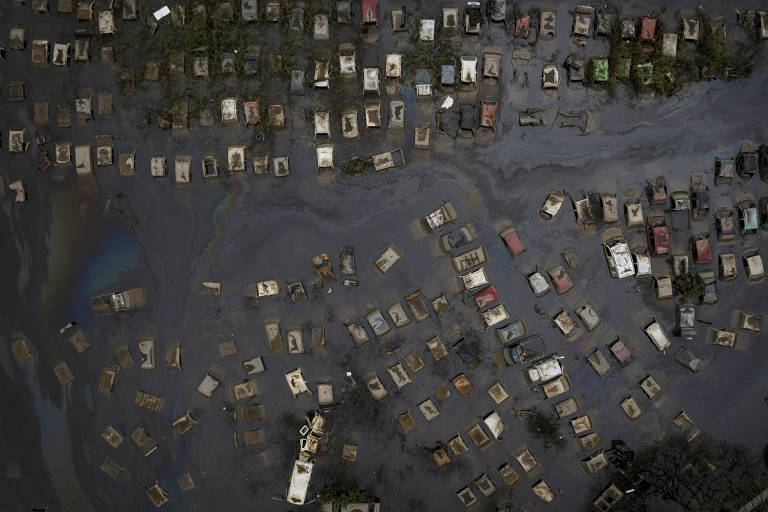


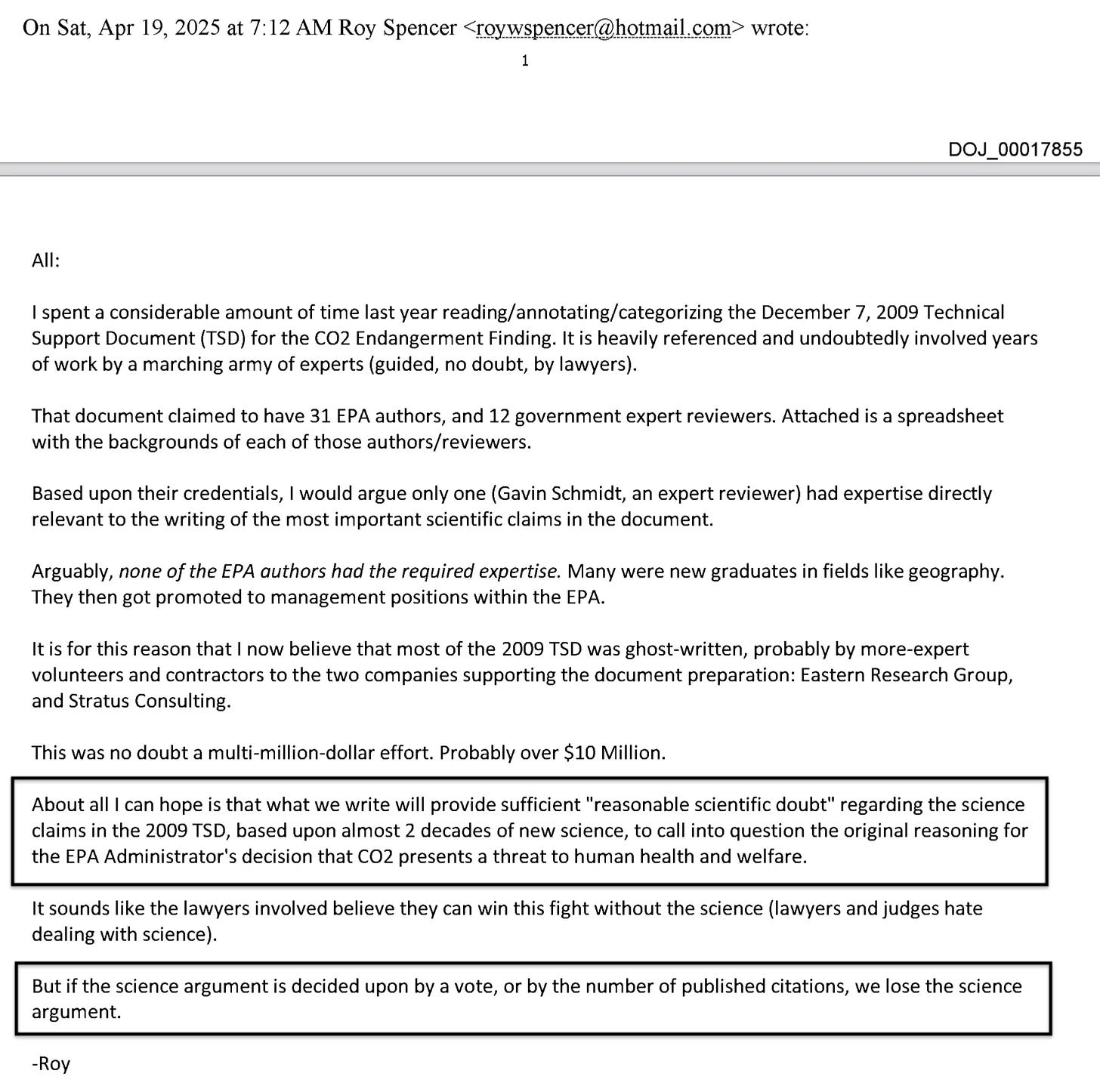
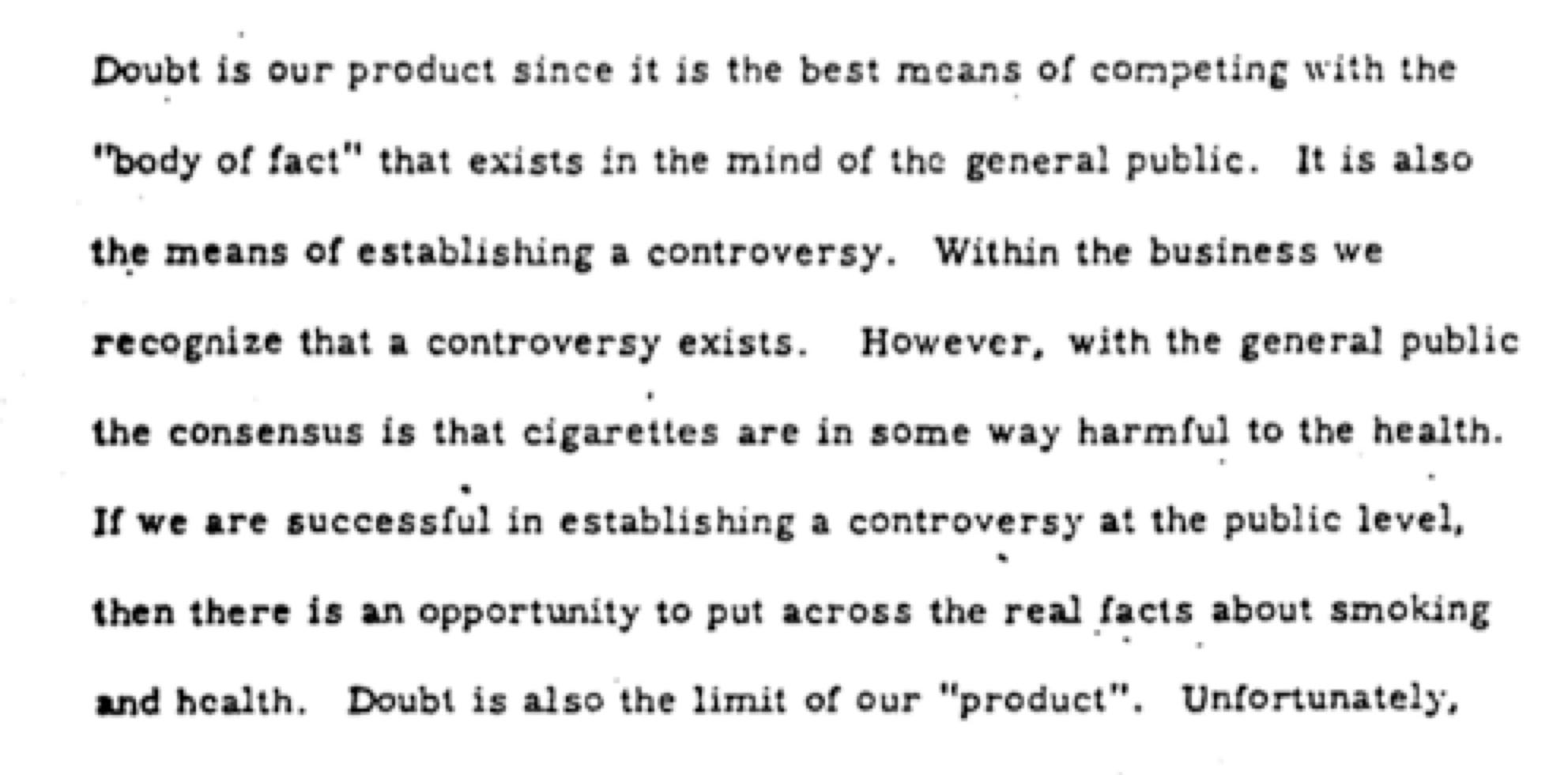
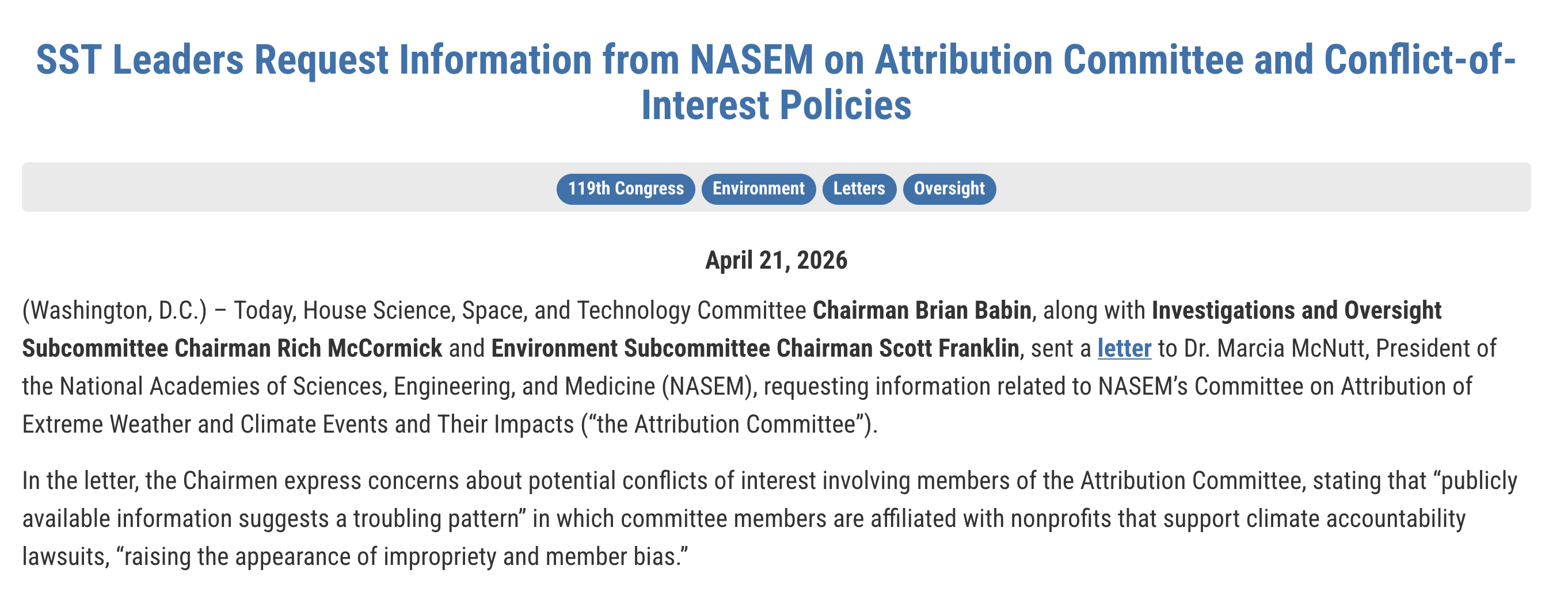


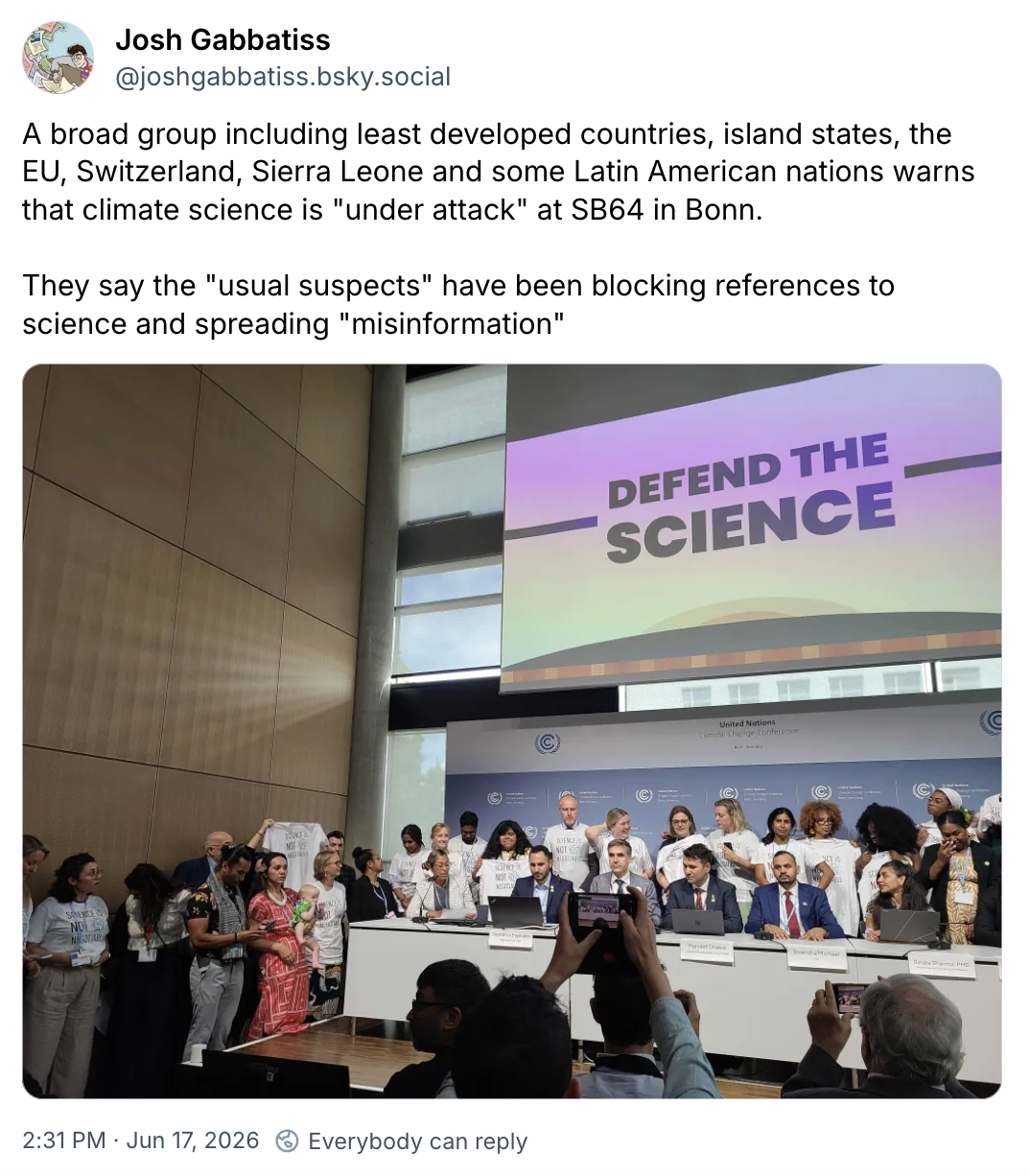

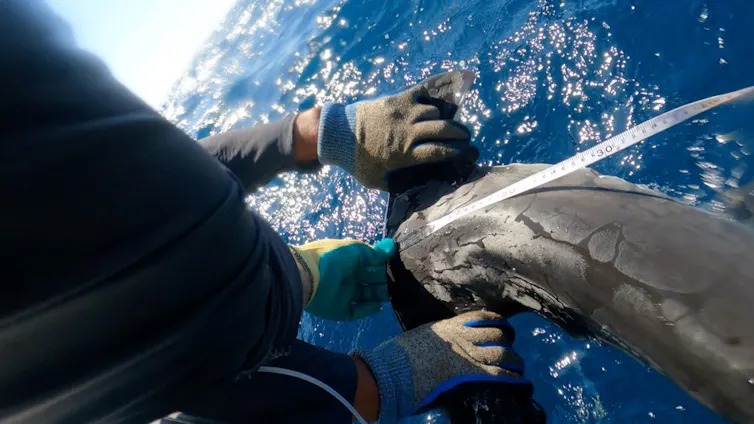

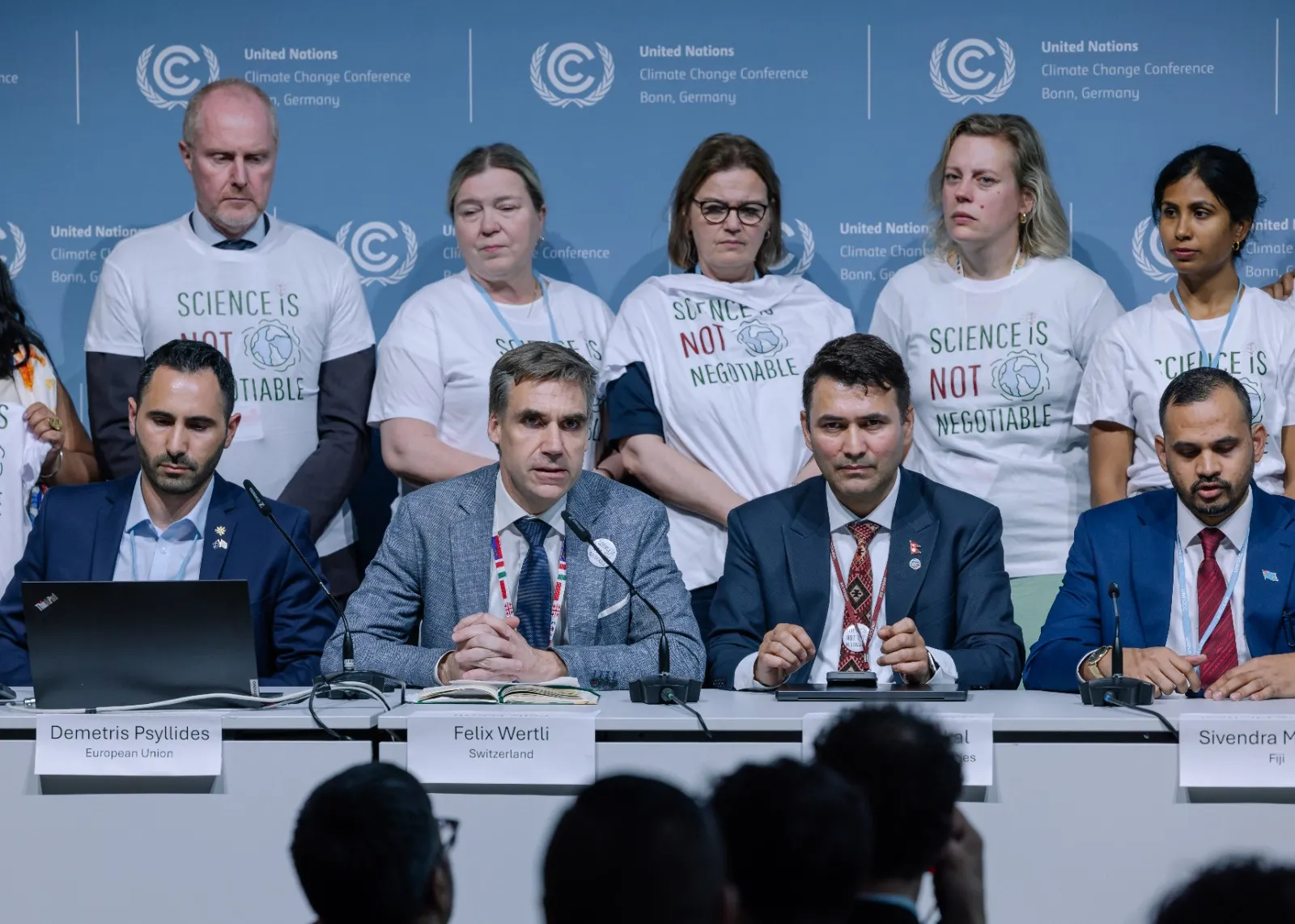


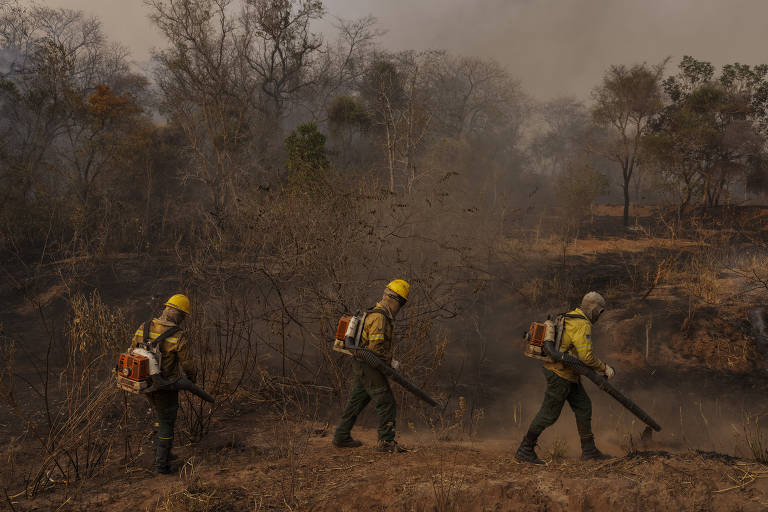
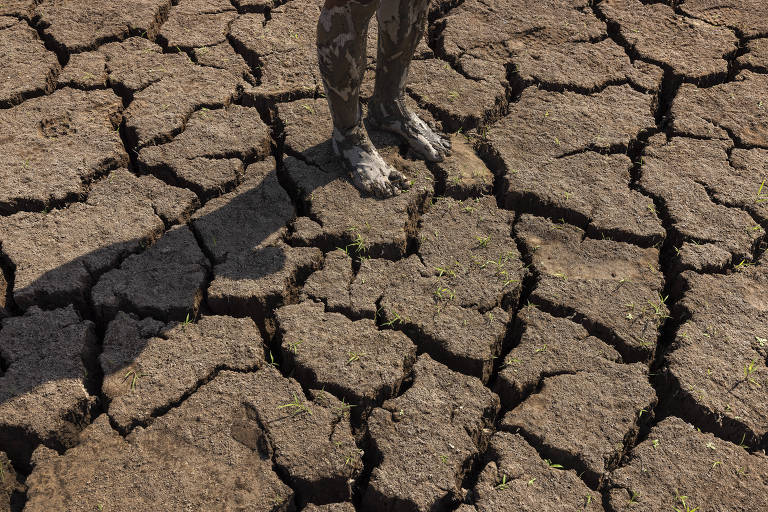

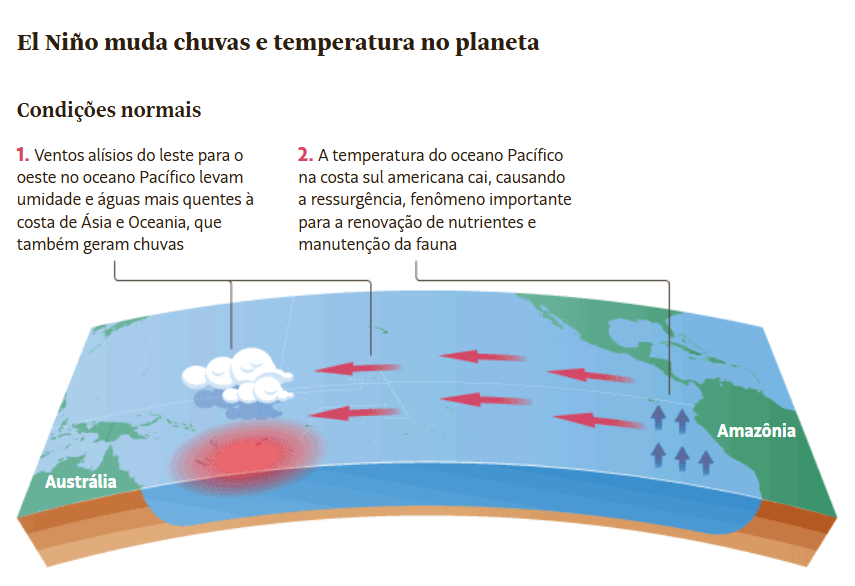
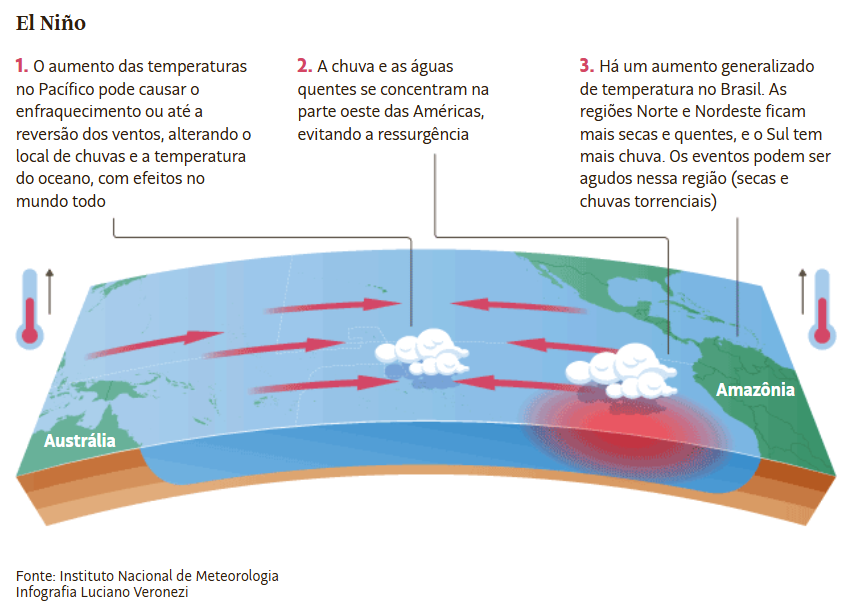
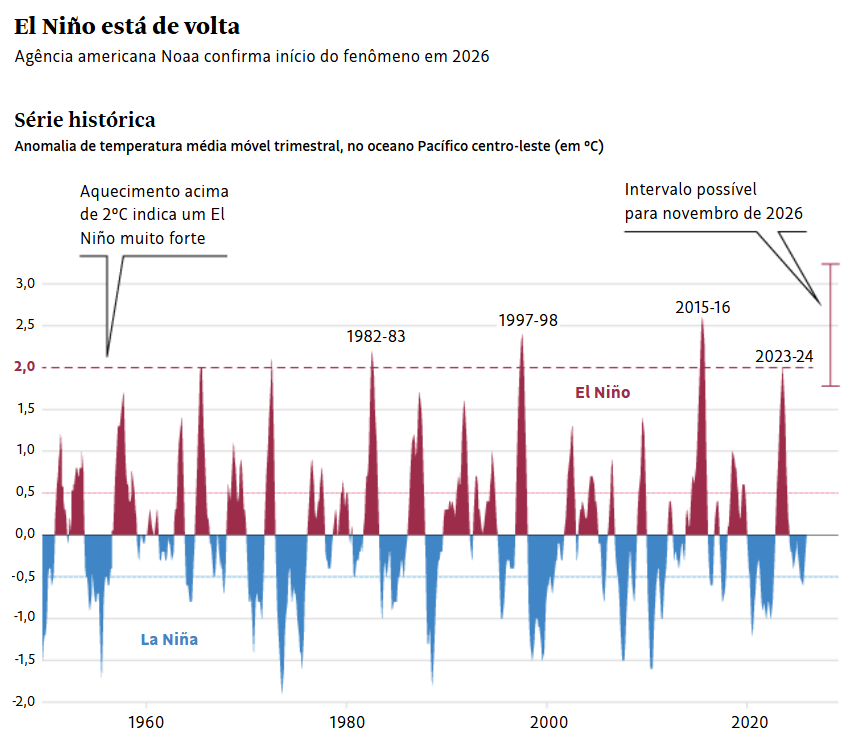
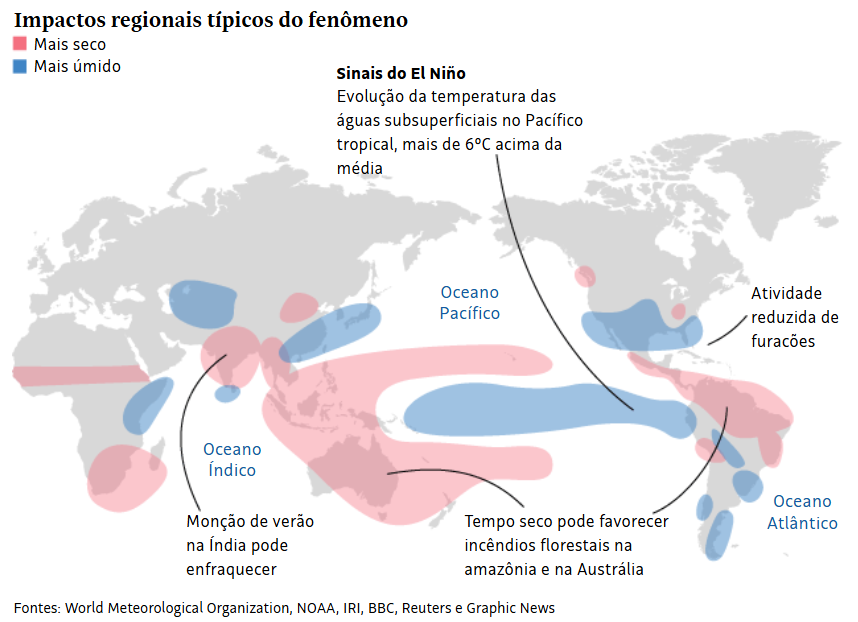
/i.s3.glbimg.com/v1/AUTH_da025474c0c44edd99332dddb09cabe8/internal_photos/bs/2026/R/O/WtLAM6ThqXpcpCbyYRcw/115076877-ri-mangaratiba-rj-27-05-2026-projeto-uma-so-saude-na-ilha-furtada-tenta-resgatar-centenas.jpg)
/i.s3.glbimg.com/v1/AUTH_da025474c0c44edd99332dddb09cabe8/internal_photos/bs/2026/G/v/NRBMwARbq2s2jgQ6ZeBA/rio-31-06-ilha-dos-gatos-.png)
/i.s3.glbimg.com/v1/AUTH_da025474c0c44edd99332dddb09cabe8/internal_photos/bs/2026/Y/e/cKFARrRhKqJefa05lD4A/115076882-ri-mangaratiba-rj-27-05-2026-projeto-uma-so-saude-na-ilha-furtada-tenta-resgatar-centenas-1-.jpg)
/i.s3.glbimg.com/v1/AUTH_da025474c0c44edd99332dddb09cabe8/internal_photos/bs/2026/5/r/cQw4oLS3SjriXCjsA1Aw/115076783-ri-mangaratiba-rj-28-05-2026-projeto-uma-so-saude-na-ilha-furtada-tenta-resgatar-centenas.jpg)
/i.s3.glbimg.com/v1/AUTH_da025474c0c44edd99332dddb09cabe8/internal_photos/bs/2026/A/b/fj0U2LSYW5ui01HzA3aQ/115076847-ri-mangaratiba-rj-27-05-2026-projeto-uma-so-saude-na-ilha-furtada-tenta-resgatar-centenas-1-.jpg)
/i.s3.glbimg.com/v1/AUTH_da025474c0c44edd99332dddb09cabe8/internal_photos/bs/2026/G/V/D7HRBeThqLgA3CXU5iVQ/115076839-ri-mangaratiba-rj-27-05-2026-projeto-uma-so-saude-na-ilha-furtada-tenta-resgatar-centenas.jpg)
/i.s3.glbimg.com/v1/AUTH_da025474c0c44edd99332dddb09cabe8/internal_photos/bs/2026/W/0/Zwn9lPTXeXvIK7r5xt4w/gatos-3.jpg)
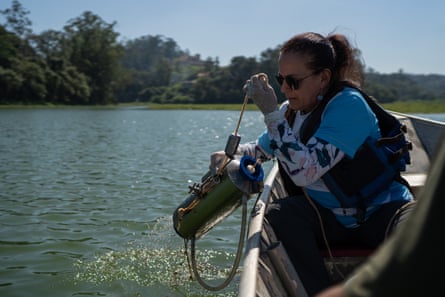

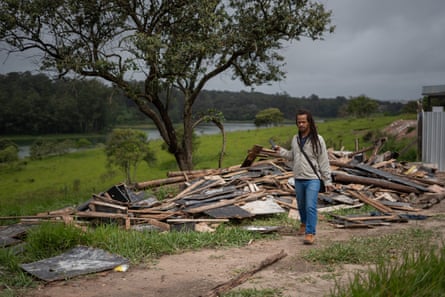








Você precisa fazer login para comentar.