There’s something mysterious coming up from the frozen ground in Antarctica, and it could break physics as we know it.
Physicists don’t know what it is exactly. But they do know it’s some sort of cosmic ray — a high-energy particle that’s blasted its way through space, into the Earth, and back out again. But the particles physicists know about — the collection of particles that make up what scientists call the Standard Model (SM) of particle physics — shouldn’t be able to do that. Sure, there are low-energy neutrinos that can pierce through miles upon miles of rock unaffected. But high-energy neutrinos, as well as other high-energy particles, have “large cross-sections.” That means that they’ll almost always crash into something soon after zipping into the Earth and never make it out the other side.
And yet, since March 2016, researchers have been puzzling over two events in Antarctica where cosmic rays did burst out from the Earth, and were detected by NASA’s Antarctic Impulsive Transient Antenna (ANITA) — a balloon-borne antenna drifting over the southern continent.
ANITA is designed to hunt cosmic rays from outer space, so the high-energy neutrino community was buzzing with excitement when the instrument detected particles that seemed to be blasting up from Earth instead of zooming down from space. Because cosmic rays shouldn’t do that, scientists began to wonder whether these mysterious beams are made of particles never seen before.
Since then, physicists have proposed all sorts of explanations for these “upward going” cosmic rays, from sterile neutrinos (neutrinos that rarely ever bang into matter) to “atypical dark matter distributions inside the Earth,” referencing the mysterious form of matter that doesn’t interact with light.
All the explanations were intriguing, and suggested that ANITA might have detected a particle not accounted for in the Standard Model. But none of the explanations demonstrated conclusively that something more ordinary couldn’t have caused the signal at ANITA.
A new paper uploaded today (Sept. 26) to the preprint server arXiv changes that. In it, a team of astrophysicists from Penn State University showed that there have been more upward-going high-energy particles than those detected during the two ANITA events. Three times, they wrote, IceCube (another, larger neutrino observatory in Antarctica) detected similar particles, though no one had yet connected those events to the mystery at ANITA. And, combining the IceCube and ANITA data sets, the Penn State researchers calculated that, whatever particle is bursting up from the Earth, it has much less than a 1-in-3.5 million chance of being part of the Standard Model. (In technical, statistical terms, their results had confidences of 5.8 and 7.0 sigma, depending on which of their calculations you’re looking at.)
Breaking physics
Derek Fox, the lead author on the new paper, said that he first came across the ANITA events in May 2018, in one of the earlier papers attempting to explain them.
“I was like, ‘Well this model doesn’t make much sense,'” Fox told Live Science, “but the [ANITA] result is very intriguing, so I started checking up on it. I started talking to my office neighbor Steinn Sigurdsson [the second author on the paper, who is also at Penn State] about whether maybe we could gin up some more plausible explanations than the papers that have been published to date.”
Fox, Sigurdsson and their colleagues started looking for similar events in data collected by other detectors. When they came across possible upward-going events in IceCube data, he said, he realized that he might have come across something really game-changing for physics.
The surface facility for the IceCube experiment, which is located under nearly 1 mile (1.6 kilometers) of ice in Antarctica. IceCube suggests ghostly neutrinos don’t exist, but a new experiment says they do. (Image credit: Courtesy of IceCube Neutrino Observatory)
“That’s what really got me going, and looking at the ANITA events with the utmost seriousness,” he said, later adding, “This is what physicists live for. Breaking models, setting new constraints [on reality], learning things about the universe we didn’t know.”
As Live Science has previously reported, experimental, high-energy particle physics has been at a standstill for the last several years. When the 17-mile (27 kilometers), $10 billion Large Hadron Collider (LHC) was completed on the border between France and Switzerland in 2009, scientists thought it would unlock the mysteries of supersymmetry — the mysterious, theoretical class of particles that scientists suspect might exist outside of current physics, but had never detected. According to supersymmetry, every existing particle in the Standard Model has a supersymmetric partner. Researchers suspect these partners exist because the masses of known particles are out of wack — not symmetric with one another.
“Even though the SM works very well in explaining a plethora of phenomena, it still has many handicaps,” said Seyda Ipek, a particle physicist at UC Irvine, who was not involved in the current research. “For example, it cannot account for the existence of dark matter, [explain mathematical weirdness in] neutrino masses, or the matter-antimatter asymmetry of the universe.”
Instead, the LHC confirmed the Higgs boson, the final undetected part of the Standard Model, in 2012. And then it stopped detecting anything else that important or interesting. Researchers began to question whether any existing physics experiment could ever detect a supersymmetric particle.
“We need new ideas,” Jessie Shelton, a theoretical physicist at the University of Illinois at Urbana-Champaign, told Live Science in May, around the same time that Fox first became interested in the ANITA data.
Now, several scientists not involved in the Penn State paper told Live Science that it offers solid (if incomplete) evidence that something new has really arrived.
“It was clear from the start that if the ANITA anomalous events are due to particles that had propagated through thousands of kilometers of Earth, then those particles were very likely not SM particles,” said Mauricio Bustamante, an astrophysicist at the Niels Bohr Institute at the University of Copenhagen, who was not an author on the new paper.Advertisement
“The paper that appeared today is the first systematic calculation of how unlikely is that these events were due to SM neutrinos,” he added. “Their result strongly disfavors a SM explanation.”
“I think it’s very compelling,” said Bill Louis, a neutrino physicist at Los Alamos National Laboratory who was not involved in the paper and has been following research into the ANITA events for several months.
If standard model particle created these anomalies, they should have been neutrinos. Researchers know that both because of the particles they decayed into, and because no other standard model particle would even have a fragment of a chance in a million of making it through the Earth.
But neutrinos of this energy, Louis said, just shouldn’t make it through the Earth often enough for ANITA or IceCube to detect. It’s not how they work. But neutrino detectors like ANITA and IceCube don’t detect neutrinos directly. Instead, they detect the particles that neutrinos decay into after smashing into Earth’s atmosphere or Antarctic ice. And there are other events that can generate those particles, triggering the detectors. This paper strongly suggests that those events must have been supersymmetric, Louis said, though he added that more data is necessary.
Louis said that at this stage he thinks that level of specificity is “a bit of a stretch.”
The authors make a strong statistical case that no conventional particle would be likely to travel through the Earth in this way, he said, but there isn’t yet enough data to be certain. And there’s certainly not enough that they could definitively figure out what particle made the trip.
Fox didn’t dispute that.
“As an observer, there’s no way that I can know that this is a stau,” he said. “From my perspective, I go trawling around trying to discover new things about the universe, I come upon some really bizarre phenomenon, and then with my colleagues, we do a little literature search to see if anybody has ever thought that this might happen. And then if we find papers in the literature, including one from 14 years ago that predict something just like this phenomenon, then that gets really high weight from me.”
He and his colleagues did find a long chain of papers from theorists predicting that stau sleptons might turn up like this in neutrino observatories. And because those papers were written before the ANITA anomaly, Fox said, that suggests strongly to him that those theorists were onto something.
But there remains a lot of uncertainty on that front, he said. Right now, researchers just know that whatever this particle is, it interacts very weakly with other particles, or else it would have never survived the trip through the planet’s dense mass.
What’s next
Every physicist who spoke with Live Science agreed that researchers need to collect more data to verify that ANITA and IceCube have cracked supersymmetry. It’s possible, Fox said, that when IceCube researchers dig into their data archives they’ll find more, similar events that had previously gone unnoticed. Louis and Bustamante both said that NASA should run more ANITA flights to see if similar upward-going particles turn up.
“For us to be certain that these events are not due to unknown unknowns — say, unmapped properties of the Antarctic ice — we would like other instruments to also detect these sort of events,” Bustamante said.
A team prepares ANITA for flight over the Antarctic ice. (Image credit: NASA)
Over the long-term, if these results are confirmed and the details of what particle is causing them are nailed down, several researchers said that the ANITA anomaly might unlock even more new physics at the LHC.
“Any observation a non-SM particle would be a game changer, because it would tell us which path we should take after the SM,” Ipek said. “The type of [supersymmetric] particle they claim to have produced the signals of, sleptons, are very hard to produce and detect at LHC.”
“So, it is very interesting if they can be observed by other types of experiments. Of course, if this is true, then we will expect a ladder of other [supersymmetric] particles to be observed at the LHC, which would be a complementary test of the claims.”Advertisement
In other words, the ANITA anomalies could offer scientists the key information necessary to properly tune the LHC to unlock more of supersymmetry. Those experiments might even turn up an explanation for dark matter.
Right now, Fox said, he’s just hungry for more data.
A campanha política que resultou na vitória eleitoral de Jair Bolsonaro é dos mais brilhantes feitos pessoais já realizados no Brasil. Com o mínimo de recursos financeiros e com a ajuda de alguns amigos e uma penca de seguidores que havia conquistado algum tempo antes, Jair Bolsonaro batalhou pela confiança de milhões de brasileiros usando de uma linguagem simples e direta, que calou fundo na alma de quem há muito sofria de opressão social e cultural e vivia meio desorientado no mar de novidades extravagantes e práticas amorais. Ao final, alcançou uma vitória retumbante nas urnas de 2018. E o Brasil entrou em êxtase para muitos e desespero para os demais.
Como um homem simples, de origem caipira (modalidade italiana), com conhecimento e estudos limitados sobre o Brasil e o mundo, formado sob a disciplina moral e política de uma instituição conhecida pela rigidez doutrinária, conseguiu alçar-se a tão alto posto na política nacional no intervalo de tempo tão curto e tão de súbito, sem nenhum sinal de aviso, premonição, ou desígnio?
Evidentemente porque ele tem dentro de si um gênio intenso e indefinido de percepção humana, sagacidade e astúcia que o faz alcançar em alto grau o entendimento e a comunicação com seus semelhantes, e dar-lhes segurança moral e sentimento de pertinência, além de uma irrefreável vontade de poder que o guia por um caminho estreito e áspero que o fortalece para suportar as agruras do desapreço e os ataques viciosos de toda sorte de inimigos. Esse gênio foi moldado na vivência crua e autêntica da cultura do povo brasileiro rural e semiurbano – intuitiva, desconfiada, modesta, honesta, tinhosa e transcendental. Por fim, ao contrário de tantos outros que almejaram igual destino, Bolsonaro tem fortuna! Aquela fortuna que só uns poucos recebem das forças da natureza e da cultura, que é mérito do acaso e da sorte, que vem dos deuses ou dos espíritos do mundo. Ou, no melhor do entendimento de Bolsonaro, que vem de Deus Todo-Poderoso, criador do Céu e da Terra. Nisso têm razão seus seguidores mais religiosos: Deus derramou suas maiores graças sobre Bolsonaro!
Junto ao gênio irrefreável, ao alcançar esse posto de proeminência inigualável no Brasil, tido popularmente como um homem raçudo, imprudente e desmedido, Bolsonaro se manteve igual, exatamente o mesmo, ao chegar à presidência da República, como se o Palácio da Alvorada fosse sua casa e seu lar, e o Palácio do Planalto seu escritório particular de ofício.
Lutando para cumprir as metas que traçou em sua campanha Bolsonaro vem mantendo seu eleitorado cativo e embevecido, como sempre, por sua verve estridente e contundente, sem fazer concessões aos bons termos de negociação e sem se importar com a liturgia do cargo supremo. Contudo, concomitantemente, incorreu na reação cruenta e depreciativa dos poderosos perdedores, as gentes do establishment social dominante ciosas de seus privilégios e inconformadas com a ascensão de um representante assumido das classes sociais depreciadas por sua origem, sua humildade social e suas carências educacionais (gente brega e grosseira), uma imprensa gananciosa, porém depreciada e desdenhada, as desvigoradas e viciadas instituições da república – um congresso nacional a serviço de si mesmo, um STF opulento, quase solipsista e desarvorado, e um Judiciário de todo desatento ao juízo e ao cumprimento de seus deveres – todas, nos últimos anos, desafiadas a se auto-reconstituírem por uma nova ética e uma nova governança que sejam propícias às exigências dos novos tempos, ainda indefinidos, porém, sem dúvidas, temerários, ou então, a receber o menoscabo da população e o ímpeto indignado do moralista-mor da República.
Sem adotar qualquer estratégia de recuo ou conciliação, resfolegado por sua intuição política, Bolsonaro persistiu com veemência na sua indômita e inglória luta para manter sua palavra firme na execução das políticas públicas prometidas em campanha – desde a mais simples e elementar até as mais ousadas e sofisticadas – e para fazer recuar ou submeter os adversários e os companheiros de jornada à sua inconciliável vontade. Em troca, as forças que se agregaram contra o concebido salvador da pátria se assomaram cada vez mais ousadas e reptilianas para este agraciado da fortuna. Neste meio termo da pandemia que assola o Brasil e a inocente humanidade, maio de 2020, Bolsonaro alcançou seu ápice de efervescência pessoal e moral ao forçar a destituição do seu ministro da justiça, o insigne ex-juiz Sérgio Moro, que fora responsável pelo dinamismo da Operação Lava Jato e, por consequência, entre tantos outros atos de sentenciar, pela condenação do ex-presidente Luiz Inácio Lula da Silva por incontornáveis provas de corrupção quando no exercício da presidência da República.
No cômputo parcial dessa aventura ainda inconclusa, parece que o bom homem encontrou o momento de sua verdade, da verdade de sua existência e de seu destino. Do nada subiu aos céus, e do alcançado céu parece querer tombar de chofre à mísera terra. A fortuna sorriu-lhe, mas agora parece arreganhar sua cruel carranca. Aspergido tantas vezes pelas benemerências dos deuses mitológicos, filhos desmedidos de Zeus, agora as Parcas estão soltas no seu encalço.
Não sabemos, ninguém pode saber do que acontecerá a Bolsonaro nos próximos meses de seu mandato. Ou bem se segurará como um político habilidoso, capaz de arregimentar forças políticas na população e no Congresso Nacional para apoiá-lo contra os ataques que se acumulam a cada dia desde as consequências jurídicas da demissão do ex-ministro Sergio Moro e do acúmulo disparado de outros atos intempestivos já ocorridos e certamente a ocorrer, ou bem sucumbirá lentamente, ou talvez de súbito, cortado pela foice inescapável de um impeachment.
Nesse tempos de resguardo, entocados em nossas casas, mal vislumbrando o mundo em funesta inação, acompanhando os acontecimentos e mirando para o futuro, vamos excogitar um pouco melhor sobre Bolsonaro, seu gênio e seu caráter brasileiro, sobre o Brasil que Bolsonaro nos arreganhou com seus gestos desabridos, atitudes toscas e lutas quixóticas, um Brasil que teima em rebater e se esquivar de tudo e qualquer coisa para permanecer o mesmo, sem perder nem os dedos nem os anéis, e que não medirá consequências para suprimir os adversários reais e imaginários.CONTINUA DEPOIS DA PUBLICIDADE
O mundo caipira do jovem Jair
Bolsonaro menino com o pai, segurando uma vara com um trairão.
Na década de 1950 São Paulo, capital e estado, já haviam se estabelecido como a cidade e o estado mais importantes do país, tanto por sua agilidade política, sua consolidação urbana e afirmação de urbanidade e modernidade, quanto pelo crescimento efetivo e equilibrado, entre pequenas e médias fábricas e uma agricultura e pecuária consistentes, de suas cidades interioranas. A capital e sua área metropolitana atraiam novos imigrantes de todo o Brasil, especialmente dos estados vizinhos e do Nordeste, e logo iriam consolidar uma posição central na industrialização pela concentração de fábricas de automóveis, utensílios domésticos e derivados. Os demais estados brasileiros, em menor escala, também efervesciam em diversificação econômica e ampliação de serviços de todas as naturezas. Desde fins do século XIX São Paulo vinha dando provas irrefutáveis de sua capacidade de crescimento e amplitude, mas foi nos anos pós-guerra que o salto maior ocorreu e transformou cidade e estado nos dínamos do desenvolvimento da nação. São Paulo e o Brasil, nos anos 1950 e seguintes, vivenciaram uma época de criação e criatividade, esperança e oferta de muitas novas oportunidades para a gente pobre e desvalida, rural e semiurbana, que se classificava agora como classe trabalhadora, para as classes médias ansiosas por participação ampliada e, sobretudo, para os jovens de todas as estirpes que cresciam, adquiriam formação e buscavam trabalho, e os meninos e meninas que pululavam num mundo novo e promissor.
Foi em 1955 que nasceu Jair, de uma família de descendentes de quinta geração de imigrantes italianos que haviam chegado ao interior de São Paulo para trabalhar como colonos nas fazendas de café, na esperança de um dia se tornarem proprietários de suas próprias terras, ou de se tornarem negociantes ou mesmo gente de bons modos. Os cafeicultores que dominavam a economia paulista desde meados do século XIX sabiam que o trabalho escravo estava inevitavelmente condenado, tanto pela censura mundial e cada vez mais nacional a esse opróbio, quanto pela certeza de sua ineficiência e baixa produtividade em comparação com o trabalho livre. Por isso, ao pensarem no iminente fim do trabalho escravo, criaram para a lavoura o sistema de trabalho conhecido como “colonato”, pelo qual os trabalhadores seriam gente livre, viveriam em moradias providenciadas pela fazenda, receberiam em adiantamento, cujo valor seria descontado de seu salário e emolumentos, os instrumentos de trabalho, alimentação, utensílios domésticos, vestuário e demais necessidades básicas, e ficariam encarregados de cuidar do plantio, limpeza e colheita de certo trecho da plantação. O sistema permitiu a sobrevivência física e a integração social e cultural dos muitos imigrantes, entretanto, sem favorecer vantagens suficientes para a maioria alcançar algum dia acesso à sua própria terra. Ao longo dos decênios, a melhoria dos meios de produção do café provocou a diminuição da quantidade da mão de obra e assim favoreceu a muitos saírem do regime de colonato. Integrados com os caipiras tradicionais que foram os principais responsáveis pela expansão da nova cultura luso-brasileira pelo interior do país, descendentes da mestiçagem entre portugueses e indígenas subjugados como gente servil, e acrescentados de negros escravos e ex-escravos, que haviam de fato colonizado as terras paulistas pelo seu suor e pela permanência na terra, os italianos e outros imigrantes do final do século XIX se amalgamaram de tal sorte que pouco ficou de suas bases culturais, a não ser a influência gramatical sobre o sotaque, a adaptação do milho à tradicional cozinha italiana e, certamente, um certo modo brincalhão e despachado de ser. Um pouco das características culturais caipiras podem ser conhecidas em livros de romance e de dissertações sociológicas e antropológicas, bem como vistas popularmente em filmes de Mazzaropi, em cantos e toadas caipiras, em Tonico e Tinoco, em Adoniran Barbosa e em muitos outros do nosso mundo mais recente.
A emigração desesperada de italianos e outros europeus se deve ao desenvolvimento da mecanização e a reorganização da produção e comercialização de produtos agrícolas na Europa, que causaram uma diminuição expressiva na necessidade de mão de obra e, em consequência, levaram à perda de muitos postos de trabalho na lavoura e, ao cabo, na saída e até expulsão de uma imensa quantidade de lavradores, camponeses de origens medievais e até romanas, “servos da gleba”, do sistema agrícola europeu.
Crescia, para a grande preocupação da elite política e administrativa das cidades europeias, desde os países nórdicos ao Sul europeu, passando pela Alemanha, Inglaterra e outros países, o contingente de pessoas destituídas de meios de sobrevivência, apesar da crescente industrialização e ampliação de serviços, e aumentava assustadoramente o número de desocupados e esfomeados pelas ruas. Em meio século a Europa iria empurrar para fora cerca de 50 milhões de excedentes populacionais, que migraram para as Américas e Oceania. Uma parte de dois a três milhões tiveram por destino o Brasil. Para alguns historiadores esse largo contingente populacional descartado teria resguardado a Europa de revoltas e rebeliões e quiçá de uma possivelmente inevitável revolução social, muito antes da revolução comunista que criou a União Soviética.
Para os países receptores, como o Brasil, essa nova população remodelou seu perfil racial, social e econômico, dando-lhe feições mais europeias e diminuindo, sobretudo nas regiões Sul e Sudeste, a presença proporcionalmente mais maciça de negros, caboclos e mestiços sobretudo na camada popular. O Brasil embranquecia, para gáudio dos muitos que queriam um país mais europeizado, menos mulato e menos mestiço. Nesse final do século XIX, o Brasil se vergava sob o peso nefasto das ideias e do movimento conhecido com darwinismo social, pelo qual se supunha que as raças e etnias humanas estariam num ordenamento hierárquico de valorização física, intelectual e moral. Os brancos chamados caucasianos estariam no topo da escada evolucionista, que descia pelas ribanceiras dos eslavos, latinos, árabes, asiáticos até alcançar o nadir de valorização racial entre os negros africanos e os indígenas americanos. E o pior é que essa pseudociência construída em ideologia racial propunha ainda que a mestiçagem desvalorizava as raças constituintes, isto é, o mestiço já nascia degenerado e, portanto, inferior aos pais. O Brasil, pela quantidade de negros e mestiços, estaria em tal posição social que, com lamentações despicientes as mais excruciantes, não teria outra saída senão importar estrangeiros de bons genes, ou, na urgência, de qualquer lugar, menos naturalmente da África. Assim, terminaram vindo também, já nos primeiros decênios do século XX, gente do Oriente Médio – judeus, sírios, libaneses, armênios – fugindo dos rigores decadentes do Império Otomano e da sovietização da Europa oriental; e igualmente da China e do Japão, que também sofriam de excesso populacional com parcos meios de sobrevivência.
Assim, juntando a fome com a vontade de comer, a procura por gente europeia e de outros rincões coincidia com sua plena disponibilidade, bem como casava com a política governamental, fruto da pressão dos cientistas da época, de melhoria da raça. Eugenia racial para uma eugenia social, diriam alguns cientistas tomados pela ideologia racial.
Temos então que os antecessores de Jair Bolsonaro vieram da Itália nessa primeira condição de colonos, assentaram sua existência no interior de São Paulo e se agregaram a cultura tradicional de mestiços formados nos períodos históricos anteriores para constituir novas características de mestiçagem cultural brasileira, no caso, o caipira paulista com fortes características indígenas, africanas e europeias. Este é o caldo de cultura em que se desenvolveu a família Bolsonaro nas gerações seguintes até chegar ao pai e à mãe de Jair Bolsonaro que cresceram pelo interior de São Paulo desde então como lavradores em potencial cuidando de pequenas glebas de terra, chácaras, no máximo, quase sempre agregados dependentes do serviço nas grandes fazendeiros. Aqueles que vieram com formação e ofício e decidiram desde cedo a serem urbanos foram abrindo seus espaços nos interstícios da sociedade dominante, adquirindo profissões em ascensão, de engraxates e motoristas a mecânicos em fábricas, mascates, vendedores, até pequenos e grandes empresários. Autonomia e riqueza é o que todos buscavam para suas vidas.
O propósito de embranquecer a população brasileira por meio de imigrantes trouxe benefícios que fizeram intensificar em São Paulo um espírito empresarial singular, uma síntese hiperdialética do bandeirante com o caipira e com o novo imigrante dentro do contexto de mudanças econômicas estruturantes, o qual, talvez, carecia, ou ao menos era menos intenso, em outras regiões do Brasil. São Paulo, já rico do café, estava pronto para dar o salto industrial. Mas a cultura caipira presente no século XIX era já tão sólida e potente que não se desfez nem se desmilinguiu com os imigrantes. Manteve-se firme e forte em suas visões de mundo, em sua fluência social, em sua persistência existencial, em sua virtude moral, em sua sagacidade e em sua desconfiança calejada sobre os poderes constituídos, em sua desarmonia malemolente com a natureza. Esta cultura caipira tradicional, pré-imigrantes europeus e asiáticos, não era constituída exclusivamente do pobre coitado sem-terra, de pé no chão, mascando fumo, pescando traíras nos córregos e caçando tatu nas roças de mandioca, mas se estendia como uma dimensão espiritual da elite local, que mandava nos pobres, certamente, mas também tinha deveres para com eles. Um desses deveres era o cumprimento honrado da palavra dada. Outro era o papel de conciliador e juiz que dirime as controvérsias internas e as disputas entre grupos. Incluída nessa elite estava a sempiterna e ubíqua Igreja Católica, bafejando autoridade em seus dogmas, mas autoritária só de boca para fora, pois dentro de cada vigário dormia uma parte da alma indígena tolerante, do ex-escravo sofrido e benfazejo, de um cristianismo diluído pelas crenças africanas importadas e as crenças dos antigos índios tornado caipiras. E assim essa sólida cultura caipira atraiu os imigrantes, se mesclou com seu jeitão de camponeses desbocados, senza paura, que esperavam mais da vida do que a malemolência, a brutalidade do senhor fazendeiro e a sacanagem fingida dos padres. É aí então que essa mesclagem se torna uma síntese cheia de potenciais de fé, esperança e vontade de lutar, e também de muitas contradições, disputas, desgostos, reclamações e maldades perversas.
Os antepassados de Jair Bolsonaro eram italianos do Vêneto, norte da Itália, gente branca de olhos claros. Eis o seu último e atual rebento, hígido, esguio, lábios finos, olhos esverdeados, cabelos claros e lisos, com quase nenhuma característica indígena ou negra. As trisavós, os bisavós e avós e os pais de Jair parece que em realidade fizeram o possível para não misturar sangue com os caipiras tradicionais. Como assim, que tipo de discriminação é essa? Porque Jair não ganhou nada do negro ou do índio, se é mesmo que não tenha ganhado, pelo aparente que vemos. A convivência dos membros dessa cultura mestiça não traria necessariamente a mistura biológica? Bem, quase certo que sim. Mas não necessariamente em todas as ocasiões e para todos os tipos. Os casamentos entre gente trigueira com brancos italianos aconteceram, sim, de acordo com as circunstâncias amorosas e sociais. Mas sempre houve e permaneceu até os dias de hoje o senso de que brancura é sinal de “nobreza”, alguma nobreza qualquer, alguma distinção biológica qualquer que mostre porque alguém pode se sentir superior a outra. Isso vale, às vezes vale muito, mas às vezes não significa nada. As faces trigueiras, os cabelos pretos e lisos ou encaracolados ou pixains, os narizes e lábios grossos, as maçãs do rosto largas, em comparação com as mesmas características brancas, não perturbam o sono ou a honra das famílias nas comunidades, nos bairros rurais caipiras. Eles apontam para uma ascendência de muito longe, pensam todos, que um dia significou algo, mas que já não têm mais nada a ver com a vida atual e cotidiana. Você, branco de olho azul, quer casar-se com uma igual a si mesmo, tudo bem. Mas no meio do caminho surge uma negrinha ou uma cabrocha que lhe atrai e você sucumbe e muda de ideia sem nenhum problema. A família pode até dizer que a raça vai piorar, mas quando seu filho nascer ele será seu filho lindo, moreninho ou trigueiro. Terá sangue da terra ou da raça.
Evidentemente que nessa cultura caipira pós-imigrante a tez clara da pele continua a ser símbolo de alguma superioridade, de alguma ascendência, ao menos, sobre quem tem a pele escura-preta ou trigueira. Mas, até que ponto da sociabilidade e do bem-estar econômico isto se dá, e que importa, se, ao final, é algum trigueiro quem sobe na vida e carrega consigo filhas e filhos para casar?!
Voltando à família de Jair, não obstante, sempre se pode sugerir que seus pais e seus avós, de algum modo, talvez tivessem uma autoconsciência de sua origem europeia, mesmo que, no decorrer dos anos, essa memória não tenha feito mais qualquer sentido ou não lhes tenha granjeado qualquer vantagem social ou econômica. Esse olhar e esse porte branco-italiano, que vemos nas fotos de Jair e seus irmãos, talvez tenha sido um diferencial para o menino Jair, que, solto no redemoinho do caipiral paulista, tenha tido ganas para subir na vida por saltos quânticos, não por sabedoria caipira, que provavelmente tinham seu pai e sua mãe, mas por aquele quantum de existência passada que o empurrava para sair da vida em que se afundara sua família desde sempre. O camponês italiano quisera se engajar no exército de Garibaldi, o caipira de calça curta que aparece aos seis ou sete anos numa foto com seu pai, exibindo fisgado em uma vara um baita de um trairão, sorriso feliz e atento, parecendo sonhar, sem saber que, por mais que gostasse de tudo que vivia, queria pular fora e procurar outro meio de vida.
Com efeito, alguns anos depois Jair estaria fora da cidadezinha de Eldorado Paulista, localizada no pacato e abandonado vale do Ribeira, zona pobre do sul do estado de São Paulo, para onde seu pai tinha levado a família em busca de melhores condições de vida. Aí, aos 15 anos, em 1970, o adolescente Jair, conhecedor dos lugares ao longo do rio Ribeira, se apresentou para ajudar a uma equipe do Exército a procurar onde estaria o perigoso guerrilheiro Carlos Lamarca e seu grupo que tentavam se instalar na região com o propósito de criar um foco de guerrilha para combater as forças militares da ditadura. Não chegaram a encontrar o guerrilheiro, que logrou fugir para a Bahia, não sem antes furar o cerco bem pelo centro de Eldorado, num tiroteio em que vários se feriram e onde ao lado, no colégio, estava o adolescente Jair Bolsonaro. Lamarca saiu incólume e iria se refugiar no interior da Bahia onde eventualmente iria encarar seu destino final. Nesse interim, Jair se sentiu atraído para entrar no Exército e assim o fez. Sua vida mudaria fatalmente.
O adolescente Jair dá de cara com seu destino
Quando uma tropa de militares do Exército, com suas fardas de caqui, suas botas engraxadas, seus apetrechos e armas tinindo e reluzindo, os óculos escuros, bem treinados para agradar e se impor, chega a uma pequena cidade, abre-se ao seu redor uma aura de poder e mistificação por onde quer que passe. As moças querem ver se são jovens e bonitos, os pais ficam com sentimentos dúbios, os meninos não se envergonham de espiá-los, os homens se sentem ameaçados, e os jovens rapazes partem para o frenesi de saber o que os forasteiros vieram fazer, com que meios, instrumentos e armas, e como poderiam se aproximar para empunhar uma arma com suas próprias mãos, quem sabe dar uns tiros de treinamento, ou, na grande sorte, acompanhar a tropa em alguma expedição. Bem, o rapaz Jair ganhou a sorte grande – fez excursões com a tropa pelo rio e pelo interior da mata bruta, onde tantas vezes foi pescar e caçar, com seu pai ou camaradas. Apesar de jovem, conhecia muitos atalhos nos caminhos, muitos poções de pesca no rio Ribeira e muitas paragens por onde passavam caças grandes e miúdas, alguns coitos ideais para se esconder, talvez.
A cidadezinha de Eldorado tivera desde sempre uma vida pacata de pequenos agricultores, plantadores de bananas, palmiteiros e criadores de gado, uns surtos ocasionais de garimpagem, com um pequeno comércio para atrair freguesia de fora e oferecer serviços urbanos básicos – armazém de secos e molhados, uma ou duas farmácias modestas, armarinhos de miudezas e costura, lojas de materiais de construção, de roupas, de tecidos, de aparelhos domésticos, um modesto tabelionato, um cinema, cabeleireiro, barbearia, e alguns serviços de saúde, um médico com visitas semanais e alguns perdidos ou itinerantes dentistas práticos. Naqueles anos, sua conexão com outras cidades da região era precária por estrada de barro frequentada por tropeiros, cavaleiros e caminhões carregando mercadorias e passageiros. O pai do menino Jair, Sr. Percy Geraldo Bolsonaro, homem sem posses, mas de possibilidades, gostava por tudo de ser caipira, e entre tantas tarefas que seu gênio virador lhe favorecera uma delas era ser prático de dentista, ofício que adquirira como ajudante de dentista quando moravam em Campinas ou Jundiaí, uma das várias cidades em que morou com sua família. Seu filho Jair também se virava bem, desde tenra idade, além de frequentar com entusiasmo a escola, em tirar palmito, pescar para consumo e para vender na rua, roçar, derrubar capoeira, fazer aceiro de roça, capinar por empleitada, tudo em quanto de serviço de roça, e até garimpar pelas barrancas do rio Ribeira e seus córregos, o jovem era capaz de fazer.
Porém, do quê mais gostava em seus jovens anos era pescar e caçar. Gente de cidade grande não faz ideia do que produz na alma do caipira, do caboclo, da gente rural, o entusiasmo de acordar às quatro da madrugada, acender o candeeiro, dar uma checada nas mochilas e trouxas já arrumadas, nas varas de pescar, nos carretéis de linha e anzóis variados, e nas espingardas, conferir no surrado bornal a caixinha de espoleta, os cartuchos de pólvora, os molhos de bucha de cordame e os saquinhos de chumbo, tomar uma xícara de café com rapadura que sua mãe, já desperta, acabara de fazer, e sair no frio da madrugada, sem capote, para se encontrar com colegas e camaradas e partir de montaria ou a pé para o mato, para o rio, para os roçados, para as capoeiras velhas para pescar ou caçar, ou fazer as duas coisas alternadamente, e também aproveitar a viagem para tirar palmito ou colher maracujá do mato. Sentir o frêmito do peixe grande fisgado a puxar forte a linha, arrastar o peixe de supetão e dar-lhe cabo com uma porretada na cabeça; ou enrijecer-se de repente com o estalido de uma folha suavemente pisada por um veado ou uma paca ou uma simples cotia, de retorno à sua dormida diurna no oco de uma centenária árvore caída há dezenas de anos, concentrar toda sua energia sensual nos ouvidos, depois nos olhos, depois paulatinamente agasalhar a espingarda pica-pau entre as mãos e a coronha firme no recosto da junção do ombro com o sovaco, apontar a mira do cano no rumo de onde sentiu vir o crepitar de folhas secas, de repente enxergar o vulto do animal já desconfiado, em passo lento, nervoso, respirar fundo ou não respirar, enquanto a adrenalina sobe ao cérebro e enche o pulmão, garganta seca e olhos que se embaçam e perdem o foco, até que, sem mais se mexer, puxar o cão com o polegar em dois movimentos curtos, mirar para a mancha escura onde imagina esteja o animal, puxar o gatilho duro e sentir o disparo com um estrondo que lhe fere os ouvidos, espirra pólvora queimada nas narinas e o coice da corona no peito e, por um átimo de segundo, já não saber onde está ou o que houve. Breves segundos, pois logo se escuta o estrebuchar das pernas do animal em estertores e corre-se para dar-lhe com uma coronhada ou uma facada na garganta o benefício de pouco sofrimento para a morte.
Muitos brasileiros, exceção aos urbanoides regulamentados, entretanto, tiveram e, pois, ainda podem ter oportunidades de experimentar momentos como esse descrito, momentos que fizeram parte e constituíram elementos essenciais da moral profunda da cultura brasileira, quando ela era ainda íntegra e consistente com a vida urbana e respondia pelos desafios das transformações sociais. Em 1970, só os mais neurastênicos se esquivavam de entender a alegria de caçar, bem como o ato de matar animais domésticos. Em 2020, se contam deles aos milhões. A cultura brasileira está sofridamente dividida entre uma moral tradicional, compatível com um passado construído e, de certo modo, com a moral das culturas tradicionais do mundo inteiro, e uma ética nova, imposta de cima para baixo, de fora para dentro, como tentativa de criar novas modalidades de comportamento que sejam compatíveis com o que se acredita serem as grandes mudanças contemporâneas nascidas da intensidade do desenvolvimento social e econômico e da globalização. Pena e compaixão pelo sofrimento dos animais virou nos últimos tempos horror e nojo pela morte imposta pelos homens aos animais, como se de outro modo fosse possível ao homem encontrar seu alimento fundamental. Essa divisão explica muito da crise brasileira da atualidade.
A chegada dos homens do Exército a Eldorado fez presente toda a verdade do regime político em voga. Que havia um dissenso político no país se sabia por notícias e se sentia à flor da pele. Que havia grupos de guerrilheiros cometendo atrocidades nas cidades, roubando bancos e explodindo quartéis, se sabia pelas notícias televisivas e pelo rádio. Mas que um foco de guerrilheiros estivesse tentando fincar raízes no vale do Ribeira, aproveitando a densidade da mata que caracteriza a região, ninguém fazia ideia, nem por quê, nem precisamente para quê, nem muito menos por que meios. Estaria esse foco de guerrilha criando um exército particular, construindo um forte, cercando uma área de terras, abrindo um campo de aviação? Iria invadir as casas dos moradores, dominá-los, prendê-los, torturá-los, roubá-los, escravizá-los? Teria esse foco poder para invadir São Paulo, tomar o Rio de Janeiro, marchar sobre Brasília? Ou estava simplesmente criando confusão na população, exibindo arrogância e tolices, perturbando a ordem social corriqueira? Se fossem poucos, deveriam ser varridos do seu esconderijo, serem interrogados, torturados, serem mortos, ou, por outra, serem presos, levados para a cidade grande, julgados e condenados à cadeia? A população local nem por um momento cogitou de que os guerrilheiros teriam vindo para liberá-la da opressão ou para criar um experimento social para servir de base a um novo modelo socioeconômico e, quiçá, a uma nova forma de regime político, uma nova democracia com intensa participação dos trabalhadores rurais, da gente oprimida e destituída de seus meios de sobrevivência, quem sabe um regime socialista ou comunista. Tais pensamentos podiam até ter passado pela cabeça de um ou outro, talvez a família de um dos fazendeiros mais abastados e mais bem conectados politicamente, talvez a professora local que fora instruída numa cidade maior e sonhava com ação política no seu município. Para a imensa maioria da população essa notícia de guerrilheiros dentro da mata soara como uma aberração, algo para ser destruído em nome do governo e da paz social.
O certo é que, de acordo com o próprio Bolsonaro, algumas pessoas foram contatadas e se voluntariaram para servir de escoteiros e batedores e levar a equipe do Exército para alguns lugares possíveis de servirem de coito, onde esse bando de guerrilheiros poderia se esconder e se preparar para as futuras batalhas. E o jovem Bolsonaro foi um deles.
A experiência pessoal de Jair nesse acontecimento foi crucial para mudar de rumo na vida, na verdade, encontrar um rumo para a sua vida. Desses soldados e oficiais com olhares confiantes e atitudes concisas e certeiras, com fala de autoridade e visão de futuro, com alojamento, comida e proteção à disposição, havia, sim, um futuro para o jovem sincero, intimorato e virador. Não haveria mais retorno à cidade acanhada, ao desfrute desabrido da natureza, à domesticidade da vida caipira, com suas farras e desafios, suas gozações, suas grosserias rasteiras, seu rastaquerismo, suas impertinências, sua ingenuidade e insciência e, enfim, sua fortitude e capacidade de recuperação diante dos infortúnios. Tudo de bom e de ruim já estavam marcados a ferro e fogo no seu peito e o iriam orientar seus passos nas vitórias e pelos percalços da vida. Jair saberia ver e valorizar nos outros as qualidades e falhas que pareciam com as suas, e confiaria sobretudo em quem lhe parecesse demonstrar ter ares de alma gêmea.
Jair vira militar
A opção de ser militar se ofereceu ao adolescente Jair Bolsonaro como uma benção dos Céus, mas, na verdade, foi, por ironia da História, um presente conjunto da Esquerda revolucionária e da sua nêmese, as Forças Armadas. O salto entre a vida semiurbana do caipiral paulista para a vida da caserna, da ordem unida, da submissão, dos exercícios físicos, da escolaridade sistêmica e positivista, das brincadeiras e gozações entre os cadetes e da grosseria verbal e da forçação física dos sargentos instrutores, da hierarquia formal e da disposição para o desafio individual – não lhe pareceram um salto tão alto e tão desproporcional. Sob muitos aspectos tanto os colegas quanto suas atitudes perante a vida e a ordem unida foram facilmente assimiláveis por um recruta criado como caipira. As brincadeiras de mau gosto se alternavam com a disciplina e a camaradagem necessárias à vida na caserna. O tradicionalismo da caserna se equiparava com o tradicionalismo da cultura de base brasileira. A moral do Exército não divergia da moral da família caipira. Para um recruta com força moral a ideia de auto-sacrifício e dedicação aos outros era uma continuação de seus deveres familiares e obediência aos pais.
O que Bolsonaro aprendeu no Exército foi fundamentalmente que sua vida poderia sempre ser melhor do que fora e do que antes lhe parecera. Dentro de uma disciplina rígida, de um modo de pensar doutrinário, de uma estreiteza comportamental, havia margem para almejar muitas coisas, para ser ambicioso, para sonhar com algo mais – especificamente, para ser líder. E Bolsonaro soube se destacar a cada ano passado como aspirante a oficial na Academia Militar de Agulhas Negras (AMAN), localizada em Rezende, RJ. Depois, como oficial, tenente e até alcançar o posto de capitão, demonstrou ter disciplina, mas também ousadia, a ponto de receber elogios escritos de vários de seus superiores.
Doutrinariamente, Bolsonaro aprendeu que as Forças Armadas são disciplinadas para defender a soberania do Brasil, custe o que custar, inclusive a própria vida de cada militar, e que assim o haviam feito, em conjunto com as forças democráticas, em março de 1964, e continuavam a fazê-lo combatendo grupos guerrilheiros em todas os seus fronts, bem como todos aqueles que pretendessem subverter a ordem política e social. Bolsonaro aprendeu de modo resumido o que estava em jogo na luta política, tanto no plano nacional quanto no plano internacional. Para ele foi ficando claro e decisivo que interessava estar ao lado dos militares contra os subversivos, os comunistas, os liberais irresponsáveis, e toda a chusma canalha dos corruptos – que eram muitos e estavam em todas as partes. A simplicidade dessa doutrina não obscurecia a complexidade de outras questões. Uma delas seria saber que o regime de quartel cria sua própria subversão moral, com uma permanente tendência dos escalões superiores para a pequena corrupção, o aproveitamento de vantagens apenas implícitas, o enrijecimento da hierarquia para uma maior e desnecessária subordinação dos escalões inferiores, e outras coisas mais.
Por fim, o que se via como algo cada vez mais absurdo era a disparidade entre os quadros permanentes e os recrutas, e entre os oficiais de médios e alto escalão em relação aos de patente mais baixa. Os privilégios de direitos de moradia, subvenções, privilégios corporativos, tempo para se reformar eram claramente desproporcionais em favor de altos escalões. O descontentamento sempre existira entre os escalões inferiores, mas agora, já sendo largamente discutido a chegada do prazo de validade do poder dos militares sobre o governo civil, os ressentimentos começavam a aflorar nas reclamações dos baixos escalões, sobretudo em relação às diferenças salariais. Em dado momento, em 1986, o tenente Bolsonaro de repente surge a lume de um modo muito contundente, explicitamente subversivo à ordem. No bojo de reclamações generalizadas por parte do funcionalismo público contra o governo Sarney, o primeiro presidente pós-regime militar, especialmente em relação a defasagem salarial, Bolsonaro escreve uma carta contundente que a revista Veja publica em que denuncia a defasagem salarial como o principal motivo por que tantos aspirantes da AMAN estariam abandonando suas carreiras, e não sendo expulsos por causa de supostos roubos ou indisciplina, ou saindo voluntariamente por outros descontentamentos. O caso catapultou, como diria o próprio anos depois, Bolsonaro ao público e eventualmente à política, e levou o Exército a intervir e disciplinar o tenente Bolsonaro com uma punição de 15 dias de prisão em quartel.
Entretanto, não era mais para Bolsonaro ficar quieto. Quando ele encasqueta com algo, ele vai adiante senza paura, como se não houvesse perigo à frente. Esse comportamento o iria caracterizar na política e na moral pelo resto da vida.
Em 1987, uma jornalista da revista Veja iria fazer uma matéria particularmente escandalosa, e até certo ponto perigosa para a situação política um tanto dúbia em que o novo regime democrático do país ainda se encontrava, em que expunha um certo plano ou esquema feito por dois oficiais egressos da AMAN que objetiva explodir diversos pontos estratégicos na região metropolitana do Rio de Janeiro. Havia inclusive um croquis, supostamente desenhado pelo próprio Tenente Bolsonaro, que delineava explosivos no aqueduto do rio Gamboa, que abastece a cidade do Rio de Janeiro. A jornalista e a revista Veja estavam absolutamente seguros da veracidade da matéria e, na iminência de uma crise entre o Exército e o novo regime político representado pelo presidente Sarney, passado o primeiro passo em que Bolsonaro fora julgado por uma comissão de inquérito do Exército, que empatara na contagem dos votos sobre a inocência do tenente, o caso foi levado ao Supremo Tribunal Militar. Depois de seis meses de idas e vindas, acusações e defesas, matérias e notícias em todos os jornais, Bolsonaro afinal foi considerado inocente. Quer dizer, não teria havido complô algum, o croquis não havia sido desenhado por Bolsonaro, tudo não passara de uma fantasia de uma repórter e da sanha por notícias de uma revista.
Bolsonaro havia se tornado uma figura nacional como um militar que defende a corporação, especialmente justos salários. As Forças Armadas se deram conta de que tinham um problema a resolver e o resolveram promovendo o tenente a capitão e, em pouco tempo, dando oportunidade para ele requerer sua reforma remunerada. Com efeito, Bolsonaro virou capitão em agosto de 1988, já candidato, elegeu-se vereador do Rio de Janeiro em 15 de novembro, com pouco mais de 11.000 votos, e foi reformado em dezembro do mesmo ano.
O legado militar na personalidade de Bolsonaro
Quem vê Bolsonaro em pé, perfilado, hígido como uma estátua, sem pestanejar ou resfolegar, sente que o homem vem da casta militar. A postura perfilada é para Bolsonaro o símbolo máximo de tudo que representa o Exército brasileiro: seriedade, hombridade, auto-sacrifício, doutrinarismo, mando e obediência, submissão e autoridade. Quem o escuta falando em compasso, discursando de improviso ou lendo um discurso redigido, sabe que foi no Exército, lendo a ordem do dia, que ele verdadeiramente aprendeu a ler e a escrever, como se fosse um autômato, um ser da ordem, da corporação. O modo natural de falar em público é proferindo sentenças, rebatendo contradições com firmeza, rebarbativo. Não há diálogo com Bolsonaro, a não ser, talvez, no íntimo de sua família ou entre amigos próximos. Anos de presença política, de fazer campanhas eleitorais e Bolsonaro jamais diminuiu o seu ímpeto rebarbativo com eleitores. Ele não pretende ganhar eleitores pela suavidade e sim pela imposição, e sabe que há muitos e muitos eleitores que querem exatamente isso, essa atitude, pois assim é que são os homens de honra e de palavra.
O positivismo como modo de raciocinar
O positivismo arraigado no militarismo brasileiro que favorece a criação do pensamento como doutrina tem um efeito rígido e inescapável no modo de pensar dos militares ou de quem passa por escolas militares. Já se escreveu bastante sobre esse tema, mas aqui faz-se necessário retoma-lo para darmos um novo foco. A disposição explanativa do positivismo militar pode ser vislumbrada como se fosse um gráfico ou um organograma feitos por um engenheiro ou um administrador de empresas. Aqui temos delineados em caixinhas uma série de conceitos básicos, em geral sem comprovação factual ou abertura à reavaliação, que se distribuem em ordem de causalidade direta, e que vão sendo demonstradas passo a passo até sua conclusão final, a qual vai resultar numa frase grandiloquente que é tomada como a certeza e a verdade doutrinária. Tipo: A soberania nacional depende da guarda das fronteiras. Como se algum país da América do Sul tivesse qualquer peso para invadir o Brasil. Isto vai valer para qualquer tema, desde estratégia e táticas de guerra, passando por concepções da História, até lições de patriotismo, política, ética e religião. Antíteses, nuanças, contradições, ambiguidades, inconsistências e conexões entre os elementos considerados e com outros elementos de natureza díspar a serem incluídos no esquema, e que ganham significado só por meio de outras formas de raciocínio lógico, são necessariamente negados e/ou desconsiderados. Assim o mundo fica claro e compreensível para qualquer um que não se perturbe com a obrigação de se responsabilizar pelos erros e equívocos dessa forma de pensar.
Eis como funciona o positivismo como base lógica na expressão filosófica militar. A bem da verdade, essa forma de raciocínio não é exclusiva aos militares. O positivismo como forma de raciocínio está presente na cultura média brasileira, como se fosse parte do próprio modo de pensar do brasileiro. Ele penetrou e se expandiu na cultura média brasileira com ares de raciocínio intelectual e científico desde o terceiro quartel do século XIX e assim foi responsável pela formação de boa parte da inteligência nacional desde então. Frequentemente o modo positivista de pensar entra em conflito com modos mais complexos ou sofisticados, tais como a dialética e as lógicas da diferença e paraconsistentes, não só em debates epistemológicos nas universidades, mas até em calorosas discussões populares, em mesa de bar, discutindo futebol. Mas a tendência modernosa do brasileiro de não querer discutir quantos anjos cabem na cabeça de um alfinete, ou temas cabulosos e detalhados leva o modo positivista a exercer seu forte apelo de decisão ao resolver as disputas de um modo definitivo. Está mais do que comprovado, isto é verdade, conclui por fim o arguidor vencedor.
No caso Bolsonaro, sua passagem pelo militarismo o assegurou da validade de sua tradição de pensar e argumentar e o fez mais confiante de que discutir nuanças sobre qualquer tema é um desperdício de inteligência. Muitas vezes suas atitudes bruscas parecem autoritarismo em disfarces, mas é só lógica positivista em ação. Quando mais e melhores argumentos lhe são interpostos ele é capaz de recuar de suas opiniões prévias, ponderar e adquirir novas convicções.
A redenção dos militares
Bolsonaro entrou na vida militar em 1972 ao passar num concurso para a Escola Preparatória de Cadetes do Exército, em Campinas, SP, onde ficou por um ano até que, em março de 1973, com 18 anos, passou em novo concurso e foi para a AMAN com a ideia de se tornar militar definitivamente. Era um tempo em que o prestígio do governo militar e dos militares estava no auge, com crescimento econômico às alturas e presidente popular frequentando estádios de futebol. Não obstante, a pauleira comia solta pelos interstícios da política nacional, como focos de guerrilha em vários locais, especialmente no sul do Pará, e batidas de grupos oficiais e paramilitares exercendo a repressão sem dó nem piedade. E deixou o Exército, em 1988, nos primeiros anos da redemocratização, ao mesmo tempo em que os militares caíam no fundo do poço em falta de prestígio e respeitabilidade.
Nos 15 anos que passou entre Campinas, Resende, Nioaque (MS), em visitas a batalhões de fronteira na Amazônia e em funções burocráticas ou de treinamento no Rio de Janeiro, Bolsonaro viu a força do militarismo se deteriorar rapidamente ao mesmo tempo em que os próprios militares iam temerosamente se recolhendo em seus nichos de conforto na tentativa de criar novos discursos e novos propósitos que justificassem seu período de domínio da nação e amenizassem o mal-estar sofrido por aqueles que haviam se sacrificado no duro ofício de defensores da pátria. Nessa busca de redenção, Bolsonaro saiu com estardalhaço na frente de todos e partiu para fazer a defesa dos militares sem qualquer temor ou vergonha, seja por corporativismo, seja por plena lealdade e convicção intelectual e moral. Com isso ele subiu no conceito de seus colegas, já reformados, e daqueles que continuavam no serviço.
Bolsonaro efetivamente dá sinais claros de que continua a pensar que a redenção dos militares é essencial para o bem-estar do Brasil. Quer reconhecimento da positividade do papel que exerceram nos anos do regime militar, e briga exasperadamente contra quem continua a atacar esse período. Dá a clara impressão de que acredita que um regime militar, pelo menos daquele tipo que foi exercido no nosso país, é mais eficiente do que uma democracia corriqueira, sobretudo uma como a brasileira. Quando surgiram os primeiros sinais de um complô militar, liderado por Chávez, na Venezuela, Bolsonaro soltou vivas de satisfação. Depois, mudou de opinião, talvez porque visse que tinha características da esquerda comunista.
Entretanto, não parece ser esse gosto pelo militarismo uma convicção natural, e sim reativa, pois suas atitudes individualistas, sua vontade de liberdade para fazer o que for possível dentro de uma medida de respeito a terceiros, parece-lhe ser de mais genuína convicção. Por exemplo: pescar em águas marinhas desde um promontório em Mangaratiba, RJ, é considerado por ele uma atitude de liberdade, enquanto ser multado pelo órgão fiscalizador lhe um ato arbitrário do Estado e suas leis, consideradas um tanto espúrias. Que história é essa de um simples pescador de vara e carretilha ter poder para levar à depleção o estoque de tal ou qual peixe do mar? Ou, por outra, por que de tantos pardais, sinais de multa, nas rodovias, senão só para pegar caminhoneiro distraído?
Enfim, não é que se possa dizer que Bolsonaro seja um democrata convicto, que daria a vida por essa forma de regime político, tal qual um Péricles de Atenas, ou, quem sabe, um Ulysses Guimarães (sic), mas é que Bolsonaro é fruto de uma cultura aberta e dada a extravagâncias individualistas, como o é a cultura caipira paulista, que aceita até autoritarismo, porém sob medida, mas não arbitrariedade aleatória, ao gosto de uma cúpula qualquer de Estado. Essa posição política libertária favorece a Bolsonaro uma flexibilidade para entender e encaminhar ideias morais e comportamentais que o grande segmento do povo brasileiro, que vive a cultura tradicional de base, ou que advém dela e dela sente falta, capta e saca com intensa convicção e força d’alma. Uma dessas ideias é a de que o sentimentalismo, a autocomiseração, o mimimi são perda de tempo e desrespeito aos outros. Como diz a letra de Vinicius de Moraes, que certamente não estaria com Chico Buarque nesse desprezo a Bolsonaro, “prá que chorar, prá que sofrer, se há sempre um novo amor, cada novo amanhecer …”
A ojeriza ao comunismo aumenta
Por uma tremenda ironia do destino, a redenção dos militares brasileiros que deram o golpe de 1964 e construíram o regime militar, de cunho ditatorial, se revela ultimamente com mais precisão no aumento que se observa no Brasil e mundo afora de uma clara ojeriza ao comunismo, seja como forma de governo, seja como doutrinação. Como forma de governo, todos os países que adotaram ou lhes foram impostos regimes comunistas deles se safaram para seu próprio bem. Até Cuba, que permaneceu por mais tempo na imaginação da sociedade brasileira como um país bom para seu povo, precisamente por ser comunista, vem perdendo essa aura de graça e de modelo, mesmo em festejados aspectos sociais, como escolaridade para todos e medicina popular. O colapso da União Soviética, em 1991, e a reviravolta capitalista da China desmoralizaram a ideia de que regimes comunistas e economias comunistas são ideais para a humanidade, e assim já não fazem a cabeça de qualquer jovem ingênuo entrando em universidade pública brasileira. “‘Pera aí, ainda faz, sim, mas com menos vigor e convicção.”
Pois que, a doutrinação comunista, vista como toda análise derivada dos textos de Karl Marx, seus epígonos e seus debatedores, que trata de questões da sociologia, da ciência política, da antropologia, da filosofia, bem como de suas aplicações nas áreas da psicologia e da pedagogia, predomina nas universidades e continua a ser elaborada na mesma linguagem marxista de desde os anos 1960. Esta doutrinação é reconhecidamente um fenômeno mundial e tem sido comentada por muitos filósofos e sociólogos e outros cientistas sociais de cunho conservador desde talvez a chegada nas universidades europeias e americanas dos textos críticos ao comunismo elaborados por autores como o filósofo polonês Leszek Kolakowski até os últimos escritos do inglês Roger Scruton. Nos últimos tempos, tais comentários e críticas se consolidaram como a base de uma espécie de renascimento de um modo de pensar conservador, que havia sido praticamente rejeitado desde o fim da Segunda Guerra Mundial. No Brasil, que já teve conceituados pensadores conservadores no passado, como Mário Ferreira dos Santos, Miguel Reale e, de certa forma, Antônio Paim, esse renascimento aconteceu graças à inteligência, dedicação e persistência do filósofo Olavo de Carvalho, não sem ter pago um alto preço por sua ousadia intelectual.
Entretanto, o pensamento conservador, que certamente inspirou Bolsonaro nos últimos quatro ou cinco anos de sua vida política, graças à relação de seus filhos com Olavo de Carvalho, é ainda tão somente um ponto de luz azulada na vermelhidão esplendoroso do pensamento esquerdista hegemônico. Pelo tanto que as consequências desse pensamento ocasionou de negativo ao mundo, o fenômeno dessa continuidade se apresenta como um enigma a ser esclarecido. Por que, afinal, depois da debacle comunista, ainda há tanta gente da sociologia e da ciência política que continua a acreditar que as ideias que levam ao comunismo são merecedoras de estudo preponderante e de doutrinação? Há algo nesse mundo da pós-modernidade que necessita da dialética exclusiva para se entender ou se conformar consigo mesmo?
O Capitão Bolsonaro entra para a política
Aos 33 anos de idade, o capitão Bolsonaro se viu subitamente levado a se reformar, não se sabe se a contragosto. Porém, bem ou mal, com uma renda vitalícia, e logo com uma vontade imensa de crescer na política. O privilégio de ganhar uma renda vitalícia em tão tenra idade só se compara com aquele que o futuro presidente da república Fernando Henrique Cardoso recebera por sua aposentadoria compulsória da USP, em 1969, ao arbítrio do AI-5, aos 37 anos de idade.
Efetivamente, o sistema de aposentadoria brasileiro, especialmente nas décadas de 1950 e 1960, tinha as mais generosas garantias, como a do relativamente pouco tempo de serviço, a garantia de aumentos salariais idênticos aos que estavam na ativa e, surpresa!, um adicional de salário para quem se aposentasse sob certas condições. Isto é, era muito vantajoso se aposentar. O sistema era novo, o povo era majoritariamente jovem, se sustentava pelas taxas pagas pelos que trabalhavam e ajudava a população a obter empregos. Deslizou assim facilmente por muitos anos até que, pelo fim do século XX, não conseguia mais se manter nos mesmos termos generosos. A bomba estourou no governo de Fernando H Cardoso, e foi passada adiante, à falta de capacidade política dos governos federais para mudá-lo, e só nesse governo Bolsonaro é que um ministro da economia escolado no neoliberalismo ousou pegar esse touro bravo pelos chifres e empurrar ao Congresso uma lei de previdência social mais condizente com as possibilidades atuais. Já o presidente Bolsonaro se posicionou com toda a força de sua ambiguidade, como pode.
Bolsonaro ainda estava no Exército quando se candidatou e se elegeu na primeira tentativa a vereador do Rio de Janeiro, com mais de 11.000 votos, quase todos obtidos na zona norte e oeste da cidade, particularmente nos bairros onde se encontram instituições, instalações e residências militares. Dois anos depois ele se candidataria a deputado federal e seria eleito com 76.000 votos, e daí por diante sua votação iria ser crescente em quase toda eleição. Quer dizer, ao longo de 29 anos, Bolsonaro manteve e ampliou seu eleitorado pela atenção que lhe dava e pelo tanto de exposição de controvérsias que criou ao longo do tempo. Sua personalidade política se amoldou pela estridência com que apresentava ideias, em geral de ordem comportamental ou moral, rebatia opiniões sobre política e sobre suas atitudes verbais, criticava com veemência a imprensa pelo viés supostamente sempre negativo dado às autoridades, às polícias, enquanto pareciam favoráveis aos criminosos, aos jovens delinquentes, sempre em nome dos direitos humanos. E mantinha-se limpo de qualquer convivência com empresários ou funcionários públicos que lhe pretendesse levar ao caminho da corrupção.
Para quem pertence às classes médias urbanas, com perfil de classe média e alta, sentindo-se possuidor de educação e etiqueta, especialmente no Rio de Janeiro, Bolsonaro parecia um sujeito desequilibrado, com mentalidade autoritária e comportamento fascistoide, defendendo o regime militar, já passado e a ser expungido da história, visto por ele como se tivesse sido a nona maravilha do universo político. Entretanto, para a maioria da população que se sentia cada vez mais excluída das inovações tecnológicas e comportamentais, o comportamento cru e desavergonhado, aparentando honestidade e sinceridade, e as falas francas e diretas de Bolsonaro foram ressoando cada vez mais persuasivas e envolventes, na medida em que a população ia se dando conta de que o desassossego, os crimes e os despautérios que dominavam a vida em seus bairros e comunidades tinham ultrapassado quaisquer atitudes de tolerância ou leniência, independente do papel de ajuda das gangues de bandidos aos que necessitavam, razão pela qual os grupos criminosos tinham crescido e ampliado suas ações nas comunidades e a conformidade por parte da população pobre, desassistida e em geral destituída de razoáveis condições de existência. Os novos e crescentes eleitores de Bolsonaro a princípio aparentavam vir de um estrato social médio-baixo, gente de bairros esquecidos pelo poder público ou desapreciados pelos bairros superiores da cidade, porém em geral com empregos mais ou menos garantidos ou, como se diz correntemente, com capacidade de se virar e criar uma família. Por fim, novos eleitores foram surgindo dos bairros mais pobres e das favelas, onde as condições de vida são duras e sofridas, lugares abandonados pelo serviço público e maltratados pela bandidagem efervescente. Em determinado momento, Bolsonaro alcançou o segmento dos evangélicos pelas posições moralistas contra o aborto e sua veemente contrariedade à leniência do Estado a traficantes, às milícias e a delinquentes em menoridade.
Por um bom tempo, uma boa parte dos eleitores de Bolsonaro sentia que não podia abrir o jogo de ter votado nele ou de gostar de suas posições e opiniões, pelo tanto que eram criticadas na imprensa e pela ojeriza dos segmentos sociais de classe média e alta do Rio de Janeiro. Comportavam-se com humildade e vergonha diante das críticas e gozações, sem conseguir articular um argumento sequer que não resultasse na condenação e no opróbio de seu vizinho ou colega de trabalho mais fino e educado. Os evangélicos tinham a si mesmos, a proteção grupal, a voz dos pastores e a fé desabrida para encarar as injúrias, e foram eles, efetivamente, que deram um imenso impulso às pretensões mais altas de Bolsonaro. Consequentemente, para Bolsonaro não sobrou nenhuma outra alternativa senão abandonar sua tradicional e cultural religião católica para se imbuir de uma nova fé e da caridade cristãs e se tornar evangélico, pela graça de Deus, o Deus dos judeus, do Velho Testamento. E foi lá, em Israel, nas águas do rio Jordão, que o futuro presidente iria ser ritualmente batizado por um dos mais conceituados e afamados pastores brasileiros.
A mudança de compromisso religioso tem a ver também com a persuasão gentil e de boa fé de uma evangélica que lhe trouxe um novo alento ao coração, sua esposa Michelle Bolsonaro, para quem ele fez até uma operação de reversão de vasectomia para poder gerar uma filha. A trajetória amorosa de Bolsonaro não interessa nesse ensaio, a não ser para registrar o papel de seus filhos em sua carreira política mais recente. Seus três filhos do primeiro casamento, Flávio, Carlos e Eduardo, são há alguns anos políticos e conselheiros do presidente, tendo exercido papéis invulgares na ascensão do pai na campanha presidencial. Seu quarto filho, Renan, do segundo casamento, é ambicioso aluno de uma faculdade de Direito, e sua filha Luiza, já entrando na adolescência, acalenta a benevolência paterna em residência no Palácio Alvorada.
Ao longo de sete eleições consecutivas, com votações crescentes até alcançar o pico de 460.000 votos em 2014, sendo o primeiro mais bem votado deputado federal do estado do Estado do Rio de Janeiro, Bolsonaro trilhou um caminho de atuação parlamentar mais para o lado do medíocre do que de brilhantismo. Era contado como membro do baixo clero parlamentar, aquele imenso e multipartidário coletivo de deputados que têm muito pouco a dizer ou acrescentar nas pautas legislativas, e que servem muito mais para acompanhar votações distraidamente e fazer número. Os poucos PLs apresentados pelo assíduo, porém infértil, deputado não são dignos de quaisquer comentários airosos. Seu ressalto se dá, de forma consistente, pela discussões que frequentemente provoca, ou de que frequentemente é vítima, nos debates que se dão nas reuniões de comissões sobre temas como violação de direitos humanos, movimentos sociais, políticas protetivas a minorias, feminismo e feminicídio, direitos difusos, ditadura militar, violência policial e, mais recentemente, políticas educacionais para minorias, questões de gênero, direito ao aborto e outros tais temas do mesmo jaez. Nesses debates o Dep. Bolsonaro se destaca pela contundência de suas falas e pela estridência rebarbativa com que se apresenta. Não parece haver meneios e contemporizações entre Bolsonaro e seus debatedores. Ele não parece jamais favorecer espaço para conciliações e meios-termos, nem durante, nem após os debates. Por vezes, o calor dos debates se estende para fora dos salões e chega aos corredores da Câmara dos Deputados. Alguns dos debatedores de Bolsonaro, quase sempre dos partidos de esquerda, também não lhe dão folga, nem remissão, mas aproveitam de toda e qualquer circunstância para atacar e difamar suas posições pelos meios a que têm acesso privilegiado, como as emissoras de rádios e televisão. Alguns deles ficaram notórios nacionalmente graças a esses entreveros pessoais com o deputado. Invariavelmente mal falado, mal comentado e excessivamente vilipendiado como um ser destemperado e de mau caráter, Bolsonaro só começou a melhorar sua posição de contendor na esteira das mídias sociais, o que quer dizer, praticamente, de 2011 ou 2012 ao presente. Aí então o público passou a saber os contextos das discussões, os teores das falas e o valor argumentativo delas, e assim obteve melhores condições, dados e informações para fazer suas avaliações. Bolsonaro passou então a ser mais ouvido e observado e suas falas passaram a ressoar mais substantivas e razoáveis.
Entre os tantos tais entreveros, pode-se destacar dois como de grande contundência. O primeiro é aquele com a Deputada Maria do Rosário, do PT-RS, a propósito do índice de violência a mulher, estupros e feminicídio no Brasil. O debate já fora acalorado na comissão, mas quanto chegou nos corredores a verve de ambos os deputados ganhou ares de briga de botequim. Acusado não só de machista e estuprador, este segundo epíteto evidentemente inaceitável para qualquer inocente, Bolsonaro partiu para os finalmentes ao gritar para a deputada Maria do Rosário que ele, Bolsonaro, só não a estuprava porque ela não valia a pena!
Difícil achar algo de mais escrachado do que essa frase, realmente. Mas houve outro incidente igualmente escandaloso e ominoso, para se dizer o mínimo, quando, durante a votação do impeachment da presidente Dilma Rousseff, em 2016, o Dep. Jean Wyllis, do PSOL-RJ, se esgueirou entre os colegas deputados e tascou uma cusparada no rosto de Jair Bolsonaro, e rapidamente se desembaraçou por entre os colegas e escapou de uma contra-ataque. Isto aconteceu sob as lentes das câmeras de televisão, divulgando o evento ao vivo. O mesmo deputado depois murmurou aos colegas correligionários, espumando orgulho e satisfação com seu feito, que fizera aquilo para rebater a atitude imperdoável de Bolsonaro, na ocasião de pronunciar seu voto pelo impeachment, ao homenagear descaradamente o falecido Coronel Carlos Alberto Ustra, que ficara notório pela acusação de ter participado de torturas a presos políticos durante o processo da repressão policial aos guerrilheiros esquerdistas, entre 1967 e 1977, aproximadamente. Esse coronel era médico e também teria coonestado práticas de tortura em diversos outros casos. É certo que Bolsonaro e Jean Wyllis nunca de bom grado viajaram no mesmo voo e jamais iriam se dar bem daí por diante. A esse propósito, e antecipando o que caberia dizer mais adiante, fala-se à boca pequena que o ódio de Jean Wyllis seria tão grande e desvairado que ele pode ter sido o deputado do PSOL que teria incitado, em alguma suposta conversa nas dependências da Câmara dos Deputados – sem querer, querendo – a Adélio Bispo a atentar contra a vida de Bolsonaro, o que viria a acontecer em setembro de 2018, no auge da campanha presidencial, em Juiz de Fora. A política brasileira tem de um tudo, mas assassinatos de figuras expressivas são raros. Desde Pinheiro Machado, notório senador pelo Rio Grande do Sul, apunhalado nas costas, no Rio de Janeiro, em 1918, e João Pessoa, governador da Paraíba, candidato a vice-presidente na chapa derrotada do candidato a presidente Getúlio Vargas, baleado em Recife, em 1930, – que não havia crimes de tão largo porte no Brasil. No caso em tela, Bolsonaro por pouco não morreu, mas sua fortuna o levou à vitória presidencial.
Sendo o primeiro exemplo uma amostra da indignidade explícita do comportamento de Bolsonaro, já o segundo pode parecer um momento de sacrifício e, de algum modo, de redenção. O certo é que ambos os incidentes marcaram um momento do Brasil e da história política de Bolsonaro. Os dois deputados contendores, é certo, perderam bastante votos na eleição de 2018, enquanto Bolsonaro se elegeu presidente, mas ambos foram eleitos. Jean Wyllis, por misteriosas razões desconhecidas, renunciou ao seu mandato e se auto-exilou na Europa. Seu substituto e suplente, David Miranda, também do PSOL, com votação irrisória, igualmente faz parte do movimento gay, sendo casado com o notório jornalista americano, aclamado como divulgador de notícias obtidas de hackeamento de celulares e bancos de dados, Glenn Greenwald.
Para os colegas políticos, Bolsonaro se apresenta como um sujeito afável e bem-humorado, com atitudes e brincadeiras de companheirismo, porém com um certo claro distanciamento ou superficialidade de sociabilidade, ainda que isto pareça algo como timidez ou humildade. O jornalista e ex-deputado Fernando Gabeira traçou em breves linhas um perfil de Bolsonaro, de quem foi colega por três mandatos, ambos do estado do Rio de Janeiro, mesmo sendo oriundos de outros estados, perfil este que acentua as características de cordialidade, interesse e discrição. Além da capacidade de ouvir e absorver considerações. Em nenhum momento Gabeira ou qualquer outro colega deputado ou alguma cigana vaticinante teria conjecturado a possibilidade de Bolsonaro um dia pretender seriamente se candidatar e muito menos se tornar presidente da república, tal vinha sendo considerado seu trabalho parlamentar como abaixo da mediocridade, praticamente reativo, raramente proativo. Mas a história, como sabemos, tem caminhos largos e caminhos estreitos, veredas e atalhos, e poucos têm a fortuna de saber qual deles trilhar e em qual momento. Bolsonaro soube.
Bolsonaro e os partidos políticos
Consta no currículo de Bolsonaro que ele já foi membro de sete partidos, e hoje, maio de 2020, está sem partido, ao que parece à espera do registro no Supremo Tribunal Eleitoral de um novo partido que possa chamar de seu, exclusivo. Realmente, é muito inconsistência partidária, muita indecisão, ou melhor, descrença, sobre em que consistem manifestos, missões, declarações, objetivos políticos, análise de conjuntura e como se comportar politicamente em convivência com colegas. Tudo de partido lhe parece pessoal, altissonante, falso, insincero, mentiroso. Para que fazer o jogo? Com efeito, Bolsonaro não tem nem cultiva correligionários, o que ele tem e espera obter cada vez mais são seguidores, sem ou com pouca capacidade e iniciativa de tomar decisões fora de sua alçada.
Por outro lado, ao que parece, de nenhum desses sete partidos Bolsonaro saiu brigado, intrigado ou com inimigos. Seu conforto e satisfação em cada partido parecem ser de curta duração, e para ele parece indiferente o esforço de, a cada novo momento político, sair à procura de novos companheiros em novos partidos. Difícil imaginar as razões dessa inconsistência, quando é evidente que ele tem uma boa disposição para se manter leal a hábitos, convicções e ideias. Imaginem que Bolsonaro tem se servido do mesmo cômodo e simples barbeiro, localizado num bairro da Zona Norte do Rio de Janeiro, há mais de 20 anos! Por que não uns mesmos colegas políticos?
Os partidos aos quais Bolsonaro foi filiado pertencem àquele lado da política chamada de conservadora, ou de direita. Nesse lado pululam dezenas de partidos, quase todos comandados por uma figura política forte e hábil, ou por um pequeno e seleto grupo de correligionários, isto é, de gente que tem os mesmos interesses político-financeiros. Diversos desses partidos estão no rol daqueles que praticavam com afinco e destreza (até serem surpreendidos com as mãos nas botijas) a arte de dar apoio aos governantes em troca de benefícios em verbas a serem usadas em seus currais eleitorais, empregos para seus apaniguados e vantagens financeiras de ordem pessoal, em tudo e por tudo configurando atos considerados corrupção. Entretanto, em nenhum deles Bolsonaro foi jamais visto como alguém que participou de conluios e acordos para auferir benefícios financeiros, seja para suas campanhas políticas, seja para uso pessoal. São poucos os políticos no Brasil que não caíram nessa tentação tão arraigada. A aura de político honesto corresponde ao figurino.
Pelo tanto de experiência que adquiriu em sua carreira política Bolsonaro certamente conhece os meandros de como se dão as trocas de favores e os meios que produzem a corrupção política. Entretanto, em momento algum ele jamais veio a público para denunciar alguém explicitamente como corrupto, muito menos companheiros de partido. Essa discrição corresponde a uma atitude de autonomia individual e respeito ou indiferença ao que outros políticos pensam e fazem. Bolsonaro tem um forte sentimento de que cada pessoa é responsável por si mesma, em primeiro lugar, e só secundariamente pelo coletivo em que participa. Com os que praticaram corrupção Bolsonaro evita se relacionar politicamente, mas não evita o relacionamento pessoal. Certamente que ele tem certo senso dos motivos mais profundos das falhas humanas e do perdão necessário a ser concedido, após o devido arrependimento, por quem de direito. Deve ter algo de sentido cristão nessa atitude, mas, em relação aos seus folgados e desbocados inimigos, Bolsonaro é bem menos aquiescente. São tantos as contradições e ambiguidades do ser humano!
Ao se sentir acossado com cada vez mais intensidade pela mídias e figuras importantes das instituições públicas e privadas, Bolsonaro tem usado a estratégia de não demonstrar recuo, mas rebater a cada momento que puder. Contudo, tem chegado a tais momentos de estridência e ameaças ao seu mandato que uma turma de ministros e congressistas amigos entram no meio para tentar apaziguar os ânimos e procurar resolver as discordâncias e rabugices pela ideia de que são pendências a serem resolvidas. Tem sido assim sua relação com os presidentes da Câmara e do Senado e com o presidente do STF e até com seus ministros mais importantes, como Sergio Moro e Paulo Guedes. Mas não há paz com dirigentes de órgãos como a Associação Brasileira de Imprensa, a Ordem dos Advogados do Brasil e outras de menor escalão político.
Bolsonaro e as mídias digitais
Foi numa visita de trabalho a Fortaleza, em 2015, que Bolsonaro se deu conta que suas falas e suas atitudes perante as questões nacionais discutidas no Congresso e na mídia tradicional tinham chegado a uma camada da população que normalmente não lê nem vê com assiduidade esses veículos de informação. De onde essa gente o teria descoberto? Por que estavam tão entusiasmados com a chegada dele no Aeroporto Pinto Martins?
As mídias digitais, novidades de comunicação muito recentes, com capacidade de exposição crua e chula de fatos e contra-fatos, com facilidade e meneios para persuadir participantes e ganhar aderentes e militantes—WhatsApp, Twitter, Facebook, YouTube e Instagram, principalmente—têm sido o fator fundamental na divulgação das ideias e atitudes de Bolsonaro. Elas que lhe propiciaram o epíteto “mito”, que é gritado com força de fé pelas multidões que o recebem onde quer que vá. Sua eleição de 2018 se deve em boa parte ao papel exercido por essas mídias. Até 2014, quando teve uma votação expressiva para deputado federal pelo Rio de Janeiro, seu nome circulava na mídia tradicional e no boca a boca ainda como um nome execrado, impronunciável, a não ser com derrisão, nos círculos dos bem-pensantes. As mídias digitais desfizeram esse mal-estar embalando as pessoas a não terem vergonha de serem o que são, de estarem descobrindo o que no fundo sempre sentiram de si mesmas, como numa catarse pisco-sociológica de auto-afirmação de si mesmas. Daí por que a gritaria coletiva— mito, mito, mito!!!!!!— produz um clima de ritual religioso, de afirmação de pertencimento e de fé em alguma coisa, em um movimento coletivo, em Bolsonaro.
Assim, Bolsonaro se tornou, sem qualquer prova real de mérito político e com pouquíssimas evidências de elevação moral, uma figura mítica, digamos, ao menos, à moda americana, “icônica”, no sentido de representar virtudes reais ou potenciais de caráter mágico ou profético.
Tudo isso se deu com uma rapidez estonteante e quase inacreditável. Bolsonaro é realmente um fenômeno da pós-modernidade, da era das incertezas e inconsistências humanas. Como já o fora Lula, em tempo recente e talvez um pouco mais arrastado e demorado.
Hoje, o presidente Bolsonaro não precisa dos jornais tradicionais para dizer o que quiser, para passar a mensagem que bem entender. Ele aparece em qualquer lugar, na rampa do Palácio do Planalto, no portão do Palácio da Alvorada, numa caminhada célere com um grupo de ministros e empresários em direção ao STF, e solta o verbo para ser divulgado de imediato pelas redes sociais. Ele e, por consequência direta, uma penca de seus ministros não precisam mais bajular jornalista tradicional nem pagar propaganda aos jornalões sequiosos de verbas públicas para se manter. Neste caso, é possível que a animosidade indobrável de Bolsonaro contra a imprensa tradicional venha a produzir, por reação, uma imprensa revigorada no Brasil, autônoma em suas convicções por se ter tornada autônoma de benefícios financeiros públicos. Seria uma especial ironia fruto do gênio despiroquetado do capitão.
O que está acontecendo na mídia digital brasileira da atualidade é algo digno de assombro para uma geração de gente mais comportada até um passado bem recente. O Twitter, em especial, é um botequim digital de beira de calçada do mais fino estilo brasileiro. Nenhuma declaração bem colocada, bem desenvolvida em argumentos, ponderada e tolerante, sustenta mais do que três “likes” antes de receber uma troletada de escárnio e palavrões em siglas— fdp e VTCN sendo os mais comuns.
Por sua vez, cada lado do confronto se assume como probo, correto e verdadeiro e pespega no outro lado a pecha de desonesto, enganoso e falso. Notícias fajutas, maquinadas, o tradicional boato e os fuxicos viraram “fake news”, assim ganhando um ar de dignidade pós-moderna, já que ninguém quer se sentir fora da onda globalista de bons modos de comportamento.
As fake news viraram a nova besta-fera da enganação e da mentira, porém só os outros têm esse mal costume de produzi-las e divulgá-las. Declara um lado peremptoriamente que Bolsonaro ganhou a eleição presidencial à base de fake news e com a ajuda maquínica de um novo mensageiro não muito angelical, pois também simulador, o robô da internet, o bot, para os que acompanham o linguajar em inglês. Este é um programinha de computador, com o nome matemático-informacional de algoritmo, que é capaz de simular situações e até diálogos com quem com ele interage, e replicar notícias ou escritos ou gráficos ou GIFs quaisquer por milhares e milhares de vezes (como se fosse um irmãozinho do coronavirus) em milhares de aparelhos receptores ligados no aplicativo onde ele foi gerado. Ou além!
O conteúdo das fake news é onde está o problema filosófico mais caliente, digamos assim, dos nossos tempos. Se antes a busca da verdade era uma prerrogativa de quem fazia muita ascese mental, de quem se dedicava a vida inteira, sob o risco de nem conseguir uma esposa ou um marido digno, ou ao menos ricos, ou uma casa decente para morar, agora os Sócrates brasileiros estão bem refastelados em confortáveis poltronas dirimindo a torto e a direito o que é a verdade dos fatos, o que pode ser julgado notícia verdadeira ou falsa, e como os mensageiros dessas fake news podem ser arrancados e conduzidos de suas casas e escritórios, por ordem judicial ou sob vara de marmelo, se necessário for, destituídos do direito de usar das mídias sociais, apartados, quais bezerros em desmame, da frente de seus computadores e celulares, e arrastados a juízo para serem devidamente escrutinados, julgados e punidos a bem da justeza da nova filosofia fabricada na bancada úpsilon do STF pelos nossos doutores Simões Bacamartes redivivos na magistratura, previamente escoladas nas artes protetoras de seus patrícios e patronos, ungidos na França e na Alemanha, que é onde se fazem grandes causídicos, em plantão permanente, a toda hora do dia e da noite, fins de semana, feriados e licenças médicas e tudo.
Os seguidores de Bolsonaro, mas também os não seguidores, estão pagando um preço por suas ousadias de plantarem fofocas e boatos nas mídias digitais especialmente porque estão transformando todo mundo em zumbis e replicantes de fake news. Só ressuscitando Mikonjequison para fazer uma nova versão de Thriller.
Se isto não for uma infâmia, é muita dedicação ao culto misterioso aos deuses da engabelação nacional.
Bolsonaro e os filhos na política
Muita gente fala que a tríade de filhos do progenitor Bolsonaro – o senador Flávio, o vereador na cidade do Rio de Janeiro, Carlos, e o deputado federal por São Paulo, Eduardo – são, na melhor das hipóteses, calos inflamados nas joanetes políticas do pai. Ninguém mais, a não ser os mais próximos e os cupinchas, tem paciência com eles. O mais velho, o atual senador pelo Rio de Janeiro, Flávio Bolsonaro, que começou sua carreira como deputado estadual, fazendo dobradinha com o pai, anda de tal modo encrencado com o processo da “rachadinha” que havia no seu gabinete de deputado estadual que nunca adquiriu a fluidez política para atuar com desenvoltura no Senado Federal. Investigações feitas durante o ano de 2018 demonstram que seu gabinete de deputado era dirigido por um ex-policial militar, Edson Queiróz, que antes trabalhara com o próprio Jair Bolsonaro, ex-colega de Exército, acusado de ter íntimas conexões com milicianos da pesada, controladores de algumas favelas do Rio de Janeiro, como a Favela das Pedrinhas. Queiroz era o encarregado de arrecadar as porcentagens dos salários dos funcionários do gabinete de Flávio para serem entregues ao próprio. Por suposto, com esses recursos Flávio teria amealhado um bom dinheiro com o qual fizera investimentos imobiliários e em uma loja de chocolates.
A notícia estourou antes mesmo da posse presidencial e tem desde sempre mobilizado todas as energias e paciência do senador – e algumas do seu pai – na inglória batalha para fazer sua defesa nos tribunais. Tem sido por isso, ao que parece, que Bolsonaro pai tem feito tantas exigências à Polícia Federal, especialmente ao então ministro Sérgio Moro, para encontrar um desfecho positivo para esse caso. O presidente aumentou o seu desgaste pois, um pouco antes da posse, dissera de público que não acreditava nas acusações contra seu filho, mas que, se ficasse provado que Flávio tivesse cometido algum tipo de crime, que ele pagasse por isso conforme os desígnios da Justiça. Qual o quê, ainda que muitos brasileiros, ao ouvir essa declaração, tenha se sentido enternecido pela dura rigidez moral do pai Bolsonaro, logo ficariam decepcionados pelos sinais de que aquela declaração era só da boca para fora, coisa de político tradicional.
É certo que “rachadinhas” constituem um crime ou dolo menor, no conjunto das obras delituosas da política brasileira, pois tem sido praticado com assiduidade e denodo por muitos políticos em todos os níveis e cargos de carreira. O inquérito que levou à investigação contra Flávio Bolsonaro revelou que havia ao menos 15 deputados estaduais na Assembleia Legislativa do Rio de Janeiro que tinham contas com iguais suspeitas de rachadinhas, algumas com somas que iam até 30 e 40 milhões de reais, quando o caso de Flávio chegava tão-somente a 1,2 milhões de reais. Mal consolo e péssima justificativa, mas é o que sobrará disso tudo, se é que o processo continuará no mesmo passo que vem tendo desde então.
O segundo filho é o Carlos, o “pit-bull” do pai. Dono de uma personalidade exasperada, afeto a rebater toda e qualquer crítica ao pai, sem sopesar relevância ou conveniência, o vereador Carlos começou sua trajetória de escândalos quando se aboletou, contra toda a liturgia da posse do pai Bolsonaro, no mesmo carro em que desfilavam o presidente e sua esposa pela Esplanada de Brasília, no dia 1º de janeiro de 2019, sob a crença alarmista de que só ele seria capaz de fazer a defesa pessoal do pai em caso de atentado. Carlos é o filho que comanda a mídia pessoal do pai, seu Twitter e WhatsApp, e esse comando tem trazido ao pai muitos momentos de embaraço e mal-estar político pelo despropósito de muitas mensagens postadas. É possível que o pai e os demais membros da família acreditem que Carlos tenha um agudo instinto de sobrevivência e percepção e entenda melhor do que a maioria como a maldade humana age ou pretende agir, especialmente em relação ao pai. Este, já entregue aos caprichos e bizarrices do filho, atua com surpreendente condescendência e delicadeza, aparentemente para não o desgostar.
O terceiro filho, Eduardo, foi eleito com a maior votação jamais obtida por um deputado federal na história brasileira, algo em torno de dois milhões de votos, no estado de São Paulo. Nascido e criado no Rio de Janeiro, de índole e hábitos cariocas, sua entrada na política de São Paulo, desde sua primeira eleição a deputado federal, em 2014, demonstra o quanto de capacidade de transferência de prestígio tem o seu pai. Eduardo parece ser um sujeito simpático e diligente, o que talvez tenha levado seu pai a acreditar que ele poderia se tornar o embaixador brasileiro junto ao governo americano, em Washington. O presidente Bolsonaro fez de tudo para viabilizar o filho nesse cargo, inclusive levando-o para uma audiência pessoal com o presidente Donald Trump. O filho fez de tudo para se mostrar apto ao cargo, inclusive fazendo declarações as mais cândidas possíveis, como a de que sua expertise na língua inglesa seria bastante bom porque teria passado algum tempo nos Estados Unidos, inclusive trabalhando em fritar hambúrgueres em uma cafeteria no Colorado. Também estaria tomando lições de história diplomática e política internacional como preparativo para sua audiência com a banca de senadores avalistas das nomeações presidenciais a tão distinto posto diplomático. Após quase três meses de exposição nacional e internacional, na maior parte com críticas ácidas e frequentemente debochadas, o pai, usando de seu melhor alvitre, sentiu que o filho lhe seria mais útil ajudando na liça política interna, e a nomeação foi cancela.
Para o presidente Bolsonaro seus três filhos são uns bons meninos que só querem o bem da nação. Sua complacência parece ser infinita e seu espanto de que os demais brasileiros não sintam o mesmo lhe assombra como injusto, unfair, mas não havia nada mais a fazer. A mídia tem sido bastante cruel com o presidente Bolsonaro, sobre todo e qualquer tema, mas, com os filhos ela amolou sua peixeira ao extremo: não perdoa nem a rachadinha do Flávio, se verdadeiro for, um crime sem dolo que acomete nove em cada dez políticos estaduais de todo o Brasil, nem muito menos a aspereza de Carlos, sua bravura e suas bravatas, enquanto Eduardo é tratado como um bobo alegre que eventualmente contribuirá para envenenar o prestígio do pai no estado de São Paulo. E o show só acabou de começar!
Bolsonaro e o filósofo Olavo de Carvalho
Na noite da vitória do segundo turno da eleição presidencial, 28 de outubro de 2018, Bolsonaro se apresentou em live, de seu modesto quartel-general da campanha, para agradecer e comemorar seu grande feito, tendo visíveis e conspícuos sobre a mesa três livros para mostrar suas inspirações principais. Um livro era a Bíblia Sagrada, naturalmente, o outro uma biografia de Winston Churchill, um pouco surpreendente, e o terceiro um livro de ensaios ou diatribes político-filosóficos chamado “O imbecil coletivo”, do filósofo e escritor Olavo de Carvalho. Mas, que maluquice é essa, deve ter caído o queixo da metade dos brasileiros que se dão a pachorra de ler e acompanhar as discussões sobre temas da cultura, história, política, ideologia, literatura e filosofia brasileiros, por onde o nome de Olavo já teria circulado, para o bem ou para o mal. Como é que Bolsonaro teria chegado a esse cara?
Olavo de Carvalho é antes de tudo aquilo que os ingleses chamam de “critic”, ou talvez, ensaísta, um intelectual de largo espectro, não necessariamente ligado ao sistema acadêmico, capaz de analisar, discutir e propor ideias sobre temas variados como cultura, literatura, política, filosofia, poesia e ciências sociais, além de filosofia. Sua carreira como intelectual começa cedo, quando aos 19 anos, pelos idos de 1966, tendo abandonado os estudos secundários e nunca entrado na universidade, atraído pelas ideias do Partido Comunista Brasileiro, em sua versão mais democrática e corporativa, embarca no ofício de jornalista, a partir das simples tarefas de aprendiz, como editor de textos, repórter, resenhista de livros, indo aos poucos crescendo para redigir seus próprios textos e comentários. Seu primeiro jornal foi a Folha de São Paulo (hoje aquele que tanto ele como Bolsonaro mais detestam) e daí para uma dezenas de jornais e revistas, uma ruma de publicações importantes ou interessantes, até se mudar para os Estados Unidos, em 2005, onde faz residência na cidade de Richmond, capital do estado de Virginia, a cerca de 100 milhas de Washington, DC. Ainda nos anos 1960 renega seus ideais comunistas, passa a se interessar por temas esdrúxulos, como ocultismo, astrologia e islamismo e embarca em aventuras religiosas, parapsicológicas e astrológicas que resultam na publicação de seus primeiros livros. Desse período, que vai até fins da década de 1980 Olavo ganhou dos adversários e inimigos a pecha despiciente de astrólogo e ocultista, algo que ele retruca com correspondente desprezo. Nesse meio tempo dedica-se a ler, estudar as obras e frequentar autores com um viés mais conservador e liberal. Faz amizades com diversos deles, como Antônio Paim, Miguel Reale, Mário Vieira dos Santos e Bruno Tolentino, em São Paulo, e, já morando no Rio de Janeiro, com Paulo Mercadante, Roberto Campos, Padre Stanislavs Ladusans, reitor da Pontifícia Universidade Católica, José Guilherme Merquior, José Mário Pereira e outros mais.
Na década de 1990 é que Olavo de Carvalho surge com extrema ousadia no campo intelectual brasileiro escrevendo artigos críticos sobre temas do momento, com profundidade de intelectual ilustrado e viés liberal para conservador, e depois uma série de livros com grande capacidade de levantar controvérsias e debates, tais como A nova era e a revolução cultural: Fritjof Capra & Antonio Gramsci; O jardim das aflições: de Epicuro à ressurreição de César – Ensaio sobre o materialismo e a religião civil; e O imbecil coletivo: atualidades inculturais brasileiras; todos seguidos de novas edições pelo tanto de polêmicas e interesses que suscitaram. Em 1994, escreve uma primeira versão de seus estudos sobre Aristóteles, que havia tomado como objeto a partir das aulas e seminários que lhe haviam sido dadas pelo Pe. Stanislavs. Em 1996 sai uma versão mais completa desses estudos em que propõe uma visão nova sobre dois livros de Aristóteles que só teriam vindo a lume praticamente no Renascimento, um sobre poesia e o outro sobre retórica, e propõe que eles fazem parte de um possível sistema de discursos (ou lógicas, como veremos) do grande estagirista. Tal ideia brilhou com um ar de novidade e ousadia, um feito digno de um filósofo que precisava ser levado em consideração. Entretanto, dada a disposição do autor à polêmica e a de filósofos e cientistas brasileiros a se enclausurarem em seus feudos, a obra foi recebida com a atitude tradicional da academia brasileira, primeiro, aos tapas e arranhões, depois, pelo silencioso olvido sepulcral. Não obstante, o livro Aristóteles em nova perspectiva: Introdução à teoria dos quatro discursos, publicado pela editora Topbooks, em 1996, não foi enterrado vivo, mas prosperou e tem ganho novas edições ao longo dos últimos 20 anos de sua publicação. É um livro verdadeiramente precioso e original, cuja argumentação de que a Poética e a Retórica fariam parte do sistema lógico de Aristóteles corre em paralelo com as ideias de um outro filósofo brasileiro, Luiz Sérgio Coelho de Sampaio, cuja visão de lógica indica proximidade com esta visão filosófica de Olavo de Carvalho, e que também recebeu a amarga indiferença da academia de filósofos e cientistas sociais. Por esse paralelismo e por ser a única obra brasileira que parece dialogar com a filosofia de Olavo sobre Aristóteles, valerá a pena discorrer um pouco sobre a filosofia de Sampaio.
A obra de Sampaio pretende reestabelecer o sentido original, delineado por alguns filósofos gregos clássicos, entre eles Parmênides, Heráclito, Platão e Aristóteles, do que seria lógica como modo de pensar, não só o modo de pensar “correto”, por meio matemático ou silogístico. Inclui-se também como pensamento lógico o pensamento transcendental ou identitário, o inconsistente e o paradoxal, o sintético ou dialético, o propriamente sistêmico ou “racional”. Cada uma dessas quatro lógicas, ou quatro modos básicos de se pensar, iluminam certas áreas de um tema ou questão e se complementam, quando bem juntados e ponderados, para produzir um sentido integral da questão. Esse processo de complementação é regido por uma lógica superior, chamada hiperdialética, que é o que podemos chamar de lógica maior do ser humano. Usar da melhor maneira possível da lógica hiperdialética é o que permite uma pessoa obter uma noção mais abrangente e generosa de uma determinada questão. Generosa porque aceita que, nessa visão abrangente, há visões parciais importantes, mesmo que contraditórias, que precisam ser levadas em conta para esclarecer a questão em tela de forma íntegra. Essas ideias estão contidas no livro Lógica Ressuscitada: Sete Ensaios, publicado pela editora da Universidade Estadual do Rio de Janeiro, em 1998.
Bem, para exemplificar na prática como funciona a visão de Sampaio sobre um determinado tema, tomemos a realidade política dos tempos atuais, que serve de pano de fundo ao motivo deste ensaio. Tal como a vemos hoje no Brasil, a política e seu discurso inevitável, a ideologia, se exercem em quatro modalidades, ou vieses, para usar um termo da moda: há um modo conservador que deseja que o mundo pare ou até retroceda no tempo, ou ao menos tenha uma ordem fixa e, para muitos, predeterminada; há um modo contrário, que concebe o mundo como em eterna mudança, radicalmente anárquico ou sem direção certa, para a direita ou para a esquerda; terceiro, há um modo dialético que pretende confrontar esses dois vieses para criar uma síntese nova, como se fosse um mundo novo – o mundo teria uma ordem ainda que precária e uma direcionalidade provisória; e há o quarto modo, que pretende ordenar o mundo racionalmente, levando em conta os três modos anteriores, de um modo mais ou menos equilibrado. Esses modos podem ser identificados em atores e agentes políticos, ainda que no Brasil eles se apresentem misturados e até desordenados, como é próprio de nossa cultura conflitiva. Ninguém é puro conservador, ou puro voluntarista, seja de direita ou de esquerda, ou puro radical esquerdista, ou puro racionalista liberal – ainda que, grosso modo, seja possível identificar para onde cada agente político pende um pouco mais. A política, que é a qualidade humana coletiva de exercer o poder para decidir o que é melhor para o coletivo, se realiza numa arena de disputa ferrenha e incessante quanto mais for a divisão social entre grupos e classes sociais, e quanto mais houver carência de consensos entre os grupos. É realmente o prato cheio e apimentado ou nauseabundo que se come todo dia no Brasil.
Como o Brasil poderia encontrar um caminho que transcendesse, que fosse além de cada uma desses modos de exercer a política, reconhecendo e valorizando as qualidades que cada um tem em seu devido lugar e para as devidas e apropriadas situações?
Bem, ao ler alguns livros de Olavo de Carvalho, especialmente, mais uma vez, suas reflexões sobre os quatro discursos de Aristóteles, e confrontando essas reflexões com a história de vida do autor, que inclui uma passagem de jovem adulto pela atuação comunista, uma prolongada pedalada pelos mistérios e indefinições da astrologia, ocultismo e até islamismo e uma aderência racional pelo liberalismo filosófico, dá para entender que Olavo exercita seu potencial hiperdialético em sua busca humana por algo certamente indefinível (como quase todos nós também o fazemos) e que sua atual escolha política de cunho conservador, que já dura uns vinte anos ou mais, não desconsidera essas outras visões em sua atuação filosófica. Já sua atuação política são outros quinhentos por estar não no nível epistemológico da concepção de vida e sim no nível praxeológico, onde pensamento (sempre parcial) e atuação são necessariamente consentâneos.
O reconhecimento do talento filosófico e polímata de Olavo de Carvalho cresceu fora ou, no máximo, pelos interstícios da academia brasileira, das faculdades particulares, em especial, e alcançou um público curioso, às vezes, ingênuo, que estava talvez farto de um discurso enfarento por levar todos os temas, invariavelmente, às ideias de Karl Marx e de seus múltiplos epígonos, ideias que haviam inspirado revoltas populares de trabalhadores e revoluções socialistas ou comunistas cujos resultados, após algumas dezenas de anos, tinham se mostrado defectíveis e portanto inviáveis para sociedades humanas, conforme se via nos últimos anos as evidências da debacle dos regimes comunistas na União Soviética, nos países do Leste Europeu e asiáticos, exceto pela tríade atual de China (em toda sua dubiedade economista), Coréia do Norte e a saudosa Cuba. Hoje, Olavo de Carvalho tem um público cativo de mais de 800.000 leitores e ouvintes de suas palestras, aulas e comentários sobre os temas próprios de um polímata brasileiro, algo que não se via talvez desde os anos 1950-60, com figuras brilhantes como Mário Ferreira dos Santos, Wilson Martins, Sérgio Buarque de Holanda, Tristão de Athayde, Otto Maria Carpeaux e diversos outros. Sua bibliografia se ampliou enormemente na medida em que suas palestras divulgadas ao vivo pela mídia digital iam sendo desgravadas e transformadas em livros. São poucos os intelectuais e jornalistas que acompanham tudo que Olavo tem publicado desde o ano 2000. Olavo certamente se transformou num dos escritores mais prolíficos do Brasil de todos os tempos.
Voltando ao tema Bolsonaro e sua personalidade trágica, é curioso indagar como Olavo de Carvalho teria chegado à sua atenção. Provavelmente através de seus filhos, especialmente Eduardo, o aspirante a embaixador, que o acompanhava na mídia como aluno ou interessado, em busca de um caminho para dar alguma ordem ou sentido às ideias mal-ajambradas do pai ou ao menos edulcorar seu discurso político, o qual almeja o bem do país por uma via diferente da via mais conhecida e batida do discurso político tradicional. Pois, fica evidente que Bolsonaro, se não é louco ou psicopata, é um político com ideias insólitas, trazidas do fundo de sua alma, de sua cultura de base, e de sua experiência de tentar redimir o papel político das Forças Armadas durante o regime militar. Olavo de Carvalho viu em Bolsonaro o homem sincero e honesto, repleto de pureza d’alma, extraído como um diamante bruto da cultura de base brasileira, aquela que um dia formara a base do entendimento entre raças e ideias diversas e até opostas, e se consolidara por via da tolerante religião cristã-católica, e sob a égide de um processo político tradicional de domínio de elites estamentais que criaram um Estado nacional como uma casamata onde só entram os trajados de linho e punhos de seda, ou os treinados para limpar botas militares, ou ao menos os que sabem declamar versos altissonantes com salvas à liberdade e à glória do Brasil. Bolsonaro não é nenhum desses tipos, ainda que tenha servido sob o tacão dos militares em seus dias de tomada de consciência política. O que ele almeja é difícil de saber com certeza, mas os sinais estão por toda parte.
A imprensa, os acadêmicos e o público filopetista não se cansam de zombar e escarnecer de Olavo e Bolsonaro, os dois loucos juntos, guru e discípulo, em um abraço de afogados. Cada um de per se, evidentemente, não dá qualquer bola para isso, sabendo que as ofensas e aleivosias fazem parte do mar tempestuoso de críticas que sempre receberam, de diferentes remetentes, agora milagrosamente unidos a serviço da preservação do status quo, subitamente elevado à altura de tudo de bom e digno para o Brasil. Oh, céus!
Pelo que Olavo tanta fala e Bolsonaro raramente comenta, não há muita conversa entre os dois, nunca teria havido. Entendem-se por sinais, seriam almas gêmeas no redemoinho da política e da inteligência brasileiras. Porém, que se comunicam, que Olavo tem discípulos e admiradores dentro do governo Bolsonaro, que buscam influenciar projetos nacionais, atitudes morais e culturais e políticas internacionais, não restam dúvidas. Resta saber se essas atitudes são extemporâneas ao projeto conservador do governo Bolsonaro, fora do eixo básico formado por militares e colegas políticos, com algumas pessoas ilustres, de modo “técnico” em posições estratégicas, ou se realmente dirigem o espírito do governo e poderiam funcionar como articuladores de uma espécie de ideologia conservadora própria. A incerteza está aberta.
Seja o que for, o que bem interessa a todos é saber se Olavo é um democrata brasileiro, considerando todas as vicissitudes desse regime em nossa história republicana, ou se ele por acaso alimenta um pensamento militarista, com tendências ditatoriais, que pudesse ser aplicado na governança do Brasil. E se essa visão encontra abrigo no pensamento do presidente. Ao que sabemos, as ideias apresentadas por Olavo de Carvalho em seus textos e comentários políticos e filosóficos indicam uma expectativa democrática, seja como realidade inescapável, seja como objeto de desejo. A atitude conservadora de Olavo de Carvalho advém de reflexões que lastram na religião cristã e na civilização ocidental, tendo como base real as experiências de países como a Inglaterra e Estados Unidos que desenvolveram sociedade livres e economias à base do capitalismo, com liberdade para os indivíduos decidirem sobre suas opções de vida e com o mínimo de interferência do Estado. Por outro lado, dadas as vicissitudes da democracia brasileira, reconhecidas raivosamente por Olavo de Carvalho, tais como, a consistente manutenção do patrimonialismo, o arraigado corporativismo da classe média, o desvirtuamento de políticas trabalhistas, os inefáveis conluios de corrupção entre empresas e governos, tudo isso trabalhando em conjunto para o bem do pequeno contingente da elite econômica e o grupo mais amplo o qual ele designa pelo termo “estamento burocrático” que, em sua visão, controlam juntos o Estado brasileiro, Olavo tem feito observações um tanto cavilosas indicando que só com força política e participação popular, e quiçá até militar, é que um governo dito popular e democrático, como o seria o governo Bolsonaro, poderia realizar os seus propósitos políticos de manter o povo brasileiro coeso e cristão com possibilidades de diminuir a distância social e elevar a nação à condição de potência mundial. Com essas dificuldades internas, Olavo de Carvalho calcula que a questão democrática pode se perpetuar como um enfeite inútil, um badulaque político, se a melhoria das condições sociais e econômicas e a virada conservadora que a eleição de Bolsonaro significou não forem alcançadas e sim relegadas a segundo plano. Difícil entender até onde esse raciocínio nos pode levar na resolução de um comprometimento estritamente democrático.
O presidente Bolsonaro e seu primeiro ano de governo
Provavelmente jamais houve um governo que nos primeiros cem dias, no primeiro ano de atuação tenha sofrido tantas críticas pelas mídias, especialmente a imprensa tradicional, e tantos protestos por parte dos perdedores. Se alguém algum dia quiser compilar essas críticas vai cansar a beleza de qualquer leitor. Há matéria para todos os gostos, desde as horríveis gozações contra a ministra Damares Alves, por seu cândido relato, quando falava para um grupo de mulheres sobre qual política pública estava pensando em aplicar, de ter sido estrupada e ter-se imaginado, aos oito anos de idade, num diálogo com o próprio Jesus Cristo, em uma goiabeira. Mas também foram extremamente ridicularizados o ministro Ricardo Velez, nos três meses que ficou no Ministério da Educação, por sua visão radicalmente negativa da educação pública brasileira e pela desimportância que com que tratou as associações da casta superior universitária. Sua própria estampa pessoal parecia deslocada, como se tivesse vindo de décadas passadas, em parte por causa de seu sotaque carregado de castelhanismos da Colômbia, sua terra natal. Velez Rodrigues também carregava a pecha negativa de ter sido indicado, a pedido de Bolsonaro, por Olavo de Carvalho, que, por sua vez, logo declarou que nem bem o conhecia, mas recebera a indicação de outro colega, provavelmente o filósofo Antônio Paim. Bolsonaro, naturalmente, ficou com a brocha na mão, e, para não cair, logo o substituiu pela figura inédita de um professor de Direito que, pronto, passou a se apresentar com pantomimas esquisitas, como a que aparece personificando o ator Gene Kelly, com um guarda-chuva, como se estivesse cantando na chuva, e com postagens provocativas contra as universidade e os cursos de ciências sociais nas mídias sociais. Outro ministro que sentiu o peso das acusações foi o deputado federal por Minas Gerias, Marcelo Álvares Antônio, alçado a ministro do Turismo, aparentemente pelo pleito de agradecimento de Bolsonaro por ter sido socorrido com presteza e dedicação na ocasião da facada sofrida em 6 de setembro de 2018, em Juiz de Fora. O ministro Marcelo Antônio foi acusado pelo Ministério Público de Minas Gerais de ter usado de “laranjas”, ou seja, pessoas que recebiam dinheiro para a campanha, mas que na verdade deveriam devolver grande parte do recebido para o chefe da campanha do partido, no caso, o próprio então deputado Marcelo Antônio. O ministro sobreviveu à saraivada de críticas em jornal e continua no cargo sob a grave suspeita.
Contudo, os ministros que mais sofreram críticas trucidantes e cheias de veneno dos políticos perdedores, da mídia encarniçada e do público filopetista foram Paulo Guedes e Sérgio Moro. Também não há comparação na história do Brasil para tamanhas campanhas difamatórias contra as ideias, os propósitos, os programas que esses ilustres homens públicos apresentaram, mas também escrachamento, e por que não mencionar, esculacho contra essas pessoas e seus familiares, especialmente a Sérgio Moro. Em contraposição, cada um deles respondeu em seus próprios estilos. Paulo Guedes encarou raivoso, de frente, em debates na Câmara Federal, petistas e comunistas, com palavras e observações duras e personalizadas. Sobrou até para Lula. Ganhou moral com isso. Já Moro preferiu o silêncio que diz mais que as palavras, retrucando muito raramente a um ou outro deputado mais histriônico, protegido por sua liberdade de expressão, que o xingava de ladrão. Às acusações levantadas pelo site TheIntercept pelo hackeamento de seu celular, Moro respondia em tuítes frios e pontuais.
Paulo Guedes, o abrangente ministro da Economia, com Ph.D. pela Universidade de Chicago, o berço renascentista do liberalismo econômico americano e quiçá mundial, apresentou um programa novo, ousado e consistente que, de pronto, recebeu os opróbrios despeitados dos economistas de linhas diversas, cujas experiências de governo em geral tinham dado errado (os keynesianos) ou dado certo, com limites (social-democratas). Guedes propôs algo radicalmente liberal, na medida do possível para o Brasil, o que excetuava a privatização tão somente da Petrobras e de alguns grandes bancos estatais, como o Banco do Brasil e a Caixa Econômica Federal. E olha lá! O resto deveria, em princípio, cair na malha da privatização generalizada.
Tantos são os projetos econômicos que Guedes e sua equipe apresentaram que não dá para fazer uma avaliação neste contexto ensaístico. O que vale remarcar é a sua ousadia em fazer essas propostas e sua persistente tentativa para convencer não somente o presidente Bolsonaro mas também o público brasileiro, aqueles que poderão vir a estar sob a guarda de um novo regime de aposentadoria ou de salários, bem como os políticos em geral que, com seus malfadados arranjos e contemporizações, gostariam de manter o regime de aposentadorias tal como está, favorável a si mesmos e a quem os apoia. Para eles um regime político-econômico da ordem patrimonialista continua em boa ordem pelas mesmas garantias que vem desde sempre oferecendo às classes médias superiores, ao empresariado e ao patriciado nacional. Especificamente, nenhum político que se elege à base de um discurso de garantias de preservação de direitos corporativos jamais pularia fora dessa caçamba de sustentação. A simples proposta de estabelecer uma idade mínima para a aposentadoria tem sido visto como um anátema à doutrina de direitos imprescritíveis que estariam inseridas como “cláusulas pétreas” na lápide da nossa sexta constituição republicana, já pela metade emendada.
Guedes persistiu e de certo modo prevaleceu. Certamente fez mais do que seus predecessores mais bem protegidos politicamente. E o fez muitas vezes à revelia das desditosas e vacilantes interrupções da parte do seu chefe. É certo que a estridente torcida dos contrários era para Guedes desistir, renunciar, fugir, se mandar para uma Pasárgada em Barbacena ou em Chicago, e gozar a vida à sombra de sua considerável riqueza obtida por sua sagacidade de tarimbado economista.
Já Sérgio Moro sofreu mais em sua alma, sendo homem de estirpe provinciana e personalidade discreta, dito de índole misteriosamente estratégica, e também já cheio de calos escarmentados pela algaravia odienta e rancorosa dos filopetistas quando de sua ação de magistrado. Guedes, nascido no Rio, mas de ascendência mineira, é o mineirinho quase surgido dos traços de Ziraldo, enquanto Moro podia ser uma figura nova na Turma da Mônica. E já com namorada fixa a tiracolo.
A proposta ministerial de Moro tinha duas vertentes. Uma era diminuir, ou arrefecer fundamentalmente, ou dar um choque fatal na corrupção desenfreada que vinha consumindo o Brasil, na alma e no bolso, nos últimos 20 e tantos anos, ainda que a corrupção tenha sido um dos elementos constitutivos da política nacional desde Cabral, corrupção esta que havia sido exposta em seus mínimos detalhes por sua magistratura na Operação Lava Jato, a qual lhe teria dado fama e reconhecimento. A segunda vertente de sua proposta era criar meios institucionais e instrumentos legais para o combate efetivo contra a violência brasileira, que tem causado a morte de, em média, 40.000 a 50.000 pessoas a cada ano desde o fim da ditadura militar. Esse número havia chegado a 62.000 em 2015, a partir de quando começara a diminuir com lentidão. A violência brasileira tem raízes profundas, diz respeito ao controle das populações que compuseram o contingente pobre e oprimido desde a formação da nação. Entretanto, sua amplitude tinha se estendido muito além desse controle e apontava para a organização de grupos criminosos de diversas naturezas, sobretudo o tráfico e a venda de drogas, seus agentes locais, nacionais e internacionais, e o controle de alguns serviços comerciais e infraestruturais nas comunidades e bairros pobres das grandes cidades.
Cada governo que entrava havia prometido acabar com esse flagelo nacional, mas se perdia nas leis, regras, incompetência subjacente, subterfúgios, conluios e na complexidade das relações entre o objeto do crime, os criminosos, bandidos e milicianos, os policiais e o fruto cobiçado dos crimes. Moro viera para desbaratar essa complexidade, expor suas entranhas e concatenar meios e instrumentos para dar um basta na desgraceira e vergonha nacionais. Para isso o ministro Moro e sua equipe de policiais federais, procuradores e defensores públicos, políticos e advogados elaboraram uma série de programas que teriam que serem transformados em lei, isto é, teriam que passar pelo crivo e adesão dos congressistas. Aí estava um entrave muito sério. Os programas de Moro envolviam entre os pontos mais conhecidos: mudança para 16 anos como idade mínima para prisão e processo criminal; aumento de prisão em alguns tipos de penas; endurecimento nas saídas legais de presos; diminuição de visitas íntimas, junto com distanciamento em certas visitas; distribuição de presos por periculosidade; separação de presos perigosos para prisões de máxima segurança; encarceramento imediato a partir de condenação de réu em segunda instância, e outras mais. Esta última deixou muitos políticos de cabelo em pé e, por consequência, foi rejeitada ipso facto.
As propostas foram enviadas ao Congresso Nacional logo nos primeiros meses do ano e, como era de se esperar, foram recebidas com muita desconfiança e resistência por parte de grande parte dos parlamentares, liderados na Câmara Federal pelo deputado pelo Rio de Janeiro, Rodrigo Maia, e no Senado Federal pelo inesperado e jejuno senador pelo estado do Amapá, eleito presidente do Senado com um voto a mais do que o número real de senadores, o excepcional Davi Alcolumbre. Ao longo dos meses o ministro Moro se apresentou em várias comissões da Câmara e do Senado onde era invariavelmente recebido de um modo minimamente deselegante por parte de uma hoste de deputados e senadores oposicionistas com ganas de nem permitir que as propostas apresentadas tivessem o dom de serem discutidas.
A resistência a quase todos os itens se fez presente de imediato, tanto em declarações de políticos quanto pela mídia tradicional. Os partidos que haviam sofrido condenações por corrupção e que tinham diversos membros em condições de serem presos, ou presos temporariamente, ou em vias de condenação em segunda instância chiaram muito, em altissonantes brados de indignação. Concomitantemente, estava havendo todo um conjunto de manobras por parte de ministros do STF para relaxar a prisão de diversos presos condenados por corrupção pela Operação Lava Jato. Entre eles estava o ex-presidente Lula, encarcerado nas dependências da Polícia Federal, em Curitiba, desde abril de 2018. Tudo esse processo de resistência aos propósitos de combater a criminalidade e a corrupção, bem como os projetos de lei do ministro Moro, culminaram negativamente quando o STF resolveu, por diferença de apenas 1 voto, desfazer o entendimento interno segundo o qual um condenado em segunda instância poderia, a critério do juiz da segunda instância que havia revisado a condenação original, sentenciar pena de reclusão. Fora essa decisão do STF que levara o Tribunal Regional Federal da 4ª região (TRF-4), em Porto Alegre, a sentenciar Lula à prisão. Agora, com a reviravolta decisória do STF, Lula e dezenas de outros presos por condenação em segunda instância estavam automaticamente libertos. E eis que Lula sai em 9 de novembro de 2019 clamando a população a protestar contra sua prisão e exigindo do STF que ordene novo julgamento por prejuízo de preconceito prévio do então juiz da 13ª Vara Federal, Sérgio Moro.
Em adição, eis que o presidente Bolsonaro, contra todas as explanações de seu ministro Moro, sanciona a lei que estabelece o cargo de juiz de exceção, criando mais um estágio, mais uma dificuldade na luta pelo fortalecimento das leis penais e afrontando um propósito definido por Sérgio Moro como essencial para o exercício proveitoso de seu papel de combater a corrupção e a criminalidade no país. Essa inimaginável decisão de Bolsonaro ressoou pessimamente nas hostes favoráveis ao endurecimento de leis para combater a criminalidade, especialmente de corrupção, mas foi melodia prazerosa aos ouvidos de advogados, bancas advocatícias e políticos com condenações em primeira instância ou indiciados por evidências incontornáveis de crimes, especialmente aqueles que fizeram parte dos governos prévios do PT e PSDB, o que significava uma quantidade bastante grande de deputados e senadores de diversos partidos que haviam feito parte da coalizão petista, e muitos outros que não haviam sido eleitos em 2018.
Neste mesmo final de ano de 2019 outra surpresa desagradável caiu sobre os ombros do ministro Moro vindo diretamente de seu superior Bolsonaro. Era a ideia de desmembrar o Ministério da Justiça e Segurança Pública em duas partes, ficando o titular Sérgio Moro com a Justiça, de um lado, e a Segurança Pública, de outro, com um político do interesse do presidente, sendo que a Polícia Federal ficaria neste ministério adicional. Bolsonaro e um grupo de políticos a ele ligados já vinham falando disso em conchavos, soltando notícias esparsas para testar Moro e outros ministros, especialmente os militares, que tinham muito respeito pelo trabalho de Moro. A pressão ficou grande, mas, afinal, a intenção foi dissolvida por motivos variados, não sem já ter criado um forte sentimento de desagrado e desânimo da parte do ministro Moro. Afinal de contas, não era só que o presidente Bolsonaro, que lhe havia oferecido carta-branca na nomeação e condução desse superministério, condizente com o alto prestígio auferido por Moro na opinião pública, o tivesse abandonado, se não boicotado, em relação aos projetos de lei apresentados por Moro ao Congresso Nacional, mas que, a partir de certo tempo, Bolsonaro tinha adquirido o propósito de retirar do controle de Moro a direção da Polícia Federal e dos instrumentos próprios da Segurança Pública.
Bolsonaro não é homem do tipo ameno e afável, para se dizer o mínimo. E talvez também não tenha claro em sua cabeça o quão longe ele pode ir em suas ousadias, ou o quanto ele precisa saber para recuar. Sobretudo em relação a outros homens igualmente independentes. Mas Moro engoliu em seco mais uma afronta pessoal e permaneceu no governo na entrada do ano. Talvez, afinal, Bolsonaro se desse conta de que a diminuição de 22%, em média, da criminalidade nacional no ano de 2019, vitória essencial, embora não exclusiva, de Moro, já era um produto extremamente valioso politicamente do trabalho do ministro Moro. A população brasileira estava muito satisfeita com esse feito, e o prestígio de Moro se elevara aos píncaros, em certo momento ultrapassando o do próprio Bolsonaro, de acordo com os resultados de diversas pesquisas de opinião pública. Diziam as línguas mais intrigantes que Bolsonaro não suportaria a sombra de Moro por muito mais tempo, mas isso já vinha sendo dito a cada mês em que apareciam pesquisas novas.
Enfim, 2019 foi um ano difícil, de poucas alegrias, algumas vitórias e muita intranquilidade. Jair Bolsonaro aperfeiçoara seu repertório de brincadeiras de mau gosto e soltava uma ou outra a três por dois, até para se divertir, pois em seguida arranjava uma desculpa para desmentir o impropério que havia vituperado um pouco antes. Concomitantemente, a oposição não arrefecera na sua ânsia de levar Bolsonaro ao desespero e à má governança. Políticos conhecidos, magistrados midiáticos, artistas cansados de velha popularidade, blogueiros jejunos, tuiteiros estridentes, eram muitos os que se enfileiravam para detratar Bolsonaro pelo seu governo, pelos seus ministros, pelas suas propostas, pelos seus filhos, até por sua mulher, acusada de tê-lo traído com um ministro (veja só!), as patacoadas de ministros, os acertos dos ministros, o sotaque paranaense de Moro, a fala ingênua de Damares e, acima de tudo, o espírito autoritário que estava não muito escondido no peito arfante de Bolsonaro – tudo foi motivo para escárnio, críticas e desejos de que logo se conseguissem motivos para abrir um processo de impeachment, uma retirada a camisa de força por motivo de loucura, e, da parte de um descompensado Fernando Henrique Cardoso, sequioso por obter por fim o respeito nacional, a cínica admoestação para que Bolsonaro renunciasse do cargo a bem da nação. Ora vejam!
O presidente Bolsonaro e a COVID-19
O flagelo chinês do coronavirus, caracterizado como pandemia pela Organização Mundial da Saúde (OMS) e nomeada COVID-19, teria baixado no Brasil em 26 de fevereiro de 2019 (embora haja suspeitas de que já estaria circulando em janeiro) através de um portador masculino de 51 anos que voltava da Itália, onde o vírus já grassava com força crescente, e desde então já alcança cifras europeias e fatalidades espanholas. Neste 3 de maio[1], somam-se 101.147 brasileiros infectados, dos quais 42.991 já foram curados, 42,813 estão em condições amenas, 8.318 em situação crítica e 7.025 morreram– em todos os estados da União, sendo São Paulo, Rio de Janeiro, Pernambuco, Ceará e Amazonas os mais atingidos, e aumentando. Em um mês provavelmente esse número estará duplicado em todos os aspectos.
O surto começou na China, em fins de dezembro de 2019, em circunstâncias ainda não esclarecidas. A lenda mais pitoresca é que teria surgido do costume dos chineses de comer sopa de morcego, de onde vêm algumas linhagens de vírus corona. No mês de janeiro era uma epidemia que atingira cerca de 10.000 chineses da província de Hubei, cidade de Wuhan, levando 230 pessoas a óbito, e se espalhando para mais 20 países na Ásia e Europa. Em fins de fevereiro, alarme já dado, virara uma pandemia, o Brasil ainda quase imune, e a China com 79.000 infectados, 2.791 mortos. Assim começaram a prognosticar um desastre mundial de proporções incalculáveis. Alguns epidemiologistas muito respeitados projetavam cifras estratosféricas, como 2.000.000 de mortos só nos Estados Unidos. O governo Bolsonaro reconheceu em pouco tempo que a pandemia iria se alastrar pelo país e poderia fazer um estrago impressionante em vidas perdidas. Assim, declarou estado de emergência, aos 4 de fevereiro, cinco dias após a mesma declaração ter sido emitida pela OMS, em 30 de janeiro. Entretanto, visto que não havia ninguém no Brasil com o vírus, tudo parecia meio sem sentido. Os dias de pré-Carnaval já vinham rolando em blocos nos fins de semana, e a partir da sexta-feira, dia 21 de fevereiro, a festa bombou como nunca em todas as cidades, principalmente em São Paulo e Rio de Janeiro, com os novos governadores sequiosos por se exibirem e os prefeitos caprichando cheios de garra para mostrarem-se dignos da consideração de seus eleitores na eleição programada para acontecer em outubro. O festeiro governador de São Paulo, em certo momento, comemorou o Carnaval de rua como o maior do Brasil! Quem te viu, quem te vê! Até prefeitos evangélicos, como Marcelo Crivella, do Rio de Janeiro, contrário a esbórnias momescas, abriu mão de seus escrúpulos religiosos e aderiu de bom grado à efeméride e à alegria dos foliões. Ninguém falava ainda em “últimos dias de Pompeia”, por assim dizer. Não faltaram, evidentemente, foliões estrangeiros nem recém-chegados da Europa, onde o coronavirus já granjeava suas primeiras vítimas.
Depois que o coronavirus deu as caras em São Paulo, dia 26 de fevereiro, mesmo então ainda não havia grandes preocupações. Fiando-se em declarações de médicos, como o famoso Drauzio Varella, que dissera em janeiro que o vírus não iria provocar mais do que uma resfriado, o presidente Bolsonaro já fazia declarações no sentido de minimizar sua virulência e para que a população não entrasse em pânico. No dia 7 de março, com agenda marcada, Bolsonaro arribou a Miami, Estados Unidos, em uma missão de governo para um encontro de trabalho com o presidente Donald Trump, e regressou dia 11. No programa Fantástico, da rede Globo, dia 15 de março, Drauzio Varella já vê a epidemia com preocupação, recomenda cautela e considera que o vírus vai passar e provavelmente só afetará as pessoas com mais de 70 anos. Alguns dias depois, cerca de vinte pessoas da comitiva presidencial são diagnosticadas com o coronavirus, entre eles o secretário de comunicações e o chefe do cerimonial da presidência, e logo o General Augusto Heleno e o senador Davi Alcolumbre, que nem haviam ido a Miami. Evidentemente, o círculo íntimo da presidência e da alta burocracia havia sido contaminado, tendo um exame dado negativo para o presidente Bolsonaro. Menos mal.
De qualquer forma, o vírus se espalhara por Brasília e pelos lados da burocracia nacional, talvez até de suas cidades satélites. A coisa já parecia que ia ficar muito ruim. Hoje, 53 dias depois, dia 3 de maio, são 1.649 casos, com 33 mortes, no Distrito Federal (aos 13 de maio eram 3.192 infectados e 47 mortes, sendo este último índice bem abaixo da média nacional). Não se pode dizer que a comitiva do presidente Bolsonaro tenha sido o fulcro único ou principal da disseminação do coronavirus por Brasília e suas cidades satélites, mas pôde-se ter uma noção de como o vírus se espalhou, ao mesmo tempo em que fica demonstrada a capacidade de enfrentamento médico da capital da República. Não parece ter havido caso para alarme e pandemônio, visto até que tem havido aglomerações imensas de partidários do presidente em demonstrações de apoio a suas ações e em reação a inimigos reais e imaginários. Será que o vírus discrimina negativamente os partidários de Bolsonaro? A ver.
A pandemia COVID-19 paralisou o Brasil, fechou as escolas, as lojas, as empresas, as fábricas, a economia de modo geral, fez o governo mudar por completo seus projetos para este ano e se planejar para gastar bilhões de reais além do seu orçamento original, desembolsando compensações a desempregados atuais e futuros e a empresas para ajudá-las a complementar os salários de seus funcionários, sem ter que demiti-los, na medida do tempo possível. E, com certeza, tem aumentado o nível de estresse do presidente Bolsonaro, dos seus ministros e auxiliares, e de seus inimigos, que aumentam em número e efervescência a cada dia.
O fato de Bolsonaro não parecer se conformar com a paralisação da nação o tem feito se comportar de forma extremada em várias ocasiões e por motivos variados, de certo modo açulando ainda mais o fervor dos oposicionistas para derrubá-lo do governo, de algum modo. O mês de abril inteiro se passou com parte da população rancorosa pela derrota sofrida e pelo desprezo a Bolsonaro a fazer panelaços pontualmente a partir da 20:30, ao sinal de abertura do Jornal Nacional, aquele mesmo jornal televisivo tão odiado por todos. A união faz a força, dir-se-ia.
Na ânsia de quase literalmente passar por cima da COVID-19, Bolsonaro tem feito gestões de muitas maneiras para criar alternativas às medidas de isolamento vertical das pessoas, decretadas pelo próprio governo, via Ministério da Saúde, como fechamento de lojas, fábricas e todo tipo de serviço de transporte, de restaurante e lazer, inclusive passeios em praias, parques e calçadões. Nota-se nos bairros vizinhos à Floresta da Tijuca, no Rio de Janeiro, que aves e outros bichos silvestres têm aparecido nos arredores das casas com mais frequência, como se tivessem sentido uma mudança no comportamento dos seus vizinhos humanos. As grandes cidades brasileiras ganharam ares de fantasmas, exceto, verdadeiramente, os bairros pobres, onde fervilham pessoas em lojas e em lazer, inclusive com bailes nos finais de semana.
Por umas duas ou três semanas Bolsonaro tentou de muitas maneiras convencer o Ministério da Saúde, e em especial seu ministro, o ex-deputado Luiz Henrique Mandetta, a instruir os hospitais a prescrever um composto de remédios com base na cloroquina ou no seu derivado hidroxicloroquina, junto com o antibiótico azitromicina e mais um composto de zinco, que curaria todo mundo, particularmente se fosse aplicado nos primeiros estágios da doença, já que estava sendo usado e recomendado por alguns médicos na França e no Brasil. Uma boa parte do país ouviu o Dr. Bolsonaro com atenção, porque, afinal de contas, as recomendações da OMS vinham de um chefe que nem médico era e também era ligado aos interesses chineses, que o haviam eleito cabeça dessa importante organização da ONU. Nisso o Dr. Bolsonaro copiava a fala e a angústia de seu ídolo político, Donald Trump. Já o ministro Mandetta, que estava fazendo considerável sucesso televisivo nas tardes em que aparecia para explicar a evolução da doença no Brasil, e suas possíveis progressões e comparações com outros países, foi acometido daquela conhecida ilusão que bate nos ingênuos de que ele já tinha conseguido um destaque entre os ministros e que podia “peitar” o presidente nas decisões sobre saúde, até que chegou no limite da paciência pouca do seu chefe, que prontamente o demitiu, para a consternação de seus auxiliares e dos oposicionistas que exultavam com a petulância do ministro diante de Bolsonaro.
Em meados de abril, Mandetta pelas costas e um novo ministro, sem devaneios políticos, em vista, havia 30.891 infectados, com 1.952 mortes no Brasil, São Paulo e Rio de Janeiro à frente de todos. Precisamente os estados governados por políticos jejunos cujas eleições haviam dependido fundamentalmente de suas conexões com o candidato Bolsonaro, mas que desde meados do ano passado ambos haviam se rebelado frontalmente e procuravam se distinguir politicamente e em comportamento do seu prévio eleitor maior. Bolsonaro não acata desafios em posição defensiva e logo partiu para o ataque, o qual consistiu em demonstrar que a pandemia não seria tão grave, que havia a cloroquina para ser aplicada e que a economia não podia ficar parada sob o custo de falir o Brasil. Diante da figura melíflua e ciciante do governador Doria, os partidários mais intensos de Bolsonaro começaram a se movimentar para exigir uma flexibilização maior da quarentena. Assim, diversas passeatas e carreatas foram feitas em São Paulo por consecutivos sábados e domingos, as quais repercutiram em outras grandes e médias cidades brasileiras. Um frenesi de contenda política aumentou a temperatura no país ao ponto de alcançar repercussões dilatadas na imprensa mundial. O que é que está acontecendo no Brasil, afinal? Esse presidente é um louco pior do que o Trump?
Bolsonaro x Moro: Ao rei tudo, menos a honra!
A pandemia COVID-19 vai continuar por mais tempo, talvez até setembro, talvez até que surja uma vacina em massa, piorando aqui e acolá, Manaus com seu sistema de saúde em decomposição, arrefecendo aos poucos nas cidades pequenas e médias, as notícias de melhoras em países europeus augurando um novo amanhecer, a China trotando pelo mundo em empáfia de comprador de baratezas, Trump cada vez mais bisonho com seu toupé alaranjado, e as contendas da política nacional comendo fogo pelo Brasil.
Qual o quê, como se estivesse surfando em uma mar de ondas tranquilas da praia da Barra e começasse a se sentir levemente entediado, Bolsonaro volta suas baterias contra a figura sóbria e autocontida do ministro Sérgio Moro declarando em reunião ministerial que vai demitir incontinenti, amanhã, o diretor-geral da Polícia Federal, Maurício Valeixo, e nomear alguém de sua inteira confiança para que o mantenha ao par dos processos que lhe interessam, como de fato aparece no dia 24 de abril a exoneração de Valeixo no Diário Oficial da União e a nomeação de Alexandre Ramagem Rodrigues, seu policial federal de confiança, amigo de seus filhos. Ao meio dia, Moro envia sua carta de demissão ao Palácio do Planalto e às 14 horas faz um pronunciamento à imprensa expondo, em linguagem fria e pontuada, porém com conteúdo potencialmente explosivo, os motivos de sua demissão e denunciando os propósitos cavilosos do presidente Bolsonaro. Desponta aí uma nova crise política cujas consequências ainda não estão claras, mas certamente serão duradouras.
A demissão de Moro repercute no Brasil e no mundo, e todos se mostram perplexos diante da assombração. Agora, Bolsonaro cai, dizem uns, agora Moro foi para o espaço, dizem outros. Na verdade, os motivos para sua demissão eludem a razão e a imaginação, exceto as dos néscios, por suposto, pois estão muito intricados no coração misterioso do ex-juiz. Alguns diriam, coração sombrio. Talvez nem ele seja capaz de sopesar tudo que levou em consideração para tomar tal radical decisão, em parte em função de aspectos psicológicos que sua consciência, neste momento de sua vida, nem faz questão de saber. E é muito provável que Sérgio Moro seja do tipo de pessoa que pode até discutir as consequências de seus atos com amigos próximos, mas ao final toma suas decisões por algum ponto misterioso e indecidível que surge no horizonte de seu pensamento, não por clareza objetiva. Moro é também um ser trágico. Vê-se isso no exemplo de sua carreira prévia de juiz, nos atos realizados para desvendar os meandros da atuação da corrupção e no jogo complicado de fatores que o levaram a condenar um monte de gente que mal passava por malandro ou esperto, raramente por corrupto, aos olhos do público brasileiro. E agora vê-se estampado em sua face a sua moira, seu destino, em irresolução. Moro está entregue aos deuses e às Parcas, eles que decidirão, nós nem adivinhar podemos.
Num sentido geral pode-se dizer que Moro se demitiu porque não quis ser humilhado por Bolsonaro, seu superior hierárquico e homem reconhecidamente de valor pessoal, que o convidou para ajudar o Brasil a superar seu declínio na moral e nos bons costumes e seu desafortunado crescimento na criminalidade. Foi a cartada política mais festejada nas hostes bolsonaristas, com repercussão positiva até sobre quem não tinha votado no candidato Bolsonaro, a aceitação de Moro ao convite de Bolsonaro para integrar seu governo. Agora, com resultados expressivos no combate à criminalidade no país, com alto reconhecimento e até popularidade, Moro se viu acossado pela sanha de Bolsonaro em querer ter influência direta sobre a cúpula da Polícia Federal, contrariando seus propósitos de campanha de combate ao crime e à corrupção, e até desmoralizando seu compromisso pessoal com o ministro. Moro ainda tentou, junto com alguns ministros militares influentes sobre Bolsonaro, encontrar um meio termo. Se o problema era Valeixo, ele sairia, mas entraria alguém com eficácia e compromisso equivalente. Não, Bolsonaro queria o cargo para colocar o homem de sua confiança, Ramagem, amigo dos filhos, que iria mudar o superintendente do Rio de Janeiro. E, na madrugada do dia seguinte, está o fato consumado no DOU.
Como na peça clássica “O alcaide de Zalamea”, do dramaturgo espanhol, Calderón de La Barca, o infelicitado Pedro Crespo, ao ser confrontado pelo crime que acabara de cometer, declama, indignado, “Ao rei deve-se entregar tudo, seus bens e sua vida, menos a honra, que pertence à alma, que pertence a Deus”, foi o que restou dramaticamente a Moro fazer. Fiquemos assim com a preservação de sua honra como o motivo principal que levou Sérgio Moro a pedir demissão de seu honroso cargo de Ministro da Justiça e Segurança Pública após um ano e quatro meses de sua nomeação.
Por que Bolsonaro é uma figura trágica
Para ser trágico a pessoa não precisa estar ou fazer parte de uma tragédia. Ela própria pode ser a criadora de uma tragédia ou simplesmente a protagonista inesperada dentro de uma tragédia que acontece num mundo que está longe de ser uma sociedade estável, balanceada e com alguma clareza sobre seu futuro. Ao contrário, pode-se até dizer que o Brasil é um criatório de tragédias coletivas, continuamente condenado, como Sísifo, a rolar uma pedra ladeira acima para, ao menor vacilo de descuido, vê-la rolar ladeira abaixo atropelando o que tinha sido construído. E exclamaríamos em uníssono: Brasil, país das tragédias. Nem tanto, nem tanto.
Os gregos clássicos, em tempos de Ésquilo, Sófocles e Eurípedes, no século V antes de Cristo, é que criaram o gênero literário da tragédia para fazer entender aos seus compatriotas que a vida dos homens não é dirigida de modo algum pela vontade e lucidez de cada um, mas sim, que há forças acima dos homens que os levam a vencer batalhas incríveis, a realizar atos grandiosos ou heróicos para, em pouco tempo descambar do alto do pedestal em derrocada pessoal, carregando consigo a desgraça de muitos, ou a cometer em desvarios incontroláveis atos ignóbeis. O homem que sobe e que desce é sempre o mesmo.
O homem que se eleva no conceito de sua sociedade por atos extraordinários e o faz pensando que é ele o agente único de seus atos se excede em auto-satisfação e acomete daquilo que os gregos chamam de hubris (hybris), isto é, se enche de soberba, o pecado do desmesurado amor a si próprio. Quando isso acontece, na visão dos gregos, os deuses que, por trás, o estavam ajudando a realizar façanhas extra-humanas e atos heróicos, se dão conta de que esse suposto herói foi além da conta, que ele pretende, na verdade, virar um deus ele próprio. E aí os deuses antes benevolentes, se juntam ou até disputam entre si para derrubá-lo de seu alto pedestal inflamado de orgulho e vaidade. Fica claro que a explicação mitológica dos gregos não carece de qualquer enfeite psicológico, muito menos psicanalítico. Ela está muito profundamente aquém desse pântano moderno de justificativas para os atos humanos. Dizendo bem claro, e ao ponto, Bolsonaro não é um homem claramente aloprado porque no fundo sente alguma culpa por seu passado que precisa redimir ou ser perdoado.
Contudo, tampouco pode-se afirmar, sem evitar a fantasia, que Bolsonaro seja um escolhido dos deuses, nem que seja tomado de soberba. Ou pode? O que ele já alcançou a partir de sua humilde posição de caipira paulista, oficial menor do Exército, deputado federal do baixo clero, sem ideias nem liderados, tosco como o quê, ridicularizado por metade da população que o conhecia antes, e por crescente metade que o conhece agora, Bolsonaro é muito mais que qualquer bem-nascido de São Paulo ou do Ceará sonhara ser, não, tivera certeza de que um dia seria. O capitão sem meias palavras, agressivo como um pica-pau, desfazedor de mistificações políticas e sociais, quase um Sócrates expondo as inconsistências dos seus adversários e as hipocrisias dos bem-pensantes, virou MITO num átimo de tempo, num tempo mitológico, não real, tendo combatido minotauros e ciclopes, desprezando sereias e medusas encantatórias, como se fosse Ulisses arribando a Ítaca, aquela Pasárgada onde só os bem-afortunados chegam. Por que, como, por qual merecimento Bolsonaro foi aspergido por tanta graça, tanta fortuna, tanta sorte, tanto carisma para arrebatar multidões de brasileiros com esperança de que ele viria para “salvar” o Brasil de suas desgraças mais recentes – não mais fome, nem deseducação – porém o flagelo mais cruento da violência terrificante, da criminalidade fustigante e da corrupção desmoralizante para toda uma nação. E mais: a incompetência generalizada que degrada a vontade de ser correto, o preconceito aviltante contra os desfavorecidos e especialmente os remediados e os batalhadores que acordaram para exercer suas potencialidades, gente que se orgulha de ser caipira, brega, evangélica, moralista e patriota e que vem sonhando em encontrar seu espaço na civilização brasileira. Não só encontrar, mas também ajudar a modular essa civilização à sua imagem e semelhança. Será difícil para o establishment brasileiro muito ancho de si derrubar Bolsonaro batendo frigideiras por trinta minutos às 20:30 ou gritando que ele é um animal descontrolado.
Os deuses, não os grandes, mas os menores, os invejosos – é que irão desbastar Bolsonaro de sua soberba. E a hora, infelizmente, está chegando ligeira.
Os impasses trágicos do Brasil e sua luta pela superação
Bolsonaro, Moro, Lula são figuras trágicas de nosso tempo, como o foram Getúlio Vargas, Jânio Quadros e uns poucos outros na nossa história recente. Esses antigos subiram alto e caíram desglorificados. Os três primeiros estão sendo perseguidos pelas Parcas. Muitos brasileiros, no seu afã de ser vira-lata, em sua inconsequência em não se saber parte de um todo em transformação, veem o Brasil como um país trágico pelo tanto de oportunidades que ele já teria perdido. Cada qual conta sua versão em seu tempo. Tipos como Bolsonaro, na corda bamba, e, lembrando bem, para o desgosto de alguns, Brizola e Tancredo, são nossos representantes trágicos que não conseguiram levar adiante o andor da história onde deveriam ter chegado. Acabam, como diz a sabedoria popular, nadando, nadando para morrer na praia. E com eles também o Brasil parece morrer na praia.
É muito para lamentar que o presidente Bolsonaro já não conseguirá levar adiante o mínimo que ele prometera que conseguiria. Esse mínimo seria essencial para o país se dar conta de que estava caminhando por dentro de uma bruma parcialmente espargida por nós próprios, pelo suor de nossos corpos em estremecimentos doidivanos, nossa moira, ao que parece, nosso ímpeto autofágico, talvez um tanto desmiolados ou catatônicos caminhando como se fora por uma selva áspera e forte sem ter qualquer noção de onde está o caminho certo e aonde vai dar. Essa bruma não será despargida e o caminho tornado ensolarado enquanto prevalecer o predomínio de uma única visão dominante de nós mesmos, a qual é imposta e instrumentalizada pelo segmento intelectualizado das classes médias como se fora não alguma essência do brasileiro, e sim, um ideal urdido e maquinado daquilo que o brasileiro deve ser.
Os brasileiros que votaram em Bolsonaro em 2018 estão hoje nas ruas sob o perigoso risco de se contaminarem por uma doença traiçoeira e feroz porque não querem abrir mão de uma vitória que os colocou na ribalta do teatro da vida nacional, onde nunca haviam estado. Não há entre eles nenhum Shakespeare, nenhum Álvares de Azevedo, nenhum Dias Gomes, nenhum Nelson Rodrigues para construir uma tragédia como adivinhação, como premonição e como lição. Deles só se há de ouvir impropérios emotivos, versos estridentes desconjuntados, tramas de churrascos e de botequins, como os que saem da boca de seu líder. Entretanto, foram eles em grande parte que construíram o Brasil pelos espaços abertos, fixando corrutelas e arrabaldes por onde quer que passassem, tropeiros do Norte e do Sul tangendo gado e levando cargas de civilização, em busca de um Eldorado que jamais existiu. Eles creem que existirá.
Os tropeiros e assentados de outrora mandaram seus filhos e filhas para as cidades e lá estão eles crescidos buscando seu espaço de liberdade, trabalhando com dureza raramente arrefecida, por muito tempo engurujados em sua timidez e humildade de quem se sente gente de fora, mas agora já cientes de que são gente de dentro, a desafogar toda sua sentida opressão virada mágoa. Não há mais como refreá-los pela engambelação tradicional.
Do lado confortável da vida brasileira, aquele estamento social onde todos se acomodam pelo patrimonialismo, pelos direitos garantidos em cláusulas pétreas e também divinizadas, pelo espírito de corporativismo, pela parentela e pelo clã, há uma mínima minoria que, dizem os economistas, tem o poder real nas mãos, e uma maldizente classe média empoleirada a se bicar por posições mais estratégicas para servir ao poder ou a querer o poder, sem saber como adquiri-lo, sem suportar estar de fora do poder, sem deixar de se consolar olhando de cima para baixo e cagando acintosamente em que passa por baixo.
Uma nação com potencial de grandiosidade não persiste desse jeito, está evidente. A humanidade da atualidade nos olha boquiaberta e a humanidade extemporânea não nos perdoará por vivermos em picuinhas. Bolsonaro, o trágico herói, já mito em vida, sucumbirá como imolação da tragédia e, em remissão, ganhará estátua de bronze nos jardins do nosso Partenon, junto a Bonifácio, Rondon, Getúlio, e luminares como Nelson Rodrigues, Gilberto Freyre, Darcy Ribeiro, Luiz Sérgio Sampaio e outros, como homens que lutaram e se sacrificaram para grudar as juntas e os cacos da nação em um conjunto promissor. Talvez não agora, porém, mais dia, menos dia, isso acontecerá, o sol haverá de brilhar mais uma vez.
[1] No dia 13 de maio, eram 189.157 infectados, 78.494 recuperados, 97.584 em situações amenas, 8.318 em condições críticas e 13.149 mortos.
Mércio Gomes, antropólogo, é autor de O Brasil Inevitável (Topbooks, 2019).
Tradição intelectual da Modernidade dá valor e poder à Crítica, mas esquece uma forma de compreensão do mundo tão potente quanto ela. É mundana, feminina e transformadora. Inventa complexidades. Resiste a ser mercantilizada
O coronavírus tem nos ensinado muitas coisas — algumas delas, vamos demorar para esquecer. Porém, poucas foram tão inesperadas como a aproximação entre a cultura crítica e a cultura dos cuidados. Pareciam pertencer a planetas diferentes: uma, ligada à busca de certeza, metodologias conflitantes e gestos públicos; a outra, vizinha da dor, inclinada pelo tácito e reclusa no âmbito privado. Ambas, muito seguras de sua importância, mas muito diferentes em seus reconhecimentos. Para o espírito crítico, sempre existiu um posto de honra entre os inteligentes, os poderosos, os administradores. Os críticos possuem a chave que abre as portas do mundo, desde a empresa e a academia, até o conselho ou comitê. Ser crítico é uma qualidade característica dos que conseguem enxergar além das aparências, dos que sabem ler as entrelinhas e dos que não se deixam levar pelo refrão. Quem não é crítico está sujeito a ser doutrinado, manipulado e menosprezado.
Nosso mundo sempre reservou lugares especiais para a crítica. O espírito crítico nos protege dos farsantes, dos malandros e dos vigaristas. E, como nunca faltam aqueles que querem tirar proveito de nossa ingenuidade, desconhecimento ou incapacidade, fazemos bem em confiar na nobreza daqueles que se dispõem por nós a depurar as ideias, comparar informações e destrinchar propostas. Os debates públicos nos são apresentados muitas vezes como um duelo de espadachins, como um exercício de virtuosismo retórico, como uma amostra do dandismo entre “filhos de alguém”, tão inúteis quando desprezíveis. Isso não tem nada a ver com a crítica, está mais para um produto da vaidade pretensiosa: um embuste entre bobos. Já a crítica, é necessária e urgente. Uma das ferramentas mais valiosasas de que dispomos para navegar entre as tormentas ou para nos guiar entre as brumas. Sem ela, não existiria a civilização.
Os cuidados transitam em outro tipo de abundâncias invisíveis. Eles têm a ver com todas as práticas que levam à reparação ou à manutenção da vida. Possuem relação com o que há de mais simples e comum: dar comida, fornecer aconchego, produzir bem-estar, manter a conversa, ouvir o incabível ou inusitado, oferecer esmero, sentir o futuro, experimentar com os outros, fazer coisas juntos, desfrutar as nuances, acompanhar processos e criar espaços seguros. No mundo, não há nada mais abundante do que a dor, o desconsolo, o desabamento. Nada é mais necessário do que oferecer confiança, paz ou tempo. Seja para descobrir suas (novas) vulnerabilidades, seja ao se encontrar (novamente) estagnado, o que você vai querer por perto não é um cérebro privilegiado capaz de performar uma capacidade de análise impecável. Nesses momentos, precisamos de outro tipo de talento: o de alguém que saiba se colocar em sua situação, em seu lugar, conter a ansiedade de aconselhar, ficar em silêncio, saber ouvir, deixar fluir e acompanhar, enquanto, aos poucos, você se reencontra com a vida que merece ou a resposta que procura.
Não quero dizer que os que pensam não cuidam, nem que os que cuidam não pensam. Isso seria uma simplificação inaceitável e ofensiva. Todos nós podemos passear pelos dois mundos. Podemos utilizar a crítica para reparar aquilo que ouvimos e fazê-lo crescer. Podemos renunciar a usar nossas habilidades para ganhar vantagem e competir melhor. Nada nos obriga a querer sempre ganhar. Não é necessário demonstrar que estamos por cima dos outros, nem temos que tratar nossos adversários como inimigos, traidores ou estúpidos. Na crítica, pode existir um quê de sadismo. É normal que exista, e que toda vez que numa conversa alguém cite um especialista, um fato ou uma prova, para nos dar um soco e calar a boca. Esses críticos são pessoas perigosas das quais é bom se proteger, porque costumam ser implacáveis.
A ciência é um dos terrenos da crítica. Não é o único, nem o mais visível. Os que se gabam de ser críticos são aquelas pessoas da literatura, das artes, das ciências humanas e também, portanto, das ciências sociais. O que eles chamam de “espírito crítico” é muitas vezes percebido como arrogância banal. E é por isso que nós desconfiamos dessa forma de nos desenganarem, que, do outro lado do espelho, é percebida como uma maneira de nos deixar nus. Justamente o oposto daquilo que esperávamos: alguém que nos ajudasse a encontrar as roupas para não nos deixar na intempérie. Abandonados ao acaso, novamente, sem redenção.
A cultura do cuidado não é só compaixão. Precisamos dela, também, para criar outros mundos possíveis e dar espaço às diferentes práticas cognitivas de que precisamos aprender a apreciar. Se o crítico é quem vê mais e melhor, quem cuida possui como ferramenta fundamental de trabalho o tato. Se a simbologia reservou para os inteligentes a figura da coruja, do livro e dos óculos de armação grossa, aqueles que cuidam são representados como pessoas que acariciam com os olhos, com os gestos e com as mãos. As mãos alcançam lugares que os olhos nem conseguem imaginar. O tato é a chave que abre a porta que nos permite imaginar outros mundos possíveis, baseados em cumplicidade, empatia e vulnerabilidade. Nos cuidados, explora-se sem propósitos e sem condicionantes, se avança entre suspeitas e desconfianças, até chegarmos ao lugar onde experimentaremos a companhia como uma bênção. Ou uma epifania.
Se a visão gera a distância entre o sujeito e o objeto, o tato mistura esses dois mundos. A visão cria outros espaços, enquanto o tato inventa a complexidade. Tudo fica interligado e se torna próximo, entrelaçado. A visão quer fazer do mundo um objeto, enquanto o tato torna mundano o objeto. Mundano quer dizer comum, cotidiano, semelhante. Quiçá, também, barato, jovial e compartilhado.
A crise do coronavírus aproximou esses dois mundos para nos ajudar a entendê-los melhor, para descobrirmos que ambos são imprescindíveis e que os dois são deste planeta. Que ambos pertencem ao âmbito público e são duas potências cognitivas que deveriam parar de brigar e se unir num longo abraço. Sim, isso mesmo: um abraço em tempos de coronavírus pode parecer uma transgressão, mas não é, não, não se trata de uma pegadinha: esperamos muito desse atrito, pois não nos conformamos com apenas sobreviver — que é o que nos prometem os cientistas e seus porta-vozes. Não nos conformamos com apenas continuar vivos, pois queremos imaginar mundos mais ousados. A pandemia demonstrou que, em termos cognitivos, é imprescindível que se estruturem adequadamente três epistemes que se destacam: o mundo dos dados, dos modelos de previsão e da inteligência artificial; o mundo da virologia, da epidemiologia, das vacinas e do laboratório; e, por último, mas não menos importante, os territórios da clínica, dos profissionais da saúde e das práticas de cuidados.
Curar corpos nos forçou a cuidar de mundos. De repente, descobrimos que inconsistências estatísticas, causadas por uma coleta de dados ruim, poderiam levar a medidas que nos ameaçariam a todos. Dados não são números, mas coisas que precisam ser produzidas do mesmo jeito que são produzidas as bolas de sinuca: se elas não possuírem as características necessárias, não funcionam, não servem pra nada, não deslizam corretamente e não transmitem os efeitos esperados. Os dados precisam ser interoperáveis. Você precisa projetá-los com precisão, coletá-los com cuidado e transmiti-los a tempo. Podemos ter os melhores matemáticos, construindo os modelos mais sofisticados, porém, fazendo propostas mal-sucedidas porque os coletores de dados se desentenderam ou ficaram desmotivados ou deprimidos. Porque eles pararam de se projetar em seu trabalho com amor e orgulho. Não estavam atentos o suficiente para detectar algo suspeito, uma variação imprópria, um viés inesperado ou, finalmente, uma prática inconsistente. Talvez ninguém os fez acreditar na importância do que estavam fazendo. Talvez eles tenham se cansado de ser invisíveis, ou talvez se convenceram de que eram seres descartáveis, secundários ou irrelevantes.
Fazer vacinas ou, em termos mais gerais, projetar e realizar experimentos não é uma tarefa mecânica. Quem faz experimentos precisa improvisar o tempo todo — ou seja, precisa enfrentar um montão de imprevistos que exigem habilidades que não são ensinadas nos livros, mas que, entretanto, foram aprendidas com os colegas. Experimentar é uma atividade que possui muitas semelhanças com o trabalho dos artesãos. Todos os cientistas experimentais são uma espécie de faz-tudo, pessoas que sabem consertar coisas, que encontram soluções: são próprios bricoleurs. Ou, em outras palavras, pessoas que conseguem trabalhar sem um manual de instruções, e que, principalmente, tornaram-se muito tolerantes à incerteza. Sabem andar às cegas, guiando-se pelas paredes para não bater e mantendo-se conectados a tudo o que acontece para poder ser sensíveis às pequenas diferenças, às nuances esquecidas ou aos tons imperceptíveis.
Não é ficar observando o seu objeto, mas sim estar abertos a se deixar afetar por qualquer sinal que vier de seu universo ou do ambiente que os cerca para decidir, em tempo real, se essa coisa, ainda não identificada, possui algum significado ou contém alguma mensagem. A relação que os cientistas mantêm com seus objetos, aquilo que não deixa de interpelá-los e que não conseguem parar de olhar, é muito menos objetiva, distante ou abstrata do que nos contaram. É uma relação muito menos crítica do que afetiva, e tem muito mais a ver com as virtudes de quem cuida de alguém ou de algo, do que com os estereótipos de quem observa, aponta e dispara — quero dizer, com as qualidades de um bom crítico.
Ao falarmos da clínica tudo parece mais fácil, porque pouquíssimas pessoas já visitaram um laboratório na vida e a maioria nunca ouviu falar da nova profissão de curador de dados. Mas todos ou já cuidamos, ou já fomos cuidados. Entretanto, reside nessa simplicidade a maior dificuldade — porque corremos o risco de psicologizar os cuidados e de transformá-los em habilidades mentais livres de materialidade. Não será preciso insistir, agora, na importância das máscaras, dos testes, dos termômetros, dos sabonetes, da história clínica e dos aplausos. A maior parte do trabalho possui maior relação com gerir espaços, decidir dosagens, administrar alimentos, conhecer lamentos, identificar sinais, comparar respostas, contrastar experiências, aprender de erros, retificar protocolos, pular algumas normas, enfim: improvisar, corrigir, deixar-se afetar, escutar — tudo isso sem um manual.
Cada quarto de hospital carrega um universo: todos os dias são percorridos todos os climas: o dos bacanas, o dos espertos, o dos exigentes, o dos egoístas, o dos intrigantes, o dos desconfiados, o dos pessimistas, o dos amorosos… todos os universos cabem num só dia. Não é preciso viajar, basta mudar de quarto. Existe um forte desgaste emocional, cuja origem varia. A televisão, sempre apressada e sempre resumindo e generalizando, fala do impacto que a dor do ambiente causa aos profissionais da saúde. É verdade, mas não se resume a isso: essa é só a parte mais midiática. Há muito mais. Existe a vontade de aprender, o desejo de entender, a necessidade de corrigir e a obrigação de curar; tudo isso, ao mesmo tempo e de forma rápida, representa um esforço de intelecção cansativo e infinito, porque os corpos são todos diferentes e o que vale para um pode ser contraproducente para outro.
Assim funciona o saber experiencial: está nos corpos e não nos livros. Pode-se aprender, mas não numa aula. É um saber contrastado, eficiente, tácito e imprescindível. A clínica é a interface entre esses dois mundos, que com tanta frequência negam-se a chegar a um entendimento: o mundo da crítica e o mundo dos cuidados. É tanto uma interface como uma fronteira que precisamos aprender a contrabandear todo dia. Nessa fronteira, somos todos iguais, não há regras claras, não há normas específicas — e nem podem existir. Esse é o interesse das fronteiras que servem para experimentarmos outros mundos possíveis e necessários. Nas fronteiras, há sempre conflitos que, quando são de curto prazo, resolvemos com astúcia, dando um jeito; mas, se pensarmos em formas de convivência relativamente estáveis, precisaremos das ferramentas da diplomacia.
Às vezes, não precisamos de uma demonstração, e sim de uma conversa. Os diplomatas sabem disso melhor do que ninguém, como costumam saber aqueles que fazem parte do mundo dos cuidados. O diplomata compreende que não pode convencer seu interlocutor. E, portanto, precisa renunciar às ferramentas da crítica e admitir que a solução não vai ser imposta por um exercício de depuração de dados, de citação de fontes ou de ampliação dos fatos comprobatórios. Entre os diplomatas, a conversa tem a finalidade de encontrar um relato, um acordo, um espaço de convivência mais complexo que o anterior, onde caibam igualmente os dois pontos de vista, mesmo quando enfrentados. A questão é evitar a guerra, e reiniciar a convivência. E é disso que precisamos agora: uma negociação que torne possível não só a convivência de epistemes. Os mundos dos dados, dos fatos e das experiências precisam um do outro e têm de aprender a conviver sem se censurarem. Nenhum deles é mais coerente ou necessário do que os outros.
Atualmente, fala-se muito em abrir a ciência. Mas não ficou claro o que queremos dizer com isso. Evidentemente, abrir a ciência significa abrir os conteúdos e os dados: dar acesso ao conhecimento disponível, mais ainda quando a maior parte dele é produzida com dinheiro público. Também parece lógico que as infraestruturas que suportam e fazem com que esses dados se tornem operacionais deveriam estar nas mãos dos próprios cientistas, o que equivale a reivindicar soberania para os hardwares e softwares que suportam todo o acervo da ciência aberta. Se a prática da ciência depende de decisões políticas arquitetadas em comitês que definem prioridades, destinam recursos, validam méritos e constroem reputações, parece imprescindível que, também, todas essas operações tenham muita transparência e disponibilização. Tudo isso já foi dito e está na agenda de muitas organizações nacionais e internacionais, não é novidade. Tomara que o coronavírus acelere esses processos em curso.
Além disso, porém, abrir a ciência requer abrir suas ontologias. Não tem a ver apenas com transformar as práticas para que sejam mais operativas, ou, em outras palavras, os “como”, as epistemes. Temos de aprender a escutar aqueles que falam desde outras formas de se aproximar da realidade. É evidente que o respeito às metodologias acreditadas continua de pé. Ninguém aqui falou em fazer tábula rasa. Pelo contrário: os tempos de coronavírus exigem que nenhum conhecimento seja desperdiçado e que demos a todos eles a visibilidade e o mérito que merecem e que precisamos. Cuidar é uma forma de conhecer, envolve outra maneira de se aproximar dos problemas e de encontrar respostas adaptadas para eles. Envolve mobilizar saberes tácitos e afetivos: saberes que, consequentemente, não podem ser codificados. Saberes que não podem ser desvinculados e que são estreitamente ligados às circunstâncias concretas nas quais foram gerados. São saberes dos quais a Modernidade nos ensinou (e até forçou) a desconfiar. Saberes que desde Descartes consideramos contaminados pelas emoções, pelos preconceitos, pelos contextos, ideologias e fragilidades dos corpos envolvidos, já que nem sempre eles enxergam bem, estão atentos ou com as faculdades plenas.
O conhecimento experiencial era desprezado pela sua alta contaminação por todo tipo de aderência local, corporal e cultural. Não foi sequer considerado um ativo a valorizar. Temos museus de etnografia, onde as realidades locais são mostradas como parte de um exotismo turistificável — e, agora, identitário. Justamente o oposto do que consideramos necessário por aqui. Nos interessa o comum e interdisciplinar, como forma de conhecimentos opositores — e não como curiosidades excêntricas e arbitrárias. Não são fruto do capricho, são consequência de uma adaptação secular. O fato de terem sido desvalorizadas fala muito sobre a nossa insensibilidade e, assim, da nossa facilidade em desprezar aquilo que ignoramos. O fato de serem não-codificáveis, tácitos, quer dizer que estamos frente a um saberes que não podem ser coisificados, alienados e mercantilizados. Mas isso não significa que sejam inúteis. Talvez por isso a imensa maioria das pessoas que trabalham com enfermagem e serviços sociais são mulheres. Nada a ver com falta de talento, mas sim com utilizá-lo em outras coisas. As quais, como sabemos, às vezes são as mais importantes. Mas nossa intenção não era fazer uma competição entre a cultura crítica e a cultura dos cuidados, e sim tentar suscitar uma conversa, mais ontológica do que epistêmica, que abrisse o mundo do conhecimento a novas perguntas, diversas soluções e novas formas de convivência. Não é que a gente precise de menos ciência, mas de mais atores: abrir a ciência a conversas difíceis, porém, urgentes. O coronavírus nos pede também uma cura de humildade.
Chuvas atrasadas, secas intensas, rios sem água — em diversas partes da Amazônia, comunidades indígenas vêm testemunhando as transformações decorrentes das alterações no clima. O resultado: mais incêndios, menos alimento disponível.
Os indígenas acreditam que as mudanças climáticas têm afetado inclusive sua saúde corporal: doenças antes controladas como sarampo e febre amarela ressurgiram na floresta e até a menstruação das mulheres tem chegado mais cedo.
Como forma de minimizar os danos, os indígenas se mobilizam de várias maneiras. Entre elas, a aposta em sementes mais resistentes à seca e ao calor, a linha de frente nas brigadas de incêndio e até um aplicativo de celular para compartilhar informações sobre variações no clima.
Na região do Bico do Papagaio, norte de Tocantins, Antonio Veríssimo Apinajé recorda seus tempos de menino na aldeia Taquari, na década de 1970. “Chovia sem parar, por três, quatro dias seguidos, de janeiro a junho. Os rios e as nascentes ficavam cheios. A estação chuvosa começava em outubro, quando minha família plantava mandioca, milho e arroz. Em junho vinha a estação seca, e durava até setembro.”
Não mais, diz o líder do povo Apinajé. “Tem anos que as chuvas demoram para chegar, só em novembro, dezembro, até janeiro, e só então podemos plantar. Em abril a chuva já está parando. Se falta água, não temos como irrigar [a roça]. A mandioca fica pequena, o milho ‘não enche’. As chuvas diminuíram bem nos últimos dez anos.”
Assim como Antonio, boa parte dos indígenas brasileiros vem testemunhando, no dia a dia, as transformações decorrentes das mudanças climáticas. Segundo eles, a natureza vem dando sinais de alteração há pelo menos 15 anos, e com mais rapidez nos últimos tempos.
Área destruída pelo fogo em Rondônia, registrada pela Operação Verde Brasil, do Prevfogo. Foto: Vinícius Mendonça/Ibama
“Falta de água é o primeiro sinal”, diz Antonio. É indício de que as chuvas estão chegando com atraso — fator que, alternado com secas intensas e prolongadas, termina por prejudicar as colheitas e reduzir a variedade de alimentos disponíveis nas aldeias.
Maria Leonice Tupari, coordenadora da Associação das Guerreiras Indígenas de Rondônia (Agir), relata que na TI onde vive, a Sete de Setembro, “o rio seca com frequência e a água que sobra forma uma espécie de baía, onde os peixes tentam sobreviver. Quando volta a chover, a água morna do leito mistura-se com a água fria que cai e o choque [de temperaturas] mata os peixes pequenos.”
Não bastasse a diminuição de recursos naturais, Maria Leonice tem se inquietado também ao ver ressurgir enfermidades nas aldeias. “Doenças que já tinham sido controladas estão voltando: sarampo, febre amarela… Acredito que isso tem a ver com o clima, a destruição da natureza. E veio um vírus para mostrar nossa fragilidade, trazer reflexão”, diz ela, referindo-se à chegada da covid-19 às aldeias, que até o início de maio já havia infectado mais de 200 indígenas no país.
O clima cada vez mais quente pode estar também alterando o organismo das mulheres Kiriri, no nordeste da Bahia, segundo as próprias relataram a Sineia do Vale, coordenadora do Departamento Ambiental do Conselho Indígena de Roraima (CIR). “As cacicas acreditam que o calor extremo fez com que a tensão pré-menstrual de jovens indígenas chegasse mais cedo.”
Não bastasse a diminuição de recursos naturais, Maria Leonice tem se inquietado também ao ver ressurgir enfermidades nas aldeias. “Doenças que já tinham sido controladas estão voltando: sarampo, febre amarela… Acredito que isso tem a ver com o clima, a destruição da natureza. E veio um vírus para mostrar nossa fragilidade, trazer reflexão”, diz ela, referindo-se à chegada da covid-19 às aldeias, que até o início de maio já havia infectado mais de 200 indígenas no país.
O clima cada vez mais quente pode estar também alterando o organismo das mulheres Kiriri, no nordeste da Bahia, segundo as próprias relataram a Sineia do Vale, coordenadora do Departamento Ambiental do Conselho Indígena de Roraima (CIR). “As cacicas acreditam que o calor extremo fez com que a tensão pré-menstrual de jovens indígenas chegasse mais cedo.”
Atendimento a indígenas em Assunção do Içana, Alto Rio Negro (AM). Foto: Marcelo Camargo/Agência Brasil.
Fumaça afeta as aldeias
A combinação de um clima cada vez mais seco com o avanço das queimadas também produz a intensificação de incêndios, que pode ser potencialmente desastrosa em algumas áreas, sobretudo nas terras indígenas situadas na fronteira do desmatamento.
É o caso da mesma TI Sete de Setembro onde vive Maria Leonice Tupari, território ancestral dos Suruí Paiter na divisa de Rondônia e Mato Grosso, hoje cercado de fazendas de gado. “Os fazendeiros gostam de queimar grandes áreas de terra para limpar o pasto. No ano passado, qualquer coisinha dava incêndio, de bitucas de cigarro a garrafas de vidro. Era lixo jogado por caminhões nas margens de capim seco das estradas”, diz ela.
Segundo a líder das mulheres guerreiras de Rondônia, o fogo causou outro grave problema em 2019, ano recorde de queimadas: “A fumaça gerada fez com que muitos de nós passassem mal, com fortes dores de cabeça, irritação nos olhos e problemas respiratórios. A fumaça era terrível. Crianças e idosos especialmente tiveram de ir aos hospitais da região, que estavam lotados com pessoas das cidades, também intoxicados”.
Antonio Apinajé, a mil quilômetros dali, na beira do Rio Tocantins, tem o mesmo temor: “Ficamos preocupados quando há focos de incêndio na região porque, dependendo do horário e da força do vento, o fogo voa. Vivemos perto da floresta e da vegetação de Cerrado; dá até angústia só de pensar, aquela fumaça pesada fica no ar por dois, três meses,” diz o líder Apinajé.
Como forma de reduzir os danos às vegetação dos biomas, o Centro Nacional de Prevenção e Combate aos Incêndios Florestais do Ibama (Prevfogo) contrata indígenas, na temporada das queimadas, para atuarem como brigadistas nas TIs onde vivem. “Eles conhecem os territórios melhor do que ninguém, sabem onde está a vegetação mais suscetível ao fogo, onde os incêndios costumam começar e se espalhar,” diz Gabriel Constantino Zacharias, chefe do Prevfogo.
A iniciativa começou em 2013 com 400 indígenas — um terço do total de brigadistas — e foi crescendo ao longo dos anos. Em 2019, porém, caiu pela primeira vez: foram 760 indígenas em campo, vinte a menos do que no ano anterior.
O primeiro ano de um governo é normalmente de restrições orçamentárias”, justifica Zacharias, ao falar da gestão Bolsonaro. Em agosto passado, Alemanha e Noruega suspenderam suas contribuições ao Fundo Amazônia em face do desmatamento crescente no país. Parte desses recursos financiava as roupas e botas dos brigadistas — entre 2014 e 2018, o fundo investiu R$ 14,7 milhões em atividades do Prevfogo nos nove estados amazônicos.
Brigadistas indígenas do PrevFogo em ação de combate a incêndio no Parque Indígena do Xingu. Foto: Vinícius Mendonça/Ibama.
Casa de sementes
Em Tocantins, os Apinajé tem se dedicado a pesquisar sementes mais resistentes à seca e ao calor.
“Em vez de usar sementes de arroz, que levam cinco a seis meses para amadurecer, agora só plantamos o arroz ‘ligeiro’, que demora três meses”, diz Antonio Apinajé. “Conseguimos também uma espécie de mandioca que cresce em sete meses, enquanto a que plantávamos antes levava normalmente um ano.”
A oferta de água igualmente influencia o que vai ser cultivado, segundo ele: “Mandioca e feijão não pedem muita chuva, mas arroz, abóbora, milho e banana sim, por isso estamos plantando menos deles”.
Há pouco mais de um ano, o povo Apinajé, formado por 2,8 mil habitantes espalhados em 42 aldeias da TI homônima, criou uma “casa de sementes”, como assim a batizaram, que armazena as espécies mais produtivas e resistentes ao calor. A ideia é ampliar a variedade desse acervo, fazendo intercâmbio de sementes e de experiências agrobiológicas com outros povos, além de agricultores familiares e quilombolas.
Essa proposta vem se difundindo em outros estados amazônicos: em Roraima, por exemplo, lideranças coordenam a formação de uma rede de bancos de sementes entre as regiões do estado onde vivem indígenas. “O projeto parou por causa do coronavírus, mas vamos retomá-lo assim que possível,” diz Sineia do Vale, do CIR, representante do povo Wapichana.
Em agosto passado, o CIR promoveu a organização de um banco de sementes na TI Raimundão, no município de Alto Alegre, e o cultivo de uma área de dois hectares com sementes mais resistentes de milho, mandioca e pimenta, principais alimentos das comunidades locais.
As ações são parte de um plano pioneiro de gestão ambiental que inclui o fator climático, concebido a partir de consultas junto a habitantes das TIs Malacacheta, Jacamim e Manoá-Pium.
Inimaginável até poucos anos atrás, “os conhecimentos ancestrais estão sendo discutidos por cientistas em diversas partes do mundo para ajudar no entendimento das questões climáticas,” diz a líder Wapichana.
Ação de troca de sementes organizada pelo Conselho Indígena de Roraima. Foto: CIR.
Celulares contra o fogo
A colaboração entre ciência e saberes indígenas também se dá por meio da criação de ferramentas tecnológicas, como o Alerta Clima Indígena. Desenvolvido pelo Instituto de Pesquisa Ambiental da Amazônia (Ipam), o aplicativo fornece dados sobre focos de calor, riscos de seca e desmatamento para ajudar os indígenas a monitorar seus territórios e o entorno. As informações podem ser acessadas mesmo quando os celulares estão sem conexão.
Além disso, por meio do aplicativo, os próprios indígenas podem inserir e compartilhar alertas de fogo e de atividades ilegais em suas terras, como desmatamento, pesca predatória e extração de madeira.
“Os povos indígenas são, por um lado, grandes figuras em mitigar as alterações climáticas, mas, por outro, vivem diretamente com elas e por isso são os mais afetados”, diz Martha Fellows Dourado, pesquisadora do Ipam. “O ACI surgiu como uma ferramenta para apoiar a gestão territorial das TIs na ponta final — as próprias comunidades.”
Usado atualmente em Roraima, Maranhão e Mato Grosso, a meta é que o aplicativo seja empregado em todas as TIs demarcadas do país. E, nos próximos meses, o Alerta Clima Indígena irá ganhar uma função ligada ao coronavírus, de modo que os usuários possam acompanhar a disseminação da covid-19 nas aldeias e cidades.
Para além da tecnologia, Leonice Tupari invoca a espiritualidade dos povos da floresta como forma de reverter o futuro que se anuncia: “Precisamos respeitar a natureza e nos conectar com ela. Somos espíritos aqui na Terra, encarnados na matéria, ligados ao fogo, ao solo, ao vento, a tudo que existe. As pessoas se afastaram dela. Não pisam no solo, não sentem a brisa. É preciso sentir a água, e não falo da água do chuveiro. Nossa espiritualidade está conectada com a natureza.”
O aplicativo Alerta Clima Indígena (ACI), desenvolvido pelo Ipam com apoio do governo da Noruega, permite monitorar focos de calor, desmatamento e dados climáticos nas terras indígenas da Amazônia brasileira. Foto: Ipam.
Imagem do banner: Incêndio em comunidade Huni Kuin, no Acre, em agosto de 2019. Foto: Centro de Cultura Indígena Huwã Karu Yuxibu.
Mais reportagens da Mongabay sobre a Amazônia aqui.
Mais reportagens da Mongabay sobre povos indígenas aqui.
The tensions we now face between science, politics and economics also arose before the country’s most destructive volcanic eruption.
Mr. Roberts is a former editor at ProPublica and The Washington Post.
United Press International
When I met David A. Johnston, it was on a spring evening, about a month before he would be erased from existence by a gigantic cloud of volcanic ash boiling over him at 300 miles per hour. He was coming through the door of a makeshift command center in Vancouver, Wash., the closest city to the graceful snow-capped dome of Mount St. Helens, a volcano that had been dormant for 123 years. This was April 1980, and Mr. Johnston, a 30-year-old geologist, was one of the first scientists summoned to monitor new warning signs from the mountain — shallow earthquakes and periodic bursts of ash and steam.
As a young reporter I had talked my way into the command center. At first Mr. Johnston was wary; he wasn’t supposed to meet the press anymore. His supervisors had played down the chance that the smoking mountain was about to explode, and they had already reprimanded him for suggesting otherwise. But on this night he’d just been setting measuring equipment deep in the surrounding forest, and his runner-thin frame vibrated with excitement, his face flushed under his blond beard, and Mr. Johnston couldn’t help riffing on the likelihood of a cataclysmic event.
“My feeling is when it goes, it’s going to go just like that,” he told me, snapping his fingers. “Bang!” At best, he said, we’d have a couple of hours of warning.
Mr. Johnston was mostly right. Early on a Sunday morning several weeks later, the mountain did blow, in the most destructive eruption in U.S. history. But there was no warning. At his instrument outpost, on a ridge more than five miles from the summit, Mr. Johnston had only seconds to radio in a last message: “Vancouver! Vancouver! This is it!”
Chris Sweda/Daily Southtown, via Associated Press
Monday, May 18, marks the 40th anniversary of the 1980 Mount St. Helens eruption, and as we now face our own struggle to gauge the uncertain risks presented by nature, to predict how bad things will get and how much and how long to protect ourselves, it may be useful to revisit the tension back then between science, politics and economics.
The drama played out on a much smaller stage — one region of one state, instead of the whole planet — but many of the same elements were present: Scientists provided a range of educated guesses, and public officials split on how to respond. Business owners and residents chafed at the restrictions put in place, many flouted them, and a few even threatened armed rebellion. In the end, the government mostly accepted the analyses of Mr. Johnston and his fellow geologists. As a result, while the eruption killed 57 people and flattened hundreds of square miles of dense Pacific Northwest forestland, the lives of hundreds, perhaps thousands, were spared.
At the first warning signs, state and federal officials moved to distance people from the mountain. They sought to block nonessential visitors from nearby Spirit Lake, ringed with scout camps and tourist lodges. Other than loggers, few people hung around the peak year-round, but the population surged in late spring and summer, when thousands hiked, camped and moved into vacation homes. Many regulars dismissed the risk. Slipping past roadblocks became a popular activity. Locals sold maps to sightseers and amateur photographers that showed how to take old logging roads up the mountain. The owner of a nearby general store shared a common opinion of the threat: “It’s just plain bull. I lived here 26 years, and nothing like this happened before.”
Like the probability of a pandemic, though, it was well-established that one of the dozen or so volcanoes in the 800-mile Cascade Range might soon turn active. Averaging two eruptions a century, they were overdue. A 1978 report by the U.S. Geological Survey, where Mr. Johnston worked, identified Mount St. Helens as most likely to blow next. Yet forecasting how big the event could be was a matter of art as well as science. Geologists could model only previous explosions and list the possible outcomes. (“That position was difficult for many to accept, because they believed we could and should make predictions,” a U.S.G.S. report said later.)
Some scientists suggested a much larger evacuation, but uncertainty, a hallmark of their discipline, can be difficult for those making real-time public policy. The guidelines from federal and state representatives camped out in Vancouver, and from Washington’s governor, Dixy Lee Ray, often seemed in conflict. Moreover, the Weyerhaeuser Company, which owned tens of thousands of acres of timber, opposed logging restrictions, even as some crews got nervous about working near the rumbling dome.
By mid-April, a bulge grew on the north flank, a clue that highly pressurized magma was trapped and expanding. If it burst, a landslide might bury Spirit Lake. The governor, a conservative Democrat who was a biologist by training, finally agreed to stronger measures. She ordered an inner “red zone” where only scientists and law enforcement personnel could enter, and a “blue zone” open to loggers and property owners with day passes. If the zones didn’t extend as far as many geologists hoped, they were certainly an improvement.
Then the mountain got deceptively quiet. The curve of seismic activity flattened and turned downward. Many grew complacent, and restless. On Saturday, May 17, people with property inside the red zone massed in cars and pickup trucks at the roadblock on State Highway 504. Hearing rumors that some carried rifles, the governor relented, allowing them through, with a police escort, to check on their homes and leave again. The state patrol chief, Robert Landon, told them, “We hope the good Lord will keep that mountain from giving us any trouble.” The property owners vowed to return the next day.
The next day was Sunday. At 8:32 a.m., a powerful quake shook loose the snow-covered north face of Mount St. Helens, releasing the superheated magma, which roared out of the mountain in a lateral blast faster than a bullet train, over the spot where Mr. Johnston stood, mowing down 230 square miles of trees, hurling trunks into the air like twigs. It rained down a suffocating storm of thick gray ash, “a burning sky-river wind of searing lava droplet hail,” as the poet Gary Snyder described it. Mudflows clogged the river valleys, setting off deadly floods. A column of ash soared 15 miles high and bloomed into a mushroom cloud 35 miles wide. Over two weeks, ash would circle the globe. Among the 57 dead were three aspiring geologists besides Mr. Johnston, as well as loggers, sightseers and photographers.
About a week later, the Forest Service took reporters up in a helicopter. I had seen the mountain from the air before the eruption. Now the sprawling green wilderness that appeared endless and permanent had disappeared in a blink. We flew for an hour over nothing but moonscape. The scientists had done their best, but nature flexed a power far more deadly than even they had imagined.
Lawrence Roberts, a former editor at ProPublica and The Washington Post, is the author of the forthcoming “Mayday 1971: A White House at War, a Revolt in the Streets, and the Untold History of America’s Biggest Mass Arrest.”
Em companhia de Charles Darwin no Museu de História Natural de Londres, em 2018. Arquivo pessoal
O biólogo Carlos Guerra Schrago, do Departamento de Genética da Universidade Federal do Rio de Janeiro (UFRJ), faz extensas análises de dados no computador, usa estatística e sequências genéticas. Assentado na teoria evolutiva, seu trabalho ajuda a entender aspectos da realidade, como os caminhos da disseminação de uma doença (a epidemia de zika a partir de 2015) e a diversificação de mamíferos, especialmente roedores e primatas.
A variedade de objetos de estudo é reveladora de como a mesma teoria pode ser aplicada a todos os organismos, com uma diferença importante: com uma vida efêmera enquanto indivíduos, microrganismos são capazes de perpetuar-se por meio de uma rápida multiplicação. Aos olhos de um evolucionista, reconstituir a trilha de modificações genéticas resultante dessa replicação se transforma praticamente em um filme que relata sua história.
Graduado em biologia na UFRJ com especialização em bioinformática no Laboratório Nacional de Computação Científica (LNCC), em Petrópolis, Guerra concluiu seu doutorado na UFRJ em 2004 e, entre 2018 e 2019, fez estágio de pós-doutorado na Universidade Harvard, nos Estados Unidos. Na entrevista a seguir, concedida por videoconferência, ele fala de mudanças pelas quais a teoria evolutiva vem passando e de como reage quando estudantes contestam a disciplina. Para ele, os pesquisadores caem em uma armadilha quando reagem como se houvesse um embate entre religião e ciência.
Seu campo de estudo é a evolução viral. Como você vê a pandemia do novo coronavírus? Ainda não analisei o material bruto do coronavírus, mas chamou a minha atenção que talvez tenha sido a primeira vez que a biologia evolutiva lidou com um problema prático novo, que é avaliar se uma sequência, seja um genoma de vírus ou de bactéria, foi manipulada em laboratório ou não. O trabalho que mostrou que o vírus Sars-CoV-2 não passou por manipulação, publicado em março na revista Nature Medicine, foi assinado por um grupo de virologistas moleculares que trabalham com evolução e teve uma repercussão considerável. É inclusive um problema geopolítico, porque saber se uma sequência teve ou não origem natural implica avaliar se foi objeto de bioterrorismo.
Esse tipo de trabalho também permite analisar a evolução molecular do vírus para traçar como ele está circulando e tentar fazer previsões… Certamente para a vigilância epidemiológica de qualquer país é relevante saber o ritmo, a taxa de crescimento e de expansão das infecções e tentar traçar de onde esses vírus e sequências vieram. Mas o trabalho feito até agora carece de uma amostragem de sequências maior. É difícil fazer inferências sobre a dinâmica espacial e temporal de uma epidemia quando a amostragem é incompleta. Em relação ao Sars-CoV-2 circulante no Brasil, mostrou-se que são sequências de vírus originadas da Europa e EUA, mas o esforço de obter amostras não foi homogêneo em todos os países.
Talvez a seleção natural não seja a única explicação, mas ainda é a melhor que temos para entender a complexidade dos seres vivos
Seu laboratório trabalha com zika. Qual o alvo dos estudos? Nossos questionamentos são teóricos e relacionados à epidemia de zika, e o que se aplica à zika vale para qualquer epidemia. As metodologias de bioinformática ou de evolução molecular são as mesmas. Nosso interesse era saber como se comportam parâmetros relevantes para quem trabalha com saúde pública, como a idade da epidemia, de onde ela veio, sua taxa de crescimento. Há uma quantidade enorme de pressupostos teóricos que queríamos avaliar e isso requer simulações computacionais bastante realistas. Nosso trabalho tem sido desenhar simuladores de crescimento e de dinâmica da epidemia, tentando aproximá-los da realidade do vírus no espaço e no tempo. Isso para avaliar a robustez de métodos tradicionalmente usados, por exemplo, para a reconstrução da história evolutiva do vírus ou cálculos da dinâmica espacial. Concluímos que alguns desses métodos têm problemas. Obtivemos valores mais precisos quando usamos as mudanças silenciosas no genoma, ou seja, mudanças no nível do DNA que não são passadas para o que é aparente, o fenótipo. As mudanças não silenciosas, aquelas que acarretam mudança de fato em alguma proteína que afeta um fenótipo, estão submetidas a regimes de seleção e são mais suscetíveis.
O trabalho envolve estatística e bioinformática. É possível explicar para um leigo como isso funciona? Em publicações de divulgação científica ou mesmo em filmes de ficção científica, sempre aparecem sequências de DNA com aquelas letrinhas: A, C, T e G. São as bases nitrogenadas que se combinam para formar o DNA. Um dos desafios de quem trabalha com evolução molecular e genética é olhar essas letras, com diversas combinações e possibilidades, e tentar desvendar a história por trás delas. É como chegar na sua casa, olhar os cômodos e tentar descobrir o que aconteceu enquanto você estava ausente. Às vezes, é simples. Se você tem um cachorro e encontra tudo rasgado na sala, conclui: foi o cachorro. Mas em muitos casos requer a aplicação de modelos avançados. É algo comum do pensamento humano fazer inferências históricas. Entretanto, em biologia evolutiva é preciso estar respaldado por algo mais quantitativo. Na busca por uma comunicação objetiva, recorremos a inferências estatísticas que permitem quantificar mudanças na natureza. Nessa história, tratamos de tudo, de tempo, de quem é parente de quem, de onde veio, como chegou até aqui. Essas perguntas podem ser aplicadas a vírus, plantas, animais.
Como tem sido a evolução dessa metodologia? Como ela contribui para avançar o conhecimento? A disciplina evolução molecular e filogenética surgiu na década de 1960, embora os conceitos com que trabalhamos sejam mais antigos – de uma história evolutiva compartilhada, de como a diversidade genética responde a regimes de seleção. Mas eles careciam de métodos mais algorítmicos para serem estudados e só foi possível chegar a esse patamar com o crescimento da utilização de computadores nas ciências naturais. Isso também dependeu do conhecimento sobre as sequências de nucleotídeos – e a estrutura do DNA só foi desvendada nos anos 1950. Até o aparecimento da disciplina, não se tinha ideia de como os genomas evoluíam. Com ela, o tema se tornou objeto de pesquisa e, utilizando dados moleculares, tornou-se possível reconstruir relações evolutivas entre várias espécies e ampliar o conhecimento sobre a árvore da vida, presente nos livros técnicos de ecologia, zoologia, botânica ou qualquer área da biologia. Temos hoje uma biologia bastante unificada pelo discurso evolutivo.
Quando se fala de evolução e seleção natural, as pessoas costumam pensar em animais ou plantas. Você estuda evolução molecular de vírus. O objeto de estudo faz diferença? Faz diferença porque, no caso dos vírus, a taxa de evolução é muito acelerada e é possível enxergar o processo evolutivo com mais detalhes. Nos grandes mamíferos, é possível enxergar fotografias espalhadas por milhões de anos e fazer inferências sobre o que aconteceu entre uma imagem e outra. No caso dos vírus o espaçamento é menor, mas há algumas complexidades também. O pesquisador precisa estar atento e escolher ferramentas apropriadas para não fazer uma análise enviesada, pois há metodologias para enxergar quadros muito afastados no tempo e outras para quadros muito próximos.
Os vírus usam as células do hospedeiro para se multiplicar e deixam partes de seu material genético inseridos no genoma dos animais. Como os vírus se entrelaçam em nossa história evolutiva? O que temos até agora são estudos de caso, alguns deles interessantíssimos, mostrando que o papel desses seres é muito mais complexo do que se imaginava. Não há como ponderar se ao longo da história dos mamíferos ou de qualquer outro grupo a contribuição dos vírus tenha sido mais positiva ou mais negativa. Tendemos a achar que é negativa, pois eles são parasitas celulares que utilizam a maquinaria da célula para se replicar e depois a célula morre. Mas nem sempre isso é verdade, e eles podem trazer novidades evolutivas. Isso era inimaginável até algum tempo atrás.
Quanto tempo? Essas ideias começaram a aparecer por volta dos anos 1990. Depois do entendimento da natureza química do material genético, em 1953, criou-se um conceito de indivíduo muito associado a um único genoma. Entendia-se que, nas células de uma pessoa, o genoma poderia ter pequenas modificações criadas durante o processo de divisão celular. Assim, o genoma de uma célula do fígado poderia ser um pouco diferente do genoma de uma célula do pulmão. Mas ninguém admitiria que outros genomas presentes no organismo, originados de seres tão diferentes quanto bactérias e vírus, poderiam alterar fenótipos e chegar ao ponto de influenciar o comportamento de uma pessoa, como ansiedade e depressão. Chegamos a uma pergunta: afinal de contas, o que é um indivíduo? É apenas o seu genoma ou é o seu genoma e toda essa comunidade de genomas que está presente nesses microrganismos, incluindo os vírus?
Qual será a resposta, na sua avaliação? O desenvolvimento das técnicas de sequenciamento permite uma análise muito mais detalhada do problema e acho que vamos nos surpreender nos próximos anos. É um desafio considerável inclusive para a bioinformática. A complexidade da informação é gigantesca, porque a variação não é apenas entre pessoas, mas também de uma mesma pessoa ao longo de sua vida. É impossível dar sentido a isso sem o auxílio de computadores. Minha impressão é de que, nos próximos anos, os cursos de biologia terão obrigatoriamente conteúdos de programação de computador para seus estudantes.
O discurso científico é limitado pelo naturalismo metodológico a agentes que devem ter relação mecânica de causa e efeito
Como essa contribuição da microbiologia influencia o conhecimento sobre a teoria da evolução? O impacto está em andamento. A complexidade do genoma e de sua interação com os genomas de todos esses microrganismos não foi assimilada. Existe uma parcela de pesquisadores que considera a seleção natural a única explicação para a organização surpreendente que vemos nos seres vivos, enquanto outros acham que fenômenos além da seleção natural podem contribuir e defendem que a biologia evolutiva deveria ser reformulada para incorporar essas novidades, abandonando a concepção clássica que vem dos anos 1920. Talvez a seleção natural não seja a única explicação, mas ainda é a melhor que temos para entender a complexidade impressionante dos seres vivos.
Ainda se discute se os vírus são ou não vivos? A pandemia do coronavírus mostrou que uma molécula de RNA consegue parar o mundo. Dentro das células, essas moléculas levam a uma rede hierárquica de reações em cadeia. Acaba sendo irrelevante perguntar se o vírus é vivo ou não. Esse debate quase virou uma disputa futebolística.
Estamos em um momento no qual se tornou frequente negar a evolução. Como você vive isso na docência? É um problema real. Com frequência alunos fazem questionamentos de conteúdo religioso, mas raramente é um questionamento filosófico. O que chega em sala de aula é essa interpretação literal, simplista, em que o estudante argumenta: “Ah, não é isso que o capítulo tal do livro tal, do Gênesis, diz”. Acho que isso é bom tema de análise para os sociólogos. Devemos nos perguntar por que isso está aparecendo agora, pois é algo que eu não via 10 anos atrás. É preciso contextualizar o problema. Não se trata de uma disputa entre ciência e religião.
Por que não? Muitos pesquisadores caem na armadilha e transformam algo que é local e específico em um problema filosófico que não tem solução. Na verdade, estamos lidando com algo muito menos sofisticado. O estudante nunca vem com um discurso teológico avançado. Tenho a impressão de que alguns estudantes entram na aula de evolução achando que é uma disciplina para ensinar ateísmo. Então, é natural que atuem de maneira hostil, porque cresceram em um ambiente familiar religioso e seu entendimento de moral está associado a princípios religiosos.
Como lidar com isso? Combatendo a percepção de que o discurso científico é pregação ateísta. O professor precisa contextualizar quais são os limites e os agentes do discurso científico. Para o estudante tem que estar claro que o discurso científico é limitado pelo naturalismo metodológico a agentes que devem ter relação mecânica de causa e efeito. Qualquer tipo de agente não natural é incompatível com o universo que caracteriza o discurso científico. Uma vez eu tive de explicar: “Isto aqui é aula de biologia evolutiva, não de apologética ateísta. Eu não sou apologista de matérias do divino, sou biólogo”. Com isso, o aluno fica mais tranquilo e entende que, a partir daqui, fazer qualquer tipo de pulo metafísico é complicado. E isso inclui a aceitação ou rejeição de interpretações metafísicas do naturalismo. Quando alguém diz que hipóteses pseudocientíficas como a do “design inteligente” deveriam entrar nos livros de biologia evolutiva, deve-se indagar o seguinte: o que se propõe está envolto em naturalismo metodológico? Os agentes que estão atuando têm relação mecânica de causa e efeito? Não têm. Então, ótimo, pode-se fazer o que quiser com isso, mas no livro de evolução não entra. Criar essa proteção para o discurso científico evita o problema, mas também tem uma consequência que desagrada a alguns cientistas.
Qual? A consequência de apresentar o discurso da ciência como apenas um dos discursos possíveis do intelecto humano. Para o cientista, é muito complicado dissociar a relação de igualdade entre ciência e conhecimento. Quando se afirma que existem outras formas de conhecimento fora da proteção do naturalismo metodológico, o cientista tem dificuldade em compreender. Para ele, o mundo só é cognoscível pelo naturalismo metodológico.
Por mais grave que seja a atual pandemia, ela acabará passando, como aconteceu com outras no passado. Nenhuma, porém – nos tempos modernos –, atingiu tantos países e levou a uma paralisação econômica tão profunda, decorrente da imposição de quarentena, que é indispensável para evitar a propagação da doença.
Uma das muitas consequências desta quarentena é a redução do consumo de energia, principalmente no setor de transporte, que representa mais de 25% de toda a energia consumida no mundo.
O que aconteceu no setor do petróleo foi o que se chama “tempestade perfeita”. A demanda diminuiu justamente na ocasião em que havia excesso de produção. O cartel dos grandes produtores – principalmente a Arábia Saudita e a Rússia – não conseguiu fixar cotas de produção, que mantinham o resto do mundo refém do petróleo que produzia. O preço do petróleo não decorria dos custos de produção, era fixado arbitrariamente para suportar a economia dos regimes políticos e sociais dos países-membros do cartel.
Como consequência da falta de acordo dos produtores, o preço do barril de petróleo caiu de cerca de US$ 80 o barril para menos de US$ 20. No mundo pós covid-19 ele dificilmente voltará aos níveis anteriores, pois grande número de empresas e pessoas descobriram que home office funciona e o mesmo aconteceu com o ensino a distância, além do comércio eletrônico.
A necessidade de deslocamentos vai se reduzir permanentemente, com claros benefícios para a qualidade do ar nos grandes centros urbanos, como as fotografias dos satélites nos mostram. Os benefícios para a saúde, com a diminuição das doenças respiratórias, não foram quantificados ainda, mas certamente ocorrerão. Além disso, as emissões de gases de efeito estufa, cuja redução já se está verificando, não voltarão aos níveis anteriores, o que dará mais tempo para a adoção de medidas de adaptação ao aquecimento global.
O sonho dos ambientalistas de reduzir o consumo de petróleo parece tornar-se realidade graças à covid-19.
O que não vai se reduzir, provavelmente, é o consumo de eletricidade, porque as atividades domésticas (incluindo o home office) requerem mais eletricidade. Daí os grandes planos, já propostos nos Estados Unidos, para aumentar a produção de eletricidade a partir de fontes renováveis. Nos pacotes de recuperação econômica que estão sendo adotados naquele país, esse é um ingrediente importante.
No Brasil, perderão prioridade as ideias de que o País poderia ser um grande exportador de petróleo, uma vez que produzi-lo do pré-sal custa muito mais do que na Arábia Saudita. Esperar que os royalties da produção de petróleo “salvem” a economia de vários Estados, como o Rio de Janeiro, provavelmente será em vão.
Mais grave ainda, a produção de etanol da cana-de-açúcar – com todas as vantagens ambientais que tem – vai ser afetada seriamente, mas talvez force o setor a fazer duas coisas que deveria ter feito no passado e não fez:
• Instalar grandes reservatórios para estocar etanol, que seria, então, disponível o ano todo, o que permitiria fazer contratos para exportação de longo prazo, o que o setor nunca fez, preferindo vender o álcool no mercado spot.
• Investir pesadamente em pesquisa para aumentar a produtividade da cana-de-açúcar, que deixou de crescer há vários anos. Essa seria a única forma de baixar os custos do etanol, que poderia, então, competir melhor com a gasolina a preços baixos.
O movimento ambiental pós-covid-19 enfrentará também dilemas sérios, pois a urgência de atacar problemas ligados à saúde, como saneamento básico, vai aumentar. As preocupações com mudanças climáticas – que só se concretizarão a logo prazo – parecerão menos prioritárias.
Diante da tragédia causada pela covid-19 há, contudo, expectativas de importantes modificações nas percepções das sociedades atingidas, com reflexos culturais e políticos positivos.
Essas expectativas se baseiam na condução exemplar da crise por governantes como Angela Merkel, na Alemanha, que adotou políticas públicas que reduziram consideravelmente o número de vítimas, em contraste com outros dirigentes, como o presidente Donald Trump, dos Estados Unidos – e seus seguidores, como o presidente do nosso país –, que minimizaram a gravidade do problema do isolamento social. Angela Merkel percebeu o vulto do problema antes dos outros e preparou seu país para enfrentar a crise, seguindo rigorosamente as estratégias recomendadas por seus cientistas.
É notório que, ao enfrentar problemas complexos, há incertezas e pode haver divergências entre os cientistas, mas a própria natureza do método científico corrige esses problemas. A experiência acaba eliminando as teorias incorretas. Por essa razão, desqualificar o trabalho dos cientistas e o método científico é o pior que dirigentes obscurantistas poderiam fazer no caso da covid-19.
Um maior respeito pela ciência e pelos cientistas poderá ser uma das consequências mais positivas da tragédia humanitária da crise atual.
PROFESSOR EMÉRITO E EX-REITOR DA UNIVERSIDADE DE SÃO PAULO (USP)
Com mais de 300 mil mortes confirmadas no mundo, espalhadas por todos os continentes, a covid-19 já é mais letal que desastres naturais, atentados terroristas e guerras
Renato Vasconcelos e Paulo Beraldo
15 de maio de 2020 | 05h00
Apandemia do novo coronavírus já tem envergadura de desastre. Com mais de 300 mil mortes confirmadas até esta quinta-feira, 14, a covid-19 já matou mais pessoas do que guerras, desastres naturais e atentados terroristas que marcaram a história. Apesar da letalidade da doença, uma grande quantidade de pessoas, incluindo líderes mundiais, continuam a minimizar ou negar a pandemia – que continua a fazer vítimas diárias em todos os continentes.
Para o professor de história da Universidade Federal de Santa Maria (UFSM), João Malaia, o quanto um evento trágico impressiona alguém depende de fatores como a duração, a proximidade de quem morre e a distância física do fenômeno em si. “Muitas mortes em um período curto também tendem a impressionar mais. No caso de uma pandemia, as mortes diárias vão diluindo o sentimento da tragédia, a não ser para aqueles que perdem pessoas próximas”, explica o pesquisador, que coordena um projeto de pesquisa sobre a gripe espanhola no Brasil, o ‘Mais História, por favor!’.
Segundo Malaia, a normalização da morte nos discursos de autoridades como o presidente da República acaba reforçando o sentimento de conformação de parte da população. Olhando para o passado, vê semelhanças na forma como o Brasil lidou com a gripe espanhola. “O governo brasileiro foi muito criticado na época por setores da imprensa por demorar a tomar medidas, principalmente no Rio de Janeiro, então capital federal, quando já se sabia dos casos”, diz.
Imagem aérea mostra o dano causado pelo tsunami na cidade turística de Phuket, na Tailândia, em 26 de dezembro de 2004Reuters
O número de mortes pelo mundo já ultrapassou qualquer desastre natural da história recente. O tsunami de 2004, que varreu países banhados pelo Oceano Índico e considerado o mais mortal da história, vitimou cerca de 230 mil pessoas. O cenário não é muito diferente se observados os contextos regionais e nacionais.
MAIS BAIXAS QUE OS CIVIS DO IRAQUE
Soldado americano observa a derrubada da estátua de Saddam Hussein no centro de Bagdá, em 9 de abril de 2003Goran Tomasevic/Reuters
Na Europa, continente com mais mortos até o momento, somados os quatro países mais afetados pela pandemia – Reino Unido, Itália, França e Espanha – o número de vítimas é maior do que o total de civis mortos nos últimos dez anos da Guerra do Iraque (2009-2019).
EUA
PIOR QUE O VIETNÃ
Corpos de soldados americanos mortos na Batalha do vale Ia Drang, primeira grande derrota do país no Vietnã, em 15 de novembro de 1965Neil Sheehan/The New York Times
Nos Estados Unidos, o número de vítimas do novo coronavírus entre fevereiro e maio – menos de 120 dias – já é maior do que o de militares americanos mortos na Guerra do Vietña (58 mil), que durou 20 anos.
QUASE 30 VEZES O 11 DE SETEMBRO
Equipe de resgate retira homem de uma das torres do World Trade Center, em Nova York, logo após o atentado de 11 de setembro de 2001Shannon Stapleton/Reuters
Seriam necessários mais de 28 atentados iguais aos de 11 de setembro de 2001, que destruiu as torres gêmeas do World Trade Center, para igualar o número de mortos pela covid-19 nos EUA. Já o Estado de Nova York, palco da catástrofe, precisaria presenciar mais de 9 atentados para igualar o número de mortos pela pandemia.
MAIS DE 100 GUERRAS
Parentes de soldados argentinos mortos na Guerra das Malvinas visitam cemitério na ilha pela primeira vez, em 19 de março de 1991Reuters
O Reino Unido, que tomou o posto da Itália de país mais afetado pela pandemia no continente, teria que lutar mais de 130 Guerras das Malvinas para ter o mesmo número de baixas provocadas pelo coronavírus. Se contarmos o número total de mortos na guerra (britânicos e argentinos), seriam necessários mais de 36 conflitos idênticos ao disputado no Atlântico sul.
CUSTO MAIOR QUE A INDEPENDÊNCIA
Quadro retrata a Batalha de San MartinoLuigi Norfini
A Segunda Guerra de Independência da Itália, iniciada em 1859, foi o último episódio no processo de unificação do país. Estima-se que mais de 12 mil vidas foram perdidas durante o conflito, o que equivale a menos da metade das vítimas da pandemia.
1500 ANOS DE TERRORISMO
Mascarados, guerrilheiros do ETA leem anúncio ao vivo na televisão espanhola em 18 de fevereiro de 2004Vincent West/Reuters
Na Espanha, as vítimas da covid-19 somam um número 30 vezes maior do que os mortos em atentados promovidos pela Pátria Basca e Liberdade (ETA). Em 50 anos de atividade, as ações do grupo terrorista vitimaram 584 pessoas. Caso ainda existisse e mantivesse a mesma média de letalidade, o ETA só conseguiria igualar o número de mortes provocadas pela pandemia em 1.586 anos de terrorismo.
ATENTADOS DO ISIS EM PARIS
Brigadistas prestam socorro a feridos perto da boate Bataclan, em 13 de novembro de 2015Christian Hartmann/Reuters
Comparativamente, os mortos pela covid-19 na França correspondem a, aproximadamente, 300 ataques terroristas iguais ao que ocorreu na boate Bataclan, em 25 de novembro de 2015, quando o grupo jihadista Estado Islâmico (ISIS) fez um de seus mais famosos atentados até então.
BRASIL E SÃO PAULO
No caso brasileiro, os mais de 13 mil mortos fazem desastres como o de Brumadinho ficarem pequenos. Teriam que ter ocorrido 52 acidentes iguais ao da cidade mineira para alcançar a mortalidade. O mesmo pode ser dito do massacre do Carandiru. Seriam precisas 122 chacinas para que o número de mortos se igualasse ao do país. Já São Paulo teria que lutar quatro Revoluções Constitucionalistas para igualar as baixas.
REVOLUÇÃO CONSTITUCIONALISTA DE 1932
Soldados paulistas combateram, com armamento precário, as poderosas colunas inimigas. Reprodução feita no dia 02 de junho de 2013, dos originais publicados pelo jornal ‘O Estado de S. Paulo’ durante a cobertura da Revolução Constitucionalista de 1932ARQUIVO/AE
Os corpos dos detentos mortos há dois dias são acondicionados de salas e corredores do IML (Instituto Médico Legal)EPITÁCIO PESSOA/ESTADÃO
Helicóptero do Corpo de Bombeiros e agentes da defesa civil trabalham no resgate dos corpos das vítimas encontrados em um ônibus de funcionários da VALE na região onde ficavam os escritórios da empresa em BrumadinhoWILTON JUNIOR/ ESTADÃO
REVOLUÇÃO TEOCRÁTICA DO IRÃ
Apoiadores do aiatolá Khomeini mostra sua imagem em Teerã, no Irã, durante a revolução islâmica de 1979REUTERS
Na Ásia, onde a pandemia começou, a mortalidade também alcançou níveis históricos. O número de mortos no Irã é duas vezes superior ao número de mortos da Revolução Teocrática que mudou o regime do país em 1979.
EXÉRCITO DE TERRACOTA
Imagem de parte do Exército de Soldados de Terracota de Xian, na ChinaLudovic Marin/ AFP
Na China, o número de mortos sepultados no país já é o equivalente a metade das estátuas do Exército de Terracota, enterradas no túmulo do imperador Qin Shi Huang.
Expediente
Editor executivo multimídia Fabio Sales / Editora de infografia multimídia Regina Elisabeth Silva / Editores assistentes multimídia Adriano Araujo, Carlos Marin, Glauco Lara e William Marioto / Editor de Internacional Cristiano Dias / Reportagem Renato Vasconcelos, Rodrigo Turrer e Paulo Beraldo / Edição de fotografia Sérgio Neves / Foto da capa Juan Carlos Ulate/Reuters / SEO Brenda Zacharias / Designer multimídia Lucas Almeida
O ano de 2020 será lembrado como o ano em que a pandemia causada pelo vírus SARS-CoV-2 precipitou uma ruptura maior no funcionamento das sociedades contemporâneas. Será provavelmente lembrado também como o momento de uma ruptura da qual nossas sociedades não mais se recuperaram completamente. Isso porque a atual pandemia intervém num momento em que três crises estruturais na relação entre as sociedades hegemônicas contemporâneas e o sistema Terra se reforçam reciprocamente, convergindo em direção a uma regressão econômica global, ainda que com eventuais surtos conjunturais de recuperação. Essas três crises são, como reiterado pela ciência, a emergência climática, a aniquilação em curso da biodiversidade e o adoecimento coletivo dos organismos, intoxicados pela indústria química.i Os impactos cada vez mais avassaladores decorrentes da sinergia entre essas três crises sistêmicas deixarão doravante as sociedades, mesmo as mais ricas, ainda mais desiguais e mais vulneráveis, menos aptas, portanto, a recuperar seu desempenho anterior. São justamente tais perdas parciais, cada vez mais frequentes, de funcionalidade na relação das sociedades com o meio ambiente que caracterizam essencialmente o processo de colapso socioambiental em curso (Homer-Dixon et al. 2015; Steffen et al. 2018; Marques 2015/2018 e 2020).
O ano da pandemia é o do mais crucial ponto de inflexão da história humana
Por sua extensão global e pelo rastro de mortes deixadas em sua passagem, superior a 250 mil vítimas (oficialmente notificadas) em pouco mais de quatro meses, a atual pandemia é um fato cuja gravidade seria difícil exagerar, tanto mais porque novos surtos podem ainda ocorrer nos próximos dois anos, segundo um relatório do Center for Infectious Disease Research and Policy (CIDRAP), da Universidade de Minnesota (Moore, Lipsitch, Barry & Osterholm 2020).
Mas ainda mais grave que o saldo imenso de mortes, é o momento da incidência da pandemia na história humana. Outras pandemias, algumas muito mais letais, ocorreram no século XX, sem afetar profundamente a capacidade de recuperação das sociedades. O que singulariza a atual pandemia é o fato de se somar a diversas crises sistêmicas que ameaçam a humanidade, e isso justamente no momento em que não é mais possível postergar decisões que afetarão crucialmente, e muito em breve, a habitabilidade do planeta. A ciência condiciona a possibilidade de estabilizar o aquecimento médio global dentro, ou não muito além, dos limites almejados pelo Acordo de Paris a um fato incontornável: as emissões de CO2 devem atingir seu pico em 2020 e começar a declinar fortemente em seguida. O IPCC traçou 196 cenários através dos quais podemos limitar o aquecimento médio global a cerca de 0,5oC acima do aquecimento médio atual em relação ao período pré-industrial (1,2oC em 2019). Nenhum deles, lembram Tom Rivett-Carnac e Christiana Figueres, admite que o pico de emissões de gases de efeito estufa (GEE) seja protelado para além de 2020 (Hooper 2020). Ninguém exprime o significado dessa data-limite de modo mais peremptório que Thomas Stocker, co-diretor do IPCC entre 2008 e 2015:ii
“Mitigação retardada ou insuficiente impossibilita limitar o aquecimento global permanentemente. O ano de 2020 é crucial para a definição das ambições globais sobre a redução das emissões. Se as emissões de CO2 continuarem a aumentar além dessa data, as metas mais ambiciosas de mitigação tornar-se-ão inatingíveis”.
Já em 2017, Jean Jouzel, ex-vice-presidente do IPCC, advertia que “para manter alguma chance de permanecer abaixo dos 2oC é necessário que o pico das emissões seja atingido no mais tardar em 2020” (Le Hir 2017). Em outubro do ano seguinte, comentando o lançamento do relatório especial do IPCC, intitulado Global Warming 1.5oC, Debra Roberts, co-diretora do Grupo de Trabalho 2 desse relatório, reforçava essa percepção: “Os próximos poucos anos serão provavelmente os mais importantes de nossa história”. E Amjad Abdulla, representante dos Pequenos Estados Insulares em Desenvolvimento (SIDS) nas negociações climáticas, acrescentava: “Não tenho dúvidas de que os historiadores olharão retrospectivamente para esses resultados [do relatório especial do IPCC de 2018] como um dos momentos definidores no curso da história humana” (Mathiesen & Sauer 2018). Em The Second Warning: A Documentary Film (2018), divulgação do manifesto The Scientist’s Warning to Humanity: A Second Notice, lançado por William Ripple e colegas em 2017 e endossado por cerca de 20 mil cientistas, a filósofa Kathleen Dean Moore faz suas as declarações acima mencionadas: “Estamos vivendo um ponto de inflexão. Os próximos poucos anos serão os mais importantes da história da humanidade”.
Em abril de 2017, um grupo de cientistas, coordenados por Stephan Rahmstorf, lançava The Climate Turning Point, em cujo Prefácio se reafirma a meta mais ambiciosa do Acordo de Paris (“manter o aumento da temperatura média global bem abaixo de 2oC em relação ao período pré-industrial”), esclarecendo que: “essa meta é considerada necessária para evitar riscos incalculáveis à humanidade, e é factível – mas, realisticamente, apenas se as emissões globais atingirem um pico até o ano de 2020, no mais tardar”. Esse documento norteou então a criação, por diversas lideranças científicas e diplomáticas, da Missão 2020 (https://mission2020.global/). Ela definia metas básicas em energia, transporte, uso da terra, indústria, infraestrutura e finanças, de modo a tornar declinante, a partir de 2020, a curva das emissões de gases de efeito estufa e colocar o planeta numa trajetória consistente com o Acordo de Paris. “Com radical colaboração e teimoso otimismo”, escreve Christiana Figueres e colegas da Missão 2020, “dobraremos a curva das emissões de gases de efeito estufa até 2020, possibilitando à humanidade florescer.” De seu lado, António Guterres, cumprindo sua missão de incentivar e coordenar os esforços de governança global, alertava em setembro de 2018: “Se não mudarmos nossa rota até 2020, corremos o risco de deixar passar o momento em que é ainda possível evitar uma mudança climática desenfreada (arunaway climate change), com consequências desastrosas para a humanidade e para os sistemas naturais que nos sustentam”.
Pois bem, 2020, enfim, chegou. Fazendo em 2019 um balanço dos progressos realizados em direção às metas da Missão 2020, o World Resources Institute (Ge et al., 2019) escreve que “na maioria dos casos, a ação foi insuficiente ou o progresso foi nulo” (in most cases action is insufficient or progress is off track). Nenhuma das metas, em suma, foi alcançada e, em dezembro passado, a COP25 em Madri varreu definitivamente, em grande parte por culpa dos governos dos EUA, Japão, Austrália e Brasil (Irfan 2019), as últimas esperanças de uma diminuição iminente das emissões globais de GEE.
A pandemia entra em cena
Mas eis que a Covid-19 irrompe, deslocando, paralisando e adiando tudo, inclusive a COP26. E em pouco mais de três meses resolveu pelo caos e pelo sofrimento o que mais de três décadas de fatos, de ciência, de campanhas e de esforços diplomáticos para diminuir as emissões de GEE mostraram-se incapazes de realizar (já a Conferência de Toronto, de 1988, recomendava “ações específicas” nesse sentido). Ao invés de um decrescimento econômico racional, gradual e democraticamente planejado, o decrescimento econômico abrupto imposto pela pandemia afigura-se já, segundo Kenneth S. Rogoff, como “a mais profunda queda da economia global em 100 anos” (Goodman 2020). Em 15 de abril, o Carbon Brief estimou que a crise econômica deve provocar uma diminuição estimada em cerca de 5,5% nas emissões globais de CO2 em 2020. Em 30 de abril, a Global Energy Review 2020 – The impacts of the Covid-19 crisis on global energy demand and CO2 emissions, da Agência Internacional de Energia (AIE), vai mais longe e estima que “as emissões globais de CO2 devem cair ainda mais rapidamente ao longo dos nove meses restantes do ano, atingindo 30,6 Gt [bilhões de toneladas] em 2020, quase 8% mais baixas que em 2019. Este seria o nível mais baixo desde 2010. Tal redução seria a maior de todos os tempos, seis vezes maior que a redução precedente de 0,4 Gt em 2009, devido à crise financeira e duas vezes maior que todas as reduções anteriores desde o fim da Segunda Guerra Mundial”. (https://www.iea.org/reports/global-energy-review-2020/global-energy-and-co2-emissions-in-2020). A Figura 1 indica como essa redução das emissões globais de CO2 reflete a queda na demanda de consumo global de energia primária, comparada com as quedas anteriores.
Figura 1 – Taxas de mudança (%) na demanda global de energia primária, 1900 – 2020
Fonte: AIE, Global Energy Review 2020 The impacts of the Covid-19 crisis on global energy demand and CO emissions, Abril 2020, p. 11
A redução das emissões globais de CO2 projetada pela AIE para 2020 equivale ou é até pouco maior que os 7,6% de redução anual até 2030 que o IPCC considera imprescindível para conter o aquecimento aquém de níveis catastróficos (Evans 2020). O relatório da AIE apressa-se, contudo, em advertir que, “tal como nas crises precedentes, (…) o repique das emissões pode ser maior que o declínio, a menos que a onda de investimentos para retomar a economia seja dirigido a uma infraestrutura energética mais limpa e resiliente”. Salvo raras exceções, os fatos até agora não autorizam a expectativa de uma ruptura com os paradigmas energéticos e socioeconômicos anteriores. Malgrado o colapso do preço do petróleo, ou justamente por isso, as petroleiras estão se movendo com vertiginosa velocidade para tirar partido desse momento, obtendo, por exemplo, investimentos de USD 1,1 bilhão para financiar a conclusão do famigerado oleoduto Keystone XL, que ligará o petróleo canadense ao Golfo do México (McKibben 2020). Os exemplos desse tipo de oportunismo são inúmeros, inclusive no Brasil, onde os ruralistas se aproveitam da situação para fazer aprovar da Medida Provisória 910, que anistia a grilagem e eleva ainda mais as ameaças aos indígenas. Como bem afirma Laurent Joffrin, em sua Lettre politique de 30 de abril para o jornal Libération (Le monde d’avant, en pire?), o mundo pós-pandemia “corre o risco de parecer furiosamente, a curto prazo ao menos, com o mundo de antes, mas em versão piorada”. E Joffrin emenda: “o ‘mundo de após’ não mudará sozinho. Como para o ‘mundo de antes’, seu futuro dependerá de um combate político, paciente e árduo”. Político e árduo, sem dúvida, mas definitivamente não há mais tempo para paciência.
De qualquer modo, uma redução de quase 8% nas emissões globais de CO2 num ano apenas não abriu sequer um dente na curva cumulativa das concentrações atmosféricas desse gás, medidas em Mauna Loa (Havaí). Elas bateram mais um recorde em abril de 2020, atingindo 416,76 partes por milhão (ppm), 3,13 ppm acima de 2019, um dos maiores saltos desde o início de suas mensurações em 1958. Não se trata apenas de um número a mais na selva de indicadores climáticos convergentes. É o número decisivo. Como lembra Petteri Taalas, Secretário-Geral da Organização Meteorológica Mundial: “A última vez que a Terra apresentou concentrações atmosféricas de CO2 comparáveis às atuais foi há 3 a 5 milhões de anos. Nessa época, a temperatura estava 2oC a 3oC [acima do período pré-industrial] e o nível do mar estava 10 a 20 metros mais alto que hoje” (McGrath 2019). Faltam agora menos de 35 ppm para atingir 450 ppm, um nível de concentração atmosférica de CO2 largamente associado a um aquecimento médio global de 2oC acima do período pré-industrial, nível que pode ser atingido, mantida a trajetória atual, em pouco mais de 10 anos. O que nos aguarda por volta de 2030, mantida a engrenagem do sistema econômico capitalista globalizado e existencialmente dependente de sua própria reprodução ampliada, é nada menos que um desastre para a humanidade como um todo, bem como para inúmeras outras espécies. A palavra desastre não é uma hipérbole. O já mencionado Relatório do IPCC de 2018 (Global Warming 1.5oC) projeta que o mundo a 2oC em média acima do período pré-industrial terá quase 6 bilhões de pessoas expostas a ondas de calor extremo e mais de 3,5 bilhões de pessoas sujeitas à escassez hídrica, entre outras muitas adversidades. Desastre é a palavra que melhor define o mundo para o qual rumamos no horizonte dos próximos 10 anos (ou 20, pouco importa), e é exatamente o vocábulo empregado por Sir Brian Hoskins, diretor do Grantham Institute for Climate Change, do Imperial College em Londres: “Não temos evidência de que um aquecimento de 1,9oC é algo com que se possa lidar facilmente, e 2,1oC é um desastre” (Simms 2017).
Em consequência dessas altíssimas concentrações atmosféricas de CO2, o ano passado já foi o mais quente dos registros históricos na Europa (1,2oC acima do período 1981 – 2010!) e, mesmo sem El Niño, há agora, segundo o NOAA, 74,67% de chances de que 2020 venha a ser o ano mais quente em um século e meio de registros históricos na média global,iii batendo o recorde precedente de 2016 (1,24oC acima do período pré-industrial, segundo a NASA). Não é no espaço deste artigo que se podem elencar os muitos indícios de que 2020 será o primeiro ou segundo (após 2016) ano mais quente entre os sete mais quentes (2014-2020) da história da civilização humana desde a última deglaciação, cerca de 11.700 anos antes do presente. Baste aqui ter em mente que, se março de 2020 for representativo do ano, já perdemos a meta mais ambiciosa do Acordo de Paris, pois a temperatura média desse mês cravou globalmente 1,51oC acima do período 1880-1920, conforme mostra a Figura 2.
Figura 2 – Anomalias de temperatura em março de 2020 (1,51C na média global), em relação ao período 1880-1920. Fonte: GISS Surface Temperature Analysis (v4), NASA. <https://data.giss.nasa.gov/gistemp/maps/index_v4.html>.
O aquecimento global é uma arma apontada contra a saúde global. Como mostra Sara Goudarzi (2020), temperaturas mais elevadas favorecem a adaptação de micro-organismos a um mundo mais quente, diminuindo a eficácia de duas defesas básicas dos mamíferos contra os patógenos: (1) muitos micro-organismos não sobrevivem ainda a temperaturas superiores a 37oC, mas podem vir a se adaptar rapidamente a elas; (2) o sistema imune dos mamíferos, pois este perde eficiência em temperaturas mais elevadas. Além disso, o aquecimento global amplia o raio de ação de vetores de epidemias, como a dengue, zika e chikungunya, e altera a distribuição geográfica das plantas e animais, levando espécies animais terrestres a se deslocarem em direção a latitudes mais altas a uma taxa média de 17 km por década (Pecl et al. 2017). Aaron Bernstein, diretor do Harvard University’s Center of Climate, Health and the Global Environment, sintetiza bem a interação entre aquecimento global e desmatamento em suas múltiplas relações com novos surtos epidêmicos:iv
“À medida que o planeta se aquece (…) os animais deslocam-se para os polos fugindo do calor. Animais estão entrando em contato com animais com os quais eles normalmente não interagiriam, e isso cria uma oportunidade para patógenos encontrar outros hospedeiros. Muitas das causas primárias das mudanças climáticas também aumentam o risco de pandemias. O desmatamento, causado em geral pela agropecuária é a causa maior da perda de habitat no mundo todo. E essa perda força os animais a migrarem e potencialmente a entrar em contato com outros animais ou pessoas e compartilhar seus germes. Grandes fazendas de gado também servem como uma fonte para a passagem de infecções de animais para pessoas”.
Sem perder de vista as relações entre a emergência climática e essas novas ameaças sanitárias, foquemos em duas questões bem circunscritas e diretamente ligadas à pandemia atual.
A pandemia foi prevista e será, doravante, mais frequente
A primeira questão refere-se ao caráter, por assim dizer, antropogênico da pandemia. Bem longe de ser adventícia, ela é uma consequência, reiteradamente prevista, de um sistema socioeconômico crescentemente disfuncional e destrutivo. Josef Settele, Sandra Díaz, Eduardo Brondizio e Peter Daszak escreveram um artigo, a convite do IPBES, de leitura obrigatória e que me permito citar longamente:
“Há uma única espécie responsável pela pandemia Covid-19: nós. Assim como com as crises climáticas e o declínio da biodiversidade, as pandemias recentes são uma consequência direta da atividade humana – particularmente de nosso sistema financeiro e econômico global baseado num paradigma limitado, que preza o crescimento econômico a qualquer custo. (…) Desmatamento crescente, expansão descontrolada da agropecuária, cultivo e criação intensivos, mineração e aumento da infraestrutura, assim como a exploração de espécies silvestres criaram uma ‘tempestade perfeita’ para o salto de doenças da vida selvagem para as pessoas. (…) E, contudo, isso pode ser apenas o começo. Embora se estime que doenças transmitidas de outros animais para humanos já causem 700 mil mortes por ano, é vasto o potencial para pandemias futuras. Acredita-se que 1,7 milhão de vírus não identificados, dentre os que sabidamente infectam pessoas, ainda existem em mamíferos e pássaros aquáticos. Qualquer um deles pode ser a ‘Doença X’ – potencialmente ainda mais perturbadora e letal que a Covid-19. É provável que pandemias futuras ocorram mais frequentemente, propaguem-se mais rapidamente, tenham maior impacto econômico e matem mais pessoas, se não formos extremamente cuidadosos acerca dos impactos das escolhas que fazemos hoje” (https://ipbes.net/covid19stimulus).
Cada frase dessa citação encerra uma lição de ciência e de lucidez política. A maior frequência recente de epidemias e pandemias tem por causas centrais o desmatamento e a agropecuária, algo bem estabelecido também por Christian Drosten, atual coordenador do combate à Covid-19 na Alemanha, além de diretor do Instituto de Virologia do Hospital Charité de Berlim e um dos cientistas que identificou a pandemia SARS em 2003 (Spinney 2020).
“Desde que tenha oportunidade, o coronavírus está pronto para mudar de hospedeiro e nós criamos essa oportunidade através de nosso uso não natural de animais – a pecuária (livestock). Essa expõe os animais de criação à vida silvestre, mantém esses animais em grandes grupos que podem amplificar o vírus, e os humanos têm intenso contato com eles – por exemplo, através do consumo de carne –, de modo que tais animais certamente representam uma possível trajetória de emergência para o coronavírus. Camelos são animais de criação no Oriente Médio e são os hospedeiros do vírus MERS, assim como do coronavírus 229E – que é uma causa da gripe comum em humanos –, já o gado bovino foi o hospedeiro original do coronavírus OC43, outra causa de gripe”.
Nada disso é novidade para a ciência. Sabemos que a maioria das pandemias emergentes são zoonoses, isto é, doenças infecciosas causadas por bactérias, vírus, parasitas ou príons, que saltaram de hospedeiros não humanos, usualmente vertebrados, para os humanos. Como afirma Ana Lúcia Tourinho, pesquisadora da Universidade Federal de Mato Grosso (UFMT), o desmatamento é uma causa central e uma bomba-relógio em termos de zoonoses: “quando um vírus que não fez parte da nossa história evolutiva sai do seu hospedeiro natural e entra no nosso corpo, é o caos” (Pontes 2020). Esse risco, repita-se, é crescente. Basta ter em mente que “mamíferos domesticados hospedam 50% dos vírus zoonóticos, mas representam apenas 12 espécies” (Johnson et al. 2020). Esse grupo inclui porcos, vacas e carneiros. Em resumo, o aquecimento global, o desmatamento, a destruição dos habitats selvagens, a domesticação e a criação de aves e mamíferos em escala industrial destroem o equilíbrio evolutivo entre as espécies, facilitando as condições para saltos desses vírus de uma espécie a outra, inclusive a nossa.
4.As próximas zoonoses serão gestadas no Brasil?
O segundo ponto, com o qual concluo este artigo, são as consequências especificamente sanitárias da destruição em curso da Amazônia e do Cerrado. Entre as mais funestas está a crescente probabilidade de que o país se torne o foco das próximas pandemias zoonóticas. Na última década, as megacidades da Ásia do leste, principalmente na China, têm sido o principal “hotspot” de infecções zoonóticas (Zhang et al. 2019). Não por acaso. Esses países estão entre os que mais perderam cobertura florestal no mundo em benefício do sistema alimentar carnívoro e globalizado. O caso da China é exemplar. De 2001 a 2018, o país perdeu 94,2 mil km2 de cobertura arbórea, equivalente a uma diminuição de 5,8% em sua cobertura arbórea no período. “Extração de madeira e agropecuária consomem até 5 mil km2 de florestas virgens todo ano. Na China setentrional e central a cobertura florestal foi reduzida pela metade nas últimas duas décadas”.v Em paralelo com a destruição dos habitats selvagens, o crescimento econômico chinês desencadeou uma demanda por proteínas animais, incluindo as provenientes de animais exóticos (Cheng et al. 2007). Entre 1980 e 2015, o consumo de carne na China cresceu sete vezes e 4,7 vezes per capita (de 15 kg para 70 kg per capita por ano ao longo deste período). Com cerca de 18% da população mundial, a China era em 2018 responsável por 28% do consumo de carne no planeta (Rossi 2018). Segundo um relatório de 2017 do Rabobank, intitulado China’s Animal Protein Outlook to 2020: Growth in Demand, Supply and Trade, a demanda adicional por carne a cada ano na China será de cerca de um milhão de toneladas. “A produção local de carne bovina não consegue acompanhar o crescimento da demanda. Na realidade, a China tem uma escassez estrutural de oferta de carne bovina, que necessita ser satisfeita por importações crescentes”.
A cobertura vegetal dos trópicos tem sido destruída para sustentar essa dieta crescentemente carnívora, não apenas na China, mas em vários países do mundo e particularmente entre nós. No Brasil, a remoção de mais de 1,8 milhão de km2 da cobertura vegetal da Amazônia e do Cerrado nos últimos cinquenta anos, para converter suas magníficas paisagens naturais em zonas fornecedoras de carne e ração animal, em escala nacional e global, representa o mais fulminante ecocídio jamais perpetrado pela espécie humana. Nunca, de fato, em nenhuma latitude e em nenhum momento da história humana, destruiu-se tanta vida animal e vegetal em tão pouco tempo, para a degradação de tantos e para o benefício econômico de tão poucos. E nunca, mesmo para os pouquíssimos que enriqueceram com a devastação, esse enriquecimento terá sido tão efêmero, pois a destruição da cobertura vegetal já começa a gerar erosão dos solos e secas recorrentes, solapando as bases de qualquer agricultura nessa região (na realidade, no Brasil, como um todo).
Em decorrência dessa guerra de extermínio contra a natureza deflagrada pela insanidade dos ditadores militares e continuada pelos civis, atualmente o rebanho bovino brasileiro é de aproximadamente 215 milhões de cabeças, sendo que 80% de seu consumo é absorvido pelo mercado interno, que cresceu 14% nos últimos dez anos (Macedo 2019). Além disso, o Brasil tornou-se líder das exportações mundiais de carne bovina (20% dessas exportações) e de soja (56%), basicamente destinada à alimentação animal. A maior parte do rebanho bovino brasileiro concentra-se hoje nas regiões Norte e Centro-Oeste, com crescente participação da Amazônia. Em 2010, 14% do rebanho brasileiro já se encontrava na região norte do país. Em 2016, essa participação saltou para 22%. Juntas, a região norte e centro-oeste abrigam 56% do rebanho bovino brasileiro (Zaia 2018). Em 2017, apenas 19,8% da cobertura vegetal remanescente do Cerrado permanecia ainda intocada. A continuar a devastação, a pecuária e a agricultura de soja levarão em breve à extinção quase 500 espécies de plantas endêmicas – três vezes mais que todas as extinções documentadas desde 1500 (Strassburg et al. 2017). A Amazônia, que perdeu cerca de 800 mil km2 de cobertura florestal em 50 anos e perderá outras muitas dezenas de milhares sob a sanha ecocida de Bolsonaro, tornou-se, em sua porção sul e leste, uma paisagem desolada de pastos em vias de degradação. O caos ecológico produzido pelo desmatamento por corte raso de cerca de 20% da área original da floresta, pela degradação do tecido florestal de pelo menos outros 20% e pela grande concentração de bovinos na região cria as condições para tornar o Brasil um “hotspot” das próximas zoonoses. Em primeiro lugar porque os morcegos são um grande reservatório de vírus e, entre os morcegos brasileiros, cujo habitat são sobretudo as florestas (ou o que resta delas), circulam pelo menos 3.204 tipos de coronavírus (Maxman 2017). Em segundo lugar porque, como mostraram Nardus Mollentze e Daniel Streicker (2020), o grupo taxonômico dos Artiodactyla (de casco fendido), ao qual pertencem os bois, hospedam, juntamente com os primatas, mais vírus, potencialmente zoonóticos, do que seria de se esperar entre os grupos de mamíferos, incluindo os morcegos. Na realidade, a Amazônia já é um “hotspot” de epidemias não virais, como a leishmaniose e a malária, doenças tropicais negligenciadas, mas com alto índice de letalidade. Como afirma a OMS, “a leishmaniose está associada a mudanças ambientais, tais como o desmatamento, o represamento de rios, a esquemas de irrigação e à urbanização”,vi todos eles fatores que concorrem para a destruição da Amazônia e para o aumento do risco de pandemias. A relação entre desmatamento amazônico e a malária foi bem estabelecida em 2015 por uma equipe do IPEA: para cada 1% de floresta derrubada por ano, os casos de malária aumentam 23% (Pontes 2020).
A curva novamente ascendente desde 2013 da destruição da Amazônia e do Cerrado resultou da execrável aliança de Dilma Rousseff com o que há de mais retrógrado na economia brasileira. Já para a necropolítica de Bolsonaro, a destruição da vida, do que resta do patrimônio natural brasileiro, tornou-se um programa de governo e uma verdadeira obsessão. Bolsonaro está levando o país a dar um salto sem retorno no caos ecológico, de onde a necessidade inadiável de neutralizá-lo por impeachment ou qualquer outro mecanismo constitucional. Não há mais tempo a perder. Entre agosto de 2018 e julho de 2019, o desmatamento amazônico atingiu 9.762 km2, quase 30% acima dos 12 meses anteriores e o pior resultado dos últimos dez anos, segundo o INPE. No primeiro trimestre de 2020, que apresenta tipicamente os níveis mais baixos de desmatamento em cada ano, o sistema Deter, do INPE, detectou um aumento de 51% em relação ao mesmo período de 2019, o nível mais alto para esse período desde o início da série, em 2016. Segundo Tasso Azevedo, coordenador-geral do Projeto de Mapeamento Anual da Cobertura e Uso do Solo no Brasil (MapBiomas), “o mais preocupante é que no acumulado de agosto de 2019 até março de 2020, o nível do desmatamento mais do que dobrou” (Menegassi 2020). Ao monopolizar todas as atenções, a pandemia oferece a Bolsonaro uma oportunidade inesperada para acelerar sua obra de destruição da floresta e de seus povos (Barifouse 2020).
Recapitulemos. O que importa aqui, sobretudo, é entender que a pandemia intervém no momento em que o aquecimento global e todos os demais processos de degradação ambiental estão em aceleração. A pandemia pode acelerá-los ainda mais, na ausência de uma reação política vigorosa da sociedade. Ela acrescenta, em todo o caso, mais uma dimensão a esse feixe convergente de crises socioambientais que impõe à humanidade uma situação radicalmente nova. Pode-se assim formular essa novidade: não é mais plausível esperar, passada a pandemia, um novo ciclo de crescimento econômico global e ainda menos nacional. Se algum crescimento voltar a ocorrer, ele será conjuntural e logo truncado pelo caos climático, ecológico e sanitário. O próximo decênio evoluirá sob o signo de regressões socioeconômicas, pois mesmo a se admitir que a economia globalizada tenha trazido benefícios sociais, eles foram parcos e vêm sendo de há muito superados por seus malefícios. A pandemia é apenas um entre esses malefícios, mas certamente não o pior. Não são mais atuais, portanto, em 2020, as variadas agendas desenvolvimentistas, típicas dos embates ideológicos do século XX. É claro que a exigência de justiça social, bandeira histórica da esquerda, permanece mais que nunca atual. Além de ser um valor perene e irrenunciável, a luta pela diminuição da desigualdade social significa, antes de mais nada, retirar das corporações o poder decisório sobre os investimentos estratégicos (energia, alimentação, mobilidade etc.), assumir o controle democrático e sustentável desses investimentos e, assim, atenuar os impactos do colapso socioambiental em curso. É do aprofundamento da democracia que depende crucialmente, hoje, a sobrevivência de qualquer sociedade organizada num mundo que está se tornando sempre mais quente, mais empobrecido biologicamente, mais poluído e, por todas essas razões, mais enfermo. Sobreviver, no contexto de um processo de colapso socioambiental, não é um programa mínimo. Sobreviver requer, hoje, lutar por algo muito mais ambicioso que os programas socialdemocratas ou revolucionários do século XX. Supõe redefinir o próprio sentido e finalidade da atividade econômica, vale dizer, em última instância, redefinir nossa posição como sociedade e como espécie no âmbito da biosfera.
Referências
BARIFOUSE, Rafael, “Pandemia vai permitir aceleração do desmatamento na Amazônia, prevê consultoria”. BBC Brasil, 26/IV/2020.
CHENG, Vincent C. C. et al., “Severe Acute Respiratory Syndrome Coronavirus as an Agent of Emerging and Reemerging Infection”. Clinical Microbiology Reviews, October, 2007, pp. 660-694.
EVANS, Simon, “Analysis: Coronavirus set to cause largest ever annual fall in CO2 emissions”, Carbon Brief, 9/IV/2020, atualizado em 15 de abril.
GE, Mengpin. et al. , “Tracking Progress of the 2020 Climate Turning Point.” World Resources Institute, Washington D.C. 2019.
GOODMAN, Peter, “Why the Global Recession Could Last a Long Time”. The New York Times, 1/IV/2020.
GOUDARZI, Sara, “How a Warming Climate Could Affect the Spread of Diseases Similar to COVID-19”. Scientific American, 29/IV/2020.
HOMER-DIXON, Thomas et al., “Synchronous failure: the emerging causal architecture of global crisis. Ecology and Society, 20, 3, 2015.
HOOPER, Rowan, “Ten years to save the world”. New Scientist, 14/III/2020, pp. 45-47.
IRFAN, Umair, “The US, Japan, and Australia let the whole world down at the UN climate talks”. Vox, 18/XII/2019.
JOHNSON, Christine K. et al., “Global shifts in mammalian population trends reveal key predictors of virus spillover risk”. Proceedings of theRoyal Society B, 8/IV/2020.
LE HIR, Pierre, “Réchauffement climatique: la bataille des 2C est presque perdue”. Le Monde, 31/XII/2017.
MACEDO, Flávia, “Consumo de carne bovina no Brasil cresceu 14% em 10 anos, diz Cepea”. Canal Rural, 9/XII/2019.
MARQUES, Luiz, Capitalismo e Colapso Ambiental (2015). Campinas, Editora da Unicamp, 3ª ed. 2018.
MATHIESEN, Karl & SAUER, Natalie, “‘Most important years in history’: major UN report sounds last-minute climate alarm”. Climate Home News, 8/X/2018.
MAXMAN, Amy, “Bats Are Global Reservoir for Deadly Coronaviruses”. Scientific American, 12/VI/2017.
McGRATH, Matt, “Climate Change. Greenhouse gas concentrations again break records”. BBC, 25/XI/2019.
McKibben, Bill, “Big Oi lis using the coronavirus pandemic to push through the Keystone XL pipeline”. The Guardian, 5/IV/2020.
MENEGASSI, Duda, “Desmatamento na Amazônia atinge nível recorde no primeiro trimestre de 2020”. ((O)) eco, 13/IV/2020.
MOLLENTZE, Nardus & STREICKER, Daniel G., “Viral zoonotic risk is homogenous among taxonomic orders of mammalian and avian reservoir hosts”. PNAS, 13/IV/2020.
MOORE, Kristine A., LIPSITCH, Marc, BARRY, John & OSTERHOLM, Michael, COVID-19: The CIDRAP Viewpoint. University of Minnesota, 20/IV/2020.
MORIYAMA, Miyu & ICHINOHE, Takeshi, “High Ambient Temperature Dampens Adaptative Immune Responses to Influnza A Virus Infection”. PNAS, 116, 8, 19/II/2019, pp. 3118-3125.
PECL, Gretta et al., “Biodiversity redistribution under climate change: Impacts on ecosystems and human well-being”. Science, 355, 6332, 31/III/2017.
PONTES, Nádia, “O elo entre desmatamento e epidemias investigado pela ciência”. DW, 15/IV/2020.
ROSSI, Marcello, “The Chinese Are Eating More Meat Than Ever Before and the Planet Can’t Keep Up”. Mother Jones, 21/VII/2018.
SETTELE, J., DIAZ, S., BRONDIZIO, E. & DASZAK, Peter, “COVID-19 Stimulus Measures Must Save Lives, Protect Livelihoods, and Safeguard Nature to Reduce the Risk of Future Pandemics”. IPBES Expert Guest Article, 27/IV/2020.
SIMMS, Andrew, “A cat in hell’s chance – why we’re losing the battle to keep global warming below 2C”, The Guardian, 19/I/2017.
SPINNEY, Laura, “Germany’s Covid-19 expert: ‘For many, I’m the evil guy crippling the economy”. The Guardian, 26/IV/2020.
STEFFEN, Will et al., “Trajectories of the Earth System in the Anthropocene”. PNAS, 9/VIII/2018.
STRASSBURG, Bernardo B.N. et al., “Moment of truth for the Cerrado hotspot”. Nature Ecology & Evolution, 2017.
ZAIA, Marina, “Rebanho Brasileiro por Região”. Scot Consultoria, 16/IV/2018.
ZHANG, Juanjuan et al., “Patterns of human social contact and contact with animals in Shanghai, China”. Scientific Reports, 9, 2019.
i Segundo a Chemical Data Reporting (CDR) da EPA, nos EUA, em 2016 havia 8.707 substâncias ou compostos químicos largamente comercializados, aos quais somos cotidianamente expostos, ignorando na maior parte dos casos seus efeitos e os de suas interações sobre a saúde humana e demais espécies. <https://www.chemicalsafetyfacts.org/chemistry-context/debunking-myth-chemicals-testing-safety/>.
*** Luiz Marques é professor livre-docente do Departamento de História do IFCH /Unicamp. Pela editora da Unicamp, publicou Giorgio Vasari, Vida de Michelangelo (1568), 2011 e Capitalismo e Colapso ambiental, 2015, 3a edição, 2018. Coordena a coleção Palavra da Arte, dedicada às fontes da historiografia artística, e participa com outros colegas do coletivo Crisálida, Crises SocioAmbientais Labor Interdisciplinar Debate & Atualização (crisalida.eco.br).
Radioactive period following nuclear bomb tests changed rainfall patterns thousands of miles from the detonation sites
Date: May 13, 2020
Source: University of Reading
Summary: Historic records from weather stations show that rainfall patterns in Scotland were affected by charge in the atmosphere released by radiation from nuclear bomb tests carried out in the 1950s and ’60s.
Nuclear bomb tests during the Cold War may have changed rainfall patterns thousands of miles from the detonation sites, new research has revealed.
Scientists at the University of Reading have researched how the electric charge released by radiation from the test detonations, carried out predominantly by the US and Soviet Union in the 1950s and 1960s, affected rainclouds at the time.
The study, published in Physical Review Letters, used historic records between 1962-64 from a research station in Scotland. Scientists compared days with high and low radioactively-generated charge, finding that clouds were visibly thicker, and there was 24% more rain on average on the days with more radioactivity.
Professor Giles Harrison, lead author and Professor of Atmospheric Physics at the University of Reading, said: “By studying the radioactivity released from Cold War weapons tests, scientists at the time learnt about atmospheric circulation patterns. We have now reused this data to examine the effect on rainfall.
“The politically charged atmosphere of the Cold War led to a nuclear arms race and worldwide anxiety. Decades later, that global cloud has yielded a silver lining, in giving us a unique way to study how electric charge affects rain.”
It has long been thought that electric charge modifies how water droplets in clouds collide and combine, potentially affecting the size of droplets and influencing rainfall, but this is difficult to observe in the atmosphere. By combining the bomb test data with weather records, the scientists were able to retrospectively investigate this.
Through learning more about how charge affects non-thunderstorm clouds, it is thought that scientists will now have a better understanding of important weather processes.
The race to develop nuclear weapons was a key feature of the Cold War, as the world’s superpowers sought to demonstrate their military capabilities during heightened tensions following the Second World War.
Although detonations were carried out in remote parts of the world, such as the Nevada Desert in the US, and on Pacific and Arctic islands, radioactive pollution spread widely throughout the atmosphere. Radioactivity ionises the air, releasing electric charge.
The researchers, from the Universities of Reading, Bath and Bristol, studied records from well-equipped Met Office research weather stations at Kew near London and Lerwick in the Shetland Isles.
Located 300 miles north west of Scotland, the Shetland site was relatively unaffected by other sources of anthropogenic pollution. This made it well suited as a test site to observe rainfall effects which, although likely to have occurred elsewhere too, would be much more difficult to detect.
Atmospheric electricity is most easily measured on fine days, so the Kew measurements were used to identify nearly 150 days where there was high or low charge generation over the UK while it was cloudy in Lerwick. The Shetland rainfall on these days showed differences which vanished after the major radioactivity episode was over.
The findings may be helpful for cloud-related geoengineering research, which is exploring how electric charge could influence rain, relieve droughts or prevent floods, without the use of chemicals.
Professor Harrison is leading a project investigating electrical effects on dusts and clouds in the United Arab Emirates, as part of their national programme in Rain Enhancement Science. These new findings will help to show the typical charges possible in natural non-thunderstorm clouds.
Summary: Psychologists find that we are less likely to amplify fears in social exchange if we are stressed.
New psychology research from the University of Konstanz reveals that stress changes the way we deal with risky information — results that shed light on how stressful events, such as a global crisis, can influence how information and misinformation about health risks spreads in social networks.
“The global coronavirus crisis, and the pandemic of misinformation that has spread in its wake, underscores the importance of understanding how people process and share information about health risks under stressful times,” says Professor Wolfgang Gaissmaier, Professor in Social Psychology at the University of Konstanz, and senior author on the study. “Our results uncovered a complex web in which various strands of endocrine stress, subjective stress, risk perception, and the sharing of information are interwoven.”
The study, which appears in the journal Scientific Reports, brings together psychologists from the DFG Cluster of Excellence “Centre for the Advanced Study of Collective Behaviour” at the University of Konstanz: Gaissmaier, an expert in risk dynamics, and Professor Jens Pruessner, who studies the effects of stress on the brain. The study also includes Nathalie Popovic, first author on the study and a former graduate student at the University of Konstanz, Ulrike Bentele, also a Konstanz graduate student, and Mehdi Moussaïd from the Max Planck Institute for Human Development in Berlin.
In our hyper-connected world, information flows rapidly from person to person. The COVID-19 pandemic has demonstrated how risk information — such as about dangers to our health — can spread through social networks and influence people’s perception of the threat, with severe repercussions on public health efforts. However, whether or not stress influences this has never been studied.
“Since we are often under acute stress even in normal times and particularly so during the current health pandemic, it seems highly relevant not only to understand how sober minds process this kind of information and share it in their social networks, but also how stressed minds do,” says Pruessner, a Professor in Clinical Neuropsychology working at the Reichenau Centre of Psychiatry, which is also an academic teaching hospital of the University of Konstanz.
To do this, researchers had participants read articles about a controversial chemical substance, then report their risk perception of the substance before and after reading the articles, and say what information they would pass on to others. Just prior to this task, half of the group was exposed to acute social stress, which involved public speaking and mental arithmetic in front of an audience, while the other half completed a control task.
The results showed that experiencing a stressful event drastically changes how we process and share risk information. Stressed participants were less influenced by the articles and chose to share concerning information to a significantly smaller degree. Notably, this dampened amplification of risk was a direct function of elevated cortisol levels indicative of an endocrine-level stress response. In contrast, participants who reported subjective feelings of stress did show higher concern and more alarming risk communication.
“On the one hand, the endocrine stress reaction may thus contribute to underestimating risks when risk information is exchanged in social contexts, whereas feeling stressed may contribute to overestimating risks, and both effects can be harmful,” says Popovic. “Underestimating risks can increase incautious actions such as risky driving or practising unsafe sex. Overestimating risks can lead to unnecessary anxieties and dangerous behaviours, such as not getting vaccinated.”
By revealing the differential effects of stress on the social dynamics of risk perception, the Konstanz study shines light on the relevance of such work not only from an individual, but also from a policy perspective. “Coming back to the ongoing COVID-19 pandemic, it highlights that we do not only need to understand its virology and epidemiology, but also the psychological mechanisms that determine how we feel and think about the virus, and how we spread those feelings and thoughts in our social networks,” says Gaissmaier.
Covid-19 isn’t going away soon. Two recent studies mapped out the possible shapes of its trajectory.
Circles at Gare du Nord train station in Paris marked safe social distances on Wednesday.Credit…Ian Langsdon/EPA, via Shutterstock
By Siobhan Roberts – May 8, 2020
By now we know — contrary to false predictions — that the novel coronavirus will be with us for a rather long time.
“Exactly how long remains to be seen,” said Marc Lipsitch, an infectious disease epidemiologist at Harvard’s T.H. Chan School of Public Health. “It’s going to be a matter of managing it over months to a couple of years. It’s not a matter of getting past the peak, as some people seem to believe.”
A single round of social distancing — closing schools and workplaces, limiting the sizes of gatherings, lockdowns of varying intensities and durations — will not be sufficient in the long term.
In the interest of managing our expectations and governing ourselves accordingly, it might be helpful, for our pandemic state of mind, to envision this predicament — existentially, at least — as a soliton wave: a wave that just keeps rolling and rolling, carrying on under its own power for a great distance.
The Scottish engineer and naval architect John Scott Russell first spotted a soliton in 1834 as it traveled along the Union Canal. He followed on horseback and, as he wrote in his “Report on Waves,” overtook it rolling along at about eight miles an hour, at thirty feet long and a foot or so in height. “Its height gradually diminished, and after a chase of one or two miles I lost it in the windings of the channel.”
The pandemic wave, similarly, will be with us for the foreseeable future before it diminishes. But, depending on one’s geographic location and the policies in place, it will exhibit variegated dimensions and dynamics traveling through time and space.
“There is an analogy between weather forecasting and disease modeling,” Dr. Lipsitch said. Both, he noted, are simple mathematical descriptions of how a system works: drawing upon physics and chemistry in the case of meteorology; and on behavior, virology and epidemiology in the case of infectious-disease modeling. Of course, he said, “we can’t change the weather.” But we can change the course of the pandemic — with our behavior, by balancing and coordinating psychological, sociological, economic and political factors.
Dr. Lipsitch is a co-author of two recent analyses — one from the Center for Infectious Disease Research and Policy at the University of Minnesota, the other from the Chan School published in Science — that describe a variety of shapes the pandemic wave might take in the coming months.
The Minnesota study describes three possibilities:
Scenario No. 1 depicts an initial wave of cases — the current one — followed by a consistently bumpy ride of “peaks and valleys” that will gradually diminish over a year or two.
Scenario No. 2 supposes that the current wave will be followed by a larger “fall peak,” or perhaps a winter peak, with subsequent smaller waves thereafter, similar to what transpired during the 1918-1919 flu pandemic.
Scenario No. 3 shows an intense spring peak followed by a “slow burn” with less-pronounced ups and downs.
The authors conclude that whichever reality materializes (assuming ongoing mitigation measures, as we await a vaccine), “we must be prepared for at least another 18 to 24 months of significant Covid-19 activity, with hot spots popping up periodically in diverse geographic areas.”
In the Science paper, the Harvard team — infectious-disease epidemiologist Yonatan Grad, his postdoctoral fellow Stephen Kissler, Dr. Lipsitch, his doctoral student Christine Tedijanto and their colleague Edward Goldstein — took a closer look at various scenarios by simulating the transmission dynamics using the latest Covid-19 data and data from related viruses.
The authors conveyed the results in a series of graphs — composed by Dr. Kissler and Ms. Tedijanto — that project a similarly wavy future characterized by peaks and valleys.
One figure from the paper, reinterpreted below, depicts possible scenarios (the details would differ geographically) and shows the red trajectory of Covid-19 infections in response to “intermittent social distancing” regimes represented by the blue bands.
Social distancing is turned “on” when the number of Covid-19 cases reaches a certain prevalence in the population — for instance, 35 cases per 10,000, although the thresholds would be set locally, monitored with widespread testing. It is turned “off” when cases drop to a lower threshold, perhaps 5 cases per 10,000. Because critical cases that require hospitalization lag behind the general prevalence, this strategy aims to prevent the health care system from being overwhelmed.
The green graph represents the corresponding, if very gradual, increase in population immunity.
“The ‘herd immunity threshold’ in the model is 55 percent of the population, or the level of immunity that would be needed for the disease to stop spreading in the population without other measures,” Dr. Kissler said.
Another iteration shows the effects of seasonality — a slower spread of the virus during warmer months. Theoretically, seasonal effects allow for larger intervals between periods of social distancing.
This year, however, the seasonal effects will likely be minimal, since a large proportion of the population will still be susceptible to the virus come summer. And there are other unknowns, since the underlying mechanisms of seasonality — such as temperature, humidity and school schedules — have been studied for some respiratory infections, like influenza, but not for coronaviruses. So, alas, we cannot depend on seasonality alone to stave off another outbreak over the coming summer months.
Yet another scenario takes into account not only seasonality but also a doubling of the critical-care capacity in hospitals. This, in turn, allows for social distancing to kick in at a higher threshold — say, at a prevalence of 70 cases per 10,000 — and for even longer breaks between social distancing periods:
What is clear overall is that a one-time social distancing effort will not be sufficient to control the epidemic in the long term, and that it will take a long time to reach herd immunity.
“This is because when we are successful in doing social distancing — so that we don’t overwhelm the health care system — fewer people get the infection, which is exactly the goal,” said Ms. Tedijanto. “But if infection leads to immunity, successful social distancing also means that more people remain susceptible to the disease. As a result, once we lift the social distancing measures, the virus will quite possibly spread again as easily as it did before the lockdowns.”
So, lacking a vaccine, our pandemic state of mind may persist well into 2021 or 2022 — which surprised even the experts.
“We anticipated a prolonged period of social distancing would be necessary, but didn’t initially realize that it could be this long,” Dr. Kissler said.
Joined by Senators Bernie Sanders and Ed Markey, Kamala Harris is pushing new legislation that would provide up to $2,000 a month for every U.S. resident. There’s another term for that: a universal basic income.
While UBIs are usually associated with the magical thinking that we’ll at some point reach a fully-automated post-work economy, the closest America came to instituting one was arguably through vast expansions of unemployment benefits during the Great Depression. We’re certainly headed for similar territory now, with a current unemployment rate of nearly 15-percent, and an estimated 20,500,000 jobs lost so far.
The proposal builds on an idea Harris has been kicking around for some years, but which was previously a more modest tax credit of up to $500. This new bill—and we can hypothesize if these unusual times, or the input of considerably more left-leaning Senators Sanders and Markey was a deciding factor—calls for direct cash payments of $2,000 per individual, $2,000 per child, and would apply retroactively to the months of March and April. This could be a life-saving infusion for many Americans who are out of work, especially as no major city has yet instituted any form of rent cancellation.
To be clear, what Harris proposes isn’t a UBI exactly, as it’s not intended to be universal. Those with an income of $100,000 would see decreased payments, while anyone making $120,000 or more would be ineligible to receive the stimulus.
Is it even worth contrasting a proposal to consistently float struggling Americans through this pandemic with an unserious, one-time, $1,200 payment approved by the Trump administration which some people still have not received? No, it most definitely is not—especially since the White House has announced it wouldn’t consider additional stimulus for the rest of the month. Unlike that ridiculous PR scheme, this bill would make funds available, even to those without social security numbers, and also stipulates that the monthly payments cannot be garnished by debt collectors.
All that said, Republicans—led by a majority leader who thought allowing states to propose bankruptcy was a smart idea—control the Senate currently, and are unlikely to vote favorably on any social welfare program. If and when this bill dies on the Senate floor, you’ll know who to blame.
The seventh contribution to our growing collection of writings on Covid-19 and this moment of crisis. Federica Caso is currently a teaching assistant at the University of Queensland, where she also completed her PhD in 2019. Her expertise is on militarisation and war memory in liberal societies. She also works on the politics of culture, art, and gender. Her most recent publication is titled “The Political Aesthetics of the Body of the Soldier in Pain” which features in Catherine Baker’s edited volume Making War on Bodies.
In this pandemic, the war rhetoric has spread as fast as the coronavirus itself. Recently, US President Donald Trump has characterised himself as a wartime president. Hospitals are preparing for war and healthcare workers are heralded as the frontline soldiers in the war against COVID-19. Economists ask how the coronavirus war economy will change the world. Wartime terms such as shelter-in-place, panic-buying, and lockdown have entered our daily and most mundane conversations.
The language of war is so normalised that in a recent episode of the New York Times’ podcast The Daily, a medical doctor answers questions from US American children about the coronavirus using war metaphors. We have come to believe that these children, aged no more than 6 and raised in ‘peacetime’ and prosperity, naturally know about invasion, bombing, weapons, and strategic warfare. We have come to believe that this is the best language to teach them about life processes.
It is important to pay attention to the language that we use to describe the coronavirus pandemic because it determines how we respond to it.
The War Metaphor
This is not the first time that the language of war is stretched to contexts that are not legalistically wartimes. In the last fifty years, we have heard of the war of drugs, the war on poverty, the war on crime, and the war on plastic.
War is a powerful metaphor. It is an effective, immediate, and emotive tool to communicate urgency to the general public. It also conveys a sense of struggle and righteousness that can justify exceptional measures.
The power of the war metaphor is derived from the role that war played in crafting the modern nation-state and the European model of the international system. Modern warfare is codified as an instrument of policy to protect the political community. In this dominant depiction, war is a measure that states take in the name of the nation to defend their citizens against a threatening foreign enemy. This is largely how we have memorialised war, and this is the type of war that we invoke when we deploy the metaphor of war.
The Power of the War Rhetoric in the Coronavirus Pandemic
The coronavirus pandemic is not only invoking metaphors from war, it is also unleashing war rhetoric. To clarify the distinction between war metaphor and war rhetoric consider the difference between the doctor hosted by The Daily that I mentioned before who uses examples from warfare to explain children how viruses work, and President Trump characterising himself as a war president. One assumes that children are familiar with the language of war more than the language of life, and therefore draws from the former to explain the latter. President Trump characterising himself as a war president is asking Americans to trust his abilities to deal with this difficult situation.
The war rhetoric presumes that we are at war when we are not to construct the realities of war. These war realities are invoked as a means of interrupting normalcy and call for exceptional measures. This strategy in the coronavirus pandemic has some merits.
The first invocation of the war rhetoric comes from doctors and health workers. For example, Italian doctors cry that the situation in the hospitals “is like a war”, and Australian health workers are preparing themselves for war. Here the war rhetoric functions to raise awareness about the challenges that the health system faces during this pandemic and the need for preparedness. The influx of patients and the shortage of supply and medical equipment are likened to wartime situations as a way of warning about the coming challenges to health systems worldwide.
The rhetoric of war is also invoked by politicians to compel compliance with orders designed to slow the spread of the virus. We are now all familiar with the expression “shelter-in-place,” which has its origin in the Cold War. Shelter-in-place evokes bunkers and nuclear fallout, and Governor of New York Andrew Cuomo has raised concerns that the expression fuels panic among the public. He is right and this is why the expression works. The language of war is imbued with fear, which makes it a compelling way to communicate when seeking obedience.
Finally, the rhetoric of war is enabling economic changes and flexibility that are much needed to face the challenges posed by the coronavirus pandemic. Economists are comparing the current unemployment rates, drops in market shares, and goods shortages to wartime scenarios. They are calling for wartime economic thinking to stimulate the economy and nationalise key services and industries. For example, in the US, the war rhetoric has tabled the need for the Defence Production Act, first introduced in 1950 during the Korean War, to support the production and distribution of medical materials such as ventilators and face masks. Given the fear around the nationalisation of industry and the spread of socialism in the US, the rhetoric of war might be a strategy to persuade the sceptical in the political class that the State must intervene in the economy.
We are not at War and We Should Stop Using the War Rhetoric
While the war rhetoric is effective to communicate urgency and implement special measures, we are not at war. The coronavirus is not an enemy. It is a parasitic agent that attaches to living organisms to generate new viral particles. There is no war to be waged against such a thing, and we should consider carefully before continuing to use the war rhetoric.
The first reason why we should stop using the rhetoric of war is that it fuels hatred, antagonism, and nationalism. For example, tapping into the war mentality, US President Trump antagonised China when he labelled the coronavirus “the Chinese virus.” We are also witnessing the mushrooming of conspiracy theories that incite mistrust. Furthermore, cases of racism towards Asians in the West are also testament of the divisive attitude brought by the war rhetoric.
Secondly, the rhetoric of war breeds and legitimises authoritarianism. Fear is a tool of control. Frightened people are more likely to accept exceptional measures and limitations to their freedoms. For example, in Hungary, Prime Minister Viktor Orbán has used emergency powers to extend his rule indefinitely. Several states around the world are implementing curfews with an increased deployment of police in the streets and ensuing police brutality. China is rolling out a new surveillance system that tells people when they should quarantine. Germany is developing an app that uses geolocation to do contact tracing. We will soon be confronted with the implications of this enhanced surveillance.
Third, as the war on terror taught us, a war with an elusive enemy is an endless war. A war against the coronavirus begs the question of how far are we willing to go to win, what counts as victory, and what are we ready to relinquish to win. After 9/11, the US introduced The Patriot Act which stripped Americans of many civil rights and freedoms in the name of security. The elusive enemy of war on terror has bred widespread wars in the Middle East and justified authoritarian measures in other parts of the world. There are lessons to be learnt from the post-9/11 rush to the war rhetoric that are instructive to avoid repeating another two decades of global violence.
Finally, the language of war authorises war behaviours and psychology. We are living in anxious times: people fear disease and death; many have lost their job and their business; we are keeping physically away from each other; services including mental health facilities and abortion clinics are closed; and we are watching the news as if it were the scariest TV series. When we embellish all of this with the language of war either to compel obedience or to give ourselves a boost of excitement, we also justify and encourage the fight or flight mentality and muscular, selfish behaviours such as hoarding toilet paper, face masks, hand sanitiser, and even guns.
Rhetorical Revelations
An analysis of the use of the war rhetoric during the coronavirus pandemic brings two revelations.
First, the rhetoric of a war against the coronavirus externalises responsibilities for the fact that our system is ill-equipped to protect people. For minority groups and poor people this is not news. But for the middle class and wealthy white people it is. The coronavirus is magnifying the deficiencies of our political, social, and economic system. It is forcing on us some of the questions that have long been at the fringes of leftist activism such as unemployment, prisons’ overpopulation, access to health care, mutual aid and community support, and funding for the arts. These were questions that before affected mostly minority groups and the poorer segments of society. Now, they affect most of us.
A case in point of how the war rhetoric externalises responsibilities is the crisis that the health system is facing today. We are speaking of medical workers as soldiers and of hospitals as battlefields. This conceals that the present crisis is mostly the product of our trust in neoliberal economic logics and in technological progress.
The coronavirus pandemic is revealing that our hospitals are highly technological but cannot accommodate large numbers of sick people. Since the 1980s, the development of medical technology and treatments for diseases that previously kept patients in hospitals, prompted a reduction in hospital beds. Empty beds are not cost-efficient. And even if now we can source beds from hotels and private hospitals, we still face the problem of the shortage of medical equipment such as face masks and hand sanitiser. The political economy of these shortages is rather common: many countries in the West have outsourced the production of medical equipment such as face masks and ventilators to reduce costs (the political economy of ventilators in the US is even more disturbing). It is no surprise that China, the largest world producer of face masks, is keeping them in the country to protect its own people and medical workers in the face of its own pandemic challenges.
The language of war conceals that the economic model on which we run hospitals and health care is deficient, if not sick. It implies instead that it is under attack by an external enemy. Viruses are an occurrence of life, they are not enemies. We can speculate that the coronavirus is here to stay, that it can come back, or than another virus like it will eventually emerge. We cannot declare a war every time. We must be prepared with policies and equipment such that life does not have to stop every time. The recognition that our health system is diseased from the capitalist logics of efficiency, cost reduction, and profit maximisation is the starting point to build resilient hospitals and medical workforce. Health workers should not be considered frontline soldiers. Life is not a battle.
The language of war devolves our own responsibilities further through discourse around the need to protect the vulnerable. We know that the coronavirus is more likely to kill the vulnerable. The elderly immediately come to mind. Initially, this information inspired the confidence that we could have kept running business as usual if we avoided contact with the vulnerable. This was the early strategy of the UK, for example. Soon we have realised that the extent of the category of the vulnerable is much larger than we could have ever imagined. Emerging data reveal that the vulnerable to the coronavirus also include those with weak immune systems, those suffering from hypertension, diabetes, cardiac ischemia, and chronic renal and lung conditions. We have been confronted with the fact that conditions such as diabetes, obesity, and depression, which are widespread in today’s world but are generally not considered life-threatening, make us vulnerable to death when compounded with a disease such as that caused by the coronavirus.
There is a connection between poor health and socio-economic conditions. Most cases of vulnerability are bred by social policies, which means that the coronavirus will hit some communities harder than others. For example, in Australia, this disparity is revealed by the health directives which indicate that while the cut-off of vulnerability for non-Indigenous Australians is 60 years old for those with pre-existing conditions, and 70 for those without, it is 50 for First Nations people. As Chelsea Bond explains, poor health in Aboriginal communities is the product of 200 years of neglect. While the health agenda focused on finding cures for diseases that were endemic in Europe and that were affecting the settlers, Indigenous people were denied access to medical treatment and control over their health agenda.
The rhetoric of war against the coronavirus puts the blame for sickness and death onto an external invisible enemy, while masking that in fact our current political and economic system is at the basis of many of the health conditions that make us vulnerable to this virus. The number of those vulnerable to the coronavirus due to underlying conditions suggests that the health agenda has failed us because of the politics of class, race, and sexuality. We are not at war with an invisible enemy, the head and lymph of our health system is sick.
The second revelation is that we are ill-equipped to deal with death. Charles Einstein suggests that we are not at war with the virus, we are at war with death. The triumph over death has been considered to be the ultimate sign of civilisation. Medical technologies that make us live longer are heralded as symbol of progress and make us believe that we have control over death. The coronavirus is challenging our triumph over death and we are fighting to reclaim it.
We are in denial of death and we cannot accept it as part of life. We are so possessed by the belief that we have to defeat death that when it presents itself, we do anything we can to avoid it, even if the price is human life itself.
This pandemic has presented us with death. To avoid it, we are asked to forgo human contact: no handshakes, no hugs, no sex, no gatherings, and no public life. We are living secluded in our homes, desperately attempting to make technology a viable substitute for our previous life. We Facetime our friends and family, use Zoom to teach, learn, and exercise, and invent new ways to date remotely. This works enough to avoid total isolation, but not to sustain human life in the long term. Indeed, this is a small and temporary price to pay to save lives. But how long can this go on? And what are the implications of this lifestyle? As hospitals prepare themselves for the worse, we are facing a surge of isolation, depression, domestic abuse, and alcoholism, all problems that we have to live with to avoid death.
The coronavirus is shaking the ground of our civilizational triumph over death. To be sure, people die every day and they died even before the coronavirus. Many people die of preventable diseases, domestic and intimate partner violence, and of hunger. While there are organisations, campaigns, and activities of mutual aid that operate every day to save lives, there are also structures of power that cause, benefit, or cannot care for the many who die of preventable death. This pandemic is begging the question of whose life matter – once again.
Coronavirus deaths were unforeseen and are threatening the legitimacy and efficacy of our structures of power. They are putting people out of work, affecting oil price, changing patterns of capitalist consumption, and prompting government to subsidise citizens and workers around the world. They are undermining confidence in the robustness of the medical, social, economic, and political system. This is why we cannot be in denial of coronavirus deaths like we are for other types of deaths caused by power imbalances and structural inequality.
A critical look at death worldwide reveals that many die from perverse operations of power. But we are all dying from these power imbalances. We can see this if we consider the bigger picture of the unfolding climate disaster. We are all slowing but surely dying. Life in the Pacific Islands is under serious and immediate threat from raising sea levels. Australia has witnessed a long and unprecedented summer of bushfires that is likely to come back. Draughts and famine are threating life in many African states. Levels of pollution and industrial urbanisation in Asia are alarming. The fluctuating temperature of the last few winters in Europe are affecting summer crop production. Scientists keep predicting how many years human life on Earth can continue as is unless we reverse the trends, 20, 30, 13, 50 years. And yet, we remain in denial of our own mortality.
The rhetoric of war about the coronavirus reveals that despite (or possibly because of) the scientific progress that we have made, we are clinging onto anything that keeps life going, no matter what kind of life. And with the war rhetoric in place, if we die, at least we die heroically, as if in war. Our rejection of death is making us blind to the question about what kind of life is worth living and what is worth living for.
Like war, the coronavirus pandemic is a collective trauma. The ways in which we have dealt with war traumas have instantiated various forms of structural violence: nationalism, state borders, toxic (militaristic) masculinity, muscular politics, economic competition, expansionism, and settler colonialism. And this is another reason why we must avoid the language of war to describe the coronavirus pandemic, for we don’t want another collective trauma to turn into an opportunity to instantiate more structural violence. In the face of collective trauma, Emma Hutchison invites us to consider the politics of grief to reshape our sense of collectivity. This demands that we name and face our injuries, negative emotions, and their sources as a way of integrating the experience in our narratives of communal life and adapt accordingly. Through the politics of grief, we do not re-enact the past over and over again; we empower ourselves to write a different future. We need to come to terms with the limitations of our systems of politics, economy, society, and beliefs that the coronavirus pandemic is showing us. These limitations are the source of our collective trauma and the items that we need to address to grieve and integrate the traumatic experience of this pandemic.
Modern day internet wisdom suggests that
If you are in conflict with someone and they are unaware, then you are in conflict within yourself.
This quote captures our so-called war with the coronavirus. We are not at war against the virus. As Annamaria Testa remarks, we cannot be at war with the coronavirus because it is not an enemy. It does not hate us and does not want our destruction. The virus is not even aware of us, and knows nothing of us or of itself.
Instead, we are at war with ourselves and the systems that we have created. We hate that the virus is stripping naked in front us the limitations of our systems, political, economic, social, and of beliefs. We hate that our health system cannot save us as we wanted and expected. We hate that, after all, screen time is not a very good substitute for human touch and company. We hate that once again we have to trust untrustworthy politicians to get us through this. We hate that the dreams that we built on the shaky grounds of our sick systems are becoming perverse fantasies. We hate that we have to relinquish again our freedoms and liberties for the fantasy of security. We hate to feel that the ground under our feet is crumbling fast and inexorably. If anything, we are at war with ourselves, just like a cancer patient might be at war with their own cancer.
But the language of war is no good either for the cancer patient or for the demise of the Anthropocene. This is not a war. This is a lesson and an opportunity to change ourselves and our systems and structures. The virus made visible the deficiencies of the status quo. It has made us hit pause. And it is demanding that we make changes. Going back to “normal” is going back to the same system that led us here. And this “new normal” of shelter-in-place, no human contact, and enhanced digital and police surveillance is a perverse fantasy of safety.
Leading US biologist Thomas Lovejoy says to stop future outbreaks we need more respect for natural world
Caged civet cats in a wildlife market in Guangzhou, China. Photograph: Liu Dawei/AP
Phoebe Weston – Published on Sat 25 Apr 2020 06.00 BST
The vast illegal wildlife trade and humanity’s excessive intrusion into nature is to blame for the coronavirus pandemic, according to a leading US scientist who says “this is not nature’s revenge, we did it to ourselves”.
Scientists are discovering two to four new viruses are created every year as a result of human infringement on the natural world, and any one of those could turn into a pandemic, according to Thomas Lovejoy, who coined the term “biological diversity” in 1980 and is often referred to as the godfather of biodiversity.
“This pandemic is the consequence of our persistent and excessive intrusion in nature and the vast illegal wildlife trade, and in particular, the wildlife markets, the wet markets, of south Asia and bush meat markets of Africa… It’s pretty obvious, it was just a matter of time before something like this was going to happen,” said Lovejoy, a senior fellow at the United Nations Foundation and professor of environment science at George Mason University.
His comments were made to mark the release of a report by the Center for American Progress arguing that the US should step up efforts to combat the wildlife trade to help confront pandemics.
Wet markets are traditional markets selling live animals (farmed and wild) as well as fresh fruit, vegetables and fish, often in unhygienic conditions. They are found all over Africa and Asia, providing sustenance for hundreds of millions of people. The wet market in Wuhan believed to be the source of Covid-19 contained a number of wild animals, including foxes, rats, squirrels, wolf pups and salamanders.
Lovejoy said separating wild animals from farmed animals in markets would significantly lower the risk of disease transmission. This is because there would be fewer new species for viruses to latch on to. “[Domesticated animals] can acquire these viruses, but if that’s all there was in the market, it would really lower the probability of a leak from a wild animal to a domesticated animal.”
He told the Guardian: “The name of the game is reducing certain amounts of activity so the probability of that kind of leap becomes small enough that it’s inconsequential. The big difficulty is that if you just shut them down – which in many ways would be the ideal thing – they will be topped up with black markets, and that’s even harder to deal with because it’s clandestine.”
The pandemic will cost the global economy $1tn this year, according to the World Economic Forum, with vulnerable communities impacted the most, and nearly half of all jobs in Africa could be lost. “This is not nature’s revenge, we did it to ourselves. The solution is to have a much more respectful approach to nature, which includes dealing with climate change and all the rest,” Lovejoy said.
Experts are divided about how to regulate the vast trade in animals, with many concerned the poorest are most at risk from a crackdown. Urgent action on the wildlife trade is clearly needed, said Dr Amy Dickman, a conservation biologist from the University of Oxford, but she was “alarmed” by calls for indiscriminate bans on the wildlife trade.
She is one of more than 250 signatories of an open letter to the World Health Organization and United Nations Environment Programme saying any transition must contribute to – and not detract from – the livelihoods of the world’s most vulnerable people, many of whom depend on wild resources for survival. Other signatories include representatives from the African Wildlife Foundation, the Frankfurt Zoological Society and IUCN (International Union for Conservation of Nature).
The letter reads: “Covid-19 is inflicting unprecedented social and economic costs on countries and communities, with the poor and vulnerable hardest hit. The virus’s suspected links with a Chinese ‘wet market’ has led to calls to ban wet markets and restrict or end the trade, medicinal use and consumption of wildlife. However, indiscriminate bans and restrictions risk being inequitable and ineffective.”
Scientists and NGOs are concerned that over-simplistic and indiscriminate restrictions will exacerbate poverty and inequality, resulting in an increase in criminality. This could accelerate the exploitation and extinction of species in the wild, authors of the letter warn.
“People often seem more willing to point the finger at markets far away, as bans there will not affect their everyday lives – although they will often affect the rights of extremely vulnerable people,” said Dickman.
There are also concerns about the impacts of an outright ban on a number of indigenous populations, such as tribes in Orinoquia and Amazonia, with representatives describing it as an “attack” on their livelihoods.
Mama Mouamfon, who is based in Cameroon and directs an NGO called Fondation Camerounaise de la Terre Vivante (FCTV), said banning the trade would damage livelihoods: “Bush meat is very important for people in the forest because it’s one of the best ways to get animal protein. With this issue of poverty and people living in remote areas, it’s not easy for them to look for good meat,” he said.
“Sometimes people take decisions because they are sitting in an office and are very far from reality. If they knew our reality they would not take that [same] decision.”
Throughout the Covid crisis, the use of the war metaphor, as means of persuasion and matrix of explanation, has become pervasive in politics and the popular media.
Both practices have been able to make use of such rhetoric because the discourse on war, attrition and the destruction of enemies is so deeply embedded in the structure of public discourse, from ubiquitous and seemingly benign tropes valorising competition, to the outright eulogising of violence as the natural mediator between individuals, groups, classes, ethnicities, cultures, and nation-states.
Moreover, it seems entirely plausible to extend the metaphor of war and struggle to our relation with the natural world, enabling a discourse in which natural processes, set in motion by bio-molecular mechanisms, are capable of being mastered by science.
Science just is, from this perspective, a series of feed-back loops in which the accumulation of knowledge and experimental know-how leads to mastery over nature and mastery over nature leads to more knowledge and know how, ad infinitum.
This is a version of the Baconian trope in which nature is put to the wrack and interrogated for it’s secrets but one in which cybernetics, systems theory and big data allow for an expansion of the field of knowable objects to include the system of the interrogator and his acts of interrogation.
Defeated, abased, nature must yield.
In this war on nature, in which the war on Coronavirus is but one “theatre of operations”, the techno-scientific industrialised exploitation and extermination of non-human and human animals is it’s quintessential modus operandi.
What is good and true for science just is, necessarily, good and true for the human as such. But human here is an image abstracted from and other than the human-animal and it’s symbiotic connection with the ecology of living entities. It is, rather, an excess of the human animal carried over after an operation in which experience is subsumed under a system of bifurcations. This excess is an illusory mode of transcendence.
…
The Covid crisis is most probably a dry run for what awaits us down the road as the climate crisis intensifies.
During the unfolding of the pandemic, it was notable that scientists and doctors remained, for the most part, wary of presumption in the face of the unknown, choosing to concentrate instead on the behaviour of the virus in particular human environments before attempting generalised pronouncements.
Grounded in observation, this was good science, a science in which anthropomorphic presumptions played only a small part. It was made possible by wide-scale testing and the correlation and analysis of data on the actual unfolding of the pandemic, which, for all science knew, could have included the annihilation of the species.
Here, for all to see, was an example of the difference between the actual practice of science, always localised contingent and rather anarchic in it’s evolution, and the ideology of mastery, control and expertise; an ideology enabled on a philosophical structure in which the real is bifurcated, producing a thought-complex of human subject-agents and a field of objects and processes subjected to a regime of mastery.
One productive way of looking at the ideology of mastery is as the explicit expression of an implicit or philosophically esoteric sufficiency in which science becomes the arbitrator of what is known and knowable and what is known and knowable just is scientific, in all but name.
Science, taken up into the ideology of mastery, arbitrarily sets it’s compass and draws, godlike, the arc of the world.
…
As with Covid, the evolution of the climate crisis will most probably unfold unevenly across geographical regions as a series of local emergencies, each set on its own trajectory by the generation and replication of feedback loops in which human agency is only one strand in a complex of becomings.
As with Covid this “dance of agency” between human and non human entities will unfold inclusive of the decisions, actions and reactions of the presumed primary actors – those who are supposed to exercise control over outcomes by “managing” the crisis on our behalf.
The ideology of management and eventual mastery is a doubling in thought of the always and already immanent unfolding of the real, inclusive of the subject-object dichotomy which enables the illusion of transcendent knowing and techno-mastery.
Such a real never enters into the realm of the scientific or philosophical subject and it’s field of knowable objects and systems of objects.
…
Recent climate discourse has taken on board talk of the “Anthropocene” as evidence for the emergence of an epoch of human dominance over nature in which the human “footprint” is literally inscribed on geological strata.
The inscription of the human onto planetary geology is often accompanied by speculations about an acceleration in human technological prowess leading to a “singularity” at some time in the near future; at which point technological civilization will make a qualitative leap, establishing the dominance of the human over the planetary system and it’s myriad life forms as an accomplished fact.
Thus, a positivist rhetoric of acceleration, mastery and control sees the human take charge of the contingent, variable and complex earth-system to impose a consciously interested anthropomorphic regime on what is perceived as a complex of “mechanical” and therefore “manageable” processes.
Such rhetoric almost always includes a naturalization of capitalism in which acceleration is a spontaneous result of the free reign of market forces, an unruly energy domesticated by a corporate or state structure, more often than not presided over by a charismatic individual.
Under such a scenario democracy is optional at best, at worst a hindrance to the generation of what is conceived as the proper management and eventual mastery of the eco/social system.
It is still unclear how such a planetary wide consensus among ruling elites could be achieved, taking into account the resurgence of the ideology of the nation state and the discrediting of the idea of inter-state unions, international bodies and structures of trans-national governance.
The Covid crisis has intensified the contradiction between a strong version of nation-statehood and a neo-liberal valorisation of free markets, deregulation, free flow of labour and capital, international supply chains and minimal state interference.
The axioms of neo-liberal ideological orthodoxy have been, almost universally, unceremoniously abandoned, if only for the present.
More importantly Covid has driven an even bigger wedge between liberal, democratic and rights based ideologies of reform, “new deal” regeneration and green transition and the more authoritarian forms of “new nationalism”.
As we emerge from the first phase of the pandemic, the struggle between these two tendencies will probably intensify. Already, international bodies such as the U.N are aligning themselves with those who see the transition from lock-down as an opportunity to establish the structural changes necessary for a more ecologically sustainable economy.
Capitalism has, of course, always had to negotiate a balance between the model advocating for a strong public sector, fiscal and regulatory intervention, forward planning and a welfare state and the neo-liberal free market, anti-state and anti-regulatory model we have endured for the last thirty years.
In reality this ideological difference masks periodic shifts from one one extreme to the other as cycles of boom and bust override ideological preferences. Both the climate crisis and the Covid pandemic underscore the limitations of all existing capitalist models to adequately account for the real cost of the consumption driven economy.
The real cost has always been borne by the human and non human animal, that is by the ecological community of life forms.
…
As the pandemic has made clear, even something as unvarying in its constitution as a virus will have varied consequences as it interacts with local economies, social systems and cultures.
This “uneven development” is equally applicable to the spread of capital, which must negotiate local conditions as it expands and contracts, mutates and recalibrates according to the complex of human affordances of which it is a particular expression.
This network of relation extends beyond the economic, the social and the cultural and includes, ultimately, all of the extended complexities of the planetary eco-system. As a species we are dependent on a complex of ecological checks and balances all of which have been progressively undermined by human activity.
At a more fundamental level we are subject to entirely arbitrary events beyond our present understanding and indifferent to our interests.
The ideology of techno-mastery, management and expertise is based on a vision of control over the variable and the contingent. This fallacy is exposed time and again, even within the supposed confines of the social and economic system. Indeed, it is this very act of conceptual enclosure which makes possible the belief in some future state of absolute control over the social/ecological/planetary system.
Paradoxically, this very ideology of control, more often than not, acts as a top-down hindrance to the bottom-up exercise of a plurality of collective and individual responses. It is out of this anarchic mech of knowings and doings that forms of relative control arise as a collective orientation around workable solutions.
In a network of contingencies, in which our own agency forms only one strand in a myriad of becomings, it is this diversity of response which enables the sort of open-ended social, political, administrative and scientific plasticity necessary for our continued existence as a species.
The ideology of mastery, management and control, despite it’s claim to have transcended the particular and the local, is itself enabled on contingent processes and diverse responses. It’s claim is a reworking of the religious impulse on the secular plane, in which knowing has ascended to a level of sufficiency akin to godlike omniscience.
It’s undoing, likewise, will most likely proceed from the ground up, inclusive of the political, ethical and philosophical practices of those who consciously set themselves against the existing state of the situation.
This, of course, excludes the possibility of sheer bad luck and the unfolding of an unexpected disaster, against which our life would be seen to have been bracketed as a moment of contingent grace.
The struggle against Covid could have been our swan song. That possibility is the simple and absolute refutation of the theory and practice (the ideology) of mastery.
Addendum:
I use the term animal, human animal, becoming and the real interchangeably, as free floating placeholders, in the spirit expressed below by Deleuze and Guattari:
“Becoming is certainly not imitating, or identifying with something; neither is it regressing-progressing; neither is it corresponding, establishing corresponding relations; neither is it producing, producing a filiation or producing through filiation. Becoming is a verb with a consistency all its own; it does not reduce to, or lead back to, “appearing,” “being,” “equaling,” or “producing.””
This puts the series of terms in some sort of relation with Laruelle’s use of “The Real” or “Man-in-person” and distinguishes it from the forms of empirical knowledge which are taken up into ecological or systems theorising of a strictly scientific nature or into loose scientific/philosophical combinations.
Perda total ou em parte da renda mensal já atingiu 40% dos brasileiros. Foto: AFP.
Pesquisa da CNI mostra que a maioria da população brasileira continua favorável ao isolamento social, apesar das possíveis perdas econômicas
Pesquisa da Confederação Nacional da Indústria (CNI), divulgada nesta quinta-feira 07, mostra que a perda do poder de compra já atingiu quatro em cada dez brasileiros desde o início da pandemia. Do total de entrevistados, 23% perderam totalmente a renda e 17% tiveram redução no ganho mensal, atingindo o percentual de 40%.
Quase metade dos trabalhadores (48%) tem medo grande de perder o emprego. Somado ao percentual daqueles que têm medo médio (19%) ou pequeno (10%), o índice chega a 77% de pessoas que estão no mercado de trabalho e têm medo de perder o emprego. De modo geral, nove em cada dez entrevistados consideram grandes os impactos da pandemia de coronavírus na economia brasileira.
A pesquisa mostra também que o impacto na renda e o medo do desemprego levaram 77% dos consumidores a reduzir, durante o período de isolamento social, o consumo de pelo menos um de 15 produtos testados. Ou seja, de cada quatro brasileiros, três reduziram seus gastos. Apenas 23% dos entrevistados não reduziram em nada suas compras, na comparação com o hábito anterior ao período da pandemia.
Questionada sobre como pretende se comportar no futuro, a maioria dos brasileiros planeja manter no período pós-pandemia o nível de consumo adotado durante o isolamento, sendo que os percentuais variam de 50% a 72% dos entrevistados, dependendo do produto. Essa tendência, segundo a CNI, pode indicar que as pessoas não estão dispostas a retomar o mesmo patamar de compras que tinham antes.
Apenas 1% dos entrevistados respondeu que vai aumentar o consumo de todos os 15 itens testados pela pesquisa após o fim do isolamento social. Para 46%, a pretensão é aumentar o consumo de até cinco produtos; 8% vão aumentar o consumo de seis a dez produtos; e 2% de 11 a 14 produtos. Para 44% dos entrevistados, não haverá aumento no consumo de nenhum dos itens.
Isolamento social
Os dados revelam que a população brasileira continua favorável ao isolamento social (86%), apesar das possíveis perdas econômicas, e quase todo mundo (93%) mudou sua rotina durante o período de isolamento, em diferentes graus.
No cenário pós-pandemia, três em cada dez brasileiros falam em voltar a uma rotina igual à que tinham antes. Em relação ao retorno para o trabalho depois de terminado o isolamento social, 43% dos trabalhadores formais e informais afirmaram que se sentem seguros, enquanto 39% se dizem mais ou menos seguros e 18%, inseguros.
“As atenções dos governos, das empresas e da sociedade devem estar voltadas, prioritariamente, para preservar vidas. Entretanto, é crucial que nos preocupemos também com a sobrevivência das empresas e com a manutenção dos empregos. É preciso estabelecer uma estratégia consistente para que, no momento oportuno, seja possível promover uma retomada segura e gradativa das atividades empresariais”, disse o presidente da CNI, Robson Braga de Andrade.
A maior parte dos entrevistados (96%) considera importante que as empresas adotem medidas de segurança, como a distribuição de máscaras e a adoção de uma distância mínima entre os colaboradores. Para 82% dos trabalhadores, essas medidas serão eficientes para proteger os empregados.
Dívidas
Um dado apontado pela pesquisa e considerado preocupante pela CNI é o endividamento, que atinge mais da metade da população (53%). O percentual é a soma dos 38% que já estavam endividados antes da pandemia e os 15% que contraíram dívidas nos últimos 40 dias, período que coincide com o começo do isolamento social.
Entre aqueles que têm dívida, 40% afirmam que já estão com algum pagamento em atraso em alguma dessas dívidas. A maioria dos endividados em atraso (57%) passou a atrasar suas parcelas nos últimos 40 dias, ou seja, período que coincide com o isolamento social.
O levantamento, realizado pelo Instituto FSB Pesquisa, contou com 2.005 entrevistados, a partir de 16 anos, de todas as unidades da Federação, entre os dias 2 e 4 de maio e tem margem de erro de dois pontos percentuais.
Democrats are seeking to raise benefits as research shows a rise in food insecurity without modern precedent amid the pandemic. But Republicans have balked at a long-term expansion of the program.
Credit…Bryan Anselm for The New York Times
WASHINGTON — As a padlocked economy leaves millions of Americans without paychecks, lines outside food banks have stretched for miles, prompting some of the overwhelmed charities to seek help from the National Guard.
New research shows a rise in food insecurity without modern precedent. Among mothers with young children, nearly one-fifth say their children are not getting enough to eat, according to a survey by the Brookings Institution, a rate three times as high as in 2008, during the worst of the Great Recession.
The reality of so many Americans running out of food is an alarming reminder of the economic hardship the pandemic has inflicted. But despite their support for spending trillions on other programs to mitigate those hardships, Republicans have balked at a long-term expansion of food stamps — a core feature of the safety net that once enjoyed broad support but is now a source of a highly partisan divide.
Democrats want to raise food stamp benefits by 15 percent for the duration of the economic crisis, arguing that a similar move during the Great Recession reduced hunger and helped the economy. But Republicans have fought for years to shrink the program, saying that the earlier liberalization led to enduring caseload growth and a backdoor expansion of the welfare state.
For President Trump, a personal rivalry may also be in play: In his State of the Union address in February, he boasted that falling caseloads showed him besting his predecessor, Barack Obama, whom Newt Gingrich, the former Republican House speaker, had derided as “the food stamp president.” Even as the pandemic unfolded, the Trump administration tried to push forward with new work rules projected to remove more people from aid.
Mr. Trump and his congressional allies have agreed to only a short-term increase in food stamp benefits that omits the poorest recipients, including five million children. Those calling for a broader increase say Congress has spent an unprecedented amount on programs invented on the fly while rejecting a proven way to keep hungry people fed.
“This program is the single most powerful anti-hunger tool that we have and one of the most important economic development tools,” said Kate Maehr, the head of the Chicago food bank. “Not to use it when we have so many people who are in such great need is heartbreaking. This is not a war that charity can win.”
The debate in Congress is about the size of benefits, not the numbers on the rolls. The Supplemental Nutrition Assistance Program, or SNAP, as food stamps are also known, expands automatically to accommodate need.
“SNAP is working, SNAP will increase,” said Representative K. Michael Conaway of Texas, the top Republican on the House Agriculture Committee, which oversees the program. “Anyone who qualifies is going to get those benefits. We do not need new legislation.”
Mr. Conaway noted that Republicans have supported huge spending on other programs to temper the economic distress, and increased benefits for some SNAP recipients (for the duration of the health emergency, not the economic downturn). Democrats, he said, want to leverage the pandemic into a permanent food stamp expansion.
Credit…Erin Schaff/The New York Times
“I’m a little bit jaded,” he said. “The last time we did this, those changes were sold as being temporary — when unemployment improved, the rolls would revert back. That didn’t happen.”
Rejecting what he called the Democrats’ narrative of “hardhearted Republicans,” he warned against tempting people to become dependent on government aid. “I don’t want to create a moral hazard for people to be on welfare.”
Food stamp supporters say the program is well suited for the crisis because it targets the poor and benefits can be easily adjusted since recipients get them on a debit card. The money gets quickly spent and supplies a basic need.
During the Great Recession, Congress increased maximum benefits by about 14 percent and let states suspend work rules. Caseloads soared. By the time the rolls peaked in 2013, nearly 20 million people had joined the program, an increase of nearly 70 percent, and one in seven Americans received food stamps, including millions with no other income.
Supporters saw a model response. The share of families suffering “very low food security” — essentially, hunger — fell after the benefit expanded (and rose once the increase expired). Analysts at the left-leaning Center on Budget and Policy Priorities, Arloc Sherman and Danilo Trisi, found that in 2012 the program lifted 10 million people out of poverty.
“This is what you want a safety net to do — expand in times of crisis,” said Diane Schanzenbach, an economist at Northwestern University.
But a backlash quickly followed, as a weak recovery and efforts to increase participation kept the rolls much higher than they had been before the recession.
Republican governors reinstated work rules for childless adults, and one of them, Sam Brownback of Kansas, succeeded in pushing three-quarters of that population from the rolls. A new conservative think tank, the Foundation for Government Accountability, said the policy “freed” the poor and urged others to follow. By the time Mr. Trump introduced his brand of conservative populism, skepticism of food stamps was part of the movement’s genome.
In a history that spans more than a half-century, the program has alternately been celebrated as “nutritional aid” and attacked as “welfare.”
Its current form dates to a 1977 compromise between two Senate lions, the liberal George McGovern and the conservative Bob Dole. But almost simultaneously Ronald Reagan added to a stream of racialized attacks on the program, invoking the image of a “strapping young buck” who used food stamps to buy steaks. As president, Reagan went on to enact large cuts.
Credit…Juan Arredondo for The New York Times
After President Bill Clinton pledged to “end welfare” in the 1990s by restricting cash aid, conservatives sought to include big cuts in food stamps, which he resisted. The law he signed subjected cash aid to time limits and work requirements but allowed similar constraints on just one group of food stamp recipients — adults without minor children, roughly 10 percent of the caseload. (Other provisions disqualified many immigrants.)
His Republican successor, George W. Bush, called himself a “compassionate conservative” and promoted food stamps — partly to help people leaving cash welfare to work — and the caseloads grew by nearly two-thirds.
Sign up to receive an email when we publish a new story about the coronavirus outbreak.
“I don’t see it as a welfare program,” said Eric M. Bost, Mr. Bush’s first food stamp administrator. “I see it as a nutritional assistance program. You can only use it to buy food.”
Food stamps remain central to the American safety net — costing much more ($60 billion) than cash aid and covering many more people (38 million). To qualify, a household must have an income of 130 percent of the poverty line or less, about $28,000 for three people. Before the pandemic, the average household had a total income of just over $10,000 and received a benefit of about $239 a month.
But Mr. Trump has done all he can to shrink the program. He sought budget cuts of 30 percent. He tried to replace part of the benefit with “Harvest Boxes” of cheaper commodities. He tried to reduce eligibility and expand work rules to a much larger share of the caseload. When Congress balked, he pursued his goals through regulations. His chief of staff, Mark Meadows, called last year for using erroneous food stamp payments to fund the border wall.
“Under the last administration, more than 10 million people were added to the food stamp rolls,” Mr. Trump said in his State of Union speech (understating the growth). “Under my administration, seven million Americans have come off food stamps.”
In December, Mr. Trump issued a rule that made it harder for states to waive work mandates in areas of high unemployment. Conservatives say liberal states have abused waivers to gut the work rules — only six of California’s 58 counties, for example, enforced the requirement at the start of the year.
“Millions of able-bodied, working-age adults continue to collect food stamps without working or even looking for work,” Mr. Trump said.
But opponents of the Trump work rule, which applies to able-bodied adults, say it will punish indigents willing to work but unable to find jobs. Before the pandemic, the administration predicted nearly 700,000 people would lose benefits. They have average cash incomes of about $367 a month.
Credit…Al Drago for The New York Times
“This rule would take a group of people who are already incredibly poor, and make them worse off,” said Stacy Dean, vice president of the Center on Budget and Policy Priorities, which favors broad access to benefits.
Even as the pandemic unfolded in mid-March, Agriculture Secretary Sonny Perdue vowed to implement the work rule on April 1 as scheduled. A federal judge halted the move, and Congress deferred the rule until the pandemic ends.
A second target of administration ire is a policy that lets states expand eligibility by waiving certain limits on income and assets. About 40 states do so, although the budget center found more than 99 percent of benefits go to households with net incomes below the poverty line ($21,700 for a family of three).
Critics of the policy — “broad-based categorical eligibility” — say it encourages abuse by allowing people with significant savings to collect benefits. The Trump administration is seeking to eliminate it and has predicted that 3.1 million people would lose benefits, 8 percent of the caseload.
The Republican distrust of food stamps has now collided with a monumental crisis. Cars outside food banks have lined up for miles in places as different as San Antonio, Pittsburgh and Miami Beach.
Among those seeking food bank help for the first time was Andrew Schuster, 22, a long-distance trucker who contracted Covid-19 and returned home to recover outside Cleveland.
Unable to get unemployment benefits as the state’s website crashed, he exhausted his $1,200 stimulus check on rent and watched his food shelves empty. He was down to ramen noodles when he learned the Second Harvest Food Bank of North Central Ohio was distributing food at his high school.
“I felt kind of embarrassed, really, because of the stigma of it,” Mr. Schuster said. But a box of milk, corn and pork loin “lifted a weight off my shoulders — I was almost in tears.”
Mr. Schuster, who voted for Mr. Trump, said that he used to think people abused food stamps, but that he may need to apply. “I never thought I would need it.”
While Mr. Schuster’s income fell, others have seen expenses rise. Jami Clinkscale of Columbus, Ohio, who lives on a disability check of $580 a month, has gone from feeding two people to six after taking in grandchildren when their mother was evicted. She feeds them on $170 of food stamps and frequents food pantries. “I’ve eaten a lot less just to make sure they get what they need,” she said.
The new research by the Brookings Institution underscores the rising need. Analyzing data from the Covid Impact Survey, a nationally representative sample, Lauren Bauer, a Brookings fellow in economic studies, found that nearly 23 percent of households said they lacked money to get enough food, compared with about 16 percent during the worst of the Great Recession. Among households with children, the share without enough food was nearly 35 percent, up from about 21 percent in the previous downturn.
When food runs short, parents often skip meals to keep children fed. But Ms. Bauer’s own survey of households with children 12 and younger found that more than 17.4 percent reported the children themselves not eating enough, compared with 5.7 percent in the Great Recession. (Her survey is called the Survey of Mothers With Young Children.) Inadequate nutrition can leave young children with permanent developmental damage.
Credit…Charlie Riedel/Associated Press
“This is alarming,” she said. “These are households cutting back on portion sizes, having kids skip meals. The numbers are much higher than I expected.”
Ms. Bauer said disruptions in school meal programs may be part of the problem, with some families unable to reach distribution sites and older siblings at home competing for limited food.
Republicans say the government is spending trillions to meet such needs. In addition to the stimulus checks, Congress has added $600 a week to jobless benefits through July and raised food stamp benefits during the pandemic for about 60 percent of the caseload, at a cost of nearly $2 billion a month. They note that Democrats have not only pushed a longer benefit increase but proposed to permanently block Mr. Trump’s work rules and asset limitations.
“This is a backdoor way to get permanent changes,” Mr. Conaway said.
Democrats say the emergency help will end before the economy recovers and mostly bypasses the neediest families, few of whom qualify for jobless benefits. About 40 percent of food stamp households — the poorest — were left out of the benefit expansion. (The increase gives all households the maximum benefit, $509 for a family of three, though the poorest 40 percent already received it.)
Prospects for a congressional deal remain unclear and may depend on horse-trading in a larger coronavirus bill. But Speaker Nancy Pelosi is adamant that it should contain a broader food stamp expansion.
“First of all, it’s a moral thing to do,” she said in an interview with MSNBC. “Second of all, the people need it. And third of all, it’s a stimulus to the economy.”
Claudio Maierovitch Pessanha Henriques – 6 de maio de 2020
Desde o início da epidemia de doença causada pelo novo coronavírus (Covid-19), a grande pergunta tem sido “quando acaba?” Frequentemente, são divulgadas na mídia e nas redes sociais projeções as mais variadas sobre a famosa curva da doença em vários países e no mundo, algumas recentes, mostrando a tendência de que os casos deixem de surgir no início do segundo semestre deste ano.
Tais modelos partem do pressuposto de que há uma história, uma curva natural da doença, que começa, sobe, atinge um pico e começa a cair. Vamos analisar o sentido de tal raciocínio. Muitas doenças transmissíveis agudas, quando atingem uma população nova, expandem-se rapidamente, numa velocidade que depende de seu chamado número reprodutivo básico, ou R0 (“R zero”, que estima para quantas pessoas o portador de um agente infeccioso o transmite).
Quando uma quantidade grande de pessoas tiver adoecido ou se infectado mesmo sem sintomas, os contatos entre portadores e pessoas que não tiveram a doença começam a se tornar raros. Num cenário em que pessoas sobreviventes da infecção fiquem imunes àquele agente, sua proporção cresce e a transmissão se torna cada vez mais rara. Assim, a curva, que vinha subindo, fica horizontal e começa a cair, podendo até mesmo chegar a zero, situação em que o agente deixa de circular.
Em populações grandes, é muito raro que uma doença seja completamente eliminada desta forma, por isso a incidência cresce novamente de tempos em tempos. Quando a quantidade de pessoas que não se infectaram, somada à dos bebês que nascem e pessoas sem imunidade que vieram de outros lugares é suficientemente grande, então a curva sobe novamente.
É assim, de forma simplificada, que a ciência entende a ocorrência periódica de epidemias de doenças infecciosas agudas. A história nos ilustra com numerosos exemplos, como varíola, sarampo, gripe, rubéola, poliomielite, caxumba, entre muitos outros. Dependendo das características da doença e da sociedade, são ciclos ilustrados por sofrimento, sequelas e mortes. Realmente, nesses casos, é possível estimar a duração das epidemias e, em alguns casos, até mesmo prever as próximas.
A saúde pública tem diversas ferramentas para interferir em muitos desses casos, indicados para diferentes mecanismos de transmissão, como saneamento, medidas de higiene, isolamento, combate a vetores, uso de preservativos, extinção de fontes de contaminação, vacinas e tratamentos capazes de eliminar os microrganismos. A vacinação, ação específica de saúde considerada mais efetiva, simula o que acontece naturalmente, ao aumentar a quantidade de pessoas imunes na população até que a doença deixe de circular, sem que para isso pessoas precisem adoecer.
No caso da Covid-19, há estimativas de que para a doença deixar de circular intensamente será preciso que cerca de 70% da população seja infectada. Isso se chama imunidade coletiva (também se adota a desagradável denominação “imunidade de rebanho”). Quanto à situação atual de disseminação do coronavírus Sars-CoV-2, a Organização Mundial da Saúde (OMS) calcula que até a metade de abril apenas de 2% a 3% da população mundial terá sido infectada. Estimativas para o Brasil são um pouco inferiores a essa média.
Trocando em miúdos, para que a doença atinja naturalmente seu pico no país e comece a cair, será preciso esperar que 140 milhões de pessoas se infectem. A mais conservadora (menor) taxa de letalidade encontrada nas publicações sobre a Covid-19 é de 0,36%, mais ou menos um vigésimo daquela que os números oficiais de casos e mortes revelam. Isso significa que até o Brasil atingir o pico, contaremos 500 mil mortes se o sistema de saúde não ultrapassar seus limites —e, caso isso aconteça, um número muito maior.
Atingir o pico é sinônimo de catástrofe, não é uma aposta admissível, sobretudo quando constatamos que já está esgotada a capacidade de atendimento hospitalar em várias cidades, como Manaus, Rio de Janeiro e Fortaleza —outras seguem o mesmo caminho.
A única perspectiva aceitável é evitar o pico, e a única forma de fazê-lo é com medidas rigorosas de afastamento físico. A cota de contatos entre as pessoas deve ficar reservada às atividades essenciais, entre elas saúde, segurança, cadeias de suprimento de combustíveis, alimentos, produtos de limpeza, materiais e equipamentos de uso em saúde, limpeza, manutenção e mais um ou outro setor. Alguma dose de criatividade pode permitir ampliar um pouco esse leque, desde que os meios de transporte e vias públicas permaneçam vazios o suficiente para que seja mantida a distância mínima entre as pessoas.
O monitoramento do número de casos e mortes, que revela a transmissão com duas a três semanas de defasagem, deverá ser aprimorado e utilizado em conjunto com estudos baseados em testes laboratoriais para indicar o rigor das medidas de isolamento.
Se conseguirmos evitar a tragédia maior, vamos conviver com um longo período de restrição de atividades, mais de um ano, e teremos que aprender a organizar a vida e a economia de outras formas, além de passar por alguns períodos de “lockdown” —cerca de duas semanas cada, se a curva apontar novamente para o pico.
Hoje, a situação é grave e tende a se tornar crítica. O Brasil é o país com a maior taxa de transmissão da doença; é hora de ficar em casa e, se for imprescindível sair, fazer da máscara uma parte inseparável da vestimenta e manter rigorosamente todos os cuidados indicados.
Há uma postagem circulando no Facebook que conta a seguinte história: certa vez alguém perguntou à famosa antropóloga norte-americana Margaret Mead o que ela considerava a primeira evidência da civilização humana. Esse era um debate acalorado em meados do século 20 na antropologia. Alguns autores diziam que a marca de surgimento da civilização era o surgimento da linguagem simbólica (a capacidade do uso de metáforas, por exemplo). Outros diziam que o ponto inicial era o surgimento da percepção de que algumas formas de comportamento – como o incesto – eram inaceitáveis. Outros, a invenção de ferramentas de caça. Outros ainda, a criação de artefatos religiosos. A resposta de Margaret Mead foi surpreendente: ela disse que o início da humanidade estava representado em um fêmur, encontrado em um sítio arqueológico datado em 15 mil anos. O referido osso possuía marca de uma fratura que havia sido curada (esta história está narrada no livro The Best Care Possible: A Physician’s Quest to Transform Care Through the End of Life, Avery, 2012).
A explicação de Mead era a seguinte: nenhum animal, em condições selvagens, é capaz de sobreviver com um osso de fêmur fraturado. Tal animal seria morto por outro animal, ou por provável infecção, antes de que o osso pudesse se refazer. Desta forma, a existência de um fêmur de 15 mil anos curado significa que o indivíduo a quem o osso pertenceu foi ajudado por seus pares, que dele cuidaram, protegeram, e forneceram alimento por um período longo de tempo, de modo que a calcificação do osso fosse possível. O argumento de Mead era, desta forma, que a marca que define a civilização humana é o cuidado para com os que estão doentes ou em situação de vulnerabilidade. Ser humano é ter empatia para com seus pares.
Ocorre, no entanto, que o caminhar da civilização ocidental – a mais materialmente rica e poderosa de toda a história da humanidade – acabou por produzir, a partir do século 19, modos de vida pautados pelo individualismo e pelo hedonismo (que é o pensamento de que a finalidade da existência humana é gozar a vida, ter prazer). Individualismo e hedonismo juntos produzem formas egoístas de entender o mundo e a vida.
Em meio à crise do COVID-19, vemos o mundo ocidental dividido entre tendências egoístas e a capacidade de ter empatia para com quem está em situação de risco. As tendências egoístas se fazem visíveis quando, por exemplo, alguém corre ao supermercado e compra todos os frascos de álcool gel disponíveis, antes que outra pessoa possa fazê-lo; ou quando a pessoa jovem pensa que, por ter altíssima probabilidade de recuperação, caso infectada, não precisa se preocupar tanto se contrai o vírus ou não. O comportamento empático se faz visível quando alguém se oferece para fazer compras para o casal de velhinhos que mora no condomínio, de modo a que estes não precisem sair de casa; ou quando o jovem, em geral saudável, fica em casa quando percebe que tem os sintomas do vírus, de modo que a atenção médica e os kits de exames para a detecção da doença sejam usados em quem realmente está em estado grave. Ou ainda quando alguém percebe que muitas crianças das escolas públicas necessitam da alimentação que ali recebem, e se ficarem em casa irão passar fome, e organiza coleta e distribuição de alimentos para as famílias de tais crianças.
Historicamente falando, as grandes epidemias têm a tendência de virar a balança para o lado da empatia (mesmo que grande parte das pessoas se mantenha em um estado de pânico egoísta). Um artigo publicado em 2018 no jornal britânico The Guardian (https://bit.ly/39Y7L2p) descreveu como a gripe espanhola que matou mais de 10 milhões de pessoas em 1918 foi importante na criação do estado de bem-estar social na Suécia, e resultou no fato de que o país, um dos mais ricos do planeta, tenha desigualdade social muito baixa. A alta mortalidade da gripe espanhola desorganizou a sociedade de tal maneira que injustiças e desigualdades que existiam mas eram invisíveis vieram à tona.
No caso do Brasil contemporâneo, podemos dizer que a crise epidemiológica pode ser entendida, dentro muitas outras coisas mais dramáticas, como um grande experimento sociológico. Ou seja, é possível observar coisas e comportamentos que, em situações mais “normais”, não seriam visíveis. Nesse experimento, podemos observar este embate entre egoísmo individualista e comportamentos empáticos. Há uma virada para o lado da empatia, ou o que caracteriza mais os comportamentos coletivos é o egoísmo individualista? Será que as pessoas que se sentem mais estimuladas a serem solidárias e comportarem-se de forma empática continuarão se comportando desta forma depois do final da crise? Ou seja, a epidemia produzirá mudanças reais na sociedade, como ocorreu na Suécia em 1918?
Outra coisa interessante que nos ajuda a entender o contexto atual em uma chave diferente é o fato de que as epidemias tiveram papéis importante na formação da civilização contemporânea. Yuval Harari menciona isso no capítulo 5 (“A maior fraude de história”) do seu livro Sapiens. As epidemias começaram a fazer parte da vida humana no momento em que as plantas e animais foram domesticados, e a maioria dos agrupamentos humanos passou a viver na mesma terra, praticando agricultura. Surgiram as cidades, ao longo da história sem conhecimento nem infraestrutura sanitária, e isso favoreceu que microrganismos que viviam de forma mais ou menos equilibrada com a ecologia local começassem a causar epidemias. Da invenção da agricultura no oriente médio até a invasão das Américas pelos europeus, passaram-se 10 mil anos. Nestes 10 mil anos, epidemias de todos os tipos avassalaram as populações da Eurásia (Europa+Ásia). Qual o resultado disso? Seleção natural: o ser humano europeu do século 15 possuía imunidade a uma grande quantidade de microrganismos para os quais as populações indígenas das Américas não era imunes. Essa é uma das razões (não a única) pela qual foi a Europa que invadiu as Américas, e não as Américas que invadiram a Europa. Mais de 90% de toda população indígena das Américas morreu nos 150 anos seguintes, quase toda em razão de epidemias trazidas pelos europeus. Há autores que sugerem que a carnificina que vitimou os povos originários foi tão intensa que, quando as florestas cresceram sobre os escombros das civilizações dizimadas, elas sequestraram tanto carbono da atmosfera que isso provocou o resfriamento do planeta (evento que ficou conhecido como pequena era do gelo medieval – ver https://bit.ly/38TeoBC).
O ponto interessante e delicado, aqui, é a ideia de que as epidemias podem ter outros efeitos sobre as populações além de simplesmente fazer com que uma parte dela morra. Aliás, essa é uma questão pouco entendida da seleção natural de Darwin: o “avanço” de uma espécie, através da adaptação a um ecossistema, depende da morte de um grande número de indivíduos. Harari coloca a questão de forma brusca, no seu livro: a evolução trabalha em favor da espécie, e não do indivíduo. Naturalmente, quase todos os esforços da humanidade desde que esta surgiu se concentraram em desativar os mecanismos da seleção natural. Se voltarmos àquele nosso ancestral de 15 mil anos, com o fêmur partido, cujo colega decidiu que, ao invés de deixar o amigo morrer e ficar com a sua comida, ele iria doar sua energia, tempo e recursos (comida, água, fogo) para que o companheiro pudesse se recuperar, veremos que, naquele exato momento, a humanidade começava a caminhar para longe da seleção natural pura e simples, em direção à empatia. Na verdade, o próprio Darwin afirmou que a empatia é qualidade humana que maximiza a sobrevivência da espécie (hoje sabemos que muitos animais também experimentam sentimentos de empatia).
Há muitas coisas interessantes a serem debatidas aqui. Uma delas é que, mesmo para que se entenda as coisas de forma científica, não se pode abordar o mundo pelo ponto de vista do umbigo dos humanos preocupados apenas com eles mesmos.
Estão todas e todos fazendo os arranjos necessários para o período difícil que começou. Uma sugestão é que, na lista de coisas a serem providenciadas, entre o álcool gel e o papel higiênico, seja inserido algo que, parece-me, é extremamente importante, mas pouca gente tem pensado nisso: é hora de resolver aquela briga que fez com que parentes estejam há tempos sem se falar; é hora de deixar o orgulho de lado e perdoar o pai, a mãe, a avó, o avô, a irmã, o irmão, o filho, a filha, amigos, vizinhos, e quem mais for, com quem houve desentendimento, não importa qual seja a causa da questão.
Não sei se as pessoas deram-se conta do que vem por aí. Vou colocar em números, e você faça a sua conta. Hoje eu tenho 2600 amizades no Facebook. Se as projeções das autoridades médicas estiverem corretas, 80% serão contaminados: 2080 amizades. Se repetirmos a história da Itália, cerca de 8% irá morrer: 166 amizades. Talvez eu tenha relação efetivamente pessoal com cerca de 1/3 deste grupo: 55 pessoas. Adicione-se a isso que a maioria das pessoas com mais de 60 anos que eu conheço não possuem conta do Facebook. Estimando de forma grosseira, talvez sejam mais umas 100 pessoas. Os dados chineses sugerem que para a faixa etária de 60 a 69 anos, a mortalidade média é 4,6%; 70 a 79, 9,8%, 80 e acima, 18%. Estimando uma média de 10%, das cem pessoas que mencionei, provavelmente 10 irão morrer. Somando com as 55 que mencionei acima, o resultado é 65.
A questão que se impõe é: estou preparado para que 65 pessoas do meu círculo afetivo morram nos próximos dois meses?
Não se trata do número, dos percentuais. Há um grupo bem menor de pessoas com quem estou afetivamente vinculado de forma visceral, e onde alguém certamente irá morrer.
Infelizmente nosso mundo passou os últimos século e meio pregando o produtivismo e a meritocracia, transformando nossa percepção do corpo e da vida de modo que passássemos a vê-los como recursos produtivos. O ocidente e seus satélites (como o Brasil) ficaram mais afluentes, e ao mesmo tempo imensamente menos capazes de dar sentido à experiência da morte. Olhe pra dentro da universidade e veja onde, ali, há algo que prepare alguém para a morte. Talvez a única coisa que se encontre é, na antropologia, a informação que praticamente todos os povos não ocidentalizados do planeta tem filosofias, éticas e pedagogias para a morte. São menos afluentes, mas seu contexto cultural os dá ferramentas para que possam, se souberem usá-las bem, ter uma boa morte. A própria estranheza causada pela expressão “boa morte” nos mostra o quão despreparados estamos para o que vem aí.
Não há tempo para grandes revoluções filosófico-existenciais agora. O que há é tempo para que o indivíduo pegue o telefone, ligue para o pai, mãe, filho, etc. com quem não fala mais ou de quem guarda emoções apodrecidas, e resolva a questão. E a resolução não passa por reascender a briga, mas pelo perdão. É preciso fazer isso, por atacado, antes que seja tarde demais. Não sabemos morrer, mas pelo menos podemos presentear-nos, uns aos outros, com a possibilidade de que se morra em paz.
Hoje, pela manhã, em conversa por WhatsApp com parentes quarentenados, ao falarmos sobre o pronunciamento do Bolsonaro da noite de ontem, um adolescente da família postou um emoticon de careta e disparou: “qual o problema desse cara?” Mais tarde, encontrei nas redes sociais vídeo postado por um grande amigo argentino, Hugo Partucci, em que ele toca, ao violão, canção composta por seu grupo artístico há alguns anos, e que fala de um adulto que, vivendo a perseguição política da ditadura argentina, coloca uma criança para dormir e deseja a ela que tenha bons sonhos. De repente, numa dessas associações de ideias que aparecem de forma espontânea na mente, ocorreu-me que, se nós, adultos, não estragarmos as coisas, o COVID-19 pode melhorar tremendamente a vida política do Brasil.
A ideia, algo contra intuitiva, reconheço, é a seguinte: as pessoas da minha geração (tenho 47), com margem de variação de menos ou mais quinze anos, viram as coisas darem mais ou menos certo da forma bastante errada na política brasileira, e com isso desenvolveram uma atitude cínica com relação ao processo político, de maneira geral. Este cinismo se manifesta, de forma explícita ou nas profundezas do subconsciente, no pensamento algo recorrente que diz que eleições não servem pra nada, que são um imenso teatro para manter as mesmas elites de sempre no poder. Com o Bolsonaro no Planalto, se a juventude entender o que está acontecendo sem herdar nossos vícios de pensamento e nossas emoções apodrecidas, as coisas podem mudar. Que criança ou jovem que tenha memória, no futuro, do que está acontecendo agora vai pensar que as eleições não são importantes? Ocorre, no entanto, que podemos estragar tudo se não tivermos cuidado.
Quando digo que as coisas deram certo da forma errada, refiro-me especificamente ao fato de que no Brasil, desde o fim da ditadura, as coisas caminham mas nunca segundo as aspirações da população. O país se redemocratizou, mas o movimentos Diretas Já não teve sucesso; posteriormente, o processo democrático se estruturou de forma lenta e insegura, com Sarney, Collor, Itamar e FHC, sem que as elites que defendem políticas excludentes tivessem arredado pé do governo por um segundo sequer. O consolo vinha sempre na forma do mantra “O Brasil é uma democracia jovem”. Com o PT no governo, as ânsias e desejos do passado se reascenderam; houve um período de êxtase na juventude progressista, enquanto o Lula distribuía o excedente do dinheiro do pré-sal, associava-se aos banqueiros e não fazia as reformas necessárias nem uma distribuição de renda estrutural e efetiva. Quando a coisa toda desmoronou, veio junto o que restava de esperança naquela geração de jovens no processo político. Sobrou desesperança e amargura, mesmo que em um país mais rico, mais educado e menos desigual do que há 30 anos.
Tenho amigos e parentes que, antilulisticamente, ajudaram a colocar o Bolsonaro no poder. A grande maioria parou de dizer “ah, mais no tempo do PT…” quando o governo Bolsonaro começou a patinar no seu tratamento da epidemia. Depois do pronunciamento de ontem, praticamente todos eles estão gritando “impeachment” nas redes sociais. E o que está fazendo a maioria dos que sempre foram mais politicamente alinhados comigo? Está postando mensagens de ódio, do tipo “deixa eu avisar que eu lembro de cada pessoa da minha lista de contatos que votou no Bolsonaro”, ou inserindo a expressão “eu avisei” nos seus nomes, em seus perfis de redes sociais. Até ontem, isso não me espantava. Hoje de manhã ocorreu-me que podemos estrar estragando a única oportunidade que nos resta de ver o processo político melhorar.
Em que contexto político um grupo vê o rival mudar para o seu lado, e ao invés de congratular-se, reage com ódio? Nossa geração está destruindo o pouco que sobrou da política – com ajuda dos algoritmos das redes sociais, sem dúvida. Em algum momento paramos de fazer política, aquela estruturada ao redor da ideia de que os outros têm direito de pensar diferente e a melhor forma de lidar com isso é exatamente que eles venham dizer isso na nossa cara, e escutem o que temos a dizer a respeito. O processo político virou a válvula de escape de nossas frustrações e da nossa raiva. No processo eleitoral, parecia que os antipestistas eram os que estavam votando com o sistema digestivo. Depois das eleições, aparentemente todo o país passou a viver a política de forma gástrica, e nada mais. A reação mais natural, por ser espontânea e porque já a naturalizamos, é insultar o Bolsonaro quando temos que mencionar o seu nome.
Ocorre, no entanto, que isso pode ter consequências terríveis a longo prazo. Mudemos um pouco a perspectiva da cena: saia dos teus olhos e entre nos da criança que te observa, enquanto você, aos brados, diz que o presidente é um jumento, um palhaço, um imbecil, um retardado, uma pilha de esterco, um psicopata, um monstro, um assassino, um genocida. O que você acha que está acontecendo no pensamento desta criança?
Se há lições a serem aprendidas com o COVID-19, acredito que uma das mais importantes não seja para a nossa geração, mas para a das crianças e jovens. Se eles entenderem que o que causou isso, de forma mais imediata, foi o voto, e que é pelo voto que isso pode ser evitado, jamais terão atitude cínica como a nossa. O processo democrático no futuro será mais maduro e verdadeiro.
Só não vai acontecer se contaminarmos a percepção que os jovens têm da política, com tanto refluxo verbal, de modo que eles não sejam capazes de perceber que o momento atual mostra, com clareza que minha geração nunca teve, o valor que o voto tem. É preciso que admitamos, então, nossas limitações, para que possamos ajudar as crianças e jovens a construírem realidade melhor do que a nossa.
Para tanto, é preciso tratar dos sentimentos que temos dentro de nós, sobre o governo, sobre o papel que o estado-nação tem em nossas vidas, sobre a forma como nos fizemos dependentes e vulneráveis a coisas que não controlamos; precisamos tentar aprender com quem vive de forma mais autônoma, livre e em paz, e precisamos trabalhar para que a relação entre o estado e as pessoas seja mais saudável no futuro. É possível que não sejamos mais capazes de consertar isso; o que estou argumentando aqui é que talvez nossos filhos o sejam, e não devemos atrapalhá-los com nossas limitações. O elemento mais inconveniente do fato de que nossa reação às ações do Bolsonaro é gastrointestinal é não conseguirmos fazer efetivamente nada que mude as coisas com isso. Há, inclusive, a possibilidade de que isso seja estratégia bolsonarista. Quem consegue pensar de forma politicamente estratégica, hoje, não está dando chilique.
Isso tudo passa, a meu ver, por não alienar os jovens do que está acontecendo, no sentido de “protegê-los”. Quando fazemos isso, estamos apenas materializando o pensamento de que eles não poderão ser melhores do que somos e fomos. Quem pensa assim não está colocando a devida atenção em quem são as crianças e jovens de hoje. Ao invés de pautar sua compreensão da realidade pelo programa do Datena ou do Ratinho, olhe ao seu redor, escute as conversas das crianças e jovens, e compare com o que éramos a três ou quatro décadas. Tenho a impressão forte de que muita gente nesta geração nova é mais capaz de empatia, de colaboração, de amor e de perdão do que éramos (e somos).
É preciso encontrar formas de fazer os jovens entenderem o que está acontecendo sem repetir neles nossas limitações emocionais, nossa incapacidade de manter a serenidade, nossos traumas. Por isso, antes de falar aos jovens sobre o que deveria estar acontecendo e não está, tomemos o tempo de tentar analisar o que se passa com nossas emoções, com nossa necessidade de descarregar as emoções negativas através da política (o que aniquila a capacidade da política ser tudo o que poderia). E trata-se mais de postura afetiva do que de ação: podemos e devemos bater panela, assinar petições pedindo o impeachment, participar de manifestações de rua quando o perigo do COVID-19 estiver controlado, e estarmos preparados para a desobediência civil. Mas agindo com a cabeça, e não com os intestinos. Crianças e jovens são imensamente capazes de perceber o que nos move, e isso pode deixar neles marca profunda, positiva ou negativa.
Se fizermos isso tudo – o que vai tomar algum tempo e não vai ser fácil -, podemos pelo menos contribuir para a formação de uma nova geração que será imensamente mais capaz de viver em comunidade e resolver seus problemas de forma pacífica e colaborativa. O ponto central do meu pensamento, entenda-se bem, não é transferir aos jovens a responsabilidade de resolver algo que não fomos capazes. É apenas aproveitar a intervenção drástica e em escala planetária do COVID-19 para que tratemos nossas feridas politico-emocionais, e sejamos capazes de deixar que a crise seja uma lição de crescimento civilizacional para crianças e jovens. Se isso vai ser amargo ou sereno para eles, depende muito de como nossas emoções embotadas afetarão a mensagem.
Uildéia Galvão, médica de Manaus que atende paciente da covid-19.Divulgação
“Os pacientes que têm covid sentem muita sede. Tem momento que eles querem muita água. E aí você vê o paciente pedindo água e… você não pode, você não consegue, você está entubando alguém, vendo um outro paciente mais grave. E você não tem ninguém para dar essa assistência para esse paciente”. A médica Uildéia Galvão trabalha 12 horas por dia, todos os dias. Às vezes, 20 horas por dia, para dar conta dos pacientes que chegam ao Pronto Socorro 28 de agosto, em Manaus. A capital do Amazonas é uma das mais afetadas no Brasil pela crise do coronavírus e tem sido palco das histórias mais tristes da pandemia no Brasil. Superlotação em hospitais, avalanche de corpos nos cemitérios, centenas de mortos que não conseguem chegar ao hospital e morrem em casa.
Galvão atende os 120 leitos da Sala Rosa do PS, para onde são encaminhados os doentes graves de covid-19. Médica há 25 anos, ela não consegue aceitar essa nova modalidade de ‘hora da morte’ trazida pelo coronavírus: “É difícil você ver pessoas morrerem sozinhas. Sozinhas, sozinhas, sozinhas. Sozinhas”. Sim, ela repete o “sozinhas” cinco vezes como quem não acredita nas próprias palavras que saem da sua boca.
No 28 de agosto, não dá tempo de fazer uma teleconferência por celular na hora da despedida. No 28 de agosto, não dá tempo para nada. “Você vê pacientes quatro dias sem tomar banho, sem ter o asseio, porque você não tem o recurso humano ali para fazer isso”. O colapso do sistema de saúde de Manaus parece que estava para acontecer a qualquer momento, mas o coronavírus apressou as coisas. A doutora Galvão diz que é verdade que muitos profissionais de saúde pegaram o vírus e foram afastados, mas a bem da verdade, segundo ela, é que não havia recursos humanos suficientes há muito tempo.
Em plena pandemia, os profissionais de saúde dos pronto-socorros de Manaus estavam ainda para receber o salário de fevereiro. Em plena pandemia, os profissionais de saúde dos PSs de Manaus precisam comprar seus próprios equipamentos de proteção. Em plena pandemia, muitos dias sem que o laboratório de saúde pública do Amazonas não recolhesse material para fazer os testes de covid-19. E não é atraso em divulgar resultados. Não há coleta de material para produzir resultados mesmo. “E olha que só estamos atendendo pacientes realmente graves”, diz Uildeia.
Oficialmente, o Estado somava 476 mortes por covid-19 até sexta, e 5.723 infectados. Mas as imagens nos noticiários de cemitérios lotados e o choro na TV de famílias desesperadas deixam claro que a subnotificação ali é enorme. A distorção de dados parece mesmo gritante. Ao longo das semanas, o Brasil viu as imagens tenebrosas de enterros em valas comuns na cidade de Manaus até de madrugada. Pergunto à doutora Galvão se ela viu as imagens. “Não sei nem se é tocante, não sei se é trágica. Mas reflete realmente o nosso dia a dia. Tem sido bem difícil mesmo”.
Há duas semanas, o prefeito Arthur Vírgilio foi para as redes sociais dizer que a média diária de sepultamentos triplicou na cidade. Agora, quadruplicaram. No último domingo, houve um pico de 140 mortos. A média diária tem sido de 100. Em outros anos, os dias com maior pico de mortos não ultrapassava a 35 sepultamentos. No entanto, os dados informados ao Ministério da Saúde davam conta de apenas 17 mortos.
O prefeito ainda fez um outro alerta: o alto percentual de pessoas que morrem em casa, sem atendimento médico. Na segunda, mais de um terço das pessoas morreu em casa. A tempestade perfeita chegou em Manaus. Juntou um sistema de saúde já fragilizado, uma pandemia que levou uma avalanche de pacientes aos hospitais, uma população envelhecida aos 60 anos com uma série de doenças, propícias ao coronavírus e para coroar um completo desrespeito ao isolamento.
De acordo com os dados da start up In Loco, que tem feito um acompanhamento do movimento de celulares pelo país, desde o início do distanciamento social, em meados de março, o Amazonas foi o Estado que registrou os menores percentuais de adesão ao #fiqueemcasa. Durante a semana, bateu menos de 50%.
Mas ainda tem um outro ingrediente: o governador do Estado, Wilson Lima, do PSC. O pessoal não parece muito feliz com o governador, não. Na segunda, a assembleia legislativa do estado aprovou um pedido de intervenção federal na saúde do Amazonas. O pedido já foi encaminhado ao governo federal. Também o Sindicato dos Médicos entrou com um pedido de impeachment do governador na Assembleia Legislativa. O pedido foi aceito.
Além disso, o Ministério Público Federal e o Ministério Público do Estado dizem que o governador não está sendo transparente nos gastos com a pandemia. Uma ação foi ajuizada pedindo que o governador divulgue como gastou cada tostão que recebeu do governo federal para o combate ao coronavírus. E os profissionais da saúde fazem coro. O governo do Estado não respondeu aos diversos questionamentos feitos pela reportagem.
Desde que falamos com a doutora Galvão pela primeira vez, ela diz que algumas coisas melhoraram. Os equipamentos de proteção passaram a ser entregues, mesmo que em sistema de racionamento. “Mas é até bom que sejam racionados para não faltar”. Foram abertos mais leitos de retaguarda, o que ajudou a desafogar os prontos-socorros. E o Governo do Estado abriu uma linha de comunicação direta com os médicos, além de prometer organizar um cronograma para atualizar os pagamentos de 2020, para que os salários não atrasem mais.
Enquanto tudo isso acontece ao seu redor, a doutora Galvão, mesmo que sutilmente, demonstra seu ressentimento com os governantes do Estado. Ela fala daqueles que vão à mídia dizer que as pessoas estão morrendo porque falta atendimento. Isso recai sobre o pessoal que está na linha de frente, trabalhando quatro vezes mais do que trabalhavam e enfrentando a revolta da população. “A população tem dificuldade imensa de entender que não é o profissional de saúde que é responsável por criar estrutura de atendimento razoável para que a probabilidade de sucesso seja a melhor. Entendeu? E a gente não consegue desmistificar isso.”
— Qual é seu medo?, pergunto.
Do outro lado do telefone, um segundo de silêncio e a resposta:
— Meu medo é que isso demore muito. É exaustão. É muito cansativo. É exaustão mesmo.
— Você já está há quantos dias nesse ritmo?
— (um suspiro ainda maior que o primeiro). Nesse ritmo? Desde o dia 20 de março… por aí.
— Já faz 30 dias.
— É… já faz 30 dias.
Conversamos mais um pouco. Ela acha que o pico será na próxima semana. E conta sua desesperança com o descaso aos profissionais que não têm um líder que elabore um plano de ação. Ela acha que nem dá mais tempo. Sofre ao constatar que famílias largam seus velhinhos no hospital. “Eu disse para a minha filha que nem sempre é só problema do sistema de saúde. Existe uma crise humanitária também”.
Faço uma última pergunta:
— Se você pudesse falar em rede nacional, qual recado você daria?
A doutora responde, sem pestanejar:
— Fiquem em casa. Fiquem em casa o tempo que for possível e necessário. Deem atenção aos seus velhinhos, aos seus pais… A gente tem que aprender alguma coisa com isso. A gente vê hoje uma polaridade não só de política, de tudo, de ideia, de sentimento, ou você é isso ou você é aquilo. Eu acho que a gente tem que repensar tudo isso e ver para onde a gente quer andar com o nosso país, com nossa política. Não é possível que a gente não vai aprender que tem que ser mais humano, mais gentil e mais educado e saber escolher melhor quem são as pessoas que vão definir o futuro dos nossos netos, bisnetos. A gente tem hoje o que a gente tem, vai ter que aprender a conviver com isso fazendo o nosso melhor. Mas, no futuro, não é possível não ter algum mecanismo de mudança.
Josette Goulart é fundadora e editora da Lagartixa Diária, @lagartixadiaria

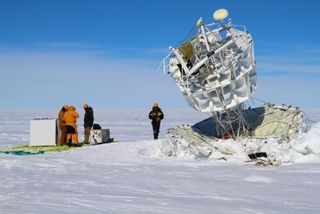

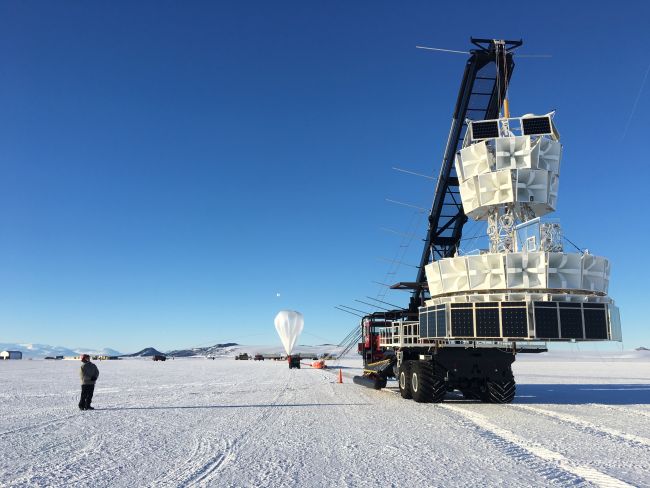








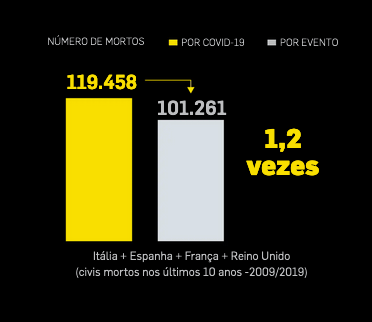


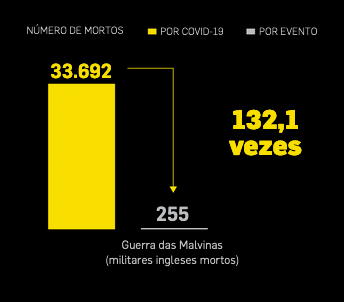



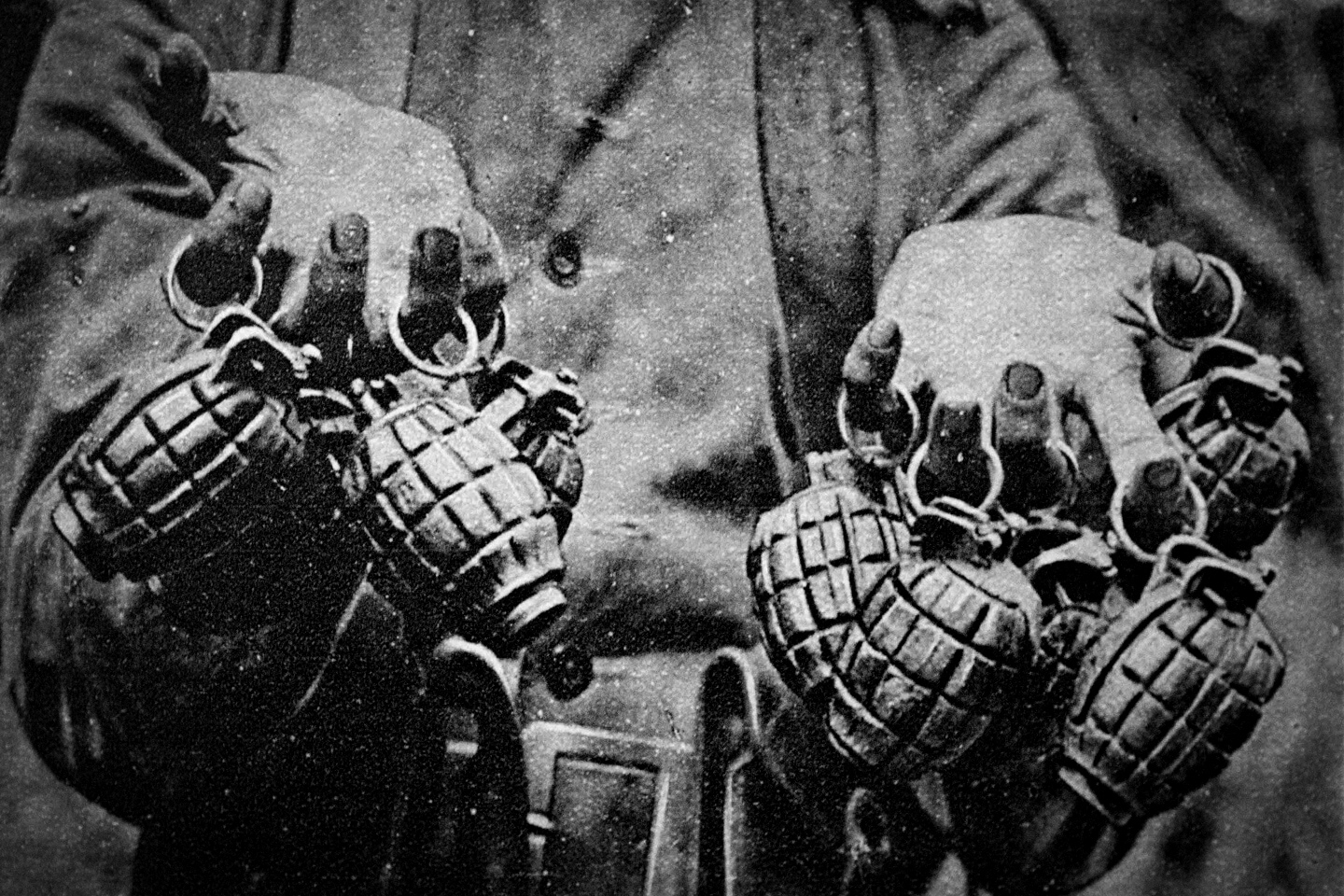


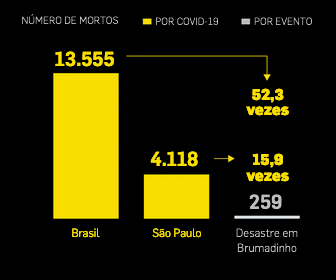
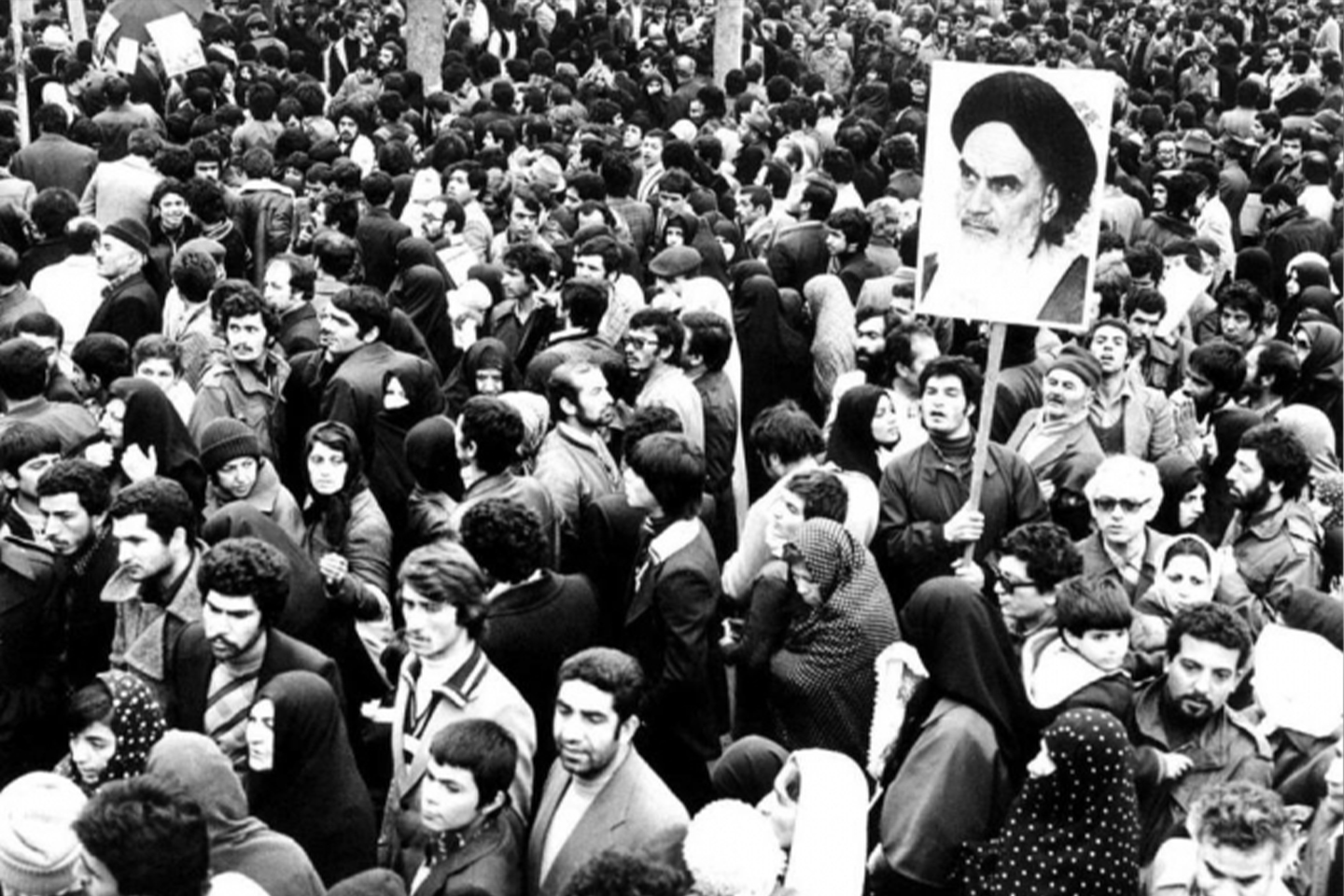

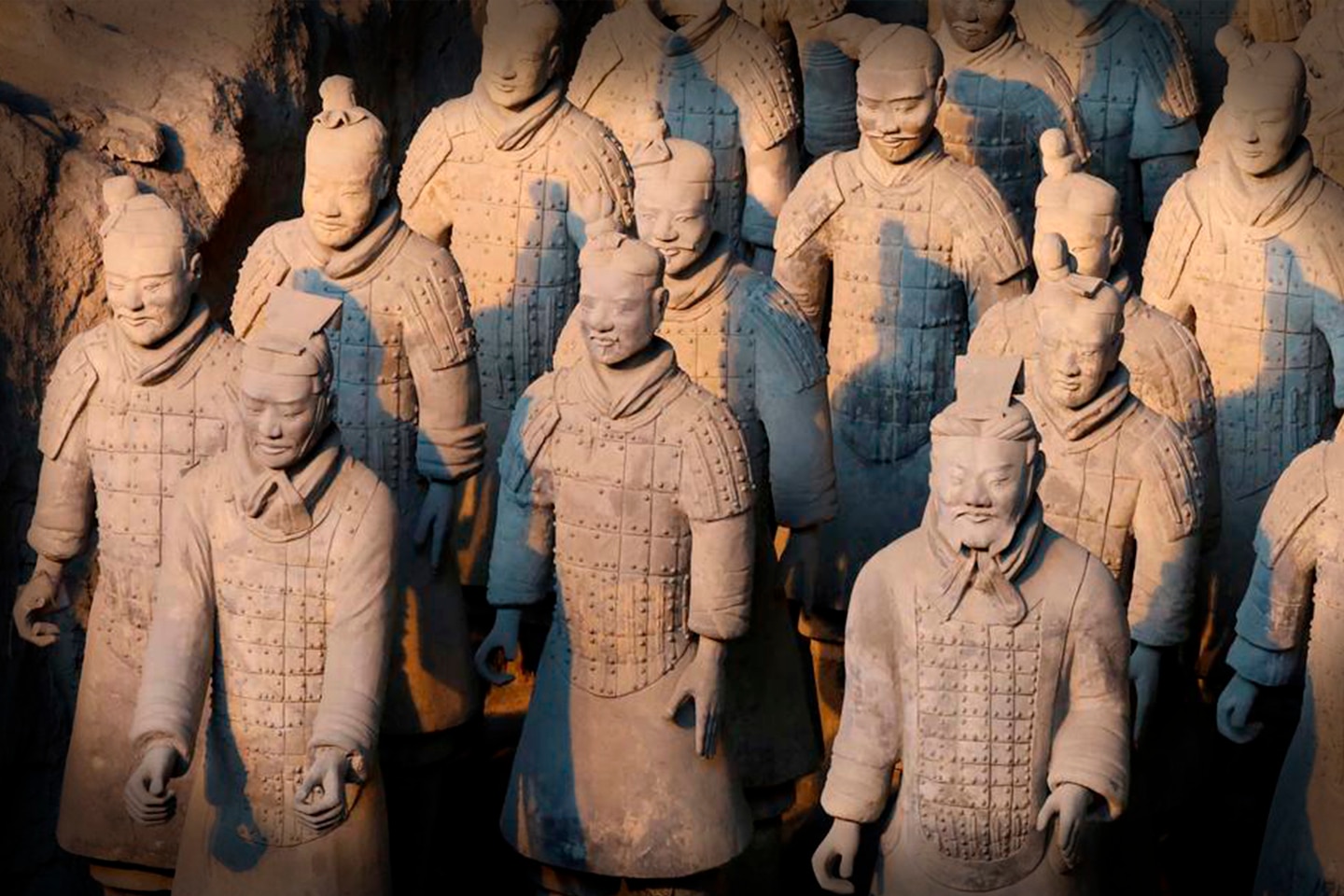

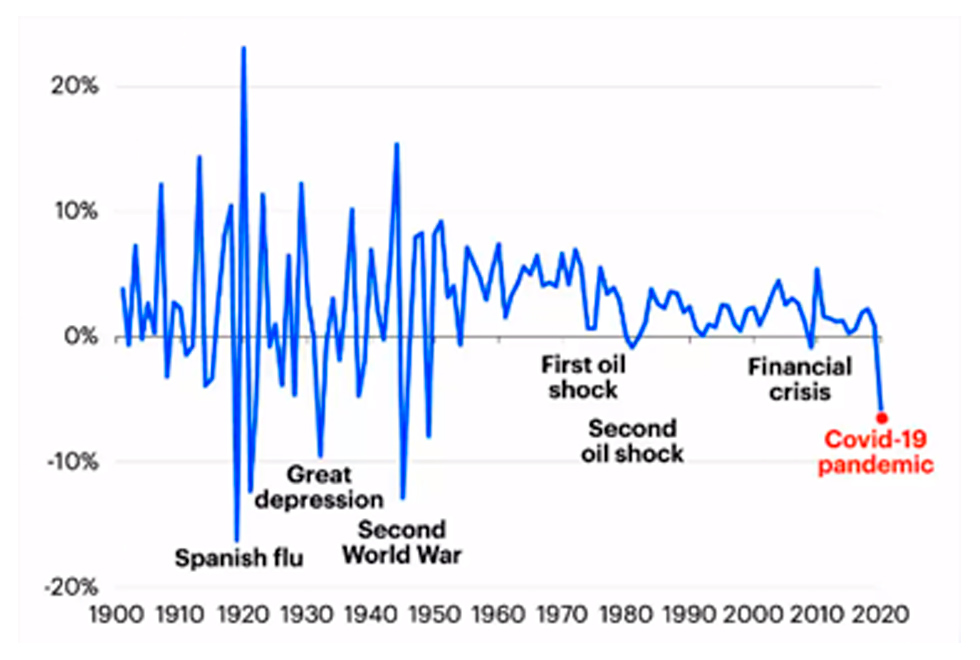
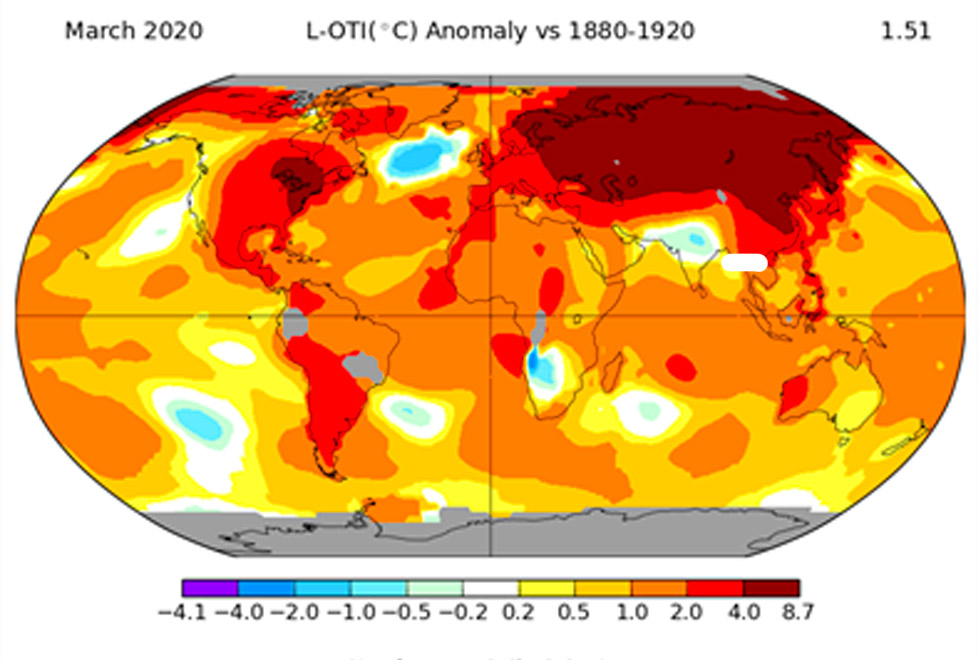


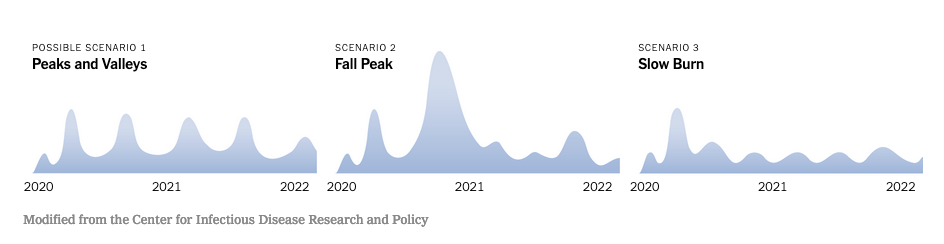
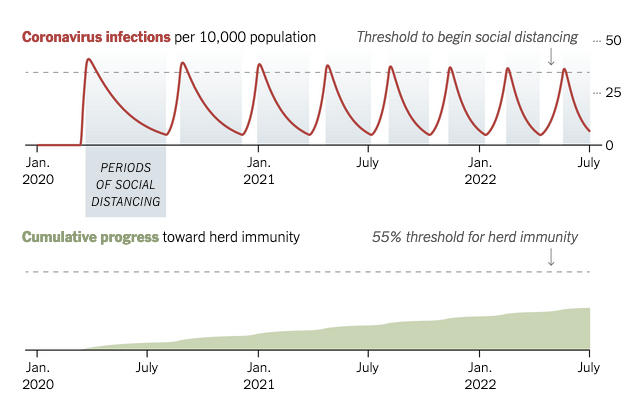
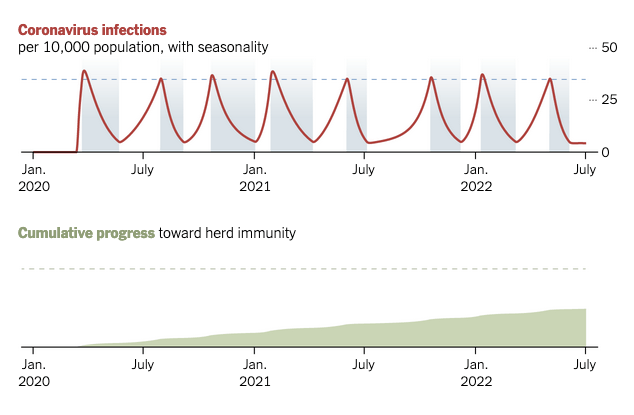





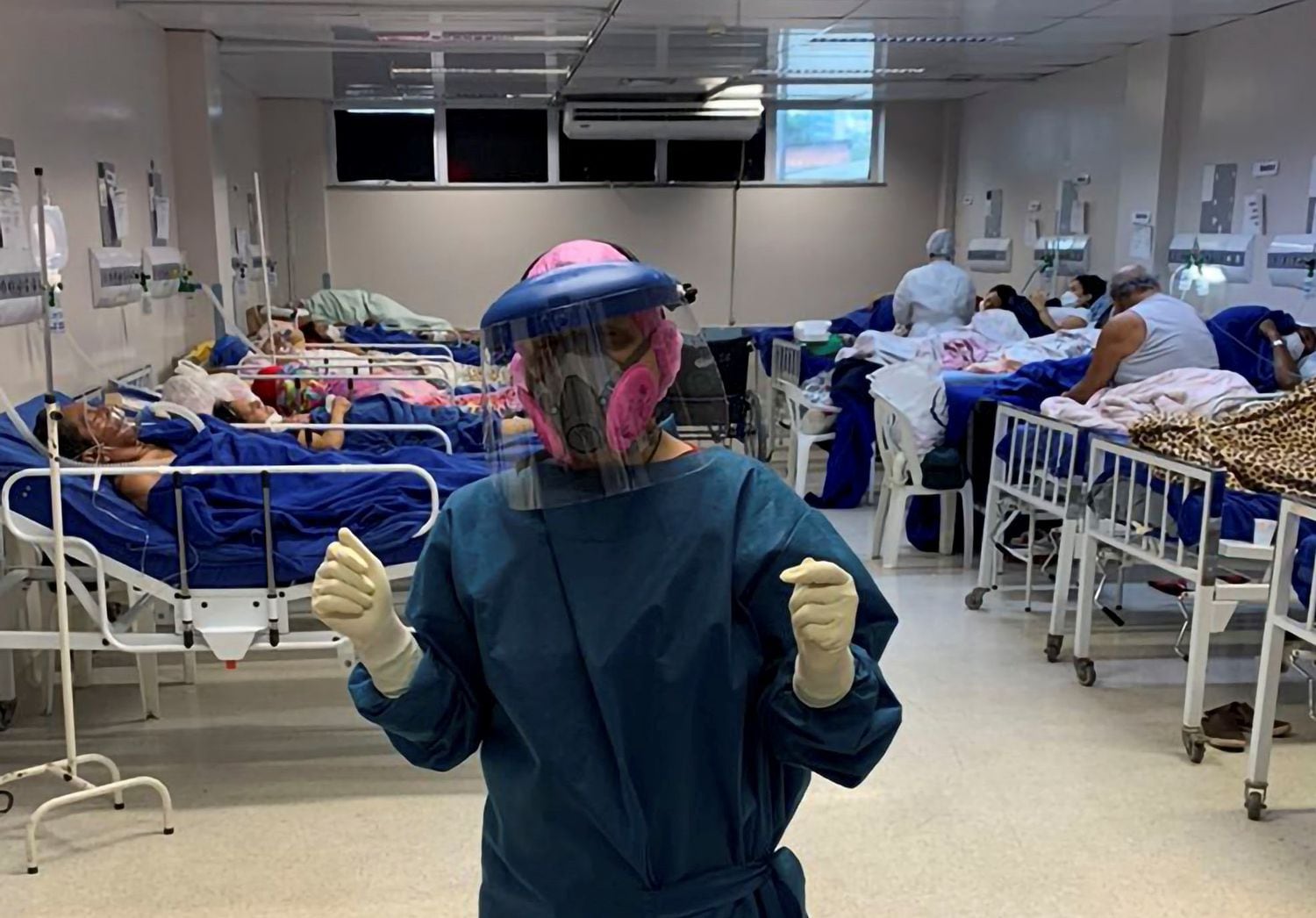


Você precisa fazer login para comentar.