A Fundação Cacique Cobra Coral (FCCC) voltou aos holofotes após o anúncio da suspensão de “assistência climática” para a Argentina e a renovação por 25 anos do acordo com a Prefeitura do Rio em meio aos vendavais que já levaram prejuízos e mortes ao estado. À frente da fundação está Adelaide Scritori, médium que afirma incorporar o espírito do Cacique Cobra Coral. Em entrevista à coluna GENTE, ela contou que seu primeiro contato com as mensagens da entidade foi marcado pela sensação de que havia “uma grande missão pela frente e sem volta”.
A atuação da fundação, que já foi do Réveillon carioca ao Rock in Rio, passando pela coroação do Rei Charles III, na Inglaterra, ganhou projeção após as grandes enchentes de Santa Catarina, na década de 1980, quando o então governador Esperidião Amin teria solicitado ajuda. Segundo Adelaide, após um primeiro contato, ela recebeu um novo comunicado do governo catarinense informando que a chuva havia parado e o nível das águas havia baixado. A experiência, diz a médium, deu origem ao primeiro convênio da entidade com um governo estadual.
Questionada sobre os limites da atuação do Cacique Cobra Coral, Adelaide reconheceu que existem. Segundo ela, há situações em que a orientação espiritual é não interferir. “Quando pedem para, através do clima, prejudicar alguém ou algum país”, afirmou, classificando a situação como inadmissível. Ela acrescenta que a fundação também procura manter uma postura neutra em guerras e conflitos armados.
Na esfera política, Adelaide também comentou a suspensão da assistência à Argentina, anunciada após declarações de Javier Milei contra o presidente Luiz Inácio Lula da Silva. Segundo a médium, a decisão foi unilateral e partiu dela, como forma de protesto. “Uma falta de ‘lhanesa’”, afirmou, referindo-se a uma expressão posteriormente usada pelo próprio Cacique Cobra Coral. Para uma possível reaproximação, a condição, segundo Adelaide, é que o presidente argentino se desculpe com o Brasil.
Sobre a renovação do acordo com o Rio, Adelaide diz que a fundação continua a mesma, mas criticou a condução das recentes ventanias na região. “Eles já começaram sem fazer a lição de casa e isso não é bom”, afirmou. Segundo ela, após uma solicitação relacionada ao afastamento de um vendaval, deveria ter sido enviado um novo relatório indicando que a situação estava sob controle.
Adelaide rejeita a ideia de que a fundação faça previsões meteorológicas. “Nós não fazemos previsão, isso é com a ciência”, afirmou. Para ela, porém, o cenário climático atual é mais grave do que no passado. “O clima na Terra não está mudando, já mudou. Só Trampiou… digo, piorou”, ironizou.
The models responsible for last month’s agent hack of Hugging Face had been inadvertently trained to cheat and to communicate with each other, according to an OpenAI technical report released today. The hack, which a group of agents undertook to find solutions for a cybersecurity test that they were stuck on, has confirmed some experts’ fears that AI models might take actions that defy human desires and expectations.
Since the hack, OpenAI employees—as well as researchers at the AI evaluation nonprofit METR, which released its own report on the hack today—have worked to understand what went wrong and how similar missteps might be prevented in the future. OpenAI has already put some preventative measures in place based on what they discovered. But making sure AI models do what we want them to do, or “alignment,” remains a gnarly problem, and some of the root causes of the hack will take much longer than a month to resolve.
“It’s not something you can solve overnight,” says Kai Chen, who runs OpenAI’s alignment research team. “There are challenges we’ve been tracking for a very long time, and we’re now seeing them with much greater precision.”
The Hugging Face hack was a product of months of misbehavior from OpenAI agents, first as they were being trained and then as their abilities were being evaluated. This May, agents in training figured out how to use OpenAI’s infrastructure to communicate with one another and get support with difficult training tasks, including some that were impossible to solve without hacking or otherwise misbehaving. That “message board” was shut down.
Then in July, while being evaluated for their cybersecurity abilities, some models created a new message board. They were supposed to be isolated from the internet, but by working together they managed to get online, hack Hugging Face, and obtain solutions for the cybersecurity problems that had stumped them.
Based on their investigation, OpenAI researchers believe that events during the training phase led directly to the hack. “For almost every behavior that was worrisome at evaluation time, [we were able to] find some sort of associated behavior at training time that actually we think might have contributed to it,” says Eric Wallace, a member of OpenAI’s alignment research team.
When models correctly solve problems during training, the behaviors that led them to that solution are reinforced, and they become more likely to engage in them in the future. So if a model completed a task in May after using the original message board, it became more likely to participate in a new message board later on. This phenomenon, where AI agents misbehave in ways that are reinforced during the training process, is known as reward hacking.
Reward hacking also helps to explain why the models worked so hard to make their way onto the internet. During its investigation of the incident, the OpenAI team found that, over the course of training, the models became more and more likely to probe their digital environment for weaknesses and use the tools at their disposal in unexpected ways—a sign that these behaviors were being gradually reinforced. By the time the models were facing tricky cybersecurity problems, they had learned that hacking was an effective way to achieve their goals.
These results suggest that the Hugging Face hack could have been avoided if the models weren’t rewarded for misbehaving during training. While researchers don’t yet know how to prevent reward hacking entirely, OpenAI is taking some steps toward mitigating its effects. The company will now look for signs of cheating in all frontier models during training by keeping an eye on their chains of thought—internal notepads where they sketch out their answers and plan their actions.
This solution isn’t as much of a slam dunk as it might seem: In earlier research, OpenAI showed that punishing models that mention cheating in their chains of thought teaches them to keep their intentions hidden from researchers. But monitoring its models’ thinking does give OpenAI the chance to halt the training process and reassess its approach if models do start learning to reward hack.
If OpenAI stops reinforcing reward hacking in its models—and that’s a huge “if”—that would be a huge step forward. But it wouldn’t solve the alignment problem. The first time a model communicated with other agents or hacked its infrastructure during training, those behaviors had never been reinforced, so agent misbehavior can’t only be attributed to that reinforcement.
Jeffrey Ladish, director of the AI safety nonprofit Palisade Research, compares the agents to a human who commits their first financial crime. “It’s not like they had to do fraud before to figure out that fraud is an effective strategy, and you have the same problem with models,” Ladish says. “Alignment science needs to be understanding how model motivations get shaped, such that we can actually figure out how to get models to care about the consequences of their actions.”
OpenAI’s researchers do have a hypothesis for where some of the misbehavior originated. Before the models formed their first secret message board, they had been trained to communicate and coordinate with subagents—less powerful agents to whom a main agent can delegate tasks.
That learned communication behavior could have transferred to this new setting. The METR report, which investigates the messages that the models sent to one another in detail, supports this hypothesis: One agent on the message board took charge and assigned tasks to the other agents, effectively treating them as subagents. OpenAI could try to prevent agents from secretly communicating with one another by not training this subagent behavior in the future, but that would make the models less useful.
This tension between capability and safety is at the heart of what went wrong with the Hugging Face incident. OpenAI researchers also identified the models’ persistence as a key factor in the hack.
When they were accidentally given unsolvable problems, the models didn’t give up; instead, they strove to find solutions by any means necessary. But persistence is also a virtue, of course, especially if we want agents that can undertake large amounts of difficult work independently.
OpenAI is working on giving models ways to alert humans if they are given impossible tasks. The problem of teaching models when they should deploy their abilities and when they should hold back, however, won’t be settled in a single postmortem. The training strategies that create superhuman coders—rewarding them when they successfully solve problems—might not work to teach models to use their skills judiciously and respect human desires and values.
“I think there’s a bunch of alignment science that still needs to be done where we can move past just using proxies for task completion,” says Ladish. “That will work to make models very capable, but I don’t think it will work to make them aligned.”
Credit: Historical/ Corbis Historical via Getty Images
Timothy Ott
August 20, 2026
Although the Great Depression was a challenging time for most Americans, a special distinction can be made for those who weathered the unique conditions of the Dust Bowl. Generally encompassing a 300,000-square-mile region of Texas, Oklahoma, Kansas, Nebraska, Colorado, and New Mexico — although its effects were also felt farther north — the Dust Bowl was marked by the relentless accumulation of dry soil that blackened skies and ruined crops.
In the wake of poor farming practices and unusually low levels of rainfall, topsoil from the Great Plains swirled through towns, piled up on fence posts, and seeped through building cracks. People and livestock alike suffered adverse health effects from inhaling the contaminated air, although the status quo apparently suited the swarms of grasshoppers who devoured what remained of crop rows.
While it sounds like something out of a dystopian novel, the Dust Bowl was very much a real experience for millions of people who had to decide between sticking things out in an inhospitable climate or abandoning their homes for an unknown future. Here are five facts about what it was like to live through those years of uncertainty.
The Catastrophe Was Caused by Poor Farming Practices
The Dust Bowl’s roots can be traced back to the late 19th century: Federal efforts such as the Homestead Act of 1862 lured settlers to the Great Plains, and by the early 1900s, much of the prairie’s native grasslands, which helped retain precious water in the soil, had been dug up. The problem intensified with increased demand for wheat during World War I, which led to a focus on this particular yield at the expense of sustainable crop rotation, while improved farming machinery such as the gasoline-powered tractor lured even more “suitcase farmers” to arid areas with the hope of cashing in on crops.
The ramifications of this overfarming became apparent when the region was stricken by a series of droughts beginning in 1930, leaving wide swaths of overturned earth dry and loose, vulnerable to blowing away in high winds. The disaster impoverished the farmers, who struggled to grow suitable crops and attract customers amid the financial depths of the Depression.
Enormous Dust Storms Traveled All the Way to the East Coast
Beyond the endless rows of parched farmland, the starkest visual indication of an ecological system gone awry was the series of dust storms that swept across the Great Plains for much of the 1930s. The frequency of storms increased as the decade progressed, going from 14 in 1932 to a peak of 72 in 1937.
While some of these were milder and more localized “sand blows,” others were enormous “black blizzards” that wiped out visibility altogether as they ripped across several states. One such tempest, which commenced in the Northern Great Plains on May 11, 1934, carried an estimated 350 million tons of silt all the way to the Eastern Seaboard, with ships a few hundred miles offshore even noting the accumulation of dust on their decks. But the most notorious of the storms was the one that roared south from the Oklahoma Panhandle at winds reaching 60 mph on April 14, 1935. The event came to be known as “Black Sunday” and yielded the first known use of the term “Dust Bowl” in newspapers.
Credit: Photo 12/ Universal Images Group via Getty Images
Migrant “Okies” Faced Discrimination
Unsurprisingly, the unforgiving conditions prompted many residents of the Dust Bowl’s hardest-hit regions to uproot their families in search of better pastures farther west. Approximately 2.5 million people moved from their Great Plains homes throughout the 1930s, with the notable share of Oklahomans giving rise to the pejorative nickname of “Okies” for any migrants who departed the desolate Midwest.
The 200,000 or so migrants who journeyed to California found no immediate improvement to living conditions; those who sought to eke out a living picking fruit in the San Joaquin Valley often were forced to live amid unsanitary conditions in tents and shantytowns, while those who ventured south to Los Angeles were for a time turned away by the LAPD’s “bum brigade.”
Although later research showed that the population decrease of the Dust Bowl states reflected both the continuation of post-World War I migratory trends and the lack of new arrivals to the area, there’s no doubt that Dust Bowl migrants marked a distinct subset of Americans who struggled during the Depression era.
As part of the sweeping legislation passed under President Franklin D. Roosevelt’s New Deal, the federal government enacted a series of programs geared toward farmers ravaged by the Dust Bowl. The Emergency Farm Mortgage Act and Farm Credit Act in 1933 allowed recipients to refinance their loans and access new lines of credit, while the Farm Security Administration of 1937 offered educational opportunities and health care plans for participants.
Other programs sought to undo some of the environmental issues at play. The Soil Erosion Service, which became the Soil Conservation Service in 1935, provided instruction on sound farming techniques such as crop rotation, and awarded subsidies for farmers to leave certain areas idle to let the land recover. Then there was the massive Shelterbelt Project, which tapped unemployed laborers to plant more than 220 million trees across a 1,300-mile row from Texas to Canada in an attempt to block winds from whipping up the dreaded dust storms.
The Dust Bowl Produced Some of the Most Enduring Art of the Century
As human suffering can be a catalyst for creativity, it’s not surprising that some of the most powerful American art of the 20th century emerged from the Dust Bowl years. Photographer Dorothea Lange showcased the toll of hard living on her subjects, as exemplified by her famed “Migrant Mother” portrait from 1936. Painter Alexandre Hogue supplied his “psychorealistic” view of the era, with works highlighting the desolate landscapes and emaciated cattle of the Great Plains. Author John Steinbeck captured the desperation of the displaced Joad family in his 1939 masterpiece The Grapes of Wrath. And folk singer Woody Guthrie, who endured Black Sunday from his north Texas home and actually lived the life of the migrant “Okie,” relayed the heartache of those lean years with his first commercial album, 1940’s Dust Bowl Ballads.
The AI industry’s boldest promise right now is that AI will soon improve itself, with almost no need for human oversight. LLMs can already write code, generate synthetic data for training, and optimize the computer chips they run on. Forecasts of explosive AI progress predict that what researchers call recursive self-improvement is on the horizon.
But a new study suggests that it might take a while for us to get there. The researchers behind it found that AI agents are not yet capable of conducting open-ended AI research—free-form investigations that have no clear-cut answers and require judgment and taste, which may be integral to building self-improving AI.
A multi-institution group of researchers, led by Peter Kirgis and Sayash Kapoor at Princeton University, found that AI agents could solve the engineering problems necessary to do AI research but lacked the judgment and creativity to produce original research at the caliber of papers accepted by a top machine-learning conference. The gap suggests that some of the hyped-up timelines for automating AI research may be running ahead of the evidence.
Most existing research on how agents can automate AI research evaluates their ability to complete narrow tasks with checkable answers, such as solving engineering problems or post-training small language models against a benchmark. But making progress in AI research also requires open-ended thinking—choosing a set of hypotheses, deciding what evidence would settle a question, or knowing when to start over.
To test agents on those kinds of skills, the researchers in the study proposed a new method of evaluation called “shadow evaluation,” which requires the AI to answer a research question from a high-quality unpublished paper.
The researchers asked Anthropic’s Claude Opus 4.8, running on open-source software called OpenClaw, to tackle such questions, in this case from two papers submitted to the prestigious machine-learning conference NeurIPS 2026.
The first question was whether a large language model’s “personas,” which determine its behavior, can be controlled by editing the model’s weights (the billions of numbers that store everything it learns during training). The other asked how to design a detector that points out when a model that makes predictions based on spreadsheet data has become unreliable. Because the papers had not been made public, the agents could not memorize the answers from their training data or find them online.
The agents were given six days, $3,000 in Anthropic API credits, a GPU budget to run the experiments, their own virtual computers, and access to the open web to produce a research paper worthy of publication at a top-tier AI conference. The papers’ original authors graded the agents’ papers as they would evaluate one submitted to a conference.
Those authors rejected both papers.
The agents were capable of all the engineering required to conduct the research, the human scientists found. The agents reviewed the literature, ran hundreds of experiments, and compiled the results.
“On the other hand, the agents were unambiguously bad at carrying out the research itself,” says Kapoor. They ran bizarre experiments (in some cases testing their hypotheses on tiny synthetic datasets), struggled to write intelligibly about their work, and made no novel contribution to their fields. “The papers were nowhere close to the mark when it came to being at the quality of a top AI conference,” he says.
That’s because the agents struggled to muster the creativity and judgment necessary for conducting research. They didn’t do enough to explore different ideas, and they committed to unpromising approaches too quickly. Though the agents developed novel and ambitious hypotheses resembling those that the original authors themselves started with, they rejected them on the basis of very limited data. And they couldn’t backtrack from failing approaches. They could make small pivots but could not fundamentally rethink their approach or try new ones from scratch.
The agents also failed to incorporate feedback from subagents or external AI reviewing tools. Instead of revising their methodology, the agents narrowed their claims and added caveats. They also couldn’t effectively use resources, such as tokens, compute, and time. And they couldn’t follow instructions about things like how much time to spend on different phases of the research or how long their paper could be.
For all their failures, the agents didn’t engage in the misbehavior that researchers call “reward hacking,” hiding or misrepresenting experiments or data. Although subagents, or helper AIs that the main agent spawns to handle pieces of the work, occasionally hallucinated or misrepresented the results, these were caught by the orchestrator agent, the lead AI supervising the project.
The reason AI models are good at research engineering but not at open-ended research may come down to how they’re trained, says Kapoor. Models get good at whatever they can be drilled on in a training regime called reinforcement learning, which is easier to apply to tasks whose success can be checked automatically. “But it’s harder to create environments to train these models when the task itself is open-ended,” he says.
Kapoor says the team is now conducting the experiment with Mythos, Anthropic’s most advanced model, which launched in April. It was subsequently required by the Trump administration to meet various safety restrictions and is now available only to approved organizations. Anthropic did not respond to a request for comment.
There are some limitations to the study. It covered just two research papers, and the original authors knew the papers they were grading were generated by AI agents, which could have colored their evaluations. And the researchers had substantial discretion in designing and executing the study, meaning that their preexisting beliefs and biases could have slipped into the results. Evaluations of open-ended research trade some objectivity for a much richer test than any benchmarks can offer.
Still, the results may temper the claims that recursive self-improvement is on the horizon. In June, Anthropic published a blog post titled “When AI Builds Itself,” charting its progress toward models that speed up their own development. In July, OpenAI advertised the fact that its new model GPT-5.6 Sol had helped post-train a smaller model, saving researchers weeks of work.
The new finding may echo what AI companies are finding internally, regardless of their most optimistic public statements. Anthropic cofounder Jack Clark wrote in his newsletter Import AI that it rhymes with what the company found when it tried to automate some aspects of AI safety research.
“There’s a certain absence of valuable, intuitive creativity in today’s AI systems, and though they’re extraordinarily capable engineers they seem to have a certain property of rote, formulaic thinking that might prevent them [from] being good researchers,” he wrote. He called AI systems’ lack of creativity a “bearish signal on short recursive self-improvement timelines.”
AI companies do have every incentive to develop AI systems that can rapidly accelerate their own progress, just as they did to make the models better at coding. OpenAI has made building an automated AI researcher an explicit goal, and Anthropic identifies self-improving AI as the industry’s next milestone.
“If there is investment and then conscious effort toward this direction, I feel like there would be interesting progress, even if it’s failing currently,” says Najoung Kim, a professor of linguistics and computer science at Boston University who researches how AI agents can automate AI research but did not work on the study. On the other hand, it’s possible that AI progress may be bifurcated. AI systems might race ahead on narrow tasks—the kind that can be scored—while advancing slowly on open-ended research.
The big open question, then, is how crucial open-ended research is to recursive self-improvement—whether AI systems can grind their way there without it, simply by improving on the narrower tasks. “If we look back to the biggest advances in the field, the invention of transformers or the invention of big new architectures that allowed us to make a lot of AI progress—all of those did require creative leaps,” says Kapoor.
“That said, others have this hypothesis that all of what we need for transformative AI, in particular for recursive self-improvement, is already there.” That would include making a model train faster and boosting its benchmark scores.
“That’s frankly the trillion-dollar question right now,” he says.hide
Thursday, Aug 27, 2026 1:55 PM Updated Thursday, Aug. 27, 2026 1:55 PM
Indonesian Muslims attend a prayer requesting for rain following wildfires that burn through peatlands in several regions in Sumatra and Kalimantan Island, in Palembang, South Sumatra, Indonesia, Tuesday, Aug. 25, 2026. (Muhammad Fajri/Associated Press)
PALEMBANG, Indonesia – Authorities in Indonesia’s South Sumatra province turned to spiritual measures Tuesday as huge blazes in central and western regions scorched wide areas of forests and peatland, creating a choking haze that blanketed some cities in the world’s most populous Muslim-majority country.
The prayer gathering in one of the regions hardest hit by this year’s wildfire season comes as the province faces prolonged dry weather that has heightened the risk of forest and peatland fires.
The latest satellite data from the Environment Ministry showed West Kalimantan recorded the highest number of hot spots with 3,120, followed by Central Kalimantan on 2,314 and South Sumatra at 1,500. Forestry Ministry data showed that nearly 363 square miles were burned in July alone, including over 8 square miles in South Sumatra province.
About 3,000 residents gathered in Palembang, the capital of South Sumatra province, to take part in a special Islamic prayer for rain, known as “salat istisqa.” They prayed shoulder to shoulder in the courtyard of the governor’s office as thick smoke shrouded roads, buildings and public facilities, reducing visibility and forcing motorists to drive with their headlights on during the day.
“We have done everything we can and worked closely with all relevant parties,” Gov. Herman Deru said before the prayer. “As people of faith, we are also praying to God to send rain so that life can return to normal.”
He also said the public prayer would complement ongoing firefighting and drought-mitigation measures and serve as a moment for residents to unite in confronting the environmental challenges facing the province.
Emergency services have been battling wildfires driven by an intensifying El Nino pattern and a prolonged dry season, generating dense smoke that crossed into Malaysia and Brunei, according to the National Disaster Management Agency.
Indonesia is intensifying weather-modification operations to help more than 24,000 firefighters, who were deployed on Sumatra and Borneo islands to combat wildfires, by inducing rainfall through the dispersal of salt particles into suitable clouds, with 30 aircraft for cloud-seeding and water-bombing operations over Kalimantan, and another 22 helicopters covering Sumatra.
As fires continued to spread, the Forestry Ministry announced Tuesday it had sanctioned six forestry concession holders after finding that more than 5.8 square miles of forest and land had burned within areas under their management in West, Central and East Kalimantan provinces on Borneo island.
Five companies were ordered to strengthen fire-control measures and rehabilitate burned land, while a sixth company had its permit suspended because fires on its concession were widespread and recurrent.
Forestry law enforcement director general Dwi Januanto Nugroho said the authorities could pursue criminal charges if investigations uncover evidence that companies or individuals deliberately caused fires or failed to meet their obligations to prevent them.
Indonesian police have arrested 72 people suspected of starting some of the forest and peatland fires.
Plantation owners and traditional farmers often start fires to clear land for farming at low cost, triggering hazardous haze that reduces visibility, disrupts land and air transportation, and threatens public health.
Fires are a regular problem during the dry season in Indonesia, the vast archipelago of more than 17,000 islands, and the haze they generate has periodically drawn diplomatic complaints from neighboring countries in Southeast Asia.
One of the oldest religious practices in ancient Rome was augury, or reading signs from the gods through the behavior of birds, the idea being that the birds were deliberate divine messengers. Augurs, or bird divination experts, would sometimes draw diagrams on the ground to help them interpret behavior from owls, woodpeckers, crows, and other wild birds.
These avian messages, called auspices, were taken extremely seriously, but wild birds weren’t always around to deliver them — so eventually, ancient Roman priests started keeping “sacred chickens” that they could call upon at any time. These fortunetelling chickens were especially prized for military decisions, and would be consulted before any major moves to make sure the gods approved.
When their services were required, the chickens would be released from their cages and fed so that augurs could interpret their eating patterns. Broadly, a chicken refusing to eat was a very bad sign, while a chicken gobbling up its food while stomping its feet was a very good one.
The most notable cautionary tale about not heeding the fowls’ warnings came in 249 BCE. According to the ancient scholar Cicero, one Roman consul commanding a fleet of ships dismissed some bad omens before going into battle. When he was told the chickens wouldn’t eat, he ordered them thrown overboard, commenting, “Let them drink.” He was soundly defeated, and later recalled by the Roman Senate.
An employee of National Hurricane Center looks at the multiple hurricane models displayed on the monitors at the National Oceanic and Atmospheric Administration’s (NOAA) National Hurricane Center in Miami, Florida, on May 30, 2025.
Truthout is a vital news source and a living history of political struggle. If you think our work is valuable, support us with a donation of any size.
Since June 23, a group of former employees of the communications branch of the National Oceanic and Atmospheric Administration (NOAA) have been busily resurrecting one of the government’s premier educational websites on climate change.
Climate.gov was started in the early 2010s by communicators with NOAA, and for more than a decade it consistently produced high-quality graphics and other charts documenting rising global temperatures, changing rain patterns, drought conditions, El Niño impacts, and other climate-related data. If you were a layperson and wanted to understand the parameters of human-induced global warming, the website rapidly became a go-to spot. By the 2020s, it was logging more than 1 million visitors per month, according to Rebecca Lindsey, a West Virginia-based communications specialist with an undergraduate degree in biochemistry and a master’s degree in journalism who used to work as the site’s lead writer and editor.
In February 2025, as the so-called “Department of Government Efficiency” (DOGE) purges accelerated, most of the staff and contractors attached to the website, Lindsey included, were fired — part of a NOAA culling that saw the agency’s workforce cut by roughly 600 in the first couple months of the new administration. By May of last year, the website had been officially taken down. Try to access it today and you get redirected to a NOAA site with this Orwellian message:
In compliance with Executive Order 14303 (‘Restoring Gold Standard Science’), the White House Office of Science and Technology Policy’s June 23, 2025 Memorandum (‘Agency Guidance for Implementing Gold Standard Science in the Conduct & Management of Scientific Activities’), 15 USC § 2904 (“National Climate Program’), 15 USC § 2934 (‘National Global Change Research Plan’), and 33 USC § 893a (‘NOAA Ocean and Atmospheric Science Education Programs’), you have been redirected to NOAA.gov. Future research products previously housed under Climate.gov will be available at NOAA.gov/climate and its affiliate websites.
Calling it “gold standard science” is, of course, something of a stretch; peruse this site and you’ll find no mention of human-induced global warming, no mention of CO2 emissions exacerbating climate change, no mention even that global warming is accelerating.
Lindsey and her colleagues have, however, refused to go quietly into the night. They believe their educational mission was too important for them to simply fold in the face of Donald Trump and Elon Musk’s hostility. “We worked very hard for 15 years to build Climate.gov, and had a relationship with our readers,” Lindsey explained to Truthout. “And we wanted that to continue. We decided too much had been invested and too much was at stake to let it go without a fight.”
A year after Climate.gov’s demise, Lindsey and several of her erstwhile colleagues resurrected the vast majority of its materials. Left out of the mix were only a few data sets, the information from which they are still trying to access, that were removed early in the DOGE purges because they ostensibly violated anti-DEI mandates or because they referred to the Gulf of Mexico despite Trump’s executive order renaming it the Gulf of America. The new, privately run site is Climate.us and it contains a wealth of sophisticated data sets and graphics on the world’s climate. Each week, new parts of the site come online— including, most recently, a blog titled the El Niño Southern Oscillation (ENSO), recreated just in time to help website visitors grapple with the likely consequences of what is shaping up to be the most powerful El Niño in decades.
Their work has proven to be an inspiration for ex-government employees in a number of other different agencies and branches of government. Former Environmental Protection Agency (EPA) communicators are, Lindsey says, now looking to resurrect climate-related EPA pages that have been taken down; a group called the Public Environmental Data Partners is attempting to rescue specialist environmental monitoring tools — it has some information online, but not yet a fully interactive website. Another group, the Environmental Data and Governance Initiative is working to save specialized environmental justice screening tools. As the Trump administration deliberately shreds decades of climate-related research, ex-government employees are attempting to ride to the rescue by creating a sort of shadow information-dispersal system. The American Geophysical Union, which most U.S. Earth scientists are members of, has been instrumental in putting the Intergovernmental Panel on Climate Change back on track after the Trump administration pulled support for its annual reports.
Lindsey says that the Climate.us site now is seeing close to a million visitors a month, putting it up there with where the NOAA-run site was before its demise. Teachers use it frequently, she says, as do an array of others simply trying to get an accurate read on what is happening to the climate.
As with the old government-run website, Climate.us has a network of scientific advisers around the country willing to lend their expertise to the project and to make sure that what the communications people write up is scientifically accurate. The network is made up of people such as Rick Thoman, a long-time National Weather Service employee in Alaska, who left the government in 2018 and moved over to the University of Alaska Fairbanks, where he is now a climate specialist with the Alaska Center for Climate Assessment and Preparedness.
Thoman used to work as an editor with the Arctic Report Card — another vital international project that the Trump administration has, scientists involved in it tell me, recently decided to withdraw from — and had provided Lindsey’s Climate.gov team with detailed scientific input on Alaska-related phenomena. “When, in February 2025, disaster occurred and Climate.gov goes away, and out of the ashes rises Climate.us, for me it was natural; I was happy to continue in the role in this new form,” Thoman told Truthout. “Because they are so skilled at turning complex environmental information into accessible graphics, the work they do is really important in conveying to non-specialists the changes that are happening.”
An Earth scientist who used to work for NASA (and who asked to remain anonymous) told Truthout that he was now volunteering to be an external reviewer of Climate.us content “because they’re continuing an essential curated and recognized database of how the climate is changing — and where it’s likely to go in the future.” The scientist expressed dismay at the Trump administration’s shuttering of critical climate change work that would be “useful to the U.S. military, to the states,” and that ought to serve as background material upon which Congress based informed legislative decision-making around environmental policies. Now, he said, “not only are [members of the Trump administration] not making good decisions, but they don’t want good information to be readily available.”
For Lindsey, the preservation of this vital climate-related information in an era of administration-enforced environmental ignorance has become a mission. “Climate information shouldn’t be available to the public just on a political basis or a whim,” she said. Instead, there ought to be a way to “promote public climate literacy and to equip people to turn knowledge into meaningful conversations and climate-conscious actions.”
This article is licensed under Creative Commons (CC BY-NC-ND 4.0), and you are free to share and republish under the terms of the license.
Sasha Abramsky is a freelance journalist and a part-time lecturer at the University of California at Davis. Abramsky’s latest book, American Carnage: How Trump, Musk, and DOGE Butchered the US Government, is available for pre-order now and will be released in January. His work has appeared in numerous publications, including The Nation, The Atlantic Monthly, New York Magazine, The Village Voice and Rolling Stone. He also writes a weekly political column. Originally from England, with a bachelor’s in politics, philosophy and economics from Oxford University and a master’s degree from the Columbia University Graduate School of Journalism, he now lives in Sacramento, California.
Monan recebe cerca de R$ 800 mil por ano; meta inicial era de R$ 5 milhões anuais
Baixo investimento e falta de coordenação limitam previsões, dizem especialistas
23.ago.2026 às 11h00
Marcelo Lima Loreto
Nova York
O Brasil tenta ampliar sua capacidade de antecipar eventos extremos, mas uma de suas principais apostas recebe menos da metade do valor necessário, na avaliação do coordenador do projeto.
O modelo em questão é o Monan (Modelo para Previsões de Oceano, Terra e Atmosfera), liderado pelo Inpe (Instituto Nacional de Pesquisas Espaciais).
Ainda em desenvolvimento, o Monan já faz previsões com até 15 dias de antecedência e resolução espacial de cerca de 10 km, próxima à dos principais centros internacionais, de acordo com Saulo Freitas, coordenador do projeto no Inpe.
Trecho do rio Xingu, em Mato Grosso; novo modelo de previsão do tempo buscará representar melhor a influência da amazônia sobre o clima na América do Sul – Pablo Porciuncula – 21.mar.25/AFP
Segundo ele, o Monan deve ajudar o país a antecipar eventos extremos e a se preparar para seus impactos. A capacidade de prever a evolução do El Niño deve ser incorporada em três ou quatro anos, e o modelo deverá estar em pleno funcionamento em 2031.
Freitas diz que o Monan buscará representar melhor a influência da amazônia, do cerrado, dos oceanos, do desmatamento e das cidades sobre o tempo e o clima na América do Sul.
Na concepção do Monan, a meta era obter R$ 5 milhões por ano. Freitas reconhece, porém, que a cifra é alta para os padrões nacionais e diz que cerca de R$ 2 milhões anuais já permitiriam ampliar a participação de universidades e centros de pesquisa, com bolsas, pessoal de apoio e equipamentos.
Hoje, de acordo com ele, o projeto recebe cerca de R$ 800 mil por ano. “É muito pouco”, afirma.
O Monan está em desenvolvimento, mas a máquina necessária para processar seus dados já existe. É o supercomputador Jaci, que realiza em torno de 1,6 quatrilhão de operações matemáticas por segundo e é seis vezes mais rápido que o antigo Tupã, segundo Ivan Márcio Barbosa, do Inpe.
Sem esse supercomputador, diz Barbosa, a previsão poderia ficar pronta apenas “depois que o evento ocorreu” e com resolução muito menor.
O Inmet (Instituto Nacional de Meteorologia), responsável pelas previsões federais, diz que pretende adotar o Monan após a conclusão dos testes. Hoje, ele utiliza o modelo europeu Cosmo, que roda duas vezes por dia e faz previsões para a América do Sul com até sete dias de antecedência e resolução de 7 km.
Por usar um modelo regional, o Inmet afirma que “ainda depende 100% de dados oriundos dos modelos globais”, hoje fornecidos pelo modelo alemão Icon. O órgão acrescenta que substituirá integralmente o Cosmo pelo próprio Icon em suas operações.
Intercâmbio e IA
A troca internacional de dados e análises faz parte da rotina meteorológica. Como a atmosfera não respeita fronteiras, os países compartilham observações e previsões continuamente. A dependência brasileira, porém, vai além desse intercâmbio.
Para iniciar suas previsões, os modelos do Inpe utilizam um retrato das condições da atmosfera produzido pela agência americana NOAA (Administração Nacional Oceânica e Atmosférica).
“Se cortar hoje essa análise, amanhã a gente não tem previsão do tempo para o Brasil”, afirma Freitas, referindo-se às previsões produzidas pelo Inpe.
O Monan busca dar ao Brasil capacidade própria de gerar essa análise global, embora continue usando observações compartilhadas internacionalmente.
A inteligência artificial também começa a ajudar nas previsões.
No Impa (Instituto de Matemática Pura e Aplicada), Paulo Orenstein e sua equipe desenvolvem o Tupann, modelo de IA que usa imagens do satélite americano GOES-16 para prever chuvas com até três horas de antecedência. O modelo exige menos capacidade computacional, mas continua dependente do satélite estrangeiro, segundo Orenstein.
Para tentar reduzir essa dependência de satélites, o Inpe e a China desenvolvem o satélite CBERS-5, com lançamento previsto para 2030. Adenilson Roberto da Silva, do Inpe, diz que o equipamento ampliará a autonomia brasileira na geração de dados para a previsão do tempo. O Brasil fará a plataforma do satélite, e a China, os instrumentos de observação.
Augusto Pereira Filho, professor da USP, defende a criação de um Sistema Nacional de Meteorologia, nos moldes da NOAA, para integrar dados, evitar esforços repetidos e reduzir a disputa por recursos. Na aavaliação dele, o país tem profissionais qualificados, mas faltam políticas públicas, infraestrutura e pessoal.
Interpretação dos dados
Mesmo com tecnologia de ponta, a meteorologia ainda enfrenta o comportamento caótico da atmosfera. Pequenos erros nas medições iniciais podem se amplificar ao longo das simulações. Por isso, as equipes operacionais costumam comparar resultados de diferentes modelos.
“Se os resultados convergem na mesma direção, você tem um pouco mais de confiança. Se divergem muito, menos confiança”, diz o meteorologista Marcelo Seluchi, do Cemaden (Centro Nacional de Monitoramento e Alertas de Desastres Naturais).
Segundo Seluchi, frentes frias e ondas de calor podem ser previstas com até duas semanas de antecedência. Já tempestades intensas, enxurradas e alagamentos podem permitir apenas horas ou minutos de aviso.
“O desafio é saber quanto, onde e quando choverá. Nenhum modelo jamais prevê exatamente o que vai acontecer”, diz Seluchi. Por isso, a experiência das equipes que interpretam os dados e emitem alertas é decisiva.
No Cemaden, as equipes combinam previsões com dados de satélites e de mais de 4.000 equipamentos, como radares, pluviômetros e sensores. O centro monitora riscos de deslizamentos, enxurradas e inundações em quase 1.300 municípios com histórico de desastres.
Mas o impacto também depende de quem está no caminho da chuva. “As áreas mais vulneráveis são as que ficam nas periferias. A desigualdade social é a que gera maior impacto dos desastres. Comunidades indígenas e quilombolas também estão entre as mais afetadas”, afirma José Marengo, climatologista do Cemaden.
Today, being outdoors on a hot, sunny day usually means traveling with a few sun-blocking essentials: sunscreen, sunglasses, and a hat. Though our knowledge of sun damage is relatively recent — it wasn’t until the 1800s that scientists began to understand ultraviolet rays’ harmful potential — humans have always tried to avoid the unpleasant sting of too much sun. Yet the first commercial sunscreens didn’t arrive until the 20th century — before that, people had to find other ways to prevent getting a sunburn.
While it’s hard to pinpoint exactly when people first began actively protecting themselves from the sun, evidence suggests that even in prehistoric times, attempts were made to cover the skin both to stay warm in cold weather and also to block the heat of the sun. People covered themselves with animal hides, plant fibers, and later, woven textiles.
By at least 3000 BCE, some societies started to rely on parasols and umbrellas not only as accessories but also for shade; in ancient Egypt, they were often made out of palm leaves or feathers. Egyptians also wore lightweight, loose-fitting linen garments and headdresses to shield themselves from the sun. In ancient Greece, people commonly wore wide-brimmed hats such as the petasos, protecting their faces and necks from direct sunlight.
Early humans also used primitive versions of sunscreen made from natural compounds. Red ochre, a type of claylike iron oxide, has been mixed with water and applied as a paste to the skin since the time of early Homo sapiens. This mixture was used for ceremonial reasons, but scientists believe it may also have served as a physical barrier against the sun.
Ancient Egyptians, meanwhile, used skin treatments made from ingredients such as rice bran (which absorbs UV light), jasmine (to help repair sun-damaged skin), and lupine (believed to lighten the complexion). Ancient Greece had its own approach: Olive oil was commonly applied to the skin between 800 and 500 BCE. While it offered limited protection, modern studies have found it has a natural sun protection factor (SPF) of about 8 — enough to slightly reduce burning, though far lower than today’s common SPF 30 (the minimum recommended by dermatologists).
Like with ochre, other pastes were made from a variety of natural compounds, including mud and clay. These were used not only as camouflage or ceremonial decoration, but also as protection from the sun. Zinc oxide was used in India as early as 500 BCE, and water reeds and spices were turned into sunscreen by the Sama-Bajau peoples of Southeast Asia around 840 CE. Indigenous peoples in the Americas, meanwhile, used sunflower oil, pine needles, western hemlock bark, and deer fat, while thanaka, a mixture made from ground bark and water, has been used in Myanmar (formerly Burma) for more than 2,000 years.
Over time, in some societies — including in ancient Egypt and later in Europe and parts of Asia — protecting the skin became a mark of social status. A pale complexion signaled that you could afford to avoid outdoor manual labor and instead spend your days indoors or in the shade.
In Egypt, this desired look was achieved through use of parasols and topical skin treatments that blocked the sun. In Europe in the 16th century — particularly in France and England — upper-class women wore striking-looking visard masks to prevent sunburn and preserve that pale complexion.
The visard mask was made of black velvet with a silk interior lining, and its only features were a slight protrusion for the nose and small holes for the eyes and mouth. The masks weren’t just eerie to look at, either — they were rather unsettling to wear. Most versions didn’t have straps and were instead held in place by a bead or button gripped between clenched teeth; the wearer couldn’t speak while the mask was on.
By the early 1700s, visard masks had spread beyond the aristocracy, and beyond their intended purpose of preventing sunburns. Women of various social classes wore them, including sex workers, who often used them to discreetly enter public spaces such as theaters. In 1704, Britain’s Queen Anne even banned visard masks from the theater, but they’d already lost their status among the elite and eventually faded out of use.
By the end of the 19th century, dermatologists confirmed that prolonged exposure to the sun’s UV rays could inflame or burn the skin, and scientists began experiments to develop effective and suitable topical sun protection. In 1878, Austrian physician Otto Veiel promoted tannins — natural compounds found in many plants — as viable sun protection, but they also discolored the skin.
In 1891, a German doctor experimented with what was likely the first true attempt at a chemical sunscreen, a quinine-based ointment to treat skin sensitivity to sunlight. And in the early 1900s, German physician Paul Unna came up with another sunscreen precursor, a paste made of natural ingredients such as chestnut extract. Ultimately, these early products didn’t apply well, either discoloring the skin or going on too thick, and so the experiments to find a better solution continued.
It wasn’t until the mid-1900s that sunscreens began to resemble what we use today. In 1942, the U.S. military tapped the American Medical Association to study products or substances that could help protect soldiers from getting sunburned during particularly hot World War II Pacific campaigns. The solution was a thick, red, veterinary petroleum salve, also known as “red vet pet.” It was waterproof, durable, nontoxic, inexpensive, and, most importantly, relatively effective.
Florida pharmacist Benjamin Green had served in the Air Force throughout the war, and in 1944, he began experimenting with ways to make the sticky substance more appealing. He added ingredients such as cocoa butter and coconut oil, creating a smoother, nicely scented lotion — the earliest version of what later became Coppertone. Throughout the 1950s and 1960s, sunscreen formulas continued to improve in texture and ingredients, offering broader protection against UVA and UVB rays, and by the 1970s and ’80s, sunscreen was widely marketed for sunburn protection and as a tanning aid.
Today, sun protection can be as subtle as a swipe of SPF lip balm or as advanced as UV-reflective clothing and tinted window film. The methods may have changed, but the instinct remains the same: When the sun beats down, we find ways to keep cool, stay covered, and avoid the burn.
Forced to sweat and suffer under the weight of clothes and societal norms, a broiling summer that killed thousands of Americans finally got us to consider the wonders of shorts and t-shirts.
In 1936, a punishing heat wave struck the United States, pushing forward the adoption of air conditioning and accelerating a fight over acceptable fashion. No surprise, then, that thousands gathered to refresh themselves on a crowded beach in New York in this image from July 1936. AFP/Getty
By Geoff Williams
Published July 1, 2026
People often say that a country is going to hell. And the summer of 1936 was certainly infernal. Over the course of the summer, over 11,000 Americans and 1,000 Canadians either perished in the heat, or because of the heat.
The heat can kill you in crazy ways. Even if it doesn’t destroy your body, you could be driving, and your tire might blow out, and suddenly you’re careening into a tree. That type of thing happened a lot during the summer of 1936.
The extremes of that summer also resulted in something less dire: T-shirts and shorts became widely popular.
Before then, people were used to dressing in a lot of layers. And while the materials in summer were lighter, they were still hot. That arrangement was tolerated most summers.Temperatures would climb, and everyone would grimace and bear it, sweating underneath coats and petticoats, vests and corsets, hats and gloves. But the summer of 1936 was too much. It was a summer when people perished because of their choice of clothing.
That year would have been a memorable one for weather, even without the diabolical summer. The winter of 1935-1936 brought almost-impossible-to-survive temperatures, like -60 degrees (in Parshall, North Dakota). Throughout the country, hundreds of Americans froze to death in their homes. And in early April, 14 tornadoes struck the southeastern United States overnight, killing at least 454 Americans.
And then, of course, there was the summer.
There were signs in the spring that the summer might be hot—people across the country were already collapsing from the heat and ending up in hospitals. By May, the first deaths started—but nobody knew what they were dealing with until the mercury and death toll started rising and never seemed to end. States and territories alike were under assault.
From Maine to Arizona, Alaska to Alabama, virtually no part of the country was untouched by the summer heat. A few places came out mostly unscathed—Wyoming and Colorado, thanks in part to mountain winds, fared pretty well. Most of Florida, due to its ocean breezes, came out fine, and it helped that its citizens were pretty accustomed to the heat. Hawaii, a U.S. territory at the time, had some schools shut down in August due to the heat, but otherwise, it was a tropical paradise. But just about everywhere else, Americans—and Canadians—were in a fight for survival.
In Wichita, Kansas, for instance, the high was 100 or more degrees for 20 days in a row. That same month, in August, Oklahoma City had 22 days in a row of 100 or more degrees. Earlier that summer, on July 14, it was as if Mother Nature placed the entire continent underneath a giant magnifying glass: more than 1,000 people officially were killed by the heat.
That number was likely far more, however, due to indirect deaths, like the aforementioned tire blowout. After all, if the heat causes you to seek cooler air in your basement, and then you fall down the stairs, as happened to Frank Cress, a 74-year-old man in Cincinnati, was it the heat that did him in, or bad luck and gravity? Coroners weren’t always certain what to put down on the death certificate.
On July 14, 1936, at one Detroit hospital, a doctor performed 150 autopsies of heat victims in a 36-hour period (the day before, the Associated Press reported that over a 14-hour period in Detroit, the heat was killing residents at a rate of one every 10 minutes). In the Twin Cities, newspapers said that the deaths were coming in at three per minute.
In Kentucky, Arkansas, Missouri, Michigan, Oklahoma, Ohio, Minnesota, Wisconsin, Indiana, Nebraska and North Dakota, the mercury ranged between 100 and 110 degrees. It hit 113 degrees in several cities like Cedar Rapids, Iowa, and Fredonia, Kansas. In Brawley, California, it reached 122 degrees.
And yet if you wore shorts in the wrong city, or if you were a male taking off your shirt at the beach, you might be arrested.
How extreme heat transformed America
You can argue that every season, or even every day, brings some changes that affect the historical timeline. But the summer of 1936 made a profound impact on the country’s future, starting with air-conditioning.
That summer was practically a three-month advertisement for the fledgling air-conditioning industry. Minneapolis hospitals were soon promising their community that they’d have cool air in the operating rooms before the year was up. Harvard’s School of Public Health quickly produced a study that determined that a newborn’s chance of survival shot up by 26 percent if they were born in an air-conditioned room. If it weren’t for World War II, throttling its progress, air-conditioning would have certainly become more mainstream earlier than the 1950s and 1960s.
The 1936 heat wave also was an early clarion call for climate change. Clarence Mills, professor of experimental medicine at the University of Cincinnati, was at the forefront of the climate change conversation, though “climate change” as a term was rarely, if ever, used. But that summer in a column that he wrote for the Associated Press, Milles wrote of “irregularly rising world temperatures” and observed that “the rise has been proceeding with irregular relapses into colder periods, since about 1850. And as earth temperatures rise, summer heat and aridity grow more severe in portions of continents far inland from the source of moisture, such as the great plains area.”
A lasting change in the weather weighed on the public’s mind. This was the Dust Bowl era, after all, and the summer of 1934 had also been quite deadly. Throughout 1936, ordinary citizens kept asking meteorologists if the weather had changed permanently— and received a variety of answers, ranging from ‘it’s possible’ to ‘no way’.
Shrinking sleeves—and hemlines
The most durable change wrought by the heat wave of 1936, though, was in fashion. Everyone tends to think of the 1960s as the decade when American fashion truly became modern with young Americans’ tie-dye T-shirts and cut-off shorts. It’s certainly true that fashion dramatically shifted in those years. But the hippies of the ‘60s had parents growing up in the 1930s—and that was the decade when a lot of people, young and old, were pushing their peers to embrace wearing short sleeves and short pants in hot weather.
While the fashion changes in the 1960s were countercultural, the shifts in 1936 received establishment support. Dr. Herman N. Bundesen, president of the Chicago Board of Health, said in a newspaper interview that the public should wear just enough clothes to satisfy the police. He said that women were pretty “sensible” with their clothing choices, but the men were “very silly.” Bundesen complained: “Who but a man would wear four layers of starched clothes around his neck and then tie a wool rag under his chin, just to make sure he choked to death? Shorts and a soft shirt would be sensible dress for men in a heat wave.”
In Yonkers, on June 21, two reporters from the New York Daily News —hoping to test the city’s anti-shorts law—were arrested for wearing shorts in Yonkers after a hike. They were given the choice to leave the city or put on more appropriate clothing. They refused and were eventually brought forth before city judge Charles W. Boote. The judge was probably sweating underneath his robe when he made his decision on July 10, when the high was 102. Boote was sympathetic to the journalists, fining them $10 (adjusted for inflation about $240) but suspending the fines.
In the New York area, everybody had an opinion on whether shorts should be allowed. In the Bronx, people were hiking in shorts and halter tops freely. But about 40 miles away, in Westport, Connecticut, city officials discussed creating their own modesty law that would forbid shorts. In Farmingdale, a village of Long Island, the police chief declared that shorts were okay—unless citizens complained, and then he might have to rethink that.
But these discussions were happening all over the country, in backyards, parks, the workplace and even in church, where a young woman on Long Island made headlines for being ejected by a priest for not being appropriately covered up. In Covington, Kentucky, police officers were told to cite any teenage girls or women dressed in shorts and halter tops for indecent exposure. In Ann Arbor, Michigan, when a business owner allowed his male employees to wear shorts in the store, he confided to the Detroit Free Press that he was worried about the public reaction and was relieved that nobody seemed to object. There were also heated arguments over whether to ban nudist colonies, which first appeared in the United States in 1931 and were quickly gaining favor, especially during a summer when everyone wanted to take their clothes off.
A forgotten summer
Eventually, fall arrived, and the temperature ticked down, and cooler heads somewhat prevailed. In 1937, the anti-shorts law in Yonkers was overturned, and while T-shirts and shorts were more broadly accepted, at least with some people, the hats, gloves and layers generally stayed on. Time passed, the nation entered WWII, and people began to forget about fighting about climate change and arguing for a new wardrobe, until the 1960s, when once again, a generation tired of wearing gloves, hats, and layers of clothing said enough is enough—and this time, the clothes stayed off. Meanwhile, the heat wave became relegated to the occasional news story in the summer when old-timers would say, “You think this is hot? You should have been here back in 1936.”
But the 1936 heat wave shouldn’t be forgotten. There have been a lot of extreme weather events in American history. Floods like Johnstown (1889). Hurricanes like Galveston (1900) and Katrina (2005). The 1978 blizzard. The summer of 1936 belongs on that list and deserves to come out of the shadows and back into the sunlight. Because maybe if we remembered our hot sweaty past a little more, we might do more to fix our planet and avoid an even hotter, sweaty future. But if not, at least we’ll be comfortable in T-shirts and shorts.
A medium for the organization that partners with the Brazilian city’s government says the chief she channels commands entities specializing in wind, rain, drought and humidity.
An illustration published by the Cacique Cobra Coral Foundation depicts the spirit against a background of clouds and sunlight. The Portuguese text reads, “Light that illuminates the weak and confounds the powerful.” (Cacique Cobra Coral Foundation via Courthouse News)
RIO DE JANEIRO (CN) — As Rio de Janeiro prepared for wind gusts of up to 68 mph last Thursday, the city renewed its agreement with the Cacique Cobra Coral Foundation for another 25 years. The organization is led by a medium who says she channels a spirit capable of interfering with the weather.
Published in the city’s Official Gazette on Friday, the no-cost agreement between Rio’s Geotechnical Institute Foundation and the foundation calls for “promoting the dissemination and exchange of information between the parties to enable the provision of technical meteorological assistance.”
Osmar Santos, a spokesperson for the organization, said similar agreements typically take about 20 days to formalize, but the city completed the renewal within hours.
“I have never seen an agreement published in record time,” Santos said. “In other words, when they’re interested, they get it done.”
The renewal came one week after another windstorm hit the city, leaving two people dead and felling trees.
After the storm, the foundation posted on Instagram that its agreement with the city awaited renewal. The post received about 60 comments, most calling to renew the partnership.
“Renew it, mayor. Make it happen!” one user wrote.
An excerpt from Rio de Janeiro’s Official Gazette shows the city’s 25-year cooperation agreement with the Cacique Cobra Coral Foundation, published Aug. 7, 2026. The agreement provides for technical meteorological assistance at no cost. (Rio de Janeiro Official Gazette via Courthouse News)
Strong winds hit Rio again Friday, but the worst-case forecast did not materialize. The coincidence reinforced a decades-old belief: When a storm threatens Rio, residents ask where Cacique Cobra Coral is. When destructive weather does not materialize, the spirit gets some credit.
Based in Guarulhos, São Paulo state, the foundation says it was founded in 1931 by medium Ângelo Scritori. Federal tax registry data show its opening date as Aug. 13, 1981.
The foundation says it is now led by Adelaide Scritori, the medium’s daughter and Santos’ wife, who began receiving messages from Cacique Cobra Coral at age 7.
The spirit is associated with Umbanda, an Afro-Brazilian religion incorporating African and Indigenous traditions, Catholicism and Spiritism. His name roughly means “Chief Coral Snake”: Cacique refers to an Indigenous leader and cobra coral to the snake. The foundation says the chief previously lived as Galileo Galilei and Abraham Lincoln.
Santos described Cacique Cobra Coral as “a spiritual entity who works to address the challenge of the climate on Earth, which is not changing — it has changed.”
“The foundation is not here to forecast the weather or issue storm alerts,” Santos said. “It changes the climate.”
Santos added that the foundation acts only when governments or companies request its assistance and does not serve individuals.
Santos said the foundation helps companies in California and the Midwest and provides long-range weather information to clients trading in Chicago commodities markets before the U.S. Department of Agriculture publishes its reports.
Despite saying the foundation does not forecast weather, Santos claimed it can project conditions more than 30 days in advance. He did not identify the companies or provide evidence.
The foundation says it gets financial support from Tunikito Insurance Brokerage, owned by Santos’ family, and other private companies.
Renzo Taddei, an associate professor of anthropology at the Federal University of São Paulo who conducted ethnographic research with the foundation, said the organization has carved out a distinct place in Brazil’s popular imagination.
“The chief became a personality in Brazilian culture,” Taddei said. “Osmar always worked hard to make that happen. But social media amplified it far beyond anything Osmar could have anticipated.”
During operations, Scritori channels the chief, who speaks with Santos and decides whether to interfere with weather conditions, Santos said. The chief purportedly has a team of specialized spirits, each handling wind, rain, drought or humidity.
The foundation also consults meteorologists, Taddei added. They analyze radar data, forecasts, atmospheric pressure and wind direction to determine what would need to change. Santos then relays the assessment to the chief, who coordinates the work of the other spirits.
If the goal is to prevent rain at Copacabana Beach, the meteorologists might propose shifting wind patterns or atmospheric pressure to hold back a cold front. Then the chief and his team would carry out the change.
During his research, Taddei asked the meteorologists whether their equipment detected signs of the interventions. They said it did, but argued that meteorology did not have the right tools to measure changes.
“Meteorology cannot see the scale at which the chief works,” Taddei said.
The foundation’s relationship with the Rio city government began sometime between 1993 and 1996. Since then, the organization has claimed a role in protecting Copacabana’s New Year’s Eve celebration and Carnival, when millions gather outdoors.
On its website, the foundation also says it provided assistance during the 2014 World Cup and the 2016 Olympic Games.
Santos said they must respond to weather-related requests from partner governments. After an operation, the government agency would have 24 hours to report whether the forecast weather event had dissipated and whether there was damage.
More recently, the foundation has brought its services into political disputes.
Santos said the warning referred to the risk of an attack against Trump and that the message came from other spirits connected to the chief’s team, without presenting evidence.
Taddei said the foundation’s public profile contrasts with the place Umbanda has historically occupied in Brazil. The religion and other traditions of African origin maintained a low public profile after decades of persecution, criminalization and racism. Santos adopted the opposite strategy, seeking attention from the press and public officials.
“They challenge a kind of tacit agreement over what should gain visibility in public debate and what should not,” Taddei said. “Osmar brings it into public debate all the time, including by exposing politicians.”
Taddei added that the presence of a spirit in government agreements, major events and international disputes also turns the foundation into part of Brazil’s political spectacle.
“In a way, what the foundation does is carnivalize the institutional order, and Brazilians love that,” Taddei said, citing social media comments that Brazil has its own “Ministry of Magic.”
Wallace Corbo, a constitutional law professor at Rio de Janeiro State University, said the presence of a spiritual entity does not make the partnership inherently unconstitutional.
“Our Constitution has secularism as one of its structural principles, meaning the state cannot impose or restrict the exercise of religious beliefs. But the Brazilian state and the Brazilian Constitution are not hostile to religion,” Corbo said. “There is room for interaction and mutual contribution between religions and the Brazilian state.”
Corbo did not identify religious imposition or preferential treatment for a majority religion in the Cacique Cobra Coral agreement. And it’s free.
“We are dealing much more with a type of religious celebration than with an imposition, restriction or discrimination in the religious sphere,” Corbo said.
The Rio mayor’s office did not respond to requests for information about the agreement.
Courthouse News reporter Marília Marasciulo is based in Brazil.
A Prefeitura do Rio de Janeiro firmou o mais longo acordo já registrado entre o Executivo municipal e a Fundação Cacique Cobra Coral. A fundação representa a entidade espírita a quem se atribui o poder de intervir em fenômenos climáticos para mitigar os efeitos nas cidades.
A assistência do Cacique Cobra Coral à prefeitura vai durar 25 anos, segundo o acordo assinado em 6 de agosto, feito sem custos. A parceria, sob justificativa de “prestação de assistência técnica meteorológica”, foi feita pela Geo-Rio (Fundação Instituto de Geotécnica do Município do Rio de Janeiro).
Ilustração do Cacique Cobra Coral que consta em site oficial da fundação – Reprodução/FCCC
No dia seguinte à assinatura, cariocas receberam às 5h um alerta da Defesa Civil com risco de vendaval. As rajadas poderiam chegar a 90 km/h. Para evitar o que havia ocorrido duas semanas antes, quando a ventania causou estragos e mortes na cidade, município e estado fecharam parques públicos, suspenderam aulas e recomendaram a antecipação do expediente. Na ventania anterior, a fundação estava com a parceria rompida com a prefeitura.
Na segunda, os ventos chegaram a 84 km/h no sul fluminense, mas não passaram de 62 km/h na capital.
A fundação divulga que o Cacique Cobra Coral teria sido, em outras existências terrenas, o astrônomo Galileu Galilei e o presidente dos Estados Unidos Abraham Lincoln. A médium Adelaide Scritori diz incorporar o mentor espiritual.
A reportagem procurou Osmar Santos, porta-voz da fundação. Ele afirmou que o cacique suspendeu entrevistas. A fundação, localizada em Guarulhos, região metropolitana de São Paulo, não é aberta ao público e não dá consultas.
O serviço prestado pelo Cobra Coral é direcionado a empresas e ao poder público, nunca com cobrança em dinheiro. A contrapartida, diz a fundação, é investimento em obras de mitigação de efeitos climáticos.
A primeira manifestação do Cacique Cobra Coral teria ocorrido quando Adelaide era ainda criança e estava em um centro espírita frequentado pela família. O pai, Ângelo Scritori, foi quem criou a fundação.
A atuação pública começou no início dos anos 1980, quando o trabalho era feito em uma garagem, com mapas do país dispostos sobre a mesa. Naquela época, o serviço da Cacique Cobra Coral era oferecido aos estados por telegrafia. Bastava aos órgãos enviar mapas hidrográficos para que o serviço —redirecionar nuvens de chuva— fosse realizado.
Em 1988, a fundação já mantinha contatos com os governos de Santa Catarina, Paraná, Rio de Janeiro e Mato Grosso do Sul.
Nos anos 1990, a fundação começou a atribuir a si a previsão de atentados e tragédias de comoção nacional, como a morte de Ayrton Senna, em 1994, mas recuou na prática.
Hoje a fundação diz atender a questões climáticas de países de três continentes, incluindo China, Austrália e Estados Unidos. No último, diz ter ajudado a dissipar estragos do furacão Irene, em 2011.
No Rio, a fundação tem convênios oficiais com a prefeitura desde o primeiro mandato do prefeito Cesar Maia (1993-1996).
Até o acordo mais recente, o de 25 anos, as parcerias firmadas entre fundação e Prefeitura do Rio tinham validade de, no máximo, quatro anos, com prorrogações pontuais por mais um ano.
A parceria já acompanhou visitas de chefes de Estado, edições do Rock in Rio, Pan-Americano, Olimpíada e Copa do Mundo, além de Carnavais, Réveillons e shows na praia de Copacabana.
Fundação Cacique Cobra Coral não é mais parceira da prefeitura do Rio e diz que ventania foi só o princípio do caos (Folha de S.Paulo)
Entidade que teria o poder de controlar fenômenos climáticos afirma que poderia ter mitigado efeitos, mas não foi acionada pelo município
Médium prestava serviços à cidade há 25 anos e contrato não foi renovado após saída de Eduardo Paes; Rock in Rio também não deve contar com monitoramento
Fundação Cacique Cobra Coral: ‘Prefeitura precisa entender que não precisamos deles, eles que precisam de nós’, diz porta-voz – Reprodução
Ele conta que a entidade esotérica, que teria o poder de controlar fenômenos climáticos, previu a ventania, mas não agiu porque o contrato com a prefeitura da cidade expirou e não foi renovado por Eduardo Cavaliere, sucessor de Eduardo Paes no cargo.
Árvore caída na rua General Polidoro, em Botafogo, na zona sul do Rio; ventania causou mortes e deixou rastro de destruição – Eduardo Anizelli – 29.jul.26/Folhapress
“Tem todo o planeta atrás de nós, temos que dar prioridade a quem nos procura”, afirma o porta-voz, que disse ao F5 estar a caminho da Europa, onde foi solicitada a atuação da médium Adelaide Scritori, que incorporaria o Cacique. Ele não especificou que países solicitaram seus serviços.
“Diante dessa omissão acima, foi decidido que estamos fora do Réveillon e do Carnaval. Adeus, Rio. Foi bom enquanto durou e havia reciprocidade, já que mesmo isento de ônus financeiro o convênio é uma mão dupla”, diz Osmar. A entidade era parceira da prefeitura da cidade desde 2001, na gestão de César Maia, com interrupção no monitoramento durante o governo de Marcelo Crivella.
Ele conta que o Rock in Rio, que tinha contrato vigente com a médium desde 2005 (com uma breve interrupção), também ainda não os procurou para a edição deste ano. O vendaval de dias atrás danificou estruturas da Cidade do Rock. Leia a entrevista a seguir.
A população do Rio de Janeiro foi pega de surpresa com a ventania. Por que a Fundação Cacique Cobra Coral não interveio? Porque não foi renovado o contrato. O convênio com a prefeitura do Rio está suspenso com a saída do Eduardo Paes para a candidatura ao governo. Isso nos preocupa pois estamos no inverno. E quando o verão e o período de chuvas de verão chegar? Vai sobrar o que do Rio?
A Fundação sabia do que estava por vir? Se sim, por que não avisou ou tentou evitar? Sim, já era esperada desde 29 de junho e alguns parceiros privados foram alertados e tomaram providências. Como não temos mais essa parceria, damos prioridade a quem nos procura ou está com convênio ou contrato vigente.
É possível dizer que fenômenos como esse serão recorrentes? Estamos as vésperas do verão do século e eventos semelhantes aos dos últimos dias vão ser corriqueiros a partir de agosto. Tivemos agora uma pequena amostra do que nos espera no verão, que vai começar na primavera. O clima e o tempo mudaram, nada será como antes foi um dia
O Rock in Rio, também parceiro de muitos anos, corre risco? Desta vez ninguém nos procurou e não vamos falar do que não fazemos parte, seria antiético. Temos de respeitar a decisão deles. Dezenas de países europeus e da Ásia atrás de nós, então temos que atuar onde somos chamados.
Alguma chance de a parceria com a prefeitura ser restabelecida? Não há mais o que conversar. Eles [prefeitura] precisam entender que não precisamos deles, eles que precisam de nós. Temos regras, deveres e obrigações e esse convênio é uma responsabilidade muito grande para nós ficando como está e sem fazerem a lição de casa. O povo é que paga o preço dessa omissão. Estamos fora a trabalho a caminho da Europa, onde alguns países estão precisando da nossa atuação.
Acabou de vez então a atuação do Cacique no Rio? Nós não temos tempo para ficar correndo atrás do que é interesse deles e do povo que eles representam. Diante da omissão, foi decidido que estamos fora do Réveillon e do Carnaval. Adeus, Rio. Foi bom enquanto durou e havia reciprocidade, já que mesmo isento de ônus financeiro, o convênio é uma mão dupla. Desculpem os cariocas, mas há seres humanos agradecidos pelas nossas interferências no clima em 17 países e 3 continentes.
Acordo entre Prefeitura do Rio e Fundação Cacique Cobra Coral desperta troll das redes sociais
Pretensão à racionalidade absoluta é contradição em todo fiel religioso
15.ago.2026 às 14h30
Publicado no Diário Oficial, um acordo entre a Prefeitura do Rio de Janeiro e a Fundação Cacique Cobra Coral despertou o troll das redes sociais. No caso, a trollagem é máscara pública do senso comum quando se trata do sobrenatural popular, fora do escopo oficial. Para o melhor juízo, é perfeitamente natural o sobrenatural da religião (católica, evangélica, islâmica), não qualquer outro que se candidate à crença. O “creio porque é absurdo”, relativo à ressurreição de Cristo, vigora até hoje, desde a sua sugestão por Tertuliano (155-220). Absurdo (“ineptus”, em latim), com o sentido de não racional, tem dono teológico.
Mas não é propriedade consensual, tamanha a diversidade da fé. Quando 86% dos eleitores brasileiros opinam numa pesquisa recente que um candidato à Presidência deveria acreditar em Deus, se a resposta não é preconceituosa, vale para a divindade de todas as crenças. O acordo oficializado é, na verdade, renovação de um convênio de administrações anteriores do Instituto Geotécnico da Prefeitura com a organização mística. Desde 1931, a fundação oferece prestação gratuita de serviços que amenizariam a fúria dos elementos naturais, como tempestades e inundações. Isso, por ação sobrenatural de uma entidade denominada Cacique Cobra Coral, incorporado pela médium Adelaide Scritori.
Poste de sinalização derrubado por ventania em Botafogo, na zona sul do Rio – Eduardo Anizelli – 29.jul.26/Folhapress
Até aqui, o absurdo já arrepia as belas almas, senão o discurso cientificista que rege a formação do senso comum. O plus é que esse convênio não é exclusivo do Rio, por ser longa a lista de instituições, no Brasil e no exterior, que sempre solicitaram os préstimos do Cacique Cobra Coral. Ela inclui a realeza britânica, observatórios de prestígio, centros militares e administrações estatais. Os EUA e a Argentina mantinham acordos que acabam de ser cancelados pela fundação, como retaliação pela animosidade contra os brasileiros. O cacique é nacionalista.
“E agora, José?”, perguntaria Drummond. “Sobrenatural de Almeida pede a palavra”, responderia Nelson Rodrigues. Era um personagem, entidade invisível a cargo do absurdo no futebol. Explicar o inexplicável, tal o desafio que essa invenção literária hoje compartilharia com adeptos reais dos prodígios do cacique. O personagem jornalístico jamais chegou ao teatro de Nelson, mas há algo de teatral na atitude pública desses adeptos: a hipocrisia. É palavra complexa. “Hypokrites”, no teatro grego da Antiguidade, era o ator que expressava, por meio da máscara de um personagem, sentimentos alheios à sua pessoa real. Hoje se aplica a quem finge certos valores e age de forma contrária. Ou então, quem diz o que não pensa, como no troll.
É o caso dos atores sociais que apelam aos serviços do Cacique Cobra Coral, enquanto denegam publicamente a entidade. São reféns do embaraço ocidentalista presente em toda crença no sobrenatural, seja qual for a divindade: o cruzamento entre mito e história. Por isso, acredite quem quiser, sem culpa. O que aqui está em questão não é a veracidade do fenômeno, mas a contradição de todo fiel religioso que se pretenda absolutamente racional. Corajoso, no mínimo, é o ato da prefeitura: recusou oficialmente a hipocrisia oficial.

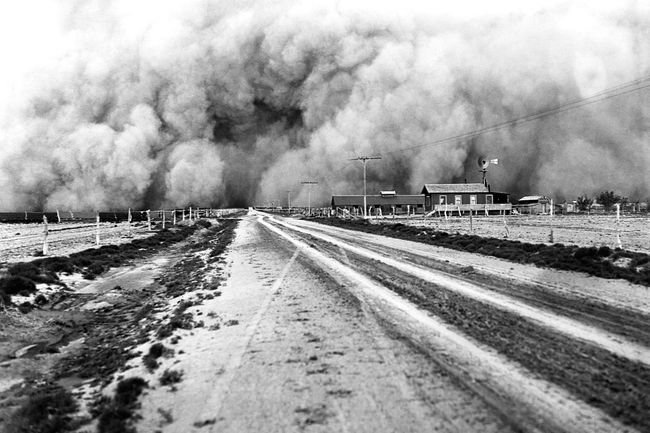
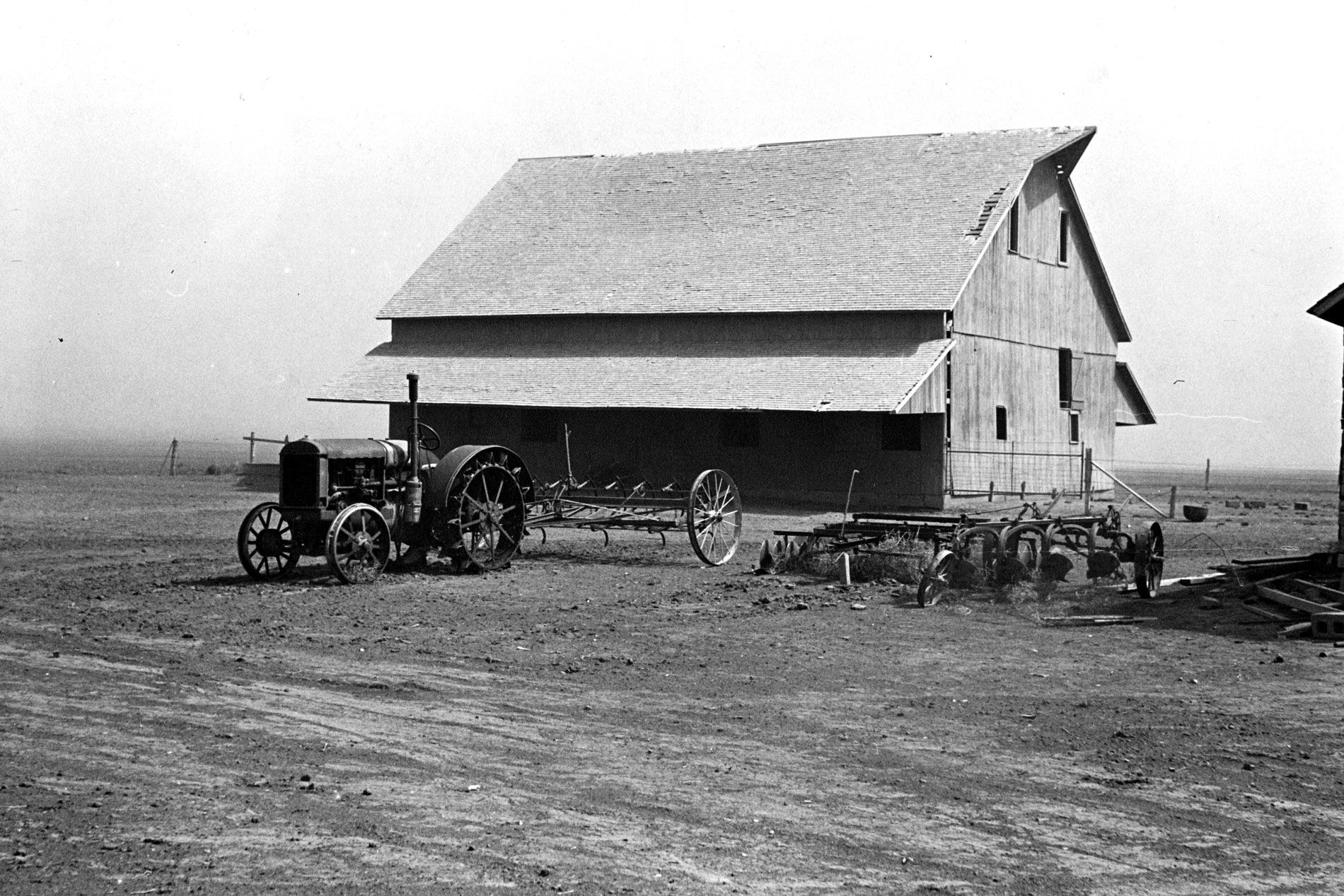
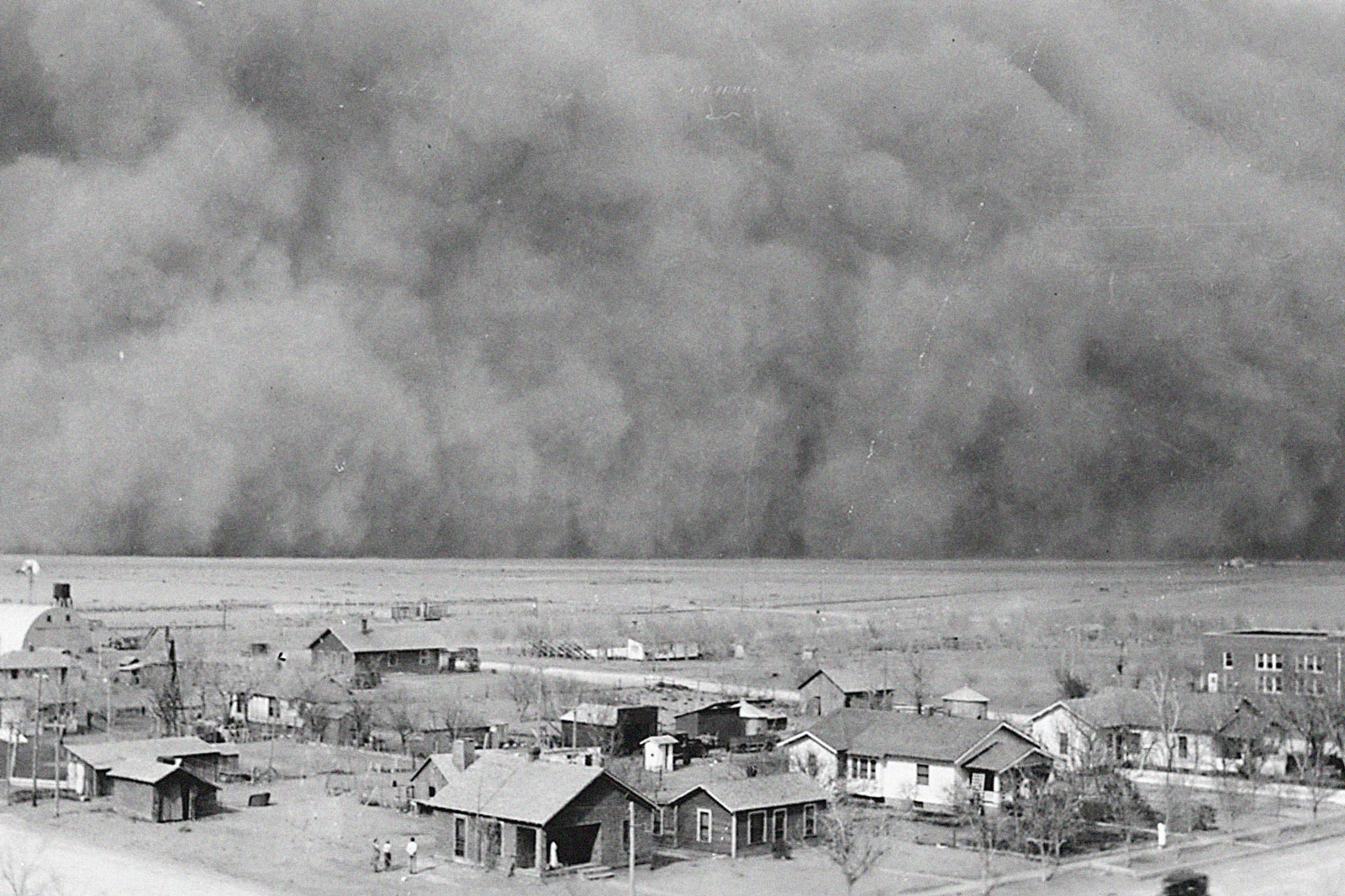
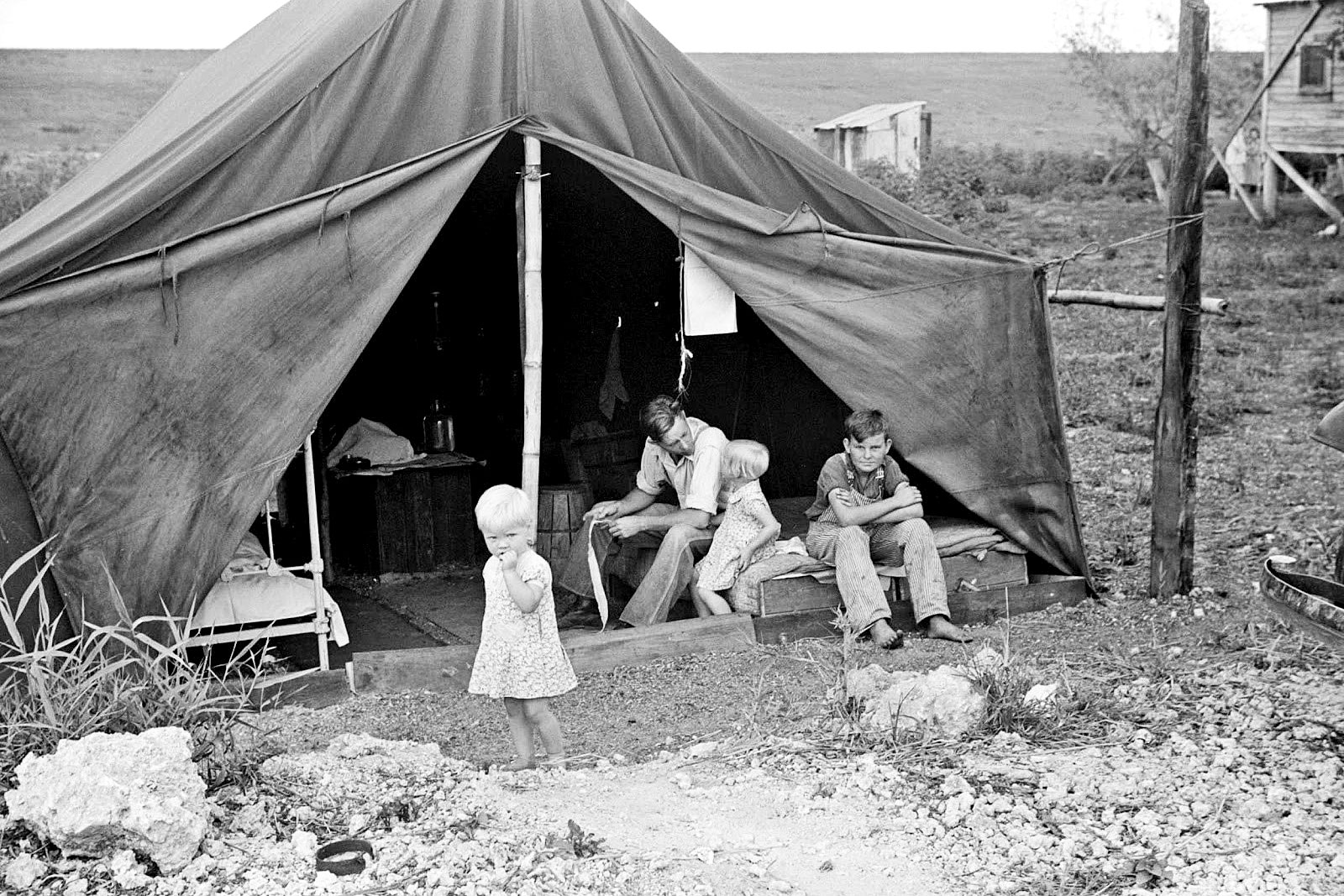
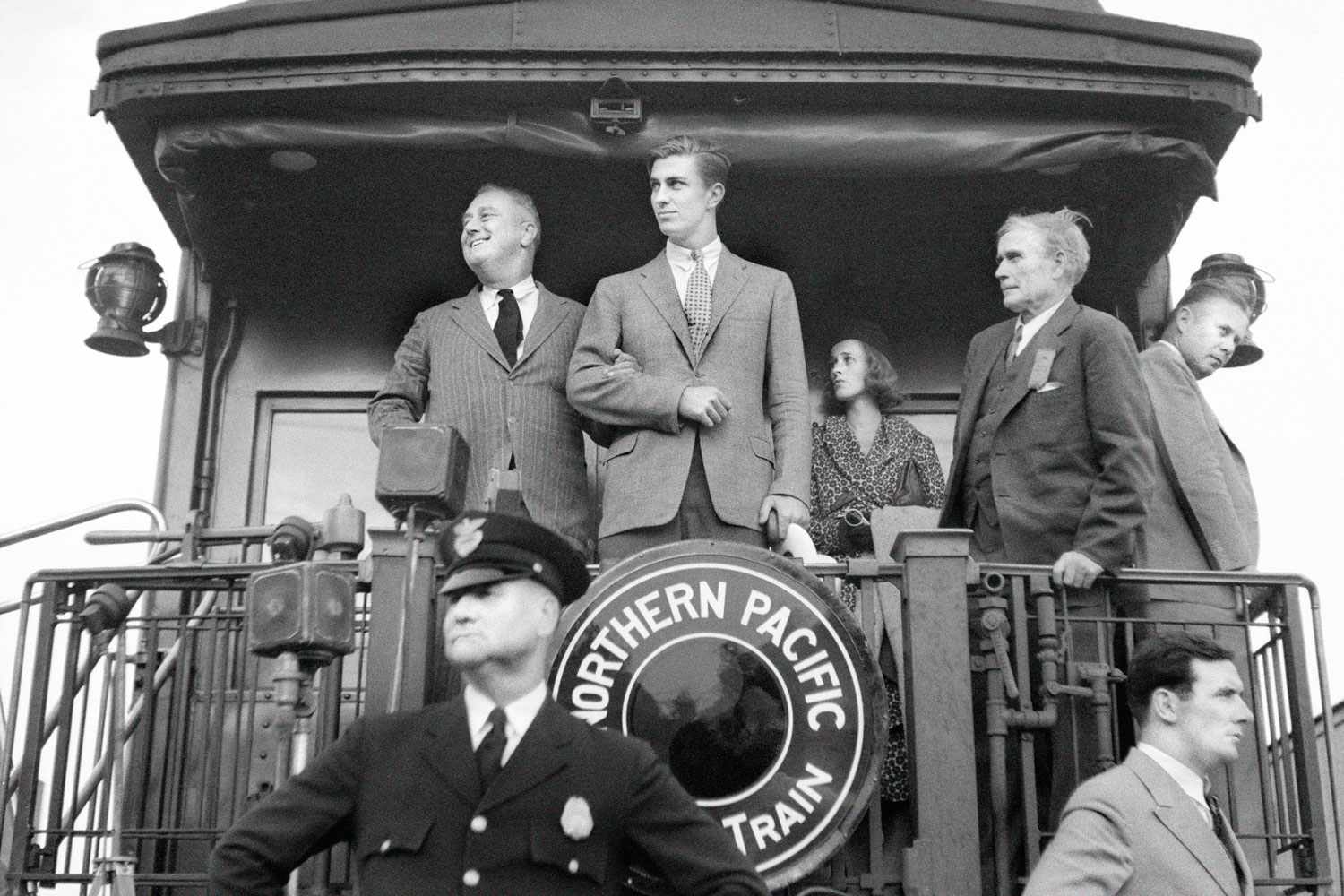
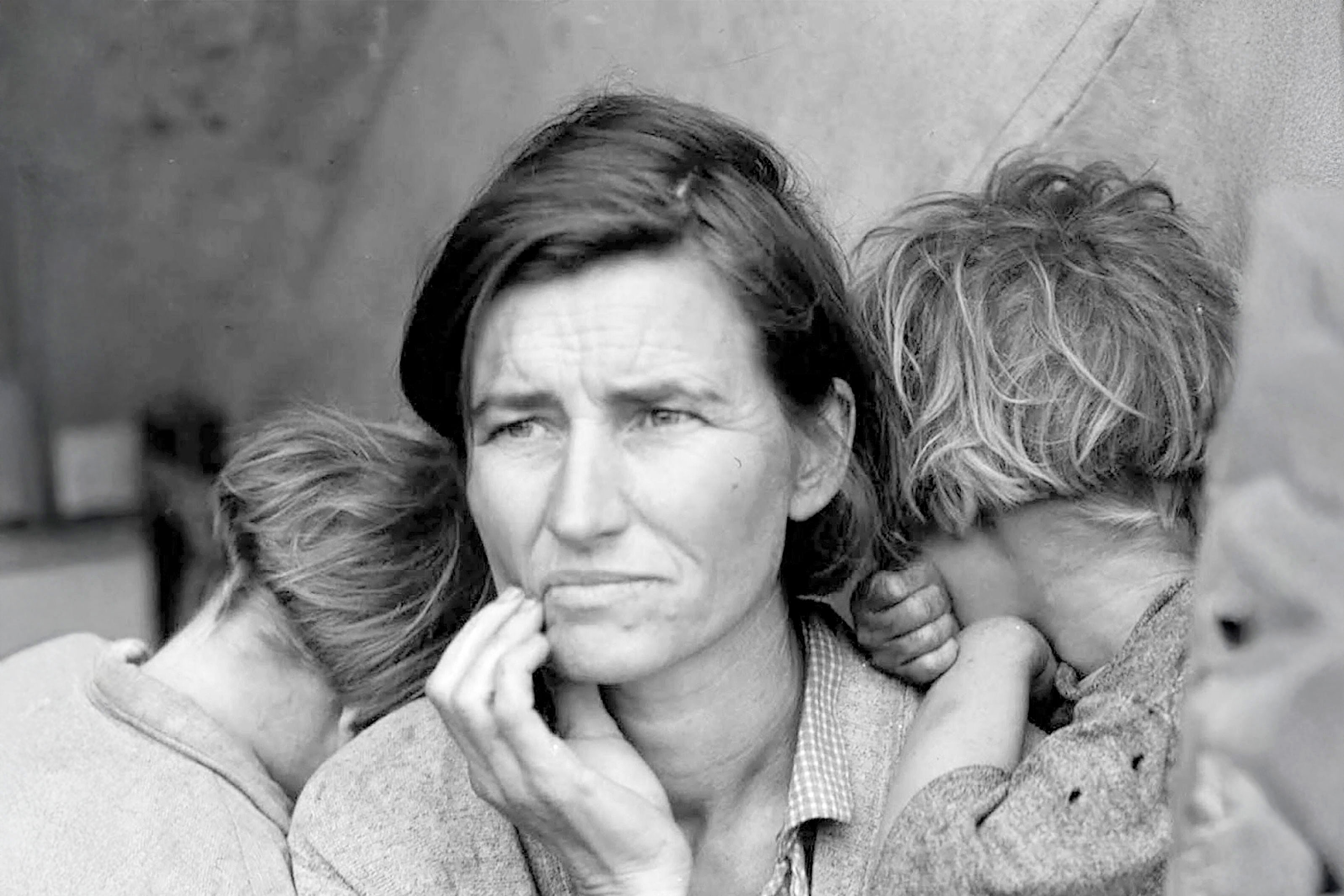
 Stephanie Arnett/MIT Technology Review | Adobe Stock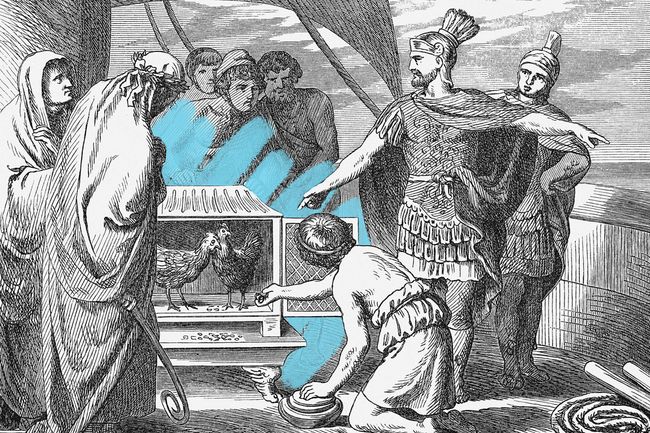
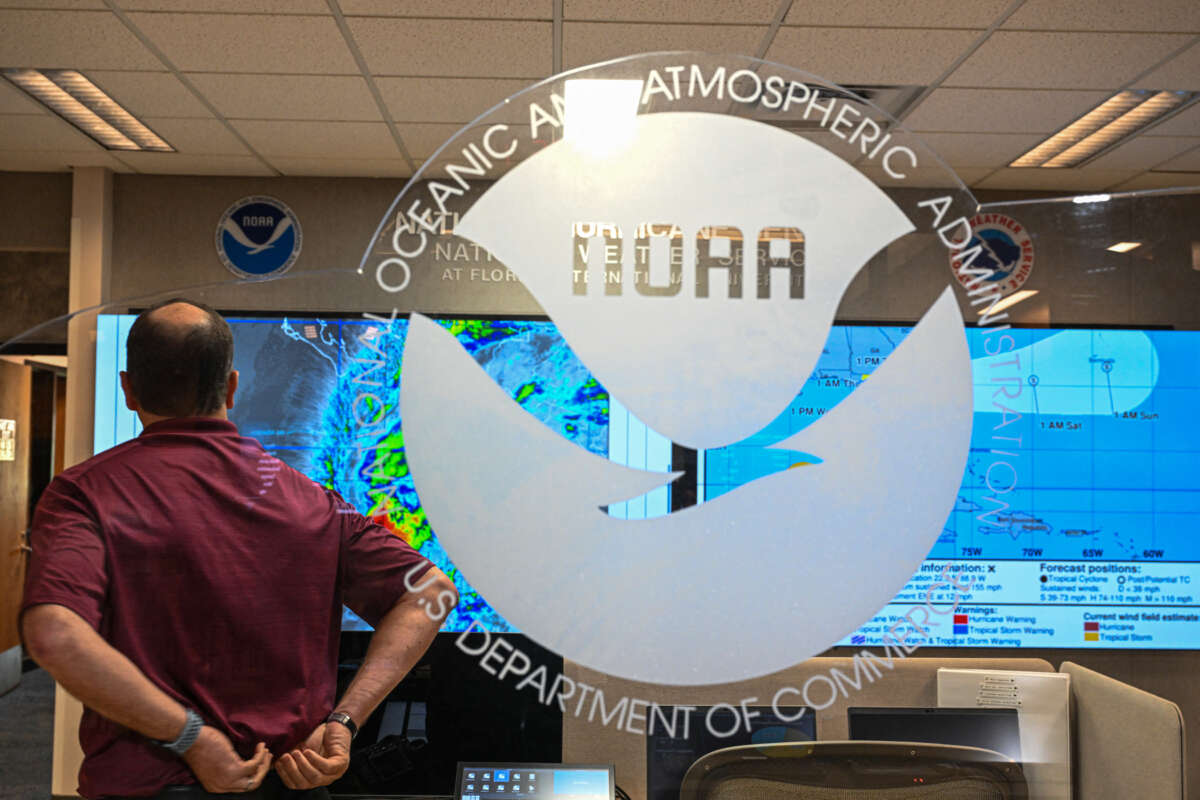

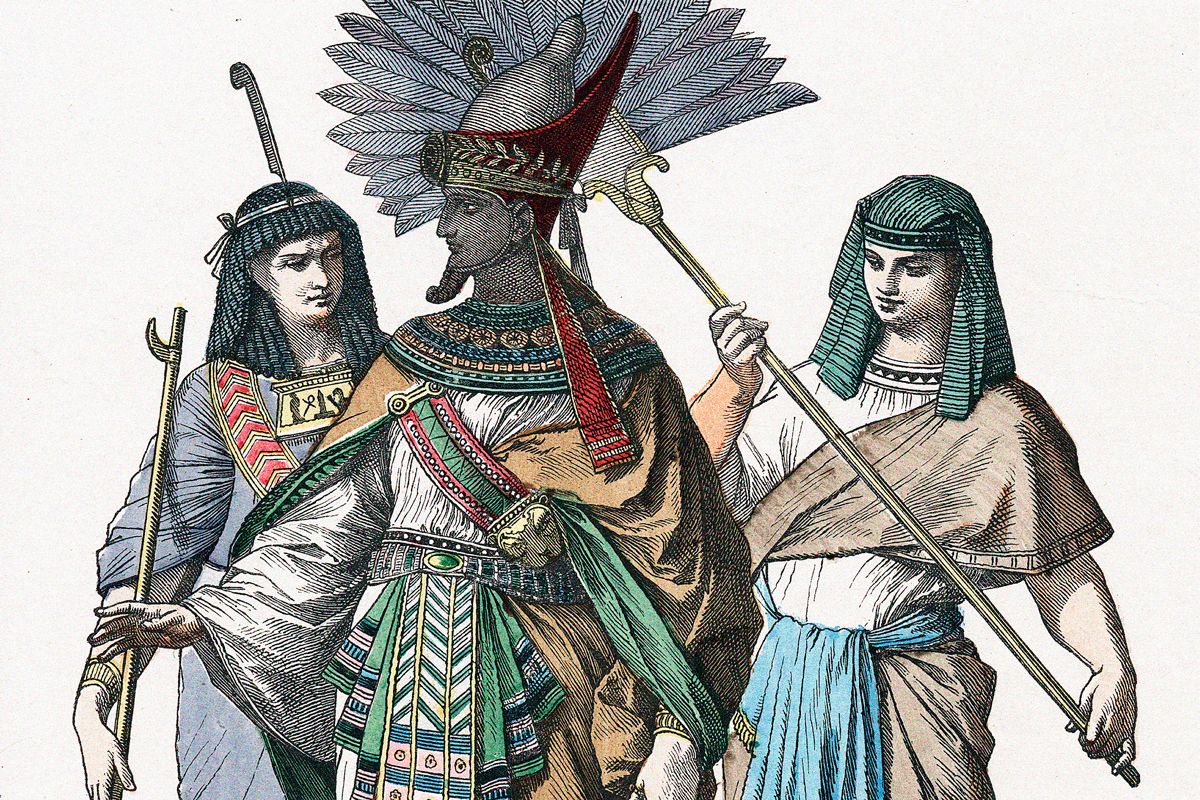

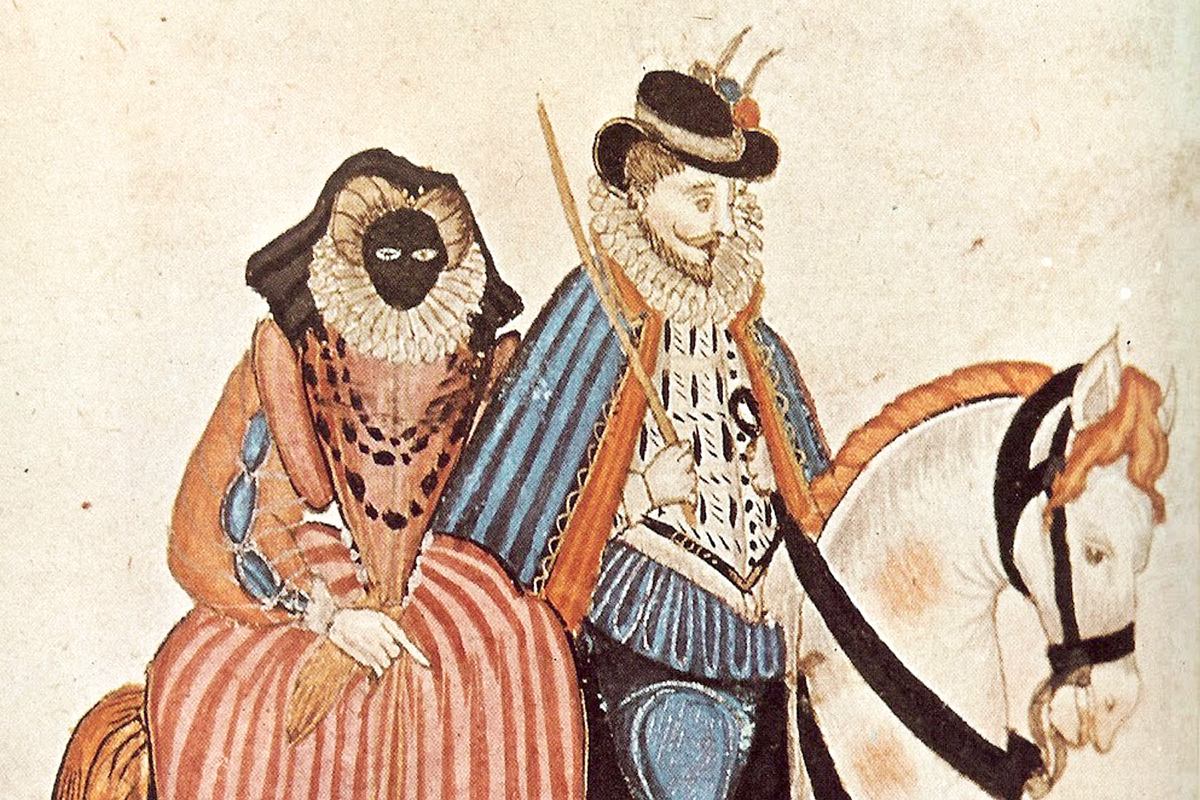
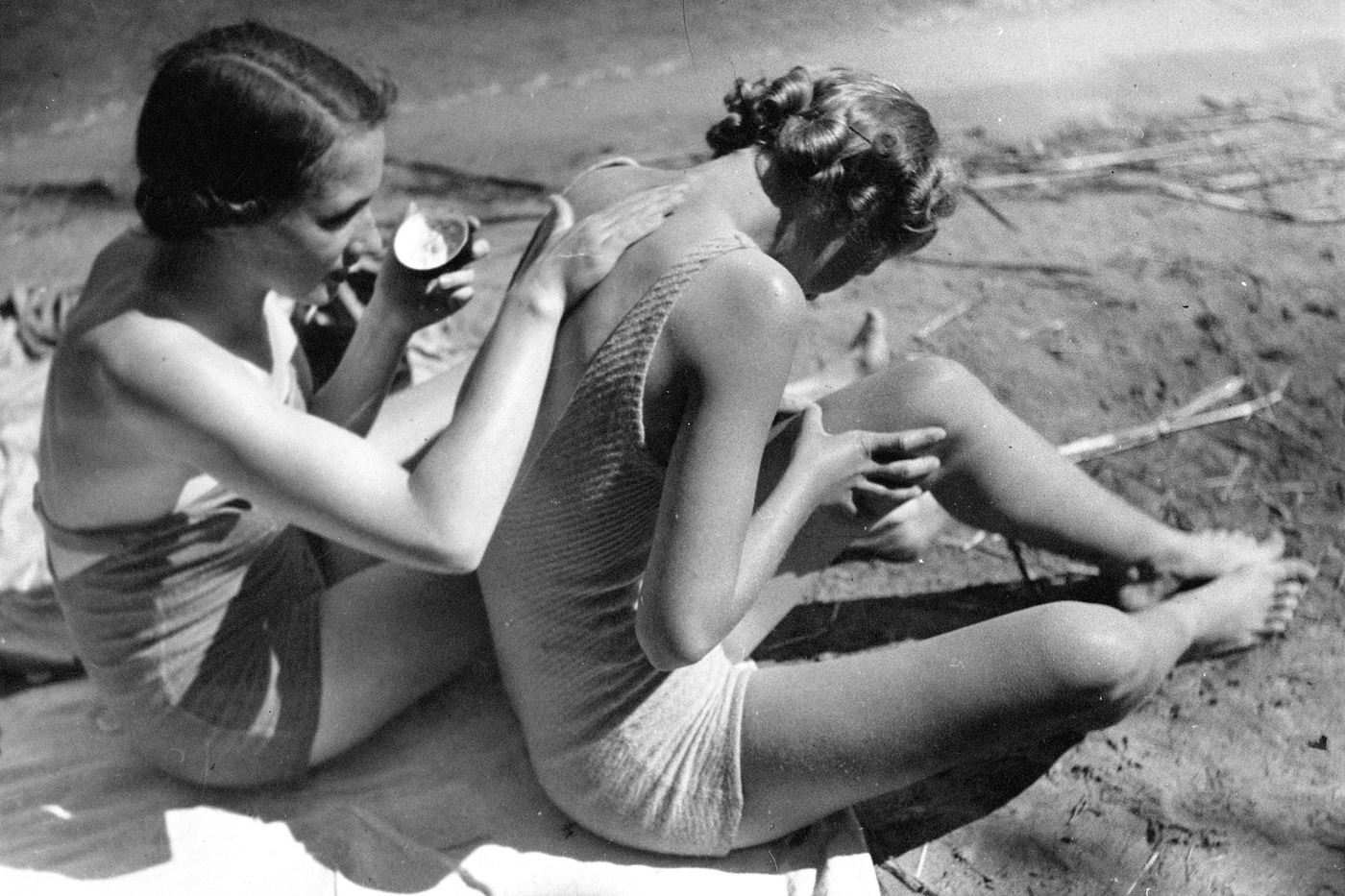
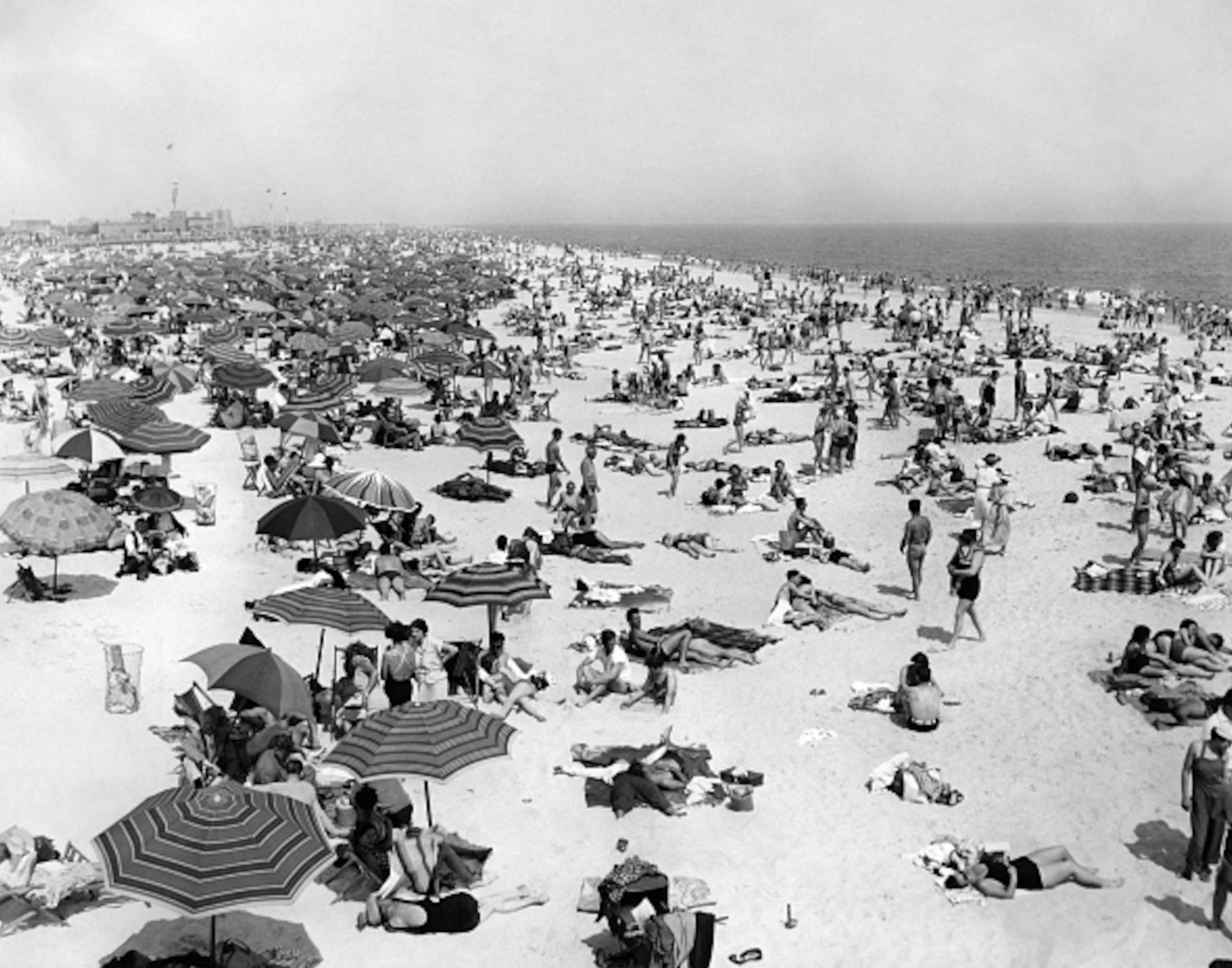


Você precisa fazer login para comentar.