We can reduce global temperatures faster than we once thought — if we act now
One of the biggest obstacles to avoiding global climate breakdown is that so many people think there’s nothing we can do about it.
They point out that record-breaking heat waves, fires and storms are already devastating communities and economies throughout the world. And they’ve long been told that temperatures will keep rising for decades to come, no matter how many solar panels replace oil derricks or how many meat-eaters go vegetarian. No wonder they think we’re doomed.
But climate science actually doesn’t say this. To the contrary, the best climate science you’ve probably never heard of suggests that humanity can still limit the damage to a fraction of the worst projections if — and, we admit, this is a big if — governments, businesses and all of us take strong action starting now.
For many years, the scientific rule of thumb was that a sizable amount of temperature rise was locked into the Earth’s climate system. Scientists believed — and told policymakers and journalists, who in turn told the public — that even if humanity hypothetically halted all heat-trapping emissions overnight, carbon dioxide’s long lifetime in the atmosphere, combined with the sluggish thermal properties of the oceans, would nevertheless keep global temperatures rising for 30 to 40 more years. Since shifting to a zero-carbon global economy would take at least a decade or two, temperatures were bound to keep rising for at least another half-century.
But guided by subsequent research, scientists dramatically revised that lag time estimate down to as little as three to five years. That is an enormous difference that carries paradigm-shifting and broadly hopeful implications for how people, especially young people, think and feel about the climate emergency and how societies can respond to it.
This revised science means that if humanity slashes emissions to zero, global temperatures will stop rising almost immediately. To be clear, this is not a get-out-of-jail-free card. Global temperatures will not fall if emissions go to zero, so the planet’s ice will keep melting and sea levels will keep rising. But global temperatures will stop their relentless climb, buying humanity time to devise ways to deal with such unavoidable impacts. In short, we are not irrevocably doomed — or at least we don’t have to be, if we take bold, rapid action.
The science we’re referencing was included — but buried — in the United Nations Intergovernmental Panel on Climate Change’s most recent report, issued in August. Indeed, it was first featured in the IPCC’s landmark 2018 report, “Global warming of 1.5 C.”That report’s key finding — that global emissions must fall by 45 percent by 2030 to avoid catastrophic climate disruption — generated headlines declaring that we had “12 years to save the planet.” That 12-year timeline, and the related concept of a “carbon budget” — the amount of carbon that can be burned while still limiting temperature rise to 1.5 degrees Celsius above preindustrial levels — were both rooted in this revised science. Meanwhile, the public and policy worlds have largely neglected the revised science that enabled these very estimates.
Nonscientists can reasonably ask: What made scientists change their minds? Why should we believe their new estimate of a three-to-five-year lag time if their previous estimate of 30 to 40 years is now known to be incorrect? And does this mean the world still must cut emissions in half by 2030 to avoid climate catastrophe?
The short answer to the last question is yes. Remember, temperatures only stop rising once global emissions fall to zero. Currently, emissions are not falling. Instead, humanity continues to pump approximately 36 billion tons of carbon dioxide a year into the atmosphere. The longer it takes to cut those 36 billion tons to zero, the more temperature rise humanity eventually will face. And as the IPCC’s 2018 report made hauntingly clear, pushing temperatures above 1.5 degrees C would cause unspeakable amounts of human suffering, economic loss and social breakdown — and perhaps trigger genuinely irreversible impacts.
Scientists changed their minds about how much warming is locked in because additional research gave them a much better understanding of how the climate system works. Their initial 30-to-40-year estimates were based on relatively simple computer models that treated the concentration of carbon dioxide in the atmosphere as a “control knob” that determines temperature levels. The long lag in the warming impact is due to the oceans, which continue to warm long after the control knob is turned up. More recent climate models account for the more dynamic nature of carbon emissions. Yes, CO2 pushes temperatures higher, but carbon “sinks,” including forests and in particular the oceans, absorb almost half of the CO2 that is emitted, causing atmospheric CO2 levels to drop, offsetting the delayed warming effect.
Knowing that 30 more years of rising temperatures are not necessarily locked in can be a game-changer for how people, governments and businesses respond to the climate crisis. Understanding that we can still save our civilization if we take strong, fast action can banish the psychological despair that paralyzes people and instead motivate them to get involved. Lifestyle changes can help, but that involvement must also include political engagement. Slashing emissions in half by 2030 demands the fastest possible transition away from today’s fossil-fueled economies in favor of wind, solar and other non-carbon alternatives. That can happen only if governments enact dramatically different policies. If citizens understand that things aren’t hopeless, they can better push elected officials to make such changes.
As important as minimizing temperature rise is to the United States, where last year’s record wildfires in California and the Pacific Northwest illustrated just how deadly climate change can be, it matters most in the highly climate-vulnerable communities throughout the global South. Countless people in Bangladesh, the Philippines, Madagascar, Africa’s Sahel nations, Brazil, Honduras and other low-income countries have already been suffering from climate disasters for decades because their communities tend to be more exposed to climate impacts and have less financial capacity to protect themselves. For millions of people in such countries, limiting temperature rise to 1.5 degrees C is not a scientific abstraction.
The IPCC’s next report, due for release Feb. 28, will address how societies can adapt to the temperature rise now underway and the fires, storms and rising seas it unleashes. If we want a livable future for today’s young people, temperature rise must be kept as close as possible to 1.5 C. The best climate science most people have never heard of says that goal remains within reach. The question is whether enough of us will act on that knowledge in time.
Tradicionalmente, os gestores elaboram políticas públicas tendo como base um agente econômico racional, ou seja, uma pessoa capaz de avaliar cada decisão, maximizando sua utilidade para interesse próprio. Ignoram, porém, as poderosas influências psicológicas e sociais que afetam o comportamento humano e desconsideram que pessoas são falíveis, inconstantes e emocionais: têm problemas com autocontrole, procrastinam, preferem o status quo e são seres sociais. É com base nesse agente “não tão racional” que as ciências comportamentais se apresentam para complementar a forma tradicional de fazer política.
Por exemplo: já nos aproximamos da marca de dois anos desde a declaração pela Organização Mundial da Saúde de estado de pandemia da Covid-19 em 11 de março de 2020. Foram anos desafiadores para governos, empresas e indivíduos. Mas apesar de 2021 ter apresentado sinais de recuperação, há ainda um longo e árduo caminho a ser percorrido para retornar ao menos às condições pré-pandemia. Não apenas na saúde, mas também no equilíbrio das economias, no aumento da produtividade, na retomada de empregos, na recuperação das lacunas de aprendizagem, na melhora do ambiente de negócios, no combate às mudanças climáticas, etc. Obviamente, essa não é uma tarefa simples para governos e organizações. Poderíamos encarar esses desafios de forma diferente e adaptar a maneira de fazer políticas públicas para torná-las mais eficientes e custo-efetivas, aumentando seus impactos e alcance?
A resposta é sim. O sucesso de políticas públicas depende, em parte, da tomada de decisão e da mudança de comportamentos. Por isso, focar mais nas pessoas e no contexto da tomada de decisão se torna cada vez mais imperativo. É importante considerar como pessoas se relacionam entre si e com instituições, como se portam frente às políticas e conhecer bem o ambiente em que estão inseridas.
A abordagem comportamental é científica e alia conceitos da psicologia, economia, antropologia, sociologia e neurociência. Orientada pelo contexto e baseada em evidências, concilia teoria e prática em diversos setores. Sua aplicação pode abranger uma simples mudança no ambiente da tomada de decisão (arquitetura de escolhas), um “empurrãozinho” (nudge) para influenciar a melhor decisão para o indivíduo, mantendo liberdade de escolhas, e pode ser mais ampla, visando a mudança de hábito. Para além disso, pode ser chave no enfrentamento de desafios de políticas como abandono escolar, violência doméstica e de gênero, pagamento de impostos, redução de corrupção, desastres naturais, mudanças climáticas, entre outros.
O uso de insights comportamentais em políticas públicas já não é mais novidade. Mais de uma década se passou desde a publicação (2008) do livro Nudge (“Nudge: como tomar melhores decisões sobre saúde, dinheiro e felicidade”, em português), que impulsionou o campo de forma espetacular. Conceitos da psicologia, já amplamente discutidos e aceitos por décadas, foram utilizados no contexto das decisões econômicas e, assim, a economia/ciência comportamental se consolidou.
Acompanhando a expansão e relevância do tema, o Banco Mundial, lançou em 2015 o Relatório sobre o Desenvolvimento Mundial: Mente, Sociedade e Comportamento. Em 2016, iniciou sua própria unidade comportamental, a eMBeD (Unidade Mente, Comportamento e Desenvolvimento) e tem promovido o uso sistemático de insights comportamentais em políticas e projetos de desenvolvimento e apoiado diversos países para solucionar problemas de forma rápida e escalável.
No Brasil, temos atuado na capacitação de gestores para o uso de insights comportamentais, em contribuições em pesquisas, como na Pesquisa sobre Ética e Corrupção no Serviço Público Federal (Banco Mundial e CGU) e em apoio técnico na identificação de evidências, como para informar soluções para aumentar a poupança entre a população de baixa renda. Nossos especialistas prepararam também diagnósticos comportamentais para entender por que clientes não pagam a conta em dia ou deixam de se conectar ao sistema de esgoto. Realizamos experimentos com mensagens comportamentais a fim de estimular a utilização de meios digitais de pagamentos e incentivar o pagamento de contas em dia no setor de água e saneamento. Neste último, apresentando resultados positivos com possibilidade de aumento de arrecadação a um custo baixo, já que as mensagens ressaltando consequências e reciprocidade, por exemplo, aumentaram os pagamentos em dia e a quantia total paga. Para cada mil clientes que receberam o SMS com insights comportamentais, de seis a 11 clientes a mais pagaram as contas. Para 2022, há atividades planejadas, como parte de um projeto de desenvolvimento, que usará insights comportamentais para reduzir o descarte de resíduos em sistemas de drenagem e aumentar o uso consciente de espaços públicos.
As ciências comportamentais não são a solução para os grandes desafios globais. Mas é preciso ressaltar o potencial de sua complementariedade na construção de políticas públicas. Cabe aos gestores aproveitarem esse momento de maior maturidade da área para expandirem seus conhecimentos. Vale ainda surfar na onda de ascensão de áreas complementares, como cesign e ciência de dados, para centrar o olhar no indivíduo e no contexto da decisão e, baseando-se em evidências e de maneira transparente, influenciar as escolhas e promover mudança de comportamento, de forma a aumentar o impacto das políticas públicas a fim de não só retomar as condições pré-Covid, mas melhorar ainda mais a vida e o bem-estar de todos, especialmente da população mais pobre e vulnerável.
Esta coluna foi escrita em colaboração com meus colegas do Banco Mundial Juliana Neves Soares Brescianini, analista de operações, e Luis A. Andrés, líder de programa do setor de Infraestrutura.
Publicado 17/02/2022 às 15:11 – Atualizado 17/02/2022 às 15:23
Visita a espaços de culto de religiões de matriz africana – que historicamente têm mulheres como líderes. As Iaôs e Ialorixás tornam-se referências nas lutas pelo direito à igualdade religiosa, de raça e de gênero
Por Aymê Brito, no AzMina
“Exu (…) exerce forte domínio sobre as mulheres e as moças”, dizia uma coluna de opinião no jornal O Estado de São Paulo, em 1973. Escrito no período da Ditadura Militar no Brasil, o artigo demonizava as religiões de matriz africana e demonstrava preocupação que as mulheres abandonassem o “lar” em troca da vida nos terreiros. Quase cinco décadas depois, o machismo e o racismo seguem presentes na vida das mulheres que escolhem fazer parte das religiões afro-brasileiras, mas elas resistem e lideram terreiros.
Não é comum vê-las em cargos de liderança em outras religiões, como na Igreja Católica com padres e papas homens. Já nas religiões de matriz africana, as mulheres quase sempre são maioria, ocupando os postos mais altos. Quem frequenta os barracões (como também são chamados os terreiros) percebe isso.
Seja como mulheres de santo, senhoras do ilê, sacerdotisas ou herdeiras do axé, elas conquistaram um protagonismo que não ficou restrito aos terreiros. Axé Muntu! Essa é uma expressão criada pela intelectual Lélia Gonzalez – uma mistura das línguas Iorubá (axé: poder, energia) com o dialeto Kimbundo (muntu: gente). A socióloga e ativista usou muito de sua vivência como mulher do candomblé na produção intelectual que fez sobre a vida e posição das mulheres negras na sociedade brasileira.
Nesta reportagem trazemos as falas de Mãe Du, Nailah, Kenya e Renata, que, assim como Lélia, mostram que a influência dos povos de terreiros pode ser encontrada hoje no espaço acadêmico, na militância, na política, na culinária e em vários outros campos da sociedade.
Num país marcado por profundas desigualdades sociorraciais como o Brasil, os terreiros e as mulheres à frente deles – as macumbeiras, como elas mesmas se chamam – desempenham um papel social muito além da religião. Elas realizam uma verdadeira “feitiçaria” ao conciliar a tradição de diferentes povos, resistir às opressões e ajudar a proporcionar um espaço de acolhimento a quem sempre foi excluído.
Perseguição à cultura e às mulheres
A perseguição aos terreiros e barracões, que já dura mais de 500 anos, e as campanhas de difamação na imprensa geraram uma falta de conhecimento generalizada. “A umbanda, com seus sucedâneos e religiões assemelhadas, é entre nós um subproduto da ignorância associada à politicalha. Seu terreno de eleição já foi o quilombo e o mocambo. Modernamente é a favela e o escritório eleitoral” – dizia mais um trecho da coluna do jornal paulista, publicada logo após uma festa em comemoração ao Dia de Oxóssi.
Noticiários racistas como esse não eram (e não são) raros. Resquícios de uma sociedade que até 1832 obrigava todos a se converterem à religião oficial do Estado – na época, a Cristã. Isso fez com que outras expressões religiosas fossem criminalizadas, sofrendo com opressão policial e apreensão de objetos sagrados – que até hoje nunca foram devolvidos.
A cientista política e também praticante do Candomblé, Nailah Neves, Ìyàwó ty Ọ̀ṣun (seu nome de santo), afirma que essa perseguição também era resultado do fato de as mulheres serem maioria e liderarem as casas de axé. “Terreiros, quilombos e escolas de samba, que eram espaços de resistência e de valorização da cultura negra matriarcal, eram um grande risco para o projeto eugenista e patriarcal do Estado brasileiro.”
Passados 34 anos da Constituição Federal que, em seu artigo 5, passou a garantir a liberdade de crença e proteção aos locais de cultos religiosos diversos, a discriminação não teve fim. Em 2021, um estudo da Comissão de Combate à Intolerância Religiosa apontou que 91% dos ataques que ocorreram no estado do Rio de Janeiro eram contra as mesmas religiões – as de Racistradição africana.
Ensinamentos da pombagira
Kenya Odara (primeira na imagem), de 23 anos, é uma das cofundadoras do coletivo de mulheres negras Siriricas Co e atualmente frequenta o terreiro de Candomblé Àse Efon Omibainà, composto apenas por mulheres. “Quando estamos nos terreiros não nos preocupamos só com a questão religiosa, somos mulheres negras, toda a nossa existência é política.” Foto: Divulgação/ Arquivo Pessoal
Embora as investidas contra os afro-religiosos não tenham sido poucas, os terreiros e as mulheres continuam passando de geração em geração os preceitos e fundamentos do povo de axé. Renata Pallottine, de 36 anos, é bisneta de Dona Maria, Mãe de Santo, de uma casa de umbanda no interior de São Paulo, e cresceu aprendendo os valores civilizatórios desta comunidade.
Advogada pelos direitos das mulheres e atuante no combate ao racismo religioso, Renata atualmente é responsável pela área jurídica do coletivo Terreiro Resiste, movimento de defesa das comunidades tradicionais. Hoje, como uma das filhas de santo mais velhas de um terreiro na capital paulista, ela conta que foi essa vivência que contribuiu para o seu engajamento na luta:
“Quem nasce umbandista já aprende com a Pombagira que a desigualdade de gênero mata, aniquila e silencia, e que mulheres, sobretudo as racializadas, devem ocupar lugar de poder e decisão dentro das nossas comunidades.”
A Pombagira é uma das entidades cultuadas nessas religiões, que representa as encruzilhadas e é conhecida por simbolizar uma figura feminina ligada ao prazer e à liberdade sexual. Renata explica que a figura da pombagira em muitos lugares é temida exatamente por romper com a lógica patriarcal: “mulher que poeticamente nos ensina a autonomia dos corpos femininos”.
Renata também chama atenção para a história dessas religiões, que vêm de uma cultura de valorização de povos ancestrais socialmente excluídos, mas passou por um forte embranquecimento nos últimos anos. “Em 1908, um homem branco, militar, espírita, de São Gonçalo, teria fundado a religião só porque deu nome às práticas que já existiam nos morros cariocas. Como é possível fundar algo que já existe?”, questionou a advogada.
A família de santo
Eu, repórter desta matéria, cresci ouvindo as histórias das macumbeiras, contadas por Elza Mendes, baiana de 72 anos, mulher negra e minha avó. Ela lida com a ignorância da sociedade sobre sua cultura há pelo menos 50 anos. “Ninguém vê com bons olhos, ainda hoje as pessoas têm muito medo, acham que é magia”, desabafa. Mas ressalta sempre o sentimento que há no terreiro de pertencer a uma comunidade. “Quando você abraça um terreiro, você começa a fazer parte de uma comunidade”, diz ela.
Hoje candomblecista, Elza foi a primeira a se tornar uma Iaô num dia de feitura, recebendo o título de dofona.
Glossário:
– Iorubá: é um grupo étnico-linguístico da África Ocidental, principalmente na Nigéria e no Congo. Varia conforme o local e é usada nos rituais de matrizes africanas.
– Feitura no santo: é a iniciação de alguém no culto aos orixás. Pode vir com novo nome e assume novas funções. O ritual varia segundo a religião e pode durar até três meses.
– Orixás (em iorubá: Òrìṣà): divindades representadas pela natureza, acredita-se que tenham existido anteriormente em Orum (céu em iorubá).
– Aborós: orixás de energia masculina. Podem ser incorporados por pessoas de todos os gêneros.
– Ayabás: orixás de energia feminina. Podem ser incorporados por pessoas de todos os gêneros.
Dona Elza conta que quando se começa a fazer parte de um terreiro você se torna também integrante de uma família de santo. “Tanto é que a gente diz irmão, tio, filho de santo”, comentou. Em muitos lugares os terreiros são conhecidos por serem receptivos a todo tipo de gente. “Uma mãe de santo nunca deixa de acolher um filho, mesmo se não tiver onde morar, será bem recebido no terreiro.”
Esse acolhimento está intimamente ligado à presença das mulheres na religião e a própria história dos negros no Brasil, conforme explica a pesquisadora Jacyara Silva, professora e coordenadora do núcleo de estudos afro-brasileiros da Universidade Federal do Espírito Santo (UFES). “É importante lembrar que as famílias dos negros que chegavam ao Brasil eram separadas por estratégia de dominação.”
Após o sequestro da população negra do continente africano, a formação das “famílias de santo” foi o jeito encontrado para preservar a identidade cultural e reconstruir essa ideia de família que havia sido destruída na escravidão. As grandes responsáveis por refazer esses laços familiares, dentro das religiões afro-brasileiras, foram as mulheres negras, as Yalorixás. Os barracões passaram a se tornar presentes na maior parte das regiões periféricas do país, acolhendo as pessoas que eram estigmatizadas pela sociedade, como mães solo e o público LGBTQIA+.
“Não quer dizer que não existam nos terreiros os mesmos problemas que existem fora deles”, explicou Jacyara. As religiões de matriz africana estão inseridas dentro de uma sociedade onde racismo, machismo e transfobia são estruturais. Por isso, o cotidiano dos terreiros não está isento dessas questões. Mas, “pode estar na estrutura, mas não é institucionalizado”, ponderou a pesquisadora.
Debatendo fora dos terreiros
Maria do Carmo, Omó de Omolú Iemanjá Oxalá, conhecida como Mãe Du, é uma das mulheres à frente de um terreiro de Umbanda, na cidade de Viçosa, no interior de Minas Gerais. Apesar do grande respeito que conquistou entre os seus, teve que encarar o preconceito das mães e professoras da escola em que a sua filha estudava. “As pessoas ficaram meio cismadas”, conta.
A força de seguir por mais de 20 anos na defesa dos povos de terreiros vem da crença de que o amanhã será melhor que o hoje. A trajetória dela no culto aos orixás já tem, na verdade, 50 anos. “Fui a primeira Yaô daqui, andei pela cidade toda de branquinho.” Atualmente Mãe Du está na Umbanda, mas foi iniciada dentro do Candomblé, onde teve que passar por diversos processos até se tornar de fato umaIaô – filha de santo. Se tornar feita no santo é uma vitória para a maioria das mulheres de axé, por ser um processo de várias etapas, que requer muito tempo de dedicação e prática dentro do terreiro.
Ela também é líder espiritualista e integra o Conselho Municipal de Promoção da Igualdade Racial de Viçosa. Os cargos fora do terreiro são um marco e uma representação importante para quem é de religiões de matriz africana, mas também são espaços arriscados. “Defender aquilo que se é, hoje em dia, é perigoso, principalmente para nós mulheres.”
O preconceito acaba afastando outros praticantes dos encontros e debates religiosos, por preferirem se resguardar. Mas, Mãe Du – que tem viajado nos últimos anos para falar das religiões de matriz africana nas universidades – sente que agora as pessoas começaram a querer entender mais sobre sua cultura.
Hierarquia ancestral
Em boa parte da tradição africana, a hierarquia não se baseia no gênero, mas sim na experiência e conhecimento. “O matriarcalismo é natural de vários povos africanos, até porque a hierarquia não é por gênero como os europeus impuseram, é por ancestralidade”, explicou a candomblecista Nailah Neves.
As religiões de matriz africana não dividem o mundo entre bem e mal, emoção e ciência, corpo e alma, homens e mulheres. Nailah argumenta que essa lógica binária foi imposta aos povos que estavam sendo colonizados, por influência do eurocentrismo cristão. Existe na Umbanda e no Candomblé uma outra forma de ver e se relacionar com o mundo. “Não são apenas religiões, são povos e comunidades tradicionais, assim como são os quilombos.”
As religiões afro-brasileiras que conhecemos hoje são fruto das características de diversos povos africanos que se encontram no país e, exatamente por isso, elas variam conforme a nação ou tradição de origem, como acontece no caso do Candomblé, da Umbanda, do Batuque e do Xangô.
Sem nenhum tipo de livro oficial, como a Bíblia, os fundamentos são passados por gerações via tradição oral, e nem sempre são os mesmos em todos os lugares. Os preceitos e costumes não estão “escritos em pedra”.
AÇÕES E ESPAÇOS OCUPADOS PELAS MULHERES DE AXÉ NOS ÚLTIMOS ANOS:
No Brasil, o Dia Nacional de Combate à Intolerância Religiosa, 21 de janeiro, data que assegura a diversidade religiosa, foi criado em homenagem a uma líder religiosa, a Mãe Gilda. Em 1999, ela teve seu terreiro em Salvador invadido e depredado por fundamentalistas religiosos e acabou falecendo no ano seguinte.
Em 2021, a Organização das Mulheres de Axé do Brasil (MAB) realizou uma campanha de combate a violência menstrual. Elas distribuíram mais de 23 mil pacotes de absorventes higiênicos para pessoas em situação de vulnerabilidade econômica e social.
O Fórum Nacional de Segurança Alimentar e Nutricional dos Povos Tradicionais de Matriz Africana (FONSANPOTMA), presidido pela médica e líder religiosa Kato Mulanji, é uma das organizações que lutam para garantir soberania alimentar aos povos tradicionais.
Desde 2017, as mulheres de axé conquistaram o reconhecimento da profissão de baiana de acarajé e passaram a ter direitos aos benefícios profissionais. Em 2005 elas já tinham sido reconhecidas como Patrimônio Cultural Imaterial do Brasil.
Pelo país todo, terreiros são responsáveis por projetos de atendimento à comunidade, oficinas, distribuição de alimentos e ações de combate a violência. O Ilê Omolu Oxum, liderado pela ialorixá Mãe Meninazinha de Oxum, em atividade na Baixada Fluminense desde 1968, é um dos que oferece orientação às mulheres vítimas de violência.
Untrained, captive orangutans complete major steps in making and using stone tools
Date: February 16, 2022
Source: PLOS
Summary: Untrained, captive orangutans can complete two major steps in the sequence of stone tool use: striking rocks together and cutting using a sharp stone, according to a new study.
Untrained, captive orangutans can complete two major steps in the sequence of stone tool use: striking rocks together and cutting using a sharp stone, according to a study by Alba Motes-Rodrigo at the University of Tübingen in Germany and colleagues, publishing February 16 in the open-access journal PLOS ONE.
The researchers tested tool making and use in two captive male orangutans (Pongo pygmaeus) at Kristiansand Zoo in Norway. Neither had previously been trained or exposed to demonstrations of the target behaviors. Each orangutan was provided with a concrete hammer, a prepared stone core, and two baited puzzle boxes requiring them to cut through a rope or a silicon skin in order to access a food reward. Both orangutans spontaneously hit the hammer against the walls and floor of their enclosure, but neither directed strikes towards the stone core. In a second experiment, the orangutans were also given a human-made sharp flint flake, which one orangutan used to cut the silicon skin, solving the puzzle. This is the first demonstration of cutting behavior in untrained, unenculturated orangutans.
To then investigate whether apes could learn the remaining steps from observing others, the researchers demonstrated how to strike the core to create a flint flake to three female orangutans at Twycross Zoo in the UK. After these demonstrations, one female went on to use the hammer to hit the core, directing the blows towards the edge as demonstrated.
This study is the first to report spontaneous stone tool use without close direction in orangutans that have not been enculturated by humans. The authors say their observations suggest that two major prerequisites for the emergence of stone tool use — striking with stone hammers and recognizing sharp stones as cutting tools — may have existed in our last common ancestor with orangutans, 13 million years ago.
The authors add: “Our study is the first to report that untrained orangutans can spontaneously use sharp stones as cutting tools. We also found that they readily engage in lithic percussion and that this activity occasionally leads to the detachment of sharp stone pieces.”
Journal Reference:
Alba Motes-Rodrigo, Shannon P. McPherron, Will Archer, R. Adriana Hernandez-Aguilar, Claudio Tennie. Experimental investigation of orangutans’ lithic percussive and sharp stone tool behaviours. PLOS ONE, 2022; 17 (2): e0263343 DOI: 10.1371/journal.pone.0263343
Immersive virtual reality and real-time brain activity imaging showcase Drosophila’s capabilities of attention, working memory and awareness
Date: February 17, 2022
Source: University of California – San Diego
Summary: Common flies feature more advanced cognitive abilities than previously believed. Using a custom-built immersive virtual reality arena, neurogenetics and real-time brain activity imaging, researchers found attention, working memory and conscious awareness-like capabilities in fruit flies.
As they annoyingly buzz around a batch of bananas in our kitchens, fruit flies appear to have little in common with mammals. But as a model species for science, researchers are discovering increasing similarities between us and the miniscule fruit-loving insects.
In a new study, researchers at the University of California San Diego’s Kavli Institute for Brain and Mind (KIBM) have found that fruit flies (Drosophila melanogaster) have more advanced cognitive abilities than previously believed. Using a custom-built immersive virtual reality environment, neurogenetic manipulations and in vivo real-time brain-activity imaging, the scientists present new evidence Feb. 16 in the journal Nature of the remarkable links between the cognitive abilities of flies and mammals.
The multi-tiered approach of their investigations found attention, working memory and conscious awareness-like capabilities in fruit flies, cognitive abilities typically only tested in mammals. The researchers were able to watch the formation, distractibility and eventual fading of a memory trace in their tiny brains.
“Despite a lack of obvious anatomical similarity, this research speaks to our everyday cognitive functioning — what we pay attention to and how we do it,” said study senior author Ralph Greenspan, a professor in the UC San Diego Division of Biological Sciences and associate director of KIBM. “Since all brains evolved from a common ancestor, we can draw correspondences between fly and mammalian brain regions based on molecular characteristics and how we store our memories.”
To arrive at the heart of their new findings the researchers created an immersive virtual reality environment to test the fly’s behavior via visual stimulation and coupled the displayed imagery with an infra-red laser as an averse heat stimulus. The near 360-degree panoramic arena allowed Drosophila to flap their wings freely while remaining tethered, and with the virtual reality constantly updating based on their wing movement (analyzed in real-time using high-speed machine-vision cameras) it gave the flies the illusion of flying freely in the world. This gave researchers the ability to train and test flies for conditioning tasks by allowing the insect to orient away from an image associated with the negative heat stimulus and towards a second image not associated with heat.
They tested two variants of conditioning, one in which flies were given visual stimulation overlapping in time with the heat (delay conditioning), both ending together, or a second, trace conditioning, by waiting 5 to 20 seconds to deliver the heat after showing and removing the visual stimulation. The intervening time is considered the “trace” interval during which the fly retains a “trace” of the visual stimulus in its brain, a feature indicative of attention, working memory and conscious awareness in mammals.
The researchers also imaged the brain to track calcium activity in real-time using a fluorescent molecule they genetically engineered into their brain cells. This allowed the researchers to record the formation and duration of the fly’s living memory since they saw the trace blinking on and off while being held in the fly’s short-term (working) memory. They also found that a distraction introduced during training — a gentle puff of air — made the visual memory fade more quickly, marking the first time researchers have been able to prove such distractedness in flies and implicating an attentional requirement in memory formation in Drosophila.
“This work demonstrates not only that flies are capable of this higher form of trace conditioning, and that the learning is distractible just like in mammals and humans, but the neural activity underlying these attentional and working memory processes in the fly show remarkable similarity to those in mammals,” said Dhruv Grover, a UC San Diego KIBM research faculty member and lead author of the new study. “This work demonstrates that fruit flies could serve as a powerful model for the study of higher cognitive functions. Simply put, the fly continues to amaze in how smart it really is.”
The scientists also identified the area of the fly’s brain where the memory formed and faded — an area known as the ellipsoid body of the fly’s central complex, a location that corresponds to the cerebral cortex in the human brain.
Further, the research team discovered that the neurochemical dopamine is required for such learning and higher cognitive functions. The data revealed that dopamine reactions increasingly occurred earlier in the learning process, eventually anticipating the coming heat stimulus.
The researchers are now investigating details of how attention is physiologically encoded in the brain. Grover believes the lessons learned from this model system are likely to directly inform our understanding of human cognition strategies and neural disorders that disrupt them, but also contribute to new engineering approaches that lead to performance breakthroughs in artificial intelligence designs.
The coauthors of the study include Dhruv Grover, Jen-Yung Chen, Jiayun Xie, Jinfang Li, Jean-Pierre Changeux and Ralph Greenspan (all affiliated with the UC San Diego Kavli Institute for Brain and Mind, and J.-P. Changeux also a member of the Collège de France).
Journal Reference:
Dhruv Grover, Jen-Yung Chen, Jiayun Xie, Jinfang Li, Jean-Pierre Changeux, Ralph J. Greenspan. Differential mechanisms underlie trace and delay conditioning in Drosophila. Nature, 2022; DOI: 10.1038/s41586-022-04433-6
Pew Research Center conducted this study to understand how much confidence Americans have in groups and institutions in society, including scientists and medical scientists. We surveyed 14,497 U.S. adults from Nov. 30 to Dec. 12, 2021.
The survey was conducted on Pew Research Center’s American Trends Panel (ATP) and included an oversample of Black and Hispanic adults from the Ipsos KnowledgePanel. A total of 3,042 Black adults (single-race, not Hispanic) and 3,716 Hispanic adults were sampled.
Respondents on both panels are recruited through national, random sampling of residential addresses. This way nearly all U.S. adults have a chance of selection. The survey is weighted to be representative of the U.S. adult population by gender, race, ethnicity, partisan affiliation, education and other categories. Read more about the ATP’s methodology.
This is made possible by The Pew Charitable Trusts, which received support from Chan Zuckerberg Initiative DAF, an advised fund of Silicon Valley Community Foundation.
Pew Research Center conducted this study to understand how much confidence Americans have in groups and institutions in society, including scientists and medical scientists. We surveyed 14,497 U.S. adults from Nov. 30 to Dec. 12, 2021.
The survey was conducted on Pew Research Center’s American Trends Panel (ATP) and included an oversample of Black and Hispanic adults from the Ipsos KnowledgePanel. A total of 3,042 Black adults (single-race, not Hispanic) and 3,716 Hispanic adults were sampled.
Respondents on both panels are recruited through national, random sampling of residential addresses. This way nearly all U.S. adults have a chance of selection. The survey is weighted to be representative of the U.S. adult population by gender, race, ethnicity, partisan affiliation, education and other categories. Read more about the ATP’s methodology.
This is made possible by The Pew Charitable Trusts, which received support from Chan Zuckerberg Initiative DAF, an advised fund of Silicon Valley Community Foundation.
Americans’ confidence in groups and institutions has turned downward compared with just a year ago. Trust in scientists and medical scientists, once seemingly buoyed by their central role in addressing the coronavirus outbreak, is now below pre-pandemic levels.
Overall, 29% of U.S. adults say they have a great deal of confidence in medical scientists to act in the best interests of the public, down from 40% who said this in November 2020. Similarly, the share with a great deal of confidence in scientists to act in the public’s best interests is down by 10 percentage points (from 39% to 29%), according to a new Pew Research Center survey.
The new findings represent a shift in the recent trajectory of attitudes toward medical scientists and scientists. Public confidence in both groups had increased shortly after the start of the coronavirus outbreak, according to an April 2020 survey. Current ratings of medical scientists and scientists have now fallen below where they were in January 2019, before the emergence of the coronavirus.
Scientists and medical scientists are not the only groups and institutions to see their confidence ratings decline in the last year. The share of Americans who say they have a great deal of confidence in the military to act in the public’s best interests has fallen 14 points, from 39% in November 2020 to 25% in the current survey. And the shares of Americans with a great deal of confidence in K-12 public school principals and police officers have also decreased (by 7 and 6 points, respectively).
Large majorities of Americans continue to have at least a fair amount of confidence in medical scientists (78%) and scientists (77%) to act in the public’s best interests. These ratings place them at the top of the list of nine groups and institutions included in the survey. A large majority of Americans (74%) also express at least a fair amount of confidence in the military to act in the public’s best interests. Roughly two-thirds say this about police officers (69%) and K-12 public school principals (64%), while 55% have at least a fair amount of confidence in religious leaders.
The public continues to express lower levels of confidence in journalists, business leaders and elected officials, though even for these groups, public confidence is tilting more negative. Four-in-ten say they have a great deal or a fair amount of confidence in journalists and business leaders to act in the public’s best interests; six-in-ten now say they have not too much or no confidence at all in these groups. Ratings for elected officials are especially negative: 24% say they have a great deal or fair amount of confidence in elected officials, compared with 76% who say they have not too much or no confidence in them.
The survey was fielded Nov. 30 through Dec. 12, 2021, among 14,497 U.S. adults, as the omicron variant of the coronavirus was first detected in the United States – nearly two years since the coronavirus outbreak took hold. Recent surveys this year have found declining ratings for how President Joe Biden has handled the coronavirus outbreak as well as lower ratings for his job performance – and that of Congress – generally.
Partisan differences over trust in medical scientists, scientists continue to widen since the coronavirus outbreak
Democrats remain more likely than Republicans to express confidence in medical scientists and scientists to act in the public’s best interests.
However, there has been a significant decline in public confidence in medical scientists and scientists among both partisan groups.
Among Democrats and Democratic-leaning independents, nine-in-ten express either a great deal (44%) or a fair amount (46%) of confidence in medical scientists to act in the public’s best interests. However, the share expressing strong confidence in medical scientists has fallen 10 points since November 2020.
There has been a similar decline in the share of Democrats holding the strongest level of confidence in scientists since November 2020. (Half of the survey respondents were asked about their confidence in “medical scientists,” while the other half were asked about “scientists.”)
Still, ratings for medical scientists, along with those for scientists, remain more positive than those for other groups in the eyes of Democrats and independents who lean to the Democratic Party. None of the other groups rated on the survey garner as much confidence; the closest contenders are public school principals and the military. About three-quarters (76%) of Democrats and Democratic leaners have at least a fair amount of confidence in public school principals; 68% say the same about the military.
There has been a steady decline in confidence in medical scientists among Republicans and Republican leaners since April 2020. In the latest survey, just 15% have a great deal of confidence in medical scientists, down from 31% who said this in April 2020 and 26% who said this in November 2020. There has been a parallel increase in the share of Republicans holding negative views of medical scientists, with 34% now saying they have not too much or no confidence at all in medical scientists to act in the public’s best interests – nearly three times higher than in January 2019, before the coronavirus outbreak.
Republicans’ views of scientists have followed a similar trajectory. Just 13% have a great deal of confidence in scientists, down from a high of 27% in January 2019 and April 2020. The share with negative views has doubled over this time period; 36% say they have not too much or no confidence at all in scientists in the latest survey.
Republicans’ confidence in other groups and institutions has also declined since the pandemic took hold. The share of Republicans with at least a fair amount of confidence in public school principals is down 27 points since April 2020. Views of elected officials, already at low levels, declined further; 15% of Republicans have at least a fair amount of confidence in elected officials to act in the public’s best interests, down from 37% in April 2020.
Race and ethnicity, education, partisan affiliation each shape confidence in medical scientists
People’s assessments of scientists and medical scientists are tied to several factors, including race and ethnicity as well as levels of education and partisan affiliation.
Looking across racial and ethnic groups, confidence in medical scientists declined at least modestly among White and Black adults over the past year. The decline was especially pronounced among White adults.
There is now little difference between how White, Black and Hispanic adults see medical scientists. This marks a shift from previous Pew Research Center surveys, where White adults were more likely than Black adults to express high levels of confidence in medical scientists.
Among White adults, the share with a great deal of confidence in medical scientists to act in the best interests of the public has declined from 43% to 29% over the past year. Ratings are now lower than they were in January 2019, before the coronavirus outbreak in the U.S.
Among Black adults, 28% say they have a great deal of confidence in medical scientists to act in the public’s best interests, down slightly from November 2020 (33%).
The share of Hispanic adults with a strong level of trust in medical scientists is similar to the share who expressed the same level of trust in November 2020, although the current share is 16 points lower than it was in April 2020 (29% vs 45%), shortly after measures to address the coronavirus outbreak began. Ratings of medical scientists among Hispanic adults continue to be lower than they were before the coronavirus outbreak. In January 2019, 37% of Hispanic adults said they had a great deal of confidence in medical scientists.
While the shares of White, Black and Hispanic adults who express a great deal of confidence in medical scientists have declined since the early stages of the coronavirus outbreak in the U.S., majorities of these groups continue to express at least a fair amount of confidence in medical scientists, and the ratings for medical scientists compare favorably with those of other groups and institutions rated in the survey.
Confidence in scientists tends to track closely with confidence in medical scientists. Majorities of White, Black and Hispanic adults have at least a fair amount of confidence in scientists. And the shares with this view continue to rank at or above those for other groups and institutions. For more on confidence in scientists over time among White, Black and Hispanic adults, see the Appendix.
Confidence in medical scientists and scientists across racial and ethnic groups plays out differently for Democrats and Republicans.
White Democrats (52%) are more likely than Hispanic (36%) and Black (30%) Democrats to say they have a great deal of confidence in medical scientists to act in the public’s best interests. However, large majorities of all three groups say they have at least a fair amount of confidence in medical scientists.
Among Republicans and Republican leaners, 14% of White adults say they have a great deal of confidence in medical scientists, while 52% say they have a fair amount of confidence. Views among Hispanic Republicans are very similar to those of White Republicans, in contrast to differences seen among Democrats.
There are similar patterns in confidence in scientists. (However, the sample size for Black Republicans in the survey is too small to analyze on these measures.) See the Appendix for more.
Americans with higher levels of education express more positive views of scientists and medical scientists than those with lower levels of education, as has also been the case in past Center surveys. But education matters more in assessments by Democrats than Republicans.
Democrats and Democratic leaners with at least a college degree express a high level of confidence in medical scientists: 54% have a great deal of confidence and 95% have at least a fair amount of confidence in medical scientists to act in the public’s interests. By comparison, a smaller share of Democrats who have not graduated from college have confidence in medical scientists.
Among Republicans and Republican leaners, college graduates are 9 points more likely than those with some college experience or less education to express a great deal of confidence in medical scientists (21% vs. 12%).
There is a similar difference between those with higher and lower education levels among Democrats when it comes to confidence in scientists. Among Republicans, differences by education are less pronounced; there is no significant difference by education level in the shares holding the strongest level of confidence in scientists to act in the public’s interests. See the Appendix for details.
Agência FAPESP – O esforço de reinterpretação de um passado imaginário, cheio de silêncios e ausências, por um presente que também não está livre de ambiguidades, mas no qual certos ocultamentos começam a ser desvelados: este foi, em certa medida, o fio condutor da mesa “Escritas, arquivos e ressignificações”, que deu sequência à série de encontros on-line “100 Anos da Semana de Arte Moderna: Pesquisa, Arte e Literatura”, promovida pela FAPESP.
Em mesa-redonda que integra a série 100 Anos da Semana de Arte Moderna: Pesquisa, Arte e Literatura, especialistas promovem uma espécie de “desbranqueamento” do evento que inaugurou um novo tempo na cultura brasileira (Mário de Andrade; foto: Wikimedia Commons)
“A Semana de Arte Moderna tornou-se um capital simbólico importante, especialmente agora”, disse o primeiro participante da mesa, Pedro Meira Monteiro, professor na Princeton University, nos Estados Unidos.
Monteiro lembrou que as comemorações da Semana sempre foram marcadas pela controvérsia. E destacou a “guerra de narrativas do cinquentenário”, quando, em plena ditadura, em 1972, houve uma tentativa de normalizar o legado da Semana com uma exposição oficial no Museu de Arte de São Paulo (Masp). Na margem oposta do espectro político, não havia muito tempo que o Rei da Vela, de Oswald de Andrade (1890-1954), tinha sido montado por José Celso Martinez Corrêa, no Teatro Oficina, em São Paulo; que Macunaíma, de Mário de Andrade (1893-1945), virara filme, sob a direção de Joaquim Pedro de Andrade; que os poetas concretistas haviam redescoberto Oswald; e que o enorme acervo de Mário fora transferido para o Instituto de Estudos Brasileiros da Universidade de São Paulo (IEB-USP).
“A Semana era puxada para todos os lados. Aliás, desde o seu início, a Semana serviu às direitas e às esquerdas, como uma espécie de butim de uma guerra imaginária”, resumiu.
Segundo Monteiro, a melhor leitura da Semana atualmente é a do rapper Emicida, nome artístico do compositor, cantor e multiartista Leandro Roque de Oliveira (nascido em 1985), em seu filme AmarElo – É Tudo Pra Ontem (2020). “Emicida promove uma espécie de hermenêutica urbanística, lembrando do passado negro que marca o centro de São Paulo – uma cidade que é vista como centro nervoso da imigração europeia, o que já é signo de um apagamento importante. E somos levados pela imaginação do Teatro Municipal à estação São Bento do Metrô, que funciona como um canal subterrâneo, imaginário e real, que conecta às periferias, onde as luzinhas das quebradas se confundem com as estrelas. Estação São Bento, que é uma espécie de buraco mágico de Alice, onde se entra e sai em direção a um determinado universo que o discurso hegemônico prefere apagar, que é a São Paulo negra, dos pretos e das pretas”, afirmou.
Essa linha crítica, que opera uma espécie de “desbranqueamento” da Semana de Arte Moderna, também foi seguida por Lígia Fonseca Ferreira, professora na Universidade Federal de São Paulo (Unifesp).
Especialista na vida e na obra do escritor e abolicionista Luiz Gama (1830-1882), Ferreira falou, entre outros tópicos, de textos que permaneceram por muito tempo inéditos e da enorme correspondência de Mário de Andrade, que foram temas de sua pesquisa de pós-doutorado e continuam a ser estudados por ela e por estudantes sob sua orientação. Nesse conjunto, destacou a figura de “Mário de Andrade, africanista”, título do capítulo que escreveu para o livro Mário de Andrade: aspectos do folclore brasileiro(Global Editora), organizado por Telê Ancona Lopez, com estabelecimento do texto, apresentação e notas de Angela Teodoro Grillo.
Ferreira começou sua apresentação lendo e comentando trechos de um discurso escrito por Mário de Andrade para a cerimônia de encerramento das comemorações do cinquentenário da Abolição da Escravidão, em 1938. O escritor modernista era, então, diretor do Departamento de Cultura do Município de São Paulo e se dedicou com total afinco aos preparativos da celebração. Mas não pôde ler seu discurso porque foi exonerado – ou, como ele mesmo disse, “jogado fora” – do departamento pouco tempo antes, em consequência do cerceamento das liberdades democráticas provocado pela instalação, por Getúlio Vargas, da ditatura do Estado Novo. “O texto permaneceu inédito até poucos anos atrás”, informou Ferreira.
E leu um trecho, no qual Mário de Andrade afirmava que o Departamento de Cultura fizera questão de “trazer os negros para esta sala de brancos”, referindo-se especialmente ao convite feito ao doutor Francisco Lucrécio (1909-2001), um dos fundadores da Frente Negra Brasileira (FNB), para participar da conferência comemorativa que deveria ter ocorrido no Teatro Municipal de São Paulo.
Ferreira enfatizou que o estudo dos inéditos e, principalmente, da correspondência trocada pelos intelectuais, com o rigor metodológico com que começou a ser feito no século 21, vai banindo ficções, fazendo correções biográficas e trazendo informações que permaneceram ocultas. “Essas correspondências acabam constituindo redes entre si”, ressaltou.
Entre vários exemplos, a pesquisadora mencionou a correspondência de Mário de Andrade com Roger Bastide (1898-1974), um dos principais integrantes da famosa “missão francesa”, contratada no final dos anos 1930 para dar estofo à recém-criada Universidade de São Paulo (USP). Bastide ocupou a cátedra de sociologia e tornou-se um nome referencial no estudo das religiões afro-brasileiras, vindo, inclusive, a ser iniciado no candomblé na Bahia. “Mal chegou ao Brasil, em 1938, ele escreveu a Mário de Andrade, agradecendo os livros que este lhe enviara, e dizendo: ‘eles serão para mim o guia mais seguro para penetrar nas profundezas da alma negra, pois quase sempre a intuição do poeta vai mais longe do que a atenção do cientista’”, citou Ferreira.
Para além de sua enorme simpatia por todo tipo de manifestação cultural, a ênfase dada por Mário de Andrade à cultura negra talvez atendesse também a uma motivação mais íntima, pois, no contexto de uma sociedade de hegemonia branca e racista, seu fenótipo exibia traços de ascendência africana. Traços que ele procurou ocultar, sem negar completamente. Assim como procurou ocultar, sem negar completamente, sua polimórfica sexualidade.
Esses elementos biográficos, antes camuflados nos retratos oficiais e empurrados para o campo da insinuação ou da maledicência, só em anos mais recentes passaram a ser tratados com maior franqueza, em um processo ainda penoso e controverso, mas bastante promissor, de ressignificação.
Fervilhante rede de sociabilidade
Nesse processo, que diz respeito não apenas à figura de Mário de Andrade, mas que abarca todo o chamado modernismo e muito mais, a recuperação, a conservação e o estudo crítico da correspondência, das cartas trocadas pelos protagonistas, adquirem especial importância. E esse foi exatamente o tópico tratado com maior profundidade na terceira e última apresentação da mesa, feita por Marcos Antonio de Moraes, pesquisador e docente do IEB-USP.
Em uma exposição intitulada “Modernismo e Epistolografia”, Moraes falou da centralidade das correspondências no movimento modernista brasileiro. E citou a respeito um trecho interessantíssimo de uma crônica de Mário de Andrade: “Eu sempre afirmo que a literatura brasileira só principiou escrevendo realmente cartas com o movimento modernista. Antes, com alguma rara exceção, os escritores brasileiros só faziam estilo epistolar. Mas cartas com assunto, falando mal dos outros, xingando, contando coisas, dizendo palavrões, discutindo problemas estéticos e sociais, cartas de pijama, só mesmo com o modernismo as cartas se tornaram uma forma espiritual de vida em nossa literatura”.
Com essa formulação, segundo Moraes, “Mário aponta para a configuração de uma vigorosa, abrangente, fervilhante rede de sociabilidade”. E acrescentou que o autor de Pauliceia Desvairada parecia não ter dúvidas de que esse material, que circulava em sigilo, viria a ser, algum dia, amplamente conhecido.
Em um levantamento bastante exaustivo, Moraes contabilizou até a data presente um total de 325 livros de cartas. Desse montante, 33 volumes são cartas de Mário de Andrade, sem contar as reedições. “Portanto, mais de 10% do total”, disse. Conforme o próprio Mário de Andrade o definiu, trata-se de um “gigantismo epistolar”.
O próprio Moraes organizou e publicou a correspondência entre Mário de Andrade e Manuel Bandeira, em uma coleção que já recebeu dois prêmios Jabuti. Para este ano, entre outros livros, está prevista a publicação da correspondência entre Mário de Andrade e Oswald de Andrade, sob a edição de Gênese Andrade. Bastante aguardada, essa obra talvez lance alguma luz sobre a tão comentada, mas nunca bem compreendida, briga que afastou os dois principais protagonistas da Semana de Arte Moderna.
Credit: Joshua Rashaad McFadden for The New York Times
It has not been uncommon, in recent years, to hear Americans worry about the advent of a new civil war.
“Is Civil War Ahead?” The New Yorker asked last month. “Is America heading to civil war or secession?” CNN wondered on the anniversary of the Jan. 6 attack on the Capitol. Last week, Representative Adam Kinzinger of Illinois told “The View” that “we have to recognize” the possibility of a civil war. “I don’t think it’s too far of a bridge to think that’s a possibility,” he said.
This isn’t just the media or the political class; it’s public opinion too. In a 2019 survey for the Georgetown Institute of Politics, the average respondent said that the United States was two-thirds of the way toward the “edge of a civil war.” In a recent poll conducted by the Institute of Politics at Harvard, 35 percent of voting-age Americans under 30 placed the odds of a second civil war at 50 percent or higher.
And in a result that says something about the divisions at hand, 52 percent of Trump voters and 41 percent of Biden voters said that they at least “somewhat agree” that it’s time to split the country, with either red or blue states leaving the union and forming their own country, according to a survey conducted by the Center for Politics at the University of Virginia (where I am a visiting scholar).
Several related forces are fueling this anxiety, from deepening partisan polarization and our winner-take-all politics to our sharp division across lines of identity, culture and geography. There is the fact that this country is saturated with guns, as well as the reality that many Americans fear demographic change to the point that they’re willing to do pretty much anything to stop it. There is also the issue of Donald Trump, his strongest supporters and their effort to overturn the results of the 2020 presidential election. Americans feel farther apart than at any point in recent memory, and as a result, many Americans fear the prospect of organized political violence well beyond what we saw on Jan. 6, 2021.
There is, however, a serious problem with this narrative: The Civil War we fought in the 19th century was not sparked by division qua division.
White Americans had been divided over slavery for 50 years before the crisis that led to war in 1861. The Missouri crisis of 1820, the nullification crisis of 1832, the conflict over the 1846 war with Mexico and the Compromise of 1850 all reflect the degree to which American politics rested on a sectional divide over the future of the slave system.
What made the 1850s different was the extent to which that division threatened the political economy of slavery. At the start of the decade, the historian Matthew Karp writes in “This Vast Southern Empire: Slaveholders at the Helm of American Foreign Policy,” “slaveholding power and slaveholding confidence seemed at their zenith,” the result of “spiking global demand for cotton” and the “dependence of the entire industrial world on a commodity that only American slaves could produce with profit.”
But with power came backlash. “Over the course of the decade,” Karp notes, “slavery was prohibited in the Pacific states, came under attack in Kansas and appeared unable to attach itself to any of the great open spaces of the new Southwest.” The growth of an avowedly antislavery public in the North wasn’t just a challenge to the political influence of the slaveholding South; it also threatened to undermine the slave economy itself and thus the economic basis for Southern power.
Plantation agriculture rapidly exhausted the soil. The sectional balance of Congress aside, planters needed new land to grow the cotton that secured their influence on the national (and international) stage. As Karp explains, “Slaveholders in the 1850s seldom passed up an opportunity to sketch the inexorable syllogism of King Cotton: The American South produced nearly all the world’s usable raw cotton; this cotton fueled the industrial development of the North Atlantic; therefore, the advanced economies of France, the northern United States and Great Britain were ruled, in effect, by Southern planters.” The backlash to slavery — the effort to restrain its growth and contain its spread — was an existential threat to the Southern elite.
It was the realization of that threat with the election of Abraham Lincoln — whose Republican Party was founded to stop the spread of slavery and who inherited a federal state with the power to do so — that pushed Southern elites to gamble their future on secession. They would leave the union and attempt to forge a slave empire on their own.
The point of this compact history, with regard to the present, is that it is irresponsible to talk about civil war as a function of polarization or division or rival ideologies. If those things matter, and they do, it is in how they both reflect and shape the objective interests of the people and factions in dispute.
Which is to say that if you’re worried about a second Civil War, the question to ask isn’t whether people hate each other — they always have, and we tend to grossly exaggerate the extent of this country’s political and cultural unity over time — but whether that hate results from the irreconcilable social and economic interests of opposing groups within the society. If it must be one way or the other, then you might have a conflict on your hands.
That’s where America was with slavery. That’s why our actual Civil War has been called the impending crisis. I’m not sure there’s anything in American society right now that plays the same role that the conflict over slavery did. Whatever our current challenges, whatever our current divisions, I do not think the United States is where it was in 1860. We have enough problems ahead of us already without having to worry about war breaking out here.
Imagine an ocean enabled to help solve one of society’s biggest threats: carbon dioxide. In one proposed scenario, a system of pipes and pumps would move water from the surface to the deep ocean. In another, massive seaweed farms would dot the coastlines. And in yet another, nutrients sprinkled on the ocean surface would encourage the growth of photosynthesizing plankton. Each of these are part of a set of proposed — albeit still largely theoretical — strategies to remove CO2 from the atmosphere using the ocean.
Covering 70 percent of the world’s surface, the ocean is what researchers call a natural carbon sink. Through photosynthesis, currents, and other natural processes, the ocean and its plants and marine life pull CO2 from the air, which is then eventually stored in the deepest parts of the sea. As the world seeks to meet net-zero emissions goals and avoid the worst impacts of climate change, some have proposed interventions like those described above to capture CO2.
A National Academies of Sciences, Engineering, and Medicine report released late last year calls for a $125 million research program to explore six different nascent ocean-based CO2 removal strategies — and to help society gain a greater understanding of their risks, benefits, and potential impacts.
But these proposals to change ocean processes are not without controversy and debate. A recent National Academies webinar explored the most pressing social questions around ocean CO2 removal.
“Messing about with the oceans” is something that always raises a strong public response, said Nick Pidgeon, professor of environmental psychology and risk and director of the Understanding Risk Research Group at Cardiff University. “They just don’t like the feel of this. It just doesn’t seem right.”
“People value the ocean. It’s often seen as a wild space,” added Holly Buck, assistant professor of environment and sustainability at the University at Buffalo and member of the committee that wrote the 2021 National Academies report. “People are concerned about it being industrialized or tampered with.”
Some of the potential risks of ocean-based CO2 removal identified in the National Academies report include unintended environmental effects — for example, mass seaweed farming could trigger unpredictable and unwanted changes to local ecosystems, and artificial upwelling and downwelling of water could change ocean surface temperatures. There’s also risk in these strategies failing to work after investing time and resources, risk in scaling them to the level needed to significantly impact atmospheric CO2, and the risk that any efficacy they could have won’t last.
One particular point of contention is the worry that developing the ability to remove carbon from the atmosphere on a mass scale might slow progress in reducing carbon emissions in the first place. “There’s opposition to carbon removal generally … because people are concerned that it might delay or deter mitigation,” said Pidgeon.
Ocean-based CO2 removal approaches explored in the National Academies’ report
“It’s absolutely clear that in order to meet our targets, we are likely to need some form of carbon removal.”
But even with significant reductions to carbon emissions, “it’s absolutely clear that in order to meet our targets, we are likely to need some form of carbon removal,” said Pidgeon.
“There may be a point in time where the harm from climate change may outweigh those risks [of ocean-based carbon removal],” added Buck. “It’s very hard to say anything about that, given our low level of information.”
Research recommended by the National Academies report could shed more light on these risks and trade-offs, and enable more informed decision-making in climate policy. Buck emphasized that now is the time for researchers to be creating this knowledge: “We should be finding this out sooner rather than later.”
Buck said that it’s important for the public to be involved in any research that moves forward. Pidgeon agreed. “You have to engage them very early,” he said. “That’s one of the lessons that have been learned from other technologies … that have encountered extreme opposition. If you don’t bring people in early, they’re likely to find out at the wrong time and get very frustrated.”
To incorporate community views and ethical considerations into their work, Pidgeon said researchers can look to parallel scientific issues in which there is public contention and debate, such as nuclear waste disposal or human health.
“A good example might be human embryo technology,” said Pidgeon. “In the U.K., we have a panel of ethicists and lay citizens and others who are given these particular conundrums to wrestle with, when the scientists come up with research proposals in potentially controversial areas.” He added, “We need to learn from some of those other experiences if we are to take forward this technology.”
Keeping the public involved in research also means “you may identify ways in which the science has to change.”
Bringing non-scientists into the research can also help illuminate which aspects of ocean-based carbon removal are truly relevant and most important to a community. “As scientists, we tend to think about an issue in a certain way,” said Pidgeon. “And that may not relate to what really matters to someone in a coastal community.” Keeping the public involved in research also means “you may identify ways in which the science has to change.”
Given the urgent and immediate impacts of climate change being felt around the world, one attendee asked if scientists truly have time for careful research that includes the public. Buck replied, “We do, and there’s huge risks to not doing it, because we want to set up a system that’s going to work.”
“You need a yes on all of those levels,” said Pidgeon. “You need your ethics board to say yes. You need the general conversation at the citizen level to say yes. And you need the local community’s consent as well.”
As a best-selling author, the co-founder of the award-winning Amazon Conservation Team, and an acclaimed public speaker, Mark Plotkin is one of the world’s most prominent rainforest ethnobotanists and conservationists.
His experiences in Amazonian communities led Plotkin, along with Costa Rican conservationist Liliana Madrigal, to establish the Amazon Conservation Team (ACT) in 1995. ACT took a distinctly different approach than most Western conservation groups at the time: It placed Indigenous communities at the center of its strategy.
ACT’s approach has since been widely adopted by other organizations, and its philosophy as a whole is now more relevant than ever as the conservation sector wrestles with its colonial roots.
Plotkin spoke of his work, trends in conservation, and a range of other topics in a January 2022 interview with Mongabay founder Rhett A. Butler.
As a best-selling author, the co-founder of the award-winning Amazon Conservation Team, and an acclaimed public speaker, Mark Plotkin is one of the world’s most prominent rainforest ethnobotanists and conservationists. Plotkin has worked closely with Indigenous communities–including traditional healers or shamans–since the 1980s, first as an academic, then as a member of a large conservation organization.
His experiences in Amazonian communities led Plotkin, along with Costa Rican conservationist Liliana Madrigal, to establish the Amazon Conservation Team (ACT) in 1995. ACT took a distinctly different approach than most Western conservation groups at the time: It placed Indigenous communities at the center of its strategy, working in deep and sustained partnerships with Indigenous elders and leaders to strengthen recognition of their rights through a combination of traditional knowledge and mapping technologies. These efforts have resulted in vast swathes of Indigenous territories across rainforests in Colombia, Suriname, and Brazil securing better protection, both functionally and legally. They have also helped elevate the public’s consciousness about the value and importance of traditional Indigenous knowledge.
Mark Plotkin with Captain Kapai (middle) and Captain Aretina, members of the Tiriyo tribe.
ACT’s approach has since been widely adopted by other organizations, and its philosophy as a whole is now more relevant than ever as the conservation sector wrestles with its colonial roots and the associated issues around discrimination, inclusion, and representation. Put another way, ACT’s longtime model has gone from being seen as fringe to being mainstream.
Plotkin welcomes these developments, but cautions that it will take more than lip-service and money to drive meaningful shifts in how conservation groups work with Indigenous communities.
“Claiming you are going to do something difficult and then carrying it out successfully are not the same thing,” Plotkin told Mongabay during a January 2022 interview. “In my experience, partnering effectively with tribal colleagues and communities does not happen on a western timeline and is certainly not expedited by simply throwing lots of money at the process.”
An Indigenous park guard on patrol near Kwamalasamutu, Suriname in the Amazon rainforest. Photo credit: Rhett A. Butler
Plotkin has been working to broaden public interest in Indigenous cultures and knowledge through a variety of platforms, from books to speeches to films, as a way to create a stronger constituency for Indigenous-led conservation. Last year he launched a podcast, “Plants of the Gods: Hallucinogens, Healing, Culture and Conservation”, to reach new audiences with this message.
Plotkin says that the podcast’s emphasis on medicinal plants, especially hallucinogenic plants, serves a purpose.
“I believe that hallucinogens and shamanism represent some of the most important ‘connective tissue’ between tropical nature and human well-being,” Plotkin told Mongabay.
Mark Plotkin podcasting. Photo credit: Mark Plotkin
As with his books, Plotkin leverages his storytelling abilities to engage his audience. These skills, he says, are critical to maximizing your effectiveness, whether that’s as a conservationist or something else.
“I have spent much of my career working with Indigenous peoples where… storytelling represents an essential craft,” he said.
“Our industrialized society and our educational system have long undervalued the importance of telling an effective story. Whether you are a prosecutor trying to convince a jury, or a fundraiser trying to convince a donor, or a conservationist trying to convince a government official, you must be able to convey the information in a clear and compelling manner.”
Plotkin spoke of his work, trends in conservation, and a range of other topics in a January 2022 exchange with Mongabay founder Rhett A. Butler.
Mark Plotkin conversing with Yaloeefuh, a Trio shaman. Plotkin has worked with Yaloeefuh since 1984. Image credit: Amazon Conservation Team
AN INTERVIEW WITH MARK PLOTKIN
Mongabay: You launched a very popular podcast last year. As a biologist and a successful author, what moved you to start podcasting?
Mark Plotkin: When I was a kid, there were only three channels of television, meaning an important message that appeared on any one of these channels would be seen by tens of millions of people. Such is no longer the case. If you want to disseminate a message widely, you have to work in a variety of media. I launched “Plants of the Gods: Hallucinogens, Healing, Culture and Conservation” with the intent of reaching a new and broad audience beyond just the folks who visit the Amazon Conservation Team website or have read my books.
Mongabay: Why the focus on hallucinogens and shamanism?
Mark Plotkin: First and foremost, because I am an ethnobotanist, and these are topics that I have found endlessly fascinating since I first wandered into a night school class taught my mentor Richard Schultes, the so-called “Father of Ethnobotany,” in September of 1974.
Secondly, because I believe that hallucinogens and shamanism represent some of the most important “connective tissue” between tropical nature and human well-being.
Mark Plotkin with Akoi, Sikiyana medicine man. Photo credit: ACT
Thirdly, because of timing: Every week brings more news about how tropical hallucinogens like psilocybin and ayahuasca (both covered in episodes of “Plants of the Gods”) offer new hope in the treatment—and, sometimes, the cure—of intractable mental ailments ranging from depression to addiction.
Mongabay: Is this why ayahuasca tourism seems so out of control in places like Peru?
Mark Plotkin: This question brings to mind more than one cliché: “It is the best of times; it is the worst of times.” “When God wants to punish you, she answers your prayers.” “When it rains, it pours.”
Look, every biologist as far back as Linnaeus noted the expertise of Indigenous peoples regarding use of local flora and fauna. And most ethnobiologists as far back as Schultes in the late 1930s observed that these cultures used these species to heal in ways we could not understand, that – in the cases of hallucinogenic plants and fungi – shamans were employing psychoactive plants and fungi as biological scalpels to diagnose, analyze, treat and sometimes cure ailments that our own physicians or psychiatrists could not.
It therefore comes as no surprise that people whose medical, spiritual and/or emotional needs are not being met by western medicine or organized religion are traveling to places like Iquitos in the Peruvian Amazon to be treated by “indigenous shamans” – some of whom are not Indigenous and many of whom are not shamans.
Sunrise over the Amazon rainforest. Photo by Rhett A. Butler
Of course, there is a win-win scenario here in which shamanism remains an honored profession, Indigenous people are compensated fairly for their healing knowledge and practices, the rainforest is better protected and cherished, and sick people are cured. Yet achieving these goals have proven more difficult than many had anticipated.
Mongabay: Which brings to mind my next question: The Amazon Conservation Team has put Indigenous communities at the center of its work since inception. Now the conservation sector as a whole is putting much more emphasis on the role Indigenous peoples play in achieving conservation and climate objectives. In your view, what has driven this shift?
Mark Plotkin: It is all too easy to say that the only news that is coming out of the environment in general – and the rainforest in particular – is bad. That people in general and large conservation organizations are now realizing the central role local societies must be empowered to assume is highly encouraging. That the Indigenous peoples themselves are pointing out that they are the best stewards of their ancestral ecosystems is likewise long overdue and to be celebrated.
Nonetheless, claiming you are going to do something difficult and then carrying it out successfully are not the same thing. In my experience, partnering effectively with tribal colleagues and communities does not happen on a western timeline and is certainly not expedited by simply throwing lots of money at the process. For example, for almost four decades, I have been working with the great shaman Amasina – who has been interviewed by Mongabay – and he is still showing me new treatments. Trying to learn information like this in a hurry would have failed.
Amasina in 1982. Photo credit: Mark Plotkin.Mark Plotkin with Amasina in Suriname. Photo credit: ACT
Another personal example: about five years ago, I was invited (as an observer) to attend a gathering of Indigenous leaders in northeastern Brazil. On the first afternoon, I was approached by Captain Aretina of the Tiriyo people. He said, “I have not seen you in over 30 years. You were my father’s friend. When I heard you were going to be here, I traveled five days from my village to attend. May I give you a hug?” And we embraced, warmly and tearfully.
You cannot create this type of bond when you land at a small rainforest airstrip, tell the pilot to wait for you, have a brief meeting with the village chief, offer him lots of money and then get back on the plane and fly off.
Mongabay: The Amazon Conservation Team’s work in Colombia has significantly expanded over the past decade. What is the impact you’re most proud about in Colombia?
Mark Plotkin:The Amazon Conservation Team just celebrated its 25th Anniversary and Colombia was our first program and remains our largest. The accomplishments there are legion: Gaining title to more than two million acres (an area larger than Yellowstone) for the Indigenous peoples themselves, creation of the first Indigenous women’s reserve (“Mamakunapa”) in the northwest Amazon (with the assistance of my friend Tim Ferriss), and helping craft and pass legislation to protect uncontacted tribes and their ancestral rainforests.
One of the most meaningful achievements for me personally involves the expansion of Chiribiquete National Park where Schultes worked and collected. So stunned was he by this spectacular landscape after he first visited in 1943 that he began lobbying to have the region declared a protected area as soon as he returned to the capital city of Bogotá. In close collaboration with Colombian colleagues in both academia and government, this first came to fruition in 1989.
During the past decade, under the leadership of Northwest Amazon Program Director Carolina Gil and ACT co-founder Liliana Madrigal, we have partnered with local Colombians, (including Indigenous colleagues), to expand Chiribiquete to become the largest rainforest protect area in the Amazon (if not the world). At more than 17,000 square miles, it is twice the size of Massachusetts and protects a multitude of flora and fauna, the worlds’ largest assemblage of Indigenous painting, and at least three uncontacted tribes.
Meseta de Pyramides, Chiribiquete, Colombia. Photo credit: Mark Plotkin
Mongabay: And what about beyond Colombia?
Of course, there are other signature projects elsewhere. In the northeast Amazon, we have successfully partnered with local Indigenous peoples to help them bring no fewer than five non-timber products to market, with more in the pipeline. As far as I know, our Indigenous Ranger Program in the same region is the one of the first and longest running programs of this type in lowland South America. And our Shamans and Apprentices Program – facilitating the transfer of intragenerational healing wisdom within the tribe has been similarly effective.
And mapping: We are extremely proud of the fact that ACT – under the leadership of our ace cartographer Brian Hettler – has partnered with over 90 Indigenous groups to train them to map their own lands.
Furthermore, we have created highly innovative “Story Maps” for a variety of purposes. My two favorites are “The Life and Times of Richard Schultes” and “Lands of Freedom focusing on the oral history and history of the Matawai Maroons of Suriname, a landmark in documenting the African American diaspora.
Mongabay: Returning to the subject of Colombia, despite relatively progressive policies around Indigenous rights and conservation, Colombia’s deforestation rate has been climbing. What do you see as the key elements to reversing this trend?
Mark Plotkin: Apparently, the Presidents of both Colombia and Costa Rica were hailed as heroes at the recent COP meetings, based largely on programs and projects largely enacted by predecessors.
Tree cover loss and primary forest loss in Colombia from 2002 to 2020 according to data from Hansen et al 2021.
We need both the carrot and the stick to move forward in the sense that positive moves need to be celebrated while destructive moves are punished by economic responses, not just in the tropics but here in the industrialized world as well.
The concentration of wealth also needs to be called out: That more and more of the world’s wealth is the hands of the few, especially those few who have little connection to nature, bodes ill for the future. It is encouraging to see more billionaires writing checks for progressive causes but — with some very noteworthy exceptions — they are not giving their support to the most effective grassroots organizations, despite a lot of blather about “impact investing.”
The bottom line: We need to more effectively celebrate or criticize politicians and businesspeople for their actions. We also need to make sure much more training, opportunity and support are reaching communities at the grassroots level. And we need to do what we can to reorient our society and our economy to stop glorifying profits at all costs and promoting short-term gratification planning, thinking and operations which is fouling our global nest at an ever more frantic pace.
Mongabay: Beyond what you’ve mentioned so far, what do you see as the biggest gaps in the conservation sector? What is holding conservation back from having greater impact?
Mark Plotkin: One need is better analysis: What is the cost of pouring mercury into the Amazon in terms of human suffering and increased cancers? Of course, presenting the cost-benefit equation alone as a simple solution is far too reductionist. Throughout the course of human prehistory (e.g., the overhunting and extinction of animals as varied as the American mammoth and the Steller’s sea cow) and history (deforestation of the Mediterranean countries, DDT as a pesticide, voting against one’s economic self-interest, etc.), people have always carried out self-destructive practices.
Gold mining in the Peruvian Amazon. Photo by Rhett A. Butler.
Yet better explanation of costs and benefits, better elucidation of the spiritual components of environmental stewardship and better prosecution of environmental destroyers would bode well for the future. Many environmentalists forget: It was evangelicals who spoke in support of and fought to protect the Endangered Species Act when it was threatened in the 1980s. Better bridge-building in our ever more politically polarized world in the U.S. could conceivably bring many benefits.
Mongabay: Do you think the pandemic will teach us anything about how to do conservation better?
Mark Plotkin: I penned an editorial for the Los Angeles Review of Books, titled “Conservation and Coronavirus,” that described the link between the rise of the novel coronavirus and the abuse of nature in general and the wildlife trade in particular, and asserted that the best way to head off the next pandemic was to reset and rethink much of the unethical and needlessly cruel exploitation of Mother Nature, from deforestation to cramming animals into fetid cages. Many, many others have spoken to the same issues. Time will tell if there were lessons learned from the pandemic. In the short term, I am not seeing the changes necessary.
Mongabay: You’re the author of several acclaimed books, have appeared in numerous documentaries, and host a successful podcast. What would you tell younger colleagues about the importance of storytelling?
Mark Plotkin: I start with two advantages. First, I hail from New Orleans, where good storytelling is a highly celebrated practice. Not only is it a city where many great writers and storytellers were born, but even some of our most celebrated authors who weren’t raised there, like Twain and Faulkner, had their careers and abilities turbocharged by spending time in New Orleans. I have also spent much of the past four decades working with traditional storytellers in Indigenous cultures where being able to make a point through a tale well told is of paramount importance.
Secondly, I have spent much of my career working with Indigenous peoples where (once again) storytelling represents an essential craft.
The single best book I have every read about learning how to tell a story – whether it is while sitting around a campfire in the wilderness or composing a script for Netflix – is “The Writer’s Journey,” by Chris Vogler. The author explains Joseph Campbell’s “Hero’s Journey” through the prism of Hollywood films and explains why and how “The Wizard of Oz,” “Star Wars” and “Harry Potter” are the same basic story. Every storyteller should read this book!
Mark Plotkin with Amasina and other medicine men. Photo credit: ACT
Finally, I would say that our industrialized society and our educational system have long undervalued the importance of telling an effective story. Whether you are a prosecutor trying to convince a jury, or a fundraiser trying to convince a donor, or a conservationist trying to convince a government official, you must be able to convey the information in a clear and compelling manner.
Mongabay: What advice would you give to a young person considering a career in conservation?
Mark Plotkin: It is very easy for everyone – not just young people – to be discouraged by the global environmental situation: deforestation, wildfires, pollution, climate change, etc. – the list is long and seemingly endless. However, nothing is worse than doing nothing because you can’t do everything.
Monumental change IS possible, although you do not often see it featured in the media. Just look at Mongabay: even with the all the heartbreaking stories, there are always accounts of new ideas, initiatives, and successes. I concluded my most recent book as follows: “When I was growing up in the 1950’s and 1960’s, people habitually threw litter out their car windows, smoked cigarettes in offices and on airplanes, shunned seatbelts and assumed the Berlin Wall would never come down. With enough changed minds come changed policies and realities.”
Rainforest creek in the Colombian Amazon. Image by Rhett A. Butler.
So to modify a much quoted aphorism: be and create the change to want to see. The shamans with whom I have had the honor and privilege to learn from for almost four decades insist on the interconnectedness of all things, be it deforestation or racism or elephant poaching or poverty or climate change. I certainly believe the world needs more ethnobotanists and other boundary walkers who can straddle different cultures and belief systems, but I also know that we need more lawyers and politicians and spiritual leaders and politicians and artists and businesspeople to join the cause. Environmental justice and stewardship are way too important to be left solely to environmentalists!
A woman walks along a flooded street caused by a king tide, Saturday, Sept. 28, 2019, in Miami Beach, Fla. Low-lying neighborhoods in South Florida are vulnerable to the seasonal flooding caused by king tides. While higher seas cause much more damage when storms such as hurricanes hit the coast, they are getting to the point where it doesn’t have to storm to be a problem. High tides get larger and water flows further inland and deeper even on sunny days. (AP Photo/Lynne Sladky, File)
America’s coastline will see sea levels rise in the next 30 years by as much as they did in the entire 20th century, with major Eastern cities hit regularly with costly floods even on sunny days, a government report warns.
By 2050, seas lapping against the U.S. shore will be 10 to 12 inches (0.25 to 0.3 meters) higher, with parts of Louisiana and Texas projected to see waters a foot and a half (0.45 meters) higher, according to a 111-page report issued Tuesday by the National Oceanic and Atmospheric Administration and six other federal agencies.
“Make no mistake: Sea level rise is upon us,” said Nicole LeBoeuf, director of NOAA’s National Ocean Service.
The projected increase is especially alarming given that in the 20th century, seas along the Atlantic coast rose at the fastest clip in 2,000 years.
LeBoeuf warned that the cost will be high, pointing out that much of the American economy and 40% of the population are along the coast.
However, the worst of the long-term sea level rise from the melting of ice sheets in Antarctica and Greenland probably won’t kick in until after 2100, said ocean service oceanographer William Sweet, the report’s lead author.
Warmer water expands, and the melting ice sheets and glaciers adds more water to the worlds oceans.
The report “is the equivalent of NOAA sending a red flag up” about accelerating the rise in sea levels, said University of Wisconsin-Madison geoscientist Andrea Dutton, a specialist in sea level rise who wasn’t part of the federal report. The coastal flooding the U.S. is seeing now “will get taken to a whole new level in just a couple of decades.”
“We can see this freight train coming from more than a mile away,” Dutton said in an email. “The question is whether we continue to let houses slide into the ocean.”
Sea level rises more in some places than others because of sinking land, currents and water from ice melt. The U.S. will get slightly more sea level rise than the global average. And the greatest rise in the U.S. will be on the Gulf and East Coasts, while the West Coast and Hawaii will be hit less than average, Sweet said.
For example, between now and 2060, expect almost 25 inches (0.63 meters) of sea level rise in Galveston, Texas, and just under 2 feet (0.6 meters) in St. Petersburg, Florida, while only 9 inches (0.23 inches) in Seattle and 14 inches (0.36 meters) in Los Angeles, the report said.
While higher seas cause much more damage when storms such as hurricanes hit the coast, they are becoming a problem even on sunny days.
Cities such as Miami Beach, Florida; Annapolis, Maryland; and Norfolk, Virginia, already get a few minor “nuisance” floods a year during high tides, but those will be replaced by several “moderate” floods a year by mid-century, ones that cause property damage, the researchers said.
“It’s going to be areas that haven’t been flooding that are starting to flood,” Sweet said in an interview. “Many of our major metropolitan areas on the East Coast are going to be increasingly at risk.”
The western Gulf of Mexico coast, should get hit the most with the highest sea level rise — 16 to 18 inches (0.4 to 0.45 meters) — by 2050, the report said. And that means more than 10 moderate property-damaging sunny-day floods and one “major” high tide flood event a year.
The eastern Gulf of Mexico should expect 14 to 16 inches (0.35 to 0.4 meters) of sea level rise by 2050 and three moderate sunny-day floods a year. By mid-century, the Southeast coast should get a foot to 14 inches (0.3 to 0.35 meters) of sea level rise and four sunny-day moderate floods a year, while the Northeast coast should get 10 inches to a foot (0.25 to 0.3 meters) of sea level rise and six moderate sunny-day floods a year.
Both the Hawaiian Islands and Southwestern coast should expect 6 to 8 inches (0.15 to 0.2 meters) of sea level rise by mid-century, with the Northwest coast seeing only 4 to 6 inches (0.1 to 0.15 meters). The Pacific coastline will get more than 10 minor nuisance sunny-day floods a year but only about one moderate one a year, with Hawaii getting even less than that.
And that’s just until 2050. The report is projecting an average of about 2 feet of sea level rise in the United States — more in the East, less in the West — by the end of the century.
A new study found that carbon, nitrogen and soil density in cleared forests reached 90% of levels in untouched forests after 1 to 9 years. They key was leaving them alone.
Forests follow unexpected—and surprisingly fast—paths to recovery
A new study found that carbon, nitrogen and soil density in cleared forests reached 90% of levels in untouched forests after 1 to 9 years. They key was leaving them alone.
Jungles grow with such abandon they can obscure entire civilizations beneath roots and vines. That fertility could prove vital in the race to heal the scars of deforestation.
Tropical forests burned and cleared for farming and ranching in Central and South America and West Africa can bounce back in little more than a century, with some key features recovering in decades, according to new research.
While not a panacea for the destruction of ancient jungles across the globe, scientists say the findings suggest that if left to themselves, many of these places could regain the lush forests that are rich havens of biodiversity that also suck carbon from the atmosphere.
“These regrowing forests cover vast areas, and can contribute to local and global targets for ecosystem restoration,” said Lourens Poorter, an ecologist at Wageningen University in the Netherlands, who was part of the research.
Tropical jungles like the Amazon have been called the lungs of the planet for good reason. Fueled by abundant water, long growing seasons and fertile soils, forests ringing the planet’s equatorial middle can suck vast amounts of carbon from the atmosphere and provide a home for two-thirds of the world’s species.
But this richness has also made them a target for loggers, ranchers and farmers, ranging from small-time settlers to huge agricultural companies. Today, less than 50% of tropical rainforests are still standing.
As conservationists work to protect tropical landscapes, questions surround the fate of former forests turned into pasture and farmland. In the tropics in the Americas alone, an estimated 28% of forests are regrowing after being cleared. So a team of 90 scientists from research centers across the globe set out to see how these lands recovered.
Because such recovery can stretch for decades, the researchers sought to fast-forward through the process by simultaneously examining 77 sites at different stages of growth, including some old-growth forests. Places had been cleared and then abandoned for more than a century in some cases, and as little as a year in others. The locations covered both dry and wet forests, sprinkled across Central and South America and coastal west Africa.
At each location, the researchers measured a dozen key indicators of different kinds of ecological dynamics, including the makeup of the soil, leaf and stem size, how many plants fixed nitrogen in the soil, the total mass of all plants, the largest tree, and the diversity of plant species.
The forests followed unexpected paths to recovery. Scientists were surprised to see how quickly the soils recovered. Carbon, nitrogen and soil density reached 90% of levels in untouched forests after 1 to 9 years. Likewise, the functional composition of plants in the forests – the size of tree leaves, the density of wood in trees and presence of nitrogen-fixing trees – happened sooner than predicted, taking between 3 and 27 years to approach old-growth conditions, the researchers reported in Science.
The rapid soil recovery indicates that soil nutrients were buffered from slash-and-burn agriculture or enhanced by people as they burned foliage or planted nitrogen-fixing grasses, the scientists surmised. Most of the study plots were also not subject to high-intensity farming that can suck nutrients from the soil.
Some features of the forest flora also came back quickly. Fast-growing plants that first reclaim open ground gave way to more shade-tolerant plants relatively quickly, and plants returned by resprouting from seeds left by cleared plants.
“Nature will take care of it if we let it,” said Clemson University ecologist Saara DeWalt, who contributed data from forests in Panama that she has tracked since the 1990s. “Restoration of tropical forests should rely on natural regeneration. It’s the most efficient way to do it. It’s the most ecologically efficient. It’s the most economically efficient.”
Some kinds of recovery took much longer. The cleared areas took between 27 and 119 years for the total mass of greenery and the largest tree size to approach pristine conditions. It took 12 decades for the full panorama of species found in old-growth tropical forests to appear in re-growing forests.
Even that, however, is “notably fast” given the complexity of tropical forests, the scientists noted. The overall picture is one of resilience after farming or ranching, as long as it’s not too intensive and there is forest nearby to provide seeds. “If there’s no source for seeds, heavily degraded soils, and no way for animals to get there, that’s going to be a problem,” DeWalt said. “There will be times when planting will be necessary.”
Filantropos e acadêmicos dizem que está na hora de um novo conjunto de ideias orientar a economia
O salário da maioria dos americanos está estagnado há décadas. A desigualdade aumentou acentuadamente. A globalização e a tecnologia enriqueceram alguns, mas também provocaram a perda de empregos e o empobrecimento de comunidades.
Esses problemas, segundo muitos economistas, são em parte subprodutos de políticas governamentais e práticas corporativas moldadas por um conjunto de ideias que defendiam o livre mercado, o livre comércio e um papel de não interferência do governo na economia. Seu rótulo mais comum é o “neoliberalismo”.
Um grupo de filantropos e acadêmicos diz que está na hora de um novo conjunto de ideias orientar a economia. Para pensar em alternativas, as fundações William and Flora Hewlett e Omidyar Network anunciaram nesta quarta-feira (16) que estão investindo mais de US$ 41 milhões (R$ 212 milhões) em pesquisas econômicas e políticas com esse objetivo.
“O neoliberalismo está morto, mas não criamos um substituto“, disse Larry Kramer, presidente da Fundação Hewlett.
Os destinatários iniciais das doações para criar programas de pesquisa são a Escola Kennedy da Universidade Harvard, a Universidade Howard, a Universidade Johns Hopkins, além do MIT (Instituto de Tecnologia de Massachusetts) e o Instituto Santa Fé.
Segundo Kramer, a Fundação Ford e a Open Society Foundations também se comprometeram a aderir à iniciativa e fazer doações ainda este ano para centros de pesquisa no exterior.
As universidades concordaram não só em fornecer um espaço para os centros de pesquisa, mas em reunir acadêmicos e estudantes de várias disciplinas, comunicar suas descobertas e arrecadar fundos para manter os programas em andamento.
A expectativa é de que outros financiadores e universidades façam o mesmo. “Nosso papel é fornecer fertilizante e água para cultivar algo diferente”, disse Kramer. “Achamos que esta é a próxima onda intelectual.”
O esforço, com amplo financiamento, se baseia na tese de que as ideias fornecem a estrutura para as políticas e os limites do debate público. A visão de mundo do livre mercado foi promovida com mais empenho nas décadas de 1960 e 1970 por um grupo de economistas da Universidade de Chicago, liderado por Milton Friedman, que ficou conhecida como Escola de Chicago.
Na década de 1980, o governo de Ronald Reagan, nos EUA, e o de Margaret Thatcher, na Grã-Bretanha, abraçaram com entusiasmo o modelo neoliberal. Foi também a mentalidade principal do governo Clinton para acordos de livre comércio e desregulamentação financeira. Isso também valeu para o governo Obama de modo geral, em áreas como comércio, resgate de bancos e fiscalização antitruste.
Não é tanto o caso do governo Biden. Jennifer Harris, que liderou o programa de economia e sociedade na Hewlett, onde começou o trabalho na nova iniciativa, juntou-se à equipe do Conselho Econômico Nacional do governo no ano passado.
Nos últimos anos, muitos economistas proeminentes questionaram a prudência de se deixar tantas realizações humanas ao sabor dos mercados. Os economistas estão pesquisando cada vez mais a desigualdade, e esse é um foco das universidades que recebem as bolsas.
“Reduzir a desigualdade deve ser uma meta do progresso econômico”, disse Dani Rodrik, economista da Escola Kennedy em Harvard e líder no projeto de reimaginação da economia. “Temos toda essa nova tecnologia, mas ela não abrange partes extensas da força de trabalho nem partes suficientes do país.”
Os beneficiários das doações são entusiastas qualificados do mercado. “Os mercados são ótimos, mas temos que superar essa noção de que ‘os mercados são autônomos, então deixe que o mercado resolva'”, disse David Autor, economista do trabalho no MIT. “Esse fatalismo é uma decisão.”
Autor é um dos líderes do programa do MIT para moldar o futuro do trabalho. “Estamos chamando isso de ‘moldagem’ porque é intervencionista”, disse ele.
O projeto do MIT pesquisará os desafios enfrentados por trabalhadores sem diploma universitário de quatro anos —quase dois terços da força de trabalho dos EUA— e medidas que podem melhorar seus empregos ou levá-los a ocupações mais bem remuneradas.
O grupo do MIT também vai explorar políticas e incentivos para orientar o desenvolvimento tecnológico de forma a aumentar a produtividade dos trabalhadores, em vez de substituí-los.
Cada um dos centros terá uma abordagem diferente. O programa de Howard examinará as desigualdades raciais e econômicas. O centro Johns Hopkins vai explorar a ascensão e disseminação do neoliberalismo e as lições aprendidas. E o Instituto Santa Fé desenvolverá novos modelos econômicos —atualizados com insights e dados da economia comportamental, estudos de inovação e a concorrência nos mercados digitais.
A Hewlett está contribuindo com US$ 35 milhões (R$ 181 milhões) em doações para as quatro universidades, e a Omidyar Network está fazendo uma de US$ 6,5 milhões (R$ 33,6 milhões) para o Santa Fe Institute.
A Fundação Hewlett, criada em 1966 por um cofundador da Hewlett-Packard e sua mulher, é uma das maiores entidades filantrópicas dos Estados Unidos. A Omidyar Network, criada em 2004 por Pierre Omidyar, fundador do eBay, e sua mulher, Pam, inclui uma fundação e um braço de investimento que apoia empreendimentos de impacto social com fins lucrativos.
Ambas as fundações são identificadas como de esquerda porque apoiam o trabalho em áreas como mudança climática, igualdade de gêneros e justiça econômica. Mas Mike Kubzansky, CEO da Omidyar Network, disse que os desafios econômicos de hoje superam as divisões partidárias.
“Acho que há um amplo consenso de que o conjunto tradicional de ideias econômicas já passou do prazo de validade”, disse.
A mega-drought is defined as one which lasts for 20 years or more
The current mega-drought gripping the US Southwest is the region’s driest period in 1,200 years, a new study has found.
The mega-drought – defined as one which lasts for 20 years or more – is the most severe since at least the year 800AD, due to soaring heat and low rainfall from summer 2020 until summer 2021.
According to the new study, published on Monday in the journal Nature Climate Change, the current mega-drought has exceeded one which occurred in the late 1500s.
The drought intensity was calculated using tree ring patterns, which provide insights about soil moisture levels each year over long timespans. The findings were checked against historical climate data for the area from southern Montana to northern Mexico, and the Pacific Ocean to the Rocky Mountains.
Since the start of the 21st century, the average soil moisture deficit was twice as severe as any drought of the 1900s, the researchers found, and greater than it was during even the driest parts of the most severe mega-droughts of the past 12 centuries.
Geographer Park Williams, the study’s lead author at the University of California Los Angeles (UCLA), said that it could take several years with high precipitation to overcome the mega-drought.
“It’s extremely unlikely that this drought can be ended in one wet year,” he said in a statement.
Mega-droughts occurred repeatedly from 800 to 1600, the researchers discovered, which led them to believe that swings between dry and wet periods were taking place in the Southwest region prior to the climate crisis.
Existing climate models have shown that the current drought would have been dry even without global heating but not to the same extent.
The climate crisis, largely caused by the burning of fossil fuels, is responsible for about 42 per cent of the soil moisture deficit since 2000.
The rise in global temperatures, being driven by heat-trapping greenhouse gas emissions, increases evaporation which dries out soil and vegetation and leads to more severe droughts.
The average annual temperature of the Southwest increased 1.6F (0.9C) between 1901 and 2016, according to the latest US National Climate Assessment.
Currently 95 per cent of the West is in drought, according to the US Drought Monitor. In September 2021, Lake Powell and Lake Mead – two of the largest reservoirs in the US and both on the Colorado River – were at a combined 39 per cent capacity, down from 49 per cent the previous year. It is the lowest recorded levels since tracking began in 1906.
This summer, officials declared the first-ever shortage on the Colorado River which supplies water to 40 million people and sustain 4.5 million acres of agriculture.
In December, the states of Arizona, Nevada and California agreed to voluntarily reduce the amount of water being used from the Colorado River to prevent mandatory cutbacks in the coming years.
UCLA Professor Williams said that water conservation efforts that extend beyond times of drought will be needed to help ensure people have the water they need as drought conditions intensify due to the climate crisis.
Lifting hundreds of millions of people out of “extreme poverty” – where they live on less than US$1.90 per day – would drive a global increase in emissions of less than 1%, according to new research.
The study, published in Nature Sustainability, highlights the global inequality in emissions between people in rich and poor countries. For example, it finds that the average carbon footprint of a person living in sub-Saharan Africa is 0.6 tonnes of carbon dioxide (tCO2). Meanwhile, the average US citizen produces 14.5tCO2 per year.
The authors find that the average carbon footprint in the top 1% of emitters was more than 75-times higher than that in the bottom 50%.
“The inequality is just insane,” the lead author of the study tells Carbon Brief. “If we want to reduce our carbon emissions, we really need to do something about the consumption patterns of the super-rich.”
A scientist not involved in the research says that “we often hear that actions taken in Europe or the US are meaningless when compared to the industrial emissions of China, or the effects of rapid population growth in Africa. This paper exposes these claims as wilfully ignorant, at best”.
Emissions inequality
Humans release tens of billions of tonnes of CO2 into the atmosphere every year. However, the distribution of these emissions is unequal – as they are disproportionately produced by people in wealthier countries who typically live more carbon-intensive lifestyles.
The new study uses what it calls “outstandingly detailed” global expenditure data from the World Bank Consumption Dataset from 2014 to assess the carbon footprints of people in different countries, and with different consumption levels.
Dr Klaus Hubacek is a professor of science, technology and society at the University of Groningen and an author on the study. He tells Carbon Brief what is included in consumption figures:
“Driving the model with the consumption patterns calculates the carbon emissions not only directly through expenditure for heating and cooling, but the embodied carbon emissions in the products they buy. So it’s taking account of the entire global supply chains to calculate those carbon emissions.”
Dr Yuli Shan – a faculty research fellow in climate change economics at the University of Groningen – is also an author on the study. He explains that using consumption data ensures that carbon emissions are linked to the countries that use goods and services, rather than the countries that produce them. This is important, because “poor countries emit large quantities of CO2 due to the behaviour of people in developed countries”, he adds.
The map below shows the average carbon footprints of residents of the 116 countries included in the study. The shading indicates the size of the carbon footprint, for low (blue) to high (red). Note the exponential scale on the colour bar.
National average carbon footprints for 116 countries, from low (blue) to high (red). Note the exponential scale on the colour bar. Source: Bruckner et al (2022).
The authors find that Luxembourg has the highest average national per capita carbon footprint in the study, at 30tCO2 per person, followed by the US with 14.5tCO2. It is worth noting that a number of countries with high per-capita emissions are not included in the study, such as Australia, Canada, Japan, Saudi Arabia and Iran, as these are not included in the dataset.
In contrast, Madagascar, Malawi, Burkina Faso, Uganda, Ethiopia and Rwanda all have average carbon footprints of less than 0.2tCO2.
Dr Shoibal Chakravarty is a visiting professor at the Divecha Centre for Climate Change and was also not involved in the research. He tells Carbon Brief that the study “significantly improves on previous attempts” to measure per-capita emissions, and is “more rigorous that past efforts”.
The rich and the ‘super-rich’
Within each country, the authors also split the population into groups based on how much they spend, on average. Benedikt Bruckner – the lead author on the study, also from the University of Groningen – tells Carbon Brief that while previous studies typically used four or five groups, this study uses more than 200.
The high number of “expenditure bins” allows for “more precise, more detailed [and] more accurate” analysis, Hubacek says.
When including bins, the spread of carbon footprints ranges from less than 0.01 tCO2 for more than a million people in sub-Saharan countries to hundreds of tonnes of CO2 for about 500,000 individuals at the top of the “global expenditure spectrum”, the authors find.
The authors then split the global population into the top 1%, next 9%, next 40% and bottom 50% of emitters. Their share of global emissions (left) and average carbon footprint (right) are shown in red, yellow, light blue and dark blue below, respectively.
The global share of carbon emissions (left) and average carbon footprints (right) of the top 1%, next 9%, next 40% and bottom 50% of emitters. Chart by Carbon Brief, using Highcharts. Credit: Bruckner et al (2022).
The study finds that the average carbon footprint in the top 1% of emitters is more than 75-times higher than that in the bottom 50%.
This gap is “astonishing”, Dr Wiliam Lamb – a researcher at the Mercator Research Institute who was not involved in the study – tells Carbon Brief. He adds that responsibility for global emissions lies with the “super-rich”:
“In the public conversation on climate change, we often hear that actions taken in Europe or the US are meaningless when compared to the industrial emissions of China, or the effects of rapid population growth in Africa. This paper exposes these claims as wilfully ignorant, at best. By far the worst polluters are the super-rich, most of whom live in high income countries.”
Lamb notes that the expenditure of the “super-rich” may be even higher than suggested by this analysis, because “their earnings may be derived from investments, while their expenditures can be shrouded in secrecy.”
Dr Bruckner also highlights this underestimation, noting that while the highest carbon footprints in this study go up to hundreds of tonnes of CO2 per year, past studies into the super-rich have produced carbon footprint estimates of more than 1,000 tonnes per year. “The inequality is just insane,” he tells Carbon Brief. He adds:
“If we want to reduce our carbon emissions, we really need to do something about the consumption patterns of the super-rich.”
Eradicating poverty
In 2015, the United Nations set a series of Sustainable Development Goals – the first of which is to “end poverty in all its forms everywhere”. The goal focuses on eradicating “extreme poverty” – defined as living on less than US$1.90 per day – as well as halving poverty as defined by national poverty lines.
The map below shows the proportion of people in the 119 countries mapped are living in extreme poverty, from a low level (blue) to high (red).
National population shares living below the extreme poverty line. Source: Bruckner et al (2022).
More than a billion people were living below the extreme poverty line of US$1.90 per day in 2014, according to the study. The authors find that “extreme poverty” is mostly concentrated in Africa and south Asia – where per capita CO2 emissions are generally the lowest.
“Carbon inequality is a mirror to extreme income and wealth inequality experienced at a national and global level today,” the study says.
To investigate how poverty alleviation would impact global carbon emissions, the authors devised a range of possible “poverty alleviation and eradication scenarios”.
These scenarios assume no changes in population or energy balance. Instead, they shift people living in poverty into an expenditure group above the poverty line – and assume that their consumption patterns and carbon footprints change accordingly given present-day consumption habits in their country.
The authors find that eradicating “extreme poverty” – by raising everyone above the US$1.90 per day threshold – would drive up global carbon emissions by less than 1%.
Countries in Africa and south Asia would see the greatest increase in emissions, the authors find. For example, they find that emissions in low and lower-middle income countries in sub-Saharan Africa – such as Madagascar – would double if everyone were lifted out of extreme poverty.
Meanwhile, the study finds that lifting 3.6 billion people over the poverty line of US$5.50 per day would drive an 18% increase in global emissions.
The study shows that “eradicating extreme poverty is not a concern for climate mitigation”, says Dr Narasimha Rao – an associate professor of energy systems at the Yale School of Environment, who was not involved in the study.
The study investigates how the average carbon footprints of different countries line up with the Paris warming targets.
The graphic below shows average carbon footprints in a range of countries and regions, including the US, Middle East, North Africa and Turkey (MENAT) and sub-Saharan Africa. The colour of each column indicates the region’s average expenditure per person, measured using “purchasing power parity” to account for the different costs of living between different countries.
Regional average carbon footprints for countries and regions. The dotted lines indicate the carbon footprints needed to adhere to the temperature goals set out in the Paris Agreement. Source: Bruckner et al (2022).
The dotted lines show the target per-capita footprint that the world would need to adopt to limit warming to 2C (top line) and 1.5C (bottom line).
The authors find that according to existing literature, humanity needs to reach an average carbon footprint of 1.6-2.8tCO2 in the coming decade to limit warming to 1.5C or 2C above preindustrial levels.
In this chart, the US exceeds this amount the most dramatically. Meanwhile, individuals in sub-Saharan Africa are well below the global target range – emitting only 0.6tCO2 per year on average.
“From a climate justice perspective, the clear focus of climate policy should be on high emitters,” Lamb tells Carbon Brief. He adds:
“We have a moral imperative to reduce emissions as fast as possible in order to avoid climate impacts where they will land the worst – in the Global South – as well as to ease the burden of the transition on vulnerable populations.”
“[The analysis] is critical to setting equitable and just targets for climate mitigation, such that those who contribute the most to current emissions mitigate the most in alignment with the UNFCCC’scommon but differentiated responsibility and polluter pays principle.”
Bruckner et al (2022), Impacts of poverty alleviation on national and global carbon emissions, Nature Sustainability, doi:10.1038/s41893-021-00842-z
In Spain, rainfall this winter stands at only a third of the average in recent years
Feb. 14, 2022
The abandoned village of Aceredo near the dam of Lindoso in Lobios, Galicia, Spain, on 13 February 2022 (EPA)
In north-western Spain, the sight of roofs emerging from the surface of the water in the Lindoso reservoir is not uncommon at the height of particularly dry summers, but since the lake was first created three decades ago, this winter is the first time the flooded village of Aceredo has been revealed in its entirety.
The decrepit old stone works of the village are an indication of the extent of the severe winter drought impacting Spain and Portugal, which is now devastating crops after more than two months with no rain.
While 10 per cent of Spain has officially been declared as being under “prolonged drought,” large areas outside this categorisation, particularly in the south, also face extreme shortages that could impact the irrigation of crops.
Overall around 50 per cent of all Spanish farms are believed to be at risk due to the record low rainfall which is impacting rain-fed crops including cereals, olives, nuts and vineyards, which could lose 6 per cent to 8 per cent of their production, Spanish farming organisations have warned.
While the government is planning to spend around €570m (£477m) to improve irrigation systems, the lack of rainfall has been blamed on the worsening climate crisis.
Over the last three months of 2021, Spain recorded just 35 per cent of the average rainfall it had during the same period from 1981 to 2010. But there has been almost no rain since then.
Meanwhile in Portugal, 45 per cent of the country is currently experiencing “severe” or “extreme” drought conditions, Portuguese national weather agency IPMA said, with the climate crisis bringing hotter, drier conditions that make agriculture increasingly difficult.
IPMA climatologist Vanda Pires, Portugal told AP the agency had recorded an increase in the frequency of droughts over the past 20 to 30 years, with lower rainfall and higher temperatures.
“It’s part of the context of climate change,” she said.
People walk among damaged buildings in the abandoned village of Aceredo, which was was flooded in 1992 as part of a hydro-electric power project but has emerged as a consequence of the ongoing drought (EPA)
Scientists estimate that Portugal will see a drop in average annual rainfall of 20 per cent to 40 per cent by the end of the century.
According to the Spain’s national weather agency AEMET, only in 2005 has there been a January with almost no rain in this century.
If there is not significant rain within the next two weeks, emergency subsidies for farmers will be needed, Spanish authorities told AP.
Rubén del Campo, a spokesman for the Spanish weather service, said the below-average rainfall over the last six months was likely to continue for several more weeks, with hopes that spring will bring much-needed rainfall.
Satellite images show Spain’s third-largest reservoir, at Almendra in the Castilla y León, at just a third of its capacity. According to the Spanish meteorology and climatology State Agency, 2022 has started as the second driest year of the 21st century (European Union, Copernicus Sentinel-2 imagery)
Spanish Agriculture Minister Luis Planas said last week the government would take emergency action if it did not rain in two weeks – likely to be financial support measures for farmers to alleviate the loss of crops and revenues.
Drought affected livestock walk toward a river near Biyolow Kebele, in the Adadle woreda of the Somali region of Ethiopia Wednesday, Feb. 2, 2022. Drought conditions have left an estimated 13 million people facing severe hunger in the Horn of Africa, according to the United Nations World Food Program. (Michael Tewelde/WFP via AP)
United Nations (AP) — Drought in the Horn of Africa has killed more than 1.5 million livestock and drastically cut cereal production, “and we are most definitely now sitting on the brink of catastrophe,” a senior official for the U.N. Food and Agriculture Organization said Monday.
Rein Paulsen, FAO’s director of emergencies and resilience who returned from the region Friday, said a “very small window” exists for taking urgent action, and a key is whether the region’s long rains between March and May are good — and whether the agency gets the $130 million it needs until June.
The short rains in the region, which includes parts of Somalia, Ethiopia and Kenya, were supposed to come between October and December but “were extremely poor,” he said. “And this represents the third consecutive failed rainy season with lower average rans, all of which has a severe impact on vulnerable households.”
The result of the drought meant that overall cereal production for the last rainy season in southern Somalia was estimated to be 58% lower than the long-term average, Paulsen said. In agricultural areas in marginal coastal zones in southeastern parts of Kenya, “we’re looking at crop production estimated to be 70% below average,” he said.
In addition, most places for water that have usually been resilient to climate variability have dried up in Kenya, he said during a virtual news conference from Rome.
Paulsen said $130 million in funding is essential now to provide cash for people to buy food until production resumes, to keep livestock alive and to provide drought-resistant seeds for farmers to reap a harvest.
“We have a window to the middle of this year — to June, which is a very time sensitive, narrow window for urgent actions to scale up to prevent a worst-case scenario,” Paulsen said. “Agriculture needs a lot more attention. It’s central to the survival of drought affected communities.”
During his visit to the region, Paulsen said: “We saw both livestock and wildlife carcasses by the side of the road as we were driving. We saw animals dying together with their farmers, and the numbers I think are quite shocking.”
In Kenya alone, 1.4 million livestock died in the final part of last year as a result of drought, and in southern Ethiopia, about 240,000 livestock died as a result of drought, he said.
Paulsen said that “it was quite traumatic driving through communities and seeing farmers tending livestock as they were dying by the side of the roads.”
Livestock are not only crucial to people’s livelihoods, he said, but they provide milk for children, and FAO is focused on providing urgent fodder and water to keep them alive.
The U.N. World Food Program said Feb. 8 that drought has left an estimated 13 million people in the Horn of Africa facing severe hunger amid the driest conditions since 1981. It is seeking $327 million to look after the urgent needs of 4.5 million people over the next six months.
Summary: Community structure, including relationships between and within groups, is foundational to our understanding of the world around us.
Community structure, including relationships between and within groups, is foundational to our understanding of the world around us. New research by mathematics and statistics professor Kenneth Berenhaut, along with former postdoctoral fellow Katherine Moore and graduate student Ryan Melvin, sheds new light on some fundamental statistical questions.
“When we encounter complex data in areas such as public health, economics or elsewhere, it can be valuable to address questions regarding the presence of discernable groups, and the inherent “cohesion” or glue that holds these groups together. In considering such concepts, socially, the terms “communities,” “networks” and “relationships” may come to mind,” said Berenhaut.
The research leverages abstracted social ideas of conflict, alignment, prominence and support, to tap into the mathematical interplay between distance and cohesiveness — the sort evident when, say, comparing urban and rural settings. This enables adaptations to varied local perspectives.
“For example, we considered psychological survey-based data reflecting differences and similarities in cultural values between regions around the world — in the U.S., China, India and the EU,” Berenhaut said. “We observed distinct cultural groups, with rich internal network structure, despite the analytical challenges caused by the fact that some cohesive groups (such as India and the EU) are far more culturally diverse than others. Mark Twain once referred to India as ‘the country of a hundred nations and a hundred tongues, of a thousand religions and two million gods.’ Regions (such as the Southeast and California in the U.S.) can be perceived as locally distinct, despite their relative similarity in a global context. It is these sorts of characteristics that we are attempting to detect and understand.”
The paper, “A social perspective on perceived distances reveals deep community structure,” published by PNAS (Proceedings of the National Academy of Sciences of the United States) can be found here.
“I am excited by the manner in which a social perspective, along with a probabilistic approach, can illuminate aspects of communities inherent in data from a variety of fields,” said Berenhaut. “The concept of data communities proposed in the paper is derived from and aligns with a shared human social perspective. The work crosses areas with connections to ideas in sociology, psychology, mathematics, physics, statistics and elsewhere.”
Leveraging our experiences and perspectives can lead to valuable mathematical and statistical insights.
Story Source:
Materials provided by Wake Forest University. Original written by Kim McGrath. Note: Content may be edited for style and length.
Journal Reference:
Kenneth S. Berenhaut, Katherine E. Moore, Ryan L. Melvin. A social perspective on perceived distances reveals deep community structure. Proceedings of the National Academy of Sciences, 2022; 119 (4): e2003634119 DOI: 10.1073/pnas.2003634119
With global warming no longer just a threat but a full-blown crisis, Columbia experts are on the frontlines, documenting the dangers and developing solutions.
1. More scientists are investigating ways to help people adapt
Over the past half century, thousands of scientists around the world have dedicated their careers to documenting the link between climate change and human activity. A remarkable amount of this work has been done at Columbia’s Lamont-Doherty Earth Observatory, in Palisades, New York. Indeed, one of the founders of modern climate science, the late Columbia geochemist Wally Broecker ’53CC, ’58GSAS, popularized the term “global warming” and first alerted the broader scientific community to the emerging climate crisis in a landmark 1975 paper. He and other Columbia researchers then set about demonstrating that rising global temperatures could not be explained by the earth’s natural long-term climate cycles. For evidence, they relied heavily on Columbia’s world-class collections of tree-ring samples and deep-sea sediment cores, which together provide a unique window into the earth’s climate history.
Today, experts say, the field of climate science is in transition. Having settled the question of whether humans are causing climate change — the evidence is “unequivocal,” according to the UN’s Intergovernmental Panel on Climate Change (IPCC) — many scientists have been branching out into new areas, investigating the myriad ways that global warming is affecting our lives. Columbia scholars from fields as diverse as public health, agriculture, economics, law, political science, urban planning, finance, and engineering are now teaming up with climate scientists to learn how communities can adapt to the immense challenges they are likely to confront.
The University is taking bold steps to support such interdisciplinary thinking. Its new Columbia Climate School, established last year, is designed to serve as a hub for research and education on climate sustainability. Here a new generation of students will be trained to find creative solutions to the climate crisis. Its scholars are asking questions such as: How can communities best protect themselves from rising sea levels and intensifying storm surges, droughts, and heat waves? When extreme weather occurs, what segments of society are most vulnerable? And what types of public policies and ethical principles are needed to ensure fair and equitable adaptation strategies? At the same time, Columbia engineers, physicists, chemists, data scientists, and others are working with entrepreneurs to develop the new technologies that are urgently needed to scale up renewable-energy systems and curb emissions.
“The challenges that we’re facing with climate change are so huge, and so incredibly complex, that we need to bring people together from across the entire University to tackle them,” says Alex Halliday, the founding dean of the Columbia Climate School and the director of the Earth Institute. “Success will mean bringing the resources, knowledge, and capacity of Columbia to the rest of the world and guiding society toward a more sustainable future.”
For climate scientists who have been at the forefront of efforts to document the effects of fossil-fuel emissions on our planet, the shift toward helping people adapt to climate change presents new scientific challenges, as well as the opportunity to translate years of basic research into practical, real-world solutions.
“A lot of climate research has traditionally looked at how the earth’s climate system operates at a global scale and predicted how a given amount of greenhouse-gas emissions will affect global temperatures,” says Adam Sobel, a Columbia applied physicist, mathematician, and climate scientist. “The more urgent questions we face now involve how climate hazards vary across the planet, at local or regional scales, and how those variations translate into specific risks to human society. We also need to learn to communicate climate risks in ways that can facilitate actions to reduce them. This is where climate scientists need to focus more of our energy now, if we’re to maximize the social value of our work.”
A firefighter battles the Caldor Fire in Grizzly Flats, California, last summer. (Fred Greaves / Reuters)
2. Big data will enable us to predict extreme weather
Just a few years ago, scientists couldn’t say with any confidence how climate change was affecting storms, floods, droughts, and other extreme weather around the world. But now, armed with unprecedented amounts of real-time and historical weather data, powerful new supercomputers, and a rapidly evolving understanding of how different parts of our climate system interact, researchers are routinely spotting the fingerprints of global warming on our weather.
“Of course, no individual weather event can be attributed solely to climate change, because weather systems are highly dynamic and subject to natural variability,” says Sobel, who studies global warming’s impact on extreme weather. “But data analysis clearly shows that global warming is tilting the scales of nature in a way that is increasing both the frequency and intensity of certain types of events, including heat waves, droughts, and floods.”
According to the World Meteorological Organization, the total number of major weather-related disasters to hit the world annually has increased five-fold since the 1970s. In 2021, the US alone endured eighteen weather-related disasters that caused at least $1 billion in damages. Those included Hurricanes Ida and Nicholas; tropical storms Fred and Elsa; a series of thunderstorms that devastated broad swaths of the Midwest; floods that overwhelmed the coasts of Texas and Louisiana; and a patchwork of wildfires that destroyed parts of California, Oregon, Washington, Idaho, Montana, and Arizona. In 2020, twenty-two $1 billion events struck this country — the most ever.
“The pace and magnitude of the weather disasters we’ve seen over the past couple of years are just bonkers,” says Sobel, who studies the atmospheric dynamics behind hurricanes. (He notes that while hurricanes are growing stronger as a result of climate change, scientists are not yet sure if they are becoming more common.) “Everybody I know who studies this stuff is absolutely stunned by it. When non-scientists ask me what I think about the weather these days, I say, ‘If it makes you worried for the future, it should, because the long-term trend is terrifying.’”
The increasing ferocity of our weather, scientists say, is partly attributable to the fact that warmer air can hold more moisture. This means that more water is evaporating off oceans, lakes, and rivers and accumulating in the sky, resulting in heavier rainstorms. And since hot air also wicks moisture out of soil and vegetation, regions that tend to receive less rainfall, like the American West, North Africa, the Middle East, and Central Asia, are increasingly prone to drought and all its attendant risks. “Climate change is generally making wet areas wetter and dry regions drier,” Sobel says.
Flooding killed at least three hundred people in China’s Henan Province in July. (Cai Yang / Xinhua via Getty Images)
But global warming is also altering the earth’s climate system in more profound ways. Columbia glaciologist Marco Tedesco, among others, has found evidence that rising temperatures in the Arctic are weakening the North Atlantic jet stream, a band of westerly winds that influence much of the Northern Hemisphere’s weather. These winds are produced when cold air from the Arctic clashes with warm air coming up from the tropics. But because the Arctic is warming much faster than the rest of the world, the temperature differential between these air flows is diminishing and causing the jet stream to slow down and follow a more wobbly path. As a result, scientists have discovered, storm systems and pockets of hot or cold air that would ordinarily be pushed along quickly by the jet stream are now sometimes hovering over particular locations for days, amplifying their impact. Experts say that the jet stream’s new snail-like pace may explain why a heavy rainstorm parked itself over Zhengzhou, China, for three days last July, dumping an entire year’s worth of precipitation, and why a heat wave that same month brought 120-degree temperatures and killed an estimated 1,400 people in the northwestern US and western Canada.
Many Columbia scientists are pursuing research projects aimed at helping communities prepare for floods, droughts, heat waves, and other threats. Sobel and his colleagues, for example, have been using their knowledge of hurricane dynamics to develop an open-source computer-based risk-assessment model that could help policymakers in coastal cities from New Orleans to Mumbai assess their vulnerability to cyclones as sea levels rise and storms grow stronger. “The goal is to create analytic tools that will reveal how much wind and flood damage would likely occur under different future climate scenarios, as well as the human and economic toll,” says Sobel, whose team has sought input from public-health researchers, urban planners, disaster-management specialists, and civil engineers and is currently collaborating with insurance companies as well as the World Bank, the International Red Cross, and the UN Capital Development Fund. “Few coastal cities have high-quality information of this type, which is necessary for making rational adaptation decisions.”
Radley Horton ’07GSAS, another Columbia climatologist who studies weather extremes; Christian Braneon, a Columbia civil engineer and climate scientist; and Kim Knowlton ’05PH and Thomas Matte, Columbia public-health researchers, are members of the New York City Panel on Climate Change, a scientific advisory body that is helping local officials prepare for increased flooding, temperature spikes, and other climate hazards. New York City has acted decisively to mitigate and adapt to climate change, in part by drawing on the expertise of scientists from Columbia and other local institutions, and its city council recently passed a law requiring municipal agencies to develop a comprehensive long-term plan to protect all neighborhoods against climate threats. The legislation encourages the use of natural measures, like wetland restoration and expansion, to defend against rising sea levels. “There’s a growing emphasis on attending to issues of racial justice as the city develops its adaptation strategies,” says Horton. “In part, that means identifying communities that are most vulnerable to climate impacts because of where they’re located or because they lack resources. We want to make sure that everybody is a part of the resilience conversation and has input about what their neighborhoods need.”
Horton is also conducting basic research that he hopes will inform the development of more geographically targeted climate models. For example, in a series of recent papers on the atmospheric and geographic factors that influence heat waves, he and his team discovered that warm regions located near large bodies of water have become susceptible to heat waves of surprising intensity, accompanied by dangerous humidity. His team has previously shown that in some notoriously hot parts of the world — like northern India, Bangladesh, and the Persian Gulf — the cumulative physiological impact of heat and humidity can approach the upper limits of human tolerance. “We’re talking about conditions in which a perfectly healthy person could actually die of the heat, simply by being outside for several hours, even if they’re resting and drinking plenty of water,” says Horton, explaining that when it is extremely humid, the body loses its ability to sufficiently perspire, which is how it cools itself. Now his team suspects that similarly perilous conditions could in the foreseeable future affect people who live near the Mediterranean, the Black Sea, the Caspian Sea, or even the Great Lakes. “Conditions in these places probably won’t be quite as dangerous as what we’re seeing now in South Asia or the Middle East, but people who are old, sick, or working outside will certainly be at far greater risk than they are today,” Horton says. “And communities will be unprepared, which increases the danger.”
How much worse could the weather get? Over the long term, that will depend on us and how decisively we act to reduce our fossil-fuel emissions. But conditions are likely to continue to deteriorate over the next two to three decades no matter what we do, since the greenhouse gases that we have already added to the atmosphere will take years to dissipate. And the latest IPCC report states that every additional increment of warming will have a larger, more destabilizing impact. Of particular concern, the report cautions, is that in the coming years we are bound to experience many more “compound events,” such as when heat waves and droughts combine to fuel forest fires, or when coastal communities get hit by tropical storms and flooding rivers simultaneously.
“A lot of the extreme weather events that we’ve been experiencing lately are so different from anything we’ve seen that nobody saw them coming,” says Horton, who points out that climate models, which remain our best tool for projecting future climate risks, must constantly be updated with new data as real-world conditions change. “What’s happening now is that the conditions are evolving so rapidly that we’re having to work faster, with larger and more detailed data sets, to keep pace.”
Soybean yields in many parts of the world are expected to drop as temperatures rise. (Rory Doyle / Bloomberg via Getty Images)
3. The world’s food supply is under threat
“A warmer world could also be a hungry one, even in the rich countries,” writes the Columbia environmental economist Geoffrey Heal in his latest book, Endangered Economies: How the Neglect of Nature Threatens Our Prosperity. “A small temperature rise and a small increase in CO2 concentrations may be good for crops, but beyond a point that we will reach quickly, the productivity of our present crops will drop, possibly sharply.”
Indeed, a number of studies, including several by Columbia scientists, have found that staple crops like corn, rice, wheat, and soybeans are becoming more difficult to cultivate as the planet warms. Wolfram Schlenker, a Columbia economist who studies the impact of climate change on agriculture, has found that corn and soybean plants exposed to temperatures of 90°F or higher for just a few consecutive days will generate much less yield. Consequently, he has estimated that US output of corn and soybeans could decline by 30 to 80 percent this century, depending on how high average temperatures climb.
“This will reduce food availability and push up prices worldwide, since the US is the largest producer and exporter of these commodities,” Schlenker says.
There is also evidence that climate change is reducing the nutritional value of our food. Lewis Ziska, a Columbia professor of environmental health sciences and an expert on plant physiology, has found that as CO2 levels rise, rice plants are producing grains that contain less protein and fewer vitamins and minerals. “Plant biology is all about balance, and when crops suddenly have access to more CO2 but the same amount of soil nutrients, their chemical composition changes,” he says. “The plants look the same, and they may even grow a little bit faster, but they’re not as good for you. They’re carbon-rich and nutrient-poor.” Ziska says that the molecular changes in rice that he has observed are fairly subtle, but he expects that as CO2 levels continue to rise over the next two to three decades, the changes will become more pronounced and have a significant impact on human health. “Wheat, barley, potatoes, and carrots are also losing some of their nutritional value,” he says. “This is going to affect everybody — but especially people in developing countries who depend on grains like wheat and rice for most of their calories.”
Experts also worry that droughts, heat waves, and floods driven by climate change could destroy harvests across entire regions, causing widespread food shortages. A major UN report coauthored by Columbia climate scientist Cynthia Rosenzweig in 2019 described the growing threat of climate-induced hunger, identifying Africa, South America, and Asia as the areas of greatest susceptibility, in part because global warming is accelerating desertification there. Already, some eight hundred million people around the world are chronically undernourished, and that number could grow by 20 percent as a result of climate change in the coming decades, the report found.
In hopes of reversing this trend, Columbia scientists are now spearheading ambitious efforts to improve the food security of some of the world’s most vulnerable populations. For example, at the International Research Institute for Climate and Society (IRI), which is part of the Earth Institute, multidisciplinary teams of climatologists and social scientists are working in Ethiopia, Senegal, Colombia, Guatemala, Bangladesh, and Vietnam to minimize the types of crop losses that often occur when climate change brings more sporadic rainfall. The IRI experts, whose work is supported by Columbia World Projects, are training local meteorologists, agricultural officials, and farmers to use short-term climate-prediction systems to anticipate when an upcoming season’s growing conditions necessitate using drought-resistant or flood-resistant seeds. They can also suggest more favorable planting schedules. To date, they have helped boost crop yields in dozens of small agricultural communities.
“This is a versatile approach that we’re modeling in six nations, with the hope of rolling it out to many others,” says IRI director John Furlow. “Agriculture still dominates the economies of most developing countries, and in order to succeed despite increasingly erratic weather, farmers need to be able to integrate science into their decision-making.”
South Sudanese refugees gather at a camp in Uganda. (Dan Kitwood / Getty Images)
4. We need to prepare for massive waves of human migration
For thousands of years,the vast majority of the human population has lived in a surprisingly narrow environmental niche, on lands that are fairly close to the equator and offer warm temperatures, ample fresh water, and fertile soils.
But now, suddenly, the environment is changing. The sun’s rays burn hotter, and rainfall is erratic. Some areas are threatened by rising sea levels, and in others the land is turning to dust, forests to kindling. What will people do in the coming years? Will they tough it out and try to adapt, or will they migrate in search of more hospitable territory?
Alex de Sherbinin, a Columbia geographer, is among the first scientists attempting to answer this question empirically. In a series of groundbreaking studies conducted with colleagues at the World Bank, the Potsdam Institute for Climate Impact Research, New York University, Baruch College, and other institutions, he has concluded that enormous waves of human migration will likely occur this century unless governments act quickly to shift their economies away from fossil fuels and thereby slow the pace of global warming. His team’s latest report, published this fall and based on a comprehensive analysis of climatic, demographic, agricultural, and water-use data, predicts that up to 215 million people from Asia, Eastern Europe, Africa, and Latin America — mostly members of agricultural communities, but also some city dwellers on shorelines — will permanently abandon their homes as a result of droughts, crop failures, and sea-level rise by 2050.
“And that’s a conservative estimate,” says de Sherbinin, a senior research scientist at Columbia’s Center for International Earth Science Information Network. “We’re only looking at migration that will occur as the result of the gradual environmental changes occurring where people live, not massive one-time relocations that might be prompted by natural disasters like typhoons or wildfires.”
De Sherbinin and his colleagues do not predict how many climate migrants will ultimately cross international borders in search of greener pastures. Their work to date has focused on anticipating population movements within resource-poor countries in order to help governments develop strategies for preventing exoduses of their own citizens, such as by providing struggling farmers with irrigation systems or crop insurance. They also identify cities that are likely to receive large numbers of new residents from the surrounding countryside, so that local governments can prepare to accommodate them. Among the regions that will see large-scale population movements, the researchers predict, is East Africa, where millions of smallholder farmers will abandon drought-stricken lands and flock to cities like Kampala, Nairobi, and Lilongwe. Similarly, agricultural communities across Latin America, devastated by plummeting corn, bean, and coffee yields, will leave their fields and depart for urban centers. And in Southeast Asia, rice farmers and fishing families in increasingly flood-prone coastal zones like Vietnam’s Mekong Delta, home to twenty-one million people, will retreat inland.
But these migrations, if they do occur, do not necessarily need to be tragic or chaotic affairs, according to de Sherbinin. In fact, he says that with proper planning, and with input from those who are considering moving, it is even possible that large-scale relocations could be organized in ways that ultimately benefit everybody involved, offering families of subsistence farmers who would otherwise face climate-induced food shortages a new start in more fertile locations or in municipalities that offer more education, job training, health care, and other public services.
“Of course, wealthy nations should be doing more to stop climate change and to help people in developing countries adapt to environmental changes, so they have a better chance of thriving where they are,” he says. “But the international community also needs to help poorer countries prepare for these migrations. If and when large numbers of people do find that their lands are no longer habitable, there should be systems in place to help them relocate in ways that work for them, so that they’re not spontaneously fleeing droughts or floods as refugees but are choosing to safely move somewhere they want to go, to a place that’s ready to receive them.”
Temperatures have become especially dangerous in inner cities as a result of the “urban heat island” effect. (Nina Westervelt / Bloomberg via Getty Images)
5. Rising temperatures are already making people sick
One of the deadliest results of climate change, and also one of the most insidious and overlooked, experts say, is the public-health threat posed by rising temperatures and extreme heat.
“Hot weather can trigger changes in the body that have both acute and chronic health consequences,” says Cecilia Sorensen, a Columbia emergency-room physician and public-health researcher. “It actually alters your blood chemistry in ways that make it prone to clotting, which can lead to heart attacks or strokes, and it promotes inflammation, which can contribute to a host of other problems.”
Exposure to severe heat, Sorensen says, has been shown to exacerbate cardiovascular disease, asthma, chronic obstructive pulmonary disease, arthritis, migraines, depression, and anxiety, among other conditions. “So if you live in a hot climate and lack access to air conditioning, or work outdoors, you’re more likely to get sick.”
By destabilizing the natural environment and our relationship to it, climate change is endangering human health in numerous ways. Researchers at Columbia’s Mailman School of Public Health, which launched its innovative Climate and Health Program in 2010, have shown that rising temperatures are making air pollution worse, in part because smog forms faster in warmer weather and because wildfires are spewing enormous amounts of particulate matter into the atmosphere. Global warming is also contributing to food and drinking-water shortages, especially in developing countries. And it is expected to fuel transmission of dengue fever, Lyme disease, West Nile virus, and other diseases by expanding the ranges of mosquitoes and ticks. But experts say that exposure to extreme heat is one of the least understood and fastest growing threats.
“Health-care professionals often fail to notice when heat stress is behind a patient’s chief complaint,” says Sorensen, who directs the Mailman School’s Global Consortium on Climate and Health Education, an initiative launched in 2017 to encourage other schools of public health and medicine to train practitioners to recognize when environmental factors are driving patients’ health problems. “If I’m seeing someone in the ER with neurological symptoms in the middle of a heat wave, for example, I need to quickly figure out whether they’re having a cerebral stroke or a heat stroke, which itself can be fatal if you don’t cool the body down quickly. And then I need to check to see if they’re taking any medications that can cause dehydration or interfere with the body’s ability to cool itself. But these steps aren’t always taken.”
Sorensen says there is evidence to suggest that climate change, in addition to aggravating existing medical conditions, is causing new types of heat-related illnesses to emerge. She points out that tens of thousands of agricultural workers in Central America have died of an enigmatic new kidney ailment that has been dubbed Mesoamerican nephropathy or chronic kidney disease of unknown origin (CKDu), which appears to be the result of persistent heat-induced inflammation. Since CKDu was first observed among sugarcane workers in El Salvador in the 1990s, Sorensen says, it has become endemic in those parts of Central America where heat waves have grown the most ferocious.
“It’s also been spotted among rice farmers in Sri Lanka and laborers in India and Egypt,” says Sorensen, who is collaborating with physicians in Guatemala to develop an occupational-health surveillance system to spot workers who are at risk of developing CKDu. “In total, we think that at least fifty thousand people have died of this condition worldwide.”
Heat waves are now also killing hundreds of Americans each year. Particularly at risk, experts say, are people who live in dense urban neighborhoods that lack trees, open space, reflective rooftops, and other infrastructure that can help dissipate the heat absorbed by asphalt, concrete, and brick. Research has shown that temperatures in such areas can get up to 15°F hotter than in surrounding neighborhoods on summer days. The fact that these so-called “urban heat islands” are inhabited largely by Black and Latino people is now seen as a glaring racial inequity that should be redressed by investing in public-infrastructure projects that would make the neighborhoods cooler and safer.
“It isn’t a coincidence that racially segregated neighborhoods in US cities are much hotter, on average, than adjacent neighborhoods,” says Joan Casey, a Columbia epidemiologist who studies how our natural and built environments influence human health. In fact, in one recent study, Casey and several colleagues showed that urban neighborhoods that lack green space are by and large the same as those that in the 1930s and 1940s were subject to the racist practice known as redlining, in which banks and municipalities designated minority neighborhoods as off-limits for private lending and public investment. “There’s a clear link between that history of institutionalized racism and the subpar public infrastructure we see in these neighborhoods today,” she says.
Extreme heat is hardly the only environmental health hazard faced by residents of historically segregated neighborhoods. Research by Columbia scientists and others has shown that people in these areas are often exposed to dirty air, partly as a result of the large numbers of trucks and buses routed through their streets, and to toxins emanating from industrial sites. But skyrocketing temperatures are exacerbating all of these other health risks, according to Sorensen.
“A big push now among climate scientists and public-health researchers is to gather more street-by-street climate data in major cities so that we know exactly where people are at the greatest risk of heat stress and can more effectively advocate for major infrastructure upgrades in those places,” she says. “In the meantime, there are relatively small things that cities can do now to save lives in the summer — like providing people free air conditioners, opening community cooling centers, and installing more water fountains.”
Workers install solar panels on the roof of a fish-processing plant in Zhoushan, China. (Yao Feng / VCG via Getty Images)
6. We’re curbing emissions but need to act faster
Since the beginning ofthe industrial revolution, humans have caused the planet to warm 1.1°C (or about 2°F), mainly by burning coal, oil, and gas for energy. Current policies put the world on pace to increase global temperatures by about 2.6°C over pre-industrial levels by the end of the century. But to avoid the most catastrophic consequences of climate change, we must try to limit the warming to 1.5°C, scientists say. This will require that we retool our energy systems, dramatically expanding the use of renewable resources and eliminating nearly all greenhouse-gas emissions by mid-century.
“We’ll have to build the equivalent of the world’s largest solar park every day for the next thirty years to get to net zero by 2050,” says Jason Bordoff, co-dean of the Columbia Climate School. A leading energy-policy expert, Bordoff served on the National Security Council of President Barack Obama ’83CC. “We’ll also have to ramp up global investments in clean energy R&D from about $2 trillion to $5 trillion per year,” he adds, citing research from the International Energy Agency. “The challenge is enormous.”
Over the past few years, momentum for a clean-energy transition has been accelerating. In the early 2000s, global emissions were increasing 3 percent each year. Now they are rising just 1 percent annually, on average, with some projections indicating that they will peak in the mid-2020s and then start to decline. This is the result of a variety of policies that countries have taken to wean themselves off fossil fuels. European nations, for example, have set strict limits on industrial emissions. South Africa, Chile, New Zealand, and Canada have taken significant steps to phase out coal-fired power plants. And the US and China have enacted fuel-efficiency standards and invested in the development of renewable solar, wind, and geothermal energy — which, along with hydropower, account for nearly 30 percent of all electricity production in the world.
“It’s remarkable how efficient renewables have become over the past decade,” says Bordoff, noting that the costs of solar and wind power have dropped by roughly 90 percent and 70 percent, respectively, in that time. “They’re now competing quite favorably against fossil fuels in many places, even without government subsidies.”
But in the race to create a carbon-neutral global economy, Bordoff says, the biggest hurdles are ahead of us. He points out that we currently have no affordable ways to decarbonize industries like shipping, trucking, air travel, and cement and steel production, which require immense amounts of energy that renewables cannot yet provide. “About half of all the emission reductions that we’ll need to achieve between now and 2050 must come from technologies that aren’t yet available at commercial scale,” says Bordoff.
In order to fulfill the potential of solar and wind energy, we must also improve the capacity of electrical grids to store power. “We need new types of batteries capable of storing energy for longer durations, so that it’s available even on days when it isn’t sunny or windy,” he says.
Perhaps the biggest challenge, Bordoff says, will be scaling up renewable technologies quickly enough to meet the growing demand for electricity in developing nations, which may otherwise choose to build more coal- and gas-fueled power plants. “There are large numbers of people around the world today who have almost no access to electricity, and who in the coming years are going to want to enjoy some of the basic conveniences that we often take for granted, like refrigeration, Internet access, and air conditioning,” he says. “Finding sustainable ways to meet their energy needs is a matter of equity and justice.”
Bordoff, who is co-leading the new Climate School alongside geochemist Alex Halliday, environmental geographer Ruth DeFries, and marine geologist Maureen Raymo ’89GSAS, is also the founding director of SIPA’s Center on Global Energy Policy, which supports research aimed at identifying evidence-based, actionable solutions to the world’s energy needs. With more than fifty affiliate scholars, the center has, since its creation in 2013, established itself as an intellectual powerhouse in the field of energy policy, publishing a steady stream of definitive reports on topics such as the future of coal; the potential for newer, safer forms of nuclear energy to help combat climate change; and the geopolitical ramifications of the shift away from fossil fuels. One of the center’s more influential publications, Energizing America, from 2020, provides a detailed roadmap for how the US can assert itself as an international leader in clean-energy systems by injecting more federal money into the development of technologies that could help decarbonize industries like construction, transportation, agriculture, and manufacturing. President Joe Biden’s $1 trillion Infrastructure Investment and Jobs Act, signed into law in November, incorporates many of the report’s recommendations, earmarking tens of billions of dollars for scientific research in these areas.
“When we sat down to work on that project, my colleagues and I asked ourselves: If an incoming administration wanted to go really big on climate, what would it do? How much money would you need, and where exactly would you put it?” Bordoff says. “I think that’s one of our successes.”
Which isn’t to say that Bordoff considers the climate initiatives currently being pursued by the Biden administration to be sufficient to combat global warming. The vast majority of the climate-mitigation measures contained in the administration’s first two major legislative packages — the infrastructure plan and the more ambitious Build Back Better social-spending bill, which was still being debated in Congress when this magazine went to press — are designed to reward businesses and consumers for making more sustainable choices, like switching to renewable energy sources and purchasing electric vehicles. A truly transformative climate initiative, Bordoff says, would also discourage excessive use of fossil fuels. “Ideally, you’d want to put a price on emissions, such as with a carbon tax or a gasoline tax, so that the biggest emitters are forced to internalize the social costs they’re imposing on everyone else,” he says.
Bordoff is a pragmatist, though, and ever mindful of the fact that public policy is only as durable as it is popular. “I think the American people are more divided on this than we sometimes appreciate,” he says. “Support for climate action is growing in the US, but we have to be cognizant of how policy affects everyday people. There would be concern, maybe even outrage, if electric or gas bills suddenly increased. And that would make it much, much harder to gain and keep support during this transition.”
Today, researchers from across the entire University are working together to pursue a multitude of strategies that may help alleviate the climate crisis. Some are developing nanomaterials for use in ultra-efficient solar cells. Others are inventing methods to suck CO2 out of the air and pump it underground, where it will eventually turn into chalk. Bordoff gets particularly excited when describing the work of engineers at the Columbia Electrochemical Energy Center who are designing powerful new batteries to store solar and wind power. “This is a team of more than a dozen people who are the top battery experts in the world,” he says. “Not only are they developing technologies to create long-duration batteries, but they’re looking for ways to produce them without having to rely on critical minerals like cobalt and lithium, which are in short supply.”
In his own work, Bordoff has recently been exploring the geopolitical ramifications of the energy transition, with an eye toward helping policymakers navigate the shifting international power dynamics that are likely to occur as attention tilts away from fossil fuels in favor of other natural resources.
But he believes the best ideas will come from the next generation of young people, who, like the students in the Climate School’s inaugural class this year, are demanding a better future. “When I see the growing sense of urgency around the world, especially among the younger demographics, it gives me hope,” he says. “The pressure for change is building. Our climate policies don’t go far enough yet, so something is eventually going to have to give — and I don’t think it’s going to be the will and determination of the young people. Sooner or later, they’re going to help push through the more stringent policies that we need. The question is whether it will be in time.”
Credit: Dia Dipasupil/Getty Images For Lincoln Center
Mr. Hersh is a writer and the former managing director of the social justice nonprofit Partners for Progressive Israel.
When Whoopi Goldberg said on her television program, “The View,” that the Nazi genocide of European Jews was not about race, but was actually about man’s cruelty to man, she showed a flawed understanding of race and of the Holocaust, and offended just about every Jewish organization and Jewish individual I know.
But ABC’s decision to suspend her from “The View” for two weeks, after she apologized, is equally troubling. Silencing people for ignorance and a misunderstanding of antisemitism is largely unhelpful and is, at its core, un-Jewish; Jewish tradition emphasizes the acceptance and importance of apology.
One of Judaism’s most famous sages, the 12th-century philosopher Maimonides, made clear the role the forgiver should play in a case like Ms. Goldberg’s: Help the wrongdoer overcome her ignorance and then forgive her. Maimonides said: “One must not show himself cruel by not accepting an apology; he should be easily pacified, and provoked with difficulty. When an offender asks his forgiveness, he should forgive wholeheartedly and with a willing spirit.”
The problem with punishment is it uses shame, rather than teaching and reflection, as the tool to address what is at best a clumsy misstatement and at worst a failure of understanding. Shame doesn’t foster a better relationship with the truth, or history; it simply forces silence, and that can breed resentment. In turn, silence and resentment fuel antisemitism. The better answer in these situations is obvious, but not easy: education, education, education.
“If what you want is to change someone’s mind, I have to think education is more effective than public shaming and punishment. Particularly when that person shows a sincere willingness to learn and apologize,” tweeted Sharon Brous, the senior rabbi of Ikar, a Jewish congregation in Los Angeles, in reaction to the news about Ms. Goldberg’s suspension.
Ms. Goldberg’s initial apology was the ideal response. “I’m sorry for the hurt I have caused,” she tweeted. She acknowledged her wrongdoing and expressed a willingness to listen and rethink her ideas about race: “As Jonathan Greenblatt from the Anti-Defamation League shared, ‘The Holocaust was about the Nazi’s systematic annihilation of the Jewish people — who they deemed to be an inferior race.’ I stand corrected.”
Shutting her out of her show following the incident denied her the opportunity to live in her apology and to continue to be engaged in conversations that could further her — and her audience’s — understanding of Jewish history.
The inclination to discuss mistakes or wrongdoing, rather than silence those who have done wrongs, is a Talmudic virtue — one that is enshrined in traditions such as those practiced on Yom Kippur — and it is immediately relevant to the American Jewish fight against antisemitism. The lies and conspiracy theories that feed antisemitic hatred thrive in darkness. The less we talk about them, the less we even know how to recognize and define antisemitism.
Antisemitism is often called the oldest hatred: It can be found in the scapegoating of Jews for social ills, and in ancient conspiracy theories about Jewish power (in the media, in government, in finance). Antisemites have accused Jews of everything from murder to controlling elected officials. Antisemitism, as Ms. Goldberg so painfully misunderstood, has also historically insisted that the presence of a so-called Jewish race pollutes those of “purer blood.”
Silencing greater understanding of this hate, in an era of fraught polarization and increasing brazen racism, is a dangerous approach.
The public damning Ms. Goldberg received appears to have scared her into silence. At the end of her appearance on “The Late Show With Stephen Colbert” on the same day she made the remark on “The View,” she addressed her critics who had been sending her angry letters. “Don’t write me anymore,” she said. “I know how you feel. I already know, I get it, and I’m going to take your word for it and never bring it up again.”
ABC’s decision to suspend Ms. Goldberg dismayed several American Jewish institutions and writers. Jeremy Burton, executive director of the Jewish Community Relations Council of Greater Boston, questioned how anything productive was advanced by her suspension. The Israeli-born British journalist Rachel Shabi wrote on Twitter that “another teachable moment is being used instead to stoke hostilities between racialised minorities.” The author and editor Emily Tamkin, in a thoughtful interview with CNN, said “her comments were coming from a place of ignorance, not hatred,” a sentiment echoed by others.
Canceling those who maliciously minimize the Holocaust may also squander an opportunity to educate. Last June, Representative Marjorie Taylor Greene compared public health restrictions around the coronavirus to the Nazi treatment of Jews. Jewish organizations from across the political spectrum were outraged, as they have been every time she has invoked Jews to justify her positions. The American Jewish Committee pointed out the obvious: “Equating public health precautions with the persecution of Jews during the Holocaust is disgraceful and unacceptable.” In the end, Ms. Greene took a tour of the Holocaust Museum in Washington and publicly apologized. She has nevertheless continued to reference the Holocaust, but her moment of sober acknowledgment of the singular horrors of the Holocaust came after her educational experience at the Holocaust museum. Holocaust survivors have responded to Ms. Greene’s and Ms. Goldberg’s comments by offering to share with them the history as they lived it.
While such outreach should continue to be our first line of defense, a more stern approach is necessary for public figures who refuse to learn despite many opportunities. Allowing those who spread blatant antisemitism to remain in their positions of power at a time when violence against Jews is on the rise is untenable.
But the increased regularity with which antisemitism bubbles up can’t divert us from what we know about fighting it. Removing people from their posts for their antisemitic flubs is often an act of vengeance, intended to feed our own resentment toward the offender rather than to right the wrong; vengeance is not synonymous with justice, and Jewish teachings explicitly forbid vengeance.
The conversation on “The View” that led to Ms. Goldberg’s comments discussed the removal of Art Spiegelman’s “Maus,” a graphic novel about his family’s experience in the Holocaust, from a Tennessee middle school curriculum. Some people are essentially trying to erase the real, harrowing history of the Holocaust by banning books when what is truly needed is further educational material, easily accessible and widely disseminated. The approachability of “Maus,” which depicts Nazi cats persecuting Jewish mice, makes it an especially powerful educational tool.
As much as possible, education must continue to guide our response. Bigots may never be convinced by facts and reason, but treating every misguided person like a bigot changes no one’s mind.
They don’t eat the bugs, and they’re definitely applying them to wounds, so some scientists think the primates may be treating one another’s injuries.
A chimp, Suzee, catches an insect and puts it on a wound on the foot of her son, Sia. Video by Alessandra Mascaro. Credit: Tobias Deschner
Feb. 7, 2022
A chimp, Suzee, catches an insect and puts it on a wound on the foot of her son, Sia. Video by Alessandra Mascaro. Credit: Tobias Deschner
Chimpanzees design and use tools. That is well known. But is it possible that they also use medicines to treat their own and others’ injuries? A new report suggests they do.
Since 2005, researchers have been studying a community of 45 chimpanzees in the Loango National Park in Gabon, on the west coast of Africa. Over a period of 15 months, from November 2019 to February 2021, the researchers saw 76 open wounds on 22 different chimpanzees. In 19 instances they watched a chimp performing what looked like self-treatment of the wound using an insect as a salve. In a few instances, one chimp appeared to treat another. The scientists published their observations in the journal Current Biology on Monday.
The procedure was similar each time. First, the chimps caught a flying insect; then they immobilized it by squeezing it between their lips. They placed the insect on the wound, moving it around with their fingertips. Finally, they took the insect out, using either their mouths or their fingers. Often, they put the insect in the wound and took it out several times.
The researchers do not know what insect the chimps were using, or precisely how it may help heal a wound. They do know that the bugs are small flying insects, dark in color. There’s no evidence that the chimps are eating the insects — they are definitely squeezing them with their lips and then applying them to the wounds.
There have been other reports of self-medication in animals, including dogs and cats that eat grass or plants, probably to help them vomit, and bears and deer that consume medicinal plants, apparently to self-medicate. Orangutans have been seen applying plant material to soothe muscle injuries. But the researchers know of no previous report of nonhuman mammals using insects for a medicinal purpose.
In three instances, the researchers saw chimps using the technique on another chimp. In one case, they saw an adult female named Carol grooming around a flesh wound on the leg of an adult male, Littlegrey. She grabbed an insect, and gave it to Littlegrey, who put it between his lips, and transferred it to his wound. Later, Carol and another adult male were seen moving the insect around on Littlegrey’s wound. Another adult male approached, took the insect out of the wound, put it between his own lips, then reapplied it to Littlegrey’s leg.
One chimp, an adult male named Freddy, was a particularly enthusiastic user of insect medicine, treating himself numerous times for injuries of his head, both arms, his lower back, his left wrist and his penis. One day, the researchers watched him treat himself twice for the same arm wound. The researchers don’t know how Freddy got these injuries, but some of them probably involved fighting with other males.
There are some animals that cooperate with others in similar ways, said Simone Pika, who leads an animal cognition lab at the University of Osnabrück in Germany and is an author of the study. “But we don’t know of any other instances in mammals,” she said. “This may be a learned behavior that exists only in this group. We don’t know if our chimps are special in this regard.”
Aaron Sandel, an anthropologist at the University of Texas, Austin, found the work valuable, but at the same time expressed some doubts. “They don’t offer an alternative explanation for the behavior, and they make no connection to what insect it might be,” he said. “The jump to a potential medical function? That’s a stretch at this point.”
Still, he said, “attending to their own wounds or the wounds of others using a tool, another object — that’s very rare.” Their documentation of chimps paying such attention to other chimps is, he added, “an important contribution to the study of social behavior in apes. And it’s still interesting to ask whether there is empathy involved in this, as it is in humans.”
In some forms of ape social behavior, it is clear that there is an exchange of value. For example, grooming another chimp provides relief from parasites for the groomed animal, but also an insect snack for the groomer. But in the instances she observed, Dr. Pika said, the chimp gets nothing tangible in return. To her, this shows the apes are engaging in an act that increases “the welfare of another being,” and teaches us more about the primates’ social relationships.
“With every field site we learn more about chimps,” she said. “They really surprise us.”
Alina Black, a mother of two in Portland, Ore., sought a therapist who specialized in climate anxiety to address her mounting panics. “I feel like I have developed a phobia to my way of life,” she said. Credit: Mason Trinca for The New York Times
Ten years ago, psychologists proposed that a wide range of people would suffer anxiety and grief over climate. Skepticism about that idea is gone.
Published Feb. 6, 2022; Updated Feb. 7, 2022
PORTLAND, Ore. — It would hit Alina Black in the snack aisle at Trader Joe’s, a wave of guilt and shame that made her skin crawl.
Something as simple as nuts. They came wrapped in plastic, often in layers of it, that she imagined leaving her house and traveling to a landfill, where it would remain through her lifetime and the lifetime of her children.
She longed, really longed, to make less of a mark on the earth. But she had also had a baby in diapers, and a full-time job, and a 5-year-old who wanted snacks. At the age of 37, these conflicting forces were slowly closing on her, like a set of jaws.
In the early-morning hours, after nursing the baby, she would slip down a rabbit hole, scrolling through news reports of droughts, fires, mass extinction. Then she would stare into the dark.
It was for this reason that, around six months ago, she searched “climate anxiety” and pulled up the name of Thomas J. Doherty, a Portland psychologist who specializes in climate.
A decade ago, Dr. Doherty and a colleague, Susan Clayton, a professor of psychology at the College of Wooster, published a paper proposing a new idea. They argued that climate change would have a powerful psychological impact — not just on the people bearing the brunt of it, but on people following it through news and research. At the time, the notion was seen as speculative.
That skepticism is fading. Eco-anxiety, a concept introduced by young activists, has entered a mainstream vocabulary. And professional organizations are hurrying to catch up, exploring approaches to treating anxiety that is both existential and, many would argue, rational.
Though there is little empirical data on effective treatments, the field is expanding swiftly. The Climate Psychology Alliance provides an online directory of climate-aware therapists; the Good Grief Network, a peer support network modeled on 12-step addiction programs, has spawned more than 50 groups; professional certification programs in climate psychology have begun to appear.
As for Dr. Doherty, so many people now come to him for this problem that he has built an entire practice around them: an 18-year-old student who sometimes experiences panic attacks so severe that she can’t get out of bed; a 69-year-old glacial geologist who is sometimes overwhelmed with sadness when he looks at his grandchildren; a man in his 50s who erupts in frustration over his friends’ consumption choices, unable to tolerate their chatter about vacations in Tuscany.
The field’s emergence has met resistance, for various reasons. Therapists have long been trained to keep their own views out of their practices. And many leaders in mental health maintain that anxiety over climate change is no different, clinically, from anxiety caused by other societal threats, like terrorism or school shootings. Some climate activists, meanwhile, are leery of viewing anxiety over climate as dysfunctional thinking — to be soothed or, worse, cured.
But Ms. Black was not interested in theoretical arguments; she needed help right away.
She was no Greta Thunberg type, but a busy, sleep-deprived working mom. Two years of wildfires and heat waves in Portland had stirred up something sleeping inside her, a compulsion to prepare for disaster. She found herself up at night, pricing out water purification systems. For her birthday, she asked for a generator.
She understands how privileged she is; she describes her anxiety as a “luxury problem.” But still: The plastic toys in the bathtub made her anxious. The disposable diapers made her anxious. She began to ask herself, what is the relationship between the diapers and the wildfires?
“I feel like I have developed a phobia to my way of life,” she said.
An Idea on the Edge Spreads Out
Credit: Mason Trinca for The New York Times
Last fall, Ms. Black logged on for her first meeting with Dr. Doherty, who sat, on video, in front of a large, glossy photograph of evergreens.
At 56, he is one of the most visible authorities on climate in psychotherapy, and he hosts a podcast, “Climate Change and Happiness.” In his clinical practice, he reaches beyond standard treatments for anxiety, like cognitive behavioral therapy, to more obscure ones, like existential therapy, conceived to help people fight off despair, and ecotherapy, which explores the client’s relationship to the natural world.
He did not take the usual route to psychology; after graduating from Columbia University, he hitchhiked across the country to work on fishing boats in Alaska, then as a whitewater rafting guide — “the whole Jack London thing” — and as a Greenpeace fund-raiser. Entering graduate school in his 30s, he fell in naturally with the discipline of “ecopsychology.”
At the time, ecopsychology was, as he put it, a “woo-woo area,” with colleagues delving into shamanic rituals and Jungian deep ecology. Dr. Doherty had a more conventional focus, on the physiological effects of anxiety. But he had picked up on an idea that was, at that time, novel: that people could be affected by environmental decay even if they were not physically caught in a disaster.
Recent research has left little doubt that this is happening. A 10-country survey of 10,000 people aged 16 to 25 published last month in The Lancet found startling rates of pessimism. Forty-five percent of respondents said worry about climate negatively affected their daily life. Three-quarters said they believed “the future is frightening,” and 56 percent said “humanity is doomed.”
The blow to young people’s confidence appears to be more profound than with previous threats, such as nuclear war, Dr. Clayton said. “We’ve definitely faced big problems before, but climate change is described as an existential threat,” she said. “It undermines people’s sense of security in a basic way.”
Caitlin Ecklund, 37, a Portland therapist who finished graduate school in 2016, said that nothing in her training — in subjects like buried trauma, family systems, cultural competence and attachment theory — had prepared her to help the young women who began coming to her describing hopelessness and grief over climate. She looks back on those first interactions as “misses.”
“Climate stuff is really scary, so I went more toward soothing or normalizing,” said Ms. Ecklund, who is part of a group of therapists convened by Dr. Doherty to discuss approaches to climate. It has meant, she said, “deconstructing some of that formal old-school counseling that has implicitly made things people’s individual problems.”
‘Obviously, it would be nice to be happy’
Many of Dr. Doherty’s clients sought him out after finding it difficult to discuss climate with a previous therapist.
Caroline Wiese, 18, described her previous therapist as “a typical New Yorker who likes to follow politics and would read The New York Times, but also really didn’t know what a Keeling Curve was,” referring to the daily record of carbon dioxide concentration.
Ms. Wiese had little interest in “Freudian B.S.” She sought out Dr. Doherty for help with a concrete problem: The data she was reading was sending her into “multiday panic episodes” that interfered with her schoolwork.
In their sessions, she has worked to carefully manage what she reads, something she says she needs to sustain herself for a lifetime of work on climate. “Obviously, it would be nice to be happy,” she said, “but my goal is more to just be able to function.”
Frank Granshaw, 69, a retired professor of geology, wanted help hanging on to what he calls “realistic hope.”
He recalls a morning, years ago, when his granddaughter crawled into his lap and fell asleep, and he found himself overwhelmed with emotion, considering the changes that would occur in her lifetime. These feelings, he said, are simply easier to unpack with a psychologist who is well versed on climate. “I appreciate the fact that he is dealing with emotions that are tied into physical events,” he said.
As for Ms. Black, she had never quite accepted her previous therapist’s vague reassurances. Once she made an appointment with Dr. Doherty, she counted the days. She had a wild hope that he would say something that would simply cause the weight to lift.
That didn’t happen. Much of their first session was devoted to her doomscrolling, especially during the nighttime hours. It felt like a baby step.
“Do I need to read this 10th article about the climate summit?” she practiced asking herself. “Probably not.”
A Knot Loosens: ‘There Will Be Good Days’
Several sessions came and went before something really happened.
Ms. Black remembers going into an appointment feeling distraught. She had been listening to radio coverage of the international climate summit in Glasgow last fall and heard a scientist interviewed. What she perceived in his voice was flat resignation.
That summer, Portland had been trapped under a high-pressure system known as a “heat dome,” sending temperatures to 116 degrees. Looking at her own children, terrible images flashed through her head, like a field of fire. She wondered aloud: Were they doomed?
Dr. Doherty listened quietly. Then he told her, choosing his words carefully, that the rate of climate change suggested by the data was not as swift as what she was envisioning.
“In the future, even with worst-case scenarios, there will be good days,” he told her, according to his notes. “Disasters will happen in certain places. But, around the world, there will be good days. Your children will also have good days.”
At this, Ms. Black began to cry.
She is a contained person — she tends to deflect frightening thoughts with dark humor — so this was unusual. She recalled the exchange later as a threshold moment, the point when the knot in her chest began to loosen.
“I really trust that when I hear information from him, it’s coming from a deep well of knowledge,” she said. “And that gives me a lot of peace.”
Dr. Doherty recalled the conversation as “cathartic in a basic way.” It was not unusual, in his practice; many clients harbor dark fears about the future and have no way to express them. “It is a terrible place to be,” he said.
A big part of his practice is helping people manage guilt over consumption: He takes a critical view of the notion of a climate footprint, a construct he says was created by corporations in order to shift the burden to individuals.
He uses elements of cognitive behavioral therapy, like training clients to manage their news intake and look critically at their assumptions.
He also draws on logotherapy, or existential therapy, a field founded by Viktor E. Frankl, who survived German concentration camps and then wrote “Man’s Search for Meaning,” which described how prisoners in Auschwitz were able to live fulfilling lives.
“I joke, you know it’s bad when you’ve got to bring out the Viktor Frankl,” he said. “But it’s true. It is exactly right. It is of that scale. It is that consolation: that ultimately I make meaning, even in a meaningless world.”
At times, over the last few months, Ms. Black could feel some of the stress easing.
On weekends, she practices walking in the woods with her family without allowing her mind to flicker to the future. Her conversations with Dr. Doherty, she said, had “opened up my aperture to the idea that it’s not really on us as individuals to solve.”
Sometimes, though, she’s not sure that relief is what she wants. Following the news about the climate feels like an obligation, a burden she is meant to carry, at least until she is confident that elected officials are taking action.
Her goal is not to be released from her fears about the warming planet, or paralyzed by them, but something in between: She compares it to someone with a fear of flying, who learns to manage their fear well enough to fly.
“On a very personal level,” she said, “the small victory is not thinking about this all the time.”
We must reckon with his and other scientists’ racist ideas if we want an equitable future
December 29, 2021
American biologist E. O. Wilson in Lexington, Mass., on October 21, 2021. Credit: Gretchen Ertl/Reuters/Alamy
With the death of biologist E. O. Wilson on Sunday, I find myself again reflecting on the complicated legacies of scientists whose works are built on racist ideas and how these ideas came to define our understanding of the world.
After a long clinical career as a registered nurse, I became a laboratory-trained scientist as researchers mapped the first draft of the human genome. It was during this time that I intimately familiarized myself with Wilson’s work and his dangerous ideas on what factors influence human behavior.
His influential text Sociobiology: The New Synthesis contributed to the false dichotomy of nature versus nurture and spawned an entire field of behavioral psychology grounded in the notion that differences among humans could be explained by genetics, inheritance and other biological mechanisms. Finding out that Wilson thought this way was a huge disappointment, because I had enjoyed his novel Anthill, which was published much later and written for the public.
Wilson was hardly alone in his problematic beliefs. His predecessors—mathematician Karl Pearson, anthropologist Francis Galton, Charles Darwin, Gregor Mendel and others—also published works and spoke of theories fraught with racist ideas about distributions of health and illness in populations without any attention to the context in which these distributions occur.
Even modern geneticists and genome scientists struggle with inherent racism in the way they gather and analyze data. In his memoir A Life Decoded: My Genome: My Life, geneticist J. Craig Venter writes, “The complex provenance of ideas means their origin is often open to interpretation.”
To put the legacy of their work in the proper perspective, a more nuanced understanding of problematic scientists is necessary. It is true that work can be both important and problematic—they can coexist. Therefore it is necessary to evaluate and critique these scientists, considering, specifically the value of their work and, at the same time, their contributions to scientific racism.
First, the so-called normal distribution of statistics assumes that there are default humans who serve as the standard that the rest of us can be accurately measured against. The fact that we don’t adequately take into account differences between experimental and reference group determinants of risk and resilience, particularly in the health sciences, has been a hallmark of inadequate scientific methods based on theoretical underpinnings of a superior subject and an inferior one. Commenting on COVID and vaccine acceptance in an interview with PBS NewsHour, recently retired director of the National Institutes of Health Francis Collins pointed out, “You know, maybe we underinvested in research on human behavior.”
Second, the application of the scientific method matters: what works for ants and other nonhuman species is not always relevant for health and/or human outcomes. For example, the associations of Black people with poor health outcomes, economic disadvantage and reduced life expectancy can be explained by structural racism, yet Blackness or Black culture is frequently cited as the driver of those health disparities. Ant culture is hierarchal and matriarchal, based on human understandings of gender. And the descriptions and importance of ant societies existing as colonies is a component of Wilson’s work that should have been critiqued. Context matters.
Lastly, examining nurture versus nature without any attention to externalities, such as opportunities and potential (financial structures, religiosity, community resources and other societal structures), that deeply influence human existence and experiences is both a crude and cruel lens. This dispassionate query will lead to individualistic notions of the value and meaning of human lives while, as a society, our collective fates are inextricably linked.
As we are currently seeing in the COVID-19 pandemic, public health and prevention measures are colliding with health services delivery and individual responsibility. Coexistence of approaches that take both of these into account are interrelated and necessary.
So how do we engage with the problematic work of scientists whose legacy is complicated? I would suggest three strategies to move toward a more nuanced understanding of their work in context.
First, truth and reconciliation are necessary in the scientific record, including attention to citational practices when using or reporting on problematic work. This approach includes thinking critically about where and when to include historically problematic work and the context necessary for readers to understand the limitations of the ideas embedded in it. This will require commitments from journal editors, peer reviewers and the scientific community to invest in retrofitting existing publications with this expertise. They can do so by employing humanities scholars, journalists and other science communicators with the appropriate expertise to evaluate health and life sciences manuscripts submitted for publication.
Second, diversifying the scientific workforce is crucial not only to asking new types of research questions and unlocking new discoveries but also to conducting better science. Other scholars have pointed out that feminist standpoint theory is helpful in understanding white empiricism and who is eligible to be a worthy observer of the human condition and our world. We can apply the same approach to scientific research. All of society loses when there are limited perspectives that are grounded in faulty notions of one or another group of humans’ potential. As my work and that of others have shown, the people most burdened by poor health conditions are more often the ones trying to address the underlying causes with innovative solutions and strategies that can be scientifically tested.
Finally, we need new methods. One of the many gifts of the Human Genome Project was the creativity it spawned beyond revealing the secrets of the genome, such as new rules about public availability and use of data. Multiple labs and trainees were able to collaborate and share work while establishing independent careers. New rules of engagement emerged around the ethical, legal and social implications of the work. Undoing scientific racism will require commitments from the entire scientific community to determine the portions of historically problematic work that are relevant and to let the scientific method function the way it was designed—to allow for dated ideas to be debunked and replaced.
The early work of Venter and Collins was foundational to my dissertation, which examined tumor markers of ovarian cancer. I spent time during my training at the NIH learning from these iconic clinicians and scholars and had occasion to meet and question both of them. As a person who uses science as one of many tools to understand the world, it is important to remain curious in our work. Creative minds should not be resistant to change when rigorous new data are presented. How we engage with old racist ideas is no exception.
New Evidence of E. O. Wilson’s Intimacy with Scientific Racism
By Stacy Farina and Matthew Gibbons
By Isabel Holtan
The words “scientific racism” conjure up images of nineteenth century anthropologists measuring skulls with calipers. But it would be just as accurate to picture a Canadian psychologist in the 1980s obsessing over the size of genitals. That was J. Philippe Rushton, Professor of Psychology at the University of Western Ontario. Many have chronicled the story of Rushton’s disturbing attempts to enshrine his pseudoscientific beliefs about the biological basis of racial personality differences (from IQ, to sexual promiscuity, to criminality) into the scientific literature.1 But few know the full story, of which we present new evidence in this article, of the behind-the-scenes support Rushton received from eminent biologist E. O. Wilson.
On December 26, 2021, Edward O. Wilson passed away at the age of 94. He is remembered fondly by most who interacted with him and engaged with his writings.2 He has a well-earned reputation as a fierce advocate for the conservation of biodiversity and a world-class expert on ants and other social animals.3 However, throughout his career, he faced charges of racism due to his attempts to use evolutionary theory to explain individual differences among humans in terms of their behaviors and social status. Wilson dodged these charges skillfully, almost never mentioning race in his work or public comments.
Now that he has passed, the nature of his legacy has become a topic of intense debate. When Dr. Monica McLemore urged the scientific community to grapple with Wilson’s relationship with scientific racism in a Scientific American op-ed,4 she received swift and strong backlash from biologists and other supporters of Wilson. A few weeks later, Razib Khan, a blogger with a BS in genetics, wrote a letter of rebuttal claiming that these “accusations” are “baseless,”5 attracting dozens of academics to sign their names in support.6
Racism in academia and education is a perennially relevant topic. The US Supreme Court recently agreed to hear cases that challenge affirmative action admissions at Harvard University and in the University of North Carolina.7 States throughout the country are banning or considering bans on the teaching of critical race theory.8 Demographics of faculty and graduate students in the US are far from reflecting the racial demographics of the country as a whole.9 Therefore, as Dr. McLemore put it, now is the time for “truth and reconciliation” as we confront how some prominent biologists have worked to lend credibility, both culturally and in the scientific record, to pseudoscientific notions of a biological racial hierarchy.
Evolutionary ideas continue to be used by “race realists,” scientists and commentators alike, to promote ideology regarding the origin and implications of individual differences among humans that fall into socially-constructed racial groups.10 Anti-racism in evolutionary biology requires an honest confrontation of these issues. While many have done this important work through the decades, including Theodosius Dobzhansky, Jerry Hirsch, Stephen J. Gould, Richard Lewontin, and Joseph Graves Jr, there is still much more work to be done.11 When answering the question of why scientific racism persists to this day, we can look at how systems, and the people within those systems, work to maintain credibility of racist and deeply flawed ideas.
Rushton died in 2012, but not before gaining a reputation as a prolific and outspoken racist. He spent the final decade of his life as head of the Pioneer Fund, a foundation that supports pseudoscientific research on race and is classified by the Southern Poverty Law Center as an extremist group with white nationalism as their core ideology. He also spent his time writing articles for Mankind Quarterly and giving presentations for conferences of the hate group American Renaissance.12 All the while, Rushton maintained his credentials as a tenured professor of psychology. To this day, many of his most infamous papers remain published, although some have been posthumously retracted in recent years.13
We can’t know whether Rushton would have faded into obscurity without the professional support of his career by Wilson. However, while Rushton was a psychologist, he needed the backing of an evolutionary biologist to lend credibility to his biological claims.
Wilson and Rushton’s relationship is not a story of “guilt by association” or of honest mistakes and unfortunate missteps. It is a story about how racist ideas are woven into the scientific record with the support of powerful allies who operate in secret. While this story is extraordinary, it is not unusual.
“Dear Ed, … The battle continues, and I am now committed to carrying it to a victory, i.e., allowing genetic and evolutionary perspectives on race to be treated as normal science. … Again, my deepest appreciation for it all, With best regards, Phil.”
At the request of the Library of Congress, Wilson donated much of the contents of his office—letters, reprints, conference proceedings, etc.—to the national archive. The Wilson Papers comprises hundreds of boxes of documents and numerous digital recordings. We started exploring these holdings in September 2021, out of our broad interest in the Sociobiology debate. We did not intend to investigate scientific racism. However, the four folders labeled “Rushton, John Philippe” caught our attention. And in light of the controversy initiated by the Scientific American op-ed, we hope to share them and provide additional context for understanding Wilson’s legacy and the broader legacy of scientific racism.14
One of the most striking documents is an impassioned letter from Wilson to Professor Case Vanderwolf, a neuroscientist in Rushton’s department at the University of Western Ontario. Vanderwolf’s department was in the process of defending their decision to sanction Rushton for scholarly misconduct, including denying Rushton salary increase and disallowing him from teaching. This was at the height of Rushton’s infamy, sparking student protests and international media coverage. E. O. Wilson wrote a strong letter of support for Rushton that harshly criticized the Department of Psychology and University of Western Ontario with dramatic flair.
“Dear Professor Vanderwolf: First rule for one who finds himself in a hole: stop digging. The University of Western Ontario is in a deep hole, being on the verge of violating academic freedom in a way that will give it notoriety of historic proportions.” Wilson’s letter begins, dated July 3, 1990 (box 143, folder 9). This was only months after Rushton made appearances on American talk shows by Geraldo Rivera and Phil Donahue to defend his claims about racial differences, fueling the broad notoriety that became characteristic of his late career.15
Wilson’s letter continues, “To be sure, you and Professor Cain have found fault with Professor Rushton’s writings on race, but some noted specialists in human genetics and cognitive psychology have judged them to be sound and significant.” Wilson asks Vanderwolf to consider a poll that “found that a large minority of specialists of human genetics and testing believe in a partial hereditary basis for black-white average IQ differences.” Further, Wilson states that the National Association of Scholars (a right-wing advocacy group) is soon to publish an analysis “concluding that academic freedom is the issue in this case and that Rushton’s academic freedom is threatened.” The National Association of Scholars remains actively involved today in fighting affirmative action in higher education admissions and against the teaching of critical race theory.
Vanderwolf replied a week later (box 143, folder 9) to clarify that he was not involved with the investigation, as Wilson had assumed, but was instead simply another professor at the University of Western Ontario who was greatly opposed to Rushton’s work. Vanderwolf writes to Wilson, “My disagreement with Rushton is that I believe he misrepresents data in his publications and that he is willing to accept the most dubious kinds of publications on par with well-conducted studies if they happen to agree with his own views. Would you accept an article in Penthouse Forum as evidence that black men have larger penises than white men? Rushton did.” Vanderwolf later detailed these and other criticisms in publications with the aforementioned Professor Cain.16
Rushton thanked Wilson in a hand-written note (box 143, folder 9) dated July 17, 1990. “Dear Ed … Vanderwolf has been one of my harshest critics and the letters from you [Wilson] have given him cause to pause, and think.” Rushton promises to keep Wilson posted and states, “The battle continues, and I am now committed to carrying it to a victory, i.e., allowing genetic and evolutionary perspectives on race to be treated as normal science.” Rushton signs off with “Again, my deepest appreciation for it all, With best regards, Phil.”
This exchange is not what spared Rushton’s career—from what we can tell, it was inconsequential to the investigation. But it is possible that the relationship that had developed in the decade prior between Rushton and Wilson contributed significantly to establishing Rushton’s scientific credibility, which he used successfully to appeal the charges of unethical scholarship by his institution and remain a tenured professor for the rest of his life.
In 1986, Wilson sponsored Rushton’s paper “Gene-culture coevolution of complex social behavior: Human altruism and mate choice” in the Proceedings of the National Academy of Sciences of the United States of America (PNAS).17 PNAS is one of the most prestigious journals in the world, and publishing in this journal is a signal of merit and broad interest in an author and their work. However, unlike most journals, submitting to PNAS requires sponsorship from a member of the National Academy of Sciences. Sponsorship is not only an endorsement of the quality of the publication but an agreement to act as handling editor, sending the manuscript out for peer review and giving recommendations for revision and acceptance.
The peer reviews were a mix of positive and negative feedback (box 143, folder 11). The first review was “highly favorable but [the reviewer] has some quibbles” and the second by a “friendly critic” was “very unfavorable.” Wilson asked Rushton to decide whether criticisms from the second reviewer could be “safely bypassed” while Wilson attempted to solicit another “tough but friendly reviewer.” Two months later, Wilson wrote to Rushton to inform him of his decision to accept the article. While there is no record in the collection of what happened in the interim, two months hardly seems enough time to overhaul the work, address the “very unfavorable” reviews, and make satisfactory revisions toward publishing in a prestigious journal such as PNAS.
“Rushton is breaking the taboo and may, after hair-raising persecution, eventually get away with it. Free discussion, permitting fresh ideas and release of tensions, may be possible in the next ten years.”
A year later, Rushton again asked Wilson to sponsor a PNAS article (box 143, folder 11). Wilson declined. This time, the article is explicitly about race, promoting Rushton’s now infamous ideas about applying r-K selection theory to racial differences.18 A few months later, Rushton submitted the paper to Ethology and Sociobiology, for which Wilson provided a strong positive review (box 143 folder 11), although it was eventually rejected.
In Wilson’s September 1987 letter declining to sponsor this paper, he states, “You have my support in many ways, but for me to sponsor an article on racial differences in the PNAS would be counterproductive for both of us.” He recounts an incident of being attacked for his views and continues, “I have a couple of colleagues here, Gould and Lewontin, who would use any excuse to raise the charge again. So I’m the wrong person to sponsor the article, although I’d be glad to referee it for another, less vulnerable member of the National Academy.”19
Despite Wilson’s self-perceived vulnerability, he stuck his neck out for Rushton on many occasions. He behaved in many ways like a mentor. The relationship between the two men is almost heartwarming, until you start reading Rushton’s overtly racist work.
On July 1, 1989, Rushton received an evaluation from the Chair of the Promotion and Tenure (P&T) Committee, Dr. Greg Moran, rating his performance as “Unsatisfactory” (box 143, folder 11). Moran summarizes, “The members of the P&T committee were unanimous in their judgment that your overall performance in 1988–1989 was below the minimum acceptable level for a faculty member in this department.” While Rushton published extensively during this period, members of the committee “were of the unanimous opinion that your work on the genetic basis of race differences is substantially flawed and that your published record indicates serious scholarly deficiencies.” Rushton appealed the decision, and in his defense, he chiefly cited his numerous publications, some of which Wilson had helped to shape with his feedback in years prior through formal and informal communications (box 143 folder 11).
April 4, 1990, Wilson wrote to the Appeals Committee at the University of Western Ontario to support Rushton’s appeal of his Unsatisfactory rating (box 143 folder 9). Wilson argued that Rushton’s data and interpretation were “sound, being adapted in a straightforward way from well documented principles of r-K selection in biology.” He goes on to say that many other unnamed biologists agree with Wilson’s assessment, but added, “You may wonder why almost none have published their opinions. The answer is fear of being called racist, which is virtually a death sentence in American adademia [sic] if taken seriously. I admit that I myself have tended to avoid the subject of Rushton’s work, out of fear.”
Wilson’s aforementioned July 1990 letter to Professor Vanderwolf, while ultimately inconsequential, calls attention to a message of support for Rushton from the National Association of Scholars through their publication Academic Questions. What Wilson does not mention is that Wilson himself solicited support for Rushton from the National Association of Scholars in a letter to its founder Stephen Balch on November 6, 1989 (box 143 folder 10). On December 5, 1989, Wilson writes to Rushton, copying Balch, with the following message: “I am very heartened by the response of the National Association of Scholars (Academic Questions) to your case… Much as they like, your [Rushton’s] critics simply will not be able to convict you of racism, and there will come a day when the more honest among them will rue the day they joined this leftward revival of McCarthyism.”
A year later, on October 18, 1991, Rushton wrote Wilson an extensive letter of appreciation for his ongoing support (box 143, folder 9). Rushton had won his appeals, and the proceedings against him by his university had concluded. He boasted of a “solid” victory, “This year, on July 1, 1991, I received a rating of ‘Good’ despite an even greater percentage of my research being devoted to race differences.” He talks about his return to teaching “despite pickets, demonstrators, and the occasional class disruption.” He describes the important role that the National Association of Scholars played, facilitated by Wilson, in Rushton’s public defense.
In this same letter, Rushton tells Wilson that he compiled a book of supportive letters, including from Wilson himself. “A copy sat in the departmental coffee room for several months and bolstered those colleagues who might otherwise have felt I was too isolated to support. It is uplifting to look at that book and realize the strength of character of those, such as yourself [Wilson], who came forward to articulate principles in aid of so unpopular a cause. I remain immensely grateful for your help.”
Rushton never missed an opportunity to express his gratitude for Wilson’s support, and he was convinced that it played a major role in keeping his job. Rushton remained a Professor of Psychology at the University of Western Ontario for the remainder of his career, lending him credibility as he toured the country speaking to groups of neo-Nazis.
It wasn’t enough for Wilson himself to support Rushton’s work. He also encouraged his friend and colleague Bernard Davis to do the same in May of 1990 (box 50, folder 19). At Wilson’s goading, Davis penned a letter in support of Rushton’s work on racial differences in IQ to The Scientist. Wilson wrote to Davis, “Rushton is breaking the taboo and may, after hair-raising persecution, eventually get away with it. Free discussion, permitting fresh ideas and release of tensions, may be possible in the next ten years.”
Why was Wilson so sure that Davis would be willing to speak on Rushton’s work on race? While Wilson was cautious to rarely mention race publicly, Davis clearly had no such reservations. Davis was a professor at Harvard Medical School who was an outspoken opponent of affirmative action, particularly when it came to Black students earning admission to Harvard.20 Wilson’s papers reveal a close relationship with Davis (Box 50, 2 folders, Box 51, 6 folders), finding common ground and supporting each other against criticism leveled by Richard Lewontin.
“[About] our favorite anti-racists of the Left, … my way of putting it would be that anti-racism is the last refuge of scoundrels.”
Davis frequently had Wilson’s back, especially throughout Wilson’s most high-profile controversy: the debate with Lewontin and Gould, who were outspoken and relentless critics of Wilson’s Human Sociobiology. By Wilson’s own account in the previously quoted September 1987 letter to Rushton, the two Harvard colleagues and critics had a chilling effect on his ability to support Rushton’s race science. One might wonder whether Wilson would have been far bolder, like Davis, without constant pressure from scientists like Lewontin and Gould.
This feud is well documented and has been the subject of much discussion about the nature of politics and ideology among scientists. But for Davis and Wilson, the “correct side” of the debate was obvious. In a letter to Davis (box 51, folder 5), Wilson provided some commentary about their “favorite anti-racists of the Left.” Wilson pontificated that arguing for equity among groups of people was ideologically similar to racism, adding the evocative phrase “my way of putting it would be that anti-racism is the last refuge of scoundrels.”
This is one story of many that can be found among the letters of this famous biologist. The collection also includes correspondences between Wilson and notorious “race scientists” Arthur Jensen and Richard J. Herrnstein, and of course intense sparring with Gould and Lewontin. We encourage those with an interest to explore the collection.
But this is a part of a much bigger story. Close ties between biologists and white supremacists continue to exist. Racists are often thrilled for an opportunity to see their ideology lent credibility by biologists, especially those of great renown. If we are to address the history and present of racism in the field of biology and in our society at large, we need to contextualize these stories. On the one hand, we may recognize how the system can nurture racist ideologies that are legitimized by scientists; on the other, we may draw inspiration from and continue the work of those “scoundrels” who relentlessly “raise the charge” against racist pseudoscience.
—
Stacy Farina and Matthew Gibbons are a wife and husband team with an interest in the history of science. Dr. Farina is an Assistant Professor at Howard University with a PhD in Evolutionary Biology. Matthew Gibbons has a BA in Humanities and works in public health.
After the revelation that the blogger held white nationalist views, several academics retracted their signatures. But many maintain that they are in agreement with the blog’s contents.
Maya L. Gosztyla et al., “Responses to 10 Common Criticisms of Anti-Racism Action in STEMM,” PLoS Computational Biology 17, no. 7 (July 2021): e1009141, https://doi.org/10.1371/journal.pcbi.1009141.
Stephen Jay Gould, The Mismeasure of Man (W. W. Norton, 1996); Richard Lewontin, Steven Rose, and Leon J. Kamin, Not In Our Genes: Biology, Ideology, and Human Nature (Haymarket Books, 2017); Joseph L. Graves Jr, The Emperor’s New Clothes: Biological Theories of Race at the Millennium (Rutgers University Press, 2003).
J. P. Rushton, “RETRACTED: An Evolutionary Theory of Health, Longevity, and Personality: Sociobiology and r/K Reproductive Strategies,” Psychological Reports 60, no. 2 (April 1987): 539–49; J. P. Rushton, “RETRACTED: Contributions to the History of Psychology: XC. Evolutionary Biology and Heritable Traits (with Reference to Oriental-White-Black Differences): The 1989 AAAS Paper,” Psychological Reports 71, no. 3 Pt 1 (December 1992): 811–21; J. P. Rushton, “RETRACTED: Race and Crime: International Data for 1989-1990,” Psychological Reports 76, no. 1 (February 1995): 307–12; J. Philippe Rushton and Donald I. Templer, “RETRACTED: Do Pigmentation and the Melanocortin System Modulate Aggression and Sexuality in Humans as They Do in Other Animals?,” Personality and Individual Differences 53, no. 1 (July 1, 2012): 4–8.
The materials presented in this article have not, to our knowledge, been made available to the participants on either side of the debate on Wilson’s legacy.
C. H. Vanderwolf and D. P. Cain, “The Neurobiology of Race and Kipling’s Cat,” Personality and Individual Differences 12, no. 1 (January 1, 1991): 97–98, https://doi.org/10.1016/0191-8869(91)90138-2; Donald P. Cain and C. H. Vanderwolf, “A Critique of Rushton on Race, Brain Size and Intelligence,” Personality and Individual Differences 11, no. 8 (January 1, 1990): 777–84, https://doi.org/10.1016/0191-8869(90)90185-T.
J. P. Rushton, C. H. Littlefield, and C. J. Lumsden, “Gene-Culture Coevolution of Complex Social Behavior: Human Altruism and Mate Choice,” Proceedings of the National Academy of Sciences of the United States of America 83, no. 19 (October 1986): 7340–43, https://doi.org/10.1073/pnas.83.19.7340.
In summary, r-K selection theory was a term coined by Wilson to describe how evolutionary forces may act to produce two types of reproductive strategies: “r” in which organisms produce many offspring with little parental care and “K” in which organisms produce few offspring and care for them greatly. In his pseudoscientific analyses, Rushton proposed that people of African ancestry were “r” strategists and people of European and Asian ancestry were “K” strategists. Rushton was swiftly and widely criticized for using heinously inappropriate and racist lines of evidence and reasoning, from a scholarly and ethical perspective.


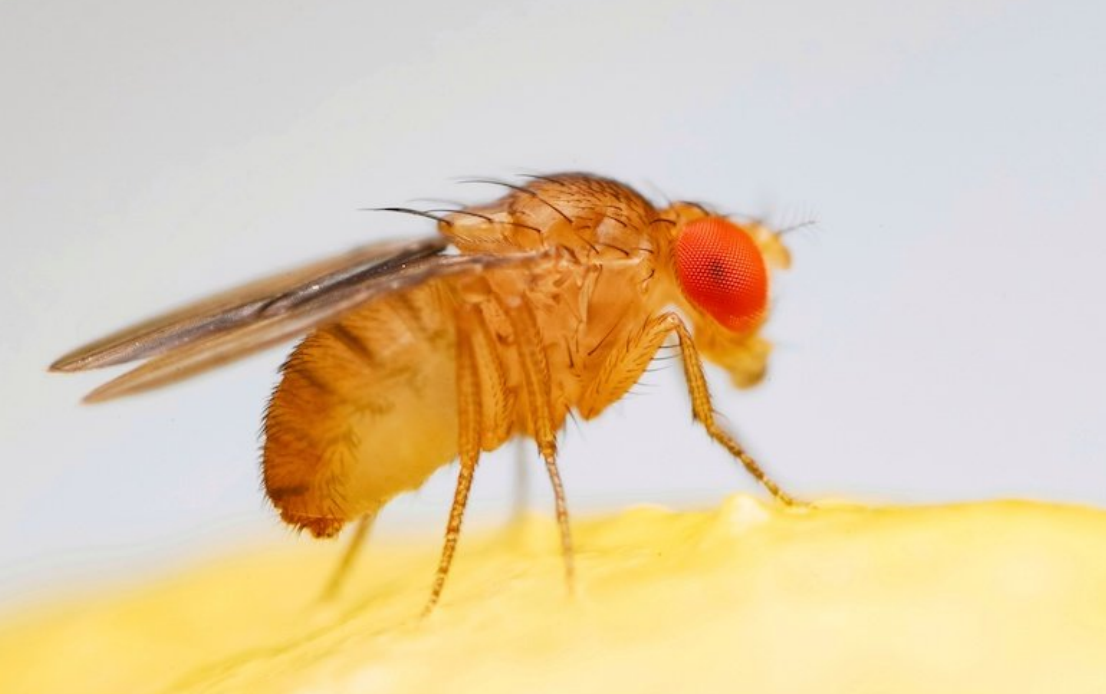
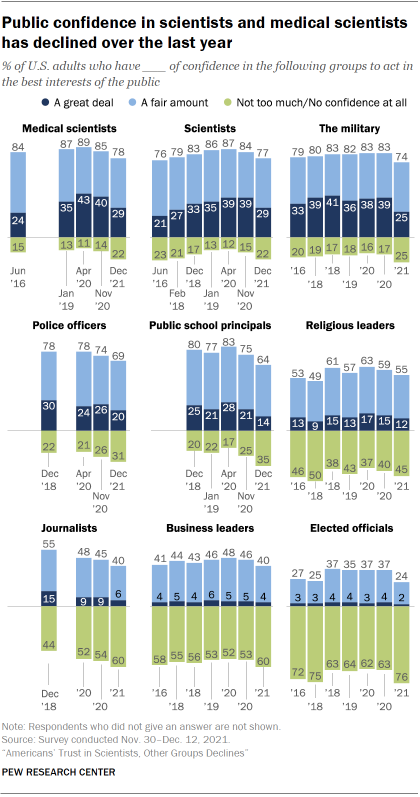
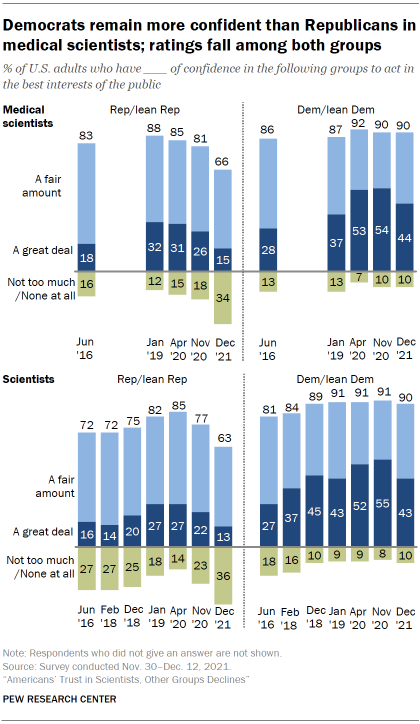
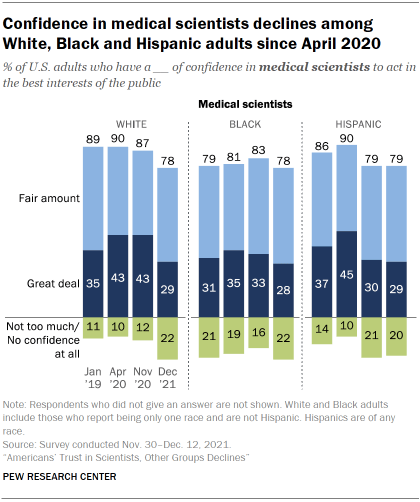
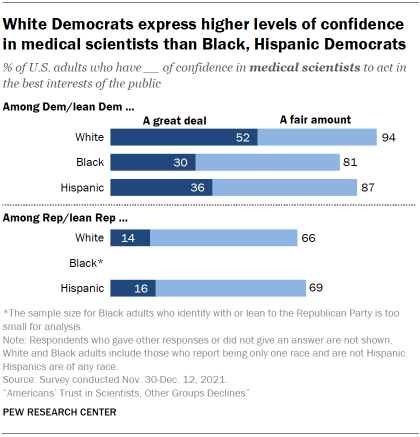
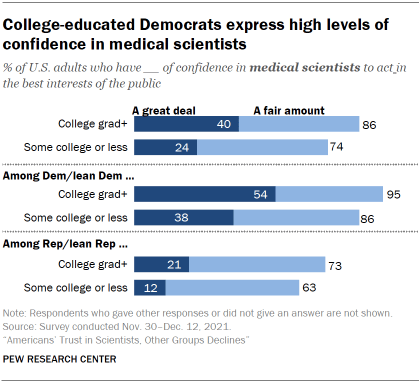


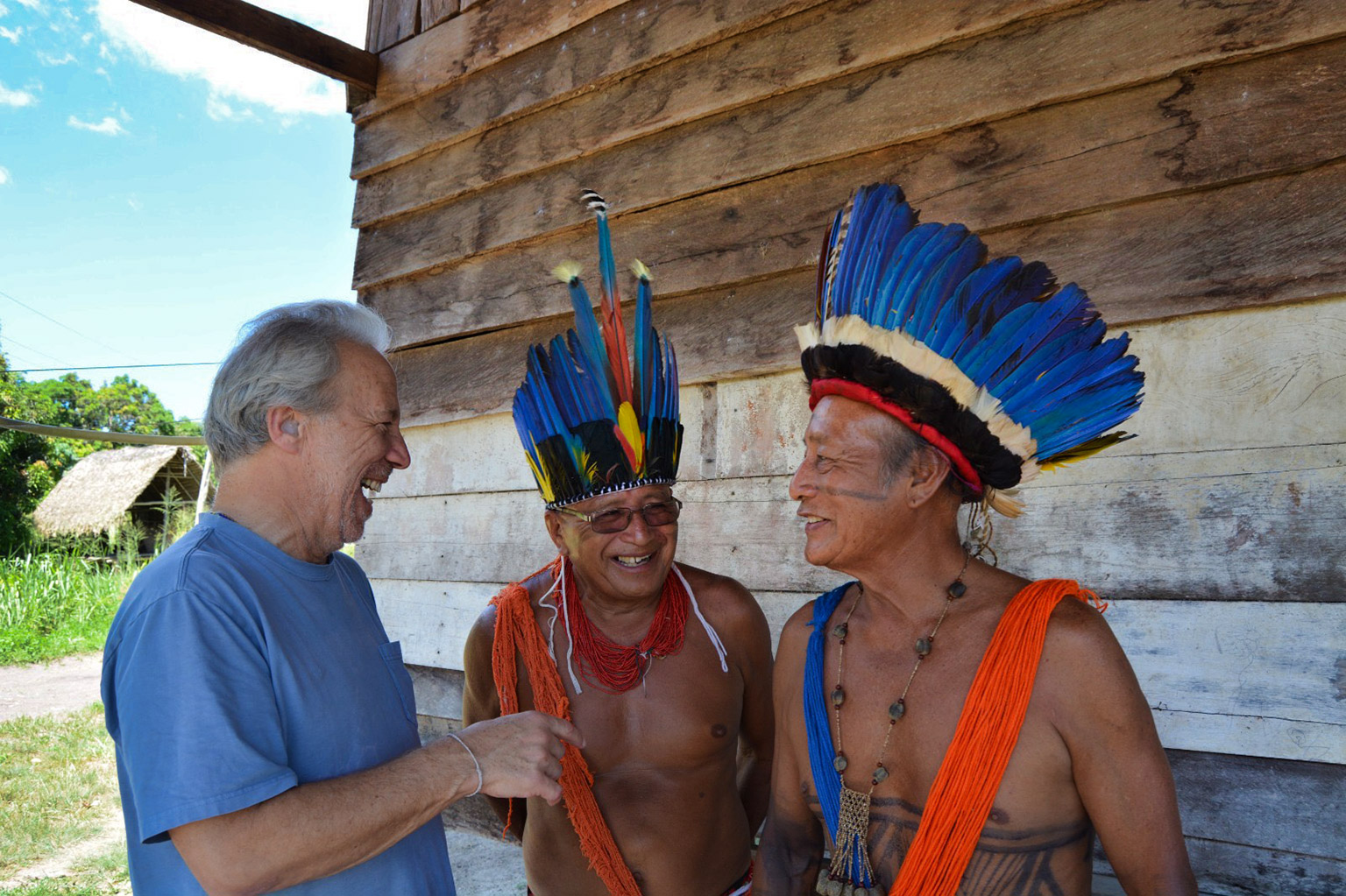
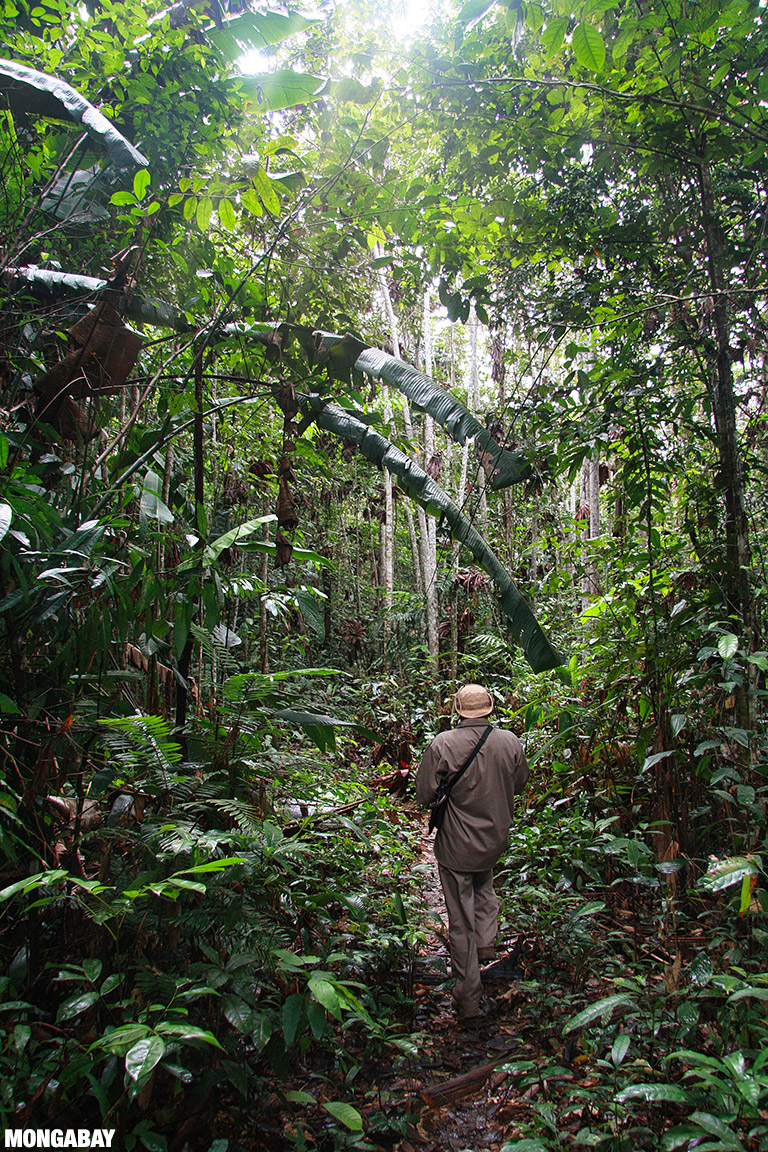


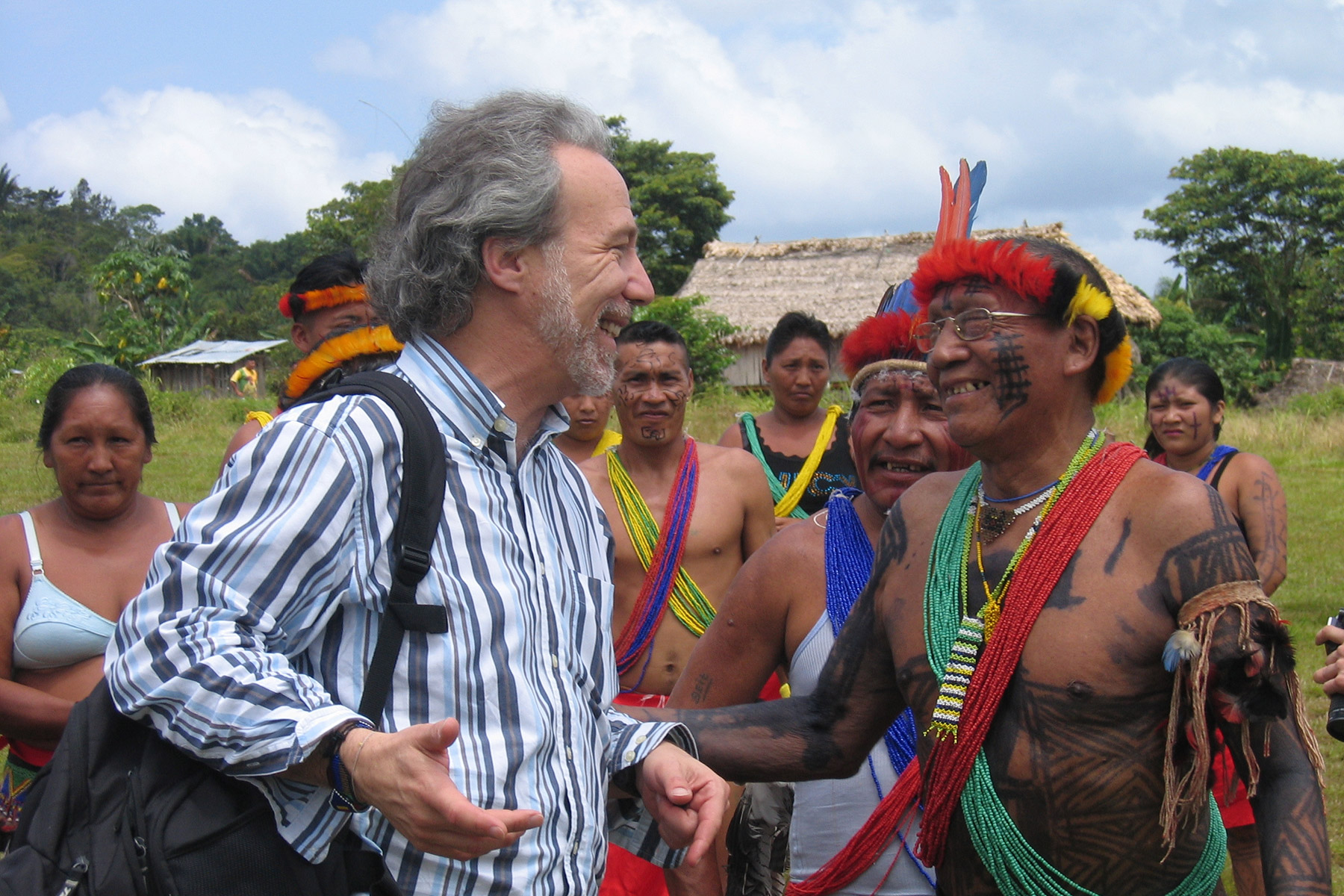
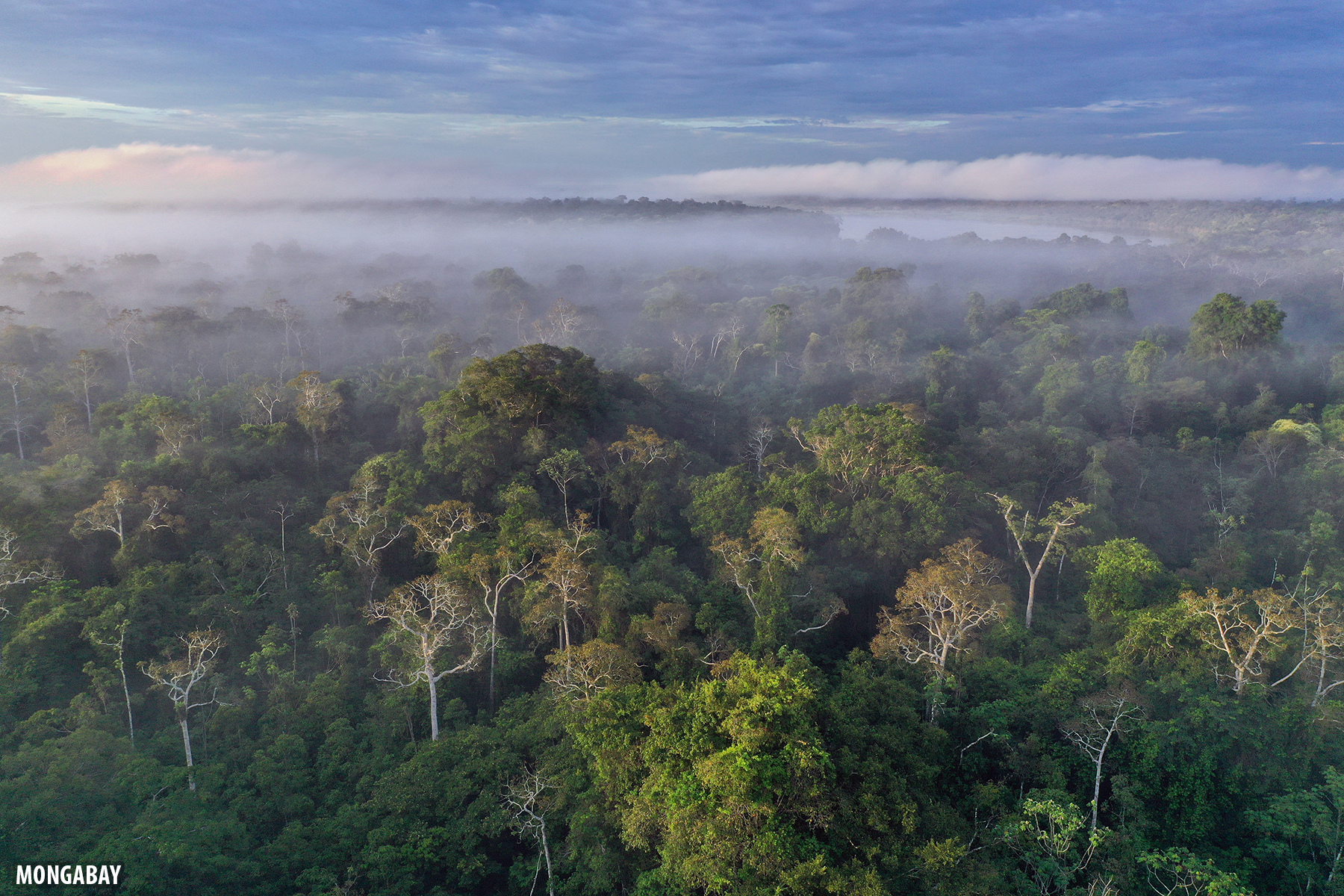

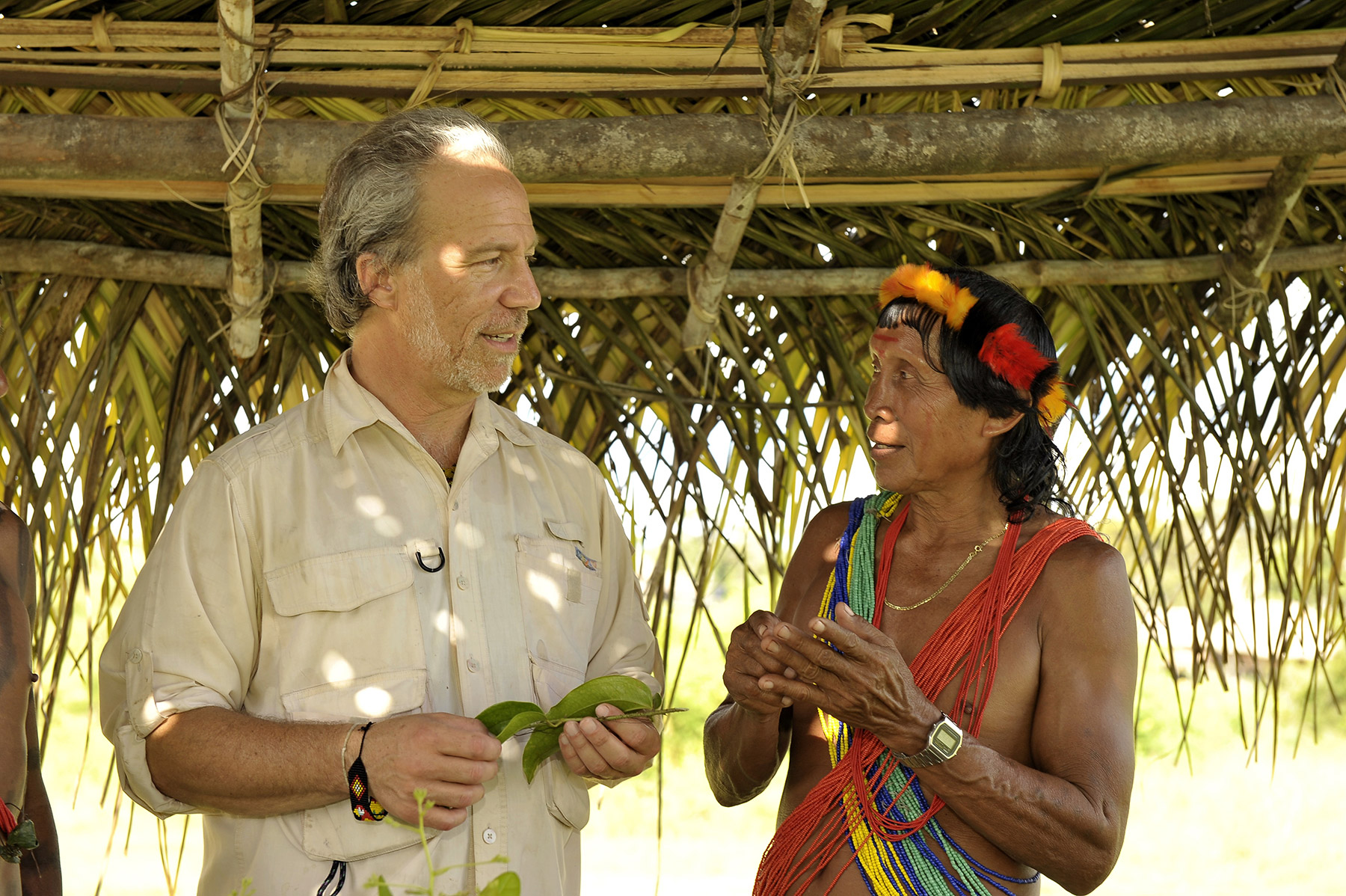


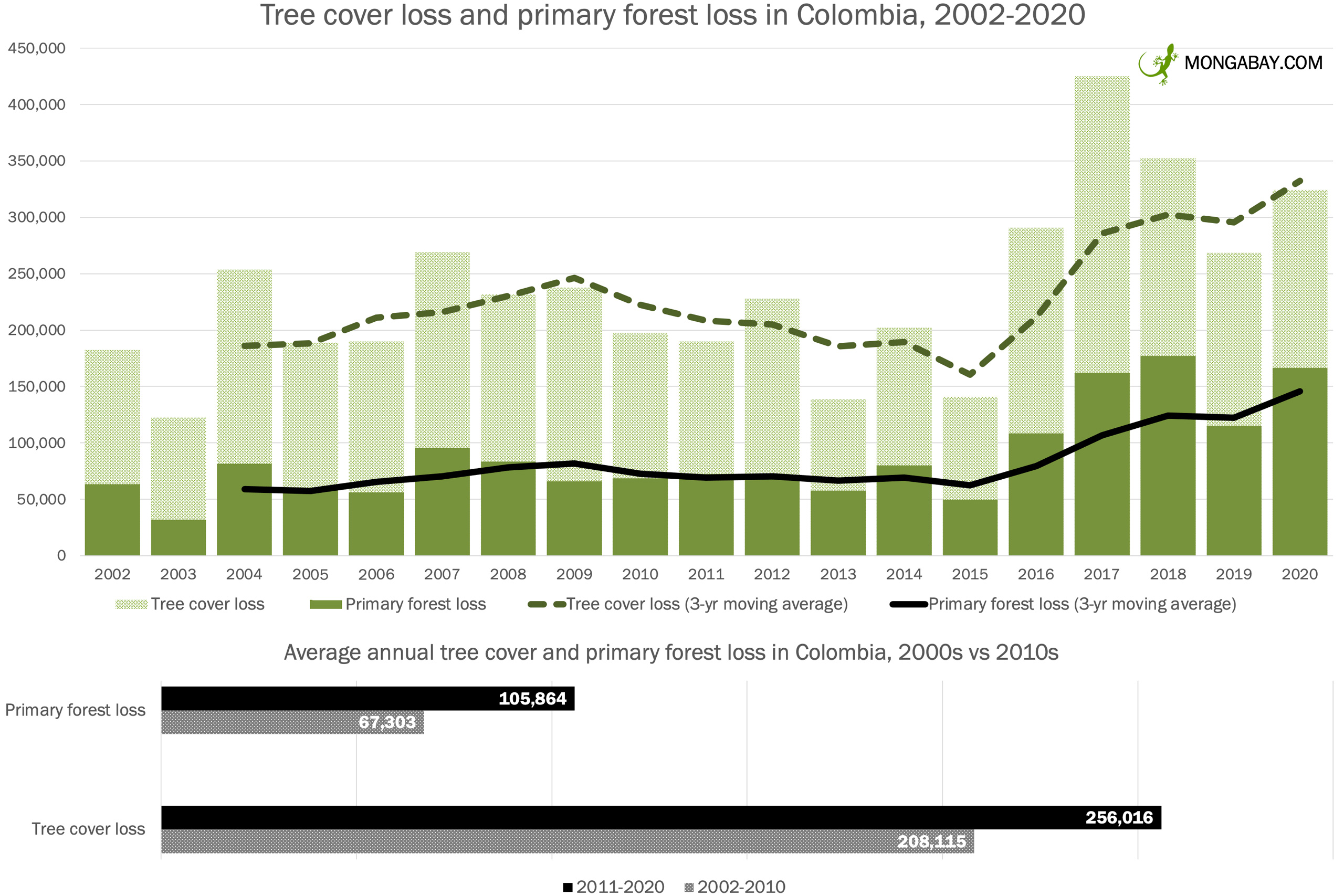

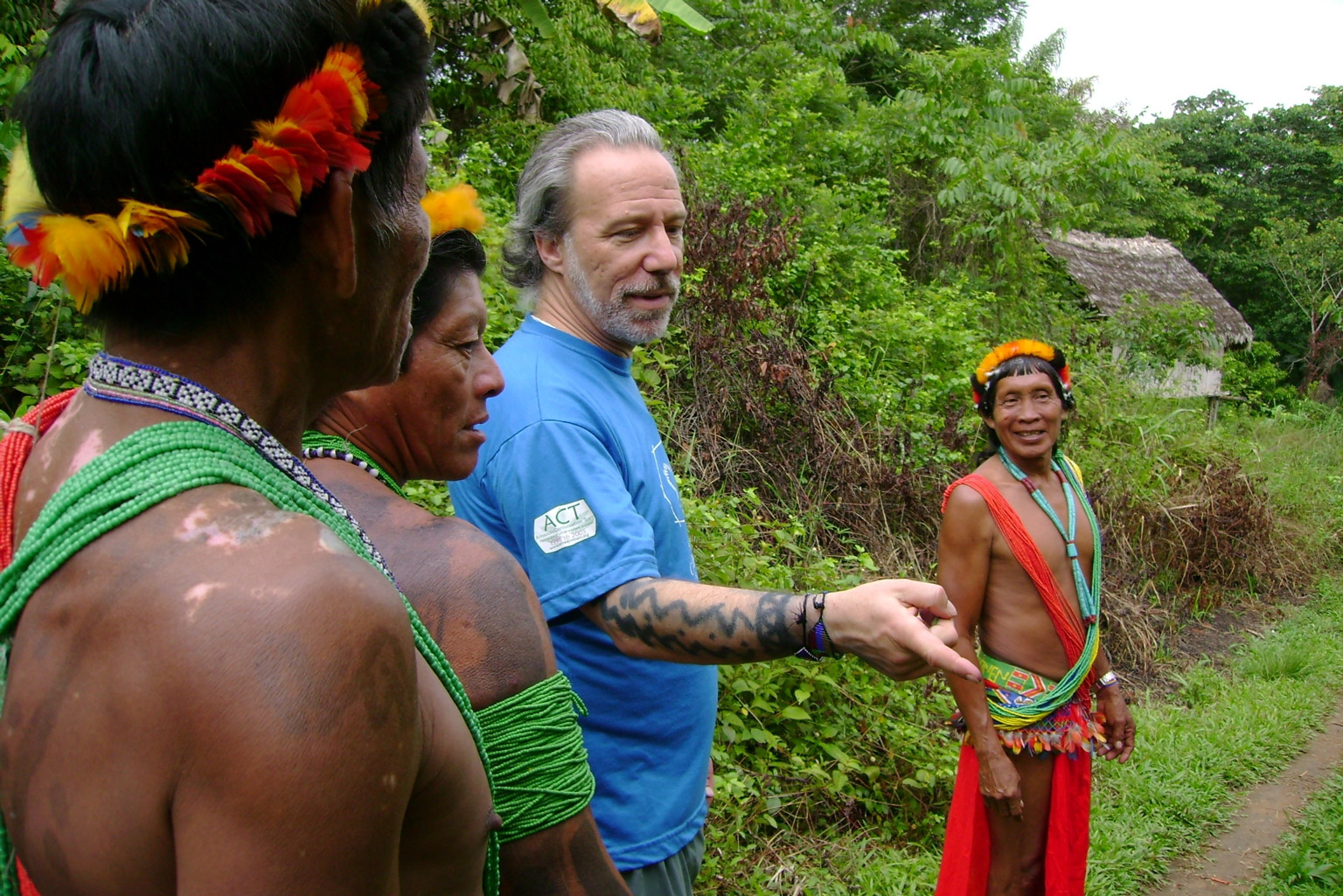


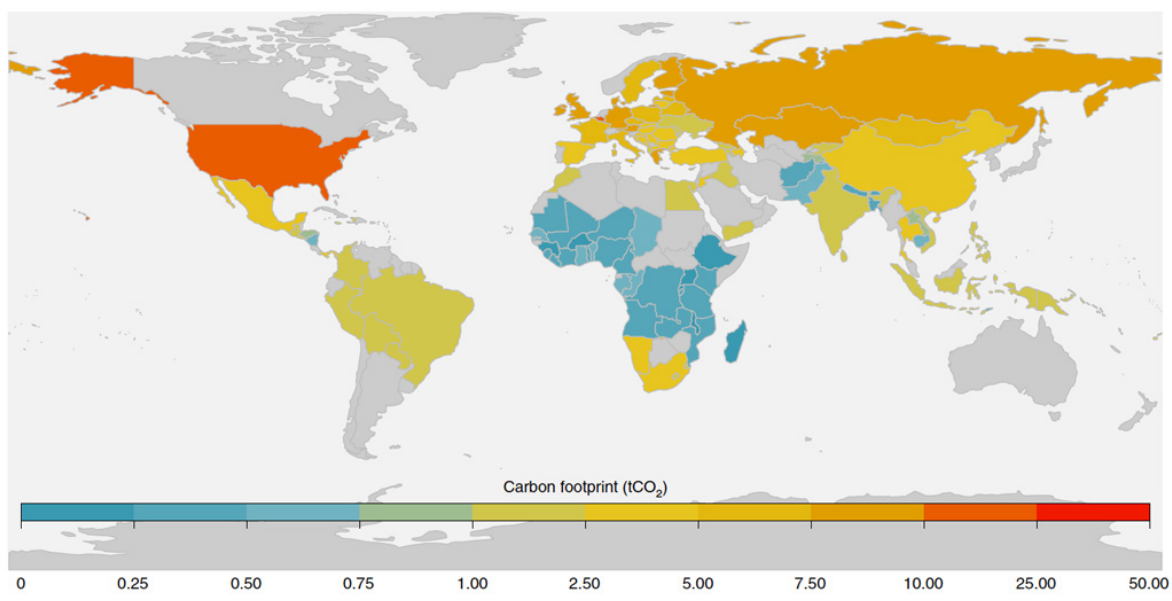

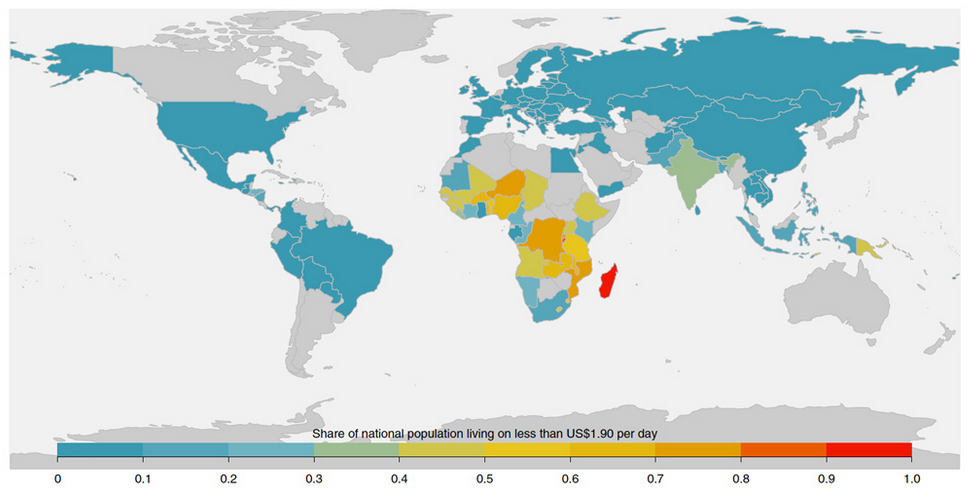


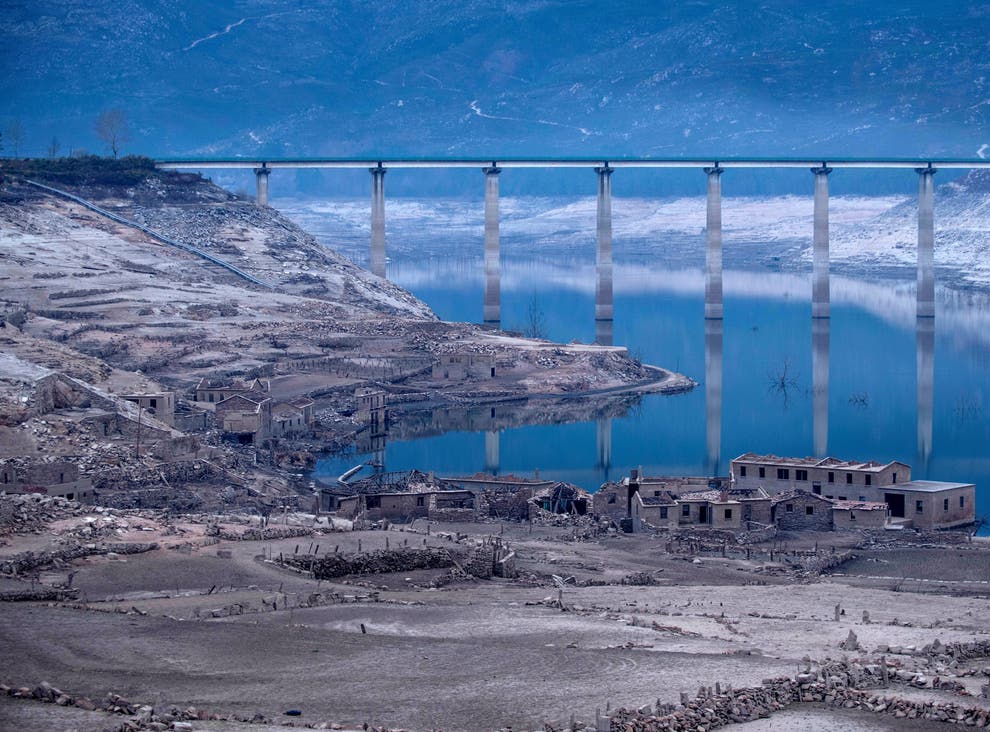
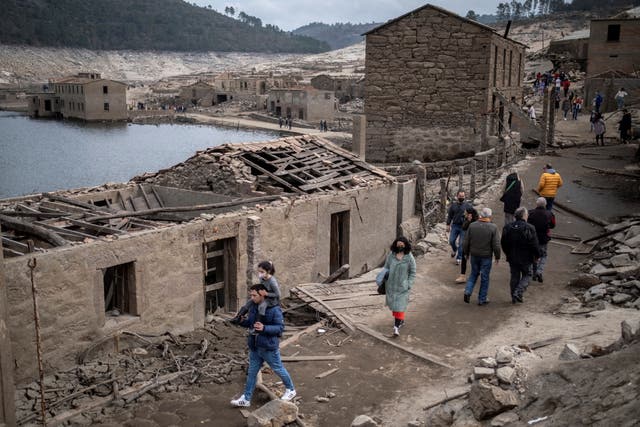
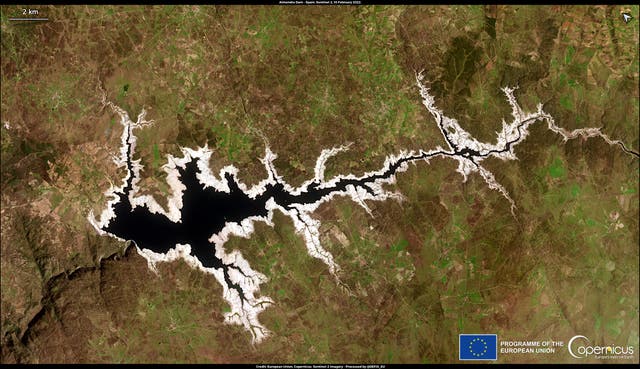
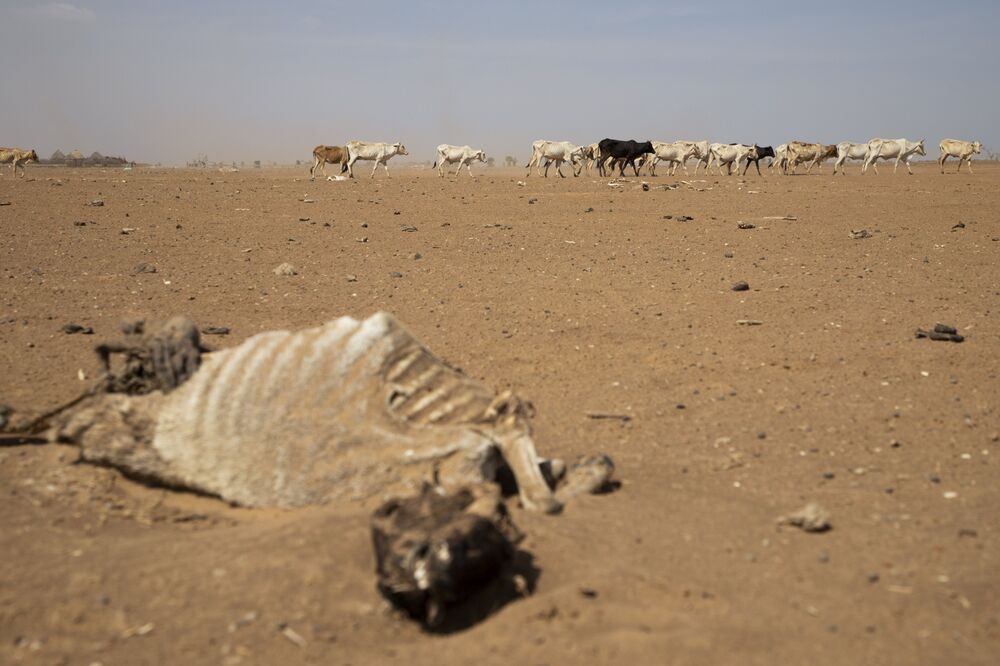
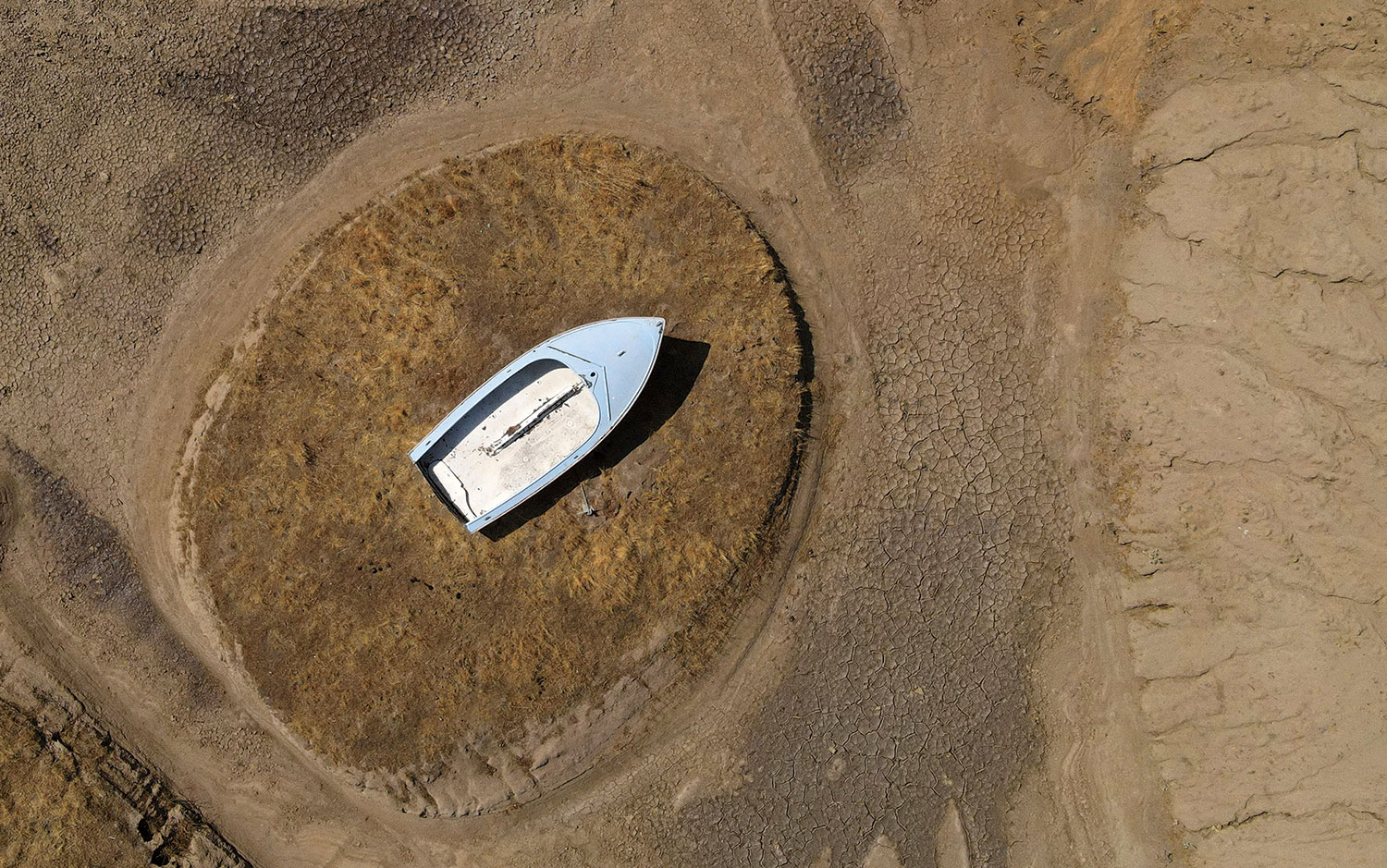
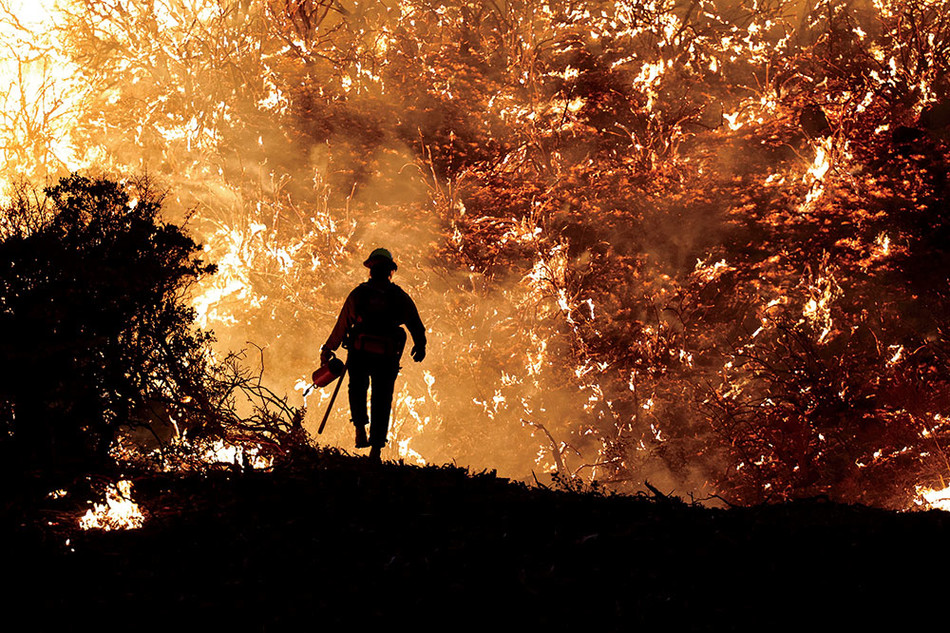
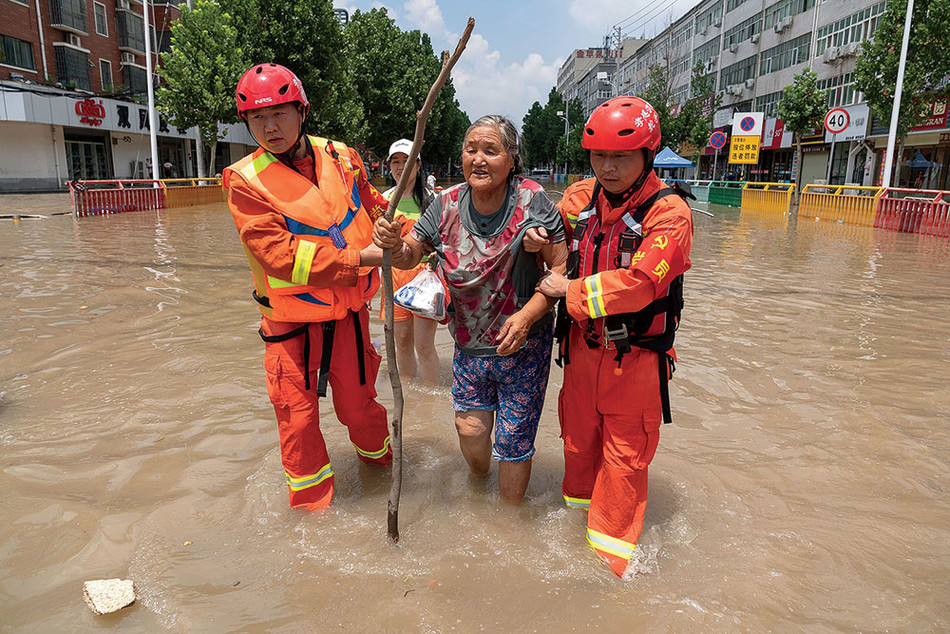
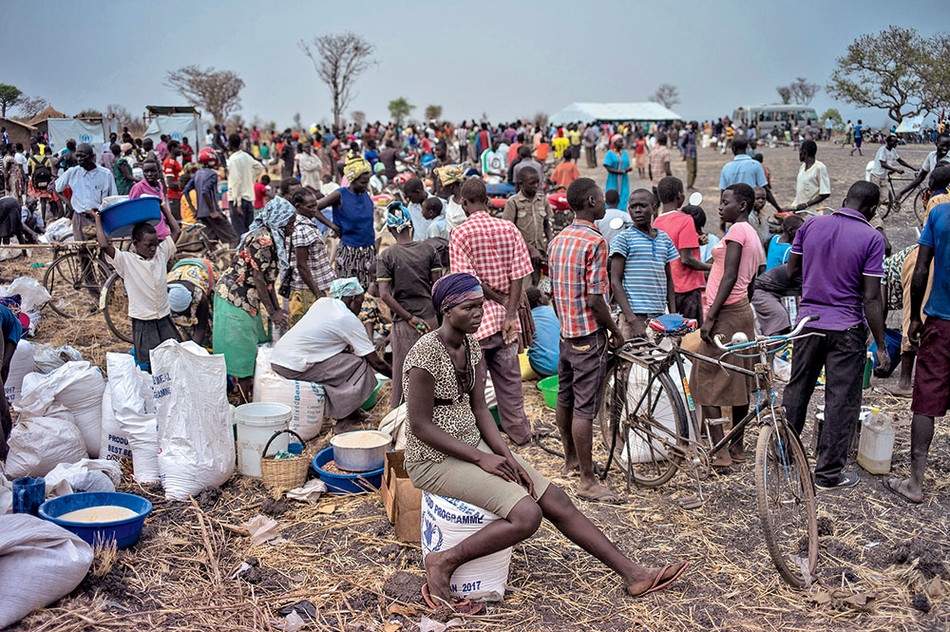
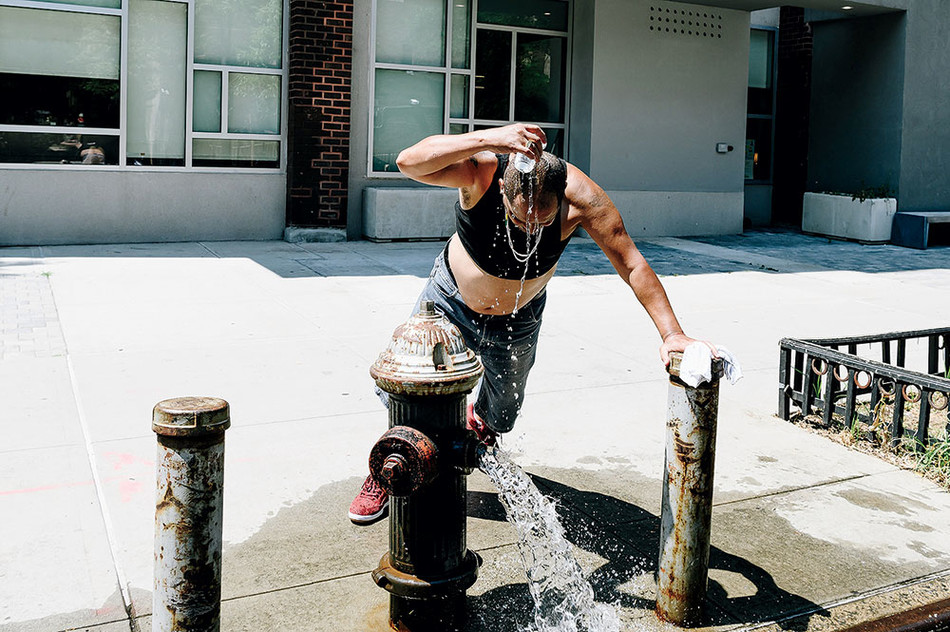
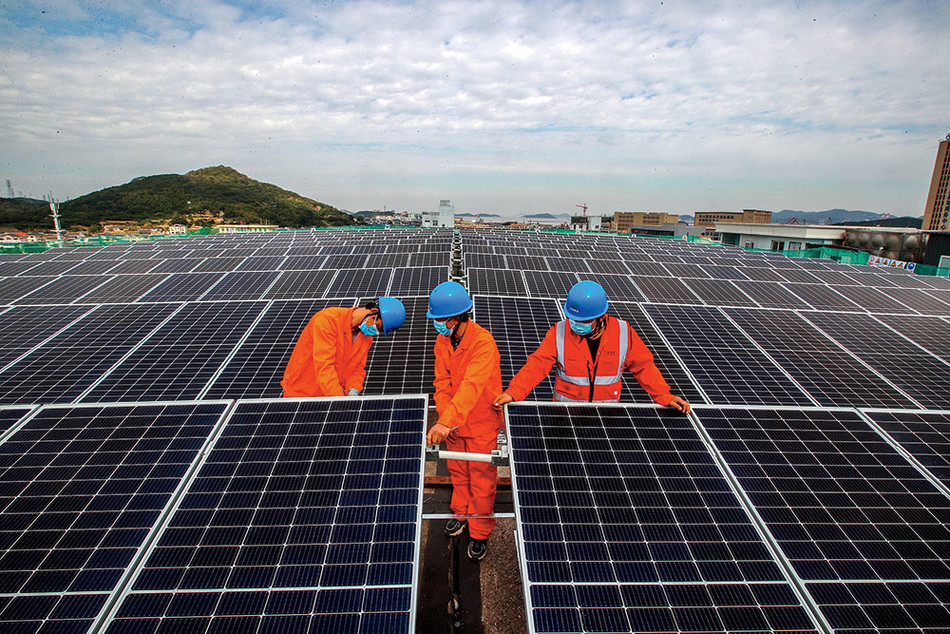


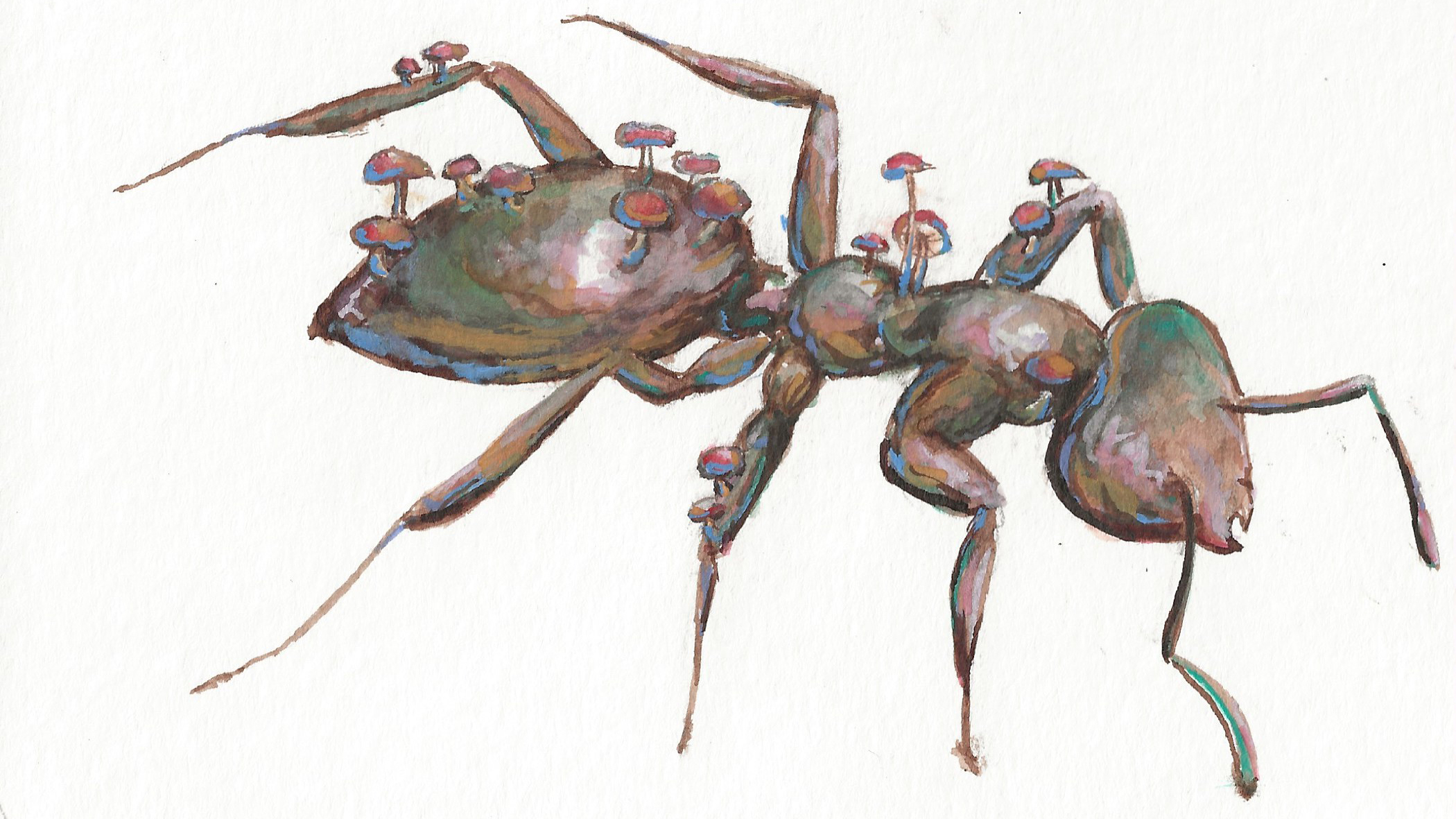


Você precisa fazer login para comentar.