Na última noite do Grupo Especial, nessa terça (17/02), foram 800 atendimentos médicos nos seis postos da Secretaria Municipal de Saúde (SMS) instalados no Sambódromo. Desses, mais de 300 foram causados pelo calor. E olha que os termômetros marcavam “apenas” 28°C na região da Apoteose – mas imaginem usando uma fantasia de 20 kg, plumas, paetês, luz de refletores e muito calor humano misturado ao álcool?
Entre as principais ocorrências, além da turma derretida, estão a descompensação de doenças crônicas, picos de pressão, mal-estar e fadiga por esforço, dor de cabeça, cortes, entorses, lesões ortopédicas, contusões e intoxicação por consumo exagerado de bebidas alcoólicas.
No balanço geral de todos os dias de desfile, foram 2.843 atendimentos. Destes, 167 precisaram ser encaminhados para hospitais da rede. Durante a passagem de algumas escolas, foi possível ver o resgate de integrantes na pista e de foliões nas frisas e arquibancadas.
Fevereiro no Rio é mistura de loteria climática com teste de sobrevivência, a cidade já viveu carnaval debaixo d’água e sob calor escaldante. Segundo pesquisas sobre aquecimento global, não há Fundação Cacique Cobra Coral que resolva contrato com o clima em definitivo. Num futuro não muito distante, o carnaval vai precisar mudar o calendário?
O biólogo Mario Moscatelli diz: “A conta climática é imprevisível, e estamos longe de entender perfeitamente como o sistema funciona. O Rio não consegue resolver nem os velhos problemas estruturais, quanto mais se preparar para os novos. Ondas de calor estão cada vez mais frequentes, enchentes seguem devastadoras, e a perda de biodiversidade — apontada por especialistas como a sexta extinção em massa — já é uma realidade”.
Ele lembra ainda que ano de eleição também é ano de escolha: “A forma de mudar esse ecocídio global passa pelos votos de pessoas mais antenadas com a questão ambiental e menos com as páginas policiais relacionadas a superfaturamentos, desvios de verbas, criação de mais facilidades para as castas públicas e por aí vai. Quem não for 300% competente na gestão dessa nova realidade vai pagar um preço muito alto, tanto do ponto de vista de perdas materiais, como humanas e ambientais. Acabou a fase da improvisação”.
Skardu, Pakistan – As Pakistan grapples with the effects of rising temperatures that are melting its glaciers, residents in the country’s high-altitude Himalayan region have adopted a traditional technique, known as glacier grafting, to counter water scarcity.
Pakistan, home to an estimated 13,000 glaciers, ranks among the top 10 most climate-vulnerable nations, even though it contributes less than one percent of global emissions.
As global warming worsens, the effect of more glaciers melting is “likely to be significant”, Pakistan’s National Disaster Management Authority (NDMA) said last year.
What is glacier grafting?
Glacier grafting, locally known as glacier marriage, is a technique that involves “planting” ice at carefully chosen high-altitude locations to create new artificial glaciers – a process that experts say dates back centuries.
The technique involves storing ice fetched from glaciers closer to human settlements amid periods of water scarcity.
According to Zakir Hussain Zakir, professor and researcher at the University of Baltistan in Skardu, the earliest recorded instance of glacier grafting goes back to the 14th century, when the Sufi saint Mir Syed Ali Hamadani grafted a glacier in the village of Giyari.
“That glacier blocked the route through which invaders from Yarkand came to loot the people,” Zakir, who has researched the practice in the Himalayan region, told Al Jazeera.
Over time, what began as a defensive act evolved into a method for managing water scarcity in one of the world’s most fragile mountain ecosystems.
People in the Ladakh region across the border on the Indian side also use traditional knowledge to preserve ice amid climate change and receding natural glaciers. A relatively newer technique has been developed in Ladakh to create an “ice stupa”, which is formed after spraying water in freezing temperatures. The conical shape ice structure remains frozen for a longer period as its surface is not fully exposed to the sun.
How is glacier grafting carried out?
So-called “male” and “female” ice is sourced from different locations and brought together to create an artificial glacier. Villagers where this technique has been implemented as well as experts told Al Jazeera that volunteers go out to collect around 200kg (441 pounds) of “male” ice from one valley and “female” ice from another. Male ice is typically black in colour, while female ice is usually lighter, providing more fertile water that enhances agricultural productivity, according to locals.
Get instant alerts and updates based on your interests. Be the first to know when big stories happen.Yes, keep me updated
In ancient times, due to the absence of available transportation as well as steep, narrow and slippery routes through the mountains, volunteers would travel on foot for several days, carrying the ice in traditional wooden cages on their backs.
The process requires specific materials: coal, grass, salt and water collected from seven different streams. Before setting out to the grafting site, the group would recite Quranic verses, perform spiritual rituals and pray for success.
The material, including both sets of ice blocks, would be carried to the site while “strictly following environmentally respectful and culturally sacred practices”, the locals said.
They would avoid the use of plastics, refrain from immoral actions and only consume locally produced foods such as wheat, barley, apricots and homemade bread during the process.
Humour, music, or harm to living creatures is strictly prohibited, as the procedure was viewed as both a spiritual and ecological responsibility.
At the grafting site, a small trench would be dug in a safe area, away from avalanche or flood-risk zones. The male and female ice pieces would be carefully layered together, mixed with salt, coal and grass.
“The male pieces are put on the right, while on the left, female ice pieces,” Zakir said.
Pakistan is home to an estimated 13,000 glaciers [Faras Ghani/Al Jazeera]
Water collected from the seven streams would slowly be dripped over the ice to help bind the layers.
Over several months, the pieces fused into a single ice mass. If the site received seasonal snowfall, the mass would gradually develop into a glacier. After surviving for at least three years and enduring seasonal snow cycles, the artificially grafted glacier would expand. Over the next few years, it would become a reliable water source.
Zakir added that site selection is critical in the process: north-facing slopes, strong winds, less sun exposure and protection from direct flowing water are essential.
Rituals, discipline and collective labour
Locals and experts told Al Jazeera that the deep spiritual and cultural aspects surrounding this technique are what distinguish glacier grafting from purely technical interventions.
Ice pieces are never allowed to touch the ground and must remain in continuous motion from collection to planting.
“Often, vehicles that carry these ice pieces are never switched off,” Zakir recalled, adding that those helping out are forbidden from speaking, using plastic or relieving themselves near the site.
“If one volunteer feels tired, without lying down, he will pass the basket [carrying the ice] to another volunteer.”
Historically, glacier grafting has also concluded with local music known as Gang Lho that is sung directly to the ice. One such song, the professor recalled, addresses the glacier as a living being, calling it “my dear baby glacier” having “pastures to grow… mountains to climb”.
Often, volunteers and villagers would have tears in their eyes, praying for the glacier’s establishment and survival in order to aid their survival and livelihood.
How long does glacier grafting take? Is it guaranteed to survive?
A successfully grafted glacier can start supplying water within two decades, making it a long-term investment in water security.
However, experts warn that the process is vulnerable – not only to a failure of the natural process, a lack of snowfall, drops in temperatures, and climate change, but also to conflict.
“In abnormal climatic conditions, such as during war, the process may fail,” Zakir warned.
“Both India and Pakistan have deployed military forces in the glaciers, and the bullets they use, as well as the movement of soldiers and equipment, are very harmful to glaciers.”
The South Asian neighbours have fought three wars over the disputed Kashmir region, which they both govern parts of.
Can glacier grafting solve water scarcity problems?
The mean temperature in Pakistan since the 1950s has risen by 1.3 degrees Celsius (2.34 degrees Fahrenheit), which is twice as fast as the global mean change, according to the World Bank.
With temperatures rising globally, glacier grafting may not be able to offer a wholesome solution to Pakistan’s melting glaciers problem. But it remains a powerful example of how Indigenous knowledge, culture and collective care have long shaped survival in the mountains.
Locals told Al Jazeera that glacier grafting is now more critical than ever to counter water scarcity and erratic snowfall that cause problems for irrigation, domestic consumption and livestock.
They also worry that the practice of glacier grafting is rapidly disappearing. Younger generations, drawn to urban centres and alternative livelihoods such as tourism, education and business, no longer engage in traditional irrigation.
This shift has disrupted the intergenerational transfer of Indigenous knowledge, they lamented.
This story was produced in partnership with the Pulitzer Center.
A China tenta aumentar artificialmente seus índices de chuva desde a década de 1950 por meio de um método conhecido, embora ainda controverso: a semeadura de nuvens
Ally Hirschlag, BBC Future
17 fevereiro 2026
Em março de 2025, uma frota de 30 aviões e drones lançou partículas de iodeto de prata no céu do norte da China. Ao atingirem o ar, o pó amarelo-pálido em seu interior emergiu e logo se transformou em “fios” acinzentados, entrelaçando o céu enquanto as aeronaves as liberavam em padrões cruzados. Muito abaixo delas, mais de 250 geradores terrestres lançavam foguetes com as mesmas partículas.
O objetivo era trazer alívio à seca nas regiões norte e noroeste, conhecidas como o cinturão de grãos do país. A grande operação foi o projeto “chuva de primavera”, conduzido pela Administração Meteorológica da China, e planejada para beneficiar as plantações no início da temporada de plantio.
A enorme operação foi aparentemente um sucesso, tendo supostamente produzido 31 milhões de toneladas adicionais de precipitação em 10 regiões suscetíveis à seca.
A China tenta aumentar artificialmente seus índices de chuva desde a década de 1950 por meio de um método conhecido, embora ainda controverso: a semeadura de nuvens.
Esse método busca estimular as nuvens a produzir mais umidade com o uso de partículas minúsculas, geralmente de iodeto de prata, cuja forma e peso são semelhantes aos de uma partícula de gelo.
A semeadura de nuvens há muito tempo gera preocupações, que vão desde os possíveis riscos ambientais e os impactos dos produtos químicos utilizados até possíveis danos a populações em áreas vizinhas, decorrentes de alterações nos padrões de chuva, além de tensões de segurança que possam surgir como consequência.
E, mesmo enquanto o país mais populoso do mundo intensifica a prática, cientistas e especialistas continuam questionando o quanto ela realmente funciona.
Caminho para a chuva
Nos últimos anos, a China intensificou de forma significativa seus esforços de semeadura de nuvens, em grande parte graças ao avanço das tecnologias de drones e de radar. O país realiza hoje modificações climáticas em mais de 50% de seu território, principalmente para aumentar a precipitação, embora também esteja tentando reduzi-la em determinadas áreas.
A técnica chegou a ser empregada para gerenciar as condições meteorológicas em datas específicas, como nos Jogos Olímpicos de Pequim, em 2008, e nas comemorações do centenário do Partido Comunista Chinês, em 2021.
A modificação do clima se tornou “um projeto vital para o desenvolvimento científico das nuvens atmosféricas e dos recursos hídricos, servindo ao país e beneficiando o povo”, afirmou Li Jiming, diretor do Centro de Modificação do Clima da China, à época da operação “chuva de primavera” de 2025. “É um componente crucial para a construção de uma nação meteorológica forte”, acrescentou, ao destacar a necessidade de impulsionar a China “de grande protagonista na modificação artificial do clima a líder global”.
Funcionários do departamento meteorológico chinês se preparam para disparar projéteis de artilharia para semeadura de nuvens em Yongchuan, em 2009
O crescente interesse da China em controlar a precipitação é óbvia: desde a década de 1950, o país vêm enfrentando secas cada vez mais frequentes e severas, com impactos sobre a agricultura e a economia do país.
Os experimentos chineses com semeadura de nuvens começaram em 1958, quando uma aeronave supostamente teria provocado chuva sobre a província de Jilin, atingida pela seca. A técnica, porém, havia sido descoberta nos Estados Unidos uma década antes e, como tantas ideias inovadoras, totalmente por acaso.
Na década de 1940, Vincent Schaefer era pesquisador da General Electric e trabalhava para evitar que as aeronaves ficassem muito geladas durante o voo. Ele havia desenvolvido um refrigerador especial para demonstrar como o gelo se forma nas nuvens.
Um dia, ele chegou ao laboratório e descobriu que o equipamento havia desligado. Quando colocou um pedaço de gelo seco (dióxido de carbono sólido, em temperatura extremamente baixa) dentro dela para resfriar o interior, testemunhou uma reação surpreendente: cristais de gelo surgiram subitamente, flutuando dentro do compartimento. Ele havia produzido precipitação de forma artificial.
Um ano depois, em 1946, Schaefer lançou quilos de gelo seco sobre nuvens super resfriadas acima das montanhas Adirondack, no Estado de Nova York. O experimento aparentemente desencadeou uma queda de neve.
Depois dessa experiência, iniciativas de semeadura de nuvens surgiram ao redor do mundo, embora com resultados variados e inconclusivos, marcados por dificuldades na medição de dados.
Para demonstrar resultados efetivos da semeadura de nuvens, cientistas precisam de um cenário meteorológico de controle quase idêntico àquele em que tentam intervir na natureza. “Não conseguimos fazer a mesma nuvem acontecer duas vezes. Portanto, não podemos realizar um experimento controlado”, afirmou Robert Rauber, professor de ciências atmosféricas na Universidade de Illinois em Urbana-Champaign (EUA).
Semeadura de neve
Na China e em outras partes do mundo, a semeadura de nuvens, tanto para experimentos quanto para o uso prático, é realizada com mais frequência em áreas montanhosas para produzir neve, principalmente porque a neve é mais fácil de enxergar e medir do que a chuva.
Os cientistas usam radares para encontrar nuvens que contenham água líquida super-resfriada (entre -15°C e 0°C). Em seguida, liberam nelas partículas minúsculas de iodeto de prata por meio de aeronaves ou geradores instalados no solo. Essas partículas congelam ao entrar em contato com a água super-resfriada, formando cristais de gelo nas nuvens, que se tornam mais pesados e, por fim, caem no solo como neve ou gelo.
A semeadura de nuvens em clima quente funciona de maneira semelhante, mas utiliza sal para estimular pequenas gotículas de água a se unirem e aumentarem de tamanho até cair no solo. No entanto, é menos comum, porque nuvens mais quentes costumam se deslocar mais rapidamente e contêm menos água super-resfriada, além de a água não se acumular de forma tão visível quanto a neve, o que dificulta o monitoramento.
O químico americano Vincent Schaefer, que demonstrou e testou a ideia da semeadura de nuvens, tenta transformar sua respiração em cristais em 1949
A primeira base operacional de semeadura de nuvens da China foi estabelecida em 2013, e hoje o país conta com seis bases que colaboram em pesquisas. Seu programa de modificação do clima é agora o maior do mundo, e as ambições de indução de chuvas cresceram na mesma proporção.
Em particular, a enorme iniciativa Tianhe (“rio do céu”, em tradução livre) do país, que visa criar um corredor de vapor de água do Planalto Tibetano até a região seca do norte da China, por meio de milhares de geradores instalados no solo.
Mas a China também enfrenta críticas diante de preocupações com os impactos mais amplos dessas operações. “Aplicadas em escala suficientemente grande, essas tecnologias de modificação climática podem representar riscos à habitabilidade e à segurança de países vizinhos”, disse Elizabeth Chalecki, pesquisadora em relações internacionais e governança tecnológica na Balsillie School of International Affairs (Canadá).
Um relatório recente argumentou que uma intervenção de tão grande escala no Planalto Tibetano poderia levar ao controle unilateral da China sobre recursos hídricos compartilhados com países vizinhos, como a Índia, levando a tensões geopolíticas. Por outro lado, uma análise ainda não publicada, baseada em 27 mil experimentos de semeadura de nuvens na China, concluiu que o impacto sobre outras nações foi mínimo.
Os potenciais danos da semeadura de nuvens podem ser exagerados, segundo Katja Friedrich, professora de ciências atmosféricas e oceânicas da Universidade do Colorado (EUA). Por exemplo, “não há indicação de que a semeadura de nuvens saia do controle e de repente você tenha essa explosão que gera uma tempestade”, disse ela em referência às inundações em Dubai, em 2024, e no Texas, em 2025, ambas erroneamente atribuídas à semeadura de nuvens.
Ainda assim, especialistas como Chalecki alertam para a ausência de políticas internacionais capazes de prevenir eventuais impactos transfronteiriços à medida que o programa chinês de modificação do clima avança. A China poderia até ser capaz de obter “um benefício de segurança auxiliar ao degradar discretamente o meio ambiente e a habitabilidade de um Estado rival”, sugere ela.
Falta de evidências
Há, no entanto, outro problema com a semeadura de nuvens: segundo cientistas, a China pode simplesmente não estar produzindo a quantidade de chuva que afirma gerar. “Acho que as alegações não são suficientemente sustentadas pelos dados”, afirmou Rauber, da Universidade de Illinois.
Na última década, o governo chinês divulgou repetidas vezes que seu programa de semeadura de nuvens estaria alcançando resultados expressivos. Um comunicado à imprensa afirmou que a iniciativa “chuva de primavera” de 2025 aumentou a precipitação na área-alvo em 20% em comparação com 2024. Já a agência meteorológica chinesa declarou, em dezembro de 2025, que as operações de chuva e neve artificial haviam produzido 168 bilhões de toneladas adicionais de precipitação (volume equivalente a cerca de 67 milhões de piscinas olímpicas) desde 2021.
O experimento Snowie, considerado referência na área, reuniu dados que indicam de forma clara que a semeadura de nuvens levou à produção de neve
“Há muitas alegações [globalmente], seja por parte de agências governamentais ou de empresas que podem se beneficiar de operações de semeadura de nuvens”, disse Jeffrey French, cientista atmosférico da Universidade do Wyoming (EUA). “Acho que há muitas declarações [vindas da China] que não podem ser validadas cientificamente nem comprovadas.”
Em 2017, French liderou um avanço significativo nas evidências sobre a técnica, quando o projeto “Snowie”, nas montanhas Payette, no Estado de Idaho (EUA), conseguiu coletar dados que demonstraram de forma inequívoca a produção de neve por meio da semeadura de nuvens. Desde então, os resultados repercutiram internacionalmente.
“Conseguimos, em diversos casos, identificar exatamente onde o material de semeadura estava nas nuvens e realizar medições diretamente nessas áreas”, afirmou French, pesquisador principal do projeto. Isso foi possível apesar de haver “tamanha variabilidade natural, tantas variações na natureza das nuvens e da precipitação”, disse.
Os pesquisadores também realizaram medições adicionais em áreas próximas, a 1 a 2 quilômetros de distância, o que permitiu comparar as duas regiões e demonstrar uma diferença clara entre a quantidade de neve produzida naturalmente e a gerada artificialmente pelo mesmo sistema de nuvens.
Foi o mais próximo que um estudo financiado de forma independente já chegou de um experimento controlado bem-sucedido na natureza. O extenso conjunto de dados do Snowie representou um marco: não apenas demonstrou que a semeadura de nuvens pode funcionar, mas também evidenciou o equilíbrio complexo de quando e como a técnica apresenta melhores resultados. Os dados viraram referência para um campo científico que carecia de comprovação empírica.
O estudo de referência foi citado em diversas pesquisas chinesas sobre semeadura de nuvens publicadas em periódicos com revisão por pares, incluindo uma que afirma que o trabalho “demonstra rigorosamente que a semeadura de nuvens realmente criou nuvens precipitantes e aumentou a precipitação na superfície”.
Resultados modestos
Ainda assim, os resultados do Snowie indicaram que o impacto da semeadura de nuvens é, no fim das contas, limitado. “É por isso que as pessoas tinham dificuldade em demonstrar o efeito nesses sistemas de precipitação”, disse Friedrich, da Universidade do Colorado. E, embora a técnica tenha sido comprovada em certa medida em outros contextos, até mesmo os cientistas que observaram os resultados de perto questionam se ela é eficaz o suficiente para justificar o esforço.
Alguns também avaliam que o uso da tecnologia avançou mais rápido do que a pesquisa científica, e que ainda não há dados confiáveis em quantidade suficiente para sustentar os resultados divulgados. “O problema desses programas de semeadura de nuvens é que a maioria é conduzida por governos, como na China ou nos Emirados Árabes Unidos”, disse Friedrich. “Mas há pouquíssima análise independente.”
Isso é relevante porque continua extremamente difícil distinguir entre a precipitação gerada pela intervenção e aquela que as nuvens produziriam naturalmente. “Em geral, é muito difícil saber se a semeadura de nuvens funciona em todos os casos”, afirmou Adele L. Igel, professora associada de física de nuvens na Universidade da Califórnia em Davis (EUA). “A teoria e a ciência indicam que deveria funcionar, mas é difícil verificar essas previsões de forma rotineira com observações e medições.”
Um soldado carrega projéteis usados na semeadura de nuvens durante uma operação para combater a seca em Xigu Township, na Província de Shanxi, no norte da China, em fevereiro de 2011
Persistem ainda inúmeras limitações para que a técnica funcione de forma previsível. A semeadura de nuvens, por exemplo, não produz efeito se não houver nuvens com potencial de precipitação. Também é muito menos eficaz nos meses mais quentes, quando são raras as nuvens com água super-resfriada.
Isso significa que, em muitos casos, o custo pode superar os resultados, sobretudo quando se utilizam métodos aéreos. As técnicas baseadas em solo — que dependem de geradores que lançam iodeto de prata ou outro agente para as nuvens por meio de correntes de ar — são mais baratas, mas muito menos previsíveis. “A semeadura aérea é bastante eficiente, mas também muito cara, por isso as pessoas recorrem aos métodos terrestres”, disse Friedrich, da Universidade do Colorado.
Também é impossível prever com precisão quais serão os efeitos de modificações climáticas amplas e contínuas, seja na China ou em outros países. “É muito difícil avaliar, quanto mais prever, impactos climáticos regionais e anomalias remotas decorrentes de operações de modificação do tempo”, disse Manon Simon, professora da Universidade da Tasmânia (Austrália), que pesquisou extensivamente as implicações geopolíticas potenciais do programa chinês. Segundo ela, é particularmente complexo determinar se programas de longo prazo podem resultar em secas ou inundações mais frequentes ou intensas. A identificação desses riscos, acrescenta, exige monitoramento permanente e ampla cooperação internacional.
Uma nova fronteira
Nos quase dez anos desde o projeto Snowie, as técnicas de semeadura e as tecnologias de radar evoluíram, o que pode significar maior produção de precipitação. Com o avanço recente dos drones, a China ampliou o uso de equipamentos mais sofisticados e passou a recorrer à inteligência artificial (IA) para aumentar a precisão na liberação de iodeto de prata.
China e Emirados Árabes Unidos também experimentam métodos como o flare seeding (semeadura com sinalizadores, em tradução livre) e o envio de cargas de íons negativos às nuvens para estimular a união de gotículas, processo que leva à precipitação.
Ainda assim, como ocorre com a semeadura tradicional, permanece escassa a pesquisa independente que comprove de forma conclusiva que esses novos métodos produzem mais chuva. Os cientistas temem que o aumento das secas no mundo, impulsionado pelas mudanças climáticas, acelere a adoção da tecnologia sem que haja, na mesma proporção, estudos que indiquem quando e onde ela funciona com bom custo-benefício.
Os especialistas concordam que mais dados independentes ajudariam a identificar em que circunstâncias a semeadura pode surtir efeito e quando é improvável que funcione. As mesmas informações poderiam orientar medidas de proteção para proteger países vizinhos de eventuais impactos adversos.
Tudo isso, porém, demanda tempo, um argumento difícil de sustentar quando a escassez de água já é realidade, e muitos países buscam soluções imediatas.
For-hire Pennsylvania groundhog “Wolfgang” spotted his shadow at Brooklyn’s McCarren Park in front of a crowd of ecstatic hipsters Saturday, whispering his weather prediction to perennial mayoral candidate Curtis Sliwa — who claimed he’d don his own groundhog costume next year.
The woodchuck predicted six more weeks of frigid wintery temperatures to the delight of hundreds in Williamsburg who chanted Sliwa’s name and even bid for the Republican’s autograph.
Hundreds of hipsters descended on a popular Williamsburg, Brooklyn park to watch a groundhog whisper its weather predictions into the ear of ex-mayoral candidate Curtis Sliwa Saturday.Nicole Rosenthal
The offbeat gathering, now in its second year, is the brainchild of political journalist Riley Callanan, 26, who told The Post that she shelled out $2,250 to rent the varmint from an animal rental service — and invited the animal-loving Sliwa as a “shot in the dark” due to his “New York icon” status among youngsters.
“Next year, I’m going to come and I’m going to audition with many of you and become a human [groundhog] next year to determine the shadow,” Sliwa suddenly declared after speaking with his “fellow animal welfare friends” at the event.
Curtis Sliwa poses with Gen Zers in McCarren Park.Nicole Rosenthal
Th groundhog “look-alike” contest will be a “nice pre-show ceremony” to Brooklyn’s new boozy bar crawl tradition, he said.
However, Callanan told The Post that she’s still “hoping” to use a real woodchuck.
Callanan previously told The Post she was inspired to begin organizing a yearly Groundhog Day tradition as a “silly way to party” in the “darkest time of the year.”
“It’s just a wholesome reason to keep fun alive,” she said.
Animal rights activists, including those from anti-horse carriage advocacy group NYCLASS and Humane Long Island, had urged organizers hours before the event to cancel over animal cruelty concerns.
“Groundhogs naturally hibernate in the winter, and forcing one into a stressful, unnatural environment with a drunk and raucous crowd of potentially thousands of people following a bar crawl is cruel and dangerous,” NYCLASS said in a statement.
The news comes after animal rights activists urged organizers to cancel the event over animal cruelty concerns.Nicole Rosenthal
Sliwa, who has been outspoken on animal welfare issues like converting the city’s animal shelters to a no-kill policy, said Thursday he wasn’t sure where the groundhog had come from — but insisted he wouldn’t be holding the critter himself.
“I’m well-aware that I am not a skilled groundhog handler,” Sliwa said.
“I’m there simply to see if the groundhog sees its shadow. … I will certainly not make the mistake that Bill de Blasio did.”
Edita Birnkrant, executive director of NYCLASS, said the young organizers agreed not to use another live animal in the wintertime tradition after advocates blasted the event on social media, but Callanan argued they “did [that] to appease the protesters … and am still hoping to use a real groundhog next year.
“It was great to meet the handler and hear how well the groundhog was cared for,” she explained. “He was rescued as a baby after his family was killed in a backhoe accident and lives in the handlers’ greenhouse.
“His favorite treat is a PB&J and I’m glad his handler gave him one to munch on during the ceremony.”
The city’s rodent prognosticator signaled warmer temps and fairer skies ahead just days after the New York region got rocked by a powerful storm, dumping more than a foot of snow in some sections of Queens.
Chuck appeared after a video message from Mayor Eric Adams – the “very special honorary guest” mentioned by organizers on Facebook ahead of the annual city ritual.
Adams, a former New York City police officer, was instead set to attend the funeral of slain NYPD cop Wilbert Mora later Wednesday morning at St. Patrick’s Cathedral, where he was scheduled to address mourners.
But the mayor took time to send the borough’s most famous groundhog a message of encouragement from the safety of City Hall just before Chuck made his early spring prediction for the second consecutive year.
Staten Island Chuck has predicted an early spring to come for the Big Apple.Steve White
“Happy Groundhog Day, New York City,” Adams said on the clip. “It’s so great to celebrate this beloved tradition with the Staten Island Zoo.”
Ahead of Chuck’s call, Adams urged the “furry meteorologist” to portend an early spring, which he later obliged.
“I think I can speak for all New Yorkers when I say, Chuck please don’t see your shadow,” Adams said. “Bring on the sunny days! Time to see what our weatherman has to say.”
Punxsutawney Phil predicted six more weeks of winter this year.AP Photo/Barry Reeger, File
Moments later, Staten Island District Attorney Michael McMahon formally introduced Chuck, while noting he gained a few pounds over the winter months — much like many of the borough’s residents.
“That’s something we can all relate to,” McMahon joked.
Chuck then ambled out of a wooden enclosure and declared an early spring, prompting cheers from organizers.
“Lots of clouds,” McMahon said. “Ladies and gentlemen, I’ve just heard from Staten Island Chuck here at the Staten Island Zoo. He did not see his shadow, we will have an early spring!”
Chuck also predicted an early spring last February — a call that zoo officials said was accurate. Punxsutawney Phil, however, had a different forecast for the second year in a row, again signaling six more weeks of winter on Wednesday during the annual Groundhog Day ceremony at Gobbler’s Knob in western Pennsylvania.
Adams, meanwhile, hopes to join the Groundhog Day festivities in coming years, mayoral spokesman Fabien Levy told The Post Tuesday.
A ideia exposta no filme “Blade Runner”, de robôs com consciência, parece que se aproxima da realidade.
No Vale do Silício, o tema já é tratado como uma religião pelo movimento conhecido como transumanismo. É um bom momento para discutir a relação entre espiritualidade e ciência.
O Brasil, especialmente o mundo popular, é profundamente religioso. Ainda assim, mesmo leitores desta coluna que acreditam em Deus podem estranhar a ideia de misturar fé e ciência. Mas por que não? Se você acredita na existência de Deus e que a consciência é mais que o resultado de combinações aleatórias que produziram a vida, por que não pesquisar sobre isso?
Responder a essa pergunta se tornou a missão do psiquiatra brasileiro Alexander Moreira-Almeida (UFJF), fundador do Núcleo de Pesquisas em Espiritualidade e Saúde (Nupes). Seu trabalho, que investiga a relação entre espiritualidade e saúde mental, tem ganhado reconhecimento internacional.
Cena de “Blade Runner, O Caçador de Androides” – Divulgação
Neste ano, ele recebeu o Prêmio Oskar Pfister, concedido anualmente pela American Association of Psychiatry (APA) a pesquisadores que estudam temas na intersecção entre ciência e religião. O neurologista Oliver Sacks, o historiador Peter Gay e o filósofo Paul Ricoeur estão entre os agraciados de edições anteriores.
A força do trabalho de Alexander está no fato de ele produzir ciência dentro da universidade, com metodologia médica e atuação internacional. Ele foi coordenador da seção de saúde mental e espiritualidade da Associação Mundial de Psiquiatria e também se dedica à divulgação científica, publicando conteúdo acessível ao público não especializado.
No livro “Ciência da Vida após a Morte” (Springer, 2022), feito com dois coautores, ele alerta para a influência de uma ideologia dominante —o fisicalismo materialista— que considera a espiritualidade uma fantasia humana, embora a ciência jamais tenha provado que a consciência morre junto com o corpo físico.
A segunda parte da obra apresenta evidências empíricas que sugerem a possibilidade de sobrevivência dessa consciência. Entre os estudos analisados estão pesquisas sobre mediunidade, experiências de quase-morte e reencarnação.
Curioso? Na próxima semana você poderá fazer perguntas diretamente a Alexander. Ele participará de um debate com o diretor de Redação desta Folha, o jornalista Sérgio Dávila, e com a psicóloga Marta Helena de Freitas, professora da Universidade Católica de Brasília e presidente da International Association for the Psychology of Religion (IAPR).
O evento faz parte da série Conversas Difíceis, da qual sou curador. Será na segunda-feira (13), às 19h, no espaço Civi-co (rua Dr. Virgílio de Carvalho Pinto, 445 – Pinheiros, SP). A entrada é gratuita, mas as vagas são limitadas. Haverá transmissão ao vivo pelo canal do YouTube do Instituto Humanitas360.
O que mudaria se a ciência admitisse —e eventualmente comprovasse— que a vida não termina com o corpo? Como isso afetaria nossa visão de mundo e o modo como escolhemos viver e morrer?
O cientista sueco Johan Rockström, diretor do Instituto Potsdam para Pesquisa de Impacto Climático (PIK), é reconhecido mundialmente por ter desenvolvido a estrutura dos limites planetários
Por Naiara Bertão
Um Só Planeta — São Paulo
28/08/2025
cientista sueco Johan Rockström, diretor do Instituto Potsdam para Pesquisa de Impacto Climático (PIK), — Foto: Naiara Bertão / Um Só Planeta
O cientista sueco Johan Rockström, diretor do Instituto Potsdam para Pesquisa de Impacto Climático (PIK), voltou a chamar atenção para os riscos que a humanidade corre ao avançar sobre os limites ambientais que garantem a estabilidade da Terra. Reconhecido mundialmente por ter desenvolvido a estrutura dos limites planetários em 2009, Rockström afirmou que já estamos numa situação perigosa, em que a própria sobrevivência de sociedades humanas complexas está em jogo.
O cientista participou nesta terça-feira (26) do encontro Futuro Vivo, evento organizado pela empresa de telecomunicações Vivo com o objetivo de ser um espaço de debate sobre os limites da tecnologia e de como desenvolver soluções sustentáveis para o meio ambiente.
Os limites planetários mostram exatamente os espaços seguros para um planeta estável — Foto: Divulgação/Netflix
Na palestra, ele retomou o conceito dos nove limites planetários que regulam o funcionamento da Terra para alertar a todos sobre os riscos que a humanidade corre ao ultrapassar os limites ambientais que garantem a estabilidade do planeta.
“Estamos começando a atingir o teto dos processos biofísicos que regulam a resiliência, a estabilidade e a habitabilidade da Terra”, disse em sua palestra.
“Seja em São Paulo, em Estocolmo ou em Pequim, o que acontece em diferentes partes do planeta interage e influencia a estabilidade de todo o sistema climático, da hidrologia e do suporte à vida na Terra. É por isso que precisamos definir um espaço operacional seguro para o desenvolvimento humano no planeta.”
A teoria dos limites planetários definiu estes princípios: clima, biodiversidade, uso da terra, ciclos de nitrogênio e fósforo, recursos hídricos, oceanos, poluição do ar, camada de ozônio e poluentes químicos. “O grande avanço científico não foi apenas identificá-los, mas quantificá-los”, explicou.
Segundo o cientista, a noção de que era possível explorar recursos sem limites ficou no passado. “Há 50 anos, não precisávamos disso. Hoje, ocupamos o planeta inteiro e não há mais espaço para sermos insustentáveis.”
Logo no início de sua palestra, Rockström lembrou que o planeta atravessou, nos últimos 10 mil anos, o período mais estável de sua história recente: o Holoceno. Foi nessa era que surgiram a agricultura e as civilizações humanas, sustentadas por condições climáticas e ecológicas favoráveis. “O Holoceno é o único estado do planeta que sabemos com certeza ser capaz de sustentar nossa vida. É o que eu chamo de Jardim do Éden”, afirmou.
Seca histórica ameaça valiosas colheitas na Califórnia, maior produtora de amêndoas no mundo — Foto: Justin Sullivan / Getty Images
Contudo, essa estabilidade está sendo rompida com a ascensão do Antropoceno, a era em que o ser humano é a principal força de mudança no planeta. “O sistema econômico global está no banco do motorista, superando os impactos de erupções vulcânicas, variações solares e terremotos. Essas forças naturais ainda existem, mas nós as dominamos e até as sobrepujamos.”
Para Rockström, a pressão sobre os sistemas naturais pode levar a mudanças abruptas e irreversíveis.
“O planeta é um sistema complexo e auto-adaptativo, que tem pontos de inflexão. Se empurrarmos demais, a Amazônia, a Groenlândia ou os recifes de coral podem colapsar e passar para estados que deixarão de nos sustentar. Esses pontos de virada não apenas reduzem a resiliência dos ecossistemas, mas também ameaçam diretamente economias e sociedades.”
Para o cientista, os dados não deixam dúvidas. “Estamos em uma situação perigosa. Estamos ameaçando a saúde de todo o planeta.” Ele explica que foram definidas zonas seguras, zonas de incerteza e zonas de alto risco na metodologia dos limites planetários.
“O problema é que, em 2023, já mostramos que seis desses nove limites estão sendo ultrapassados — clima, biodiversidade, mudanças no uso da terra, consumo de água doce, excesso de nitrogênio e fósforo, e a enorme carga de substâncias químicas no sistema terrestre.”
Sobrevoo do Greenpeace mostra a expansão do garimpo na terra Yanomami em 2021 — Foto: Christian Braga/Greenpeace
Essa constatação tem relação direta com o debate sobre políticas públicas no Brasil e no mundo. A Amazônia, por exemplo, é um dos sistemas mais próximos de um ponto de inflexão — quando mudanças irreversíveis podem ser desencadeadas. “O planeta é um sistema complexo e auto-adaptativo, que tem pontos de inflexão. Se empurrarmos demais, a Amazônia, a Groenlândia ou os recifes de coral podem colapsar e passar para estados que deixarão de nos sustentar”, alertou.
Apesar do alerta, o cientista vê na pesquisa uma ferramenta de esperança. Desde 2009, a metodologia dos limites planetários foi refinada e hoje já permite oferecer parâmetros para políticas públicas e decisões empresariais. “Hoje conseguimos oferecer à humanidade um mapa de navegação do Antropoceno. Definimos as fronteiras seguras para o futuro da vida na Terra. Isso nos dá a possibilidade de sermos responsáveis em escala planetária”, disse.
Para Rockström, reconhecer esses limites não é apenas uma questão científica, mas de sobrevivência. “Estamos ameaçando a saúde de todo o planeta. Esse é o diagnóstico da ciência, e ele deve servir como base para qualquer estratégia de desenvolvimento daqui para frente.”
A boa notícia, diz, é que já temos as soluções e já sabemos o que deve ser feito. Seguir o Acordo de Paris e buscar frear o aquecimento do planeta em 1,5ºC é primordial e, segundo ele, é possível. Mas o ritmo de mudanças precisa acelerar urgentemente.
Papel da política internacional e da COP30
A fala de Rockström chega em um momento estratégico: o Brasil se prepara para sediar a COP30, em Belém (PA) em novembro. A conferência deve ser marcada pelo foco em florestas tropicais e na transição justa para países em desenvolvimento. O conceito dos limites planetários, cada vez mais adotado por governos e empresas, oferece um “mapa de navegação” para esse processo.
“Hoje conseguimos oferecer à humanidade um mapa de navegação do Antropoceno. Definimos as fronteiras seguras para o futuro da vida na Terra. Isso nos dá a possibilidade de sermos responsáveis em escala planetária”, disse.
Para especialistas, integrar esse tipo de ciência ao processo político será crucial para que a COP30 avance em compromissos concretos — especialmente em temas como desmatamento zero, proteção da biodiversidade e financiamento climático.
“Estamos ameaçando a saúde de todo o planeta. Esse é o diagnóstico da ciência, e ele deve servir como base para qualquer estratégia de desenvolvimento daqui para frente”, concluiu Rockström.
Any legal system that fails to compensate people for epistemic harm is unjust. Their damage must be named and remedied
Mitch Woolery is a former partner at the law firm Kutak Rock in Kansas City. He is now an adjunct professor in philosophy at Park University in Parkville, Missouri.
Sheilah Miller (a fictional character, though representative of a widespread phenomenon) is a 39-year-old Black woman who was admitted to the hospital to give birth to her child. But there were complications. Hours later, she had lost a lot of blood and suffered a debilitating stroke. Her physician, Dr Smith (likewise, fictional but representative), a white man, repeatedly ignored her complaints of pain and discomfort due to his prejudice against her identity. The baby lived but Ms Miller was paralysed from the neck down. As a patient, she had knowledge to share about her pain, her discomfort, her suffering. But, for more than 10 hours, Dr Smith refused to consider her knowledge due to his bigotry.
Ms Miller suffered enormously as a result of Dr Smith’s medical malpractice. She was harmed financially with medical expenses from her hospitalisation, and lost wages due to time away from work. Her physical harm, paralysis, is obvious, and her emotional harm may manifest itself as anxiety or depression or other emotional maladies. But there is another kind of harm she suffered: epistemic. Epistemic harm, while real, is not widely known.
The term ‘epistemic’ is derived from the Ancient Greek word episteme, meaning knowledge. Knowledge, and especially seeking and giving knowledge, is essential to being human, as essential as breathing and loving. As profoundly social creatures, humans are givers of knowledge but, according to the philosopher Miranda Fricker in her groundbreaking book Epistemic Injustice (2007), epistemic harm prevents, denies and rejects that. If our ability to give knowledge is rejected, then so is our humanness and our dignity. To be harmed epistemically is to be humiliated and degraded as a human being; it is to be treated not as a someone but as a something. People don’t need to listen to things or regard them with respect or credibility. As the philosopher Pamela Ann Boongaling put it in 2022:
Suppose, for example, that we deny someone the right to be heard or the right to explain their position on an important issue based on a prejudice that we have regarding the social group that the person belongs to. By denying them that right, we would have, in effect, denied them as well of an essential part of their own humanity. After all, other things being equal, human beings possess rationality and autonomy, and these characteristics are constitutive of what it means to be a human being. Thus, an injustice of this kind cuts deeply since it affects the very core of what it means to be a human being.
A victim of epistemic harm is not regarded as a rational human being but as an infant or an animal or a piece of furniture.
A great injustice of the United States’ legal system is that it will allow Ms Miller to be compensated for her financial, physical and emotional harm but not her epistemic harm. Think about that: Ms Miller suffered serious epistemic harm and yet cannot be compensated for it, even though all (or almost all) of the other harms flowed from her original epistemic harm. Her attempt to give her knowledge was rejected and ignored for 10 hours. Imagine how frustrated and scared she must have felt – hours of pleading and yet being ignored by Dr Smith as one unworthy of care or credibility. At some point, Ms Miller may have started to doubt herself and her objectivity and reasoning. She might have thought: ‘Maybe I’m not in pain – after all, he’s the expert,’ or ‘Maybe I’m just being irrational or emotional.’
If Ms Miller did not suffer epistemic harm, she likely would not have suffered the other harms. Fix the epistemic harm, and the other harms likely never arise. If she is to be made whole, she needs to have a legal remedy for her epistemic harm.
How prevalent is serious epistemic harm resulting from bigotry? We don’t know precisely, but two recent empirical studies show that Black patients are more likely than white patients to suffer epistemic harm. Mary Catherine Beach and co-authors found that physicians discredited Black patients’ assertions more frequently than white patients’, concerning their pain levels. This is similar to what happened to Ms Miller; she expressed the severe pain she was suffering but her doctor ignored her. In another study, Kelly M Hoffman and co-authors concluded that some medical personnel have ‘false and fantastical’ beliefs about Black patients as compared with white patients, including such appallingly racist beliefs as that ‘Black people’s skin is thicker than white people’s.’ As a result, Black patients are expected to endure pain that white patients are not expected to tolerate. Dr Smith might have assumed that, as a Black patient, Ms Miller was just tougher and could endure more pain.
In common law jurisdictions (like in the US and Great Britain), victims of civil wrongs can bring tort claims against their transgressors and seek monetary redress for wrongs. The US tort legal system purports to compensate victims for each type of harm they suffer (assuming certain legal standards are met like the burden of proof, timely bringing of claims, and the like). Damages are intended to make the victims whole (trying to return them to the status quo ante). In Ms Miller’s case, if she lost $100 in wages due to Dr Smith’s negligence, she could recover as damages the $100 she lost. For physical and emotional harm, the system approximates her damages with the intent to make her whole. Ms Miller’s legal complaint would have Claim I (for physical harm), Claim II (for emotional harm) and Claim III (for financial harm). But it could not have Claim IV (for epistemic harm) because epistemic harm is not legally cognisable. As I learned on my first day of law school: a right without a remedy is no right at all. Failure to compensate her for epistemic harm means that she has been injured but is not being made whole.
Various injustices can produce epistemic harm but often it results from ‘testimonial injustice’, a term coined by Fricker. Epistemic harm is inherent in testimonial injustice – it occurs in every case. In Ms Miller’s case, her epistemic harm resulted from Dr Smith’s testimonial injustice, which has three elements:
Negative identity prejudice: the hearer (someone like Dr Smith) is bigoted against the speaker (someone like Ms Miller). (Identity prejudice can be negative or positive but testimonial injustice focuses mostly on negative identity prejudice.)
Unjustified credibility deficit: the hearer unjustifiably gives the speaker less credibility than the speaker is due because of the hearer’s negative identity prejudice against the speaker.
Epistemic harm: the speaker suffers epistemic harm from the unjustified credibility deficit.
Dr Smith’s negative identity prejudice against Ms Miller produced an unjustified credibility deficit. He should have listened to her complaints. Because he did not, Ms Miller suffered from Dr Smith’s testimonial injustice and experienced epistemic harm. Negative identity prejudice is what it sounds like: the hearer is bigoted or negatively prejudiced against some aspect of the speaker’s identity. The prejudice is based upon the speaker’s identity characteristics that are (more or less) permanent, characteristics that track the speaker through her life, such as race, gender, disability, ethnicity, accent and a panoply of other attributes.
Judges have inherent legal authority to recognise new remedies for civil wrongs
Unjustified credibility deficit occurs when the hearer does not afford the speaker the credibility she would otherwise be due. In other words, there is a gap between the credibility that the speaker is owed and what the speaker is actually afforded due to negative identity prejudice. When Ms Miller repeatedly told Dr Smith that she was in a lot of pain, he might have thought she was lying or was an incompetent judge of her pain. But it is unlikely she lied for 10 hours, and even more unlikely she was not competent to judge her own pain. His negative identity prejudice – perhaps unconsciously – kept him from believing her.
Epistemic harm is different from emotional harm. The latter may result in PTSDs (post-traumatic stress disorders) or severe anxiety or depression or other debilitating emotional conditions. An epistemic-harm victim is prevented from giving her knowledge because the aggressor epistemically objectifies her. Objectification includes denying the victim’s autonomy and denying the victim’s subjectivity. Dr Smith might be denying Ms Miller’s autonomy, meaning she lacks self-determination and should be treated as a child or an incompetent person. Alternatively, Dr Smith might be treating her not as a rational subject but as an object like furniture, ie, one whose feelings and experiences need not be accounted for.
Tort claims can be created legally by legislatures and by courts. I will focus on courts. Judges have inherent legal authority to recognise new remedies for civil wrongs. As society changes, and the types of wrongs change, courts can recognise and then remedy the wrongs. This happens gradually. The law is conservative; it takes its cues from culture and society and, as appropriate, fashions remedies responsive to society’s demands. In broad patterns, the path involves naming, dissemination and acceptance. Naming a thing allows people to identify it and therefore focus on it. As Plato writes in Cratylus, naming a thing can be instrumental to understanding the thing named. Dissemination involves a broader societal understanding of the thing.
The case of #MeToo is instructive. Named in 2006, it did not have societal dissemination until 2017 when the actress Alyssa Milano Tweeted #MeToo, acknowledging she had been sexually harassed and assaulted. After that, the Tweet went viral and millions of people used the hashtag, sharing their own experiences of sexual harassment and assault. The sheer number of women sharing their stories profoundly altered the social landscape and, despite some immediate pushback, society started to accept that sexual abusers could not be tolerated any longer.
Acceptance comes in two forms: societal acceptance and legal acceptance. Societal acceptance almost always precedes legal acceptance. When societal acceptance occurs, the intent is for the thing named to be preserved and enhanced (in the case of a societal good), or to be rejected and diminished (in the case of a societal harm). Legal acceptance is when the thing named has a legally cognisable status. In the case of #MeToo, society is still working through what legal acceptance means.
Two tort claims – privacy rights and emotional distress – have followed this route of naming, dissemination and acceptance, and epistemic harm claims could too. Around the year 1900, courts and plaintiffs in the US recognised that the technology of photographic images could invade one’s private life, but a direct remedy for this privacy invasion did not exist. Society wanted privacy protected and courts fashioned a remedy for this wrong, relying in part on Samuel Warren and Louis Brandeis’s seminal legal article, ‘The Right to Privacy’ (1890). Prior to publication, there was not a name for privacy rights but, afterwards, it was named and identified. Once named, it became easier to protect. In 1905, one of the first reported privacy rights cases was successful in the US.
Legal remedies for emotional distress took a more circuitous path. Although emotional distress claims are rooted in the ancient tort for outrage, courts were cautious in recognising emotional distress claims. Judges were sceptical, thinking emotional distress claims could be too speculative or frivolous. At first, judges allowed emotional distress claims only if they were based upon the aggressor’s intentional conduct or if they were tied to physical injury to the victim (or a close bystander). Later, these guardrails were relaxed or even abandoned in some jurisdictions as courts became comfortable with emotional distress claims. The courts allowed claims based upon the aggressor’s negligence. These are called NIED (or ‘negligent infliction of emotional distress’) claims. In addition, the courts allowed standalone claims, meaning the claims were tied to emotional distress only and did not require physical injury.
The concepts of testimonial injustice and epistemic harm need their #MeToo moment
The ‘naming’ moment came in 1980 when the American Psychiatric Association updated the third edition of the Diagnostic and Statistical Manual of Mental Disorders (DSM-III) to recognise PTSDs. Recognition by the DSM-IIImeant there was ‘[g]reater rigor in diagnosing emotional harm’, according to the commentary to the Restatement (Third) of Torts. Courts then had an independent assessment of emotional harms, as recognised by the psychiatry profession. As society understood the dangers from PTSD and other emotional harms, it demanded victims be compensated and wrongdoers be held liable. As an example of a standalone NIED claim, a mother sued her doctor for malpractice when her baby died after his umbilical cord was wrapped around his neck, causing deprivation of oxygen during his birth. The Supreme Court of California in 1992 allowed the mother to seek damages for her emotional anguish even though she was not herself physically injured.
Legal acceptance of epistemic harm claims could follow the same path as claims for privacy violations and emotional distress. Epistemic harm claims today are somewhere between naming and dissemination, but not quite at broad societal acceptance. The concepts of testimonial injustice and epistemic harm are fairly well known in academic circles, but they need greater dissemination to the general public. They need, in other words, their #MeToo moment. If that ever comes, epistemic harm might find social and ultimately legal acceptance but the process could take decades from naming to the first successful legal case (privacy rights claims took 15 years, and standalone NIED claims took 12 years).
Epistemic harm claims, if and when legally recognised, could parallel NIED claims because the types of injury claimed are adjacent (epistemic vs emotional), and both would be negligence claims, whose elements are familiar to courts. In a civil tort lawsuit, to prove a defendant is liable for a NIED claim, a victim must prove the following elements by a preponderance of evidence: the defendant was negligent; the victim suffered ‘serious emotional distress’; and the defendant’s negligence caused victims’ serious emotional distress. A similar process could well hold for epistemic harm. Of course, courts may become concerned about victims bringing meritless and frivolous claims for epistemic harm and, as such, might impose guardrails such as tying epistemic harm to victims’ physical injury. Ms Miller’s would be a good test case because physical harm resulted from her epistemic harm. Courts could later decide whether to allow standalone epistemic harm cases.
All negligence claims are predicated on defendants having a legal duty to certain persons to exercise reasonable care. The legal term ‘duty’ has a specific meaning in negligence torts, and is different from the philosophical term. Philosophers often think of duties as derived from natural rights or epistemic principles and as being imposed uniformly on everyone. Legal duties, however, are not imposed uniformly on all persons but apply only to limited persons, and are imposed solely by statute or contract and from common law relationships like the duties parents owe minor children, attorneys owe clients and doctors owe patients. Legal liability for negligence is imposed only on a person who has a legal duty to another person. ‘Negligence in the air’ (that is, negligence to the general populace, without a corresponding duty) is not a legally cognisable concept.
Applying the proposed epistemic harm elements to Ms Miller’s case shows that Dr Smith negligently caused her epistemic harm. Dr Smith, as a physician, had a legal duty to exercise reasonable care in his medical treatment of his patient, Ms Miller. That duty is implicit in the physician-patient relationship and is likely made explicit by various applicable statutes and contracts. Dr Smith was negligent: he had a negative identity prejudice against Ms Miller that produced an unjustified credibility deficit. Dr Smith did not believe Ms Miller and, in fact, he did not even listen to her, in breach of his duty of reasonable care. Ms Miller would be entitled to monetary damages from Dr Smith for any serious epistemic harm she suffered. Thus, she could add Claim IV (epistemic harm) to her legal complaint.
The doctor’s notes would be produced if they included incriminatory or exculpatory language
Unjustified credibility deficit may be the most difficult legal element to prove because hearers generally do not have any obligation to afford credibility to speakers. Hearers can listen to speakers, or not; believe them, or not; believe select parts, or not. Legally, hearers don’t have to extend any credibility to anyone unless they have a legal duty to that person. The extent of the credibility that is due varies from situation to situation, and any formulation must be flexible in recognising this. There is not some Platonic ideal providing an algorithm that the speaker is owed, say, 70 units of credibility but received only 30 units, leaving a 40-unit deficit. Rather, it is the legal duty that provides the context for what credibility is due. So a balance must be struck.
How much credibility is the speaker owed and was the speaker’s credibility decreased due to the hearer’s negative identity prejudice against the speaker? Typically, plaintiffs would try to establish an unjustified credibility deficit through testimonial, documentary, expert and other evidence, which is then sifted and weighed by the jury. Ms Miller may be able to adduce her own testimony (‘I told Dr Smith repeatedly I was in pain!’) and perhaps nurses or other staff could corroborate her statements. Expert testimony might be shown allowing the jury to infer that doctors, in general, may have negative identity prejudices or unduly assign credibility deficits to Black patients, citing the aforementioned Beach and Hoffmann studies. The doctor’s notes would be produced if they included incriminatory or exculpatory language. Consider, in the alternative, the following statements from Dr Smith’s hypothetical notes about Ms Miller:
Note 1: ‘Patient’s pain is 8 on a scale of 10.’
Versus
Note 2: ‘Patient claims her pain is 8 on a scale of 10.’
In a lawsuit, Note 1 might be used to assert that Dr Smith knew of Ms Miller’s pain and yet did nothing for it. Note 2 is ambiguous but one reading is Ms Miller ‘claimed’ she was in pain but Dr Smith did not believe her. There is a significant but unfortunate difference between a doctor describing the pain of a Black patient as she ‘is in pain’ and as she ‘claims she’s in pain’, according to a 2024 study by Courtney R Lee and co-authors.The Lee study reviewed clinicians’ notes about their patients and found clinicians were more likely to cast doubt when Black patients said they were in pain, compared with white patients. As one Black patient put it, doctors ‘just don’t believe us.’ In philosophical terms, the clinicians had an unjustified credibility deficit against the Black patients likely due to a negative identity prejudice. Proving an unjustified credibility deficit may be difficult but it should not be insuperable.
Philosophers have named the concept of epistemic harm. Now it is being disseminated into the broader society. Miranda Fricker stated that her goals for exploring testimonial injustice are identifying it, protesting it, and avoiding it. These goals are laudable. To that list, I would add one more goal: remedying it.
Dados dos Centros de Controle e Prevenção de Doenças mostram que o calor extremo é o fenômeno climático mais mortal dos EUA. — Foto: NASA
No dia 28 de junho de 2021, a americana Julie Leon, de 65 anos, foi encontrada inconsciente em seu carro, no caminho para casa. Paramédicos tentaram reanimá-la, mas sem sucesso. Mais tarde, o legista determinou que a causa da morte foi hipertermia, condição na qual a temperatura corporal aumenta de forma excessiva e perigosa, geralmente acima de 40°C.
Agora, passados quase quatro anos, a filha da vítima, Misti, entrou com um processo inédito em Washington contra ExxonMobil, BP, Chevron, Shell, ConocoPhillips e Phillips 66.
A ação por homicídio culposo é a primeira movida em nome de uma vítima individual das mudanças climáticas nos Estados Unidos, e busca responsabilizar essas empresas pelo papel que desempenharam na causa da morte.
Na época em que Leon faleceu, áreas do noroeste do Pacífico dos Estados Unidos e Canadá experimentaram temperaturas nunca antes observadas, com recordes quebrados em muitos lugares em vários graus Celsius. Em Seatle, onde ela vivia, no dia da sua morte, a temperatura subiu acima de 38°C pelo terceiro dia consecutivo.
Cientistas da World Weather Attribution (WWA) avaliaram, com base em observações e modelagem, que a onda de calor do Pacífico Noroeste de 2021, como foi chamado o fenômeno, seria virtualmente impossível sem as mudanças climáticas causadas pelo homem.
A WWA é uma iniciativa científica internacional que busca avaliar a influência das mudanças climáticas, causadas por atividades humanas, principalmente queima de combustíveis fósseis, em eventos extremos de clima, como ondas de calor, secas, inundações e tempestades.
“As grandes petrolíferas sabem há décadas que seus produtos causariam desastres climáticos catastróficos que se tornariam mais mortais e destrutivos se não mudassem seu modelo de negócios. Mas, em vez de alertar o público e tomar medidas para salvar vidas, mentiram e deliberadamente aceleraram o problema. Agora, pessoas estão morrendo, e esses arquitetos da negação e da mentira climática terão que responder por sua conduta em um tribunal”, disse Richard Wiles, presidente do grupo de defesa Centro para Integridade Climática (CCI), em comunicado.
Ele acrescentou que as vítimas das grandes petrolíferas merecem responsabilização: “Esta é uma indústria que está causando e acelerando condições climáticas que matam pessoas. Elas sabem disso há 50 anos e, em algum momento, precisarão ser responsabilizadas”
Misti quer que as empresas de petróleo, gás e carvão paguem indenizações em valores que serão determinados em julgamento, e, também, está tentando forçar essas companhias a realizar uma campanha de educação pública para corrigir “décadas de desinformação”.
Theodore Boutrous, advogado da Chevron, criticou a ação. “Explorar uma tragédia pessoal para promover litígios políticos sobre danos climáticos é contrário à lei, à ciência e ao bom senso”, afirmou à NPR. “O tribunal deveria adicionar essa alegação absurda à crescente lista de processos climáticos sem mérito que tribunais estaduais e federais já rejeitaram.”
Representantes da Shell, ConocoPhillips, BP e Phillips 66 não quiseram comentar. E um porta-voz da ExxonMobil disse que um comentário da empresa não estava disponível no momento.
Processos por todo os EUA
Petrolíferas enfrentam vários outros processos climáticos movidos por estados e municípios americanos por supostamente enganarem o público durante décadas sobre os perigos da queima de petróleo, gás e carvão, a principal causa das mudanças climáticas.
Segundo o CCI, 10 estados (Califórnia, Connecticut, Delaware, Havaí, Maine, Massachusetts, Minnesota, Nova Jersey, Rhode Island e Vermont), o Distrito de Columbia e dezenas de governos municipais, distritais e tribais de Califórnia, Colorado, Havaí, Illinois, Maryland, Nova Jersey, Nova York, Oregon, Pensilvânia, Carolina do Sul, Washington e Porto Rico, entraram com ações judiciais contra elas.
Esses casos, em conjunto, representam mais de 1 em cada 4 pessoas que vivem nos Estados Unidos. E, conforme destaca o NPR, buscam recursos para ajudar comunidades a lidar com os riscos e danos do aquecimento global, incluindo tempestades, inundações e ondas de calor mais extremas.
Até agora, os resultados foram mistos. Por exemplo, na Pensilvânia, um juiz rejeitou recentemente uma ação climática movida pelo Condado de Bucks contra diversas petrolíferas. Segundo ele, como se tratava principalmente de emissões de gases de efeito estufa, essa era uma questão que caberia ao governo federal, de acordo com a Lei do Ar Limpo.
Por outro lado, em janeiro, a Suprema Corte rejeitou uma tentativa de empresas de petróleo e gás de bloquear uma ação climática movida por Honolulu, e em março os juízes rejeitaram um pedido de procuradores-gerais republicanos para tentar impedir ações climáticas movidas por estados como Califórnia, Connecticut, Minnesota e Rhode Island.
Em declaração enviada à agência NPR na época, o Instituto Americano de Petróleo (ANP) disse que estava decepcionado com as decisões da Suprema Corte, pois as ações são uma “distração” e um “desperdício de recursos do contribuinte”.
Sob o argumento de que irá “desburocratizar” os processos de licenciamentos ambientais no Brasil, dinamizando a economia e gerando empregos, está para ser votado nesta quarta-feira (21), no plenário do Senado, o projeto da Lei Geral do Licenciamento Ambiental (PL 2.159/2021). Os relatórios foram aprovados nesta terça nas comissões de meio ambiente e de agricultura da Casa e o texto já seguiu, com regime de urgência, para o plenário.
Aprovado em 2021 na Câmara dos Deputados, onde tramitou por mais de 17 anos, o projeto foi apelidado de “PL da Devastação” por ambientalistas, e sua possível transformação em lei é vista por diferentes organizações como o mais grave ataque legislativo ao meio ambiente desde a redemocratização do Brasil. Caso aprovado no Senado, ele voltará à Câmara para mais uma votação, seguindo então para a sanção ou o veto da Presidência da República.
Em entrevista à Agência Pública, Suely Araújo, que presidiu o Instituto Brasileiro do Meio Ambiente e dos Recursos Renováveis (Ibama) entre 2016 e 2018 e atualmente é coordenadora de políticas públicas do Observatório do Clima, analisou alguns dos pontos que considera mais problemáticos no atual projeto. Pela organização, ela assinou uma nota técnica que analisa o texto em tramitação no Senado em comparação com o que foi aprovado na Câmara.
Na avaliação de Araújo, além de abraçar os “principais retrocessos” do PL aprovado na Câmara, os relatores do projeto no Senado, Tereza Cristina (PP-MS) e Confúcio Moura (MDB-RO), alcançaram uma proeza: piorá-lo. “Com o mecanismo do ‘autolicenciamento’, a proposta simplesmente transforma quase todas as licenças ambientais do país, cerca 90% delas, em um simples apertar de botão, em que sai a licença impressa sem a entrega de estudo ambiental pelo empreendedor e sem análise de alternativas técnicas”, critica.
O “autolicenciamento” é apenas um dos muitos pontos negativos do projeto elencados por Araújo. As condicionantes ambientais – espécie de contrapartida social e econômica que empreendimentos de grande impacto têm de oferecer às regiões afetadas – seriam flexibilizadas, assim como a validade de estudos ambientais, que poderiam ser desprezados pelo órgão expedidor das licenças ambientais.
Direitos indígenas e quilombolas, diz a especialista, também passam ao largo do projeto, que restringe a participação de autoridades que respondem pela proteção desses territórios na expedição das licenças, caso essas terras não estejam ainda formalmente homologadas. “É um negacionismo generalizado de direitos coletivos”, sintetiza Araújo.
Leia, a seguir, a íntegra da entrevista.
O Observatório do Clima produziu uma nota técnica sobre o PL do Licenciamento, em que afirma que os principais retrocessos presentes no texto aprovado em 2021 na Câmara dos Deputados estão mantidos. Quais são eles?
Há, por exemplo, a questão do autolicenciamento. Da forma como está, o projeto, que prevê uma ampliação das possibilidades de licença por adesão e compromisso (LAC), simplesmente transforma quase todas as licenças ambientais do país, cerca de 90% dos processos, em um simples apertar de botão em que sai a licença impressa, sem entrega de estudo ambiental pelo empreendedor e sem análise de alternativas técnicas locacionais.
O que o empreendedor botar no papel, vai ficar. Esse é o pior artigo, que faz do PL o caso mais grave de retrocesso em políticas ambientais nos últimos 40 anos. Além disso, contraria o entendimento do Supremo Tribunal Federal (STF), que determina que a LAC dos estados, que já existe hoje, só pode ser aplicada em empreendimentos de baixo risco e pequeno potencial poluidor.
Só que o texto do PL inclui [a possibilidade de que empreendimentos de] médio impacto e médio potencial [também peçam a LAC]. Com isso, eles pegam praticamente 90% dos processos de licenciamento, porque nem 10% dos processos de licenciamento têm o EIA, o estudo ambiental completo [esses não podem ser feitos via LAC].
Então isso implode com o licenciamento ambiental. Está nos dois textos [Câmara e Senado], e o texto do Senado consegue piorar, porque fala que a única coisa que o empreendedor entrega na LAC é um relatório de caracterização do empreendimento.
Há ainda uma emenda adicionada no Senado, um parágrafo que fala que a análise do relatório do empreendimento será feita por amostragem.
Ao priorizar o autolicenciamento e a flexibilização dos estudos ambientais, das condicionantes ambientais e do monitoramento, na prática, é possível afirmar que o licenciamento ambiental se tornará uma mera formalidade?
Essa é a questão. Eles veem o licenciamento como entrave, e entrave se tira da frente. Então eles priorizaram o autolicenciamento, sem estudo ambiental prévio. É o único tipo de modalidade de licenciamento que não entrega estudo, só entrega uma descrição, com algumas condicionantes prontas. Isso significa que ninguém vai analisar o local, nem alternativas técnicas, nem locacionais. O PL fere de morte a avaliação de impactos ambientais, como é praticado no Brasil e no mundo.
A avaliação de impactos ambientais, que precisa de análises alternativas, eles eliminam, porque na LAC o empreendedor entrega o que quer fazer. E pelo texto do Senado, ninguém nem está obrigado a ler isso. Bota no computador alguma inteligência artificial que seleciona as condicionantes e acabou.
Outro ponto destacado na nota técnica é de que o PL pode não só aumentar a poluição e o desmatamento, mas as desigualdades sociais. Como?
Ao tratar das condicionantes, o PL procura afastar todas aquelas que têm um perfil de políticas públicas.
Hoje existem condicionantes para mitigar impacto e para compensar. E uma das áreas em que essas condicionantes são aplicadas é o que a gente chama de meio socioeconômico. Por exemplo, se uma cidade, onde se instalou uma hidrelétrica, multiplicou por cinco seu tamanho em pouquíssimos anos, o empreendedor, que é o concessionário da hidrelétrica, tem que assegurar, por um tempo, a instalação de escolas, de postos de saúde, porque a prefeitura não vai ter dinheiro para isso. Estamos falando de cidades que multiplicaram várias vezes de tamanho em poucos anos, mas que ainda nem estão recebendo royalties ou qualquer compensação em razão da obra.
Mas pelo projeto, a hidrelétrica não mais teria de se responsabilizar por contrapartidas consideradas “sociais”. Parte-se do princípio de que tudo isso tem de cair no colo do poder público. Mas é claro que naquilo que é decorrente diretamente da obra, o empreendedor teria de ter responsabilidade. Assim como por ajudar a fiscalizar um desmatamento que está aumentando demais por causa da obra.
A nota técnica aponta, ainda, pontos do PL que seriam inconstitucionais. Se aprovadas, é possível que as novas regras de licenciamento ambiental cheguem ao STF, sendo anuladas pela corte?
Não tenho dúvida nenhuma, e provavelmente [será judicializado] por mais de um autor, entre os legitimados para irem diretamente ao STF. Porque tem vários pontos sobre os quais o Supremo já tomou uma decisão contrária [ao que o PL propõe].
Um dos exemplos é a LAC, que o Supremo decidiu que só pode ser usada em empreendimentos de baixo risco e pequeno potencial poluidor. O PL está contrariando isso.
Tem outro ponto, que é a parte das autoridades envolvidas no processo de licenciamento. Isso é inconstitucional de pai e mãe. Pelo PL, só seriam chamados para se manifestar os órgãos ligados à proteção dos direitos indígenas e dos quilombolas se forem [afetados pelo empreendimento] terra indígena homologada e território quilombola titulado.
Quer dizer, um território pode não estar titulado por omissão do Estado, e a partir dessa omissão estatal, o PL pretende tornar invisível perante o licenciamento ambiental o direito indígena e quilombola. Acontece que tanto os direitos indígenas quanto os direitos quilombolas estão expressamente defendidos na Constituição.
O PL estabelece que os pareceres de órgãos técnicos de Estado (como Funai) não tenham caráter vinculante, ou seja, poderiam ser desconsiderados pelos órgãos licenciadores. Como a senhora avalia este ponto?
Trata-se de uma desconsideração da importância dos direitos indígenas, dos direitos dos quilombolas, da importância do patrimônio histórico do país, da importância da saúde pública, porque tem processo em que o Ministério da Saúde se manifesta, quando o projeto é em zonas endêmicas de malária, por exemplo.
Então, é desconsideração de muita coisa. É um negacionismo generalizado de direitos coletivos.
Desde a promulgação da Constituição de 1988 tramitam no Congresso projetos de regulamentação nacional do licenciamento ambiental. Por que é tão difícil chegar a um consenso sobre o tema no legislativo?
O primeiro projeto foi de 1988, do ex-deputado Fabio Feldman. Ele queria regulamentar o EIA [Estudo de Impacto Ambiental], mas no curso desse processo, o conteúdo foi ampliado para regulamentar, em geral, o licenciamento ambiental. Esse processo tramitou por muitos anos e acabou sendo arquivado. Aí, em 2004, começou esse processo em que nós estamos hoje.
Ele começa por um parlamentar ambientalista, o ex-deputado Luciano Zica. Ele tem uma trajetória na área de qualidade ambiental de cidades e era da bancada ambientalista. Com o passar do tempo, esse texto, principalmente por influência da bancada ruralista e da Confederação Nacional da Indústria, que atuam juntas nesse processo, foi se tornando a lei da não licença e a lei do autolicenciamento.
Isso realmente significa um retrocesso histórico. Eu não conheço um texto com tantos problemas para a legislação ambiental como esse. A Lei da Política Nacional do Meio Ambiente, que institucionalizou o licenciamento em nível nacional, é de 1981.
Desde então, não vai haver nada com retrocesso tão forte. O licenciamento pode ser racionalizado, ninguém nega isso. Agora, o que eles estão fazendo é implodir com o licenciamento.
É muito assustador, é uma ferramenta que é importante em todos os países que têm política ambiental, é a principal ferramenta de prevenção de danos ambientais e socioambientais que existe no país. Um projeto como esse, eu acho que era melhor jogar fora e ficar com a confusão normativa que temos hoje, porque ninguém vai ganhar com esse texto.
E não vai trazer segurança jurídica, porque os próprios processos de licenciamento vão ser judicializados, mesmo que o conteúdo esteja em lei.
O texto em votação no Senado põe em risco a segurança hídrica nacional?
Sim, porque desvincula a outorga dos direitos de recursos hídricos e a certidão de uso do solo. A outorga é dada pelos órgãos de gerenciamento de recursos hídricos, e a certidão de uso do solo, pelos municípios. O projeto prevê que o empreendedor, na licença, não precisa provar que tem outorga, nem que tem certidão municipal de uso do solo.
O que vai acontecer? O licenciador vai começar a dar licença, por exemplo, para uma termelétrica que não tem água [garantida]. Se não mostrar no processo que tem outorga de direitos de uso de recursos hídricos, o licenciador pode perder todo o trabalho dele, porque ele vai dar licença para uma termelétrica que não tem como captar água.
Então, essa desvinculação não ajuda em nada. Ela vai atrapalhar o empreendedor em vez de ajudar. Parece que está eliminando a burocracia, mas está atrapalhando, porque as coisas são conectadas. Eu não posso dar licença para um empreendimento, uma indústria em área urbana por exemplo, em uma área que for estritamente residencial. Mas se eu não tiver a certidão municipal de uso do solo, isso pode acontecer.
Se aprovado, o PL pode prejudicar acordos comerciais brasileiros com o exterior, ao contrariar compromissos internacionais de proteção ao meio ambiente assumidos pelo Brasil?
Olha, eu acho que o impacto será até mais amplo, porque os compradores vão saber que os nossos produtos estão sendo gerados sem controle ambiental. Isso vai gerar desconfiança, vai tirar a credibilidade dos produtos brasileiros.
Você enxerga esforços do governo para barrar a aprovação do PL ou para amenizar seu atual teor?
A ministra Marina Silva [do Meio Ambiente e Mudança do Clima] tem se manifestado com muita preocupação sobre as consequências do projeto. Há uma posição da liderança do governo que aponta problemas no projeto. Mas, na prática, essas manifestações ainda não têm tido a repercussão necessária. O governo não está conseguindo colocar obstáculos na votação desse texto. A impressão que dá é que vai passar de tratorado.
É possível acelerar os processos de licenciamento ambiental sem desbaratar a legislação que protege o meio ambiente?
Processos mais ágeis serão conseguidos com estudos ambientais melhores. Muitas vezes, no processo, o que o gestor agroambiental faz é devolver o estudo várias vezes porque ele faz uma demanda e o empreendedor nunca entrega o material completo.
Isso está acontecendo, por exemplo, no processo da perfuração do Bloco 59 na Foz do Amazonas. A Petrobras já teve N oportunidades de completar o estudo. O problema da incapacidade do empreendedor de entregar estudos completos ou de entregar estudos bons, robustos, é notório.
Muitos órgãos ambientais sofrem com esse problema. E vários tipos de empreendedores, tanto públicos quanto privados. Esse é um problema grave no licenciamento. Estudos insuficientes, malfeitos, copiados.
Outra coisa: os órgãos ambientais têm que ter equipe. Não dá para fazer milagre. Você trabalha com equipes que teriam que ser multiplicadas duas vezes, três vezes, em termos de número de servidores.
Isso no Ibama, que ainda tem servidor. Então, se houvesse estudos melhores e equipes completas, o licenciamento sairia de forma mais ágil.
Por que, mesmo existindo o licenciamento hoje, a gente convive com tantos problemas ambientais?
O licenciamento como é hoje tem problemas, tem dificuldades, mas nós mudamos o país com o licenciamento ambiental. Antes de ser regra nacional, a gente convivia com situações como a de Cubatão [cidade na Baixada Santista], com aquele polo industrial tão grande.
Cubatão era uma área absolutamente contaminada, com a população sofrendo problemas de saúde gravíssimos. Era chamado de Vale da Morte. Entre outros problemas que ocorriam, as crianças nasciam muitas vezes anencéfalas. É isso que o licenciamento ambiental mudou. O licenciamento mudou a realidade do país, com todas as suas dificuldades, com todos os seus problemas.
O duro é ver que em 2025, a gente pode estar voltando à situação como a de Cubatão. Porque isso ocorrerá se esse projeto for aprovado.
Edição: Giovana Girardi
Comissão do Senado aprova flexibilização do licenciamento ambiental; “Retrocesso”, alertam ambientalistas (Um Só Planeta/Globo)
Texto permite autolicenciamento para obras de médio porte
A Comissão de Meio Ambiente (CMA) do Senado aprovou, nesta terça-feira (20), por votação simbólica, o projeto de lei (PL) que cria novo marco para o licenciamento ambiental no Brasil com a flexibilização de regras para empreendimentos com impactos sobre o meio ambiente.
O PL 2.159/2021 é tido como um retrocesso por organizações ambientalistas e pelo Ministério do Meio Ambiente (MMA). Os especialistas que o criticam questionam a possibilidade de autolicenciamento por parte das empresas para obras de pequeno e médio portes, além da isenção de licença para determinadas atividades agropecuárias.
Por outro lado, a matéria é apoiada pela bancada ruralista e pelo presidente do Senado, Davi Alcolumbre (União-AP). Os defensores do PL argumentam que as regras atuais são contraditórias e burocráticas, o que paralisa obras e empreendimentos em todo o país, prejudicando desenvolvimento econômico. Ao mesmo tempo, sustentam que a matéria mantém a fiscalização ambiental.
O texto deve ser votado ainda na Comissão de Agricultura e Reforma Agrária e está na pauta do plenário do Senado nesta quarta-feira (21). Se aprovado, volta para nova análise da Câmara dos Deputados uma vez que o Senado alterou o texto original. Manifestaram-se contra o texto apenas os senadores do PT e a senadora Eliziane Gama (PDS-MA).
Eliziane argumentou que o texto apresentado no Senado é melhor do que o da Câmara, mas que ainda está “muito ruim”. Segundo a senadora, a lei é inconstitucional por liberar autolicenciamentos para obras de médio porte. Eliziane lembrou que o Supremo Tribunal Federal (STF) já derrubou leis estaduais com esse teor.
“[A barragem que se rompeu] em Brumadinho era de médio porte. Nós temos vários outros empreendimentos, não apenas em Minas Gerais, mas em outros estados, que são de médio porte. Se não considerarmos todo o processo de licenciamento ambiental como tem que ser, nós poderemos, em função do lucro e da competitividade, infelizmente, ceifar novas vidas”, afirmou a parlamentar.
O relator do PL na comissão, senador Confúcio Moura (MDB), disse que fez os ajustes possíveis para reduzir as divergências. Confúcio informou que o projeto, que tinha 80 pontos de discordâncias entre os senadores, ficou com apenas seis divergências ao final.
“Não ficou nem tanto ao mar, nem tanto à terra. Ficou o que foi possível. Sobre Brumadinho ser médio porte. Nós temos agora as condicionantes que o Poder ambiental vai usar para decidir o porte de cada empreendimento, como localização e natureza do empreendimento. Isso fica a cargo do órgão licenciador”, justificou.
O líder do governo no Senado, Jaques Wagner (PT-BA), criticou a transferência, para estados e municípios, do poder de definir o porte ou impacto ambiental das obras e empreendimentos no Brasil. Para ele, a mudança é “extremamente arriscada”.
“Nós estamos correndo risco de ter uma guerra ambiental. Quem facilitar mais o formato do licenciamento conseguirá atrair [o empreendimento]. Eu já fui governador, conheço a estrutura de prefeitura. Imagine, por exemplo, uma cidade pequena. A pressão de um grande empresário sobre o prefeito é muito grande. E eu acho que, às vezes, ele não tem estrutura para resistir a isso”, afirmou.
O líder do governo criticou ainda a decisão de desconsiderar órgãos técnicos no processo de licenciamento ambiental. “Desconsiderar órgãos técnicos, como a Funai [Fundação Nacional dos Povos Indígenas], que podem ser ouvidos, mas não são obrigados a ser acompanhados, eu acho que é fragilizar demais esse processo porque são órgãos técnicos, não políticos”, disse.
A relatora do projeto na CAR, senadora Tereza Cristina (PP-MS), disse que o texto não é perfeito, mas que precisa ser aprovado para destravar obras e empreendimentos no Brasil.
“As regulações [atuais] confundem e paralisam os processos e, muitas vezes, sobrepõem competências entre a União, os estados e os municípios. Isso causa insegurança jurídica. O licenciamento precisa ser visto e analisado com calma, só que, às vezes, são demoras sem necessidade, que atravancam o desenvolvimento. É claro que o meio ambiente precisa ser preservado, mas a lei que estamos discutindo não revoga nenhuma punição por crime ambiental”, comentou.
Já o senador Omar Aziz (PSD-AM) disse que o projeto seria um “presente para o presidente Lula” por destravar obras e criticou a legislação ambiental no país.
“É a solução de continuidade nas obras que não andam nesse país. Lá no meu estado, temos uma mina de potássio, de ureia e temos o fósforo, que fazem os fertilizantes E não querem que a gente aprove isso aqui porque o meio ambiente não permite que a gente trabalhe. Hoje, a gente vive hoje refém de uma política ambientalista que não interessa à nação brasileira”, afirmou Aziz.
Retrocesso
Organizações ambientais sustentam que o projeto representa o maior retrocesso em matéria de legislação ambiental dos últimos 40 anos, desde a Constituição de 1988.
A coordenadora do Observatório do Clima, Suely Araújo, reconhece os problemas do licenciamento, mas avalia que as mudanças propostas pelo Parlamento não resolvem problemas operacionais.
“Temos problemas? Temos. Os processos demoram e poderiam ser mais previsíveis. A gente pode discutir uma série de melhorias procedimentais. No lugar de garantir mais pessoal para realizar os licenciamentos, você começa a transformar o licenciamento em um apertar de botão. Essa é a distorção”, respondeu.
Já o Ministério do Meio Ambiente considera que o projeto viola princípios fundamentais da Constituição, que garante um meio ambiente equilibrado. O secretário executivo do ministério, João Paulo Capobianco, considera a matéria um grande retrocesso.
“O projeto viola, da forma como está, alguns princípios fundamentais que já foram trazidos pelo Supremo para resolver outras inúmeras questões ocorridas, principalmente, no governo anterior. O Supremo adotou o princípio do não retrocesso como um princípio basilar nas suas decisões e esse projeto de lei, evidentemente, traz um conjunto grande de retrocessos”, disse.
As scientists use machine learning to decode the sounds of whales, dogs, and dolphins, opinions vary on how best to deploy the technology.
Isaac Schultz
May 17, 2025
Chirps, trills, growls, howls, squawks. Animals converse in all kinds of ways, yet humankind has only scratched the surface of how they communicate with each other and the rest of the living world. Our species has trained some animals—and if you ask cats, animals have trained us, too—but we’ve yet to truly crack the code on interspecies communication.
Increasingly, animal researchers are deploying artificial intelligence to accelerate our investigations of animal communication—both within species and between branches on the tree of life. As scientists chip away at the complex communication systems of animals, they move closer to understanding what creatures are saying—and maybe even how to talk back. But as we try to bridge the linguistic gap between humans and animals, some experts are raising valid concerns about whether such capabilities are appropriate—or whether we should even attempt to communicate with animals at all.
Using AI to untangle animal language
Towards the front of the pack—or should I say pod?—is Project CETI, which has used machine learning to analyze more than 8,000 sperm whale “codas”—structured click patterns recorded by the Dominica Sperm Whale Project. Researchers uncovered contextual and combinatorial structures in the whales’ clicks, naming features like “rubato” and “ornamentation” to describe how whales subtly adjust their vocalizations during conversation. These patterns helped the team create a kind of phonetic alphabet for the animals—an expressive, structured system that may not be language as we know it but reveals a level of complexity that researchers weren’t previously aware of. Project CETI is also working on ethical guidelines for the technology, a critical goal given the risks of using AI to “talk” to the animals.
Meanwhile, Google and the Wild Dolphin Projectrecently introducedDolphinGemma, a large language model (LLM) trained on 40 years of dolphin vocalizations. Just as ChatGPT is an LLM for human inputs—taking visual information like research papers and images and producing responses to relevant queries—DolphinGemma intakes dolphin sound data and predicts what vocalization comes next. DolphinGemma can even generate dolphin-like audio, and the researchers’ prototype two-way system, Cetacean Hearing Augmentation Telemetry (fittingly, CHAT), uses a smartphone-based interface that dolphins employ to request items like scarves or seagrass—potentially laying the groundwork for future interspecies dialogue.
“DolphinGemma is being used in the field this season to improve our real-time sound recognition in the CHAT system,” said Denise Herzing, founder and director of the Wild Dolphin Project, which spearheaded the development of DolphinGemma in collaboration with researchers at Google DeepMind, in an email to Gizmodo. “This fall we will spend time ingesting known dolphin vocalizations and let Gemma show us any repeatable patterns they find,” such as vocalizations used in courtship and mother-calf discipline.
In this way, Herzing added, the AI applications are two-fold: Researchers can use it both to explore dolphins’ natural sounds and to better understand the animals’ responses to human mimicking of dolphin sounds, which are synthetically produced by the AI CHAT system.
Expanding the animal AI toolkit
Outside the ocean, researchers are finding that human speech models can be repurposed to decode terrestrial animal signals, too. A University of Michigan-led team used Wav2Vec2—a speech recognition model trained on human voices—to identify dogs’ emotions, genders, breeds, and even individual identities based on their barks. The pre-trained human model outperformed a version trained solely on dog data, suggesting that human language model architectures could be surprisingly effective in decoding animal communication.
Of course, we need to consider the different levels of sophistication these AI models are targeting. Determining whether a dog’s bark is aggressive or playful, or whether it’s male or female—these are perhaps understandably easier for a model to determine than, say, the nuanced meaning encoded in sperm whale phonetics. Nevertheless, each study inches scientists closer to understanding how AI tools, as they currently exist, can be best applied to such an expansive field—and gives the AI a chance to train itself to become a more useful part of the researcher’s toolkit.
And even cats—often seen as aloof—appear to be more communicative than they let on. In a 2022 study out of Paris Nanterre University, cats showed clear signs of recognizing their owner’s voice, but beyond that, the felines responded more intensely when spoken to directly in “cat talk.” That suggests cats not only pay attention to what we say, but also how we say it—especially when it comes from someone they know.
Earlier this month, a pair of cuttlefish researchers found evidence that the animals have a set of four “waves,” or physical gestures, that they make to one another, as well as to human playback of cuttlefish waves. The group plans to apply an algorithm to categorize the types of waves, automatically track the creatures’ movements, and understand the contexts in which the animals express themselves more rapidly.
Private companies (such as Google) are also getting in on the act. Last week, China’s largest search engine, Baidu, filed a patent with the country’s IP administration proposing to translate animal (specifically cat) vocalizations into human language. The quick and dirty on the tech is that it would intake a trove of data from your kitty, and then use an AI model to analyze the data, determine the animal’s emotional state, and output the apparent human language message your pet was trying to convey.
A universal translator for animals?
Together, these studies represent a major shift in how scientists are approaching animal communication. Rather than starting from scratch, research teams are building tools and models designed for humans—and making advances that would have taken much longer otherwise. The end goal could (read: could) be a kind of Rosetta Stone for the animal kingdom, powered by AI.
“We’ve gotten really good at analyzing human language just in the last five years, and we’re beginning to perfect this practice of transferring models trained on one dataset and applying them to new data,” said Sara Keen, a behavioral ecologist and electrical engineer at the Earth Species Project, in a video call with Gizmodo.
The Earth Species Project plans to launch its flagship audio-language model for animal sounds, NatureLM, this year, and a demo for NatureLM-audio is already live. With input data from across the tree of life—as well as human speech, environmental sounds, and even music detection—the model aims to become a converter of human speech into animal analogues. The model “shows promising domain transfer from human speech to animal communication,” the project states, “supporting our hypothesis that shared representations in AI can help decode animal languages.”
“A big part of our work really is trying to change the way people think about our place in the world,” Keen added. “We’re making cool discoveries about animal communication, but ultimately we’re finding that other species are just as complicated and nuanced as we are. And that revelation is pretty exciting.”
The ethical dilemma
Indeed, researchers generally agree on the promise of AI-based tools for improving the collection and interpretation of animal communication data. But some feel that there’s a breakdown in communication between that scholarly familiarity and the public’s perception of how these tools can be applied.
“I think there’s currently a lot of misunderstanding in the coverage of this topic—that somehow machine learning can create this contextual knowledge out of nothing. That so long as you have thousands of hours of audio recordings, somehow some magic machine learning black box can squeeze meaning out of that,” said Christian Rutz, an expert in animal behavior and cognition and founding president of International Bio-Logging Society, in a video call with Gizmodo. “That’s not going to happen.”
“Meaning comes through the contextual annotation and this is where I think it’s really important for this field as a whole, in this period of excitement and enthusiasm, to not forget that this annotation comes from basic behavioral ecology and natural history expertise,” Rutz added. In other words, let’s not put the horse before the cart, especially since the cart—in this case—is what’s powering the horse.
But with great power…you know the cliché. Essentially, how can humans develop and apply these technologies in a way that is both scientifically illuminating and minimizes harm or disruption to its animal subjects? Experts have put forward ethical standards and guardrails for using the technologies that prioritize the welfare of creatures as we get closer to—well, wherever the technology is going.
As AI advances, conversations about animal rights will have to evolve. In the future, animals could become more active participants in those conversations—a notion that legal experts are exploring as a thought exercise, but one that could someday become reality.
“What we desperately need—apart from advancing the machine learning side—is to forge these meaningful collaborations between the machine learning experts and the animal behavior researchers,” Rutz said, “because it’s only when you put the two of us together that you stand a chance.”
There’s no shortage of communication data to feed into data-hungry AI models, from pitch-perfect prairie dog squeaks to snails’ slimy trails (yes, really). But exactly how we make use of the information we glean from these new approaches requires thorough consideration of the ethics involved in “speaking” with animals.
A recent paper on the ethical concerns of using AI to communicate with whales outlined six major problem areas. These include privacy rights, cultural and emotional harm to whales, anthropomorphism, technological solutionism (an overreliance on technology to fix problems), gender bias, and limited effectiveness for actual whale conservation. That last issue is especially urgent, given how many whale populations are already under serious threat.
It increasingly appears that we’re on the brink of learning much more about the ways animals interact with one another—indeed, pulling back the curtain on their communication could also yield insights into how they learn, socialize, and act within their environments. But there are still significant challenges to overcome, such as asking ourselves how we use the powerful technologies currently in development.
Um grupo de pesquisadores gravaram milhares de vocalizações feitas por chimpazés selvagens no Parque Nacional de Taï, em Ivory Coast — Foto: Liran Samuni/Taï Chimpanzee Project
Pesquisadores registraram milhares de vocalizações de chimpanzés selvagens no Parque Nacional de Taï, na Costa do Marfim, e encontraram dois elementos fundamentais da fala humana nesse comportamento animal: ritmo e combinação de sons.
Dois estudos recentes revelam que os chimpanzés usam estruturas rítmicas e combinam chamadas vocais para se comunicar — características consideradas pilares da linguagem falada. Para a cientista Catherine Crockford, diretora de pesquisa do Centro Nacional de Pesquisa Científica da França, essas descobertas são como “pegadas iniciais” de como a linguagem humana pode ter evoluído.
Os resultados também reforçam pesquisas semelhantes com outros primatas, como orangotangos e bonobos. No entanto, cientistas alertam que estudos com chimpanzés selvagens estão cada vez mais difíceis devido à caça, ao comércio de animais de estimação e à destruição de seus habitats.
Batidas com significado
Um dos estudos, publicado na revista Current Biology, analisou padrões de percussão feitos por chimpanzés nas florestas da África Ocidental e Oriental. Os animais usam as raízes salientes das árvores como superfícies para bater com os pés, enquanto seguram as raízes com as mãos — um tipo de “dança” que pode ser ouvida à distância.
Segundo a professora Cat Hobaiter, da Universidade de St. Andrews, os chimpanzés usam essas batidas para indicar direção de deslocamento ou para fazer um “check-in” social. Cada chimpanzé tem um “ritmo assinatura” próprio, reconhecível pelos outros, como se fosse um sotaque regional.
A análise de centenas de episódios de percussão confirmou que não só existe uma estrutura rítmica nas batidas, como populações diferentes usam ritmos distintos, o que sugere que esses padrões são aprendidos e controlados — aspectos essenciais da linguagem humana.
Hobaiter destaca que o ritmo é uma parte central do comportamento social humano: “Está presente nas conversas, no timing de um sotaque do interior ou na fala rápida da cidade.”
Combinação de sons com novos significados
Outro aspecto central da linguagem humana é a combinação de sons limitados para criar significados ilimitados. Para investigar isso entre os chimpanzés, Catherine Crockford e sua equipe acompanharam 53 indivíduos na Costa do Marfim, registrando todas as vocalizações e comportamentos ao longo do dia.
Com mais de 4.000 registros analisados, os pesquisadores identificaram uma dúzia de sons distintos, usados tanto isoladamente quanto em combinações. A análise se concentrou em pares de sons, ou “bigramas”, e mostrou que a combinação altera o significado original de cada som.
Por exemplo, o som “hoo” normalmente indica que o chimpanzé está descansando, enquanto “pant” costuma significar que está brincando. Mas, combinados, os dois sons sinalizam que o chimpanzé está construindo um ninho.
Estudos anteriores só haviam detectado esse tipo de combinação em situações de alarme, como a presença de predadores, mas o novo estudo sugere que esse comportamento tem usos cotidianos e sociais.
Embora os cientistas reconheçam que a comunicação dos chimpanzés é menos flexível e complexa que a linguagem humana, a motivação pode ser semelhante: a necessidade de navegar em um ambiente social. Crockford comenta que os chimpanzés, assim como os humanos, podem usar a comunicação para descobrir mudanças de status ou conflitos no grupo — algo bem parecido com o que chamamos de fofoca.
Ela conclui: “Provavelmente, essa habilidade de combinar sons não evoluiu apenas para alertar sobre predadores. Ela surgiu porque os chimpanzés, assim como nós, precisam entender e interagir com o mundo social ao redor.”
AI researcher Michael Running Wolf grew up listening to his community speak Indigenous languages, an increasingly rare experience. Credit: Taehoon Kim/Northeastern University
Colleagues routinely describe Michael Running Wolf as someone who walks seamlessly between two worlds.
As an artificial intelligence (AI) researcher at the software-development company SynthBee in Fort Lauderdale, Florida, and as co-founder of the First Languages AI Reality (FLAIR) programme at the Mila–Quebec Artificial Intelligence Institute in Montreal, Canada, Running Wolf holds a deep understanding of both the technology underlying AI and the societal benefits it could unlock. And as the son of Lakota and Cheyenne parents, he also knows how technology and data have been weaponized to harm Indigenous communities. Running Wolf therefore approaches his work — in which he revitalizes disappearing languages using AI and virtual-reality tools — with patience, empathy and a healthy dose of scepticism.
“The work that Michael does is so sophisticated and complex because it’s bridging the sacred with the science,” says Estakio Beltran, a partnership adviser at the non-profit organization Native Americans in Philanthropy in Washington DC, who collaborates with Running Wolf and is of Tolteca-Mexica and Tlatoani origin. “We’re fortunate to have him overseeing efforts to reclaim Indigenous languages because his foremost thoughts are to protect and honour Indigenous sovereignty.”
Running Wolf grew up just outside the Northern Cheyenne Indian Reservation in southeastern Montana, in a remote town called Birney (2020 population: 97). The settlement often lacked running water and electricity, but it was nevertheless a comforting place where he was surrounded by family, literally — everyone in the town was an extended relative through his mother, and Running Wolf didn’t meet a stranger until he left for university age 18. He spent his childhood learning traditional Cheyenne and Lakota artistry and hearing Indigenous languages spoken around him, an experience that is now increasingly rare.
“For decades, the US government oversaw policies of forced assimilation, and as part of that, it was illegal to speak traditional languages or to practise our cultures openly,” he says. “Those policies were often enforced violently, and so we lost generations of fluent speakers that make it really difficult to come back from now.”
Running Wolf was a strong student from a young age, he says, and quickly developed an interest in technology, spurred by his mother’s career as a laser lithographer designing microchips for the computing firm Hewlett-Packard in Colorado. He learnt the basics of computer programming in primary school — including working out how to reprogram his graphing calculator to play games such as Snake. However, when it came to choosing a degree course at Montana State University in Bozeman in 1999, Running Wolf says he picked the then-nascent field of computer science on instinct. “No one in my family, or even my guidance counsellor, actually knew what it was.”
Even as he gravitated towards software development, Running Wolf retained an interest in Indigenous histories, noting that if he hadn’t become an AI researcher, he probably would have become an artist or a poet like his father, who holds a degree in fine arts. When he returned to Bozeman in 2007 after a three-year stint in industry to complete a master’s degree in computer science, Running Wolf’s future bridging the two fields began to take shape.
For his master’s thesis, Running Wolf drew inspiration from the work of researchers who had used oral histories to trace the origins of tales such as Little Red Riding Hood and to identify items eligible for repatriation under the Native American Graves Protection and Repatriation Act. He spent the summer of 2014 in Siberia, Russia, collecting stories from local Indigenous peoples and using a type of AI called natural language processing to look for similarities between their cultures and those closer to his home. “Ecologically, the area is very similar to the Yellowstone biome in Montana, and so I was interested in how those types of force shape language and culture,” he says. “It stopped being pure computer science and brought in aspects of anthropology.”
Around this time, Running Wolf also met his wife Caroline, a member of the Apsáalooke Nation who speaks 11 languages and was then earning her master’s degree in Native American studies. Together, the two became consumed by thoughts of how computational tools and big data could be used to improve understanding of Indigenous cultures and to reclaim lost languages. The United Nations estimates that roughly half of the world’s 6,700 languages — the majority of which are spoken by Indigenous peoples — are on track to disappear by 2100, yet Running Wolf says there are rarely rigorous plans in place to save them.
“We were both frustrated with the lack of good progress in what was being done at the time,” Running Wolf says. He adds that Caroline has since joined him in co-founding an Indigenous non-profit technology firm called Buffalo Tongue and in managing ongoing projects focused on the applications of AI and immersive technologies for reclaiming Indigenous languages and cultures. “What began as these late-night conversations eventually kicked off this whole new chapter of using technology for language reclamation, and we’ve just become enmeshed in that space.”
The challenges of AI
Indigenous languages differ from those with Latin roots in ways that make them a challenge to reconcile with existing machine-learning frameworks, Running Wolf says. Many Western languages follow a subject–verb–object sentence structure, for example, whereas Indigenous languages tend to be verb-based and polysynthetic, meaning that a single word can include multiple elements that, in English, would be written out as entire sentences. ‘Bird’, for instance, might translate to something like ‘the winged, flying animal that caws’.
Because generative AI models predict the next word in a sentence on the basis of the preceding words, these differences mean that algorithms often do a poor job of recognizing and translating Indigenous languages. However, models perform better when they include Indigenous languages, Running Wolf says, because training on a greater diversity of data ultimately makes the underlying algorithms more adaptive and flexible, just as people who know two languages typically have an easier time learning a third. “But that does create a risk for communities when our language data are suddenly valuable,” he adds.
Staff members at the New Zealand firm Te Hiku Media sought the input of local communities to co-create an automatic speech-recognition system for the Māori language te reo.Credit: Te Hiku Media
Already, there has been a rush by companies such as OpenAI, Amazon and Google to gain access to Indigenous data on language and more; the firms use that information to develop services and products that are then offered back to users, often at a cost. Long-standing mistrust over how their information is likely to be misused has caused some Indigenous communities to disavow themselves of ever turning to AI-based technologies, a stance that Running Wolf respects.
“A lot of this kind of research is without consent, unfortunately, and it has soured people on even trying to engage,” he says. “There’s a lot of risk with AI, and so I think that’s a very healthy response.”
Creating tools for societal good
Running Wolf is working to overcome these hesitations through creating resources by and for Indigenous communities that help to educate them both about their cultures and the technology and, in turn, give them more control over how their data are used.
His early efforts began as employee network groups, including one for Indigenous researchers at Amazon when Running Wolf was there working on the company’s AI-powered assistant, Alexa. Later, he and Caroline were involved in launching two wider initiatives, Indigenous in AI and IndigiGenius. These partner with peer groups such as the information-technology consultancy firm Natives in Tech in Oklahoma City, Oklahoma, the Indigenous Protocol and Artificial Intelligence Working Group and the Abundant Intelligences research project to shape the future of Indigenous-led AI efforts. In 2019, the Running Wolfs participated in two workshops alongside dozens of other researchers to produce a paper outlining how best to ethically design and create AI tools (J. E. Lewis et al. Indigenous Protocol and Artificial Intelligence Position Paper; CIFAR, 2020).
In many instances, one challenge these groups face is a lack of fluent speakers of Indigenous languages to both teach the next generation and to help train AI language models. Although children once learnt their ancestral languages at home, they now mostly engage with languages in the classroom. There’s an urgent need, Running Wolf says, for curricula and other resources — not to replace Indigenous speakers, but to train new teachers and standardize how Indigenous languages are taught. “Now, we have a lot of Native Americans trying to learn in classes using methodologies that don’t have good pedagogy or even good metrics for success,” he says.
Early on in his professional career, Running Wolf sought the advice of Peter-Lucas Jones, chief executive of Te Hiku Media in Kaitaia, New Zealand, who is of Te Aupōuri, Ngāi Takoto and Ngāti Kahu origin and co-created an automatic speech-recognition system for the Māori language te reo. By soliciting input from local communities, Jones was able to amass nearly 200,000 recordings from thousands of people — a data-set size largely unheard of in Indigenous language revitalization work. The resulting system can translate spoken te reo into English text with 92% accuracy, and translate bilingual speech that uses both languages with 82% accuracy. It has been used as the foundation for a platform called Papa Reo, which is intended to help other Indigenous communities to emulate its success. A key part of that equation, Jones says, is relinking language and culture.
“Language springs from the life and the landscape that it describes, and so when we think about language, it’s important to recognize that it is the ideal vehicle for the transmission of culture,” Jones says. “When language is separated from culture, we find that it’s much harder for people to achieve fluency, and so we treat them as the same thing, walking hand in hand.”
The knowledge of community elders is crucial to developing resources that preserve Indigenous languages, such as textbooks.Credit: The Canadian Press/Alamy
Running Wolf is now working with researchers including T’łaḵwama’og̱wa (Sara Child), an Indigenous language educator at North Island College in Courtenay, Canada, who is a member of the Kwakiutl Nation, on a programme centred on Kwak’wala, a language spoken by a few hundred people around Vancouver Island in Canada. The team is following a similar approach to that of Jones, collecting and curating a bank of words and phrases to create a speech-to-text program and an oral dictionary. With those tools in hand, the research group will use virtual reality to create a ‘cultural immersion experience’ in which users accompany virtual, interactive characters as they take a canoe journey to several sacred islands in the area.
“This project has the added bonus of not just teaching language, but in helping us get elders back to places of meaning, which helps them unlock memories from their past,” Child says, adding that bringing community elders into the work has helped the team to structure content in ways that honour history without oversharing.
The hope, Running Wolf says, is that because many Indigenous communities in the area share similar cultures and facets of language, once the resources are made, it will be easy to adapt them for others. The same is true among Indigenous communities such as the Cherokee, Chickasaw, Choctaw, Creek (Muscogee) and Seminole, and Running Wolf is working towards partnerships with those groups as well. “Languages within the same family have a high overlap of sounds and grammatical structures, and so we can amplify the data with some AI tricks to expand the reach that these tools can have,” he says.
A north star for trust
Even as Indigenous-led efforts take off, there’s an understanding that it will become necessary to work with other partners to fully integrate such efforts into the wider technological ecosystem. Running Wolf says this is especially true when introducing Indigenous languages into spaces such as the digital economy, in which he says Indigenous communities must have a place.
“AI is being rolled into so many aspects of everyday life, and if these new technologies only speak Western languages, Indigenous communities will end up excluded,” says Running Wolf. “Data is something of a new frontier and cutting off access a new form of colonized violence. If we have no place in the digital economy, it’s going to be really hard for us to thrive.”
When looking for collaborative partners, Running Wolf is guided by three principles that others can easily adopt. First, any project he’s part of must have strong and explicit buy-in from the communities involved and a sense of duty to language reclamation. A crucial part of this, he adds, is the second principle — that communities must retain ownership of their information such that they can withdraw access at any time. Third, giving credit to community partners in research publications, presentations and outreach material goes a long way towards creating trust, he says.
“We have very few speakers in many of these communities, and so if one of our partners pulls out because they distrust us, it hurts the overall research,” he says. “We’re always aiming to create an environment of high trust as our north star.”
Derek Eagle LaRance, a language revitalization specialist of Quechan and Morongo descent at Cherokee Film, the Cherokee Nation’s first film and media education centre, in Tulsa, Oklahoma, agrees that although Indigenous people need to lead these efforts, that doesn’t mean there’s no room for others to get involved. “The invitation is out there from Indian country to come to our communities and show up ready to listen,” he says. “The work has to be done by us because there’s a connection we have to the languages that gives us a deeper insight, but it doesn’t mean that an ally couldn’t be right there with us, supporting and protecting and creating a safe environment for this work to be done.”
The Advanced Research and Invention Agency is investing £57 million to study climate-manipulating technologies, but says it is taking a cautious approach.
Solar geoengineering research involves investigating ways to ‘dim’ the Sun’s rays in an effort to cool Earth’s temperatures. Credit: Mike Kemp/In Pictures via Getty
The United Kingdom’s high-risk research agency will fund £56.8 million (US$75 million) worth of projects in the controversial area of geoengineering — manipulating Earth’s environment to avert negative effects of climate change. The 21 projects include small-scale outdoor experiments that will attempt to thicken Arctic sea ice and to brighten clouds so that they reflect more sunlight. The hope is that successful technologies could one day contribute to efforts to prevent the planet from passing dangerous climate tipping points.The UK’s $1-billion bet to create technologies that change the world
Supported by the Advanced Research and Invention Agency (ARIA) as part of its five-year Exploring Climate Cooling programme, the projects are among the most significant geoengineering experiments funded by a government.
The research has the potential to be beneficial, but must be undertaken cautiously, says Peter Frumhoff, a science-policy adviser at the Woodwell Climate Research Center in Falmouth, Massachusetts. “I am strongly supportive of responsible research on solar geoengineering and other climate interventions,” he says.
The funding package is the latest from ARIA, which was established in 2023 by the UK government and is modelled on the US Defense Advanced Research Projects Agency. With an £800-million budget, it funds high-risk, high-reward research into technologies that could have major consequences for humanity, including artificial intelligence and neurotechnology.
Divisive research
Another such area identified by ARIA was geoengineering, says Mark Symes, an electrochemist at the University of Glasgow, UK, who leads the Exploring Climate Cooling programme.
ARIA-funded experiments will investigate whether Earth’s diminishing ice sheets can be artificially thickened.Credit: Sean Gallup/Getty
Symes says the programme’s goal is not to find ways to replace more accepted approaches to tackling climate change, such as reducing carbon emissions. Instead, he says, geoengineering could be useful to prevent the world reaching certain tipping points that might occur before emissions reductions can have an effect. That could include “the collapse of circulations in the North Atlantic driven by the runaway melting of the Greenland ice sheet”, he says.
But even as climate change continues unabated, the concept is controversial: last year, researchers at Harvard University in Cambridge, Massachusetts, cancelled a project that would have introduced particles into the atmosphere in an effort to ‘dim’ the Sun after an outcry in Sweden, where the experiment was to take place.
Wary of such concerns, ARIA is taking a cautious approach. “We want to keep this research in the public domain,” says Piers Forster, a climate-change scientist at the University of Leeds, UK, who chairs a committee that will monitor ARIA’s climate-cooling projects. “We want it to be transparent for everyone.”
The 21 projects were selected through a competitive application process, which received about 120 proposals.
These fall into five research categories: studying ways to thicken ice sheets; assessing whether marine clouds could be brightened to offset damage to coral reefs; understanding how cirrus clouds warm the climate; looking at whether materials could be released into the stratosphere to reflect sunlight; and theoretical work on whether a sunshade deployed in space could cool portions of Earth’s surface.
Solar experiment
Five projects involve the most controversial area of geoengineering — outdoor experiments that interact with the environment. Frumhoff says that “building trust will be essential” in conducting such research. “I would be opposed to outdoor experiments being funded by any nation that isn’t aggressively and seriously reducing its own emissions,” he says.
A cloud-brightening trial will spray seawater particles over the Great Barrier Reef to make the clouds above it whiter and more reflective.Credit: Associate Professor Daniel Harrison/Southern Cross University
The stratospheric experiment — which is among the first outdoor solar-geoengineering experiment to receive government funding — will involve using balloons to carry materials such as limestone and dolomite dust into the stratosphere, to a height of about 15–50 kilometres, to see how they respond to the conditions. No particles will be released into the stratosphere, says ARIA.
Shaun Fitzgerald at the Centre for Climate Repair in Cambridge, UK, leads one of the ice projects. His team will conduct small-scale experiments in the Norwegian Arctic archipelago of Svalbard and in Canada to pump water from beneath ice sheets and spread it on top, covering up to one square kilometre in area, to see whether such a method could thicken Earth’s diminishing ice sheets.
“We’re going to see whether we’ve actually been able to grow more sea ice in the Arctic winter,” says Fitzgerald. Early results from work that Fitzgerald’s team did last year, before receiving ARIA funding, showed ice growth of “about half a metre”, he says.
Julienne Stroeve, a sea-ice researcher at University College London, isn’t sure how effective this method would be in preventing widespread sea-ice loss. “I do not think this is feasible at any real scale needed,” she says, noting that the impact on local ecosystems is also unclear. ARIA says that Fitzgerald’s experiment will be scaled up only if it is deemed to be “ecologically sound”.
“Any small-scale outdoor experiments will be designed with safety and reversibility at their core, and will undergo environmental-impact assessment with public engagement,” says Ilan Gur, ARIA’s chief executive.
Brighter clouds
One of the cloud-brightening projects will take place off the coast of Australia, led by the Southern Cross University in New South Wales. It will use a large fan to spray seawater particles over the Great Barrier Reef, to make the clouds above it whiter and more reflective. The hope is that this could prevent global warming from damaging coral reefs. “Those particles drift upwards to the cloud base, where the tiny salt particles cause water droplets in the cloud to split into smaller droplets,” says Symes. “The smaller the droplets, the more white [the cloud] is.” The experiment will take place over 10 square kilometres.
Electrochemist Mark Symes is leading ARIA’s Exploring Climate Cooling programme, which is funding £57 million worth of geoengineering projects.Credit: Matilda Hill Jenkins
The sole space-sunshade project, led by the Planetary Sunshade Foundation in Golden, Colorado, will model whether a physical reflector or a cloud of dust could be placed in space, between Earth and the Sun, to limit the amount of sunlight reaching Earth. “If you did wish to cool parts of Earth, space shades could be the most effective way,” says Symes. Nothing will be launched into space, however — the work is purely theoretical.
Responsible regulation
ARIA’s leaders hope that, by 2030, the outcomes of the programme could inform international regulations for geoengineering. One of the 21 projects will investigate how these approaches could be responsibly governed.
“The issue we are most concerned with is how to make sure activities, should they be pursued in the future, don’t lead to conflict between countries,” says project leader Matthias Honegger, a researcher at the Centre for Future Generations (CFG) in Brussels. For example, one worry is that interventions could cause side effects in neighbouring nations.
“Right now, there is no natural home for this issue within the United Nations,” says Cynthia Scharf, a senior fellow at the CFG in New York who is part of Honegger’s project. “We need to look at the substance of governance and the process of decision-making.”
Doutor em geografia pela Unicamp, é repórter da Ilustríssima
Nem abandonar a ideia de crescimento econômico nem confiar nela cegamente.
José Eli da Veiga, professor sênior do Instituto de Estudos Avançados da USP, recorre a essa dupla negativa para sintetizar sua análise em “O Antropoceno e o Pensamento Econômico” (Editora 34), terceiro volume de sua trilogia sobre as ciências e as humanidades em um período de crise climática e transformação acelerada do planeta pela sociedade.
No livro, o intelectual revisita escolas e pensadores à margem do mainstream da economia para sustentar que a disciplina não acompanhou o avanço da fronteira do conhecimento e ainda passa ao largo, por exemplo, da teoria da evolução e da física moderna.
Em razão disso, Veiga argumenta, o pensamento econômico ignora os fluxos de energia e matéria envolvidos no processo de produção, o que faz com que economistas concebam um crescimento eterno e não se preocupem com as condições de vida das gerações futuras.
José Eli da Veiga, autor de ‘O Antropoceno e o Pensamento Econômico’, durante o seminário USP Pensa Brasil – Cecília Bastos – 4.out.23/USP Imagens
Na entrevista, o pesquisador fala sobre as ideias de crescer decrescendo e decrescer crescendo, um caminho do meio entre manter o modelo atual e as propostas de decrescimento da economia.
Veiga também discute o impasse em fóruns multilaterais dedicados à crise ambiental, como as COPs. Para ele, negociações entre as corporações e os governos responsáveis pela maior parte das emissões de gases do efeito estufa teriam mais resultado que encontros anuais com a participação de mais de uma centena de países.
Leia abaixo os trechos principais da entrevista. A íntegra está disponível em áudio.
O pensamento econômico hoje
Existe uma corrente muito secundária, vista pelos economistas como uma coisa heterodoxa e estranha, a economia evolucionária. Tem uma muito forte, a economia institucional. Tem uma bem sólida, mas que não é muito reconhecida, a economia ecológica. Mas, se você perguntar como uma inteligência artificial classifica as várias correntes da economia, o risco é que nem apareçam essas que eu citei.
Porque as principais são aquelas que, no fundo, formam o currículo tradicional de um curso de economia: macro, micro, história do pensamento econômico, um pouco de história econômica. A formação de um economista é mais ou menos essa.
Será que uma humanidade —a economia não é uma ciência— precisa ser compatível com a física e com a biologia, para não falar de química e geociências? Minha tendência é dizer que é errado ser incompatível.
Tem ramos da economia que avançaram muito, principalmente aqueles afeitos à modelização matemática, mas a economia ainda hoje é absolutamente prisioneira da mecânica clássica e, principalmente, da ideia de equilíbrio. Ignora totalmente a termodinâmica, para começar. Você chega a conclusões muito diferentes a respeito de como pode ser o desenvolvimento se levar em conta ou não a termodinâmica.
O conceito de entropia
Uma das primeiras coisas com que um estudante de economia se defronta é um diagrama do fluxo circular, que explica como funciona o chamado sistema econômico. Não entra nada nem sai nada desse sistema. Ele ignora a entrada de energia —nós somos uma dádiva do Sol— e, principalmente, todos os resíduos, do outro lado, além da entropia.
O que interessa para um economista na questão da entropia? Quando se usa energia —e nós não fizemos outra coisa que procurar fontes de energia que nos dessem cada vez mais produtividade—, parte dessa energia se dissipa. Permanentemente, estamos perdendo uma boa parte da energia que mobilizamos.
A rigor, a longo prazo, você não pode pensar em crescimento econômico. Você tem que pensar que o futuro da humanidade ou o desenvolvimento vão ter que prescindir do crescimento. Essa é uma conclusão que choca um economista ortodoxo, tradicional. Para eles, é subentendido que o crescimento é uma coisa eterna.
A economia e a ética
A dicotomia entre a economia como ética e uma economia mais logística, que a gente normalmente chama de o lado engenheiro da economia, é bem antiga. Houve tentativas teóricas de dizer que a economia devia se limitar só a esse aspecto logístico e não entrar em nenhum tipo de consideração ética. Evidentemente, isso não é uma coisa que foi seguida pelos economistas, mesmo por economistas que eu classificaria como ortodoxos. Uma parte deles, ao contrário, é bem ligada em considerações éticas.
Para nós, isso é muito importante porque o aquecimento global —para não falar de todos os outros prejuízos ao meio ambiente que a gente vem causando pelo menos há uns 80 anos de forma muito intensa– coloca em questão as condições de vida das próximas gerações. Esse é um dilema ético para nós.
Resultados frustrantes das COPs
Uma das coisas chocantes é notar que a questão da camada de ozônio, que era complicadíssima, teve um arranjo de cooperação internacional que deu muito resultado. Por quê? Como foi o formato?
No início, só se juntaram os que mais eram responsáveis pelo assunto. Eram poucos países que tinham as empresas que faziam o estrago. A partir disso, paulatinamente, foram ganhando adesões à convenção. É difícil encontrar, pelo menos na área ambiental, outra convenção ou outro tratado que tenha tido tanto sucesso.
Quando, em 1988, se criou o IPCC, houve muita pressa, porque a Rio-92 estava marcada e ia ser uma coisa muito importante. Mais importante que mera pressa, havia a conjuntura internacional geopolítica desse período. Ainda se vivia muito daquele entusiasmo e otimismo que surgiu a partir da queda da União Soviética. Hoje, olhando com a facilidade de estar distante disso, parece uma coisa infantil imaginar que você poderia fazer uma assembleia anual de todos os países do mundo e chegar a algum tipo de decisão.
A Convenção do Clima criou uma arena para que houvesse disputas políticas das mais variadas. No início, era sempre o Sul querendo dizer que a culpa era do Norte e que eles tinham que pagar. Depois, foram encontrando algumas saídas e, no famoso Acordo de Paris de 2015, a ideia é que cada país vai determinar ele mesmo qual é a contribuição que pode dar. Isso foi um grande avanço.
Neutralidade de carbono
No meio disso, com um grupo de Oxford liderando, cientistas começaram a levantar a ideia de que existem emissões que podem ser, de certa forma, abatidas —quando, por exemplo, uma área desmatada é restaurada— e isso levou à ideia de compensação de carbono.
Foi um tremendo desserviço. Quer dizer, tinha um lado bom e um lado ruim. O lado bom é que muitas empresas que olhavam para a questão do aquecimento global e viam sempre como um sacrifício ter que reduzir emissões, de repente, falaram: “Bom, vamos também poder abater aquilo que a gente faz de positivo”. Isso deu um certo incentivo para que elas não simplesmente banissem a ideia do aquecimento global.
Por outro lado, as empresas que mais emitem acharam o máximo. “Comprar uns créditos de carbono do pessoal que restaura na Amazônia, se a gente for muito pressionado, senão vamos continuar emitindo”. O resultado? É só olhar o que aconteceu.
Do Acordo de Paris para cá, as emissões de CO2 equivalente não pararam de aumentar, em um ritmo que é difícil imaginar se seria diferente. O impacto dos créditos de carbono nem começou a fazer cócegas por enquanto. Conheço muitos colegas que acreditam que, por volta de 2050, haja neutralidade de carbono –quer dizer, que o aquecimento global vai continuar, mas que as emissões estariam sendo mais ou menos integralmente abatidas por esses descontos.
Quando olho os números, acho que o máximo que se pode dizer é que talvez seja um problema que tenha solução neste século, mas não vai ser desse jeito, com essa convenção.
Um novo modelo para as COPs
Do meu ponto de vista, o que pode melhor acontecer é que, em algum momento, esse mesmo sistema de COPs descubra que é preciso reconsiderar a própria convenção. Hoje, a gente sabe que 80% das emissões saem de 57 empresas que estão em 34 países.
Se você juntasse esses 34 países em vez de juntar mais de cem uma vez por ano, eles não demorariam para encontrar uma maneira de se comprometer com um esquema de redução. Por exemplo, o chamado “cap and trade”: você fixa uma meta de redução das emissões para o ano que vem e as empresas que tiverem conseguido atingir essa meta recebem créditos que poderão ser vendidos para aquelas que ainda não conseguiram. Um esquema desse tipo é o que funciona no mercado de carbono europeu.
Aos poucos, você teria muito mais resultados se o arranjo fosse só com esses 34 países ou essas 57 empresas —ou a parte deles que topasse. Se a convenção não fosse abolida, as COPs poderiam começar a ser reunidas de cinco em cinco anos. É um desperdício de tudo, de dinheiro, de energia. Essas COPs são uma coisa assustadora.
Expectativas para a COP30
Do ponto de vista das negociações diplomáticas, acho que vai ser praticamente mais do mesmo. Sempre aparece alguma coisa que você pode usar para dizer que foi um avanço, mas, no frigir dos ovos, não vai ter nada de significativo nesse plano.
Só que surgiu uma novidade muito importante. No discurso do Lula na Assembleia Geral da ONU, ele fez a sugestão de que nós fizéssemos um balanço ético global.
A ideia é que o balanço seja feito a partir do momento em que todos os países apresentem os seus compromissos nacionalmente determinados, os NDCs, e pouquíssimos países, por enquanto, apresentaram. Vai ficar muito em cima da COP, em novembro, que se terá esse conjunto e se poderá começar a fazer esse balanço.
Não vai ser exatamente na COP, mas, com isso, a COP poderá ter desencadeado na sociedade civil uma dinâmica que ainda não existe: a sociedade civil mundial se mobilizar em torno desse balanço ético global e isso gerar uma forma de maior responsabilização e pressão sobre o conjunto dos países. Se eu não estiver muito enganado, vai acontecer algo de muito positivo, mas meio que fora da COP em si, que virou uma espécie de feira anual de lobistas.
Não vai ser muito diferente desta vez —e com conflitos. Tem tanta gente na Amazônia e tantas tendências da sociedade civil muito mobilizadas em torno disso que é provável que seja, de todas as 30, a mais difícil de conduzir.
Crescer decrescendo
Considero essa ideia uma espécie de ovo de Colombo, porque fica um debate entre os decrescentistas e aqueles que dizem: “Olha a fórmula que funcionou até hoje. Você terá população em queda, educação e inovações institucionais e tecnológicas continuando. Os problemas ambientais meio que se resolvem pelos preços. Não tem que ficar discutindo se tem que ter ou não crescimento. Quanto mais crescer, melhor”.
No entanto, quando você para para pensar em termos práticos, tem coisas que não podem mais crescer e tem outras que são promissoras e que precisam ter espaço para crescer. Não se trata de dizer, para quem está com a responsabilidade da política econômica, que deva pisar no acelerador ou no freio do crescimento. Ao contrário.
Tudo o que emite e queima energia fóssil demais, o ideal é que decresça. As energias renováveis precisam crescer. Estou falando do terreno da energia, mas você pode encontrar exemplos em todos os terrenos. É permanente esse caminho do meio.
Tem uma ideia que eu procuro ressaltar no fim do livro: o fundamental é desacoplar. Este é o verbo-chave da mensagem que a gente pode tirar de uma análise sobre o Antropoceno. Desacoplar, fundamentalmente, significa que tenho que procurar ao máximo possível estimular as atividades que usem menos energias fósseis e que, portanto, emitam menos. Não é o único desacoplamento, mas é o principal.
A viabilidade política da ideia
Na conjuntura atual, diria que é uma inviabilidade. O principal sinal disso é o Trump, mas não está sendo assim na China e a União Europeia está na vanguarda. Para construir a ideia, não posso condicioná-lo ao fato de a agenda ser ou não ser realista.
Se não for, eu estiver errado e essa conjuntura extremamente negativa perdurar, pior para vocês que estarão vivos [risos].
Bertopolis, Brazil – The hottest region in Brazil is blanketed with guinea grass: thick, invasive and highly flammable. Black swaths of burned earth checkerboard the rolling hills — evidence of the fires that have increased along with the temperature.
Yet enter the village of Pradinho, and a verdant patchwork emerges. Here, lush banana palms, cassava plants and guava trees sprout from the dry plains.
These flourishing lots are the product of Hāmhi Terra Viva, an Indigenous-led agroforestry project in the eastern state of Minas Gerais where ancestral songs and traditions are woven into the planting process.
Each oasis of trees, cultivated in backyard plots or large reforestation areas, signals a kind of rebirth for the local Maxakali people, also known as the Tikmũ’ũn.
The Atlantic Forest, a complex ecosystem of rainforests, coastal broadleaf trees and mangroves, used to cover the Maxakali territory. Its dense canopy trapped in moisture and fostered one of the most biodiverse regions in the world.
But the destruction of the Atlantic Forest has exacerbated the local effects of climate change — and with it, heightened the risks of wildfires.
In Brazil, the Jequitinhonha Valley, where the four Maxakali territories are located, has suffered a dramatic rise in temperatures in recent years.
Twenty Brazilian cities registered temperatures five degrees Celsius (nine degrees Fahrenheit) higher than the average daily maximum, according to 2023 government data analysed by the newspaper O Globo. Of those cities, 18 were in the Jequitinhonha Valley.
The city of Araçuaí even shattered the record for the hottest temperature in Brazil’s history in November of that year, with thermometers rising to 44.8 degrees Celsius — or 112.6 degrees Fahrenheit. It lies a mere 130km (81 miles) from Maxakali territory.
“We are in the epicentre of the climate crisis in Brazil,” said Rosângela Pereira de Tugny, coordinator of the Hāmhi project.
A fire in the Minas Gerais grassland smoulders, sending smoke drifting across the landscape [Sara Van Horn/Al Jazeera]
More than 85 percent of the Atlantic Forest has been destroyed, as agriculture, development and practices like logging encroach upon its land. In Minas Gerais, experts estimate, less than eight percent of the forest remains.
“When I was a kid, there was lots of forest,” said Lúcio Flávio Maxakali, a schoolteacher and a master’s degree student at the Federal University of Minas Gerais. “There were lots of animals and we planted food — corn, beans, sugarcane — in the middle of the woods.”
But over the centuries, colonial settlers used fire to clear vast tracts of the Atlantic Forest. Farmers often seeded the burned areas with guinea grass, brought from Africa, to feed their cattle.
Lúcio Flávio Maxakali remembers the landscape being radically different when he was a child [Sara Van Horn/Al Jazeera]
“The farmers changed the landscape,” said Manuel Damásio Maxakali, the 52-year-old leader of Pradinho village.
His wrinkled hands drawing makeshift maps in the dusty earth, Damásio was eager to communicate the destruction that the farmers wrought. “They burned everything. They added fences. They added cattle. They cut down everything. Each time, the farmers took more land.”
Brazil’s dictatorship, from 1964 to 1985, set the stage for even greater destruction of the region’s tropical forests.
Governed by the motto “integrate to not surrender”, the military leadership cut roadways through dense forest and pushed for development projects in remote regions to stimulate economic growth.
Deforestation ultimately hit a peak in the period between 1995 and 2004, when as much as 27,772 square kilometres (10,723 square miles) of forest in Brazil were destroyed per year.
Manuel Damásio Maxakali draws maps in the dirt to illustrate how the landscape has changed [Sara Van Horn/Al Jazeera]
That, in turn, increased temperatures across the country. In the region of the Atlantic Forest in particular, one study found that the surface temperature of a hectare increased by one degree Celsius (1.8 degrees Fahrenheit) whenever a quarter of its tree cover was razed.
If the entire hectare of forest was demolished, the study said, temperatures could spike by four degrees Celsius (7.2 degrees Fahrenheit).
Without the moist tree cover, experts say the Maxakali territory has grown hotter and drier. That increases the likelihood of wildfires sparking.
Last year even broke a record for the number of wildfires in Minas Gerais. In less than nine months, 24,475 wildfires were tallied — far exceeding the previous record high in the whole of 2021.
Scarce rainfall also heightens the risk of fires, as does the seemingly endless guinea grass, which creates a thick carpet of flammable material across the landscape.
Grass fires can spread four times as quickly as forest fires, leading the Maxakali to nickname the invasive plant “kerosene”.
Men attempt to beat back flames spreading across the dry grassland [Sara Van Horn/Al Jazeera]
Some blazes are started accidentally within the Maxakali communities themselves.
Fire, after all, is a frequent part of Maxakali death rites, which often involve the burning of the deceased’s clothing, tools and house, and it is also used for cooking and to clear areas of snakes.
But wildfires are not the only consequence of the changing climate. The river in the village of Pradinho has shrunk so much that villagers are unable to bathe.
“There’s no water. The water has dried up,” Damásio explained. “We normally use water from the river, but there’s nothing now.”
The Atlantic Forest has been destroyed throughout much of the Maxakali territory [Sara Van Horn/Al Jazeera]
Maxakali territory once spanned at least three large valleys in the Atlantic Forest. Elders in the village remember how the forest supplied food, medicine and construction materials — in addition to serving as habitat for the yãmĩyxop, spiritual beings central to Maxakali beliefs.
“There were medicines in the forest for us,” explained Damásio. “When we had stomachaches, we would use the bark from the trees to feel better. But now, it’s just grass. The farmers burned everything.”
But the four remaining Maxakali reservations — reduced to 6,434 hectares (15,900 acres) of pasture — contain less than 17 percent of their original vegetation. Some experts consider the Atlantic Forest to be regionally extinct.
That absence has many Maxakali leaders turning to reforestation — and finding in their musical traditions an ecological blueprint of the past.
Manuel Damásio Maxakali tends to banana trees in Minas Gerais, Brazil [Sara Van Horn/Al Jazeera]
Singing organises life in Maxakali villages: Music, for instance, is used to cure illness, teach history or transmit practical instructions, like how to make bags or weave fishing nets.
“Songs tie together the whole Tikmũ’ũn social structure,” said de Tugny, the Hāmhi project coordinator, who is also a musicologist at the Federal University of Minas Gerais. “People don’t compose songs. They have songs.”
To have a song, she added, means being capable of taking care of the spirit considered to be the song’s creator.
Ancestral songs also provide an extremely detailed register of local ecology. Twelve musical canons, distinct in grammar and lexicon, total about 360 hours of song. Contained in the lyrics are hundreds of species of flora and fauna now extinct in the territory.
“We sing about everything: the saplings, the bananas, ourselves,” explained Manuel Kelé, leader of the village of Água Boa. “Even dogs have a song within our religion.”
Caretakers at the Hāmhi nursery tend to the growing trees and plants [Sara Van Horn/Al Jazeera]
One song, for example, lists 33 species of bees, some of which don’t have names in Brazil’s national language, Portuguese, and only two of which are currently present in the territory. The lyrics supply information about bee behaviour that many Maxakali have never witnessed first-hand.
“The songs are snapshots,” said de Tugny. “They are like photographs of every detail that exists in the Atlantic Forest: the names of insects, birds, plants, moments of relationship between an animal and a leaf. All these are registered.”
For the Maxakali, ritual songs also play a crucial role in helping the forest regenerate. Singing is a daily part of their work in Hāmhi’s tree nurseries.
Nursery caretakers not only sing to seeds as they are buried, but they also make music as part of the regular rhythms of harvesting and cultivation. Caretakers divide into groups, position themselves around the nursery, and sing in concert with each other. The song lyrics help participants remember the ecological knowledge of their ancestors.
And while some of the work at Hāmhi is dedicated to planting fruit trees and other crops, the project’s leaders see reforestation as key to reducing the region’s fire risks.
Song is an important part of the growing cycle in Maxakali culture [Sara Van Horn/Al Jazeera]
Since its inception in 2023, the Hāmhi project has planted over 60 hectares (148 acres) of fruit trees and 155 hectares (383 acres) of Atlantic Forest vegetation. The goal is a reforested area nearly twice that size.
Programme participants have also organised themselves into a provisional fire brigade and even created natural fire barriers, using traditional methods like planting species of fire-resistant vegetation.
“Songs help the forest grow,” said Damásio, the village leader. “We ask those who have died to help us. They walk here and assist us. We are calling on the forest to grow back.”
Brent Dmitruk se autodenomina um “previsor” de terremotos.
Em meados de outubro, ele disse às suas dezenas de milhares de seguidores nas redes sociais que um terremoto atingiria em breve o ponto mais ocidental da Califórnia, ao sul da pequena cidade costeira de Eureka, nos EUA.
Dois meses depois, um tremor de magnitude 7,3 atingiu o local ao norte da Califórnia–colocando milhões de pessoas sob alerta de tsunami, e aumentando o número de seguidores de Dmitruk, que confiaram nele para prever o próximo abalo sísmico.
“Então, para as pessoas que menosprezam o que eu faço: como vocês podem argumentar que é apenas uma coincidência? É preciso ter muita habilidade para descobrir para onde os terremotos vão”, afirmou ele na véspera do Ano Novo.
Por que previsões de terremotos falham tanto – Getty Images via BBC
Mas há um problema: os terremotos não podem ser previstos, dizem os cientistas que estudam o fenômeno.
É exatamente essa imprevisibilidade que os torna tão perturbadores. Milhões de pessoas que vivem na costa oeste da América do Norte temem que o “Big One” (que significa “O Grande”) possa acontecer a qualquer momento, alterando paisagens e inúmeras vidas.
O terremoto de Northridge, em Los Angeles, que matou 57 pessoas e feriu milhares de outras, em 1994, foi o abalo sísmico mais mortal nos EUA na memória recente – Getty Images via BBC
Lucy Jones, sismóloga que trabalhou para o Serviço Geológico dos EUA (USGS, na sigla em inglês) por mais de três décadas, e é autora de um livro chamado The Big Ones, concentrou grande parte de sua pesquisa nas probabilidades de terremotos e na melhoria da resiliência para resistir a esses eventos cataclísmicos.
Desde que começou a estudar terremotos, Jones conta que sempre houve pessoas querendo uma resposta para quando o “Big One”–que significa coisas diferentes, em regiões diferentes–vai acontecer, e alegando ter desvendado a questão.
“A necessidade humana de criar um padrão diante do perigo é extremamente forte, é uma resposta humana bastante normal ao medo”, diz ela à BBC. “No entanto, isso não tem nenhum poder de previsão.”
Com cerca de 100 mil terremotos registrados no mundo todo a cada ano, de acordo com o USGS, é compreensível que as pessoas queiram ser avisadas.
A região de Eureka, uma cidade costeira a 434 quilômetros ao norte de San Francisco, onde ocorreu o terremoto de dezembro, registrou mais de 700 terremotos somente no último ano–incluindo mais de 10 apenas na última semana, segundo os dados.
A região, onde Dmitruk adivinhou corretamente que haveria um terremoto, é uma das “áreas sismicamente mais ativas” dos EUA, de acordo com o USGS. Sua volatilidade se deve ao encontro de três placas tectônicas, uma área conhecida como Junção Tripla de Mendocino.
É o movimento das placas em relação umas às outras – seja acima, abaixo ou ao lado – que causa o acúmulo de estresse. Quando a tensão é liberada, pode ocorrer um terremoto.
Adivinhar que um tremor aconteceria aqui é uma aposta fácil, diz Jones, embora um terremoto forte, de magnitude sete, seja bastante raro.
O USGS destaca que houve apenas 11 terremotos deste tipo ou mais fortes desde 1900. Cinco deles, incluindo o que Dmitruk promoveu nas redes sociais, ocorreram na mesma região.
Embora o palpite estivesse correto, Jones afirma à BBC que é improvável que qualquer terremoto– inclusive os maiores, que devastam a sociedade–possa ser previsto com precisão.
Segundo ela, há um conjunto complexo e “dinâmico” de fatores geológicos que levam a um terremoto.
A magnitude de um terremoto é provavelmente formada à medida que o evento está ocorrendo, Jones explica, usando o ato de rasgar um pedaço de papel como analogia: o rasgo vai continuar a menos que haja algo que o interrompa ou retarde–como marcas de água que deixam o papel molhado.
Os cientistas sabem por que ocorre um terremoto – movimentos repentinos ao longo de falhas geológicas–, mas prever este evento é algo que, segundo o USGS, não pode ser feito, e algo que “não esperamos descobrir em um futuro próximo”.
San Francisco ficou em ruínas após o terremoto de 1906 – Getty Images via BBC
A agência observa que pode calcular a probabilidade de terremotos em uma região específica dentro de um determinado número de anos – mas isso é o mais próximo que eles conseguem chegar.
Os registros geológicos mostram que alguns dos terremotos de maiores proporções, conhecidos como “Big Ones” pelos moradores locais, acontecem com certa regularidade. Sabe-se que a zona de subducção de Cascadia desliza a cada 300 a 500 anos, devastando regularmente a costa noroeste do Pacífico com megatsunamis de 30,5 metros de altura.
A falha de San Andreas, no sul da Califórnia, também é fonte de outro potencial “Big One”, com terremotos devastadores ocorrendo a cada 200 a 300 anos. Especialistas afirmam que o “Big One” pode acontecer a qualquer momento em qualquer uma das regiões.
Jones conta que, ao longo de sua carreira, milhares de pessoas a alertaram com previsões de um grande terremoto–inclusive indivíduos na década de 1990, que enviavam faxes para seu escritório na esperança de fazer um alerta.
“Quando você recebe uma previsão toda semana, alguém vai ter sorte, certo?”, diz ela rindo. “Mas isso geralmente subia à cabeça deles, e eles faziam mais 10 previsões que não estavam certas.”
Esta situação parece ter acontecido com Dmitruk, que não tem formação científica. Há muito tempo ele prevê que um terremoto incrivelmente grande atingiria o sudoeste do Alasca, o Japão ou as ilhas da costa da Nova Zelândia, com uma magnitude tão forte que, segundo ele, poderia interromper o comércio global.
O USGS afirma que uma previsão de terremoto precisa ter três elementos definidos – uma data e hora, o local e a magnitude do tremor – para ser útil.
Mas o cronograma de Dmitruk continua mudando.
Em um determinado momento, ele disse que o terremoto ocorreria imediatamente antes ou depois da posse do presidente dos EUA, Donald Trump.
Depois, ele anunciou que aconteceria, sem dúvida, antes de 2030.
Embora esse terremoto de grandes proporções ainda não tenha ocorrido, Dmitruk afirma que ainda acredita que vai acontecer.
“Não acredito que seja apenas por acaso”, diz Dmitruk à BBC. “Não é aleatório ou sorte.”
Este tipo de pensamento é comum quando se trata de terremotos, de acordo com Jones.
“Distribuições aleatórias podem parecer ter padrões, vemos constelações nas estrelas”, ela observa.
“Muita gente tem muito medo de terremoto, e a maneira de lidar com isso é prever [quando] eles vão acontecer.”
Como você pode se preparar diante da incerteza de um terremoto
No entanto, o fato de não ser possível prever quando vai acontecer um terremoto, não significa que você deva estar despreparado, segundo especialistas.
Todos os anos, na terceira quinta-feira de outubro, milhões de americanos participam da maior simulação de terremoto do planeta: The Great Shake Out, que pode ser traduzida como “a grande sacudida”.
O exercício foi criado por um grupo do Centro de Terremotos do Sul da Califórnia, que incluía Jones.
Durante a simulação, as pessoas praticam a orientação de “se abaixar, se cobrir e aguardar”: elas se ajoelham, se protegem sob um objeto resistente, como uma mesa, e se mantêm assim por um minuto.
O exercício se tornou tão popular desde sua criação que se espalhou pela costa propensa a terremotos para outros Estados e países.
Se estiverem ao ar livre, as pessoas são aconselhadas a ir para um espaço aberto longe de árvores, edifícios ou linhas de transmissão de energia. Perto do oceano, os moradores praticam fugir para terrenos mais altos depois que o tremor cessa, para se preparar para a possibilidade de um tsunami.
“Agora, enquanto o solo não está tremendo, enquanto não é uma situação muito estressante, é realmente o melhor momento para praticar”, afirma Brian Terbush, gerente do Programa de Terremotos e Vulcões da Divisão de Gerenciamento de Emergências do Estado de Washington, nos EUA.
Além das simulações, os moradores dos Estados da Costa Oeste americana usam um sistema de alerta telefônico mantido pelo USGS, chamado ShakeAlert.
O sistema funciona por meio da detecção de ondas de pressão emitidas por um terremoto. Embora não possa prever quando um terremoto vai ocorrer em um futuro distante, ele fornece um alerta com segundos de antecedência que podem salvar vidas. É a coisa mais próxima de um “previsor” de terremotos que foi inventada até agora.
As verbas representam 8% do valor de US$ 5 bilhões que deve ser repassado à instituição pelo governo federal nos próximos anos e dizem respeito principalmente a contratos de prestação de serviço e financiamento a pesquisa.
Em 2024, Columbia teve receita de US$ 6,6 bilhões, a maior parte arrecadada com mensalidades e cobranças médicas de seus hospitais universitários. Já os gastos foram de US$ 6,3 bilhões —além disso, a instituição possui US$ 14,8 bilhões no seu fundo mantenedor, entre bens e valores investidos.
Em nota conjunta, os departamentos de Educação, Justiça e Saúde disseram nesta sexta que o corte é apenas o começo e acusaram Columbia de “omissão frente a perseguição persistente contra estudantes judeus”.
O comunicado não dá exemplos desses casos de perseguição, mas a secretária de Educação de Trump, Linda McMahon, disse que “desde 7 de outubro [de 2023, data do ataque terrorista contra Israel realizado pelo grupo terrorista Hamas], estudantes judeus enfrentam violência, intimidação e perseguição antissemita de maneira implacável em seus campi —e são ignorados por aqueles que deveriam protegê-los”.
“Todas as universidades precisam obedecer leis antidiscriminação se quiserem receber verbas federais”, prosseguiu McMahon. “Columbia vem abandonando sua obrigação com estudantes judeus há tempo demais em seu campus. Hoje, demonstramos para esta universidade e outras que não toleraremos mais sua chocante omissão.”
Embora o comunicado do governo Trump não entre em detalhes, membros do Partido Republicano frequentemente representaram os protestos estudantis em Columbia e outras universidades como manifestações que defendiam o extermínio de judeus, em parte pelo seu uso da frase “do rio ao mar, a Palestina será livre”.
A palavra de ordem, que faz referência ao território entre o rio Jordão e o mar Mediterrâneo, é interpretada por apoiadores de Israel como defendendo a remoção de israelenses da região. Manifestantes pró-Palestina, entretanto, negam essa significação e afirmam que a frase é um pedido de liberdade —destacando que muitos dos estudantes que protestaram contra a guerra são judeus.
Além disso, esses manifestantes denunciam a aparente intenção de republicanos e do governo Trump de, ao classificar todo protesto contra Israel de antissemita, buscar restringir qualquer crítica a Tel Aviv e cercear a liberdade de expressão em universidades.
O corte de verbas anunciado nesta sexta é, até aqui, a medida mais drástica tomada pelo novo governo Trump contra uma instituição de ensino superior e tem o objetivo declarado de pressionar Columbia e outras universidades a agirem contra estudantes que participam desses protestos.
Columbia disse em nota na sexta que está “analisando o anúncio do governo federal e promete trabalhar com as autoridades para reverter a decisão”. “Levamos nossas obrigações legais a sério e entendemos a seriedade desta decisão. Columbia está comprometida com o combate ao antissemitismo e com garantir a segurança dos nossos estudantes, trabalhadores e corpo docente”, prosseguiu a nota.
Nas últimas semanas, Columbia expulsou três estudantes envolvidos em ações como essa: dois por supostamente interferir em uma aula chamada “História de Israel Moderno”, dada no campus por um ex-soldado das Forças Armadas israelenses, e um terceiro por participar da invasão de um prédio em abril de 2024.
A pressão do governo Trump também veio na forma de ameaças contra os estudantes estrangeiros que estudam em universidades americanas. “Aqueles que apoiam organizações terroristas conhecidas, como o Hamas, ameaçam nossa segurança nacional”, disse o secretário de Estado dos EUA, Marco Rubio. “Os EUA têm tolerância zero para visitantes estrangeiros que apoiam terroristas, e quem quebra a lei, incluindo estudantes internacionais, pode perder o visto e sofrer deportação.”
Mais tarde, a imprensa americana relatou que o Departamento de Estado estuda utilizar inteligência artificial para analisar postagens de estudantes e determinar quais delas são “pró-Hamas” para, assim, deportar alunos estrangeiros.
The little red and brown termite Syntermes dirus might be less than an inch long. But it can literally move mountains.
The Brazilian insect as the chief architect of earthen mounds as much as four meters tall that carpet a section of eastern Brazil the size of Virginia. There, 90 million mounds represent earth moving equal to 900 of Egypt’s Great Pyramid. Their discovery prompted scientists in 2015 to declare it “ the greatest example of insect … ecosystem engineering at a landscape scale.”
The termite is a dramatic illustration of how organisms besides humans can reshape the earth’s surface, much like forces such as wind and water. But it’s not the only one. And their collective capacity to literally move the Earth is greater than previously known.
“The role of animals in shaping Earth’s landscapes is much more significant than previously recognized,” said Gemma Harvey, a scientist at Queen Mary University of London who studies how organisms interact with the Earth’s surface.
Harvey led research that recently unveiled an eye-popping estimate for just how much wild animals are influencing the planet’s soil and rocks. By their calculations, every year it’s at least equivalent to hundreds of thousands of major floods that sweep rocks and sediment downstream. And that, they say, is a conservative number. “These estimates,” the authors write, “are astounding.”
But that, it turns out, is just a tiny fraction of all the critters busily moving earth to and fro. Harvey and colleagues counted nearly 500 wild species and five domesticated livestock where scientists have documented their ability to influence the shape of the landscape, from the lowly ant to the African elephant. In many cases, they amplify erosion. Hippopotamus trails, for instance, can become the seed for networks of creeks. In others, such as the termites, they can collect soil together to build structures. In many cases, it’s as simple as a creature such as a tortoise digging an underground burrow, which then paves the way for mice and crickets to add their little burrows to the maze. Don’t forget the roughly 20 quadrillion ants, many moving one grain of soil at a time. Add them all up, and it can become a subtle, planet-spanning, never-ending earthquake.
Adding them up is what Harvey and company did. The scientists tracked down studies for all the land and freshwater organisms whose earth-shaping powers had been measured. Then they used estimates of the global biomass of different types of animals, and factors such as the abundance of earth-moving species within those groups, to calculate the total biomass of the earth shapers (my terms, not theirs). They converted this biomass into calories to come up with their total energy content. Then the scientists made what they considered a conservative estimate that 1% of the organisms’ total energy was spent somehow influencing earth movement. They emerged from this mathematical thicket with the following pronouncement: These wild animals expend roughly 76,000 gigajoules per year shaping the Earth, the equivalent of more than half a million major river floods, a much more widely recognized force carving away at the Earth. “From beavers creating wetlands to ants building mounds of soil, these diverse natural processes are crucial, yet we risk losing them as biodiversity declines,” said Harvey.
And that’s just a fraction of the overall picture. By Harvey’s estimates, the effect of livestock – all those cows, goats, sheep and other hoofed creatures – dwarf the wild animals. Their land-moving power is roughly 450 times greater – 34.5 million gigajoules.
Then there are humans. The paper’s authors don’t calculate that. But when you add up our own biomass, plus all the energy we extract from the planet to drive bulldozers and other earth-moving machines, well … how big do you think that number is?
Harvey, et. al. “Global diversity and energy of animals shaping the Earth’s surface.” Proceedings of the National Academy of Sciences. Feb. 18, 2025.
Image: by ayeshafernando/Envato Elements
[For comparison: according to the graphic below, the energy related to human activity in 2023 was 619 exajoules. That means 619.000.000.000 gigajoules. The energy used in human activity is, therefore, around 10 million times higher than what is mentioned in the article. RT]
In Brazil, the summer rainy season stretches from December into March. Daniel Ramalho/Getty Images
Rainstorms are a frequent occurrence in Rio de Janeiro’s tropical climate. Yet year after year, the Marvelous City defies meteorological forecasts and is blessed with dry weather and clear skies when it needs it the most, such as during its famed Carnival celebrations.
This, locals will tell you, is not the result of good luck, but the work of a weather-controlling spirit called Cacique Cobra Coral.
In Brazil, the spirit is widely credited with guaranteeing a clement climate during major events, including music festivals and presidential inaugurations. It is particularly well-known in Rio, where the mayor is said to have a long-running agreement with the Cacique Cobra Coral Foundation, an organization that claims to communicate with the spirit through a medium. Every year, as Carnival approaches, Cacique Cobra Coral pops up in conversations and on social media, as revelers hope the festivities will be spared the summer downpours.
The belief that a religious or spiritual entity has the power to control the weather is widespread in Brazil, where there is “a ritualized understanding of nature,” says Renzo Taddei, an associate professor of anthropology at the Federal University of São Paulo who has studied the Foundation. In the Afro-Brazilian religion Umbanda, which blends Indigenous beliefs with African traditions, caboclos are the spirits of Indigenous elders who return through a medium to provide help or guidance to supplicants. The Cacique Cobra Coral—whose title cacique means “Indigenous chief” in Portuguese—belongs to this spiritual tradition, says Taddei.
Umbanda is a syncretic religion that combines African and Indigenous beliefs. Pulsar Imagens/Alamy
What sets the Cacique Cobra Coral apart—and contributes to its fame—is the exposure that its meteorological feats have gained in the press. Then there’s the fact that both public bodies and private companies sign contracts with the mysterious Cacique Cobra Coral Foundation to ensure good weather.
“Cacique Cobra Coral arrives in Rio for the G20 ‘to avert embarrassment,’” read one recent headline in a Brazilian newspaper. “Medium from the Cacique Cobra Coral Foundation has agreement with [São Paulo] city hall,” reads another, from 2009, describing how the rain stopped for a papal visit. The spirit even works internationally: it was reportedly hired by an unnamed billionaire to clear the skies for Prince Harry and Meghan Markle’s wedding in 2018 and for the 2012 London Olympics. In 1987, the Cacique Cobra Coral Foundation told British newspaper The Guardian that it had offered its services to Margaret Thatcher to end a cold spell. The then-prime minister never replied, but the Foundation still claimed credit for a rise in temperatures.
Cesar Maia, the former mayor of Rio who started the city’s now-legendary relationship with the Foundation, publicly credited the organization for sparing Rio from floods during his two terms in office between 2001 and 2008. The Foundation was also hired to ensure clear skies for the Rock in Rio music festival, according to businessman and festival founder Roberto Medina’s 2006 biography.
Rio local Bruno Simas admits he is not familiar with the specifics of the spirit’s workings, but has faith in its ability to alter the weather. “People say, let’s ask for Cacique Cobra Coral’s help so that it doesn’t rain during Carnival. I like to believe in this, to direct my energy towards this,” he says.
Rio de Janeiro’s relationship with Cacique Cobra Coral began during the tenure of former mayor Cesar Maia (second from left). Imago/Alamy
For the initiated, the Cacique has a rich history. Originally, they believe, the Cacique was an Indigenous North American. “In the spiritualist line of thought, people say that the Cacique Cobra Coral is an incarnation who went through various stages throughout civilization. Some say he was Galileo Galilei, that he then incarnated as Abraham Lincoln,” says Luiz Antonio Simas (no relation), a historian and prolific author who writes about Brazilian beliefs and popular culture. “That’s the belief, that he is a spirit who has already been present in countless manifestations and that today advises a medium.”
Said medium is Adelaide Scritori, president of the Cacique Cobra Coral Foundation. According to Osmar Santos, Scritori’s husband and the Foundation spokesperson, Scritori channels the spirit’s powers to make atmospheric changes over small areas, such as diverting a cold front to cause or prevent rain. Santos also says that Scritori consults meteorologists on what exactly needs to occur. “We call this a climate operation,” he says “Each one is carried out with advice from a scientist, who follows the operation from start to finish.”
Although the Cacique is best known for guaranteeing sunny skies for entertainment, Santos says the spirit only interferes for the greater good. He also claims that the organization is contacted more and more these days, due to the extreme effects of climate change.
The organization is described as “peculiar” by those who have studied it, but few dismiss it entirely. In his 2017 book Meteorologists and Rain Prophets, Taddei recounted a conversation with a respected meteorologist about his first contact with Santos, in the 1980s. “One day, someone called him and asked him what would need to be done to stop a cold front coming from Argentina and prevent it from entering Rio Grande do Sul. At first, he didn’t take it seriously,” Taddei wrote. The caller was Santos. “The meteorologist made some calculations and argued that, if the atmospheric pressure above the state was to rise, the cold front would probably lose its force. The next day, the atmospheric pressure rose, and the cold front dissipated.” The meteorologist went on to work for the Foundation.
This marriage of the scientific and the supernatural might seem mystifying from a Western perspective, but this is perfectly acceptable in Brazil where there isn’t such an entrenched distinction between the two, Taddei argues. “The hostile opposition between religion and science is a part of colonialism,” he says. “It makes no sense in Brazil.” This reasoning is part of why Cacique Cobra Coral is generally accepted. When questioned in a 2013 documentary if it was contradictory to be a Catholic and believe in a spirit’s meteorological powers, Cesar Maia, the former mayor, simply replied, “I am Brazilian.”
The Foundation’s relationship with public bodies inevitably raises both eyebrows and questions about the improper use of taxpayers’ money. (Santos assures me that state bodies do not pay money for the Cacique’s work, but in exchange must keep the Foundation informed about environmental works carried out to prevent or mitigate climate catastrophes.) But this is not the only example of Brazilian authorities turning to the supernatural for help.
In 1998, officials from the government’s Indigenous agency flew two Kayapó shamans to perform a ritual in the Amazon state of Roraima, where uncontrollable fires had been raging for over 60 days. It finally rained the day after, and the downpour put out most of the fires. In a subsequent inquiry, the Brazilian Senate did not rule out the possibility that the shamanic ritual had caused the rains. More recently, as torrential rain fell on the Catholic World Youth Day gathering in 2013, Rio City Hall gifted a basket of eggs to the nuns of Saint Clare, a gesture that can clear rains according to Portuguese Catholic traditions. Coincidentally, the stormy weather eased off.
For many people, these tales inhabit a murky area between myth and reality. Ultimately, the belief that the Cacique Cobra Coral can chase away the rains is a part of what the historian Simas calls brasilidades, or ‘brazilianisms.’ These, he says, are “a broad, symbolic grouping of elements from Brazil’s [different] cultures, which involve beliefs, spirituality [and] a relation with the mysterious.” Many Brazilians, from Carnival-goers to elected political leaders, prefer not to question them too deeply.
“I think anything is possible,” says Rio resident Julianna Paes on the sidelines of a sunny Carnival rehearsal. “I don’t pray to [Cacique Cobra Coral]. But if the mayor has an agreement with it, then great, because it looks like it’s working.”
Pesquisa comparou pessoas identificadas com o dom com parentes de primeiro grau sem nenhuma habilidade do tipo
Anna Virginia Balloussier
18 de fevereiro de 2025
Ser médium não é necessariamente coisa do outro mundo. Pode estar nos genes, inclusive.
É o que sustenta um estudo que investiga as bases genéticas da mediunidade, publicado pelo Brazilian Journal of Psychiatry, revista científica em que os artigos são revisados por pares acadêmicos. A coordenação ficou a cargo de Wagner Farid Gattaz, professor do Instituto de Psiquiatria do Hospital das Clínicas da FMUSP (Faculdade de Medicina da Universidade de São Paulo) e à frente do Laboratório de Neurociências na universidade.
A pesquisa de campo, realizada entre 2020 e 2021, comparou 54 pessoas identificadas como médiuns com 53 parentes de primeiro grau delas, sem nenhuma habilidade do tipo. Umbanda e espiritismo foram as principais fontes religiosas do grupo.
“O estudo desvendou alguns genes que estão presentes em médiuns, mas não em pessoas que não o são e têm o mesmo background cultural, nutritivo e religioso”, diz Gattaz. “Isso significa que alguns desses genes poderiam estar ligados ao dom da mediunidade.”
A seleção dos participantes seguiu os seguintes critérios: recrutar médiuns reconhecidos pelo grau de acerto de suas predições, que praticavam pelo menos uma vez por semana a mediunidade e que não ganhavam dinheiro com ela, ou seja, não cobravam por consultas.
Os resultados revelaram quase 16 mil variantes genéticas encontradas exclusivamente neles, “que provavelmente impactam a função de 7.269 genes”. Conclui o texto publicado: “Esses genes surgem como possíveis candidatos para futuras investigações das bases biológicas que permitem experiências espirituais como a mediunidade”.
“Esses genes estão em grande parte ligados ao sistema imune e inflamatório. Um deles, de maneira interessante, está ligado à glândula pineal, que foi tida por muitos filósofos e pesquisadores do passado como a glândula responsável pela conexão entre o cérebro e a mente”, afirma o coordenador da pesquisa. Ele frisa, contudo, que essa hipótese precisaria ser confirmada experimentalmente.
Coautor do estudo e diretor do Nupes (Núcleo de Pesquisas em Espiritualidade e Saúde), da Universidade Federal de Juiz de Fora, Alexander Moreira-Almeida justifica a opção por contrastar os médiuns com seus familiares. “Se eu pegasse um grupo de controle que fosse uma outra pessoa qualquer, aleatória, poderia ter muita diferença sociocultural, econômica e também da própria genética. Quando a gente pega um parente, vai ter uma genética muito mais parecida e um background sociocultural muito mais próximo.”
Os pesquisadores analisaram o exoma dos voluntários, que contém os genes que vão codificar as proteínas. Muitas partes do genoma, que é a sequência completa do DNA, não têm função muito clara. “Já o exoma é aquela que provavelmente é mais ativa funcionalmente, com maior impacto sobre a formação do corpo da pessoa”, explica Almeida-Moreira.
Darcy Neves Moreira, 82, serviu de objeto de estudo para a trupe da ciência. Ela é professora aposentada e coordena reuniões num centro espírita na zona norte carioca.
Descreve o dom que lhe atribuem como a capacidade de “sentir a influência dos espíritos”. Tinha 18 anos quando detectou a sua, conta. “Senti uma presença do meu lado. Comecei a pensar algumas coisas sobre o nosso trabalho. Percebi que não eram propriamente minhas ideias, mas ideias sugeridas pelo amigo que estava ali pertinho de mim.”
São mais de seis décadas “tentando aprimorar esse canal de comunicação com os espíritos, o que me traz muita alegria”, ela afirma. “É a certeza de que continuamos a viver em outro plano.”
Roberto Lúcio Vieira de Souza, 66, também cedeu uma amostra de sua saliva para a pesquisa. Diz que compreendeu seu potencial mediúnico na adolescência, quando apresentava sintomas que os médicos não conseguiam explicar. Tinha câimbras dolorosas durante o sono, “acompanhadas da sensação iminente de morte, o que me desequilibrava emocionalmente”.
Integrava um movimento católico para jovens na época e queria inclusive virar padre. Acabou numa casa de umbanda para entender as agruras físicas. “Lá fui informado sobre a mediunidade e comecei a desenvolvê-la.”
Souza diz que mais tarde descobriu por que se sentia tão mal. Numa vida passada, fora um senhor de escravizados que, irritado com um deles, mandou amarrá-lo no pátio da casa e passar uma carroça sobre suas pernas. Ele foi deixado por dias ali, até morrer.
O próprio espírito do homem assassinado teria lhe contado essa versão. “Ele gritava que queria as suas pernas de volta e que eu deveria morrer com muita dor nas pernas, como ele. Segundo um amigo espiritual, essa era uma atitude comum da minha pessoa naquela encarnação. Eu teria sido um homem muito irascível, orgulhoso e cruel.”
Psiquiatra e autor de livros psicografados, Souza é diretor de uma instituição espírita em Belo Horizonte que se diz especializada em saúde mental e dependência química.
Gattaz, no comando da turma que esquadrinhou sua genética, afirma que não é preciso ter um determinado combo de genes para ser um médium. “O nosso estudo mostra apenas que alguns desses genes são candidatos para serem estudados em novas pesquisas e podem contribuir para o desenvolvimento do dom da mediunidade.”
Ele já havia liderado outro front do estudo, que apura a saúde mental nos ditos médiuns. Saldo: eles não se diferenciam de seus parentes na prevalência de transtornos mentais. Não apresentaram, por exemplo, sintomas de quadros psicóticos, como desorganização cognitiva ou paranoia.
Pontuaram mais, contudo, nos itens que avaliaram alterações na sensopercepção —como ver ou ouvir o que outros não percebem.
For the past few years, scientists have watched, aghast, as global temperatures have surged — with both 2023 and 2024 reachingaround 1.5 degrees Celsius above the preindustrial average. In some ways, that record heat was expected: Scientists predicted that El Niño, combined with decreasing air pollution that cools the earth, would cause temperatures to skyrocket.
But even those factors, scientists say, are not sufficient to explain the world’s recent record heat.
Earth’s overall energy imbalance — the amount of heat the planet is taking in minus the amount of heat it is releasing — also continues to rise, worrying scientists. The energy imbalance drives global warming. If it rises, scientists expect global temperatures to follow.
Two new studies offer a potential explanation: fewer clouds. And the decline in cloud cover, researchers say, could signal the start of a feedback loop that leads to more warming.
“We have added a new piece to the puzzle of where we are headed,” Helge Goessling, a climate physicist at the Alfred Wegener Institute in Germany and the author of one of the studies,saidin a video interview.
For years, scientists have struggled to incorporate clouds’ influence into the large-scale climate models that help them predict the planet’s future. Clouds can affect the climate system in two ways: First, their white surfaces reflect the sun’s light, cooling the planet. But clouds also act as a kind of blanket, reflecting infrared radiation back to the surface of the planet, just like greenhouse gases.
Which factor wins out depends on the type of cloud and its altitude. High, thin cirrus clouds tend to have more of a warming effect on the planet. Low, fluffy cumulus clouds have more of a cooling effect.
“Clouds are a huge lever on the climate system,” said Andrew Gettelman, an affiliate scientist at the University of Colorado at Boulder. “A small change in clouds could be a large change in how we warm the planet.”
Researchers are beginning to pinpoint how clouds are changing as the world warms. In Goessling’s study, published in December in the journal Science, researchers analyzed how clouds have changed over the past decade. They found that low-altitude cloud cover has fallen dramatically — which has also reduced the reflectivity of the planet. The year 2023 — which was 1.48 degrees Celsius above the preindustrial average — had the lowest albedo since 1940.
In short, the Earth is getting darker.
That low albedo, Goessling and his co-authors calculated, contributed 0.2 degrees Celsius of warming to 2023’s record-high temperatures — an amount roughly equivalent to the warming that has so far been unexplained. “This number of about 0.2 degrees fairly well fits this ‘missing warming,’” Goessling said.
Researchers are still unsure exactly what accounts for this decrease. Some believe that it could be due to less air pollution: When particulates are in the air, it can make it easier for water droplets to stick to them and form clouds.
Another possibility, Goessling said, is a feedback loop from warming temperatures. Clouds require moisture to form, and moist stratocumulus clouds sit just underneath a dry layer of air about one mile high. If temperatures warm, hot air from below can disturb that dry layer, mixing with it and making it harder for wet clouds to form.
But those changes are difficult to predict — and not all climate models show the same changes. “It’s really tricky,” Goessling said.
Other scientists have also found decliningcloud cover. In a preprint study presented at a science conference in December, a group of researchers at NASA found that some of the Earth’s cloudiest zones have been shrinking over the past two decades. Three areas of clouds — one that stretches around the Earth’s equator, and two around the stormy midlatitude zones in the Northern and Southern Hemispheres — have narrowed since 2000, decreasing the reflectivity of the Earth and warming the planet.
George Tselioudis, a climate scientist at NASA’s Goddard Institute for Space Studies and the lead author of the preprint, said this decrease in cloud cover can help explain why the Earth’s energy imbalance has been growing over the past two decades. Overall, the cloud cover in these regions is shrinking by about 1.5 percent per decade, he said, warming the Earth.
Tselioudis said that warming could be constraining these cloud-heavy regions — thus heatingthe planet.“We’ve always understood that the cloud feedback is positive — and it very well could be strong,” he said. “This seems to explain a big part of why clouds are changing the way they are.”
If the cloud changes are part of a feedback loop, scientists warn, that could indicate more warming coming, with extreme heat for billions of people around the globe. Every hot year buttresses the idea that some researchers have now embraced, that global temperature rise will reach the high end of what models had predicted. If so, the planet could pass 1.5 degrees Celsius later this decade.
Researchers now say that they are rushing to understand these effects as the planet continues to warm. “We are kind of in crunch time,” Goessling said. “We have a really strong climate signal — and from year to year it’s getting stronger.”
Stuart Hameroff has faced three decades of criticism for his quantum consciousness theory, but new studies show the idea may not be as fringe as once believed.
By Darren Orf – Published: Dec 18, 2024 5:13 PM EST
For nearly his entire life,Dr. Stuart Hameroff has been fascinated with the bedeviling question of consciousness. But instead of studying neurology or another field commonly associated with the inner workings of the brain, it was Hameroff’s familiarity with anesthetics, a family of drugs that famously induces the opposite of consciousness, that fueled his curiosity.
“I thought about neurology, psychology, and neurosurgery, but none of those . . . seemed to be dealing with the problem of consciousness,” says Hameroff, a now-retired professor of anesthesiology from the University of Arizona. Hameroff recalls a particularly eye-opening moment when he first arrived at the university and met the chairman of the anesthesia department. “He says ‘hey, if you want to understand consciousness, figure out how anesthesia works because we don’t have a clue.’”
Hameroff’s work in anesthesia showed that unconsciousness occurred due to some effect on microtubules and wondered if perhaps these structures somehow played a role in forming consciousness. So instead of using the neuron, or the brain’s nerve cells, as the “base unit” of consciousness, Hameroff’s ideas delved deeper and looked at the billions of individual tubulins inside microtubules themselves. He quickly became obsessed.
Found in a cell’s cytoskeleton—the structure that helps a cell keep its shape and undergo mitosis—microtubules are made up of tubulin proteins and can be found in cells throughout the body. Hameroff describes the overall shape of microtubules as a “hollow ear of corn” where the kernels represent the alpha- and beta-tubulin proteins. Hameroff first found out about these structures in medical school in the 1970s, learning how microtubules duplicate chromosomes during cell division. If the spindles of the microtubules don’t pull this dance off perfectly (a process known as missegregation), you get cancerous cells or other forms of maldevelopment.
Wikimedia/National Institutes of Health. In a eukaryotic cell, the cytoskeleton provides structure and support. In this image, microtubules, which are part of the cytoskeleton, are shown in green. These narrow, tube-like structures help support the shape of the cell. Scientists like Stuart Hameroff also believe these polymers could hold the secrets to consciousness.
While Hameroff knew that anesthetics impacted these structures, he couldn’t explain how microtubules might produce consciousness. “How would all that information processing explain consciousness? How could it explain envy, greed, pain, love, joy, emotion, the color green,” Hameroff says. “I had no idea.”
That is, until he had a chance encounter with an influential book by Nobel Prize laureate Sir Roger Penrose, Ph.D.
Within the pages of 1989’s The Emperor’s New Mind, Penrose argued that consciousness is actually quantum in nature—not computational as many theories of the mind had so far put forth. However, the famous physicist didn’t have any biological mechanism for the possible collapse of the quantum wave function—when a multi-state quantum superposition collapses to a definitive classical state—that induces conscious experiences.
“Damn straight, Roger. It’s freaking microtubules,” Hameroff remembers saying. Soon after, Hameroff struck up a partnership with Penrose, and together they set off to create one of the most fascinating—and controversial—ideas in the field of consciousness study. This idea became known as Orchestrated Objective Reduction theory, or Orch OR, and it states that microtubules in neurons cause the quantum wave function to collapse, a process known as objective reduction, which gives rise to consciousness.
Hameroff readily admits that since its inception in the mid-90s, it’s became a popular pastime in the field to bash his idea. But in recent years, a growing body of research has reported some evidence of quantum processes being possible in the brain. And while this in itself isn’t confirmation of the Orch OR theory Hameroff and Penrose came up with, it’s leading some scientists to reconsider the possibility that consciousness could be quantum in nature. Not only would this be a huge breakthrough in the understanding of human consciousness, it would mean that purely algorithmic—or computer-based—artificial intellligence could never truly be conscious.
● ● ●
In 1989, Roger Penrose was already a superstar in the world of mathematics and physics. By this time, he was already years removed from his groundbreaking work describing black hole formations (which eventually earned him the Nobel Prize in Physics in 2020), as well as his discovery of mathematical tilings, known as Penrose tilings, that are crucial to the study of quasicrystals—structures that are ordered but not periodic. With the publication of The Emperor’s New Mind, Penrose dove headfirst into the theoretical realm of human consciousness.
In the book, Penrose leveraged Kurt Gödel’s incompleteness theorem, which (in very simplified terms) argued that because the human mind can exceed existing systems to make new discoveries, then consciousness must be non-algorithmic. Instead, Penrose argues that human consciousness is fundamentally quantum in nature, and in TheEmperor’s New Mind, he lays out his case over hundreds of pages, detailing how the collapse of the wave function creates a moment of consciousness. However, similar to Hameroff’s dilemma, Penrose admits in the closing pages that profound pieces of this quantum consciousness puzzle were still unknown:
I hold also to the hope that it is through science and mathematics that some profound advances in the understanding of mind must eventually come to light. There is an apparent dilemma here, but I have tried to show that there is a genuine way out.
When Hammeroff first read the book in 1991, he believed he knew what Penrose was missing.
Hameroff dashed off a letter that included some of his research and offered to visit Penrose at Oxford during one of his conferences in England. Penrose agreed, and the two soon began probing the non-algorithmic problem of human consciousness. While the duo developed their quantum consciousness theory, Hameroff also brought together minds from across disciplines—including philosophy, neuroscience, cognitive science, math, and physics—to explore ideas surrounding consciousness in the form of a biannual Science of Consciousness Conference.
The University of Arizona Center for Consciousness Studies. Dr. Stuart Hameroff (left) and Sir Roger Penrose (right) giving a lecture on consciousness and the physics of the brain at the Sanford Consortium for Regenerative Medicine in La Jolla, California, January 2020.
And from its very inception, the conference broke new ground. In 1994, philosopher David Chalmers described how neuroscience was well-suited for figuring out how the brain controlled physical processes, but the “hard problem” was figuring out why humans (and all other living things) had subjective experiences.
Roughly two years after Chalmers gave this famous talk in a hospital auditorium in Tucson, Penrose and Hameroff revealed their own possible answer to this famous hard problem.
It wasn’t well-received.
● ● ●
Penrose and Hameroff revealed their Orchestrated Objective Reduction theory in the April 1996 issue of Mathematics and Computers in Simulation. It detailed how microtubules orchestrate consciousness from “objective reduction,” which describes (with complicated physics) Penrose’s thoughts on quantum gravity interaction and how the collapse of the wave function produces consciousness.
The idea has since faced nearly 30 years of criticism.
Famous theoretical physicist Stephen Hawking once wrote that Penrose fell for a kind of Holmsian fallacy, stating that “his argument seemed to be that consciousness is a mystery and quantum gravity is another mystery so they must be related.” Another main criticism is that the brain’s warm and noisy environment is ill-suited for the existence of any kind of quantum interaction. Read any scientific literature about quantum computers, and lab conditions are always extra pristine and approaching-absolute-zero cold (−273.15 degrees Celsius).
“You know how long I’ve been hearing the brain is warm and noisy?” Hameroff says, dismissing the criticism of the brain as too warm and wet for quantum processes to flourish. “I think our theory is sound from the physics, biology, and anesthesia standpoint.”
In a 2022 interview with New Scientist, Penrose admitted that the original Orch OR theory was “rough around the edges,” but maintains all these decades later that consciousness lies beyond computation and perhaps even beyond our current understanding of quantum mechanics. “People used to say it is completely crazy,” Penrose told New Scientist, “but I think people take it seriously now.”
“I think our theory is sound from the physics, biology, and anesthesia standpoint.”
A lot of that slow acceptance comes from a steady tide of research showing that biological systems contain evidence of quantum interactions. Since the publication of Orch OR, scientists have found evidence of quantum mechanics at work during photosynthesis, for example, and just this year, a study from researchers at Howard University detailed quantum effects involving microtubules. This research doesn’t prove Orch OR directly; that’d be like discovering water on an exoplanet and declaring it’s home to intelligent life—not an impossibility, but very far from a certainty. The findings at least have some critics reconsidering the role quantum mechanics plays, if not in consciousness, then at least the inner workings of the brain more broadly.
However, the rise of quantum biology in the past few decades also coincided with the explosion of AI and large language models (LLMs), which has brought new urgency to the question of consciousness—both human and artificial. Hameroff believes that an influx of money for consciousness research involving AI has only biased the field further into the “consciousness is a computation” camp.
“People have thrown in the towel on the ‘hard problem’ in my view and sold out to AI,” Hameroff says. “These LLMs . . . haven’t reached their limit yet but that doesn’t mean they’ll be conscious.”
● ● ●
As the years—and eventually decades—passed, Hameroff relentlessly defended Orch OR in scientific papers, at consciousness conferences, and perhaps most energetically on his X (formerly Twitter) feed, where he regularly participates in microtubule-related debates. But when asked if he likes the arguments, he answers pretty bluntly.
“Apparently I do because I keep doing it,” Hameroff says. “I’ve always been the contrarian but it’s not on purpose—I just follow my nose.”
And that scientific sense has led Hameroff to explore potentially profound implications when you consider that consciousness doesn’t necessarily rely on the brain or even neurons. Earlier this year, Hameroff, along with colleagues at the University of Arizona and Japan’s National Institute for Materials Science, co-authored an non-peer-reviewed article asking the question of whether consciousness could possibly predate life itself.
“It never made sense to me that life started and evolved for millions of years without genes—why would organisms develop cognitive machinery? What’s their motivation?” Hameroff says, admitting that theory traipses beyond the typical confines of science. “It’s kind of spiritual—my spiritual friends like this alot.”
Hameroff admits that some of his ideas are “out there,” and even stops himself short when describing some ideas involving UFOs, saying “I’m already out on enough limbs.” While most of his ideas may have taken up residence in the fringes of mainstream science, it’s a place where he seems comfortable—at least for now. “I don’t think everybody’s going to agree . . . but I think [Orch OR] is going to be considered seriously,” Hameroff says.
Hameroff retired from his decades-long career as an anesthesiologist at the University of Arizona, and now he has even more time to dedicate to his lifelong fascination.
“I had a great career, and now I have another great career,” he says. “Plus I don’t have to get up so damn early.”
By Darren Orf – Contributing Editor. Darren lives in Portland, has a cat, and writes/edits about sci-fi and how our world works. You can find his previous stuff at Gizmodo and Paste if you look hard enough.
Indigenous leader criticizes the environmental and social impacts of administrations led by politicians such as Donald Trump and Jair Bolsonaro. Interviewed by Repórter Brasil, he asks people to stop wearing gold jewelry: ‘My people’s blood’
By Daniel Camargos
28/11/2024
BOA VISTA, RORAIMA – This year alone, Yanomami shaman Davi Kopenawa was received by Pope Francis at the Vatican, was featured at a special place by Salgueiro Samba School aduring Rio de Janeiro’s carnival parade, and was given enthusiastic applause during the Cannes Film Festival in France. However, in his home state of Roraima, he has to travel in a patrol car escorted by armed police officers.
In addition to being a shaman, 68-year-old Kopenawa is a political leader active in denouncing the gold miners who illegally invaded the Yanomami Indigenous Land, in the Brazilian Amazon. Because he defends the rights of his people, he cannot walk freely.
In addition to the gold miners, he makes a point of naming politicians who he sees as enemies of the Yanomami and the Amazon rainforest, such as the recently elected US President Donald Trump and Brazil’s former President Jair Bolsonaro.
In an exclusive interview with Repórter Brasil, Kopenawa compared Trump to a “disease,” saying that the Republican politician represents a threat to indigenous peoples and the environment.
The indigenous leader fears that the influence of Trump and other far-right leaders could pave the way for unbridled exploitation of indigenous lands.
In addition, Kopenawa harshly criticizes Bolsonaro, whom he considers the “son of the military dictatorship” who never cared about indigenous people or the environment. He says that the Bolsonaro government “ruined everything,” allowing illegal mining to advance in the Yanomami territory and the health of his people to deteriorate.
The Yanomami, who inhabit Brazil’s largest indigenous territory, still face a humanitarian and health crisis, worsened by the invasion of 70,000 illegal miners. Increased under Bolsonaro, the invasion brought diseases such as malaria and the flu and contaminated rivers with mercury that affects drinking water and fish, which are the basis of the Yanomami diet.
Child malnutrition affected 63% of Yanomami under the age of five and resulted in the deaths of 570 children from malnutrition and preventable diseases between 2019 and 2022.
Kopenawa is hopeful regarding the commitment of the Lula (PT) administration to combating illegal mining but criticizes its health care policies. He recognizes the current government’s efforts to reverse the damage caused by previous administrations. However, he warns that more effective action is needed such as completely removing miners from their ancestral territory and sending more health professionals.
The shaman is also an internationally acclaimed writer. He is the author of The Falling Sky: words of a Yanomami shaman (Belknap Pres, 2013), written with anthropologist Bruce Albert.
The works have been translated into several languages, inspired films and documentaries, and have become landmarks in contemporary ecological and anthropological thought, introducing the world to Yanomami cosmology and the importance of the forest for the planet’s health.
“An arrow to touch the heart of non-indigenous society,” Kopenawa writes when someone asks for a dedication in his works.
The shamans of the Yanomami, known as xapiri thëpë, are crucial to their culture and cosmology. They act as intermediaries between the material world and the spiritual world, connecting with the spirits of the forest (xapiripë) to seek guidance, healing, and protection for the community.
Davi Kopenawa is the best known of these guardians of ancestral wisdom and one of the people responsible for maintaining balance between humanity and nature.
Shamans learn through dreams, visions and the use of psychoactive substances, such as yãkoana – a powder made from a resin of trees of the Virola genus, which enables them to access the spiritual world and receive teachings from the xapiripë.
After a 12-year hiatus, a historic meeting of Yanomami shamans took place in November in the Yakeplaopi community, in Palimiu, on the banks of the Uraricoera River, one of the areas most affected by the invasion of illegal miners. The event gathered more than 500 indigenous people, including 62 shamans, from 18 regions of Roraima and Amazonas, to celebrate the 20th anniversary of the Hutukara Yanomami Association.
Kopenawa stresses the importance of the xapiri (shamans) and criticizes the relationship between white man and nature, stating that the “merchandise man” seeks only to exploit natural resources in order to get rich, without caring about the consequences for the environment and indigenous peoples.
The shaman emphasizes the need for a change of mindset on the part of white men, so that they learn to respect nature. He vehemently expresses his aversion to wearing gold, associating it with greed and destruction.
He says that gold is the “blood” of the land, the forest and its people, stained with the suffering caused by illegal mining. And he urges people not to wear gold. “That has to stop. You don’t need to adorn yourselves with jewellery. You don’t need rings and necklaces. You can wear other things, wear something that isn’t covered in blood,” he says.
Read the interview.
Illegal mining in Homoxi, Yanomami Indigenous Territory (Photo: Bruno Kelly/Amazônia Real)
Repórter Brasil – How do you see the government’s work to remove the miners from the Yanomami land? Is this fight over?
Davi Kopenawa – The fight to defend my Yanomami people, our land, water and forest is an old one. White people have been destroying nature and disturbing the indigenous people who have lived here for thousands of years. The government’s move to Boa Vista made it easier to work against the miners on Yanomami land [In February, the federal government opened a government headquarters in the state capital of Roraima.] The Lula administration supported the cause and was against continuing illegal mining and the suffering of the indigenous people.
What concerns you most about mining?
Mining brings disease and violence, causing many problems. The miners arrive with machinery, gasoline, alcoholic beverages and weapons, in addition to bringing diseases and mistreating the Yanomami people. The government’s operation resulted in the removal of many miners and the destruction of their machinery, but the problem persists. Many remain in hiding or buy new equipment, counting on remote support.
What needs to be done now?
We must remove more miners. Not all of them have left. They are hiding in the mountains and in Venezuela, waiting for the government to leave so they can return. And they are returning.
And how is the health of the Yanomami people? Malaria, hunger and disease?
Malaria, the flu, dysentery and worm diseases continue. The disease will not go away. There is a lack of care for the health of the Yanomami. We lack doctors, nurses, technicians, equipment, medicines and spraying to kill mosquitoes. The disease has not gone away. Our relatives* who live near the mining sites continue to get sick. Malaria is a dangerous disease for everyone, not just for indigenous people. We need a government that takes care of health, that organizes a work plan and cures the Yanomami in the communities, providing equipment and medicines.
* It is common for indigenous peoples from different groups to address one another as “relatives,” even without direct blood ties. This practice reflects a shared recognition of their identity as indigenous people across diverse communities
Illegal mining has increased and health has worsened a lot under the Bolsonaro administration. What do you feel when you see the former president?
You people chose the wrong man. You were wrong to think he was good. For me, for the Yanomami, he is the son of the military dictatorship, which never liked Brazil’s indigenous people. He is not a good man, he is not a friend of indigenous people, the land, the rivers and the environment. He is against our country.
For many years, you have fought for your people and the Amazon. You have a very rich background. What gives you the strength to continue?
I feel and dream about Mother Earth, about the great soul of the land and the forest. This gives me the strength to continue fighting.
Connecting sky and earth, like the xapiri spirits who safeguard the forest, shaman Davi Kopenawa warns of the earth’s retaliation. In his book ‘The Falling Sky’, he urges humanity to protect the forest before the Hutukara (sky) collapses again (Photo: Felipe Medeiros/Amazônia Real)
You are like a bridge between the white people’s world (napë) and the Yanomami world. How do you feel in this role?
I’m a translator for my people. I listen to Portuguese, which is difficult, but I can understand. I translate it for them: “Look, my relatives, the whites keep talking about taking the wealth from the land. Non-indigenous society loves what is beneath the surface. Gold, diamonds, precious stones, niobium to make the hearts of machines. The white people love minerals to make money and trade them with other peoples. They still want the timber, and the loggers cut down the trees to make money. They want to destroy the streams where we drink, to take the wealth away from the indigenous land. They don’t want us to continue living here; they want to remove us, to put us somewhere else, where there is no gold, where there is nothing.”
The Yanomami also ask me to translate their words for the white man: “White men have already taken a lot of wealth from the land. Why do they want more? Where are they planting this wealth? Where are they keeping it? For thousands of years, they have taken a lot, they’ve cut down the forests. Is this the right thing to do? Where are they taking all this? Why do white men destroy nature? What do they think? And what about the water? The white man drinks a lot of water, he is making it dirty. Why?” I’m a translator. I translate it for my people and for non-indigenous society, so that they can better understand each other, because men in society are used to extracting and exploiting the underground.
Is the Earth taking revenge on the white man with these changes in the climate?
Yes, the Earth is revolted by the unceasing human actions. Month after month, year after year, rivers are destroyed, water is polluted, fish die, and people get sick. Non-indigenous society only thinks about money and about exploiting it more and more. The authorities, who should protect nature, ignore the laws and contribute to increasing deforestation. This causes the forest to heat up and dry out, and our Mother Earth to show her anger. We are already seeing the effects of this revenge in other places such as in Europe and the US, with fires and natural disasters. This destruction doesn’t stop and is killing our Mother Earth.
Can we do anything to prevent the Earth’s revenge?
There is no way to go back, to normalize it. No man can heal our Mother Earth. They can spend money and hold many beautiful meetings, but they will not heal her. I’m a shaman, I’m a dreamer, the Yanomami people are different. We listen to the Earth speak, and it tells us: “Look, Yanomami, be careful, I’m going to let the white man suffer, he’s going to suffer a lot, he’s going to face some suffering, it’s going to get worse.” Climate change has already taken root and spread, and now it is strong. There is no cure for global warming.
You talk a lot about dreams. How important are dreams for the Yanomami? Can white people dream like you?
Dreams are not just for indigenous people, they’re for everyone. You can dream about other things. About work, about extracting gold, extracting oil from the sea, cutting down trees to make paper, making poison, mercury. About airplanes, cars, factories, about city lights and monuments. Our dreams are different. We are different, we are the children of Omama, the king of the forest, the king of the world. We dream because we are connected to the great soul of the land, to the great soul of the forest, to the wind, the rain, the thunder, the light, the sun, the moon. We are connected in a different way. Since we live in the forest, far from the city and the light, we are different dreamers. Do we dream good or bad? This is the natural dream, as Omama created for the people of the forest. The people of the city also dream, but many don’t dream because they don’t sleep. They walk, they party, they drink. The city has no darkness; it is lit day and night. The white man sleeps little.
What did the recent meeting of shamans mean to the Yanomami people?
The Hutukara Yanomami Association plays a crucial role in defending our people. “Hutukara” means “world”, while “association” is a term that comes from non-indigenous society, and “Yanomami” means “people.” The Hutukara is the Law of Omama’s People. In 2004, we didn’t have this structure, but we learned from the white man about the importance of laws. Last month, we celebrated the 20th anniversary of the Hutukara with a big party in the communities. It was a beautiful, valuable and essential event for us. Even though many people are unaware or doubt it, we are taking care of everything. Hutukara is a symbol of the defence of our land and the planet. We brought together more than 300 people, including 62 shamans – indigenous people who care for the health of the land, the forest and the environment. We renewed our commitment to strengthening Hutukara.
Shaman meeting took place during the 20th anniversary of the Hutukara Yanomami Association
Shaman gathering held from November 9 to 11, in Yakeplaopi village, Palimiu region, within the Yanomami Indigenous Territory. The meeting was symbolic, marking a resurgence in a region that has been one of the hardest hit by illegal mining. The Uraricoera River served as a key transit route for supplies fueling the unlawful gold exploitation within the territory (Photos: Bruno Kelly/Hutukara Yanomami Association)
Why did you choose to hold the meeting in a place that has suffered major impacts caused by gold mining?
Uraricoera is a route used by illegal gold miners. That is why we built a house there, which symbolizes the resistance of the Yanomami people, as a clear message that this path is not for gold miners. They can explore their own lands, but the Yanomami Indigenous Land must be respected. However, the miners are persistent. This house was built as a landmark to protect the rivers in the region and reinforce our struggle.
Do you think President Lula is truly committed to the indigenous cause?
He is the best. I’ve known him since 1988, when they drafted the Federal Constitution in Brasília. At that time, he was already becoming friends with us. When Lula was the president, he was arresting the miners. He dreamed of a place without mining, without farmers, nothing. He had a good idea and he tried it, but there is a lot of destruction in the city, in the communities, in the municipalities. Bolsonaro ruined everything. Lula is trying to heal the city, the municipalities and the Yanomami land. He is demarcating indigenous lands that had never been demarcated. He has good ideas, he picked up his pen, like an honest man, to write and save Brazil. Not only the Yanomami, but the whole country. He is trying, but there are a lot of bad people.
How do you see the participation of your relatives women Sônia Guajajara as the Minister of Indigenous Peoples and Joenia Wapichana at Funai?
There aren’t many of us, but we need more people to stand by the Lula administration and the Yanomami and indigenous warriors who are fighting. They learned from us. Sônia Guajajara was in the village and Joenia Wapichana learned from her people. They prepared themselves, and we put them there to be warriors for the indigenous people and the city as well. They are learning to solve problems, but they won’t solve everything. They have a lot of responsibility that the government has given them. It’s difficult for us because we don’t know the political role. Indigenous people don’t know much about that. They are learning, walking alongside the shamans, with the indigenous movement in Brasília, with deputies, senators and others who fight on our side. We are working to live, so that everyone can have a life. Without the fight, we’ll suffer more.
Is there anything you would like to add, any important message?
I’d like to talk more about my concern about US president [elect] Donald Trump. This guy is no good. He has already made many mistakes, and I fear that he will cause even more destruction. Bolsonaro seems to support these ideas, and that worries me. Trump is like a disease, a problem that paves the way for illegal mining on indigenous lands, such as the Kayapó, Munduruku and Yanomami territories. We can’t let this happen again. There has been too much suffering. Enough is enough.
What would you say to someone who reads this interview and is wearing a gold necklace, a gold ring?
My message is for everyone in the city: people are fascinated by gold, wearing it as rings, earrings and other jewellery. But they need to understand that it is extracted from indigenous lands. This gold carries the blood of my people, of the trees, the rivers, the fish and Mother Earth. Many are dying because of that exploitation. It has to stop. They don’t need to adorn themselves with jewellery. They don’t need rings and necklaces. They can wear other things, wear something that is not blood.


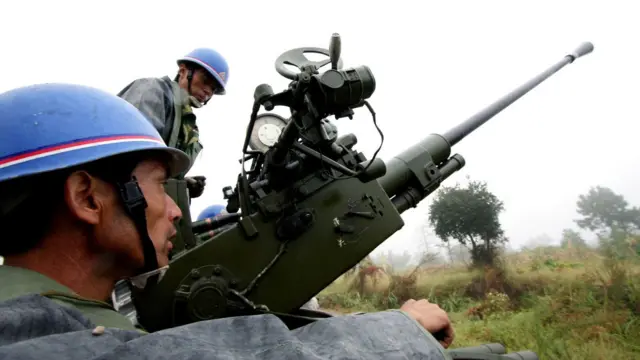
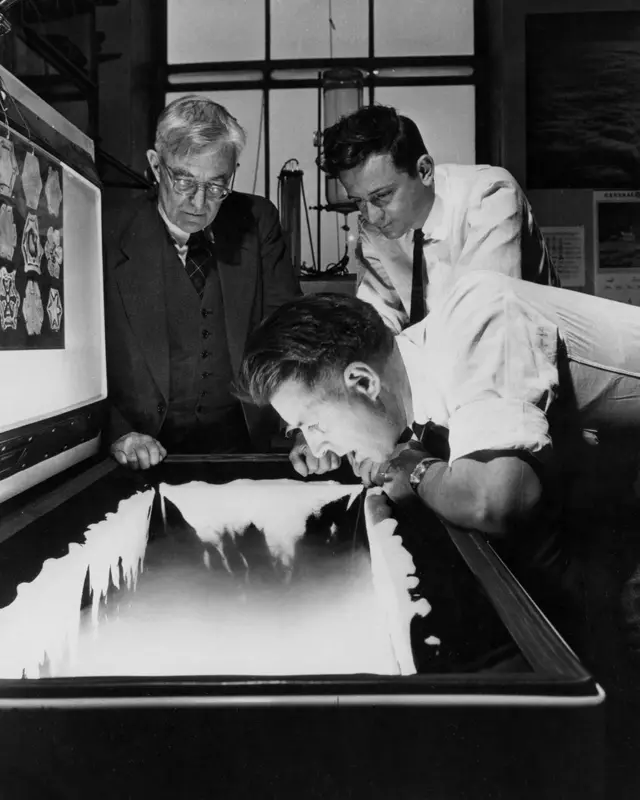
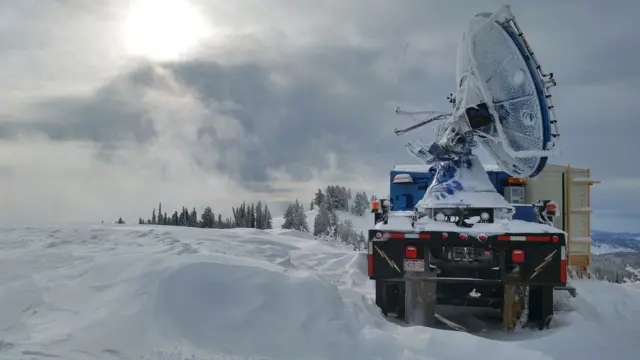



/i.s3.glbimg.com/v1/AUTH_7d5b9b5029304d27b7ef8a7f28b4d70f/internal_photos/bs/2025/Z/R/jHGOaLRVmfBqpELroDXw/whatsapp-image-2025-08-26-at-22.10.40.jpeg)
/i.s3.glbimg.com/v1/AUTH_7d5b9b5029304d27b7ef8a7f28b4d70f/internal_photos/bs/2021/Y/d/BzqpiBStKFueHe2zQUHA/whatsapp-image-2021-07-06-at-19.51.23.jpeg)
/i.s3.glbimg.com/v1/AUTH_7d5b9b5029304d27b7ef8a7f28b4d70f/internal_photos/bs/2021/U/4/INBnzSReApcHqyezKRsg/gettyimages-1320365720.jpg)
/i.s3.glbimg.com/v1/AUTH_7d5b9b5029304d27b7ef8a7f28b4d70f/internal_photos/bs/2022/D/g/SkafXvSy2VuhehPbXZbQ/garimpo-ilegal-na-terra-indigena-yanomami-christian-braga-greenpeace.jpg)
/i.s3.glbimg.com/v1/AUTH_7d5b9b5029304d27b7ef8a7f28b4d70f/internal_photos/bs/2022/C/W/QOgvFpTbSSHqXK52GZAg/asad.jpg)
/i.s3.glbimg.com/v1/AUTH_7d5b9b5029304d27b7ef8a7f28b4d70f/internal_photos/bs/2025/v/z/iqnFx8QqSAR7qa0WDzUQ/congresso-nacional-0.webp)
/i.s3.glbimg.com/v1/AUTH_7d5b9b5029304d27b7ef8a7f28b4d70f/internal_photos/bs/2025/L/k/c9WllcQ3SocVbTb9987Q/download.webp)

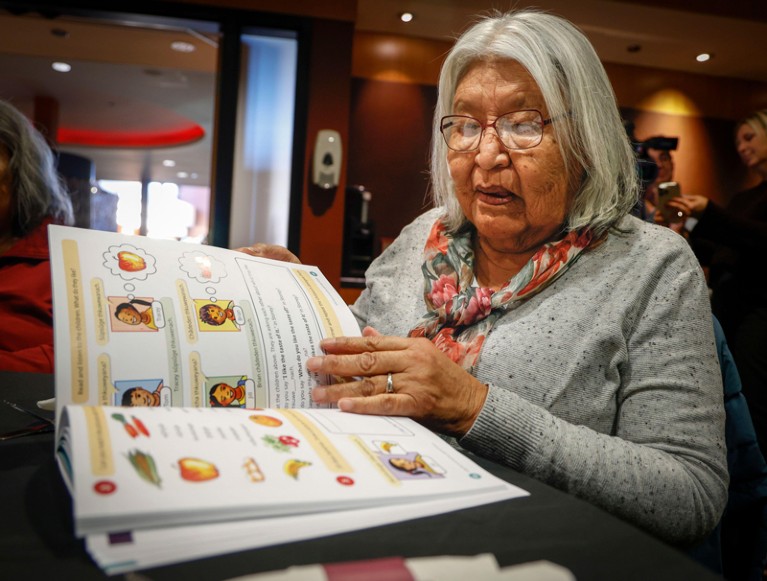

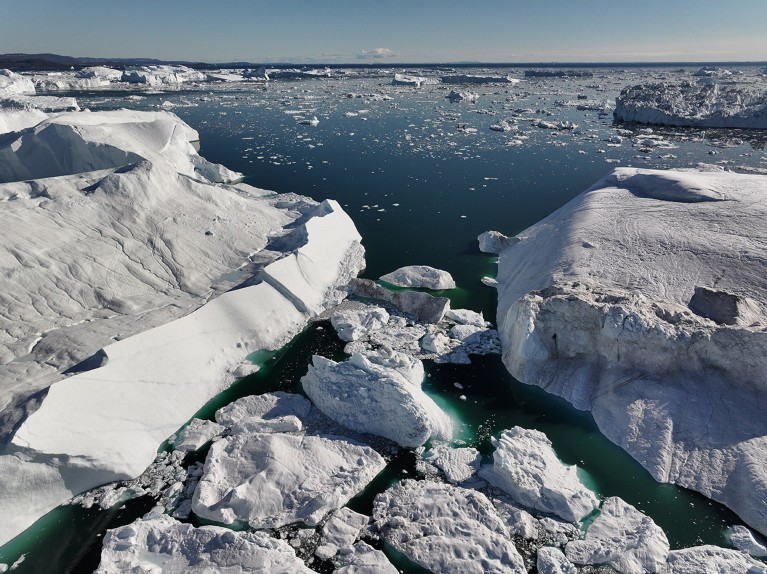





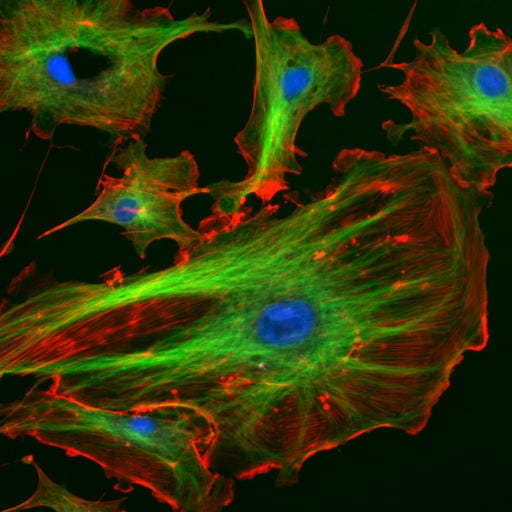
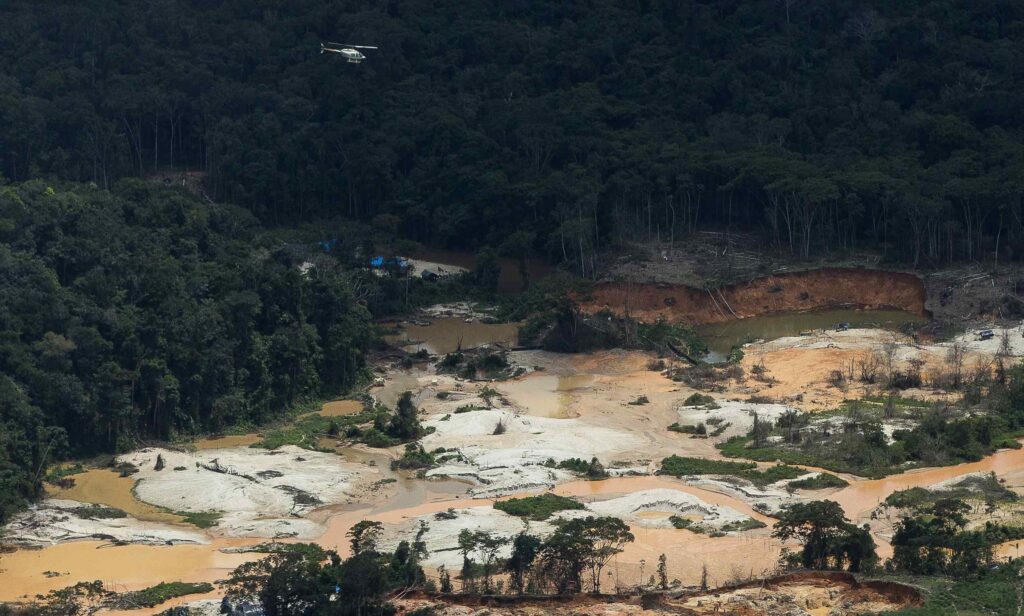
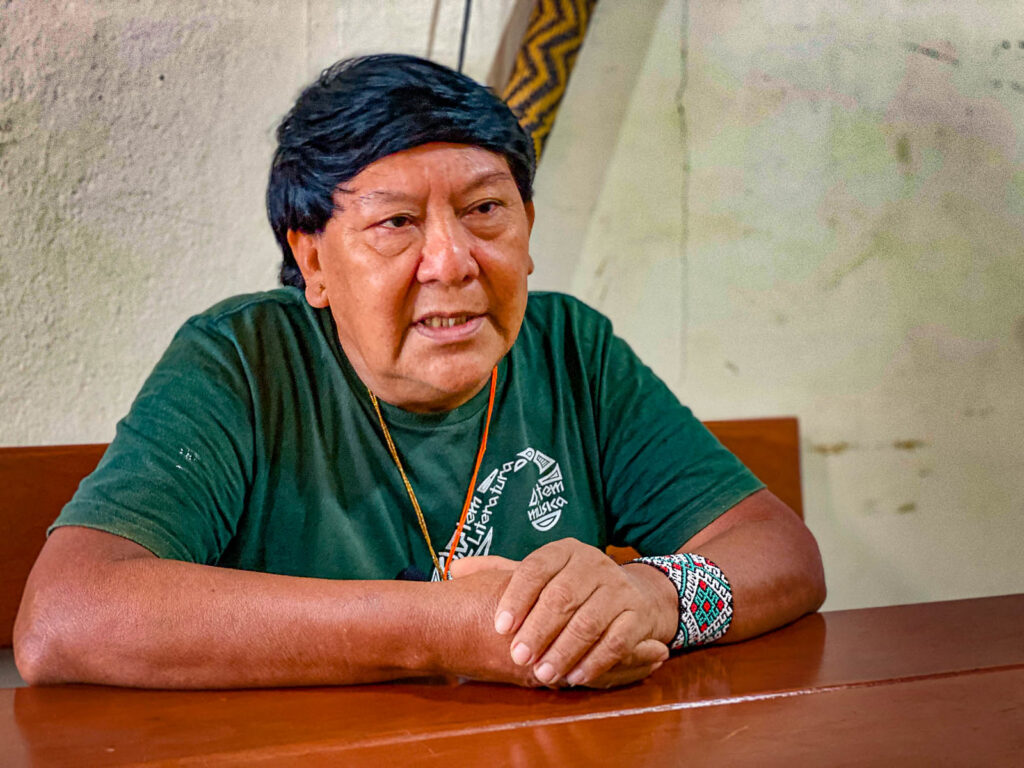
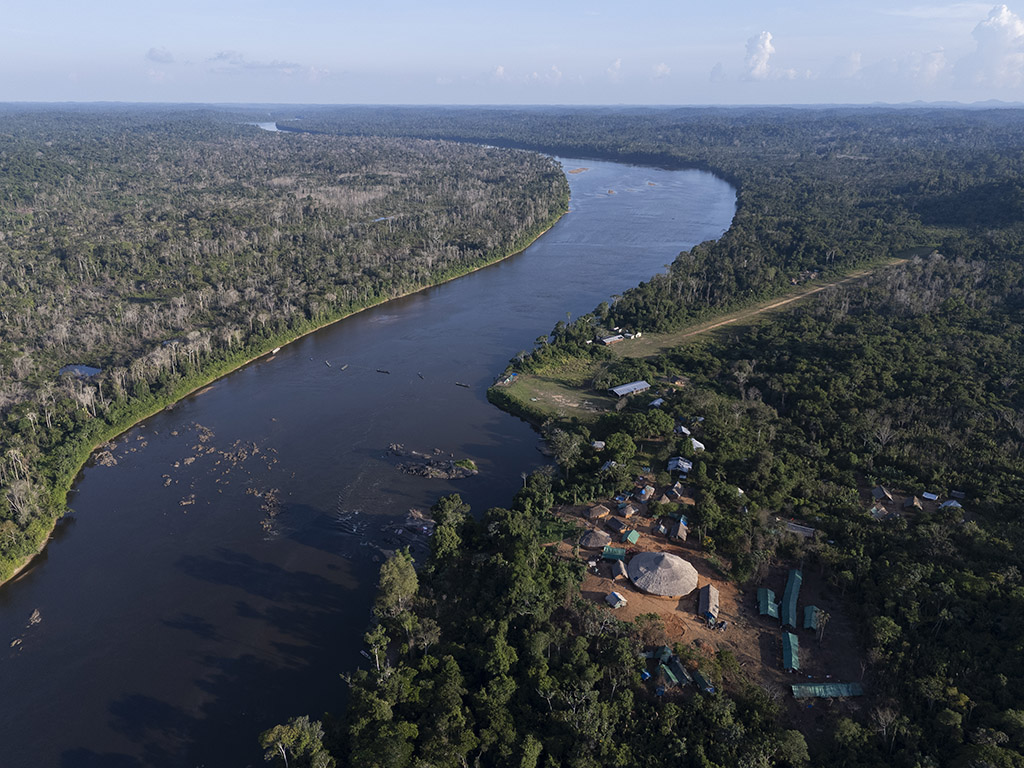




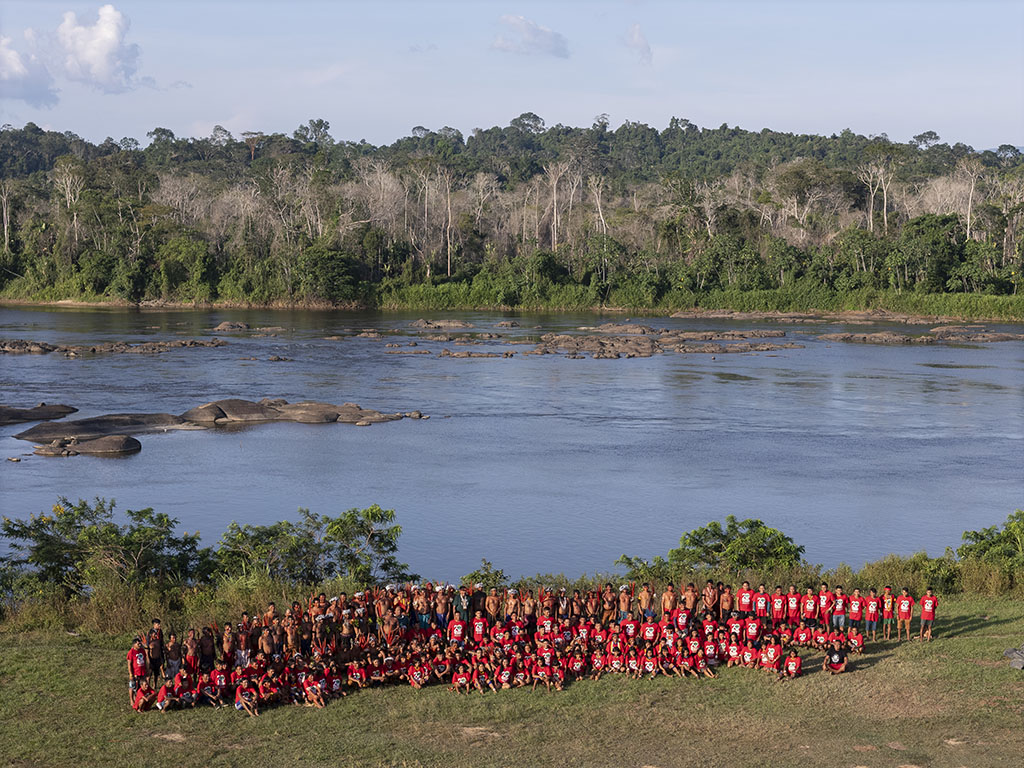


Você precisa fazer login para comentar.