SIGNATORIES
1. Dr. Robin Wall Kimmerer (Citizen Potawatomi Nation), Professor of Environmental and Forest Biology, Director Center for Native Peoples and the Environment, SUNY College of Environmental Science and Forestry, Syracuse, NY
2. Dr. Rosalyn LaPier (Blackfeet/Metis), Research Associate, Women’s Studies, Environmental Studies, and Native American Religion. Harvard Divinity School
3. Dr. Melissa K. Nelson (Turtle Mountain Chippewa), Associate Professor of American Indian Studies, San Francisco State University, President of the Cultural Conservancy, San Francisco, CA
4. Dr. Kyle P. Whyte (Citizen Potawatomi Nation), Timnick Chair in the Humanities, Associate Professor of Philosophy and Community Sustainability, Michigan State University, East Lansing, MI
5. Neil Patterson, Jr. (Tuscarora) Assistant Director, Center for Native Peoples and the Environment, SUNY College of Environmental Science and Forestry, Syracuse, NY and EPA Tribal Science Council.
6. Dr. Patty Loew, Professor, Department of Life Sciences Communication. University of Wisconsin-Madison
7. Patricia Cochran (Inupiat), Executive Director, Alaska Native Science Commission, Anchorage, AK
8. Dr. Gregory A. Cajete (Tewa-Santa Clara Pueblo), Director of Native American Studies-University College, Professor of Language, Literacy and Sociocultural Studies-College of Education, University of New Mexico
9. Dr. Deborah McGregor (Anishinaabe), Associate Professor, Canada Research Chair, Indigenous Environmental Justice, Osgoode Hall Law School and Faculty of Environmental Studies, York University
10. Leroy Little Bear (Blackfoot), Professor Emeritus, University of Lethbridge, Alberta, Canada
11. Dr. Karletta Chief (Navajo), Assistant Professor and Extension Specialist, Department of Soil, Water and Environmental Science. University of Arizona
12. Leslie Harper (Leech Lake Ojibwe), President, National Coalition of Native American Language Schools and Programs
13. Namaka Rawlins (Hawaiian), Aha Punana Leo, Hilo, Hawaii
14. Abaki Beck (Blackfeet/Metis), Founder, POC Online Classroom and Co-Editor of Daughters of Violence Zine
15. Ciarra Greene (Nimiipuu/Nez Perce), NSF Graduate Research Fellowship, Portland State University
16. Dr. Scott Herron (Miami/Anishinaabe), Professor of Biology, Ferris State University and Society of Ethnobiology President
17. Chris Caldwell (Menominee Nation), Director of Sustainable Development Institute at College of Menominee Nation
18. Jerry Jondreau (Keweenaw Bay Indian Community/Ojibwe), Director of Recruiting, Michigan Technological University – School of Forest Resources and Environmental Science
19. Dr. Shelly Valdez (Pueblo of Laguna), Native Pathways, Laguna, NM
20. Melonee Montano (Red Cliff Band of Lake Superior Chippewa), Traditional Ecological Knowledge Outreach Specialist, Great Lakes Indian Fish and Wildlife Commission
21. Nicholas J. Reo (Sault Ste. Marie Tribe of Chippewa Indians), Assistant Professor of Native American and Environmental Studies, Dartmouth College
22. Dr. Daniela Shebitz (Ally), Associate Professor/Coordinator of Environmental Biology and Sustainability, Kean University
23. Denise Waterman (Haudenosaunee: Oneida Nation), Educator, Onondaga Nation School
24. J. Baird Callicott (Ally), University Distinguished Research Professor, UNT
25. Dr. Nancy C. Maryboy (Cherokee/Dine), Indigenous Education Institute; and University of Washington, Department of Environmental and Forestry Sciences
26. Dr. Jeannette Armstrong (Syilx Okanagan), Canada Research Chair, Okanagan Knowledge and Philosophy, University of British Columbia, Okanagan
27. Barbara Moktthewenkwe Wall (Bodwewaadmii Anishinaabe), Knowledge Holder, Graduate Student, Keene, ON
28. Michael Dockry (Citizen Potawatomi Nation), PhD, St. Paul, MN
29. Joan McGregor (Ally), Professor of Philosophy and Senior Sustainability Scholar Global Institute for Sustainability, Arizona State University
30. Mary Evelyn Tucker (Ally), Yale University
31. Dr. Vicki Watson (Ally), Professor of Environmental Studies, University of Montana
32. Dr. Adrian Leighton (Ally), Natural Resources Director, Salish Kootenai College
33. Dr. Michael Paul Nelson (Ally), Ruth H. Spaniol Chair of Renewable Resources and Professor of Environmental Ethics and Philosophy, Oregon State University
34. Philip P. Arnold (Ally), Associate Professor, Chair, Department of Religion, Syracuse University. Director Skä·noñh—Great Law of Peace Center
35. Dr. Mark Bellcourt (White Earth Nation), Academic Professional – University of Minnesota
36. F. Henry Lickers (Haudenosaunee), Scientific Co- Chair HETF
37. Jane Mt.Pleasant (Tuscarora), Associate Professor, School of Integrative Science, Cornell University
38. Dr. Lisa M. Poupart (Lac Du Flambeau Ojibwe,) Associate Professor/Director of First Nations Education, University of Wisconsin Green Bay
39. Beynan T Ransom (St Regis Mohawk Tribe), Program Coordinator, Collegiate Science and Technology Entry Program
40. Cheryl Bauer-Armstrong (Ally), Director, UW-Madison Earth Partnership, Indigenous Arts and Sciences
41. Aaron Bird Bear (Mandan, Hidatsa & Arikara Nation) Assistant Dean, School of Education, UW-Madison
42. Scott Manning Stevens (Akwesasne Mohawk), Director, Native American Studies, Syracuse University
43. Preston Hardison (Ally), Policy Analyst, Tulalip Natural Resources
44. Dr. Jonathan Gilbert, Great Lakes Indian Fish and Wildlife Commission Director, Biological Services Division, GLIFWC
45. Ilarion Merculieff (Unangan – Aleut), President, Global Center for Indigenous Leadership and Lifeways
46. Denise Pollock (Inupiaq – Native Village of Shishmaref), Alaska Institute for Justice
47. David Beck (Ally), Professor, Native American Studies, University of Montana
48. Dr. Pierre Bélanger (Ally), Associate Professor of Landscape Architecture, Harvard University Graduate School of Design
49. Dan Sarna, Karuk Tribe Dept. of Natural Resources collaborator, UC Berkeley post-doctoral research fellow
50. Simon J. Ortiz (Acoma), Regents Professor of English and American Indian Studies
51. Bron Taylor (Ally), University of Florida
52. Dr. Ronald L. Trosper (Salish/Kootenai), Professor of American Indian Studies, University of Arizona
53. Tammy Bluewolf-Kennedy (Oneida Nation of New York), Undergraduate Admissions Counselor, Native American Liaison, Chancellor’s Council on Diversity and Inclusion, Syracuse University
54. Dr. Isabel Hawkins (Ally), Astronomer and Project Director, Exploratorium
55. Claire Hope Cummings (Ally), Lawyer, journalist, legal advisor to Winnemem Wintu Tribe
56. Linda Hogan (Chickasaw), University of Colorado, Professor Emerita
57. Laird Jones (Tlingit & Haida Central Council), Fisheries
58. Stewart Diemont (Ally), Associate Professor / SUNY College of Environmental Science and Forestry
59. Kacey Chopito (Zuni Pueblo), Student, Syracuse University
60. Jason Delborne (Ally), Associate Professor, NC State University
61. Cassandra L Beaulieu (Mohawk), Laboratory Technician, Upstate Freshwater Institute
62. Nancy Riopel Smith (Ally), East Aurora, NY
63. Dr. Mary Finley-Brook (Ally), Associate Professor of Geography, University of Richmond
64. Michael Galban (Washoe/Mono Lake Paiute), Curator/Historian, Seneca Art & Culture Center
65. Cara Ewell Hodkin (Seneca), SUNY College of Environmental Science and Forestry
66. RDK Herman (Ally), Baltimore, MD
67. Emily H (Ally), Delaware, OH
68. Dr. Dan Roronhiakewen Longboat (Haudenosaunee – Mohawk Nation), Associate Professor and Director of the Indigenous Environmental Studies and Science Program, Trent University
69. Dan Spencer (Ally), University of Montana
70. Katherina Searing (Ally), Associate Director, Professional Education / SUNY ESF
71. Dr. Robin Saha (Ally), Associate Professor, Environmental Studies Program, University of Montana
72. Andrea D Wieland (Ally), Career Counselor, FRCC
73. Dr. Colin Beier (Ally), Associate Professor of Ecology, Syracuse, NY
74. Dr. Michael J Dockry (Citizen Potawatomi Nation), St. Paul, MN
75. Matthew J Ballard (Shinnecock), Southampton, NY
76. Anthony Corbine (Bad River Band of Lake Superior Tribe of Chippewa), Grants Coordinator, Natural Resources Dept.
77. Laura Zanotti (Ally), Associate Professor, Purdue University
78. Len Broberg (Ally), Professor/ Environmental Studies, University of Montana
79. Danielle Antelope (Eastern Shoshone / Blackfeet), Blackfeet Community College
80. Tomasz Falkowski (Ally), State Univeristy of New York College of Environmental Science and Forestry
81. Dr. Elizabeth Folta (Ally), Assistant Professor, Environmental Education & Interpretation Program Coordinator, SUNY College of Environmental Science and Forestry
82. Dr. Alexis Bunten (Aleut/Yup’ik), Indigeneity Program Manager/Bioneers
83. Susan Elliott (Ally), University of Montata
84. Cat Techtmann (Ally), Environmental Outreach Specialist
85. Marie Schaefer (Anishinaabe), Phd Student, Community Sustainability, Michigan State University
86. Dr. Ross Hoffman (Ally), Associate Professor, University of Northern British Columbia
87. Mary Elizabeth Braun (Ally), Acquisitions Editor, Oregon State University Press
88. Dr. Melanie Lenart (Ally), Faculty member, Science and Agriculture, Tohono O’odham Community College
89. Dr. Mehana Blaich Vaughan (Native Hawaiian, Haleleʻa, Kauaʻi), Assistant Professor, University of Hawaiʻi, Mānoa
90. Alyssa Mt. Pleasant (Tuscarora), Assistant Professor of Native American & Indigenous Studies, University at Buffalo
91. Dianne E. Rocheleau (Ally), Professor of Geography/Clark University
92. Jorge García Polo (Ally), SUNY – ESF
93. Jessica Lackey (Cherokee Nation), PhD Student- Natural Resource Sciences and Management, University of Minnesota Twin Cities
94. Katie Hinkfuss (Ally)
95. Dr. Jessica Dolan (Ally), Researcher/Adjunct Lecturer, McGill University, University of Pennsylvania; Conference co-ordinator, Society of Ethnobiology
96. Gregory J. Gauthier Jr. (Menominee), Sustainable Development Insitute
97. Lynda Schneekloth (Ally), University at Buffalo / SUNY
98. Dr. Mary Jo Ondrechen (Mohawk), Professor of Chemistry and Chemical Biology, Northeastern University
99. Ali Oppelt (Ally), Engineer
100. Dr. Toben Lafrancois (Ally), Research Scientist, Northland College and Pack Leader of Zaaga’igan ma’iinganag
101. Jessie Smith (Ally), State University of New York College of Environmental Science and Forestry
102. Curtis Waterman (Onondaga Nation), Haudenosaunee Environmental Task Force
103. Luis Malaret (Ally), Professor of Biology Emeratus/Community College of Rhode Island
104. Dan Meissner (Ally), D’Youville College
105. Ilana Weinstein (Ally), SUNY ESF
106. Dr Rebecca Kiddle (Ngati Porou, Nga Puhi), Lecturer, Victoria University of Wellington
107. Wallace J. Nichols (Ally), Senior Fellow, Center for the Blue Economy, Middlebury Institute of International Studies
108. Catherine M. Johnson (Ally), Graduate Research Assistant, PNW-COSMOS Montana State University
109. Ranalda Tsosie (Diné), Ph.D Student/University of Montana
110. Gyda Swaney (Confederated Salish & Kootenai Tribes of the Flathead Nation), Associate Professor/Department of Psychology/University of Montana
111. Tara Dowd (Inupiaq, Village of Kiana), Consultant, Red Fox Consulting
112. Michael P. Capozzoli (Ally), University of Montana
113. Siddharth Bharath Iyengar (Ally), Graduate Student, Department of Ecology, Evolution and Behavior, University of Minnesota Twin Cities
114. Jen Harrington (Turtle Mountain Chippewa), Graduate Candidate Resource Conservation/ University of Montana
115. Judy BlueHorse Skelton (Nez Perce/Cherokee), Faculty, Portland State University Indigenous Nations Studies
116. Dr. Charles Hall (Ally), Professor Emeritus SUNY ESF
117. Michael Hathaway (Ally), Associate Professor, Anthropology, Simon Fraser University
118. Rosemary Ahtuangaruak (Native Village of Barrow)
119. Charles FW Wheelock (Oneida Nation), National New World Resource Futures
120. Hayley Marama Cavino (Ngati Whiti/Ngati Pukenga– New Zealand), Adjunct, Native American Studies, Syracuse University
121. Warren Matte (Gros Ventre – White Clay Nation), Harvard University Alumni
122. Richard Erickson (Ally), Science Teacher/Bayfield High School
123. Chandra Talpade Mohanty (Ally), Syracuse University
124. Lauren Tarr (Ally)
125. Elizabeth J. Pyatt (Ally), Lecturer in Linguistics, Penn State
126. Grisel Robles-Schrader (Ally)
127. Suzanne Flannery Quinn (Ally) Senior Lecturer, Froebel College, University of Roehampton
128. Natalie Rodrigues (Ally), Student
129. Betsy Theobald Richards (Cherokee Nation), The Opportunity Agenda
130. Beka Economopoulos (Ally), Executive Director, The Natural History Museum
131. Melvina McCabe, MD (Dine’ ), Professor and Associate Vice Chancellor for Native Health Policy and Service/University of New Mexico Health Sciences Center
132. Nancy Schuldt (Ally, Fond du Lac Band of Lake Superior Chippewa), Water Program Coordinator
133. Crystal Lepscier (Menominee/Stockbridge-Munsee/Little Shell Ojibwe), 4H Youth Development Agent/Shawano County/UW Extension
134. Dr. Brigitte Evering (Ally) Research Associate, Indigenous Environmental Sciences/Studies, Trent University
135. Devon Brock-Montgomery (Ally), Climate Change Coordinator- Bad River Natural Resources Department
136. Bazile Panek (Anishinaabe), Photographer of Zaaga’igan Ma’iinganag and Youth Leader
137. Nikki Marie Crowe (Fond du Lac Band of Lake Superior Chippewa), Tribal College Extension Coordinator
138. Lemyra DeBruyn (Ally)
139. Abbey Feola (Ally)
140. Kate Flick (Ally), sciences educator
141. Laura Zanolli (Chickasaw), MSc/University of Montana
142. Kristiana Ferguson (Tuscarora), Sanborn, NY
143. Priscilla Belisle (Oneida Nation), Grant Development Specialist, Oneida Nation
144. Catherine Landis (Ally), Doctoral Candidate, SUNY ESF
145. Dr. Hedi Baxter Lauffer (Ally), Science Educator and Researcher
146. Brady Mabe (Ally), University of Virginia
147. Robin T Clark (Sault Ste. Marie Tribe of Chippewa), Sault Ste. Marie, MI
148. Miles Falck (Oneida Nation), Wildlife Section Leader, Great Lakes Indian Fish and Wildlife Commission
149. Erica Roberts (Lumbee Tribe of North Carolina), PhD in Behavioral and Community Health, University of Maryland
150. Katelyn Kaim (Ally), State University of New York College of Environmental Science and Forestry
151. Patricia Moran (Lac du Flambeau Band of Lake Superior Chippewa Indians), Conservation Coordinator
152. Tracy Williams (Oneida Nation Wisconsin), WolfClanFaithkeeper/DirectorOneidaLanguageDept
153. Jennie R. Joe, Professor Emerita, Dept of Family & Community Medicine,
154. Tana Atchley (Klamath Tribes – Modoc/Paiute), Tribal Workforce Development & Outreach Coordinator, Columbia River Inter-Tribal Fish Commission
155. Himika Bhattacharya (Ally), Assistant Professor, Women’s and Gender Studies, Syracuse University
156. Sonni Tadlock (Okanogan, Colville), BS Native Environmental Science, Northwest Indian College
157. David Voelker (Ally), Associate Professor of Humanities & History
158. Margaret Wooster (Ally), Watershed Planner and Writer
159. David O. Born, Ph.D. (Ally)
160. Jason Packineau (Mandan, Hidatsa Arikara, Pueblo of Jemez, Pueblo of Laguna), Harvard University
161. Janene Yazzie (Navajo Nation), Research Associate
162. Dr. Brian D. Compton (Ally), Native Environmental Science Faculty, Northwest Indian College
163. Giselle Schreiber (Ally), Undergraduate, SUNY-ESF
164. Dr. Antonia O. Franco (Ally), SACNAS Executive Director
165. Daniela Bernal (Ally), Communications & Marketing Coordinator, SACNAS
166. Haskey Fleming (Navajo Nation), Student at SUNY ESF
167. Annjeanette Belcourt (Mandan, Hidatsa, Arikara Nations) Associate Professor
168. Nicole MartinRogers (White Earth Nation), PhD in sociology
169. LeManuel Lee Bitsoi (Navajo Nation), Assistant Professor, Rush University Medical Center
170. Yoshira Ornelas Van Horne (Ally), Doctoral Student, University of Arizona Environmental Health Sciences
171. Penney Wiley (Ally), Masters of Science, Health & Human Development, MSU, Bozeman, MT
172. Kathryn Harris Tijerina (Comanche), President Emeritus, IAIA (ret.)
173. Rita Harris (Cherokee Long Hair Tribe), Ritas Remembrances, Owner.
174. Lawrence Ahenakew (Chippewa/Cree), Deputy Director, HR Payroll Help Desk
175. Dr. Mary Hermes (Mixed Indigenous Heritage), Associate Professor Curriculum and Instruction, University of Minnesota Twin Cities
176. Emily A. Haozous, PhD, RN, FAAN (Chiricahua Fort Sill Apache), Associate Professor, PhD Program Director, and Regent’s Professor, University of New Mexico College of Nursing
177. Chiara Cabiglio (Ally), SACNAS Social Media & Communications Coordinator / Aspiring Personal Vegan Chef
178. Liz Cochran (Ally), Retired Elementary Educator
179. Miriam Olivera (Mixteco)
180. Janine DeBaise (Ally), Faculty, SUNY College of Environmental Science & Forestry
181. Taylor Saver (Anishinaabe)
182. Roxana Coreas (Ally), Doctoral Student, University of California, Riverside
183. Guthrie Capossela (Standing Rock Sioux Tribe), MA, Nonprofit Management, Native American Liaison Rochester Public Schools
184. Rachelle Begay (Diné ), Program Coordinator, Mel and Enid Zuckerman College of Public Health, University of Arizona
185. Tom Ozden-Schilling (Ally), Postdoctoral Fellow, Harvard University Canada Program
186. Wesley Leonard (Miami Tribe of Oklahoma), Assistant Professor, University of California, Riverside
187. Tom BK Goldtooth (Ally), Indigenous Environmental Network, Executive Director
188. Scott Hauser (Upper Snake River Tribes), Foundation Executive Director
189. Suzanne Neefus (Ally), Michigan State University
190. Shay Welch (Cherokee, undocumented), Professor of Philosophy
191. Heidi McCann (Yavapai-Apache Nation), CIRES/NSIDC
192. Todd Ziegler (Ally), Research Area Specialist; University of Michigan School of Public Health
193. Lauren Cooper (Ally), Academic Specialist, Forestry Department, Michigan State University
194. Zachary Piso (Ally), Michigan State University
195. Alisa Bokulich (Ally), Professor, Boston University
196. Randy Peppler (Ally), University of Oklahoma
197. Rosalee Gonzalez, PhD, MSW (Xicana-Kickapoo), Arizona State University(Faculty)/Native American in Philanthropy (Research Consultant)
198. Michael Burroughs (Ally), Penn State
199. Ayrel Clark-Proffitt (Ally), Sustainability professional
200. Paul B. Thompson (Ally), W.K. Kellogg Professor of Agricultural, Food and Community Ethics, Michigan State University
201. LaRae Wiley (Colville Confederated Tribes), Salish School of Spokane
202. Mike Jetty (Spirit Lake Dakota), Indian Education Specialist, MT Office of Public Instruction
203. Colin Farish (Ojibwe by adoption and marriage), Musician
204. Ayanna Spencer (Ally), Michigan State University
205. Eleanor (Tlingit, Haida, Tsimshian), Anthropologist
206. Stephanie Julian (Bad River Band of Lake Superior Tribe of Chippewa Indians) Indigenous Arts & Science Coordinator
207. Kirsten Vinyeta (Ally), University of Oregon
208. Laura (Bear River Band of Rohnerville Rancheria)
209. Evan Berry (Ally), American University
210. Sachem HawkStorm (Schaghticoke), Chief
211. Dr. Robin M. Wright, American Indian and Indigenous Studies Program AmDepartment of Religion, University of Florida
212. Dr. Bethany Nowviskie (Ally) Director, Digital Library Federation at CLIR and Research Associate Professor of Digital Humanities, University of Virginia
213. Arwen Bird (Ally), Woven Strategies, LLC
214. Robbie Paul, PhD (NezPerce), Retired, WSU
215. Elizabeth LaPensee (Anishinaabe and Metis), Assistant Professor of Media & Information and Writing, Rhetoric & American Cultures at Michigan State University
216. Gerald Urquhart (Ally), Michigan State University
217. Dr. Brianna Burke (Ally), Assistant Professor of Environmental Humanities at Iowa State University
218. David C Sands (Ally), Professor of Plant Pathology, Montana State University
219. Alex Lenferna (Ally), Fulbright Scholar, Philosophy Department, University of Washington
220. Robin M. Wright (Ally), American Indian and Indigenous Studies Program, University of Florida
221. Twa-le Abrahamson-Swan (Spokane), BS Environmental Science/Restoration Ecology, University of WA
222. Doug Eddy (Ally), PhD Student, Program in Ecology, University of Wyoming
223. Dr. Anthony Lioi (Ally), Associate Professor of Liberal Arts and English, The Juilliard School
224. Dina Gilio-Whitaker (Colville Confederated Tribes), Center for World Indigenous Studies
225. Johnny Buck (Wanapum/Yakama Nation), Student, Northwest Indian College
226. Henry Quintero (Apache), ASU
227. Dr. Nancy McHugh (Ally), Wittenberg University
228. . Neil Henderson (Oklahoma Choctaw), Univ. Minnesota Medical School
229. Sammy Matsaw (Shoshone-Bannock/Oglala Lakota), IGERT PhD student, ISTEM Scholar
230. Allegra de Laurentiis (Ally), Professor at SUNY-Stony Brook
231. Laura Schmitt Olabisi (Ally), Michigan State University Department of Community Sustainability
232. Andrew Jolivette (Atakapa-Ishak/Opelousa), Professor SF State American Indian Studies
233. Dr. Heidi Grasswick (Ally), Professor of Philosophy, Middlebury College
234. Emily Simmonds (Metis), Department of Science and Technology Studies
235. Stephen Hamilton (Ally), Professor, Kellogg Biological Station, Michigan State University
236. Michelle Murphy (Metis) Director Technoscience Research Unit, Professor WGSI, Steering Committee Environmental Data and Governance Initiative
237. Paloma Beamer (Ally), University of Arizona
238. Jaime Yazzie (Diné), Master of Science of Forestry Candidate, Northern Arizona University
239. Ramon Montano Marquez (Kickapoo, Kumeyaay, Pa’Ipai), Restorative Justice Implementation Strategist
240. Rose O’Leary (Osage, Tsa-la-gi, Quapaw, Mi’kmaq), Graduate Student University of Washington, Dartmouth College
241. Bill Brown (Anishinaabe), White Earth Resevation Aiiy
242. Dr. Amy Reed-Sandoval (Ally) Assistant Professor of Philosophy, The University of Texas at El Paso
243. Paul Willias (Ally), Squamish Tribe Fisheries
244. Audrey N. Maretzki (Ally), ICIK at Penn State Univ.
245. Dr. Dalee Sambo Dorough (Native Village of Unalakleet), University of Alaska Anchorage
246. Michael Kaplowitz (Ally), Michigan State University
247. Fawn YoungBear-Tibbetts (White Earth Band Of MN Chippewa), Indigenous Arts and Sciences Founder, University of Wisconsin Earth Partnership program
248. Melinda Levin (Ally), University of North Texas
249. Dr. Kari Mari Norgaard (Ally), Associate Professor of Sociology and Environmental Studies
250. Olivia Blyth (Ally), Teaching Fellow
251. Bart Johnson (Ally), Landscape Architecture and Environmental Planning
252. Orville H. Huntington (Huslia Tribe), Ally, Tanana Chiefs Conference Wildlife & Parks Director, EPA Tribal Science Council, Alaska Board of Fisheries, Alaska Native Science Commission
253. Beth Leonard (Shageluk Tribe – Alaska), Department of Alaska Native Studies – University of Alaska Anchorage
254. Lisa Fink( Ally), University of Oregon
255. Carla Dhillon (Ally) P.E. Phd Candidate, U of Michigan
256. Lucas Silva (Ally), University of Oregon
257. Benjamin Kenofer (Ally), Ph.D Student, Michigan State University
258. Lillian Tom-Orme (Dine’ – Navajo), University of Utah
259. Dr. Ryan E. Emanuel (Lumbee), Associate Professor and University Faculty Scholar, Department of Forestry and Environmental Resources, North Carolina State University
260. Sue Cramer (Ally), Former social worker
261. Judith Ramos (Tlingit), Professor
262. Ashley Studholme (Ally), University of Oregon
263. Dr. Jack D. Cichy (Ally), Professor of Management & Sustainability, Davenport University
264. Iria Gimenez (Ally), Oregon State University
265. Kathy Jacobs (Ally), Professor and Director, Center for Climate Adaptation Science and Solutions, University of Arizona
266. Delight Satter (Confederated Tribes of Grand Ronde), Health Scientist
267. Salma Monani (Ally), Gettysburg College
268. Jim Igoe (Ally), University of Virginia, Department of Anthropology
269. Rocío Quispe-Agnoli Quechua (Ally), Professor of Colonial Latin American Studies, Michigan State University
270. Jacqueline Cieslak (Ally), PhD Student in Anthropology, University of Virginia
271. Mary Black (Ally), Adaptation Program Manager, Center for Climate Adaptation Science and Solutions, University of Arizona
272. Kenny Roundy (Ally), PhD Student, History of Science, School of History, Philosophy, and Religion at Oregon State University
273. Bill Tripp (Karuk Tribe) Deputy Director of Eco-cultural Revitalization
274. Michael O’Rourke (Ally), Department of Philosophy and AgBioResearch, Michigan State University
275. Eudora Claw (Navajo/Zuni), University of Nevada Las Vegas
276. Ruth Dan Stebbins, Community Association, Yup’ik Student
277. Kathryn Goodwin (Blackfeet), Los Angeles, CA
278. Dr. May-Britt Öhman (Lule Forest Sámi – FennoScandia), Researcher, Uppsala University, Sweden
279. Sierra Deutsch (Ally), PhD Candidate, Environmental, Sciences, Studies, and Policy. University of Oregon
280. Leilani Sabzalian (Alutiiq), Postdoctoral Scholar of Indigenous Studies in Education, University of Oregon
281. Elizabeth Ann R. Bird (Ally) – Spec. Fort Peck Tribes Montana State University Project Development Specialist
282. Jason Schreiner (Ally), Instructor, Environmental Studies Program, University of Oregon
283. Dr. Chris Clements (Ally), Postdoctoral Fellow, Harvard University
284. Edith Leoso (Bad River Band of Lake Superior Tribe of Chippewa), Tribal Historic Preservation Officer
285. Jandi Craig (White Mountain Apache), Apache Behavioral Health Services
286. Coach Glen Bennett (Grand Traverse Bay Ottawa& Chippewa), Archery Coach Program Coordinator Michigan State University
287. Stacey Goguen (Ally), Northeastern Illinois University
288. Jennifer Sowerwine (Ally), Assistant Cooperative Extension Specialist, Dept. of Environmental Science, Policy and Management, UC Berkeley
289. Angelica De Jesus (Ally), Graduate Student, Ford School of Public Policy
290. Theresa Duello (Ally), Associate Professor, University of WI Madison
291. Mike Chang (Ally), Makah Tribe
292. Natalie Gray (Ally), City of Seattle
293. Gyda Swaney (Confederated Salish & Kootenai Tribes of the Flathead Nation), Department of Psychology, University of Montana
294. Dr. Theresa May (Ally), University of Oregon
295. Ida Hoequist (Ally), Graduate Student, University of Virginia
296. Stephen P. Gasteyer (Ally), Department of Sociology, Michigan State University
297. Dr. Rachel Fredericks (Ally), Assistant Professor of Philosophy, Ball State University
298. Monica List (Ally), Animal Welfare Specialist- Compassion in World Farming
299. Keith R. Peterson (Ally), Associate Professor, Colby College, Department of Philosophy
300. Corey Welch (Northern Cheyenne), SACNAS
301. Kathy Lynn (Ally), University of Oregon
302. Agnes Attakai (Navajo), Director Health Disparities College of Public Health/ Director of AZ INMED Medicine University of Arizona
303. Kirsten Vinyeta (Ally), Doctoral Student in Environmental Studies at the University of Oregon
304. Amanda Boetzkes (Ally), University of Guelph
305. Princess Daazhraii Johnson (Neets’aii Gwich’in), Holistic Approach to Sustainable Northern Communities, Cold Climate Housing Research Center
306. Dr. Sarah Fortner (Ally), Assistant Professor of Geology & Environmental Science, Wittenberg University
307. Colin Weaver (Ally), University of Chicago
308. Kristin Searle (Ally), Utah State University
309. fleur palmer (te Rarawa and Te Aupouri), auckland university of technology
310. Dr. Jeremy Schultz (Ally), Eastern Washington University
311. Rosemary Bierbzum (Ally)
312. Holly Hunts, Ph.D. (Ally), Montana State University
313. Maureen Biermann (Ally), Instructor and PhD Candidate
314. Ben Geboe (Yankton Sioux), Executive Director
315. Vanessa Hiratsuka, PhD MPH (Dine/Winnemem Wintu), Health Services Researcher
316. Beth Rose Middleton (Ally), Assoc. Professor, Native American Studies, UC Davis
317. Brian J. Teppen (Ally), Professor of Soil chemistry, Department of Plant, Soil, and Microbial Sciences, Michigan State University
318. Adam Fix (Ally), PhD Candidate, SUNY College of Environmental Science and Forestry
319. Sheree Chase M.A. (Ally), Regional Historian
320. Osprey Orielle Lake (Ally), Women’s Earth and Climate Action Network, (WECAN)
321. Megan A.Crouse (Ally), Hospice Maui
322. Craig Kauffman (Ally), Assistant Professor of Political Science, University of Oregon
323. Alex Poisson (Ally), Sustainability Coordinator / SUNY-ESF
324. Ashley Woody (Ally), University of Oregon
325. Brett Clark, Associate Professor of Sociology, University of Utah
326. Naomi Scheman (Ally), Professor Emerita, University of Minnesota
327. Michael Ruiz (Ally), Graduate Student, Harvard University Graduate School of Arts & Sciences, Boston Children’s Hospital – Department of Orthopedic Surgery
328. Shelly Vendiola (Swinomish Tribal Community), Community Engagement Facilitator
329. Elizabeth Gibbons (Ally), American Society of Adaptation Professionals
330. Kimla McDonald (Ally), The Cultural Conservancy
331. Kaya DeerInWater (Citizen Potawatomi Nation), Graduate Student, SUNY College of Environmental Science and Forestry
332. Nancy Lee Willet (Wampanoag), College of Marin
333. Julianne A. Hazlewood (Ally), University of California, Santa Cruz
334. Antoine Traisnel (Ally), University of Michigan
335. Dr. Julianne A. Hazlewood (Ally), Instructor, Environmental Studies, University of California, Santa Cruz
336. Gleb Raygorodetsky (Ally), Biocultural Diversity Consultant
337. Amanda L. Kelley (Te-Moak Tribe of Western Shoshone), University of Alaska Fairbanks
338. Iyekiyapiwin Darlene St. Clair (Bdewakantunwan Dakota), Associate Professor, St. Cloud State University
339. Angela Bowen (Coos), Director of Education
340. Meghan McClain (Ally), Tech–Microsoft
341. Wikuki Kingi (Maori / Hawaii), Cultural Symbologist / Master Indigenous Technologist / Navigator – Pou Kapua Creations; Planet Maori; TE HA Alliance
342. Tania Wolfgramm (Maori / Tonga), Cultural Psychologist / Systems Sculptor / Technologist / Evaluator – HAKAMANA; Pou Kapua Creations; TE HA Alliance; Smart Path Healthcare
343. Ann Marie Sayers (Costanoan/Ohlone.Indian Canyon Nation), Costanoan Indian Research……frounder
344. Robert L. Houle (Bad River Band of Lake Superior Indians), Executive Director of Bad River Housing Authority
345. Jason Stanley (Ally), Yale University
346. Marion Hourdequin (Ally), Associate Professor & Chair, Dept. of Philosophy, Colorado College
347. Sarah Kristine Baker (Muscogee Creek Nation/Euchee), Ally
348. Dr. Nicole Bowman (Mohican / Lenaape), Evaluator, University of WI Madison
349. Christian Cazares (Ally), Neuroscience Graduate Student
350. Roberta L Millstein (Ally), Professor of Philosophy, UC Davis
351. Janet Kourany (Ally), Department of Philosophy, University of Notre Dame
352. Dr. Elizabeth Minnich (Ally), A.A.C.& U.
353. Dominique M. Davíd-Chavez (Borikén Taíno), PhD Student Human Dimensions of Natural Resources, Colorado State University
354. Kristin K’eit (Inupiaq/Tlingit), Environmental Scientist, Bachelors of Science in Chemical Engineering and Petroleum Refining
355. Dr. Lorraine Code (Ally), Distinguished Research Professor, York University, Toronto, Canada
356. Erik Jensen (Ally), Michigan State University
357. Jerry Mander (Ally), Author, president Intl. Forum on Globalization
358. Forest Haven (Ts’msyen), PhD Student, Cultural Anthropology, University of California, Irvine
359. Margaret McCasland (Ally), Science educator; Earthcare Working Group, NYYM (Quaker)
360. Adam Briggle (Ally), University of North Texas
361. Irene Klaver (Ally), Professor of Philosophy, University of North Texas
362. Susannah R. McCandless, PhD (Ally), Global Diversity Foundation
363. Lona Sepessy (Ally), Librarian at Arrowhead Elementary School
364. Jason Smith (Ally), Little Traverse Bay Bands of Odawa Indians Fisheries Research
365. Dr. Luan Fauteck Makes Marks (SE Sioux, SE Algonquian, California Indian), Independent Researcher
366. Mariaelena Huambachano (Quechua), Postdoctoral Research Associate in American Studies and Ethnic Studies, Brown University
367. Jo Rodgers (Ally), Community Engagement Coordinator, Willamette Farm & Food Coalition
368. Lisa Rivera (Ally), Associate Professor, UMass Boston
369. Lea Foushee (Tsalagi), U of MN research
370. Carolyn Singer (Shoshone-Bannock Tribe), N/A
371. Dr. Dan Shilling (Ally), Retired foundation director
372. Dr. Sibyl Diver (Ally), Postdoctoral Scholar, Stanford University
373. Jeffrey McCarthy (Ally), Environmental Humanities, Utah
374. Kristin J. Jacobson (Ally), Stockton University
375. Elise Dela Cruz -Talbert (Native Hawaiian), University of Hawaii
376. Barbara Sawyer-Koch (Ally), Trustee Emerita, Michigan State University
377. Richard E.W. Berl (Ally), Human Dimensions of Natural Resources, Colorado State University
378. Ahmed Lyadib (Amazigh Morocco), Amazigh
379. Paige West (Ally), Barnard College and Columbia University
380. Jocelyn Delgado (Ally), UCSC Undergraduate researcher
381. Dr Krushil Watene (Maori, Tonga), Massey University
382. Jonathan Tsou (Ally), Iowa State University
383. David Naguib Pellow (Ally), University of California, Santa Barbara
384. Hafsa Mustafa (Ally), Researcher/Evaluator/Adjunct Faculty
385. Felica Ahasteen-Bryant (Diné), Director, Native American Educational and Cultural Center (NAECC), Purdue University and Chapter Advisor, Purdue AISES
386. Jess Bier (Ally), Erasmus University
387. Eun Kang, Environmental Studies, Korea Maritime & Ocean University
388. Gary Martin (Ally), Global Diversity Foundation
389. Cara O’Connor (Ally), BMCC-CUNY
390. Katina Michael (Ally), University of Wollongong
391. Mary Elaine Kiener, RN, PhD (Ally), Creative Energy Officer, ASK ME House LLC
392. Heather Houser (Ally), UT Austin
393. Dr. Ken Wilson (Ally), Retired (ex-University of Oxford; Ford Foundation; Christensen Fund)
394. Alia Al-Saji (Ally), McGill University
395. Kim Díaz (Ally), USDOJ
396. Alice M. McMechen (Ally), Religious Society of Friends (Quakers), Cornwall Monthly Meeting, NY
397. Gloria J Lowe (Cherokee Nation), Executive Director We Want Green, too
398. Cristian Ruiz Altaba (Ally), Biologist, Director of Llevant Natural Park ((Mallorca)
399. Brian and Iris Stout (Ally and Cherokee Nation), Forester and Author
400. Noelle Romero (Ally), UNC-CH Program Coordinator
401. Kathryn Krasinski (Ally), Adelphi University
402. Jane Cross (Ally), physician
403. Katie McShane (Ally), Associate Professor of Philosophy, Colorado State University
404. Nicole Seymour (Ally), Assistant Professor of English and Affiliated Faculty in Environmental Studies and Queer Studies, Cal State Fullerton
405. Marsha Small (Northern Cheyenne), Adjunct Instructor, Bozeman, MT
406. D.S. Red Haircrow (Chiricahua Apache/Cherokee) Writer, Psychologist, Master’s Student Native American Studies, Montana State University, Bozeman
407. Dr. John V. Stone (Ally), Applied Anthropologist, MSU
408. Paul Cook (Ally), Electro-Optical Scientist
409. Jennifer Mokos (Ally), Ohio Wesleyan University Dept. of Geology & Geography
410. James Matthew McCullough (Ally), North Central Michigan College
411. Vicki Lindabury (Ally), New York State Certified Dietitian Nutritionist
412. Roben Itchoak (Mary’s Igloo), Student, University of Oregon
413. Kath Weston (Ally/Romani), University of Virginia
414. Kelly Wisecup (Ally), Northwestern University
415. Becky Neher (Ally), University of Georgia
416. Sarah D. Wald (Ally), University of Oregon
417. Jill Grant (Ally), Environmental lawyer
418. Joseph Len Miller (Muscogee [Creek] Nation). University of Washington, Seattle
419. Richard Peterson (Ally), Professor Emeritus Michigan State University
420. Kevin Fellezs (Kanaka Maoli – Native Hawaiian), Columbia University
421. Jessica M. Moss (Ally), Georgia State University, Tribal Liaison
422. Christina Ferwerda (Ally), Independent Exhibit & Curriculum Developer
423. Lindsay MArean (Citizen Potawatomi Nation), University of Oregon
424. Andrea Catacora (Ally), Archaeologist
425. Cassie Warholm-Wohlenhaus (Ally)
426. Catriona Sandilands (Ally), Faculty of Environmental Studies, York University
427. Dr. Johnnye Lewis (Ally), Director, Community Environmental Health Program, University of New Mexico
428. Julie Williams (Ally), Consulting Archaeologist
429. Kerri Finlayson (Ally), North Central Michigan College
430. Alan Zulch (Ally), Tamalpais Trust
431. Ivette Perfecto (Ally), University of Michigan
432. Emily Jean Leischner (Ally), Graduate Student, Department of Anthropology, University of British Columbia
433. Megan Carney (Ally), University of Washington
434. Andrea Catacora (Ally), Archaeologist
435. Janette Bulkan (Ally), University of British Columbia
436. Jillian Mayer, Master of Science candidate
437. Nancy Marie Mithlo, Ph.D. (Chiricahua Apache [Ft. Sill Apache]), Associate Professor, Occidental College and Chair of American Indian Studies, Autry Museum of the American West
438. Hayden Hedman (Cherokee Nation), University of Michigan
439. Juliet P. Lee (Ally), Prevention Research Center, PIRE
440. Kaitlin McCormick (Ally), Postdoctoral Researcher (Anthropology and Museum Studies) Brown University
441. Nancy Rosoff (Ally), Andrew W. Mellon Senior Curator Arts of the Americas Brooklyn Museum
442. Kathryn Shanley (Nakoda), Native American Studies, University of Montana
443. Robin Morris Collin (Ally), Norma J. Paulus Professor of Law Willamette University College of Law
444. Albany Jacobson Eckert (Bad River Lake Superior Chippewa), University of Michigan
445. Lois Ellen Frank (Kiowa/Sephardic), Native American Chef/Owner Red Mesa Cuisine/Native Foods Historian/Educator/Adjunct Professor Institute of American Indian Arts
446. John Grim (Ally), Yale School of Forestry and Environmental Studies
447. Don McIntyre (Anishinabek), Professor University of Lethbridge
448. Robert B. Richardson (Ally), Associate Professor, Michigan State University
449. Craig Hassel (Ally), University of Minnesota
450. Melinda J McBride (Ally), Anthropologist
451. Saori Ogura (Ally), University of British Columbia
452. Dr. Paulette Faith Steeves (Cree-Metis), UMASS Amherst
453. Mary Hynes (Ally), University of Illinois
454. Dr. Robert J. David- Indigenous Archaeologist (Klamath Tribes), Visiting Scholar, University of California Berkeley
455. Max Gordon (Ally), SUNY-ESF, Biomimicry Club President
456. Mechelle Clark (Chippewas of Stoney Point First Nation), Student, Western University
457. Marijke Stoll (Ally), PhD Candidate, Univesity of Arizona
458. inanc tekguc (ally), Global Diversity Foundation
459. Kevin J. O’Brien (Ally), Pacific Lutheran University
460. Dr. M.A. (Peggy) Smith (Cree), Vice-Provost (Aboriginal Initiatives), Lakehead University
461. Catherine V. Howard, Ph.D. (Ally), Independent Scholar
462. Robert Alexander Innes (Plains Cree/Saulteaux/Metis), Associate Professor, Department of Indigenous Studies, University of Saskatchewan
463. Joy Hendry Scot, Professor Emerita, Oxford Brookes University
464. Catherine V. Howard, Ph.D. (Ally), Independent Scholar
465. Kimberly Yazzie (Navajo), University of Washington
466. Heather Rose MacIsaac (Ally), Graduate Student of Applied Archaeology at Indiana University of Pennsylvania
467. Gabi May (Metis), University of Michigan
468. Dr Raquel Thomas-Caesar, North Rupununi District Development Board, Iwokrama International Centre For Rain Forest Conservation and Joy Bloser Ally New York University, Conservation Center
469. Kirby Gchachu (Zuni Pueblo), Retired Educator, Chaco Canyon Archeoastonomy Researcher
470. Dr. John Tuxill (Ally) Fairhaven College, Western Washington University
471. Barbara A. Roy (“Bitty”) (Ally), Professor, University of Oregon
472. Justin Lawson (Ally), University of Washington
473. Joanne Barker (Lenape), San Francisco State University
474. Angela A. McComb (Ally), Student, MA Public Archaeology, Binghamton University
475. Donna Tocci (Ally), Field Museum of Natural History (former)
476. Paul McCullough (Ally), retired
477. Dr. Annie Belcourt (Mandan Hidatsa Blackfeet Chippewa), Associate Professor
478. Penelope Myrtle Kelsey (Seneca descent), University of Colorado at Boulder
479. Wendy McConkey (Ally), Cross Cultural Sharing & Learning
480. Kristina M. Hill (Ally), M.A. Candidate, Department of Anthropology, East Carolina University
481. Mark Dowie (Ally), Author: The Haida Gwaii Lesson (Inkshares Press 2017)
482. Dara Shore (Ally), NPS
483. Dr. Brady Heiner (Ally), Assistant Professor of Philosophy, California State University, Fullerton
484. Avni Pravin (Ally), University of Oregon
485. Janice Klein (Ally) M.A., University of Birmingham (U.K.)
486. René Herrera (Ally), University of South Florida
487. Kevin Chang, Executive Director Kua’aina Ulu ‘Auamo (KUA)
488. Celina Solis-Becerra (Ally), PhD Student. University of British Columbia.
489. Gregory Armstrong (Ally), Holy Wisdom Monastery
490. Aurora Kagawa-Viviani (Hawaiian, Pauoa, Oʻahu), graduate student, University of Hawaiʻi at Mānoa
491. Nerissa Russell (Ally), Cornell University
492. Joshua Dickinson (Ally), Forest Management Trust
493. Kristie Dotson (Ally), Michigan State University
494. Dominique M. Davíd-Chavez (Borikén Taíno), Indigenous Outlier (Grad Student), Colorado State University Human Dimensions of Natural Resources, NSF Graduate Research Fellow
495. Dr. Virginia Nickerson (Ally), Independent consulting researcher
496. Dr. Christa Mulder (Ally), University of Alaska Faribanks
497. Shu-Guang, Li Civil and Environmental Engineeing Michigan State University
498. Andrea Godoy (Shinnecock), Southampton, NY
499. Randolph Haluza-DeLay (Ally-US citizen), The King’s University
500. Sharyn Clough, PhD (Ally), Professor, co-director Phronesis Lab Oregon State University
501. Richard McCoy (Ally), Landmark Columbus
502. J. Saniguq Ullrich (Nome Eskimo Community), PhD student
503. Dr . Kat Napaaqtuk Milligan-Myhre (Inupiaq), University of Alaska Anchorage
504. Kaitlin McCormick (Ally), Postdoctoral Researcher, Anthropology and Museum Studies, Brown University
505. Kim Harrison (Ally), Professional Archaeologist
506. Penny Davies (Cymraeg Welsh), Ford Foundation
507. Erin Turner (Ally), MFA candidate in Social Practice at Queens College CUNY
508. Meagan Dennison (Ally), Graduate student
509. Deborah Webster (Onondaga Nation), Nedrow, New York
510. Kaipo Dye, MS – Columbia University (Native Hawaiian), University of Hawaii at Mania, Hawaii Community College – OCET
511. Philip Mohr (Ally), Curator, Des Plaines History Center
512. Jessica Brunacini (Ally), The Earth Institute, Columbia University
513. Dominic Van Horn (Ally), Shelby County Schools
514. Rosanna ʻAnolani Alegado (Kanaka ʻoiwi/Hawaiʻi), Assistant Professor, Oceanography, University of Hawaiʻi
515. Bryan Ness (Ally), Pacific Union College
516. Joni Adamson, PhD (Ally), Environmental Humanities and Sustainability
517. Dr. Michelle Garvey (Ally), Instructor: Gender, Women, & Sexuality Studies, UMN
518. Sydney Jordan (Ally)
519. John-Carlos Perea (Mescalero Apache, Irish, Chicano, German), Associate Professor, American Indian Studies, College of Ethnic Studies, San Francisco State University
520. Huamani Orrego (Ally), Master’s student
521. Giancarlo Rolando (Ally), University of Virginia
522. Dr. Jessica Bissett Perea (Dena’ina – Knik Tribe) Assistant Professor of Native American Studies, University of California Davis
523. Julie Skurski (Ally), Anthropology, CUNY Graduate Center
524. Dr. Linda Marie Richards (Ally), Historian of Science, Oregon State University
525. Eric Thomas Weber (Ally), The University of Kentucky
526. Sarah Jaquette Ray (Ally), Humboldt State University
527. Nan Kendy (Ally), Green Party of British Columbia
528. James Sterba (Ally), Professor of Philosophy, University of Notre Dame
529. Katie McKendry (Ally), George Washington University
530. Waaseyaa’sin Christine Sy (Lac Seul First Nation – Ojibway), Lecturer, Gender Studies
531. Miriam MacGillis (Ally), Director, Genesis Farm
532. Miriam Saperstein (Ally), Student at the University of Michigan
533. Emily-Bell Dinan (Ally), Graduate Student, Environmental Studies, University of Oregon
534. Danielle Kiesow (Ally), Indiana University of Pennsylvania
535. L. Irene Terry (Ally), University of Utah
536. Ann Allen (Ally), Independent Scholar, affiliated to Auckland University of Technology
537. Eleanor Sterling (Ally), Columbia University
538. Sandy Barringer (Ally), Reiki Master, Pranic Healer Level III, Shaman
539. Dr. Stacy Alaimo (Ally), Professor of English
540. Jennifer Shannon (Ally), University of Colorado
541. Eun Sook, Professor Environmental Policies
542. Mariaelena Huambachano (Quechua), Postdoctoral Research Associate in American and Ethnic Studies, Brown University
543. Janet Lyon (Ally), Associate Professor
544. Cassandra Bloedel (Navajo), Environmental Sciences and Conservation et al
545. Alaka Wali (Ally), Curator, The Field Museum
546. Sandra Luo (Ally), Middlebury College
547. Lesley k. Iaukea (Native Hawaiian), PhD student, University of Hawaii
548. John White (Ally), Tulane University, Community-based Conservation of Amazonian Food Plants Genetic Resources and Associated Indigenous Knowledge
549. Travis Fink (Ally), PhD Student, Anthropology, Tulane University
550. Eleanor Weisman (Ally), Allegheny College
551. Dr Albert Refiti (Samoa), Auckland University of Technology
552. Sheila Contreras (Ally), Associate Professor, Michigan State University
553. Eduardo Mendieta (Ally), Penn State University
554. Tim van den Boog (Arawak/Trio, Suriname), UBC
555. David Skrbina (Ally), Professor of Philosophy, University of Michigan (Dearborn)
556. Mark Sicoli (Ally), University of Virginia
557. Belinda Ramírez (Ally), Sociocultural Anthropology PhD Student, UC San Diego
558. Teri Micco (Ally), Artist
559. Wayne Riggs (Ally), Philosophy Department, University of Oklahoma
560. John Norder (Spirit Lake Tribe), Michigan State University
561. Dimitris Stevis (Ally), Colorado State University
562. Sherry Copenace (Anishinaabe), Ikwe
563. Associate Professor Deirdre Tedmanson (Ally), University of South Australia
564. Rebecca Albury (Ally), University of Wollongong (retired)
565. Dr. Tanya Peres (Ally), Anthroplogy
566. Laurie Begin (American – Ally), Occupational therapy
567. Lauren Nuckols (Ally), Penn State University
568. Jade Johnson (Navajo Nation), Undergraduate Research Assistant
569. Diane Thompson (Ally), Keeper of the home
570. Beverly Bell (Ally), Other Worlds
571. Ian Werkheiser (Ally), University of Texas Rio Grande Valley
572. Leana Hosea (Ally), Journalist
573. Paul Edward Montgomery Ramírez (Mankemé), University of York
574. Heather Davis (Ally), Penn State
575. Dr. David L. Mausel (Mvskoke), Forest ecologist, MTE
576. Catherine V. Howard, Ph.D. (Ally), Social Research Editing Services
577. B.T. Kimoto (Ally), Emory University
578. Sara Saba (Ally), Emory University
579. Maria Luisa Ciminelli (Ally), independent scholar
580. Sarah Buie (Ally), Professor Emerita, Clark University
581. Dave McCormick (Ally), PhD student, anthropology, Yale University
582. Michael D. Doan (Ally), Eastern Michigan University
583. Dr Tracey Mcintosh (Tuhoe, Aotearoa New Zealand ), Nga Pae o te Maramatanga, University of Auckland
584. Kelsey Amos (Ally), University of Hawaiʻi
585. Bob Rabin (Ally), Research meteorologist & student, Ilisagvik University
586. Julie Cotton, MS (Ally), Michigan State University, Sustainable Agriculture
587. Lisa Kretz (Ally), Assistant Professor, University of Evansville
588. Kiri Del;l (Ngati Porou), The University of Auckland
589. Carol Cooperrider (Ally), Former Archaeologist, retired Explora Science Center Graphic Designer
590. Darin Thomas (Sault Ste. Marie Tribe of Chippewa Indians), Graduate Student
591. Shawndina Etcitty (Navajo) Medical Laboratory Technician in Flow Cytometry and Hematology
592. Wyatt Musashi Maui Bartlett (Hawaiian ), Student
593. Sharon Ziegler-Chong (Ally), University of Hawaii at Hilo
594. Christine Winter (Ngāti Kahungunu), PhD Candidate
595. Alex Winter-Billington (Ngāti Kahungunu), PhD Candidate
596. Roberto Domingo Toledo (Ally), Independent Researcher (Philosophy and Sociology))
597. Steve Hemming (Ally), Associate Professor Flinders University
598. Kaushalya Munda (Bharat Munda Samaj, Jamshedpur, Jharkhand, India), M.A Sociology, & LLB.
599. Dana Dudle (Ally), DePauw University
600. Don Ihde, (Ally), Distinguished Professor of Philosophy, Emeritus, Stony Brook University, NY, USA
601. Shobita Parthasarathy (Ally), University of Michigan
602. Suzanne Held (Ally), Professor of Community Health, Montana State University
603. Dr. Michael L. Naylor (Ally), Comprehensive Studies Program, University of Michigan, “Our World” Life-Skills Project, Washtenaw Community College
604. Jeremy Narby, Ph. D. (Ally), Nouvelle Planète
605. David Isaac (Ally), JD Student University of Western Ontario Faculty of Law
606. Dr. Raynald Harvey Lemelin (Ally), Lakehead University
607. Doug Medin (Ally), Professor of Psychology and Education and Social Policy
608. Dr. Michael Menser (Ally), Department of Philosophy, Brooklyn College, Earth and Environmental Science, CUNY Graduate Center; President of the Board, Participatory Budgeting Project
609. Dr. Sylvia Hood Washington (Piscataway,Creek,Cherokee Descendant), Editor in Chief Environmental Justice Journal
610. Susanna Donaldson, PhD (Ally), West Virginia University
611. Jessica Robinson (Ally), University of Michigan School of Natural Resources and the Environment
612. Robert Craycraft (Ally), M.A Anthrpology student, American University
613. Daniel L. Dustin (Ally), University of Utah
614. Dr. Nanibaa’ Garrison (Navajo), Assistant Professor of Pediatrics, Seattle Children’s Research Institute and University of Washington
615. Elizabeth V. Spelman (Ally), Professor of Philosophy, Smith College
616. Patricia Kim (Ally), University of Pennsylvania
617. Timoteo Mesh (Yucatec Maya), PhD Candidate, University of Florida
618. Rebecca Hardin (Ally), University of Michigan
619. Allison Guess (Black collaborator), PhD Student
620. Natalie Sampson (Ally), University of Michigan
621. Alissa Baker-Oglesbee (Cherokee Nation), Northwestern University
622. Montana Stevenson (Ally), Student, School of Natural Resources and Environment/School of Business, University of Michigan
623. Dr. Leah Temper (Ally), Autonomous University of Barcelona
624. Allison Guess (Black collaborator), CUNY Grad Center program of Earth and Environmental Sciences (Human Geography)
625. Sara Smith (Oneida), Natural resource technician for Stockbridge-Munsee Community
626. Dr. Wendi A Haugh (Ally), Associate Professor of Anthropology, St. Lawrence University
627. Micha Rahder (Ally), Assistant Professor of Anthropology, Louisiana State University
628. Susan Knoppow (Ally), Wow Writing Workshop
629. Noah Theriault (Ally), University of Oklahoma
630. Alyssa Cudmore (Ally), Graduate Student
631. Adam J Pierce (Ally), PhD. Student Integrated Bioscience
632. Stephanie Diane Pierce (Ally), Biomimicry and education, content developer
633. Alex Peters (Ally), University of Michigan
634. Beverly Naidus (Ally), Associate Professor, School of Interdisciplinary Arts & Sciences, University of Washington, Tacoma
635. Tatiana Schreiber (Ally), Adjunct Faculty, Environmental Studies, Keene State College
636. Amy Michael (Ally), Albion College
637. Clement Loo (Ally), University of Minnesota, Morris
638. Johanna Fornberg (Ally), Graduate Student
639. Mike Ilardi (Ally), University of Michigan
640. Matt Samson (Ally)
641. Gabrielle Hecht (Ally), University of Michigan
642. Elizabeth Damon (Ally), Director Keepers of the Water
643. Erica Jones (Ally), Independent Scholar
644. Omayra Ortega
645. Roy Clarke (Ally), University of Michigan
646. Thomas Bretz (Ally), Utah Valley University
647. Les Field, Jewish University of New Mexico
648. Cassidy A. Dellorto-Blackwell (Ally), University of Michigan, School of Natural Resources and Environment
649. Lee Bloch (Ally), University of Virginia
650. Dale Petty (Ally), Professional Faculty, Advanced Manufacturing, Washtenaw Community College
651. Sofiya Shreyer (Ally), Anthropology Department, Bridgewater State University
652. Gordon Henry (White Earth Anishinaabe), Poet, Senior Editor, American Indian Studies Series, MSU Press
653. Joshua Lockyer, Ph.D. (Ally), Arkansas Tech University
654. bonnie chidester (ally), nurse community builder
655. Chris Fremantle (Ally), Edinburgh College of Art
656. Eric Boynton (Ally), Allegheny College
657. R. Eugene Turner (Ally), Louisiana State University
658. Kate Chapel (Ally), University of Michigan
659. Alex Kinzer (Ally), University of Michigan
660. K. Arthur Endsley (Ally), PhD Candidate, University of Michigan
661. Marcia Ishii-Eiteman (Ally), Senior Scientist, Pesticide Action Network
662. Braden Elliott (Ally), PhD Candidate, Ecology and Evolutionary Biology, Dartmouth College
663. Dr. Yogi Hale Hendlin (Ally), Postdoctoral Research Fellow, University of California, San Francisco
664. Robert Geroux (Blackfeet [Amskapi Pikuni] descent), IUPUI
665. Brianna Bull Shows (Crow), Student researcher
666. Grace Ndiritu (Ally), Visual Artist
667. Sarah Barney (Ally), University of Michigan
668. Richard Tucker (Ally), University of Michigan
669. Andrew Kinzer (Ally), University of Michigan – School of Natural Resources and Environment
670. Iokiñe Rodriguez (Ally) to Latin American Indigenous Peoples), Senior Lecturer, School of International Development, University of East Anglia
671. Kim Nace (Ally), Rich Earth Institute
672. Laura Baker (Ally), Marketing
673. Melissa Wallace (Fond du Lac Band of Lake Superior Chippewa), Information Technology
674. Jame Schaefer, Ph.D. (Ally), Marquette University
675. Schuyler Chew (Mohawk, Six Nations of the Grand River), Doctoral Student, Department of Soil, Water and Environmental Sciences, University of Arizona
676. Annie Mandart (Ally), from Tuscarora Nation), Academic Affairs, Daemen College
677. Steve Breyman (Ally), Associate Professor of Science and Technology Studies, Rensselaer Polytechnic Institute
678. Courtney Carothers (Ally), University of Alaska
679. Dr. Renee A. Botta Ally Associate Professor, Global Health and Development Communication, University of Denver
680. Gregory Smithers (Ally), Virginia Commonwealth University
681. Jasmine Pawlicki (Sokaogon Band of Lake Superior Chippewa), Graduate Student-University of Arizona; Information Resources Assistant Sr.-University of Michigan Library Operations
682. Emily Blackmer (Ally), Former research assistant at Dartmouth College
683. Michael E. Bird MSW-MPH (Santo Domingo/Ohkay Owingeh Pueblo), Past President American Public Health Association
684. Kelli Herr (Ally), Student at Penn State University
685. Lilly Fink Shapiro (Ally), University of Michigan
686. Dr. Kelly S Bricker (Ally), The University of Utah, Parks, Recreation, and Tourism
687. Jim Maffie (Ally), University of Maryland
688. Basia Irland (Ally), Professor Emerita, UNM
689. Kelly S Bricker (Ally), University of Utah
690. Anapaula Bazan Munoz (Ally), Pennsylvania State University
691. Blaire Topash-Caldwell (Pokagon Band of Potawatomi), University of New Mexico
692. Todd Mitchell (Swinomish Environmental Director), Swinomish Department of Environmental Protection
693. Elizabeth H Simmons (Ally), Michigan State University, Department of Physics & Astronomy
694. Malia Naeole-Takasato (Kanaka Maoli), Educator
695. Joseph Paki (Ally), University of Michigan
696. J D Wainwright (Ally), Ohio State University
697. Fatma Müge Göçek (Ally), Professor of Sociology
698. Jennifer Welchman (Ally), Professor of Philosophy, University of Alberta
699. Kimber Dawson (Descendant of Fort Peck Assiniboine Sioux and Colville Confederated Tribes) The Pennsylvania State University
700. Kennan Ferguson (Ally), Center for 21st Century Studies, University of Wisconsin Milwaukee
701. Amara Geffen (Ally) Allegheny College
702. Dennis Kirchoff (Ally), Engineer
703. Nathan Martin (Oneida of Wi and Menominee), ASU graduate
704. Dr. Elizabeth DeLoughrey (Ally), Professor, University of California
705. Peter Kozik (Ally), Keuka College
706. Raymond De Young (Ally), University of Michigan
707. Amelie Huber (Ally), PhD Candidate, Institute of Environmental Science & Technology, Autonomous University Barcelona
708. Janet Fiskio (Ally), Oberlin College
709. Stacey Tecot (Ally), University of Arizona
710. Kate A. Berry (Ally), University of Nevada, Reno
711. Alice Elliott (Ally), Master’s candidate, University of Michigan School of Natural Resources and Environment
712. Vitor Machado Lira (Ally), Circlepoint/ University of Michigan
713. Chris Karounos (Ally), Master’s Student University of Michigan
714. Agustin Fuentes (Ally), University of Notre Dame
715. Sally Haslanger (Ally), Ford Professor of Philosophy, Massachusetts Institute of Technology
716. Bonnie Mennell (Ally), Educator
717. Tim Richardson (Uyak Natives, inc), Government Affairs consultant
718. April Richards (Ally), University of Michigan
719. Melissa Watkinson (Chickasaw), University of Washington
720. Sharon Traweek (Ally), UCLA
721. Stefano Varese (Ally), Professor Emeritus of NAS-UC Davis
722. Dr. MJ Hardman (Jaqi people of South America, Jaqaru – Tupe, Yauyos, Lima, Perú), U of Florida (emeritus)
723. Jamie Beck Alexander (Ally), Nest.org
724. Eric Palmer (Ally), Allegheny College
725. Dr. Chellie Spiller (Maori – Ngati Kahungunu), University of Auckland
726. Margaret Susan Draskovich Mete (Ally), Associate Professor of Nursing, University of Alaska Anchorage (UAA); Indigenous Studies PhD student at University of Alaska Fairbanks (UAF)
727. Anne Elise Stratton (Ally), University of Michigan
728. Frederique Apffel-Marglin (Ally), Smith College, Dept of Anthropology (Emeritus)
729. Diana Chapman Walsh (Ally), President emerita, Wellesley College
730. . Kristina Meshelski (Ally), California State University, Northridge
731. sean kelly (ally), CIIS
732. Mike Fortun (Ally), Department of Science and Technology Studies, Rensselaer Polytechnic Institute
733. Chris Mcbride (Pākehā / Walking alongside /Ally), Curator/Artist The Kauri Project Aotearoa
734. Neal Salisbury (Ally), Barbara Richmond 1940 Professor Emeritus in the Social Sciences (History) Smith College
735. Marie Berry (Ally), University of Denver
736. Ursula K Heise (Ally), Marcia H. Howard Chair in Literary Studies, Department of English and Institute of the Environment & Sustainability, UCLA
737. Vanda Radzik (Ally), Associate of the Iwokrama International Centre for Rain Forest Conservation & Development
738. Pete Westover (Ally), Adjunct Professor of Ecology, Hampshire College
739. Dr. Christina Holmes (Ally), DePauw University
740. Mike Burbidge (Ally), University of Michigan
741. Richard J Kulibert (Ally), Nannyberry Native Plants
742. Katherine Gordon (Ally), University of California Riverside
743. Dr. Chaone Mallory (Ally), Discursive Activist
744. Linda Ayre de Varese (Ally), Artist and Teacher
745. Dr. Claudia J. Ford (Non Citizen Cherokee), Faculty, Rhode Island School of Design
746. Dr. Chaone Mallory (Ally), Associate Professor of Environmental Philosophy
747. Joy Hannibal (Belauan/Palauan), Academic Advisor, Michigan State University
748. Marina Zurkow (Ally), artist and educator, ITP, Tisch School of the Arts, NYU
749. Luisa Maffi (Ally), Terralingua
750. Denise Burchsted (Ally), Assistant Professor, Keene State College
751. Lindy Labriola (Ally), Student
752. Beth Preston (Ally), Professor of Philosophy, University of Georgia
753. Eaton Asher (Ally), Western UniversityEric Ederer Ally Public Health MPH
754. Andrew Ross (Ally), Professor of Social and Cultural Analysis, NYU
755. sakej younblood henderson (Chickasaw), Native Science Academy
756. Amy Kuʻuleialoha Stillman (Native Hawaiian), University of Michigan
757. Gretel Ehrlich (Ally: Inuit), Published writer
758. Watson Puiahi (Areare Namo Araha Council of Chief), ILukim Sustainability Solomon Islands
759. David Schlosberg (Ally), University of Sydney, Sydney Environment Institute
760. Jean Jackson (Ally), Professor of Anthropology Emeritus, Massachusetts Institute of Technology
761. Julie Gaffarel (Ally), Agronomist and doula
762. Antonina Griecci Woodsum (Ally), Columbia University Graduate Student
763. Todd May (Ally), Clemson University
764. Kathleen Dean Moore (Ally), Distinguished Professor of Philosophy, Oregon State University
765. Phil Rees (Ally), Terralingua
766. Dr. J. Lin Compton, PhD (Cherokee, Mohawk ), Professor Emeritus, University of Wiscosinnsin
767. Kristina Anderson (Ally), Graduate Student
768. August Pattiselanno (Ambonese), Agribusiness Department, Faculty of Agricultural, Pattimura University
769. Susana Nuccetelli (Ally), St. Cloud State University
770. Khadijah Jacobs (Navajo Nation), Student at UNM
771. Gary Seay (Ally), Medgar Evers College/CUNY
772. Thomas K Seligman (Ally), Stanford University
773. Hiram Larew, Ph.D. (Ally), Retired, US Department of Agriculture
774. Joan Baron (Ally), environmental artist
775. Lisa Heldke (Ally), Professor of Philosophy; Director, Nobel Conference, Gustavus Adolphus College
776. Chad Okulich (Ally), Teacher
777. Liza Grandia (Ally), Associate Professor, Department of Native American Studies, UC-Davis
778. Rebecca Alexander (Ally), Assistant Professor of Education Studies, DePauw University
779. Larry Beck, Ph.D. (Ally), San Diego State University
780. Dr. Kevin Elliott (Ally), Associate Professor in Lyman Briggs College, Dept. of Fisheries & Wildlife, and Dept. of Philosophy, Michigan State University
781. Amanda Meier (Ally), PhD Candidate, University of Michigan
782. Dr. Bruce D. Martin (Ally), The Pennsylvani State University
783. Janie Simms Hipp, JD, LLM (Chickasaw), Director, Indigenous Food and Agriculture Initiative, University of Arkansas School of Law
784. Philip Deloria (Dakota), University of Michigan
785. Geoffrey Johnson (Ally), University of Oregon
786. Dr. James Crowfoot (Ally), Professor and Dean Emeritus, School of Natural Resources and Environment, University of Michigan
787. Gregory J. Marsano (Ally), Environmental Law and Policy Student, Vermont Law School
788. Dominic Bednar (Black), University of Michigan, Doctoral student
789. Devin Hansen (Sugpiaq), Forestry
790. Shona Ramchandani (Ally), Science Museum of Minnesota
791. Dr. Sean Kerins (Ally), Fellow, Centre for Aboriginal Economic Policy Research, The Australian National University
792. Jill Hernandez (Ally), Associate Professor of Philosophy, University of Texas at San Antonio
793. John Grey (Ally), Michigan State University
794. Ann Regan (Ally), Minnesota Historical Society Press
795. Nancy Rich (Ally), Adjunct Professor, Environmental Biology, Springfield Technical Community College
796. Dr. Florence Vaccarello Dunkel (Sicilian Ally), Associate Professor of Entomology, Department of Plant Sciences and Plant Pathology,Montana State University
797. Melissa Krug (Allly), Temple University
798. Joan Carling (Kankanaey-Igorot), Former member- Expert member of the UN Permanent Forum on Indigenous Issues
799. Dennis Longknife Jr (Ally), Tribal Climate Change Scientist
800. Char Jensen (Ally), Naturopathic Physician, Spiritual Advisor, Teacher, Mentor
801. Guillermo Delgado-P. (Quechua linguistics), Anthropology Department, Univ. of California Santa Cruz
802. Georgina Cullman (Ally), American Museum of Natural History
803. Dr. Elizabeth Allison (Ally), California Institute of Integral Studies
804. Jeff Peterson (Alutiiq tribe of Old Harbor), Tourism business owner
805. Kris Sealey (Ally), Associate Professor of Philosophy, Fairfield University
806. Elizabeth Hoover (Mohawk/Mi’kmaq), Assistant Professor of American Studies, Brown University
807. David H. Kim (Ally), U of San Francisco
808. Jamie Holding Eagle (Mandan Hidatsa Arikara Nation), North Dakota State University
809. Dr. David L. Secord (Ally), University of Washington, Simon Fraser University, and Barnacle Strategies Consulting
810. Susanna B Hecht (Ally), UCLA and Graduate Institute for International Development,. Geneva
811. Raquell Holmes (Ally), Founder, improvscience; Assistant Research Prof. Boston University
812. Shakara Tyler (Ally), Graduate Student, Michigan State University
813. Irene Perez Llorente (Ally), UNAM
814. Christina Callicott (Ally), University of Florida
815. Julie Marckel (Ally), Science Museum of Minnesota
816. Elsa Hoover (Algonquin Anishinaabe), Columbia University
817. Jennifer Gardy (Ally), University of British Columbia
818. Nicole Sukdeo (Ally), University of Northern British Columbia
819. Kristina Mani (Ally), Oberlin College
820. Ricky Bell (Ngāti Hine, Aotearoa – New Zealand), University of Otago
821. Kimberly Danny (Navajo), Ph.D. Student, University of Arizona
822. Samuel M. ʻOhukaniʻōhiʻa Gon III (Hawaiian), The Nature Conservancy of Hawaiʻi; University of Hawaiʻi
823. Yi Deng (Ally), Assistant Professor of Philosophy, University of North Georgia
824. Noelani Puniwai (Kanaka Maoli), University of Hawaii at Manoa
825. Yiran Emily Liu (Ally), Undergraduate Student Researcher
826. Britt Baatjes (Ally), Researcher
827. Dr. Stephanie Aisha Steplight Johnson (Ally), Higher Education Administrator
828. Jennifer Gunn (Ally), University of Minnesota
829. Andrea R. Gammon (Ally), PhD Researcher
830. Darren J. Ranco, PhD (Penobscot), University of Maine
831. Mascha Gugganig (Ally), Munich Center for Technology in Society, Technical University Munich
832. Jessie Pauline Collins (Cherokee-Saponi), Citizens’ Resistance at Fermi 2 (CRAFT)Sophia
833. Efstathiou (Ally) Programme for Applied Ethics, Norwegian University of Science and Technology
834. David Tomblin (Ally), Director: Science, Technology and Society Program, University of Maryland







 Clelia O. Rodríguez is an educator, born and raised in El Salvador, Central America. She graduated from York University with a Specialized Honours BA, specializing in Spanish Literature. She earned her MA and PhD from The University of Toronto. Professor Rodríguez has taught undergraduate and graduate courses in Spanish language, literature and culture at the University of Toronto, Washington College, the University of Ghana and the University of Michigan, most recently. She was also a Human Rights Traveling Professor in the United States, Nepal, Jordan, and Chile as part of the International Honors Program (IHP) for the School of International Training (SIT). She taught Comparative Issues in Human Rights and Fieldwork Ethics and Comparative Research Methods. She is interested in decolonozing approaches to teaching and engaging in critical pedagogy methodologies in the classroom.




 Wilhelm Reich y Alexander S Neill / Foto: captura Google
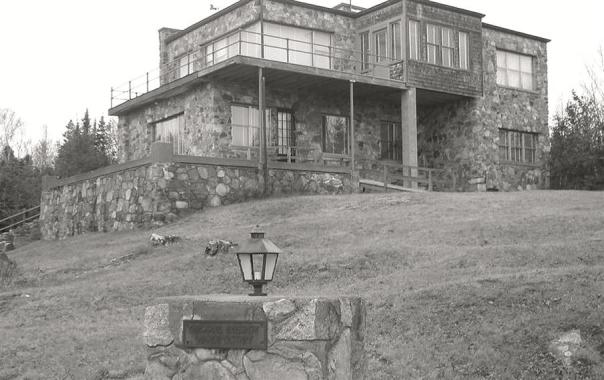 Museo Wilhelm Reich / Foto: captura Google





honrar compromisso que é bom nada né governador lamentável
Quando um governo é extremamente incompetente recorre a estas coisas.
kkkkkkkk……….é cada piada esse governo imprestável!!!!!
Ma che bello administrador ! kkkk
Por que nunca resolveram o problema do sertão nordestino? Precisava transpor o velho Chico com uma “solução” prática dessa?
Só pode estar desdenhando!
Me recuso a acreditar nessas asneiras. So mesmo nesse Brasilzinho.
Os surdos correm grande risco de serem picados pela cobra coral…
kkkkkkkkk
ouvi dizer que a tal entidade vai também atuar na saúde ,segurança ,transporte, e economia do DF pois os últimos governantes não deram conta
sera que pra trazer chuva os caras vão fazer a dança da chuva kkkkkkkkkkkkkkkk
Caique coral é uma entidade da bruxaria. Governador, não amaldiçoe ainda mais nossa terra. Vc não faz idéia do mal que vc está se fazendo e a toda população do DF. Vai procurar Deus, vai orar, pede a Jesus Cristo, pq ele sim é quem faz chover para pecadores e justos.
rindo até 2050 kkkkkkkkkkkkkkk
Te informa direito, antes de dizer besteira,
Aqui a mallandragem não tem por onde.
Governador do DF Rodrigo Rollemberg … é um exemplo do baixo nível dos gestores do nosso dinheiro no Brasil …Energia esotérica contra a crise hídrica ??? Só para um incompetente sair com essa … Vamos varrer essa gente da vida pública
Parece piada do Sensacionalista.
pois é, por um momento até achei que tava no portal errado.
Saravá!!
Agora, o Brasil inaugurará a CORRUPÇÃO espiritual !!
A primeira vez que ouvi sobre essa Fundação, faz anos… Foi notícias vindas do RJ, onde o Governo pagava para essa Fundação ajudar a NÃO chover no Réveillon. Demorei um bom tempo para acreditar no que lia, achei que tinha enlouquecido de vez.
A tal Fundação “trabalhou” no Rock in Rio?! De qual ano??? Em 2011 choveu tanto que pro Guns and Roses tocar tiveram antes que retirar muita água do palco com rodo.
Eu sinceramente estou a defecar e a andar para o fato do Rollemberg (e a globo) ter fé em qualquer coisa ou achar isso bonito. Eu quero é que ele cumpra as promessas de governo, que até agora não chegaram em nem 20% do prometido.
Cara, não tem 5 meses de cargo…
No centro espirita, preciso de chuva no distrito federal, atençao caral musical do centro vamos la voce deve esta pensando, ela foi embora, mais ja deve esta voltando, nao demora, ou ela foi pra muito longe, felicidade, felicidade? erramos que maldade, onde esta que nao responde, pois minha ALMA geme por voce, geme geme u por voce geme geme ha, ha ha ha a chuva nao vai chegar
O que é “contato informal”?
É SÓ O QUE FALTAVA, ÍNDIO QUER DINHEIRO E O IDIOTA ACREDITA?
Me paga que eu faço a dança da chuva todo dia ao meio dia!
kkkkkkkk
Manda esta organização pro nordeste,se resolver o problema recebe, se não resolver ela paga o prejuiso.
boa
E muito obscurantismo em pleno século XXl
Só o que faltava! Fala sério?