A relação entre o conhecimento genuíno e as doutrinas marginais é mais próxima do muitos querem aceitar, diz historiador especialista em história da ciência
Para as instituições científicas, essas práticas e movimentos enquadram-se na categoria das “pseudociências”. Ou seja, doutrinas baseadas em fundamentos que seus adeptos consideram científicas e, a partir daí, criam uma corrente que se afasta do que é normalmente aceito pelo mundo acadêmico.
Mas como distinguir o que é ciência daquilo que se faz passar por ciência?
Essa tarefa é muito mais complicada do que parece, segundo Michael Gordin, professor da Universidade Princeton, nos Estados Unidos, e especialista em história da ciência. Gordin é autor do livro On the Fringe: Where Science Meets Pseudoscience (“Na Fronteira: Onde a Ciência Encontra a Pseudociência”, em tradução livre).
Seu livro detalha como operam as pseudociências e como, do seu ponto de vista, são uma consequência inevitável do progresso científico.
Em entrevista à BBC News Mundo (o serviço em espanhol da BBC), Gordin detalha a complexa relação entre o que se considera ciência verdadeira e o que ele chama de doutrinas marginais.
Michael Gordin, autor do livro “Na Fronteira: Onde a Ciência Encontra a Pseudociência” (em tradução livre do inglês)
BBC News Mundo – O senhor afirma que não existe uma linha definida separando a ciência da pseudociência, mas a ciência tem um método claro e comprovável. Esta não seria uma diferença clara com relação à pseudociência?
Michael Gordin – Acredita-se normalmente que a ciência tem um único método, mas isso não é verdade. A ciência tem muitos métodos. Os geólogos fazem seu trabalho de forma muito diferente dos físicos teóricos, e os biólogos moleculares, dos neurocientistas. Alguns cientistas trabalham no campo, observando o que acontece. Outros trabalham em laboratório, sob condições controladas. Outros fazem simulações. Ou seja, a ciência tem muitos métodos, que são heterogêneos. A ciência é dinâmica, e esse dinamismo dificulta a definição dessa linha. Podemos tomar um exemplo concreto e dizer que se trata de ciência ou de pseudociência. É fácil com um exemplo concreto.
O problema é que essa linha não é consistente e, quando você observa uma maior quantidade de casos, haverá coisas que antes eram consideradas ciência e agora são consideradas pseudociências, como a astrologia. Existem temas como a deriva dos continentes, que inicialmente era considerada uma teoria marginal e agora é uma teoria básica da geofísica.
Quase tudo o que hoje se considera pseudociência já foi ciência no passado, que foi refutada com o passar do tempo e os que continuam a apoiá-la são considerados lunáticos ou charlatães. Ou seja, a definição do que é ciência ou pseudociência é dinâmica ao longo do tempo. Esta é uma das razões da dificuldade desse julgamento.
Considerada ciência no passado, a astrologia encontra-se hoje no rol das pseudociências – ou doutrinas marginais, segundo Michael Gordin
BBC News Mundo – Mas existem coisas que não se alteram ao longo do tempo. Por exemplo, 2+2 sempre foi igual a 4. Isso quer dizer que a ciência trabalha com base em princípios que não permitem interpretações…
Gordin – Bem, isso não é necessariamente certo. Dois óvnis mais dois óvnis são quatro óvnis.
É interessante que você tenha escolhido a matemática que, de fato, não é uma ciência empírica, pois ela não se refere ao mundo exterior. É uma série de regras que usamos para determinar certas coisas.
Uma das razões pelas quais é muito complicado fazer a distinção é o fato de que as doutrinas marginais observam o que é considerado ciência estabelecida e adaptam a elas seus argumentos e suas técnicas.
Um exemplo é o “criacionismo científico”, que defende que o mundo foi criado em sete dias, 6.000 anos atrás. Existem publicações de criacionismo científico que incluem gráficos matemáticos sobre as razões de decomposição de vários isótopos, para tentar comprovar que a Terra tem apenas 6.000 anos.
Seria genial afirmar que usar a matemática e apresentar gráficos é ciência, mas a realidade é que quase todas as doutrinas marginais usam a matemática de alguma forma.
Os cientistas discordam sobre o tipo de matemática utilizada, mas existem, por exemplo, pessoas que defendem que a matemática avançada utilizada na teoria das cordas já não é científica, porque perdeu a verificação empírica. Trata-se de matemática de alto nível, feita por doutores das melhores universidades, mas existe um debate interno na ciência, entre os físicos, que discutem se ela deve ou não ser considerada ciência.
Não estou dizendo que todos devem ser criacionistas, mas, quando a mecânica quântica foi proposta pela primeira vez, algumas pessoas diziam: “isso parece muito estranho”, “ela não se atém às medições da forma em que acreditamos que funcionem” ou “isso realmente é ciência?”
Nos últimos anos, popularizou-se entre alguns grupos a ideia de que a Terra é plana
BBC News Mundo – Então o sr. afirma que as pseudociências ou doutrinas marginais têm algum valor?
Gordin – A questão é que muitas coisas que consideramos inovadoras provêm dos limites do conhecimento ortodoxo.
O que quero dizer são basicamente três pontos: primeiro, que não existe uma linha divisória clara; segundo, que compreender o que fica de cada lado da linha exige a compreensão do contexto; e, terceiro, que o processo normal da ciência produz doutrinas marginais.
Não podemos descartar essas doutrinas, pois elas são inevitáveis. Elas são um produto derivado da forma como as ciências funcionam.
BBC News Mundo – Isso significa que deveríamos ser mais tolerantes com as pseudociências?
Gordin – Os cientistas, como qualquer outra pessoa, têm tempo e energia limitados e não podem pesquisar tudo.
Por isso, qualquer tempo que for dedicado a refutar ou negar a legitimidade de uma doutrina marginal é tempo que deixa de ser usado para fazer ciência — e talvez nem surta resultados.
As pessoas vêm refutando o criacionismo científico há décadas. Elas trataram de desmascarar a telepatia por ainda mais tempo e ela segue rondando à nossa volta. Existem diversos tipos de ideias marginais. Algumas são muito politizadas e chegam a ser nocivas para a saúde pública ou o meio ambiente. É a estas, a meu ver, que precisamos dedicar atenção e recursos para sua eliminação ou pelo menos explicar por que elas estão erradas.
Mas não acho que outras ideias, como acreditar em óvnis, sejam especificamente perigosas. Acredito que nem mesmo o criacionismo seja tão perigoso como ser antivacinas, ou acreditar que as mudanças climáticas são uma farsa.
Devemos observar as pseudociências como algo inevitável e abordá-las de forma pragmática. Temos uma quantidade de recursos limitada e precisamos escolher quais doutrinas podem causar danos e como enfrentá-las.
Devemos simplesmente tratar de reduzir os danos que elas podem causar? Esse é o caso da vacinação obrigatória, cujo objetivo é evitar os danos, mas sem necessariamente convencer os opositores que eles estão equivocados. Devemos persuadi-los de que estão equivocados? Isso precisa ser examinado caso a caso.
Existem em várias partes do mundo grupos que se opõem às vacinas contra a covid-19
BBC News Mundo – Como então devemos lidar com as pseudociências?
Gordin – Uma possibilidade é reconhecer que são pessoas interessadas na ciência.
Um terraplanista, por exemplo, é uma pessoa interessada na configuração da Terra. Significa que é alguém que teve interesse em pesquisar a natureza e, por alguma razão, seguiu a direção incorreta.
Pode-se então perguntar por que isso aconteceu. Pode-se abordar a pessoa, dizendo: “se você não acredita nesta evidência, em qual tipo de evidência você acreditaria?” ou “mostre-me suas evidências e vamos conversar”.
É algo que poderíamos fazer, mas vale a pena fazê-lo? É uma doutrina que não considero perigosa. Seria um problema se todos os governos do mundo pensassem que a Terra é plana, mas não vejo esse risco.
A versão contemporânea do terraplanismo surgiu há cerca de 15 anos. Acredito que os acadêmicos ainda não compreendem muito bem como aconteceu, nem por que aconteceu tão rápido.
Outra coisa que podemos fazer é não necessariamente persuadi-los de que estão equivocados, porque talvez eles não aceitem, mas tentar entender como esse movimento surgiu e se expandiu. Isso pode nos orientar sobre como enfrentar ameaças mais sérias.
As pessoas que acreditam nas doutrinas marginais muitas vezes tomam elementos da ciência estabelecida para traçar suas conclusões
BBC News Mundo – Ameaças mais sérias como os antivacinas…
Gordin – As vacinas foram inventadas no século 18, sempre houve pessoas que se opusessem a elas, em parte porque todas as vacinas apresentam risco, embora seja muito baixo.
Ao longo do tempo, a forma como se lidou com a questão foi a instituição de um sistema de seguro que basicamente diz o seguinte: você precisa receber a vacina, mas se você receber e tiver maus resultados, nós compensaremos você por esses danos.
Tenho certeza de que isso ocorrerá com a vacina contra a covid, mas ainda não conhecemos todo o espectro, nem a seriedade dos danos que ela poderá causar. Mas os danos e a probabilidade de sua ocorrência parecem ser muito baixos.
Com relação aos antivacinas que acreditam, por exemplo, que a vacina contra a covid contém um chip, a única ação que pode ser tomada para o bem da saúde pública é torná-la obrigatória. Foi dessa forma que se conseguiu erradicar a pólio na maior parte do mundo, mesmo com a existência dos opositores à vacina.
BBC News Mundo – Mas torná-la obrigatória pode fazer com que alguém diga que a ciência está sendo usada com propósitos políticos ou ideológicos…
Gordin – Tenho certeza de que, se o Estado impuser uma vacina obrigatória, alguém dirá isso. Mas não se trata de ideologia. O Estado já obriga tantas coisas e já existem vacinas que são obrigatórias.
E o Estado faz todo tipo de afirmações científicas. Não é permitido o ensino do criacionismo nas escolas, por exemplo, nem a pesquisa de clonagem de seres humanos. Ou seja, o Estado já interveio muitas vezes em disputas científicas e procura fazer isso segundo o consenso científico.
BBC News Mundo – As pessoas que adotam as pseudociências o fazem com base no ceticismo, que é exatamente um dos valores fundamentais da ciência. É um paradoxo, não?
Gordin – Este é um dos motivos por que acredito que não haja uma linha divisória clara entre a ciência e a pseudociência. O ceticismo é uma ferramenta que todos nós utilizamos. A questão é sobre qual tipo de assuntos você é cético e o que pode convencê-lo de um fato específico.
No século 19, havia um grande debate se os átomos realmente existiam ou não. Hoje, praticamente nenhum cientista duvida da sua existência. É assim que a ciência funciona. O foco do ceticismo se move de um lado para outro com o passar do tempo. Quando esse ceticismo se dirige a assuntos que já foram aceitos, às vezes ocorrem problemas, mas há ocasiões em que isso é necessário.
A essência da teoria da relatividade de Einstein é que o éter — a substância através da qual as ondas de luz supostamente viajavam — não existe. Para isso, Einstein concentrou seu ceticismo em um postulado fundamental, mas o fez dizendo que poderiam ser preservados muitos outros conhecimentos que já eram considerados estabelecidos.
Portanto, o ceticismo deve ter um propósito. Se você for cético pelo simples fato de sê-lo, este é um processo que não produz avanços.
O ceticismo é um dos princípios básicos da ciência
BBC News Mundo – É possível que, no futuro, o que hoje consideramos ciência seja descartado como pseudociência?
Gordin – No futuro, haverá muitas doutrinas que serão consideradas pseudociências, simplesmente porque existem muitas coisas que ainda não entendemos.
Existem muitas coisas que não entendemos sobre o cérebro ou o meio ambiente. No futuro, as pessoas olharão para muitas teorias e dirão que estão erradas.
Não é suficiente que uma teoria seja incorreta para que seja considerada pseudociência. É necessário que existam pessoas que acreditem que ela é correta, mesmo que o consenso afirme que se trata de um equívoco e que as instituições científicas considerem que, por alguma razão, ela é perigosa.
The decision to appoint a board of advisors is welcome — and urgent, given the twin challenges of COVID and climate change.
EDITORIAL – 08 December 2021
UN secretary-general António Guterres announced plans for a new science board in September, but is yet to release further details.Credit: Juancho Torres/Anadolu Agency/Getty
Scientists helped to create the United Nations system. Today, people look to UN agencies — such as the UN Environment Programme or the World Health Organization — for reliable data and evidence on, say, climate change or the pandemic. And yet, shockingly, the UN leader’s office has not had a department for science advice for most of its 76-year history. That is about to change.
UN secretary-general António Guterres is planning to appoint a board of scientific advisers, reporting to his office. The decision was announced in September in Our Common Agenda (see go.nature.com/3y1g3hp), which lays out the organization’s vision for the next 25 years, but few other details have been released.
Representatives of the scientific community are excited about the potential for science to have a position at the centre of the UN, but are rightly anxious for rapid action, given the twin challenges of COVID-19 and climate change, which should be urgent priorities for the board. The International Science Council (ISC), the Paris-based non-governmental body representing many of the world’s scientists, recommended such a board in its own report on science and the intergovernmental system, published last week (see go.nature.com/3rjdjos). Council president Peter Gluckman, former chief science adviser to New Zealand’s prime minister, has written to Guterres to say the ISC is ready to help.
But it’s been more than two months since the announcement, and the UN has not yet revealed the names of the board members. Nature spoke to a number of serving and former UN science advisers who said they know little about the UN chief’s plans. So far, there are no terms of reference and there is no timeline.
Nature understands that the idea is still being developed, and that Guterres is leaning towards creating a board that would draw on UN agencies’ existing science networks. Guterres is also aware of the need to take into account that both the UN and the world have changed since the last such board was put in place. All the same, the UN chief needs to end the suspense and set out his plans. Time is of the essence.
Guterres’s predecessor, Ban Ki-moon, had a science advisory board between 2014 and 2016. Its members were tasked with providing advice to the secretary-general on science, technology and innovation for sustainable development. But COVID-19 and climate change have pushed science much higher up the international agenda. Moreover, global challenges are worsening — the pandemic has put back progress towards the UN’s flagship Sustainable Development Goals (SDGs), a plan to end poverty and achieve sustainability by 2030. There is now widespread recognition that science has an important part to play in addressing these and other challenges.
Research underpins almost everything we know about the nature of the virus SARS-CoV-2 and the disease it causes. All countries have access to similar sets of findings, but many are coming to different decisions on how to act on those data — for example, when to mandate mask-wearing or introduce travel restrictions. The UN’s central office needs advice that takes this socio-cultural-political dimension of science into account. It needs advice from experts who study how science is applied and perceived by different constituencies and in different regions.
Science advice from the heart of the UN system could also help with another problem highlighted by the pandemic — how to reinvigorate the idea that it is essential for countries to cooperate on solving global problems.
Climate change is one example. Advice given by the Intergovernmental Panel on Climate Change (IPCC) is being read and applied in most countries, albeit to varying degrees. But climate is also an area in which states are at odds. Despite Guterres’s calls for solidarity, there were times during last month’s climate conference in Glasgow when the atmosphere was combative. Science advisers could help the secretary-general’s office to find innovative ways to encourage cooperation between countries in efforts to meet the targets of the 2015 Paris climate agreement.
The SDGs are also, to some extent, impeded by competition within the UN system. To tackle climate change, manage land and forests, and protect biodiversity, researchers and policymakers need to work collegially. But the UN’s scientific bodies, such as the IPCC, are set up along disciplinary lines with their own objectives, work programmes and rules, all guided by their own institutional histories. The IPCC and the Intergovernmental Science-Policy Platform on Biodiversity and Ecosystem Services (IPBES), for example, have only begun to collaborate in the past few years .
Independence will be key for an advisory role to be credible. Guterres needs to consider an organizational architecture through which UN agencies are represented, and funding could come from outside the UN. But all of those involved would have to accept that their contributions were for common goals — not to promote their own organization’s interests.
Leadership matters, as do communication and support. Guterres should ensure that his scientific advisers are chosen carefully to represent individuals from diverse disciplines and across career stages, and to ensure good representation from low-income countries. The board needs to be well staffed and have a direct line to his office. And it will need a decent budget. Guterres should quickly publish the terms of reference so that the research community has time to provide input and critique.
At its most ambitious, a scientific advisory board to the secretary-general could help to break the culture of individualism that beleaguers efforts to reach collective, global goals, and bring some coherence to the current marketplace of disciplines, ideas and outcomes. This will be a monumental task, requiring significant resources and the will to change. But if the advisers succeed, there will also be valuable lessons for the practice of science, which, as we know all too well, still largely rewards individual effort.
O que o surgimento da internet, os ataques de 11 de setembro de 2001 e a crise econômica de 2008 têm em comum?
Foram eventos extremamente raros e surpreendentes que tiveram um forte impacto na história.
Acontecimentos deste tipo costumam ser chamados de “cisnes negros”.
Alguns argumentam que a recente pandemia de covid-19 também pode ser considerada um deles, mas nem todo mundo concorda.
A “teoria do cisne negro” foi desenvolvida pelo professor, escritor e ex-operador da bolsa libanês-americano Nassim Taleb em 2007.
E possui três componentes, como o próprio Taleb explicou em um artigo no jornal americano The New York Times no mesmo ano:
– Em primeiro lugar, é algo atípico, já que está fora do âmbito das expectativas habituais, porque nada no passado pode apontar de forma convincente para sua possibilidade.
– Em segundo lugar, tem um impacto extremo.
– Em terceiro lugar, apesar de seu status atípico, a natureza humana nos faz inventar explicações para sua ocorrência após o fato em si, tornando-o explicável e previsível.
A tese de Taleb está geralmente associada à economia, mas se aplica a qualquer área.
E uma vez que as consequências costumam ser catastróficas, é importante aceitar que a ocorrência de um evento”cisne negro” é possível — e por isso é necessário ter um plano para lidar com o mesmo.
Em suma, o “cisne negro” representa uma metáfora para algo imprevisível e muito estranho, mas não impossível.
Por que são chamados assim?
No fim do século 17, navios europeus embarcaram na aventura de explorar a Austrália.
Em 1697, enquanto navegava nas águas de um rio desconhecido no sudoeste da Austrália Ocidental, o capitão holandês Willem de Vlamingh avistou vários cisnes negros, sendo possivelmente o primeiro europeu a observá-los.
Como consequência, Vlamingh deu ao rio o nome de Zwaanenrivier (Rio dos Cisnes, em holandês) por causa do grande número de cisnes negros que havia ali.
Tratava-se de um acontecimento inesperado e novo. Até aquele momento, a ciência só havia registrado cisnes brancos.
A primeira referência conhecida ao termo “cisne negro” associado ao significado de raridade vem de uma frase do poeta romano Décimo Júnio Juvenal (60-128).
Desesperado para encontrar uma esposa com todas as “qualidades certas” da época, ele escreveu em latim que esta mulher era rara avis in terris, nigroque simillima cygno (“uma ave rara nestas terras, como um cisne negro”), detalha o dicionário de Oxford.
Porque naquela época e até cerca de 1,6 mil anos depois, para os europeus, não existiam cisnes negros.
Prevendo os ‘cisnes negros’
Um grupo de cientistas da Universidade de Stanford, nos Estados Unidos, está trabalhando para prever o imprevisível.
Ou seja, para se antecipar aos “cisnes negros” — não às aves, mas aos estranhos eventos que acontecem na história.
Embora sua análise primária tenha sido baseada em três ambientes diferentes na natureza, o método computacional que eles criaram pode ser aplicado a qualquer área, incluindo economia e política.
“Ao analisar dados de longo prazo de três ecossistemas, pudemos demonstrar que as flutuações que ocorrem em diferentes espécies biológicas são estatisticamente iguais em diferentes ecossistemas”, afirmou Samuel Bray, assistente de pesquisa no laboratório de Bo Wang, professor de bioengenharia na Universidade de Stanford.
“Isso sugere que existem certos processos universais que podemos utilizar para prever esse tipo de comportamento extremo”, acrescentou Bray, conforme publicado no site da universidade.
Para desenvolver o método de previsão, os pesquisadores procuraram sistemas biológicos que vivenciaram eventos “cisne negro” e como foram os contextos em que ocorreram.
Eles se basearam então em ecossistemas monitorados de perto por muitos anos.
Os exemplos incluíram: um estudo de oito anos do plâncton do Mar Báltico com níveis de espécies medidos duas vezes por semana; medições de carbono de um bosque da Universidade de Harvard, nos EUA, que foram coletadas a cada 30 minutos desde 1991; e medições de cracas (mariscos), algas e mexilhões na costa da Nova Zelândia, feitas mensalmente por mais de 20 anos, detalha o estudo publicado na revista científica Plos Computational Biology.
Os pesquisadores aplicaram a estas bases de dados a teoria física por trás de avalanches e terremotos que, assim como os “cisnes negros”, mostram um comportamento extremo, repentino e de curto prazo.
A partir desta análise, os especialistas desenvolveram um método para prever eventos “cisne negro” que fosse flexível entre espécies e períodos de tempo e também capaz de trabalhar com dados muito menos detalhados e mais complexos.
Posteriormente, conseguiram prever com precisão eventos extremos que ocorreram nesses sistemas.
Até agora, “os métodos se baseavam no que vimos para prever o que pode acontecer no futuro, e é por isso que não costumam identificar os eventos ‘cisne negro'”, diz Wang.
Mas este novo mecanismo é diferente, segundo o professor de Stanford, “porque parte do pressuposto de que estamos vendo apenas parte do mundo”.
“Extrapola um pouco do que falta e ajuda enormemente em termos de previsão”, acrescenta.
Então, os “cisnes negros” poderiam ser detectados em outras áreas, como finanças ou economia?
“Aplicamos nosso método às flutuações do mercado de ações e funcionou muito bem”, disse Wang à BBC News Mundo, serviço de notícias em espanhol da BBC, por e-mail.
Os pesquisadores analisaram os índices Nasdaq, Dow Jones Industrial Average e S&P 500.
“Embora a principal tendência do mercado seja o crescimento exponencial de longo prazo, as flutuações em torno dessa tendência seguem as mesmas trajetórias e escalas médias que vimos nos sistemas ecológicos”, explica.
Mas “embora as semelhanças entre as variações na bolsa e ecológicas sejam interessantes, nosso método de previsão é mais útil nos casos em que os dados são escassos e as flutuações geralmente vão além dos registros históricos (o que não é o caso do mercado de ações)”, adverte Wang.
Por isso, temos que continuar atentos para saber se o próximo “cisne negro” vai nos pegar de surpresa… ou talvez não.
The Port of Savannah in Georgia is the third-largest container port in the United States.
‘It’s Not Sustainable’: What America’s Port Crisis Looks Like Up Close
An enduring traffic jam at the Port of Savannah reveals why the chaos in global shipping is likely to persist.
Published Oct. 10, 2021; Updated Oct. 14, 2021
SAVANNAH, Ga. — Like toy blocks hurled from the heavens, nearly 80,000 shipping containers are stacked in various configurations at the Port of Savannah — 50 percent more than usual.
The steel boxes are waiting for ships to carry them to their final destination, or for trucks to haul them to warehouses that are themselves stuffed to the rafters. Some 700 containers have been left at the port, on the banks of the Savannah River, by their owners for a month or more.
“They’re not coming to get their freight,” complained Griff Lynch, the executive director of the Georgia Ports Authority. “We’ve never had the yard as full as this.”
As he speaks, another vessel glides silently toward an open berth — the 1,207-foot-long Yang Ming Witness, its decks jammed with containers full of clothing, shoes, electronics and other stuff made in factories in Asia. Towering cranes soon pluck the thousands of boxes off the ship — more cargo that must be stashed somewhere.
“Certainly,” Mr. Lynch said, “the stress level has never been higher.”
It has come to this in the Great Supply Chain Disruption: They are running out of places to put things at one of the largest ports in the United States. As major ports contend with a staggering pileup of cargo, what once seemed like a temporary phenomenon — a traffic jam that would eventually dissipate — is increasingly viewed as a new reality that could require a substantial refashioning of the world’s shipping infrastructure.
As the Savannah port works through the backlog, Mr. Lynch has reluctantly forced ships to wait at sea for more than nine days. On a recent afternoon, more than 20 ships were stuck in the queue, anchored up to 17 miles off the coast in the Atlantic.
Such lines have become common around the globe, from the more than 50 ships marooned last week in the Pacific near Los Angeles to smaller numbers bobbing off terminals in the New York area, to hundreds waylaid off ports in China.
The turmoil in the shipping industry and the broader crisis in supply chains is showing no signs of relenting. It stands as a gnawing source of worry throughout the global economy, challenging once-hopeful assumptions of a vigorous return to growth as vaccines limit the spread of the pandemic.
The disruption helps explain why Germany’s industrial fortunes are sagging, why inflation has become a cause for concern among central bankers, and why American manufacturers are now waiting a record 92 days on average to assemble the parts and raw materials they need to make their goods, according to the Institute of Supply Management.
On the surface, the upheaval appears to be a series of intertwined product shortages. Because shipping containers are in short supply in China, factories that depend on Chinese-made parts and chemicals in the rest of the world have had to limit production.
But the situation at the port of Savannah attests to a more complicated and insidious series of overlapping problems. It is not merely that goods are scarce. It is that products are stuck in the wrong places, and separated from where they are supposed to be by stubborn and constantly shifting barriers.
The shortage of finished goods at retailers represents the flip side of the containers stacked on ships marooned at sea and massed on the riverbanks. The pileup in warehouses is itself a reflection of shortages of truck drivers needed to carry goods to their next destinations.
For Mr. Lynch, the man in charge in Savannah, frustrations are enhanced by a sense of powerlessness in the face of circumstances beyond his control. Whatever he does to manage his docks alongside the murky Savannah River, he cannot tame the bedlam playing out on the highways, at the warehouses, at ports across the ocean and in factory towns around the world.
“The supply chain is overwhelmed and inundated,” Mr. Lynch said. “It’s not sustainable at this point. Everything is out of whack.”
Born and raised in Queens with the no-nonsense demeanor to prove it, Mr. Lynch, 55, has spent his professional life tending to the logistical complexities of sea cargo. (“I actually wanted to be a tugboat captain,” he said. “There was only one problem. I get seasick.”)
Now, he is contending with a storm whose intensity and contours are unparalleled, a tempest that has effectively extended the breadth of oceans and added risk to sea journeys.
Last month, his yard held 4,500 containers that had been stuck on the docks for at least three weeks. “That’s bordering on ridiculous,” he said.
That these tensions are playing out even in Savannah attests to the magnitude of the disarray. The third-largest container port in the United States after Los Angeles-Long Beach and New York-New Jersey, Savannah boasts nine berths for container ships and abundant land for expansion.
To relieve the congestion, Mr. Lynch is overseeing a $600 million expansion. He is swapping out one berth for a bigger one to accommodate the largest container ships. He is extending the storage yard across another 80 acres, adding room for 6,000 more containers. He is enlarging his rail yard to 18 tracks from five to allow more trains to pull in, building out an alternative to trucking.
But even as Mr. Lynch sees development as imperative, he knows that expanded facilities alone will not solve his problems.
“If there’s no space out here,” he said, looking out at the stacks of containers, “it doesn’t matter if I have 50 berths.”
Many of the containers are piled five high, making it harder for cranes to sort through the towers to lift the needed boxes when trucks arrive to take them away.
On this afternoon, under a merciless sun, the port is on track to break its record for activity in a single day — more than 15,000 trucks coming and going. Still, the pressure builds. A tugboat escorts another ship to the dock — the MSC AGADIR, fresh from the Panama Canal — bearing more cargo that must be parked somewhere.
In recent weeks, the shutdown of a giant container terminal off the Chinese city of Ningbo has added to delays. Vietnam, a hub for the apparel industry, was locked down for several months in the face of a harrowing outbreak of Covid. Diminished cargo leaving Asia should provide respite to clogged ports in the United States, but Mr. Lynch dismisses that line.
“Six or seven weeks later, the ships come in all at once,” Mr. Lynch said. “That doesn’t help.”
Early this year, as shipping prices spiked and containers became scarce, the trouble was widely viewed as the momentary result of pandemic lockdowns. With schools and offices shut, Americans were stocking up on home office gear and equipment for basement gyms, drawing heavily on factories in Asia. Once life reopened, global shipping was supposed to return to normal.
But half a year later, the congestion is worse, with nearly 13 percent of the world’s cargo shipping capacity tied up by delays, according to data compiled by Sea-Intelligence, an industry research firm in Denmark.
Many businesses now assume that the pandemic has fundamentally altered commercial life in permanent ways. Those who might never have shopped for groceries or clothing online — especially older people — have gotten a taste of the convenience, forced to adjust to a lethal virus. Many are likely to retain the habit, maintaining pressure on the supply chain.
“Before the pandemic, could we have imagined mom and dad pointing and clicking to buy a piece of furniture?” said Ruel Joyner, owner of 24E Design Co., a boutique furniture outlet that occupies a brick storefront in Savannah’s graceful historic district. His online sales have tripled over the past year.
Mr. Joyner, 46, designs his furniture in Savannah while relying on factories from China and India to manufacture many of his wares. The upheaval on the seas has slowed deliveries, limiting his sales.
He pointed to a brown leather recliner made for him in Dallas. The factory is struggling to secure the reclining mechanism from its supplier in China.
“Where we were getting stuff in 30 days, they are now telling us six months,” Mr. Joyner said. Customers are calling to complain.
His experience also underscores how the shortages and delays have become a source of concern about fair competition. Giant retailers like Target and Home Depot have responded by stockpiling goods in warehouses and, in some cases, chartering their own ships. These options are not available to the average small business.
Bottlenecks have a way of causing more bottlenecks. As many companies have ordered extra and earlier, especially as they prepare for the all-consuming holiday season, warehouses have become jammed. So containers have piled up at the Port of Savannah.
Mr. Lynch’s team — normally focused on its own facilities — has devoted time to scouring unused warehouse spaces inland, seeking to provide customers with alternative channels for their cargo.
Recently, a major retailer completely filled its 3 million square feet of local warehouse space. With its containers piling up in the yard, port staff worked to ship the cargo by rail to Charlotte, N.C., where the retailer had more space.
Such creativity may provide a modicum of relief, but the demands on the port are only intensifying.
On a muggy afternoon in late September, Christmas suddenly felt close at hand. The containers stacked on the riverbanks were surely full of holiday decorations, baking sheets, gifts and other material for the greatest wave of consumption on earth.
Will they get to stores in time?
“That’s the question everyone is asking,” Mr. Lynch said. “I think that’s a very tough question.”
Many people think that mathematics is a human invention. To this way of thinking, mathematics is like a language: it may describe real things in the world, but it doesn’t “exist” outside the minds of the people who use it.
But the Pythagorean school of thought in ancient Greece held a different view. Its proponents believed reality is fundamentally mathematical.
More than 2,000 years later, philosophers and physicists are starting to take this idea seriously.
As I argue in a new paper, mathematics is an essential component of nature that gives structure to the physical world.
Honeybees and hexagons
Bees in hives produce hexagonal honeycomb. Why?
According to the “honeycomb conjecture” in mathematics, hexagons are the most efficient shape for tiling the plane. If you want to fully cover a surface using tiles of a uniform shape and size, while keeping the total length of the perimeter to a minimum, hexagons are the shape to use.
The hexagonal pattern of honeycomb is the most efficient way to cover a space in identical tiles. Sam Baron, Author provided
Charles Darwin reasoned that bees have evolved to use this shape because it produces the largest cells to store honey for the smallest input of energy to produce wax.
The honeycomb conjecture was first proposed in ancient times, but was only proved in 1999 by mathematician Thomas Hales.
Cicadas and prime numbers
Here’s another example. There are two subspecies of North American periodical cicadas that live most of their lives in the ground. Then, every 13 or 17 years (depending on the subspecies), the cicadas emerge in great swarms for a period of around two weeks.
Why is it 13 and 17 years? Why not 12 and 14? Or 16 and 18?
One explanation appeals to the fact that 13 and 17 are prime numbers.
Some cicadas have evolved to emerge from the ground at intervals of a prime number of years, possibly to avoid predators with life cycles of different lengths. Michael Kropiewnicki / Pixels
Imagine the cicadas have a range of predators that also spend most of their lives in the ground. The cicadas need to come out of the ground when their predators are lying dormant.
Suppose there are predators with life cycles of 2, 3, 4, 5, 6, 7, 8 and 9 years. What is the best way to avoid them all?
Well, compare a 13-year life cycle and a 12-year life cycle. When a cicada with a 12-year life cycle comes out of the ground, the 2-year, 3-year and 4-year predators will also be out of the ground, because 2, 3 and 4 all divide evenly into 12.
When a cicada with a 13-year life cycle comes out of the ground, none of its predators will be out of the ground, because none of 2, 3, 4, 5, 6, 7, 8 or 9 divides evenly into 13. The same is true for 17.
P1–P9 represent cycling predators. The number-line represents years. The highlighted gaps show how 13 and 17-year cicadas manage to avoid their predators. Sam Baron, Author provided
Once we start looking, it is easy to find other examples. From the shape of soap films, to gear design in engines, to the location and size of the gaps in the rings of Saturn, mathematics is everywhere.
If mathematics explains so many things we see around us, then it is unlikely that mathematics is something we’ve created. The alternative is that mathematical facts are discovered: not just by humans, but by insects, soap bubbles, combustion engines and planets.
What did Plato think?
But if we are discovering something, what is it?
The ancient Greek philosopher Plato had an answer. He thought mathematics describes objects that really exist.
For Plato, these objects included numbers and geometric shapes. Today, we might add more complicated mathematical objects such as groups, categories, functions, fields and rings to the list.
For Plato, numbers existed in a realm separate from the physical world. Geralt / Pixabay
Plato also maintained that mathematical objects exist outside of space and time. But such a view only deepens the mystery of how mathematics explains anything.
Explanation involves showing how one thing in the world depends on another. If mathematical objects exist in a realm apart from the world we live in, they don’t seem capable of relating to anything physical.
Enter Pythagoreanism
The ancient Pythagoreans agreed with Plato that mathematics describes a world of objects. But, unlike Plato, they didn’t think mathematical objects exist beyond space and time.
Instead, they believed physical reality is made of mathematical objects in the same way matter is made of atoms.
If reality is made of mathematical objects, it’s easy to see how mathematics might play a role in explaining the world around us.
Pythagorean pie: the world is made of mathematics plus matter. Sam Baron, Author provided
In the past decade, two physicists have mounted significant defences of the Pythagorean position: Swedish-US cosmologist Max Tegmark and Australian physicist-philosopher Jane McDonnell.
Tegmark argues reality just is one big mathematical object. If that seems weird, think about the idea that reality is a simulation. A simulation is a computer program, which is a kind of mathematical object.
McDonnell’s view is more radical. She thinks reality is made of mathematical objects and minds. Mathematics is how the Universe, which is conscious, comes to know itself.
I defend a different view: the world has two parts, mathematics and matter. Mathematics gives matter its form, and matter gives mathematics its substance.
Mathematical objects provide a structural framework for the physical world.
The future of mathematics
It makes sense that Pythagoreanism is being rediscovered in physics.
In the past century physics has become more and more mathematical, turning to seemingly abstract fields of inquiry such as group theory and differential geometry in an effort to explain the physical world.
As the boundary between physics and mathematics blurs, it becomes harder to say which parts of the world are physical and which are mathematical.
But it is strange that Pythagoreanism has been neglected by philosophers for so long.
I believe that is about to change. The time has arrived for a Pythagorean revolution, one that promises to radically alter our understanding of reality.
Is mathematics real? A viral TikTok video raises a legitimate question with exciting answers (The Conversation)
Daniel Mansfield – August 31, 2020 1.41am EDT
While filming herself getting ready for work recently, TikTok user @gracie.ham reached deep into the ancient foundations of mathematics and found an absolute gem of a question:
How could someone come up with a concept like algebra?
She also asked what the ancient Greek philosopher Pythagoras might have used mathematics for, and other questions that revolve around the age-old conundrum of whether mathematics is “real” or something humans just made up.
Many responded negatively to the post, but others — including mathematicians like me — found the questions quite insightful.
Is mathematics real?
Philosophers and mathematicians have been arguing over this for centuries. Some believe mathematics is universal; others consider it only as real as anything else humans have invented.
Thanks to @gracie.ham, Twitter users have now vigorously joined the debate.
For me, part of the answer lies in history.
From one perspective, mathematics is a universal language used to describe the world around us. For instance, two apples plus three apples is always five apples, regardless of your point of view.
But mathematics is also a language used by humans, so it is not independent of culture. History shows us that different cultures had their own understanding of mathematics.
Unfortunately, most of this ancient understanding is now lost. In just about every ancient culture, a few scattered texts are all that remain of their scientific knowledge.
However, there is one ancient culture that left behind an absolute abundance of texts.
Babylonian algebra
Buried in the deserts of modern Iraq, clay tablets from ancient Babylon have survived intact for about 4,000 years.
These tablets are slowly being translated and what we have learned so far is that the Babylonians were practical people who were highly numerate and knew how to solve sophisticated problems with numbers.
Their arithmetic was different from ours, though. They didn’t use zero or negative numbers. They even mapped out the motion of the planets without using calculus as we do.
Of particular importance for @gracie.ham’s question about the origins of algebra is that they knew that the numbers 3, 4 and 5 correspond to the lengths of the sides and diagonal of a rectangle. They also knew these numbers satisfied the fundamental relation 3² + 4² = 5² that ensures the sides are perpendicular.
No theorems were harmed (or used) in the construction of this rectangle.
The Babylonians did all this without modern algebraic concepts. We would express a more general version of the same idea using Pythagoras’ theorem: any right-angled triangle with sides of length a and b and hypotenuse c satisfies a² + b² = c².
The Babylonian perspective omits algebraic variables, theorems, axioms and proofs not because they were ignorant but because these ideas had not yet developed. In short, these social constructs began more than 1,000 years later, in ancient Greece. The Babylonians happily and productively did mathematics and solved problems without any of these relatively modern notions.
What was it all for?
@gracie.ham also asks how Pythagoras came up with his theorem. The short answer is: he didn’t.
Pythagoras of Samos (c. 570-495 BC) probably heard about the idea we now associate with his name while he was in Egypt. He may have been the person to introduce it to Greece, but we don’t really know.
Pythagoras didn’t use his theorem for anything practical. He was primarily interested in numerology and the mysticism of numbers, rather than the applications of mathematics.
Without modern tools, how do you make right angles just right? Ancient Hindu religious texts give instructions for making a rectangular fire altar using the 3-4-5 configuration with sides of length 3 and 4, and diagonal length 5. These measurements ensure that the altar has right angles in each corner.
In the 19th century, the German mathematician Leopold Kronecker said “God made the integers, all else is the work of man”. I agree with that sentiment, at least for the positive integers — the whole numbers we count with — because the Babylonians didn’t believe in zero or negative numbers.
Mathematics has been happening for a very, very long time. Long before ancient Greece and Pythagoras.
Is it real? Most cultures agree about some basics, like the positive integers and the 3-4-5 right triangle. Just about everything else in mathematics is determined by the society in which you live.
[Solar radiation management is listed first. Calling it “controversial” is bad journalism. It is extremely dangerous and there is not a lot of controversy about this aspect of the thing.]
Nov 8th 2021
The astonishingly rapid development and rollout of coronavirus vaccines has been a reminder of the power of science and technology to change the world. Although vaccines based on new mRNA technology seemed to have been created almost instantly, they actually drew upon decades of research going back to the 1970s. As the saying goes in the technology industry, it takes years to create an overnight success. So what else might be about to burst into prominence? Here are 22 emerging technologies worth watching in 2022
Solar geoengineering
It sounds childishly simple. If the world is getting too hot, why not offer it some shade? The dust and ash released into the upper atmosphere by volcanoes is known to have a cooling effect: Mount Pinatubo’s eruption in 1991 cooled the Earth by as much as 0.5°C for four years. Solar geoengineering, also known as solar radiation management, would do the same thing deliberately.
This is hugely controversial. Would it work? How would rainfall and weather patterns be affected? And wouldn’t it undermine efforts to curb greenhouse-gas emissions? Efforts to test the idea face fierce opposition from politicians and activists. In 2022, however, a group at Harvard University hopes to conduct a much-delayed experiment called SCoPEX. It involves launching a balloon into the stratosphere, with the aim of releasing 2kg of material (probably calcium carbonate), and then measuring how it dissipates, reacts and scatters solar energy.
Proponents argue that it is important to understand the technique, in case it is needed to buy the world more time to cut emissions. The Harvard group has established an independent advisory panel to consider the moral and political ramifications. Whether the test goes ahead or not, expect controversy.
Heat pumps
Keeping buildings warm in winter accounts for about a quarter of global energy consumption. Most heating relies on burning coal, gas or oil. If the world is to meet its climate-change targets, that will have to change. The most promising alternative is to use heat pumps—essentially, refrigerators that run in reverse.
Instead of pumping heat out of a space to cool it down, a heat pump forces heat in from the outside, warming it up. Because they merely move existing heat around, they can be highly efficient: for every kilowatt of electricity consumed, heat pumps can deliver 3kW of heat, making them cheaper to run than electric radiators. And running a heat pump backwards cools a home rather than heating it.
Gradient, based in San Francisco, is one of several companies offering a heat pump that can provide both heating and cooling. Its low-profile, saddle-bag shaped products can be mounted in windows, like existing air conditioners, and will go on sale in 2022.
Hydrogen-powered planes
Electrifying road transport is one thing. Aircraft are another matter. Batteries can only power small aircraft for short flights. But might electricity from hydrogen fuel cells, which excrete only water, do the trick? Passenger planes due to be test-flown with hydrogen fuel cells in 2022 include a two-seater being built at Delft University of Technology in the Netherlands. ZeroAvia, based in California, plans to complete trials of a 20-seat aircraft, and aims to have its hydrogen-propulsion system ready for certification by the end of the year. Universal Hydrogen, also of California, hopes its 40-seat plane will take off in September 2022.
Direct air capture
Carbon dioxide in the atmosphere causes global warming. So why not suck it out using machines? Several startups are pursuing direct air capture (DAC), a technology that does just that. In 2022 Carbon Engineering, a Canadian firm, will start building the world’s biggest DAC facility in Texas, capable of capturing 1m tonnes of CO2 per year. ClimeWorks, a Swiss firm, opened a DAC plant in Iceland in 2021, which buries captured CO2 in mineral form at a rate of 4,000 tonnes a year. Global Thermostat, an American firm, has two pilot plants. DAC could be vital in the fight against climate change. The race is on to get costs down and scale the technology up.
Vertical farming
A new type of agriculture is growing. Vertical farms grow plants on trays stacked in a closed, controlled environment. Efficient LED lighting has made the process cheaper, though energy costs remain a burden. Vertical farms can be located close to customers, reducing transport costs and emissions. Water use is minimised and bugs are kept out, so no pesticides are needed.
In Britain, the Jones Food Company will open the world’s largest vertical farm, covering 13,750 square metres, in 2022. AeroFarms, an American firm, will open its largest vertical farm, in Daneville, Virginia. Other firms will be expanding, too. Nordic Harvest will enlarge its facility just outside Copenhagen and construct a new one in Stockholm. Plenty, based in California, will open a new indoor farm near Los Angeles. Vertical farms mostly grow high-value leafy greens and herbs, but some are venturing into tomatoes, peppers and berries. The challenge now is to make the economics stack up, too.
Container ships with sails
Ships produce 3% of greenhouse-gas emissions. Burning maritime bunker fuel, a dirty diesel sludge, also contributes to acid rain. None of this was a problem in the age of sail—which is why sails are making a comeback, in high-tech form, to cut costs and emissions.
In 2022 Michelin of France will equip a freighter with an inflatable sail that is expected to reduce fuel consumption by 20%. MOL, a Japanese shipping firm, plans to put a telescoping rigid sail on a ship in August 2022. Naos Design of Italy expects to equip eight ships with its pivoting and foldable hard “wing sails”. Other approaches include kites, “suction wings” that house fans, and giant, spinning cylinders called Flettner rotors. By the end of 2022 the number of big cargo ships with sails of some kind will have quadrupled to 40, according to the International Windship Association. If the European Union brings shipping into its carbon-trading scheme in 2022, as planned, that will give these unusual technologies a further push.
VR workouts
Most people do not do enough exercise. Many would like to, but lack motivation. Virtual reality (VR) headsets let people play games and burn calories in the process, as they punch or slice oncoming shapes, or squat and shimmy to dodge obstacles. VR workouts became more popular during the pandemic as lockdowns closed gyms and a powerful, low-cost headset, the Oculus Quest 2, was released. An improved model and new fitness features are coming in 2022. And Supernatural, a highly regarded VR workout app available only in North America, may be released in Europe. Could the killer app for virtual reality be physical fitness?
Vaccines for HIV and malaria
The impressive success of coronavirus vaccines based on messenger RNA (mRNA) heralds a golden era of vaccine development. Moderna is developing an HIV vaccine based on the same mRNA technology used in its highly effective coronavirus vaccine. It entered early-stage clinical trials in 2021 and preliminary results are expected in 2022. BioNTech, joint-developer of the Pfizer-BioNTech coronavirus vaccine, is working on an mRNA vaccine for malaria, with clinical trials expected to start in 2022. Non-mRNA vaccines for HIV and malaria, developed at the University of Oxford, are also showing promise.
3D-printed bone implants
For years, researchers have been developing techniques to create artificial organs using 3D printing of biological materials. The ultimate goal is to take a few cells from a patient and create fully functional organs for transplantation, thus doing away with long waiting-lists, testing for matches and the risk of rejection.
That goal is still some way off for fleshy organs. But bones are less tricky. Two startups, Particle3D and ADAM, hope to have 3D-printed bones available for human implantation in 2022. Both firms use calcium-based minerals to print their bones, which are made to measure based on patients’ CT scans. Particle3D’s trials in pigs and mice found that bone marrow and blood vessels grew into its implants within eight weeks. ADAM says its 3D-printed implants stimulate natural bone growth and gradually biodegrade, eventually being replaced by the patient’s bone tissue. If all goes well, researchers say 3D-printed blood vessels and heart valves are next.
Flying electric taxis
Long seen as something of a fantasy, flying taxis, or electric vertical take-off and landing (eVTOL) aircraft, as the fledgling industry calls them, are getting serious. Several firms around the world will step up test flights in 2022 with the aim of getting their aircraft certified for commercial use in the following year or two. Joby Aviation, based in California, plans to build more than a dozen of its five-seater vehicles, which have a 150-mile range. Volocopter of Germany aims to provide an air-taxi service at the 2024 Paris Olympics. Other contenders include eHang, Lilium and Vertical Aerospace. Keep an eye on the skies.
Space tourism
After a stand-out year for space tourism in 2021, as a succession of billionaire-backed efforts shot civilians into the skies, hopes are high for 2022. Sir Richard Branson’s Virgin Galactic just beat Jeff Bezos’s Blue Origin to the edge of space in July, with both billionaires riding in their own spacecraft on suborbital trips. In September Elon Musk’s company, SpaceX, sent four passengers on a multi-day orbital cruise around the Earth.
All three firms hope to fly more tourists in 2022, which promises to be the first year in which more people go to space as paying passengers than as government employees. But Virgin Galactic is modifying its vehicle to make it stronger and safer, and it is not expected to fly again until the second half of 2022, with commercial service starting in the fourth quarter. Blue Origin plans more flights but has not said when or how many. For its part, SpaceX has done a deal to send tourists to the International Space Station. Next up? The Moon.
Delivery drones
They are taking longer than expected to get off the ground. But new rules, which came into effect in 2021, will help drone deliveries gain altitude in 2022. Manna, an Irish startup which has been delivering books, meals and medicine in County Galway, plans to expand its service in Ireland and into Britain. Wing, a sister company of Google, has been doing test deliveries in America, Australia and Finland and will expand its mall-to-home delivery service, launched in late 2021. Dronamics, a Bulgarian startup, will start using winged drones to shuttle cargo between 39 European airports. The question is: will the pace of drone deliveries pick up—or drop off?
Quieter supersonic aircraft
For half a century, scientists have wondered whether changes to the shape of a supersonic aircraft could reduce the intensity of its sonic boom. Only recently have computers become powerful enough to run the simulations needed to turn those noise-reduction theories into practice.
In 2022 NASA’s X-59 QueSST (short for “Quiet Supersonic Technology”) will make its first test flight. Crucially, that test will take place over land—specifically, Edwards Air Force Base in California. Concorde, the world’s first and only commercial supersonic airliner, was not allowed to travel faster than sound when flying over land. The X-59’s sonic boom is expected to be just one-eighth as loud as Concorde’s. At 75 perceived decibels, it will be equivalent to a distant thunderstorm—more of a sonic “thump”. If it works, NASA hopes that regulators could lift the ban on supersonic flights over land, ushering in a new era for commercial flight.
3D-printed houses
Architects often use 3D printing to create scale models of buildings. But the technology can be scaled up and used to build the real thing. Materials are squirted out of a nozzle as a foam that then hardens. Layer by layer, a house is printed—either on site, or as several pieces in a factory that are transported and assembled.
In 2022 Mighty Buildings, based in California, will complete a development of 15 eco-friendly 3D-printed homes at Rancho Mirage. And ICON, based in Texas, plans to start building a community of 100 3D-printed homes near Austin, which would be the largest development of its kind.
Sleep tech
It’s become a craze in Silicon Valley. Not content with maximising their productivity and performance during their waking hours, geeks are now optimising their sleep, too, using an array of technologies. These include rings and headbands that record and track sleep quality, soothing sound machines, devices to heat and cool mattresses, and smart alarm clocks to wake you at the perfect moment. Google launched a sleep-tracking nightstand tablet in 2021, and Amazon is expected to follow suit in 2022. It sounds crazy. But poor sleep is linked with maladies from heart disease to obesity. And what Silicon Valley does today, everyone else often ends up doing tomorrow.
Personalised nutrition
Diets don’t work. Evidence is growing that each person’s metabolism is unique, and food choices should be, too. Enter personalised nutrition: apps that tell you what to eat and when, using machine-learning algorithms, tests of your blood and gut microbiome, data on lifestyle factors such as exercise, and real-time tracking of blood-sugar levels using coin-sized devices attached to the skin. After successful launches in America, personalised-nutrition firms are eyeing other markets in 2022. Some will also seek regulatory approval as treatments for conditions such as diabetes and migraine.
Wearable health trackers
Remote medical consultations have become commonplace. That could transform the prospects for wearable health trackers such as the Fitbit or Apple Watch. They are currently used primarily as fitness trackers, measuring steps taken, running and swimming speeds, heart rates during workouts, and so forth. But the line between consumer and medical uses of such devices is now blurring, say analysts at Gartner, a consultancy.
Smart watches can already measure blood oxygenation, perform ECGs and detect atrial fibrillation. The next version of the Apple Watch, expected in 2022, may include new sensors capable of measuring levels of glucose and alcohol in the blood, along with blood pressure and body temperature. Rockley Photonics, the company supplying the sensor technology, calls its system a “clinic on the wrist”. Regulatory approval for such functions may take a while, but in the meantime doctors, not just users, will be paying more attention to data from wearables.
The metaverse
Coined in 1992 by Neal Stephenson in his novel “Snow Crash”, the word “metaverse” referred to a persistent virtual world, accessible via special goggles, where people could meet, flirt, play games, buy and sell things, and much more besides. In 2022 it refers to the fusion of video games, social networking and entertainment to create new, immersive experiences, like swimming inside your favourite song at an online concert. Games such as Minecraft, Roblox and Fortnite are all stepping-stones to an emerging new medium. Facebook has renamed itself Meta to capitalise on the opportunity—and distract from its other woes.
Quantum computing
An idea that existed only on blackboards in the 1990s has grown into a multi-billion dollar contest between governments, tech giants and startups: harnessing the counter-intuitive properties of quantum physics to build a new kind of computer. For some kinds of mathematics a quantum computer could outperform any non-quantum machine that could ever be built, making quick work of calculations used in cryptography, chemistry and finance.
But when will such machines arrive? One measure of a quantum computer’s capability is its number of qubits. A Chinese team has built a computer with 66 qubits. IBM, an American firm, hopes to hit 433 qubits in 2022 and 1,000 by 2023. But existing machines have a fatal flaw: the delicate quantum states on which they depend last for just a fraction of a second. Fixing that will take years. But if existing machines can be made useful in the meantime, quantum computing could become a commercial reality much sooner than expected.
Virtual influencers
Unlike a human influencer, a virtual influencer will never be late to a photoshoot, get drunk at a party or get old. That is because virtual influencers are computer-generated characters who plug products on Instagram, Facebook and TikTok.
The best known is Miquela Sousa, or “Lil Miquela”, a fictitious Brazilian-American 19-year-old with 3m Instagram followers. With $15bn expected to be spent on influencer marketing in 2022, virtual influencers are proliferating. Aya Stellar—an interstellar traveller crafted by Cosmiq Universe, a marketing agency—will land on Earth in February. She has already released a song on YouTube.
Brain interfaces
In April 2021 the irrepressible entrepreneur Elon Musk excitedly tweeted that a macaque monkey was “literally playing a video game telepathically using a brain chip”. His company, Neuralink, had implanted two tiny sets of electrodes into the monkey’s brain. Signals from these electrodes, transmitted wirelessly and then decoded by a nearby computer, enabled the monkey to move the on-screen paddle in a game of Pong using thought alone.
In 2022 Neuralink hopes to test its device in humans, to enable people who are paralysed to operate a computer. Another firm, Synchron, has already received approval from American regulators to begin human trials of a similar device. Its “minimally invasive” neural prosthetic is inserted into the brain via blood vessels in the neck. As well as helping paralysed people, Synchron is also looking at other uses, such as diagnosing and treating nervous-system conditions including epilepsy, depression and hypertension.
Artificial meat and fish
Winston Churchill once mused about “the absurdity of growing a whole chicken to eat the breast or wing”. Nearly a century later, around 70 companies are “cultivating” meats in bioreactors. Cells taken from animals, without harming them, are nourished in soups rich in proteins, sugars, fats, vitamins and minerals. In 2020 Eat Just, an artificial-meat startup based in San Francisco, became the first company certified to sell its products, in Singapore.
It is expected to be joined by a handful of other firms in 2022. In the coming year an Israeli startup, SuperMeat, expects to win approval for commercial sales of cultivated chicken burgers, grown for $10 a pop—down from $2,500 in 2018, the company says. Finless Foods, based in California, hopes for approval to sell cultivated bluefin tuna, grown for $440 a kilogram—down from $660,000 in 2017. Bacon, turkey and other cultivated meats are in the pipeline. Eco-conscious meat-lovers will soon be able to have their steak—and eat it.
By the Science and technology correspondents of The Economist■
This article appeared in the What next? section of the print edition of The World Ahead 2022 under the headline “What next?”
Legenda da foto, Luiz Carlos Molion, professor aposentado da Universidade Federal de Alagoas, disse em uma de suas palestras que aquecimento global “é uma farsa”
Uma sala repleta de estudantes de agronomia assiste a uma palestra sobre mudanças climáticas no Brasil. Estão em uma faculdade no Estado do Mato Grosso, maior produtor de soja do país, ouvindo falar um professor da Universidade de São Paulo. Mas o que escutam é o contrário do que acredita a esmagadora maioria da comunidade científica do mundo. Ali, a mensagem transmitida é de que não existe aquecimento global causado pelo homem.
“Os objetivos [de quem fala em mudanças climáticas] são congelar os países em desenvolvimento. O Brasil é o principal foco dessas operações que envolvem meio ambiente e clima. A ideia da mudança climática e dessas questões ambientais são para segurar o nosso desenvolvimento”, afirmou o palestrante, o meteorologista Ricardo Felicio, sem respaldo científico, em uma entrevista concedida após o evento que aconteceu em 2019.
Na realidade, segundo o último relatório do Painel Intergovernamental sobre Mudanças Climáticas (IPCC), de agosto deste ano, o papel da influência humana no aquecimento do planeta é “inequívoco”. É para limitar as mudanças climáticas por meio da redução na emissão de gases de efeito estufa que líderes se reuniram nas últimas duas semanas na COP26 em Glasgow, no Reino Unido.
No Brasil, a maior causa de emissões de dióxido de carbono é o desmatamento feito para expansão da agricultura e da pecuária.
Mas, na contramão do que diz a ciência, associações do agronegócio — de fazendeiros de soja, passando por cafeicultores, sindicatos rurais, faculdades ligadas a agronomia e até uma empresa de fertilizantes — estão bancando palestras dos chamados “negacionistas climáticos”, pessoas que não acreditam que existam mudanças climáticas causadas pelo homem e que apresentam esse fato como uma fraude. As apresentações são direcionadas a outros fazendeiros, produtores rurais ou estudantes de agronomia.
A reportagem contou ao menos 20 palestras do tipo nesses ambientes nos últimos três anos feitas por Felicio e por outro professor. A citada no início desta reportagem aconteceu em 2019, e fez parte de um circuito universitário de um total de 11 palestras com o nome “Aquecimento global, mito ou realidade?” em nove faculdades e dois sindicatos no Mato Grosso. Todas elas foram bancadas pela Aprosoja Mato Grosso, a associação de produtores de soja e milho do Estado, maior produtor de soja do Brasil.
Ao mesmo tempo em que negam o aquecimento global antropogênico, as palestras pagas e vistas por ruralistas os absolvem de reconhecer seu papel nas mudanças climáticas. Elas seriam, de acordo com o conteúdo contrário ao consenso científico apresentado pelos professores, somente fruto de variações naturais, sem interferência alguma do homem.
Ao contrário desse setor “negacionista” do agronegócio, o presidente do conselho diretor da Associação Brasileira do Agronegócio, Marcello Brito, diz que a associação se pauta “pela melhor ciência” e que “jogar fora a ciência porque ela não nos traz só vantagens, mas também deveres, é no mínimo contraproducente, jogando contra a melhoria contínua”.
Palestras
Felicio, o professor do departamento de Geografia da USP contratado pela Aprosoja Mato Grosso em 2019, é conhecido por suas posições controversas — ultimamente, em relação à pandemia de covid-19. Em um vídeo publicado em agosto deste ano em seu canal do YouTube, chamou a pandemia de “fraudemia” e disse, sem base científica, que vacinas causam danos maiores que a covid-19. Em outro, afirmou que máscaras não são efetivas contra a covid-19. É também um notório negacionista das mudanças climáticas causadas pelo homem. Ficou conhecido em 2012, quando foi convidado ao Programa do Jô, da Globo, e, sem provas, negou o efeito estufa.
Ricardo Felicio (no canto esquerdo) e Luiz Carlos Molion (no canto direito) dão palestras pelo Brasil; na foto, eles participam de audiência pública no Senado. Crédito, Geraldo Magela/Agência Senado
Durante três semanas, a reportagem tentou falar com Felicio por telefonemas, mensagens de texto e e-mails, mas não obteve resposta. O vice-presidente da Aprosoja Mato Grosso, Lucas Beber, justificou o convite em entrevista à BBC News Brasil.
“A gente trouxe o Ricardo Felicio para fazer um contraponto com aquilo que é replicado na mídia hoje, que parece uma verdade absoluta. A gente não queria impor aquilo como uma verdade, mas sim trazer a um debate”, afirma. Para ele, as mudanças climáticas causadas pelo homem ainda são uma “incerteza” — embora já haja consenso científico em torno delas. Beber também disse não se lembrar quanto custou o ciclo de 11 palestras feitas por Felicio naquele ano.
Vice-presidente da Aprosoja Mato Grosso diz que convite a professor considerado negacionista se deu para promover ‘contraponto com o que é replicado na mídia’. Crédito, Getty Images
No ano passado, o meteorologista também foi convidado para falar no Tecno Safra Nortão 2020, uma feira para produtores rurais, lideranças, técnicos, pesquisadores e estudantes organizada pelo sindicato rural de Matupá, município no norte de Mato Grosso.
Segundo o vice-presidente do sindicato, Fernando Bertolin, ao menos cem pessoas, entre pequenos e grandes agricultores, pecuaristas e outras pessoas da cidade assistiram à palestra. Ele defende o convite, dizendo que, à época, Felicio estava “bem forte na mídia” e que sua palestra “foi um pedido dos produtores”. “A gente ouve todo mundo. Ele tem o embasamento teórico dele e a gente queria saber por que ele dizia aquilo.”
Bertolin diz não se recordar do valor da palestra de Felicio de cabeça, mas afirma que nenhuma das contratadas pela feira custou mais de R$ 15 mil.
Em 2018, Felicio concorreu, sem sucesso, ao cargo de deputado federal pelo PSL, antigo partido do presidente Jair Bolsonaro.
Um ano antes, o presidente tuitou um vídeo de uma entrevista em que Felicio nega a existência de mudanças climáticas causadas pelo homem. Bolsonaro escreveu: “Vale a pena conferir”. Consultada pela BBC News Brasil sobre esta recomendação feita por Bolsonaro, a assessoria da Presidência não respondeu.
O professor não foi aclamado apenas pelo presidente. Em 2019, Felicio foi convidado para dar uma palestra no Senado ao lado de outro acadêmico que não acredita no aquecimento global causado pelo homem, o professor aposentado da Universidade Federal de Alagoas (Ufal), meteorologista Luiz Carlos Molion.
O convite para que os professores falassem em uma audiência pública conjunta das comissões de Relações Exteriores e de Meio Ambiente do Senado sobre as mudanças climáticas partiu do senador do Acre Marcio Bittar (hoje PSL, mas, na época, do MDB), um ex-pecuarista que faz parte da bancada ruralista.
Ao lado de Felicio, Molion é considerado um dos principais representantes do negacionismo climático no Brasil e autor das outras palestras contabilizadas pela reportagem.
Nos últimos três anos, Molion fez diversas palestras promovidas por entidades como a Cooperativa Agrícola de Unaí, em Minas Gerais, a Associação Avícola de Pernambuco, a Associação de Engenheiros e Arquitetos de Itanhaém, com o patrocínio oficial do Conselho Regional de Engenharia e Agronomia de São Paulo, a Central Campo, uma empresa especializada na venda de insumos agrícolas, a Feira Agrotecnológica do Tocantins, do governo do Tocantins, a feira de Agronegócios da Cooabriel, uma cooperativa de café com atuação no Espírito Santo e na Bahia, e o sindicato rural de Canarana, no Mato Grosso.
Molion também foi convidado para falar em universidades: o Instituto de Ciências Agrárias da Universidade Federal de Minas Gerais (UFMG) e a Universidade Federal da Paraíba (UFPB). A BBC News Brasil procurou todas essas instituições para comentar sobre os convites que fizeram a Molion — leia as respostas abaixo e no fim desta reportagem.
A maior parte dessas palestras tem como tema as perspectivas climáticas para o ano seguinte e as “tendências para os próximos 10 anos”. Nas palestras — a maioria disponível no YouTube e vistas pela BBC News Brasil —, Molion de fato faz previsões para o ano seguinte, útil para que os produtores rurais se planejem para as próximas safras, mas reserva a última parte da palestra para falar sobre como o “aquecimento global é uma fraude” — novamente, uma afirmação sem embasamento científico.
Ele mostra um slide na parte final em sua apresentação de Powerpoint, com suas palavras finais. O texto da apresentação diz que o clima “varia por causas naturais”, e que “eventos extremos sempre ocorreram”. Afirma, também: “Aquecimento global é mito. CO2 não controla o clima, não é vilão (…) Redução de emissões: inútil!”
Segundo o último relatório do Painel Intergovernamental sobre Mudanças Climáticas (IPCC), de agosto deste ano, o papel da influência humana no aquecimento do planeta é “inequívoco”; no Brasil, a maior causa de emissões de gases do efeito estufa é o desmatamento. Crédito, AFP
Na palestra promovida pela Secretaria de Agricultura, Pecuária e Aquicultura do governo do Tocantins em maio de 2020, por exemplo, Molion afirmou, contrariando a ciência, que o “aquecimento global é uma farsa, é um mito”. “Reduzir emissões como quer esse Acordo de Paris de 2015 é inútil, o Brasil tinha que pular fora porque reduzir emissões não vai causar nenhum benefício para o planeta, para o clima, porque o CO2 não controla o clima”, disse, indo contra a esmagadora maioria da produção científica dos últimos anos e aos esforço global de selar acordos para diminuir as emissões dos gases de efeito estufa.
A secretaria disse que o convidou, ao lado de outros palestrantes, para “alinhar o setor agropecuário quanto às diversas correntes existentes e auxiliá-los no seu planejamento e tomadas de decisão mais assertivas para seu empreendimento rural”.
Depois, em outubro de 2020, em um seminário virtual promovido pela Central Campo, uma empresa mineira especializada na venda de insumos agrícolas, Molion fez as mesmas afirmações sobre o CO2 e o Acordo de Paris.
O diretor da empresa, Artur Barros, disse por e-mail à BBC News Brasil que a empresa “sempre soube do posicionamento do professor Molion, que é muito pragmático quanto às questões climáticas” e “o profissional que tem maior assertividade nas previsões”. “A Central Campo, assim como grande parte dos produtores atendidos pela empresa, está muito alinhada ao posicionamento do professor Molion”.
À BBC News Brasil, Molion afirmou: “Procuro usar minhas palestras para o agronegócio, que não são poucas, para no terceiro bloco falar sobre as mudanças climáticas e a farsa do CO2 como controlador do clima global. Faço um diagnóstico local, previsão para safra e depois falo sobre a tendência do clima dos próximos dez, 15 anos, que é de resfriamento.”
Segundo Molion, ele dá 50 palestras por ano, “a grande maioria, 80%, 85% para o agronegócio”, cobrando R$ 4 mil por cada uma. Barros, da Central Campo, afirmou que foi este o valor que pagou pela palestra do professor.
O meteorologista diz que não se incomoda de ser chamado de “negacionista”, embora, ressalte, nunca tenha negado que houve aquecimento no planeta em um período específico no passado. “Eu levo o que acho que está correto, pode ser que daqui a alguns anos me provem que estou errado e vou reconhecer isto. Não sou paraquedista. Eu tenho visão muito crítica do clima local e global graças ao meu treinamento.”
Um dos seminários mais recentes de que participou teve também a presença de membros do governo Bolsonaro: o vice-presidente Hamilton Mourão e o ministro de Infraestrutura, Tarcisio Freitas. Foi um seminário virtual sobre a Amazônia em agosto deste ano organizado pelo Instituto General Villas Bôas, ONG do ex-comandante do Exército.
Contrariando o consenso da comunidade científica sobre as mudanças climáticas, Molion defendeu que o clima global varia naturalmente, sem influência da ação humana, e apresentou um slide em que dizia que o efeito-estufa, “como descrito pelo IPCC, é questionável”. Antes de passar a palavra para o ministro Freitas, afirmou: “CO2 não é vilão, quanto mais CO2 tiver na atmosfera, melhor”.
Vice-presidente Hamilton Mourão participou de seminário sobre a Amazônia que teve a participação do professor Luiz Carlos Molion; sua assessoria disse que ele se baseia em ‘dados científicos para emissão de suas ideias e opiniões’. Crédito, Adnilton Farias/Palácio do Planalto
A BBC News Brasil procurou a vice-presidência questionando por que Mourão aceitou participar de um seminário ao lado de um professor que nega que a ação do homem esteja contribuindo para o aquecimento global. Sua assessoria disse apenas que Mourão participou do evento a convite do Instituto General Villas Bôas e que “baseia-se em dados científicos para emissão de suas ideias e opiniões”.
A assessoria do ministro da Infraestrutura, Tarcísio Freitas, afirmou que ele participou do seminário após convite feito pelo próprio general Villas Boas. A ministra da Agricultura, Pecuária e Abastecimento, Tereza Cristina, foi inicialmente anunciada como um dos nomes de ministros que participariam do seminário, mas sua assessoria informou que ela não participaria do evento, sem responder por que desistiu.
Negacionismo climático no Brasil
A genealogia do negacionismo climático no Brasil começa nos anos 2000, quando a imprensa “dava pesos iguais para argumentos com pesos totalmente diferentes”, avalia o sociólogo Jean Miguel, pesquisador associado da Unifesp que estuda o tema. O debate sobre o assunto no Brasil se deu principalmente a partir do documentário americano Uma Verdade Inconveniente (2006), sobre a campanha do ex-vice-presidente americano Al Gore a respeito do aquecimento global.
Enquanto isso, um grupo pequeno de negacionistas na academia brasileira, incluindo Felicio e Molion, se pronunciavam publicamente sobre o tema. Para Miguel, eles são “verdadeiros mercadores da dúvida, trabalhando para destacar lacunas que toda ciência possui e amplificar incertezas”.
“[E quem os ouviu no Brasil] foi parte do agronegócio interessado na desregulamentação florestal”, responde Miguel.
Hoje, “as palestras fazem massagem no ego do produtor rural e criam a mentalidade de que esses grupos de agronegócio estão sendo injustiçados enquanto estão contribuindo para o PIB nacional”, diz o pesquisador.
Não significa que todos os produtores rurais sejam negacionistas. “A briga hoje é entre dois lados: o setor de agroexportação, que está mais em contato com compradores internacionais, portanto mais pressionado pela questão reputacional, e que faz investimentos a longo prazo, pensando na questão produtiva na próxima década, não na próxima safra”, diz Raoni Rajão, professor de gestão ambiental na Universidade Federal de Minas Gerais (UFMG).
“Outro lado do setor são os produtores, mais politizados e fortes apoiadores de Bolsonaro e toda sua agenda. Eles de certa forma compram esse discurso que toda a narrativa de mudança climática é algo para poder impedir o desenvolvimento do Brasil.”
Apesar de não começar no governo Bolsonaro, o negacionismo “encontra terreno fértil para proliferar” em sua gestão, avalia Miguel, citando algumas ações do governo atual, como o fechamento da secretaria responsável por elaborar políticas públicas sobre as mudanças climáticas, no início da gestão Bolsonaro (ela foi reaberta em meio a críticas no ano seguinte) e a desistência em sediara COP-25 que ocorreria no Brasil em novembro de 2019. Em sua campanha, em 2018, Bolsonaro também prometeu acabar com o que chamava de “indústria das multas” ambientais.
O ex-ministro das Relações Exteriores Ernesto Araújo, que ficou no cargo do começo do governo Bolsonaro até março de 2021, chegou a colocar em dúvida que as mudanças climáticas seriam causadas pela ação humana, na contramão do consenso científico.
ara sociólogo, negacionismo climático no Brasil não começou no governo Bolsonaro, mas encontrou ‘terreno fértil para proliferar’ em sua gestão. Crédito, EPA/Joedson Alves
“Eles estão altamente informados pelo negacionismo climático. Mesmo que não digam que é uma fraude, de uma maneira interna vão criando as possibilidade de sabotar a ciência e as políticas climáticas nacionais, com formas práticas de negacionismo climático”, afirma Miguel.
Desmatamento
Mas ações práticas terão de ser adotadas para que o Brasil cumpra as metas anunciadas pelo governo durante a COP-26: zerar o desmatamento ilegal no país até 2028, reduzir as emissões de gases do efeito estufa em 50% até 2030 e atingir a neutralidade de carbono até 2050.
O desmatamento, causado pela expansão da agricultura e da pecuária, é responsável pela maior emissão de CO2 no Brasil.
Só entre agosto de 2019 e julho de 2020, uma área de 10.851 km2 — mais ou menos metade da área do Estado de Sergipe — foi desmatada na Amazônia Legal, segundo dados do sistema Prodes, do Instituto Nacional de Pesquisas Espaciais (INPE). O valor representou um aumento de 7,13% em relação ao ano anterior.
Esse crescimento teve um claro reflexo nas emissões de gases poluentes pelo Brasil em 2020. Houve um aumento de 9,5%, segundo dados do Sistema de Estimativas de Emissões de Gases de Efeito Estufa (SEEG), do Observatório do Clima, principalmente por mudanças no uso da terra e floresta, que inclui o desmatamento, e a agropecuária. O aumento aconteceu na contramão do mundo que, parado por conta da pandemia de covid-19, diminuiu as emissões em 7%.
Só entre agosto de 2019 e julho de 2020, uma área de 10.851 km2 – mais ou menos metade da área do Estado de Sergipe – foi desmatada na Amazônia Legal. Crédito, Adriano Machado/Reuters
Para Tasso Azevedo, coordenador do SEEG, a boa notícia é que, se o Brasil conseguir controlar o desmatamento, “as emissões cairão muito rapidamente”. “Se controlarmos o desmatamento, não há país no mundo que vai ter emissões menores proporcionalmente do que temos no Brasil, então acho que é uma oportunidade. Teremos um resultado incrível para o Brasil e para o planeta.”
Apesar de pertencer ao setor responsável pela maior parte de emissões de gases do efeito estufa no Brasil, parte dos ruralistas diz acreditar ser injustamente acusada por ambientalistas.
As palestras do meteorologista Felicio no Mato Grosso, em 2019, “foram bem numa época em que era moda dizer que o agricultor era quem estava acabando com o mundo”, diz o produtor rural Artemio Antonini, presidente do sindicato rural de Nova Xavantina, no Mato Grosso. Também cético em relação às mudanças climáticas, Antonini ajudou a organizar a palestra de Felicio na região.
Na opinião de Rajão, da UFMG, “o agro como um todo toma as dores e se sente ofendido quando se fala de desmatamento”. “A reação é negar o desmatamento e a existência das mudanças climáticas.”
“Tomar as dores” porque, de fato, quem desmata primariamente não é produtor rural. Uma área desmatada começa com uma onda de especuladores – quem demarca a terra e serra dali a vegetação depois quem tenta regularizar a área -, em seguida vem o pecuarista e depois vem o agricultor, explica Rajão. “Por isso que quando dizem que não estão envolvidos com o desmatamento, é verdade, boa parte deles não está. Mas se beneficiam de um fornecimento de terra barata, que vem de todo o processo de desmatamento ilegal que às vezes aconteceu 10 anos antes.”
A ilegalidade é bastante concentrada. O estudo “As maçãs podres do agronegócio brasileiro”, de Rajão e outros pesquisadores, mostrou que mais de 90% dos produtores na Amazônia e no Cerrado não praticaram desmatamento ilegal após 2008. Além disso, apenas 2% das propriedades nessas regiões eram responsáveis por 62% de todo desmatamento potencialmente ilegal. O trabalho foi publicado na revista Science no ano passado.
‘Agrosuicídio’
O agricultor de soja Ilson Redivo também esteve na plateia em uma das palestras que o professor Ricardo Felicio deu em 2019, no município de Sinop, norte do Mato Grosso.
Redivo migrou do Paraná para Sinop em 1988, inicialmente trabalhando, como a maioria dos migrantes, no setor madeireiro. “Era um grande polo madeireiro, e era o que dava retorno na época”, diz. Hoje, ele possui uma fazenda de 4200 hectares de milho e soja na região, e é presidente do Sindicato Rural da cidade.
Ele diz ter gostado da palestra de Felicio. Como ele, o produtor rural também rejeita a ciência estabelecida sobre o aquecimento global. Ele diz que é uma “narrativa econômica”, não ambiental, criada para conter o desenvolvimento do Brasil.
“Eu estou há trinta anos aqui, foi desmatado um monte e o clima continua da mesma forma, tá certo? Não houve alteração climática”, diz Redivo à BBC News Brasil.
Ecoando argumentos já usados por Bolsonaro, o agricultor diz que o Brasil é “um exemplo para o mundo em preservação ambiental”. “O produtor brasileiro é o cara que mais preserva.”
O argumento é repetido por outros produtores rurais. “Ninguém fala que o agricultor está deixando 80% e só usando 20% da área para produzir”, reclama o produtor rural Antonini.
Durante a COP-26, em Glasgow, Brasil prometeu zerar o desmatamento ilegal no país até 2028. Crédito, Reuters
Eles se referem à Reserva Legal, um dispositivo criado no Código Florestal Brasileiro que obriga os proprietários de terras na Amazônia a preservar 80% da floresta nativa (no Cerrado, o valor é de 35%; em outros biomas, 20%), algo que beneficia o próprio agronegócio, por meio dos serviços ambientais prestados pela floresta. Muitos agricultores acham isso injusto. Mas, na prática, nem todos respeitam essa exigência.
A pesquisadora do Instituto do Homem e Meio Ambiente da Amazônia (Imazon) Ritaumaria Pereira conduziu entrevistas com 131 criadores de gado no Pará em 2013 e 2014 e descobriu que mais de 95% deles declararam preservar menos do que a quantidade exigida. Segundo ela, argumentam que, quando chegaram, a terra já estava nua, ou que no passado tinham o estímulo para desmatar, ou que não tinham recursos para regenerar 80%.
Para Pereira, da Imazon, para que o Brasil consiga cumprir as metas anunciadas durante a COP-26, será preciso investir em fiscalização na Amazônia, fortalecendo órgãos como o Ibama e o ICMBio.
Também será preciso combater o discurso do negacionismo climático. A mensagem transmitida a produtores rurais, diz ela, legitima o desmatamento, e “traz mais pessoas para esse pensamento, para que, num futuro próximo, validem assim tudo o que já desmataram”.
Para Rajão, da UFMG, é uma narrativa “que no curto prazo é confortante, mas no longo prazo contribui para o chamado ‘agrosuicídio'”.
Posicionamentos de empresas que convidaram professores para palestras
Cooperativa Agrícola de Unaí (Coagril)
A Cooperativa Agrícola de Unaí Ltda (Coagril) diz “ter contratado o professor Molion no intuito de obter informações acerca do regime de chuvas para a região de sua atuação, visando ao planejamento estratégico dos seus negócios e de seus cooperado”.
Associação Avícola de Pernambuco
“A AVIPE reforça seu caráter plural onde preza pela diversidade de ideias onde o debate de todos os pontos de vista precisa ser exaurido constantemente com o intuito da busca eterna de uma conclusão contingente sobre quaisquer assuntos. (…) Como associação, não nos cabe acreditar ou não se os fatos humanos causam mudanças climáticas, pois nosso papel não é de credo, mas sim de apoiar o debate científico por aqueles que se dedicam toda uma vida em pesquisa. Não condiz com nossos princípios, condutas e valores, selecionar uma parcela de opiniões do mundo científico para apoiar determinada conclusão com fins casuísticos ou individuais. Aspectos financeiros são reservados apenas aos nossos associados.”
Associação de Engenheiros e Arquitetos de Itanhaém, com o patrocínio oficial do Conselho Regional de Engenharia e Agronomia de São Paulo
A Associação de Engenheiros e Arquitetos de Itanhaém recebeu o pedido da BBC News Brasil por e-mail e WhatsApp, mas não respondeu.
O Crea-SP respondeu que “tem como missão legal o aperfeiçoamento técnico e cultural dos profissionais da área tecnológica, conforme a Lei 5.194”.
“Os eventos com essa finalidade, realizados pelas associações, são de responsabilidade de seus idealizadores e não necessariamente representam a posição do Crea-SP.
O Conselho reforça ainda que acredita em mudanças climáticas causadas pelas ações humanas e, como forma de apoiar medidas para combatê-las, é signatário dos 17 Objetivos de Desenvolvimento Sustentável da ONU.”
Cooperativa de café Cooabriel
Recebeu o pedido da BBC News Brasil por e-mail, mas não respondeu.
Sindicato rural de Canarana
O presidente do sindicato, Alex Wisch, respondeu, por mensagem via WhatsApp: “Propomos que vocês indiquem um cientista de mesmo nível acadêmico do Prof. Molion para que todos possam ter conhecimento da verdade científica sobre esse tema. Podemos colaborar financeiramente com esse evento e inclusive sediar o evento.”
Instituto de Ciências Agrárias da Universidade Federal de Minas Gerais (UFMG)
Por telefone, o vice-diretor do Instituto de Ciências Agrárias da UFMG, Helder Augusto, afirmou: “Na universidade, há diversidade de ideias e contrapontos. Não é um posicionamento da UFMG. É um ponto de vista dele, é uma fala relativa. A pessoa veio, fez palestra e pode falar o que bem entender porque é um ambiente público. A universidade não paga palestra para ninguém.”
Universidade Federal da Paraíba
“O evento foi realizado no auditório do Centro de Tecnologia da UFPB, organizado no âmbito do Departamento de Engenharia Mecânica, que aproveitou que o palestrante já estava em João Pessoa (PB) e o convidou para ministrar palestra na UFPB, portanto, neste caso em particular, sem ônus para a UFPB.
A iniciativa de convidar o pesquisador para ministrar palestra sobre seus estudos não se confunde com a visão, missão e valores da UFPB, entre os quais destaca-se o caráter público e autônomo da Universidade.
A UFPB defende o papel da academia e apoia a ciência e a pesquisa, o conhecimento gerado a partir de métodos científicos, no intuito de encontrar soluções para desafios em todas as áreas e geração de benefícios para a sociedade. Por meio da ciência, as teorias são constantemente testadas, visando sua comprovação ou substituição por outra teoria que resista à checagem. Não compete à Universidade aplicar censura prévia à ciência.”
Some ‘high-level’ scientific pronouncements have assumed stewardship of climate geoengineering in the absence of other agents. This is dangerous, as effects on the Indian monsoons will show.
Prakash Kashwan – 28/Dec/2018
Multilateral climate negotiations led by the UN have ended on disappointing notes of late. This has prompted climate scientists to weigh the pros and cons of climate geoengineering. Indian scientists, policymakers, and the public must also engage in these debates, especially given the potentially major implications of geoengineering for the monsoons in South Asia and Africa.
Since 2016, an academic working group (AWG) of 14 global governance experts (including the author) has deliberated on the wisdom and merits of geoengineering. In a report, we argue that we ought to develop ‘anticipatory governance mechanisms’.
While people often equate governance with top-down regulations, the AWG’s vision emphasises a combination of regulatory and voluntary strategies adopted by diverse state and non-state actors.
In the same vein, it’s also important to unpack the umbrella terminology of ‘geoengineering’. It comprises two sets of technologies with different governance implications: carbon geoengineering and solar geoengineering.
Carbon geoengineering, or carbon-dioxide removal, seeks to remove large quantities of the greenhouse gas from the atmosphere. The suite of options it presents include bioenergy with carbon capture and storage (BECCS). This would require planting bioenergy crops over an area up to five times the size of India by 2100. Obviously such large-scale and rapid land-use change will strain the already precarious global food security and violate the land, forest and water rights of hundreds of millions.
The second cluster of geoengineering technologies, solar geoengineering, a.k.a. solar radiation management (SRM), seeks to cool the planet by reflecting a fraction of sunlight back into space. While this could help avoid some of the more severe effects of climate change, SRM doesn’t help reduce the stock of carbon already present in the atmosphere. Scientists also caution that geoengineering may distract us from investing in emissions reduction. But we know from experience that policymakers could ignore such cautions in the policymaking process.
This means problems like air pollution and ocean acidification will continue unabated in the absence of profound climate mitigation actions. On the other hand, by altering atmospheric temperature, SRM could significantly disrupt the hydrological cycle and affect the monsoons.
Just being interested in minimising disruptions to the monsoons should encourage India to help develop international geoengineering governance.
But before we can get into into the nitty-gritty, there’s a question that must be answered. Why should the global community think about governing climate engineering at this stage when all that exists of SRM are computer simulations of its pros and cons?
Some reasons follow:
First, the suggestion that geoengineering technologies merely fill a void left open by a “lack of political will” doesn’t capture the full array of possibilities. The IPCC Special Report on the effects on a world warming by 1.5°C includes a scenario in which the Paris Agreement’s goals are secured by 2050. This pathway banks on social, business and technological innovations, and doesn’t require resorting to radical climate responses or sacrificing improvements in basic living standards in the developing world.
On the other hand, $8 trillion’s worth of investments have already been redirected away from fossil fuel operations. These successes owe thanks to a global divestment movement led by environmental activists and student groups. (Such an outcome was thought to be politically infeasible only a few years ago.)
Second, recent research has shown that some geoengineering technologies, such as BECCS, could compete against the pursuits of more “ ecologically sound, economical, and scalable” methods (source) for enhancing natural climate sinks.
Third, despite a lot of progress in recent years, we don’t know enough to support a full assessment of the intended and unintended effects of geoengineering.
Decisions about which unresolved questions of geoengineering deserve public investment can’t be left only to the scientists and policymakers. The community of climate engineering scientists tends to frame geoengineering in certain ways over other equally valid alternatives.
This includes considering the global average surface temperature as the central climate impact indicator and ignoring vested interests linked to capital-intensive geoengineering infrastructure. This could bias future R&D trajectories in this area.
And these priorities, together with the assessments produced by eminent scientific bodies, have contributed to the rise of a de facto form of governance. In other words, some ‘high-level’ scientific pronouncements have assumed stewardship of climate geoengineering in the absence of other agents.
Such technocratic modes of governance don’t enjoy broad-based social or political legitimacy.
Individual research groups (e.g. Harvard University’s Solar Geoengineering Research Program) have opened themselves up to public scrutiny. They don’t support commercial work on solar geoengineering and have decided not to patent technologies being developed in their labs. While this is commendable, none of this can substitute more politically legitimate arrangements.
The case of the Indian monsoons illustrates these challenges well. Various models of the Geoengineering Model Intercomparison Project have shown that SRM in use will likely cause the net summer monsoon precipitation to decline from 6.4% to 12.7%. (These predictions are based on average changes in atmospheric temperature, which means bigger or smaller variations could occur over different parts of India.)
So politically legitimate international governance is important to ensure global responses to climate change account for these and other domestic consequences.
As a first step, the AWG report recommends the UN secretary-general establish a high-level representative body to engage in international dialogue on various questions of governing SRM R&D, supported by a General Assembly resolution. Among other things, the mandate of this ‘World Commission’ could include debating whether, and to what end, SRM should be researched and developed and how it could fit within broader climate response strategies.
Then again, debates over solar geoengineering can’t be limited to global bodies and commissions. So the AWG also recommends the UN create a global forum for stakeholder dialogue to facilitate discussions on solar geoengineering. Such a forum could engage a variety of stakeholders, including local governments, communities, indigenous peoples and other climate-vulnerable groups, youth organisations and women’s groups. Only such a process is likely to effectively represent Indian peasants and farmers at the receiving end of a longstanding agrarian crisis.
These proposals for geoengineering governance build on various precedents. For example, from the 1990s, the World Commission on Dams demonstrated the feasibility and value of an extensive multi-level governance arrangement.
In 2018, policy experts have finally recognised that global climate governance can’t ignore the general public’s concerns. It would be best to avoid rediscovering this wheel in the international governance domain of climate geoengineering.
Prakash Kashwan is an associate professor at the University of Connecticut, Storrs, and was a member of the AWG. The South Asia edition of his book Democracy in the Woods (2017) is due out later this month.
Summary: Human behavior drives the evolution of biological organisms in ways that can profoundly adversely impact human welfare. Understanding people’s incentives when they do so is essential to identify policies and other strategies to improve evolutionary outcomes. In a new study, researchers bring the tools of economics and game theory to evolution management.
Human behavior drives the evolution of biological organisms in ways that can profoundly adversely impact human welfare. Understanding people’s incentives when they do so is essential to identify policies and other strategies to improve evolutionary outcomes. In a new study publishing November 16thin the open access journal, PLOS Biology, researchers led by Troy Day at Queens University and David McAdams at Duke University bring the tools of economics and game theory to evolution management.
From antibiotic-resistant bacteria that endanger our health to control-resistant crop pests that threaten to undermine global food production, we are now facing the harmful consequences of our failure to efficiently manage the evolution of the biological world. As Day explains, “By modelling the joint economic and evolutionary consequences of people’s actions we can determine how best to incentivize behavior that is evolutionarily desirable.”
The centerpiece of the new analysis is a simple mathematical formula that determines when physicians, farmers, and other “evolution managers” will have sufficient incentive to steward the biological resources that are under their control, trading off the short-term costs of stewardship against the long-term benefits of delaying adverse evolution.
For instance, when a patient arrives in an urgent-care facility, screening them to determine if they are colonized by a dangerous superbug is costly, but protects future patients by allowing superbug carriers to be isolated from others. Whether the facility itself gains from screening patients depends on how it weighs these costs and benefits.
The researchers take the mathematical model further by implementing game theory, which analyzes how individuals’ decisions are interconnected and can impact each other — such as physicians in the same facility whose patients can infect each other or corn farmers with neighboring fields. Their game-theoretic analysis identifies conditions under which outcomes can be improved through policies that change incentives or facilitate coordination.
“In the example of antibiotic-resistant bacteria, hospitals could go above and beyond to control the spread of superbugs through methods like community contact tracing,” McAdams says. “This would entail additional costs and, alone, a hospital would likely not have an incentive to do so. But if every hospital took this additional step, they might all collectively benefit from slowing the spread of these bacteria. Game theory gives you a systematic way to think through those possibilities and maximize overall welfare.”
“Evolutionary change in response to human interventions, such as the evolution of resistance in response to drug treatment or evolutionary change in response to harvesting, can have significant economic repercussions,” Day adds. “We determine the conditions under which it is economically beneficial to employ costly strategies that limit evolution and thereby preserve the value of biological resources for longer.”
Journal Reference:
Troy Day, David A. Kennedy, Andrew F. Read, David McAdams. The economics of managing evolution. PLOS Biology, 2021; 19 (11): e3001409 DOI: 10.1371/journal.pbio.3001409
New antibody and antiviral treatments, and better vaccines, are on the way
The Economist – Nov 8th 2021
IN THE WELL-VACCINATED wealthier countries of the world, year three of the pandemic will be better than year two, and covid-19 will have much less impact on health and everyday activities. Vaccines have weakened the link between cases and deaths in countries such as Britain and Israel (see chart). But in countries that are poorer, less well vaccinated or both, the deleterious effects of the virus will linger. A disparity of outcomes between rich and poor countries will emerge. The Gates Foundation, one of the world’s largest charities, predicts that average incomes will return to their pre-pandemic levels in 90% of advanced economies, compared with only a third of low- and middle-income economies.
Although the supply of vaccines surged in the last quarter of 2021, many countries will remain under-vaccinated for much of 2022, as a result of distribution difficulties and vaccine hesitancy. This will lead to higher rates of death and illness and weaker economic recoveries. The “last mile” problem of vaccine delivery will become painfully apparent as health workers carry vaccines into the planet’s poorest and most remote places. But complaints about unequal distribution will start to abate during 2022 as access to patients’ arms becomes a larger limiting factor than access to jabs. Indeed, if manufacturers do not scale back vaccine production there will be a glut by the second half of the year, predicts Airfinity, a provider of life-sciences data.
Booster jabs will be more widely used in 2022 as countries develop an understanding of when they are needed. New variants will also drive uptake, says Stanley Plotkin of the University of Pennsylvania, inventor of the rubella vaccine. Dr Plotkin says current vaccines and tweaked versions will be used as boosters, enhancing protection against variants.
The vaccination of children will also expand, in some countries to those as young as six months. Where vaccine hesitancy makes it hard for governments to reach their targets they will be inclined to make life difficult for the unvaccinated—by requiring vaccine passports to attend certain venues, and making vaccination compulsory for groups such as health-care workers.
Immunity and treatments may be widespread enough by mid-2022 to drive down case numbers and reduce the risk of new variants. At this point, the virus will become endemic in many countries. But although existing vaccines may be able to suppress the virus, new ones are needed to cut transmission.
Stephane Bancel, the boss of Moderna, a maker of vaccines based on mRNA technology, says his firm is working on a “multivalent” vaccine that will protect against more than one variant of covid-19. Beyond that he is looking at a “pan-respiratory” vaccine combining protection against multiple coronaviruses, respiratory viruses and strains of influenza.
Other innovations in covid-19 vaccines will include freeze-dried formulations of mRNA jabs, and vaccines that are given via skin patches or inhalation. Freeze-dried mRNA vaccines are easy to transport. As the supply of vaccines grows in 2022, those based on mRNA will be increasingly preferred, because they offer higher levels of protection. That will crimp the global market for less effective vaccines, such as the Chinese ones.
In rich countries there will also be greater focus on antibody treatments for people infected with covid-19. America, Britain and other countries will rely more on cocktails such as those from Regeneron or AstraZeneca.
Most promising of all are new antiviral drugs. Pfizer is already manufacturing “significant quantities” of its protease inhibitor. In America, the government has agreed to buy 1.2bn courses of an antiviral drug being developed by Merck, known as molnupiravir. This has shown its efficacy in trials, and the company has licensed it for widespread, affordable production.
There are many other antivirals in the pipeline. Antiviral drugs that can be taken in pill form, after diagnosis, are likely to become blockbusters in 2022, helping make covid-19 an ever more treatable disease. That will lead, in turn, to new concerns about unequal access and of misuse fostering resistant strains.
The greatest risk to this more optimistic outlook is the emergence of a new variant capable of evading the protection provided by existing vaccines. The coronavirus remains a formidable foe.
Natasha Loder: Health-policy editor, The Economist■
This article appeared in the Science and Technology section of the print edition of The World Ahead 2022 under the headline “From pandemic to endemic”
But the taming of the coronavirus conceals failures in public health
The Economist – Nov 8th 2021
PANDEMICS DO NOT die—they fade away. And that is what covid-19 is likely to do in 2022. True, there will be local and seasonal flare-ups, especially in chronically undervaccinated countries. Epidemiologists will also need to watch out for new variants that might be capable of outflanking the immunity provided by vaccines. Even so, over the coming years, as covid settles into its fate as an endemic disease, like flu or the common cold, life in most of the world is likely to return to normal—at least, the post-pandemic normal.
Behind this prospect lie both a stunning success and a depressing failure. The success is that very large numbers of people have been vaccinated and that, at each stage of infection from mild symptoms to intensive care, new medicines can now greatly reduce the risk of death. It is easy to take for granted, but the rapid creation and licensing of so many vaccines and treatments for a new disease is a scientific triumph.
The polio vaccine took 20 years to go from early trials to its first American licence. By the end of 2021, just two years after SARS-CoV-2 was first identified, the world was turning out roughly 1.5bn doses of covid vaccine each month. Airfinity, a life-sciences data firm, predicts that by the end of June 2022 a total of 25bn doses could have been produced. At a summit in September President Joe Biden called for 70% of the world to be fully vaccinated within a year. Supply need not be a constraint.
Immunity has been acquired at a terrible cost
Vaccines do not offer complete protection, however, especially among the elderly. Yet here, too, medical science has risen to the challenge. For example, early symptoms can be treated with molnupiravir, a twice-daily antiviral pill that in trials cut deaths and admissions to hospital by half. The gravely ill can receive dexamethasone, a cheap corticosteroid, which reduces the risk of death by 20-30%. In between are drugs like remdesivir and an antibody cocktail made by Regeneron.
Think of the combination of vaccination and treatment as a series of walls, each of which blocks a proportion of viral attacks from becoming fatal. The erection of each new wall further reduces the lethality of covid.
However, alongside this success is that failure. One further reason why covid will do less harm in the future is that it has already done so much in the past. Very large numbers of people are protected from current variants of covid only because they have already been infected. And many more, particularly in the developing world, will remain unprotected by vaccines or medicines long into 2022.
This immunity has been acquired at terrible cost. The Economist has tracked excess deaths during the pandemic—the mortality over and above what you would have expected in a normal year. Our central estimate on October 22nd was of a global total of 16.5m deaths (with a range from 10.2m to 19.2m), which was 3.3 times larger than the official count. Working backwards using assumptions about the share of fatal infections, a very rough estimate suggests that these deaths are the result of 1.5bn-3.6bn infections—six to 15 times the recorded number.
The combination of infection and vaccination explains why in, say, Britain in the autumn, you could detect antibodies to covid in 93% of adults. People are liable to re-infection, as Britain shows, but with each exposure to the virus the immune system becomes better trained to repel it. Along with new treatments and the fact that more young people are being infected, that explains why the fatality rate in Britain is now only a tenth of what it was at the start of 2021. Other countries will also follow that trajectory on the road to endemicity.
All this could yet be upended by a dangerous new variant. The virus is constantly mutating and the more of it there is in circulation, the greater the chance that an infectious new strain will emerge. However, even if Omicron and Rho variants strike, they may be no more deadly than Delta is. In addition, existing treatments are likely to remain effective, and vaccines can rapidly be tweaked to take account of the virus’s mutations.
Just another endemic disease
Increasingly, therefore, people will die from covid because they are elderly or infirm, or they are unvaccinated or cannot afford medicines. Sometimes people will remain vulnerable because they refuse to have a jab when offered one—a failure of health education. But vaccine doses are also being hoarded by rich countries, and getting needles into arms in poor and remote places is hard. Livelihoods will be ruined and lives lost all for lack of a safe injection that costs just a few dollars.
Covid is not done yet. But by 2023, it will no longer be a life-threatening disease for most people in the developed world. It will still pose a deadly danger to billions in the poor world. But the same is, sadly, true of many other conditions. Covid will be well on the way to becoming just another disease.
Edward Carr: Deputy editor, The Economist■
This article appeared in the Leaders section of the print edition of The World Ahead 2022 under the headline “Burning out”
“Humans have impacted the ocean in a more dramatic fashion than merely capturing fish,” explained marine ecologist Ryan Heneghan from the Queensland University of Technology.
“It seems that we have broken the size spectrum – one of the largest power law distributions known in nature.”
The power law can be used to describe many things in biology, from patterns of cascading neural activity to the foraging journeys of various species. It’s when two quantities, whatever their initial starting point be, change in proportion relative to each other.
In the case of a particular type of power law, first described in a paper led by Raymond W. Sheldon in 1972 and now known as the ‘Sheldon spectrum’, the two quantities are the body size of an organism, scaled in proportion to its abundance. So, the larger they get, there tend to be consistently fewer individuals within a set species size group.
For example, while krill are 12 orders of magnitudes (about a billion) times smaller than tuna, they’re also 12 orders of magnitudes more abundant than tuna. So hypothetically, all the tuna flesh in the world combined (tuna biomass) is roughly the same amount (to within the same order of magnitude at least) as all the krill biomass in the world.
Since it was first proposed in 1972, scientists had only tested for this natural scaling pattern within limited groups of species in aquatic environments, at relatively small scales. From marine plankton, to fish in freshwater this pattern held true – the biomass of larger less abundant species was roughly equivalent to the biomass of the smaller yet more abundant species.
Now, Max Planck Institute ecologist Ian Hatton and colleagues have looked to see if this law also reflects what’s happening on a global scale.
“One of the biggest challenges to comparing organisms spanning bacteria to whales is the enormous differences in scale,” says Hatton.
“The ratio of their masses is equivalent to that between a human being and the entire Earth. We estimated organisms at the small end of the scale from more than 200,000 water samples collected globally, but larger marine life required completely different methods.”
Using historical data, the team confirmed the Sheldon spectrum fit this relationship globally for pre-industrial oceanic conditions (before 1850). Across 12 groups of sea life, including bacteria, algae, zooplankton, fish and mammals, over 33,000 grid points of the global ocean, roughly equal amounts of biomass occurred in each size category of organism.
“We were amazed to see that each order of magnitude size class contains approximately 1 gigaton of biomass globally,” says McGill University geoscientist Eric Galbraith.
(Ian Hatton et al, Science Advances, 2021)
Hatton and team discussed possible explanations for this, including limitations set by factors such as predator-prey interactions, metabolism, growth rates, reproduction and mortality. Many of these factors also scale with an organism’s size. But they’re all speculation at this point.
“The fact that marine life is evenly distributed across sizes is remarkable,” said Galbraith. “We don’t understand why it would need to be this way – why couldn’t there be much more small things than large things? Or an ideal size that lies in the middle? In that sense, the results highlight how much we don’t understand about the ecosystem.”
There were two exceptions to the rule however, at both extremes of the size scale examined. Bacteria were more abundant than the law predicted, and whales far less. Again, why is a complete mystery.
The researchers then compared these findings to the same analysis applied to present day samples and data. While the power law still mostly applied, there was a stark disruption to its pattern evident with larger organisms.
“Human impacts appear to have significantly truncated the upper one-third of the spectrum,” the team wrote in their paper. “Humans have not merely replaced the ocean’s top predators but have instead, through the cumulative impact of the past two centuries, fundamentally altered the flow of energy through the ecosystem.”
(Ian Hatton et al, Science Advances, 2021)
While fishes compose less than 3 percent of annual human food consumption, the team found we’ve reduced fish and marine mammal biomass by 60 percent since the 1800s. It’s even worse for Earth’s most giant living animals – historical hunting has left us with a 90 percent reduction of whales.
This really highlights the inefficiency of industrial fishing, Galbraith notes. Our current strategies are wasting magnitudes more biomass and the energy it holds, than we actually consume. Nor have we replaced the role that biomass once played, despite now being one of the largest vertebrate species by biomass.
Around 2.7 gigatonnes have been lost from the largest species groups in the oceans, whereas humans make up around 0.4 gigatonnes. Further work is needed to understand how this massive loss in biomass affects the oceans, the team wrote.
“The good news is that we can reverse the imbalance we’ve created, by reducing the number of active fishing vessels around the world,” Galbraith says. “Reducing overfishing will also help make fisheries more profitable and sustainable – it’s a potential win-win, if we can get our act together.”
For many years, Katharine Hayhoe, a climate scientist at Texas Tech University and chief scientist for The Nature Conservancy, has been warning that our planet’s climate is changing, and speaking plainly about what needs to be done to slow and ultimately stop the human-caused warming trend.
Early in her career, however, her attention was focused elsewhere. “I was studying physics and astronomy at the University of Toronto,” she recalls. “I needed an extra class to finish my degree. And there was this new class that was being offered on climate change. And I thought, well, that looks interesting. Why not take it?”
The course changed her perspective in multiple ways. First, while she was aware of the perils of climate change even then — this was the mid-1990s — the course hammered home just how urgent the situation was. Second, she began to see just how unfair the harms caused by climate change were; how poor nations were suffering more than wealthy ones, for example. As an evangelical Christian, this troubled her deeply.
“Saving Us: A Climate Scientist’s Case for Hope and Healing in a Divided World,” by Katharine Hayhoe (Atria/One Signal Publishers, 320 pages).
She admits that those conversations aren’t always easy. As she details in the book, we live in extraordinary polarized times, and some people, in spite of all the evidence to the contrary, believe that climate change isn’t a big deal, or even that it’s a hoax. According to a group of researchers at Yale University who track people’s attitudes toward global warming, about 8 percent of Americans fall into the “dismissive” category, believing that global warming isn’t happening, or isn’t human-caused, or isn’t a threat; many in this group endorse conspiracy theories, for example, claiming that global warming is a lie. Still, the vast majority are willing to listen, Hayhoe maintains, especially to those they are close to. And in spite of our differences, she is convinced there is much more that unites us.
This week, she’s attending the United Nations Climate Change Conference of the Parties (COP 26) currently underway in Glasgow, Scotland.
Our interview was conducted recently over Zoom and has been edited for length and clarity.
Undark: Scientists often emphasize that climate and weather are not synonyms. But as you point out in your book, the last few years have brought a string of unusually severe weather events, from hurricanes to heat waves to wildfires. Even The New York Times has described the past year’s weather as “unprecedented in modern times.” What can you say about the relationship between our planet’s unusual recent weather, and climate change?
Katharine Hayhoe: Ten years ago, if you interviewed a climate scientist and you said, “Could this current heat wave be attributed to climate change?” they would say: “Well, no single event can be attributed to the impacts of a changing climate. But we know that climate change is increasing the frequency and severity of heat waves.” Well, fast-forward to today, and we can put a number on it. We can see that crazy heat wave they’ve had out West. It’s at least 150 times more likely because of climate change. We can look at Hurricane Harvey, and we can say 40 percent of the rain that fell during Hurricane Harvey would not have occurred if it weren’t for climate change.
UD: How politically charged are conversations about climate change in the U.S.?
KH: When you survey people and you ask them about all kinds of different issues like immigration, gun control, abortion, racial justice, Covid, climate change — climate change is at the top of the most politically polarized issues in the whole U.S. And it’s been that way since the Obama administration. The number one predictor of whether you agree with simple scientific facts we’ve known since the 1800s is not how smart you are, how educated you are, or how much science, you know — it is simply where you fall on the political spectrum.
UD: How did it become so political?
KH: Nobody wakes up in the morning and decides, “I’m going to reject 200 years of physics, the same physics that explains how airplanes fly and how stoves heat food.” What do people do? They wake up in the morning and they pick up their phone and they scroll through the social media feeds of people in their “tribe.” They listen to news programs of people who they agree with. They read blogs and listen to podcasts of people whose values they share, whose opinions they respect, and who they agree with.
So we are all “cognitive misers.” We don’t have the time to dig into every issue. So what we do is, we go to people whose values we share on issues that are near and dear to our hearts, and we say, “Well, I don’t really understand this other issue, but they say it’s not real, so it must not be real.”
UD: And yet, the people who actually deny the reality of climate change — in your book you call them the “dismissives” — make up only a small minority, right?
KH: Yeah. They are a tiny fraction of the population, yet they are very loud. They get a lot of air time. They’re in the comments section of every newspaper. They’re on Twitter every single day. And so we overestimate their numbers and their reach.
UD:So they’re a minority, and as you say in the book, they might be impossible to reach anyway. So who should we be reaching out to, to have conversations with?
KH: The most important people for each of us to speak with are people who we have something in common with. So it could be that we both live in the same place, or we’re both on the same Ultimate Frisbee team, or we both play hockey, or we both love birding or kayaking, or we both have kids that go to the same school, or we both go to the same type of church, or we don’t go to the same type of church. Whoever we have something in common with, that is the best place to start the conversation. Start, from the heart, with something we share.
And in the book, I talk about how I’ve started conversations about knitting and cooking. And I have stories about Renée, who’s a ski racer — she talks about skiing. And Don who works in a hospital — he talks about the pension fund that they all pay into. So have a conversation that starts with something that you have in common, then connect the dots to how climate change affects that, and to a solution that is consistent with your values, your priorities, and that issue that you both care about.
UD: It’s clear from your book that your Christian faith is important to you. How does your faith affect your approach to doing climate science?
KH: What really changed my life, and my perspective, was when I realized that climate change is profoundly unfair. It disproportionately affects the poorest and most marginalized people — the very people who’ve done the least to contribute to the problem. The statistics from Oxfam today are that the [3.1 billion] poorest people produce 7 percent of emissions, yet they are bearing the brunt of the impact. And that is absolutely not fair.
And so for me, my priorities, my values, are informed by my faith. And one of the core tenets of my faith is to love others and to care for others — and how loving or caring is it to just close our eyes and our ears to the suffering that rich countries are inflicting on those who don’t have the voice?
KH: Well, two things. First of all, we don’t have enough actions, policies, pledges, plans — enough independently determined national contributions. We don’t have enough on the table yet to meet the Paris goals. Countries have only promised to do enough to get us to a 66 percent chance of holding temperatures below 2.7 degrees [Celsius above pre-industrial levels] — and, of course, the Paris goal is 2 to 1.5.
So we need every country to step up and bring their proportional mitigation contribution to the table in terms of how they’re cutting their carbon emissions, consistent with their contribution to historical emissions.
But there’s a second half of the Paris agreement that we don’t often talk about in the United States and Canada and wealthy countries, and that’s the Green Climate Fund, the fact that, again, the poorest people in the world have contributed 7 percent of emissions, yet they’re bearing the brunt of the impacts. And so in Paris, all of the high-income, high-emitting countries promised to contribute to this fund, to help low income countries develop, mitigate their emissions, and adapt or prepare for the impact of climate change.
And there was just a stunning summary that came out in Nature. According to this, the U.S. has only given 20 percent of their fair contribution. Canada is at about 40 percent. Norway is the only country that’s given 100 percent [in grants alone]. So I would like to see those contributions. Because, again, climate change is not fair. It’s already increased the gap between the richest and poorest countries by 25 percent. We have literally benefited off the suffering of the low-income countries.
It depends on whether you’re Republican or Democrat
Date: April 26, 2021
Source: Johns Hopkins University
Summary: With climate change looming, what must people hear to convince them to change their ways to stop harming the environment? A new study finds stories to be significantly more motivating than scientific facts — at least for some people.
With climate change looming, what must people hear to convince them to change their ways to stop harming the environment? A new Johns Hopkins University study finds stories to be significantly more motivating than scientific facts — at least for some people.
After hearing a compelling pollution-related story in which a man died, the average person paid more for green products than after having heard scientific facts about water pollution. But the average person in the study was a Democrat. Republicans paid less after hearing the story rather than the simple facts.
The findings, published this week in the journal One Earth, suggest message framing makes a real difference in people’s actions toward the environment. It also suggests there is no monolithic best way to motivate people and policymakers must work harder to tailor messages for specific audiences.
“Our findings suggest the power of storytelling may be more like preaching to the choir,” said co-author Paul J. Ferraro, an evidence-based environmental policy expert and the Bloomberg Distinguished Professor of Human Behavior and Public Policy at Johns Hopkins.
“For those who are not already leaning toward environmental action, stories might actually make things worse.”
Scientists have little scientific evidence to guide them on how best to communicate with the public about environmental threats. Increasingly, scientists have been encouraged to leave their factual comfort zones and tell more stories that connect with people personally and emotionally. But scientists are reluctant to tell such stories because, for example, no one can point to a deadly flood or a forest fire and conclusively say that the deaths were caused by climate change.
The question researchers hoped to answer with this study: Does storytelling really work to change people’s behavior? And if so, for whom does it work best?
“We said let’s do a horserace between a story and a more typical science-based message and see what actually matters for purchasing behavior,” Ferraro said.
Researchers conducted a field experiment involving just over 1,200 people at an agricultural event in Delaware. Everyone surveyed had lawns or gardens and lived in watershed known to be polluted.
Through a random-price auction, researchers attempted to measure how much participants were willing to pay for products that reduce nutrient pollution. Before people could buy the products, they watched a video with either scientific facts or story about nutrient pollution.
In the story group, participants viewed a true story about a local man’s death that had plausible but tenuous connections to nutrient pollution: he died after eating contaminated shellfish. In the scientific facts group, participants viewed an evidence-based description of the impacts of nutrient pollution on ecosystems and surrounding communities.
After watching the videos, all participants had a chance to purchase products costing less than $10 that could reduce storm water runoff: fertilizer, soil test kits, biochar and soaker hoses.
People who heard the story were on average willing to pay more than those who heard the straight science. But the results skewed greatly when broken down by political party. The story made liberals 17 percent more willing to buy the products, while making conservatives want to spend 14 percent less.
The deep behavioral divide along party lines surprised Ferraro, who typically sees little difference in behavior between Democrats and Republicans when it comes to matters such as energy conservation.
“We hope this study stimulates more work about how to communicate the urgency of climate change and other global environmental challenges,” said lead author Hilary Byerly, a postdoctoral associate at the University of Colorado. “Should the messages come from scientists? And what is it about this type of story that provokes environmental action from Democrats but turns off Republicans?”
This research was supported by contributions from the Penn Foundation, the US Department of Agriculture, The Nature Conservancy, and the National Science Foundation.
Journal Reference:
Hilary Byerly, Paul J. Ferraro, Tongzhe Li, Kent D. Messer, Collin Weigel. A story induces greater environmental contributions than scientific information among liberals but not conservatives. One Earth, 2021; 4 (4): 545 DOI: 10.1016/j.oneear.2021.03.004
From discs in the sky to faces in toast, learn to weigh evidence sceptically without becoming a closed-minded naysayer
by Stephen Law
Stephen Law is a philosopher and author. He is director of philosophy at the Department of Continuing Education at the University of Oxford, and editor of Think, the Royal Institute of Philosophy journal. He researches primarily in the fields of philosophy of religion, philosophy of mind, Ludwig Wittgenstein, and essentialism. His books for a popular audience include The Philosophy Gym (2003), The Complete Philosophy Files (2000) and Believing Bullshit (2011). He lives in Oxford.
Many people believe in extraordinary hidden beings, including demons, angels, spirits and gods. Plenty also believe in supernatural powers, including psychic abilities, faith healing and communication with the dead. Conspiracy theories are also popular, including that the Holocaust never happened and that the terrorist attacks on the United States of 11 September 2001 were an inside job. And, of course, many trust in alternative medicines such as homeopathy, the effectiveness of which seems to run contrary to our scientific understanding of how the world actually works.
Such beliefs are widely considered to be at the ‘weird’ end of the spectrum. But, of course, just because a belief involves something weird doesn’t mean it’s not true. As science keeps reminding us, reality often is weird. Quantum mechanics and black holes are very weird indeed. So, while ghosts might be weird, that’s no reason to dismiss belief in them out of hand.
I focus here on a particular kind of ‘weird’ belief: not only are these beliefs that concern the enticingly odd, they’re also beliefs that the general public finds particularly difficult to assess.
Almost everyone agrees that, when it comes to black holes, scientists are the relevant experts, and scientific investigation is the right way to go about establishing whether or not they exist. However, when it comes to ghosts, psychic powers or conspiracy theories, we often hold wildly divergent views not only about how reasonable such beliefs are, but also about what might count as strong evidence for or against them, and who the relevant authorities are.
Take homeopathy, for example. Is it reasonable to focus only on what scientists have to say? Shouldn’t we give at least as much weight to the testimony of the many people who claim to have benefitted from homeopathic treatment? While most scientists are sceptical about psychic abilities, what of the thousands of reports from people who claim to have received insights from psychics who could only have known what they did if they really do have some sort of psychic gift? To what extent can we even trust the supposed scientific ‘experts’? Might not the scientific community itself be part of a conspiracy to hide the truth about Area 51 in Nevada, Earth’s flatness or the 9/11 terrorist attacks being an inside job?
Most of us really struggle when it comes to assessing such ‘weird’ beliefs – myself included. Of course, we have our hunches about what’s most likely to be true. But when it comes to pinning down precisely why such beliefs are or aren’t reasonable, even the most intelligent and well educated of us can quickly find ourselves out of our depth. For example, while most would pooh-pooh belief in fairies, Arthur Conan Doyle, the creator of the quintessentially rational detective Sherlock Holmes, actually believed in them and wrote a book presenting what he thought was compelling evidence for their existence.
When it comes to weird beliefs, it’s important we avoid being closed-minded naysayers with our fingers in our ears, but it’s also crucial that we avoid being credulous fools. We want, as far as possible, to be reasonable.
I’m a philosopher who has spent a great deal of time thinking about the reasonableness of such ‘weird’ beliefs. Here I present five key pieces of advice that I hope will help you figure out for yourself what is and isn’t reasonable.
Let’s begin with an illustration of the kind of case that can so spectacularly divide opinion. In 1976, six workers reported a UFO over the site of a nuclear plant being constructed near the town of Apex, North Carolina. A security guard then reported a ‘strange object’. The police officer Ross Denson drove over to investigate and saw what he described as something ‘half the size of the Moon’ hanging over the plant. The police also took a call from local air traffic control about an unidentified blip on their radar.
The next night, the UFO appeared again. The deputy sheriff described ‘a large lighted object’. An auxiliary officer reported five lighted objects that appeared to be burning and about 20 times the size of a passing plane. The county magistrate described a rectangular football-field-sized object that looked like it was on fire.
Finally, the press got interested. Reporters from the Star newspaper drove over to investigate. They too saw the UFO. But when they tried to drive nearer, they discovered that, weirdly, no matter how fast they drove, they couldn’t get any closer.
This report, drawn from Philip J Klass’s bookUFOs: The Public Deceived (1983), is impressive: it involves multiple eyewitnesses, including police officers, journalists and even a magistrate. Their testimony is even backed up by hard evidence – that radar blip.
Surely, many would say, given all this evidence, it’s reasonable to believe there was at least something extraordinary floating over the site. Anyone who failed to believe at least that much would be excessively sceptical – one of those perpetual naysayers whose kneejerk reaction, no matter how strong the evidence, is always to pooh-pooh.
What’s most likely to be true: that there really was something extraordinary hanging over the power plant, or that the various eyewitnesses had somehow been deceived? Before we answer, here’s my first piece of advice.NEED TO KNOWTHINK IT THROUGHKEY POINTSWHY IT MATTERSLINKS & BOOKS
Think it through
1. Expect unexplained false sightings and huge coincidences
Our UFO story isn’t over yet. When the Star’s two-man investigative team couldn’t get any closer to the mysterious object, they eventually pulled over. The photographer took out his long lens to take a look: ‘Yep … that’s the planet Venus all right.’ It was later confirmed beyond any reasonable doubt that what all the witnesses had seen was just a planet. But what about that radar blip? It was a coincidence, perhaps caused by a flock of birds or unusual weather.
What moral should we draw from this case? Not, of course, that because this UFO report turned out to have a mundane explanation, all such reports can be similarly dismissed. But notice that, had the reporters not discovered the truth, this story would likely have gone down in the annals of ufology as one of the great unexplained cases. The moral I draw is that UFO cases that have multiple eyewitnesses and even independent hard evidence (the radar blip) may well crop up occasionally anyway, even if there are no alien craft in our skies.
We tend significantly to underestimate how prone to illusion and deception we are when it comes to the wacky and weird. In particular, we have a strong tendency to overdetect agency – to think we are witnessing a person, an alien or some other sort of creature or being – where in truth there’s none.
Psychologists have developed theories to account for this tendency to overdetect agency, including that we have evolved what’s called a hyperactive agency detecting device. Had our ancestors missed an agent – a sabre-toothed tiger or a rival, say – that might well have reduced their chances of surviving and reproducing. Believing an agent is present when it’s not, on the other hand, is likely to be far less costly. Consequently, we’ve evolved to err on the side of overdetection – often seeing agency where there is none. For example, when we observe a movement or pattern we can’t understand, such as the retrograde motion of a planet in the night sky, we’re likely to think the movement is explained by some hidden agent working behind the scenes (that Mars is actually a god, say).
One example of our tendency to overdetect agency is pareidolia: our tendency to find patterns – and, in particular, faces – in random noise. Stare at passing clouds or into the embers of a fire, and it’s easy to interpret the randomly generated shapes we see as faces, often spooky ones, staring back.
And, of course, nature is occasionally going to throw up the face-like patterns just by chance. One famous illustration was produced in 1976 by the Mars probe Viking Orbiter 1. As the probe passed over the Cydonia region, it photographed what appeared to be an enormous, reptilian-looking face 800 feet high and nearly 2 miles long. Some believe this ‘face on Mars’ was a relic of an ancient Martian civilisation, a bit like the Great Sphinx of Giza in Egypt. A book called TheMonuments of Mars: A City on the Edge of Forever (1987) even speculated about this lost civilisation. However, later photos revealed the ‘face’ to be just a hill that looks face-like when lit a certain way. Take enough photos of Mars, and some will reveal face-like features just by chance.
The fact is, we should expect huge coincidences. Millions of pieces of bread are toasted each morning. One or two will exhibit face-like patterns just by chance, even without divine intervention. One such piece of toast that was said to show the face of the Virgin Mary (how do we know what she looked like?) was sold for $28,000. We think about so many people each day that eventually we’ll think about someone, the phone will ring, and it will be them. That’s to be expected, even if we’re not psychic. Yet many put down such coincidences to supernatural powers.
2. Understand what strong evidence actually is
When is a claim strongly confirmed by a piece of evidence? The following principle appears correct (it captures part of what confirmation theorists call the Bayes factor; for more on Bayesian approaches to assessing evidence, see the link at the end):
Evidence confirms a claim to the extent that the evidence is more likely if the claim is true than if it’s false.
Here’s a simple illustration. Suppose I’m in the basement and can’t see outside. Jane walks in with a wet coat and umbrella and tells me it’s raining. That’s pretty strong evidence it’s raining. Why? Well, it is of course possible that Jane is playing a prank on me with her wet coat and brolly. But it’s far more likely she would appear with a wet coat and umbrella and tell me it’s raining if that’s true than if it’s false. In fact, given just this new evidence, it may well be reasonable for me to believe it’s raining.
Here’s another example. Sometimes whales and dolphins are found with atavistic limbs – leg-like structures – where legs would be found on land mammals. These discoveries strongly confirm the theory that whales and dolphins evolved from earlier limbed, land-dwelling species. Why? Because, while atavistic limbs aren’t probable given the truth of that theory, they’re still far more probable than they would be if whales and dolphins weren’t the descendants of such limbed creatures.
The Mars face, on the other hand, provides an example of weak or non-existent evidence. Yes, if there was an ancient Martian civilisation, then we might discover what appeared to be a huge face built on the surface of the planet. However, given pareidolia and the likelihood of face-like features being thrown up by chance, it’s about as likely that we would find such face-like features anyway, even if there were no alien civilisation. That’s why such features fail to provide strong evidence for such a civilisation.
So now consider our report of the UFO hanging over the nuclear power construction site. Are several such cases involving multiple witnesses and backed up by some hard evidence (eg, a radar blip) good evidence that there are alien craft in our skies? No. We should expect such hard-to-explain reports anyway, whether or not we’re visited by aliens. In which case, such reports are not strong evidence of alien visitors.
Being sceptical about such reports of alien craft, ghosts or fairies is not knee-jerk, fingers-in-our-ears naysaying. It’s just recognising that, though we might not be able to explain the reports, they’re likely to crop up occasionally anyway, whether or not alien visitors, ghosts or fairies actually exist. Consequently, they fail to provide strong evidence for such beings.
It was the scientist Carl Sagan who in 1980 said: ‘Extraordinary claims require extraordinary evidence.’ By an ‘extraordinary’ claim, Sagan appears to have meant an extraordinarily improbable claim, such as that Alice can fly by flapping her arms, or that she can move objects with her mind. On Sagan’s view, such claims require extraordinarily strong evidence before we should accept them – much stronger than the evidence required to support a far less improbable claim.
Suppose for example that Fred claims Alice visited him last night, sat on his sofa and drank a cup of tea. Ordinarily, we would just take Fred’s word for that. But suppose Fred adds that, during her visit, Alice flew around the room by flapping her arms. Of course, we’re not going to just take Fred’s word for that. It’s an extraordinary claim requiring extraordinary evidence.
If we’re starting from a very low base, probability-wise, then much more heavy lifting needs to be done by the evidence to raise the probability of the claim to a point where it might be reasonable to believe it. Clearly, Fred’s testimony about Alice flying around the room is not nearly strong enough.
Similarly, given the low prior probability of the claims that someone communicated with a dead relative, or has fairies living in their local wood, or has miraculously raised someone from the dead, or can move physical objects with their mind, we should similarly set the evidential bar much higher than we would for more mundane claims.
4. Beware accumulated anecdotes
Once we’ve formed an opinion, it can be tempting to notice only evidence that supports it and to ignore the rest. Psychologists call this tendency confirmation bias.
For example, suppose Simon claims a psychic ability to know the future. He can provide 100 examples of his predictions coming true, including one or two dramatic examples. In fact, Simon once predicted that a certain celebrity would die within 12 months, and they did!
Do these 100 examples provide us with strong evidence that Simon really does have some sort of psychic ability? Not if Simon actually made many thousands of predictions and most didn’t come true. Still, if we count only Simon’s ‘hits’ and ignore his ‘misses’, it’s easy to create the impression that he has some sort of ‘gift’.
Confirmation bias can also create the false impression that a therapy is effective. A long list of anecdotes about patients whose condition improved after a faith healing session can seem impressive. People may say: ‘Look at all this evidence! Clearly this therapy has some benefits!’ But the truth is that such accumulated anecdotes are usually largely worthless as evidence.
It’s also worth remembering that such stories are in any case often dubious. For example, they can be generated by the power of suggestion: tell people that a treatment will improve their condition, and many will report that it has, even if the treatment actually offers no genuine medical benefit.
Impressive anecdotes can also be generated by means of a little creative interpretation. Many believe that the 16th-century seer Nostradamus predicted many important historical events, from the Great Fire of London to the assassination of John F Kennedy. However, because Nostradamus’s prophecies are so vague, nobody was able to use his writings to predict any of these events before they occurred. Rather, his texts were later creatively interpreted to fit what subsequently happened. But that sort of ‘fit’ can be achieved whether Nostradamus had extraordinary abilities or not. In which case, as we saw under point 2 above, the ‘fit’ is not strong evidence of such abilities.
5. Beware ‘But it fits!’
Often, when we’re presented with strong evidence that our belief is false, we can easily change our mind. Show me I’m mistaken in believing that the Matterhorn is near Chamonix, and I’ll just drop that belief.
However, abandoning a belief isn’t always so easy. That’s particularly the case for beliefs in which we have invested a great deal emotionally, socially and/or financially. When it comes to religious and political beliefs, for example, or beliefs about the character of our close relatives, we can find it extraordinarily difficult to change our minds. Psychologists refer to the discomfort we feel in such situations – when our beliefs or attitudes are in conflict – as cognitive dissonance.
Perhaps the most obvious strategy we can employ when a belief in which we have invested a great deal is threatened is to start explaining away the evidence.
Here’s an example. Dave believes dogs are spies from the planet Venus – that dogs are Venusian imposters on Earth sending secret reports back to Venus in preparation for their imminent invasion of our planet. Dave’s friends present him with a great deal of evidence that he’s mistaken. But, given a little ingenuity, Dave finds he can always explain away that evidence:
‘Dave, dogs can’t even speak – how can they communicate with Venus?’
‘They can speak, they just hide their linguistic ability from us.’
‘But Dave, dogs don’t have transmitters by which they could relay their messages to Venus – we’ve searched their baskets: nothing there!’
‘Their transmitters are hidden in their brain!’
‘But we’ve X-rayed this dog’s brain – no transmitter!’
‘The transmitters are made from organic material indistinguishable from ordinary brain stuff.’
‘But we can’t detect any signals coming from dogs’ heads.’
‘This is advanced alien technology – beyond our ability to detect it!’
‘Look Dave, Venus can’t support dog life – it’s incredibly hot and swathed in clouds of acid.’
‘The dogs live in deep underground bunkers to protect them. Why do you think they want to leave Venus?!’
You can see how this conversation might continue ad infinitum. No matter how much evidence is presented to Dave, it’s always possible for him to cook up another explanation. And so he can continue to insist his belief is logicallyconsistent with the evidence.
But, of course, despite the possibility of his endlessly explaining away any and all counterevidence, Dave’s belief is absurd. It’s certainly not confirmed by the available evidence about dogs. In fact, it’s powerfully disconfirmed.
The moral is: showing that your theory can be made to ‘fit’ – be consistent with – the evidence is not the same thing as showing your theory is confirmed by the evidence. However, those who hold weird beliefs often muddle consistency and confirmation.
Take young-Earth creationists, for example. They believe in the literal truth of the Biblical account of creation: that the entire Universe is under 10,000 years old, with all species being created as described in the Book of Genesis.
Polls indicate that a third or more of US citizens believe that the Universe is less than 10,000 years old. Of course, there’s a mountain of evidence against the belief. However, its proponents are adept at explaining away that evidence.
Take the fossil record embedded in sedimentary layers revealing that today’s species evolved from earlier species over many millions of years. Many young-Earth creationists explain away this record as a result of the Biblical flood, which they suppose drowned and then buried living things in huge mud deposits. The particular ordering of the fossils is supposedly accounted for by different ecological zones being submerged one after the other, starting with simple marine life. Take a look at the Answers in Genesis website developed by the Bible literalist Ken Ham, and you’ll discover how a great deal of other evidence for evolution and a billions-of-years-old Universe is similarly explained away. Ham believes that, by explaining away the evidence against young-Earth creationism in this way, he can show that his theory ‘fits’ – and so is scientifically confirmed by – that evidence:
Increasing numbers of scientists are realising that when you take the Bible as your basis and build your models of science and history upon it, all the evidence from the living animals and plants, the fossils, and the cultures fits. This confirms that the Bible really is the Word of God and can be trusted totally. [my italics]
According to Ham, young-Earth creationists and evolutionists do the same thing: they look for ways to make the evidence fit the theory to which they have already committed themselves:
Evolutionists have their own framework … into which they try to fit the data. [my italics]
But, of course, scientists haven’t just found ways of showing how the theory of evolution can be made consistent with the evidence. As we saw above, that theory really is strongly confirmed by the evidence.
Any theory, no matter how absurd, can, with sufficient ingenuity be made to ‘fit’ the evidence: even Dave’s theory that dogs are Venusian spies. That’s not to say it’s reasonable or well confirmed.
Of course, it’s not always unreasonable to explain away evidence. Given overwhelming evidence that water boils at 100 degrees Celsius at 1 atmosphere, a single experiment that appeared to contradict that claim might reasonably be explained away as a result of some unidentified experimental error. But as we increasingly come to rely on explaining away evidence in order to try to convince ourselves of the reasonableness of our belief, we begin to drift into delusion.
Key points – How to think about weird things
Expect unexplained false sightings and huge coincidences. Reports of mysterious and extraordinary hidden agents – such as angels, demons, spirits and gods – are to be expected, whether or not such beings exist. Huge coincidences – such as a piece of toast looking very face-like – are also more or less inevitable.
Understand what strong evidence is. If the alleged evidence for a belief is scarcely more likely if the belief is true than if it’s false, then it’s not strong evidence.
Extraordinary claims require extraordinary evidence. If a claim is extraordinarily improbable – eg, the claim that Alice flew round the room by flapping her arms – much stronger evidence is required for reasonable belief than is required for belief in a more mundane claim, such as that Alice drank a cup of tea.
Beware accumulated anecdotes. A large number of reports of, say, people recovering after taking an alternative medicine or visiting a faith healer is not strong evidence that such treatments actually work.
Beware ‘But it fits!’ Any theory, no matter how ludicrous (even the theory that dogs are spies from Venus), can, with sufficient ingenuity, always be made logically consistent with the evidence. That’s not to say it’s confirmed by the evidence.
Why it matters
Sometimes, belief in weird things is pretty harmless. What does it matter if Mary believes there are fairies at the bottom of her garden, or Joe thinks his dead aunty visits him occasionally? What does it matter if Sally is a closed-minded naysayer when it comes to belief in psychic powers? However, many of these beliefs have serious consequences.
Clearly, people can be exploited. Grieving parents contact spiritualists who offer to put them in contact with their dead children. Peddlers of alternative medicine and faith healing charge exorbitant fees for their ‘cures’ for terminal illnesses. If some alternative medicines really work, casually dismissing them out of hand and refusing to properly consider the evidence could also cost lives.
Lives have certainly been lost. Many have died who might have been saved because they believed they should reject conventional medicine and opted for ineffective alternatives.
Huge amounts of money are often also at stake when it comes to weird beliefs. Psychic reading and astrology are huge businesses with turnovers of billions of dollars per year. Often, it’s the most desperate who will turn to such businesses for advice. Are they, in reality, throwing their money away?
Many ‘weird’ beliefs also have huge social and political implications. The former US president Ronald Reagan and his wife Nancy were reported to have consulted an astrologer before making any major political decision. Conspiracy theories such as QAnon and the Sandy Hook hoax shape our current political landscape and feed extremist political thinking. Mainstream religions are often committed to miracles and gods.
In short, when it comes to belief in weird things, the stakes can be very high indeed. It matters that we don’t delude ourselves into thinking we’re being reasonable when we’re not.
Links & books
The Atlanticarticle ‘The Cognitive Biases Tricking Your Brain’ (2018) by Ben Yagoda provides a great introduction to thinking that can lead us astray, including confirmation bias.
The UK-based magazineThe Skeptic provides some high-quality free articles on belief in weird things. Well worth a subscription.
The Skeptical Inquirermagazine in the US is also excellent, and provides some free content.
The RationalWiki portal provides many excellent articles on pseudoscience.
The British mathematician Norman Fenton, professor of risk information management at Queen Mary University of London, provides a brief online introduction to Bayesian approaches to assessing evidence.
My bookBelieving Bullshit: How Not to Get Sucked into an Intellectual Black Hole (2011) identifies eight tricks of the trade that can turn flaky ideas into psychological flytraps – and how to avoid them.
The textbookHow to Think About Weird Things: Critical Thinking for a New Age (2019, 8th ed) by the philosophers Theodore Schick and Lewis Vaughn, offers step-by-step advice on sorting through reasons, evaluating evidence and judging the veracity of a claim.
The bookCritical Thinking (2017) by Tom Chatfield offers a toolkit for what he calls ‘being reasonable in an unreasonable world’.
Cientistas dão como certo que o planeta já vai estourar o “orçamento do carbono”, mas é importante que não estoure muito, pois cada décimo de grau representa um clima mais prejudicial no futuro. Foto: Felipe Nadaes
SÃO PAULO – A COP-26, a 26ª conferência das partes da Convenção do Clima da ONU (UNFCCC), será marcada por um ambiente de pressão acentuada para que os países aumentem suas promessas de corte de emissão de gases do efeito estufa. Na discussão sobre vários aspectos da implementação do Acordo de Paris contra o aquecimento global, um deles é central, resumido pela palavra “ambição”.
Este é o termo que diplomatas do clima usam para cobrar de seus pares a adesão a objetivos mais ambiciosos de redução das emissões. Cada país traduz a sua ambição (ou a falta dela) em sua contribuição nacionalmente determinada, ou NDC, documento onde suas metas são anunciadas.
A “ambição climática” atual de todos os países, somada, ainda é insuficiente para honrar os compromissos de Paris. O tratado clama para que se detenha um acréscimo de temperatura acima de 2°C no planeta, e que se faça o máximo de esforço possível para esse número não ir muito além do 1,5°C.
Segundo dados do Pnuma, o programa da ONU para o meio ambiente, as promessas atuais retiram o planeta da atual trajetória de acréscimo de 4°C e levam a um aumento de 2,7°C. Nesse cenário, a Terra ainda sofreria muito com eventos climáticos extremos, ondas de calor, elevação do nível do mar e outras consequências do aquecimento global.
Em outras palavras, a conta do Acordo de Paris não fecha, e a tentativa de adequar a ambição à realidade pouco avançou em relação às promessas de 2015, ano em que o tratado foi assinado.
Ativistas da Rebelião Oceânica se reúnem na frente do local da COP-26 em Glasgow, antes do início da cúpula do clima Foto: ANDY BUCHANAN / AFP – 29/10/2021Ativistas despejam óleo falso na frente do local onde a COP-26 será realizada em Glasgow para protestar contra as faltas de ações mais firmes para evitar uma catástrofe climática no mundo Foto: ANDY BUCHANAN / AFPAtivista da Rebelião Oceânica, Rob Higgs, protesta contra o arrasto de fundo durante uma manifestação antes da cúpula da COP26, em Glasgow, Escócia Foto: DYLAN MARTINEZ / REUTERSEvento reunirá neste domingo, na Grã-Bretanha, mais de 120 líderes mundiais para discutir compromissos de combate ao aquecimento global Foto: ANDY BUCHANAN / AFPAtivistas da Rebelião Oceânica protestam contra a pesca de arrasto de fundo perto do Scottish Event Centre, local da COP-26 Foto: ANDY BUCHANAN / AFP
Ativistas protestam em Glasgow antes da COP-26, que começa hoje: Meta de 1,5° C segue distante Foto: RUSSELL CHEYNE / REUTERSA ativista climática Greta Thunberg é escoltada ao chegar à Estação Central de Glasgow para participar da Conferência das Nações Unidas sobre Mudança Climática, a COP-26 Foto: DYLAN MARTINEZ / REUTERSConferência da ONU sobre o clima que começa neste domingo em Glasgow, na Escócia Foto: BEN STANSALL / AFPAtivistas protestam em Glasgow antes da COP-26 Foto: YVES HERMAN / REUTERSArtistas climáticos chegam para uma “Procissão de Peregrinos”, uma cerimônia de abertura para uma série de ações em Glasgow Foto: DANIEL LEAL-OLIVAS / AFP
A COP acontece todos os anos, mas a edição de 2021 tem uma importância central. Países deverão revisar pela primeira vez as metas de redução das emissões de gases causadores de efeito estufa assumidas no Acordo de Paris Foto: ANDY BUCHANAN / AFPAtivistas da mudança climática pintam mensagens durante um protesto fora da sede da empresa de investimento BlackRock, antes da COP-26, em San Francisco, Califórnia, EUA Foto: CARLOS BARRIA / REUTERS
O labirinto do clima
Desde o início da Revolução Industrial, quando o planeta começou a usar petróleo e carvão em grandes proporções, os humanos emitiram 1,5 trilhão de toneladas de CO2 pela queima desses combustíveis fósseis, pelo desmatamento, pela agricultura e outras atividades.
O CO2 emitido desde então ainda está todo no ar, porque a capacidade do planeta de processar e reabsorver esse gás é limitada. Como isso provocou o efeito estufa, essas emissões já fizeram a temperatura média do planeta subir 1,1 °C.
Isso deixa os cientistas preocupados, porque mesmo esse pequeno aumento médio bagunça o sistema climático do planeta. Após se convencerem do problema, países assinaram em 2015 o Acordo de Paris, que busca tentar reduzir as emissões para que o planeta não ultrapasse um aquecimento de 1,5°C antes do final deste século.PUBLICIDADE
Para impedir que o aquecimento chegue a esse ponto até o fim do século, os cientistas fazem contas periódicas de quanto CO2 ainda resta para o mundo emitir. Se os humanos produziram até agora um total de 1,5 trilhão de toneladas de CO2, nos restam apenas 0,4 trilhão de toneladas de CO2 para emitir antes que nós cheguemos a esse patamar dos 1,5°C a mais. Este é o chamado “orçamento de carbono”, tal qual foi calculado pelo IPCC (painel de cientistas do clima da ONU).
Um total de 0,4 trilhão parece muito, mas o patamar atual de cerca de 55 bilhões de toneladas de CO2/ano consumiria esse orçamento em 7 anos, mesmo que emissões parem de subir e se estabilizem. Cientistas dão como certo que o planeta vai estourar o orçamento do 1,5°C, mas é importante que não estoure muito, pois cada décimo de grau representa um clima mais prejudicial no futuro.
Um segundo horizonte no Acordo de Paris é deter um aumento de 2°C, o que abre um orçamento maior, de 1,15 trilhão de toneladas de CO2. Nesse caso, o orçamento se esgotaria em duas décadas num cenário de estabilização de emissões. Por isso, o tratado pede que países aumentem periodicamente suas NDCs (contribuições nacionalmente determinadas), o compromisso de quanto pretendem cortar do carbono.
Hoje, aquilo que está prometido ainda é insuficiente para frear os 2°C, e levaria o planeta 2,7°C. Por isso a Convenção do Clima da ONU (UNFCCC) pressiona os governos para que aumentem as suas ambições de corte de gases de efeito estufa para adequá-las aos 2°C ou, se possível, ao 1,5°C.PUBLICIDADE
Um ponto central da COP-26 é convencer países a adotarem NDCs mais “ambiciosas”, ou seja, cortes mais profundos de emissão. Segundo cientistas, é preciso ser rápido. O planeta precisa derrubar as emissões dos atuais quase 60 bilhões de toneladas de CO2/ano para 25 bilhões em dez anos. Mesmo nesse cenário otimista, o planeta ultrapassaria um pouco o 1,5° C, chegando a 1,7°C, depois recuaria de novo até o fim do século.
Impedir o aquecimento de 2°C, o segundo horizonte no Acordo de Paris, também requer um esforço tremendo, um corte de um terço nas emissões (para 41 bilhões de toneladas de CO2) até 2030. As promessas atuais dos países, porém, são suficientes apenas para frear o aumento de emissões nesta década, mas não para reduzi-las, projetando um planeta emissor de 52 bilhões de toneladas por ano em 2030.
O sucesso da COP-26 que começa em Glasgow neste domingo pode ser medido em quanto essa cifra vai ser reduzida caso países anunciem promessas mais ambiciosas. Se o termômetro do futuro ficar razoavelmente abaixo do aquecimento projetado de 2,7 °C, significa que o planeta está indo no rumo certo. Nenhum país, porém, tem ainda metas consonantes com a trajetória dos 2°C ou menos.
The Three Million African Genomes (3MAG) project emerged from his work on how genetic mutations among Africans contribute to conditions like sickle-cell disease and hearing impairments.
He points out that African genes hold a wealth of genetic variation, beyond that observed by scientists in Europe and elsewhere.
“We are all African but only a small fraction of Africans moved out of Africa about 20-40,000 years ago and settled in Europe and in Asia,” he says.
Only about 2% of the human genomes that have been mapped are African
Prof Wonkam is also concerned about equity. “Too little of the knowledge and applications from genomics have benefited the global south because of inequalities in health-care systems, a small local research workforce and lack of funding,” he says.
Only about 2% of the genomes mapped globally are African, and a good proportion of these are African American. This comes from a lack of prioritising funding, policies and training infrastructure, he says, but it also means the understanding of genetic medicine as a whole is lopsided.
Studies of African genomes will also help to correct injustices, he says: “Estimates of genetic risk scores for people of African descent that predict, say, the likelihood of cardiomyopathies or schizophrenia can be unreliable or even misleading using tools that work well in Europeans.”
To address these inequities, Prof Wonkam and other scientists are talking to governments, companies and professional bodies across Africa and internationally, in order to build up capacity over the next decade to make the vision a reality.
Estimates of genetic risk scores for people of African descent can be unreliable, says Prof Wonkam
The number of three million is the minimum he expects to accurately map genetic variations across Africa. As a comparison, the UK Biobank currently aims to sequence half a million genomes in under three years, but the UK’s 68 million population is just a fraction of Africa’s 1.3 billion.
Prof Wonkam says the project will take 10 years, and will cost around $450m (£335m) per year, and says industry is already showing an interest in it.
Biotech firms say they welcome any expansion of the library of African genomes.
The Centre for Proteomic and Genomic Research (CPGR) in Cape Town works with biotech firm Artisan Biomed on a variety of diagnostic tests. The firm says it is affected by the gaps in the availability of genomic information relevant to local populations.
For example, it may find a genetic mutation in someone and not know for certain if that variation is associated with a disease, especially as a marker for that particular population.
The Centre for Proteomic and Genomic Research works with private firms to further their research
“The more information you have at that level, the better the diagnosis, treatment and eventually care can be for any individual, regardless of your ethnicity,” says Dr Lindsay Petersen, chief operations officer.
Artisan Biomed says the data it collects feeds back into CPGR’s research – allowing them to design a better diagnostic toolkit that is better suited to African populations, for instance.
“Because of the limited data sets of the African genome, it needs that hand in hand connection with research and innovation, because without that it’s just another test that has been designed for a Caucasian population that may or may not have much of an effect within the African populations,” says Dr Judith Hornby Cuff.
She says the 3MAG project would help streamline processes and improve the development of research, and perhaps one day provide cheaper, more effective and more accessible health care, particularly in the strained South African system.
Dr Aron Abera hopes his company can build labs and train staff outside South Africa
One of those hoping to take part in the 3MAG project is Dr Aron Abera, genomics scientist at Inqaba Biotech in Pretoria, which offers genetic sequencing and other services to research and industry.
The firm employs over 100 people in South Africa, Ghana, Kenya, Mali, Nigeria Senegal, Tanzania, Uganda and Zimbabwe. Currently, most of the genetics samples collected in these countries are still processed in South Africa, but Dr Abera hopes to increase the number of laboratories soon.
The gaps are not only in infrastructure, but also in staff. Over the last 20 years, Inqaba has focused on using staff and interns from the African continent – but it now has to expand its training programme as well.
Back in Cape Town, Prof Wonkam says that while the costs are huge, the project will “improve capacity in a whole range of biomedical disciplines that will equip Africa to tackle public-health challenges more equitably”.
He says: “We have to be ambitious when we are in Africa. You have so many challenges you cannot see small, you have to see big – and really big.”
Além disso, conseguiu a proeza de ser a primeira liderança indígena a dialogar com o presidente
2.nov.2021 às 17h00
Quem vê de fora não acredita. Quem vê de dentro também não. Mas a Prefeitura do Rio contrata, todo ano, a Fundação Cacique Cobra Coral pra impedir que chova no Réveillon. Sim, existe uma parcela da disputada verba pública carioca que se destina a um espírito —ou melhor, a uma médium, já que o espírito não possui um CPF, por não se tratar de pessoa física. Não sei dizer se a médium reparte a verba com o espírito. Espero que faça um Pix. Seria injusto que ficasse com a totalidade do cachê, em se tratando de um trabalho de grupo.
Adelaide Scritori, médium paranaense, diz receber o espírito desse cacique americano que também já encarnou em Galileu Galilei e Abraham Lincoln. Depois de descobrir que a Terra se move em torno do Sol e acabar com a escravidão nos Estados Unidos, o cacique hoje trabalha garantindo a realização de grandes eventos no Rio de Janeiro através do afastamento de cumulonimbus.
Ou melhor: trabalhava. Desde que o Brasil se viu às voltas com uma crise hídrica que pode gerar um apagão, o governo Bolsonaro teve a brilhante ideia de levar o trabalho do cacique à esfera federal. Fontes revelaram que agora ele estaria trabalhando a favor da chuva e não o contrário.
Talvez tenha sido o primeiro gesto acertado da gestão Bolsonaro. De todas as suas nomeações, o cacique é a única que tem um trabalho pregresso digno de nota e goza de prestígio perante a sociedade. O cacique, arrisco dizer, foi a primeira nomeação técnica do governo Bolsonaro. Além disso, conseguiu a proeza de ser a primeira liderança indígena a dialogar com o presidente. Talvez por não ser indígena. Nem liderança.
Vale lembrar que Bolsonaro tem experiência na contratação de funcionários fantasmas. Não será a primeira vez que ele destina verba pública a seres cujo corpo físico nunca adentrou seu gabinete.
A diferença é que este fantasma, ao contrário dos cunhados do presidente, trabalha. E entrega resultado. Faz um mês que não para de chover. Não sei se sua ingerência bastará pra contornar a crise hídrica.
Céticos afirmam que não dá pra contar só com o cacique. Também seria precisa ter um plano energético de longo prazo, reverter o desmatamento e começar desde já a reflorestar.
Ajudaria se o presidente acreditasse que a Terra é redonda. Mas até pra isso não há ninguém melhor do que o cacique, já que foi ele mesmo que descobriu, em 1610, que a Terra girava em torno do Sol.
Não existe multipartidarismo sobre a lei da gravidade ou pluralismo ideológico acerca da teoria da evolução
30.out.2021 às 7h00
O veterano meteorologista Luiz Carlos Molion é uma espécie de pregador itinerante do evangelho da pseudociência. Alguns anos atrás, andou rodando o interiorzão do país, a soldo de uma concessionária de tratores, oferecendo sua bênção pontifícia às 12 tribos do agro. Em suas palestras, garantia às tropas de choque da fronteira agrícola brasileira que desmatar não interfere nas chuvas (errado), que as emissões de gás carbônico não esquentam a Terra (errado) e que, na verdade, estamos caminhando para uma fase de resfriamento global (errado).
Existem formas menos esquálidas de terminar uma carreira que se supunha científica, mas parece que Molion realmente acredita no que fala. O que realmente me parece inacreditável, no entanto, é que um periódico científico editado pela maior universidade da América Latina abra suas portas para as invectivas de um ex-pesquisador como ele.
Foi o que aconteceu na última edição da revista Khronos, editada pelo Centro Interunidade de História da Ciência da USP. Numa seção intitulada “Debates”, Molion publicou o artigo “Aquecimento global antropogênico: uma história controversa”. Nele, Molion requenta (perdoai, Senhor, a volúpia dos trocadilhos) sua mofada marmita de negacionista, atacando a suposta incapacidade do IPCC, o painel do clima da ONU, de prever com acurácia o clima futuro deste planetinha usando modelos computacionais (errado).
O desplante era tamanho que provocou protestos formais de diversos pesquisadores de prestígio da universidade, membros do conselho do centro uspiano. Na carta assinada por eles e outros colegas, lembram que Molion não tem quaisquer publicações relevantes em revistas científicas sobre o tema das mudanças climáticas há décadas e que, para cúmulo da sandice, o artigo nem faz referência… à história da ciência, que é o tema da publicação, para começo de conversa.
A resposta do editor do periódico Khronos e diretor do centro, Gildo Magalhães, não poderia ser mais desanimadora. Diante do protesto dos professores, eis o que ele disse: “Não cabe no ambiente acadêmico fazer censura a ideias. Na universidade não deveria haver partido único. Quem acompanha os debates nos congressos climatológicos internacionais sabe que fora da grande mídia o aquecimento global antropogênico é matéria cientificamente controversa. Igualar sumariamente uma opinião diversa da ortodoxa com o reles negacionismo científico, como foi o caso no Brasil com a vacina contra a Covid, prejudica o entendimento e em nada ajuda o diálogo”.
Não sei se Magalhães está mentindo deliberadamente ou é apenas muito mal informado, mas a afirmação de que o aquecimento causado pelo homem é matéria controversa nos congressos da área é falsa. O acompanhamento dos periódicos científicos mostra de forma inequívoca que questionamentos como os de Molion não são levados a sério por praticamente ninguém. A controvérsia citada por Magalhães inexiste.
É meio constrangedor ter de explicar isso para um professor da USP, mas as referências a debate de “ideias” e “partido único” não têm lugar na ciência. Se as suas ideias não são baseadas em experimentos e observações feitos com rigor e submetidos ao crivo de outros membros da comunidade científica, elas não deveriam ter lugar num periódico acadêmico. Não existe multipartidarismo sobre a lei da gravidade ou pluralismo ideológico acerca da teoria da evolução. Negar isso é abrir a porteira para retrocessos históricos.
Gregorio Duvivier explica a “positividade tóxica” do atual governo e de personalidades famosas nas redes sociais. Ele cita TikTokers, a Fundação Cacique Cobra Coral e “aquilo que faz com que o governo acredite que ele vai contornar a crise hídrica apenas com a força do pensamento”.
“É aquela positividade que consiste em simplesmente ignorar as coisas negativas, controlar qualquer pensamento pessimista e fingir que a vida não tem problema”, explica. Para o humorista, isso nos faz “ter versão mais infantil das situações” e “perder a capacidade de encarar momentos difíceis”.
“Positividade tóxica é grande aliada do capitalismo”, diz Duvivier
A escala do problema, avalia Duvivier, atinge toda a sociedade. “Positividade tóxica é uma grande aliada do capitalismo ao estimular responsabilização individual pelas injustiças que o próprio sistema capitalista gera”, critica. Para Gregorio, “essa lógica de acreditar que a gente pode ter tudo o que quiser se tiver pensamento positivo é justamente o que sustenta uma economia de mercado”.
“Tem um outro terreno no qual a positividade tóxica pode ser uma arma muito poderosa, a ponto dela se tornar perversa. É aa política. Sim, é no âmbito da política que a positividade tóxica vira um instrumento de controle social e manter as pessoas num estado de imobilidade”, prossegue Duvivier. Ele cita que o instrumento é usado para cessar a indignação da sociedade, que gera protestos e afins.
As the world gathers in Glasgow, Scotland for the next United Nations climate change conference (COP26), the UN’s World Meteorological Organization (WMO) has warned the world is “way off track” in slowing down GHG emissions.
This is because the abundance of heat-trapping GHG in the atmosphere once again reached a new record last year, with the annual rate of increase above the 2011-2020 average. Notably, the economic slowdown from COVID-19 did not have any discernible impact on the atmospheric levels of GHG emissions and their growth rates, although there was a temporary decline in new emissions.
WMO GHG Bulletin shows that concentration of carbon dioxide (CO2), the most important GHG, reached 413.2 parts per million in 2020 – nearly 150 percent of the pre-industrial level. The last time the Earth experienced a comparable concentration of CO2 was 3-5 million years ago, when the temperature was 2-3°C warmer and sea level was 30-60 feet higher than today.
The concentration of methane (CH4) – a far more powerful greenhouse gas – has reached 262 percent of the levels seen in 1750, when human industry started disrupting Earth’s natural equilibrium.
“The GHG Bulletin contains a stark, scientific message for climate change negotiators at COP26. At the current rate of increase in GHG concentrations, we will see a temperature increase by the end of this century far in excess of the Paris Agreement targets of 1.5 to 2 degrees Celsius above pre-industrial levels,” said Prof. Petteri Taalas, WMO Secretary General.
This cautionary message comes as world leaders, civil society and media are set to assemble in Glasgow, Scotland to discuss progress on the Paris Agreement and the UN Framework Convention on Climate Change. Concerns over rising temperatures have prompted many countries to set detailed timetables for decarbonization, and it is hoped that COP26 will see an increase in commitments.
WMO notes that as long as emissions continue, global temperature will continue to rise. In fact, given the long life of CO2, the temperature level already observed will persist even if emissions are rapidly reduced to net zero. Alongside rising temperatures, this means more weather extremes, including intense heat and rainfall, ice melt, sea-level rise and ocean acidification, accompanied by far-reaching socioeconomic impacts.
Roughly half of the CO2 emitted by human activities today remains in the atmosphere with the other half taken up by oceans and land ecosystems. Concerns are mounting that the ability of land ecosystems and oceans to act as “sinks” may become less effective in the future, thus reducing their ability to absorb CO2 and act as a buffer against larger temperature increases.
Summary: Researchers are challenging a long-held assumption that there is a trade-off between accuracy and fairness when using machine learning to make public policy decisions.
Carnegie Mellon University researchers are challenging a long-held assumption that there is a trade-off between accuracy and fairness when using machine learning to make public policy decisions.
As the use of machine learning has increased in areas such as criminal justice, hiring, health care delivery and social service interventions, concerns have grown over whether such applications introduce new or amplify existing inequities, especially among racial minorities and people with economic disadvantages. To guard against this bias, adjustments are made to the data, labels, model training, scoring systems and other aspects of the machine learning system. The underlying theoretical assumption is that these adjustments make the system less accurate.
A CMU team aims to dispel that assumption in a new study, recently published in Nature Machine Intelligence. Rayid Ghani, a professor in the School of Computer Science’s Machine Learning Department (MLD) and the Heinz College of Information Systems and Public Policy; Kit Rodolfa, a research scientist in MLD; and Hemank Lamba, a post-doctoral researcher in SCS, tested that assumption in real-world applications and found the trade-off was negligible in practice across a range of policy domains.
“You actually can get both. You don’t have to sacrifice accuracy to build systems that are fair and equitable,” Ghani said. “But it does require you to deliberately design systems to be fair and equitable. Off-the-shelf systems won’t work.”
Ghani and Rodolfa focused on situations where in-demand resources are limited, and machine learning systems are used to help allocate those resources. The researchers looked at systems in four areas: prioritizing limited mental health care outreach based on a person’s risk of returning to jail to reduce reincarceration; predicting serious safety violations to better deploy a city’s limited housing inspectors; modeling the risk of students not graduating from high school in time to identify those most in need of additional support; and helping teachers reach crowdfunding goals for classroom needs.
In each context, the researchers found that models optimized for accuracy — standard practice for machine learning — could effectively predict the outcomes of interest but exhibited considerable disparities in recommendations for interventions. However, when the researchers applied adjustments to the outputs of the models that targeted improving their fairness, they discovered that disparities based on race, age or income — depending on the situation — could be removed without a loss of accuracy.
Ghani and Rodolfa hope this research will start to change the minds of fellow researchers and policymakers as they consider the use of machine learning in decision making.
“We want the artificial intelligence, computer science and machine learning communities to stop accepting this assumption of a trade-off between accuracy and fairness and to start intentionally designing systems that maximize both,” Rodolfa said. “We hope policymakers will embrace machine learning as a tool in their decision making to help them achieve equitable outcomes.”
João Paulo Charleaux – 13 de out de 2021 (atualizado 13/10/2021 às 00h26)
Laurent-Henri Vignaud, historiador da ciência na Universidade de Bourgogne, fala ao ‘Nexo’ sobre as ideias, à direita e à esquerda, por trás do movimento antivacina nos últimos 300 anos
Manifestante com máscara rasgada em marcha contra a imposição de um passaporte sanitário na Holanda
A resistência à vacinação é um fenômeno antigo e persistente, que encontra adeptos à esquerda e à direita – sempre nas franjas mais extremas desses setores –, e não está ligado à falta de educação, mas ao excesso de informação e à dificuldade de saber em que acreditar, de acordo com o historiador da ciência Laurent-Henri Vignaud, da Universidade de Bourgogne, na França.
O autor do livro “Antivax: Resistência às vacinas, do século 18 aos Nossos Dias” esmiuça, nesta entrevista concedida por escrito ao Nexo nesta quarta-feira (6), os argumentos dos que ainda resistem a se vacinar contra a covid-19 em todo mundo, e faz um retrospecto desse movimento antivacinal ao longo da história.
Vignaud fará uma conferência virtual sobre o tema no dia 14 de outubro, no ciclo de palestras sobre a Covid promovido pelo Consulado da França em São Paulo em parceria com a Unesco, órgão das Nações Unidas para educação e cultura, e com os Blogs de Ciência da Unicamp. A transmissão é ao vivo e os vídeos ficam disponíveis nos canais do Consulado da França na internet.
Quais são os argumentos daqueles que se opõem à vacinação? Como esses argumentos variaram nos últimos 300 anos?
Laurent-Henri Vignaud Esses argumentos são muito diversos, assim como os perfis “antivax”. Muitos têm dúvidas simples sobre a qualidade das vacinas ou sobre os conflitos de interesse de quem as promove. Outros desenvolvem teorias extremas de conspiração, dizendo que as vacinas são feitas para adoecer, para esterilizar, matar ou escravizar. No meio, há aqueles que “hesitam” por tal ou tal motivo.
Aqueles que recusam explicitamente uma ou mais vacinas – quando falamos estritamente dos “antivax” – o fazem por motivos religiosos, políticos ou alternativos e naturalistas. Há certas correntes rigorosas, em todas as religiões, que recusam a vacinação em nome de um princípio fatalista e providencialista, numa afirmação da ideia de que o homem não é senhor de seu próprio destino.
Já os que se opõem às vacinas por razões políticas atacam as leis impositivas em nome da livre disposição de seus corpos e das liberdades individuais, no discurso do “meu corpo me pertence”.
Outros, muito numerosos hoje, contestam a eficácia das vacinas e defendem outras terapias que vão desde regimes de saúde a fitoterápicos e homeopatia – o que aparece em discursos como “a imunidade natural é superior à imunidade a vacinas” e “as doenças nos fortalecem”. A maioria desses argumentos está presente desde o início da polêmica vacinal no final do século 18, mas se atualizam de maneira diferente em cada época.
Historicamente, o movimento antivacinação é de direita ou de esquerda? Isso é algo que mudou ao longo do tempo ou permanece o mesmo?
Laurent-Henri Vignaud Atualmente, as duas tendências existem: há uma postura “ecológica” antivacina que é bastante esquerdista e burguesa – um modelo muito difundido por exemplo na Califórnia entre funcionários de empresas digitais. E há uma postura “libertária” ou “confessional” antivacina, que é de direita, presente sobretudo na América, em círculos religiosos conservadores e partidários de líderes populistas como [o ex-presidente dos EUA Donald] Trump ou [o presidente do Brasil, Jair] Bolsonaro.
Manifestante exibe cartaz contra vacina em protesto na Avenida Paulista
Historicamente, a inoculação, técnica que antecedeu as vacinas no século 18, foi promovida por filósofos como Voltaire [iluminista francês, 1694-1778] e contrariada por homens da Igreja. Portanto, podemos classificar essa oposição como uma oposição à direita. No século 19, a dureza das medidas de vacinação obrigatória levou à revolta de setores mais pobres que não podiam escapar da injeção. O vacinismo aparece aí como higiene social e o antivacinismo, como algo protagonizado por movimentos operários, feministas e de defesa dos animais, mais marcadamente à esquerda, portanto.
A Revolta da Vacina, de 1904, no Brasil, foi desencadeada por uma campanha de vacinação forçada pretendida pela jovem República, que gerou motins na classe trabalhadora. No século 20, o antivacinismo está representado à direita e à esquerda, mas quase sempre nos extremos.
O que explica por que a França, país desenvolvido, rico, cientificamente avançado, onde não faltam fontes confiáveis de informação, tenha hoje uma resistência tão elevada à vacinação, mesmo entre os profissionais de saúde?
Laurent-Henri Vignaud Esse é um fenômeno recente. A França não está isenta da tradição antivacinal. Na verdade, essa era uma tradição até bastante virulenta na época de Pasteur [século 19], a ponto de atrasar o estabelecimento de uma obrigação de vacinar contra a varíola, mas esta não é uma opinião muito difundida até o início do anos 2000.
Por exemplo, nossa primeira liga “antivax” apareceu em 1954 após a entrada em vigor da obrigação do BCG, mas, à época, os ingleses e os americanos já tinha ligas “antivax” há quase um século.
Clientes exibem passe sanitário em seus celulares num café de Paris
Durante a última epidemia de varíola na Bretanha em 1954-1955, na altura em que o prefeito decretou o reforço da vacinação obrigatória, mais de 90% dos habitantes concernidos já tinham sido vacinados voluntariamente.
Essa confiança foi abalada durante o debate sobre a vacina contra a hepatite B em meados da década de 1990, até porque os políticos se contradiziam sobre sua possível periculosidade. E, na crise do do influenza A em 2009, a campanha de vacinação falhou. Os franceses não acreditavam na possibilidade de uma pandemia e não entendiam por que deveriam ter sido vacinados contra uma doença na qual não viam perigo. Talvez o choque da pandemia de covid reverta essa tendência.
Como você explica o fato de que os boatos, o misticismo e a irracionalidade persistam, mesmo em uma época em que a ciência se desenvolveu tanto, mesmo em uma época em que a educação formal alcançou tantos? Essa adesão às teorias da conspiração seria uma característica humana inextinguível?
Laurent-Henri Vignaud A suspeita de riscos tecnológicos – porque a vacina é um produto manufaturado – não se alimenta da falta de informação, mas de seu transbordamento. É por sermos inundados com informações e por não podermos lidar com um décimo delas que nós duvidamos.
Quem de nós pode explicar, ainda que de forma grosseira, como funciona algo tão difundido como um telefone celular? Diante dessa superabundância de quebra-cabeças técnico-científicos e de conhecimentos que não podemos assimilar, os cidadãos 2.0 fazem seu mercado e acreditam no que querem acreditar de acordo com o que consideram ser do seu interesse.
A maioria confia em palavras de autoridade e no pouco que conseguem entender de tudo o que chega a si. Alguns ficam insatisfeitos com as respostas que lhes são dadas e passam a duvidar de tudo, chegando a imaginar universos paralelos e paranóicos. Não é, portanto, na ignorância que estas crenças se baseiam, mas sim num “ônus da prova”, que pesa cada vez mais sobre os ombros dos cidadãos contemporâneos.
Nessa “sociedade de risco”, os cidadãos contemporâneos são cada vez mais instados a assumir a responsabilidade por si próprios e julgar por si próprios o que é verdadeiro e o que é falso. Em alguns, o espírito crítico se empolga e leva a uma forma de ceticismo radical da qual o antivacinismo é um bom exemplo.

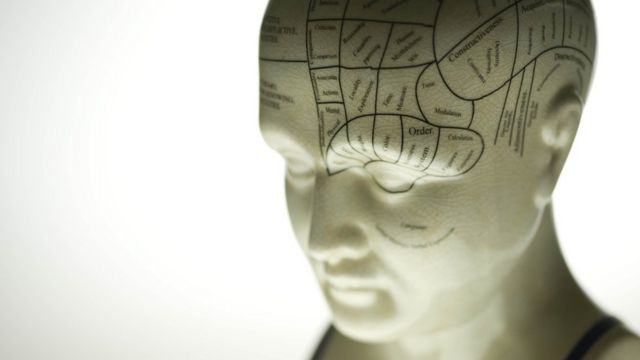
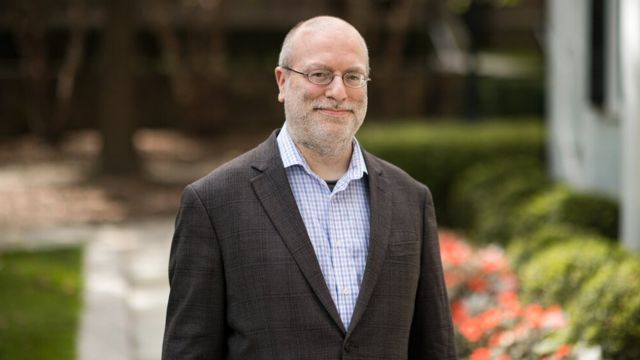




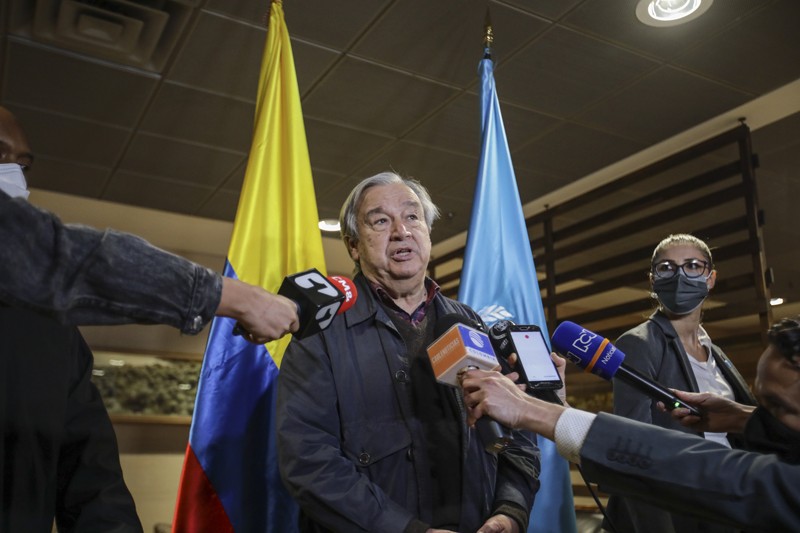

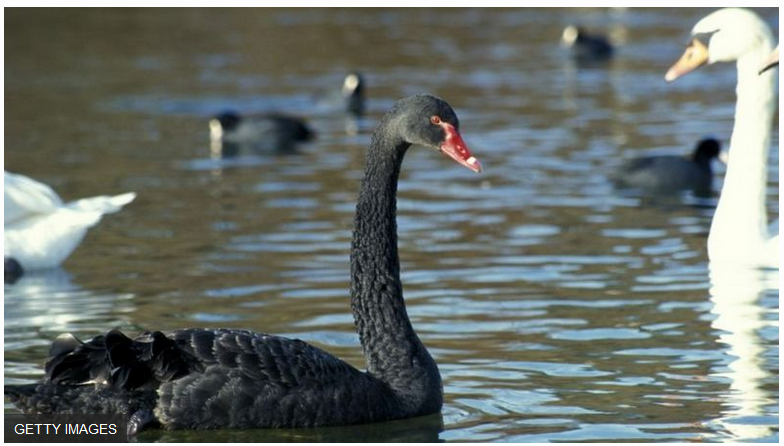


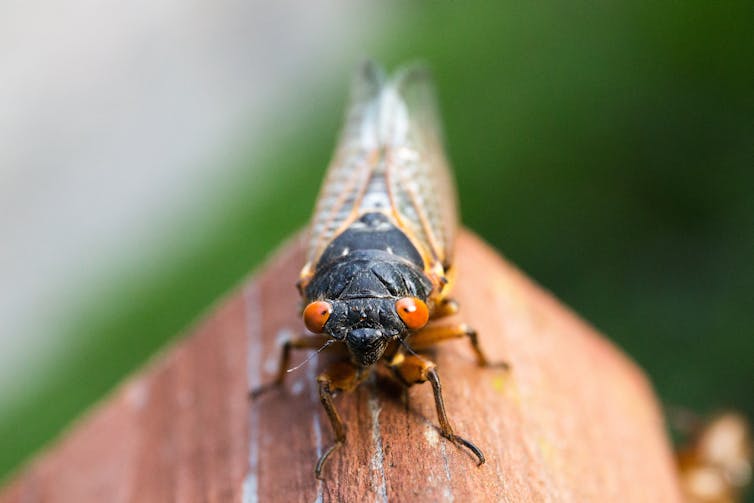
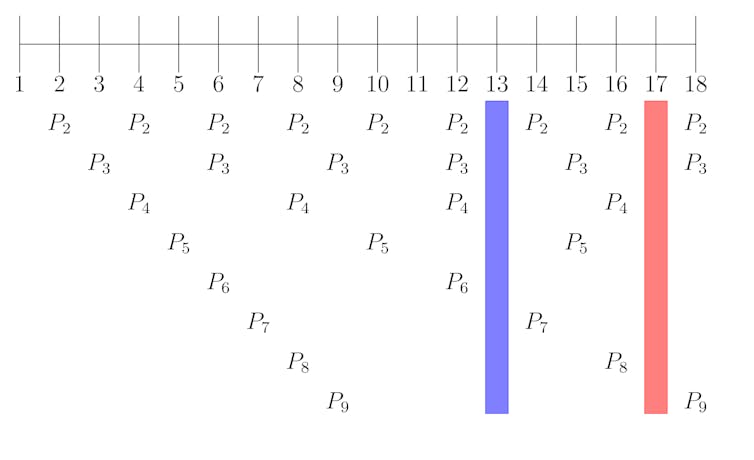


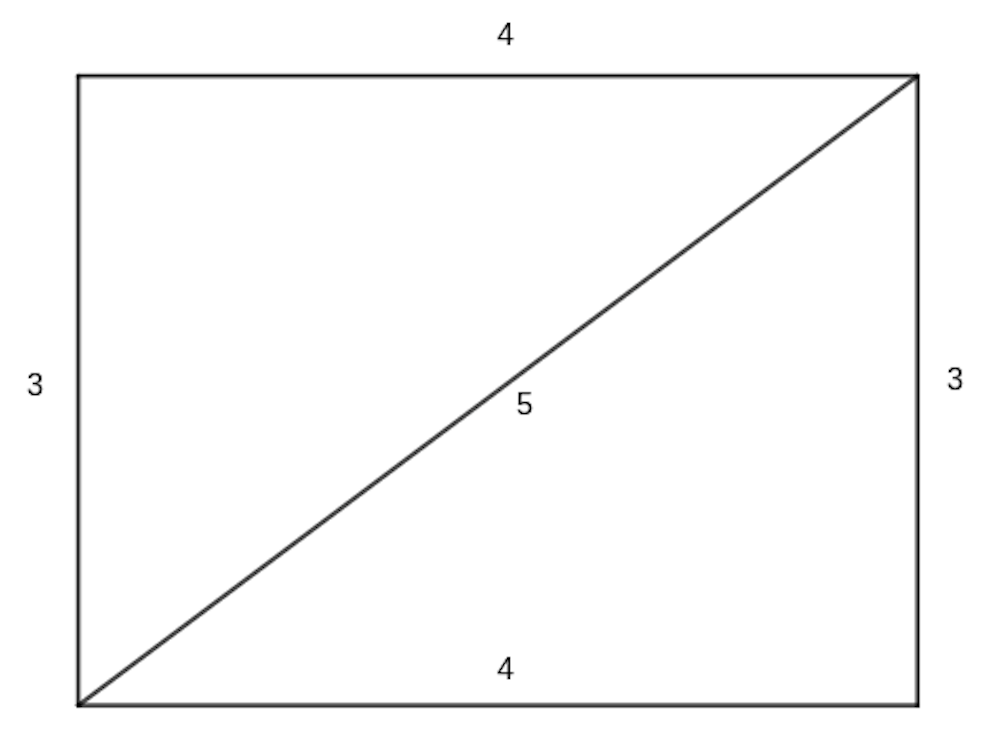



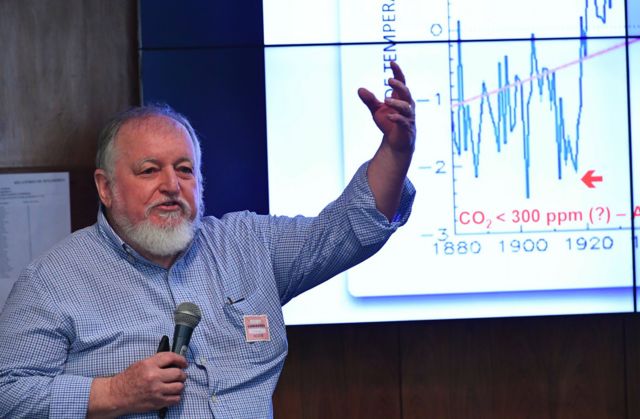


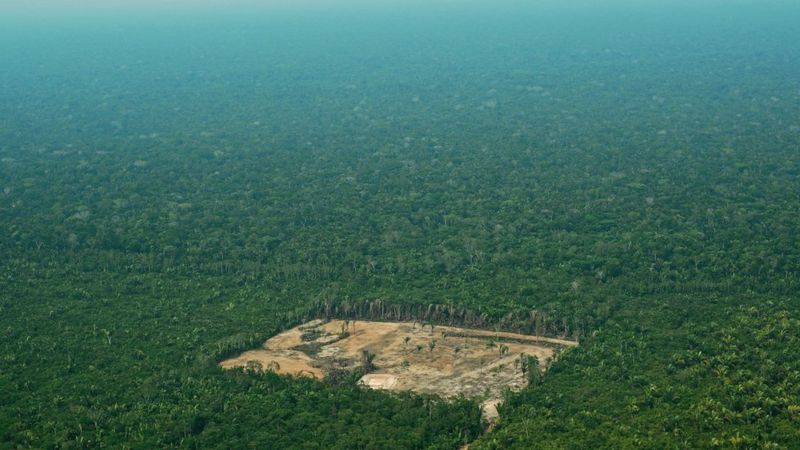

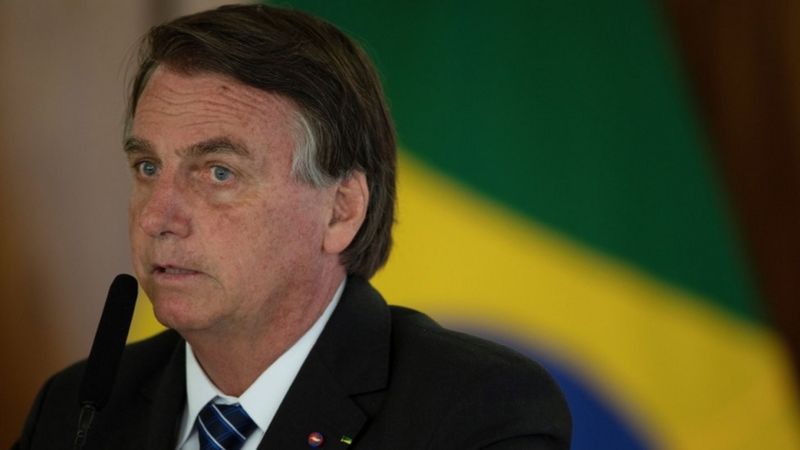
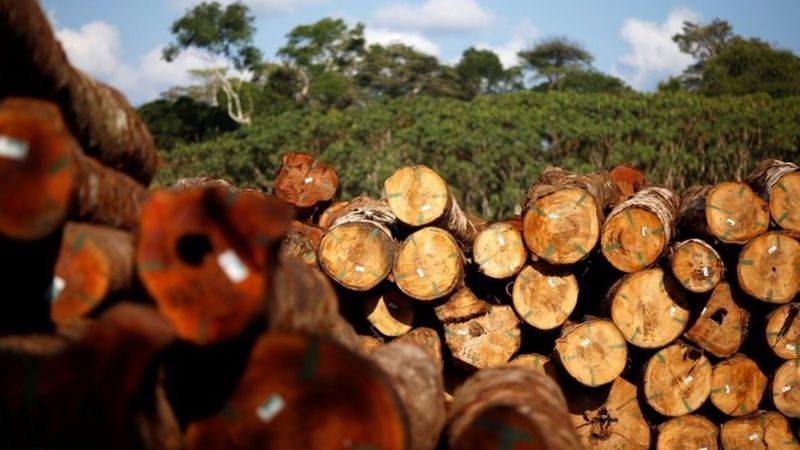
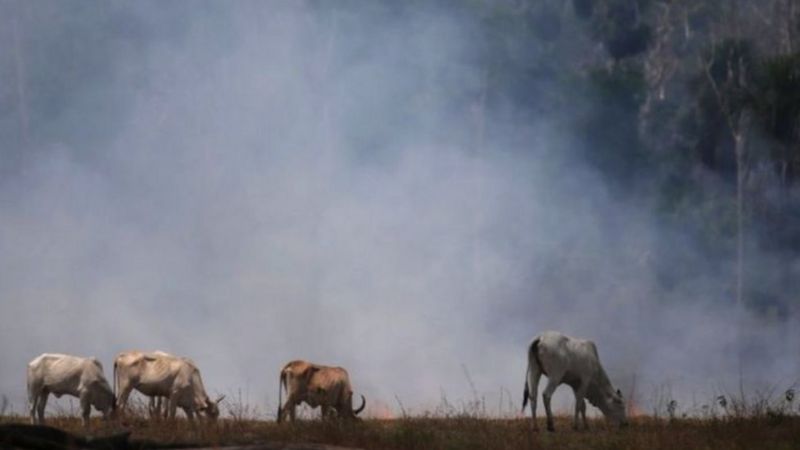


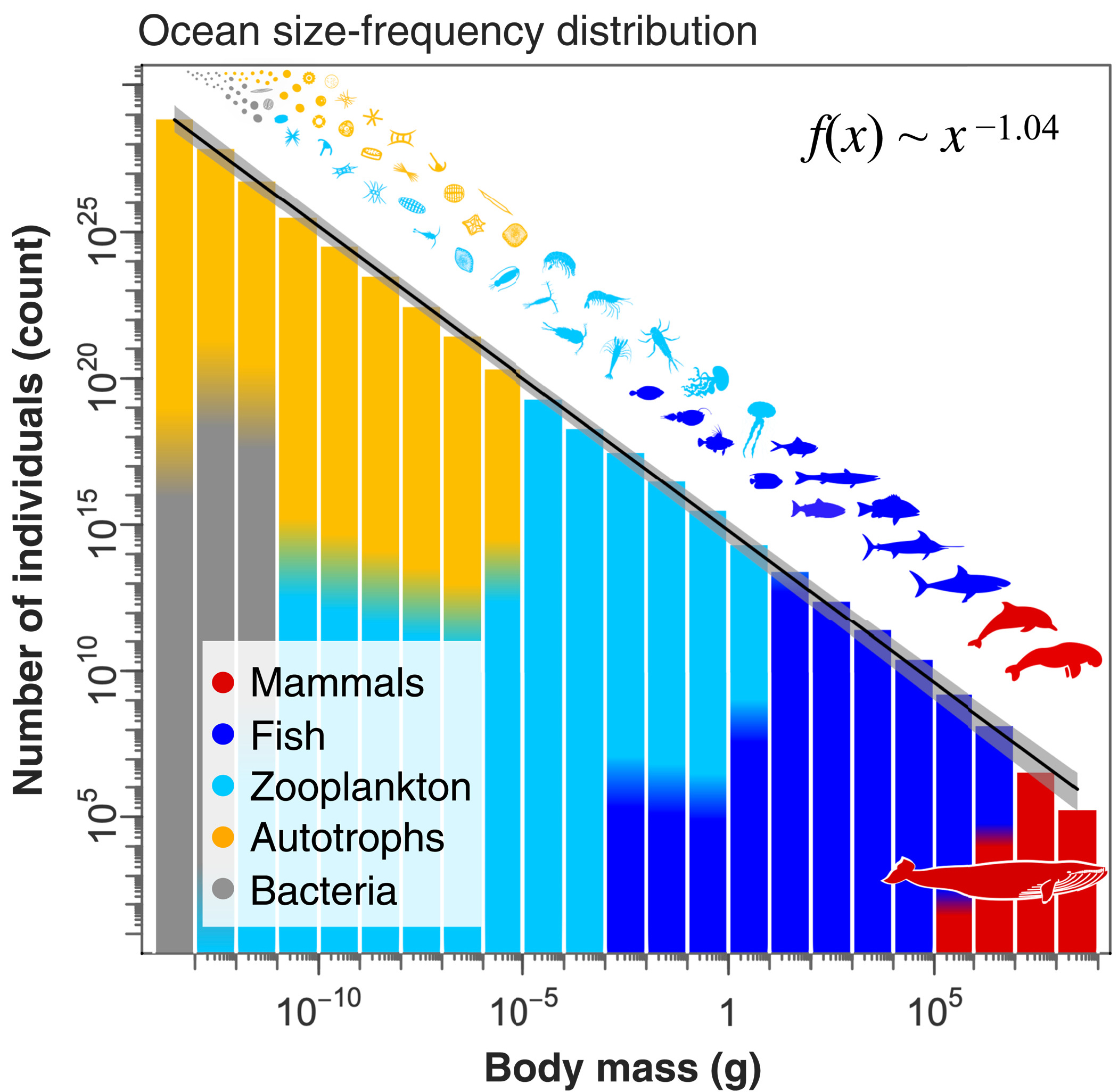 (Ian Hatton et al, Science Advances, 2021)
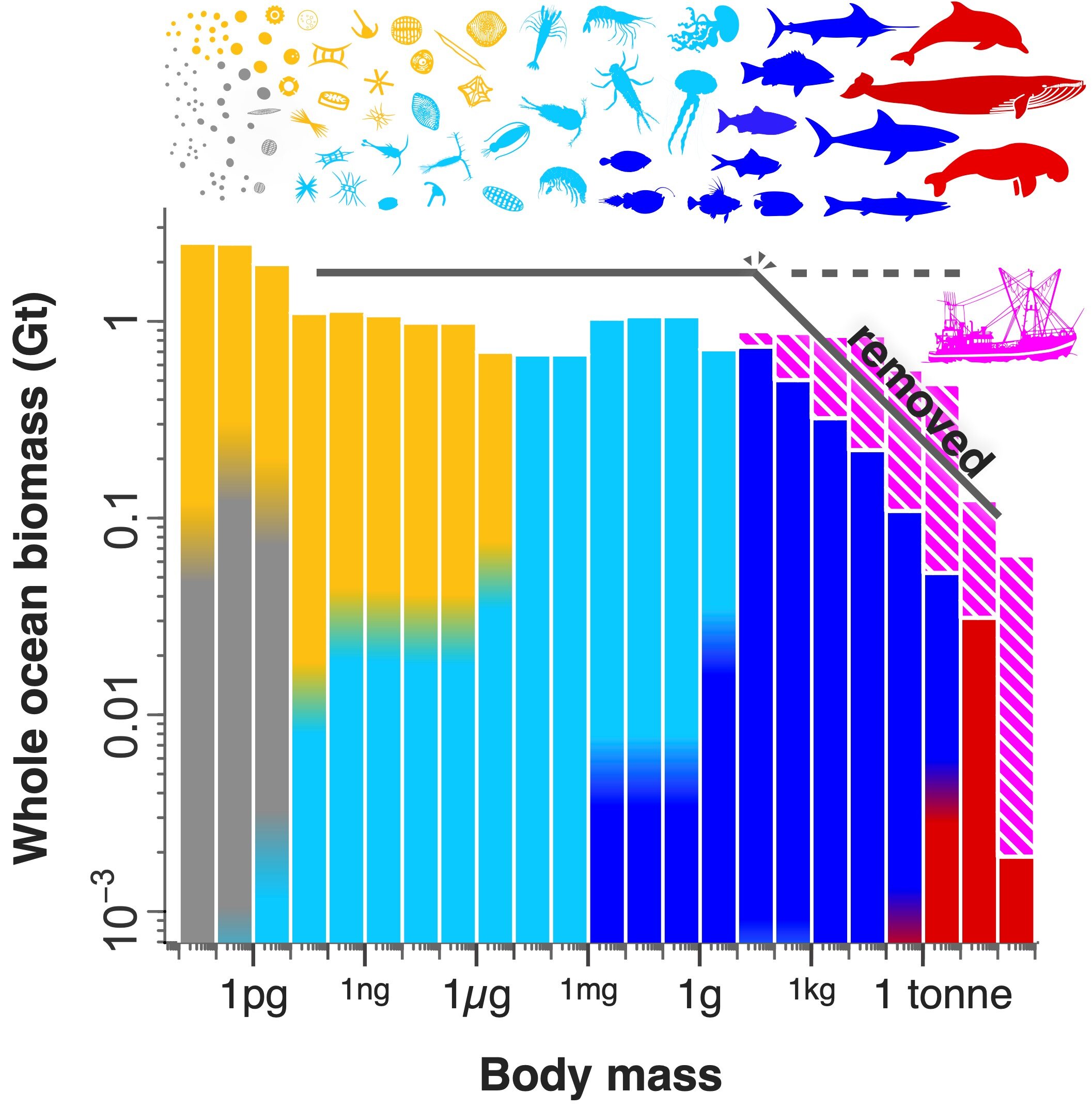 (Ian Hatton et al, Science Advances, 2021)
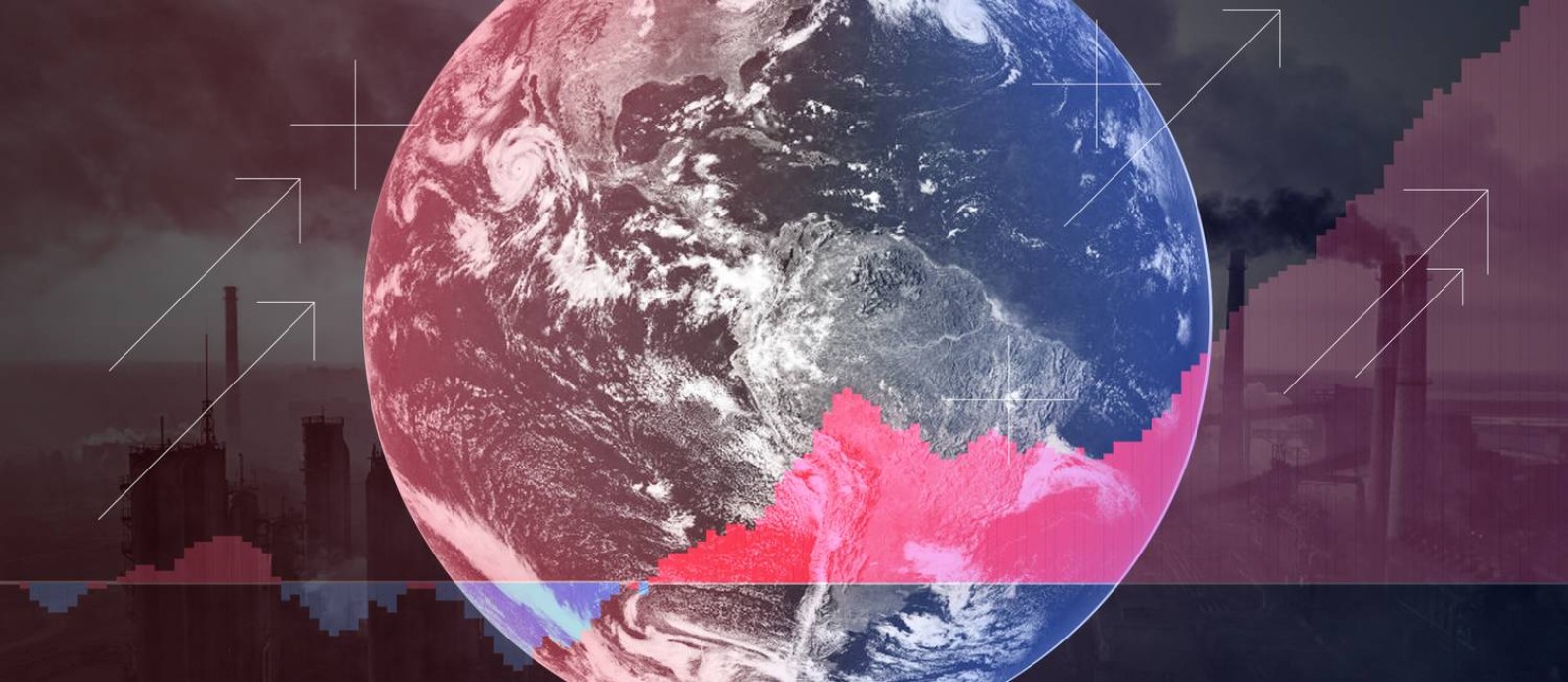

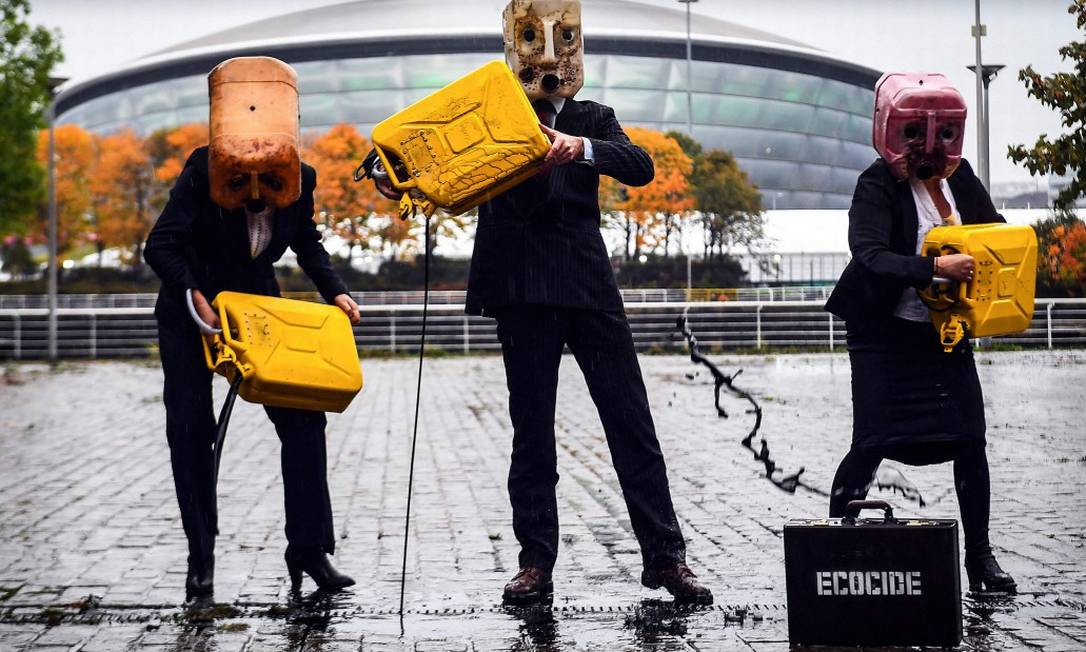
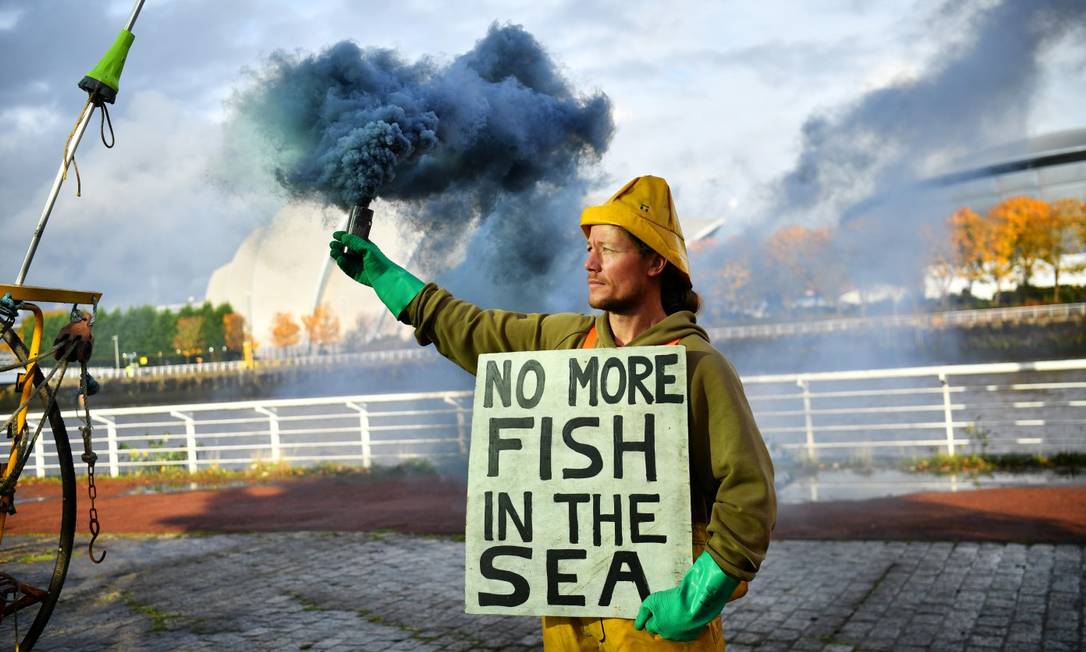
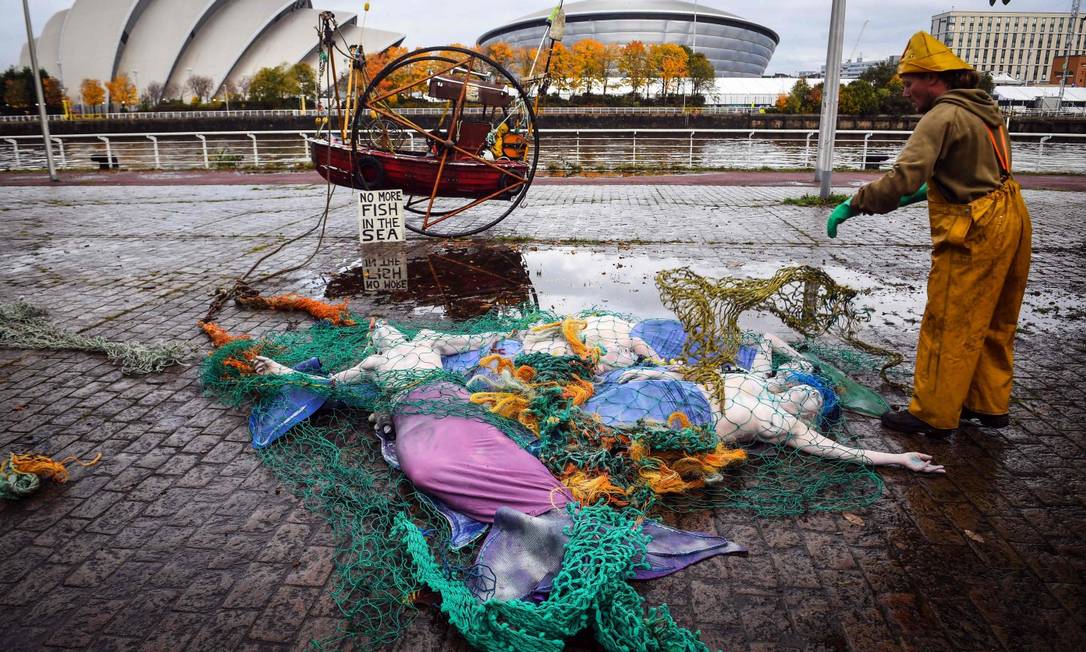
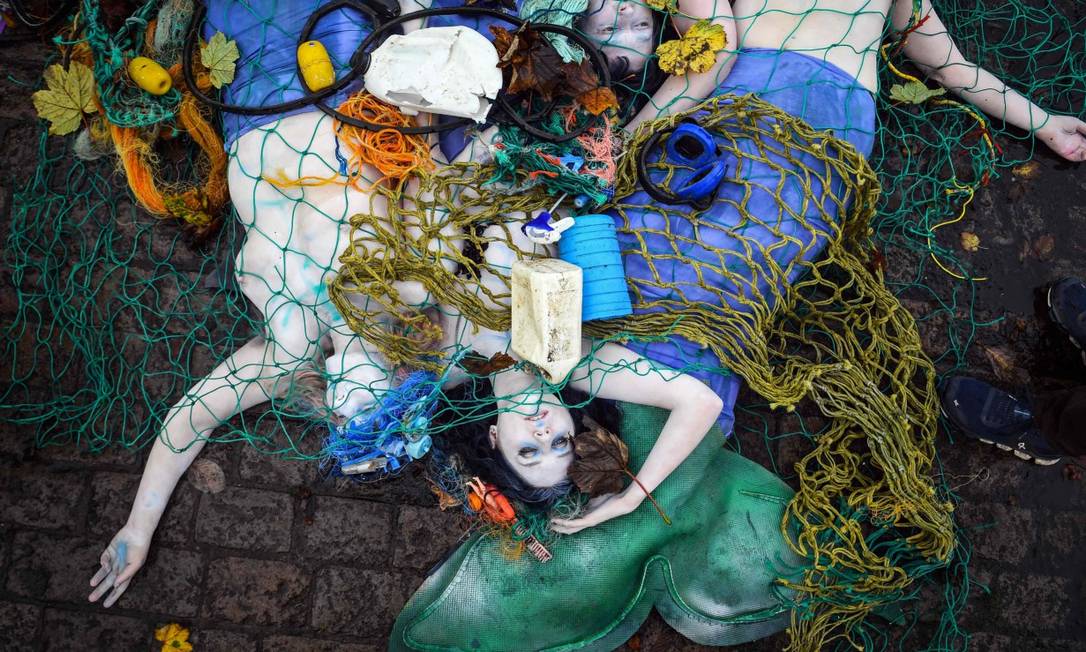
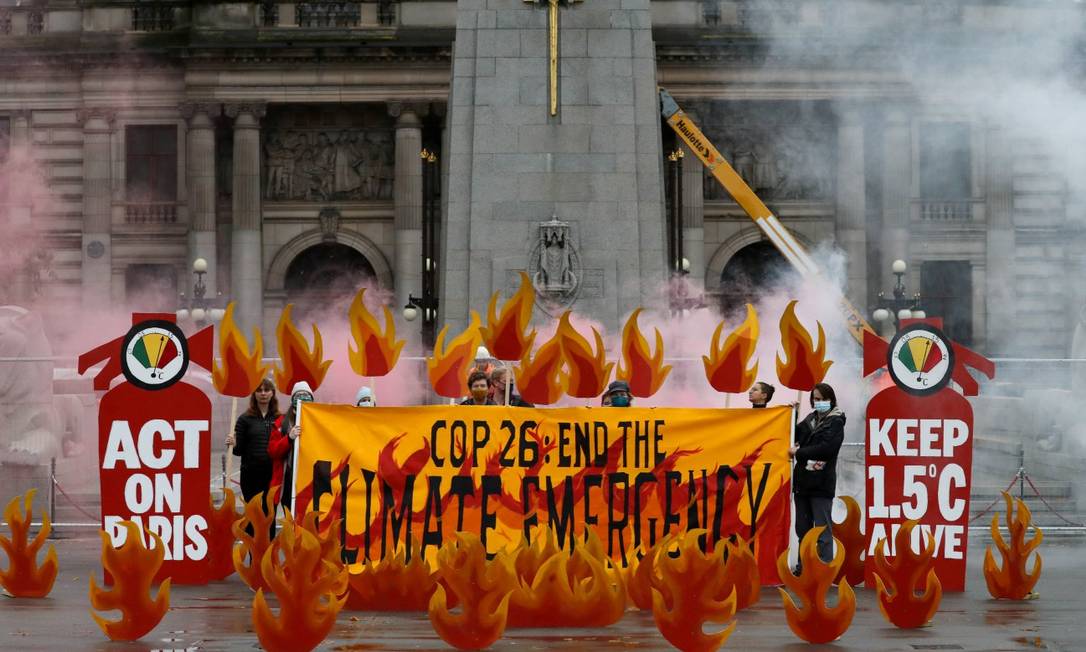
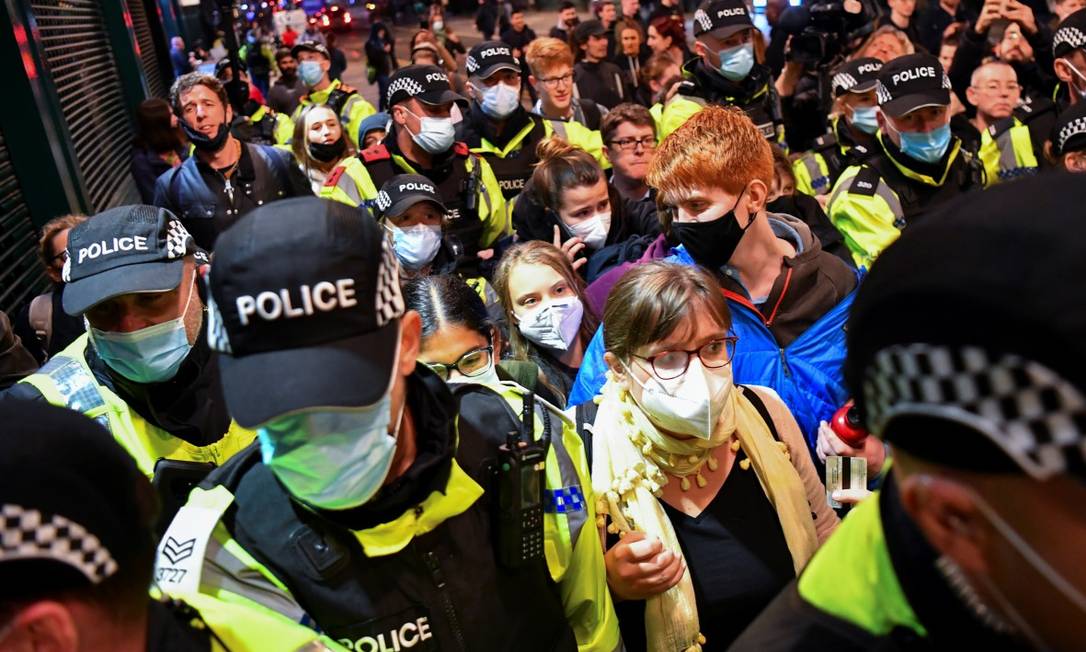
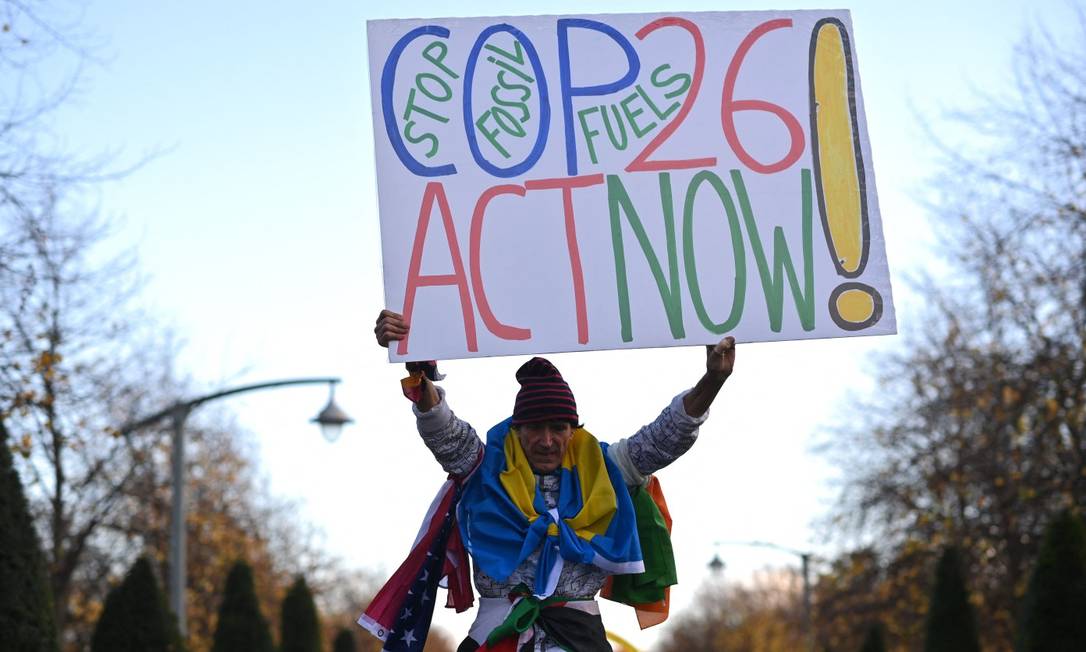


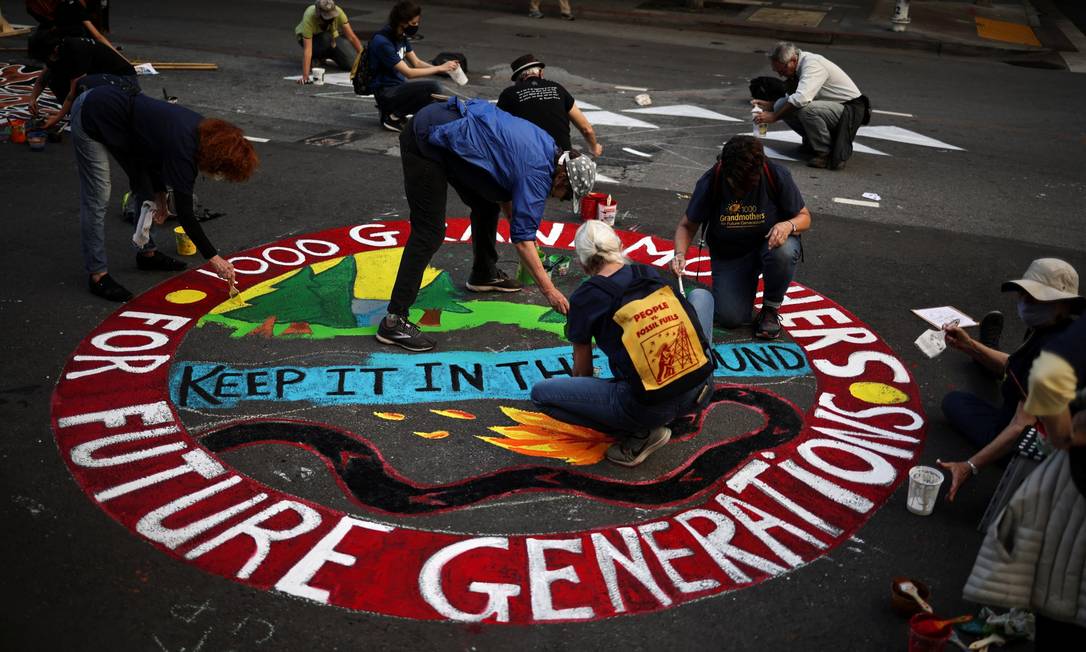


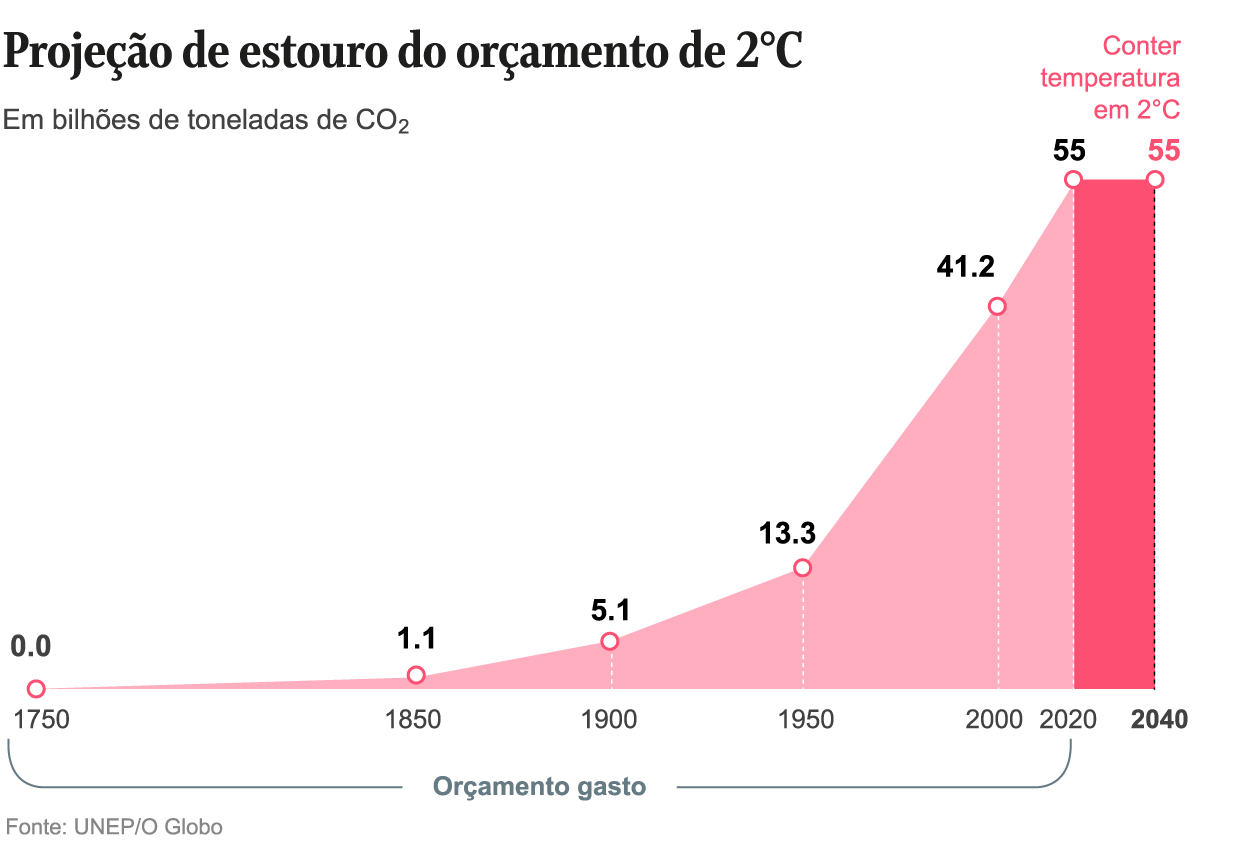


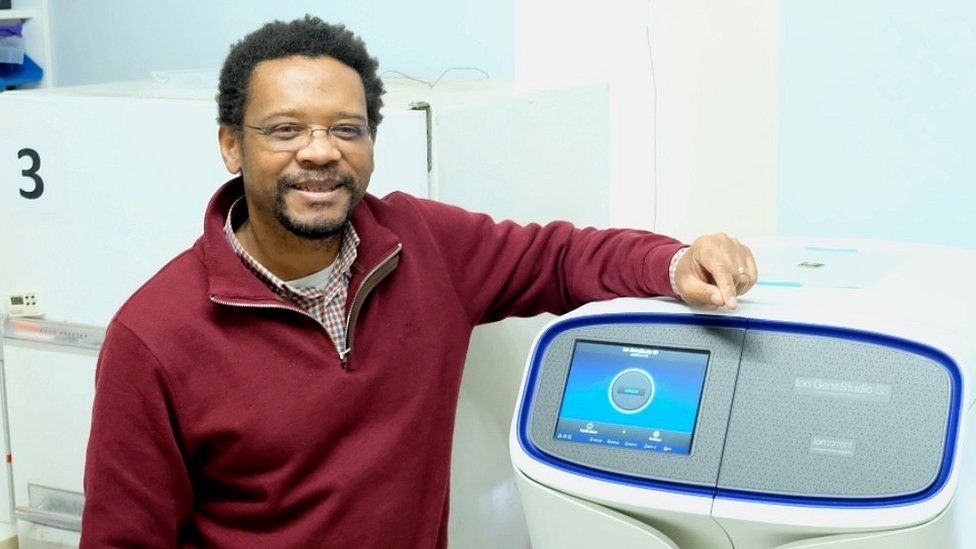

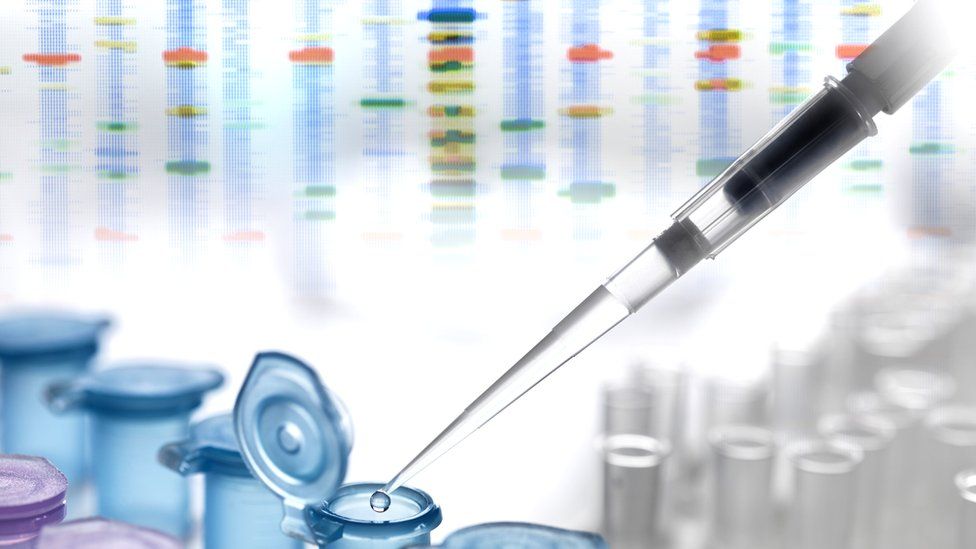
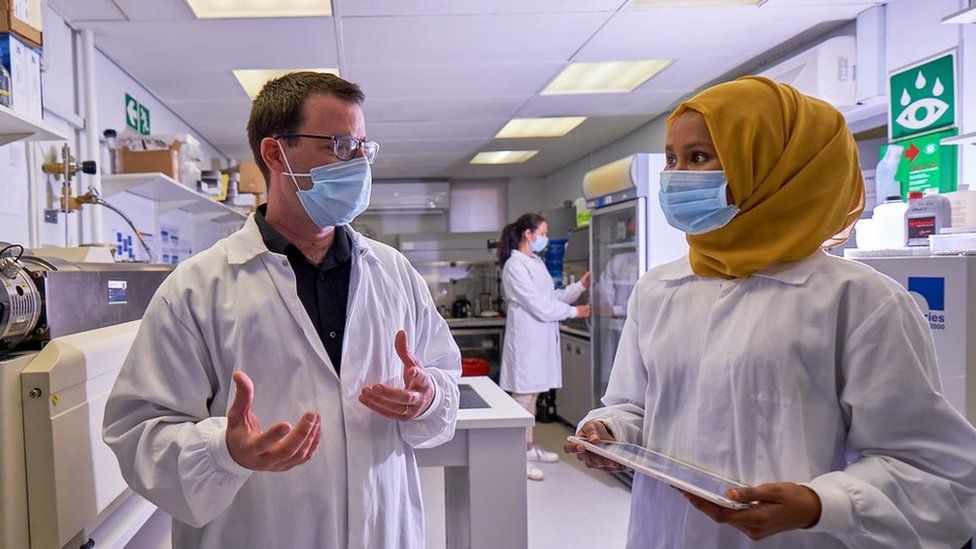
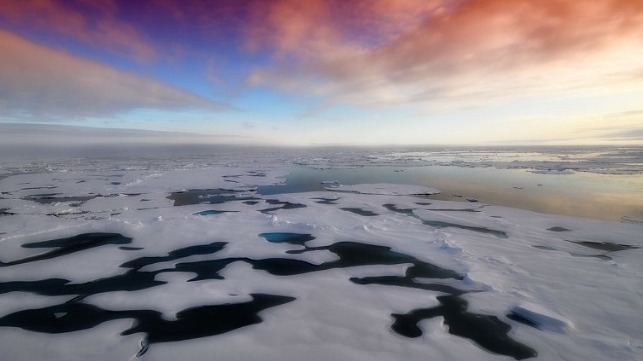


 Uma (in)certa antropologia
#/media/File:Homa_during_Sri_Thimmaraya_swamy_Pratishthapana..jpg)
Você precisa fazer login para comentar.