by Nicole Garner Meeker
Original photo by Verry R. Wibawa 09/ Shutterstock
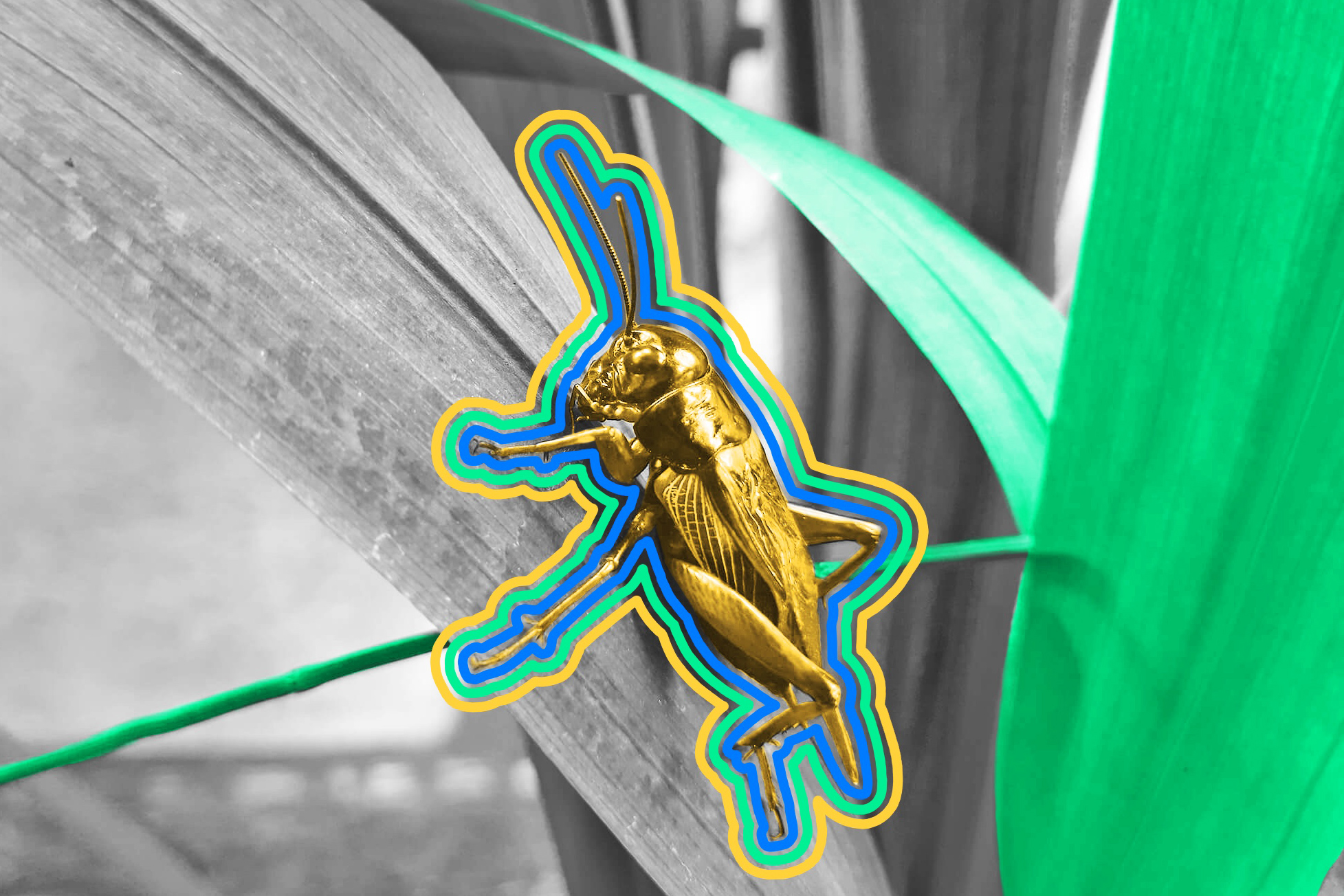
Physicist Amos E. Dolbear is known for his work on early telephones and other inventions, but an 1897 issue of The American Naturalist contained a different type of scientific contribution: the hypothesis that cricket chirps are linked to air temperature. Dolbear’s observations (likely of snowy tree crickets, or Oecanthus fultoni) led him to theorize that the frequency of their chirps increased with warmer weather, and slowed as the thermometer fell. Surely, the phenomenon could be used to “easily compute the temperature when the number of chirps per minute is known,” Dolbear wrote. Most entomologists now agree that his theory — called Dolbear’s Law — is pretty spot-on, thanks to how insects respond to environmental changes. As cold-blooded creatures, crickets are unable to regulate their body temperatures internally, relying on the sun’s heat to fuel their metabolisms and provide the energy they need. Warmer temperatures allow the six-legged critters to use more energy, allowing more of the chemical reactions in their bodies that produce muscle contractions (and thus chirps) to occur — which we hear in the form of faster-paced songs.
You can easily test Dolbear’s Law on the next warm, buzzing night. Tune in to one cricket’s song, count the number of chirps you hear in 15 seconds, and add 37 for an approximate forecast in degrees Fahrenheit. (If math isn’t your strong suit, the U.S. National Weather Service has a handy cricket chirp converter that also provides a Celsius conversion). There are some limitations to using a cricket temperature gauge, however: Most crickets won’t sing when temps dip below 55 degrees or when heat pushes the thermometer past 100. And while many crickets respond to temperature shifts this way, not all chirp at the same rate. Fortunately, the snowy tree cricket is widespread throughout the United States — where, perhaps unsurprisingly, it’s also known as the thermometer cricket.

