A ideia exposta no filme “Blade Runner”, de robôs com consciência, parece que se aproxima da realidade.
No Vale do Silício, o tema já é tratado como uma religião pelo movimento conhecido como transumanismo. É um bom momento para discutir a relação entre espiritualidade e ciência.
O Brasil, especialmente o mundo popular, é profundamente religioso. Ainda assim, mesmo leitores desta coluna que acreditam em Deus podem estranhar a ideia de misturar fé e ciência. Mas por que não? Se você acredita na existência de Deus e que a consciência é mais que o resultado de combinações aleatórias que produziram a vida, por que não pesquisar sobre isso?
Responder a essa pergunta se tornou a missão do psiquiatra brasileiro Alexander Moreira-Almeida (UFJF), fundador do Núcleo de Pesquisas em Espiritualidade e Saúde (Nupes). Seu trabalho, que investiga a relação entre espiritualidade e saúde mental, tem ganhado reconhecimento internacional.
Cena de “Blade Runner, O Caçador de Androides” – Divulgação
Neste ano, ele recebeu o Prêmio Oskar Pfister, concedido anualmente pela American Association of Psychiatry (APA) a pesquisadores que estudam temas na intersecção entre ciência e religião. O neurologista Oliver Sacks, o historiador Peter Gay e o filósofo Paul Ricoeur estão entre os agraciados de edições anteriores.
A força do trabalho de Alexander está no fato de ele produzir ciência dentro da universidade, com metodologia médica e atuação internacional. Ele foi coordenador da seção de saúde mental e espiritualidade da Associação Mundial de Psiquiatria e também se dedica à divulgação científica, publicando conteúdo acessível ao público não especializado.
No livro “Ciência da Vida após a Morte” (Springer, 2022), feito com dois coautores, ele alerta para a influência de uma ideologia dominante —o fisicalismo materialista— que considera a espiritualidade uma fantasia humana, embora a ciência jamais tenha provado que a consciência morre junto com o corpo físico.
A segunda parte da obra apresenta evidências empíricas que sugerem a possibilidade de sobrevivência dessa consciência. Entre os estudos analisados estão pesquisas sobre mediunidade, experiências de quase-morte e reencarnação.
Curioso? Na próxima semana você poderá fazer perguntas diretamente a Alexander. Ele participará de um debate com o diretor de Redação desta Folha, o jornalista Sérgio Dávila, e com a psicóloga Marta Helena de Freitas, professora da Universidade Católica de Brasília e presidente da International Association for the Psychology of Religion (IAPR).
O evento faz parte da série Conversas Difíceis, da qual sou curador. Será na segunda-feira (13), às 19h, no espaço Civi-co (rua Dr. Virgílio de Carvalho Pinto, 445 – Pinheiros, SP). A entrada é gratuita, mas as vagas são limitadas. Haverá transmissão ao vivo pelo canal do YouTube do Instituto Humanitas360.
O que mudaria se a ciência admitisse —e eventualmente comprovasse— que a vida não termina com o corpo? Como isso afetaria nossa visão de mundo e o modo como escolhemos viver e morrer?
In Brazil, the summer rainy season stretches from December into March. Daniel Ramalho/Getty Images
Rainstorms are a frequent occurrence in Rio de Janeiro’s tropical climate. Yet year after year, the Marvelous City defies meteorological forecasts and is blessed with dry weather and clear skies when it needs it the most, such as during its famed Carnival celebrations.
This, locals will tell you, is not the result of good luck, but the work of a weather-controlling spirit called Cacique Cobra Coral.
In Brazil, the spirit is widely credited with guaranteeing a clement climate during major events, including music festivals and presidential inaugurations. It is particularly well-known in Rio, where the mayor is said to have a long-running agreement with the Cacique Cobra Coral Foundation, an organization that claims to communicate with the spirit through a medium. Every year, as Carnival approaches, Cacique Cobra Coral pops up in conversations and on social media, as revelers hope the festivities will be spared the summer downpours.
The belief that a religious or spiritual entity has the power to control the weather is widespread in Brazil, where there is “a ritualized understanding of nature,” says Renzo Taddei, an associate professor of anthropology at the Federal University of São Paulo who has studied the Foundation. In the Afro-Brazilian religion Umbanda, which blends Indigenous beliefs with African traditions, caboclos are the spirits of Indigenous elders who return through a medium to provide help or guidance to supplicants. The Cacique Cobra Coral—whose title cacique means “Indigenous chief” in Portuguese—belongs to this spiritual tradition, says Taddei.
Umbanda is a syncretic religion that combines African and Indigenous beliefs. Pulsar Imagens/Alamy
What sets the Cacique Cobra Coral apart—and contributes to its fame—is the exposure that its meteorological feats have gained in the press. Then there’s the fact that both public bodies and private companies sign contracts with the mysterious Cacique Cobra Coral Foundation to ensure good weather.
“Cacique Cobra Coral arrives in Rio for the G20 ‘to avert embarrassment,’” read one recent headline in a Brazilian newspaper. “Medium from the Cacique Cobra Coral Foundation has agreement with [São Paulo] city hall,” reads another, from 2009, describing how the rain stopped for a papal visit. The spirit even works internationally: it was reportedly hired by an unnamed billionaire to clear the skies for Prince Harry and Meghan Markle’s wedding in 2018 and for the 2012 London Olympics. In 1987, the Cacique Cobra Coral Foundation told British newspaper The Guardian that it had offered its services to Margaret Thatcher to end a cold spell. The then-prime minister never replied, but the Foundation still claimed credit for a rise in temperatures.
Cesar Maia, the former mayor of Rio who started the city’s now-legendary relationship with the Foundation, publicly credited the organization for sparing Rio from floods during his two terms in office between 2001 and 2008. The Foundation was also hired to ensure clear skies for the Rock in Rio music festival, according to businessman and festival founder Roberto Medina’s 2006 biography.
Rio local Bruno Simas admits he is not familiar with the specifics of the spirit’s workings, but has faith in its ability to alter the weather. “People say, let’s ask for Cacique Cobra Coral’s help so that it doesn’t rain during Carnival. I like to believe in this, to direct my energy towards this,” he says.
Rio de Janeiro’s relationship with Cacique Cobra Coral began during the tenure of former mayor Cesar Maia (second from left). Imago/Alamy
For the initiated, the Cacique has a rich history. Originally, they believe, the Cacique was an Indigenous North American. “In the spiritualist line of thought, people say that the Cacique Cobra Coral is an incarnation who went through various stages throughout civilization. Some say he was Galileo Galilei, that he then incarnated as Abraham Lincoln,” says Luiz Antonio Simas (no relation), a historian and prolific author who writes about Brazilian beliefs and popular culture. “That’s the belief, that he is a spirit who has already been present in countless manifestations and that today advises a medium.”
Said medium is Adelaide Scritori, president of the Cacique Cobra Coral Foundation. According to Osmar Santos, Scritori’s husband and the Foundation spokesperson, Scritori channels the spirit’s powers to make atmospheric changes over small areas, such as diverting a cold front to cause or prevent rain. Santos also says that Scritori consults meteorologists on what exactly needs to occur. “We call this a climate operation,” he says “Each one is carried out with advice from a scientist, who follows the operation from start to finish.”
Although the Cacique is best known for guaranteeing sunny skies for entertainment, Santos says the spirit only interferes for the greater good. He also claims that the organization is contacted more and more these days, due to the extreme effects of climate change.
The organization is described as “peculiar” by those who have studied it, but few dismiss it entirely. In his 2017 book Meteorologists and Rain Prophets, Taddei recounted a conversation with a respected meteorologist about his first contact with Santos, in the 1980s. “One day, someone called him and asked him what would need to be done to stop a cold front coming from Argentina and prevent it from entering Rio Grande do Sul. At first, he didn’t take it seriously,” Taddei wrote. The caller was Santos. “The meteorologist made some calculations and argued that, if the atmospheric pressure above the state was to rise, the cold front would probably lose its force. The next day, the atmospheric pressure rose, and the cold front dissipated.” The meteorologist went on to work for the Foundation.
This marriage of the scientific and the supernatural might seem mystifying from a Western perspective, but this is perfectly acceptable in Brazil where there isn’t such an entrenched distinction between the two, Taddei argues. “The hostile opposition between religion and science is a part of colonialism,” he says. “It makes no sense in Brazil.” This reasoning is part of why Cacique Cobra Coral is generally accepted. When questioned in a 2013 documentary if it was contradictory to be a Catholic and believe in a spirit’s meteorological powers, Cesar Maia, the former mayor, simply replied, “I am Brazilian.”
The Foundation’s relationship with public bodies inevitably raises both eyebrows and questions about the improper use of taxpayers’ money. (Santos assures me that state bodies do not pay money for the Cacique’s work, but in exchange must keep the Foundation informed about environmental works carried out to prevent or mitigate climate catastrophes.) But this is not the only example of Brazilian authorities turning to the supernatural for help.
In 1998, officials from the government’s Indigenous agency flew two Kayapó shamans to perform a ritual in the Amazon state of Roraima, where uncontrollable fires had been raging for over 60 days. It finally rained the day after, and the downpour put out most of the fires. In a subsequent inquiry, the Brazilian Senate did not rule out the possibility that the shamanic ritual had caused the rains. More recently, as torrential rain fell on the Catholic World Youth Day gathering in 2013, Rio City Hall gifted a basket of eggs to the nuns of Saint Clare, a gesture that can clear rains according to Portuguese Catholic traditions. Coincidentally, the stormy weather eased off.
For many people, these tales inhabit a murky area between myth and reality. Ultimately, the belief that the Cacique Cobra Coral can chase away the rains is a part of what the historian Simas calls brasilidades, or ‘brazilianisms.’ These, he says, are “a broad, symbolic grouping of elements from Brazil’s [different] cultures, which involve beliefs, spirituality [and] a relation with the mysterious.” Many Brazilians, from Carnival-goers to elected political leaders, prefer not to question them too deeply.
“I think anything is possible,” says Rio resident Julianna Paes on the sidelines of a sunny Carnival rehearsal. “I don’t pray to [Cacique Cobra Coral]. But if the mayor has an agreement with it, then great, because it looks like it’s working.”
Patient One was 24 years old and pregnant with her third child when she was taken off life support. It was 2014. A couple of years earlier, she had been diagnosed with a disorder that caused an irregular heartbeat, and during her two previous pregnancies she had suffered seizures and faintings. Four weeks into her third pregnancy, she collapsed on the floor of her home. Her mother, who was with her, called 911. By the time an ambulance arrived, Patient One had been unconscious for more than 10 minutes. Paramedics found that her heart had stopped.
After being driven to a hospital where she couldn’t be treated, Patient One was taken to the emergency department at the University of Michigan. There, medical staff had to shock her chest three times with a defibrillator before they could restart her heart. She was placed on an external ventilator and pacemaker, and transferred to the neurointensive care unit, where doctors monitored her brain activity. She was unresponsive to external stimuli, and had a massive swelling in her brain. After she lay in a deep coma for three days, her family decided it was best to take her off life support. It was at that point – after her oxygen was turned off and nurses pulled the breathing tube from her throat – that Patient One became one of the most intriguing scientific subjects in recent history.
For several years, Jimo Borjigin, a professor of neurology at the University of Michigan, had been troubled by the question of what happens to us when we die. She had read about the near-death experiences of certain cardiac-arrest survivors who had undergone extraordinary psychic journeys before being resuscitated. Sometimes, these people reported travelling outside of their bodies towards overwhelming sources of light where they were greeted by dead relatives. Others spoke of coming to a new understanding of their lives, or encountering beings of profound goodness. Borjigin didn’t believe the content of those stories was true – she didn’t think the souls of dying people actually travelled to an afterworld – but she suspected something very real was happening in those patients’ brains. In her own laboratory, she had discovered that rats undergo a dramatic storm of many neurotransmitters, including serotonin and dopamine, after their hearts stop and their brains lose oxygen. She wondered if humans’ near-death experiences might spring from a similar phenomenon, and if it was occurring even in people who couldn’t be revived.
Dying seemed like such an important area of research – we all do it, after all – that Borjigin assumed other scientists had already developed a thorough understanding of what happens to the brain in the process of death. But when she looked at the scientific literature, she found little enlightenment. “To die is such an essential part of life,” she told me recently. “But we knew almost nothing about the dying brain.” So she decided to go back and figure out what had happened inside the brains of people who died at the University of Michigan neurointensive care unit. Among them was Patient One.
At the time Borjigin began her research into Patient One, the scientific understanding of death had reached an impasse. Since the 1960s, advances in resuscitation had helped to revive thousands of people who might otherwise have died. About 10% or 20% of those people brought with them stories of near-death experiences in which they felt their souls or selves departing from their bodies. A handful of those patients even claimed to witness, from above, doctors’ attempts to resuscitate them. According to several international surveys and studies, one in 10 people claims to have had a near-death experience involving cardiac arrest, or a similar experience in circumstances where they may have come close to death. That’s roughly 800 million souls worldwide who may have dipped a toe in the afterlife.
As remarkable as these near-death experiences sounded, they were consistent enough that some scientists began to believe there was truth to them: maybe people really did have minds or souls that existed separately from their living bodies. In the 1970s, a small network of cardiologists, psychiatrists, medical sociologists and social psychologists in North America and Europe began investigating whether near-death experiences proved that dying is not the end of being, and that consciousness can exist independently of the brain. The field of near-death studies was born.
Over the next 30 years, researchers collected thousands of case reports of people who had had near-death experiences. Meanwhile, new technologies and techniques were helping doctors revive more and more people who, in earlier periods of history, would have almost certainly been permanently deceased. “We are now at the point where we have both the tools and the means to scientifically answer the age-old question: What happens when we die?” wrote Sam Parnia, an accomplished resuscitation specialist and one of the world’s leading experts on near-death experiences, in 2006. Parnia himself was devising an international study to test whether patients could have conscious awareness even after they were found clinically dead.
But by 2015, experiments such as Parnia’s had yielded ambiguous results, and the field of near-death studies was not much closer to understanding death than it had been when it was founded four decades earlier. That’s when Borjigin, together with several colleagues, took the first close look at the record of electrical activity in the brain of Patient One after she was taken off life support. What they discovered – in results reported for the first time last year – was almost entirely unexpected, and has the potential to rewrite our understanding of death.
“I believe what we found is only the tip of a vast iceberg,” Borjigin told me. “What’s still beneath the surface is a full account of how dying actually takes place. Because there’s something happening in there, in the brain, that makes no sense.”
For all that science has learned about the workings of life, death remains among the most intractable of mysteries. “At times I have been tempted to believe that the creator has eternally intended this department of nature to remain baffling, to prompt our curiosities and hopes and suspicions all in equal measure,” the philosopher William James wrote in 1909.
The first time that the question Borjigin began asking in 2015 was posed – about what happens to the brain during death – was a quarter of a millennium earlier. Around 1740, a French military physician reviewed the case of a famous apothecary who, after a “malign fever” and several blood-lettings, fell unconscious and thought he hadtravelled to the Kingdom of the Blessed. The physician speculated that the apothecary’s experience had been caused by a surge of blood to the brain. But between that early report and the mid-20th century, scientific interest in near-death experiences remained sporadic.
In 1892, the Swiss climber and geologist Albert Heim collected the first systematic accounts of near-death experiences from 30 fellow climbers who had suffered near-fatal falls. In many cases, the climbers underwent a sudden review of their entire past, heard beautiful music, and “fell in a superbly blue heaven containing roseate cloudlets”, Heim wrote. “Then consciousness was painlessly extinguished, usually at the moment of impact.” There were a few more attempts to do research in the early 20th century, but little progress was made in understanding near-death experiences scientifically. Then, in 1975, an American medical student named Raymond Moody published a book called Life After Life.
Photograph: Getty Images/Blend Images
In his book, Moody distilled the reports of 150 people who had had intense, life-altering experiences in the moments surrounding a cardiac arrest. Although the reports varied, he found that they often shared one or more common features or themes. The narrative arc of the most detailed of those reports – departing the body and travelling through a long tunnel, having an out-of-body experience, encountering spirits and a being of light, one’s whole life flashing before one’s eyes, and returning to the body from some outer limit – became so canonical that the art critic Robert Hughes could refer to it years later as “the familiar kitsch of near-death experience”. Moody’s book became an international bestseller.
In 1976, the New York Times reported on the burgeoning scientific interest in “life after death” and the “emerging field of thanatology”. The following year, Moody and several fellow thanatologists founded an organisation that became the International Association for Near-Death Studies. In 1981, they printed the inaugural issue of Vital Signs, a magazine for the general reader that was largely devoted to stories of near-death experiences. The following year they began producing the field’s first peer-reviewed journal, which became the Journal of Near-Death Studies. The field was growing, and taking on the trappings of scientific respectability. Reviewing its rise in 1988, the British Journal of Psychiatry captured the field’s animating spirit: “A grand hope has been expressed that, through NDE research, new insights can be gained into the ageless mystery of human mortality and its ultimate significance, and that, for the first time, empirical perspectives on the nature of death may be achieved.”
But near-death studies was already splitting into several schools of belief, whose tensions continue to this day. One influential camp was made up of spiritualists, some of them evangelical Christians, who were convinced that near-death experiences were genuine sojourns in the land of the dead and divine. As researchers, the spiritualists’ aim was to collect as many reports of near-death experience as possible, and to proselytise society about the reality of life after death. Moody was their most important spokesman; he eventually claimed to have had multiple past lives and built a “psychomanteum” in rural Alabama where people could attempt to summon the spirits of the dead by gazing into a dimly lit mirror.
The second, and largest, faction of near-death researchers were the parapsychologists, those interested in phenomena that seemed to undermine the scientific orthodoxy that the mind could not exist independently of the brain. These researchers, who were by and large trained scientists following well established research methods, tended to believe that near-death experiences offered evidence that consciousness could persist after the death of the individual. Many of them were physicians and psychiatrists who had been deeply affected after hearing the near-death stories of patients they had treated in the ICU. Their aim was to find ways to test their theories of consciousness empirically, and to turn near-death studies into a legitimate scientific endeavour.
Finally, there emerged the smallest contingent of near-death researchers, who could be labelled the physicalists. These were scientists, many of whom studied the brain, who were committed to a strictly biological account of near-death experiences. Like dreams, the physicalists argued, near-death experiences might reveal psychological truths, but they did so through hallucinatory fictions that emerged from the workings of the body and the brain. (Indeed, many of the states reported by near-death experiencers can apparently be achieved by taking a hero’s dose of ketamine.) Their basic premise was: no functioning brain means no consciousness, and certainly no life after death. Their task, which Borjigin took up in 2015, was to discover what was happening during near-death experiences on a fundamentally physical level.
Slowly, the spiritualists left the field of research for the loftier domains of Christian talk radio, and the parapsychologists and physicalists started bringing near-death studies closer to the scientific mainstream. Between 1975, when Moody published Life After Life, and 1984, only 17 articles in the PubMed database of scientific publications mentioned near-death experiences. In the following decade, there were 62. In the most recent 10-year span, there were 221. Those articles have appeared everywhere from the Canadian Urological Association Journal to the esteemed pages of The Lancet.
Today, there is a widespread sense throughout the community of near-death researchers that we are on the verge of great discoveries. Charlotte Martial, a neuroscientist at the University of Liège in Belgium who has done some of the best physicalist work on near-death experiences, hopes we will soon develop a new understanding of the relationship between the internal experience of consciousness and its outward manifestations, for example in coma patients. “We really are in a crucial moment where we have to disentangle consciousness from responsiveness, and maybe question every state that we consider unconscious,” she told me. Parnia, the resuscitation specialist, who studies the physical processes of dying but is also sympathetic to a parapsychological theory of consciousness, has a radically different take on what we are poised to find out. “I think in 50 or 100 years time we will have discovered the entity that is consciousness,” he told me. “It will be taken for granted that it wasn’t produced by the brain, and it doesn’t die when you die.”
If the field of near-death studies is at the threshold of new discoveries about consciousness and death, it is in large part because of a revolution in our ability to resuscitate people who have suffered cardiac arrest. Lance Becker has been a leader in resuscitation science for more than 30 years. As a young doctor attempting to revive people through CPR in the mid-1980s, senior physicians would often step in to declare patients dead. “At a certain point, they would just say, ‘OK, that’s enough. Let’s stop. This is unsuccessful. Time of death: 1.37pm,’” he recalled recently. “And that would be the last thing. And one of the things running through my head as a young doctor was, ‘Well, what really happened at 1.37?’”
In a medical setting, “clinical death” is said to occur at the moment the heart stops pumping blood, and the pulse stops. This is widely known as cardiac arrest. (It is different from a heart attack, in which there is a blockage in a heart that’s still pumping.) Loss of oxygen to the brain and other organs generally follows within seconds or minutes, although the complete cessation of activity in the heart and brain – which is often called “flatlining” or, in the case of the latter, “brain death” – may not occur for many minutes or even hours.
For almost all people at all times in history, cardiac arrest was basically the end of the line. That began to change in 1960, when the combination of mouth-to-mouth ventilation, chest compressions and external defibrillation known as cardiopulmonary resuscitation, or CPR, was formalised. Shortly thereafter, a massive campaign was launched to educate clinicians and the public on CPR’s basic techniques, and soon people were being revived in previously unthinkable, if still modest, numbers.
As more and more people were resuscitated, scientists learned that, even in its acute final stages, death is not a point, but a process. After cardiac arrest, blood and oxygen stop circulating through the body, cells begin to break down, and normal electrical activity in the brain gets disrupted. But the organs don’t fail irreversibly right away, and the brain doesn’t necessarily cease functioning altogether. There is often still the possibility of a return to life. In some cases, cell death can be stopped or significantly slowed, the heart can be restarted, and brain function can be restored. In other words, the process of death can be reversed.
It is no longer unheard of for people to be revived even six hours after being declared clinically dead. In 2011, Japanese doctors reported the case of a young woman who was found in a forest one morning after an overdose stopped her heart the previous night; using advanced technology to circulate blood and oxygen through her body, the doctors were able to revive her more than six hours later, and she was able to walk out of the hospital after three weeks of care. In 2019, a British woman named Audrey Schoeman who was caught in a snowstorm spent six hours in cardiac arrest before doctors brought her back to life with no evident brain damage.
“I don’t think there’s ever been a more exciting time for the field,” Becker told me. “We’re discovering new drugs, we’re discovering new devices, and we’re discovering new things about the brain.”
The brain – that’s the tricky part. In January 2021, as the Covid-19 pandemic was surging toward what would become its deadliest week on record, Netflix released a documentary series called Surviving Death. In the first episode, some of near-death studies’ most prominent parapsychologists presented the core of their arguments for why they believe near-death experiences show that consciousness exists independently of the brain. “When the heart stops, within 20 seconds or so, you get flatlining, which means no brain activity,” Bruce Greyson, an emeritus professor of psychiatry at the University of Virginia and one of the founding members of the International Association for Near-Death Studies, says in the documentary. “And yet,” he goes on to claim, “people have near-death experiences when they’ve been (quote) ‘flatlined’ for longer than that.”
That is a key tenet of the parapsychologists’ arguments: if there is consciousness without brain activity, then consciousness must dwell somewhere beyond the brain. Some of the parapsychologists speculate that it is a “non-local” force that pervades the universe, like electromagnetism. This force is received by the brain, but is not generated by it, the way a television receives a broadcast.
In order for this argument to hold, something else has to be true: near-death experiences have to happen during death, after the brain shuts down. To prove this, parapsychologists point to a number of rare but astounding cases known as “veridical” near-death experiences, in which patients seem to report details from the operating room that they might have known only if they had conscious awareness during the time that they were clinically dead. Dozens of such reports exist. One of the most famous is about a woman who apparently travelled so far outside her body that she was able to spot a shoe on a window ledge in another part of the hospital where she went into cardiac arrest; the shoe was later reportedly found by a nurse.
Photograph: Chronicle/Alamy
At the very least, Parnia and his colleagues have written, such phenomena are “inexplicable through current neuroscientific models”. Unfortunately for the parapsychologists, however, none of the reports of post-death awareness holds up to strict scientific scrutiny. “There are many claims of this kind, but in my long decades of research into out-of-body and near-death experiences I never met any convincing evidence that this is true,” Sue Blackmore, a well-known researcher into parapsychology who had her own near-death experience as a young woman in 1970, has written.
The case of the shoe, Blackmore pointed out, relied solely on the report of the nurse who claimed to have found it. That’s far from the standard of proof the scientific community would require to accept a result as radical as that consciousness can travel beyond the body and exist after death. In other cases, there’s not enough evidence to prove that the experiences reported by cardiac arrest survivors happened when their brains were shut down, as opposed to in the period before or after they supposedly “flatlined”. “So far, there is no sufficiently rigorous, convincing empirical evidence that people can observe their surroundings during a near-death experience,” Charlotte Martial, the University of Liège neuroscientist, told me.
The parapsychologists tend to push back by arguing that even if each of the cases of veridical near-death experiences leaves room for scientific doubt, surely the accumulation of dozens of these reports must count for something. But that argument can be turned on its head: if there are so many genuine instances of consciousness surviving death, then why should it have so far proven impossible to catch one empirically?
Perhaps the story to be written about near-death experiences is not that they prove consciousness is radically different from what we thought it was. Instead, it is that the process of dying is far stranger than scientists ever suspected. The spiritualists and parapsychologists are right to insist that something deeply weird is happening to people when they die, but they are wrong to assume it is happening in the next life rather than this one. At least, that is the implication of what Jimo Borjigin found when she investigated the case of Patient One.
In the moments after Patient One was taken off oxygen, there was a surge of activity in her dying brain. Areas that had been nearly silent while she was on life support suddenly thrummed with high-frequency electrical signals called gamma waves. In particular, the parts of the brain that scientists consider a “hot zone” for consciousness became dramatically alive. In one section, the signals remained detectable for more than six minutes. In another, they were 11 to 12 times higher than they had been before Patient One’s ventilator was removed.
“As she died, Patient One’s brain was functioning in a kind of hyperdrive,” Borjigin told me. For about two minutes after her oxygen was cut off, there was an intense synchronisation of her brain waves, a state associated with many cognitive functions, including heightened attention and memory. The synchronisation dampened for about 18 seconds, then intensified again for more than four minutes. It faded for a minute, then came back for a third time.
In those same periods of dying, different parts of Patient One’s brain were suddenly in close communication with each other. The most intense connections started immediately after her oxygen stopped, and lasted for nearly four minutes. There was another burst of connectivity more than five minutes and 20 seconds after she was taken off life support. In particular, areas of her brain associated with processing conscious experience – areas that are active when we move through the waking world, and when we have vivid dreams – were communicating with those involved in memory formation. So were parts of the brain associated with empathy. Even as she slipped irrevocably deeper into death, something that looked astonishingly like life was taking place over several minutes in Patient One’s brain.
Photograph: Richard Baker/Corbis/Getty Images
Those glimmers and flashes of something like life contradict the expectations of almost everyone working in the field of resuscitation science and near-death studies. The predominant belief – expressed by Greyson, the psychiatrist and co-founder of the International Association of Near Death Studies, in the Netflix series Surviving Death – was that as soon as oxygen stops going to the brain, neurological activity falls precipitously. Although a few earlier instances of brain waves had been reported in dying human brains, nothing as detailed and complex as what occurred in Patient One had ever been detected.
Given the levels of activity and connectivity in particular regions of her dying brain, Borjigin believes it’s likely that Patient One had a profound near-death experience with many of its major features: out-of-body sensations, visions of light, feelings of joy or serenity, and moral re-evaluations of one’s life. Of course, Patient One did not recover, so no one can prove that the extraordinary happenings in her dying brain had experiential counterparts. Greyson and one of the other grandees of near-death studies, a Dutch cardiologist named Pim van Lommel, have asserted that Patient One’s brain activity can shed no light on near-death experiences because her heart hadn’t fully flatlined, but that is a self-defeating argument: there is no rigorous empirical evidence that near-death experiences occur in people whose hearts have completely stopped.
At the very least, Patient One’s brain activity – and the activity in the dying brain of another patient Borjigin studied, a 77-year-old woman known as Patient Three – seems to close the door on the argument that the brain always and nearly immediately ceases to function in a coherent manner in the moments after clinical death. “The brain, contrary to everybody’s belief, is actually super active during cardiac arrest,” Borjigin said. Death may be far more alive than we ever thought possible.
Borjigin believes that understanding the dying brain is one of the “holy grails” of neuroscience. “The brain is so resilient, the heart is so resilient, that it takes years of abuse to kill them,” she pointed out. “Why then, without oxygen, can a perfectly healthy person die within 30 minutes, irreversibly?” Although most people would take that result for granted, Borjigin thinks that, on a physical level, it actually makes little sense.
Borjigin hopes that understanding the neurophysiology of death can help us to reverse it. She already has brain activity data from dozens of deceased patients that she is waiting to analyse. But because of the paranormal stigma associated with near-death studies, she says, few research agencies want to grant her funding. “Consciousness is almost a dirty word amongst funders,” she added. “Hardcore scientists think research into it should belong to maybe theology, philosophy, but not in hardcore science. Other people ask, ‘What’s the use? The patients are gonna die anyway, so why study that process? There’s nothing you can do about it.’”
Evidence is already emerging that even total brain death may someday be reversible. In 2019, scientists at Yale University harvested the brains of pigs that had been decapitated in a commercial slaughterhouse four hours earlier. Then they perfused the brains for six hours with a special cocktail of drugs and synthetic blood. Astoundingly, some of the cells in the brains began to show metabolic activity again, and some of the synapses even began firing. The pigs’ brain scans didn’t show the widespread electrical activity that we typically associate with sentience or consciousness. But the fact that there was any activity at all suggests the frontiers of life may one day extend much, much farther into the realms of death than most scientists currently imagine.
Other serious avenues of research into near-death experience are ongoing. Martial and her colleagues at the University of Liège are working on many issues relating to near-death experiences. One is whether people with a history of trauma, or with more creative minds, tend to have such experiences at higher rates than the general population. Another is on the evolutionary biology of near-death experiences. Why, evolutionarily speaking, should we have such experiences at all? Martial and her colleagues speculate that it may be a form of the phenomenon known as thanatosis, in which creatures throughout the animal kingdom feign death to escape mortal dangers. Other researchers have proposed that the surge of electrical activity in the moments after cardiac arrest is just the final seizure of a dying brain, or have hypothesised that it’s a last-ditch attempt by the brain to restart itself, like jump-starting the engine on a car.
Meanwhile, in parts of the culture where enthusiasm is reserved not for scientific discovery in this world, but for absolution or benediction in the next, the spiritualists, along with sundry other kooks and grifters, are busily peddling their tales of the afterlife. Forget the proverbial tunnel of light: in America in particular, a pipeline of money has been discovered from death’s door, through Christian media, to the New York Times bestseller list and thence to the fawning, gullible armchairs of the nation’s daytime talk shows. First stop, paradise; next stop, Dr Oz.
But there is something that binds many of these people – the physicalists, the parapsychologists, the spiritualists – together. It is the hope that by transcending the current limits of science and of our bodies, we will achieve not a deeper understanding of death, but a longer and more profound experience of life. That, perhaps, is the real attraction of the near-death experience: it shows us what is possible not in the next world, but in this one.
Follow the Long Read on X at @gdnlongread, listen to our podcasts here and sign up to the long read weekly email here.
Indígenas lamentam falta de reconhecimento para o trabalho espiritual na busca por menores perdidos durante 40 dias
Vinicius Sassine
12 de julho de 2023
Durante os 40 dias que se passaram entre a queda de um avião na Amazônia colombiana, no início de maio passado, e o resgate das quatro crianças a bordo, que ficaram perdidas na selva local, anciãos da etnia uitoto fizeram um trabalho espiritual ininterrupto pelos menores —também uitotos por parte de pai.
“Eles deram força às crianças, evocando a proteção dos espíritos”, diz Rufina Sanchez, 50, membro da Opiac, a Organização dos Povos Indígenas da Amazônia Colombiana, sediada em Bogotá.
Em 9 de junho, os quatro irmãos –de 1, 5, 9 e 13 anos de idade– foram resgatados na região de Caquetá, no sul colombiano, após a operação de busca que já começava a ver suas esperanças minguarem.
No acidente aéreo também estavam a mãe das crianças, Magdalena Mucutuy, o piloto Hernando Morales e o líder indígena Herman Mendoza Hernández.
Mas, para além da exploração política do episódio, os indígenas locais se ressentem também da falta de visibilidade para o saber tradicional, compreendido como decisivo para a sobrevivência das crianças.
“Não se dá visibilidade ao trabalho espiritual de muitos anciãos envolvidos, ao conhecimento dos indígenas da Amazônia colombiana”, diz Sanchez. “Foi isso que manteve as crianças vivas por tanto tempo e permitiu que fossem encontradas, além de um trabalho de busca coordenado com os indígenas.”
Os uitotos conectam a Amazônia colombiana à brasileira. A etnia é uma das mais numerosas no país vizinho e passou por ciclos de exploração da borracha que resultaram em condições de escravidão, conflitos, mortes e expulsão de seus territórios. É nesse contexto que indígenas alcançaram o Peru e o Brasil, onde a etnia tem outra grafia —witoto.
O levantamento mais recente do Instituto Socioambiental (ISA) sobre os povos indígenas no Brasil aponta a presença dos uitotos em ao menos três territórios demarcados nas regiões do médio e alto rio Solimões. São regiões que estão no fluxo natural do rio Amazonas —ou Solimões, no Brasil—, que corre de um país a outro.
As terras indígenas, todas no estado do Amazonas, são a Barreira da Missão, em Tefé, onde também estão indígenas de outras quatro etnias; Méria, em Alvarães, com mais três etnias; e Miratu, em Uarini, também com mais três etnias, conforme o trabalho feito pelo ISA.
O processo de mapeamento dos uitotos no Brasil é recente —foi a primeira vez, por exemplo, que o levantamento do ISA inclui essa etnia. De acordo com dados usados no mapeamento, existem pelo menos 6.000 uitotos na Colômbia, 1.900 mil no Peru e 80 no Brasil.
A inclusão dos uitotos no mapa da Amazônia brasileira se deve à atuação de novas lideranças indígenas, como Vanda Witoto, 35, filha de um uitoto e uma kokama. Na universidade, em Manaus, ela passou a se dedicar ao ativismo indígena e ao mapeamento de suas origens.
Na infância, Vanda viveu na Aldeia Colônia, em Amaturá (AM), cidade mais próxima da fronteira com a Colômbia do que territórios já demarcados onde estão outros uitotos. Segundo ela, o mapeamento feito da etnia não contempla todos os territórios, como o de sua família, não demarcado.
“Minha bisavó e minha avó vieram de Putumayo, na Colômbia, e sempre disseram de onde nós éramos”, diz Vanda, que tentou se eleger deputada federal em 2022, sem êxito. “A borracha causou um impacto extremo na região. Os indígenas foram massacrados, houve dizimação. Eles foram escravos da borracha.”
Putumayo é um estado vizinho de Caquetá, a região onde as crianças foram resgatadas semanas após a queda do avião que se dirigia a Guaviare, um outro estado amazônico. Elas viviam na aldeia de Puerto Saballo, em um dos lados do rio Caquetá.
Segundo Vanda, os uitotos no Brasil e os uitotos na Colômbia são o mesmo grupo étnico, mas de clãs e dialetos distintos. “Aqui [no Brasil], a igreja escondeu os uitotos no território, como forma de proteção. Eles só começaram a ir à cidade no começo da década de 1990. E ouviam coisas como: ‘Não falem que vocês são uitotos’.”
Ela compartilha a mesma opinião de Rufina Sanchez, a liderança indígena que atua no lado colombiano: as abordagens sobre o caso do resgate dos quatro irmãos não reforçam a importância da cultura uitoto para a sobrevivência das crianças.
“Não se fala sobre como saberes dos povos indígenas foram decisivos para o resgate com vida das crianças. Não se reconhece nossa espiritualidade. Nossos avós na Colômbia passaram 40 dias ‘mambeando’, cuidando do corpo do outro por meio do tabaco e de rituais.”
“Nossos avós ensinam desde muito cedo como manejar a floresta: quais frutas comer, quais cipós têm água. Isso faz parte da nossa experiência como uitotos”, afirma. Após as crianças serem encontradas, descobriu-se que um elemento-chave para que sobrevivessem foi a atuação de Lesly, a mais velha, que colheu frutos na selva para alimentar os menores conforme havia sido ensinada por familiares.
Os quatro irmãos estão internados há mais de um mês no Hospital Militar de Bogotá. Recuperaram peso e estão mais interessados em brincar e ver TV do que em falar sobre o que viveram por 40 dias, segundo autoridades do governo da Colômbia.
[RESUMO] Em novo livro, Muniz Sodré contesta o conceito de racismo estrutural, que a seu ver carece de base científica. Embora não se oponha ao uso da expressão, o sociólogo e colunista da Folha afirma que a discriminação racial no Brasil é difícil de combater por ser institucional e intersubjetiva, tendo como marca a negação do preconceito, e que teria se reconfigurado depois da Abolição com as ideias fascistas europeias. Sodré defende ainda que o pensamento da aproximação, manifestado em algumas situações brasileiras, traz oportunidade de combater o racismo.
Muniz Sodré é um intelectual de luta. Faixa-preta de caratê, continua a praticar o esporte aos 81 anos. A idade só o obrigou a deixar para trás a capoeira, que ele treinou com mestre Bimba, um dos grandes capoeiristas do Brasil.
O sociólogo e colunista da Folha Muniz Sodré em seu apartamento no bairro Cosme Velho, no Rio – Eduardo Anizelli/ Folhapress
Além de livros publicados sobre a mídia, Sodré também publicou obras acerca da cultura brasileira, em especial a cultura negra. Em seu novo lançamento, “O Fascismo da Cor” (Vozes), ele traça uma radiografia da discriminação racial no Brasil, construindo o argumento de que, passadas a Abolição e a Proclamação da República, uma outra forma de racismo se estabeleceu no país.
Para o pesquisador, essa nova configuração tem laços com as ideias fascistas surgidas na Europa e com o eugenismo associado a elas. Um dos divulgadores desse discurso no país, lembra, era o escritor Monteiro Lobato.
Além desse diagnóstico, Sodré dedica parte significativa do livro a contestar o conceito de racismo estrutural, tal como desenvolvido por Silvio Almeida, agora ministro dos Direitos Humanos e da Cidadania. “Se fosse estrutural, já teria sido derrotado. O movimento negro é o movimento mais antigo da sociedade brasileira”, diz o autor, que propõe no lugar o conceito de “forma social escravista”.
Em entrevista à Folha, Sodré analisa o perfil do racismo à brasileira e explica os motivos pelos quais discorda de Silvio Almeida. Ele também defende que as rodas de capoeira e os candomblés podem oferecer uma chave de saída para a discriminação racial.
Na primeira metade do seu livro, o sr. contesta o conceito de racismo estrutural, hoje muito popular. Por que considera essa definição insuficiente para explicar o racismo no Brasil?
O conceito de estrutura é um conceito complexo. Primeiro, tenho que advertir que não tenho nada contra falar em racismo estrutural, porque acho que, do ponto de vista político, é bom, é fácil. Dá um ancoramento para a ideia de racismo aqui no Brasil.
Mas eu digo que ele não é estrutural. Parto de coisas simples, como a frase do ministro Luís Roberto Barroso, do STF, quando ele disse que, no Brasil, as estruturas são feitas para não funcionar. Ele está falando da estrutura jurídica, da estrutura econômica, e é verdade. As estruturas aqui são feitas para não funcionar. Por que a única a funcionar seria o racismo?
Acho que o racismo funciona exatamente porque ele não é estrutural. Minha visão é que o racismo que existia no Brasil estava consolidado e ligado à escravatura. Portanto, a estrutura escravista existia. Há um livro do historiador Jacob Gorender em que ele mostra a estrutura existente na escravidão. Outros ensaístas, como Alberto Torres, mostram que era uma estrutura que funcionava.
O Brasil se sustentou na escravidão, foi ela que fez a acumulação primitiva [de capital] aqui e foi a coisa mais bem-organizada neste país. Mas isso acabou com a Lei Áurea. Ao contrário do que acham alguns amigos meus escritores negros, a Abolição não foi uma farsa. Ela efetivamente acabou com a sociedade escravista e, portanto, acabou com a estrutura escravista, mas não acabou com o racismo. São duas coisas diferentes.
Antes da Abolição, não era necessário um racismo atuante. Quatro quintos da população que trabalhavam como escravos eram torturados no Império de dom Pedro 2º. Mesmo assim, houve naquele momento uma classe média negra, uma intelectualidade negra que emergiu. Grandes figuras da literatura e das artes eram negras.
O primeiro embaixador plenipotenciário do Brasil na Inglaterra, Francisco Jê Acaiaba Montezuma, era um negão baiano muito brilhante. Os artistas negros de Pernambuco formavam uma classe média com quase 2.000 pessoas. Só ouvimos falar deles hoje depois de livros focados nisso porque, como dizia Mário de Andrade, foi uma aurora que não deu dia. Quando veio a Abolição, se esqueceu de tudo isso. A cultura negra passou a ser a cultura popular, reconhecida muito tempo depois.
Desenho de Angelo Agostini publicados na “Revista Ilustrada”, que retrata a brutalidade do cotidiano escravocrata. Acervo Biblioteca Mário de AndradeDesenho de Angelo Agostini publicados na “Revista Ilustrada”, que retrata a brutalidade do cotidiano escravocrata. Acervo Biblioteca Mário de Andrade
Se o racismo brasileiro não é estrutural, qual seria a característica dele?
Ele é institucional. Defino no livro o que é estrutura. É um termo muito preciso na sociologia e na filosofia. O conceito pressupõe uma totalidade fechada de elementos interdependentes. Você pode falar, por exemplo, da estrutura jurídica: a doutrina do direito se reflete nos tribunais, no processo penal, nas leis. Isso é estrutural.
Se dissermos que o racismo é uma estrutura, temos que mostrar qual é a interdependência dos elementos. Aí você diria que, quando se vai selecionar alguém para um emprego, só brancos são selecionados. Mas a estrutura é formal, tem uma forma escrita ou uma forma de costumes que é reconhecida por todos. A discriminação racial no Brasil não é reconhecida por ninguém. Nenhum Estado ou governante se diz racista. Às vezes, os racistas mais atrozes diziam que não eram racistas.
A grande dificuldade do combate ao racismo no Brasil é que, aqui, a negação funciona. O grande mecanismo do racismo é a negação.
Li o livro do Silvio Almeida (“Racismo Estrutural”), e ele não diz o que é uma estrutura. O racismo foi estrutural nos Estados Unidos, na África do Sul…
Então, o sr. defende que, para ser estrutural, o racismo precisa estar explicitamente amparado pela burocracia do Estado.
Silvio Almeida fala de instituições que funcionam como uma correia de transmissão do racismo.
Sou obrigado a me perguntar: correia de transmissão a partir de onde? Quando Lênin diz que os jornais deveriam ser a correia de transmissão do partido para as massas trabalhadoras, você tem de um lado o partido, de outro, as massas, e no meio, o jornalismo.
Sem dúvida, as instituições são uma correia de transmissão, mas não de uma estrutura. Onde é que está essa estrutura? No Estado? Mas o Estado não tem leis racistas, elas acabaram com a Abolição. Estão na economia? Não conheço leis econômicas racistas, conheço discriminações econômicas, mas não leis.
Manifestantes pintam frase #vidaspretasimportam na avenida Paulista. Discriminação racial é o ato de discriminar alguém por conta de sua raça, origem étnica, cor e/ou condição que apresente diferença, com demonstração de suposta superioridade sobre a vítima e com o objetivo de anular ou restringir o reconhecimento, o gozo ou o exercício em igualdade de condições, de direitos e liberdades fundamentais no campo político, econômico, social, cultural ou em qualquer outro campo da vida pública ou privada. Folhapress/Bruno Santos – 21.nov.20Ato pelo Dia Nacional de Denúncia contra o Racismo, na avenida Paulista. RACISMO ou INJÚRIA RACIAL: A principal diferença entre o crime de injúria racial e racismo é a quem é dirigida a ofensa . Folhapress/Jardiel Carvalho – 13.mai.21
Não tem uma implicação estritamente racial, são os pobres que pagam mais impostos. Entre eles, você tem claros e escuros —ainda que, sem dúvida, os salários mais baixos sejam dos negros. Acho importante que se estudem esses aspectos embutidos na economia, nas instituições, na remuneração da força de trabalho. Com esses dados, é possível intervir no debate público, tomar um partido antirracista.
Não sou contra a expressão racismo estrutural, sou contra a cientificidade dela.
O sr. disse que, depois da Abolição e da Proclamação da República, surgiu uma nova forma de racismo. Qual é o seu perfil?
O segundo ponto do livro é mostrar a diferença entre sociedade e forma social. Você não vai encontrar na literatura sociológica brasileira essa distinção, mas ela é feita por mim. A sociedade implica uma estrutura: ela tem uma interconexão de seus elementos, ou seja, o modo de produção está articulado com o sistema jurídico, com a política… Toda a visão marxista sobre a sociedade, para mim, é coerente. Nesse ponto, sou bem marxista.
Mas a forma social é outra coisa. Ela é uma imagem que a sociedade projeta de si mesma, que ela tem ou quer ter de si. Isso nós temos individualmente: você tem uma imagem de si mesmo e quer que os outros reconheçam você como uma imagem válida.
Isso também existe em termos coletivos. A imagem que a sociedade tem de si é gerida pelo Estado e pelas classes dirigentes. Ela pode ser oficial, mas também subterrânea, uma imagem oculta que existe e lhe determina. Isso eu chamei de forma social escravista.
Aluna da Emef Ruben Bento Alves, em Caxias do Sul (RS), Sophya Domingues Marcos, 13, tem na família da mãe a afrodescendência . /Carlos Macedo/Folhapress
O que seria essa forma social escravista?
Ela é aparência, mas isso não quer dizer que seja uma ilusão. As aparências existem e continuam a existir por ter força, e é um erro querer lidar só com o que é material, concreto. Na forma social, falo de uma aparência que a sociedade quer ter sobre si mesma: as classes dirigentes querem se ver como brancas, europeias e cristãs, sem ter nada a ver com negros.
Esse querer ver-se é a forma social. Dentro dessa imagem, se desenvolvem os mecanismos linguísticos, psicossociais, de subjetividade e de comunicação. Portanto, a aparência cria formas.
Ou seja, acabou a escravidão, mas nasceu a forma social escravista. Ela mantém a escravidão como ideia e como discriminação institucional. Essa forma não é captada apenas objetivamente, não está em números. Portanto, não é pega pela sociologia quantitativa. São também as percepções, os afetos. A forma social é um conceito que vem da sociologia alemã e está na sociologia francesa contemporânea.
O sr. dá um papel de destaque ao patrimonialismo nisso que chama de forma social.
A forma escravista está ancorada nesse modo de controle social que é o patrimonialismo, ou seja, no poder exercido por grandes famílias, pelo compadrio, pelo afilhadismo. Esse parentesco dominante no Brasil é branco e reproduz a forma social racista. Quis mostrar como essa forma é tão ampla, tão invasiva, tão maior que a estrutura que ela pode atingir o próprio preto. O preto pode se adequar a ela e ser racista contra pretos também.
Vivemos essa forma no cotidiano. Podemos vê-la em explosões súbitas de fúria e agressões. No Maranhão, o cara estava passando com a mulher, veem um homem tentando abrir o próprio carro e acham que ele está tentando roubar o veículo. Aí os dois descem a porrada no homem. Quando foi jogado no chão, a mulher grita para o marido chutar a cabeça da vítima. O carro era dele. Isso é diário no Brasil.
Kaique do Nascimento Mendes (de camisa da seleção) e seu advogado, Ewerton Carvalho. Folhapress/Marlene Bergamo
O sr. diz que essa nova manifestação do racismo está ligada ao fascismo europeu. Qual é a relação entre os dois fenômenos?
Diferentemente do período da escravidão, o racismo pós-abolicionista é plenamente doutrinário, ou seja, ele incorpora ideias europeias sobre o racismo. Essas ideias vêm principalmente da doutrina do eugenismo.
Isso não coincide, em termos de data, só com o período pós-Abolição, mas, nesse momento no mundo, o eugenismo faz parte de uma atmosfera fascista. O que faz com que o fascismo se expanda para Portugal, Espanha e outros países é a questão da preservação do cristianismo e da pureza do homem europeu. É o nacionalismo extremado do homem branco.
O racismo ocidental vem da Igreja Católica e é primeiro antissemita. O modelo do racismo [contra os negros] é o antissemitismo: as primeiras vítimas são os judeus, e os primeiros carrascos são os padres. Depois, isso se transfere para o negro. Os escritos do fascismo incorporam a ideia de eugenia e isso chega aqui muito tempo depois da Abolição, através de igrejas, mas principalmente por meio de intelectuais —Monteiro Lobato é o grande modelo.
O fascismo é o espírito da época do racismo brasileiro. É dele que conflui, para as classes dirigentes brasileiras, a discriminação do negro, que já não era mais jurídica nem política.
No livro, o sr. aponta Nilo Peçanha, que virou presidente em 1909 e era negro, como um caso a ser estudado. O que a história dele diz sobre o racismo à brasileira?
Examinaram pouco essa história.Nilo Peçanha veio de uma família pobre em Campos dos Goytacazes (RJ), a mãe era meio clarinha e o pai era preto, eram agricultores. Ele se tornou um político brilhante e abolicionista, mas não queria ser reconhecido como negro. Ele se maquiava para clarear a pele antes de ser fotografado, e as fotos eram retocadas.
É o primeiro e único presidente negro do Brasil. É uma figura importante por mostrar esse mascaramento, ou seja, a tentativa de não parecer negro, que foi típico do mulato aqui no Brasil. A imprensa o ridicularizava. Faço uma análise linguístico-filosófica do discurso racial, mostrando como ele é atravessado pela ambiguidade. Quis mostrar como há jogos de linguagem no discurso racista, para mostrar como a forma social escravista opera.
O medo é um elemento importante nas relações hierárquicas. Torturavam-se escravospara infligir medo. Uma tortura podia começar porque a sinhá achava que o negro olhou atravessado para ela.
Mas o medo é uma faca de dois fios. O torturador tem medo também. Temer os negros foi algo que se intensificou com a Revolta dos Malês, em 1835, mas já vinha do Haiti e de Cuba e se disseminou entre as classes brasileiras.
Mas como esse medo de revoltas negras nas Américas se transforma no medo de manifestações culturais?
O racismo cultural é o racismo do sentido que o outro produz. Junto com ter medo físico do negro vem, principalmente depois da Abolição, ter medo da cultura afro, do feitiço, que era um ponto de repulsa e atração, porque a classe média branca sempre se consultou nos cultos afros.
Como você sabe, eu sou de candomblé, da hierarquia do Ilê Axé Opô Afonjá. Conheci ao longo da vida professores razoáveis, ateus, que têm medo do pertencimento ao candomblé. A pessoa não acredita em nada, mas tem medo. Isso é o preconceito.
Ao mesmo tempo que há esse preconceito, as artes brasileiras promoveram uma celebração da cultura afro-brasileira, como na obra de tropicalistas ou de Jorge Amado. Como o racismo brasileiro comporta essa contradição?
Porque ele não é estrutural [risos] e essa celebração não foi insurrecional.
Conheci bem o Jorge Amado. Ele dizia que não acreditava em nada, mas era do Axé Opô Afonjá como eu. Não viajava de avião sem que uma mãe de santo fizesse um jogo para ele, porque morria de medo. Quando me confirmei como obá de Xangô, Caymmi entrou comigo. Quando eu estava na Bahia, Caetano Veloso, Gilberto Gil, esse pessoal não era de candomblé. Hoje, Gil também é obá de Xangô.
Quando digo que essas celebrações na cultura brasileira não representam uma insurreição, quero dizer que não são algo contra o Estado, é mais uma posição existencial. Mas celebrar o candomblé é celebrar aquilo que a cultura afro traz de mais precioso, o apego à vida.
Se o catolicismo é a religião do amor universal irradiado de Cristo, o candomblé é a alegria, uma alegria litúrgica. Quem é baiano é atravessado por essa liturgia. Jorge Amado foi o grande romancista disso. Ele inventa uma Bahia, a língua da Bahia para fora é o jorge-amadês. Todas aquelas histórias são e não são inventadas.
Filhas de santo com trajes rituais e colares de conta nas cores de seus orixás, no terreiro Ilê Axé Oyó Ibessi, de pai Gegeo, no bairro Faceira, em Cachoeira, Recôncavo Baiano . Raul Spinassé/Folhapress/Filha de santo na subida que dá acesso ao terreiro Ilê Axé Oyó Ibessi em Cachoeira, no Recôncavo Baiano; ao fundo, o Rio Paraguaçu e, na outra margem, a cidade de São Félix . Raul Spinassé/Folhapress
Jorge Amado é o ideólogo do povo nacional, e esse povo nacional era um povo mestiço, os baianos. Ele vai encontrar o modelo dessa mestiçagem no candomblé, em que essa mestiçagem não é só ideológica, é cultural também.
No Axé Opô Afonjá, eu já vi padre bater cabeça, já vi judeu bater cabeça. É isso que sempre atraiu Jorge Amado. Quando Jean-Paul Sartre esteve na Bahia, passou o dia inteiro no Axé Opô Afonjá, sentado com mãe Senhora.
Os negros americanos são diferentes. Acho que nossas condições de luta e opressão são bastante diferentes e o que é igual é a cultura negra. O samba nasceu na Praça 11 nas mesmas circunstâncias que o jazz nasceu na praça Congo, em Nova Orleans. Nasceu do candomblé, com os baianos que civilizaram o Rio de Janeiro.
Falo da cultura como a vitalidade do povo. O que é forte nos Estados Unidos vem dos negros, nada é mais forte que a música, que o jazz. Isso cria uma ponte, é como se o ritmo viajasse pelos Estados Unidos, pelo Caribe, por Cuba, e essa ponte não está sob a égide do Estado, é também uma forma social.
Em um mundo com trocas possibilitadas pelas tecnologias da informação, seria necessário pensar o racismo com um recorte global em vez de apenas nacional?
O pensamento nacional, se for forte, vai ser global. O pensamento global não atinge o núcleo do racismo, que está em conformações nacionais. O combate aqui no país tem que ser pensado em termos brasileiros para ser suficientemente forte e se irradiar transnacionalmente. É algo que o Brasil pode oferecer ao mundo, uma chave de saída do racismo.
Como?
O principal modo de combater o racismo não é pensar intelectualmente a diferença. Não dou muita atenção a toda essa coisa de proteger linguisticamente a diferença, por exemplo. A filosofia da diferença é a grande filosofia moderna, que fala da necessidade de aceitar o diferente. É um pensamento avançado e global.
Mas, para mim, o principal modo de combater o racismo é o pensamento da aproximação, que é mais completo. É o morar junto, a vizinhança na escola, no trabalho, nas relações amorosas. A aproximação está em qualquer unidade que se possa construir, e o racismo se exacerba quando os diferentes estão próximos.
O Brasil já é um país que tem as oportunidades de aproximação pela própria heterogeneidade da população. Temos que pensar as diferentes formas de existir no Brasil e aprender com elas. Onde você não encontra racismo aqui? No Axé Opô Afonjá, no candomblé de Menininha do Gantois, no terreiro da Casa Branca, nas rodas de capoeira. Será que não pode vir daí uma lição?
Não é que as pessoas sejam perfeitas, mas há modos de vida ali que são antirracistas. São casos pequenos, mas é do pequeno que você começa a pensar o grande. Foi assim que Davi matou Golias.
O FASCISMO DA COR: UMA RADIOGRAFIA DO RACISMO NACIONAL
Davi Kopenawa 15 Fev 2023(atualizado 15 fev 2023 às 12h05)
Um dos mais influentes líderes mundiais na luta pelos direitos indígenas, Davi Kopenawa fala sobre como a ação de garimpos ilegais na Amazônia levaram à crise sanitária, destruição ecológica, e ameaça de extermínio de seu povo. O discurso do xamã e líder Yanomami, autor do aclamado “A Queda do Céu”, foi apresentado no evento “The Falling Sky and The Yanomami Struggle”, organizado pelo Brazil LAB e o Departamento de Antropologia da Universidade de Princeton (EUA), em 31 de janeiro de 2023, na mesma universidade
DAVI KOPENAWA
Vou dizer diretamente o que estou sentindo: eu estou de luto porque meu povo Yanomami está doente e morrendo. Nossas crianças estão adoecendo pela doença do homem branco, de doenças que chegam ao nosso território junto com os destruidores, que entram nas comunidades levando malária, gripe, diarreia, verminose e, agora, o coronavírus.
Este problema não é de hoje. Este é um problema antigo, que vem desde que os homens brancos chegaram à nossa terra indígena, e continua acontecendo. Essas são doenças que retornaram para destruir nossa saúde, nossa comunidade e nossa floresta. Isso não é bom. É algo muito triste. Quando você fica olhando de perto, começa a chorar.
Eu não estou aqui dizendo mentiras. Eu estou falando a verdade. Eu sou de lá. Minha casa fica no Território Yanomami. Eu estou vendo com meus próprios olhos nossas mulheres chorando quando as crianças morrem. Isso é muito triste – o que o homem branco está fazendo.
Atualmente, o número de não indígenas que vêm causando esses males é muito alto: 20 mil mil garimpeiros ilegais estão hoje na Terra Yanomami.
O preço do ouro aumentou. E é por isso que o número de garimpeiros aumentou.
Para eles, o preço do ouro tem valor. Para nós, povos indígenas, não tem. O ouro é só uma pedra, não é algo que se come. O ouro só cria problemas.
É por isso que estou contando tudo isso: para que vocês saibam o que está acontecendo e deem apoio à minha luta, a luta do povo Yanomami.
É importante que vocês ouçam os indígenas. Nós estamos sofrendo, nossas crianças estão morrendo. Nós, os povos tradicionais, não temos culpa. Culpado é quem rouba a terra do povo indígena. Esta é minha mensagem para que você saiba que meu povo está sofrendo.
MESA NO EVENTO “THE FALLING SKY AND THE YANOMAMI STRUGGLE”, NA UNIVERSIDADE DE PRINCETON (EUA). DA ESQUERDA PARA DIREITA: DEBORAH YASHAR, JOÃO BIEHL, DAVI KOPENAWA E ANA LAURA MALMACEDA
O povo Yanomami não pode sofrer. Nós somos seres humanos. Nós sabemos falar, sabemos lutar, sabemos cuidar de nosso lugar, sabemos defender nossos direitos, nossa saúde, nossa língua, nossos costumes. E é o povo Yanomami que está protegendo a Amazônia.
Todos sabem que a Floresta Amazônica é importante, e não apenas para nós, mas para o mundo inteiro.
O número de crianças Yanomami que morreram de doenças e de fome (nos últimos quatro anos): 570 crianças entre dez e catorze anos. E quando os pais morrem, as crianças também morrem. Uma criança sem mãe não consegue sobreviver. Se a mãe pegar malária, ela não vai conseguir procurar comida. É muito difícil para nós. É por isso que nós estamos aqui.
Essa notícia está rodando o mundo inteiro. Isso porque o povo Yanomami é conhecido no Brasil e fora por cuidar da floresta há muitos anos. Nossos antepassados e nossos pajés já cuidavam da floresta.
Essa é minha fala, que estou transmitindo para vocês, para vocês pensarem e sentirem vontade de proteger e defender os nossos filhos Yanomami.
Vocês, estudantes universitários, estão lendo o livro “A Queda do Céu”. Esse livro que nós, eu e meu shori 1 Bruce Albert, que foi à nossa Terra Yanomami e aprendeu a falar nossa língua, escrevemos.
Esse livro foi feito para vocês. Para que vocês conheçam a história do meu povo. Ele conta tudo que aconteceu ao longo de cinquenta, sessenta anos. Ele mostra a sabedoria do povo Yanomami e a minha sabedoria, a partir do que eu sonhei: uma ideia nova, sobre como levar nossa sabedoria para as pessoas da cidade.
Porque as pessoas da cidade não escutam o que é contado pela boca. Só “escutam” o que está escrito. Só entendem quando leem. Quando ouvem o que é dito espiritualmente, verbalmente, não escutam. Por isso eu tive a ideia de escrever nossa história. Eu queria contar nossa história através do livro “A Queda do Céu”. E ele está ajudando a divulgar nossa história.
Eu queria, aqui, também falar sobre os xapiris. Os xapiris da floresta. Eu não gosto de chamá-los de espírito. Espíritos são das igrejas. Esse nome, xapiri, veio viajando até chegar às nossas terras. Na língua Yanomami, eles chamam Xapiri. Eles são os protetores da floresta, da terra, do mundo. Quando está muita chuva, por exemplo, quando o tempo está muito feito, os xapiri trabalham. Trabalham para proteger nossas casas. Não deixam chover muito, porque se chove demais, nossas casas alagam. Eles também trabalham com o sol. Para que o tempo fique limpo, bonito, com os pássaros cantando, e as pessoas fiquem alegres.
Nosso universo, nosso planeta Terra, é disso que cuidamos. Não apenas de nossas casas. Nós, os pajés, a gente cuida do universo, para que o céu não caia outra vez. Essa é a mensagem que está escrita em “A Queda do Céu”. E é por isso que esse livro está entrando em universidades de todo o mundo, nos Estados Unidos, Inglaterra, Alemanha, Itália. O livro está divulgando o nome do povo Yanomami e falando da proteção do universo, da proteção da Terra. Porque nós estamos morando aqui, em um planeta que é único para todo mundo. Nós somos um só povo em toda a Terra. E nós moramos aqui. Awe!
Davi Kopenawa é xamã e um dos principais porta-vozes do povo Yanomami. Intelectual que tem estado na vanguarda das lutas pelos direitos dos povos indígenas e das iniciativas de conservação da Amazônia, ele é autor de “A Queda do Céu”. Em 2021, estrelou e foi um dos roteiristas do documentário “A Última Floresta”, vencedor do Prêmio do Público da Mostra Panorama, do Festival de Cinema de Berlim.
Cadê os trabalhos do Cacique Cobra Coral para o carnaval carioca, prefeito? /Foto: Reprodução G1/Marcelo Brandt
A frequência de Eduardo Paes no Centro de Operações Rio (COR) tem aumentado nas últimas semanas. O prefeito tem até um quartinho no prédio da Cidade Nova, como mostrou em vídeo, nessa segunda (13/02), para casos emergenciais, o que acontece bem pouco, já que ele não dorme.
No entanto, cariocas e turistas estão preocupados com a previsão de chuva forte para os dias de carnaval e já estão pedindo que Paes contrate os serviços da Fundação Cacique Cobra Coral, quer dizer, da médium Adelaide Scritori, que diz incorporar o espírito que espanta as águas e cujo trabalho funcionou no réveillon. Supõe-se!
Nas redes, comentários como “essa chuvarada constante no Rio me faz acreditar que o Cacique Cobra Coral já até recebeu o Pix do carnaval. Seria a única explicação para esse sofrimento atual. Estamos nos sacrificando em prol de um bem maior”, “Dudu, pague o Cacique Cobra Coral imediatamente!”, “acompanhando com preocupação a previsão do tempo para os dias de carnaval. Pensando em fazer uma vaquinha e contratar o Cacique Cobra Coral pra garantir sol até a Quarta-Feira de Cinzas” e assim vai.
Além do réveillon, a fundação também fez um trabalho para a posse de Lula em Brasília, já que a previsão do dia 1º de janeiro era de chuva. Mas a fundação não está vinculada a nenhum grupo político ou ideológico, tanto que também fez serviços na posse de Bolsonaro, em 2019. Hoje, a fundação atende clientes em 17 países de 4 continentes, com histórias de sucesso.
— Fátima, para onde vão os Yanomami quando morrem?
— Para o hutu mosi.
— E onde fica o hutu mosi? Você já foi pra lá?
— Eu já fui pra lá em sonho. O hutu mosi fica no céu, parece longe, mas é perto. É bonito, há muita fartura, os Yanomami sempre dançam, cantam, as mulheres e os homens viram moças e rapazes, estão sempre enfeitados. Todos vivem felizes no hutu mosi.
— Como podem viver felizes se estão mortos?
— O corpo morre, mas a imagem se transforma em pore. São pore, mas ainda vivem.
A imagem que se transforma em pore quando a pessoa morre é a parte da pessoa que desprende do corpo quando ela sonha. Na língua Yanomami, se diz pei utupë. Se traduz como a imagem que todos os seres possuem dentro de si. Utupë também pode ser um reflexo, uma sombra. Assim, a imagem que se vê no espelho é um utupë, da mesma forma que uma foto, uma imagem que se vê na TV.
Para que um Yanomami possa morrer, é preciso que todas as partes que compõem a pessoa sejam destruídas.
— O que vocês, brancos, fazem quando morre um parente?
— A gente enterra.
— Vocês colocam seus mortos debaixo da terra?? Vocês deixam ele apodrecer sozinho?? Como podem fazer isso??
— É assim que a gente faz com os nossos mortos. Às vezes a gente crema, igual vocês, Yanomami, fazem.
— E o que vocês fazem com as coisas que eram do morto?
— A gente deixa para os nossos filhos.
— Como vocês são capazes de deixar as coisas dos mortos para os que estão vivos? Dessa forma, os vivos ficarão olhando para essas mercadorias e não conseguirão esquecer os mortos, e irão sofrer. Vocês, brancos, são mesmo outra gente!!
Estes foram alguns dos diálogos que tive com Fátima, uma mulher Yanomami de 40 anos, com quem convivi e aprendi muito sobre o mundo do povo que segura o céu. O assombro de Fátima vem do fato de que as coisas do morto possuem a marca do morto, e, portanto, geram tristeza e nostalgia naqueles que ficam. Dentro do pensamento Yanomami, é preciso realizar a separação entre os mortos e os vivos, e tudo o que remete ao morto deve ser apagado, algo que ocorre ao longo de sucessivos e complexos rituais funerários que podem durar anos.
A imagem faz parte do morto, assim como seu nome. Por isso, quando alguém morre, o nome não deve ser pronunciado, pois chamar é trazer para perto, e é preciso estabelecer distância dos mortos, é preciso esquecê-los, para que possam ir definitivamente para o hutu mosi, e para que os vivos possam seguir vivendo.
Tudo o que pertencia ao morto precisa ser destruído. É por isso que a imagem, que é parte constituinte e fundamental da pessoa Yanomami, é algo tão precioso e precisa ser tratada com cuidado. É por essa razão que os Yanomami pediram, dias atrás, que a foto onde aparece uma velha mulher em estado de desnutrição severa fosse apagada. Ela faleceu, mas no pensamento Yanomami ela não pode morrer enquanto sua imagem permanecer nesse plano e reanimar nos vivos a dor de sua ausência.
Davi Kopenawa, xamã e líder político Yanomami, sabe que sua imagem vai permanecer mesmo após a sua morte. Abriu essa concessão com a consciência de que era preciso levar para o mundo a situação que os Yanomami estavam vivendo durante o fim da década de 1980 e início de 1990, quando houve a primeira corrida do ouro. Sim, essa tragédia já aconteceu antes, mas nunca na escala em que está acontecendo agora.
As imagens capturadas pela fotógrafa Claudia Andujar também tiveram que percorrer o mundo para dar testemunho do que foi a tragédia da construção da rodovia Perimetral Norte, na década de 1970 – e, mais tarde, na explosão do garimpo, nos anos 1980. A foto do missionário da Consolata Carlo Zacquini, em que aparecem mulheres com rostos pintados de preto segurando cabaças, estampada na capa dos principais jornais do mundo em 1993, são mulheres em luto. Nas cabaças estão as cinzas de seus mortos, que foram assassinados no massacre de Haximu, considerado o primeiro crime de genocídio reconhecido pela justiça brasileira: 16 Yanomami, crianças, adultos e velhos foram brutalmente assassinados por um grupo de garimpeiros.
Essas imagens tiveram que vir à tona e percorrer o mundo para que os napë pë (brancos) pudessem ter a dimensão da tragédia humana que os Yanomami estavam vivendo. Neste ano, fará 30 anos do genocídio de Haximu e a tragédia novamente se repete, mas dessa vez os registros fotográficos dão prova do que acontece no meio da floresta. Nós, povo da mercadoria, como pontua Davi Kopenawa, também somos o povo da imagem, e é por meio dela que podemos constatar a calamidade que os Yanomami estão vivendo.
Se os relatos viessem sem as imagens dilacerantes publicadas em SUMAÚMA, que depois proliferaram por todos os lados nas redes sociais, certamente não causariam o necessário impacto que tiveram. Nós, napë pë, só cremos naquilo que vemos, e por isso as imagens são tão importantes. Mas, porque precisamos da imagem, os Yanomami hoje morrem sem poder morrer. Do lado de lá da floresta Yanomami, a imagem também tem o seu lugar. Para os parentes que ficam, é impossível lidar com a dor da perda do morto sabendo que parte da pessoa continuará presente no mundo dos vivos, reavivando neles a lembrança daquele que é preciso esquecer.
No início da pandemia, mães Sanumä perderam seus bebês, que foram enterrados na cidade de Boa Vista, sem o seu consentimento e com um falso diagnóstico de covid-19. Essas mães voltaram para suas comunidades sem seus filhos, não apenas porque eles morreram, mas porque seus corpos não puderam ser chorados, para que o luto pudesse se realizar. A separação entre vivos e mortos não foi possível.
A dor de não poder destinar aos seus mortos o devido tratamento funerário, porque falta o corpo, ou parte do corpo – sua imagem – não é uma especificidade dos Yanomami. Nós, napë pë, também temos nossos ritos. Para as famílias das três pessoas que ainda não foram encontradas na tragédia de Brumadinho ou para as famílias que tiveram seus parentes e amigos “desaparecidos” pela ditadura empresarial-militar (1964-1985), existe um vazio que não pode ser preenchido, um luto que não cessa, porque os corpos não foram encontrados e seus mortos não puderam ser devidamente chorados. Os Yanomami fazem um esforço permanente para esquecer seus mortos, sabendo que, quando morrerem, todos vão se encontrar no hutu mosi, um lugar muito melhor onde viverão felizes. Como diz Fátima, “são pore, mas ainda vivem”. A ideia de apagar os mortos da memória pode parecer estranha para nós, napë pë, que registramos tudo, e que fazemos questão de não sermos esquecidos, sobretudo após a nossa morte.
Mas se há algo que os Yanomami não esquecem são aqueles que mataram seus mortos. Nenhuma morte é natural, ela é sempre causada por um outro, que vem de fora. As 570 crianças Yanomami que morreram nos últimos quatro anos não morreram à toa, sem razão. Elas foram mortas por uma política deliberada do governo Bolsonaro. Sim, foi genocídio, e dessa vez não haverá anistia.
Hanna Limuljaé antropóloga e indigenista. Trabalha com os Yanomami desde 2008, tendo atuado em ONGs no Brasil e no exterior, como Comissão Pró-Yanomami (CCPY), Instituto Socioambiental (ISA), Wataniba e Survival International. É autora do livro O Desejo dos Outros — Uma Etnografia dos Sonhos Yanomami (Ubu, 2022).
Vista aérea da aldeia Demini, na Terra Indígena Yanomami, no Amazonas. Foto: Pablo Albarenga/SUMAÚMA
Menos de 24 horas depois de trabalhar por um réveillon sem chuvas no Rio de Janeiro, a médium Adelaide Scritori, que diz incorporar o espírito do Cacique Cobra Coral, capaz de manipular o clima, se movimenta agora para que não caia um pingo d’água na cerimônia de posse do presidente eleito, Luiz Inácio Lula da Silva em Brasília. O porta-voz da instituição, Osmar Santos, chegou há pouco à capital em uma ”missão de reconhecimento”’ e diz que foram chamados a pedido de uma pessoa ligada à Janja, futura primeira-dama do país.
— Fomos convocados por uma pessoa ligada à primeira-dama, Janja. O tempo já melhorou em Brasília. Na hora da posse, o céu pode até ficar nublado. Mas não vai chover. Para isso, a intervenção atingirá todo Centro-Oeste. Por isso, antes de voltar ainda hoje para o Rio, vou ter que passar em Goiás para passar informações para Adelaide — disse Osmar.
O porta-voz contou que, em 2019, a Fundação também foi chamada para agir na posse de Jair Bolsonaro que deixa o cargo neste domingo. Mas na ocasião, o combinado era garantir que não chovesse enquanto o Rolls-Royce que tradicionalmente transporta os presidentes eleitos passasse pela Esplanada dos Ministérios.
— Não atendemos a um determinado governo. Mas instituições públicas: Presidência da República, governos dos Estados e prefeituras — explicou Osmar.
A médium já atuou em dezenas de situações com governos. O GLOBO, por exemplo, registrou a presença do cacique e o porta-voz em Copenhague, em 2009, quando o Rio era finalista para organizar a Olimpíada de 2016. Nos Jogos Olímpicos de Londres (2012), a Fundação Cacique Cobra Coral também atuou. Coincidência ou não, os jogos foram disputados em um ambiente mais quente que o normal para os padrões britânicos.
Nos próximos meses, a médium deve passar uma temporada na Europa. A ideia é tentar ”esquentar” o inverno da região, para evitar uma crise energética países não dependam tanto do gás russo.
— Ainda vamos avaliar se essa intervenção será a partir do Reino Unido, Espanha, Alemanha ou Itália — acrescentou o porta-voz.
Réveillon 2023: com previsão de chuva em Copacabana, produção chama cacique Cobra Coral para tentar virar o tempo (O Globo)
31/12/2022
Adelaide Scritori, médium contratada pela produção do réveillon em Copacabana. Reprodução
O clima é de festa, mas também de chuva no Rio na noite deste sábado. Para não atrapalhar as celebrações de quem vai comemorar a chegada do novo ano ao ar livre, a produtora dos shows que vão acontecer na praia de Copacabana pediu uma ajudinha mística: convocou a médium Adelaide Scritoi, que diz incorporar o cacique Cobra Coral, para intervir no tempo.
A última vez que Adelaide participou da festa foi em 2019, antes da pandemia. Com a intervenção, o produtor Abel Gomes disse não acreditar em chuva na hora da virada e aposta até no aparecimento da lua no céu.
— Na verdade, ela já está atuando. Hoje está chovendo, mas tivemos dias maravilhosos de sol antes disso, o que ajudou na montagem das estruturas — disse Abel.
A Fundação Cacique Cobra Coral é uma entidade esotérica brasileira, com sede em Guarulhos, São Paulo. É conhecida por manter contratos com empresas e órgãos governamentais para intervir misticamente no tempo e garantir tempo firme durante realização de eventos como o réveillon.
Chuva a qualquer hora
As áreas de instabilidade que atuam sobre o Estado do Rio tendem a enfraquecer no fim de semana, mas não vão se dissipar e não dá para descartar a chance de chuva. Em Copacabana, o céu nublado predomina no sábado, com sol entre nuvens pela manhã e pancadas de chuva com raios à tarde e à noite, o que pode atrapalhar os planos de quem planeja celebrar ao ar livre. A tendência, segundo o Climatempo, é que a chuva enfraqueça até a hora da virada, mas tem chance de persistir de forma fraca e passageira. O panorama é o mesmo tanto para a capital, quanto para o restante do estado do Rio de Janeiro.
— No momento da virada para 2023 ainda deve haver bastante nebulosidade e possibilidade de chuva fraca. Ao longo do dia, as temperaturas variam de 20 a 29 graus na cidade do Rio. Na virada, deve estabilizar em torno de 23 graus. O domingo deve amanhecer com sol e algumas nuvens, mas pancadas de chuva moderada a forte voltam a acontecer no decorrer da tarde e da noite, em vários pontos da cidade. Os termômetros variam entre 19 e 31 graus — informa Josélia Pegorim, meteorologista da Climatempo.
Na Região dos Lagos, o sábado vai ter bastante nebulosidade com chance de chuva a qualquer hora.
— Há possibilidade de chuva fraca e moderada inclusive na hora da virada, mais precisamente em Búzios e Cabo Frio. As áreas de chuva devem perder força ao longo da madrugada do dia 1º. Já o domingo tem previsão de períodos com sol já pela manhã, mas pancadas de chuvas com raios voltam a acontecer durante a tarde e à noite, podendo ser moderadas a fortes — acrescenta a meteorologista.
O clima vai estar abafado, segundo explica a meteorologista. Nos dois municípios, a temperatura mínima é de 20 graus e máxima é de 25, no sábado. No primeiro dia do ano a máxima sobe para 27. A segunda-feira segue a tendência de aumento, com 30 graus de máxima, podendo, no entanto, ter pancadas de chuva à tarde e à noite.
A terça-feira promete ser o melhor dia da semana para aproveitar praia: o calor chega ao ápice, com 31 graus de máxima, bastante sol e sem previsão de chuva. Mas tem que aproveitar: na quarta-feira, outra frente fria chega ao estado.
— A primeira semana do ano, que começa com tendência de melhora, com sol e tempo mais firme, vai ser interrompida com frente fria, nebulosidade e risco de temporais no estado do Rio, a partir de quarta-feira — conclui Josélia.
Réveillon carioca foi sem chuva, contrariando as previsões /Foto: Alexandre Macieira/ Riotur
Depois desse réveillon, pode-se dizer que o prefeito Eduardo Paes começou bem o ano. Pelas previsões do tempo dos mais considerados institutos, o sábado (31/12) seria de chuva forte com trovoadas, intercaladas com breves aberturas de sol, e a meia-noite debaixo d’água era praticamente certa. No entanto, aconteceu exatamente o contrário: sol reinando, praias lotadas e uma virada dos sonhos nas areias de Copacabana, para alegria de três milhões de pessoas espalhadas nos nove palcos – segundo dados da prefeitura. “Foi uma noite incrível. Depois de dois anos, o maior réveillon do mundo voltou, e retomamos a festa. Cariocas e turistas celebraram a chegada de 2023 em clima de paz, harmonia, amor e ao som de artistas incríveis”, disse Paes neste domingo (01/01).
Nas redes, o “milagre” tem nome: o cacique Cobra Coral — ou melhor, a médium Adelaide Scritori, que declara incorporar a entidade para intervir no tempo —, contratado pela prefeitura para a “limpeza” dos céus, na sexta (30/12), quando, segundo amiga, Paes acendeu até um charuto e recebeu a bênção do cacique com galhos de arruda, contra inveja e outros males. Entre os comentários, “não choveu no rio – a grana gasta com o cacique Cobra Coral sempre compensa, impressionante”, “a meta era não ter político de estimação, mas um dos obstáculos é Eduardo Paes. O prefeito contratou o cacique, limpou o céu, e ainda brotou no palco durante o show do Zeca Pagodinho tocando pandeiro!”, “é só andar na fé dos cariocas, que milagres acontecem. Contrariando as previsões, com a valiosa colaboração da Fundação Cacique Cobra Coral, o réveillon de Copacabana não viu um pingo de chuva”… e por aí vai.
A Fundação Cacique Cobra Coral é uma entidade esotérica brasileira, com sede em Guarulhos, São Paulo. É conhecida por manter contratos com empresas e órgãos governamentais para intervenções místicas e garantir tempo firme durante a realização de eventos.
O primeiro amanhecer de 2023 no Rio: Copacabana tem areia cheia e sol (Mix Vale)
Por Agência O Globo – 01/01/2023
Não faz muito tempo que nos despedimos de 2022. A vontade de celebrar a chegada de 2023 era tanta que às 6h do primeiro dia do ano, as areias de Copacabana, na Zona Sul do Rio, continuavam cheias. O número de pessoas vistas pode até parecer tímido perto dos mais de 2 milhões que ocuparam a orla da princesinha do mar. Shows e um espetáculo de 12 minutos de queima de fogos deixaram no passado a saudade de comemorar a chegada de um novo ano com pé na areia. A volta, enfim, ao normal após dois anos de pandemia da Covid-19.
Quem ficou de fora da festa foi a chuva, que prometia cobrir a cidade ao longo de todo o último dia do ano. Pelo visto, perdeu a hora para chegar na cidade. Já o sol garante presença no dia 1º desde as primeiras horas da manhã. A produtora do evento, que assumiu o comando numa revira-volta de última hora na organização da festa, disse ter contratado a Fundação Cacique Cobra Coral para garantir o tempo firme e a curtição da festa sem capa ou guarda-chuva para mudar o look.
Mas a tendência é de que o cenário mude, segundo o Alerta Rio, neste domingo. A previsão é de céu parcialmente nublado a nublado e de pancadas isoladas de chuva no período da tarde, acompanhadas de raios. Os ventos estarão fracos a moderados e as temperaturas permanecerão estáveis e elevadas, com máxima de 34°C, um pouco mais a cara da estação.
Magalí Martínez, a self-proclaimed witch, is one of hundreds who has used magic to try to help Argentina’s soccer team. Credit: Anita Pouchard Serra for The New York Times
France might have its star Kylian Mbappé, but Argentina has hundreds of “brujas” casting spells to protect Lionel Messi and the rest of its national squad.
Jack Nicas and Ana Lankes met with witches in Buenos Aires and in Lionel Messi’s hometown, Rosario, Argentina, for this article.
Dec. 17, 2022
Magalí Martínez knew something was off: The seemingly invincible soccer star Lionel Messi was scuffling on the soccer pitch. To her, it looked like he was afflicted with a supernatural curse that has roots in different cultures across history, the “evil eye.”
So Martínez, a self-proclaimed witch and part-time babysitter, got to work. She focused intensely on Messi, began repeating a prayer and drizzled a bit of oil into a bowl of water. If the oil remained dispersed, he was safe. If it collected in the middle, he was cursed.
“It came together like a magnet,” she said. “I knew I wouldn’t be able to cure him alone.”
She went to Twitter and called on her fellow witches across Argentina. “Evil-eye healing sisters, Messi is very affected,” she said. “I need your help.”
A thousand people shared her tweet, with many saying they, too, were witches and would work to protect Argentina’s golden boy.
Argentina has not lost since.
The bookkeepers have set their odds, gamblers have placed their bets and the experts have made their picks for Sunday’s World Cup final between Argentina and France, but their analysis of the matchup — focused on just the 22 players on the field — might not be considering a wild card: Argentina’s army of witches.Witches in Argentina have formed groups to give their soccer team a magic boost ever since the team’s first loss in the World Cup.Credit…Anita Pouchard Serra for The New York Times
In recent weeks, hundreds, if not thousands of Argentine women who call themselves “brujas,” or witches, have taken up arms — in the form of prayers, altars, candles, amulets and burning sage — to protect their nation’s beloved soccer team in its quest to secure a third World Cup title and its first in 36 years.
“We think of ourselves as agents that, from love, can take care, protect and sow happiness,” said Rocío Cabral Menna, 27, a witch and high-school teacher in Messi’s hometown, Rosario, who burns a bay leaf inscribed with her predicted score in a ceremony before each match. The players are competing on the field, she said, and at home, “the witches are taking care of them.”
The trend caught fire after Argentina’s shocking loss to Saudi Arabia in the opening match, causing Argentines to search for any way to help the team on which this nation of 47 million has pitted its hopes.
After that match, several witches started a WhatsApp group to instruct other witches on how to help the national team. They called it the Argentine Association of Witches, or La Brujineta, a play on “bruja” and “La Scaloneta,” Argentina’s nickname for its national team.
“I thought there were going to be 10 people at most,” said the group’s founder, Antonella Spadafora, 23, a witch who runs a convenience store in a city in northwest Argentina. Within days, more than 300 people had joined the group. Last week, there was so much demand that they started a Twitter account. It has gained 25,000 followers in seven days.
“We got tired of being closet witches,” said Andrea Maciel, 28, a witch and graphic designer in Buenos Aires who now helps manage the group.
The witches said their main focus is to use rituals to absorb negative energy from Argentina’s players and exchange it with good energy. That, however, leaves them exhausted.
Credit: Sebastián López Brach for The New York TimesCredit: Sebastián López Brach for The New York Times
“Headaches, dizziness, vomiting, muscle pain,” Spadafora said. “We are absorbing all the bad vibes,” she added. “It wears you down a lot, because these are very public figures who have so much negative energy from other people.”
So, to divide the burden, the group leaders now split the witches into groups before every match, each focused on protecting a certain player.
While many of the witches said they are working to look after Messi and his teammates, others are attempting to cast spells on opposing players, particularly the goalkeepers. One ritual involves freezing a slip of paper with the name of a player on it, saying a curse and then burning the frozen paper just before the match.
But the Brujineta group warned that trying to curse France could backfire, particularly because of the team’s star forward, Kylian Mbappé.
“We do not recommend freezing France, as their players are protected by dark entities and the energy can bounce back!!” the group announced on Twitter on Wednesday. “We saw very dark things in the French team and especially in Mbappé. Please share!!!”
The witches focused on the World Cup represent a wide variety of occult disciplines, more New Age than ancient and Indigenous. Practices include black magic, white magic, Wicca, Reiki, Tarot, astrology, and healers of the evil eye and other ailments.
Some women said they were born with special abilities, while others said they developed their skills through study. Several said they began practicing witchcraft as part of a growing feminist movement in Argentina that began in 2018 with the fight for legal abortion.
“I think we all have magic inside,” said Cabral Menna.
But the witches are far from the only Argentines trying to help their team in the supernatural realm. On game days, many more Argentines have been practicing some sort of cábala, or superstition designed to avoid causing any bad luck to their team. The cábalas often involve people sticking to the exact same routine if the team is winning, including where they watch the game, with whom, in what clothes, at what volume and on which channel.
Credit: Sebastián López Brach for The New York TimesCredit: Sebastián López Brach for The New York Times
The practice is so mainstream that millions of Argentines likely practice some sort of cábala, a word that derives from kabbalah, a Jewish mystical tradition. Cábalas have been especially pronounced this year after Argentina’s loss in its opening match.
Adrián Coria, Messi’s childhood coach in Rosario and later on the national team, said that he watched the first loss with his family in his living room. Then his wife and daughter sent him to a small cabin in the backyard for the second match. “Alone,” he said. He has since watched the rest of the World Cup there.
Cabral Menna, the witch from Rosario, said she and her mother watched Argentina’s first victory in her mother’s bedroom. “It’s the only part of the house without air conditioning,” she said. “It’s very hot. But we’re not going to move.”
And Sergio Duri, the owner of a restaurant in Rosario with Messi’s signature on the wall, said he now watches the matches in his kitchen with one dachshund, Omar, while his wife watches them in their bedroom with the other dachshund, Dulce. “If this comes out, everybody will know that we’re all completely crazy,” he said. “But these are cábalas, you know?”
The players are also practicing cábalas. Alejandro Gómez, Leandro Paredes and Rodrigo de Paul, three midfielders, have taken to walking around the pitch an hour before kickoff while chewing candy, a tradition they started last year when Argentina won the Copa América, South America’s premier soccer tournament.
Credit: Sebastián López Brach for The New York TimesCredit: Sebastián López Brach for The New York TimesCredit: Sebastián López Brach for The New York Times
So now the question for the witches is: What will happen on Sunday?
“We don’t want to give information as if we have the absolute last word,” Spadafora said. “But obviously we have started working, and obviously we have checked with most of the means at our disposal — esoteric means, for example, pendulums, Tarot, all the divination methods — and it indicates that Argentina is going to win.”
Azucena Agüero Blanch, a 72-year old professional fortune-teller once consulted by former President Carlos Menem, has also explained that she is working with magical stones to ensure an Argentina victory. “Many people who are pushing for Argentina to win have called on me to work on this,” she told an Argentine newspaper.
On Friday night, Martínez was in her candlelit home in Buenos Aires wearing a robe covered in tigers and lighting candles at an altar that included burned sandalwood; Ganesha, the elephant-headed Hindu god; and a photo of Diego Maradona, the late Argentine soccer star who is something like a deity to many in this country.
Martínez said she has a series of methods to protect the national team, including a practice that involves swinging a pendulum, or a wooden cylinder on a string, above a player’s jersey number and then burning cotton doused with a mistletoe tincture. She said she follows the news for updates about players’ ailments and then uses the pendulum to help alleviate them. “The pendulum is the most powerful tool I have,” she explained.
She said she has also had psychic moments during matches. During Argentina’s match against Australia on Dec. 3, she said she had a vision of the Argentine forward Julián Álvarez celebrating a goal.
At 5:13 p.m., she tweeted: “Julian Alvarez I want your goal 🕯👁🕯👁🕯.”
Four minutes later, Álvarez scored.
Credit: Anita Pouchard Serra for The New York TimesCredit: Anita Pouchard Serra for The New York TimesCredit: Anita Pouchard Serra for The New York Times
Many Americans believe that their home is inhabited by ghosts, a conviction that researchers attribute to the rise of paranormal-related media, a decline in religious beliefs and the pandemic.
Shane Booth in his dining room where he said the bulk of the paranormal activity happens at his home in Benson, N.C.Credit: Eamon Queeney for The New York Times
Oct. 26, 2022
How to Live With a Ghost
On a routine afternoon, Shane Booth, a photography professor living in Benson, N.C., was folding laundry in his bedroom, when he was startled by a loud, crashing noise. He stepped out to find a shattered front window and his dog sitting outside it. He was confused, how could his dog have jumped through the window with enough force to break it?
After cleaning up the glass, Mr. Booth came back to his room, where all of the clothes he had just folded were scattered and strewn about, he said. “That’s when I thought, this is actually really scary now,” said Mr. Booth, 45.
In an interview, Mr. Booth described several other inexplicable, eerie encounters that have led him to believe that his century-old house is haunted. Pictures that he’d hung on the wall he’d later discover placed perfectly on the floor with no broken frames to indicate a fall. He noticed vases moved to different locations, had momentary sightings of a ghost (an old man), and heard bellowing laughter when no one else was in the house. “There’s so many little things that sporadically happen that you just can’t explain,” he said.
Many Americans believe that their home is inhabited by someone or something that isn’t a living being. An October study from the Utah-based home security company Vivint found that nearly half of the thousand surveyed homeowners believed that their house was haunted. Another survey of 1,000 people by Real Estate Witch, an education platform for home buyers and sellers, found similar results, with 44 percent of respondents saying that they’ve lived in a haunted house.
Researchers attribute increasing belief in the supernatural to the rise of paranormal-related media, a decline in religious affiliation and the pandemic. With so many people believing that they live with ghosts, a new question arises: How does one live with ghosts? Are there ways to become comfortable with it, or certain actions to keep away from so as not to disturb it?
Mr. Booth holds a cellphone showing a photograph of the church that is now his home in Benson, N.C.Credit: Eamon Queeney for The New York Times
Mr. Booth’s house was originally built as a Baptist church in 1891, he learned through some digging online. The religious ties made him think that maybe the unearthly happenings could be because he was gay, and the spirits weren’t welcoming of that. However frightening those experiences may get at times, Mr. Booth has made a sort of peace with it.
“I love this house. I’ve made it my space, and I don’t want to let anything kick me out,” Mr. Booth said. “When things happen, I talk to it and say, ‘Hey, calm it down.’”
Unexpected Housemates
While cohabiting with a spirit could be a fearful experience, some people enjoy it or, at the least, have learned how to live with it.
“I’m not opposed to a little bit of weird,” said Brandy Fleischer, 28, who lives in a house that was originally built in the 1800s in Genoa City, Wis. Ms. Fleischer said that she believes the house is haunted, and that one of the ghosts is named Henry. This, she figured out by placing a pendulum above a board with letters on it and asking the spirit to spell its name, she explained. “He likes to play pranks. He’ll move shoes around,” she said.
Ms. Fleischer wasn’t always so comfortable with the phantoms, though. “The very first time I walked in the door, it felt like I was walking into a party that I wasn’t invited to. It felt like everyone was looking at me,” she said, “but I couldn’t see them.”
The interior of Brandy Fleischer’s home.Credit: Via Brandy Fleischer
She compared living with ghosts to having roommates — these just happen to be ones she didn’t ask for. Ms. Fleischer has been able to get a sense of what to avoid in order to coexist harmoniously with Henry. In particular, when people in the house are squabbling, it bothers him, she said. “He’s slammed a drawer to interrupt an argument,” she said.
Some people believe that ghosts can follow them from one house to another.
Lisa Asbury has lived in her home in Dunlap, Ill., for three years now. But the paranormal activity she’s observed began in her old home in 2018, following the death of her husband’s grandfather, and is identical to what she’s been experiencing now, she said. Ms. Asbury, 43, said that she’s seen objects fly off shelves, lights flash in multiple rooms and fan blades start turning suddenly. “I hear my name being called when I’m alone, phantom footsteps, our dogs barking while staring at nothing,” she added.
But nothing has felt aggressive, Ms. Asbury said. Just attention-seeking. “I believe our spirits to be family,” she said. “I get the feeling that we have different family members visit at different times.”
And though it was unsettling for a while, she’s figured out how to live within the ghostly milieu. “Usually if something occurs, we will acknowledge it out loud or just say hi to the spirit,” Ms. Asbury said.
Haunted Houses For Sale
For sellers, paranormal murmurings could also be a helpful marketing point. Earlier this year, the three-bedroom Rhode Island house that inspired the “The Conjuring” horror movie sold above asking price for $1.525 million. In 2021, a Massachusetts property that was the site of the infamous Borden family murders sold for $1.875 million without any open houses or showings. Dozens of Airbnb listings advertise phantasmal experiences as well, such as a “second-floor haunted oasis” or a “Phantoms Lair.”
“Embracing a home’s haunted history may be a scary good seller strategy in the race to go viral,” said Amanda Pendleton, Zillow’s home trends expert. “Unique homes captured the imagination of Zillow surfers during the pandemic — the more unusual a listing, the more page views it can generate.”
Sharon Hill, the author of the 2017 book “Scientifical Americans: The Culture of Amateur Paranormal Researchers,” added that “many are no longer fearful of ghosts because we’ve been so habituated to them by the media.”
Haunted houses can also be “a way to connect to the past or a sense of enchantment in the everyday world,” Ms. Hill said. “We have a sense of wanting to find out for ourselves and be able to feel like we can reach beyond death. To know that ghosts exist would be very comforting to some people.”
Still, most sellers and agents are wary of taking that strategy. Of the over 760,000 properties on Zillow in the last two weeks, only two listings had descriptions that implied the home could be haunted, according to data provided by Zillow. One property is a six-bedroom hotel in Wisconsin where the description boasts that it was recently the subject of a Minnesota ghost hunter group’s investigation. The other, a rundown three-bedroom in Texas built in 1910, reads, “If your dream has been to host a Haunted Air BNB look no further. Owner has had ghost hunters to the house twice overnight.”
A six-bedroom hotel in Wisconsin is for sale, and a description on Zillow boasts that it was recently the subject of a Minnesota ghost hunter group’s investigation.Credit: via Zillow“If your dream has been to host a Haunted Air BNB look no further. Owner has had ghost hunters to the house twice overnight,” reads a listing on Zillow for a dilapidated three-bedroom house in Texas built in 1910.Credit: via Zillow
Most states don’t mention paranormal activity in real estate disclosure laws, but New York and New Jersey have explicit requirements surrounding it. In New Jersey, sellers, if asked, must disclose known information about any potential poltergeists. In New York, a court can rescind a sale if the seller has bolstered the reputation of the home being haunted and takes advantage of a buyer’s ignorance of that notoriety.
‘Searching for Meaning’
There are generational differences in who believes in ghosts. In the Vivint survey, 65 percent of Gen Zers (defined as people born between 1997 and 2012) who participated in the survey thought their home was haunted, while 35 percent of baby boomers (born between 1946 and 1964) surveyed thought the same.
“With so much conversation on TikTok about true crime, podcasts about haunted things and crime documentaries, we thought that could be spreading this trend among younger people,” said Maddie Weirman, one of the researchers of the Vivint survey.
Gen Z “might be searching for meaning in new places,” Ms. Hill said. “If the modern world they live in isn’t providing food for the soul, if capitalism is a system that drains us of personal enlightenment, it’s not hard to figure out that younger people will search elsewhere for that and find the idea of an alternate world — of ghosts, aliens, cryptids, et cetera — to be enticing to explore.”
The pandemic also played a role in society’s relationship with houses and ghosts.
The salience of death in our culture increased, igniting a desire for evidence of an afterlife for some people. “Think of all the sudden, and often not-sufficiently-ritually-mourned deaths during Covid. Many times people lost loved ones with no last contact, no funeral,” said Tok Thompson, a folklorist and professor of anthropology at the University of Southern California.
Shane Booth’s black cat Bullet poses for a photograph in the foyer of his home this week.Credit: Eamon Queeney for The New York Times
“People weren’t normally around all the time to notice the normal noises of a house as it heats up from the sun during the day and then cools in the afternoon. With everyone inside, there was even less noise outside to drown out the typical sounds,” Ms. Hill, the author, said.
Many experts also attribute a decline in religious belief to fostering a belief in the paranormal. A 2021 Pew Research Center survey found that nearly 30 percent of Americans were religiously unaffiliated, 10 percentage points higher than a decade ago.
After all, the same comfort or understanding that religion can bring people can also be found in paranormal beliefs.
Karla Olivares, a financial consultant living in San Antonio, Texas, said that growing up in a house she believed was haunted has made her more accepting of the unexplainable happenings that have occurred in other places she’s lived or visited.
“When I feel something now, I acknowledge it. It’s also made me become more spiritual myself,” Ms. Olivares, 27, said. “Now, I feel that it’s all around me, and I won’t get surprised if I feel something again.”
In a 2018 survey, over half of a sample of Americans reported a psi experience; a 2022 Brazilian survey revealed 70% had a precognitive dream.
Some scientists will not engage with the evidence for psi due to scientism.
The ideology of “scientism” is often associated with science, but leads to a lack of open-mindedness, which is contrary to true science.
Psi phenomena, like telepathy and precognition, are controversial in academia. While a minority of academics (such as me) are open-minded about them, others believe that they are pseudo-scientific and that they can’t possibly exist because they contravene the laws of science.
However, the phenomena are much less controversial to the general public. Surveys show significant levels of belief in psi. A survey of 1200 Americans in 2003 found that over 60% believed in extrasensory perception.1
This high level of belief appears to stem largely from experience. In a 2018 survey, half of a sample of Americans reported they had an experience of feeling “as though you were in touch with someone when they were far away.” Slightly less than half reported an experience of knowing “something about the future that you had no normal way to know” (in other words, precognition). Just over 40% reported that they had received important information through their dreams.2
Interestingly, a 2022 survey of over 1000 Brazilian people found higher levels of such anomalous experiences, with 70% reporting they had a precognitive dream at least once.3 This may imply that such experiences are more likely to be reported in Brazil, perhaps due to a cultural climate of greater openness.
How can we account for the disconnect between the dismissal of psi phenomena by some scientists, and the openness of the general population? Is it that scientists are more educated and rational than other sections of the population, many of whom are gullible to superstition and irrational thinking?
I don’t think it’s as simple as this.
Evidence for Psi
You might be surprised to learn that the evidence for phenomena such as telepathy and precognition is strong. As I point out in my book, Spiritual Science, this evidence has remained significant and robust over a massive range of studies over decades.
In 2018, American Psychologist published an article by Professor Etzel Cardeña which carefully and systemically reviewed the evidence for psi phenomena, examining over 750 discrete studies. Cardeña concluded that there was a very strong case for the existence of psi, writing that the evidence was “comparable to that for established phenomena in psychology and other disciplines.”4
For example, from 1974 to 2018, 117 experiments were reported using the “Ganzfeld” procedure, in which one participant attempts to “send” information about images to another distant person. An overall analysis of the results showed a “hit rate” many millions of times higher than chance. Factors such as selective reporting bias (the so-called “file drawer effect”) and variations in experimental quality could not account for the results. Moreover, independent researchers reported statistically identical results.5
So why do some scientists continue to believe that there is no evidence for psi? In my view, the explanation lies in an ideology that could be called “scientism.”
Scientism
Scientism is an ideology that is often associated with science. It consists of a number of basic ideas, which are often stated as facts, even though they are just assumptions—e.g., that the world is purely physical in nature, that human consciousness is a product of brain activity, that human beings are biological machines whose behaviour is determined by genes, that anomalous phenomena such as near-death experiences and psi are unreal, and so on.
Adherents to scientism see themselves as defenders of reason. They see themselves as part of a historical “enlightenment project” whose aim is to overcome superstition and irrationality. In particular, they see themselves as opponents of religion.
It’s therefore ironic that scientism has become a quasi-religion in itself. In their desire to spread their ideology, adherents to scientism often behave like religious zealots, demonising unwelcome ideas and disregarding any evidence that doesn’t fit with their worldview. They apply their notion of rationality in an extremist way, dismissing any phenomena outside their belief system as “woo.” Scientifically evidential phenomena such as telepathy and precognition are placed in the same category as creationism and conspiracy theories.
One example was a response to Eztel Cardeña’s American Psychologist article (cited above) by the longstanding skeptics Arthur Reber and James Alcock. Aiming to rebut Cardeña’s claims of the strong evidence for psi, they decided that their best approach was not to actually engage with the evidence, but simply to insist that it couldn’t possibly be valid because psi itself was theoretically impossible. As they wrote, “Claims made by parapsychologists cannot be true … Hence, data that suggest that they can are necessarily flawed and result from weak methodology or improper data analyses.”6
A similar strategy was used by the psychologist Marija Branković in a recent paper in The European Journal of Psychology. After discussing a series of highly successful precognition studies by the researcher Daryl Bem, she dismisses them because three investigators were unable to replicate the findings.7 Branković neglects to mention that there have been 90 other replication attempts with a massively significant overall success rate, exceeding the standard of “decisive evidence” by a factor of 10 million.8
Beyond Scientism
It’s worth considering for a moment whether psi really does contravene the laws of physics (or science), as many adherents to scientism suggest. For me, this is one of the most puzzling claims made by skeptics. Tellingly, the claim is often made by psychologists, whose knowledge of modern science may not be deep.
Anyone with a passing knowledge of some of the theories of modern physics—particularly quantum physics—is aware that reality is much stranger than it appears to common sense. There are many theories that suggest that our common-sense view of linear time may be false. There are many theories that suggest that our world is essentially “non-local,” including phenomena such as “entanglement” and “action at a distance.” I think it would be too much of a stretch to suggest that such theories explain precognition and telepathy, but they certainly allow for their possibility.
A lot of people assume that if you’re a scientist, then you must automatically subscribe to scientism. But in fact, scientism is the opposite of true science. The academics who dismiss psi on the grounds that it “can’t possibly be true” are behaving in the same way as the fundamentalist Christians who refuse to consider the evidence for evolution. Skeptics who refuse to engage with the evidence for telepathy or precognition are acting in the same way as the contemporaries of Galileo who refused to look through his telescope, unwilling to face the possibility that their beliefs may need to be revised.
References
1. Wahbeh H, Radin D, Mossbridge J, Vieten C, Delorme A. Exceptional experiences reported by scientists and engineers. Explore (NY). 2018 Sep;14(5):329-341. doi: 10.1016/j.explore.2018.05.002. Epub 2018 Aug 2. PMID: 30415782.
2. Rice TW. Believe It Or Not: Religious and Other Paranormal Beliefs in the United States. J Sci Study Relig. 2003;42(1):95-106. doi:10.1111/1468-5906.00163
3. Monteiro de Barros MC, Leão FC, Vallada Filho H, Lucchetti G, Moreira-Almeida A, Prieto Peres MF. Prevalence of spiritual and religious experiences in the general population: A Brazilian nationwide study. Transcultural Psychiatry. April 2022. doi:10.1177/13634615221088701
4. Cardeña, E. (2018). The experimental evidence for parapsychological phenomena: A review. American Psychologist, 73(5), 663–677. https://doi.org/10.1037/amp0000236
5. Storm L, Tressoldi P. Meta-analysis of free-response studies 2009-2018: Assessing the noise-reduction model ten years on. J Soc Psych Res. 2020;(84):193-219.
6. Reber, A. S., & Alcock, J. E. (2020). Searching for the impossible: Parapsychology’s elusive quest. American Psychologist, 75(3), 391–399. https://doi.org/10.1037/amp0000486
7. Branković M. Who Believes in ESP: Cognitive and Motivational Determinants of the Belief in Extra-Sensory Perception. Eur J Psychol. 2019;15(1):120-139. doi:10.5964/ejop.v15i1.1689
8. Bem D, Tressoldi P, Rabeyron T, Duggan M. Feeling the future: A meta-analysis of 90 experiments on the anomalous anticipation of random future events. F1000Research. 2015;4:1188. doi:10.12688/f1000research.7177.2
Global scientific team publishes consensus statement and new guidelines
Date: April 12, 2022
Source: NYU Langone Health / NYU Grossman School of Medicine
Summary: Scientific advances in the 20th and 21st centuries have led to a major evolution in the understanding of death. At the same time, for decades, people who have survived an encounter with death have recalled unexplained lucid episodes involving heightened consciousness and awareness. These have been reported using the popular — yet scientifically ill-defined — term ‘near-death experiences’.
Scientific advances in the 20th and 21st centuries have led to a major evolution in the understanding of death. At the same time, for decades, people who have survived an encounter with death have recalled unexplained lucid episodes involving heightened consciousness and awareness. These have been reported using the popular — yet scientifically ill-defined — term “near-death experiences.”
A multidisciplinary team of national and international leaders, led by Sam Parnia, MD, PhD, director of Critical Care and Resuscitation Research at NYU Grossman School of Medicine, have published “Guidelines and Standards for the Study of Death and Recalled Experiences of Death,” a multi-disciplinary consensus statement and proposed future directions in the Annals of the New York Academy of Sciences.Thisstudy, which examined the accumulated scientific evidence to date, represents the first-ever, peer-reviewed consensus statement for the scientific study of recalled experiences surrounding death.
The researchers on the study represent many medical disciplines, including the neurosciences, critical care, psychiatry, psychology, social sciences and humanities, and represent many of the world’s most respected academic institutions including Harvard University, Baylor University, University of California Riverside, University of Virginia, Virginia Commonwealth University, Medical College of Wisconsin, and the Universities of Southampton and London.
Among their conclusions:
Due to advances in resuscitation and critical care medicine, many people have survived encounters with death or being near-death. These people — who are estimated to comprise hundreds of millions of people around the world based on previous population studies — have consistently described recalled experiences surrounding death, which involve a unique set of mental recollections with universal themes.
The recalled experiences surrounding death are not consistent with hallucinations, illusions or psychedelic drug induced experiences, according to several previously published studies. Instead, they follow a specific narrative arc involving a perception of: (a) separation from the body with a heightened, vast sense of consciousness and recognition of death; (b) travel to a destination; (c) a meaningful and purposeful review of life, involving a critical analysis of all actions, intentions and thoughts towards others; a perception of (d) being in a place that feels like “home,” and (e) a return back to life.
The experience of death culminates into previously unidentified, separate subthemes and is associated with positive long-term psychological transformation and growth.
Studies showing the emergence of gamma activity and electrical spikes — ordinarily a sign of heightened states of consciousness on electroencephalography (EEG) — in relation to death, further support the claims of millions of people who have reported experiencing lucidity and heightened consciousness in relation to death.
Frightening or distressing experiences in relation to death often neither share the same themes, nor the same narrative, transcendent qualities, ineffability, and positive transformative effects.
“Cardiac arrest is not a heart attack, but represents the final stage of a disease or event that causes a person to die,” lead author Parnia explains. “The advent of cardiopulmonary resuscitation (CPR) showed us that death is not an absolute state, rather, it’s a process that could potentially be reversed in some people even after it has started.
“What has enabled the scientific study of death,” he continues, “is that brain cells do not become irreversibly damaged within minutes of oxygen deprivation when the heart stops. Instead, they ‘die’ over hours of time. This is allowing scientists to objectively study the physiological and mental events that occur in relation to death.”
So far, the researchers say, evidence suggests that neither physiological nor cognitive processes end with death and that although systematic studies have not been able to absolutely prove the reality or meaning of patients’ experiences and claims of awareness in relation to death, it has been impossible to disclaim them either.
“Few studies have explored what happens when we die in an objective and scientific way, but these findings offer intriguing insights into how consciousness exists in humans and may pave the way for further research,” Parnia adds.
Journal Reference
Sam Parnia, Stephen G. Post, Matthew T. Lee, Sonja Lyubomirsky, Tom P. Aufderheide, Charles D. Deakin, Bruce Greyson, Jeffrey Long, Anelly M. Gonzales, Elise L. Huppert, Analise Dickinson, Stephan Mayer, Briana Locicero, Jeff Levin, Anthony Bossis, Everett Worthington, Peter Fenwick, Tara Keshavarz Shirazi. Guidelines and standards for the study of death and recalled experiences of death––a multidisciplinary consensus statement and proposed future directions. Annals of the New York Academy of Sciences, 2022; DOI: 10.1111/nyas.14740
As a best-selling author, the co-founder of the award-winning Amazon Conservation Team, and an acclaimed public speaker, Mark Plotkin is one of the world’s most prominent rainforest ethnobotanists and conservationists.
His experiences in Amazonian communities led Plotkin, along with Costa Rican conservationist Liliana Madrigal, to establish the Amazon Conservation Team (ACT) in 1995. ACT took a distinctly different approach than most Western conservation groups at the time: It placed Indigenous communities at the center of its strategy.
ACT’s approach has since been widely adopted by other organizations, and its philosophy as a whole is now more relevant than ever as the conservation sector wrestles with its colonial roots.
Plotkin spoke of his work, trends in conservation, and a range of other topics in a January 2022 interview with Mongabay founder Rhett A. Butler.
As a best-selling author, the co-founder of the award-winning Amazon Conservation Team, and an acclaimed public speaker, Mark Plotkin is one of the world’s most prominent rainforest ethnobotanists and conservationists. Plotkin has worked closely with Indigenous communities–including traditional healers or shamans–since the 1980s, first as an academic, then as a member of a large conservation organization.
His experiences in Amazonian communities led Plotkin, along with Costa Rican conservationist Liliana Madrigal, to establish the Amazon Conservation Team (ACT) in 1995. ACT took a distinctly different approach than most Western conservation groups at the time: It placed Indigenous communities at the center of its strategy, working in deep and sustained partnerships with Indigenous elders and leaders to strengthen recognition of their rights through a combination of traditional knowledge and mapping technologies. These efforts have resulted in vast swathes of Indigenous territories across rainforests in Colombia, Suriname, and Brazil securing better protection, both functionally and legally. They have also helped elevate the public’s consciousness about the value and importance of traditional Indigenous knowledge.
Mark Plotkin with Captain Kapai (middle) and Captain Aretina, members of the Tiriyo tribe.
ACT’s approach has since been widely adopted by other organizations, and its philosophy as a whole is now more relevant than ever as the conservation sector wrestles with its colonial roots and the associated issues around discrimination, inclusion, and representation. Put another way, ACT’s longtime model has gone from being seen as fringe to being mainstream.
Plotkin welcomes these developments, but cautions that it will take more than lip-service and money to drive meaningful shifts in how conservation groups work with Indigenous communities.
“Claiming you are going to do something difficult and then carrying it out successfully are not the same thing,” Plotkin told Mongabay during a January 2022 interview. “In my experience, partnering effectively with tribal colleagues and communities does not happen on a western timeline and is certainly not expedited by simply throwing lots of money at the process.”
An Indigenous park guard on patrol near Kwamalasamutu, Suriname in the Amazon rainforest. Photo credit: Rhett A. Butler
Plotkin has been working to broaden public interest in Indigenous cultures and knowledge through a variety of platforms, from books to speeches to films, as a way to create a stronger constituency for Indigenous-led conservation. Last year he launched a podcast, “Plants of the Gods: Hallucinogens, Healing, Culture and Conservation”, to reach new audiences with this message.
Plotkin says that the podcast’s emphasis on medicinal plants, especially hallucinogenic plants, serves a purpose.
“I believe that hallucinogens and shamanism represent some of the most important ‘connective tissue’ between tropical nature and human well-being,” Plotkin told Mongabay.
Mark Plotkin podcasting. Photo credit: Mark Plotkin
As with his books, Plotkin leverages his storytelling abilities to engage his audience. These skills, he says, are critical to maximizing your effectiveness, whether that’s as a conservationist or something else.
“I have spent much of my career working with Indigenous peoples where… storytelling represents an essential craft,” he said.
“Our industrialized society and our educational system have long undervalued the importance of telling an effective story. Whether you are a prosecutor trying to convince a jury, or a fundraiser trying to convince a donor, or a conservationist trying to convince a government official, you must be able to convey the information in a clear and compelling manner.”
Plotkin spoke of his work, trends in conservation, and a range of other topics in a January 2022 exchange with Mongabay founder Rhett A. Butler.
Mark Plotkin conversing with Yaloeefuh, a Trio shaman. Plotkin has worked with Yaloeefuh since 1984. Image credit: Amazon Conservation Team
AN INTERVIEW WITH MARK PLOTKIN
Mongabay: You launched a very popular podcast last year. As a biologist and a successful author, what moved you to start podcasting?
Mark Plotkin: When I was a kid, there were only three channels of television, meaning an important message that appeared on any one of these channels would be seen by tens of millions of people. Such is no longer the case. If you want to disseminate a message widely, you have to work in a variety of media. I launched “Plants of the Gods: Hallucinogens, Healing, Culture and Conservation” with the intent of reaching a new and broad audience beyond just the folks who visit the Amazon Conservation Team website or have read my books.
Mongabay: Why the focus on hallucinogens and shamanism?
Mark Plotkin: First and foremost, because I am an ethnobotanist, and these are topics that I have found endlessly fascinating since I first wandered into a night school class taught my mentor Richard Schultes, the so-called “Father of Ethnobotany,” in September of 1974.
Secondly, because I believe that hallucinogens and shamanism represent some of the most important “connective tissue” between tropical nature and human well-being.
Mark Plotkin with Akoi, Sikiyana medicine man. Photo credit: ACT
Thirdly, because of timing: Every week brings more news about how tropical hallucinogens like psilocybin and ayahuasca (both covered in episodes of “Plants of the Gods”) offer new hope in the treatment—and, sometimes, the cure—of intractable mental ailments ranging from depression to addiction.
Mongabay: Is this why ayahuasca tourism seems so out of control in places like Peru?
Mark Plotkin: This question brings to mind more than one cliché: “It is the best of times; it is the worst of times.” “When God wants to punish you, she answers your prayers.” “When it rains, it pours.”
Look, every biologist as far back as Linnaeus noted the expertise of Indigenous peoples regarding use of local flora and fauna. And most ethnobiologists as far back as Schultes in the late 1930s observed that these cultures used these species to heal in ways we could not understand, that – in the cases of hallucinogenic plants and fungi – shamans were employing psychoactive plants and fungi as biological scalpels to diagnose, analyze, treat and sometimes cure ailments that our own physicians or psychiatrists could not.
It therefore comes as no surprise that people whose medical, spiritual and/or emotional needs are not being met by western medicine or organized religion are traveling to places like Iquitos in the Peruvian Amazon to be treated by “indigenous shamans” – some of whom are not Indigenous and many of whom are not shamans.
Sunrise over the Amazon rainforest. Photo by Rhett A. Butler
Of course, there is a win-win scenario here in which shamanism remains an honored profession, Indigenous people are compensated fairly for their healing knowledge and practices, the rainforest is better protected and cherished, and sick people are cured. Yet achieving these goals have proven more difficult than many had anticipated.
Mongabay: Which brings to mind my next question: The Amazon Conservation Team has put Indigenous communities at the center of its work since inception. Now the conservation sector as a whole is putting much more emphasis on the role Indigenous peoples play in achieving conservation and climate objectives. In your view, what has driven this shift?
Mark Plotkin: It is all too easy to say that the only news that is coming out of the environment in general – and the rainforest in particular – is bad. That people in general and large conservation organizations are now realizing the central role local societies must be empowered to assume is highly encouraging. That the Indigenous peoples themselves are pointing out that they are the best stewards of their ancestral ecosystems is likewise long overdue and to be celebrated.
Nonetheless, claiming you are going to do something difficult and then carrying it out successfully are not the same thing. In my experience, partnering effectively with tribal colleagues and communities does not happen on a western timeline and is certainly not expedited by simply throwing lots of money at the process. For example, for almost four decades, I have been working with the great shaman Amasina – who has been interviewed by Mongabay – and he is still showing me new treatments. Trying to learn information like this in a hurry would have failed.
Amasina in 1982. Photo credit: Mark Plotkin.Mark Plotkin with Amasina in Suriname. Photo credit: ACT
Another personal example: about five years ago, I was invited (as an observer) to attend a gathering of Indigenous leaders in northeastern Brazil. On the first afternoon, I was approached by Captain Aretina of the Tiriyo people. He said, “I have not seen you in over 30 years. You were my father’s friend. When I heard you were going to be here, I traveled five days from my village to attend. May I give you a hug?” And we embraced, warmly and tearfully.
You cannot create this type of bond when you land at a small rainforest airstrip, tell the pilot to wait for you, have a brief meeting with the village chief, offer him lots of money and then get back on the plane and fly off.
Mongabay: The Amazon Conservation Team’s work in Colombia has significantly expanded over the past decade. What is the impact you’re most proud about in Colombia?
Mark Plotkin:The Amazon Conservation Team just celebrated its 25th Anniversary and Colombia was our first program and remains our largest. The accomplishments there are legion: Gaining title to more than two million acres (an area larger than Yellowstone) for the Indigenous peoples themselves, creation of the first Indigenous women’s reserve (“Mamakunapa”) in the northwest Amazon (with the assistance of my friend Tim Ferriss), and helping craft and pass legislation to protect uncontacted tribes and their ancestral rainforests.
One of the most meaningful achievements for me personally involves the expansion of Chiribiquete National Park where Schultes worked and collected. So stunned was he by this spectacular landscape after he first visited in 1943 that he began lobbying to have the region declared a protected area as soon as he returned to the capital city of Bogotá. In close collaboration with Colombian colleagues in both academia and government, this first came to fruition in 1989.
During the past decade, under the leadership of Northwest Amazon Program Director Carolina Gil and ACT co-founder Liliana Madrigal, we have partnered with local Colombians, (including Indigenous colleagues), to expand Chiribiquete to become the largest rainforest protect area in the Amazon (if not the world). At more than 17,000 square miles, it is twice the size of Massachusetts and protects a multitude of flora and fauna, the worlds’ largest assemblage of Indigenous painting, and at least three uncontacted tribes.
Meseta de Pyramides, Chiribiquete, Colombia. Photo credit: Mark Plotkin
Mongabay: And what about beyond Colombia?
Of course, there are other signature projects elsewhere. In the northeast Amazon, we have successfully partnered with local Indigenous peoples to help them bring no fewer than five non-timber products to market, with more in the pipeline. As far as I know, our Indigenous Ranger Program in the same region is the one of the first and longest running programs of this type in lowland South America. And our Shamans and Apprentices Program – facilitating the transfer of intragenerational healing wisdom within the tribe has been similarly effective.
And mapping: We are extremely proud of the fact that ACT – under the leadership of our ace cartographer Brian Hettler – has partnered with over 90 Indigenous groups to train them to map their own lands.
Furthermore, we have created highly innovative “Story Maps” for a variety of purposes. My two favorites are “The Life and Times of Richard Schultes” and “Lands of Freedom focusing on the oral history and history of the Matawai Maroons of Suriname, a landmark in documenting the African American diaspora.
Mongabay: Returning to the subject of Colombia, despite relatively progressive policies around Indigenous rights and conservation, Colombia’s deforestation rate has been climbing. What do you see as the key elements to reversing this trend?
Mark Plotkin: Apparently, the Presidents of both Colombia and Costa Rica were hailed as heroes at the recent COP meetings, based largely on programs and projects largely enacted by predecessors.
Tree cover loss and primary forest loss in Colombia from 2002 to 2020 according to data from Hansen et al 2021.
We need both the carrot and the stick to move forward in the sense that positive moves need to be celebrated while destructive moves are punished by economic responses, not just in the tropics but here in the industrialized world as well.
The concentration of wealth also needs to be called out: That more and more of the world’s wealth is the hands of the few, especially those few who have little connection to nature, bodes ill for the future. It is encouraging to see more billionaires writing checks for progressive causes but — with some very noteworthy exceptions — they are not giving their support to the most effective grassroots organizations, despite a lot of blather about “impact investing.”
The bottom line: We need to more effectively celebrate or criticize politicians and businesspeople for their actions. We also need to make sure much more training, opportunity and support are reaching communities at the grassroots level. And we need to do what we can to reorient our society and our economy to stop glorifying profits at all costs and promoting short-term gratification planning, thinking and operations which is fouling our global nest at an ever more frantic pace.
Mongabay: Beyond what you’ve mentioned so far, what do you see as the biggest gaps in the conservation sector? What is holding conservation back from having greater impact?
Mark Plotkin: One need is better analysis: What is the cost of pouring mercury into the Amazon in terms of human suffering and increased cancers? Of course, presenting the cost-benefit equation alone as a simple solution is far too reductionist. Throughout the course of human prehistory (e.g., the overhunting and extinction of animals as varied as the American mammoth and the Steller’s sea cow) and history (deforestation of the Mediterranean countries, DDT as a pesticide, voting against one’s economic self-interest, etc.), people have always carried out self-destructive practices.
Gold mining in the Peruvian Amazon. Photo by Rhett A. Butler.
Yet better explanation of costs and benefits, better elucidation of the spiritual components of environmental stewardship and better prosecution of environmental destroyers would bode well for the future. Many environmentalists forget: It was evangelicals who spoke in support of and fought to protect the Endangered Species Act when it was threatened in the 1980s. Better bridge-building in our ever more politically polarized world in the U.S. could conceivably bring many benefits.
Mongabay: Do you think the pandemic will teach us anything about how to do conservation better?
Mark Plotkin: I penned an editorial for the Los Angeles Review of Books, titled “Conservation and Coronavirus,” that described the link between the rise of the novel coronavirus and the abuse of nature in general and the wildlife trade in particular, and asserted that the best way to head off the next pandemic was to reset and rethink much of the unethical and needlessly cruel exploitation of Mother Nature, from deforestation to cramming animals into fetid cages. Many, many others have spoken to the same issues. Time will tell if there were lessons learned from the pandemic. In the short term, I am not seeing the changes necessary.
Mongabay: You’re the author of several acclaimed books, have appeared in numerous documentaries, and host a successful podcast. What would you tell younger colleagues about the importance of storytelling?
Mark Plotkin: I start with two advantages. First, I hail from New Orleans, where good storytelling is a highly celebrated practice. Not only is it a city where many great writers and storytellers were born, but even some of our most celebrated authors who weren’t raised there, like Twain and Faulkner, had their careers and abilities turbocharged by spending time in New Orleans. I have also spent much of the past four decades working with traditional storytellers in Indigenous cultures where being able to make a point through a tale well told is of paramount importance.
Secondly, I have spent much of my career working with Indigenous peoples where (once again) storytelling represents an essential craft.
The single best book I have every read about learning how to tell a story – whether it is while sitting around a campfire in the wilderness or composing a script for Netflix – is “The Writer’s Journey,” by Chris Vogler. The author explains Joseph Campbell’s “Hero’s Journey” through the prism of Hollywood films and explains why and how “The Wizard of Oz,” “Star Wars” and “Harry Potter” are the same basic story. Every storyteller should read this book!
Mark Plotkin with Amasina and other medicine men. Photo credit: ACT
Finally, I would say that our industrialized society and our educational system have long undervalued the importance of telling an effective story. Whether you are a prosecutor trying to convince a jury, or a fundraiser trying to convince a donor, or a conservationist trying to convince a government official, you must be able to convey the information in a clear and compelling manner.
Mongabay: What advice would you give to a young person considering a career in conservation?
Mark Plotkin: It is very easy for everyone – not just young people – to be discouraged by the global environmental situation: deforestation, wildfires, pollution, climate change, etc. – the list is long and seemingly endless. However, nothing is worse than doing nothing because you can’t do everything.
Monumental change IS possible, although you do not often see it featured in the media. Just look at Mongabay: even with the all the heartbreaking stories, there are always accounts of new ideas, initiatives, and successes. I concluded my most recent book as follows: “When I was growing up in the 1950’s and 1960’s, people habitually threw litter out their car windows, smoked cigarettes in offices and on airplanes, shunned seatbelts and assumed the Berlin Wall would never come down. With enough changed minds come changed policies and realities.”
Rainforest creek in the Colombian Amazon. Image by Rhett A. Butler.
So to modify a much quoted aphorism: be and create the change to want to see. The shamans with whom I have had the honor and privilege to learn from for almost four decades insist on the interconnectedness of all things, be it deforestation or racism or elephant poaching or poverty or climate change. I certainly believe the world needs more ethnobotanists and other boundary walkers who can straddle different cultures and belief systems, but I also know that we need more lawyers and politicians and spiritual leaders and politicians and artists and businesspeople to join the cause. Environmental justice and stewardship are way too important to be left solely to environmentalists!
Opinião – Ruy Castro: Fim do mistério (Folha de S.Paulo)
Ruy Castro, 6 de setembro de 2020
RIO DE JANEIRO”‚Solicitado além da conta pelas mesquinharias do Aquém, tive de me dedicar também nos últimos anos a certas intervenções do Além. Refiro-me aos fenômenos ocorridos recentemente num apartamento de Ipanema onde, por 50 anos, manteve seu estúdio um amado jornalista, escritor, cartunista, dramaturgo e pensador. A listagem dessas categorias e o fato de ser um personagem de Ipanema podiam levar à sua imediata identificação —Millôr Fernandes, claro—, mas mantive seu nome em segredo na primeira vez que escrevi sobre o caso (“Abraçado a este mundo“, 31/5/2017).
Millôr morrera havia cinco anos, em 2012. Seu acervo já tinha sido levado e o apartamento estava passando por reforma para ser alugado. Mas a obra se arrastava porque nenhuma turma de operários durava muito tempo. Móveis, ferramentas e apetrechos pesados anoiteciam num lugar e amanheciam em outro, sem que ninguém entrasse lá de madrugada. Coisas assim. E, a qualquer hora, ouviam-se suspiros vindos de aposentos vazios.
A custo a reforma terminou e um americano alugou o apartamento para morar. Era fã de Millôr, mas nem isso impediu que o inexplicável continuasse a acontecer, como lâmpadas acendendo e apagando como numa coreografia e livros se pondo de cabeça para baixo quando ninguém estava olhando. O americano também deu no pé e, já autorizado a dizer o nome, escrevi que, pelo visto, Millôr não se empolgara com o outro mundo e queria voltar para o nosso (“A volta de quem não foi“, 20/4/2018).
Em fins do ano passado, o apartamento foi alugado de novo. Mas algo benigno deve ter rompido a cadeia de mistério, porque, desde então, ele nunca mais foi palco do insondável. Suas atuais inquilinas vivem lá tranquilamente com seu cachorrinho, a que deram o nome de Millôr.
Trata-se de um shih tzu, originário da China, com mil anos de linhagem e considerado sagrado. Só pode ser isso.
Opinião – Ruy Castro: A volta de quem não foi (Folha de S.Paulo)
Ruy Castro, 20 de abril de 2018
Há tempos escrevi aqui sobre um apartamento, em Ipanema, de certo intelectual morto em 2012 e que, na iminência de ser ocupado por um novo morador, começou a acusar fenômenos estranhos —como se o antigo proprietário ainda estivesse por ali, inconformado por ter morrido e surpreso por constatar que, ao contrário do que sempre acreditara em vida, parecia existir, sim, um “outro mundo”.
Que fenômenos? Eram objetos deixados pelos operários num lugar e que reapareciam em outro, vasos sanitários que davam descarga por conta própria e lâmpadas que se acendiam e se apagavam seguindo uma coreografia. E os suspiros, gemidos e pigarros, que se podiam identificar como sendo do falecido morador. Era como se o homem estivesse tentando se comunicar com o nosso miserável mundo —ele que, por 70 anos, escrevendo e desenhando em jornais, revistas e livros, enriquecera este mundo com seu gênio e rigor implacáveis.
Pois aconteceu que um jovem americano alugou o apartamento. Sabendo quem morara ali, quis conhecer seus textos e cartuns. Isso pode ter aplacado a situação, mas não por muito tempo. Logo os livros começaram a aparecer ao contrário na estante e os quadros a amanhecer de cabeça para baixo. O americaninho estava disposto a aguentar até que, há poucas semanas, uma parte do teto desabou. O rapaz pegou o boné —largou tudo e voltou para os EUA.
Foi preciso fazer nova obra no apartamento. E terá sido coincidência que, no dia 27 de março último, sexto aniversário da morte de nosso amigo, o chão do apartamento tenha afundado? Não há dúvida —ele quer voltar e, pelas amostras, deve ter muito a dizer.
Até hoje omiti seu nome, mas fui finalmente autorizado a revelá-lo: Millôr Fernandes. Não acredito nessas coisas, mas, se Millôr voltar, você pode me aguardar, de barba, cajado e túnica, pelas ruas do Rio.
Fenômenos paranormais no IUPERJ
Postagem no Facebook de Luiz Eduardo Soares de 7 de setembro de 2020
Meu materialismo radical e meu amor pela ciência não me impedem de reconhecer a realidade do que não sei explicar. Pelo contrário, me obrigam à humildade ante o mistério. A coluna de hoje do Ruy Castro conta a saga inexplicável do apartamento do Millôr, depois de sua morte. Equipamentos pesados de reforma se movendo, livros virando de ponta cabeça, os sons nos aposentos, ao longo de anos. Os enigmas do real e o real dos enigmas desafiaram as mais céticas testemunhas. Foi parecida minha experiência noturna no IUPERJ, onde lecionei por 15 anos. O casarão da rua da Matriz ficava vazio de madrugada. Eu gostava de entrar noite adentro, naquela paz, lendo e escrevendo. Eram meus momentos mais concentrados e produtivos. Minha única companhia era o porteiro, uma noite seu Raimundo, outra, seu Manoel. Minha salinha ficava no segundo andar, longe da entrada, onde um dos dois atravessava a madrugada, atrás da mesinha de madeira, no escuro. Essa foi minha rotina por bastante tempo, até que, certa vez, bateram à porta, batidas claras e distintas, uma, duas, três, quatro. “Pode entrar”, eu disse, virando a cabeça para trás, à espera do sorriso largo de seu Raimundo, ou da circunspecção gentil de seu Manoel, aproveitando a ronda pela casa pra me levar um cafezinho. Nada. Eu insisti: “Entra”. Mesmo com o ar-refrigerado desligado, às vezes não se ouvia. Aumentei o volume: “Pode entrar”. Nada. Levantei e abri a porta. Ninguém. Liguei a luz do corredor, “Oi, estou aqui, quem é?”. Andei de uma ponta a outra. Salas vazias, portas fechadas, nenhum sinal de vida. Gatos não batem à porta. “Seu Raimundo?” Nenhuma resposta. Voltei à minha leitura. Alguns minutos depois, o enredo se repetiu. Dessa vez, liguei para a portaria: “Tem alguém na casa, seu Raimundo?” Só o senhor mesmo. Contei a história. O porteiro não se abalou. Respondeu um “acontece”, que não entendi, nem me esforcei por entender. A informação me bastava. Não havia ninguém e pronto. Voltei ao estudo, mas tive o cuidado de trancar a porta. Felizmente, não houve mais batidas, ou melhor, por cerca de uma hora li sem interrupções, até que a rodada de batidas e procura por quem teria batido recomeçou. Decidi tirar aquilo a limpo. Desci as escadas, depois de dar uma olhada no terceiro andar e deixar as luzes acesas, no segundo. Na portaria, puxei uma cadeira, me servi do café no copinho de plástico: “O que o senhor quis dizer quando me disse acontece?” Ah, isso é comum, seu Raimundo explicou, é normal. E emendou uma fileira de casos daquele tipo, que incluíam derrubada de livros na biblioteca, sem gatos ou vento. Ele tinha suas teorias sobrenaturais. Preferi ficar estacionado na perplexidade. Não compro teorias conspiratórias nem políticas nem metafísicas. Nem por isso nego evidências. Ainda insisti com uma derradeira tentativa de encaixar as batidas na porta com meu código de construção cognitiva da realidade: “Será que eu dormi e sonhei com as batidas, seu Raimundo?” Foi isso não, ele disse. Essa noite, tá muito movimentado no segundo andar, dá pra ouvir daqui gente correndo, feito crianças apostando corrida. Volta e meia é assim. Fui pra casa. No dia seguinte, as cenas se repetiram e minha conversa foi com seu Manuel, que confirmou o testemunho do colega. O senhor não tinha reparado? Eu nunca tinha reparado, mas, a partir daquela noite, passei a ser importunado com frequência, até a noite em que, antes das batidas, ouvi os passos se aproximando. Em vez de dizer “entra”, abri a porta abruptamente. Não havia ninguém. Olhei para um lado e outro. Fechei. Ainda de pé, alerta, pronto para abrir a porta e surpreender o engraçadinho, aguardei. De novo, batidas firmes, fortes, para não deixar nenhum resquício de dúvida. Em um segundo escancarei a porta. Nada. Confesso que o coração bateu mais forte. Desisti de atravessar as madrugadas no casarão da rua da Matriz. Interessante foi perceber, depois de consultar as bibliotecárias, que nada daquilo era novo e que nós, os professores, as professoras, com nossos PHDs, jamais havíamos nos dado conta de que, ao nosso lado, havia todo um universo de crenças, valores, experiências e relatos, universo habitado pelos trabalhadores que nos serviam e que jamais haviam compartilhado conosco suas incríveis aventuras, algumas mais fascinantes do que nossos tratados sociológicos, talvez porque temessem nossa ironia, talvez porque temessem que desdenhássemos de sua “ignorância”. Em nosso senso de realidade não cabia toda a realidade. Nossa acuidade racional longamente apurada nos era muito útil, mas também nos blindava contra o que perturbasse nossas convicções. E no entanto, bastava deixar-se estar por mais tempo na casa e conviver com o outro lado do cotidiano ordenado da instituição. Com o outro lado de nossa classe social. Bastava arriscar-se um pouco além do prazo de validade do dia de trabalho, bastava desligar as formalidades que nos mantinham próximos e distantes desses outros companheiros e dessas outras companheiras de trabalho. A materialidade ultrapassava os domínios da racionalidade que lhe atribuíamos. Enquanto isso, outros modos de saber se mostravam mais flexíveis e capazes de reconhecer a extensão incognoscível e incontrolável dos fatos. Entretanto, disso nunca tratamos com nossos alunos.
Médium garante controlar o clima e atendeu governos do Brasil e do exterior
Em rara aparição na TV, Adelaide Scritori, da Fundação Cacique Cobra Coral, fala sobre a parceira com políticos brasileiros e estrangeiros. Além de garantir que pode controlar o clima, ela mostra documentos para provar que alertou o governo dos EUA sobre o atentado às Torres Gêmeas, Saddam Hussein da Guerra do Golfo e diz que avisou Ayrton Senna sobre o acidente que ele sofreria em Ímola.
Brasília também se rendeu ao Cacique Cobra Coral. Com risco real de desabastecimento de água na cidade, e às vésperas de sediar o Fórum Mundial da Água em 2018, o governo do Distrito Federal decidiu fechar parceria com a fundação esotérica que teria o poder de controlar o tempo. A parceria foi sugerida pelo governador do Rio, Luiz Fernando Pezão.
Segue a história
O governador do Distrito Federal, Rodrigo Rollemberg, já encaminhou a minuta do contrato para a CAESB (Companhia de Saneamento Ambiental do Distrito Federal), que ficará responsável pelo convênio com a entidade.
8 COMENTÁRIOS (em 3 de abril de 2017, às 15h57)
J Figueiredo
HÁ 4 DIAS
QUE PIADA MAIS SEM GRAÇA.
Marco Passos
HÁ 4 DIAS
Esses cars não ficam com medo nem em tempo de lava jato. Tomara que não demore muito a ser preso.
Marco Passos
HÁ 4 DIAS
É muita falta de vergonha.
Vitor Cunha
HÁ 4 DIAS
Certamente a família Maia está levando comissão!
Cristiano Lima
HÁ 4 DIAS
vocês desejam que volte a ter água em qualquer lugar do Brasil, então PLANTE MUITAS ARVORES E A NATUREZA VAI AGRADECER!
Pablo Arceles
HÁ 4 DIAS
Eles teriam o poder de controlar o clima não o tempo, nossa eu que sou burro faria umas reportagens melhores do que alguns jornalistas do Globo.
José Soares
HÁ 4 DIAS
Religião cada um tem a sua… Há quem não tem nenhuma. Outros tantos são agnósticos ou ateus. Não é brinquedo não, prefeitos do Rio César Maia e Paes, e o governador Pezão assinarem contrato com a Fundação Cobra Coral para prestar assistência espiritual a fim de tentar reduzir os estragos causados por temporais; a ONG é comandada por Adelaide Scritori, que afirma ter o poder de controlar o tempo. Dória outsider inteligente foi na onda; o governante da vez é de Brasília. E assim a médium vai faturando, às custas de contribuintes… Vixe!
Roldão Filho
HÁ 4 DIAS
Só falta contratar o Dr. Janot Pacheco para jogar sal nas nuvens para que chova.
Governador do DF afirmou, em rede social, que relação não prevê contrato ou pagamento; entidade contesta. Fundação diz ter montado ‘QG’ no Entorno para estender temporada de chuvas.
Por Mateus Rodrigues, G1 DF01/04/2017 15h19 Atualizado 01/04/2017 15h20
Postagem do governador Rodrigo Rollemberg em rede social, com referência à Fundação Cacique Cobra Coral (Foto: Facebook/Reprodução)
O governador do Distrito Federal, Rodrigo Rollemberg, afirmou nas redes sociais que tem “mantido contatos informais” com a Fundação Cacique Cobra Coral – entidade esotérica que teria o poder de controlar o clima –, em busca de soluções para a crise hídrica que atinge a capital. Segundo Rollemberg, as conversas não incluem contrato ou pagamento, mas “toda ajuda é bem-vinda”.
A publicação foi ao ar nesta sexta-feira (31). Na quinta (30), reportagem do G1 mostrou que a fundação tinha montado um “quartel-general” em Luziânia, no Entorno, para adiar a chegada da estiagem ao Planalto Central. A informação foi confirmada pelo porta-voz da entidade, Osmar Santos, mas, naquele momento, a Caesb e o Palácio do Buriti informavam “desconhecer” o convênio.
Na postagem, Rollemberg diz que, “como católico”, tem “rezado muito para que chova bastante no DF”. As atividades da Fundação Cacique Cobra Coral estão relacionadas a contatos com o plano astral e com o espírito do cacique que nomeia a entidade – e que já passou pela terra como Abraham Lincoln e Galileu Galilei, segundo o grupo.
Questionado pelo G1, Santos disse que a fundação se define como “entidade esotérica científica, ou espiritualista”. Segundo ele, toda operação tem apoio técnico de dois cientistas voluntários – um da Universidade de São Paulo (USP), e um do Centro de Previsões e Estudos Climáticos do Instituto Nacional de Pesquisas Espaciais (CPTEC/Inpe).
Ao contrário do que afirma o governo, a Fundação Cacique Cobra Coral diz que um contrato será fechado, e terá de ser publicado em Diário Oficial. O acordo não prevê repasse de dinheiro público – as atividades são custeadas por empresários e mantenedores, afirma a entidade.
Fotografia de longa exposição de raios e tempestade no Distrito Federal (Foto: Felipe Bastos/Arquivo pessoal)
Fé contra a crise
Segundo o porta-voz, a operação será similar à que foi empregada em São Paulo e no Rio de Janeiro, em 2015, para conter a crise hídrica que secou os reservatórios daquela região.
Em fevereiro, o blog “Gente Boa”, do jornal “O Globo”, informou que o prefeito João Doria tinha fechado nova parceria com a fundação. “Quem nos indicou para o governo de Brasília foi o governador [do Rio], Luiz Fernando Pezão, que tocava essa operação por lá”, diz Santos.
“Começamos há uns 20 dias. [A intervenção] Consiste em prolongar esse período chuvoso por mais uns dias, para tornar o outono e o inverno mais úmidos. Também queremos antecipar o período chuvoso já para setembro.”
Em anos “normais”, a temporada de chuvas no DF começa em meados de outubro, e se estende até o mês de março. Se o clamor ao cacique for atendido, as nuvens devem continuar sobre a capital federal por, pelo menos, mais dez dias.
“É um processo gradual, porque você não pode mexer com a natureza de qualquer jeito, causando efeito colateral. Mas vão ser as águas de abril, e não de março, que vão fechar o verão.”
Além do socorro às crises hídricas, a fundação já foi acionada pelos governos estaduais, pela União e até por outros países para garantir o céu limpo em grandes eventos – Rock in Rio, festas de réveillon e Olimpíadas, por exemplo.
37 COMENTÁRIOS (3 de abril de 2017, 13h57)
Lazaro Castro
HÁ UM DIA
honrar compromisso que é bom nada né governador lamentável
130
Saulo Weslei
HÁ 5 HORAS
Quando um governo é extremamente incompetente recorre a estas coisas.
40
José Rodrigues
HÁ 2 HORAS
kkkkkkkk……….é cada piada esse governo imprestável!!!!!
20
Jose
HÁ 15 HORAS
Ma che bello administrador ! kkkk
10
Bruno Silva
HÁ 16 HORAS
Por que nunca resolveram o problema do sertão nordestino? Precisava transpor o velho Chico com uma “solução” prática dessa?
30
George Rocha
HÁ 19 HORAS
Só pode estar desdenhando!
50
Ivam Silva
HÁ 24 HORAS
Me recuso a acreditar nessas asneiras. So mesmo nesse Brasilzinho.
110
Laechelndfuchs
HÁ UM DIA
Os surdos correm grande risco de serem picados pela cobra coral…
100
Carlos Leonel
HÁ UM DIA
kkkkkkkkk
101
Cleanto Sena
HÁ UM DIA
ouvi dizer que a tal entidade vai também atuar na saúde ,segurança ,transporte, e economia do DF pois os últimos governantes não deram conta
152
Marcio L.
HÁ UM DIA
sera que pra trazer chuva os caras vão fazer a dança da chuva kkkkkkkkkkkkkkkk
171
Renato Abreu
HÁ 2 DIAS
Caique coral é uma entidade da bruxaria. Governador, não amaldiçoe ainda mais nossa terra. Vc não faz idéia do mal que vc está se fazendo e a toda população do DF. Vai procurar Deus, vai orar, pede a Jesus Cristo, pq ele sim é quem faz chover para pecadores e justos.
7441
Galega
HÁ UM DIA
rindo até 2050 kkkkkkkkkkkkkkk
263
Cesar Schmitt
HÁ UM DIA
Te informa direito, antes de dizer besteira,
312
Ricardo Cardoso
HÁ UM DIA
Aqui a mallandragem não tem por onde.
120
Milton Oliveira
HÁ UM DIA
Governador do DF Rodrigo Rollemberg … é um exemplo do baixo nível dos gestores do nosso dinheiro no Brasil …Energia esotérica contra a crise hídrica ??? Só para um incompetente sair com essa … Vamos varrer essa gente da vida pública
314
Francisco Rocha
HÁ 2 DIAS
Parece piada do Sensacionalista.
432
Leandro
HÁ UM DIA
pois é, por um momento até achei que tava no portal errado.
121
Andre Ramos
HÁ UM DIA
Saravá!!
74
Vicente
HÁ UM DIA
Agora, o Brasil inaugurará a CORRUPÇÃO espiritual !!
173
Veterano
HÁ UM DIA
A primeira vez que ouvi sobre essa Fundação, faz anos… Foi notícias vindas do RJ, onde o Governo pagava para essa Fundação ajudar a NÃO chover no Réveillon. Demorei um bom tempo para acreditar no que lia, achei que tinha enlouquecido de vez.
201
Veterano
HÁ UM DIA
A tal Fundação “trabalhou” no Rock in Rio?! De qual ano??? Em 2011 choveu tanto que pro Guns and Roses tocar tiveram antes que retirar muita água do palco com rodo.
111
Andre Campos
HÁ 2 DIAS
Eu sinceramente estou a defecar e a andar para o fato do Rollemberg (e a globo) ter fé em qualquer coisa ou achar isso bonito. Eu quero é que ele cumpra as promessas de governo, que até agora não chegaram em nem 20% do prometido.
215
Loucs Silva
HÁ UM DIA
Cara, não tem 5 meses de cargo…
310
Michele Junior
HÁ 2 DIAS
No centro espirita, preciso de chuva no distrito federal, atençao caral musical do centro vamos la voce deve esta pensando, ela foi embora, mais ja deve esta voltando, nao demora, ou ela foi pra muito longe, felicidade, felicidade? erramos que maldade, onde esta que nao responde, pois minha ALMA geme por voce, geme geme u por voce geme geme ha, ha ha ha a chuva nao vai chegar
15
Daniel Dutra
HÁ 2 DIAS
O que é “contato informal”?
131
José Oliveira
HÁ 2 DIAS
É SÓ O QUE FALTAVA, ÍNDIO QUER DINHEIRO E O IDIOTA ACREDITA?
211
Hamitlon Júnior
HÁ 2 DIAS
Me paga que eu faço a dança da chuva todo dia ao meio dia!
300
Jane Lucas
HÁ 2 DIAS
kkkkkkkk
80
Francisco Silva
HÁ 2 DIAS
Manda esta organização pro nordeste,se resolver o problema recebe, se não resolver ela paga o prejuiso.
A Gol pagará indenização de R$ 4 milhões por danos ambientais, materiais e imateriais ao povo Mebengokre Kayapó, da Terra Indígena Capoto/Jarina, em Peixoto de Azevedo, a 629 quilômetros de Cuiabá, por causa da queda de um Boeing da companhia, em setembro de 2006, que deixou 154 mortos. Segundo as crenças e tradições do povo Kayapó, a área tornou-se uma “casa dos espíritos” após a tragédia.
O acordo foi fechado em 28 de outubro, intermediado pelo Ministério Público Federal, e veio a público ontem. O avião da Gol fazia a linha do voo 1907, entre Manaus e Rio, e caiu após se chocar com um jato Legacy que seguia para os Estados Unidos, com sete pessoas a bordo. Os pilotos e ocupantes do Legacy conseguiram pousar, sem sofrer maiores danos. Passageiros e tripulação da Gol morreram na queda do Boeing.
Após a tragédia, a área afetada pelo acidente tornou-se “imprópria para o uso da comunidade, por razões de ordem religiosa e cultural”. Segundo as crenças e tradições do povo Kayapó, passou a existir ali uma “casa dos espíritos”. “Naquele lugar nós não vamos caçar, não vamos fazer roça, não vamos pescar. Nós respeitamos os espíritos que moram lá”, explicou o cacique Bedjai Txucarramãe.
A Gol definiu que cabia aos índios discutirem a indenização pela terra perdida. “Para a sociedade branca ainda é difícil entender a vida religiosa e espiritual dos povos indígenas. A conclusão da empresa, após diversas reuniões, é que somente a própria etnia Kayapó poderia valorar os danos passados e futuros sofridos.
Entenda-se esse acordo como gesto de respeito para com a comunidade e a cultura do povo Kayapó, pelo qual a empresa, com absoluta boa-fé, busca realizar a reparação integral dos danos decorrentes do acidente aéreo”, ressaltou um representante da Gol.
Uso dos recursos
A proposta de indenização aceita pelos índios também recebeu aval do diretor de Promoção ao Desenvolvimento Sustentável da Fundação Nacional do Índio (Funai), Artur Nobre Mendes, durante a reunião do dia 28. O uso dos recursos será gerido pelo Instituto Raoni, que também deverá prestar contas à Procuradoria da República em Barra do Garças, comprovando que a quantia resultou em melhorias ou benefícios para o povo Mebengokre Kayapó.
O procurador da República Wilson Rocha Fernandes Assis, que atuou na intermediação da negociação, ressaltou no site oficial do MPF o protagonismo da comunidade indígena na celebração do acordo. Segundo ele, caberá ao MPF a elaboração de um laudo antropológico para esclarecer quais lideranças vão formalizar o acordo.
As informações são do jornal O Estado de S. Paulo.
09/07/2016 20h32 – Atualizado em 09/07/2016 20h32
Índios kayapós querem indenização por queda de avião da Gol em MT (G1)
Índios alegam que local virou ‘casa de espíritos’ e vedado ao uso da tribo. Avião da Gol caiu na terra indígena Capoto-Jarina em setembro de 2006
Lislaine dos Anjos, Do G1 MT
Avião da Gol caiu em mata fechada após colidir no ar com jato Legacy (Foto: Corpo de Bombeiros/ Sinop-MT)
Os índios da etnia Kayapó querem receber uma indenização da empresa Gol Linhas Aéreas por danos materiais e imaterais sofridos por aquele povo após a queda do avião da Gol, em 2006, na terra indígena Capoto-Jarina, que pertence à etnia, próximo ao município de Peixoto de Azevedo, a 692 km de Cuiabá.
Segundo o procurador, a proposta de acordo foi formulada pela comunidade indígena durante o encontro, mas a empresa não se pronunciou sobre o assunto, na ocasião. Ao G1, a empresa informou que foi notificada sobre o inquérito e ter conhecimento da proposta feita, mas que trata-se de uma política interna não tecer comentários sobre esse tipo de assunto.
De acordo com o MPF, os índios da etnia Kayapó alegam que, após a queda do avião no interior da terra indígena, a área se tornou vedada ao uso tradicional dos índios, pelo respeito que a comunidade dispensa às 154 pessoas mortas no acidente. “Segundo a cultura Kayapó, a área constitui uma ‘mekaron nhyrunkwa’, uma casa dos espíritos, vedada ao uso da comunidade para fins de caça, pesca, roça ou construção de aldeias”, explicou o procurador.
Segundo os indígenas, a área vedada ao uso daquele povo corresponde a cerca de 1.200 km², uma circunferência com raio aproximado de 20 km. Nesse espaço se encontrariam os destroços do acidente, conforme o MPF, razão pela qual as kayapós solicitam o pagamento de uma indenização pecuniária, cujo valor não foi informado, mas que seria revertido a projetos destinados à garantia e promoção dos direitos coletivos da comunidade indígena da região.
Avião da Gol que caiu em Mato Grosso em 2006 após bater em jato Legacy (Foto: FAB/Divulgação)
Inquérito
A portaria que determinou a instauração do inquérito civil foi assinada pelo procurador Wilson Rocha Fernandes de Assis no dia 3 de junho, que alegou levar em consideração “a necessidade de aprofundar a instrução relativa aos danos gerados em razão da queda de aeronave na terra indígena”
“Há uma investigação em andamento, aguardando a elaboração de laudo antropológico que circunstancie a narrativa da comunidade, de modo a demonstrar mais claramente a extensão dos danos provocados ao povo Kayapó”, afirmou o procurador.
Acidente e sentença
O avião da Gol fazia o voo 1907, entre Manaus e Rio de Janeiro, e caiu após se chocar com um jato Legacy que seguia para os Estados Unidos, com sete pessoas a bordo. Ao todo, 154 pessoas que estavam no voo da Gol morreram no acidente, entre passageiros e tripulantes. O Legacy conseguiu pousar numa base aérea no Pará e todos os ocupantes sobreviveram.
Pilotos Joseph Lepore e Jan Paul Paladino estavam no jato Legacy (Foto: Reprodução/TV Globo)
Ao longo do andamento processual, Lepore e Paladino mantiveram-se em território norte-americano. A decisão do juiz federal de Sinop, que os desobriga do cumprimento da pena no Brasil, baseia-se em convenção internacional da qual Brasil e Estados Unidos da América são signatários.
Ilustrada. São Paulo, quarta-feira, 06 de outubro de 2010
DE SÃO PAULO
O índio citado pelo diretor artístico do SWU é uma das figuras mais bizarras do show business nacional. Segundo Roberto Medina, o empresário por trás do Rock in Rio, é o trabalho dele que tem segurado a água que invariavelmente jorra do céu toda vez que um festival de música acontece. Embora o assunto seja tratado com discrição, os eventos costumam reservar uma cifra para contratar os “serviços meteorológicos” da Fundação Cacique Cobra Coral (www.fccc.org.br), uma entidade “científica esotérica especializada em fenômenos climáticos”.
Na prática, trata-se de uma dança da chuva ao contrário. O cacique, com métodos que não revela, garante manter as nuvens carregadas longe do local do show.
Medina conta que, no caso dele, o cacique nunca falhou – desde a primeira vez que foi contratado por sua empresa, a Artplan, na edição de 2001 do Rock in Rio.
Apesar da mítica deixada por Woodstock, onde a lama foi protagonista, Medina queria seu festival seco. Mas faltava uma semana para os shows e chovia torrencialmente. Foi quando uma assessora lhe falou do cacique “que fazia parar de chover”.
“Imaginei que chegaria uma pessoa com cocar, mas entrou um sujeito de terno, com laptop”, diz. “Ele pediu US$ 10 mil e eu negociei: “Te pago dois agora e, se não chover mesmo, te pago os oito no final”.”
O que mais o impressionou foi o fato de só não chover onde acontecia o festival. “Na outra esquina chovia sem parar, mas ali não caiu uma gota.”
Quando faz festivais fora do Brasil -como o Rock in Rio de Lisboa-, Medina carrega junto o cacique.
Procurada pela Folha, a Fundação Cacique Cobra Coral diz que tem como norma não identificar seus clientes e só dá entrevistas por e-mail.
“Nossa agência elabora boletins que sinalizam os melhores dias para os shows”, afirma Osmar Santos, da FCCC. “Tais boletins são elaborados por cientistas-meteorologistas, com base em modelos matemáticos e previsões numéricas.”
“Muita gente contrata [esse serviço]”, diz Pablo Fantoni, do Planeta Terra. “Eu não acredito. Se existe uma pessoa que tem poder sobre o tempo, seria um desperdício ele estar sendo usado em festivais de música e não para resolver a seca no Nordeste.”
Hoje a primeira (e vamos combinar, a única) edição do Rock In Rio, completa 25 anos. Lembro bem da excitação da época e dos boatos, incluindo uma profecia de Nostradamus. O G1 preparou esta lista com 10 curiosidades bem legais. Taí pra voces!
No dia 11 de janeiro de 1985, os portões da Cidade do Rock se abriram para fazer história, inaugurando a era dos megafestivais de música pop no Brasil.
Há 25 anos, por dez dias, o Rock in Rio reuniu 29 artistas e 1,38 milhão de pessoas vibrando com o metal do Iron Maiden, se emocionando com James Taylor e quase nadando na lama nos dias mais chuvosos. As contas gastronômicas ajudam a dar a dimensão do evento – foram consumidos 1,2 milhão de sanduícules, 33 mil pizzas e 1,6 litros de cerveja, chope e refrigerante.
Além dos dados, nem todo mundo conhece outras histórias por trás do Rock in Rio, e o G1 selecionou alguns dos momentos mais curiosos do livro “Metendo o pé na lama”, escrito pelo diretor de arte Cid Castro, funcionário de Roberto Medina e criador da logomarca do festival. Confira abaixo dez curiosidades sobre o Rock in Rio I:
1 – Nostradamus x Bola – Circulavam boatos na época de que uma profecia de Nostradamus diria que um festival na América do Sul acabaria em tragédia. Para combater os rumores, a organização contratou um astrólogo, chamado Bola, para fazer o mapa astral do Rock in Rio. Ele disse que seria um festival tranquilo e acertou em cheio os resultados, até nos pontos baixos (falta de lucro e mau tempo).
2 – Era uma vez um pântano – A Cidade do Rock, arrendada em um campo ao lado do Autódromo de Jacarepaguá, levou três meses só para ter a base pronta. Em novembro de 1984, o pântano de 85 mil metros quadrados havia se transformado em uma área urbanizada com ruas, saneamento, área de lazer e heliporto. Foram necessários 55 mil caminhões de terra para adubar o aterro.
3 – Apostando tudo – Os potenciais patrocinadores do festival avisaram que só entrariam com o dinheiro depois que 50% das atrações internacionais estivessem confirmadas. Sem dinheiro para começar os trabalhos, Roberto Medina teve que dar o prédio de sete andares da agência Artplan como garantia para um empréstimo bancário.
4 – ‘Paitrocínio’ – O festival quase não aconteceu por falta de atrações. Apesar da experiência da Artplan, que já realizara shows de artistas como Barry White, Julio Iglesias e a apresentação lotada de Frank Sinatra no Maracanã com 160 ml pessoas, Roberto Medina passou 40 dias em Nova York correndo atrás de artistas, sem sucesso. Só depois da intervenção de seu pai Abraham Medina, preocupado com o sucesso da operação, é que as coisas começaram a andar – ele publicou matérias pagas em jornais estrangeiros e organizou um cocktail em Los Angeles, e então os contratos começaram a ser fechados.
5 – Jeitinho brasileiro – Para dar agilidade na troca de artistas do festival, que tinha apenas um palco, o cenógrafo Mário Monteiro criou uma estrutura móvel com três “palcos” distintos, correndo sobre trilhos – enquanto uma banda tocava, o equipamento da outra era preparado no tablado lateral.
6 – Saúde é o que interessa – Sem bebidas alcoólicas no camarim, os metaleiros do Whitesnake tinham direito a personal trianer e aquecimento com ginástica antes do show, correndo pela área de camarins. Completavam o time um nutricionista e um massagista.
7 – New wave – A baixista Tina Weymouth e o baterista Chris Frantz, casal que na época integrava o Talking Heads, tocaram como convidados especiais dos colegas da new wave norte-americana B-52s.
8 – Fazendo média – Matthias Jabs, guitarrista do Scorpions, tocou com uma guitarra com o corpo com o formato da América do Sul, inspirado no logo do festival. Para não fazer feio em cima do palco, a banda ainda contava com um coreógrafo, e cada pulo e giro de microfone era ensaiado.
9 – Sinos do inferno – O sino que o AC/DC tocava no início de “Hell’s bells” pesava 1.500 quilos, e teve que ser trazido de navio. Mas, na hora de subir no palco, não deu: a estrutura não aguentaria o peso. A solução foi uma réplica de gesso do sino, e a badalada foi disparada eletronicamente.
10 – Proibido comer morcegos – Com medo de que Ozzy Osbourne cometesse alguma loucura como comer morcegos no palco, a organização o proibiu contratualmente de abocanhar qualquer animal vivo durante o show. Para garantir que a cláusula fosse cumprida, membros da sociedade protetora dos animais fiscalizaram o show.
Postado por Caio Mattos às 02:54 Marcadores: Hoje no Rock, rock in rio
2 comentários:
(…)
Danfern disse…
Po, essa história da pajelança do Bola eu não sabia!
E eu achando que Fundação Cacique Cobra Coral era ‘privilégio’ dos nossos tempos…rs
Three different studies, done by different teams of scientists proved something really extraordinary. But when a new research connected these 3 discoveries, something shocking was realized, something hiding in plain sight.
Human emotion literally shapes the world around us. Not just our perception of the world, but reality itself.
In the first experiment, human DNA, isolated in a sealed container, was placed near a test subject. Scientists gave the donor emotional stimulus and fascinatingly enough, the emotions affected their DNA in the other room.
In the presence of negative emotions the DNA tightened. In the presence of positive emotions the coils of the DNA relaxed.
The scientists concluded that “Human emotion produces effects which defy conventional laws of physics.”
In the second, similar but unrelated experiment, different group of scientists extracted Leukocytes (white blood cells) from donors and placed into chambers so they could measure electrical changes.
In this experiment, the donor was placed in one room and subjected to “emotional stimulation” consisting of video clips, which generated different emotions in the donor.
The DNA was placed in a different room in the same building. Both the donor and his DNA were monitored and as the donor exhibited emotional peaks or valleys (measured by electrical responses), the DNA exhibited the IDENTICAL RESPONSES AT THE EXACT SAME TIME.
There was no lag time, no transmission time. The DNA peaks and valleys EXACTLY MATCHED the peaks and valleys of the donor in time.
The scientists wanted to see how far away they could separate the donor from his DNA and still get this effect. They stopped testing after they separated the DNA and the donor by 50 miles and STILL had the SAME result. No lag time; no transmission time.
The DNA and the donor had the same identical responses in time. The conclusion was that the donor and the DNA can communicate beyond space and time.
The third experiment proved something pretty shocking!
Scientists observed the effect of DNA on our physical world.
Light photons, which make up the world around us, were observed inside a vacuum. Their natural locations were completely random.
Human DNA was then inserted into the vacuum. Shockingly the photons were no longer acting random. They precisely followed the geometry of the DNA.
Scientists who were studying this, described the photons behaving “surprisingly and counter-intuitively”. They went on to say that “We are forced to accept the possibility of some new field of energy!”
They concluded that human DNA literally shape the behavior of light photons that make up the world around us!
So when a new research was done, and all of these 3 scientific claims were connected together, scientists were shocked.
They came to a stunning realization that if our emotions affect our DNA and our DNA shapes the world around us, than our emotions physically change the world around us.
And not just that, we are connected to our DNA beyond space and time.
We create our reality by choosing it with our feelings.
Science has already proven some pretty MINDBLOWING facts about The Universe we live in. All we have to do is connect the dots.


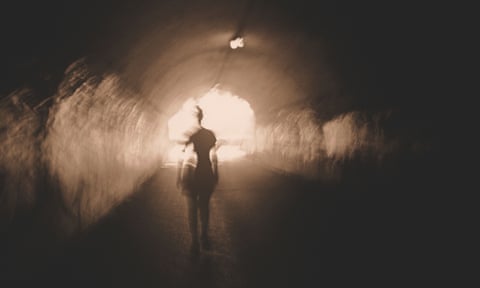

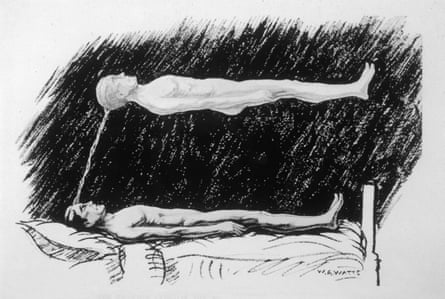
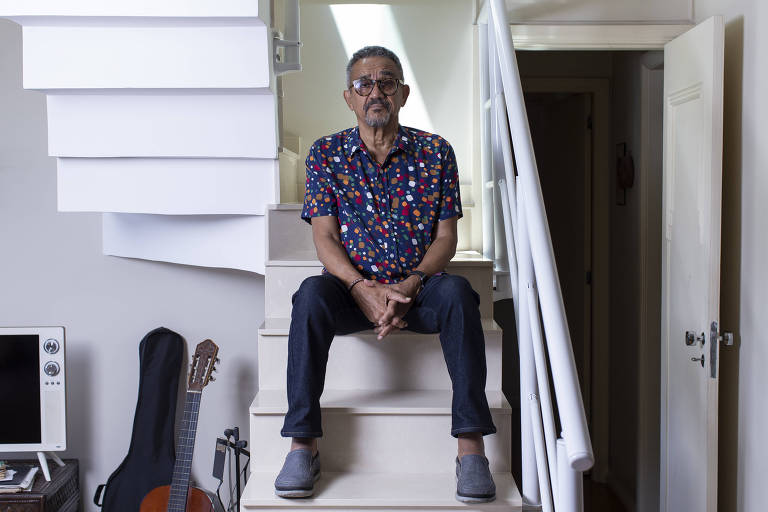
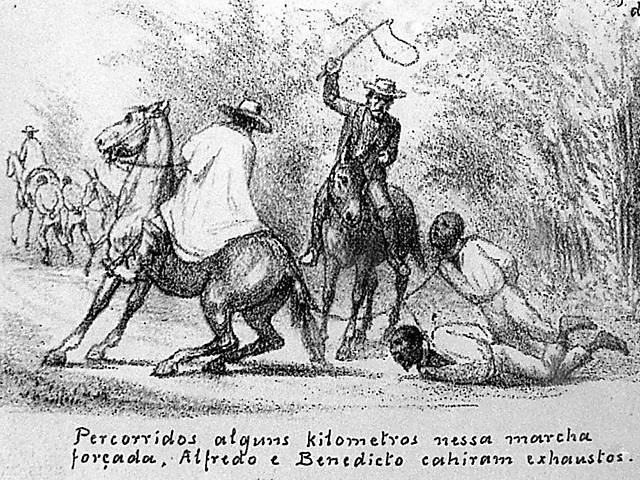
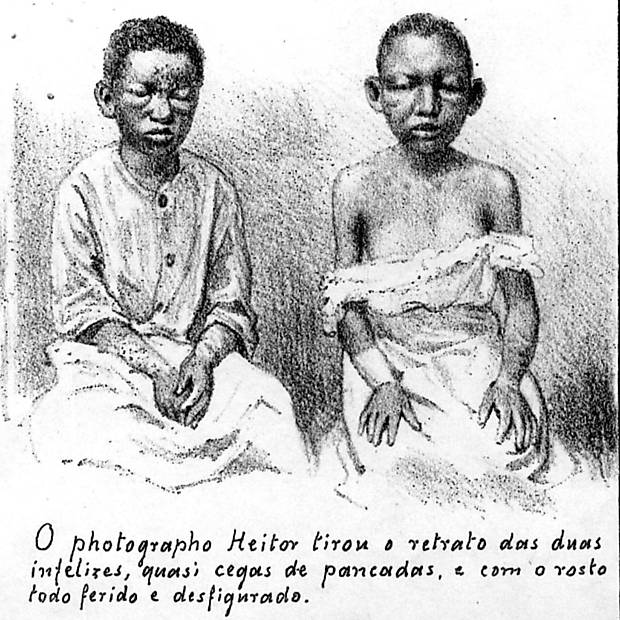
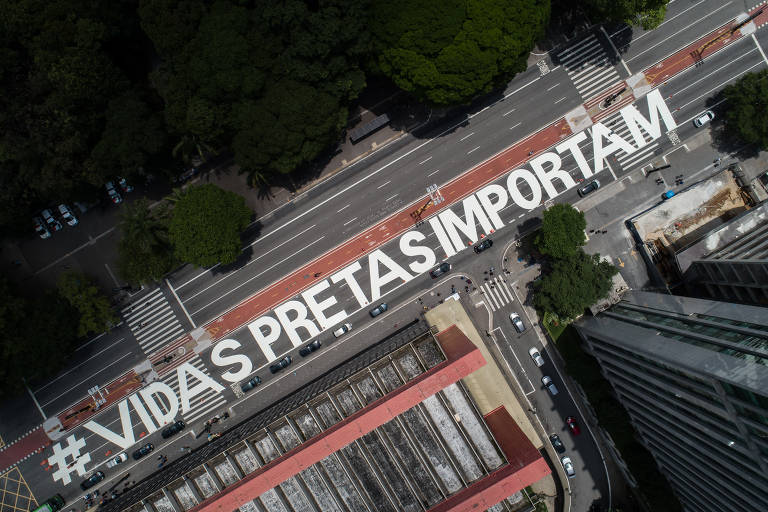
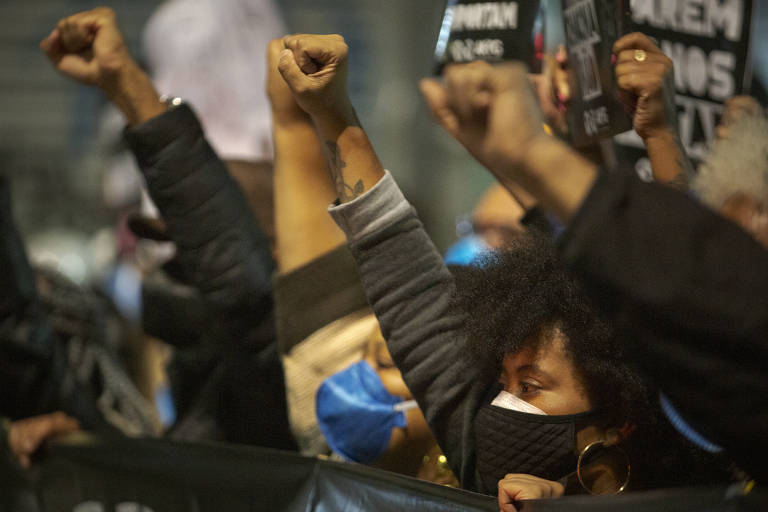
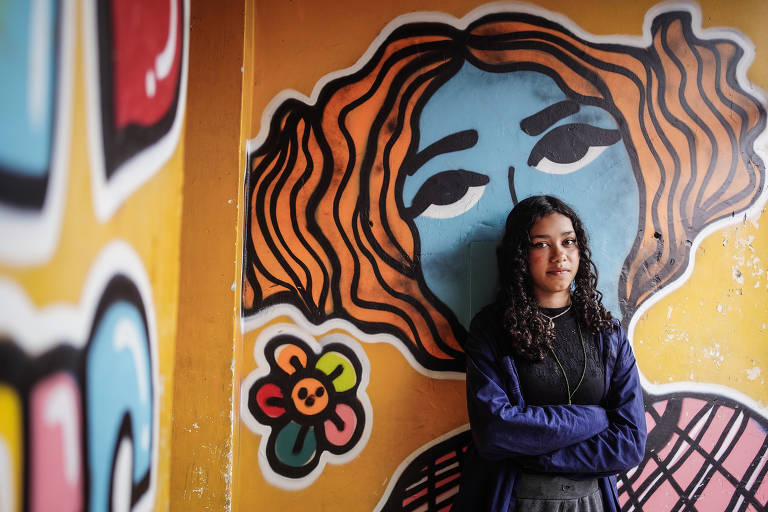
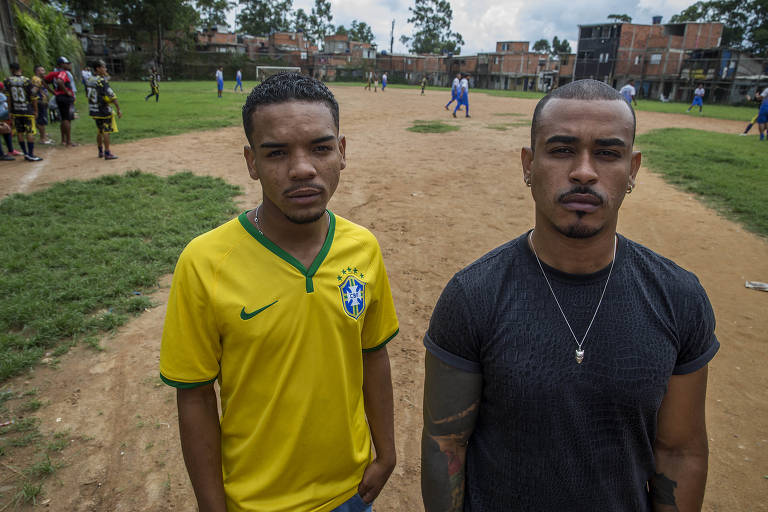
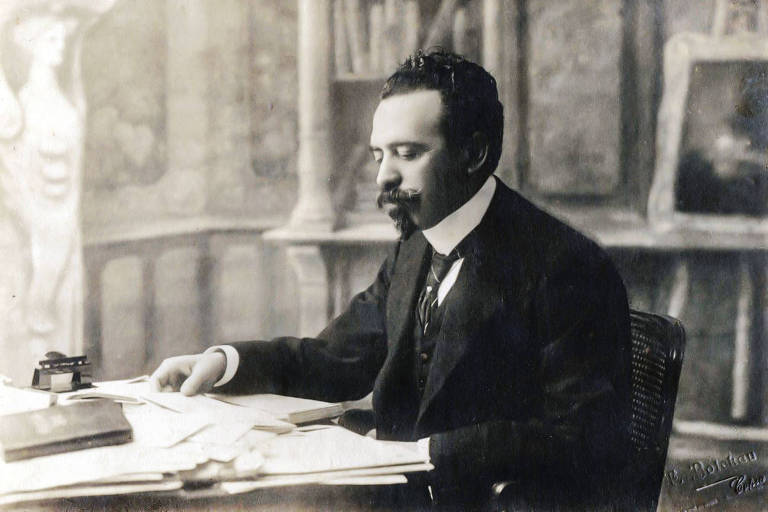
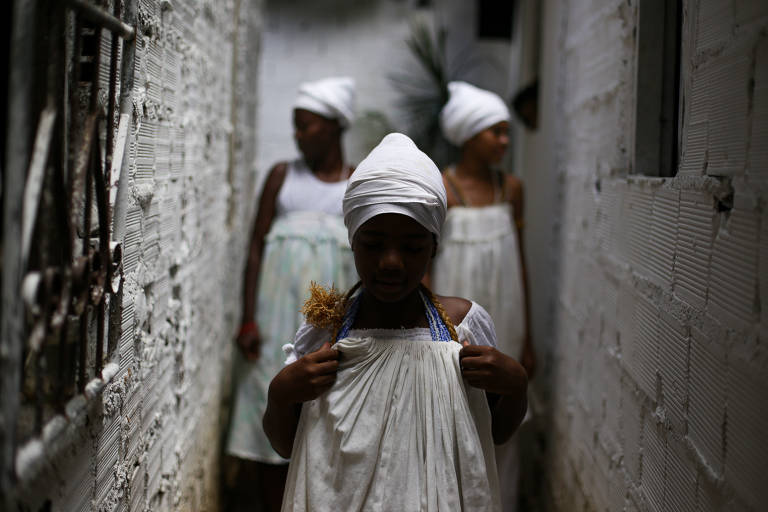
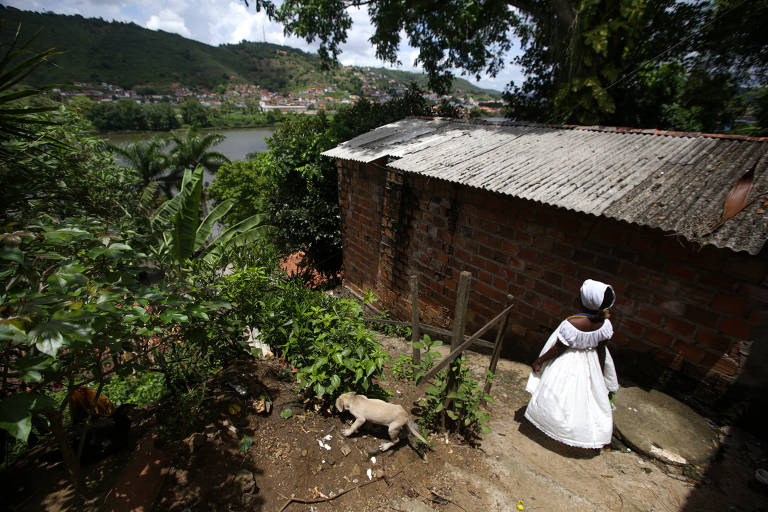


/i.s3.glbimg.com/v1/AUTH_da025474c0c44edd99332dddb09cabe8/internal_photos/bs/2022/b/m/VbHfteQPGuIM2lCcaN3w/55760565-medium-adelaide-scritori.jpg)


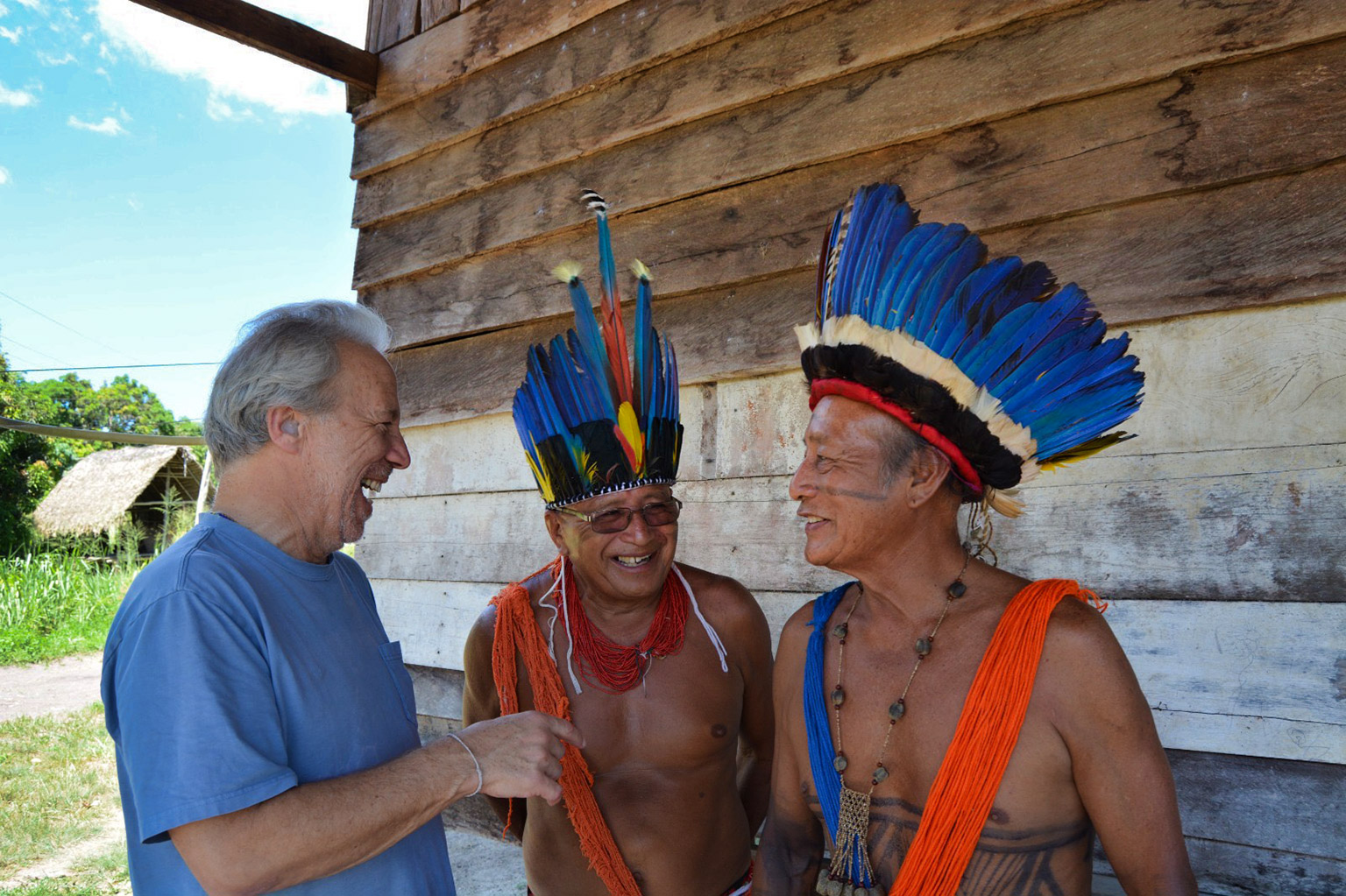
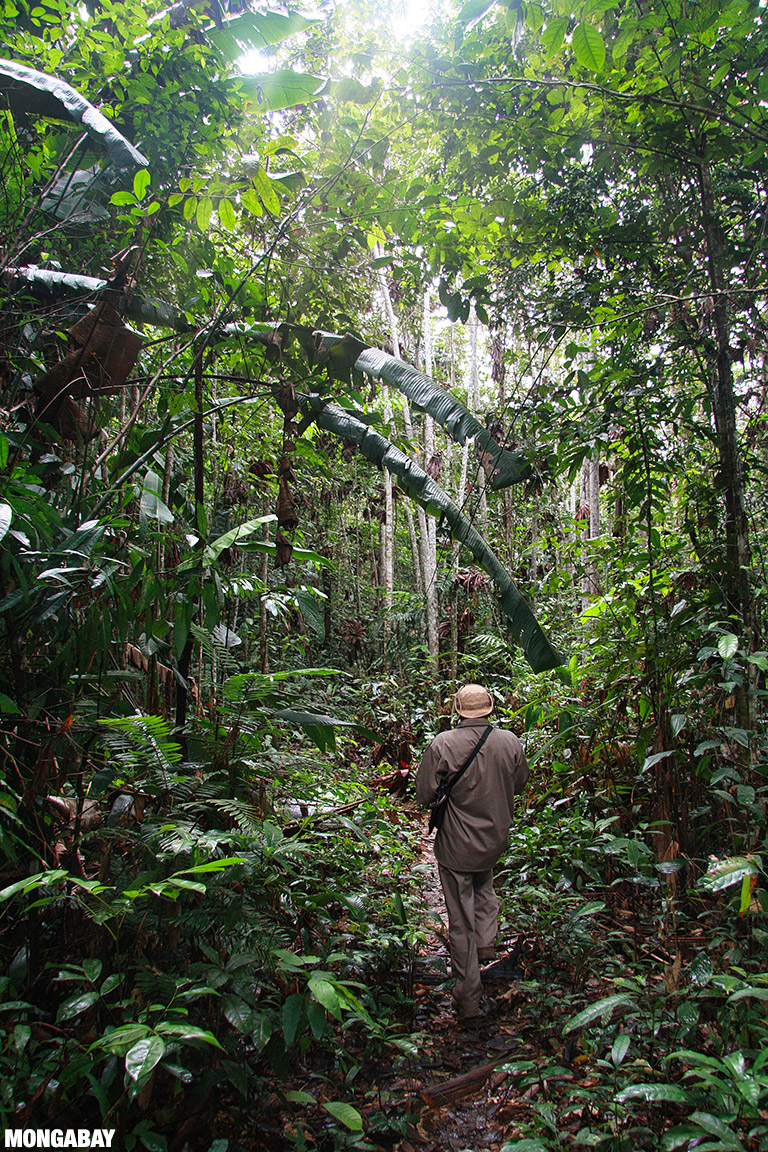


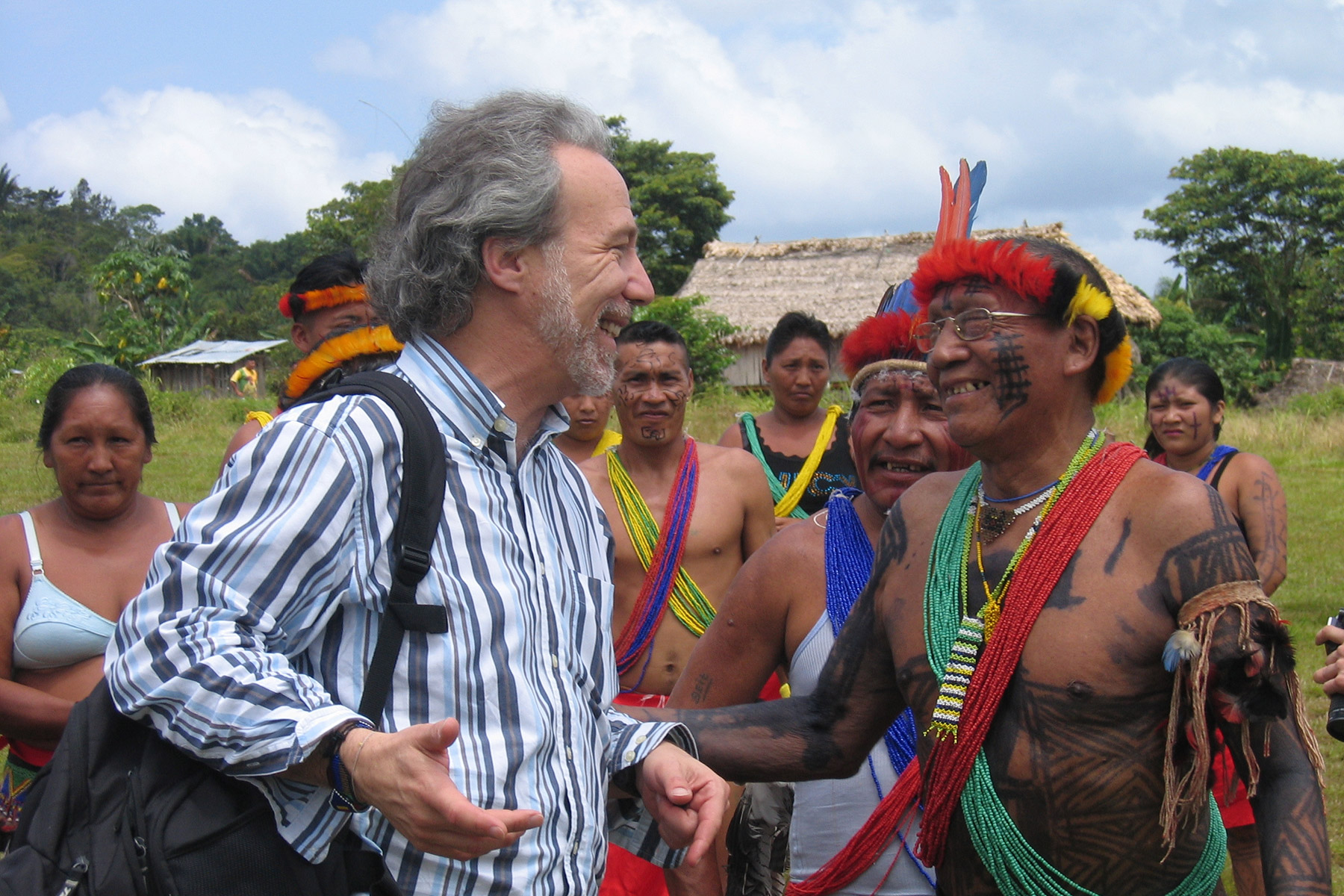


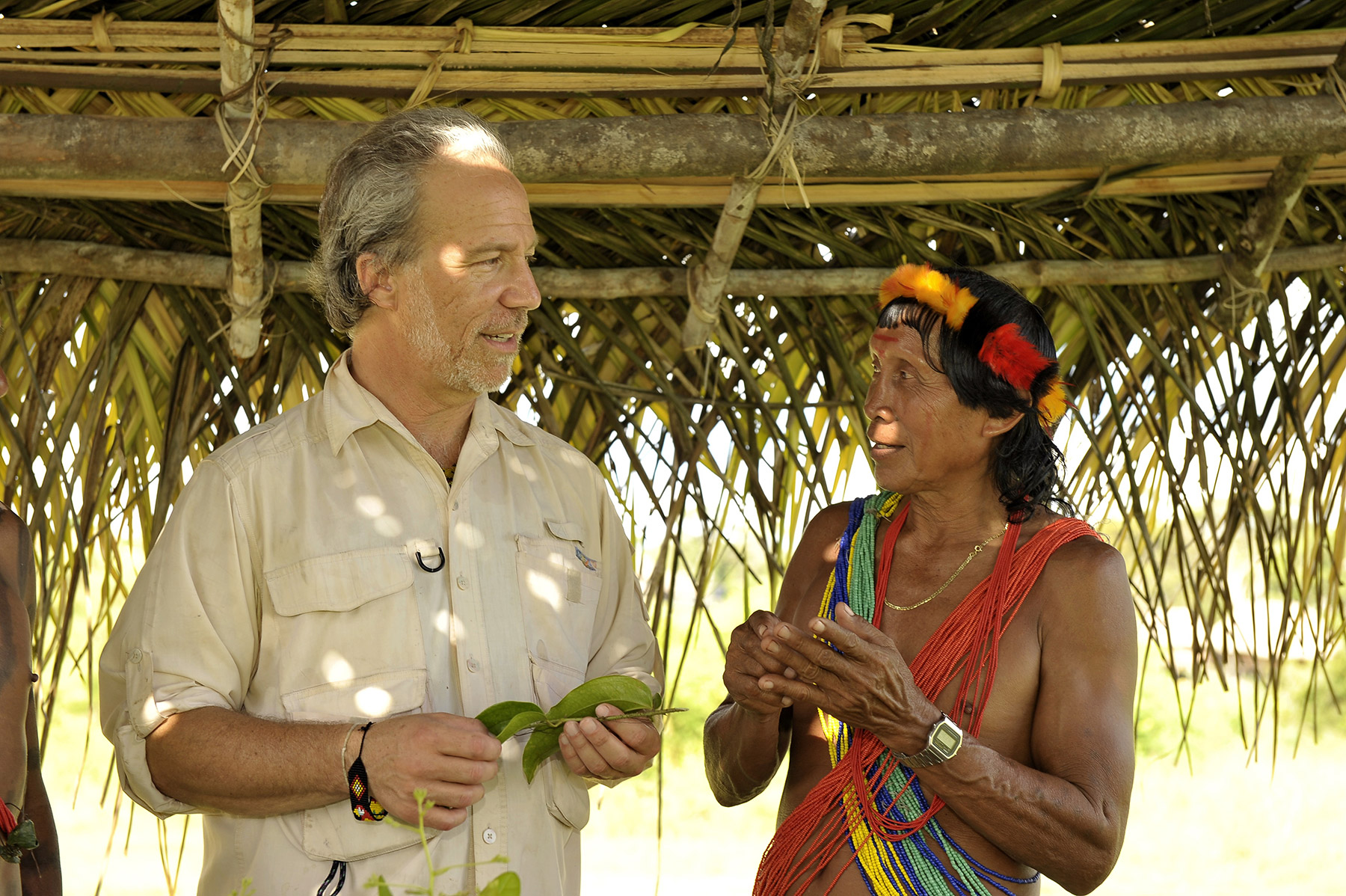


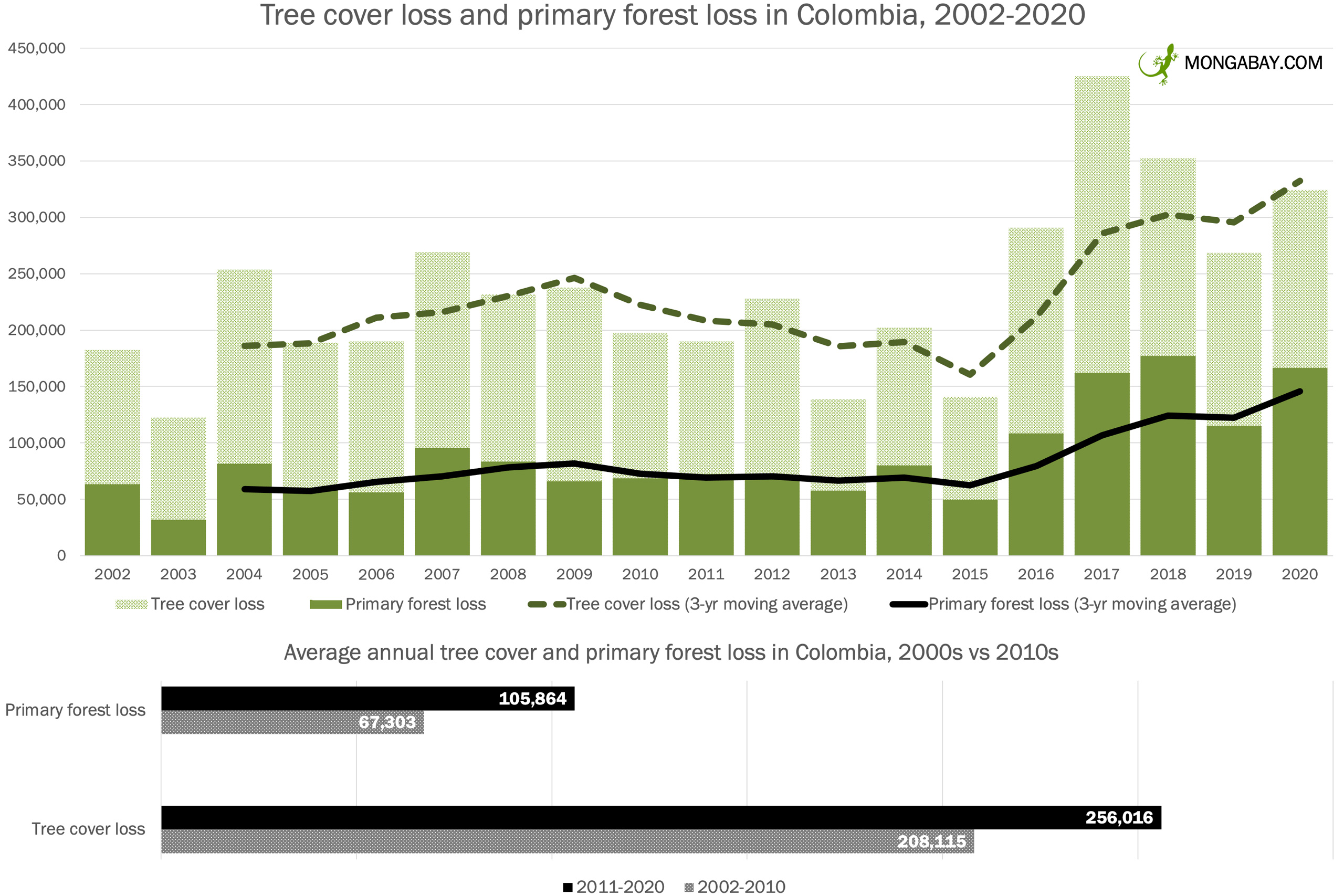

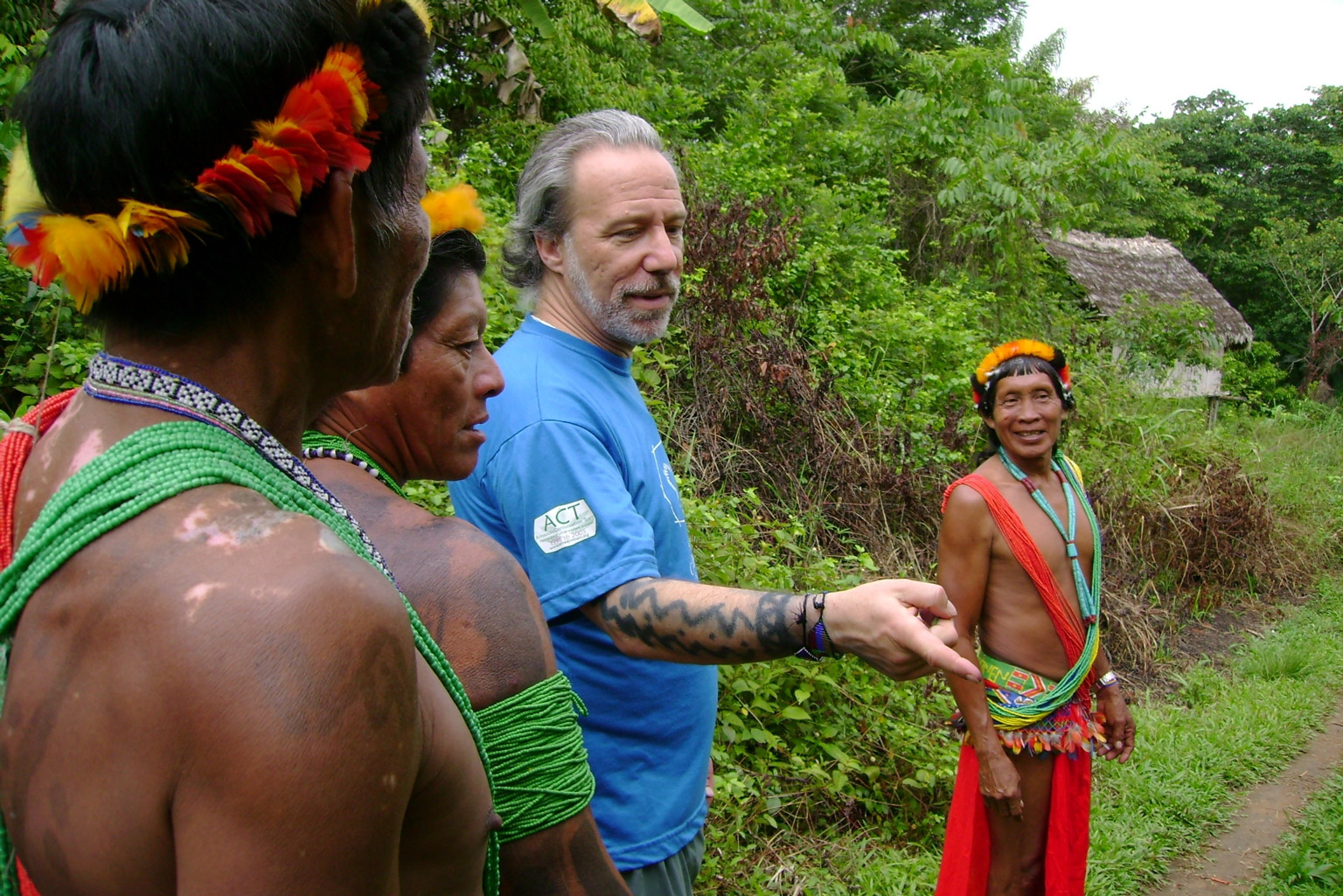

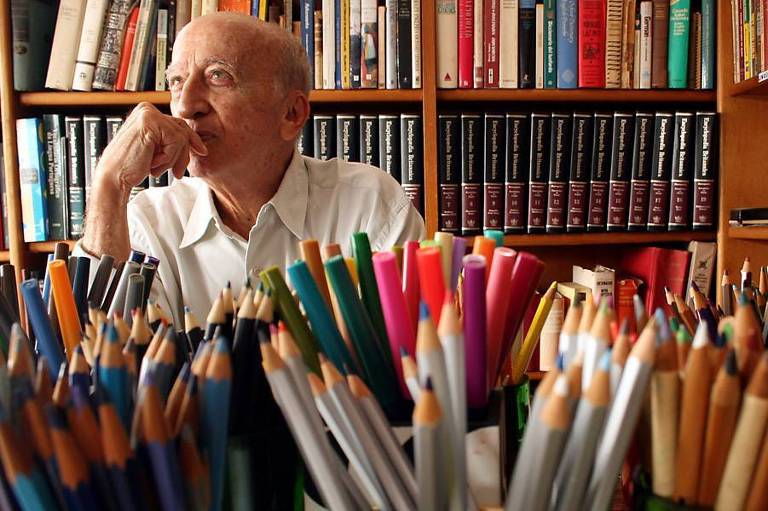

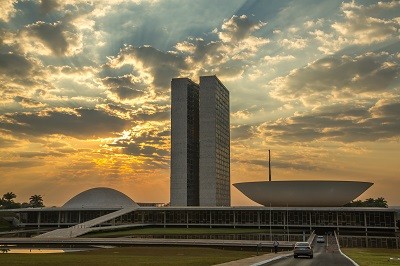






 Uma (in)certa antropologia
honrar compromisso que é bom nada né governador lamentável
Quando um governo é extremamente incompetente recorre a estas coisas.
kkkkkkkk……….é cada piada esse governo imprestável!!!!!
Ma che bello administrador ! kkkk
Por que nunca resolveram o problema do sertão nordestino? Precisava transpor o velho Chico com uma “solução” prática dessa?
Só pode estar desdenhando!
Me recuso a acreditar nessas asneiras. So mesmo nesse Brasilzinho.
Os surdos correm grande risco de serem picados pela cobra coral…
kkkkkkkkk
ouvi dizer que a tal entidade vai também atuar na saúde ,segurança ,transporte, e economia do DF pois os últimos governantes não deram conta
sera que pra trazer chuva os caras vão fazer a dança da chuva kkkkkkkkkkkkkkkk
Caique coral é uma entidade da bruxaria. Governador, não amaldiçoe ainda mais nossa terra. Vc não faz idéia do mal que vc está se fazendo e a toda população do DF. Vai procurar Deus, vai orar, pede a Jesus Cristo, pq ele sim é quem faz chover para pecadores e justos.
rindo até 2050 kkkkkkkkkkkkkkk
Te informa direito, antes de dizer besteira,
Aqui a mallandragem não tem por onde.
Governador do DF Rodrigo Rollemberg … é um exemplo do baixo nível dos gestores do nosso dinheiro no Brasil …Energia esotérica contra a crise hídrica ??? Só para um incompetente sair com essa … Vamos varrer essa gente da vida pública
Parece piada do Sensacionalista.
pois é, por um momento até achei que tava no portal errado.
Saravá!!
Agora, o Brasil inaugurará a CORRUPÇÃO espiritual !!
A primeira vez que ouvi sobre essa Fundação, faz anos… Foi notícias vindas do RJ, onde o Governo pagava para essa Fundação ajudar a NÃO chover no Réveillon. Demorei um bom tempo para acreditar no que lia, achei que tinha enlouquecido de vez.
A tal Fundação “trabalhou” no Rock in Rio?! De qual ano??? Em 2011 choveu tanto que pro Guns and Roses tocar tiveram antes que retirar muita água do palco com rodo.
Eu sinceramente estou a defecar e a andar para o fato do Rollemberg (e a globo) ter fé em qualquer coisa ou achar isso bonito. Eu quero é que ele cumpra as promessas de governo, que até agora não chegaram em nem 20% do prometido.
Cara, não tem 5 meses de cargo…
No centro espirita, preciso de chuva no distrito federal, atençao caral musical do centro vamos la voce deve esta pensando, ela foi embora, mais ja deve esta voltando, nao demora, ou ela foi pra muito longe, felicidade, felicidade? erramos que maldade, onde esta que nao responde, pois minha ALMA geme por voce, geme geme u por voce geme geme ha, ha ha ha a chuva nao vai chegar
O que é “contato informal”?
É SÓ O QUE FALTAVA, ÍNDIO QUER DINHEIRO E O IDIOTA ACREDITA?
Me paga que eu faço a dança da chuva todo dia ao meio dia!
kkkkkkkk
Manda esta organização pro nordeste,se resolver o problema recebe, se não resolver ela paga o prejuiso.
boa
E muito obscurantismo em pleno século XXl
Só o que faltava! Fala sério?