We are living in dangerous but also generative transformational times at the confluence of (at least) 3 emergencies:
1) covid 19 pandemic (not to mention other diseases of both humans and nonhumans rampaging through the living world), but also in the midst of powerful emergent practices of collective care and refusal of death-denial and transcendentalism
2) racial capitalism/neofascism run rampant, but also anti-racist & indigenous justice&care movements surging in the context of world wide economic & environmental crises
3) multispecies extermination/extinction/genocide in the web of climate injustice, extractionism, and catastrophe capitalism, but also widespread revulsion at human exceptionalism and growing affirmation of the earth & earthlings of powerful kinds
Science and technology matter in all of these. “Science for the People” has never been more relevant (especially if the “people” are both human and more than human). No more business as usual. These times are more dangerous than ever, but maybe, just maybe, there is a chance for something better. So, the old question for the left, what is to be done?
That’s what I want to talk about. What is it like to live in times of possibilities, when just a year ago many of us thought nothing was possible?
Do outro lado do telefone, a voz de Peter Sloterdijk está fraca. O grande filósofo alemão explica que não está muito bem neste dia, mas imediatamente desata a falar e lança as ideias que o novo universo da pandemia estruturam em sua cabeça. No centro, um conceito que já havia trazido à tona e que agora assume um novo significado, o da coimunidade, do compromisso individual voltado à proteção mútua, que marcará a nova maneira de estar no mundo, segundo o autor de Crítica da Razão Cínica e da trilogia de Esferas. Sloterdijk (72 anos, Karlsruhe) não acha que o mundo se tenha tornado grande demais para nós, nem que tenha chegado a hora do recolhimento nacional. Pelo contrário, acredita que a extrema interdependência ficou evidente e requer “uma declaração geral de dependência universal”.
PERGUNTA. A dimensão da pandemia paralisou e atordoou as sociedades. O que acontecerá quando despertarmos e o medo diminuir?
RESPOSTA. O mundo em sua concepção como gigantesca esfera de consumo se baseia na produção coletiva de uma atmosfera frívola. Sem frivolidade, não há público nem população que mostre inclinação ao consumo. O vínculo entre a atmosfera frívola e o consumismo foi rompido. Todo o mundo espera agora que esse vínculo volte a ser reconectado, mas vai ser difícil. Depois de uma disrupção tão grande, o retorno aos padrões de frivolidade não será fácil.
P. Nessa esfera frívola, pensávamos ser capazes de controlar a natureza com tecnologia sofisticada, mas o vírus nos deixou de joelhos. Nossa maneira de estar no mundo mudará?
R. O problema é a atmosfera frívola e que não aprendamos nada novo com esta pandemia. Se olharmos para a história das sociedades modernas, elas estiveram impregnadas de surtos relativamente regulares, mas, no passado, as pessoas tendiam a voltar aos seus hábitos comuns de existência. O novo agora é que vemos que, por causa da globalização, a interconectividade das vidas humanas na Terra é mais forte e precisamos de uma consciência compartilhada da imunidade. A imunidade será a grande questão filosófica e política após a pandemia.
P. Como essa ideia de proteção mútua se insere na situação atual?
R. O conceito de coimunidade implica aspectos de solidariedade biológica e de coerência social e jurídica. Essa crise revela a necessidade de uma prática mais profunda do mutualismo, ou seja, proteção mútua generalizada, como digo em Você Tem que Mudar a Sua Vida.“
A imunidade será a grande questão filosófica e política após a pandemia”
R. Vejo, no futuro, a competição pela imunidade ser substituída por uma nova consciência da comunidade, pela necessidade de promover a comunidade, fruto da observação de que a sobrevivência é indiferente às nacionalidades e às civilizações.
R. Sim, mas as fronteiras são para os moradores de ambos os lados. Não devemos interpretar de modo errado. O bem-estar da saúde nacional também ajuda os vizinhos. Se controlamos nossos problemas de saúde, também ajudamos nossos vizinhos, e não devemos interpretar esse auto-cuidado como uma regressão nacionalista. Ao contrário, se todos forem cuidadosos em seu território, darão uma enorme contribuição aos demais.
P. O Estado-Nação reemerge com força no meio da emergência, mas, ao mesmo tempo, nunca os países dependeram tanto uns dos outros.
R. Nos dois últimos séculos, a maior preocupação das entidades políticas, dos Estados-nação, girou em torno da independência. No futuro, precisamos de uma declaração geral de dependência universal; a ideia básica de comunidade. A necessidade de um escudo universal que proteja todos os membros da comunidade humana não é mais algo utópico. A enorme interação médica em todo o mundo está provando que isso já funciona.
P. Nossas democracias correm perigo ou as liberdades serão reabilitadas após os estados de alarme?
R. Em todo o mundo, agora, estão lembrando que a necessidade de um Estado forte é algo que acompanhará nossa existência por um longo período, porque parece que é único disponível para solucionar problemas. Isso é complicado porque poderia corromper nossas demandas democráticas. No futuro, o público em geral e a classe política terão a tarefa de monitorar um retorno claro às nossas liberdades democráticas.
P. As forças populistas agora parecem deslocadas, mas cresce o medo de que se alimentem da frustração. Que impacto o senhor acha que a pandemia terá no populismo?
R. Todo mundo precisa entender que esses movimentos não são operacionais, que têm atitudes pouco práticas, que expressam insatisfações, mas que de modo algum são capazes de resolver problemas. Acho que serão os perdedores da crise. O público terá entendido que você não pode esperar nenhuma ajuda deles.
Por Natalie Rosa | 25 de Junho de 2020 às 16h40 Reprodução
Em fevereiro deste ano, o mundo todo se surpreendeu com a história de Jang Ji-sung, uma sul-coreana que “reencontrou” a sua filha, já falecida, graças à inteligência artificial. A garota morreu em 2016 devido a uma doença sanguínea.
No encontro simulado, a imagem da pequena Nayeon é exibida para a mãe que está em um fundo verde, também conhecido como chroma key, usando um headset de realidade virtual. A interação não foi só visual, como também foi possível conversar e brincar com a criança. Segundo Jang, a experiência foi como um sonho que ela sempre quis ter.
Encontro de Jang Ji-sung com a forma digitalizada da filha (Imagem: Reprodução)
Por mais que pareça uma tendência difícil de ser executada em massa na vida real, além de ser uma preocupação bastante antiga das produções de ficção científica, existem pessoas interessadas nesta forma de imortalidade. A questão que fica, no entanto, é se devemos fazer isso e como irá acontecer.
Em entrevista ao CNET, John Troyer, diretor do Centre for Death and Society (Centro para Morte e Sociedade) da Universidade de Bath, na Inglaterra, e autor do livro Technologies of the Human Corpse, conta que o interesse mais moderno pela imortalidade começou ainda na década de 1960. Na época, muitas pessoas acreditavam na ideia do processo criônico de preservação de corpos, quando um cadáver ou apenas uma cabeça humana eram congelados com a esperança de serem ressuscitados no futuro. Até o momento, ainda não houve tentativa de serem revividas.
“Aconteceu uma mudança na ciência da morte naquele tempo, e a ideia de que, de alguma forma, os humanos poderiam derrotar a morte”, explica Troyer. O especialista conta também que ainda não há uma pesquisa revisada que prove que o investimento de milhões no upload de dados do cérebro, ou ainda manter um corpo vivo, valha a pena.
Em 2016, um estudo publicado na revista acadêmica Plos One descobriu que expor um cérebro preservado a sondas químicas e elétricas o faz voltar a funcionar. “Tudo isso é uma aposta do que é possível no futuro. Mas eu não estou convencido de que é possível da maneira que estão descrevendo ou desejando”, completa.
Superando o luto
O caso que aconteceu na Coreia do Sul não foi o único que envolve o luto. Em 2015, Eugenia Kuyda, co-fundadora e CEO da empresa de softwares Replika, sofreu com a perda do seu melhor amigo Roman após um atropelamento em Moscou, na Rússia. A executiva decidiu, então, criar um chatbot treinado com milhares de mensagens de texto trocadas pelos dois ao longo dos anos, resultando em uma versão digital de Roman, que pode conversar com amigos e família.
“Foi muito emocionante. Eu não estava esperando me sentir assim porque eu trabalhei naquele chatbot e sabia como ele foi construído”, relata Kuyda. A experiência lembra bastante um dos episódios da série Black Mirror, que aborda um futuro distópico da tecnologia. Em Be Right Back, de 2013, uma jovem mulher perde o namorado em um acidente de carro e se inscreve em um projeto para que ela possa se comunicar com “ele” de forma digital, graças à inteligência artificial.
Por outro lado, Kuyda conta que o projeto não foi criado para ser comercializado, mas sim como uma forma pessoal de lidar com a perda do melhor amigo. Ela conta que qualquer pessoa que tentar reproduzir o feito vai encontrar uma série de empecilhos e dificuldades, como decidir qual tipo de informação será considerada pública ou privada, ou ainda com quem o chatbot poderá interagir. Isso porque a forma de se conversar com um amigo, por exemplo, não é a mesma com integrantes da família, e Kuyda diz que não há como fazer essa diferenciação.
A criação de uma versão digital de uma pessoa não vai desenvolver novas conversas e nem emitir novas opiniões, mas sim replicar frases e palavras já ditas, basicamente, se encaixando com o bate-papo. “Nós deixamos uma quantidade insana de dados, mas a maioria deles não é pessoal, privada ou baseada em termos de que tipo de pessoa nós somos”, diz Kuyda. Em resposta ao CNET, a executiva diz que é impossível obter dados 100% precisos de uma pessoa, pois atualmente não há alguma tecnologia que possa capturar o que está acontecendo em nossas mentes.
Sendo assim, a coleta de dados acaba sendo a maior barreira para criar algum tipo de software que represente uma pessoa após o falecimento. Parte disso acontece porque a maioria dos conteúdos postados online são de uma empresa, passando a pertencer à plataforma. Com isso, se um dia a companhia fechar, os dados vão embora junto com ela. Para Troyer, a tecnologia de memória não tende a sobreviver ao tempo.
Imagem: Reprodução
Cérebro fresco
A startup Nectome vem se dedicando à preservação do cérebro, pensando na possível extração da memória após a morte. Para que isso aconteça, no entanto, o órgão precisa estar “fresco”, o que significaria que a morte teria que acontecer por uma eutanásia.
O objetivo da startup é conduzir os testes com voluntários que estejam em estado terminal de alguma doença e que permitam o suicídio assistido por médicos. Até o momento a Nectome coletou US$ 10 mil reembolsáveis para uma lista de espera para o procedimento, caso um dia a oportunidade esteja disponível. Por enquanto, a companhia ainda precisa se esforçar em ensaios clínicos.
A startup já arrecadou um milhão de dólares em financiamento e vinha colaborando com um neurocientista do MIT. Porém, a publicação da história gerou muita polêmica negativa de cientistas e especialistas em ética, e o MIT encerrou o seu contrato com a startup. A repercussão afirmou que o projeto da empresa não é possível de ser realizado.
Veja a declaração feita pelo MIT na época:
“A neurociência não é suficientemente avançada ao ponto de sabermos se um método de preservação do cérebro é o suficiente para preservar diferentes tipos de biomoléculas relacionadas à memória e à mente. Também não se sabe se é possível recriar a consciência de uma pessoa”, disse a nota ainda em 2018.
Eternização com a realidade aumentada
Enquanto alguns pensam em extrair a mente de um cérebro, outras empresas optam por uma “ressurreição” mais simples, mas não menos invasiva. A empresa Augmented Reality, por exemplo, tem como objetivo ajudar pessoas a viverem em um formato digital, transmitindo conhecimento das pessoas de hoje para as futuras gerações.
O fundador e CEO da empresa de computação FlyBits e professor do MIT Media Lab, Hossein Rahnama, vem tentando construir agentes de software que possam agir como herdeiros digitais. “Os Millennials estão criando gigabytes de dados diariamente e nós estamos alcançando um nível de maturidade em que podemos, realmente, criar uma versão digital de nós mesmos”, conta.
Para colocar o projeto em ação, a Augmented Reality alimenta um mecanismo de aprendizado de máquina com emails, fotos e atividades de redes sociais das pessoas, analisando como ela pensa e age. Assim, é possível fornecer uma cópia digital de uma pessoa real, e ela pode interagir via chatbot, vídeo digitalmente editado ou ainda como um robô humanoide.
Falando em humanoides, no laboratório de robótica Intelligent Robotics, da Universidade de Osaka, no Japão, já existem mais de 30 androides parecidos com humanos, inclusive uma versão robótica de Hiroshi Ishiguro, diretor do setor. O cientista vem inovando no campo de pesquisa de interações entre humanos e robôs, estudando a importância de detalhes, como movimentos sutis dos olhos e expressões faciais.
Reprodução: Hiroshi Ishiguro Laboratory, ATR
Quando Ishiguro morrer, segundo o próprio, ele poderá ser substituído pelo seu robô para dar aulas aos seus alunos, mesmo que esta máquina nunca seja realmente ele e nem possa gerar novas ideias. “Nós não podemos transmitir as nossas consciências aos robôs. Compartilhamos, talvez, as memórias. Um robô pode dizer ‘Eu sou Hiroshi Ishiguro’, mas mesmo assim a consciência é independente”, afirma.
Para Ishiguro, no futuro nada disso será parecido com o que vemos na ficção científica. O download de memória, por exemplo, é algo que não vai acontecer, pois simplesmente não é possível. “Precisamos ter diferentes formas de fazer uma cópia de nossos cérebros, mas nós não sabemos ainda como fazer isso”, completa.
Graças às iniciativas dos moradores da favela, taxa de mortalidade por Covid-19 é menor do que no resto da capital paulista. Em outras regiões pobres, porém, o cenário é diferente
Redação Galileu
25 Jun 2020 – 14h44 Atualizado em 25 Jun 2020 – 14h51
Paraisópolis tem melhor controle da pandemia do que a cidade de São Paulo (Foto: Wikimedia Commons)
A favela de Paraisópolis, em São Paulo, tem melhor controle da pandemia de Covid-19 do que outros bairros da capital paulista. Em 18 de maio de 2020, a taxa de mortalidade pelo novo coronavírus na região era de 21,7 pessoas por 100 mil habitantes, enquanto a média municipal era de 56,2. Os números são do Instituto Pólis, organização da sociedade civil que realiza pesquisas no Brasil e no exterior.
“Desde a confirmação dos primeiros casos em São Paulo, logo em março, a associação de moradores de Paraisópolis desenvolveu estratégias para suprir a falta de políticas públicas para a comunidade”, explicam os responsáveis pelo estudo em um relatório publicado em junho.
Logo no início da pandemia, os moradores da favela criaram o sistema de “presidentes de rua”, em que uma pessoa de cada rua ficou responsável por monitorar e ajudar as outras, orientando sobre os sintomas da doença, distribuindo cestas básicas e até combatendo a disseminação de fake news.
Além disso, a comunidade contratou ambulâncias para atender os sintomáticos e recrutou médicos e enfermeiros para suprir a favela 24 horas. Outros 240 moradores foram treinados como socorristas para apoiar as 60 bases de emergência criadas com a presença de bombeiros civis.
Com mais de 70 mil habitantes, a densidade demográfica de Paraisópolis chega a 61 mil hab/km². Tendo isso em vista, a associação de moradores pediu ao governo estadual para utilizar duas escolas públicas como centro de isolamento de pessoas infectadas. A medida possibilitou que os sintomáticos se isolassem de forma eficaz, sem colocar pessoas próximas e familiares em perigo.
Para os pesquisadores, as ações tomadas pelos moradores de Paraisópolis deixam claro que iniciativas de atenção básica à saúde e ações voltadas para garantir a segurança alimentar e outras despesas são essenciais em tempos de pandemia. “A favela, apesar das condições de precariedade e vulnerabilidade, tem sido eficiente em baixar a média de mortalidade do distrito como um todo”, afirma o relatório.
Outras regiões, outra realidade Enquanto em Paraisópolis a situação parece estar menos preocupante, em outras regiões pobres da capital paulista o cenário não é o mesmo. Um documento divulgado também neste mês pelo Instituto Pólis indica que as áreas com maior situação de precariedade urbana são as mais castigadas pela Covid-19. As mais afetadas são Brasilândia, Sapopemba, Grajaú, Capão Redondo e Jardim Ângela.
Dentre as explicações para isso está a impossibilidade de distanciamento social, tanto pela alta densidade demográfica quanto pelo fato de que os trabalhos exercidos pelos moradores dessas regiões não pemitiram que ficassem em casa. a precariedade do saneamento básico, a baixa renda e a falta de acesso à saúde também contribuem para a realidade preocupante.
Número de óbitos por Covid-19 a cada 100 mil habitantes nos bairros de São Paulo (Foto: Instituto Pólis)
Em relação às taxas de óbitos a cada 100 mil habitantes, o mapa de Covid-19 se concentra em outras regiões de São Paulo, nos bairros Pari, Brás, Belém, Campo Belo e Limão. “Por haver mais pessoas morando nas regiões periféricas, o maior número de mortes absoluto pode fazer com que se pense que apenas a periferia está vulnerável”, disse Danielle Klintowitz, do Instituto Pólis, em comunicado. “Mas há de se analisar o contágio em territórios precários mais centrais para que a situação não fuja do controle.”
When you perform a Google Image search for “victims of climate change,” the faces you see are those of Black and brown people in the tropics. The images depict small reef islands in the Pacific Ocean, arid landscapes in East Africa and flooded villages in South Asia.
At some level, this association seems to make sense: Climate change disproportionately affects indigenous people and people of color, both within North America and around the world. The people and the nations least responsible for the problem are, in many cases, the most threatened.
But the search results also reflect the assumption, common among individuals in the global north—notably Europe and North America—that people in tropical climates are helpless victims who lack the capacity to cope with climate change. Beneath that assumption lies a long, ugly history of climate determinism: the racially motivated notion that the climate influences human intelligence and societal development. In the wake of George Floyd’s death, we need to reckon with systemic racism in all forms. Understanding how climate determinism unfolded historically can reveal the racial biases in present-day conversations about climate change. And it can better prepare us to address the very real inequalities of climate injury and adaptation—which I have seen firsthand while working with colleagues in the Pacific island nation of Kiribati over the past 15 years.
The story starts with the term “climate.” It comes from the ancient Greek word klima, which describes latitude. Greek philosophers deduced that the temperature at a given time of year varies roughly with the klima, because latitude determines how much energy a region receives from the sun. Eratosthenes defined bands of klima, later to be called clim-ata, going from frigid belts in the high latitudes, where there was permanent night in winter, to a hot band near the equator.
That is the sanitized origin story in most old textbooks. Here’s the part you’re not told: Using the concept of the “golden mean,” the ideal balance between two extremes, Greek philosophers argued that civilization thrived the most in climates that were neither too hot nor too cold. Greece, not so coincidentally, happened to be in the middle climate. The Greek people used climate to argue that they were healthier and more advanced than their neighbors to the north and south.
Scan the ancient Greek and Roman texts taught in philosophy classes—from Aristotle, Herodotus, Hippocrates, Plato, Cicero, Ptolemy, Pliny the Elder—and you will find passages that use climate differences to make harsh claims about other races. Hippocrates, often called the father of modern medicine, argued that more equatorial civilizations to the south were inferior because the climate was too hot for creativity. In Politics, Aristotle argued that people in cold climates were “full of spirit, but wanting in intelligence and skill,” whereas those in warm climates were “wanting in spirit, and therefore they are always in a state of subjection and slavery.” These ideas were parroted by scholars across Europe and the Islamic world throughout the Middle Ages. Ibn al-Faqih, a Persian geographer in the 10th century, assertedpeople in equatorial climates were born “either like uncooked pastry or like things so thoroughly cooked as to be burnt.” Another suggested northerners tended toward albinism.
During the Enlightenment scientists used stories of heat and disease from tropical expeditions to build faux empirical evidence for racially loaded climate determinism. Scholars, as well as national leaders, advanced the European colonial view of tropical people and society as a lesser other, a practice referred to today as “tropicality.” Immanuel Kant argued in the late 1700s that a mix of warm and cold weather made Europeans smarter, harder-working, prettier, more civilized and wittier than the “exceptionally lethargic” people in the tropics. David Hume claimed that southern people were more sexual because their blood was heated. These arguments were also adapted to claim superiority over indigenous people of North America: writers such as Montesquieu claimed that the more extreme weather of the American colonies created degeneracy.
Blatant climate determinism persisted in the academic literature well into the last century. Geographer Ellsworth Huntington’s 1915 book Civilization and Climate featured tropicality-infused maps of “climatic energy” and “level of civilization”—which the journal Nature highlighted as showing “remarkably close agreement” when it published his 1947 obituary.
Although such claims no longer appear in textbooks, tropicality lives on in Western popular culture and everyday discourse. Think of how movies, books and vacation ads depict tropical islands as unsophisticated places where you can get your mind off the busy tasking of advanced society. The subtext: it is hot here, so no one works hard. Movies and TV programs also present certain tropical locations as dangerous, dirty and disease-ridden because of the climate. The 2020 Netflix film Extraction literally imposes a yellow filter on images of Bangladesh to disguise the blue skies.
Research and media coverage of climate are not immune from this cultural history. Well-intentioned efforts to document and spread stories about the inequalities of climate change inadvertently call up implicit climatic biases. For example, story after story presents the people of low-lying Pacific island nations such as Kiribati and Tuvalu as potential climate “refugees”—victims in need of hand-holding rather than resilient individuals able to make conscious and informed decisions about their future. Warnings that climate change could help trigger mass migration, violence and political instability focus almost exclusively on the global south—Latin American, Africa, and South and Southeast Asia—and ignore the likelihood of similar unrest in Europe and North America, despite current events. This implicit bias rears its head in coverage of climate change in the U.S. Deep South, too: Why were Black Americans who were moving to Houston after Hurricane Katrina called “refugees,” a word applied to international migrants, when they had not left the country?
The problem persists, in part, because predicting the impacts of climate change inevitably requires assumptions about people and society. Science can project future climate conditions and those conditions’ impacts on the environment at any latitude. But there is no formula for calculating how individuals, communities or society at large will respond. This inexactness opens the door for implicit biases, developed over hundreds of years of deterministic thinking, to influence conclusions about who is, and who is not, capable of adapting to climate change. For example, a 2018 study inNature Climate Change found that research on climate and conflict suffers from a “streetlight” effect: researchers tend to conclude that climate change will cause violence in Africa and the Middle East because that is where they choose to look.
This legacy of deterministic thinking matters because it can do real-world damage. Rhetoric about climate refugees robs people of agency in their own future. Adaptation is possible, even in low-lying atoll nations. But good luck to them in securing international investment, loans or assistance for adaptation when every story says their community is doomed. People across the tropics have been pushing back. The slogan of the Pacific islands’ youth groupthe Pacific Climate Warriors—“We are not drowning. We are fighting.”—is an explicit rebuke to reflexive, racially loaded assumptions that the people of the Pacificare not up to the challenge.
Climate change is about legacy. We are seeing the legacy of past greenhouse gas emissions in today’s warming climate. And we are seeing the legacy of systemic racism and inequality in the impacts of that warming: indigenous peoples in the Arctic losing a way of life; people of color in the U.S. being disproportionately affected by extreme heat; slum dwellers in Chennai, India, suffering from floods. We need to spread the word about the inequalities of climate change. To do so responsibly, we must be willing to check our implicit biases before drawing conclusions about people living in different places.
Summary: Researchers have observed the exploratory behavior of ants to inform the development of a more efficient mathematical sampling technique.
In a paper published by the Royal Society, a team of Bristol researchers observed the exploratory behaviour of ants to inform the development of a more efficient mathematical sampling technique.
Animals like ants have the challenge of exploring their environment to look for food and potential places to live. With a large group of individuals, like an ant colony, a large amount of time would be wasted if the ants repeatedly explored the same empty areas.
The interdisciplinary team from the University of Bristol’s Faculties of Engineering and Life Sciences, predicted that the study species — the ‘rock ant’ — uses some form of chemical communication to avoid exploring the same space multiple times.
Lead author, Dr Edmund Hunt, said:
“This would be a reversal of the Hansel and Gretel story — instead of following each other’s trails, they would avoid them in order to explore collectively.
“To test this theory, we conducted an experiment where we let ants explore an empty arena one by one. In the first condition, we cleaned the arena between each ant so they could not leave behind any trace of their path. In the second condition, we did not clean between ants. The ants in the second condition (no cleaning) made a better exploration of the arena — they covered more space.”
In mathematics, a probability distribution describes how likely are each of a set of different possible outcomes: for example, the chance that an ant will find food at a certain place. In many science and engineering problems, these distributions are highly complex, and they do not have a neat mathematical description. Instead, one must sample from it to obtain a good approximation: with a desire to avoid sampling too much from unimportant (low probability) parts of the distribution.
The team wanted to find out if adopting an ant-inspired approach would hasten this sampling process.
“We predicted that we could simulate the approach adopted by the ants in the mathematical sampling problem, by leaving behind a ‘negative trail’ of where has already been sampled. We found that our ant-inspired sampling method was more efficient (faster) than a standard method which does not leave a memory of where has already been sampled,” said Dr Hunt.
These findings contribute toward an interesting parallel between the exploration problem confronted by the ants, and the mathematical sampling problem of acquiring information. This parallel can inform our fundamental understanding of what the ants have evolved to do: acquire information more efficiently.
“Our ant-inspired sampling method may be useful in many domains, such as computational biology, for speeding up the analysis of complex problems. By describing the ants’ collective behaviour in informational terms, it also allows us to quantify how helpful are different aspects of their behaviour to their success. For example, how much better do they perform when their pheromones are not cleaned away. This could allow us to make predictions about which behavioural mechanisms are most likely to be favoured by natural selection.”
Edmund R. Hunt, Nigel R. Franks, Roland J. Baddeley. The Bayesian superorganism: externalized memories facilitate distributed sampling. Journal of The Royal Society Interface, 2020; 17 (167): 20190848 DOI: 10.1098/rsif.2019.0848
CBC News · Posted: Jun 19, 2020 4:00 AM ET | Last Updated: June 19
(Potato Park/Asociacion ANDES/Cusco, Peru)
About 1,000 kilometres south of the North Pole lies Svalbard, a Norwegian archipelago. Home to roughly 2,600 people, it also has another, larger, more famous population: that of 1,057,151 seeds.
This is the Svalbard Global Seed Vault (SGSV), an effort to preserve seeds from around the globe that could eventually be lost as a result of natural or human factors. The vault’s inventory includes everything from African varieties of wheat and rice to European and South American varieties of lettuce and barley.
According to the Food and Agriculture Organization of the United Nations (FAO), more than 75 per cent of genetic diversity has been lost because of farmers transitioning to varieties of high-yield, genetically uniform crops.
In 2015, groups belonging to Parque de la Papa, a Peruvian organization that aims to preserve agricultural diversity and Indigenous culture, deposited 750 seeds of differing varieties of potatoes in the Svalbard seed vault, the first Indigenous group to do so. Last February, the Cherokee Nation became the first U.S. Indigenous group to make a deposit.
In fact, Indigenous people have long preserved seeds because they have important cultural ties within the community.
“There’s this very strong relationship that people have with seeds,” said Alejandro Argumedo, director of programs at the U.S.-based Swift Foundation, which aims to preserve biocultural diversity. “In the place where I come from, for instance, seeds are considered to have feelings and heart. And so you’ve got to treat them with lots of love.”
It’s a deeply reciprocal relationship, he said.
“There’s this big difference between just looking at seeds like biological materials that are important for farming,” said Argumedo, who is Quechua from Ayacucho, Peru. “Indigenous people see them more as members of an extended family and to which you have to [tend] with care. Because there will be a reciprocity — they will be providing you … food, will be caring about you.”
Argumedo cites the “qachun waqachi” potato variety used in a marriage ritual, where the bride (“qachun” in the Quechua language) gently peels the potato to show her love and caring for her husband-to-be as well as for Pacha Mama, or Mother Earth.
“The ritual articulates the Andean belief that love and respect between humans depends on and is nurtured by the land and epitomizes the commitment of couples to protect their seeds and food systems,” he said.
Terrylynn Brant, a Mohawk seed keeper from Ohsweken, Ont., has dedicated her life to this effort.
“I do a lot of work that supports other faith keepers in the work that they do. I support healers, seers, people like that … because sometimes people need to use a certain food for a certain ceremony,” she said. “I treat [seeds] with honour and respect.”
Argumedo said that the preservation of specific seeds is important in Indigenous communities where rituals require the best, purest form of seed.
“People are more interested in different features or characteristics of the seed. So people do selection for cultural reasons. And many of those traits are associated with taste, are associated with the colour and shape, because they will be used in rituals or social gatherings to create community cohesion,” he said.
“And if you want to have a better relationship with your neighbours, you better have the right seeds, because you will be offering it as a way of respect.”
Hannes Dempewolf, senior scientist and head of global initiatives at Crop Trust, a German-based organization that’s involved with the Svalbard seed vault, said there’s another important reason for preserving genetic diversity of seeds.
“Every seed, every variety is unique in itself,” he said. “They have a unique set of genes that we have no idea what they could be useful for in the future.”
Hundreds of COVID-19 vaccine candidates are currently being developed. The way emerging vaccines will be distributed to those who need them is not yet clear. The United States has nowtwice indicated that it would like to secure priority access to doses of COVID-19 vaccine. Other countries, including India and Russia, have taken similar stances. This prioritization of domestic markets has become known as vaccine nationalism.
As a researcher at Saint Louis University’s Center for Health Law Studies, I have been following the COVID-19 vaccine race. Vaccine nationalism is harmful for equitable access to vaccines – and, paradoxically, I’ve concluded it is detrimental even for the U.S. itself.
Vaccine nationalism during COVID-19
Vaccine nationalism occurs when a country manages to secure doses of vaccine for its own citizens or residents before they are made available in other countries. This is done through pre-purchase agreements between a government and a vaccine manufacturer.
On June 15, the German government announced it would be investing 300 million euros (nearly US$340 million) in CureVac for a 23% stake in the company.
In April, the CEO of Sanofi, a French company whose COVID-19 vaccine work has received partial funding from the U.S Biomedical Advanced Research and Development Authority, announced that the U.S. had the “right to the largest pre-order” of vaccine.
At the same time, India, alongside the U.S. and Russia, chose not to join the Access to COVID-19 Tools Accelerator, which was launched by the World Health Organization to promote collaboration among countries in the development and distribution of COVID-19 vaccines and treatments.
Vaccine nationalism is not new
Vaccine nationalism is not new. During the early stages of the 2009 H1N1 flu pandemic, some of the wealthiest countries entered into pre-purchase agreements with several pharmaceutical companies working on H1N1 vaccines. At that time, it was estimated that, in the best-case scenario, the maximum number of vaccine doses that could be produced globally was 2 billion. The U.S. alone negotiated and obtained the right to buy 600,000 doses. All the countries that negotiated pre-purchase orders were developed economies.
Only when the 2009 pandemic began to unwind and demand for a vaccine dropped did developed countries offer to donate vaccine doses to poorer economies.
The problems posed by nationalism
The most immediate effect of vaccine nationalism is that it further disadvantages countries with fewer resources and bargaining power. It deprives populations in the Global South from timely access to vital public health goods. Taken to its extreme, it allocates vaccines to moderately at-risk populations in wealthy countries over populations at higher risk in developing economies.
With modern vaccines, there are very few instances in which a single country can claim to be the sole developer of a vaccine. And even if that were possible, global public health is borderless. As COVID-19 is illustrating, pathogens can travel the globe. Public health responses to outbreaks, which include the deployment of vaccines, have to acknowledge that reality.
How nationalism can backfire in the US
The U.S. in notorious for its high drug prices. Does the U.S. government deserve to obtain exclusive rights for a vaccine that may be priced too high? Such a price may mean that fewer U.S. citizens and residents – especially those who are uninsured or underinsured – would have access to the vaccine. This phenomenon is a form of what economists call deadweight loss, as populations in need of a welfare-enhancing product are priced out. In public health, deadweight loss costs lives.
Secretary Azar has said the U.S. government wants the private sector to invest in vaccine development and manufacturing; if the U.S. sets prices, companies may not make that investment because the vaccines won’t be profitable. This view has been widely criticized. A commentator has called it “bad public health policy,” further pointing out that American taxpayers already fund a substantial amount of vaccine research and development in the U.S. Moreover, as legal scholars have pointed out, there are many regulatory perks and other incentives available exclusively to pharmaceutical companies.
If COVID-19 vaccines are not made available affordably to those who need them, the consequences will likely be disproportionately severe for poorer or otherwise vulnerable and marginalized populations. COVID-19 has already taken a higher toll on black and Latino populations. Without broad access to a vaccine, these populations will likely continue to suffer more than others, leading to unnecessary disease burden, continued economic problems and potential loss of life.
What needs to be done
Nationalism is at odds with global public health principles. Yet, there are no provisions in international laws that prevent pre-purchase agreements like the ones described above. There is nothing inherently wrong with pre-purchase agreements of pharmaceutical products. Vaccines typically do not generate as much in sales as other medical products. If used correctly, pre-purchase agreements can even be an incentive for companies to manufacture vaccines that otherwise would not commercialized. Institutions like Gavi, an international nonprofit based in Geneva, use similar mechanisms to guarantee vaccines for developing countries.
But I see vaccine nationalism as a misuse of these agreements.
Contracts should not trump equitable access to global public health goods. I believe that developed countries should pledge to refrain from reserving vaccines for their populations during public health crises. The WHO’s Access to COVID-19 Tools Accelerator is a starting point for countries to test collaborative approaches during the current pandemic.
But more needs to be done. International institutions – including the WHO – should coordinate negotiations ahead of the next pandemic to produce a framework for equitable access to vaccines during public health crises. Equity entails both affordability of vaccines and access opportunities for populations across the world, irrespective of geography and geopolitics.
Insofar as the U.S. can be considered a leader in the global health arena, I believe it should stop engaging in overly nationalistic behaviors. Failure to do so harms patient populations across the globe. Ultimately, it may harm its own citizens and residents, and perpetuate structural inequalities in our health care system.
Students at a university in Germany evaluate data from COVID-19 patients [Reuters]
Have you heard the axiom “In war, truth is the first casualty?”
As healthcare providers around the world wage war against the COVID-19 pandemic, national governments have taken to brawling with researchers, the media and each other over the veracity of the data used to monitor and track the disease’s march across the globe.
Allegations of deliberate data tampering carry profound public health implications. If a country knowingly misleads the World Health Organization (WHO) about the emergence of an epidemic or conceals the severity of an outbreak within its borders, precious time is lost. Time that could be spent mobilising resources around the globe to contain the spread of the disease. Time to prepare health systems for a coming tsunami of infections. Time to save more lives.
No one country has claimed that their science or data is perfect: French and US authorities confirmed they had their first coronavirus cases weeks earlier than previously thought.
Still, coronavirus – and the data used to benchmark it – has become grist for the political mill. But if we tune out the voices of politicians and pundits, and listen to those of good governance experts, data scientists and epidemiological specialists, what does the most basic but consequential data – the number of confirmed cases per country – tell us about how various governments around the globe are crunching coronavirus numbers and spinning corona-narratives?
What the good governance advocates say
Similar to how meteorologists track storms, data scientists use models to express how epidemics progress, and to predict where the next hurricane of new infections will batter health systems.
This data is fed by researchers into computer modelling programmes that national authorities and the WHO use to advise countries and aid organisations on where to send medical professionals and equipment, and when to take actions such as issuing lockdown orders.
The WHO also harnesses this data to produce a daily report that news organisations use to provide context around policy decisions related to the pandemic. But, unlike a hurricane, which cannot be hidden, epidemic data can be fudged and manipulated.
“The WHO infection numbers are based on reporting from its member states. The WHO cannot verify these numbers,” said Michael Meyer-Resende, Democracy Reporting International’s executive director.
To date, more than 8 million people have been diagnosed as confirmed cases of COVID-19. Of that number, more than 443,000 have died from the virus, according to Johns Hopkins University.
Those numbers are commonly quoted, but what is often not explained is that they both ultimately hinge on two factors: how many people are being tested, and the accuracy of the tests being administered. These numbers we “fetishise”, said Meyer-Resende, “depend on testing, on honesty of governments and on size of the population”.
“Many authoritarian governments are not transparent with their data generally, and one should not expect that they are transparent in this case,” he said. To test Meyer-Resende’s theory that less government transparency equals less transparent COVID-19 case data, Al Jazeera used Transparency International’s Corruption Perceptions Index and the Economist Intelligence Unit’s Democracy Index as lenses through which to view the number of reported cases of the coronavirus.
The examination revealed striking differences in the number of confirmed COVID-19 cases that those nations deemed transparent and democratic reported compared to the numbers reported by nations perceived to be corrupt and authoritarian.
Denmark, with a population of roughly six million, is ranked in the top 10 of the most transparent and democratic countries. The country reported on May 1 that it had 9,158 confirmed cases of COVID-19, a ratio of 1,581 confirmed cases per million. That was more than triple the world average for that day – 412 cases per million people – according to available data.
Meanwhile, Turkmenistan, a regular in the basement of governance and corruption indexes, maintains that not one of its roughly six million citizens has been infected with COVID-19, even though it borders and has extensive trade with Iran, a regional epicentre of the pandemic.
Also on May 1, Myanmar, with a population of more than 56 million, reported just 151 confirmed cases of infection, a rate of 2.8 infections per million. That is despite the fact that every day, roughly 10,000 workers cross the border into China, where the pandemic first began.
On February 4, Myanmar suspended its air links with Chinese cities, including Wuhan, where COVID-19 is said to have originated last December (however, a recent study reported that the virus may have hit the city as early as August 2019).
“That just seems abnormal, out of the ordinary. Right?” said Roberto Kukutschka, Transparency International’s research coordinator, in reference to the numbers of reported cases.
“In these countries where you have high levels of corruption, there are high levels of discretion as well,” he told Al Jazeera. “It’s counter-intuitive that these countries are reporting so few cases, when all countries that are more open about these things are reporting way more. It’s very strange.”
While Myanmar has started taking steps to address the pandemic, critics say a month of preparation was lost to jingoistic denial. Ten days before the first two cases were confirmed, government spokesman Zaw Htay claimed the country was protected by its lifestyle and diet, and because cash is used instead of credit cards to make purchases.
Turkmenistan’s authorities have reportedly removed almost all mentions of the coronavirus from official publications, including a read-out of a March 27 phone call between Uzbek President Shavkat Mirziyoyev and Turkmen President Gurbanguly Berdimuhamedov.
It is unclear if Turkmenistan even has a testing regime.
Russia, on the other hand, touts the number of tests it claims to have performed, but not how many people have been tested – and that is a key distinction because the same person can be tested more than once. Transparency International places Russia in the bottom third of its corruption index.
On May 1, Russia, with a population just above 145 million, reported that it had confirmed 106,498 cases of COVID-19 after conducting an astounding 3.72 million “laboratory tests”. Just 2.9 percent of the tests produced a positive result.
Remember, Denmark’s population is six million, or half that of Moscow’s. Denmark had reportedly tested 206,576 people by May 1 and had 9,158 confirmed coronavirus cases, a rate of 4.4 percent. Finland, another democracy at the top of the transparency index, has a population of 5.5 million and a positive test result rate of 4.7 percent.
This discrepancy spurred the editors of PCR News, a Moscow-based Russian-language molecular diagnostics journal, to take a closer look at the Russian test. They reported that in order to achieve a positive COVID-19 result, the sample tested must contain a much higher volume of the virus, or viral load, as compared to the amount required for a positive influenza test result.
In terms of sensitivity or ability to detect COVID-19, the authors wrote: “Is it high or low? By modern standards – low.”
They later added, “The test will not reveal the onset of the disease, or it will be decided too early that the recovering patient no longer releases viruses and cannot infect anyone. And he walks along the street, and he is contagious.”
Ostensibly, if that person then dies, COVID-19 will not be certified as the cause of death.
Good governance experts see a dynamic at play.
Countries who test less will be shown as less of a problem. Countries that test badly will seem as if they don’t have a problem. Numbers are very powerful.
Michael Meyer-Resende, Democracy Reporting International
“In many of these countries, the legitimacy of the state depends on not going into crisis,” said Kukutschka, adding that he counts countries with world-class health systems among them.
“Countries who test less will be shown as less of a problem. Countries that test badly will seem as if they don’t have a problem,” said Meyer-Resende. “Numbers are very powerful. They seem objective.”
Meyer-Resende highlighted the case of China. “The Chinese government said for a while that it had zero new cases. That’s a very powerful statement. It says it all with a single digit: ‘We have solved the problem’. Except, it hadn’t. It had changed the way of counting cases.”
China – where the pandemic originated – recently escaped a joint US-Australian-led effort at the World Health Assembly to investigate whether Beijing had for weeks concealed a deadly epidemic from the WHO.
China alerted the WHO about the epidemic on December 31, 2019. Researchers at the University of Hong Kong estimated that the actual number of COVID-19 cases in China, where the coronavirus first appeared, could have been four times greater in the beginning of this year than what Chinese authorities had been reporting to the WHO.
“We estimated that by Feb 20, 2020, there would have been 232,000 confirmed cases in China as opposed to the 55,508 confirmed cases reported,” said the researchers’ report published by the Lancet.
The University of Hong Kong researchers attribute the discrepancy to ever-changing case definitions, the official guidance that tells doctors which symptoms – and therefore patients – can be diagnosed and recorded as COVID-19. China’s National Health Commission issued no less than seven versions of these guidelines between January 15 and March 3.
All of which adds to the confusion.
“Essentially, we are moving in a thick fog, and the numbers we have are no more than a small flashlight,” said Meyer-Resende.
What the epidemiological expert thinks
Dr Ghassan Aziz monitors epidemics in the Middle East. He is the Health Surveillance Program manager at the Doctors Without Borders (MSF) Middle East Unit. He spoke to Al Jazeera in his own capacity and not on behalf of the NGO.
“I think Iran, they’re not reporting everything,” he told Al Jazeera. “It’s fair to assume that [some countries] are underreporting because they are under-diagnosing. They report what they detect.”
“Maybe [it’s] on purpose, and maybe because of the sanctions and the lack of testing capacities,” said Aziz.
Once China shared the novel coronavirus genome on January 24, many governments began in earnest to test their populations. Others have placed limits on who can be tested.
In Brazil, due to a sustained lack of available tests, patients using the public health network in April were tested only if they were hospitalised with severe symptoms. On April 1, Brazil reported that 201 people had died from the virus. That number was challenged by doctors and relatives of the dead. A month later, after one minister of health was fired and another resigned after a week on the job, the testing protocols had not changed.
On May 1, Brazil reported that COVID-19 was the cause of death for 5,901 people. On June 5, Brazil’s health ministry took down the website that reported cumulative coronavirus numbers – only to be ordered by the country’s Supreme Court to reinstate the information.
Right-wing President Jair Bolsonaro has repeatedly played down the severity of the coronavirus pandemic, calling it “a little flu”. Brazilian Supreme Court Justice Gilmar Mendes accused the government of attempting to manipulate statistics, calling it “a manoeuvre of totalitarian regimes”.
Brazil currently has the dubious distinction of having the second-highest number of COVID-19 deaths in the world, behind the US. By June 15, the COVID-19 death toll in the country had surpassed 43,300 people.
Dr Aziz contends that even with testing, many countries customarily employ a “denial policy”. He said in his native country, Iraq, health authorities routinely obfuscate health emergencies by changing the names of outbreaks such as cholera to “endemic diarrhoea”, or Crimean-Congo hemorrhagic fever to “epidemic fever”.
“In Iraq, they give this idea to the people that ‘We did our best. We controlled it,'” Dr Aziz said. “When someone dies, ‘Oh. It’s not COVID-19. He was sick. He was old. This is God’s will. It was Allah.’ This is what I find so annoying.”
What the data scientist says
Sarah Callaghan, a data scientist and the editor-in-chief of Patterns, a data-science medical journal, told Al Jazeera the numbers of confirmed cases countries report reflect “the unique testing and environmental challenges that each country is facing”.
But, she cautioned: “Some countries have the resources and infrastructure to carry out widespread testing, others simply don’t. Some countries might have the money and the ability to test, but other local issues come into play, like politics.”
According to Callaghan, even in the best of times under the best circumstances, collecting data on an infectious disease is both difficult and expensive. But despite the difficulties presented by some countries’ data, she remains confident that the data and modelling that is available will indeed contribute much to understanding how COVID-19 spreads, how the virus reacts to different environmental conditions, and discovering the questions that need answers.
Her advice is: “When looking at the numbers, think about them. Ask yourself if you trust the source. Ask yourself if the source is trying to push a political or economic agenda.”
“There’s a lot about this situation that we don’t know, and a lot more misinformation that’s being spread, accidentally or deliberately.”
Summary: Innovation by ancient farmers to improve soil fertility continues to have an impact on the biodiversity of the Amazon, a major new study shows.
Innovation by ancient farmers to improve soil fertility continues to have an impact on the biodiversity of the Amazon, a major new study shows.
Early inhabitants fertilized the soil with charcoal from fire remains and food waste. Areas with this “dark earth” have a different set of species than the surrounding landscape, contributing to a more diverse ecosystem with a richer collection of plant species, researchers from the State University of Mato Grosso in Brazil and the University of Exeter have found.
The legacy of this land management thousands of years ago means there are thousands of these patches of dark earth dotted around the region, most around the size of a small field. This is the first study to measure the difference in vegetation in dark and non-dark earth areas in mature forests across a region spanning a thousand kilometers.
The team of ecologists and archaeologists studied abandoned areas along the main stem of the Amazon River near Tapajós and in the headwaters of the Xingu River Basin in southern Amazonia.
Lead author Dr Edmar Almeida de Oliveira said: “This is an area where dark earth lush forests grow, with colossal trees of different species from the surrounding forest, with more edible fruit trees, such as taperebá and jatobá.”
The number of indigenous communities living in the Amazon collapsed following European colonization of the region, meaning many dark earth areas were abandoned.
The study, published in the journal Global Ecology and Biogeography, reveals for the first time the extent to which pre-Columbian Amerindians influenced the current structure and diversity of the Amazon forest of the areas they once farmed.
Researchers sampled around 4,000 trees in southern and eastern Amazonia. Areas with dark earth had a significantly higher pH and more nutrients that improved soil fertility. Pottery shards and other artefacts were also found in the rich dark soils.
Professor Ben Hur Marimon Junior, from the State University of Mato Grosso, said: “Pre-Columbian indigenous people, who fertilized the poor soils of the Amazon for at least 5,000 years, have left an impressive legacy, creating the dark earth, or Terras Pretas de Índio”
Professor José Iriarte, an archaeologist from the University of Exeter, said: “By creating dark earth early inhabitants of the Amazon were able to successfully cultivate the soil for thousands of years in an agroforestry system
“We think ancient communities used dark earth areas to grow crops to eat, and adjacent forests without dark earth for agroforestry.”
Dr Ted Feldpausch, from the University of Exeter, who co-authored the study with Dr Luiz Aragão from the National Institute for Space Research (INPE) in Brazil, said: “After being abandoned for hundreds of years, we still find a fingerprint of the ancient land-use in the forests today as a legacy of the pre-Colombian Amazonian population estimated in millions of inhabitants.
“We are currently expanding this research across the whole Amazon Basin under a project funded by the UK Natural Environment Research Council (NERC) to evaluate whether historical fire also affected the forest areas distant from the anthropogenic dark earths.”
Many areas with dark earth are currently cultivated by local and indigenous populations, who have had great success with their food crops. But most are still hidden in the native forest, contributing to increased tree size, carbon stock and regional biodiversity. For this reason, the lush forests of the “Terra Preta de Índio” and their biological and cultural wealth in the Amazon must be preserved as a legacy for future generations, the researchers have said. Areas with dark earth are under threat due to illegal deforestation and fire.
“Dark earth increases the richness of species, an important consideration for regional biodiversity conservation. These findings highlight the small-scale long-term legacy of pre-Columbian inhabitants on the soils and vegetation of Amazonia,” said co-author Prof Beatriz Marimon, from the State University of Mato Grosso.
Edmar Almeida Oliveira, Ben Hur Marimon‐Junior, Beatriz Schwantes Marimon, José Iriarte, Paulo S. Morandi, S. Yoshi Maezumi, Denis S. Nogueira, Luiz E. O .C. Aragão, Izaias Brasil Silva, Ted R. Feldpausch. Legacy of Amazonian Dark Earth soils on forest structure and species composition. Global Ecology and Biogeography, 2020; DOI: 10.1111/geb.13116
Liderança indígena, Dário Kopenawa é ameaçado de morte enquanto luta para manter os yanomami vivos.
Dário Vitório Kopenawa, 38, escondeu-se assustado por entre as pernas do pai e da mãe quando viu o homem branco pela primeira vez. Ele tinha cinco anos e acreditou que via um fantasma. Mas seu pai, o xamã Davi Kopenawa e um dos maiores propagadores da cultura indígena no mundo, já conhecia bem os visitantes. Explicou ao filho que eram pessoas com uma língua e características diferentes. A versão detalhada veio anos mais tarde.
Na tradição yanomami, as doenças foram enterradas no fundo da terra por Omama, criador da humanidade. Em busca de riquezas, os homens brancos escavaram onde estavam os males e espalharam as doenças entre os povos indígenas. Davi entendeu que era preciso lutar para preservar o subsolo sobre onde viveram seus antepassados. “Quando você crescer mais, seguirá a minha linha e a minha luta”, disse o pai para o filho.
As doenças enterradas têm um nome: xawara. Hoje, Dário luta contra garimpeiros invasores que persistem em “desenterrar” o xawara na Terra Indígena Yanomami, em Roraima, e a propagar a Covid-19 entre os povos indígenas. Vice-presidente da Associação Yanomami desde 2004, Dário encabeça a campanha “Fora Garimpo, Fora Covid!”, lançada no início de junho para coletar assinaturas e pressionar Brasília contra a extração ilegal. Desde o início o ano, ele tem convivido com o aumento das ameaças de morte, mas isso não o abala. “Para a cultura yanomami, quem é guerreiro e organiza lutas não tem medo de morrer”, diz em entrevista a Ecoa via videochamada.
Imagens de satélite mostram extensas áreas abertas no território yanomami. Acredita-se que 20 mil garimpeiros estejam na região e transitem com vírus entre Boa Vista e o território. Até agora, quatro yanomamis foram vítimas da Covid-19, entre eles um líder reverenciado, uma gestante e um adolescente de 15 anos.
Um estudo da Universidade Federal de Minas Gerais e Instituto Socioambiental (ISA) estima que até 40% dos yanomami podem ser infectados, tornando-os o povo indígena mais vulnerável do país. O Serviço Especial de Saúde Indígena (Sesai) estima 26 mil indígenas na Terra Indígena Yanomami, onde vivem 8 povos diferentes; alguns isolados.
Dário começou a estudar português em 1995 e, dois anos depois, já era professor bilíngue e propagador da escrita da língua yanomami. No início dos anos 2000, visitou o Xingu no Mato Grosso, os Makuxi e Wapixana em Roraima e os povos indígenas no Acre. Viajou para os Estados Unidos e Europa. “Aprendi que não importa se estou com blusa, tênis, óculos, celular. Por dentro, minha identidade não muda”, diz.
Na conversa abaixo, Dário Kopenawa fala sobre identidade, rituais, o perigo real enfrentado pelos indígenas hoje e a relação do homem branco com a natureza. Ele acredita que, com o fim da pandemia, o mundo não indígena – o mesmo que estimula a busca pela xawara — vai compreender que a terra mãe é viva e se vinga
Victor Moriyama / ISA/Victor Moriyama / ISA
Doença do homem branco
Por que na leitura dos yanomami, estamos enfrentando a Covid-19?
Na língua yanomami, as doenças a gente chama de xawara: a gripe, a malária, a diarreia. Covid-19 também é xawara. Na década de 1970, a doença já tinha chegado às terras yanomami e mais de 20% dos yanomami morreram com o sarampo. O xawara mata as pessoas. Não é uma situação simples: ficamos em alerta
Por que acontecem as xawaras?
Antes dos europeus invadirem nosso país, vivíamos em muita tranquilidade. Sem doença, sem gripe. Sem coisa que ataca a gente. Os rios limpos, os animais vivos. Nosso criador Omama enterrou a epidemia e ela se transformou em ouro, diamante, petróleo. O que está lá embaixo é a xawara, escavada pelo homem branco, o mesmo que destrói a floresta e pegam a doença lá no fundo da terra mãe. Depois queimam o ouro para fazer riqueza. É assim que a fumaça de xawara sai pela terra. Os xamãs têm conhecimento de como evitá-las.
Nós, povos da floresta, yanomami, não criamos doenças. A gente lida com respeito à natureza, conhecemos o sistema da floresta, como funciona o meio ambiente. Sabemos que não podemos causar problemas a ela, sabemos da vida yanomami com a mãe terra.
Vocês têm medo que os yanomami despareçam com as repetidas xawaras?
A gente não tem medo, mas não queremos mais morrer. Somos sobreviventes, nossa população aumentou após diminuir na década de 70 e 80. As lideranças mais velhas dizem que a doença é muito grave. Mas agora não é só a gente que não quer mais morrer, o mundo todo está com medo.
Você está em Boa Vista (RR) agora. Tem medo de ser infectado e não voltar?
Não tenho medo de pegar, tenho medo de levar a doença ao meu povo e matá-los. Preciso respeitar a hierarquia da terra mãe e não posso entrar lá enquanto houver a xawara.
Seu pai, Davi Kopenawa, está com o povo. Vocês estão se falando?
Meu pai está trabalhando com xamãs e os espíritos da floresta para enfraquecer o xawara contra a doença que se chama coronavírus. Está mais protegido do que eu, meu povo está protegido. Ele está longe, mas as lideranças sabem que estou na luta e espiritualmente me lideram. No momento, estou na luta e não quero retornar.
Uma das vítimas foi uma liderança de 64 anos. O que significa perder um idoso na cultura yanomami?
Machuca muito. Um idoso já sobreviveu a muito, cuidou de muitas famílias, organizou nossa sociedade. O idoso é o cabeça das gerações e repassa a história yanomami. Quando morre, perdemos uma pedaço história dos primeiros criadores filhos da floresta, mas outras lideranças vão continuar a ensinar às novas gerações que estão nascendo.
Victor Moriyama / ISA/Victor Moriyama / ISA
O “novo normal”
Vocês destroem a terra, as florestas, matam os povos indígenas, provocam mudanças climáticas no mundo inteiro. O que está acontecendo é resultado do homem branco não deixar a mãe terra em paz. Quando a doença voltar para debaixo da terra, ela já vai ter comido os não indígenas e indígenas e vamos viver como restos de comida. Para vocês, será uma nova vida. Mas nós já sabemos que tudo foi resultado da vingança da mãe terra. Nós já a entendemos. A pandemia vai deixar uma mensagem para vocês entenderem que é uma vingança universal. Vocês, como brancos, vão aprender que estão na nossa casa.
Dário Kopenawa
A cultura yanomami
Victor Moriyama / ISA/Victor Moriyama / ISA
Há muitos anos você convive com outras culturas, outros povos e sempre há uma situação conflituosa. Você acha que o homem branco está condenado à destruição ou você ainda tem esperança entre harmonia entre os povos?
Como vocês sonham, nós sonhamos também. Nós queremos viver em paz. Sem brigas com lideranças não indígenas. Os brancos querem a riqueza, a economia, mesmo que isso destrua a natureza, escavar a terra indígena, derrubar milhares de árvores na Amazônia. Particularmente, espero que as novas gerações falem com as antigas, com seus parlamentares, senadores e governos para interromper a destruição da mãe terra. Mas o problema não vai parar. A gente está lutando e defendendo a mãe terra, mas os brancos brincam de desenvolvimento. São 520 anos de briga. Querem mais economia, mais fábricas, buscar por riqueza. Nós queremos paz, mas isso não vai acontecer. Nós, povos da floresta, vamos continuar a falar só sobre como somos discriminados e assassinados.
O que é riqueza para os povos yanomami?
Riqueza para nós é terra boa, sem destruição, sem desmatamento, ar limpo, muito alimento. Terra com muito buriti, muitas frutas, muito açaí. Para nós, isso é riqueza. É onde vivemos em paz, sem doença, onde tem alimento para nossos filhos, para criar nossos parentes, sem a contaminação dos rios, sem malária, sem problemas no ar. Para o homem branco, a riqueza é derrubar as árvores, fumaça, atmosfera poluída por máquinas, trator, carro. Esse é o pensamento do não indígena.
Diferentemente dos indígenas, o homem branco discute pouco sobre a própria identidade?
O homem branco não pensa como a gente pensa. É diferente. Ele é um desconhecido. Por isso, não se dá muito a amizade com o índio. É difícil compreender a sociedade não indígena, mas é fácil ver que no homem branco entra o preconceito contra os povos da floresta. Quando você conhece um pouco da cultura yanomami, por exemplo, você já passar a respeitar. Você já visitou os guarani em São Paulo?
Não, mas é mais ou menos perto de onde vivo.
É por isso. Você mora em capital grande. Os guarani kaiowá estão aí, mas muitos brancos não se interessam em conhecê-los. Por isso é difícil ao homem branco conhecer a cultura dos povos indígenas.
Você viajou a outros países, outros povos e culturas. O que você aprendeu sobre sua própria identidade indígena e a si mesmo ao conhecer tantas pessoas diferentes?
Conheço vários de nossos parentes no Brasil — considero como parentes todos povos da floresta. A gente luta junto, fala nossas próprias línguas. Eu viajei a outros países, mas não fui turista. Na Noruega, conheci nossos parentes indígenas: os sámi. Fiquei impressionado e triste com o histórico deles. Foi muito importante e interessante, mas a minha cultura não se muda. Eu não integrei a sociedade não indígena para me tornar um não indígena. Isso não existe. As lideranças mais velhas, como meu pai Davi Kopenawa, Raoni Metuktire e Ailton Krenak são grandes mestres e nos ensinam caminhos bons para a luta, para defesa e de diálogo com autoridades. Aprendi que não importa se estou com blusa, tênis, óculos, celular. Por dentro, minha identidade não muda. Sou Dário. Sou yanomami.
Queria saber se há um intercâmbio de culturas. A cultura do homem branco também influencia os yanomami? Dá para ser feminista, ou LGBT, por exemplo, especialmente quando há presença de yanomamis nas cidades e nas redes sociais?
A cultura não se muda. Na sociedade não indígena, a gente participa errado, por exemplo, podendo achar que vai ser rico se morrer de trabalhar, esquecer de sua cultura e achar mais fácil ter comida e dinheiro na cidade. Nós podemos querer morar na cidade, conhecer outras coisas, mas a cultura yanomami se perde muito com isso. A escola também é muito boa, mas às vezes acaba com a linguagem. Na Terra Yanomami, nós corremos atrás dos macacos, vivemos lá, flecho animais, ainda falamos na minha língua — e também uso a língua de vocês como arma de defesa. A tecnologia consome muito nosso pensamento e atrapalha a visão do povo originário. Nossas memórias também se adoecem e temos problemas de saúde. Por outro lado, é importante usar as redes sociais, ter acesso à diversidade e a cultura para ocupar as tecnologias e fazer vocês conhecerem a nossa cultura. O pensamento do branco nos manipula muito forte, e isso às vezes nos atrapalha muito, mas a cultura não morre e continua.
É possível ser yanomami e evangélico, por exemplo?
Nós temos regras e normas de cada aldeia. Nossas lideranças podem ou não autorizar uma manifestação. Particularmente, eu respeito o religioso, mas não quero ser pastor ou evangelizar meus pais. É a cultura do povo não indígena e já tenho minha religião no xapiri yanomami.
E dá para ser yanomami e feminista?
Isso é uma visão do branco, não é a nossa. A gente não pensa nisso. É um pensamento da cultura de vocês e isso não se encaixa na cultura do povo da floresta, então não consigo responder.
Victor Moriyama / ISA/Victor Moriyama / ISA
Luta contra o garimpo
O garimpo existe há décadas na região. Por que nunca vai embora?
Os garimpos são como o sarampo. Não querem sair, não querem largar a nossa terra. Para mim, são pragas. Ele não existiria sem o preço do ouro: o garimpo não trabalha de graça e o preço do ouro é alto. Se derrubar o preço do ouro, duvido que garimpeiros vão trabalhar de graça e arriscar a vida, morrendo com seus colegas, para tirar ouro da terra yanomami. Esperamos que as autoridades os tirem, mas sem ouro eles não iriam trabalhar.
O garimpo é mais perigoso pelo desmatamento ou pela Covid-19?
Os dois. O garimpo é perigoso e a Covid-19 é perigoso. Os dois matam pessoas, destroem a terra e não respeitam nossa cultura, nossa terra que está homologada pelo próprio governo federal. Os dois são perigosos. Não vejo muita diferença.
O governo federal do presidente Jair Bolsonaro (sem partido) deu algum posicionamento, em relação ao garimpo?
Olha, ele é o chefe. Bolsonaro apoia a exploração da mineração em terras indígenas. Ele apoia o garimpo ilegal. Por isso, nós encaminhamos documentos ao governo federal e ele não nos respondeu sobre a retirada dos garimpeiros da terra yanomami. Não respondeu, mas está cada vez mais violentando, pressionando o Congresso nacional para reabrir Terras Indígenas e prejudicar a vida dos povos indígenas.
O que mudou para vocês com a presidência de Bolsonaro? Porque o garimpo não é uma situação nova.
Os governos anteriores pelo menos respeitavam um pouco a questão indígena, nossos direitos, nosso direito à floresta. Na época, quando ele ainda era deputado federal pelo Rio de Janeiro, sempre falava sobre a mineração em terra indígena e em projetos de lei. Quando o povo brasileiro o elegeu, ele se ergue e desrespeita a hierarquia da autoridade brasileira. Desrespeita a Constituição. Ele acha que, por ser presidente da república, pode desrespeitar todo mundo. O negro, o branco. Imagina os indígenas! É pior! É querer acabar com a vida dos povos indígenas. Para mim, Bolsonaro tem o pensamento doente. Vivemos uma desorganização no país e mais problemas ainda são criados. Ele fala besteira, tipo como criança. Ele tem um “pensamento muito desperdício”.
O presidente Jair Bolsonaro já disse que a demarcação do território indígena é abusivo no Brasil, e que há uma indústria de demarcação de terras. A demarcação de terras indígena é abusiva?
As terras indígenas estão demarcadas por lei. Mas Bolsonaro pensa que é fácil desmanchar nossos territórios. Por isso, nós lutamos. O mais valioso é nosso território yanomami. É fundamental e mais importante do que a fala do presidente. Sem o território, como nós vamos viver?
Mas elas são excessivamente grandes, como fala o presidente?
Na visão do povo indígena, isso não existe. Temos pedaços. Perdemos muito no território brasileiro e as cidades são muito grandes. O que temos é um rascunho. Para nós, o que temos não é um território grande. É pequeno, mas é uma conquista. Na visão do Bolsonaro, nossos territórios são grandes, maiores do que Portugal ou Rio de Janeiro. Para nós isso não existe, o que temos veio da luta e da conquista. Nossos territórios não são grandes, são pequenos.
Victor Moriyama / ISA/Victor Moriyama / ISA
Guerreiro não tem medo de morrer
Como o garimpo consegue entrar nas terras indígenas?
O garimpo é como formiga. Entram como entram nos quartos dos brancos, nas mochilas, nos carros. É a mesma coisa. Chegam de avião, de barco, pelo mato. Nosso território tem 9 milhões de hectares, então os garimpeiros chegam nos limites da terra indígena, usam barcos e aviões pagos com ouro para entrar no nosso território. O garimpo entra em qualquer território como se fosse o dono, como se fosse o sítio deles. A eles, a terra não tem dono.
O garimpo tornou-se mais organizado?
Os garimpeiros não são organizados. Os empresários é que são organizados e roubam dos garimpeiros, que são mão-de-obra. Os garimpeiros correm risco e morrem entre eles, se matam entre si. Mesmo sem organização, eles entram com barracões e destroem muito as terras.
E quem são esses empresários?
Não conheço nenhum, mas sabemos que são eles que financiam a venda e compra de ouro no Brasil e também vendem para fora do país.
Você já sofreu ameaça de morte?
Fisicamente, não. Mas meus parentes já receberam mensagens dizendo que garimpeiros queriam saber meu endereço, onde eu estava, onde vivo e o onde fica meu trabalho. As ameaças já são de muitos anos. Pioraram [nos últimos meses], mas não são mais fortes no sentido fisicamente. Mas por mensagem, aumenta cada vez mais.
Por que acha que as ameaças estão chegando cada vez mais?
Nós estamos denunciando, brigando e perturbando os garimpeiros. Eles pensam que estou atrapalhando o trabalho deles no garimpo ilegal na terra indígena yanomami. Por isso, querem acabar comigo e com meu pai quando fazemos uma denúncia nacional e internacional.
Você tem medo de morrer?
Não tenho medo. Para a cultura yanomami, quem é guerreiro e organiza lutas não tem medo de morrer. Quem rouba é que tem que ter medo. Não sei o que pode acontecer, mas não tenho medo e não quero fugir.
Many mass immunization efforts worldwide were halted this spring to prevent spread of the virus at crowded inoculation sites. The consequences have been alarming.
Three-year-old Allay Ngandema, who contracted measles, ate lunch with his mother, Maboa Alpha, in the measles isolation ward in Boso-Manzi hospital in the Democratic Republic of Congo in late February. Credit: Hereward Holland/Reuters.
As poor countries around the world struggle to beat back the coronavirus, they are unintentionally contributing to fresh explosions of illness and death from other diseases — ones that are readily prevented by vaccines.
This spring, after the World Health Organization and UNICEF warned that the pandemic could spread swiftly when children gathered for shots, many countries suspended their inoculation programs. Even in countries that tried to keep them going, cargo flights with vaccine supplies were halted by the pandemic and health workers diverted to fight it.
Now, diphtheria is appearing in Pakistan, Bangladesh and Nepal.
Cholera is in South Sudan, Cameroon, Mozambique, Yemen and Bangladesh.
A mutated strain of poliovirus has been reported in more than 30 countries.
And measles is flaring around the globe, including in Bangladesh, Brazil, Cambodia, Central African Republic, Iraq, Kazakhstan, Nepal, Nigeria and Uzbekistan.
Of 29 countries that have currently suspended measles campaigns because of the pandemic, 18 are reporting outbreaks. An additional 13 countries are considering postponement. According to the Measles and Rubella Initiative, 178 million people are at risk of missing measles shots in 2020.
The risk now is “an epidemic in a few months’ time that will kill more children than Covid,” said Chibuzo Okonta, the president of Doctors Without Borders in West and Central Africa.
As the pandemic lingers, the W.H.O. and other international public health groups are now urging countries to carefully resume vaccination while contending with the coronavirus.
A Doctors Without Borders motorcycle convoy carrying measles vaccine crossed a log bridge in Mongala Province of the Democratic Republic of Congo in February. Credit: Hereward Holland/Reuters.
“Immunization is one of the most powerful and fundamental disease prevention tools in the history of public health,” said Dr. Tedros Adhanom Ghebreyesus, director general of the W.H.O., in a statement. “Disruption to immunization programs from the Covid-19 pandemic threatens to unwind decades of progress against vaccine-preventable diseases like measles.”
But the obstacles to restarting are considerable. Vaccine supplies are still hard to come by. Health care workers are increasingly working full time on Covid-19, the infection caused by the coronavirus. And a new wave of vaccine hesitancy is keeping parents from clinics.
Many countries have yet to be hit with the full force of the pandemic itself, which will further weaken their capabilities to handle outbreaks of other diseases.
“We will have countries trying to recover from Covid and then facing measles. It would stretch their health systems further and have serious economic and humanitarian consequences,” said Dr. Robin Nandy, chief of immunization for UNICEF, which supplies vaccines to 100 countries, reaching 45 percent of children under 5.
The breakdown of vaccine delivery also has stark implications for protecting against the coronavirus itself.
At a global summit earlier this month, Gavi, the Vaccine Alliance, a health partnership founded by the Bill and Melinda Gates Foundation, announced it had received pledges of $8.8 billion for basic vaccines to children in poor and middle-income countries, and was beginning a drive to deliver Covid-19 vaccines, once they’re available.
But as services collapse under the pandemic, “they are the same ones that will be needed to send out a Covid vaccine,” warned Dr. Katherine O’Brien, the W.H.O.’s director of immunization, vaccines and biologicals, during a recent webinar on immunization challenges.
Battling Measles in Congo
Children waited to be registered for the measles vaccine in Mbata-Siala, in western Democratic Republic of Congo, in March. Credit: Junior Kannah/Agence France-Presse — Getty Images.
Three health care workers with coolers full of vaccines and a support team of town criers and note-takers recently stepped into a motorized wooden canoe to set off down the wide Tshopo River in the Democratic Republic of Congo.
Although measles was breaking out in all of the country’s 26 provinces, the pandemic had shut down many inoculation programs weeks earlier.
The crew in the canoe needed to strike a balance between preventing the transmission of a new virus that is just starting to hit Africa hard and stopping an old, known killer. But when the long, narrow canoe pulled in at riverside communities, the crew’s biggest challenge turned out not to be the mechanics of vaccinating children while observing the pandemic’s new safety strictures. Instead, the crew found themselves working hard just to persuade villagers to allow their children to be immunized at all.
Many parents were convinced that the team was lying about the vaccine — that it was not for measles but, secretly, an experimental coronavirus vaccine, for which they would be unwitting guinea pigs.
In April, French-speaking Africa had been outraged by a French television interview in which two researchers said coronavirus vaccines should be tested in Africa — a remark that reignited memories of a long history of such abuses. And in Congo, the virologist in charge of the coronavirus response said that the country had indeed agreed to take part in clinical vaccine trials this summer. Later, he clarified that any vaccine would not be tested in Congo until it had been tested elsewhere. But pernicious rumors had already spread.
The team cajoled parents as best they could. Although vaccinators throughout Tshopo ultimately immunized 16,000 children, 2,000 others eluded them.
This had been the year that Congo, the second-largest country in Africa, was to launch a national immunization program. The urgency could not have been greater. The measles epidemic in the country, which started in 2018, has run on and on: Since this January alone, there have been more than 60,000 cases and 800 deaths. Now, Ebola has again flared, in addition to tuberculosis and cholera, which regularly strike the country.
Vaccines exist for all these diseases, although they are not always available. In late 2018, the country began an immunization initiative in nine provinces. It was a feat of coordination and initiative, and in 2019, the first full year, the percentage of fully immunized children jumped from 42 to 62 percent in Kinshasa, the capital.
This spring, as the program was being readied for its nationwide rollout, the coronavirus struck. Mass vaccination campaigns, which often mean summoning hundreds of children to sit close together in schoolyards and markets, seemed guaranteed to spread coronavirus. Even routine immunization, which typically occurs in clinics, became untenable in many areas.
The country’s health authorities decided to allow vaccinations to continue in areas with measles but no coronavirus cases. But the pandemic froze international flights that would bring medical supplies, and several provinces began running out of vaccines for polio, measles and tuberculosis.
When immunization supplies finally arrived in Kinshasa, they could not be moved around the country. Domestic flights had been suspended. Ground transport was not viable because of shoddy roads. Eventually, a United Nations peacekeeping mission ferried supplies on its planes.
Still, health workers, who had no masks, gloves or sanitizing gel, worried about getting infected; many stopped working. Others were diverted to be trained for Covid.
The cumulative impact has been particularly dire for polio eradication — around 85,000 Congolese children have not received that vaccine.
But the disease that public health officials are most concerned about erupting is measles.
More contagious than Covid
Health workers immunizing against measles in Manila last month. Credit: Aaron Favila/Associated Press.
Measles virus spreads easily by aerosol — tiny particles or droplets suspended in the air — and is far more contagious than the coronavirus, according to experts at the Centers for Disease Control and Prevention.
“If people walk into a room where a person with measles had been two hours ago and no one has been immunized, 100 percent of those people will get infected,” said Dr. Yvonne Maldonado, a pediatric infectious disease expert at Stanford University.
In poorer countries, the measles mortality rate for children under 5 ranges between 3 and 6 percent; conditions like malnutrition or an overcrowded refugee camp can increase the fatality rate. Children may succumb to complications such as pneumonia, encephalitis and severe diarrhea.
In 2018, the most recent year for which data worldwide has been compiled, there were nearly 10 million estimated cases of measles and 142,300 related deaths. And global immunization programs were more robust then.
Before the coronavirus pandemic in Ethiopia, 91 percent of children in the capital, Addis Ababa, received their first measles vaccination during routine visits, while 29 percent in rural regions got them. (To prevent an outbreak of a highly infectious disease like measles, the optimum coverage is 95 percent or higher, with two doses of vaccine.) When the pandemic struck, the country suspended its April measles campaign. But the government continues to report many new cases.
“Outbreak pathogens don’t recognize borders,” said Dr. O’Brien of the W.H.O. “Especially measles: Measles anywhere is measles everywhere.”
Wealthier countries’ immunization rates have also been plunging during the pandemic. Some American states report drops as steep as 70 percent below the same period a year earlier, for measles and other diseases.
Once people start traveling again, the risk of infection will surge. “It keeps me up at night,” said Dr. Stephen L. Cochi, a senior adviser at the global immunization division at the C.D.C. “These vaccine-preventable diseases are just one plane ride away.”
Starting again
Hawa Hamadou, a health worker at the Gamkalé health center in Niamey, Niger, has seen a drop in visits by mothers, who are afraid to bring their children for immunizations. Credit: Juan Haro/UNICEF.
After the W.H.O. and its vaccine partners released the results of a survey last month showing that 80 million babies under a year old were at risk of missing routine immunizations, some countries, including Ethiopia, the Central African Republic and Nepal, began trying to restart their programs.
Uganda is now supplying health workers with motorbikes. In Brazil, some pharmacies are offering drive-by immunization services. In the Indian state of Bihar, a 50-year-old health care worker learned to ride a bicycle in three days so she could take vaccines to far-flung families. UNICEF chartered a flight to deliver vaccines to seven African countries.
Dr. Cochi of the C.D.C., which provides technical and program support to more than 40 countries, said that whether such campaigns can be conducted during the pandemic is an open question. “It will be fraught with limitations. We’re talking low-income countries where social distancing is not a reality, not possible,” he said, citing Brazilian favelas and migrant caravans.
He hopes that polio campaigns will resume swiftly, fearing that the pandemic could set back a global, decades-long effort to eradicate the disease.
Dr. Cochi is particularly worried about Pakistan and Afghanistan, where 61 cases of wild poliovirus Type 1 have been reported this year, and about Chad, Ghana, Ethiopia and Pakistan, where cases of Type 2 poliovirus, mutated from the oral vaccine,have appeared.
Thabani Maphosa, a managing director at Gavi, which partners with 73 countries to purchase vaccines, said that at least a half dozen of those countries say they cannot afford their usual share of vaccine costs because of the economic toll of the pandemic.
If the pandemic cleared within three months, Mr. Maphosa said, he believed the international community could catch up with immunizations over the next year and a half.
“But our scenarios are not telling us that will happen,” he added.
Jan Hoffman reported from New York, and Ruth Maclean from Dakar, Senegal.
What’s the risk of catching coronavirus from a surface? Touching contaminated objects and then infecting ourselves with the germs is not typically how the virus spreads. But it can happen. A number of studies of flu, rhinovirus, coronavirus and other microbes have shown that respiratory illnesses, including the new coronavirus, can spread by touching contaminated surfaces, particularly in places like day care centers, offices and hospitals. But a long chain of events has to happen for the disease to spread that way. The best way to protect yourself from coronavirus — whether it’s surface transmission or close human contact — is still social distancing, washing your hands, not touching your face and wearing masks.
Does asymptomatic transmission of Covid-19 happen? So far, the evidence seems to show it does. A widely cited paper published in April suggests that people are most infectious about two days before the onset of coronavirus symptoms and estimated that 44 percent of new infections were a result of transmission from people who were not yet showing symptoms. Recently, a top expert at the World Health Organization stated that transmission of the coronavirus by people who did not have symptoms was “very rare,” but she later walked back that statement.
How does blood type influence coronavirus? A study by European scientists is the first to document a strong statistical link between genetic variations and Covid-19, the illness caused by the coronavirus. Having Type A blood was linked to a 50 percent increase in the likelihood that a patient would need to get oxygen or to go on a ventilator, according to the new study.
How many people have lost their jobs due to coronavirus in the U.S.? The unemployment rate fell to 13.3 percent in May, the Labor Department said on June 5, an unexpected improvement in the nation’s job market as hiring rebounded faster than economists expected. Economists had forecast the unemployment rate to increase to as much as 20 percent, after it hit 14.7 percent in April, which was the highest since the government began keeping official statistics after World War II. But the unemployment rate dipped instead, with employers adding 2.5 million jobs, after more than 20 million jobs were lost in April.
Will protests set off a second viral wave of coronavirus? Mass protests against police brutality that have brought thousands of people onto the streets in cities across America are raising the specter of new coronavirus outbreaks, prompting political leaders, physicians and public health experts to warn that the crowds could cause a surge in cases. While many political leaders affirmed the right of protesters to express themselves, they urged the demonstrators to wear face masks and maintain social distancing, both to protect themselves and to prevent further community spread of the virus. Some infectious disease experts were reassured by the fact that the protests were held outdoors, saying the open air settings could mitigate the risk of transmission.
How do we start exercising again without hurting ourselves after months of lockdown? Exercise researchers and physicians have some blunt advice for those of us aiming to return to regular exercise now: Start slowly and then rev up your workouts, also slowly. American adults tended to be about 12 percent less active after the stay-at-home mandates began in March than they were in January. But there are steps you can take to ease your way back into regular exercise safely. First, “start at no more than 50 percent of the exercise you were doing before Covid,” says Dr. Monica Rho, the chief of musculoskeletal medicine at the Shirley Ryan AbilityLab in Chicago. Thread in some preparatory squats, too, she advises. “When you haven’t been exercising, you lose muscle mass.” Expect some muscle twinges after these preliminary, post-lockdown sessions, especially a day or two later. But sudden or increasing pain during exercise is a clarion call to stop and return home.
My state is reopening. Is it safe to go out?States are reopening bit by bit. This means that more public spaces are available for use and more and more businesses are being allowed to open again. The federal government is largely leaving the decision up to states, and some state leaders are leaving the decision up to local authorities. Even if you aren’t being told to stay at home, it’s still a good idea to limit trips outside and your interaction with other people.
What are the symptoms of coronavirus? Common symptoms include fever, a dry cough, fatigue and difficulty breathing or shortness of breath. Some of these symptoms overlap with those of the flu, making detection difficult, but runny noses and stuffy sinuses are less common. The C.D.C. has also added chills, muscle pain, sore throat, headache and a new loss of the sense of taste or smell as symptoms to look out for. Most people fall ill five to seven days after exposure, but symptoms may appear in as few as two days or as many as 14 days.
How can I protect myself while flying? If air travel is unavoidable, there are some steps you can take to protect yourself. Most important: Wash your hands often, and stop touching your face. If possible, choose a window seat. A study from Emory University found that during flu season, the safest place to sit on a plane is by a window, as people sitting in window seats had less contact with potentially sick people. Disinfect hard surfaces. When you get to your seat and your hands are clean, use disinfecting wipes to clean the hard surfaces at your seat like the head and arm rest, the seatbelt buckle, the remote, screen, seat back pocket and the tray table. If the seat is hard and nonporous or leather or pleather, you can wipe that down, too. (Using wipes on upholstered seats could lead to a wet seat and spreading of germs rather than killing them.)
How do I take my temperature? Taking one’s temperature to look for signs of fever is not as easy as it sounds, as “normal” temperature numbers can vary, but generally, keep an eye out for a temperature of 100.5 degrees Fahrenheit or higher. If you don’t have a thermometer (they can be pricey these days), there are other ways to figure out if you have a fever, or are at risk of Covid-19 complications.
Should I wear a mask? The C.D.C. has recommended that all Americans wear cloth masks if they go out in public. This is a shift in federal guidance reflecting new concerns that the coronavirus is being spread by infected people who have no symptoms. Until now, the C.D.C., like the W.H.O., has advised that ordinary people don’t need to wear masks unless they are sick and coughing. Part of the reason was to preserve medical-grade masks for health care workers who desperately need them at a time when they are in continuously short supply. Masks don’t replace hand washing and social distancing.
What should I do if I feel sick?If you’ve been exposed to the coronavirus or think you have, and have a fever or symptoms like a cough or difficulty breathing, call a doctor. They should give you advice on whether you should be tested, how to get tested, and how to seek medical treatment without potentially infecting or exposing others.
A supremacia branca é parte da organização da ciência e da academia, desde a linguagem racista presente em livros didáticos até uma cultura que exclui cientistas negros do avanço e inovação profissional em ritmo similar ao de seus colegas brancos. Neste momento, no lugar de mais declarações tímidas de apoio e iniciativas de promoção de diversidade racial, os pesquisadores querem ação. Os organizadores do movimento #ShutDownSTEM estão pedindo à comunidade científica que participe de uma paralisação do trabalho na quarta-feira, 10 de junho, para chamar a atenção para o racismo no mundo da pesquisa.
Dois grupos de cientistas, tecnólogos e especialistas em diversidade e inclusão se reuniram para organizar uma paralisação e greve em 10 de junho, com as hashtags #ShutDownAcademia, #ShutDownSTEM e #Strike4BlackLives. Ambos os grupos solicitam aos pesquisadores e acadêmicos que paralisem suas atividades cotidianas e, concentrem-se em ações de longo prazo: educando-se nos problemas enfrentados pelos acadêmicos negros, protestando e elaborando planos com base no trabalho realizado pelos líderes negros para desmantelar o racismo entrincheirado em seus respectivos campos de atuação. Centenas de cientistas, incluindo ganhadores do Prêmio Nobel e pesquisadores renomados, assinaram o compromisso de participar.
“Precisamos assumir a responsabilidade de acabar com o racismo contra pessoas negras em nossas comunidades nas áreas de ciência, tecnologia, engenharia e matemática (grupo de disciplinas designadas pela sigla STEM nos países de língua inglesa), e na academia em geral. Isso é extremamente importante por causa do nosso papel na sociedade”, disse Brittany Kamai, física experimental que atua na Universidade da Califórnia, Santa Cruz e no Caltech, ao Gizmodo,. “Vai ser difícil, e a comunidade crescerá com isso. Pedimos a toda a comunidade do STEM e da academia que se comprometam a crescer juntos para erradicar isso”, disse Kamai, organizadora da #ShutDownAcademia/# ShutDownSTEM e nativa do Havaí.
Os protestos contra a violência policial direcionada às pessoas negras nos EUA serviram como catalisador para o movimento #ShutDownAcademia/# ShutDownSTEM colaborar com uma iniciativa de pesquisadores do campo da física, o Partículas para a Justiça (Particles for Justice). Mas essas questões há muito vêm borbulhando na comunidade científica. Um relatório no início deste ano constatou que a já desanimadora percentagem de estudantes negros formados em física não mudou em 10 anos, em parte devido à falta de apoio e orientação, assim como decorrente do declínio no financiamento de faculdades e universidades historicamente negros.
A discriminação contra os cientistas negros também se faz presente de maneira insidiosa. Os laboratórios ainda se referem a parte de equipamentos como “mestre” e “escravo”, enquanto o marco mais comumente discutido na computação quântica é a “supremacia quântica”. Há poucos, se houver algum, periódicos científicos trabalhando de forma ativa para avaliar essa forma de linguagem. Os prédios nos campi das faculdades recebem o nome de pessoas racistas ou que foram proprietários de escravos, e pseudociência costuma ser usada para tentar racionalizar e justificar o racismo.
“Quando [a comunidade acadêmica] tenta mostrar o valor da diversidade e da inclusão, o faz transferindo às pessoas marginalizadas a responsabilidade por sua própria libertação”, comentou Brian Nord, pesquisador do Fermilab, “Eles fazem com que nós, que já estamos inseridos nesse sistema e que enfrentamos os problemas que o sistema criou, realizemos essas atividades e nos juntemos a esses comitês (de promoção de igualdade racial) e todas essas coisas, que acabaram servindo apenas como vitrines … Não há investimento real e compromisso com esta questão”.
Esse trabalho de ativismo coloca os acadêmicos negros em desvantagem e afeta as perspectivas de avanço na carreira, uma vez que os demais pesquisadores destinam período de tempo equivalente para publicar artigos,. Quando surgiram questões de violência policial contra negros, disse Kamai, seus colegas procuraram apoio em outros lugares que não a comunidade acadêmica, como coletivos acadêmicos liderados por negros.
“Não queremos mais seminários sobre diversidade, inclusão e equidade”, disse Chanda Prescod-Weinstein, professora assistente de física e integrante do corpo docente dos estudos de gênero da Universidade de New Hampshire, ao Gizmodo. “Queremos que as pessoas tomem medidas efetivas, incluindo a participação em protestos por justiça. Precisamos que as pessoas sejam ativas na reforma das instituições em que trabalham, em vez de esperar por uma solução de cima para baixo”. Prescod-Weinstein é uma das organizadoras do movimento Particles for Justice.
Tais grupos pedem a todos os cientistas que usem o dia 10 de junho para educar a si mesmos e a seus alunos, organizar protestos, entrar em contato com seus representantes locais e fazer planos de ação sobre como eles trabalharão para mudar a ciência e a academia, ao invés de simplesmente fazer um dia de greve. Igualmente importante, dizem os organizadores, é que os colegas negros usem o dia para priorizar suas necessidades e encontrar apoio em suas comunidades.
Kamai disse que o #ShutDownSTEM não se destina a cientistas diretamente envolvidos na mitigação da pandemia global de covid-19. Ainda assim, o grupo Particles for Justiceincentiva os pesquisadores sobre a COVID-19 a tomar um momento na quarta-feira para refletir sobre como seu trabalho pode contribuir para esses pedidos de justiça.
Nord disse ao Gizmodo que espera que os físicos apliquem ao movimento a mesma paixão que eles trazem para descobrir as verdades fundamentais do universo, como se sua vida e a de todos os cientistas negros dependesse disso. “Essa energia e criatividade são o que precisamos. Precisamos que eles tragam sua compaixão e vontade de aprender novos métodos e coisas novas, de pessoas que já sabem como fazer isso. ”
Esses movimentos exigem a participação de aliados não-negros para que as mudanças ocorram, especialmente em campos como a física. “A física de partículas é uma das disciplinas acadêmicas com as mais baixas representações dos cientistas negros”, disse Tien-Tien Yu, professor assistente de física da Universidade do Oregon. “A greve trará atenção a esse fato, e é importante para nós, como comunidade, entender por que a situação está neste ponto, e mais crucialmente, propor soluções concretas. Mas, primeiro, esperamos que os físicos não-negros finalmente aprendam a ouvir o que os cientistas negros vêm dizendo durante todos esses anos”.
Mais de 3.100 acadêmicos se comprometeram a atuar com o Particles for Justice, incluindo os ganhadores do Prêmio Nobel de Física Adam Riess e Art McDonald.
Grupos científicos de primeira importância já declararam sua participação. A plataforma de artigos arXiv, onde os cientistas costumam postar seus trabalhos de pesquisa antes da publicação, não enviará sua comunicação diária. Grupos como o LSST Dark Energy Science Collaboration, o Dark Energy Survey e outros já concordaram em adiar reuniões regulares ou estão planejando discussões com os membros de seus grupos. A Associação Canadense de Físicos também anunciou sua participação.
Os movimentos Particles for Justice e #ShutDownAcademia/#ShutDownSTEM listaramações que acadêmicos e profissionais da academia interessados em participar podem adotar para desmantelar o racismo em seus respectivos campos.
Ryan F. Mandelbaum, divulgador da ciências, fundador da Birdmodo
Renzo Taddei e Fernando Martins – 10 de junho de 2020
Na data de hoje (10/06) aconteceu o enterro de George Floyd. Temos acompanhado as notícias de protestos e um crescimento da indignação social com relação ao racismo ao redor do mundo durante esta última semana. O portal GIZMODO publicou o artigo “Scientists Call for Academic Shutdown in Support of Black Lives” que tomamos a liberdade de traduzir para a língua portuguesa (ver abaixo).
Nosso intuito é promover uma reflexão e discussão sobre as questões raciais na comunidade acadêmica e como, nós professores/pesquisadores compreendemos a questão, e que propostas podemos apresentar para trabalhar esta temática de forma efetiva nas nossas ações, sejam na nossa rotina acadêmica, sejam em nossa vida particular.
Todas as organizações e institutos de produção científica existem dentro de um contexto maior social, cultural, político e econômico. De maneira geral, tais organizações refletem estes elementos do mundo social na forma como existem e levam a cabo suas atividades. Desta forma, disparidades e injustiças históricas que acabaram por transformar-se em parte das estruturas da sociedades maior se fazem presentes também em instituições científicas. Quando tais desigualdades e injustiças vinculam-se a questões raciais, têm-se o chamado racismo estrutural.
O racismo estrutural mantém-se presente mesmo que as pessoas não se comportem de forma intencionalmente racista. Basta que as coisas se reproduzam como são, e as injustiças presentes nas estruturas da realidade se propagam no tempo, mesmo que as pessoas envolvidas não sejam capazes de entender onde exatamente o racismo se encontra.
O fato de que a imensa maioria dos departamentos universitários no Brasil não possuem sequer um professor negro sugere uma de duas alternativas: 1) os acadêmicos negros não se interessam por temas ligados aos temas de pesquisa de tais departamentos; ou 2) o racismo estrutural está vivo e firme entre nós. Obviamente, a primeira opção não faz qualquer sentido, e estamos assumindo que não houve ação racista intencional nos concursos que proveram o corpo docente de cada departamento e instituição.
A ocasião dos movimentos antirracistas no Brasil, nos Estados Unidos e em outros países é propícia para que a campo da ciência no Brasil promova reflexões internas e busque entender se o problema do racismo estrutural existe dentro das instituições, e o que pode ser feito para que diagnósticos sejam elaborados e soluções sejam propostas. É muito provável que exista um componente de racismo estrutural nas formas de ingresso à universidade, tanto na graduação como na pós; nos critérios de avaliação de desempenho de estudantes, na questão das reprovações, no problema da evasão. Só saberemos a respeito com dados empíricos sobre estes temas, em que a variável racial seja tomada em conta.
Universidades, institutos e departamentos precisam formar grupos de trabalho, com docentes, técnicos administrativos e alunos, para debater o problema e propor encaminhamentos.
Segue o texto do artigo traduzido:
CIENTISTAS PEDEM PARALISAÇÃO ACADÊMICA EM APOIO AO MOVIMENTO VIDAS NEGRAS IMPORTAM (GIZMODO)
Por Ryan F. Mandelbaum, 9 de junho de 2020. Tradução de Renzo Taddei; revisão de Fernando Martins.
A supremacia branca é parte da organização da ciência e da academia, desde a linguagem racista presente em livros didáticos até uma cultura que exclui cientistas negros do avanço e inovação profissional em ritmo similar ao de seus colegas brancos. Neste momento, no lugar de mais declarações tímidas de apoio e iniciativas de promoção de diversidade racial, os pesquisadores querem ação. Os organizadores do movimento #ShutDownSTEM estão pedindo à comunidade científica que participe de uma paralisação do trabalho na quarta-feira, 10 de junho, para chamar a atenção para o racismo no mundo da pesquisa.
Dois grupos de cientistas, tecnólogos e especialistas em diversidade e inclusão se reuniram para organizar uma paralisação e greve em 10 de junho, com as hashtags #ShutDownAcademia, #ShutDownSTEM e #Strike4BlackLives. Ambos os grupos solicitam aos pesquisadores e acadêmicos que paralisem suas atividades cotidianas e, concentrem-se em ações de longo prazo: educando-se nos problemas enfrentados pelos acadêmicos negros, protestando e elaborando planos com base no trabalho realizado pelos líderes negros para desmantelar o racismo entrincheirado em seus respectivos campos de atuação. Centenas de cientistas, incluindo ganhadores do Prêmio Nobel e pesquisadores renomados, assinaram o compromisso de participar.
“Precisamos assumir a responsabilidade de acabar com o racismo contra pessoas negras em nossas comunidades nas áreas de ciência, tecnologia, engenharia e matemática (grupo de disciplinas designadas pela sigla STEM nos países de língua inglesa), e na academia em geral. Isso é extremamente importante por causa do nosso papel na sociedade”, disse Brittany Kamai, física experimental que atua na Universidade da Califórnia, Santa Cruz e no Caltech, ao Gizmodo,. “Vai ser difícil, e a comunidade crescerá com isso. Pedimos a toda a comunidade do STEM e da academia que se comprometam a crescer juntos para erradicar isso”, disse Kamai, organizadora da #ShutDownAcademia/# ShutDownSTEM e nativa do Havaí.
Os protestos contra a violência policial direcionada às pessoas negras nos EUA serviram como catalisador para o movimento #ShutDownAcademia/# ShutDownSTEM colaborar com uma iniciativa de pesquisadores do campo da física, o Partículas para a Justiça (Particles for Justice). Mas essas questões há muito vêm borbulhando na comunidade científica. Um relatório no início deste ano constatou que a já desanimadora percentagem de estudantes negros formados em física não mudou em 10 anos, em parte devido à falta de apoio e orientação, assim como decorrente do declínio no financiamento de faculdades e universidades historicamente negros.
A discriminação contra os cientistas negros também se faz presente de maneira insidiosa. Os laboratórios ainda se referem a parte de equipamentos como “mestre” e “escravo”, enquanto o marco mais comumente discutido na computação quântica é a “supremacia quântica”. Há poucos, se houver algum, periódicos científicos trabalhando de forma ativa para avaliar essa forma de linguagem. Os prédios nos campi das faculdades recebem o nome de pessoas racistas ou que foram proprietários de escravos, e pseudociência costuma ser usada para tentar racionalizar e justificar o racismo.
“Quando [a comunidade acadêmica] tenta mostrar o valor da diversidade e da inclusão, o faz transferindo às pessoas marginalizadas a responsabilidade por sua própria libertação”, comentou Brian Nord, pesquisador do Fermilab, “Eles fazem com que nós, que já estamos inseridos nesse sistema e que enfrentamos os problemas que o sistema criou, realizemos essas atividades e nos juntemos a esses comitês (de promoção de igualdade racial) e todas essas coisas, que acabaram servindo apenas como vitrines … Não há investimento real e compromisso com esta questão”.
Esse trabalho de ativismo coloca os acadêmicos negros em desvantagem e afeta as perspectivas de avanço na carreira, uma vez que os demais pesquisadores destinam período de tempo equivalente para publicar artigos,. Quando surgiram questões de violência policial contra negros, disse Kamai, seus colegas procuraram apoio em outros lugares que não a comunidade acadêmica, como coletivos acadêmicos liderados por negros.
“Não queremos mais seminários sobre diversidade, inclusão e equidade”, disse Chanda Prescod-Weinstein, professora assistente de física e integrante do corpo docente dos estudos de gênero da Universidade de New Hampshire, ao Gizmodo. “Queremos que as pessoas tomem medidas efetivas, incluindo a participação em protestos por justiça. Precisamos que as pessoas sejam ativas na reforma das instituições em que trabalham, em vez de esperar por uma solução de cima para baixo”. Prescod-Weinstein é uma das organizadoras do movimento Particles for Justice.
Tais grupos pedem a todos os cientistas que usem o dia 10 de junho para educar a si mesmos e a seus alunos, organizar protestos, entrar em contato com seus representantes locais e fazer planos de ação sobre como eles trabalharão para mudar a ciência e a academia, ao invés de simplesmente fazer um dia de greve. Igualmente importante, dizem os organizadores, é que os colegas negros usem o dia para priorizar suas necessidades e encontrar apoio em suas comunidades.
Kamai disse que o #ShutDownSTEM não se destina a cientistas diretamente envolvidos na mitigação da pandemia global de covid-19. Ainda assim, o grupo Particles for Justiceincentiva os pesquisadores sobre a COVID-19 a tomar um momento na quarta-feira para refletir sobre como seu trabalho pode contribuir para esses pedidos de justiça.
Nord disse ao Gizmodo que espera que os físicos apliquem ao movimento a mesma paixão que eles trazem para descobrir as verdades fundamentais do universo, como se sua vida e a de todos os cientistas negros dependesse disso. “Essa energia e criatividade são o que precisamos. Precisamos que eles tragam sua compaixão e vontade de aprender novos métodos e coisas novas, de pessoas que já sabem como fazer isso. ”
Esses movimentos exigem a participação de aliados não-negros para que as mudanças ocorram, especialmente em campos como a física. “A física de partículas é uma das disciplinas acadêmicas com as mais baixas representações dos cientistas negros”, disse Tien-Tien Yu, professor assistente de física da Universidade do Oregon. “A greve trará atenção a esse fato, e é importante para nós, como comunidade, entender por que a situação está neste ponto, e mais crucialmente, propor soluções concretas. Mas, primeiro, esperamos que os físicos não-negros finalmente aprendam a ouvir o que os cientistas negros vêm dizendo durante todos esses anos”.
Mais de 3.100 acadêmicos se comprometeram a atuar com o Particles for Justice, incluindo os ganhadores do Prêmio Nobel de Física Adam Riess e Art McDonald.
Grupos científicos de primeira importância já declararam sua participação. A plataforma de artigos arXiv, onde os cientistas costumam postar seus trabalhos de pesquisa antes da publicação, não enviará sua comunicação diária. Grupos como o LSST Dark Energy Science Collaboration, o Dark Energy Survey e outros já concordaram em adiar reuniões regulares ou estão planejando discussões com os membros de seus grupos. A Associação Canadense de Físicos também anunciou sua participação.
Os movimentos Particles for Justice e #ShutDownAcademia/#ShutDownSTEM listaramações que acadêmicos e profissionais da academia interessados em participar podem adotar para desmantelar o racismo em seus respectivos campos.
Ryan F. Mandelbaum, divulgador da ciências, fundador da Birdmodo
White supremacy is baked into science and academia, from racist language in textbooks to a culture that excludes Black scientists from innovating and advancing at the same pace as their colleagues. But rather than more milquetoast statements and diversity initiatives, researchers want action. Organizers are asking the scientific community to participate in a work stoppage on Wednesday, June 10 to bring attention to racism in the world of research.
Two groups of scientists, technologists, and diversity and inclusion specialists have come together to organize a shutdown and strike on June 10, with the hashtags #ShutDownAcademia, #ShutDownSTEM, and #Strike4BlackLives. They’re asking science professionals and academics to stop doing business as usual and to instead focus on long-term action: protesting, educating themselves on the issues that Black academics face, and drafting plans based on existing work done by Black leaders on how they’ll dismantle the racism entrenched in their respective fields. Hundreds of scientists, including Nobel Prize winners and high-profile groups, have signed a pledge to take part.
“We need to hold our communities in STEM [science, technology, engineering and math] and academia accountable to ending anti-Black racism. This is critically important because of our role in society,” Brittany Kamai, an experimental physicist with a joint appointment at the University of California, Santa Cruz and Caltech, told Gizmodo. “It’s going to be hard, and it will be growth for the community. We’re asking the entire community of both STEM and academia to commit to growing together to eradicate this,” said Kamai, who is an organizer behind #ShutDownAcademia/#ShutDownSTEM and a Native Hawaiian.
The ongoing protests against police violence targeting Black people in the U.S. served as the catalyst for #ShutDownAcademia/#ShutDownSTEM to collaborate with the physics-specific effort Particles for Justice. But these issues have long been bubbling up in the science community. A report earlier this year found that the already-dismal percentage of Black students receiving bachelors degrees in physics hasn’t changed in 10 years, in part due to a lack of support and mentorship as well as a decline in funding of historically Black colleges and universities.
Discrimination against Black scientists rears its head in more insidious ways, too. Labs will still refer to various pairs of equipment as “master” and “slave,” while the most commonly discussed milestone in quantum computing is “quantum supremacy;” few, if any publishing outlets are actively working to evaluate this kind of language. Buildings on college campuses are named after racists and slave owners, and pseudoscience is often used to try to rationalize and justify racism.
“When [the academic community] does try to show the value of diversity and inclusion, they do it by having those who are already marginalized do the work of their own liberation,” Brian Nord, research scientist at Fermilab, told Gizmodo. “They have us who are already embedded in that system and facing the problems that the system created do these activities and join these committees and all of these things that have ultimately been shown just to be window dressing… There has not been real investment and commitment in us.”
This extra work, in turn, does not offer the same career advancement as, say, using that time to publish papers, and puts them at a disadvantage. When issues of police violence against Black people crop up, Kamai said, her peers have looked to places other than the academic community for support, such as Black-led scholar collectives.
“We don’t want more diversity, inclusion, and equity seminars,” Chanda Prescod-Weinstein, assistant professor of physics and core faculty in women’s studies at University of New Hampshire, told Gizmodo. “We want people to take action, including participating in protests, for justice, now. We need people to be active in reforming the institutions they work within, rather than waiting for a top-down solution.” Prescod-Weinstein is one of the organizers of Particles for Justice.
The groups are encouraging all scientists to use the day to educate themselves and their students, organize protests, contact their local representatives, and make action plans for how they’ll work to change science and academia beyond just a single day’s strike. Just as important, they encourage their Black colleagues to use the day to prioritize their needs and find community support.
Kamai said that #ShutDownSTEM is not aimed at scientists who are directly participating in mitigating the global covid-19 pandemic. The Particles for Justice group encourages covid-19 researchers take a moment on Wednesday to reflect on how their work can contribute to these calls for justice.
Nord told Gizmodo that he hopes physicists will apply the passion they bring to figuring out fundamental truths of the universe to the movement, as if his and all Black scientists’ lives depended on it. “That energy and creativity is what we need. We need them to bring their compassion and their willingness to learn new methods and new things from other people who already know how to do this.”
These movements require non-Black allies to precipitate change, especially in fields like physics. “Particle physics is one of the academic disciplines with the lowest representations of Black scientists,” Tien-Tien Yu, assistant professor of physics at the University of Oregon, told Gizmodo. “The strike will bring this fact to the forefront, and it is important for us as a community to understand why this is so, but more crucially, to propose concrete solutions. But first, we hope that given that this is a Black-scientist led movement, we non-Black physicists finally learn to listen to what they have been saying all these years.”
More than 3,100 academics have pledged to strike with Particles for Justice, including Nobel Prize in Physics winners Adam Riess and Art McDonald.
Major scientific groups have already signed on to take part. The arXiv physics preprint server, where scientists often post their research papers ahead of publication, will not mail its daily announcement on Tuesday. Groups such as the LSST Dark Energy Science Collaboration, the Dark Energy Survey, and others have already agreed to postpone regular meetings or are planning discussions for their group members. The Canadian Association of Physicists has also announced its participation.
Both Particles for Justice and #ShutDownAcademia/#ShutDownSTEM have listedactions that academics and science professionals can take in order to dismantle racism in their respective fields, if you’re hoping to get involved.
IBM will no longer offer general purpose facial recognition or analysis software, IBM CEO Arvind Krishna said in a letter to Congress today. The company will also no longer develop or research the technology, IBM tells The Verge. Krishna addressed the letter to Sens. Cory Booker (D-NJ) and Kamala Harris (D-CA) and Reps. Karen Bass (D-CA), Hakeem Jeffries (D-NY), and Jerrold Nadler (D-NY).
“IBM firmly opposes and will not condone uses of any [facial recognition] technology, including facial recognition technology offered by other vendors, for mass surveillance, racial profiling, violations of basic human rights and freedoms, or any purpose which is not consistent with our values and Principles of Trust and Transparency,” Krishna said in the letter. “We believe now is the time to begin a national dialogue on whether and how facial recognition technology should be employed by domestic law enforcement agencies.” Facial recognition software has come under scrutiny for issues with racial bias and privacy concerns
Facial recognition software has improved greatly over the last decade thanks to advances in artificial intelligence. At the same time, the technology — because it is often provided by private companies with little regulation or federal oversight — has been shown to suffer from bias along lines of age, race, and ethnicity, which can make the tools unreliable for law enforcement and security and ripe for potential civil rights abuses.
In 2018, research by Joy Buolamwini and Timnit Gebru revealed for the first time the extent to which many commercial facial recognition systems (including IBM’s) were biased. This work and the pair’s subsequent studies led to mainstream criticism of these algorithms and ongoing attempts to rectify bias.
A December 2019 National Institute of Standards and Technology study found “empirical evidence for the existence of a wide range of accuracy across demographic differences in the majority of the current face recognition algorithms that were evaluated,” for example. The technology has also come under fire for its role in privacy violations.
Notably, NIST’s study did not include technology from Amazon, which is one of the few major tech companies to sell facial recognition software to law enforcement. Yet Rekognition, the name of the program, has also been criticized for its accuracy. In 2018, the American Civil Liberties Union found that Rekognition incorrectly matched 28 members of Congress to faces picked from 25,000 public mugshots, for example.
Another company, Clearview AI, has come under heavy scrutiny starting earlier this year when it was discovered that its facial recognition tool, built with more than 3 billion images compiled in part from scraping social media sites, was being widely used by private sector companies and law enforcement agencies. Clearview has since been issued numerous cease and desist orders and is at the center of a number of privacy lawsuits. Facebook was also ordered in January to pay $550 million to settle a class-action lawsuit over its unlawful use of facial recognition technology.
IBM has tried to help with the issue of bias in facial recognition, releasing a public data set in 2018 designed to help reduce bias as part of the training data for a facial recognition model. But IBM was also found to be sharing a separate training data set of nearly one million photos in January 2019 taken from Flickr without the consent of the subjects — though the photos were shared under a Creative Commons license. IBM told The Verge in a statement at the time that the data set would only be accessed by verified researchers and only included images that were publicly available. The company also said that individuals can opt-out of the data set.
In his letter, Krishna also advocated for police reform, arguing that more police misconduct cases should be put under the purview of federal court and that Congress should make changes to qualified immunity doctrine, among other measures. In addition, Krishna said that “we need to create more open and equitable pathways for all Americans to acquire marketable skills and training,” and he suggested Congress consider scaling the P-TECH school model nationally and expanding eligibility for Pell Grants.
Update, June 9th, 2:45AM ET: This story has been updated to reference the work of AI researchers Joy Buolamwini and Timnit Gebru, whose 2018 Gender Shades project provided the first comprehensive empirical data on bias in facial recognition systems.
A police officer stands next to the statue of Winston Churchill at Parliament Square which was damaged by protesters with graffiti, in the aftermath of protests against the death of George Floyd who died in police custody in Minneapolis, London, Britain, June 8, 2020. REUTERS/John Sibley
LONDON (Reuters) – London mayor Sadiq Khan has ordered a review of the capital’s statues and street names after the toppling of the statue of an English slave trader by anti-racism protesters triggered a debate about the demons of Britain’s imperial past.
A statue of Edward Colston, who made a fortune in the 17th century from trading West African slaves, was torn down and thrown into Bristol harbour on Sunday by a group of demonstrators taking part in a wave of protests following the death of George Floyd in the United States.
Khan said a commission would review statues, plaques and street names which largely reflect the rapid expansion of London’s wealth and power at the height of Britain’s empire in the reign of Queen Victoria.
“Our capital’s diversity is our greatest strength, yet our statues, road names and public spaces reflect a bygone era,” Khan said. He said some statues would be removed.
“It is an uncomfortable truth that our nation and city owes a large part of its wealth to its role in the slave trade and while this is reflected in our public realm, the contribution of many of our communities to life in our capital has been wilfully ignored.”
In the biggest deportation in known history, weapons and gunpowder from Europe were swapped for millions of African slaves who were then shipped across the Atlantic to the Americas. Ships returned to Europe with sugar, cotton and tobacco.
As many as 17 million African men, women and children were torn from their homes and shackled into one of the world’s most brutal globalized trades between the 15th and 19th centuries. Many died in merciless conditions.
Those who survived endured a life of subjugation on sugar, tobacco and cotton plantations. Britain abolished the trans-Atlantic slave trade in 1807 although the full abolition of slavery did not follow for another generation.
Summary: Persistently engaging in negative thinking patterns may raise the risk of Alzheimer’s disease, finds a new UCL-led study published in Alzheimer’s & Dementia.
Persistently engaging in negative thinking patterns may raise the risk of Alzheimer’s disease, finds a new UCL-led study.
In the study of people aged over 55, published in Alzheimer’s & Dementia, researchers found ‘repetitive negative thinking’ (RNT) is linked to subsequent cognitive decline as well as the deposition of harmful brain proteins linked to Alzheimer’s.
The researchers say RNT should now be further investigated as a potential risk factor for dementia, and psychological tools, such as mindfulness or meditation, should be studied to see if these could reduce dementia risk.
Lead author Dr Natalie Marchant (UCL Psychiatry) said: “Depression and anxiety in mid-life and old age are already known to be risk factors for dementia. Here, we found that certain thinking patterns implicated in depression and anxiety could be an underlying reason why people with those disorders are more likely to develop dementia.
“Taken alongside other studies, which link depression and anxiety with dementia risk, we expect that chronic negative thinking patterns over a long period of time could increase the risk of dementia. We do not think the evidence suggests that short-term setbacks would increase one’s risk of dementia.
“We hope that our findings could be used to develop strategies to lower people’s risk of dementia by helping them to reduce their negative thinking patterns.”
For the Alzheimer’s Society-supported study, the research team from UCL, INSERM and McGill University studied 292 people over the age of 55 who were part of the PREVENT-AD cohort study, and a further 68 people from the IMAP+ cohort.
Over a period of two years, the study participants responded to questions about how they typically think about negative experiences, focusing on RNT patterns like rumination about the past and worry about the future. The participants also completed measures of depression and anxiety symptoms.
Their cognitive function was assessed, measuring memory, attention, spatial cognition, and language. Some (113) of the participants also underwent PET brain scans, measuring deposits of tau and amyloid, two proteins which cause the most common type of dementia, Alzheimer’s disease, when they build up in the brain.
The researchers found that people who exhibited higher RNT patterns experienced more cognitive decline over a four-year period, and declines in memory (which is among the earlier signs of Alzheimer’s disease), and they were more likely to have amyloid and tau deposits in their brain.
Depression and anxiety were associated with subsequent cognitive decline but not with either amyloid or tau deposition, suggesting that RNT could be the main reason why depression and anxiety contribute to Alzheimer’s disease risk.
“We propose that repetitive negative thinking may be a new risk factor for dementia as it could contribute to dementia in a unique way,” said Dr Marchant.
The researchers suggest that RNT may contribute to Alzheimer’s risk via its impact on indicators of stress such as high blood pressure, as other studies have found that physiological stress can contribute to amyloid and tau deposition.
Co-author Dr Gael Chételat (INSERM and Université de Caen-Normandie) commented: “Our thoughts can have a biological impact on our physical health, which might be positive or negative. Mental training practices such as meditation might help promoting positive- while down-regulating negative-associated mental schemes.
“Looking after your mental health is important, and it should be a major public health priority, as it’s not only important for people’s health and well-being in the short term, but it could also impact your eventual risk of dementia.”
The researchers hope to find out if reducing RNT, possibly through mindfulness training or targeted talk therapy, could in turn reduce the risk of dementia. Dr Marchant and Dr Chételat and other European researchers are currently working on a large project to see if interventions such as meditation may help reduce dementia risk by supporting mental health in old age.
Fiona Carragher, Director of Research and Influencing at Alzheimer’s Society, said: “Understanding the factors that can increase the risk of dementia is vital in helping us improve our knowledge of this devastating condition and, where possible, developing prevention strategies. The link shown between repeated negative thinking patterns and both cognitive decline and harmful deposits is interesting although we need further investigation to understand this better. Most of the people in the study were already identified as being at higher risk of Alzheimer’s disease, so we would need to see if these results are echoed within the general population and if repeated negative thinking increases the risk of Alzheimer’s disease itself.
“During these unstable times, we are hearing from people every day on our Alzheimer’s Society Dementia Connect line who are feeling scared, confused, or struggling with their mental health. So it’s important to point out that this isn’t saying a short-term period of negative thinking will cause Alzheimer’s disease. Mental health could be a vital cog in the prevention and treatment of dementia; more research will tell us to what extent.”
Natalie L. Marchant, Lise R. Lovland, Rebecca Jones, Alexa Pichet Binette, Julie Gonneaud, Eider M. Arenaza-Urquijo, Gael Chételat, Sylvia Villeneuve. Repetitive negative thinking is associated with amyloid, tau, and cognitive decline. Alzheimer’s & Dementia, 2020; DOI: 10.1002/alz.12116
A cauda de um manto com estampa de onça desliza pelo chão do Pavilhão da Bienal, no parque Ibirapuera. Envolto nele, está um homem de pés descalços e dorso nu, o rosto coberto por uma máscara de tigre. Numa mão, ele sacode um chocalho. Na outra, traz flores, que ele deita uma a uma em frente a certas fotografias e esculturas.
O homem era o artista Denilson Baniwa, indígena do povo baniwa, da região amazônica. A exposição, a Bienal de São Paulo de dois anos atrás. E a performance, conta Baniwa, por telefone, um protesto contra a forma como os povos originários apareciam naquelas obras —figuras sem voz, presas a um passado imemorial, que não foram convidadas a representar a si mesmas, ele descreve. Seu pajé-onça servia, assim, como “uma energia ancestral, que abre verdades”.
Organizada por Jaider Esbell, artista da etnia makuxi que participa do evento principal, com os pesquisadores Paula Berbert e Pedro Cesarino, “Moquém – Surarî Arte Indígena Contemporânea” reuniria trabalhos de mais de 50 artistas e coletivos, num esforço de mapear a diversidade da produção indígena pelo país e divulgar artistas sem acesso a esse circuito.
Com a pandemia do novo coronavírus, no entanto, a exposição foi cancelada pelo museu. Em nota, o MAM afirma que a decisão foi motivada pelos ajustes no orçamento e na programação ocasionados pela interrupção das suas atividades nesses meses de quarentena.
Já a Bienal diz que vem negociando cada uma dessas exposições paralelas individualmente, de modo a encontrar soluções que levem em conta as necessidades e potenciais de todos os envolvidos. Segundo Esbell, a mostra deve acontecer numa outra configuração, ainda a ser anunciada.
“Moquém – Surarî Arte Indígena Contemporânea” não foi a única exposição de arte indígena afetada pela pandemia.
O ano veria essa produção tomar a cidade, com mostras na Pinacoteca e no Sesc Ipiranga e a presença confirmada de três artistas indígenas na Bienal —além do próprio Esbell, Gustavo Caboco, wapichana, e o colombiano Abel Rodríguez, nonuya —, antecedendo um ciclo de exposições sobre o tema no Masp em 2021.
Mas o Masp adiou suas “Histórias Indígenas” para 2023, em razão das dificuldades para fazer empréstimos internacionais no contexto da pandemia e da alta do dólar, que encareceu as operações. “Não queríamos perder a amplitude, a complexidade e a potência da programação, então decidimos adiá-la”, afirma Tomás Toledo, curador-chefe do museu.
Além disso, mesmo os eventos mantidos, caso dos demais citados, podem ver uma redução significativa de público. Seja porque os museus devem limitar a quantidade de visitantes no pós-pandemia, ou por causa da chance de a população ter medo de frequentar espaços fechados.
Com isso, é possível que o espaço que os artistas indígenas vinham conquistando nos museus diminua, diz Sandra Benites, curadora do Masp —ela foi a primeira indígena convidada para uma função do tipo no país.
“Vai haver um certo apagamento, um apagamento que afeta o ser e o pensamento indígena desde a colonização, desde 1500. Mas quem vai perder não somos nós, e sim os brasileiros, que deveriam ter mais diálogo conosco”, ela afirma.
Mais do que um enfraquecimento, porém, Denilson Baniwa diz achar que as formas como ele e outros artistas negociam essa presença pode sofrer mudanças.
Ele conta que, até o início do ano, sua obra tinha um foco muito combativo em relação à história da arte oficial. “Hoje, isso não faz mais sentido. Tenho passado por situações complicadas, de perder amigos e mestres. Depois da pandemia, o que vai sobrar é a reconstrução desse mundo a partir do nosso conhecimento, que é de compartilhar, curar. Mostrar que asfalto, ferro e poluição não combinam com saúde.”
Ao mesmo tempo, continua Baniwa, essa revisão sistemática que ele e seus pares vinham empreendendo não tem mais volta. “Este ano, estaríamos escrevendo novos parágrafos, que dariam mais densidade ao nosso pensamento. Mas o parágrafo que já escrevemos não dá mais para apagar.”
Jaider Esbell, que num dos trabalhos que exibe na Bienal pretende justamente confrontar essa narrativa oficial da arte, também considera que o lugar que a produção indígena conquistou até agora é inegociável. O artista diz que a situação pode servir, na verdade, para sensibilizar o planeta de que sem os povos indígenas, não há futuro.
“Todo o mundo foi englobado nessas advertências que viemos fazendo, de que o céu vai desabar. Demorou muito tempo, mas agora estamos diante do abismo, e qualquer movimento em falso pode nos fazer pular ou nos segurar ainda mais. Temos tudo para nos segurarmos. E a questão é exatamente como as pessoas vão construir isso”, completa Esbell.
Enquanto isso, o artista participa da organização de uma série de seminários virtuais para o início de julho, que aproveitam a suspensão da agenda do que ele chama de sistemão para ouvir as demandas da comunidade indígena. “É um convite para essas instituições também. Ao menos, de escuta”, ele afirma.
Ele ainda trabalha em dois grandes eventos, para 2022, quando se comemora o centenário da Semana de Arte Moderna, e em 2028, centenário da publicação de “Macunaíma”, de Mário de Andrade —o mito que deu origem ao romance é do seu povo, os makuxi, e o artista usa no seu trabalho a ideia de que é neto do herói.
Diretor da Pinacoteca, que abrirá “Véxoa – Nós Sabemos” ainda neste ano, Jochen Volz diz que é preciso lembrar que a presença da arte indígena no museu foi fruto de um longo processo, que incluiu seminários e atividades como os encontros com líderes durante a retrospectiva de Ernesto Neto no ano passado. “Ela não está vindo do nada, mas de uma pesquisa e uma forma de escuta que o museu tem adotado.”
Tanto é que “Véxoa” será inaugurada junto de uma nova exposição permanente, incorporando trabalhos de artistas como Esbell e Baniwa à linha do tempo da arte brasileira, prossegue Volz.
“Para nós, não é um evento, é um paradigma de uma ideia de diálogo. Então não vejo como fazer isso no ano que vem. É essencial que o museu abra a nova montagem de acervo”, afirma o diretor, acrescentando que a exposição, adiada para o final de agosto, teve a duração estendida até março do ano que vem, de modo a garantir a visibilidade que merece.
Sandra Benites também diz que, mais do que fazer uma ou outra exposição, o importante é as instituições pensarem junto com os povos indígenas. “Há várias formas de estarmos presentes, enquanto curadores, palestrantes, artistas”, ela diz. “São imagens que não estão congeladas, e sim em movimento.”
Impacto da Covid-19 nas mostra de arte indígena em São Paulo
Histórias Indígenas Tema que guiaria exposições no Masp em 2021 foi adiado para 2023
Moquém – Surarî Arte Indígena Contemporânea Mostra no MAM, que integraria 34ª Bienal, foi cancelada, mas pode ser retomada em novo formato
Sawé Exposição sobre lideranças indígenas no Sesc Ipiranga foi paralisada, mas será retomada quando sistema S reabrir
Véxoa – Nós Sabemos Mostra na Pinacoteca organizada por Naine Terena foi adiada para final de agosto, mas durará mais
Protestos não-violentos têm duas vezes mais chances de sucesso do que conflitos armados – e aqueles que atingem um limiar de 3,5% da população nunca falharam em provocar mudanças.
Em 1986, milhões de filipinos tomaram as ruas de Manila em protesto pacífico e oração no movimento People Power. O regime de Marcos caiu no quarto dia.
Em 2003, o povo da Geórgia expulsou Eduard Shevardnadze através da Revolução das Rosas, sem derramamento de sangue, na qual manifestantes invadiram o prédio do parlamento segurando flores.
No início deste ano, os presidentes do Sudão e da Argélia anunciaram que se afastariam depois de décadas no cargo, graças a campanhas pacíficas de protesto.
Em cada caso, a resistência civil de membros comuns do público superou a elite política na obtenção de mudanças radicais.
Obviamente, existem muitas razões éticas para usar estratégias não violentas. Mas uma pesquisa convincente de Erica Chenoweth, cientista política da Universidade de Harvard, confirma que a desobediência civil não é apenas a escolha moral; é também a maneira mais poderosa de moldar a política mundial – por larga vantagem.
A influência de Chenoweth pode ser vista nos protestos recentes do movimento Extinction Rebellion, cujos fundadores dizem terem sido diretamente inspirados por suas descobertas. Como ela chegou a essas conclusões?
Os organizadores da Extinction Rebellion declararam que o trabalho de Chenoweth inspirou sua campanha (Crédito: Getty Images)
É desnecessário dizer que a pesquisa de Chenoweth se baseia nas filosofias de muitas figuras influentes ao longo da história. O abolicionista afro-americano Sojourner Truth, a sufragista Susan B Anthony, o ativista da independência indiana Mahatma Gandhi e o defensor dos direitos civis dos EUA Martin Luther King, todos defenderam, de forma convincente, o poder dos protestos pacíficos.
No entanto, Chenoweth admite que, quando começou sua pesquisa em meados dos anos 2000, ela era inicialmente bastante cética a respeito da ideia de que ações não violentas poderiam ser mais poderosas que conflitos armados, na maioria das situações. Como estudante de doutorado na Universidade do Colorado, ela passou anos estudando os fatores que contribuem para o aumento do terrorismo quando foi convidada a participar de um workshop acadêmico organizado pelo Centro Internacional de Conflitos Não-Violentos (ICNC), uma organização sem fins lucrativos sediada em Washington, D.C. O workshop apresentou muitos exemplos convincentes de protestos pacíficos que provocam mudanças políticas duradouras – incluindo, por exemplo, os protestos do Poder Popular, nas Filipinas.
Chenoweth, porém, ficou surpresa ao descobrir que ninguém havia comparado de maneira abrangente as taxas de sucesso de protestos não-violentos com o dos violentos; talvez os estudos de caso tenham sido simplesmente escolhidos por algum tipo de viés de confirmação. “O ceticismo frente à ideia de que a resistência não-violenta poderia ser um método eficaz para alcançar grandes transformações na sociedade serviu de motivação para a pesquisa”, diz ela.
Trabalhando com Maria Stephan, pesquisadora do ICNC, Chenoweth realizou uma extensa revisão da literatura sobre resistência civil e movimentos sociais de 1900 a 2006 – uma base de dados que foi corroborada por outros especialistas da área. Elas consideraram principalmente tentativas de provocar mudanças de regime. Um movimento era considerado como tendo obtido sucesso se atingisse plenamente suas metas, no prazo de um ano após o pico de engajamento e como resultado direto de suas atividades. Uma mudança de regime resultante de intervenção militar estrangeira não seria considerada um sucesso, por exemplo. Enquanto isso, uma campanha era considerada violenta se envolvesse bombardeios, sequestros, destruição de infraestrutura – ou qualquer outro dano físico a pessoas ou propriedades.
“Estávamos tentando aplicar um teste bastante difícil à resistência não-violenta como estratégia”, diz Chenoweth. (Os critérios eram tão rigorosos que o movimento de independência da Índia não foi considerado evidência a favor de protestos não-violentos, nas análises de Chenoweth e Stephan – uma vez que os recursos militares em decadência da Grã-Bretanha foram considerados um fator decisivo, mesmo que os próprios protestos também tenham tido enorme influência).
Isso foi em parte resultado do fator demográfico. Chenoweth argumenta que as campanhas não-violentas têm maior probabilidade de sucesso porque podem recrutar mais participantes, de uma população muito mais ampla, aumentando a possibilidade de que os protestos causem a paralisia da vida urbana normal e no funcionamento da sociedade.
De fato, das 25 maiores campanhas que elas analisaram, 20 foram não-violentas, e destas 14 obtiveram sucesso estrondoso. No geral, as campanhas não violentas atraíram cerca de quatro vezes mais participantes (200 mil pessoas em média) do que as campanha violentas (média de 50 mil pessoas).
A campanha do Poder Popular contra o regime de Marcos, nas Filipinas, por exemplo, atraiu dois milhões de participantes no seu auge, enquanto os protestos brasileiros em 1984 e 1985 atraíram um milhão, e a Revolução de Veludo, na Tchecoslováquia, em 1989, atraiu 500 mil participantes.
Tendo atraído milhões de apoiadores, as manifestações do Poder Popular removeram o regime de Marcos nas Filipinas (Crédito: Getty Images)
“Os números realmente fazem a diferença para a construção da força dos movimentos que efetivamente representam ameaça para autoridades ou ocupações entrincheiradas”, diz Chenoweth – e protestos não-violentos parecem ser a melhor maneira de obter esse amplo apoio.
Uma vez que cerca de 3,5% de toda a população começa a participar ativamente, o sucesso parece ser inevitável.
Além do movimento Poder Popular, a Revolução do Canto na Estônia e a Revolução das Rosas na Geórgia atingiram a participação de 3,5% da população
“Não houve campanhas que fracassaram depois de atingirem 3,5% de participação durante um evento de pico”, diz Chenoweth – um fenômeno que ela chamou de “regra dos 3,5%”. Além do movimento Poder Popular, o mesmo foi observado na Revolução do Canto na Estônia, no final dos anos 80, e na Revolução das Rosas, na Geórgia, no início de 2003.
Chenoweth admite que inicialmente ficou surpresa com seus resultados. Mas ela agora cita diversas razões pelas quais protestos não-violentos podem obter níveis tão altos de apoio. Talvez, obviamente, os protestos violentos excluam necessariamente as pessoas que têm aversão ou medo ao derramamento de sangue, enquanto manifestantes pacíficos mantêm o movimento com alto nível moral.
Chenoweth ressalta que os protestos não-violentos também têm menos barreiras físicas à participação. Você não precisa estar em forma e saudável para se envolver em uma greve, enquanto campanhas violentas tendem depender do apoio de homens jovens e em boa forma física. E embora muitas formas de protestos não-violentos também apresentem sérios riscos – basta lembrar da Praça da Paz Celestial, na China, em 1989 – Chenoweth argumenta que as campanhas não-violentas são geralmente mais fáceis de discutir abertamente, o que significa que as notícias de sua ocorrência podem atingir um público mais amplo. Movimentos violentos, por outro lado, exigem um suprimento de armas e tendem a depender de operações subterrâneas mais secretas, e podem ter dificuldades em conectar-se à população em geral.
Uma mulher idosa fala às forças de segurança da Argélia durante protestos recentes (Crédito: Getty Images)
Ao envolver amplo apoio em toda a população, as campanhas não-violentas também têm maior probabilidade de obter apoio entre a polícia e as forças armadas – os mesmos grupos em que os governo se apoiam para promover a ordem.
Durante um protesto pacífico de milhões de pessoas nas ruas, os membros das forças de segurança também podem ter mais medo de que seus familiares ou amigos estejam na multidão – o que os induz a não reprimir o movimento. “Ou quando estão olhando para o grande número de pessoas envolvidas, podem chegar à conclusão de que o navio está afundando e não querem afundar com ele”, diz Chenoweth.
Em termos das estratégias específicas usadas, as greves gerais “provavelmente são um dos métodos mais poderosos, se não o mais poderoso, de resistência não-violenta”, diz Chenoweth. Mas eles têm um custo pessoal, enquanto outras formas de protesto podem ser completamente anônimas. Ela aponta os boicotes dos consumidores na África do Sul na era do apartheid, nos quais muitos cidadãos negros se recusavam a comprar produtos de empresas de proprietários brancos. O resultado foi uma crise econômica que afetou a elite branca do país e que contribuiu para o fim da segregação, no início dos anos 90.
Protestos não-violentos têm mais probabilidade de atrair apoio de toda a sociedade. Aqui, uma manifestante pró-reforma frente às forças de segurança no Marrocos, em 2011 (Crédito: Getty Images)
“Existem mais opções de resistência não-violenta que não colocam as pessoas em perigo físico, principalmente à medida que o número aumenta, em comparação à atividade armada”, diz Chenoweth. “E as técnicas de resistência não-violenta costumam ser mais visíveis, de modo que é mais fácil para as pessoas descobrir como participar diretamente e como coordenar suas atividades para a interrupção máxima”.
Número mágico?
Esses são padrões muito genéricos, naturalmente, e apesar de serem duas vezes mais bem-sucedidos do que os conflitos violentos, a resistência pacífica ainda falha 47% das vezes. Como Chenoweth e Stephan apontaram em seu livro, isso ocorre em alguns casos porque os movimentos nunca obtiveram apoio ou impulso suficientes para “erodir a base de poder do adversário e manter a resiliência diante da repressão”. Mas alguns protestos não-violentos relativamente grandes também falharam, como os protestos contra o partido comunista na Alemanha Oriental, na década de 1950, que atraíram 400 mil membros (cerca de 2% da população) no seu auge, e ainda assim não atingiram seus objetivos.
A base de dados de Chenoweth demonstra que é apenas quando os protestos não-violentos atingem o limiar de 3,5% de engajamento ativo que o sucesso está garantido – e chegar a esse nível de apoio não é uma tarefa fácil. No Reino Unido, isso representaria 2,3 milhões de pessoas ativamente envolvidas em um movimento (aproximadamente o dobro do tamanho de Birmingham, a segunda maior cidade do Reino Unido); nos EUA, envolveria 11 milhões de cidadãos – mais do que a população total da cidade de Nova York.
Contudo, permanece o fato de que campanhas não violentas são a única maneira confiável de manter esse tipo de envolvimento.
Um casal comemora a Revolução de Veludo de 1989, que ajudou a derrubar o regime comunista na Tchecoslováquia – outro exemplo da “regras dos 3,5%” de Chenoweth (Crédito: Getty Images)
O estudo inicial de Chenoweth e Stephan foi publicado pela primeira vez em 2011 e suas descobertas atraíram muita atenção desde então. “A influência delas sobre esse campo de pesquisa têm sido imensa”, diz Matthew Chandler, que pesquisa resistência civil na Universidade de Notre Dame, em Indiana.
Isabel Bramsen, estudiosa de conflitos internacionais na Universidade de Copenhague, concorda que os resultados de Chenoweth e Stephan são convincentes. “[Agora] é uma verdade estabelecida dentro do campo de analise que as abordagens não-violentas têm muito mais chances de sucesso do que as violentas”, diz ela.
Com relação à “regra dos 3,5%”, ela ressalta que, enquanto 3,5% é uma pequena minoria, esse nível de participação ativa provavelmente significa que muito mais pessoas concordam tacitamente com a causa.
Estes pesquisadores estão agora tentando desvendar os fatores que podem levar ao sucesso ou fracasso de um movimento. Bramsen e Chandler, por exemplo, enfatizam a importância da unidade entre os manifestantes.
Como exemplo, Bramsen aponta para o levante fracassado no Bahrein, em 2011. A campanha inicialmente envolveu muitos manifestantes, mas rapidamente se dividiu em facções concorrentes. A perda de coesão resultante, pensa Bramsen, impediu o movimento de ganhar impulso suficiente para provocar mudanças.
O interesse de Chenoweth recentemente se concentrou em protestos mais próximos de casa – como o movimento Black Lives Matter e a Marcha das Mulheres em 2017. Ela também está interessada na Extinction Rebellion, recentemente popularizada pelo envolvimento da ativista sueca Greta Thunberg. “Eles confrontam-se com muita inércia”, diz ela. “Mas acho que eles têm um grupo central incrivelmente inteligente e estratégico. E eles parecem ter todos os instintos certos sobre como se desenvolver e ensinar por meio de campanhas de resistência não violentas”.
Por fim, ela gostaria que nossos livros de história prestassem mais atenção às campanhas não violentas, em vez de se concentrarem tanto nas guerras. “Muitas das histórias que contamos uns aos outros se concentram na violência – e mesmo que se trate de desastres horríveis, ainda encontramos uma maneira de encontrar vitórias nela”, diz ela. No entanto, tendemos a ignorar o sucesso dos protestos pacíficos.
“Há pessoas comuns que o tempo todo estão envolvidas em atividades heroicas que estão realmente mudando o mundo – e elas também merecem atenção e comemoração”.
Rio de Janeiro, Brazil, June 2020 – Some 2,500 vulnerable and sick older people living in the slums of Brazil’s largest city, received hygiene kits to support them during the COVID-19 pandemic. The Social Territories Programme, implemented by the City of Rio de Janeiro, with the support of UN-Habitat, organized the distribution of the kits in 10 informal settlements known as favelas.
The kits, which include sanitizer, liquid soap, deodorant, shampoo and toothbrushes, donated by UNICEF, the United Nations Children’s Fund, were given to older vulnerable people, those who are bedridden and with heart problems in Alemão, Maré, Chapadão, Pedreira ,Vila Kennedy, Lins, Penha, Cidade de Deus, Jacarezinho and Rocinha. The materials were distributed alongside food baskets of staple goods.
The delivery and distribution was supported by professionals from the health department of the municipality of Rio de Janeiro. The selection of those eligible to receive assistance was made using data produced under the Social Territories Programme during which UN-Habitat Brazil has organized community data gathering to ensure the poorest and most vulnerable receive assistance.
All the elderly, sick and bedridden people who received the kits continue to be monitored by the programme over the phone during the pandemic.
UN-Habitat’s Regional Representative for Latin America and the Caribbean, Elkin Velásquez said it was important that the data bases were a result of surveys and mappings managed by community members.
“The data plays a key role in helping the municipalities target the delivery of humanitarian assistance during the COVID-19 crisis to really make sure it reaches the right people,” he said.
Since last year UN-Habitat has worked with the city of Rio de Janeiro on the Social Territories Programme to identify the vulnerable families living in the favelas. UN-Habitat hired 66 field agents, mostly women, from the city’s 10 largest slums who visited over 117,000 households between July 2019 and March 2020 to carry out interviews.
As a result some 25,000 families were identified as being the most vulnerable and during the COVID-19 pandemic, they are being monitored, and supported. About 8,000 families have been visited by health workers and approximately 4,000 have been provided with social assistance.
Since the pandemic, the team can no longer make field visits, but they have made over 6,100 phone calls to families in extreme poverty monitored by the programme including all those who received the kits.
Nonviolent protests are twice as likely to succeed as armed conflicts – and those engaging a threshold of 3.5% of the population have never failed to bring about change.
In 1986, millions of Filipinos took to the streets of Manila in peaceful protest and prayer in the People Power movement. The Marcos regime folded on the fourth day.
In 2003, the people of Georgia ousted Eduard Shevardnadze through the bloodless Rose Revolution, in which protestors stormed the parliament building holding the flowers in their hands.
In each case, civil resistance by ordinary members of the public trumped the political elite to achieve radical change.
There are, of course, many ethical reasons to use nonviolent strategies. But compelling research by Erica Chenoweth, a political scientist at Harvard University, confirms that civil disobedience is not only the moral choice; it is also the most powerful way of shaping world politics – by a long way.
The organisers of Extinction Rebellion have stated that Chenoweth’s work inspired their campaign (Credit: Getty Images)
Needless to say, Chenoweth’s research builds on the philosophies of many influential figures throughout history. The African-American abolitionist Sojourner Truth, the suffrage campaigner Susan B Anthony, the Indian independence activist Mahatma Gandhi and the US civil rights campaigner Martin Luther King have all convincingly argued for the power of peaceful protest.
Yet Chenoweth admits that when she first began her research in the mid-2000s, she was initially rather cynical of the idea that nonviolent actions could be more powerful than armed conflict in most situations. As a PhD student at the University of Colorado, she had spent years studying the factors contributing to the rise of terrorism when she was asked to attend an academic workshop organised by the International Center of Nonviolent Conflict (ICNC), a non-profit organisation based in Washington DC. The workshop presented many compelling examples of peaceful protests bringing about lasting political change – including, for instance, the People Power protests in the Philippines.
But Chenoweth was surprised to find that no-one had comprehensively compared the success rates of nonviolent versus violent protests; perhaps the case studies were simply chosen through some kind of confirmation bias. “I was really motivated by some scepticism that nonviolent resistance could be an effective method for achieving major transformations in society,” she says
Working with Maria Stephan, a researcher at the ICNC, Chenoweth performed an extensive review of the literature on civil resistance and social movements from 1900 to 2006 – a data set then corroborated with other experts in the field. They primarily considered attempts to bring about regime change. A movement was considered a success if it fully achieved its goals both within a year of its peak engagement and as a direct result of its activities. A regime change resulting from foreign military intervention would not be considered a success, for instance. A campaign was considered violent, meanwhile, if it involved bombings, kidnappings, the destruction of infrastructure – or any other physical harm to people or property.
“We were trying to apply a pretty hard test to nonviolent resistance as a strategy,” Chenoweth says. (The criteria were so strict that India’s independence movement was not considered as evidence in favour of nonviolent protest in Chenoweth and Stephan’s analysis – since Britain’s dwindling military resources were considered to have been a deciding factor, even if the protests themselves were also a huge influence.)
This was partly the result of strength in numbers. Chenoweth argues that nonviolent campaigns are more likely to succeed because they can recruit many more participants from a much broader demographic, which can cause severe disruption that paralyses normal urban life and the functioning of society.
In fact, of the 25 largest campaigns that they studied, 20 were nonviolent, and 14 of these were outright successes. Overall, the nonviolent campaigns attracted around four times as many participants (200,000) as the average violent campaign (50,000).
The People Power campaign against the Marcos regime in the Philippines, for instance, attracted two million participants at its height, while the Brazilian uprising in 1984 and 1985 attracted one million, and the Velvet Revolution in Czechoslovakia in 1989 attracted 500,000 participants.
Having attracted millions of supporters, the People Power demonstrations removed the Marcos regime in the Phillipines (Credit: Getty Images)
“Numbers really matter for building power in ways that can really pose a serious challenge or threat to entrenched authorities or occupations,” Chenoweth says – and nonviolent protest seems to be the best way to get that widespread support.
Once around 3.5% of the whole population has begun to participate actively, success appears to be inevitable.
Besides the People Power movement, the Singing Revolution in Estonia and the Rose Revolution in Georgia all reached the 3.5% threshold
“There weren’t any campaigns that had failed after they had achieved 3.5% participation during a peak event,” says Chenoweth – a phenomenon she has called the “3.5% rule”. Besides the People Power movement, that included the Singing Revolution in Estonia in the late 1980s and the Rose Revolution in Georgia in the early 2003.
Chenoweth admits that she was initially surprised by her results. But she now cites many reasons that nonviolent protests can garner such high levels of support. Perhaps most obviously, violent protests necessarily exclude people who abhor and fear bloodshed, whereas peaceful protesters maintain the moral high ground.
Chenoweth points out that nonviolent protests also have fewer physical barriers to participation. You do not need to be fit and healthy to engage in a strike, whereas violent campaigns tend to lean on the support of physically fit young men. And while many forms of nonviolent protests also carry serious risks – just think of China’s response in Tiananmen Square in 1989 – Chenoweth argues that nonviolent campaigns are generally easier to discuss openly, which means that news of their occurrence can reach a wider audience. Violent movements, on the other hand, require a supply of weapons, and tend to rely on more secretive underground operations that might struggle to reach the general population.
An elderly woman talks to the Algerian security forces during the recent protests (Credit: Getty Images)
By engaging broad support across the population, nonviolent campaigns are also more likely to win support among the police and the military – the very groups that the government should be leaning on to bring about order.
During a peaceful street protest of millions of people, the members of the security forces may also be more likely to fear that their family members or friends are in the crowd – meaning that they fail to crack down on the movement. “Or when they’re looking at the [sheer] numbers of people involved, they may just come to the conclusion the ship has sailed, and they don’t want to go down with the ship,” Chenoweth says.
In terms of the specific strategies that are used, general strikes “are probably one of the most powerful, if not the most powerful, single method of nonviolent resistance”, Chenoweth says. But they do come at a personal cost, whereas other forms of protest can be completely anonymous. She points to the consumer boycotts in apartheid-era South Africa, in which many black citizens refused to buy products from companies with white owners. The result was an economic crisis among the country’s white elite that contributed to the end of segregation in the early 1990s.
Nonviolent protests are more likely to attract support from across society. Here a pro-reform protestor faces security forces in Morocco in 2011 (Credit: Getty Images)
“There are more options for engaging and nonviolent resistance that don’t place people in as much physical danger, particularly as the numbers grow, compared to armed activity,” Chenoweth says. “And the techniques of nonviolent resistance are often more visible, so that it’s easier for people to find out how to participate directly, and how to coordinate their activities for maximum disruption.”
A magic number?
These are very general patterns, of course, and despite being twice as successful as the violent conflicts, peaceful resistance still failed 47% of the time. As Chenoweth and Stephan pointed out in their book, that’s sometimes because they never really gained enough support or momentum to “erode the power base of the adversary and maintain resilience in the face of repression”. But some relatively large nonviolent protests also failed, such as the protests against the communist party in East Germany in the 1950s, which attracted 400,000 members (around 2% of the population) at their peak, but still failed to bring about change.
In Chenoweth’s data set, it was only once the nonviolent protests had achieved that 3.5% threshold of active engagement that success seemed to be guaranteed – and raising even that level of support is no mean feat. In the UK it would amount to 2.3 million people actively engaging in a movement (roughly twice the size of Birmingham, the UK’s second largest city); in the US, it would involve 11 million citizens – more than the total population of New York City.
The fact remains, however, that nonviolent campaigns are the only reliable way of maintaining that kind of engagement.
A couple commemorate the Velvet Revolution of 1989, which helped bring down Communist rule in Czechoslovakia – another example of Chenoweth’s “3.5% rule” (Credit: Getty Images)
Chenoweth and Stephan’s initial study was first published in 2011 and their findings have attracted a lot of attention since. “It’s hard to overstate how influential they have been to this body of research,” says Matthew Chandler, who researches civil resistance at the University of Notre Dame in Indiana.
Isabel Bramsen, who studies international conflict at the University of Copenhagen agrees that Chenoweth and Stephan’s results are compelling. “It’s [now] an established truth within the field that the nonviolent approaches are much more likely to succeed than violent ones,” she says.
Regarding the “3.5% rule”, she points out that while 3.5% is a small minority, such a level of active participation probably means many more people tacitly agree with the cause.
These researchers are now looking to further untangle the factors that may lead to a movement’s success or failure. Bramsen and Chandler, for instance, both emphasise the importance of unity among demonstrators.
As an example, Bramsen points to the failed uprising in Bahrain in 2011. The campaign initially engaged many protestors, but quickly split into competing factions. The resulting loss of cohesion, Bramsen thinks, ultimately prevented the movement from gaining enough momentum to bring about change.
Chenoweth’s interest has recently focused on protests closer to home – like the Black Lives Matter movement and the Women’s March in 2017. She is also interested in Extinction Rebellion, recently popularised by the involvement of the Swedish activist Greta Thunberg. “They are up against a lot of inertia,” she says. “But I think that they have an incredibly thoughtful and strategic core. And they seem to have all the right instincts about how to develop and teach through a nonviolent resistance campaigns.”
Ultimately, she would like our history books to pay greater attention to nonviolent campaigns rather than concentrating so heavily on warfare. “So many of the histories that we tell one another focus on violence – and even if it is a total disaster, we still find a way to find victories within it,” she says. Yet we tend to ignore the success of peaceful protest, she says.
“Ordinary people, all the time, are engaging in pretty heroic activities that are actually changing the way the world – and those deserve some notice and celebration as well.”
—
David Robson is a senior journalist at BBC Future. Follow him on Twitter: @d_a_robson.
Summary: Researchers describe a single function that accurately describes all existing available data on active COVID-19 cases and deaths — and predicts forthcoming peaks.
As of late May, COVID-19 has killed more than 325,000 people around the world. Even though the worst seems to be over for countries like China and South Korea, public health experts warn that cases and fatalities will continue to surge in many parts of the world. Understanding how the disease evolves can help these countries prepare for an expected uptick in cases.
This week in the journal Frontiers in Physics, researchers describe a single function that accurately describes all existing available data on active cases and deaths — and predicts forthcoming peaks. The tool uses q-statistics, a set of functions and probability distributions developed by Constantino Tsallis, a physicist and member of the Santa Fe Institute’s external faculty. Tsallis worked on the new model together with Ugur Tirnakli, a physicist at Ege University, in Turkey.
“The formula works in all the countries in which we have tested,” says Tsallis.
Neither physicist ever set out to model a global pandemic. But Tsallis says that when he saw the shape of published graphs representing China’s daily active cases, he recognized shapes he’d seen before — namely, in graphs he’d helped produce almost two decades ago to describe the behavior of the stock market.
“The shape was exactly the same,” he says. For the financial data, the function described probabilities of stock exchanges; for COVID-19, it described daily the number of active cases — and fatalities — as a function of time.
Modeling financial data and tracking a global pandemic may seem unrelated, but Tsallis says they have one important thing in common. “They’re both complex systems,” he says, “and in complex systems, this happens all the time.” Disparate systems from a variety of fields — biology, network theory, computer science, mathematics — often reveal patterns that follow the same basic shapes and evolution.
The financial graph appeared in a 2004 volume co-edited by Tsallis and the late Nobelist Murray Gell-Mann. Tsallis developed q-statitics, also known as “Tsallis statistics,” in the late 1980s as a generalization of Boltzmann-Gibbs statistics to complex systems.
In the new paper, Tsallis and Tirnakli used data from China, where the active case rate is thought to have peaked, to set the main parameters for the formula. Then, they applied it to other countries including France, Brazil, and the United Kingdom, and found that it matched the evolution of the active cases and fatality rates over time.
The model, says Tsallis, could be used to create useful tools like an app that updates in real-time with new available data, and can adjust its predictions accordingly. In addition, he thinks that it could be fine-tuned to fit future outbreaks as well.
“The functional form seems to be universal,” he says, “Not just for this virus, but for the next one that might appear as well.”

/cloudfront-eu-central-1.images.arcpublishing.com/prisa/SIK5LJSZJ5EWTDNUV7L3XCN6JU.jpg)


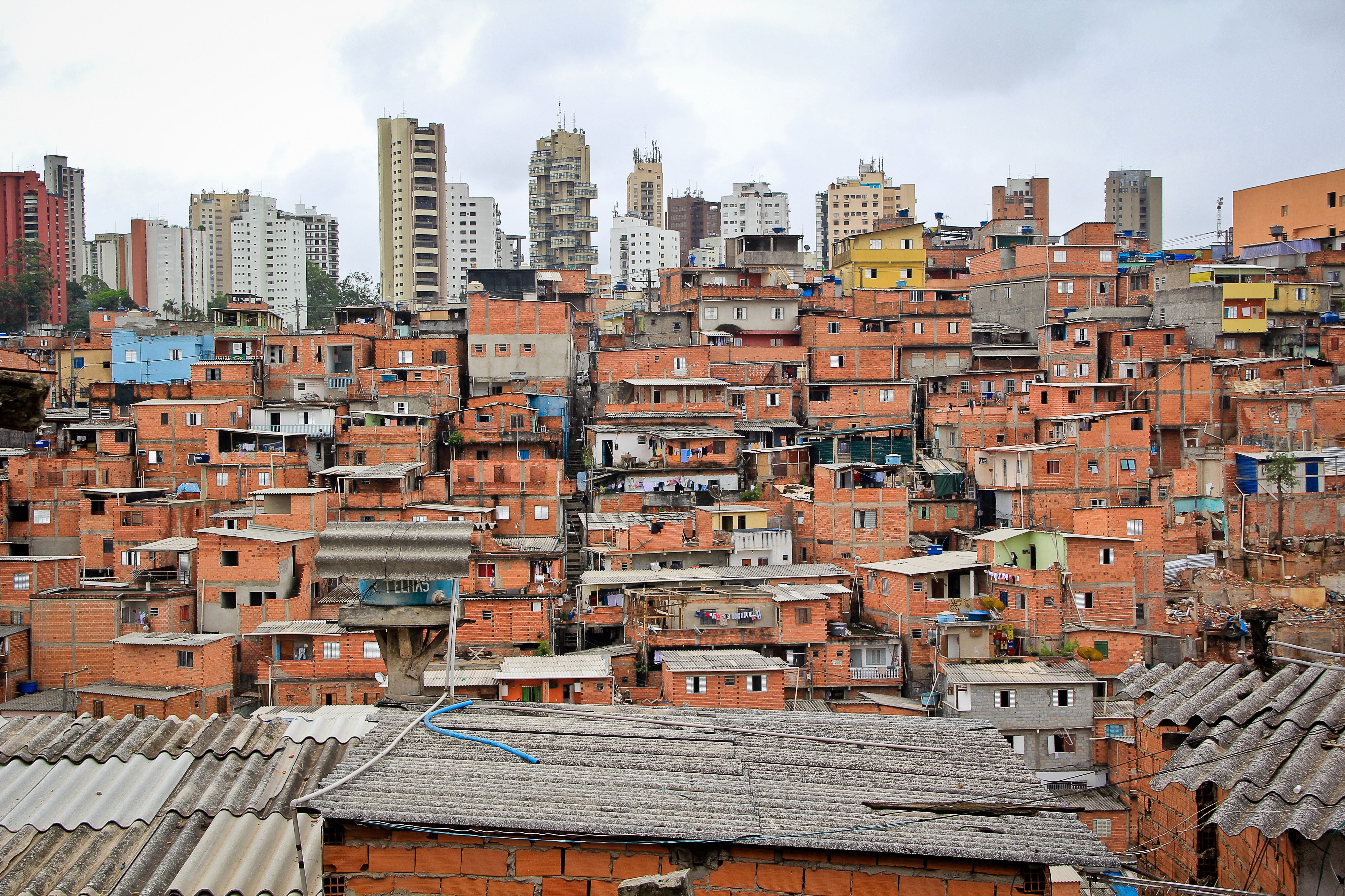
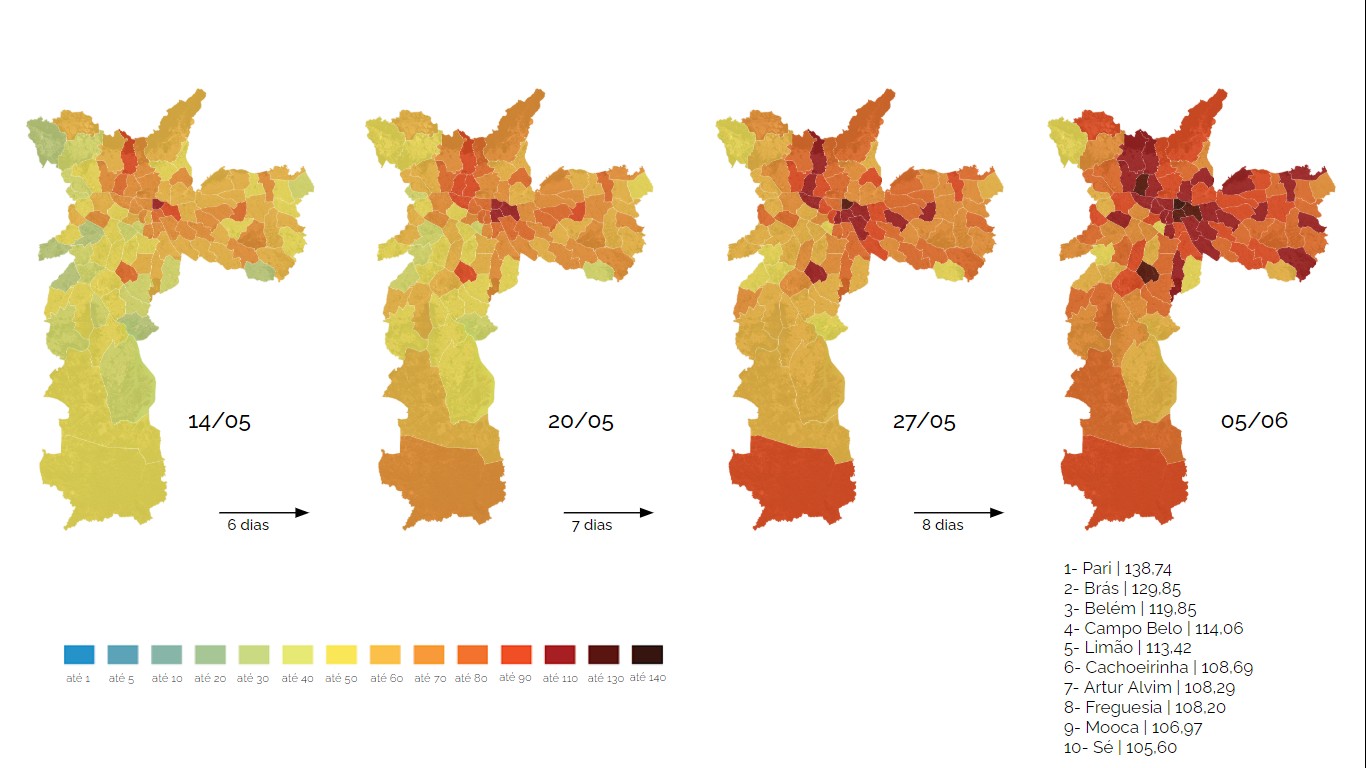
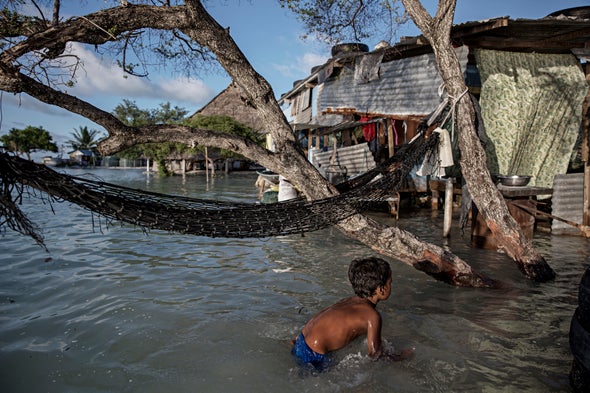

![Students at a university in Germany evaluate data from COVID-19 patients [Reuters]](https://www.aljazeera.com/mritems/imagecache/mbdxxlarge/mritems/Images/2020/6/15/708e7f7043ac44799e463b38335a062d_18.jpg "Data fog: Why some countries' coronavirus numbers do not add up")

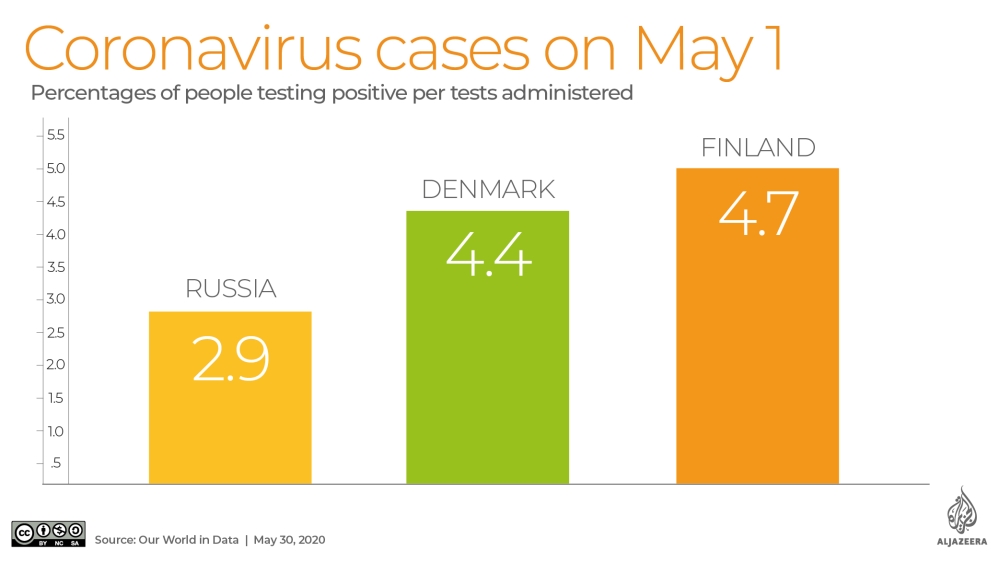
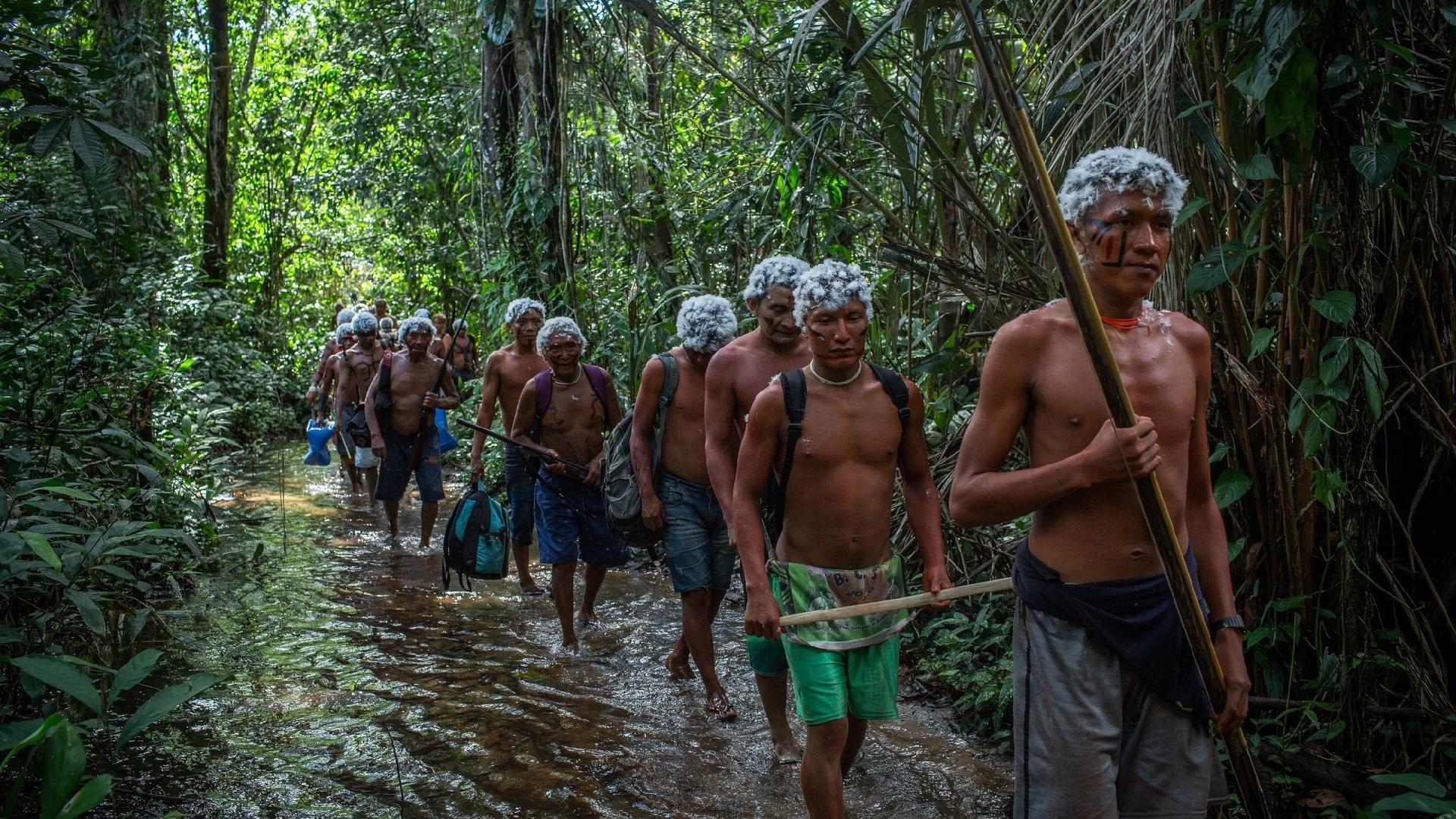
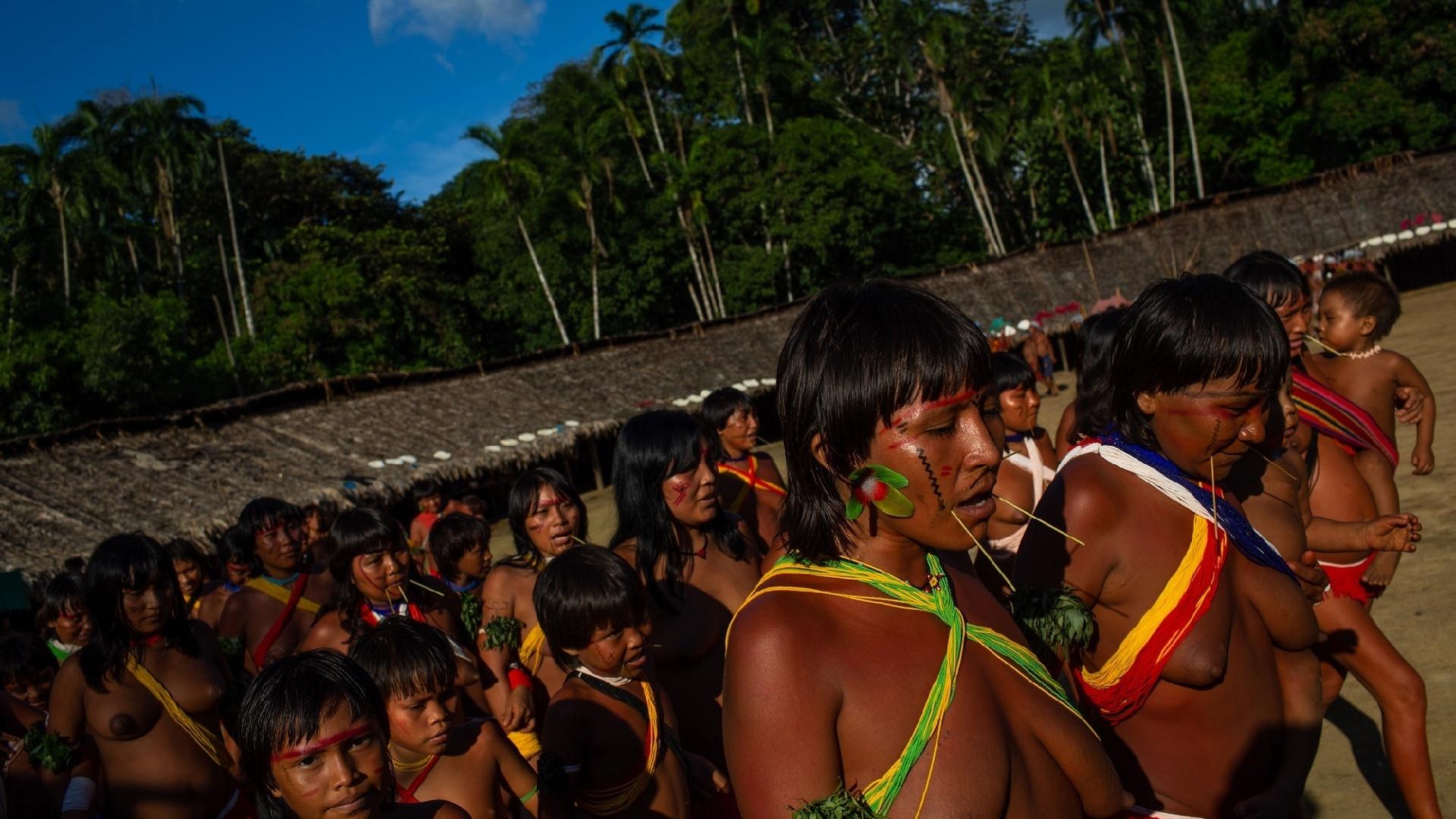

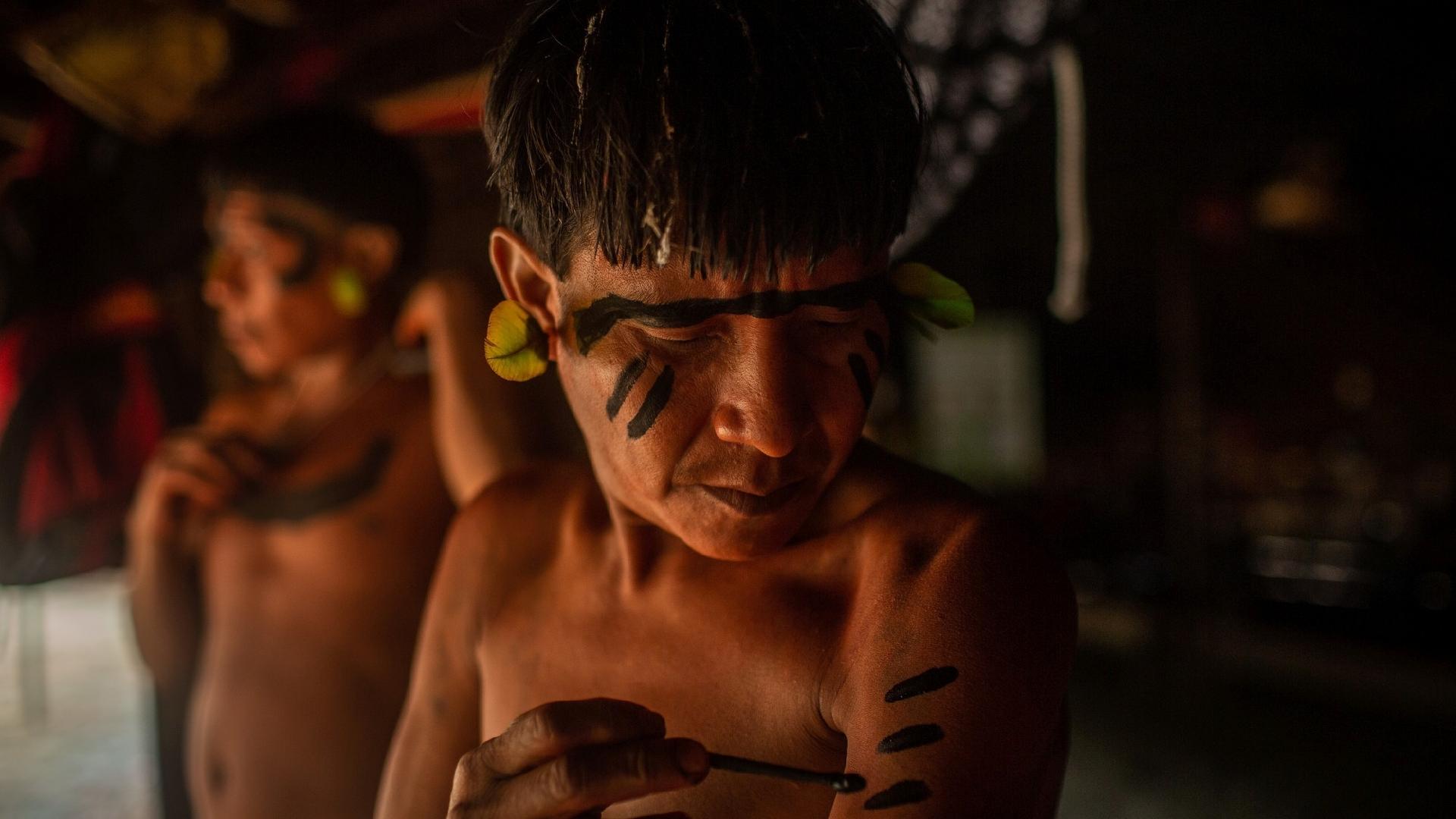
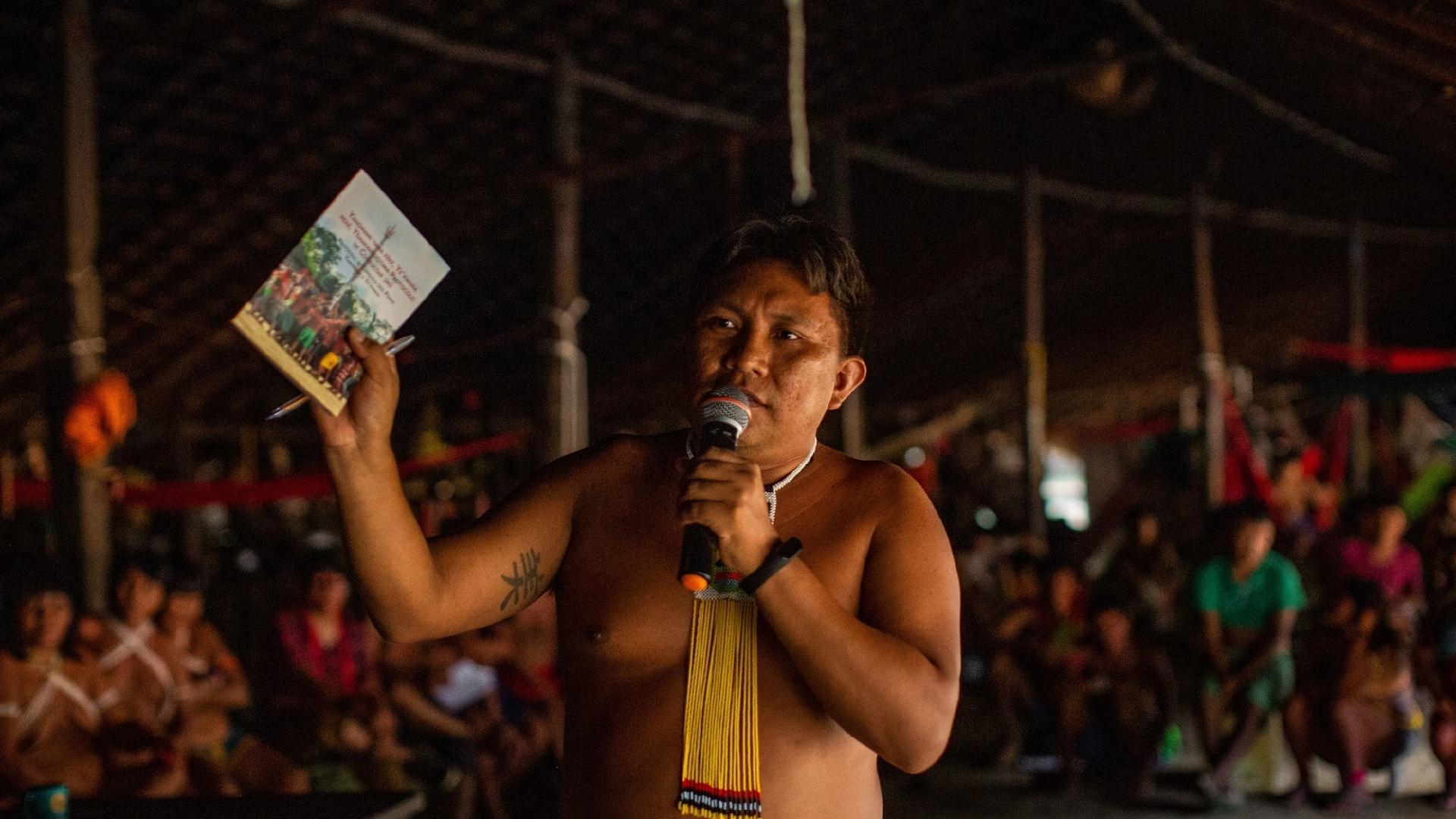
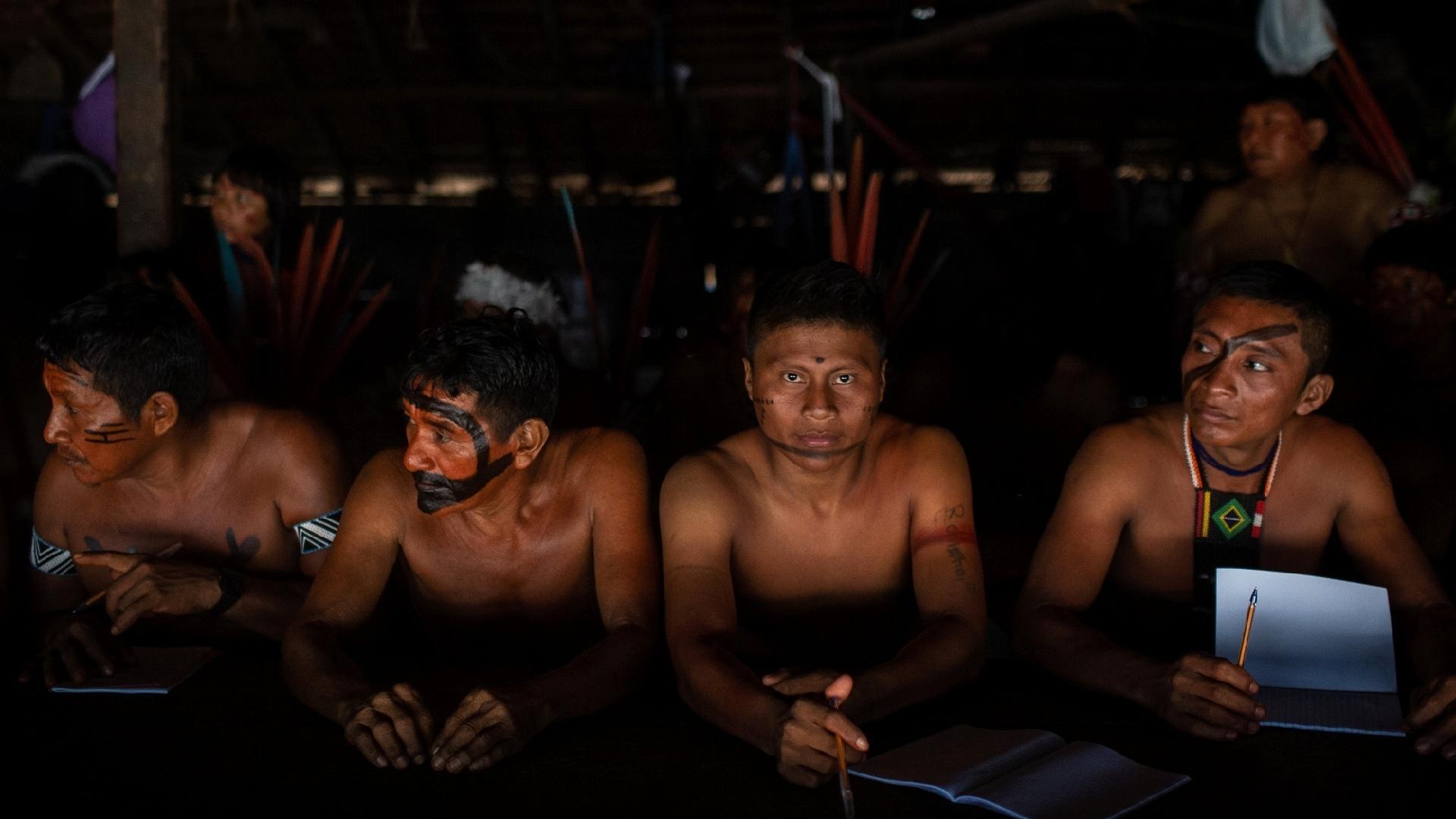



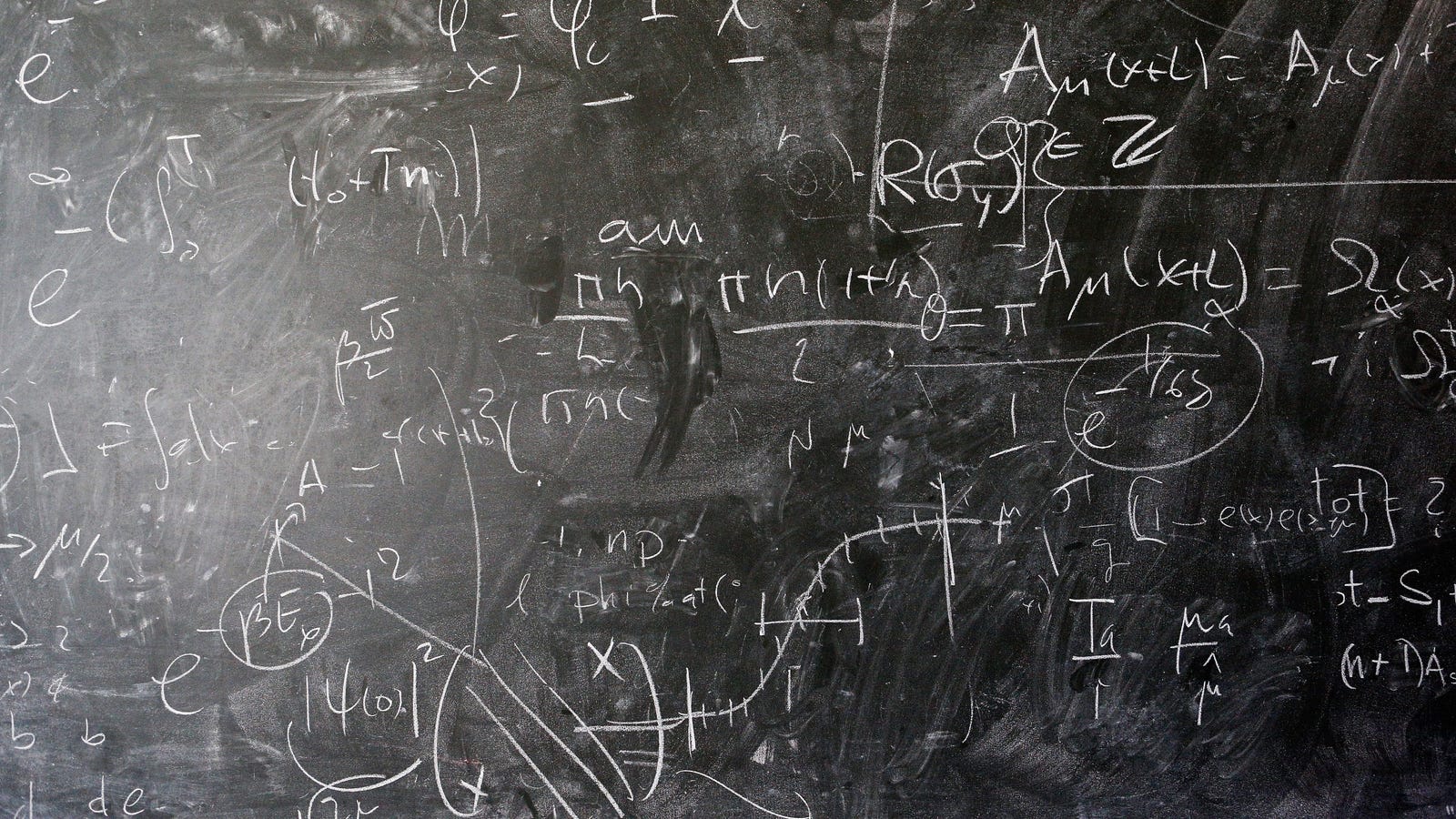
/cdn.vox-cdn.com/uploads/chorus_image/image/66910133/acastro_180730_1777_facial_recognition_0001.0.jpg)
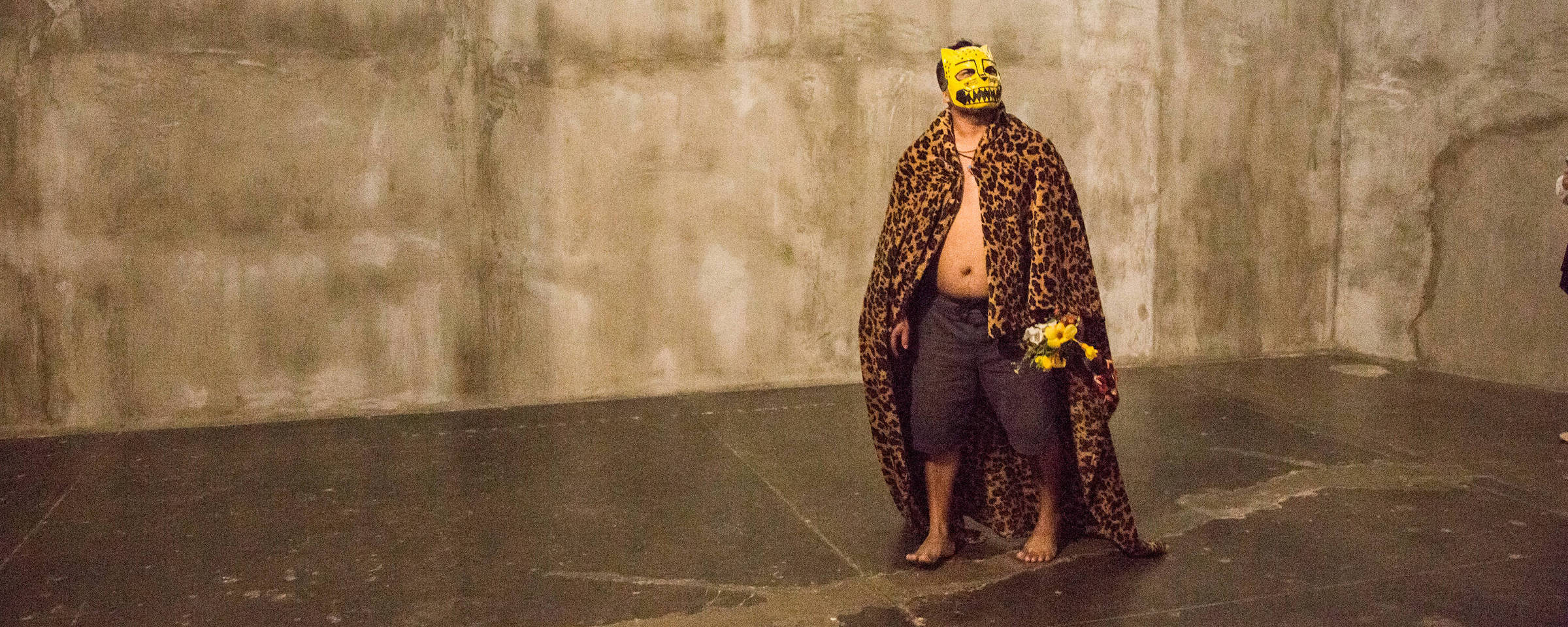
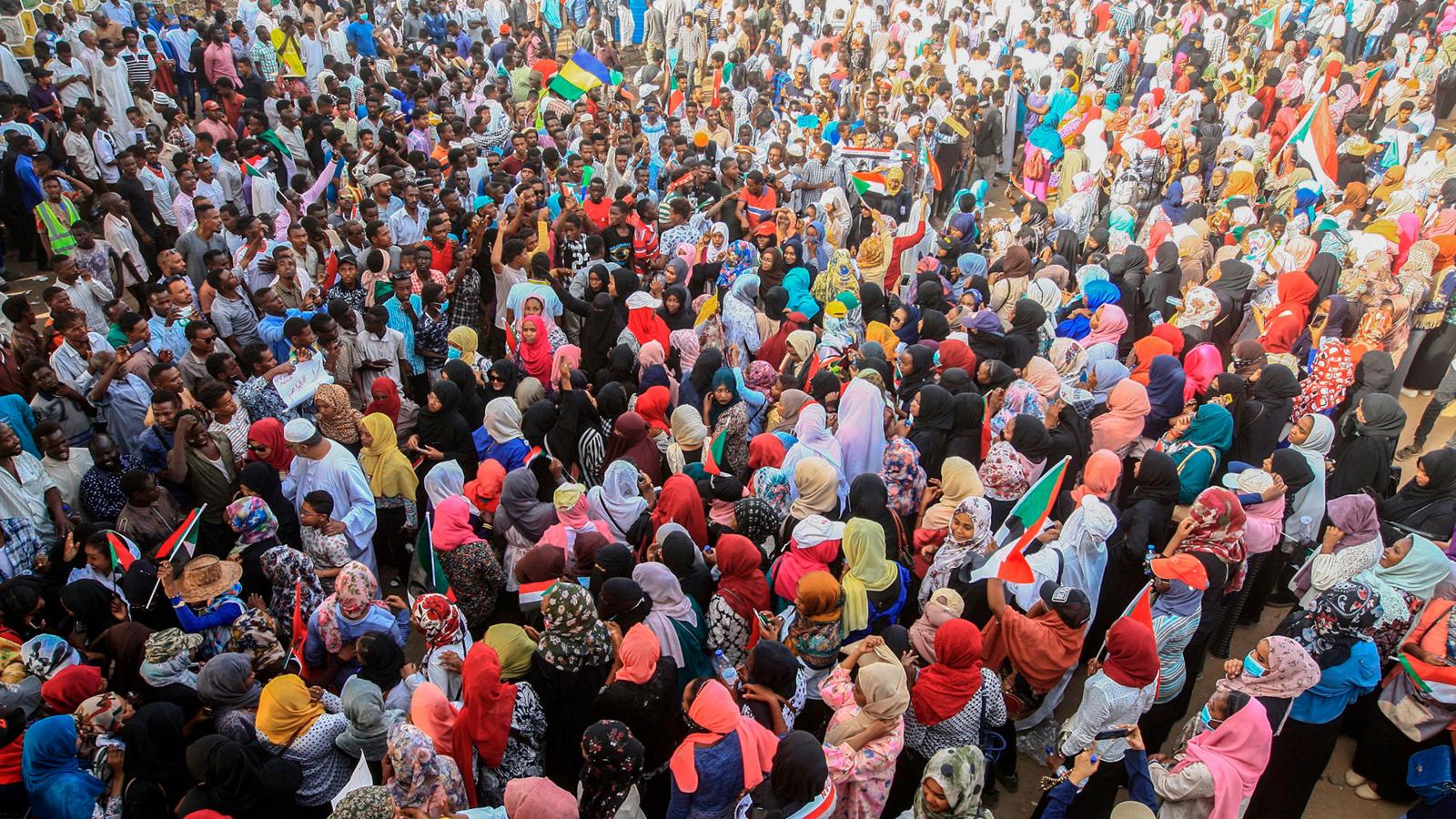
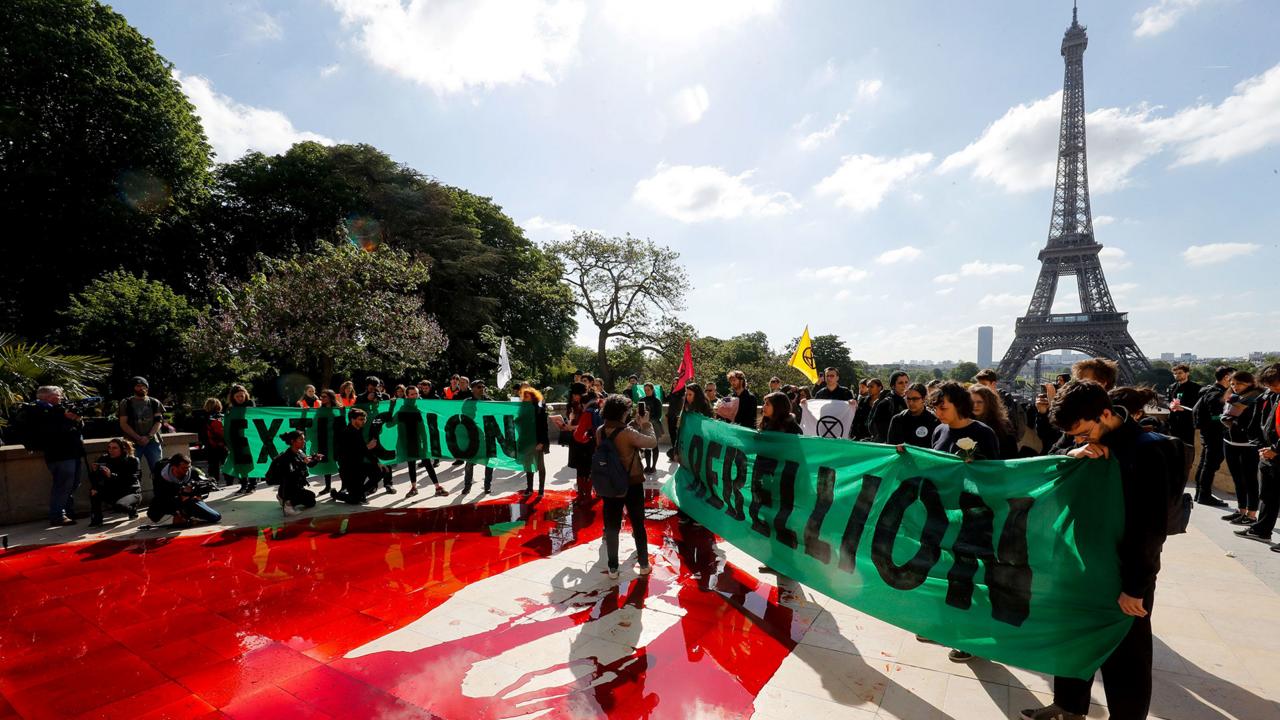
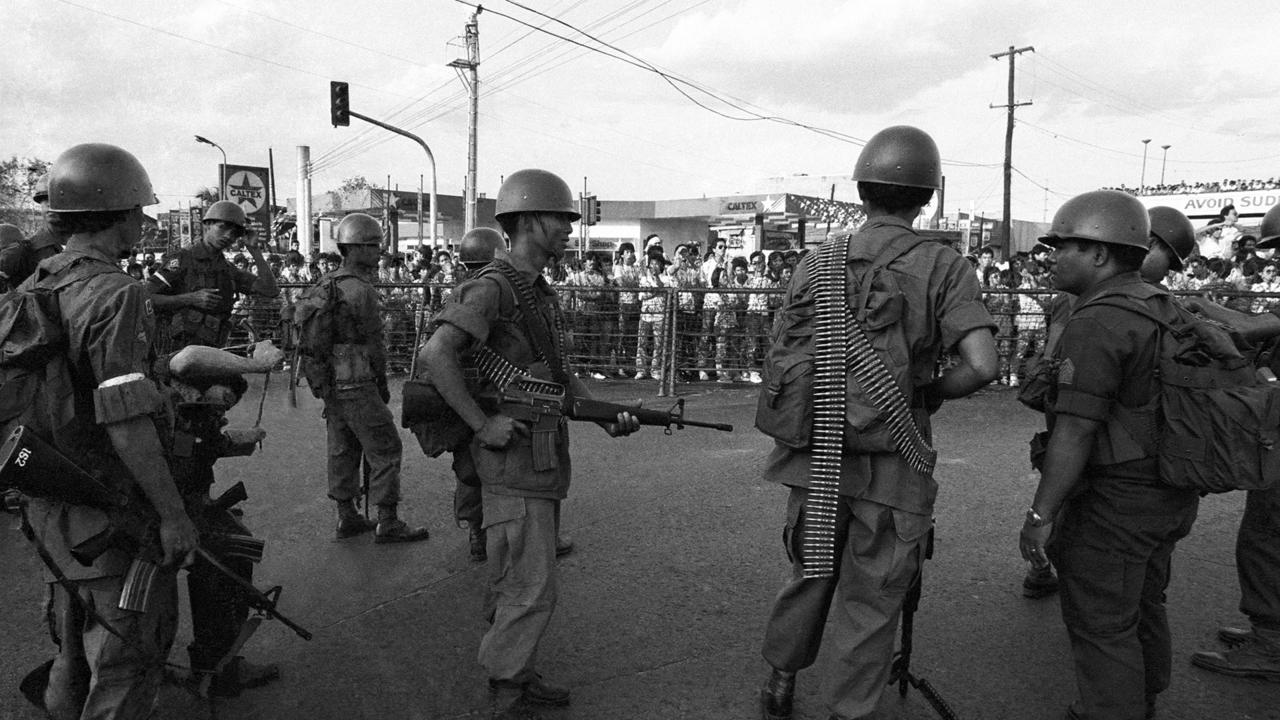
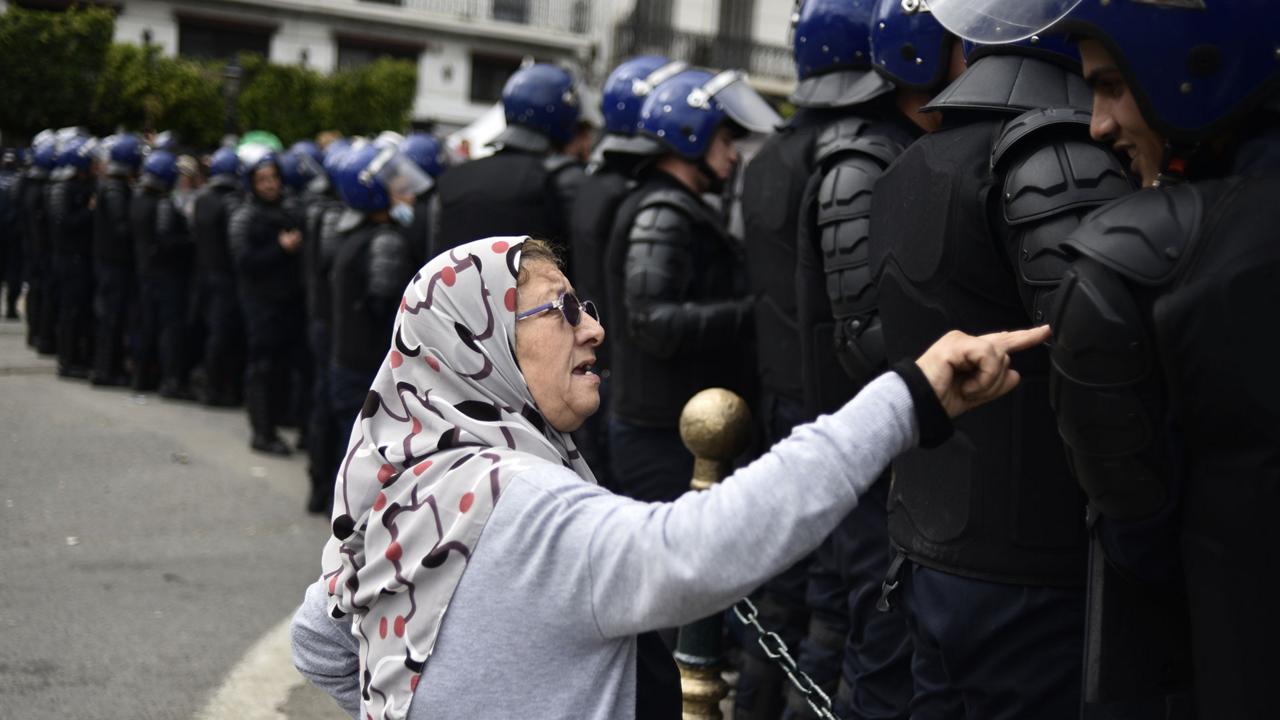
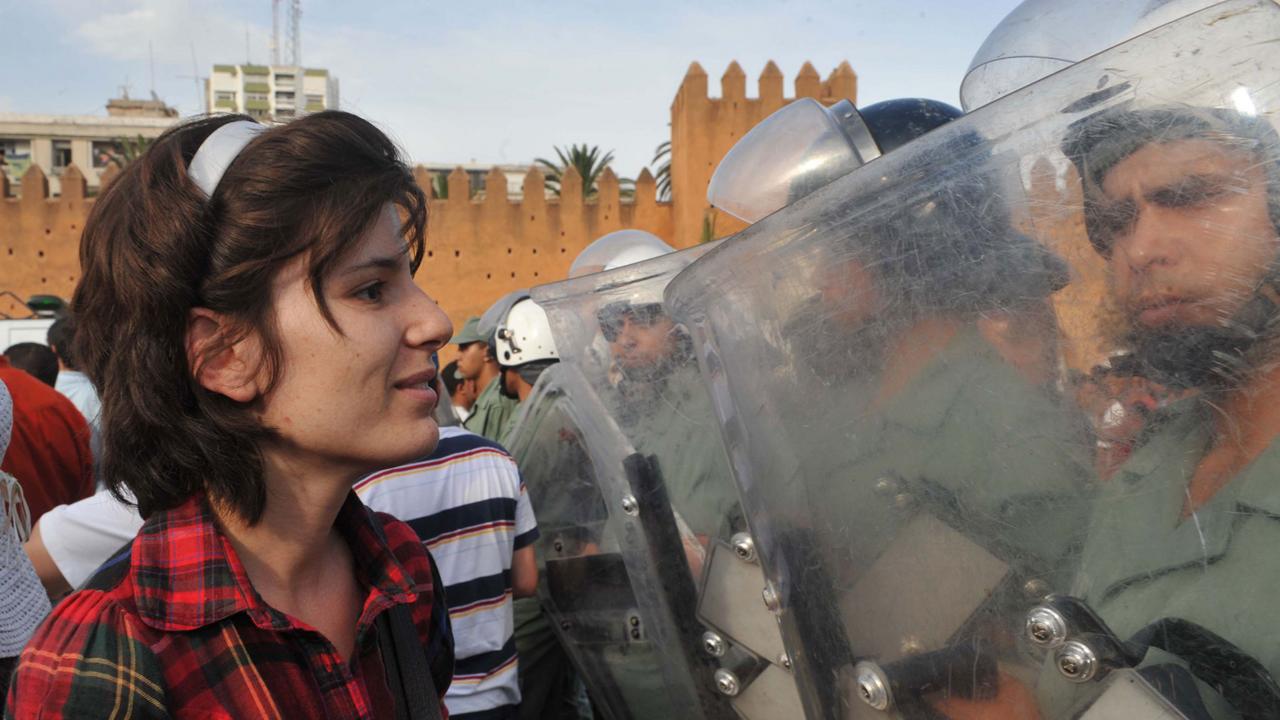
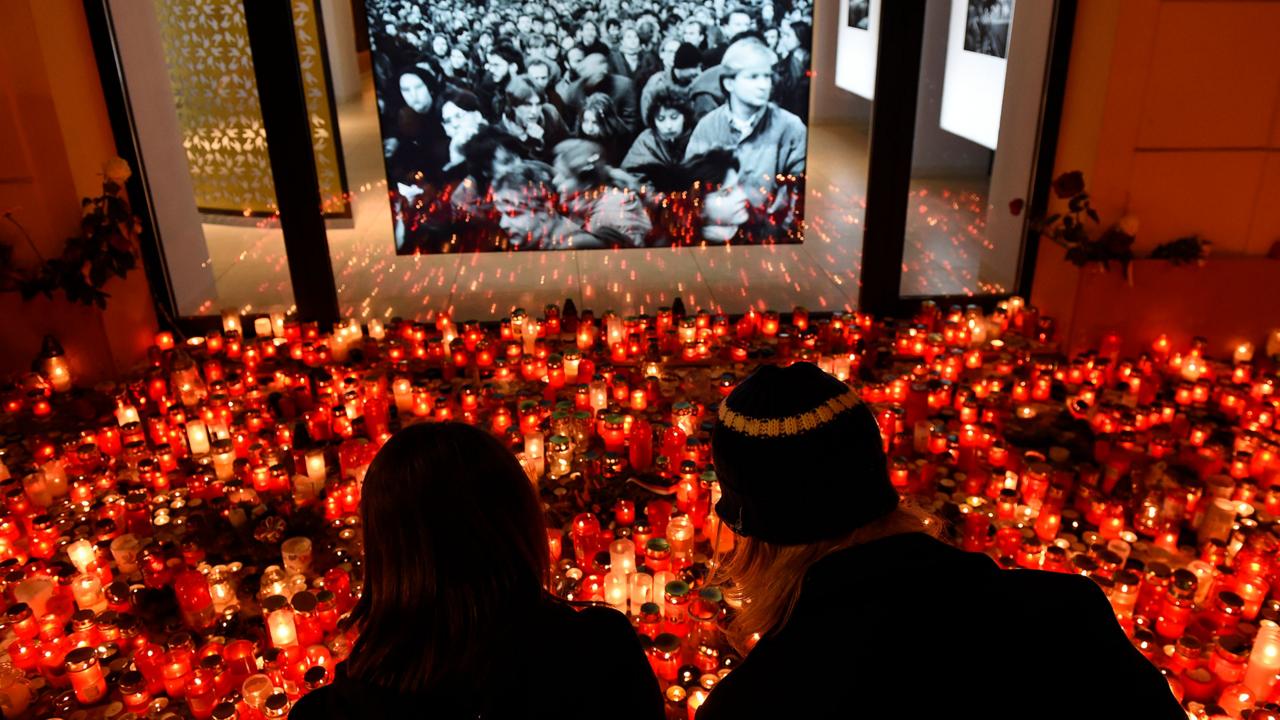
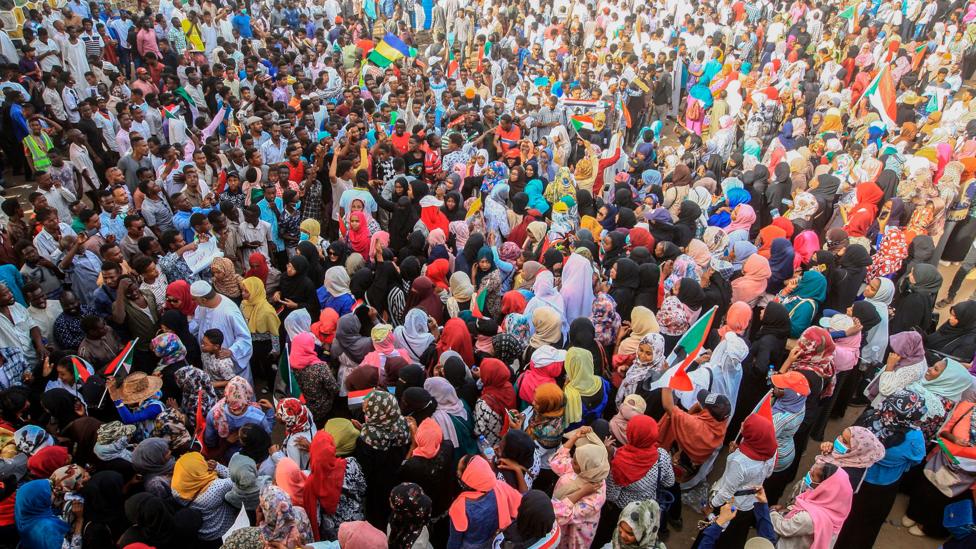
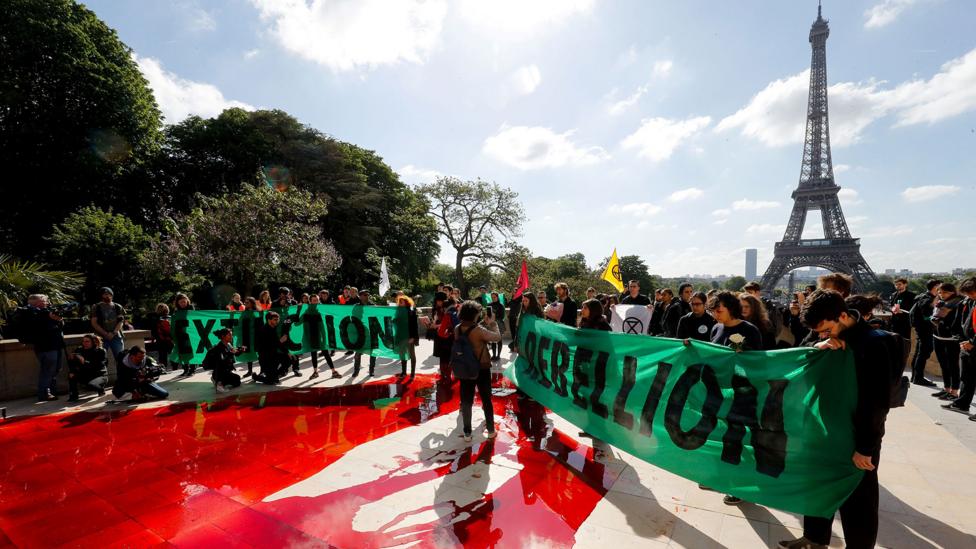
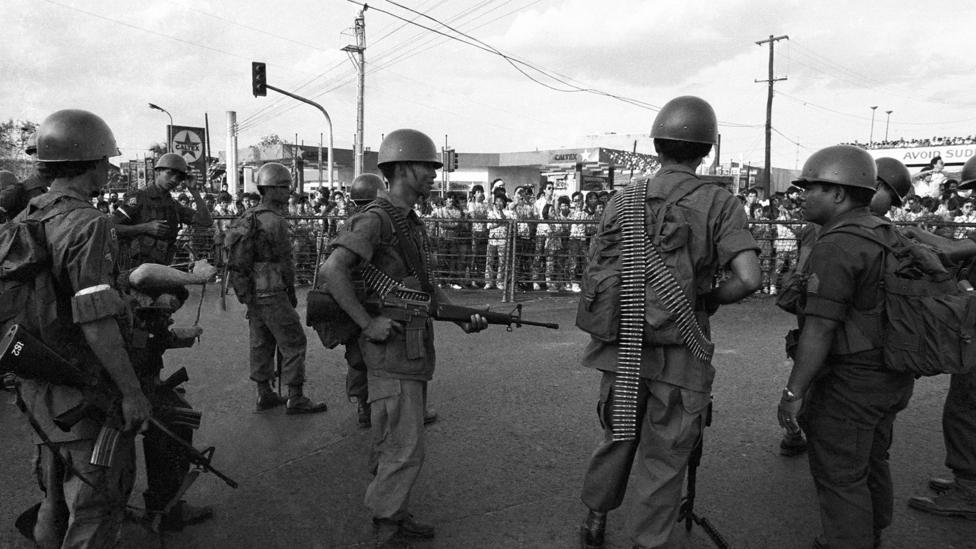
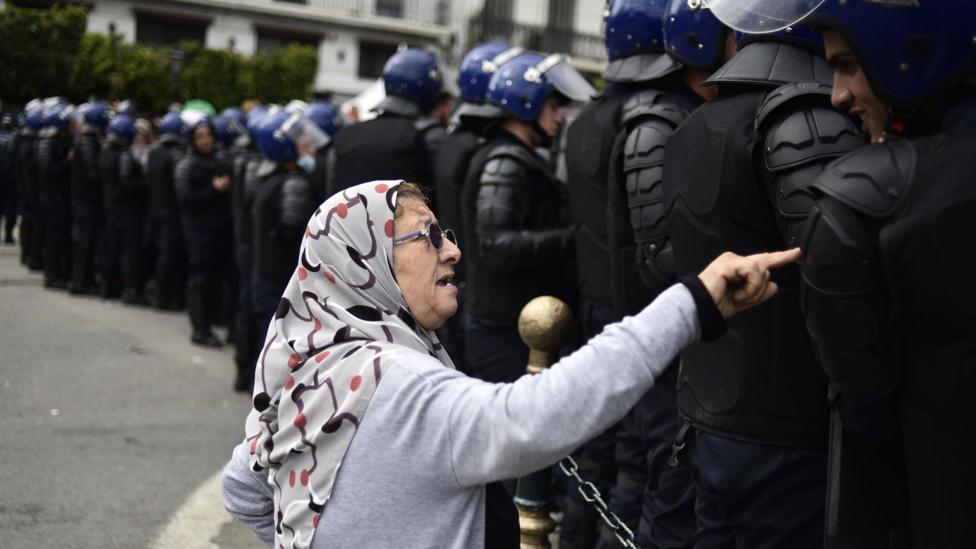
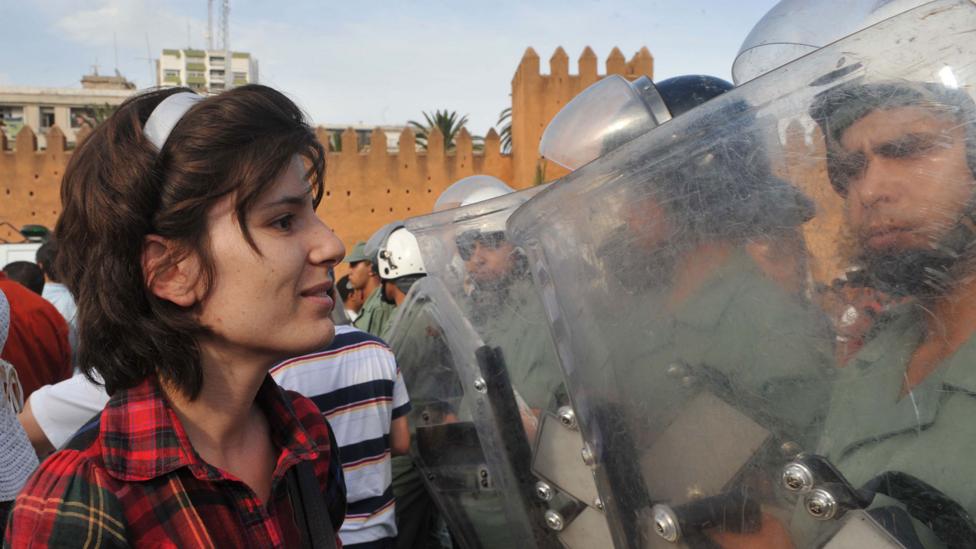
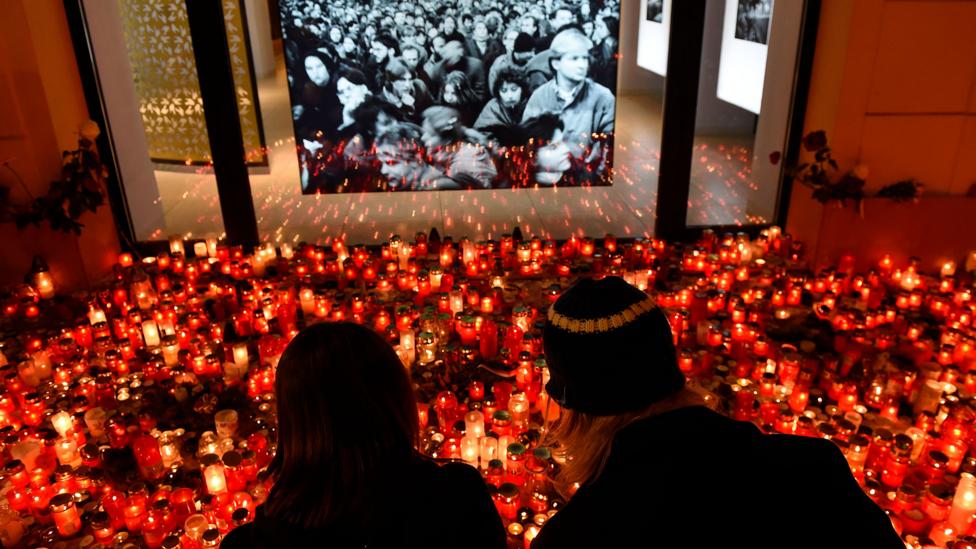


Você precisa fazer login para comentar.