Imagine that Mr. Jones was intubated yesterday in an NYC hospital. He is not imminently dying, though his chances of surviving Covid-19 are uncertain. Mrs. Smith, another Covid-19 case, now requires intubation in the same hospital’s emergency room. She is twenty years younger than Jones, and without his diabetes and hypertension, so her prognosis for recovery is better. But yesterday Jones took the last ventilator in the ICU. If we leave Mr. Jones on the vent, Mrs. Smith will die. If we take Jones off the vent to give it to Smith, then he will die.
If we choose the younger, healthier Mrs. Smith over the older, sicker Mr. Jones, this might appear to be age discrimination. On the other hand, the coronavirus itself engages in age discrimination, killing those over 70 at a much higher rate — so age itself appears to be a medically relevant prognostic factor in many cases.
Most physicians are not trained as wartime medics. We have never before faced these battlefield triage decisions. And with the coronavirus pandemic, there are additional ethical complications. That NYC hospital is also running out of N95 masks and proper gowns to protect staff from infection. Health care workers certainly have a duty to care for the sick. Just as firefighters run into burning buildings while others run away, so also we treat contagious patients while others are socially distancing.
But just as firefighters never signed up to run into burning buildings in their boxer shorts, so also doctors and nurses did not sign up to treat infectious diseases without basic personal protective equipment — gowns, gloves, and masks that cost pennies apiece yet somehow are in short supply. When this PPE is gone, and doctors lack even the most basic barriers against infection, should the 70-year-old physician have to stay in the game? What about the 28-year-old pregnant medical resident who has an elderly immunocompromised grandfather living at home?
Suppose during this crisis we stretch the duty to treat contagious patients to heroic proportions. This is part of the physician’s job, so it is all hands on deck. After a few weeks of this strategy, and before more N95 masks arrive, half of the emergency and ICU physicians in this NYC hospital are home sick with the cursed virus, and one of the hospital’s docs is sick enough to need — guess what? — a ventilator. So this doctor returns to her hospital as a patient.
Should we then pull Mrs. Jones off the ventilator and offer it to the infected physician, who after all acquired Covid-19 while on the front lines heroically risking her own health to care for patients? If we are not convinced by the argument from reciprocity (that she deserves some reward for these efforts), what about the “multiplier effect”? If our central ethical principle under crisis conditions is to save as many lives as possible, it seems plausible that saving this ICU physician — if she recovers and returns to the fray — could help save the lives of more patients. Doctors are in short supply and cannot be easily replaced.
Okay, fine — perhaps we can prioritize doctors, all other things being equal in terms of prognosis. But many other workers are also critical to the pandemic response. Perhaps we can “replace” food service workers and janitors — as distasteful as it is to put it in those terms and think of our fellow human beings in that way — but what about the lead scientist on a project to develop a coronavirus vaccine? Or the police chief of New York? Or any police officer or firefighter, for that matter? What about a priority nudge for pregnant patients on the basis of this same multiplier effect? How should we draw the line around this category of “critical workers” or others who can get a bump up the triage list?
Draw the line too broadly, encompassing anyone still working during the crisis, and such priority quickly becomes meaningless. Draw it too narrowly and you exclude others who are also essential. In any case, if we consider some to be indispensable in this hour, does this not imply that others — the artists and poets, the homeless and unemployed — are dispensable? How will such practices shape our attitudes and impact social solidarity once the virus is gone and the dust has settled?
Suppose we attempt to resolve these puzzles by sticking only to objective clinical criteria: no special priority for anyone, no triage categories that are not directly related to prognosis. We do our best to predict which patients will have the best short-term survival outcomes, give them first priority on scarce resources like ventilators, and save as many people as possible. This seems sensible enough, until we realize that those Covid-19 patients with the best prognosis are typically the ones without medical conditions like diabetes, hypertension, and cardiac disease. But these people are often healthier because they eat healthy food (which is more expensive than McDonald’s), work out at fancy gyms (also expensive), and have access to good medical care (very expensive).
So a triage system that appears at first glance to be fair and medically objective turns out to have the potential for exacerbating social inequalities. The populations that were most vulnerable before a disaster are likely to be among the most vulnerable during a disaster. On the other hand, our mandate is to save as many lives as possible, not to right all wrongs. If devising a medically fair pandemic triage system is frightfully hard, devising a socially fair system seems impossible.
Triage scenarios are not hypothetical fantasies: they are happening in Italy and they are on the verge of happening here. Even as we hope and pray for the best, we have to plan for the worst — and prepare for it quickly.
For the past several weeks, these and a thousand other bewildering questions have been keeping my colleagues and me awake at night. After working on these issues round the clock with colleagues at my hospital who specialize in ethics, critical care, anesthesiology, emergency medicine, and nursing, I recently joined a task force to devise a pandemic triage protocol for all hospitals in the University of California system. These are some of the most remarkable people I know, and most have skin in the game as physicians on the front lines.
UC hospitals are well prepared for a large coronavirus surge, but many of California’s smaller private and community hospitals may not be so fortunate. These times call for the sharing of resources between hospitals, for transfers of care, for institutional solidarity. Our hospitals’ resources belong not to us, but to the citizens of California, and even to those beyond our state borders.
We are not starting from scratch or reinventing the wheel in our deliberations. Many thoughtful ethicists and dedicated clinicians have examined these questions in the bioethics research literature. And several states have published guidelines on these thorny questions, often with input from citizens. Yet most of this background work was done when these questions were hypothetical, while the guidelines we are producing now may soon be deployed on the ground.
In the few moments when we slow down, we occasionally think about the opportunistic lawyers and prosecutors who will later go after doctors no matter what choices we make. This is not to mention the Monday morning quarterbacks who will second-guess these choices with the benefit of hindsight, limitless time, and much more retrospective data. Well, fine — let armies of graduate students earn their Ph.D.’s in the coming years by telling us what we could have done better.
Honestly, most of the time we just worry about our patients. We picture the droves of sick people, barely able to breathe, who will arrive any day now at our hospital doors in ever expanding numbers. We wonder how we will explain our decision to an anguished daughter when we have to look her in the eye and say, “We are sorry, your father will not be placed on a ventilator but will be transitioned to comfort care only.” How will we explain this when a month ago he would have received treatment without question, and might have recovered?
None of this makes sense and none of us thought we would ever be in this position. Yet here we are.
We have deliberated about duty, justice, equality, fairness, transparency. These principles can never be abandoned even in a crisis. Yet something lingers always in the background of our efforts. There is an inescapably tragic undercurrent to all of this, however upright our intentions. This one unsettling fact always remains to haunt us: If hospitals exceed their surge capacity, patients who otherwise would have lived will die. Lives will be lost simply because we lacked the resources to offer everyone the basics of modern medicine.
T. S. Eliot saw the limits of our ability to rectify all wrongs and balance the scales of justice when he wrote, “For us, there is only the trying. The rest is not our business.” My colleagues and I, like so many others in these strange times, are trying our best. But controlling and managing this pandemic is beyond our abilities, indeed, beyond anyone’s abilities. In the absence of a God’s-eye view, in the absence of unlimited resources, in the absence of a crystal ball that can perfectly prognosticate outcomes, physicians are left to humbly do whatever we can — even as we know that this will not be enough. For us there is only the trying. The rest is marked by tragedy.
Aaron Kheriaty, M.D., is an associate professor of psychiatry and human behavior, and director of the Medical Ethics Program, at the University of California Irvine School of Medicine.
Aaron Kheriaty, “The Impossible Ethics of Pandemic Triage,” TheNewAtlantis.com, April 3, 2020.
Paul Jürgens – Publicado em: 09/04/2020 | Atualizado em: 10/04/2020
Luiz Davidovich: o presidente da Academia Brasileira de Ciências espera que a positiva exposição midiática por que passa a ciência neste momento não cesse após a epidemia ser superada
A chegada do coronavirus ao País provocou um impacto sem precedentes na rotina do funcionamento das instituições e empresas brasileiras, e no dia da dia da população. Com o trabalho da Imprensa, não foi diferente. Em poucos dias, jornalistas reviravam suas agendas em busca de contatos no meio científico, na tentativa de entender o que estava em jogo com a chegada da Covid-19 e de oferecer informações seguras a seus leitores. Um dos jornais impressos de maior circulação no País anunciou há poucos dias que estava convidando cinco cientistas para, alternadamente, assinaram coluna diária em suas páginas, intitulada “A Hora da Ciência”. O Boletim FAPERJ foi ouvir o que os pesquisadores e gestores que atuam na área da Ciência, Tecnologia e Inovação pensam desse súbito interesse de todos os meios de comunicação pela pesquisa no País, e que legado isso pode deixar para as relações da comunidade científica com os jornalistas, uma vez superada a crise sanitária.
Para o presidente da Academia Brasileira de Ciências, o físico Luiz Davidovich, a crise atual envolve todo o planeta, atingindo ricos e pobres, que agora estão tendo a oportunidade de acompanhar os avanços mais recentes da ciência, que por meio de técnicas cada vez mais sofisticadas permite conhecer o modo de ação do vírus, e que motiva equipes em todo o mundo para encontrar remédios e vacina. “A comunidade científica está tendo a oportunidade de dar o seu recado, diariamente, de forma clara e objetiva, sem partidarismo político. A primeira pessoa a anunciar a vitória da humanidade contra esse inimigo invisível e insidioso não será um político. A notícia virá, em primeira mão, com um comunicado redigido com termos técnicos, do grupo de pesquisas que descobrir a vacina”, diz Davidovich, professor do Instituto de Física da Universidade Federal do Rio de Janeiro (UFRJ). Ele espera que a positiva exposição midiática por que passa a ciência neste momento não cesse após a epidemia ser dominada. “Temos muitas ameaças no horizonte, por exemplo, com novos vírus que aparecem frequentemente e a questão das mudanças climáticas.E certamente muitas descobertas que mudarão nosso quotidiano, em benefício da qualidade de vida, ainda estão por vir”, acrescentou.
O coordenador de estratégias de integração regional e nacional da Fundação Oswaldo Cruz (Fiocruz), Wilson Savino, avalia que uma parte significativa da população do planeta já tinha motivos para acreditar na ciência. Ele, no entanto, acredita que isso não necessariamente se traduz por tomadas de consciência em termos de atitudes e de ações. “Somente quando a vida está em perigo, e, no caso da pandemia de Covid-19 esse medo tem dimensão planetária, é que a percepção de que a ciência poderá dar respostas (res)surge”, diz. “A mídia não age de maneira diferente. Não apenas os atores da comunicação midiática sentem o mesmo, procurando informação da melhor qualidade possível junto aos cientistas e instituições científicas, mas também sabem que seus leitores e ouvintes estão ávidos por informação confiável sobre seus próprios destinos”, fala. Vice-coordenador geral das redes de Pesquisa em Arboviroses, que recebe apoio da FAPERJ, Savino, que também é membro da Academia Brasileira de Ciências, torce para que a avidez por respostas científicas para resolver questões relevantes na vida da sociedade não desapareça após o controle da pandemia. “Que a ciência tenha uma nova iluminação nos corações e mentes deste nosso Brasil”.
Eliete Bouskela: para a médica e pesquisadora, aproximação da sociedade com os cientistas pode trazer enormes benefícios
Primeira mulher a ocupar o cargo de diretora Científica da FAPERJ, a médica e pesquisadora Eliete Bouskela afirma que cientistas costumam abordar os problemas de forma mais racional e que isso também contribui para o aumento do interesse dos meios de comunicação pela ciência, sobretudo em um momento como esse, de pandemia. “Nós, pesquisadores, tratamos das questões de forma mais racional, transparente, e, quando necessário, não hesitamos em declarar que não temos uma resposta, que estamos buscando soluções”, diz. Professora Titular da Universidade do Estado do Rio de Janeiro (Uerj) e membro associado da Academia Francesa de Medicina, ela acredita que o atual escrutínio da imprensa pelo trabalho dos cientistas deve contribuir para aproximar a comunidade científica do resto da sociedade. “À medida que saímos da torre de marfim e construímos um canal de comunicação com a população, isso certamente resultará em um aumento do interesse das pessoas pelo conhecimento científico e pela carreira de professor e pesquisador. A aproximação da sociedade com os cientistas, que também fazem parte da sociedade, pode trazer enormes benefícios”, assegura.
“Mais fortes e maduros”. É assim que o médico e Professor Titular de Psiquiatria da Faculdade de Medicina da Universidade Federal do Rio de Janeiro (UFRJ) Antonio Egidio Nardi acredita que sairemos da crise sanitária atual. “Vidas serão perdidas e isso é muitíssimo lamentável. Mas a sociedade também ganhará com esta crise relacionada à Covid-19, por exemplo, com a valorização da educação e dos investimentos em ciência e saúde”. Segundo o pesquisador, é possível observar que tanto nos sites informais, quanto na mídia de qualidade, já se discute, com algum embasamento científico, a origem da pandemia, a forma de propagação, como evitar o contágio rápido e as possibilidades de tratamento. “Artigos científicos comentários de pesquisadores e editoriais de revistas com credibilidade circulam nas mídias sociais de forma surpreendente. A ciência está viva, sendo mundo valorizada. O conhecimento científico está atingindo um grande público. Este é o objetivo primordial da ciência e das sociedades científicas: ajudar a sociedade a viver melhor”, destaca. “A sociedade pós-pandemia será melhor e saberá reconhecer o valor de pesquisas, dos profissionais de saúde e da educação de qualidade”, aposta o médico, membro da Academia Nacional de Medicina e que recebe apoio da FAPERJ para suas pesquisas por meio do programa Cientista do Nosso Estado.
Idealizador e ex-diretor do Parque Tecnológico da UFRJ, o engenheiro Mauricio Guedes, que desde julho de 2018 ocupa o cargo de diretor de Tecnologia da FAPERJ, acredita que a humanidade está tendo uma rara oportunidade para repensar o seu modelo de sociedade. “Essa grande exposição midiática sobre as atividades ligadas à ciência, com horas e horas de transmissões ao vivo nas tevês e pela Internet, e também em reportagens que agora ocupam quase todo o espaço disponível em jornais e revistas, certamente trará uma contribuição decisiva para que a população e os meios de comunicação reconheçam o valor da pesquisa e o papel central dos cientistas e tecnólogos no nosso futuro”, observa. “Enxergo aqui uma nova chance de entendermos o mais rápido possível que universidades e empresas precisam se unir para promover o avanço do conhecimento, ao mesmo tempo em que criam soluções em grande escala para o enfrentamento desta crise planetária”, diz. “O mundo não será como antes”.
Para o médico e imunologista Cláudio Tadeu Daniel-Ribeiro, coordenador do Centro de Pesquisa Diagnóstico e Treinamento em Malária no Instituto Oswaldo Cruz (IOC/Fiocruz), o papel da mídia tem sido exemplar, confrontando informações e tentando esclarecer dúvidas da população. “Nesse contexto dramático e assustador, temos a sorte de ver uma imprensa que busca os fatos, lá onde o conhecimento é produzido; na ciência, para esclarecer a sociedade, desinformada, parte por não saber como e onde ter acesso a dados fidedignos, parte por que leigos, agindo em nome de vísões tão desinformadas quanto descoladas da realidade dos fatos, insistem em propalar notícias e opiniões incorretas, que confundem a população”, diz.
Professor TItular de Fisiologia e Biofísica Instituto de Biofísica Carlos Chagas Filho da UFRJ, Antonio Carlos Campos de Carvalho alerta que só a ciência pode oferecer soluções que minimizem os estragos que esta crise fará no mundo. “Em situações de crise mundial, como a atual, a sociedade e os governos sempre se voltam para a ciência, buscando projetar cenários e as melhores respostas para o problema. Sem a ciência, a mídia já percebeu que estaremos sujeitos a achismos de pessoas desqualificadas para lidar com a crise”, diz. “Se nossos governantes entenderem que a ciência é capaz de trazer soluções racionais para nossos problemas, veremos adiante um apoio maciço às universidades e institutos de pesquisa através das agências de fomento, como a FAPERJ. Só ciência e tecnologia geram inovação e progresso social e econômico. O que sustenta nossa economia atualmente é o agronegócio, fortemente impactado justamente pelos avanços científicos e tecnológicos, promovidos, no passado, por diversas instituições nacionais de pesquisa. Com o avanço das técnicas de edição de genomas, vários países terão ganhos significativos de produtividade e temo pelo que pode acontecer com a economia brasileira se perdermos nossa posição de liderança no agronegócio mundial”, analisa o assessor para área da Saúde da Diretoria Científica da FAPERJ.
À frente da Assessoria de Relações Internacionais da FAPERJ, a pesquisadora Vânia Paschoalin acredita que, frente a uma situação de muito agravo à saúde humana, onde um vírus reemergente provoca mortes e sofrimentos, a humanidade parece ter entendido a importância da ciência para salvar vidas, diminuir o sofrimento humano e proporcionar bem estar e saúde. “Os cientistas sempre estiveram à disposição para explicar, com conhecimento e profundidade, o que lhes é perguntado. Assim, acabaram por assumir, neste momento, um papel muito importante de esclarecimentos e direções, devido à credibilidade que a sociedade sempre conferiu a eles”, avalia. Para a diretora-adjunta de Pós-Graduação do Instituto de Química da UFRJ, a humanidade está passando por muitas mudanças neste momento e o interesse dos jornalistas em ouvir os cientistas é reflexo disso. “Espero que tenhamos um apreço ainda mais respeitoso pela Ciência e pelo trabalho obstinado dos cientistas daqui para a frente, e que isso seja revertido em verbas regulares a pesquisa, de maneira que os cientistas possam gerar e disponibilizar conhecimentos para o bem da humanidade”, conclui.
Em dez países, 85% dos entrevistados disseram que precisam ouvir mais os cientistas e menos os políticos; no Brasil, esta porcentagem foi de 89%
09/04/2020 – 12:31 / Atualizado em 09/04/2020 – 13:35
Uma cientista examina, por meio de um microscópio, máscara facial reutilizável, com camada com íons de prata, em Kalingrado, na Rússia. Foto: VITALY NEVAR / REUTERS
RIO – A pandemia do coronavírus, que já matou cerca de 80 mil pessoas e adoeceu cerca de 1,3 milhão (dados oficiais da Organização Mundial da Saúde do último dia 8), fez crescer no mundo inteiro a confiança na Ciência.
Segundo pesquisa da Edelman Trust Barometer, sobre a “Confiança e o Coronavírus”, 85% dos entrevistados disseram que precisam ouvir mais os cientistas e menos os políticos. No Brasil, esta porcentagem foi de 89%.
Sobre porta vozes confiáveis, os cientistas são os mais citados no geral (83%), seguido pelo médico pessoal (82%), assim como no Brasil (91% e 86% respectivamente). Autoridades governamentais receberam 48% (geral) e 53% (Brasil) das indicações — era possível escolher mais de uma resposta.
— Talvez a notícia que mais esperamos nos dias de hoje é a descoberta de uma vacina contra o coronavírus. E ela será dada por um cientista — declarou o físico Luiz Davidovich, presidente da Academia Brasileira de Ciências. — A Ciência está muito presente nesse momento atual no mundo inteiro. Aqui no Brasil, na mídia e na fala do nosso ministro da Saúde. O tempo inteiro, (Luiz Henrique) Mandetta enfatiza o papel da Ciência no combate ao coronavírus. Cientistas do mundo todo se comunicam, trocam informações e estão nessa corrida contra o tempo. Não sei o que acontecerá depois desta pandemia, mas os governos e as pessoas em geral deveriam manter seus apoios e confiança nos cientistas.
A pesquisa foi feita entre 6 e 10 de março de 2020, por sondagem on-line em 10 países: África do Sul, Alemanha, Brasil, Canadá, Coreia do Sul, Estados Unidos, França, Itália, Japão e Reino Unido. Foram 10 mil entrevistados (1.000 por país) e todos os dados têm representatividade nacional em termos de idade, região e gênero. A margem de erro é de três pontos percentuais para mais ou para menos.
Mostrou ainda que a maioria se disse preocupada com a politização da crise: na Coreia do Sul este índice foi o maior (67%), seguindo pela África do Sul e Estados Unidos (62%), França e Alemanha (61%) e Brasil, com 58%, mesma porcentagem no total geral.
Davidovich afirma que antes desta pandemia, a “atitude anticiência” mostrava-se presente em vários países do mundo, inclusive no Brasil. Citou a falta de investimentos e apoio na área e também exemplos dos movimentos contra a vacinação e o “exótico” terraplanismo, que ganhou força nos Estados Unidos a partir de 2014.
— Quando um presidente de um país, poderoso como os EUA, fala contra as evidencias cientificas com relação às mudanças climáticas, por exemplo, ele afeta o mundo inteiro. Isso vai ser corrigido depois desta epidemia, em que os cientistas seguem como fonte mais confiável?
Cientista mostra tubo com uma solução contendo anticorpos para Covid-19, com o qual trabalha para descobrir um medicamento, na Universidade de Tsinghua, em Pequim, China. Foto: Thomas Peter / REUTERS
Altar
Para o antropólogo Ruben George Oliven, titular do programa de pós-graduação de Antropologia Social da Universidade Federal do Rio Grande do Sul, acredita que pesquisa mostra o quanto o cientista e os profissionais da saúde estão valorizados nos tempos atuais. Mesmo que a pesquisa tenha sido feita em países tão diferentes. Observou que no Brasil, os discursos antagônicos entre a presidência e o Ministério da Saúde colocam as autoridades governamentais em xeque.
— Mesmo num país como Brasil, em que a religiosidade é importante e os lideres religiosos não estão citados na pesquisa, as pessoas confiam no cientista. Diferentemente do político, que precisa estar bem com todo mundo para se reeleger, que tem discursos diferentes para diferentes grupos, o cientista tem alto grau é visto como alguém que se dedica a descobrir a verdade. Está numa especie de altar, ao lado dos profissionais da saúde — comenta Oliven, que destaca ainda o médico pessoal. — O meu medico é a pessoa que me trata, no qual eu deposito confiança e o que ele diz tem grau de veracidade muito grande. É o que caracteriza uma boa relação médico-paciente.
Ana Julião, gerente geral da Edelman, agência global de comunicação e responsável pela pesquisa, afirma que a empresa faz pesquisas sobre confiança, no mundo inteiro, há 20 anos e tem observado uma polarização entre informação e opinão:
— Essa crise gera um medo natural nas pessoas e faz com que os cientistas sejam os mais confiáveis. Nesse momento, a gente vê o quanto a informação é muito mais importante que a opinião.
Fake news
Sobre a busca por informações, a pesquisa mostrou que a Italia destacou as fonte governamentais (63%). Na África do Sul (72%) e no Brasil (64%), as mídias sociais são citadas como principal fonte de informação. Mas a maioria, sete países, buscam dados prioritariamente com os veículos de comunicação, cujo índice total (incluindo todos os pesquisados) é de 64%. No Brasil, a imprensa (59%) aparece em segundo e depois, as fontes do governo (40%).
. Foto: Editoria de Arte
No total geral, depois da imprensa, aparecem: fontes do governo nacional (40%), mídias sociais (38%), organizações globais de saúde como a OMS (34%), autoridades sanitárias nacionais (29%), amigos e familiares (27%) e fontes do governo local (26%).
Segundo a pesquisa, no Brasil, 85% dizem se preocupar com fake news sobre a pandemia. Além disso, 52% admitem ter dificuldade para encontrar informações confiáveis e de credibilidade sobre o coronavírus e seus efeitos e 89% afirmam que precisam ouvir mais os cientistas e menos os políticos.
No geral, levando em consideração os dez países pesquisados, 74% se dizem preocupados com notícias falsas, 45% tem dificuldade para encontrar dados confiáveis e 85% confiam mais na ciência do que nos políticos.
A filosofa Carla Rodrigues, professora da Universidade Federal do Rio de Janeiro, observa ainda que a pesquisa foi feita no início de março e que houve, no Brasil, uma explosão de fake news nos últimos dias. Assim, segundo ela, as pessoas devem ter mais dificuldade para buscar dados confiáveis. Também destacou o fato da pesquisa mostrar que entre os porta vozes mais eficientes não está as autoridades governamentais.
— Esse número de 52% seria muito maior, sem dúvida. Principalmente por causa da politização criada em torno do coronavírus. Há cerca de duas semanas, a quantidade de fake news é enorme e se criou uma confusão sobre o tema — diz Carla, que acrescenta que nos últimos anos se intensificou o uso de fake news como instrumento de mobilização contra diversas instituições. — Incluindo a Ciência que foi muito enfraquecida. Nesse contexto, é muito mais difícil fazer com que as instituições responsáveis pelo combate a pandemia sejam respeitadas. Ou seja, mais um obstáculo a enfrentar.
A “busca pela verdade”, pelos cientistas, segundo Carla, é constante, mutante, e que é preciso ter cuidado. Isso porque as descobertas serão, em sua maioria, superadas e não se pode usar este fenômeno para desacreditar a classe.
— O coronavírus é um problema novo. E a Ciência vai continuar a pesquisar e investigar. A resposta será sempre atualizada e passível de revisão. Muitas vezes este fenômeno é usado para desacreditar a Ciência. Mas, a boa Ciência não é absoluta, não tem uma verdade final. Ainda bem.
Predict, a government research program, sought to identify animal viruses that might infect humans and to head off new pandemics.
Arlette Kavugho, 40, mother of six and an Ebola survivor, carries Kambale Eloge, 16 months old, whose mother died of the disease, in Katwa, near Butembo, Democratic Republic of Congo. USAID’s Predict project helped identify Ebola’s routes of transmission. Credit Zohra Bensemra/Reuters
In a move that worries many public health experts, the federal government is quietly shutting down a surveillance program for dangerous animal viruses that someday may infect humans.
The initiative has collected over 140,000 biological samples from animals and found over 1,000 new viruses, including a new strain of Ebola. Predict also trained about 5,000 people in 30 African and Asian countries, and has built or strengthened 60 medical research laboratories, mostly in poor countries.
Dennis Carroll, the former director of USAID’s emerging threats division who helped design Predict, oversaw it for a decade and retired when it was shut down. The surveillance project is closing because of “the ascension of risk-averse bureaucrats,” he said.
Because USAID’s chief mission is economic aid, he added, some federal officials felt uncomfortable funding cutting-edge science like tracking exotic pathogens.
Congress, along with the administrations of George W. Bush and Barack Obama, were “enormously supportive,” said Dr. Carroll, who is now a fellow at Texas A&M’s Bush School of Government and Public Service.
“But things got complicated in the last two years, and by January, Predict was essentially collapsed into hibernation.”
The end of the program “is definitely a loss,” said Peter Daszak, president of the EcoHealth Alliance, a nonprofit global health organization that received funding from the program. “Predict was an approach to heading off pandemics, instead of sitting there waiting for them to emerge and then mobilizing. That’s expensive.”
“The United States spent $5 billion fighting Ebola in West Africa,” he added. “This costs far less.”
A civet cat in a meat market in Guangzhou, China, in 2004. Researchers isolated the lethal SARS virus in civet cats, suggesting that they were infecting humans.Credit European Pressphoto Agency
It has long been known, of course, that AIDS originated in chimpanzees and probably was first contracted by bushmeat hunters. Ebola circulates in bats and apes, while SARS was found in captive civet cats in China.
These discoveries led to new ways of preventing spillovers of infections into human populations: closing markets where wildlife is butchered for food,; putting bamboo skirts on sap-collection jars to keep bats out; or penning pigs and camels in places where they cannot eat fruit that bats have gnawed.
Predict teams have investigated mysterious disease outbreaks in many countries, including a die-off of 3,000 wild birds in a Mongolian lake. One team proved that endangered otters in a Cambodian zoo were killed by their feed — raw chickens infected with bird flu.
A Predict laboratory helped identify bat-borne viruses that a boys’ soccer team might have been exposed to while trapped for weeks in a cave in Thailand.
Camels for export at the sea port in Mogadishu, Somalia, in 2013. The MERS virus is passed from camels to humans, scientists discovered. Credit Feisal Omar/Reuters
Allowing Predict to end “is really unfortunate, and the opposite of what we’d like to see happening,” said Dr. Gro Harlem Brundtland, the former prime minister of Norway and former World Health Organization director-general.
She was co-chair of a panel that in September issued a report detailing the world’s failure to prepare for pandemics. “Americans need to understand how much their health security depends on that of other countries, often countries that have no capacity to do this themselves,” Dr. Brundtland said.
Even though USAID is “incredibly proud and happy over the work Predict has done,” the program is closing because it reached the end of a 10-year funding cycle, said Irene Koek, acting assistant administrator of the agency’s global health bureau.
“We typically do programs in five-year cycles, and it had two,” she said. Some similar research will be part of future budget requests, “but it’s still in the design-and-procurement cycle, so exactly what will continue is a bit of a black box.”
In mid-October, the agency said it would spend $85 million over the next five years helping universities in Africa and Asia teach the “one-health” approach that Predict used. (“One health” describes the nexus between animal, human and environmental medicine).
But it will not involve the daring fieldwork that Predict specialized in.
Some Predict projects will be taken over by other government agencies, such as the Pentagon’s Defense Threat Reduction Agency or the National Institutes of Health. But those agencies have different missions, such as basic research or troop protection. They do not share USAID’s goal of training poor countries to do the work themselves.
A man prepares chickens for sale at the a market in Phnom Penh, Cambodia. Poultry may carry influenza viruses that are transmitted to humans. Credit Nicolas Axelrod/Getty Images
As an agency that gives money to countries, USAID often has a friendlier, more cooperative relationship with governments in poor nations than, for example, Pentagon-led efforts might.
“I’ve always been impressed with the way they were able to work with ministries of health,” said Dr. James M. Hughes, a former chief of infectious diseases at the Centers for Disease Control and Prevention who was on Predict’s advisory board. “They have a high level of trust, and they help countries comply with the International Health Regulations.”
(Those regulations, in force since 2007, require countries to report all major disease outbreaks to the World Health Organization and allow the W.H.O. to declare health emergencies.)
USAID still supports some health-related programs like the President’s Malaria Initiative and the President’s Emergency Plan for AIDS Relief. But Dr. Carroll described those as “cookbook portfolios.”
How to fight those diseases is well-known, he explained, so the agency just comes up with a budget for drugs, diagnostic kits, insecticides, mosquito nets, condoms or other long-established interventions.
Predict more often placed medical detectives in the field, training local doctors, veterinarians, wildlife rangers and others to collect samples from wild and domestic animals.
It can be highly specialized work. Getting blood samples from pigs or wild rodents is fairly routine, but catching birds, bats or monkeys alive is not. Gorillas are harder. (Scientists usually content themselves with just collecting gorilla feces.)
Predict also experimented with novel ways to catch and release animals unharmed, to transport samples without refrigeration and to use DNA testing that can scan for whole viral families instead of just known viruses, said Dr. Christine Kreuder Johnson, associate director of the One Health Institute at the University of California, Davis.
Predict sponsored epidemiological modeling to predict where outbreaks are likely to erupt. It also sought ways to curb practices, such as hunting for bushmeat or breeding racing camels, that encourage eruptions.
The Zaire strain was found in a bat that roosts in caves and mines, said Dr. Jonathan Epstein, an EcoHealth Alliance veterinarian, while the Bombali type was in a species that roosts in houses.
Distinctions like that are important for telling people — especially people who eat bats — which species are dangerous.
“We generated an illustrated book on how to keep bats out of houses by putting screens on windows or mesh below the roof thatch,” he said. “That’s the kind of thing Predict paid for.”
Predict served as a proof of concept for a much more ambitious idea that Dr. Carroll proposed several years ago: the Global Virome Project, which envisioned trying to compile a genetic atlas of all the viruses circulating in all animals. By some estimates, there are more than 800,000 such viruses waiting to be discovered.
“Predict needed to go on for 20 years, not 10,” Dr. Epstein said. “We were getting to the point of having a trained work force that could gather animal samples and labs that could test for unknown viruses, not just known ones.”
“Once it stops, it’s going to be hard to maintain that level of proficiency.”
Em um texto anterior, escrito há exatamente um mês, eu calculei que, se a taxa de mortalidade no Brasil se igualasse à da Itália, 166 das minhas amizades no Facebook estariam mortas no final da pandemia; considerando apenas aquela com as quais tenho contato mais frequente ou pessoal, e adicionando indivíduos mais velhos que não usam o Facebook, calculei o tamanho do meu luto previsto: 65 pessoas queridas. E perguntei: quem é que está preparado para perder, em poucas semanas, cinco dúzias de afetos?
Naquele momento, eu não havia recebido a notícia de mortes relacionadas ao COVID-19 de uma das minhas amizades sequer. Percebi que meu texto provocou aversão em alguns conhecidos; outro disseram-me que foi o que fez a ficha cair.
Quinze dias depois, republiquei no meu blogue uma entrevista com David Kessler, um especialista em luto. Na entrevista, ele afirmava que muitas pessoas estavam sentindo-se emocionalmente alteradas, e que tratava-se de uma forma de luto direcionada não a pessoas, mas a contextos e modos de vida. Certamente há muitas variedades de certeza e de segurança que não voltarão jamais. Com relação à estranheza do distanciamento social, ele diz que existem fases que são idênticas às fases típicas do processo psicológico do luto:
Existe a negação, que acontece bastante no início: “este vírus não vai nos afetar”. Existe a raiva: “vocês estão nos fazendo ficar em casa e tirando nossos trabalhos”. Existe a barganha: “ok, se estabelecemos o distanciamento social por duas semanas, tudo vai melhorar, certo?”. Existe a tristeza: “eu não sei quando isto vai terminar”. E, finalmente, a aceitação: “isto está acontecendo; eu tenho que descobrir como seguir adiante”.
Kessler ressalta que as fases podem não ocorrer de forma linear no tempo. Em livro mais recente, ele acresceu uma sexta fase: a descoberta de significado.
Menos de uma semana após a publicação da entrevista, meu sogro faleceu de COVID-19. Tenho a impressão de que, das minhas 2660 amizades no Facebook, os parentes consanguíneos do meu sogro e eu fomos os primeiros a sentir o baque. Poucos dias depois, começaram as postagens, esparsas e discretas, de pais e avós que haviam falecido. Comecei a escutar isso também nas conversas pessoais, fora das redes sociais, de forma crescente.
No dia 16 de abril, rodou o país notícia de modelo matemático que previa que o sistema de saúde no país entraria em colapso no dia 21 de abril. Amanhã. Ontem, no noticiário da noite, repórteres desorientados informavam que, na maior metrópole do país, o número de leitos disponíveis de UTI se esgotaria em poucos dias.
Estamos afetados por uma quantidade imensa de lutos encavalados. É impossível estar dentro do furacão e não elaborar sentidos e narrativas. A mais imediata e intuitiva é a que afirma que é preciso fazer isso tudo valer, e o faremos se sairmos melhores do que entramos. Frente à imagem prevista dos corpos empilhados em containers refrigerados, produzidos pela tsunami de mortes que nos aguarda, velamos a ideia de que éramos, humanos, o topo da cadeia alimentar e que não tínhamos predadores. Que deste luto emerja a compreensão coletiva de que o futuro só existirá se reconstruirmos nossa relação com ecossistemas e demais seres vivos, como vizinhos e não como patrões (que nunca fomos).
Pelo desgoverno de quem nos dirige, velamos o sentimento de que o progresso, em qualquer de suas variações, ocorreria de qualquer modo, independente de nossas ações e de nossas capacidades. Que deste luto emerja a consciência de que o mundo é resultado das relações que construímos, e portanto só existirá felicidade se os mundos da política e da economia forem construídos sobre bases que a promovam.
Na impossibilidade de sentir fisicamente o calor humano do abraço de tanta gente querida, alguns até o final da pandemia, outro para sempre, velamos nossas ilusões a respeito de vidas vividas com pressa e sem cuidado, com produtividade e sem delicadeza, com metas e sem sentido. Que deste luto emerja a consciência de que ninguém é capaz de constituir-se, como pessoa e mesmo como organismo, sem a troca incessante com os demais; e se queremos um futuro de paz e serenidade, as trocas que nos constituem mutuamente têm que ser pautadas por essas qualidades.
Há, no entanto, o luto mais difícil, o mais literal: o da morte fria, brutal, a um palmo de distância, dilacerando os sentimentos e a capacidade de raciocínio. É também o mais importante dos lutos, porque garante a continuidade da nossa vida psíquica e emocional, se o vivermos bem. É preciso viver o luto, com coragem. Mas não é preciso que se viva o luto sem apoio e ajuda. Como afirmou David Kessler, o significado é parte fundamental da experiência do sofrimento, não apenas no luto, mas em todas as situações difíceis. Ocorre, no entanto, que se sairmos da psicologia e olharmos para a antropologia ou para a história, veremos que a humanidade é riquíssima em tecnologias e ferramentas para lidar com o sofrimento e com o luto, e a ideia de que o sentido emerge apenas no final do processo é, no meu entendimento, desperdiçar oportunidades e sofrer mais do que o necessário. É como ter um problema psicológico e colocar-se a responsabilidade de reinventar a própria psicologia no processo de cura. Obviamente as coisas não precisam ser assim.
Um problema aqui é que, além da própria psicologia e da psiquiatria, boa parte das demais tecnologias é classificada como “religião”, o que afasta muita gente. Isso é, em geral, uma bobagem, e ocorre em função de como nosso pensamento e percepção das coisas são colonizados por realidades culturais que não refletem de forma clara o nosso mundo cotidiano. Estou me referindo ao fato de que a suposta guerra entre “ciência” e “religião” não é sobre ciência, de forma genérica, nem religião, de maneira ampla, mas à ciência que dominavas as atenções do império britânico na época de Darwin (um naturalismo que via no mundo o reflexo do liberalismo individualista que dominava o pensamento inglês) e a religião hegemônica dentro do mesmo império britânico (um protestantismo literalista que se colocava em rota de colisão com outros literalismos, como o científico). Quando nossos cientistas brasileiros bradam a respeito das incompatibilidades entre ciência e religião, estão se referindo a um tipo específico de ciência e à religião que mimetiza o que Darwin tinha no seu tempo, de forma exacerbada: o neopentecostalismo. Com um pouco de imaginação, pesquisa e estudo, facilmente se descobre que, quanto mais o tempo passa, maiores e mais frutíferas são as colaborações entre o budismo e a ciência; o papa Francisco gerou uma volta de cento e oitenta graus na relação entre o Vaticano e a ciência, e tornou-se o primeiro papa declaradamente ambientalista da história; as obras de Alan Kardec, que fundamentam as práticas do Espiritismo Kardecista e de boa parte da Umbanda, dizem repetidamente que a fé só é verdadeira se pautada por pensamento racional e em harmonia com a ciência. Finalmente, há tempos a psiquiatria descobriu que sistemas de crenças que não induzem à culpa têm efeito efetivamente positivos no tratamento de doenças mentais, não sendo apenas “placebos”.
Além disso, dizer que a religião não tem nada a ver com a ciência é um equívoco: a ciência mostra, de forma clara, que a construção de narrativas que promovem coesão social e dão sentido à existência, como as religiões, foram fundamentais no desenvolvimento de todas as sociedades humanas – e continuam sendo. Yuval Harari, em seu livro Sapiens, por exemplo, diz de forma provocadora que o capitalismo e o socialismo (e muitas outras coisas) são formas de religião.
O luto precisa ser vivido, mas pode ser vivido mais fácil e positivamente. Em texto anterior, listei uma longa série de organizações e profissionais das áreas de psicologia e psiquiatria que organizaram-se para ofertar apoio gratuito e virtual às pessoas psicologicamente afetadas pela pandemia. Nas próximas semanas, este tipo de apoio será fundamental. Aqui, listo abaixo organizações religiosas localizadas na cidade de São Paulo que oferecem canal de comunicação e serviços de apoio, com o objetivo de oferecer consolo e ajudar as pessoas a encontrarem sentido e propósito no sofrimento pelo qual estão passando. Como os atendimentos estão sendo feitos de forma remota, por telefone ou internet, não é necessário residir em São Paulo para fazer uso dos serviços.
Se você conhece instituição religiosa que organizou-se para oferecer serviços no contexto presente e não está listada aqui, por favor envie esta informação para o autor ou deixe comentário abaixo.
– Marcus Tullius, coordenador nacional da Pastoral da Comunicação, informou que não há atividade centralizada, em função da quantidade e abrangência geográfica de fiéis, e que estes devem entrar em contato com as suas paróquias. As paróquias e os padres locais estão se organizando para atenderem as comunidades. É possível encontrar paróquias na lista de paróquias da Arquidiocese de São Paulo: http://arquisp.org.br/buscar-paroquias
– Os centros espíritas associados à União das Sociedades Espíritas do Estado de São Paulo estão organizando atendimento em suas áreas de atuação. Use o localizador de entidades associadas: https://usesp.org.br/localizar. A USE tem perfil no Facebook: https://www.facebook.com/USESP/
Fusão de imagem de microscópio mostra o novo coronavírus em paciente infectado com foto de altar com diversas referências religiosas (National Institutes of Health / AFP)
“As dores humanas podem ter sentido, mesmo quando não têm solução”, pontuou o professor João Décio Passos, do programa de pós-graduação de ciência da religião da PUC-SP. Diante dos desafios transbordantes, pessoas católicas, evangélicas, esotéricas e das religiões de matrizes africanas têm mobilizado tanto recursos simbólicos de suas crenças como bússolas para navegar no amplo emaranhado de incertezas quanto se informado por fontes científicas para definir suas ações.
As singularidades
De um lado, uma parte da classe média urbana escolarizada – não necessariamente adepta de uma igreja em particular – tem apelado para uma noção ampla de “espiritualidade”, destaca Rodrigo Toniol, professor de antropologia da Unicamp (Universidade Estadual de Campinas). Há o imaginário de que a quarentena é um momento propício para olhar para si mesmo e suas idiossincrasias. Nesse caso, pondera o antropólogo, o próprio sujeito produziria a relação com o sagrado, descartando qualquer mediador (sacerdotal ou institucional). Abundam as “tecnologias da espiritualidade” – os aplicativos de meditação, de mindfulness, de yoga – imersas num referencial de terapias alternativas.
Por sinal, Toniol recebeu recentemente a informação de que, em um hospital de referência em São Paulo, uma paciente diagnosticada com Covid-19 foi orientada por uma terapeuta a desenhar mandalas como estratégia para cura. Após aderir à proposta, a paciente teria sentido melhoras físicas e aumentado o índice de saturação de oxigênio em seu corpo.
Há de se notar, em paralelo, a emergência de leituras esotéricas sobre a pandemia. Segundo essas narrativas, a espécie humana estaria passando por uma “purificação natural e necessária”, constata Passos. As respostas defendem uma lógica de crises predeterminadas, como uma crise sanitária a cada 100 anos. Nesses casos, a pandemia teria uma origem fora da História (do contexto biológico e social) e adviria de forças externas ou sobrenaturais. A solução dependeria de unções com óleo, colocação de crucifixo nas portas, correntes de oração etc. “A religião teria uma solução ritual (mágica) para a pandemia. Deus é quem estaria no comando, e não as ciências”, comenta o professor da PUC.
Desde a virada do milênio, os discursos sobre o apocalipse andavam desaparecidos no vocabulário evangélico, relembra Jacqueline Moraes Teixeira, pesquisadora e professora da USP. Nos anos 1980 e 1990, o fim dos tempos era dado como certo, com abundantes sinais de calamidade: a ausência de carne na mesa, as altas taxa de desemprego, a queda do muro de Berlim. Entretanto, recentemente, período que coincide com a produção da novela “Apocalipse”, que foi ao ar na Record entre 2017 e 2018 (e que será reprisada pela mesma emissora durante a quarentena), a narrativa voltou a ganhar fôlego, destaca a antropóloga. Nesse sentido, o Sars-CoV-2 emergiu como um novo sinal do apocalipse.
Para devotos do candomblé ou da umbanda, tal postura não faz sentido, pondera Vagner Gonçalves da Silva, do departamento de antropologia da USP. Isso porque, nessas religiões, as divindades podem trazer a doença com o objetivo de punição e, simultaneamente, de purificação. Isto é, a doença não é entendida como algo somente negativo, afinal, ao adoecer se aprende a cura e se valoriza a saúde. Nesse sentido, o vírus não é entendido na chave do demoníaco, mas como uma oportunidade para pensar no equilíbrio com a natureza, uma forma de valorizar o axé dos lugares e na força do sagrado. Ao contrário das cosmologias cristãs de expiação, no caso das religiões de matrizes africanas, as divindades não são aprisionadas no binômio maniqueísta de bem e mal.
De toda forma, parece haver um elemento comum de partilha no cenário contemporâneo, apesar das diferentes respostas religiosas.
A gramática científica
“Até o século 17 e 18, os agentes biológicos globais que matavam muita gente eram chamados de praga, afinal, o que organizava a experiência era a Igreja e a religião”, explicou Rodrigo Toniol. Com as revoluções científicas e a ascensão do Estado como princípios organizadores da vida social, os modelos explicativos se alteraram e fenômenos antes denominados como “pragas” passaram a ser compreendidos como “pandemias”.
No debate público recente, termos como “cloroquina”, “achatar a curva”, “isolamento” e “quarentena” tornaram-se comuns no vocabulário da população brasileira. “Por mais variadas que estejam sendo as experiências e interpretações sobre o que está acontecendo agora, a gramática tornou-se científica-estatal”, analisa Toniol.
O papa Francisco, por exemplo, adotou o isolamento social e, em seus discursos, demonstrou estar em sintonia com as orientações dos especialistas e entidades de saúde, conforme explica João Décio Passos. As fundamentações científicas orientaram o pontífice a adotar uma postura inédita: a suspensão das atividades religiosas, inclusive aquelas relacionadas à Semana Santa, essenciais na tradição católica. Ainda nesse sentido, pondera Passos, Francisco “não expressou em nenhum momento qualquer explicação religiosa sobre a origem da doença, bem como ofereceu rituais de cura para a mesma. Suas atitudes respeitaram a distinção entre o que é da ciência e o que é da fé”.
No caso de religiões de matrizes africanas, “houve uma transformação muito grande em relação ao que foi a epidemia da Aids no começo dos anos 1980”, comenta Vagner Gonçalves. Na época, uma parcela de pais e mães de santo defendia que a doença não iria afetar as pessoas em seu terreiro pela proteção do Orixá Obaluaiê. Décadas depois, a postura, ao menos entre os terreiros nos quais o pesquisador tem contato, mudou: terreiros suspenderam as festividades religiosas em consonância com as orientações da OMS e do Ministério da Saúde.
Mesmo quem deseja negar o conhecimento epidemiológico e as posturas de entidades governamentais parece mobilizar a gramática científica e estatal para vociferar suas convicções, afirma Toniol. A Igreja Universal do Reino de Deus, por exemplo, tem recorrido ao vocabulário científico para defender suas posições, salienta Jacqueline Moraes Teixeira. Logo após o governo estadual paulista decretar a quarentena e impedir as igrejas de várias orientações a realizar cultos com aglomeração de pessoas, Renato Cardoso – genro de Edir Macedo e bispo principal da IURD – fez uma live reclamando a necessidade de procurar outras bases científicas para garantir que, de um lado, o vírus não se espalhasse e, de outro, a produtividade econômica fosse mantida.
Nas redes sociais evangélicas, “há uma disputa acirrada sobre o conhecimento científico”, descreve Teixeira. Mesmo o que é fake news se traduz em formato que emula a ciência. Além disso, a antropóloga nota entre fiéis uma tentativa de procurar um conhecimento “puro”, “despido de um discurso político”. Segundo o diagnóstico dessas pessoas, “a esquerda defenderia o isolamento social, a direita defenderia o fim do isolamento” e, por isso, seria necessário acessar uma ciência pura que estaria despida de qualquer política ou posicionamento.
A política
Apesar dessa vontade, é notável como interesses políticos calculam os passos munidos de referenciais científicos e como o campo religioso municia as ações públicas para as decisões sanitárias.
O papa Francisco tem assumido, por exemplo, um papel de global player, avalia Toniol: “Ele tem produzido uma estética da política ao apresentar o Vaticano vazio e com uma iluminação calculada para que ele caminhasse no meio da chuva. Isso resultou na foto do início do século 21”. A imagem, desse modo, fazia uma defesa do isolamento endossado pelo Vaticano.
Decisões científicas também afetam as práticas religiosas. Nos terreiros com os quais mantém contato, Vagner Gonçalves relata o impacto do isolamento nas festividades. Afinal, nessas religiões, o contato é mediado pelo corpo: “quando o Orixá incorpora uma pessoa, ele abraça outras e faz transferência do axé nesse contato corpo a corpo. As ‘emanações’ do corpo como saliva, suor, sopro são fontes de axé…”. Para atender as orientações governamentais e, simultaneamente, manter viva a relação com o sagrado, os terreiros não deixaram de fazer os rituais privadamente. Por exemplo, as oferendas a Obaluaiê – a divindade associada às epidemias – passaram a ser fotografadas e enviadas nas listas dos terreiros. Mesmo assim, o isolamento tem impactado a sobrevivência material das pessoas, “são comunidades, no geral, de poucos recursos financeiros. O sacerdote vive do jogo de búzios, dos ebós (oferendas), dos rituais de limpeza espiritual e tudo isso cessou”, relata Gonçalves. Como alternativa, as comunidades têm pedido contribuição de seus filhos para manutenção e sustento das pessoas.
Posições políticas e religiosas também disputam os significados da ciência. Segundo pesquisa do Datafolha, houve uma divisão significativa na base de apoio ao presidente Bolsonaro, sobretudo entre católicos e evangélicos. Jacqueline Moraes Teixeira pondera que, mesmo nos segmentos protestantes no Brasil, notou-se uma divisão entre aqueles que desacreditaram inicialmente o vírus e aqueles que adotaram prontamente o isolamento social – como algumas denominações batistas que, em 2018, apoiaram o então candidato Bolsonaro.
Diante desse impasse, o presidente e líderes evangélicos ligados ao governo procuraram uma estratégia religiosa capaz de fazer frente à orientação científica do isolamento. O jejum emergiu como uma alternativa. Isso porque, afirma Teixeira, no imaginário cristão, o jejum é um momento de sacrifício individual em que se intensifica a relação com Deus. “Ninguém faz jejum em aglomeração, em templo”, destaca Teixeira, “Esse jejum foi uma tentativa de trazer para perto do governo essa gama de evangélicos que defendem as políticas de isolamento social”. Dessa maneira, o jejum produziria uma nova narrativa, lastreada em uma política teológica, para o governo se conectar com uma base política que se desfazia e acenar para um tipo de isolamento religioso.
Simultaneamente, nas redes de fiéis começaram a circular as imagens dos templos evangélicos com as portas fechadas e as pessoas ajoelhadas do lado de fora. “Isso traz um peso histórico. Essas igrejas quase nunca estão fechadas, desde as 6h da manhã até a madrugada elas ficam abertas”, relembra Teixeira. Essa foi uma postura política adotada por igrejas como a IURD para se contrapor ao decreto do governo estadual paulista que impede aglomerações. Na regra, os edifícios poderiam manter as portas abertas para prestar atendimentos individuais, por isso a decisão de trancar as igrejas produziu um efeito simbólico e político. Afinal, templos cerrados sugerem o caos e a proximidade com o apocalipse.
Sob essa imagem, a articulação entre política e religião ganhou novas dimensões, afinal, essa narrativa “consegue colocar a gestão do governo Bolsonaro numa posição que faz sentido para algumas pessoas – embora não seja unânime”, comenta Teixeira. “O governo passa a ser lido por segmentos evangélicos como um governo do fim do mundo. Ele não vai ser coerente – não precisa ser coerente –, não vai resolver os problemas, ele não vai tirar as pessoas do seu sofrimento… ele é um governo apocalíptico”. Por esse motivo, para alguns segmentos da população, a forma de administração da doença não geraria incômodo ou preocupação, afinal, estaria afinada com essa leitura cosmológica cristã.
Nesse universo de referências intrincadas e emaranhadas, o que se pode inferir é a articulação entre religião, ciência e política. Apesar de imaginarmos essas esferas como campos separados, nota-se, na prática, universos mutuamente constituídos e repletos de interpelações.
Praticantes de diversas religiões relatam sua rotina e líderes refletem sobre a pandemia
Há os que estão rezando sozinhos, em pequenos altares em casa. E os que vão até as janelas fazer orações em voz alta, para si e para a vizinhança. Missas e reuniões online também ajudam, assim como mensagens de fé que chegam em grupos de WhatsApp. Em tempos difíceis, ter uma crença é ainda mais importante, garantem pessoas de diferentes religiões.
E como os líderes religiosos estão avaliando esse momento de pandemia? Ouvimos nove deles, que falam que essa época ensina a valorizar o que há de mais imprescindível: o amor e a solidariedade. Abaixo, você encontra depoimentos de Dom Odilo Scherer, do rabino Michel Schlesinger e do lama Segyu Choepel Rinpoche, entre outros.
Na sacada de casa ou em reuniões virtuais, o estímulo da fé
Morador da Vila Mariana, por exemplo, faz orações que chegam a vários condomínios da vizinhança
Maria Fernanda Rodrigues
Tem sido assim todos os dias desde o fim de fevereiro, quando o coronavírus se tornou uma ameaça mais real aos brasileiros: ao meio-dia e às 21 horas, o desembargador aposentado Luiz Sabbato, de 76 anos, sai na sacada de seu apartamento na Rua Maestro Callia, na Vila Mariana, para fazer uma oração. Ele começou sendo acompanhado apenas pelos vizinhos de condomínio, que convidou pelo grupo de WhatsApp. Com o silêncio das ruas desertas, no entanto, sua voz foi se espalhando pelas redondezas.
Claudia Lopes mora no prédio ao lado e consegue ouvir bem o Pai Nosso e a Ave-Maria. Quando Sabbato faz algum outro comentário, fica mais difícil de entender. “Tenho vontade de ir para a rua, assistir à oração mais de perto, mas é hora de ficar em casa e rezar junto a distância”, diz a fonoaudióloga que faz, com o marido, também todos os dias, o Evangelho no Lar. “É reconfortante essa rotina: todos os dias depois do panelaço vem um silêncio e, então, as orações. No fim, ouvimos os vizinhos se despedindo uns dos outros e voltamos todos para o silência das nossas casas.”
Moradores da Rua Pelotas também querem poder acompanhar mais de perto e mandaram um apelo para Sabbato. “Eu bem gostaria de poder atender e comprar um megafone, mas com todas as lojas fechadas fica difícil. O que tenho feito é treinar a minha voz para eu poder falar mais alto”, disse.
Luiz Sabbato é um dos elos de uma corrente que tem levado mensagem de esperança para as pessoas que estão vivendo sob o medo do coronavírus e estão isoladas em suas casas. Diariamente, ele recebe de um amigo um vídeo ou um áudio com alguma mensagem de fé, enviada por um padre. Ele, então, começou a repassar esse conteúdo aos seus contatos, não sem antes deixar um comentário próprio. O grupo foi crescendo e o desembargador aposentado do Superior Tribunal de Justiça de São Paulo calcula que suas palavras estejam chegando, por meio dessas mensagens ou da oração compartilhada na sacada, a cerca de 30 condomínios da região.
Para que mais vizinhos consigam ouvir as orações, desembargador treina a voz para falar mais alto: “Eu bem gostaria de poder atender e comprar um megafone”Nilton Fukuda/Estadão
“Nós passamos por diversas crises e sempre houve uma esperança de vencer. Coisas como essa que estamos vivendo são sinais que vêm mostrar para a humanidade que é preciso ter mais solidariedade e compaixão. E você acredita em alguma coisa e tem um consolo ou não acredita em nada e vive em desespero”, comentou Sabbato.
Um pouco distante dali, no Jardim Paulista, Lucy de Araújo também se apoia na fé, que ela sempre teve, para superar este momento. Às vésperas de completar 79 anos e muito ativa, ela não parava em casa antes do confinamento. Era coral, clube, ginástica, trabalho voluntário e missa aos domingos. Se dava certo de estar casa às 18 horas, na hora do terço da Rede Vida, ela fazia. Agora, ela reza o terço todos os dias com o padre Lúcio.
“A religiosidade não ficou mais forte para mim neste momento porque ela sempre foi assim, mas ela está mais presente. O fato de ter uma fé, uma religião, algo em que acreditar, nos fortalece e isso está sendo muito importante para mim neste momento de crise, de quarentena, quando estou sozinha resolvendo as minhas coisas”, diz a aposentada, diante de seu pequeno altar, enquanto se acostuma com as novidades: a missa de Páscoa na TV, o banco no celular e o cafezinho com as amigas pelo Skype.
“O fato de ter uma fé está sendo muito importante para mim neste momento de crise, de quarentena”, diz LucyArquivo pessoal
Na casa de Amanda Castro, no Jardim Guedala, o momento é desafiador. A designer de 34 anos tinha acabado de voltar ao mercado de trabalho agora que seu filho mais novo – são quatro crianças entre 3 e 11 anos – havia entrado na escola. Há dois meses ela iniciou o novo trabalho, fazendo home office desde o começo. No primeiro mês tudo correu bem, porque os filhos estavam indo ao colégio. Mas a situação complicou muito com a interrupção das aulas.
“Tem sido muito difícil. São quatro crianças num apartamento, que virou também a escola. Um desafio que nunca pensei que fosse passar. Além de tudo o que desempenhamos no dia-a-dia, estamos sendo obrigados a fazer coisas que não sabíamos fazer antes”, disse Amanda. “Um dia desses, minha filha se estressou porque não conseguia realizar a tarefa e pedi ajuda ao Pai para que ela e os irmãos consigam entender o que está acontecendo.”
A família de Amanda é muito religiosa e frequentar a Igreja de Jesus Cristo dos Últimos Dias fazia parte da rotina de todos. Era como se a igreja fosse a continuação de suas vidas, segundo ela. “A igreja fechou por causa do coronavírus, mas está aberta em nossa casa.”
E não falta criatividade para ensinar a religião para as crianças. Dia desses, enquanto ela contava a história do rei Benjamim, do Livro do Mórmon, os filhos construíam uma montanha de palitos e uma coroa de E.V.A. para ele. Na Páscoa, Amanda recortou figuras e colou no pufe da sala para explicar a ressurreição. “Tento fazer com que cada história que conto fique interessante. As crianças aprendem brincando.”
Isso tudo deixou a designer ainda mais perto de sua fé? Ela diz que sim. “Tenho me aproximado mais de Deus sim. Sinto que preciso mais da ajuda dele porque sozinha eu não conseguiria.”
Amanda conta ainda que a família fez os dois jejuns sugeridos pelo líder da igreja como forma de pedir pela “cura física e espiritual”, neste momento em que a humanidade enfrenta o coronavírus. “Eu tenho visto o caos no mundo, as previsões, e acredito do fundo do meu coração que as pessoas não estão contando com um milagre. Tenho certeza que vai haver um milagre e vamos sair disso.”
Espírita, a jornalista Ivani Cardoso também tem fé e todos os dias, ao acordar, ela faz o autopasse de proteção e, uma vez por semana, o Evangelho no Lar. “São ferramentas que trazem mais tranquilidade e você se sente mais protegida e integrada a um grupo que está vibrando pela saúde, pela humanidade, pela paz”, disse Ivani. “A palavra do momento é confiança. Confiança que há um plano espiritual fazendo o melhor.”
Ela costumava frequentar um centro espírita em Pinheiros. Hoje, as reuniões estão sendo feitas pelo aplicativo Zoom. Na terça-feira, 14 de abril, nada menos do que 80 pessoas participaram virtualmente. Mas seu ritual não para por aí. Todas as noites, ela faz uma mediação de futuro: inspira e expira, imagina cenas alegres do futuro, pensa nas netas, nos amigos e em coisas boas. “Tem me feito um bem enorme me imaginar fazendo as coisas que são importantes no futuro.” Ela conclui dizendo que ouviu uma frase na reunião do centro desta semana que, em sua opinião, devia ser o nosso mantra: “O medo e a esperança não podem conviver no mesmo espaço.”
Para Bernardo Tanis, presidente da Sociedade Brasileira de Psicanálise, um momento como o que estamos vivendo, evoca situações vividas quando éramos pequenos: o desamparo. “Nós chegamos no mundo com muita fragilidade e precisamos de alguém que nos proteja. Quando crescemos, percebemos que isso não ficou no passado e que somos frágeis diante da natureza e dos nossos desejos e conflitos”, explica Tanis. “Mas vamos criando recursos, de personalidade, de ego, nos vínculo com os outros, que nos dão o sentimento de segurança e, com isso, vamos enfrentando a vida.”
Tudo muda quando acontecem situações com um potencial traumático muito grande e nos encontramos face a face com esse desamparo, de acordo com o especialista. “E o que fazer nesses momentos? Cada indivíduo tem um repertório muito próprio. Alguns podem pintar, escrever, procurar outras pessoas e dialogar”, diz Tanis. “Outras se reencontram com coisas mais voltadas à ideia de transcendência, com a crença de que existem outras forças desconhecidas e buscam nisso uma proteção e uma sensação de segurança ante a incerteza.”
O psicanalista vai além em sua análise. “Nós também precisamos poder confiar não só em Deus, na transcendência, mas nas autoridades que estão conduzindo a situação. Se elas nos mostrarem, com atos concretos, que estão cuidando de tudo e se importando com as pessoas, nos sentiremos bem mais amparados e confiantes”, acredita. “Se isso não acontecer, o sentimento de desamparo aumenta e buscamos na salvação, na religião, em algum lugar, a possibilidade de nos sentirmos mais cuidados.”
O momento atual, na palavra e na visão de nove líderes religiosos
Uma das mensagens comuns é a necessidade de cuidar e si e dos outros; entrevistados também ressaltam a oportunidade para promover mudanças
Giovanna Wolf e Maria Fernanda Rodrigues
Como as diversas religiões estão vendo este momento de pandemia? Quais são as grandes mensagens trazidas pela crise global provocada pelo coronavírus – e os aprendizados que devemos ter a partir dela? Ouvimos nove líderes religiosos sobre esses temas. Em comum, eles falam da necessidade de amor e solidariedade, e dos cuidados que precisamos ter conosco e com os outros. Também ressaltam que este período é uma oportunidade de refletir e promover mudanças. Confira, abaixo, o que eles disseram:
DEPOIMENTOS
Dom Odilo Pedro Scherer Cardeal-Arcebispo de São Paulo
“Como vamos sair dessa pandemia? Antes de tudo, espero sairmos vivos e com muitas lições aprendidas”, diz Dom Odilo Scherer – JF Diorio/Estadão
‘A pandemia nos dá a ocasião de revermos valores e prioridades na vida’
“Já tive a ocasião de me manifestar sobre a pandemia do novo coronavírus num artigo publicado no Estado, em 11 de abril passado. Esse artigo, de alguma maneira, já responde às questões levantadas no pedido recebido para esta manifestação.
As reflexões feitas em nome da Igreja Católica são numerosas e aquelas do papa Francisco são as mais expressivas e representativas. Ele fala pela Igreja Católica como um todo.
Pessoalmente, vivo como a maioria das pessoas a apreensão diante dos riscos de contágio com o vírus e me preocupo com a saúde de todo o povo. Faço votos e rezo para que os pesquisadores e cientistas encontrem o quanto antes uma vacina para a prevenção contra o vírus e uma medicação eficaz para combater os efeitos dessa virose. Enquanto isso não acontece, uno minha voz à das autoridades sanitárias que recomendam medidas e comportamentos que ajudem a evitar o contágio.
Em relação às ações da própria Igreja, nós suspendemos temporariamente as celebrações da liturgia católica e outros encontros e reuniões das nossas comunidades e paróquias, para evitar aglomerações e o risco do contágio. Enquanto isso, fazemos as celebrações religiosas com um mínimo indispensável de pessoas presentes e as transmitimos aos fiéis pelos meios de comunicação e das mais variadas mídias sociais. Mantemos também uma rede de organizações de ajuda solidária às pessoas doentes ou necessitadas de alimento e outras ajudas, como aos pobres, de maneira geral. Muitas iniciativas estão sendo organizadas pelos meios virtuais.
Nossa preocupação também é alimentar a fé religiosa das pessoas, pois ela tem grande importância nessas horas difíceis. Quando experimentamos e reconhecemos nosso limite, nós damos espaço para que Deus possa agir em nós e através de nós. A fé religiosa não é mera resignação diante dos fatos e situações, mas uma luz que dá um sentido mais profundo às realidades que vivemos.
Como refleti no citado artigo, a pandemia do coronavírus nos traz muitos questionamentos. Antes de tudo, devemos reconhecer que, apesar de todos os recursos de segurança pessoal e coletiva que possamos ter (dinheiro, poder, boa organização econômica e social), continuamos frágeis e expostos a riscos imprevisíveis e, aparentemente, insignificantes, como no caso de um vírus. Isso nos deve levar a ser humildes e a renunciar a qualquer delírio de onipotência ou superioridade.
Penso que a pandemia nos dá a ocasião de revermos valores e prioridades na vida e nossas atitudes diante desses valores e prioridades. A vida e a saúde, a família, cada pessoa e a companhia das pessoas, a sensibilidade diante do sofrimento alheio e a solidariedade, o afeto, o amor gratuito e a ternura, a natureza, nossa ‘casa comum’, a arte e a cultura, como construção de nosso convívio… Todos esses valores ajudam a expressar o melhor que trazemos dentro de nós: nossa humanidade.
Por outro lado, a pandemia nos obriga a rever os modos de vida muito acelerados que levamos, arrastados por uma economia que visa ao acúmulo mais que à satisfação das necessidades básicas. A pandemia oferece uma boa ocasião para refletirmos juntos sobre questões cruciais que movem imensas somas de dinheiro e, ao mesmo tempo, causam imensos sofrimentos pelo mundo: as guerras, as ideologias que semeiam o ódio e a divisão, o consumo desenfreado e o acúmulo de riquezas, que colocam em risco até mesmo a sustentabilidade da vida no nosso planeta. Existe algo de muito errado em tudo isso! Em vez de investir em armamentos, bens supérfluos e consumo de vaidades, por que não investir mais em saúde, educação, moradia, saneamento básico e bem-estar essencial para todos? Por que não sentar em torno de uma mesa e tomar decisões eficazes para erradicar doenças endêmicas, miséria e fome, que ainda existem e matam milhões de pessoas no mundo a cada ano? Por que duvidar em fazer isso, quando existem os recursos para fazê-lo?
Como vamos sair dessa pandemia? Antes de tudo, espero sairmos vivos e com muitas lições aprendidas. E que essas lições não sejam logo esquecidas. Sinceramente, espero sairmos mais solidários e atenciosos uns para com os outros; mais humildes e gratos por tantos bens da natureza e da cultura, que temos à nossa disposição. E que também saiamos com a fé religiosa reencontrada, ou renovada, dando graças a Deus todos os dias por termos a oportunidade de participar do banquete da vida, que é a coisa mais importante desta vida!”
Roberto Watanabe Presidente da Federação Espírita do Estado de São Paulo
“Muito já progredimos em matéria de solidariedade e fraternidade. Mas ainda há muito o que fazer”, afirma Watanabe – Arquivo Pessoal
‘Que neste momento possamos refletir sobre o que é perene e que nos traz paz’
“A Doutrina Espírita revela-nos Deus como a inteligência suprema do Universo, que atua como nosso Pai, infinitamente justo, misericordioso e bom. Um Pai que não pune e não castiga, mas que submete toda a Criação às Leis da Natureza, divinas, perfeitas e imutáveis, e que se sobrepõem à vontade e à ação do homem. Uma dessas leis é justamente a Lei do Progresso, que proporciona a todos os seres da natureza evoluir, progredir e alcançar a perfeição intelectual e moral que estas leis possibilitam.
Temos em Jesus o modelo, o guia seguro para esta conquista e que, quando de sua presença entre nós, revelou e viveu as atitudes e os comportamentos que asseguram a conquista deste progresso.
Diante destes conceitos, as dores e dificuldades que nos alcançam precisam ser analisadas por meio de uma visão transcendente da vida, pois em nossa condição de espíritos imortais, que já vivemos várias vidas e viveremos outras, infelizmente, ainda necessitamos do auxílio das dores para despertar para a conquista de valores morais que vão proporcionar a convivência fraterna, o respeito, a paz e a solidariedade entre toda a humanidade, exterminando os conflitos e a acentuada desigualdade social que existe em nosso planeta.
Muito já progredimos em matéria de solidariedade e fraternidade. Mas ainda há muito o que fazer. Grande parte de nós ainda não vê a todos como irmãos, criando barreiras e levantando muros de discórdia e separação.
Periodicamente, a Terra vivencia grandes desafios, sejam os provocados pelo homem ou aqueles que independem de nossa vontade, como as epidemias e os flagelos naturais. E que sem dúvida trazem muita dor. Pandemias como esta, deste momento, revelam a fragilidade do homem diante da própria natureza, servem de doloroso auxílio para o despertamento consciencial e o consequente exercício da solidariedade, da oração, da busca de Deus e da revisão de nossa escala de valores.
Diante da nossa impotência, temporária, no controle e combate deste vírus, façamos o possível para ser úteis na construção de uma atmosfera psíquica mais saudável no planeta, utilizando os recursos poderosos da prece, que nos coloca em sintonia com Deus e nos proporciona sustentação, coragem e esperança, orarmos pelos nossos irmãos que partem para a Pátria Espiritual e seus familiares, pelas equipes médicas e pesquisadores que se empenham na busca de soluções para este inimigo invisível, valorizarmos a convivência fraterna dentro do lar, o exercício dos bons pensamentos, da confiança de que tudo está sob absoluto controle de Deus e das Leis Divinas e da certeza de dias melhores, que sempre chegam.
Que saibamos aproveitar o momento para rever nossos conceitos sobre a vida, sobre as pessoas, auxiliar nossos irmãos em necessidade, dentro de nossas possibilidades, respeitando as orientações da ciência e das autoridades sanitárias, ter contato com bons livros e atividades que nos estimulem na elevação de nossos pensamentos, enfim, refletir sobre aquilo que realmente é perene e que nos traz a tão almejada paz.”
Michel Schlesinger Rabino da Congregação Israelita Paulista e representante da Confederação Israelita do Brasil para o diálogo inter-religioso
“Se conseguirmos identificar essa oportunidade de amadurecimento e crescimento, sairemos da crise mais rápido e melhor”, diz Schlesinger – Daniel Teixeira/Estadão
‘Único caminho para superar essa crise é darmos as mãos uns aos outros’
“Vivemos um momento de inflexão, muito especial, repleto de desafios e com oportunidades proporcionais a esses desafios. Minha esperança como religioso é que possamos identificar as oportunidades que existem em meio a esses desafios e nos fortalecermos como indivíduo e como sociedade. Se existe uma coisa que o coronavírus ensinou de forma inequívoca é que estamos todos no mesmo barco. O coronavírus não escolheu nacionalidade, idioma, religião, cor de pele, preferência sexual. O coronavírus ameaça a todos da mesma forma. Isso significa que a solução também deverá ser coletiva e a partir da cooperação entre todos. Não existe outro caminho para superar essa crise que não seja darmos as mãos uns aos outros e fazermos juntos essa travessia.
Falo de travessia porque estamos justamente na festa da nossa travessia do Mar Vermelho, o Pessach, quando os judeus lembram o momento de terem saído do Egito e da escravidão, atravessado o Mar Vermelho e conquistado a liberdade. Penso que essa liberdade ainda não é absoluta. A liberdade absoluta só vai acontecer quando ela for para todo mundo, universal, para todos os homens e mulheres. Os que se sentem mais livres estão equivocados. Eles precisam olhar para trás e ver que a travessia ainda não foi realizada por todos e estender a mão para que todos possam fazer essa travessia. E o coronavírus acentua esse sentimento de que estamos todos no mesmo barco, de que somos afetados da mesma forma e que, portanto, temos de buscar coletivamente uma solução.
Se apenas esse aprendizado for conquistado, já vejo uma enorme evolução. Quando olho por uma perspectiva histórica mais recente, depois da Segunda Guerra Mundial, quando 6 milhões de judeus e tantos outros milhões de não judeus foram assassinados, o mundo parecia ter aprendido alguma lição. Foi criada a Organização das Nações Unidas, foi feita a Declaração Universal dos Direitos do Homem. Havia um sentimento de que nossos destinos estão interligados e que nós temos de cooperar e trabalhar em conjunto. Nos últimos anos, eu identifico um retrocesso nesse processo. Voltou a existir no mundo um discurso ultranacionalista e xenófobo, e o coronavírus é a oportunidade de interrompermos esse processo e voltarmos a entender o quanto somos parte da mesma raça, que é a raça humana, antes de qualquer coisa – antes de religião, de nacionalidade -, e como humanos temos de defender uns aos outros, respeitar uns aos outros, e temos de ver na nossa diversidade a oportunidade de aprendizado e de crescimento. Essa lição é muito poderosa e muito importante. Se no meio dessa crise conseguirmos identificar essa oportunidade de amadurecimento e crescimento, sairemos dela mais rápido e melhor.”
Pastor Marcos Botelho Igreja Presbiteriana Comunidade da Vila
“Deus ensinou os filhos a serem corajosos e a enfrentarem as situações”, explica o pastor – Marcos BotelhoArquivo Pessoal
‘Aproveite o momento para olhar para onde estamos caminhando’
“A pandemia é um tempo para a humanidade dar dois passos para trás e repensar atitudes em relação ao consumismo desenfreado, à religião e à família. É uma oportunidade para olharmos para a sociedade doentia em que vivemos e para onde estamos caminhando. Também para os pais e as mães darem mais atenção aos filhos e para os cônjuges estarem mais juntos.
Do ponto de vista bíblico, Deus não perde o controle de nada. Mas isso não quer dizer que Ele mandou fazer a pandemia. É uma consequência do que a gente está fazendo na natureza nos últimos anos. As coisas erradas vão ter consequências, o que a gente planta, a gente colhe. Porém, Deus ensinou os filhos a serem corajosos e a enfrentarem as situações.
É uma chance para agirmos de forma diferente, mas isso não significa que realmente as pessoas vão mudar. Muitas vezes, os seres humanos não aprendem: estamos vendo por aí lutas por máscaras e respiradores, que evidenciam o egoísmo. Mas há sempre a opção também de agir pensando no próximo, com amor e solidariedade.
É um momento em que Deus nos colocou para pensar obrigatoriamente. É hora de mudar. O que você quer da sua vida? É um xeque-mate.
Não se isole. Fique em casa, mas não isole a alma. Aproveite o momento para olhar para sua casa, para a família, para a sociedade e para onde estamos encaminhando.”
Pai Guimarães de Ogum Diretor da Associação Brasileira dos Templos de Umbanda e Candomblé (Abratu)
“As pessoas estão ficando mais próximas da família, estão sentindo falta umas das outras e sendo solidárias”, acredita Pai Guimarães de Ogum – Arquivo Pessoal
‘Espiritualmente, é um momento de recolhimento para acolhimento’
“A humanidade sempre vai colher os resultados das suas escolhas. Não tem sagrado e fé que mude aquilo que é uma escolha da humanidade. A humanidade não respeita a natureza, não toma os cuidados necessários e não respeita limites. As escolhas do homem fazem com que de tempos em tempos vivenciemos essa realidade de tristeza e perda de vida.
Não há uma explicação teológica. É um castigo, mas não é proveniente de Deus, é um castigo da própria conduta que o homem escolheu. É até contraditório Deus, que me abençoa e quer o melhor para mim, resolver castigar pessoas no planeta e punir a humanidade na figura de pessoas inocentes.
Que esse momento possa servir de aprendizado, para que a gente aprenda a cuidar de si e do próximo. A pandemia já está deixando uma mensagem: as pessoas estão ficando mais próximas da família, estão sentindo falta umas das outras e sendo solidárias. Que possamos manter tudo isso quando a doença acabar, e que não precisemos mais de uma pandemia para ser solidário, ser amigo e se preocupar.
Talvez a humanidade aprenda a valorizar coisas a que não está atenta mais. Talvez haja a reflexão de que existe algo maior e mais valioso que o materialismo.
É uma situação oportuna para quem está em família, para cada um dentro da sua fé fazer uma oração, para as pessoas conversarem. Espiritualmente, é um momento de recolhimento para acolhimento, para se aproximar dos parentes. Perdeu-se o costume do almoço em família. As pessoas estão interiorizadas em seus mundos e em suas interligações. Tem muito filho que não conhece a história do próprio pai.
Não podemos perder a crença de que o ser humano quer evoluir. Precisamos dar um jeito de ficar em casa e cuidar da família. Vamos nos amar. E para amar não precisa estar próximo, tem de respeitar.”
Babalaô Ronaldo Antonio Linares Sacerdote Umbandista, criador do Santuário Nacional da Umbanda
“Nós, umbandistas, acreditamos em um Deus de amor, que ama, compreende e não pune todos por alguns”, explica o babalaôMaria Aparecida Linares/Santuário Nacional da Umbanda
‘Vivemos tempos em que a fé e a ciência precisam andar de mãos dadas’
“A pandemia é um recado à humanidade, qualquer que seja o credo, se o Deus é de amor. Devemos parar de discutir o que Ele disse e fazer o que Ele mandou: ‘Amai-vos uns aos outros’.
Vivemos tempos em que a fé e a ciência precisam andar de mãos dadas. Portanto, a melhor postura agora é fazer o que diz a ciência, como ficar em casa, evitar contato físico e manter a higiene. Tudo isso sem deixar de lado a fé, porque é sempre um desafio fazer uma coisa com que não estamos habituados, que está além de nossos conhecimentos.
Nessas ocasiões, mais do que nunca, aqueles que creem recorrem a Deus para o conforto que só a religião proporciona. É quando então nos socorremos na fé.
As pandemias são cíclicas e parece que a cada século enfrentamos uma. Há uma grande tendência de culpar alguém nessas ocasiões e quase sempre culpa-se a humanidade, alegando que é um castigo de Deus. Nós umbandistas acreditamos em um Deus de amor, que ama, compreende e não pune todos por alguns.
Rogo a Oxalá que mantenha acesa no coração dos homens a chama da espiritualidade, que afasta as trevas da incerteza.”
Monge Sato Regente do Templo Shin-Budista de Brasília
“As pessoas estão ficando irritadas e ansiosas, mas é um momento importante de reflexão”, diz o Monge Sato – Valdegran Oliveira Rodrigues
‘Não devemos voltar à realidade da mesma forma que saímos’
“A crise é um perigo mas também uma oportunidade. Se mal tratada, pode nos levar ao buraco. Porém, pode ser um ensejo para sermos melhores. É um momento de aprendizagem, de pensar em quem somos nós como humanidade. Somos a humanidade que cria desigualdades e que trata a natureza como inimiga? Será que é esse tipo de vida que queremos?
Não devemos voltar à realidade normal, depois da pandemia, da mesma forma que saímos. É o momento de pensar o que é uma vida humanitária normal. É competição ou solidariedade? Se nós podemos ser solidários nesta crise, por que não podemos ser solidários em tempos normais?
Essa crise é muito especial. Normalmente, em outras crises, as pessoas que tinham posses se sentiam defendidas. Nesta pandemia ninguém está imune. É hora de rever o privilégio. A terra pertence a todos, mas no sistema que estamos vivendo algumas camadas têm privilégios. Será que todo esse avanço científico e tecnológico está beneficiando todos ou apenas os poderosos?
Será preciso muita serenidade e calma. As pessoas estão ficando irritadas e ansiosas, mas é um momento importante de reflexão, para refletirmos quem nós somos. Essa irritação é porque nós não estamos acostumados a entrar fundo em nós próprios.
É um tempo de autoconhecimento, de prestar atenção não só em si, mas nas relações com as pessoas. Queremos sempre mais, e talvez possa ser um aviso de que o planeta tem seus limites. O grande avanço científico e tecnológico nos promete abundância material mas não o amor, a solidariedade e a equidade.
De repente percebemos a importância do ar. As pessoas ficam sem ar com essa doença, elas morrem porque falta ar. Colocamo-nos todos iguais perante ao ar, que é um bem-comum e universal. E a espiritualidade é tão valiosa quanto o ar.”
Lama Segyu Choepel Rinpoche Brasileiro, fundador da Fundação Juniper, centro de meditação localizado na Califórnia, nos Estados Unidos
“Nesta hora é preciso ter um sistema que me conduz a ter uma paz interior,” afirma Rinpoche – Galen Stolee/Fundação Juniper
‘Momento atual é uma tragédia, mas também grande oportunidade para transformação interior’
“O mundo está passando por uma transformação e existe muita dor pela perda. É um momento em que a morte está na nossa casa, está na nossa visão o tempo todo. É uma tragédia, sim, mas também uma grande oportunidade para transformação interior.
Um dos ensinamentos do Budismo é que a morte é certa: todos nós vamos morrer, só não sabemos quando. E a morte chega sem aviso. Muitas pessoas vivem como se nunca pensassem que fossem morrer, e morrem como se nunca tivessem vivido. Quando a morte chegar e eu tiver um minuto ou um segundo para fazer um panorama da minha vida, como é que eu vivi? Como é que foi minha vivência? A vida em certo ponto é respirar, comer, beber, defecar e urinar. Mas a vivência depende da mente.
A vida tem problemas, eles estão aí. Ela é como se fosse uma bolha d’água: a morte chega sem aviso em uma situação como essa que estamos vivendo. Mas como eu reajo a esses problemas? Como eu posso aproveitar esse momento para fortalecer meu pensamento e para mudar os meus padrões internos negativos em padrões que sejam de felicidade, alegria e bem-estar? É por isso que nesta hora é preciso ter um sistema que me conduz a ter uma paz interior, uma serenidade interior, uma harmonia interior. Isso vai ajudar nesses momentos difíceis.
É como diz um provérbio budista: ‘A felicidade e o sofrimento dependem da nossa mente e da nossa interpretação. Ela não vem de fora, nem tampouco dos outros. Toda felicidade e todo sofrimento são criados por nós mesmos, pela nossa própria mente’. Já parou para pensar por que tem gente que tem ojeriza a barata? Muitas pessoas dizem que é nojento, mas quantos animais são nojentos e a gente gosta? Então de onde vem o nojento, da barata ou da cabeça? A barata pode remeter a enfermidades por causa de onde ela anda, mas não é preciso ter pânico dela. A barata não é o problema, o problema é meu estado mental: a barata simplesmente é um gatilho para esse estado mental que eu tenho.
A pandemia nos alerta que precisamos trabalhar nossa mente para situações como essa. Esse vírus não tem uma explicação, tudo acontece, as coisas estão aí. Tem muita teoria em volta disso, mas é uma coisa que acontece no mundo como muitas outras coisas já aconteceram. Perdemos muito tempo criando histórias. Não gosto de dogmas. É um grande momento para a humanidade porque afetou a todos: não é só um país, é o planeta Terra. O mundo todo está afetado e condicionado ao tratamento dessa enfermidade. Se a humanidade encarar esses dois meses em casa não como sacrifício mas como oportunidade de crescimento, acredito que muitas pessoas vão mudar. Não sei se será uma medicina mental para todos, mas acredito que muitas pessoas vão começar a ter uma visão melhor da própria vivência.
É o momento ideal para essa transformação, porque as pessoas estão em reclusão, não têm para onde ir, não há desculpas. Estou em casa há sete semanas aqui na Califórnia, nos Estados Unidos. Para mim é normal ficar recluso, porque eu faço muito retiro. Aqui está lindo, não tem barulho de carro, os passarinhos estão falando melhor. Isso não é maravilhoso? A humanidade poderia aproveitar esse tempo de silêncio não só como um silêncio externo, mas como um silêncio interior. Desse silêncio interior você vai trazer mais amor, mais carinho, mais tranquilidade e mais compaixão para você e para os outros.
Quatro meditações são importantes para as pessoas aproveitarem neste momento: a de acalmar a mente, a de pensamentos positivos, a de cura (fortalecimento do sistema imunológico), e a de compaixão (comigo e com os demais). Toda as sexta-feiras, às 19 horas, estou disponibilizando meditações online para os brasileiros, transmitindo também algumas mensagens.”
Ali Zoghbi Vice-presidente da Federação das Associações Muçulmanas do Brasil
“A pandemia demonstrou o quanto somos insignificantes, é uma lição de humildade”, acredita Ali Zoghbi – Adriano Cardos/FAMBRAS
‘‘Essa doença uniformizou a diferença de classe: todos estamos sofrendo’
“Neste momento devemos agir para preservar a vida, porque ela é essencial e prioritária. O Islã é uma religião que acredita e aceita a ciência, e sempre a teve como um suporte e um sinal da misericórdia divina.
A visão do Islã é de que Deus é onisciente: nenhuma folha cai de uma árvore sem a ciência do criador. Acreditamos no livre arbítrio, e também que a sociedade cria suas próprias armadilhas no decorrer da história. Como muçulmano, entendo que nós somos responsáveis por esse tipo de epidemia que está nos assolando, por conta da maneira como estamos lidando com o alimento, com o meio ambiente, com uma série de fatores da nossa trajetória.
Entendemos essa pandemia com súplicas de que esse momento, tão difícil e delicado, que tem provocado mortes de seres humanos, possa ser um prenúncio de uma sociedade mais adequada, mais harmoniosa e mais justa no futuro. A pandemia vem no sentido de demonstrar que os caminhos que estão sendo adotados estão provocando sofrimento e morte e, portanto, precisam ser revistos.
Em tudo na história, quando estamos no meio do processo, não conseguimos fazer uma avaliação precisa, nem do que está acontecendo nem do que está por vir. O tempo vai mostrar para nós com mais clareza quais serão os resultados. Imagino que nada será como antes. Teremos reflexões muito profundas em diversos setores, desde o sistema econômico até o de relacionamento humano. Essa doença praticamente uniformizou a diferença de classe: todos somos seres humanos que estão sofrendo com a situação.
A pandemia demonstrou o quanto somos insignificantes, é uma lição de humildade. Existe uma arrogância do ser humano em entender que talvez ele poderia suplantar as coisas da natureza e suplantar um pequeno vírus como esse. Mas essa doença deixou os seres humanos de joelhos.”
Hoje eu vou dar uma de filósofo chato e preciosista. Tornou-se um lugar-comum afirmar que Bolsonaro age contra a ciência e que suas atitudes diante da pandemia de Covid -19 são absurdas. Concordo que são absurdas, mas receio que não seja tão simples carimbá-las como anticientíficas.
Não me entendam mal, sou fã da ciência. É a ela que devemos quase todos os desenvolvimentos que tornaram a existência humana menos miserável nos últimos séculos. Mas, se quisermos usar os conceitos com algum rigor, a ciência nunca nos diz como devemos atuar.
Quem chamou a atenção para o problema foi David Hume (1711-1776). Para o filósofo, existe uma diferença lógica fundamental entre proposições descritivas, que são as que a ciência nos dá, e proposições prescritivas ou normativas, que são as que se traduzem em decisões de como agir. Nós nunca podemos extrair as segundas diretamente das primeiras. Esse passo necessariamente envolve valores, que não são do domínio da ciência, mas da ética.
Isso significa que a ciência só vai até certo ponto. Ela nos esclarece sobre o comportamento de vírus novos em populações suscetíveis, alerta para a força avassaladora da curva exponencial e vai nos municiando com os parâmetros epidemiológicos do Sars-Cov-2, sobre os quais ainda paira muita incerteza. O que fazemos com essas informações, porém, já não é da alçada da ciência.
Muitas vezes, os cenários traçados pelos especialistas são tão desequilibrados que não deixam margem a dúvida. A escolha sobre o que fazer se torna simples aplicação do bom senso. É o caso da adoção do isolamento social nesta primeira fase da epidemia. Em outras tantas, porém, sobrepõem-se camadas adicionais de complexidade, que precisamos sopesar à luz de valores.
O ponto central é que nossas decisões devem ser informadas pela ciência, mas são inapelavelmente determinadas pela ética —ou pela falta dela.
Com quase todo mundo passando mais tempo em casa, é normal que você tenha começado a reparar em coisas que não notava antes. Também é normal que você tenha se perguntado, em algum momento, se existe algo a se fazer, além da limpeza, para se livrar dos vírus. Mas o que você pode não saber é que muito do design das nossas residências contemporâneas surgiu em decorrência de outras grandes epidemias, como a pandemia de gripe de 1918, tuberculose e disenteria, por exemplo.
(Reprodução/Casa.com.br)
A história do mobiliário dos último duzentos anos está muito relacionada à medidas de saúde. A professora de História da Arquitetura, Juliana Suzuki, explica que isso começa com as medidas sanitaristas na Europa, no final do século 19. Foi nessa época que as grandes descobertas sobre a transmissão de doenças estava acontecendo.
“As pessoas acreditavam que o grande vetor de doenças era o próprio ar. Por isso quem estava doente era mandado para longe da cidade, para receber ‘bons ares’. É com a epidemia de cólera na Inglaterra, que dizimou as populações urbanas, que o debate acerca da origem das doenças começa a ganhar mais força”, explica Juliana.
(Reprodução/Casa.com.br)
Naquela época, tarefas muito básicas, como lavar as mãos e limpar a casa, não eram costumes. Foi só com os avanços da Ciência e a descoberta das bactérias que a compreensão sobre higiene passou a ser difundida. “Essas práticas sanitaristas começam como medidas governamentais. Hoje, parece estranho, mas era preciso leis para que as pessoas varressem suas casas e lavassem as mãos. E elas ficaram indignadas! Porque não entendiam muito bem a razão daquilo”.https://tpc.googlesyndication.com/safeframe/1-0-37/html/container.html
(Reprodução/Casa.com.br)
Depois de algum tempo, essas práticas de saúde se mostraram muito efetivas e tornaram-se rotina. “Em um certo ponto, isso passa da esfera do urbanismo para o espaço doméstico e é incorporado na arquitetura e na decoração. Veja, por exemplo, as alcovas, quartos sem janela nenhuma, eles eram muito comuns. Mas depois percebeu-se que a não ventilação colabora com a propagação de doenças, então elas deixaram de ser autorizadas”, pontua a professora.
Veja exemplos de itens, cujo design foi vinculado a tentativas de conter doenças infecciosas:
Armários
(Reprodução/Casa.com.br)
Se você já foi em algum apartamento mais antigo (ou até more em um), há grandes chances da falta de espaço no armário ser um problema. A razão disso é que, até o início do século 20, era comum que as roupas ficassem guardadas em vários móveis independentes.
A mudança para concentrar tudo nos armários aconteceu para facilitar a limpeza dos quartos. Guarda-roupas e gabinetes eram pesados e juntavam muita pó e sujeira. Em meados de 1920, Le Corbusier consolida essa ideia escrevendo sobre a importância da higiene e da limpeza no design das residências e defendendo o minimalismo.
Azulejos de cozinha
(Reprodução/Casa.com.br)
Sabe os famosos azulejos brancos de hospital? Eles se popularizaram nas casas a partir do século 19, porque eram associados à limpeza e a ambientes livres de germes. Foi nessa época que as pessoas começaram a compreender como boa parte das doenças infecciosas se propagavam, assim, paredes claras, lisas e fáceis de limpar eram uma forma de garantir que a sujeira apareceria e pudesse ser limpa facilmente.
Lavabos
(Reprodução/Casa.com.br)
A ideia por trás do lavabo era não ter de compartilhar o banheiro que você e sua família usam com estranhos. Considerando que tratava-se de um período que receber pessoas e entregas diárias em casa era comum (pão, leite, carvão até gelo), um banheiro logo na entrada da casa era conveniente caso alguma visita quisesse usá-lo.
Além disso, ter uma pia perto da sala e da entrada estimulava a higiene das mãos, medida crucial na prevenção de doenças.
O que está por vir
(Reprodução/Casa.com.br)
Ainda é meio cedo para saber quais serão os impactos do Coronavírus no mobiliário doméstico, contudo, é seguro dizer que as medidas sanitárias voltarão a ser a pauta. Talvez no futuro, as casas terão pias ao lado das portas principais, bem como espaços para deixar os sapatos e roupas e até, talvez, entradas separadas que vão direto para os toaletes, para que a higienização aconteça antes de entrar.
Rodrigo Bertolotto De Ecoa, em São Paulo 14/04/2020 18h04
“A Amazônia tem a maior quantidade de microorganismos do mundo. E estamos perturbando o sistema o tempo todo, com populações urbanas se aproximando, desmatamento e comércio de animais silvestres. Então, talvez tenha sido sorte que a pandemia não tenha começado no Brasil”, disse Carlos Nobre, presidente do Painel Brasileiro de Mudanças Climáticas e pesquisador sênior do Instituto de Estudos Avançados da USP (Universidade de São Paulo).
O cientista Carlos Nobre, referência brasileira em estudos sobre aquecimento global e pesquisador do Instituto Nacional de Pesquisa Espacial (Inpe) Imagem: Reinaldo Canato/Folhapress
Nobre participou nesta terça de um seminário “Covid-19 e Clima: Como Estão Conectados?” promovido pela Rede Brasil do Pacto Global da ONU (Organização das Nações Unidas) em parceria com Ecoa, que retransmitiu sua palestra, no formato webinar, ou seja, um seminário pela web.
“Pandemia mostra impacto do desequilíbrio do sistema na nossa vida”
Ele lembrou do caso da leishmaniose, endemia típica da Amazônia que tem como causador um protozoário e o vetor é o mosquito palha. A doença se espalhou pelo mundo, devido à aproximação dos homens dos ambientes silvestres, mas agora está controlada, tendo cura e remédio. O problema agora é outro por lá. “Agora, Manaus está entrando em colapso com o coronavírus, e a doença está chegando às aldeias. Temos que lembrar que os indígenas têm menos resistência imunológica a essas contaminações.”
Nobre também falou como a poluição debilita quem tem contado agora com o vírus surgido na China no final de 2019. “A poluição e o vírus atacam o sistema respiratório. Essa combinação é muito perversa”, afirmou o estudioso.
Ele recordou das queimadas na floresta amazônica em 2019, a que ponto isso afetou os ares até da região Sudeste do Brasil e como esse cenário pode se repetir agora em 2020, quando se está verificando novos recordes de desmatamento.
O ar de São Paulo e outras cidades está mais limpo com menos carros em circulação nesses dias de quarentena, mas, se as queimadas recomeçarem, esse cenário vai mudar e criar novas vulnerabilidades. No ano passado, os postos de saúde da Amazônia estavam cheios pela fumaça das queimadas. Agora estão com a Covid-19.
Aprendizados da crise
O cientista discutiu os vários pontos que aproximam o atual surto biológico com os problemas climáticos, sua especialidade.
“Dá para fazer um paralelo entre essas crises globais. Essa pandemia nos mostra o que pode acontecer quando há um desequilíbrio do sistema. Ela é um alerta e um guia para evitarmos grandes riscos, como os que as mudanças climáticas poderão trazer para a vida na Terra. Se a temperatura do planeta subir cinco graus, os humanos vão ter de viver confinados, como agora, porque em determinados horários todos os dias o termômetro vai estar além do limite fisiológico do corpo nas áreas tropicais como o Brasil.”
Nobre falou das lições que podem ficar desta crise global e das possíveis soluções quando o planeta sair das urgências do coronavírus. Para ele, um dos aprendizados é que a economia caminhe para a sustentabilidade.
“Os países europeus estão discutindo agora uma economia mais verde. E a China também está sinalizando nesse mesmo caminho. Se isso acontecer, o pêndulo mundial vai mudar, e o Brasil vai ter de ir atrás. Os EUA são contra, mas isso pode mudar se em janeiro de 2021 não estiver mais o Donald Trump na Casa Branca”, afirmou Nobre, projetando as dificuldades de reeleição do político republicano com a possível recessão provocada pelo afastamento social durante a crise.
O pesquisador também salientou que é importante mudar a matriz energética, e essa crise pode ser o momento de acelerar esse processo. “Precisamos eletrificar os transportes, e criar mais energia solar e eólica, diminuindo o consumo de combustíveis fósseis.”
Para ele, as mudanças climáticas vão trazer riscos maiores que os atuais com o coronavírus se não forem tomadas providências. “É uma catástrofe com um tempo e uma magnitude muito maior. Por isso, é difícil dimensionar. Mas a atual pandemia é uma amostra disso. E um risco maior também, afinal, todo o planeta vai ser afetado, não só o homem, como agora.”
Os Huni Kuin do Acre e do Leste da floresta amazônica peruana compartilham com muitos outros povos indígenas da região uma filosofia de vida que poderíamos chamar de ecosófica[ii] e que atribui a maior parte das doenças ao fato de comermos animais. As pessoas adoecem porque a caça e os peixes, mas também algumas plantas que consumimos e outros seres que agredimos ou com os quais interagimos, se vingam e mandam seu nisun, dor de cabeça e tonteira que pode resultar em doença e morte.
O xamanismo e o uso de plantas psicotrópicas, como tabaco e cipó, servem para descobrir a ação destes agentes invisíveis e de contra-efetuar, através do canto, do sopro, de perfumes e plantas medicinais, o movimento de captura do espírito da vítima por parte dos duplos dos animais mortos. O universo da floresta é, assim, habitado por uma multiplicidade de espécies que são sujeitos e negociam seu direito ao espaço e à própria vida. Neste universo a cosmopolítica dos humanos consiste em matar somente o necessário e em negociar com os donos das espécies ou com os próprios duplos dos animais. Tem-se a aguda (con)ciência de que para viver é preciso matar e de que toda ação, toda predação, desencadeia uma contra-predação.
Quando a quarentena foi anunciada no Brasil, meu amigo, o líder de canto do cipó, Ibã Sales Huni Kuin, se despediu por telefone: “Vamos nos retirar na floresta, vamos ficar quietos e não vamos deixar mais ninguém entrar, porque tudo isso é nisun”. Nada sabia, ainda, sobre as hipóteses de causa do novo vírus, que apontam de fato para o nisun de outras florestas. E apesar do nome dado aos Huni Kuin pelos seus inimigos ser Kaxinawa, povo morcego, não consomem estes animais porque os consideram seres que possuem yuxin, o poder de transformar a forma. O que pode um vírus, no entanto, Ibãe seus parentes indígenas sabem muito bem. Pois vírus importados, como a influenza e a varíola, causaram, no passado, mais mortes na sua população do que as guerras travadas contra eles na época de invasão de suas terras.
A narrativa científica mais aceita do momento, pelo que conseguimos deduzir da literatura disponível e de livre acesso durante a pandemia, atribui o novo corona à passagem do vírus de uma espécie de morcego (horseshoe bat) que vive nas florestas Chinesas para o ser humano[iii]. A hipótese se baseia no sequenciamento do genoma do vírus do COVID-19 e suas grandes semelhanças com um coronavírus presente nestes morcegos. Outro animal que hospeda um vírus geneticamente muito similar é o pangolim, um tipo de tatu asiático muito apreciado por grande parte da população chinesa como iguaria e remédio. Uma das hipóteses é que este poderia ter sido o hospedeiro intermediário do vírus entre o morcego e o humano[iv]; as últimas pesquisas, no entanto, afirmam que o vírus do morcego é mais próximo do COVID-19 do que aquele encontrado nos pangolins. Ambos os animais são consumidos na China e em outros países asiáticos. Os primeiros casos do novo corona vírus foram detectados em um grande mercado de Wuhan na China, onde se vende animais selváticos vivos, entre os quais morcegos e muitos pangolins, apesar de sua captura e comercialização serem proibidas.
O ‘zoonotic spillover’ de viroses que convivem com espécies selváticas, sem causar-lhes mal, para seres humanos, onde causam assustadoras pandemias, não começou nem terminará com o novo coronavírus. Outras epidemias recentes como a malária, a aids e a febre amarela foram resultado do spillover entre floresta e cidade.. O problema é especialmente interessante para a antropologia em geral e a etnologia em particular, porque nossa disciplina se interessou desde o começo pelas complexas relações entre humanos e animais, Natureza e Cultura, cidade e floresta. Agentes patogênicos, que convivem de forma simbiótica com seus hospedeiros animais, podem representar diferentes graus de perigo para os humanos, dependendo da cultura ou sociedade específica em questão. As regras de dieta e de negociação em torno da caça apontam para um saber acumulado, por parte dos povos da floresta, do potencial patogênico dos animais. Estes possuem seus próprios hábitos e habitats que precisam ser respeitados se quiserem que a caça não se vire contra o caçador.
A novidade destas novas epidemias, argumentam epidemiólogos e biólogos, consiste na rapidez com que o vírus viaja e se multiplica no meio humano, por causa da grande aglomeração e circulação de seres da mesma espécie nas cidades e nas regiões transitórias entre as cidades e as florestas. A realidade relacional contemporânea de intensa circulação de pessoas, mercadorias e animais é o cronótopo perfeito para a disseminação desta nova ameaça mundial. Este cronótopo vai acompanhado de uma redução cada vez maior das áreas de floresta onde os hospedeiros dos agentes patogênicos conviviam com os vírus de modo que estes não lhes causavam doenças, nem o transmitiam para os seres humanos.
Em entrevista dada à CNN (20/03/2020), intitulada “the bats are not to blame”, “não são os morcegos os culpados”, Andrew Cunningham, Professor da Zoological Society de Londres, afirma que: “a causa do “zoonotic spillover”, ou o transfer de morcegos ou outras espécies selvagens, é quase sempre o comportamento humano”. O biólogo aponta algumas características interessantes dos morcegos que nos ajudam a entender sua importância e seus perigos para os humanos. Os morcegos são os únicos mamíferos que voam, o que faz com que eles possam cruzar grandes distâncias e disseminar muitos agentes patogênicos. Mas eles também são os polinizadores mais importantes da floresta tropical, e muitas espécies dependem exclusivamente dos morcegos para sobreviver. No mito de origem das plantas cultivadas dos Huni Kuin, foi um quatipuru transformado em homem que ensinou o cultivo das plantas aos humanos. O mesmo quatipuru, no entanto, sabia se transformar também em morcego. Os morcegos, como os humanos, gostam de viver em grandes grupos, o que facilita a disseminação de sementes, pólen e vírus. O voo do morcego requer muita energia, afirma Cunningham, o que produz altas temperaturas no animal, temperaturas que no ser humano significariam febre. É por esta razão que quando passa para o humano, o vírus é tão virulento. Outro elemento interessante é que, como os humanos, os morcegos sentem stress. Quando percebem seu habitat danificado pelo desflorestamento ou quando amontoados vivos em grandes feiras, juntos com outros animais, para serem sacrificados, o aumento do stress pressiona seu sistema imunológico e pode fazer com que um vírus latente se torne manifesto e mais contagioso.
Não é o fato dos humanos comerem caça a causa das epidemias. As epidemias são o resultado do desmatamento e da extinção dos animais que antes eram seus hospedeiros simbióticos. As epidemias são também o resultado de uma relação extrativista das grandes cidades com as florestas. Elas surgem nas franjas das florestas ameaçadas, nos interstícios da fricção interespécie e de lá são rapidamente transportadas para o mundo inteiro através de caminhões, barcos e aviões. E não é somente a caça cujo stress causa pandemias, outros animais também sofrem e causam doenças. Estes são prisioneiros de outra área intersticial entre a floresta e a cidade, a área rural do grande agronegócio alimentício, notória para o surgimento de novas gripes virulentas que podem virar pandemias. É nas grandes criações industrializadas de galinhas e porcos confinados que surgiram há alguns anos a chamada ‘gripe suína’ e outras que foram um prenúncio do vírus que observamos hoje.
A grande rede que conecta humanos e não humanos é a causa e a solução para o problema. Vivemos, em escala planetária, um problema em comum; sua solução também terá de ser comum. Virá da troca interdisciplinar e internacional de informações, mas virá sobretudo do que podemos aprender de outras tradições de pensamento que não se construíram sobre a separação dualista entre natureza e cultura. A substituição de ontologias relacionais pela oposição entre “sujeito” e “objeto”, resultando numa ontologia dualista, possibilitou a empresa modernista e capitalista e sua invenção de uma máquina de conquista do mundo, capturando em suas engrenagens até as mais resistentes minorias humanas e não humanas, que tentam sobreviver em suas margens.
As ontologias dessas minorias, no entanto, falam uma linguagem que contém conhecimentos vitais para o planeta hoje e que precisamos traduzir, com urgência, para a linguagem da ciência. Assim, na sua videoconferência para o Colóquio “Os mil nomes de Gaia” (2014), Donna Haraway apelou para uma consciência renovada de como todos os seres, incluindo os humanos, são compostos de outros seres e emaranhados numa malha densa de devir-com. Em vez de inter-relacionalidade, estamos lidando com intra-relacionalidade; somos entidades compostas de relações, entrecruzadas por outras agências e habitadas por subjetividades diferentes. Somos múltiplos e divíduos em vez de indivíduos; somos fractais. Somos habitados por bactérias e vírus saudáveis e nocivos que travam batalhas intermináveis. Essas novas descobertas cientificas se aproximam cada vez mais do que as filosofias ameríndias há tempos tentam nos ensinar. “A noção de uma entidade somada ao meio ambiente não pode mais ser pensada […]. Temos o que os biólogos chamam de holobiontes, a coleção de entidades tomadas em conjunto na sua relacionalidade que constroem uma entidade boa o suficiente para sobreviver o dia”[v].
A reação em rede planetária à nova pandemia, que se espalha pelo ar em gotículas invisíveis, transforma nossos corpos em campos de batalha invisíveis onde é, às vezes, a própria autodefesa, a reação excessiva do nosso sistema imunológico aos invasores, que mata as células vitais e acaba destruindo nossos órgãos. Ou seja, quando o sistema está muito estressado ele se auto-consome. Não é o fato de comermos porcos, morcegos, galinhas ou pandolins que causa epidemias mundiais, mas o modo como a civilização mundial, que se alimenta do crescimento sem fim das cidades sobre as florestas, as árvores e seus habitantes, parou de escutar a revolta, não das coisas, mais dos animais, das plantas e de Gaia. Ou como diria Ailton Krenak, as pessoas foram alienadas e arrancadas da terra que é viva e com a qual é preciso dialogar, conviver[vi].
__________
[i] Professora Titular de Antropologia na Universidade Federal do Rio de Janeiro, docente e pesquisadora no Programa de Pós Graduação em Sociologia e Antropologia (PPGSA/UFRJ).
[ii] Termo usado por Kay Arhem em “Ecosofia Makuna”, 1993, In La Selva Humanizada: Ecologia Alternativa em el Trópico Húmedo Colombiano. Bogotá: Instituto Colombiano de Antropología, pp. 109-126.
[iii] Wallace, Rob; Liebman, Alex; Chaves, Luis Fernando; Wallace, Rodrick, April 1, 2020, “COVID-19 and Circuits of capital”, in Monthly Review, New York.
[iv] Tommy Tsan-Yuk Lam, Marcus Ho-Hin Shum, Hua-Chen Zhu, Yi-Gang Tong, Xue-Bing Ni, Yun-Shi Liao, Wei Wei, William Yiu-Man Cheung, Wen-Juan Li, Lian-Feng Li, Gabriel M. Leung, Edward C. Holmes, Yan-Ling Hu & Yi Guan. 28.03.2020,“Identifying SARS-CoV-2 related corona viruses in Malayan pangolins”, In Nature, www.nature.com.
El pasado 11 de abril se celebraron los 188 años de la Masacre de Salsipuedes. Evento ápice en nuestra historia nacional, este hecho marcó el ansiado “fin” de la presencia indígena charrúa en 1831, cuando éstos fueron emboscados por el ejército de Fructuoso Rivera a orillas del Arroyo Salsipuedes. Allí, murieron cerca de 50 hombres y más de 200, -principalmente mujeres, niñas, niños y ancianos-, fueron trasladados a Montevideo y repartidos en casas de familias blancas con el fin de ser “domesticados” e “integrados” a la vida nacional: un eufemismo para referirse a la esclavización de las cautivas, niñas y niños.
Libros escolares y de cuño histórico nacionalistas, así como académicos contemporáneos, argumentan que los pocos sobrevivientes de la masacre se asimilaron a la sociedad montevideana perdiendo todo rasgo cultural distintivo. En los años 1980, sin embargo, y acompañando la tendencia de toda América Latina, en Uruguay comenzaron a resurgir numerosos colectivos que se identifican a sí mismos como descendientes de charrúas o como charrúas propiamente dicho. Este es el caso del CONACHA, de ADENCH, de UMPCHA, CHONIK, AQUECHA Pirí, Atala, entre otros, distribuidos a lo largo y ancho del país. También, en el último censo nacional de 2011, los datos arrojaron que un 2,3% de la población total declaró tener como principal ascendencia étnica a la indígena, lo cual suma más de 76.000 personas[i]. Un dato para nada menor.
Pese a estos datos, aún retumban preguntas y cuestionamientos acerca de quiénes son aquellas personas y cuál es la legitimidad que podrían tener, si, al fin y al cabo, el “problema” fue “solucionado” hace ya 188 años. “Locos”, “alucinados”, “vivos”, “truchos”, son algunos de los adjetivos que parte de la sociedad acciona para referirse a ellos[ii]. Tal vez sea preciso que volvamos a la raíz de la cuestión para entender cómo el fenómeno de la re-emergencia indígena es posible en Uruguay, como constatado en –todos- los países de nuestro continente. La re-emergencia indígena, o la “reaparición”, nos lleva a indagar sobre el movimiento que lo precede, es decir, cómo la “desaparición” indígena se configuró y asentó con tanta fuerza en nuestro imaginario de nación.
¿Una medida puntual o una lógica de gestión?
Los años siguientes a la declaración de la Independencia en 1825 fueron marcados por movimientos de hacendados y políticos que buscaban estabilidad en la incipiente industria agropecuaria. Si por un lado los hacendados reivindicaban seguridad en el campo contra los robos de ganado y la invasión de sus propiedades, por el otro, el primer gobierno constitucional buscaría tomar medidas para protegerlas, y con ello, asegurar la recaudación pública. Entre los años 1828 y 1830, las denuncias de estancieros acerca del robo de su ganado son abundantes. Mientras que en un primer momento reconocían no saber con exactitud quiénes eran los responsables, hacia el año 1830 van a sostener con firmeza que aquellos eran los charrúas. Con la misma convicción, pasaron a exigir medidas drásticas al gobierno de Rivera, quien en 1831, se encargó de llevarlas a cabo[iii].
Presentada en ese entonces como una medida aislada y puntual, sin embargo, la masacre se localiza en un modo de gestión de las alteridades –de las poblaciones nativas-, que trascendió el evento concreto y también a los charrúas. Las denuncias de estancieros y el paso a paso del gobierno y su ejército eran sistemáticamente publicados en el más importante diario de la época, El Universal. Durante algunos años, innumerables ediciones hacían alguna referencia al tema. Sobre el año 1831, prácticamente todas las ediciones abordaron las persecuciones indígenas. Ya en 1832, no existen más publicaciones al respecto. El problema realmente parecía haber culminado de una buena vez por todas.
Tres años antes, sin embargo, en 1828, más de 8.000 indígenas misioneros[iv] –en su enorme mayoría guaraní-, habían sido asentados en puntos estratégicos de frontera, como en la actual Bella Unión y, tiempo más tarde, a orillas del Río Yaguarón, en San Servando[v]. Antes de eso, los guaraníes ya habían participado en la construcción de Colonia de Sacramento, de Montevideo y Minas, y engrosaban el cuerpo de soldados del ejército. Si bien inicialmente los guaraníes fueron representados como indios patriotas, pues habrían “seguido” a Rivera, una sublevación en 1832 cambiaría el trato dado a ellos. El hambre y las malas condiciones a la que habían sido abandonados, llevaron a que la colonia de Bella Unión se sublevara en enero de aquel año. El evento llevó a que los líderes fueran ahorcados en público, otros recibieran “más de 300 palos”[vi] también en público y que, el mismo año, la colonia fuera ya desmontada y relocalizada a orillas del Rio Yí, actual departamento de Florida, con el nombre de San Borja[vii]. Aunque la presencia guaraní haya sido ampliamente extendida en el tiempo y en el espacio, la misma se pierde en los registros nacionales hacia el año 1860, cuando ésta última colonia indígena, San Borja, es finalmente desalojada[viii].
El silencio que reinó hasta fines de los años 1980 acerca de la presencia guaraní y la exaltación de la Masacre de Salsipuedes como evento final irremediable, llaman la atención para el lugar que los indígenas han tenido a lo largo de la historia. Nuestra historiografía no hace mención a las masacres posteriores a Salsipuedes, ni menciona las políticas de asimilación –o en términos de la época: de “domesticación de los salvajes”, de esclavización, encarcelamiento y deportación que marcaron la gestión estatal sobre los cautivos[ix]. Tampoco se hace referencia alguna a la dimensión de género que tuvieron esas acciones. En cambio, el “etnocidio” charrúa es valorado en una escala masculina de guerra y muerte, donde el asesinato de los varones ha sido tomado como la muerte de todo un grupo social. De ese modo, las trayectorias de las mujeres y sus hijos que ingresaron como esclavas en las casas montevideanas, más que haber “desaparecido”, se incorporaron como espectros en las producciones historiográficas nacionalistas.
Los años siguientes a la Independencia del Uruguay fueron singularizados por este tipo de acciones. La primera Constitución, aprobada en 1830, por ejemplo, prohibía la comercialización de esclavos, lo cual llevó a que paulatinamente la oferta de africanos como mano de obra esclava comenzaran a escasear durante los años siguientes. Recién en 1842, en plena Guerra Grande, la esclavitud es abolida finalmente por medio de la ley N°242. Por tanto, no resulta extraño pensar que uno de los objetivos de la persecución a los charrúas fuese, justamente, la apropiación de mano de obra para fines de esclavitud en trabajos domésticos.
La mayor parte de los sobrevivientes de Salsipuedes fueron mujeres y niños de ambos sexos. Los hombres jóvenes o líderes fueron encarcelados y más tarde ofrecidos como personal de servicio a los buques de bandera extranjera, con la tajante prohibición de sólo poder bajar los indios a tierra una vez en territorio extranjero. Por otra parte, los nombres originales de los niños y niñas fueron cambiados y, -separados de sus madres-, muchos fueron bautizados en la Iglesia Matriz. Algunas de las personalidades que dan nombre a nuestras calles de Montevideo fueron personas que tomaron “indiecitos” del reparto: José Brito del Pino, Luis Lamas, Joaquín Campana, Rufino Bauzá, para mencionar algunos[x].
Un indígena siempre fuera de su tiempo
Irónicamente o no, en los años de re-emergencia de colectivos de identificación charrúa, académicos contemporáneos pasaron cada vez más a reivindicar la figura de los guaraníes, o de los “indígenas misioneros”. Algunos aseguran que si hoy existe algún indio auténtico, este no sería de forma alguna charrúa, sino más bien guaraní. “¿Qué nos van a venir a decir quiénes somos nosotros!?”, me cuestionó irritado un militante charrúa en 2014, haciendo referencia a los conocidos dichos de Daniel Vidart[xi].
Desde los años 1980 han habido enormes esfuerzos en materia académica por “recuperar” el patrimonio cultural de los guaraníes y de reivindicar el significativo aporte poblacional que éstos tuvieron en la base de nuestra sociedad, en detrimento del silencio que se asentó sobre ellos durante dos siglos[xii]. Parte de esos esfuerzos son los que trajeron a tono el ingreso de más de 8000 guaraníes en 1828, o la existencia de varias colonias indígenas, como la de Villa Soriano, San Borja o Bella Unión. En esa línea, algunos académicos sustentan que la idea del charrúa como el indio nacional y predominante en nuestra historia sería equivocada, pues se basaría en una hipervaloración de su presencia, en perjuicio de la enorme mayoría numérica guaraní. Lo irónico es que los esfuerzos por dislocar la imagen del indio nacional hacia el guaraní sean justamente en el momento de re-emergencia charrúa.
Esos sectores, atacan a los descendientes de charrúas afirmando que estos promueven una lógica según la cual cualquier persona podría convertirse en indígena con el sólo hecho de así desearlo, que no mantienen ninguna característica cultural nativa, como el uso de lengua charrúa, y que tampoco conviven en espacios territorialmente demarcados. Para ellos, los charrúas de hoy no encajan en las características que –según afirman- definirían a alguien como indígena. El problema central de esta cuestión es qué toman los antropólogos como pautas de comparación. Aún más, ¿qué tipo de autoridad académica poseen para sobreponer teorías y definiciones antiguas a la re-emergencia de un grupo étnico y a la resignificación de una identidad en tanto fenómeno social que lleva ya más de 30 años? En primer lugar, les exigen a los descendientes autenticidad de costumbres en un contexto en el cual el Estado-nación los obligó a dispersarse y a esconderse por la fuerza. Es decir, les exigen trazos culturales que no condicen con las acciones de exterminio a los cuales fueron sometidos. En segundo lugar, porque toman como pautas clasificatorias a las descripciones hechas por viajeros europeos durante el período colonial, o sea, de hace más de 300 años.
Por otra parte, algunos antropólogos se han basado en argumentos de cuño biológico para argumentar en contra de la presencia charrúa. Señalan que, aunque hayan sobrevivido charrúas luego de las masacres, el hecho de heredar algunos genes no sería prueba suficiente para ser considerados indígenas. De hecho no es prueba suficiente. Pero no lo es por “insuficiencia” de marcadores genéticos, sino porque el propio argumento es erróneo. En la antropología social, fenómenos como el de las identidades étnicas no son mensurables en porcentajes genéticos, en tipos raciales determinados biológicamente, y en ningún tipo de determinantes que no sean fenómenos surgidos en el ámbito social de donde son emanados y recreados.
Mientras el “exceso” de marcadores indígenas –siempre presentadas como características negativas- atribuidas a los charrúas de los 1800 decretaron su etnocidio, hoy, la identidad en recuperación, el pasado y las memorias compartidas no son catalogadas como marcadores suficientes para reconocerlos como indígenas, lo cual denota que el charrúa es pensado siempre como un indio incómodo y a destiempo. La supresión de los guaraníes en nuestra historia y la violencia ejercida sobre las colonias misioneras, así como las campañas de masacre y asimilación forzada charrúa, llaman la atención sobre un doble movimiento de una misma lógica de Estado que llevó a ambos grupos a una “desaparición” obligada. Esta “desaparición”, sea entendida como fruto de las campañas de exterminio o sea por la supresión de esas presencias en las producciones historiográficas o contemporáneas, debe ser examinada a la luz de re-emergencia charrúa.
La re-emergencia charrúa
La identidad reivindicada por los descendientes y charrúas contemporáneos, no es una imitación a aquella que los europeos registraron en el siglo XVIII. Como comenté al inicio, a fines de los años 1980 y luego de la reapertura democrática, emergieron los primeros colectivos charrúas. Comúnmente, el pasar a identificarse como un descendiente o un charrúa lleva tiempo, y sobre todo, un arduo trabajo de investigación de las ramas familiares. Muchas veces el “descubrimiento” de pertenecer a una familia indígena se da por accidente, por desconfianza previa o por relatos que los más viejos deciden poner sobre la mesa. En esos casos, descendientes me han relatado que luego de descubrir que su familia era de origen indígena, pasaron a reconocer en sus propias prácticas cotidianas, -como formas de cura, mitos e incluso trazos fenotípicos-, prácticas conocidas como pertenecientes a la cultura charrúa. Pero más allá de prácticas tradicionales, lo que comparten los descendientes son el ser portadores de memorias de dolor. Lo que salta a la vista y que unifica a esta población es la memoria de trauma, de vergüenzas y miedo que comparten o que sus antepasados les transmitieron. Cargan con las memorias de sus antepasados, y mantienen vivo el peso de las persecuciones, del imperativo de llamarse a silencio, del usar nombres de origen europeo. El miedo a decirse indígena en público, el compartir trayectorias personales sólo de puertas adentro o la vergüenza de reconocerse como tal en un país que se jacta de su origen europeo, son algunos de los trazos en común.
Por qué motivo estas memorias subterráneas –haciendo eco de las palabras de Pollak (2006)-, irrumpieron en la arena pública luego de la dictadura, puede ser atribuido a muchas razones. Sin embargo, lo que debería interesarnos (y principalmente a los antropólogos sociales) es qué formas viene adoptando la re-emergencia indígena en el Uruguay, cuáles son los mecanismos y las estrategias de irrupción de memorias, qué historias tienen para contar, qué gramáticas y memorias comparten. ¿Hasta cuándo seguiremos sin tomar en serio las trayectorias de más de 76.000 integrantes de nuestra sociedad y de más de 30 años de lucha por la reivindicación de la identidad charrúa?
* Francesca Repetto es magíster en Antropología Social por el Programa de Posgrado en Antropología Social del Museo Nacional de la Universidad Federal de Rio de Janeiro, y doctoranda por la misma institución.
Referencias
[i] Para más detalle, consultar el Informe Temático “El perfil demográfico y socioeconómico de la población uruguaya según su ascendencia racial”, de Marisa Bucheli y Wanda Cabella. INE, s/d.
[ii] Por ejemplo, “Entrevista Pi Hugarte y los charrúas”. Montevideo Portal. http://www.montevideo.com.uy/auc.aspx?104044. Acceso en: 20/12/2014. O también: Vidart, Daniel. “No hay indios en el Uruguay contemporáneo”. Anuario de Antropología Social y Cultural en Uruguay, Vol. 10, 2012, pp. 251-257.
[iii] Acosta y Lara, 2006, vol. II, p. 85.
[iv] Algunos autores llegaron a contabilizar a 20.000 guaraníes en distintos fondos documentales del país, sin embargo, la documentación de archivo consultada en el Archivo General de la Nación habla de 8.000 misioneros. Por más detalle, consultar Gonzáles y Rissotto, y Susana Rodríguez Varese. “Contribuciones al estudio de la influencia guaraní en la formación de la sociedad uruguaya”. Revista Histórica. 1982, pp. 199-316.
[v] La colonia San Servando, en el Departamento de Cerro Largo, fue fundada en 1833. Para más detalle acerca de la situación de las colonias misioneras en el país, consultar el “Informe Uruguay”, para la Comisión del Patrimonio Cultural de la Nación. PROPIM, 2012.
[vi] Archivo General de la Nación: Ministerio de Guerra y Marina, Caja 1199, Foja 60, 23.01.1832
[vii] Archivo General de la Nación: Ministerio de Guerra y Marina, Caja 1209, Foja 1, 27.12.1832.
[viii] Archivo General de la Nación: Ministerio de Gobierno y Relaciones Exteriores, Caja 214, Expediente 48, 01.01.1860.
[ix] Archivo General de la Nación: Ministerio de Guerra y Marina, Caja 1190, Foja 7.
[x] Archivo General de la Nación: Ministerio de Gobierno, Caja 1187, Foja 25.
[xii] Para más información, consultar los trabajos de Isabel Barreto, Diego Bracco y Carmen Curbelo.
Bibliografía
POLLAK, Michael. Memoria, olvido, silencio. La producción social de identidades frente a situaciones límite. La Plata, Argentina: Ed. Al Margen, 2006.
REPETTO, A. Francesca. Arqueología do apagamento. Narrativas de desaparecimento charrúa no Uruguai desde 1830. Tesis de maestria defendida en el Programa de Pós-graduação em Antropologia Social, Museu Nacional/UFRJ. Rio de Janeiro, 2017.
Ao que parece, o século XXI começa agora. É o que leva a crer a leitura de tantas análises desta pandemia e tantas reflexões sobre suas consequências sociais e econômicas. E isto, venham de onde vierem: epidemiologistas, estatísticos, antropólogos, filósofos, historiadores, até mesmo economistas. Ou seja, o mundo não será o mesmo depois de meses com populações trancadas em casa, empresas e autônomos indo à falência, cadeias de valor rompidas, pacotes de estímulo governamentais, vigilância total (fundindo a tradicional vigilância sanitária com formas menos bem-intencionadas).
Talvez seja cedo para decretar algo tão drástico como a inauguração de uma era. A rigor, nada impede que o trauma acabe sendo curto, ao menos no campo da saúde (no econômico é um pouco mais difícil), e continuemos a operar como nas últimas, digamos, duas décadas. Mas isto seria só um outro adiamento: mais cedo ou mais tarde, o século XXI vai começar. Mesmo que – vamos supor – do dia para a noite as infecções e mortes mundo afora começassem a diminuir e desaparecessem, como parece ter sido o caso com outros vírus do passado. Então vale a pena simplesmente postular que esta pandemia é o marco inicial do século e explorar o que isto quer dizer.
*
HxB: 110.9 x 156.4 cm; Öl auf Leinwand; Inv. 1055
Mas que século XXI? Esta é mesmo a primeira pergunta: o que quer dizer uma passagem histórica, o início de um século, como tantos estão – estamos – prevendo? O que quer dizer isto que coloquei acima: “o mundo não será o mesmo”? E talvez ainda possamos ampliar a pergunta, deixá-la mais interessante e difícil de explorar: é mesmo o século XXI que está começando, por oposição a “século XX” ou “século XIX”, ou é algum outro tipo de período, talvez mais extenso, talvez mais restrito?
Temos o hábito de tratar 1914 como o início do século XX, porque foi quando Gavrilo Princip matou o arquiduque austríaco em Sarajevo e, na reação em cadeia, a ordem mundial pós-napoleônica, eurocêntrica e imperialista foi a pique. Essa é a cronologia famosa de Hobsbawm e ajuda muito a pensar em termos de transições súbitas e traumáticas. Mas é importante frisar que não foi só uma transição geopolítica. O Século XX começa com a Primeira Guerra Mundial também por ser o gesto inaugural dos fenômenos de massa – uma matança em massa! –, que se rebate nas funções e tipologias das técnicas e das instituições características do tempo que começava.
É claro que não dá para comparar uma doença que se espalha pelo planeta durante alguns meses, como tantas outras já fizeram, a uma guerra de mais de quatro anos que mata milhões, derruba impérios e força uma transformação profunda nas mentalidades. Mas essa é exatamente a comparação que estamos sendo forçados a fazer, então nada nos resta senão explorá-la. Que tipo de fenomenologia, que tipo de tecnologia, que geopolítica etc., estão em jogo se admitimos que o século XXI começa agora?
O cerne do problema está no seguinte ponto: o que se espera para o século XXI? E aqui é que chegamos ao que há de realmente desconfortável, aquilo que explica por que estamos entrando num mundo novo e incerto. E talvez explique também por que estamos tão impacientes para declará-lo inaugurado. Agora é a hora de encarar a evidência de que as perspectivas para as próximas décadas, na boca de quase todo mundo, por todo lado, são bastante sombrias. É assim no campo do clima, da agricultura, da economia, da política e também da saúde.
Seja qual for a atitude que temos no dia-a-dia em relação a todos esses campos, sugiro tomarmos como ponto de partida uma postura otimista. Por motivos puramente metodológicos: mesmo que você seja catastrofista e acredite que a humanidade (como espécie) ou a civilização (como forma de organização) não vão chegar até 2100, peço que deixe de lado por um momento essa filosofia e considere que, sim, vamos desenvolver tecnologias, sabedorias e práticas que nos ajudarão a contornar desafios como a mudança climática (e, se quiser, os exércitos de robôs superinteligentes e psicopatas), chegando saudáveis e prósperos ao próximo século.
Pois bem. Mesmo adotando essa perspectiva, o que se espera para o século XXI é que seja um período duro, eivado de catástrofes – ondas de calor, quebras de safra, pandemias, cidades inundadas, territórios ressecados, migrações forçadas, pragas, guerras por água e terra arável. Por um lado, sabemos que a lógica que orientou o grosso da atividade humana nos últimos séculos é incompatível com os sistemas naturais dos quais essa mesma lógica depende. Por outro, não temos ideia de como transitar para uma lógica compatível, embora alguns grupos tenham muitas, muitíssimas ideias para modos de vida diferentes. Acontece que a viabilidade da transição segue mais do que incerta.
Antes de avançar, podemos chegar a uma primeira resposta. Dizer que o século XXI começa com a pandemia do Sars-CoV-2, com uma doença de nome tão pouco impactante (Covid-19, uma porcaria duma sigla!), é dizer que estamos pela primeira vez encarando uma situação que, já esperávamos, será típica do nosso século. Estamos vendo, concretamente, nas nossas cidades, nos nossos bolsos e, para alguns, na própria carne, o que significa um mundo de desastres amplificados, multidimensionais, rapidamente disseminados em escala global, que inviabilizam a vida normal por períodos indeterminados.
Discutimos sobre estratégias de mitigação com um horizonte de possibilidades cada vez mais exíguo; preparamos formas de adaptação cada vez mais drásticas. Mas dificilmente conseguimos incluir no cômputo dessas atitudes todo o escopo das transformações necessárias, porque, no fim das contas, os piores cenários são praticamente inconcebíveis para nós. Pelo menos, porém, enquanto tentamos enfiar na cabeça a seriedade do que será o século XXI, podemos nos dedicar a alguns exercícios de pensamento.
I – A moldura moribunda
A primeira consequência de reconhecer a próxima etapa histórica como uma etapa de adaptação – conflituosa ou harmoniosa, tanto faz – a condições duras, já podemos ver, é que está ficando claro como as instituições montadas no século XX, ou mesmo nestas duas primeiras décadas de século XXI (no sentido cronológico estrito) são insuficientes para dar conta dos problemas que temos adiante. Mas me parece que o problema vai além do institucional. Estamos atados a um campo conceitual e mesmo categorial que não dá mais conta de recobrir nosso mundo com sentido.
Provavelmente nossa maior falha, como geração, tenha sido o parco aprendizado que tiramos de episódios como a crise financeira de 2008, as secas, inundações, queimadas e pragas, as milhares de mortes de refugiados no Mediterrâneo etc. No mínimo, o que essas catástrofes expõem é uma certa tendência inata nossa de fazer todo o possível para manter intactos os arranjos institucionais, modos de existir, formas de organização da vida em comum (chame como quiser) com que estamos acostumados. Mesmo quando já é patente que se tornaram obsoletos, inviáveis, até mesmo suicidas. Talvez isso aconteça porque o discurso e o próprio pensamento fluem e aportam em categorias moribundas.
Algumas pistas dessa morte anunciada: a chamada “ascensão do populismo” encarnada em Trump, Orbán e outros (que nem merecem menção) é muito mais a conclusão lógica desse esforço de manter os arranjos (ou as aparências) do que uma ruptura, como gostamos de pensar – ou mesmo um sintoma, já que ela não sinaliza o problema, ela dá sequência ao problema. Pensar que se trata de uma ruptura, isso sim é um sintoma: revela a crença voluntariamente ingênua de que “isto vai passar”, ou seja: de que vamos voltar aos arranjos civilizacionais em seu estado, por assim dizer, puro.
“Ascensão do populismo”, “volta do nacionalismo”, tudo isso são expressões anêmicas, eufemismos neuróticos, para a recusa em reconhecer as máquinas de guerra que estão se montando nas esferas de poder. Essas figuras todas professam um discurso negacionista do clima, mas na prática são menos negacionistas do que quem pensa que tem volta, que o mundo dos anos 2020 será um mundo de Clintons, Blairs, Merkels, Fernandos Henriques. Os poderes que orbitam em torno dos “líderes populistas” estão se preparando e armando para manter o acesso a recursos que, já está previsto, se tornarão cada vez mais escassos, enquanto o resto do mundo cai em pedaços. Exatamente como os “survivalists” ou “preppers” americanos que constróem bunkers, os enchem de enlatados e os cercam de metralhadoras. (Não por acaso, essas pessoas, em geral, dão apoio a esses líderes…)
Mas é isso que conduz ao seguinte problema: se 2020 inaugura o século XXI como um período de pessimismo e catástrofes em série, então o que se encerra com o século XX, ou esse intervalo que foram as últimas décadas (talvez desde a queda da União Soviética, se formos continuar seguindo a cronologia de Hobsbawm), é um período de grande otimismo. Se for assim, então a página a ser virada não é a de um século, mas de algo muito mais extenso, correspondente a toda a era de espírito expansivo, de crença na prosperidade e no progresso contínuos, material e espiritualmente. É um período que remete, pelo menos, ao século XVIII, era do Iluminismo, da industrialização, das revoluções na França, no Haiti e nas 13 colônias americanas.
É dessa era que herdamos o principal das nossas categorias de pensamento e parâmetros de ação; e, consequentemente, nossos arranjos institucionais na política, na economia e em tantos outros campos. Quase tudo que se disse, fez e pensou nesse período considerava que, dali por diante, as condições de vida só melhorariam – para os humanos, claro –, e com elas a humanidade como um todo, espiritualmente – ou melhor, a humanidade que subscrevesse às categorias de vida e pensamento disseminadas a partir da Europa. Estávamos “aprendendo a caminhar com as próprias pernas”, sem a tutela de autoridades espirituais ou seculares, pensava Kant. O saber se tornaria enciclopédico e acessível a todos, pensava Voltaire. A miséria seria eliminada, a democracia se tornaria dominante, a tecnologia avançaria tanto que a subsistência estaria garantida com 15 horas de trabalho por semana, chegou a pensar Keynes. Na década de 1990, além da ideia de “fim da história” que ficou marcada na testa de Francis Fukuyama para sempre, os economistas acreditaram, com um espírito que faz pensar nos delírios dos alquimistas, ter desenvolvido a fórmula da “grande moderação” – e, portanto, as recessões estavam superadas para sempre.
Vale dizer que o subtexto dos movimentos revolucionários de todo esse período, pelo menos a grande maioria deles, também era o da plena realização dos potenciais criativos da humanidade. A tomada dos meios de produção pelos trabalhadores não chegou a ser, na prática, uma ruptura com o passo faustiano da modernização. Ao contrário, desde Fourrier, Owen e Saint-Simon, sempre se colocou como decorrência dessa mesma modernização, necessária e conceitualmente demonstrada, para Marx (embora ele tivesse, assim como Engels, uma visão mais elaborada do que viria a ser a questão ecológica). Não é outro o espírito de Lênin quando fala do socialismo como “eletricidade e sovietes”, para dar um exemplo sonoro.
*
Evoquei todos esses nomes para dar estofo a um único argumento: estamos nos iludindo, um pouco como já nos iludimos depois de 2008, ao acreditar que a crise do coronavírus é um ponto de partida para a volta de políticas sociais, seguridade pública, uma nova era do Estado de Bem-Estar, uma espécie de keynesianismo-fordismo sem as amarras da produção fordista, ou seja, só com a conciliação de classes de inspiração keynesiana. Dizer que “o neoliberalismo morreu” porque os Estados Unidos, a Europa e vários países asiáticos estão dispostos a despejar trilhões de dólares no mercado, não apenas com afrouxamento monetário, mas com políticas fiscais e transferências diretas a trabalhadores e pequenos empresários, é um enorme exagero. Quem talvez vá parar na UTI é a globalização, ainda mais depois que os americanos saltaram para absorver toda a oferta de material hospitalar, numa demonstração de ausência de cooperação entre nações. Mas essa seria só uma decorrência pontual.
Podemos até esperar que alguns mecanismos emergenciais sejam perenizados, para fazer frente a outras situações de crise súbita, mas dificilmente passará disso. A resistência dos poderosos a responder à epidemia, seja com o isolamento social, seja com os pacotes de estímulo, é mais instrutiva do que o açodamento com que depois tiveram de correr atrás do prejuízo. As máquinas de mentiras que sustentaram medidas suicidas em várias partes, mas sobretudo nos Estados Unidos e ainda mais no Brasil, são instrumentos característicos de nosso tempo e isso não vai mudar tão facilmente.
Por sinal, as medidas de vigilância, para não dizer espionagem, usadas na Coreia do Sul e, em seguida, Israel, com a finalidade momentânea de traçar as linhas de transmissão do vírus, estarão disponíveis na condição de laboratório em tempo real, assim que o momento mais agudo da crise passar, para aperfeiçoamento e generalização por esses mesmos governos, e outros. A propósito, vale dizer que, no caso de Israel, o laboratório em tempo real já estava funcionando antes, ele foi apenas expandido para ficar de olho também na população israelense. Este é um ponto sensível, porque sabemos que todos os esforços da última década para denunciar os gigantescos esquemas de vigilância digital, envolvendo multinacionais e governos, foram fragorosamente derrotados: os “whistleblowers” da última década ou bem estão presos, como Julian Assange e Chelsea Manning, ou exilados, como Edward Snowden, ou mortos, como Aaron Swartz.
É tão absurdo imaginar que, depois da pandemia, vamos recuperar o papel socioeconômico dos governos ou a solidariedade entre cidadãos quanto crer, como coloquei acima, que a onda dos políticos xenófobos e estúpidos vai passar para dar lugar a novos anos 90. Trata-se de uma ingenuidade escolhida, porque a alternativa, pelo menos no curto prazo, é terrível. Pode-se analisar o fracasso de Corbyn e mesmo a perda de impulso de Sanders a partir dos erros que cometeram ou das conjunturas eleitorais de seus países, mas o fato é que seu papel histórico parece ser o de anteparos a forças terríveis, e os anteparos, por natureza, não vão muito longe.
Infelizmente, há um descompasso muito grande entre os incentivos para mudar a lógica da atividade humana – nem sequer se sabe ainda, ao certo, de que maneira – e os incentivos para recrudescer os esforços para encastelar-se (aqueles que podem) nos restos possíveis do século XX, adiando, contornando e terceirizando os grandes riscos e as grandes crises, reprimindo e, quando necessário, exterminando os focos de revolta e perturbação – o que inclui os migrantes. Por enquanto, ainda é muito fácil identificar perturbações e aniquilá-las (o termo da moda é “neutralizar”) antes que causem maiores danos, ou então lançá-las às costas de países e populações com menos capacidade de se defender. Por sinal, Saskia Sassen se refere a esse procedimento como “expulsões”, em livro de título homônimo.
*
FRIEDRICH, Caspar David_Barco de pesca entre dos rocas en una playa del Mar Báltico, c. 1830-1835_(CTB.1994.15)
Em geral, os analistas da geopolítica têm apostado que um resultado de toda essa crise será o recrudescimento do nacionalismo, do controle sobre as populações e das mensagens ditas “populistas”, contra a aparente volta da confiança na ciência, da solidariedade e das redes de proteção social. Ou seja, quem vai dar a letra são os Orban, Netanyahu e quejandos deste mundo. E nesse sentido, a recusa dos europeus em criar os tais “coronabonds” é péssimo sinal.
Nada de luz no fim do túnel, portanto? Acho que não é bem assim. O subtexto desse pessimismo é que a humanidade vai entrar no século XXI trabalhando com as mesmas categorias de interpretação de seu mundo e de orientação de sua ação com que atravessou os períodos anteriores, mas numa era em que as condições concretas do planeta são amplamente desfavoráveis a esses modos de proceder.
No curto prazo, essas análises parecem ter razão, já que a intenção de desenvolver novas categorias e formas de vida parece quase nula, restrita a nichos com pouquíssima reverberação. Mas é claro que estamos falando apenas do começo do século, ou do começo de uma época, podemos dizer; nada está escrito na pedra e a dissonância entre a estratégia de poder que passou do tempo e as pressões da realidade pode acabar se mostrando excessiva. Resta ver quanto tempo isso vai levar.
Ainda por cima, as projeções de uma perda maior de liberdade e de influência da sociedade civil ressoam com preocupações que já se ouviam, não só em relação às ações dos líderes mais retrógrados, tentando forçar a barra para manter ao máximo o equilíbrio de poder parecido com o anterior, mas também ao que poderiam fazer governos mais alinhados com os desafios do século. É o que leva André Gorz, por exemplo, a falar em “ecofascismo”, temendo que as restrições impostas por esses governos, num mundo que deixa de se expandir, exigissem chegar ao ponto do uso reiterado da força, em suma, ao autoritarismo, para pôr em prática as medidas necessárias de adaptação.
Em todo caso, todas essas previsões trabalham com a perspectiva de que as categorias tradicionais da economia, da política e da diplomacia se manterão intactas. Todo o problema reside aí. Também reside aí o alcance daquele exercício que sugeri no início: para poder ser otimista quanto ao estado em que estaremos no fim do século, vai ser preciso um trabalho cuidadoso sobre essas categorias, em todas as áreas da vida.
2 – O óbvio e o absurdo
Não faltarão referências para dizer que, apesar de algumas indicações pontuais em sentido contrário, a humanidade nunca viveu período melhor. É o que lemos, por exemplo, no livro de divulgação do badalado economista Angus Deaton, que faz uma ode da modernidade industrial e capitalista por meio da comparação com o mundo que veio antes, pré-industrial e pré-capitalista.
Sempre me pareceram estranhas essas defesas do capitalismo – que se apresentam, de fato, como defesas contra seus detratores – que o contrapõem à vida como era até o século XVIII. A estranheza vem do fato de que muito pouca gente estaria disposta a assumir uma postura de defesa da vida material tal como era, digamos, entre os séculos XV e XVIII, o que faz a apologia da modernidade soar como se ecoasse no vácuo. Além disso, não estamos na era clássica ou pré-moderna, de modo que nossos problemas e nossas escolhas nada têm a ver com o que foram naquele momento. Pouco importa o que a humanidade conseguiu fazer no tempo da máquina a vapor. Temos que enfrentar o que nos aflige hoje. Agora.
Deaton, em particular, faz a curiosa escolha de comparar o desenvolvimento econômico ao filme “The Great Escape” (Fugindo do Inferno), que narra a tentativa de fuga de prisioneiros de guerra americanos de um campo nazista. Escolha curiosa, mas ilustrativa: para o economista, ao inventar a produção industrial, as finanças modernas e tudo que vem junto, a humanidade teria escapado das amarras de uma natureza hostil. Posso até entender que se queira comparar o mundo sujeito aos rigores da natureza a uma prisão (nazista?!), mas se escapamos… escapamos para onde? Estaríamos então num mundo de puro espírito, descolado de qualquer determinante material? Ou será que simplesmente assumimos, nós mesmos, o papel de natureza hostil, encarnada numa monstruosidade que acreditou estar liberta da própria carne (e foi assim que se tornou monstruosa)? Sempre me surpreende que pessoas tão qualificadas possam repetir tanto uma argumentação tão pueril.
Mas não é preciso adotar esse simplismo apologético para reconhecer que a modernidade, naquilo que ela se propôs a fazer (sem querer antropomorfizá-la), foi muito bem-sucedida. Basta entrar nos indicadores da Agenda 2030, da ONU, para ver que a proporção de indivíduos passando fome no mundo nunca foi tão baixa, centenas de milhões de pessoas foram alçadas para fora das condições de miséria, doenças transmissíveis matam muito menos do que há um século, o analfabetismo está em baixa no mundo e assim por diante. Deixando de lado a constatação de que esses mesmos indicadores apontam um ligeiro retrocesso a partir de 2015, pode-se perfeitamente aceitar como verdadeira a avaliação otimista e, mesmo assim, manter-se pessimista quanto ao futuro. O primeiro motivo é evidente: todos esses indicadores falam sobre o passado e só dão sustentação ao espírito esperançoso da modernidade pós-Iluminismo. O segundo motivo é que justamente esses dados tão encorajadores podem estar na raiz de muitos dos problemas que esperamos enfrentar em breve – ou melhor, já estamos enfrentando, ainda que sem perceber. (E se a pandemia tivesse coincidido com a seca de 2014-2015?)
É neste segundo motivo que temos que nos concentrar. Assim como não é o caso de louvar os ganhos técnicos, econômicos, sociais e mesmo políticos dos últimos séculos, como se ainda estivéssemos enredados nos mesmos problemas, tampouco é o caso de deplorar as escolhas do passado, como se quem as fez estivesse mergulhado nos nossos problemas atuais. É importante não distorcer o passado, isto é, o caminho que nos trouxe até aqui, que é o que aconteceria se fôssemos julgá-lo com um olhar contaminado por tudo que estamos vivendo agora – ou, se preferir, por tudo que sabemos agora. Os excessos, as falhas, as crises daquilo que se encerra com esta eclosão do século XXI são precisamente aquilo que nos revela os desafios vindouros, porque as mudanças pelas quais nós passamos, e conosco nosso mundo, são as próprias fontes dos problemas que mudam e, com eles, as questões e, por fim, os conhecimentos.
Cabe ainda acrescentar uma outra pequena pergunta: não seriam os próprios indicadores dependentes de categorias cujos prazos de validade já começam a expirar? São, afinal, recortes do mundo que surgiram e se desenvolveram na era da modernidade otimista, ou seja, pertencem a ela. Neste caso, o problema estaria na insistência em tentar entender os desafios à frente com a lógica adequada a problemas e condições que ficaram para trás.
*
O que quer dizer, então, uma mudança de categorias? Pensemos nas palavras que mais usamos para entender ou avaliar o mundo em que vivemos; coisas como “eficiência”, “crescimento”, “desenvolvimento”, que associamos à economia; mas também palavras que usamos em outros contextos, como o par “democracia”/”ditadura”, “opinião pública”, “liberdade”, no ambiente político; e algumas noções mais híbridas, como “emprego”, “família”, “nação”; dá mesmo para entrar em mais detalhes, como “setor privado/público”, “exportação”, “aposentadoria”, “civilização”, “modernidade”, “produção”. E nem mencionei termos mais técnicos, como PIB, déficit público, inflação.
Sem usar palavras como essas, dificilmente conseguimos entender o que nos cerca, tomar decisões que afetam as nossas vidas e as dos outros, dialogar com quem quer que seja. É graças a essas noções que podemos diferenciar a mentalidade moderna como sendo “contratualista” e “individualista”, em vez de “comunitária” ou “hierárquica”. Isso mostra que não dá para separar o que entendemos por “nosso mundo” da linguagem que desenvolvemos para organizar nossa relação com ele – o que não quer dizer que a linguagem seja o ponto de partida do mundo ou sua fronteira, porque ela mesma vai tomando forma na medida dos problemas que aparecem na relação que constitui o mundo. A linguagem pode ser performativa, mas é ao mesmo tempo parte de individuações que a ultrapassam.
Daí a importância disso que estou chamando de “as categorias” – ou seja, ideias, ou melhor, conceitos – pelos quais é preciso passar para pensar de maneira estruturada nosso mundo e parametrar nossa ação nele. Elas são fundamentais e são razoavelmente rígidas, mas não totalmente. Basta ver como “democracia” deixou de ter o sentido de bagunça política (ainda empregado, por exemplo, pelos fundadores da democracia americana) e se tornou o nome de um sistema muito bem estruturado, termo carregado de valor altamente positivo, mesmo quando o exercício de um determinado regime com seu nome não lhe faça jus (i.e. sempre). A noção do “direito divino dos reis”, por exemplo, foi praticamente extinta, embora haja desvairados tentando ressuscitá-la, ou algo parecido com ela. A noção aristocrática de “honra” perdeu quase todo o peso que tinha no edifício das virtudes, enquanto as categorias econômicas de eficiência e produtividade se tornaram excelências, e por aí vai.
Agora, o que está sendo posto em questão são essas mesmas categorias que triunfaram sobre as mais ultrapassadas, como “honra”, “glória” e “direito divino dos reis”, mas também uma série de princípios feudais e eclesiásticos que hoje nem sequer fazem sentido para nós. Também vale lembrar que esses esquemas de pensamento suplantam outros, anteriores, mas às vezes recuperam ou retrabalham alguns de seus princípios. Quando a eficiência, o profissionalismo e outras noções semelhantes se tornam os alicerces da virtude, tomam o lugar de noções como justiça, temperança e bem-viver (eudaimonia, às vezes traduzida também simplesmente como “felicidade”), marcas de um mundo tão diferente que se tornou quase incompreensível.
Por que estou dizendo isso? Porque a força das categorias é parecerem óbvias, o que envolve tornar outros esquemas categoriais incompreensíveis e aparentemente absurdos. Pois bem, com o século XXI chega o momento de explorar alguns campos que nos soam absurdos, porque é o óbvio que está se tornando inconcebível.
Algo dessas mudanças já vem tomando corpo, sobretudo na maneira como o próprio conceito de civilização vem sendo posto em questão: em muitos meios, não carrega mais automaticamente um valor de incremento do espírito humano ou algo assim, passando a envolver boas doses de violência, um certo caráter ilusório, uma desmesura dos povos que subjugaram os demais e forçaram uma definição do curso adequado às vidas de todos. Cada vez mais, a noção de civilização carrega um subtexto de colonialismo, quando associada à história dos últimos quinhentos anos – e o próprio termo “colonialismo” passou a ter conotações negativas que, há um século, não tinha. Por sinal, ainda hoje é possível ouvir gente formada nas escolas de décadas atrás (muitas décadas) repetindo que as potências coloniais “levaram a civilização” a “povos atrasados”. São categorias que já se desvaneceram… e outras mais estão por fenecer.
3 – Mais do que uma economia
É sintomática, por exemplo, essa mórbida dicotomia entre “salvar a economia” e “salvar vidas”, que grassou por algumas semanas, na crítica às medidas de confinamento contra o avanço do vírus. Mas vamos deixar de lado a morbidade, por um momento, olhando só para o caráter sintomático. Pois é sintoma de quê, ao certo? De que colocamos a economia acima (ou à frente, se preferir) da vida? Ora, mas como isso foi possível, se é imediatamente evidente que só há qualquer tipo de economia se houver vida? Talvez seja mais, então, um sintoma de que perdemos a noção do que vem a ser uma economia.
Convenhamos que uma epidemia, manifestação escandalosa de uma doença, é algo inseparável da vida como um todo e, portanto, algo que precede e deve ser pressuposto por qualquer forma de organização da vida. Se uma pandemia é capaz de bloquear e comprometer o sistema dessa operação para além da duração de seus próprios surtos, então forçoso é constatar que há uma falha fundamental no mecanismo que sustenta nossas vidas em sua forma determinada corrente. Isto é evidente para além de qualquer comparação com épocas anteriores.
Falando em épocas anteriores, a experiência atual dá até vontade de voltar a pensar ao modo dos antigos fisiocratas (Turgot, Quesnay etc.), que consideravam o setor agrícola como sendo o único que gerava riqueza, de fato. Para eles, era assim porque só na agricultura se traduzia para o universo dos humanos algo do mundo natural que era a condição da vida. “Valor” designava a transferência do natural para o humano, a energia do sol e do solo concentrada no trigo e na cevada, por sua vez transubstanciados como alimento e como mercadoria. Os demais setores se limitavam a transformar esses elementos condicionantes da vida, fazendo-os circular, tornando-os mais complexos e diversos. No fundo, a tradicional teoria do valor-trabalho, sobrevivente hoje quase apenas entre marxistas, levava esse princípio adiante e o atualizava para a era industrial: valor nada mais é do que a transformação das energias do mundo, por meio dos corpos e das máquinas, em formas da vida social. Um metabolismo. Valor, no fim das contas, é uma noção poiética.
E no entanto chegamos ao ponto em que se tornou aceitável pensar que a economia é algo oposto à vida, ou pelo menos além da vida, mais ou menos como na imagem da “grande fuga” de gente como Deaton. Isto é que é enigmático. Uma adulteração lógica a examinar. Sem entrar em detalhes, parece ser o caso extremo da grande ilusão moderna apontada por Latour e Stengers, e mesmo antes, por Whitehead. Ela consiste em estabelecer uma cisão rígida (mas mediada) entre o mundo social dos humanos e o mundo natural, bruto; em termos científicos, consiste em isolar os fenômenos de toda valoração ou implicação que pudesse ser dita cósmica (nos termos de Bachelard, um obstáculo epistemológico), para revelar apenas suas relações diretas de causalidade.
Enquanto se trata apenas de método científico, vá lá; mas a atividade que dizemos econômica não é redutível à linearidade causal expressa no par produção/consumo, como quer a mentalidade moderna. Mesmo assim, ela não pensou duas vezes antes de aplicar a esse campo, equivocadamente, a mesma lógica que lhe serviu na epistemologia. Nesta última, de modo controlado, ou ao menos assim se acreditava. No mundo concreto, vivido, social, de modo brutal, cego, desmesurado.
E essa desmesura vai além, porque está na base de todo o maquinário de absorção, sujeição e aniquilamento que caracterizou a expansão colonial desde fins do século XV. Da expansão marítima ao fabuloso trabalho de engenheiros que cortavam ferrovias na selva e nas montanhas, marejando os olhos dos espíritos científicos ao mesmo tempo em que enchia os bolsos de quem financiou tamanhas aventuras, a experiência moderna sempre insistiu na cisão com o que lhe parecia ser meramente um mundo natural, para em seguida absorvê-lo como um buraco negro absorve a luz. E pensar que já Sófocles dizia não haver nada mais maravilhoso e temível quanto o ser humano…
*
Sem dúvida, uma parcela da explicação para nossa incapacidade de entender o que é uma economia está na confusão entre a variedade e sofisticação do que pode ser apropriadamente chamado de econômico e o enorme dispositivo técnico que foi montado para mobilizá-lo. Trocando em miúdos, aquilo que constitui uma economia (a elaboração dos modos de vida) foi soterrado por algo que podemos chamar de um gigantesco sistema de pagamentos e compromissos/promessas de pagamento – não no sentido usual da expressão, mas como toda a arquitetura da moeda e dos instrumentos financeiros que a orbitam.
Podemos observar, por exemplo, que na atual crise está intacta toda a infraestrutura necessária para tocar as necessidades da vida, isto é, o sistema econômico, produção, circulação e consumo. O que não está inteiramente de pé é o uso dessa infraestrutura, o que já é suficiente para ameaçar uma ruptura do sistema econômico em níveis sem precedentes, ainda que possivelmente por um período relativamente curto. Materialmente, não há nada que impeça a retomada do sistema tão logo a população se sinta segura. Ou seja, o uso dessa infraestrutura permanece disponível, do ponto de vista material. E mesmo enquanto durar o período de contágio, não há nada, materialmente, que impeça toda a população de viver com um nível de segurança suficiente, até mesmo um certo conforto, contanto que haja coordenação suficiente para tal.
A produção de alimentos e de energia não foi interrompida, as cadeias de distribuição tampouco, a não ser como medida de precaução. Na prática, o único elemento do sistema econômico que congelou, ao ponto da ruptura, com consequências palpáveis para além do momento da epidemia, é o sistema de pagamentos (sem falar, é claro, nos sistemas de saúde, cuja saturação não é primariamente um assunto econômico, embora tenha causas e consequências econômicas).
A rigor, as medidas necessárias para manter uma estabilidade social bem acima do mínimo, aliás bem próxima do satisfatório, estão muito aquém do que países estão preparados para fazer em situações críticas, até mesmo em guerras. Esses são momentos em que pontes, fábricas e cidades são destruídas. Pense em episódios tão diferentes quanto Fukushima ou a Batalha da Inglaterra. Nada disso é o caso agora. Tanto é que as medidas que os governos estão buscando dizem respeito, todas, ao problema dos pagamentos: redução de juros, adiantamento de créditos, títulos públicos com finalidade específica, pagamentos emergenciais a trabalhadores, pequenos empresários, autônomos etc., diferimento de impostos e aluguéis… Nada disso é mirabolante e é bem menos traumático do que os boletins de racionamento típicos dos períodos de guerra, que são, por sinal, um método de distribuição com eficácia limitada, particular a determinadas circunstâncias, como todos os demais. Mas chama a atenção esse detalhe significativo: ora, a metáfora que temos ouvido por aí, a começar pelo pronunciamento de Emmanuel Macron, é justamente a da guerra!
Ora, é nesse preciso ponto que faltam os mecanismos para lidar com interrupções, já que o “sistema de pagamentos” designa tudo que tem a ver com relações monetárias: aluguéis, salários, juros, impostos, ações. São relações que marcam distinções sociais, ritmos do tempo vivido, obrigações entre empresas, bancos e governos. Não é que a economia tenha um “lado real” e um “lado monetário”; assim como tudo que a humanidade faz, o real da economia (que não é um lado) só toma forma por meio de um imaginário codificado, que vincula a ação dos corpos e coletivos a uma modalidade técnica de sentido e propósito. Mas sendo assim, essa codificação é manuseável, como vemos sempre que há uma crise. Foi por perdermos de vista o caráter técnico e sociopolítico do dinheiro que pudemos nos enredar nessa bagunça, dizendo tolices como “dinheiro não dá em árvore”, e que temos tanta dificuldade em projetar medidas que respondam a um tempo de paralisia sem traumas desnecessários. Entre economistas, quem entendeu melhor esse ponto foram os “folclóricos MMTers”.
A parte fácil é entender que não deve mais ser considerado algo tão surpreendente que o ciclo habitual da atividade econômica seja interrompido de súbito, por períodos de meses a cada vez. Isto significa que, no mínimo, será preciso estabelecer mecanismos de “ligar/desligar” para os momentos de catástrofe. Desta vez, nem vamos precisar de um profeta para sonhar com vacas magras. Mas isso, por sua vez, implica uma ruptura com a crença tão disseminada de que um sistema econômico é uma espécie de máquina que funciona por conta própria, e que tem suas próprias leis, e que elas se manifestam em indicadores aritméticos, veladamente monetários. Este é o coração do problema das categorias, no campo econômico.
Isto significa que, como sistema complexo de natureza socio-técnica, nossa economia financeirizada é nada menos do que incompatível com o que o século XXI – esse que começa agora – promete ser. Neste exato momento, instantes iniciais do século, a questão de curto prazo posta à nossa frente pode bem ser essa que estamos discutindo nas últimas semanas: se a economia consegue sobreviver quando centenas de milhares de pessoas estão hospitalizadas, outras tantas morrendo, e muitas mais sob risco de ser infectadas e sobrecarregar os hospitais. A versão empobrecida desse dilema transparece nessa dúvida sobre se restringir a circulação das cidades derruba o sistema de pagamentos.
Mas a tendência é que essa pergunta seja potencializada em proporções terríveis: se a economia pode sobreviver quando centenas de milhares estão se afogando (imagine as cidades costeiras…), outros milhares estão sufocando (pense nas queimadas), centenas de milhões de agricultores perdem suas plantações, outros tantos ficam sem água, e isso sucessivamente, ano após ano. Toda essa lista trata de episódios que já vêm acontecendo, mas até agora a coordenação do sistema econômico-financeiro global – um sistema complexo e resiliente – foi capaz de conter possíveis danos à capacidade de pagamento em nível global. A pandemia do coronavírus foi a primeira vez que essa capacidade foi amplamente posta em questão.
*
Para muitos, a resposta a essa incompatibilidade consistiria em reinstalar mecanismos de solidariedade social mediados pelo Estado, à moda do período social-democrata do pós-guerra. Mas é preciso ir muito além, já que as categorias e instituições social-democratas têm os dois pés muito bem fincados na modernidade da grande indústria, estão baseadas na relação salarial, no emprego fabril e formalizado, na pura aritmética do nível de produto (ou, mais simplesmente, o PIB), das taxas de variação, uma capacidade produtiva inabalável. Em breve, já não será mais o caso de trabalhar com essas categorias.
Para se restringir aos momentos de ruptura, como o atual: seria preciso que houvesse mecanismos de interrupção de todas essas relações estabelecidas, para que os danos de uma catástrofe ficassem contidos em suas próprias fronteiras. Seria preciso que dívidas, juros, aluguéis, impostos, pagamentos de toda ordem, se congelassem e retomassem com o retorno à, digamos, normalidade. Mecanismos emergenciais como as rendas mínimas emergenciais teriam de ser disparados automaticamente, para não chegar à possibilidade ainda um tanto controversa de que se tornassem rendas universais, perenes. Seja como for, a consideração de tudo que se entende por econômico teria de passar inteiramente ao largo de categorias como o “nível de produto” e, com ele, do crescimento.
Já isto, hoje, parece inconcebível e inteiramente fora do nosso quadro de pensamento. Uma economia cuja moldura institucional levasse em conta a certeza de eventuais interrupções?! No entanto, estou falando apenas do que seria preciso para lidar de modo um pouco menos traumático com a série de interrupções do processo econômico esperadas para as próximas décadas. Ou seja, esse é o mínimo necessário para tentar responder às ameaças dentro do esquema conceitual com que estivemos acostumados, mantendo pelo menos os princípios da vida econômica que levamos desde o século XVIII.
Mas se a idéia for passar a uma vida conforme aos problemas concretos do século XXI, mais ou menos como a industrialização e o desenvolvimento das finanças lidaram com as condições e possibilidades do século XVIII, então vai ser preciso uma capacidade inventiva muito maior. Neste caso, para ficar no âmbito do pensamento econômico, os institucionalistas são uma fonte mais interessante do que as demais escolas, já que reconhecem as condições sociais e políticas para o funcionamento de qualquer sistema econômico, particularmente a tão incensada economia de mercado. Nada garante que o arcabouço institucionalista seja suficiente, mas será preciso pensar as condições para que mercados funcionassem de modo intermitente, subordinados às condições materiais e concretas de um mundo natural que, se dependesse do próprio mercado e de seus teóricos, seria abordado apenas pelo ângulo dos seguros (o relatório Brundtland já previa o encarecimento das apólices, por sinal) e das externalidades – este, aliás, é o primeiro conceito a ser sacrificado, já que, num sistema complexo em que a atividade econômica testou os limites do planeta, o que aparece como externo é simplesmente o que há de mais interno.
Seguindo por essa linha de raciocínio, mais ainda do que os institucionalistas, seria o caso de recuperar o “substantivismo” de Polanyi, aquele que aponta a inversão característica da modernidade: considerar o social como incorporado à economia, em vez do contrário. Para garantir condições de subsistência e conforto, o mecanismo de mercado é apenas um dos caminhos (Polanyi elencou outros dois, que denominou “formas de integração”: reciprocidade e redistribuição). Há condições necessárias para que funcionem: com muita incerteza – financeira, política ou, agora, ecológica –, o sistema de pagamentos pode entrar em colapso. Em funcionando, há condições necessárias para que os mercados sejam úteis: quando alguém como o governo americano pode desviar para si todos os bens mais essenciais só porque tem condições de pagar, há um problema grave. Assim como há um problema grave quando todos os incentivos do mercado vão na direção de uma promoção insuficiente da saúde. Essas são algumas das questões que vamos ter que enfrentar.
4 – Riscos existenciais
Quando se fala nas principais fontes de catástrofes e, de modo geral, perigos no século que ora se inicia, a lista costuma incluir os seguintes pontos: mudança climática, biotecnologia, inteligência artificial, poderio nuclear. Grosso modo, são esses os nossos principais “riscos existenciais”, para usar a expressão de Nick Bostrom. É importante ter em mente que cada um deles alimenta os demais, já que são componentes de um sistema cada vez mais integrado e complexo, que é o sistema do planeta (“Earth system”), hoje tão geofísico quanto econômico, tão ecológico quanto tecnocientífico.
É real, por vários motivos, o problema da complexidade dos sistemas geo-bio-físico e tecno-financeiro-econômico, cada vez mais indistinguíveis. O primeiro está na própria recursividade dos sistemas complexos: eles tendem a aumentar o próprio nível de complexidade. No caso da vida, isto acaba significando evolução, mas, no caso de sistemas técnicos, envolve igualmente uma perda de controle – e acho que não há muita controvérsia em dizer que é preferível poder controlar os sistemas técnicos. Mas também é uma característica de sistemas complexos que sejam mais “resilientes” (anglicismo que parece já ter sido plenamente adotado em português), porém ao mesmo tempo mais vulneráveis. É assim que sistemas ecológicos se adaptam a mudanças consideráveis, climáticas ou até mesmo internas a eles mesmos, transformando-se para isso, sem maiores traumas aparentes – isto é resiliência –, mas eventualmente chegam a um ponto de virada em que não podem mais subsistir, e entram em colapso – isso é vulnerabilidade. As extinções em massa ocorreram dessa maneira: foram rápidas e súbitas.
A relação entre resiliência e vulnerabilidade pode se explicar mais ou menos assim, tomando o caso de zoonoses e outros patógenos. No noticiário sobre o atual coronavírus, lemos que laboratórios mundo afora estão correndo atrás de vacinas e que, eventualmente, dentro de um ano e meio, talvez, teremos resultados. Lemos também que bactérias estão cada vez mais resistentes a antibióticos, mas que também estão sendo desenvolvidos novas classes de medicamentos contra essas superbactérias. Com a exceção de pessoas que seguramente não estão lendo este texto, sabemos todos que as vacinas foram fundamentais para controlar doenças como pólio, sarampo e varíola, e continuam sendo fundamentais para mantê-las sob controle. Sabemos que o saneamento nos protege do cólera e da febre tifóide. Sabemos que um bom urbanismo é fundamental contra o avanço da tuberculose e outras doenças respiratórias. Metrópoles superpovoadas são espaços ideais para a transmissão em massa de vírus como esse da atual pandemia, mas também são onde melhor se previnem as doenças e mais se tem acesso a tratamentos de saúde. Sabemos que o aumento da ingestão de calorias foi um fator na melhora dos indicadores de saúde e no aumento da expectativa de vida dos últimos séculos (deixando de lado o problema da má nutrição com o avanço recente dos alimentos ultraprocessados, sobretudo nos países ricos).
Pois bem, todos esses elementos estão profundamente conectados. Uma zoonose como o ebola ou o coronavírus não apaga a humanidade da face da Terra porque os sistemas de prevenção e tratamento dão conta de evitar os maiores estragos. Isto significa que podemos continuar avançando sobre florestas, escravizando animais e ampliando manchas urbanas sem constituir nenhum risco sistêmico. Microorganismos outrora assassinos que estão presentes no nosso organismo não nos afetam mais porque temos como combatê-los ou estão enfraquecidos. Não se pode mais separar nossa saúde, individual ou coletiva, dos dispositivos técnicos no interior dos quais vivemos e que constituem boa parte do nosso mundo.
*
A coisa vai mais longe, porém. Os laboratórios que investigam curas e vacinas são ou bem públicos, ou bem privados, e seja como for, dependem de financiamento, seja por meio de impostos, investimentos ou empréstimos (contra a perspectiva de lucros). Os sistemas de distribuição dependem igualmente de financiamento, mas também de transportes, que por sua vez dependem de energia extraída, ainda hoje, majoritariamente de combustíveis fósseis. O urbanismo e o saneamento que garantem boa parte da nossa saúde dependem, além do financiamento, da disponibilidade de mão-de-obra, o que implica sistemas de educação, distribuição de alimentos e – veja a recursividade – saúde, urbanismo etc. O acompanhamento e combate de qualquer doença, praga ou catástrofe depende de redes extensas de informação e comunicação, que dependem de computadores, satélites, pesquisadores, universidades, eletricidade…
Todo esse enorme conjunto de sistemas está integrados também aos ciclos ecológicos, o que significa todo tipo de coisa: chuva, vento, rotação e translação da Terra, efeito-estufa, correntes oceânicas. Mas, como vimos com os dados da poluição na China, depois na Europa, hoje nem mesmo essas variáveis podem ser desconectadas da ação humana – ação dita econômica, essa mesma que está soterrada no sistema de pagamentos que faz as vezes de economia.
Assim sendo, já se vê que o sistema é resiliente porque é capaz de enfrentar um sem-número de crises sem romper, mesmo que precise se transformar. “Sem-número” porque, de fato, é bastante indeterminado quanta crise esse sistema todo pode enfrentar e ainda se manter quase incólume. Mas não é uma infinidade. O problema de sistemas complexos como esse que envolve o planeta e a atividade humana é que, de uma hora para outra, o que eram dispositivos de compensação (e, portanto, estabilização), se convertem sem aviso em mecanismos de reforço, provocando uma reação em cadeia que é destrutiva e muito veloz. Este é o sentido da vulnerabilidade contraposta à resiliência.
Para ficar no exemplo da saúde, uma vez que entendemos o quanto a complexidade técnica, social e econômica nos protege contra eventuais doenças, também podemos entender o quanto estamos expostos uma vez que esses sistemas entrem em colapso. Se faltar financiamento para os laboratórios, os remédios e vacinas que nos mantêm saudáveis podem desaparecer de imediato. Nesse momento, também é provável que falte financiamento para os sistemas de tratamento. É provável que também falte para a produção de energia que alimenta os sistemas de transporte e distribuição que traziam os remédios e vacinas, mas também traziam o alimento. As redes de comunicação emudecem. Também fica comprometido o saneamento e, dentro em pouco, o mesmo acontece com o urbanismo, como foi quando a manutenção dos aquedutos se tornou inviável nas cidades do Império Romano decadente. Assim, em pouco tempo, nós, que estávamos tão bem protegidos contra novas doenças – e mesmo velhas doenças –, de súbito estamos completamente expostos.
Como cada um desses sistemas – inteligência artificial, biotecnologias, clima, nuclear, mas também finança, indústria etc. – é complexo por si só e todos estão conectados de múltiplas maneiras, constituindo um super-sistema-mundo, todas as tendências da complexidade se reforçam, da acelerada complexificação à resiliência e à vulnerabilidade. Muitas pequenas rupturas podem ocorrer sem derrubar o “sistema de sistemas”, muitas vezes inclusive reforçando-o, embora acumule resíduos que podem depois se revelar fatais.
Talvez o acúmulo dessas tensões, ao aumentar o estresse do sistema, leve ao seu colapso; talvez leve a uma supersaturação que induza à completa reconfiguração do sistema como um todo, levando a uma nova lógica, novos atratores, novas categorias, novas instituições etc. Esta é a maior esperança. J.-P. Dupuy, que cunhou a expressão “catastrofismo esclarecido” para designar a postura racional e esperançosa perante uma catástrofe já encomendada e que se torna cada vez mais palpável, teme que os sistemas em tensão acabem redundando em guerras que ponham tudo a perder. Pois bem, a corrida contra o tempo pode ser posta nesses termos: invenção ou guerra. Inventar novas categorias e parâmetros para novas configurações do sistema-mundo, antes que estejamos afogados num dilúvio de ferro, fogo e sangue.
5 – Para novas categorias
Com toda essa conversa de categorias que se tornam obsoletas, resta se perguntar sobre a emergência de novas categorias – aliás, “emergência” é um péssimo termo, já que se trata de um lento trabalho de invenção e amplificação, sem que nada pule “para fora” de nada. Ou seja, se o século nascente demanda uma passagem a novos conceitos de base, de onde eles virão?
Aqui é que reside toda a beleza das possibilidades abertas, da esperança e da coragem de viver – e viver consiste em construir as maneiras como essa vida vai se constituindo, se desenvolvendo, percolando pelas nossas relações conforme se desenvolvem. Aqui aparece novamente aquela proposta do começo do texto: se queremos fazer a aposta de que vamos chegar bem ao fim do século XXI, mesmo sabendo que será um período difícil, traumático, temos que ver quais são as condições para isso. Ou seja, explorar as possibilidades, examinar com cuidado o que parecia funcionar e não funciona, apontar as limitações das categorias usuais, investigar os potenciais de categorias concorrentes, vendo onde falham e onde prosperam… e assim por diante.
Seja o que for que vai constituir o esquema de interpretação do mundo no século XXI, o que parece seguro dizer é que seus principais elementos já estão flutuando pelas margens do mundo. Algum gaiato poderia dizer que essas figuras políticas monstruosas que vêm ganhando espaço também vêm das margens dos sistemas políticos estabelecidos. E esse gaiato teria razão, até certo ponto. Quando os modelos da era anterior começam a exibir trincas e pouco a pouco se põem a ruir, quem sai na frente são essas suas formas adulteradas, teratológicas, das margens do sistema estabelecido mas ainda orbitando nele e se alimentando dele. Mas elas só têm a oferecer o esforço violento de postergar qualquer invenção propriamente de fundo, tarefa que tende a se tornar cada vez mais trabalhosa, na medida em que requer volumes cavalares de recursos e energia. Além disso, é mesmo de se esperar que haja linhas de conflito e que justamente esses nomes monstruosos sejam a linha de frente do atraso.
Mas o que imposta é investigar de onde virão as invenções, que serão capazes de esvaziar essas forças do atraso. E aqui há uma miríade de possibilidades, é claro, já que são categorias da margem e é da natureza da margem multiplicar-se, variar infinitamente, provocar múltiplas diferenciações, algumas das quais se desvanecem logo em seguida, enquanto outras prosperam. Se as energias que circulam nas margens podem ser capturadas por essas figuras monstruosas e destrutivas, seu efeito é esfriá-las. Mas também podem ressoar umas com as outras e criar formas inesperadas, cuja fecundidade é impossível prever e depende das tendências mais amplas com as quais poderá se conectar.
Isto posto, é difícil escapar à tentação de fazer um arrazoado de iniciativas que introduzem novas lógicas (ou lógicas marginais) e, com elas, o potencial de uma reconstrução de categorias. Sem procurar muito longe, basta falar em princípios como a permacultura, os laboratórios maker, os circuitos de troca, que funcionam nos interstícios das cadeias globais de valor, em canais que resistem a traumas que seriam – e são – capazes de romper os vínculos de escala maior. Ainda no plano da produção/circulação/consumo, pululam mundo afora esquemas de comércio justo (ou “equitável”), moedas complementares, bancos comunitários, que permitem um manejo muito mais adaptável e fluido da distribuição dos meios necessários à vida, bem como sistemas de pagamento mais controláveis e sujeitos ao imperativo do bem-estar ou bem-viver.
Recuando um pouco, para poder avançar melhor: em momentos como o desta pandemia, vemos como essas categorias são maleáveis, ainda que busquem se manter rígidas. De um lado, governos e outras instituições abrindo exceções em suas maiores crenças, mas a muito contragosto: auxílios aos desempregados e pequenos empresários, rendas básicas emergenciais etc. De outro, o reforço ou ressurgimento, sobretudo nas periferias, de redes de solidariedade que se acreditava terem sido soterradas ou tornadas obsoletas pela modernidade individualista, contratual. Redes como essas podem até mesmo ser capazes, no fim das contas, de evitar o cenário apocalíptico esboçado por muitos, com roubos a supermercados e famílias pobres levadas a passar fome. Não estou dizendo, valha-me Deus, que basta contar com redes de solidariedade e podemos ficar tranqüilos a respeito das categorias que organizam nosso mundo. O que estou dizendo é que podemos aprender com elas, enxergar nelas elementos de novas dinâmicas sociais, políticas e econômicas.
*
Como sabemos, o coronavírus, assim como, antes dele, o ebola, o HIV e vários tipos de influenza, é uma zoonose, ou seja, patógeno que transita dos animais para os humanos. Não deixa de oferecer uma ocasião propícia para especular sobre outras instâncias de um trânsito entre mundos que nos forçamos a pensar como separados; a zoonose, como a queimada, a praga, a inundação e, muitas vezes, o câncer, apareceria então como um mediador, um viajante, um diplomata cujas mensagens (Botschaft, diriam os alemães) são a morte, a doença ou, se for o caso, misérias de outros tipos. Naturalmente, só pode nos parecer assim porque imaginamos essa divisão absolutamente ficcional.
Não há propriamente um trânsito, se entendermos que a relação entre mundo humano e mundo animal é uma questão de mera topologia, nada mais do que os movimentos forçados que a lógica divisora da modernidade impôs às dinâmicas que a ultrapassam. Mas o mais relevante é notar que o agente dessa comunicação das doenças entre humanos, morcegos, porcos, frangos e outros bichos, esse minúsculo xamã da morbidade, é um ente microscópico, tão simples, tão estranho – um vírus! Um pedaço de código genético encapado que nem sequer conseguimos determinar como sendo vivo – ou melhor, como sendo um ser vivo de pleno direito (direito!). Um ente que só pode existir com alguma clareza nas conexões, de um corpo a outro, de uma espécie a outra, sendo parte da vida só quando salta entre os infectados.
Existe um curioso paralelismo entre o simples vírus e toda a complexidade do aparato tecnológico humano. A diferença é que o primeiro nos lembra da nossa inserção inescapável (e bem tentamos escapar!) nas dinâmicas naturais – ou cósmicas, para empregar um termo mais carregado de implicações. Enquanto isso, o aparato técnico, mesmo ao operar justamente na mediação física e psíquica com o meio associado, tem nos servido mais para esquecer de seus dinamismos necessários, patentes, inescapáveis, fazendo parecer que nos isola deles.
Na verdade, boa parte da reconstrução das categorias sociais, políticas e econômicas consistirá em refundar a lógica dos dispositivos técnicos, para que sejam os operadores da tarefa de enxergar nossa inserção nos dinamismos naturais, ampliar os modos dessa inserção, reforçar a conexão entre nosso metabolismo e os demais. Também isto existe nas margens, aparece em filigrana nas ciências do clima e do sistema-Terra mais amplamente. De um modo mais próximo ao quotidiano, aparece no esquema de Kate Raworth com os círculos concêntricos da economia possível, que ela compara a uma rosquinha (Donut Economics). Por sinal, o subtítulo do livro dela é: “pensar como um economista do século XXI”, o que só reforça a ideia de que este era um século ainda por começar.
Aparece também na paulatina reemergência de tantos saberes subordinados (expressão de Foucault), que foram suprimidos ou absorvidos pelo saber magno do “espírito científico” moderno, objetivante, isolante, triunfal ao silenciar sobre valores e vínculos cósmicos, enquanto agia tecnicamente sobre esses mesmos valores e vínculos. Pelo menos, vejo assim a retomada de interesse em pachamama, sankofa, ubuntu, motainai, candomblé.
Desnecessário dizer que este é um trabalho árduo e de longo prazo, que só pode ser levado a cabo por meio de muita reflexão, mobilização e articulação. A seguir no exercício de pensamento em que reconhecemos na pandemia do coronavírus um verdadeiro evento, um ponto de virada, ato fundador, chame como quiser, o que se apresenta diante de nós é um chamado à invenção. O mundo passou a última década, pelo menos, postergando transformações cuja necessidade estava patente. Sem reação digna de nota, assistimos à perpetuação de uma mecânica econômico-financeira fracassada, suicida, reconhecidamente alienada – isto é, desconectada de seus próprios princípios. Pasmos, mortificados, acompanhamos a ascensão irresistível de figuras políticas doentias, alimentadas por medos, vergonhas e dores indefiníveis. Uma autêntica necropolítica, engordando com a perspectiva do mortífero.
Talvez faltasse engrenar o século XXI. Talvez estivéssemos meramente na fase de transição para ele. Mas com o coronavírus, mensageiro da vida indecidível, irrompe um século em que a vida, ela mesma, é uma questão de decidir. Se for assim, encerrou-se a década do impasse, com um chamado a encerrar a agonia da modernidade. Eventualmente vamos sair de casa e lá vai estar o século XXI, esperando por nós.
A recent book outlines fossil evidence supporting the controversial hypothesis.
Peter Rhys-Evans
Apr 1, 2020
For the past 150 years, scientists and laypeople alike have accepted a “savanna” scenario of human evolution. The theory, primarily based on fossil evidence, suggests that because our ancestral ape family members were living in the trees of East African forests, and because we humans live on terra firma, our primate ancestors simply came down from the trees onto the grasslands and stood upright to see farther over the vegetation, increasing their efficiency as hunter-gatherers. In the late 19th century, anthropologists only had a few Neanderthal fossils to study, and science had very little knowledge of genetics and evolutionary changes. So this savanna theory of human evolution became ingrained in anthropological dogma and has remained the established explanation of early hominin evolution following the genetic split from our primate cousins 6 million to 7 million years ago.
But in 1960, a different twist on human evolution emerged. That year, marine biologist Sir Alister Hardy wrote an article in New Scientist suggesting a possible aquatic phase in our evolution, noting Homo sapiens’s differences from other primates and similarities to other aquatic and semi-aquatic mammals. In 1967, zoologist Desmond Morris published The Naked Ape, which explored different theories about why modern humans lost their fur. Morris mentioned Hardy’s “aquatic ape” hypothesis as an “ingenious” theory that sufficiently explained “why we are so nimble in the water today and why our closest living relatives, the chimpanzees, are so helpless and quickly drown.”
Morris concluded, however, that “despite its most appealing indirect evidence, the aquatic theory lacks solid support.” Even if eventually the aquatic ape hypothesis turns out to be true, he continued, it need not completely rewrite the story of human evolution, but rather add to our species’ evolutionary arc a “salutary christening ceremony.”
In 1992, I published a paper describing a curious ear condition colloquially known as “surfer’s ear,” which I and other ear, nose, and throat doctors frequently see in clinics. Exostoses are small bones that grow in the outer ear canal, but only in humans who swim and dive on a regular, almost daily basis. In modern humans, there is undisputed evidence of aural exostoses in people who swim and dive, with the size and extent being directly dependent on the frequency and length of exposure to water, as well as its temperature.
I predicted that if these exostoses were found in early hominin skulls, it would provide vital fossil evidence for frequent swimming and diving by our ancestors. Researchers have now found these features in 1 million– to 2 million–year-old hominin skulls. In a recent study on nearly two dozen Neanderthal skulls, about 47 percent had exostoses. There are many other references to contemporary, historical, and archaeological coastal and river communities with a significantly increased incidence of aural exostoses. In my latest book, The Waterside Ape, I propose that the presence of exostoses in the skulls of ancient human ancestors is a prime support for an aquatic phase of our evolution, which may explain our unique human phenotype.
Other Homo sapiens–specific features that may be tied to a semi-aquatic stage of human evolution include erect posture, loss of body hair, deposition of subcutaneous fat, a completely different heat-regulation system from other primates, and kidneys that function much like those of aquatic mammals. This combination of characteristics, which do not exist in any other terrestrial mammal, would have gradually arisen over several million years. The finding of the bipedal hominin named “Lucy,” dating to 3.5 million years ago, suggested that walking on two legs was the initial major evolutionary adaptation to a semi-aquatic habitat. By the time the Neanderthals appeared some 400,000 to 300,000 years ago, their semi-aquatic lifestyle—swimming, diving, and perhaps hunting for food on land and in the water—may have been firmly part of day-to-day life.
In my opinion, the accumulated fossil, anatomical, and physiological evidence about early hominin evolution points to our human ancestors learning to survive as semi-aquatic creatures in a changing East African environment. After transitioning to bipedalism, ancient hominins had both forelimbs free from aiding in walking, which may have allowed for increasing manual dexterity and skills. Perhaps a marine diet with lipoproteins that are essential for brain development fueled the unique intellectual advances and ecological dominance of Homo sapiens.
Peter Rhys-Evans works in private practice as an otolaryngologist in London at several hospitals including the Harley Street Clinic. He is the founder and chairman of Oracle Cancer Trust, the largest head and neck cancer charity in the UK. Read an excerpt from The Waterside Ape. Follow Rhys-Evans on Twitter @TheWatersideApe.
Among my academic colleagues and friends, I have observed a common response to the continuing Covid-19 crisis. They are fighting valiantly for a sense of normalcy — hustling to move courses online, maintaining strict writing schedules, creating Montessori schools at their kitchen tables. They hope to buckle down for a short stint until things get back to normal. I wish anyone who pursues that path the very best of luck and health.
Yet as someone who has experience with crises around the world, what I see behind this scramble for productivity is a perilous assumption. The answer to the question everyone is asking — “When will this be over?” — is simple and obvious, yet terribly hard to accept. The answer is never.
Global catastrophes change the world, and this pandemic is very much akin to a major war. Even if we contain the Covid-19 crisis within a few months, the legacy of this pandemic will live with us for years, perhaps decades to come. It will change the way we move, build, learn, and connect. There is simply no way that our lives will resume as if this had never happened. And so, while it may feel good in the moment, it is foolish to dive into a frenzy of activity or obsess about your scholarly productivity right now. That is denial and delusion. The emotionally and spiritually sane response is to prepare to be forever changed.
The rest of this piece is an offering. I have been asked by my colleagues around the world to share my experiences of adapting to conditions of crisis. Of course, I am just a human, struggling like everyone else to adjust to the pandemic. However, I have worked and lived under conditions of war, violent conflict, poverty, and disaster in many places around the world. I have experienced food shortages and disease outbreaks, as well as long periods of social isolation, restricted movement, and confinement. I have conducted award-winning research under intensely difficult physical and psychological conditions, and I celebrate productivity and performance in my own scholarly career.
I share the following thoughts during this difficult time in the hope that they will help other academics to adapt to hardship conditions. Take what you need, and leave the rest.
Stage No. 1: Security
Your first few days and weeks in a crisis are crucial, and you should make ample room to allow for a mental adjustment. It is perfectly normal and appropriate to feel bad and lost during this initial transition. Consider it a good thing that you are not in denial, and that you are allowing yourself to work through the anxiety. No sane person feels good during a global disaster, so be grateful for the discomfort of your sanity. At this stage, I would focus on food, family, friends, and maybe fitness. (You will not become an Olympic athlete in the next two weeks, so don’t put ridiculous expectations on your body.)
Next, ignore everyone who is posting productivity porn on social media right now. It is OK that you keep waking up at 3 a.m. It is OK that you forgot to eat lunch and cannot do a Zoom yoga class. It is OK that you have not touched that revise-and-resubmit in three weeks.
Ignore the people who are posting that they are writing papers and the people who are complaining that they cannot write papers. They are on their own journey. Cut out the noise.
Know that you are not failing. Let go of all of the profoundly daft ideas you have about what you should be doing right now. Instead, focus intensely on your physical and psychological security. Your first priority during this early period should be securing your home. Get sensible essentials for your pantry, clean your house, and make a coordinated family plan. Have reasonable conversations with your loved ones about emergency preparedness. If you have a loved one who is an emergency worker or essential worker, redirect your energies and support that person as your top priority. Identify their needs, and then meet those needs.
No matter what your family unit looks like, you will need a team in the weeks and months ahead. Devise a strategy for social connectedness with a small group of family, friends, and/or neighbors, while maintaining physical distancing in accordance with public-health guidelines. Identify the vulnerable and make sure they are included and protected.
Sign up to get our Quick Tip newsletter: Twice a week, we’ll send you fast advice to help you thrive. It’s free to receive, and you’ll get a mix of small suggestions designed to help you succeed in your job and your academic life.
The best way to build a team is to be a good teammate, so take some initiative to ensure that you are not alone. If you do not put this psychological infrastructure in place, the challenge of necessary physical-distancing measures will be crushing. Build a sustainable and safe social system now.
Stage No. 2: The Mental Shift
Once you have secured yourself and your team, you will feel more stable, your mind and body will adjust, and you will crave challenges that are more demanding. Given time, your brain can and will reset to new crisis conditions, and your ability to do higher-level work will resume.
This mental shift will make it possible for you to return to being a high-performance scholar, even under extreme conditions. However, do not rush or prejudge your mental shift, especially if you have never experienced a disaster before. One of the most relevant posts I saw on Twitter (by writer Troy Johnson) was: “Day 1 of Quarantine: ‘I’m going to meditate and do body-weight training.’ Day 4: *just pours the ice cream into the pasta*” — it’s funny but it also speaks directly to the issue.
Now more than ever, we must abandon the performative and embrace the authentic. Our essential mental shifts require humility and patience. Focus on real internal change. These human transformations will be honest, raw, ugly, hopeful, frustrated, beautiful, and divine. And they will be slower than keener academics are used to. Be slow. Let this distract you. Let it change how you think and how you see the world. Because the world is our work. And so, may this tragedy tear down all our faulty assumptions and give us the courage of bold new ideas.
Stage No. 3: Embrace a New Normal
On the other side of this shift, your wonderful, creative, resilient brain will be waiting for you. When your foundations are strong, build a weekly schedule that prioritizes the security of your home team, and then carve out time blocks for different categories of your work: teaching, administration, and research. Do the easy tasks first and work your way into the heavy lifting. Wake up early. The online yoga and crossfit will be easier at this stage.
Things will start to feel more natural. The work will also make more sense, and you will be more comfortable about changing or undoing what is already in motion. New ideas will emerge that would not have come to mind had you stayed in denial. Continue to embrace your mental shift. Have faith in the process. Support your team.
Understand that this is a marathon. If you sprint at the beginning, you will vomit on your shoes by the end of the month. Emotionally prepare for this crisis to continue for 12 to 18 months, followed by a slow recovery. If it ends sooner, be pleasantly surprised. Right now, work toward establishing your serenity, productivity, and wellness under sustained disaster conditions.
None of us knows how long this crisis will last. We all want our troops to be home before Christmas. The uncertainty is driving us all mad.
Of course, there will be a day when the pandemic is over. We will hug our neighbors and our friends. We will return to our classrooms and coffee shops. Our borders will eventually reopen to freer movement. Our economies will one day recover from the forthcoming recessions.
Yet we are just at the beginning of that journey. For most people, our minds have not come to terms with the fact that the world has already changed. Some faculty members are feeling distracted and guilty for not being able to write enough or teach online courses properly. Others are using their time at home to write and report a burst of research productivity. All of that is noise — denial and delusion. And right now, denial only serves to delay the essential process of acceptance, which will allow us to reimagine ourselves in this new reality.
On the other side of this journey of acceptance are hope and resilience. We will know that we can do this, even if our struggles continue for years. We will be creative and responsive, and will find light in all the nooks and crannies. We will learn new recipes and make unusual friends. We will have projects we cannot imagine today, and will inspire students we have not yet met. And we will help each other. No matter what happens next, together, we will be blessed and ready to serve.
In closing, I give thanks to those colleagues and friends who hail from hard places, who know this feeling of disaster in their bones. In the past few days, we have laughed about our childhood wounds and have exulted in our tribulations. We have given thanks and tapped into the resilience of our old wartime wounds. Thank you for being warriors of the light and for sharing your wisdom born of suffering. Because calamity is a great teacher.
Aisha Ahmad is an assistant professor of political science at the University of Toronto and the author of the award-winning book Jihad & Co: Black Markets and Islamist Power (Oxford University Press, 2017). Her Twitter is @ProfAishaAhmad.
O QUE TENHO OBSERVADO entre meus colegas e amigos acadêmicos é uma resposta comum à contínua crise da COVID-19. Eles estão lutando bravamente para manter um senso de normalidade — correndo para os cursos online, mantendo rigorosos cronogramas de escrita e criando escolinhas Montessori nas mesas de cozinha. A expectativa deles é apertar os cintos por um breve período, até que as coisas voltem ao normal. Para qualquer um que segue esse caminho, desejo muita saúde e boa sorte.
Entretanto, como alguém que tem experiência com diversas crises ao redor do mundo, o que eu vejo por trás dessa busca pela produtividade é uma suposição perigosa. A resposta para a pergunta que todo mundo está se fazendo — “Quando isso vai acabar?” — é simples é óbvia, mas difícil de engolir. A resposta é nunca.
Catástrofes globais mudam o mundo e esta pandemia é muito semelhante a uma grande guerra. Mesmo que a crise do coronavírus seja contida dentro de alguns meses, o legado dessa pandemia vai viver conosco por anos, talvez décadas. Isso vai mudar o modo como nos movemos, como construímos, como aprendemos e nos conectamos. É simplesmente impossível voltar à vida como se nada disso tivesse acontecido. Assim, embora possa parecer bom por enquanto, é tolice mergulhar num frenesi de atividade ou ficar obcecado com sua produtividade acadêmica neste momento. Isso é negação e auto-ilusão. A resposta emocional e espiritualmente saudável seria se preparar para ser mudado para sempre.
O resto deste artigo é um conselho. Fui constantemente procurada por meus colegas ao redor do mundo para compartilhar minhas experiências de adaptação às condições de crise. Claro que sou apenas uma humana, lutando como todo mundo para se ajustar à pandemia. Entretanto, já trabalhei e vivi sob condições de guerra, conflitos violentos, pobreza e desastres em muitos lugares do mundo. Passei por racionamento de comida e surtos de doenças, bem como prolongados períodos de isolamento social, restrição de movimento e confinamento. Conduzi pesquisas premiadas sob condições físicas e psicológicas extremamente difíceis — e tenho orgulho de minha produtividade e desempenho na minha carreira de pesquisadora.
Deixo aqui os seguintes pensamentos durante esse momento difícil na esperança de que eles ajudem outros acadêmicos a se adaptar a essas condições duras. Pegue o que precisa e deixe o resto.
Primeiro Estágio: Segurança
SEUS PRIMEIROS dias ou suas primeiras semanas numa crise são cruciais e você deveria ter um amplo espaço para fazer um ajuste mental. É perfeitamente normal e aceitável sentir-se mal ou perdido durante essa transição inicial. Considere positivo que não esteja em negação e que está se permitindo trabalhar apesar da ansiedade. Nenhuma pessoa sã sente-se bem durante um desastre global, então agradeça pelo desconforto que sente. Neste estágio, eu diria para focar em alimentação, família, amigos e talvez exercícios físicos — mas você não vai virar um atleta olímpico em quinze dias, então baixe sua bola.
Em seguida, ignore todo mundo que está postando a pornografia da produtividade nas mídias sociais. Está bem se você continua acordado às 3 da manhã. Está bem esquecer de almoçar ou não conseguir fazer uma teleaula de ioga. Está bem se faz três semanas que você nem toca naquele artigo-que-só-falta-revisar-e-submeter.
Ignore tanto as pessoas que dizem estar escrevendo papers quanto as que reclamam de não conseguir escrever. Cada qual está em sua jornada. Corte esse ruído.
Saiba que você não está fracassando. Livre-se das ideias profundamente toscas que você tem a respeito do que deveria estar fazendo agora. Em vez disso, seu foco deve se voltar prioritariamente para sua segurança física e mental. Neste começo de crise, sua prioridade deveria ser a segurança da sua casa. Adquira itens essenciais para sua dispensa, limpe seu lar e faça um plano de coordenação com sua família. Tenha conversas razoáveis sobre preparos de emergência com seus entes queridos. Se você é próximo de alguém que trabalha nos serviços de emergência ou num ramo essencial, redirecione suas energias e faça do apoio a essa pessoa uma prioridade. Identifique e cubra as necessidades dessas pessoas.
Não importa como é o perfil da sua família: vocês vão ter que ser um time nas próximas semanas ou meses. Monte uma estratégia para manter conexões sociais com um pequeno grupo de familiares, amigos e/ou vizinhos, mas mantenha o distanciamento físico de acordo com as orientações de saúde pública. Identifique os vulneráveis e garanta que eles estejam incluídos e protegidos.
A melhor maneira de construir um time é ser um bom companheiro de equipe, então tome alguma iniciativa para não ficar sozinho. Se você não montar essa infra-estrutura psicológica, o desafio das medidas de distanciamento social necessárias pode ser esmagador. Crie uma rede sustentável de apoio social — agora.
Segundo Estágio: Modificação Mental
ASSIM QUE estiver seguro junto com seu time, você vai começar a se sentir mais estável e seu corpo e sua mente vão se adaptar, fazendo-o buscar desafios mais exigentes. Depois de um tempo seu cérebro pode e vai reiniciar sob condições de crise e você vai reaver sua capacidade de trabalhar em alto nível.
Essa modificação mental permitirá que você volte a ser um pesquisador de alta performance, mesmo sob condições extremas. No entanto, você não deve tentar forçar sua modificação mental, especialmente se você nunca passou por um desastre. Um dos posts mais relevantes que vi no Twitter (do escritor Troy Johnson) dizia: “Dia 1 da Quarentena — vou meditar e fazer treinamento físico. Dia 4 — ah, vamos misturar logo o sorvete com o macarrão”. Pode parecer engraçado, mas diz muito sobre o problema.
Mais do que nunca, precisamos abandonar o performativo e abraçar o autêntico. Modificar nossas essências mentais exige humildade e paciência. Mantenha o foco nessa mudança interna. Essas transformações humanas vão ser sinceras, cruas, feias, esperançosas, frustrantes, lindas e divinas — e serão mais lentas do que os acadêmicos atarefados estão acostumados. Seja lento. Permita-se ficar distraído. Deixe que isso mude o modo como você pensa e como você vê o mundo. Porque o nosso trabalho é o mundo. Que essa tragédia, enfim, nos faça derrubar todas as nossas suposições falhas e nos dê coragem para ter novas ideias.
Terceiro Estágio: Abrace o Novo Normal
Do outro lado dessa mudança, seu cérebro maravilhoso, criativo e resiliente estará te esperando. Quando suas fundações estiverem sólidas, faça uma agenda semanal priorizando a segurança do seu time doméstico e depois reserve blocos de tempo para as diferentes categorias do seu trabalho: ensino, administração e pesquisa. Faça primeiro as tarefas simples e vá abrindo caminho até os pesos-pesados. Acorde cedo. Aquela aula online de ioga ou crossfit vai ser mais fácil nesse estágio.
A essa altura, as coisas começam a parecer mais naturais. O trabalho também vai fazer mais sentido e você estará mais confortável para mudar ou desfazer o que estava fazendo. Vão surgir ideias novas, que nunca lhe passariam pela cabeça se você tivesse ficado em negação. Continue abraçando sua modificação mental, tenha fé no processo e dê apoio ao seu time.
Lembre-se que isso é uma maratona: se você disparar na largada, vai vomitar nos seus pés até o fim do mês. Esteja emocionalmente preparado para uma crise que vai durar 12 ou 18 meses, seguida de uma recuperação lenta. Se terminar antes, será uma surpresa agradável. Neste momento, trabalhe para estabelecer sua serenidade, sua produtividade e seu bem-estar sob condições prolongadas de desastre.
Nenhum de nós sabe quanto tempo essa crise vai durar. Gostaríamos de receber nossas tropas de volta ao lar antes do Natal. Essa incerteza nos enlouquece.
Porém, virá o dia em que a pandemia estará acabada. Vamos abraçar nossos vizinhos e amigos. Vamos retornar às nossas salas de aula e cantinhos do café. Nossas fronteiras voltarão a se abrir para o livre movimento. Nossas economias, um dia, estarão recuperadas das recessões por vir.
Só que, agora, estamos no começo desta jornada. Muita gente ainda não entendeu o fato de que o mundo já mudou. Alguns membros da faculdade sentem-se distraídos ou culpados por não conseguir escrever muito ou dar aulas online apropriadas. Outros usam todo seu tempo em casa para escrever e relatam um surto de produtividade. Tudo isso é ruído — negação e ilusão. Neste momento, essa negação só serve para atrasar o processo fundamental da aceitação, que permite que a gente possa se reinventar nessa nova realidade.
Do outro lado desta jornada de aceitação estão a esperança e a resiliência. Nós sabemos que podemos passar por isso, mesmo que dure anos. Nós seremos criativos e responsivos; vamos lutar em todas as brechas e recantos possíveis. Vamos aprender novas receitas e fazer amizades desconhecidas. Faremos projetos que nem podemos imaginar hoje e vamos inspirar estudantes que ainda estamos para conhecer. E vamos nos ajudar mutuamente. Não importa o que vier depois: juntos, estaremos preparados e fortalecidos.
Por fim, gostaria de agradecer aos colegas e amigos que vivem em lugares difíceis, que sentem na própria pele essa sensação de desastre. Nos últimos anos, rimos ao trocar lembranças sobre as dores da infância e exultamos sobre nossas tribulações. Agradecemos à resiliência que veio com nossas velhas feridas de guerra. Obrigado a vocês por serem os guerreiros da luz e por partilhar de sua sabedoria nascida do sofrimento — porque a calamidade é uma grande professora.
AISHA AHMAD é professora-assistente de Ciências Políticas na Universidade de Toronto, no Canadá, onde também dá cursos avançados sobre Segurança Internacional. Fruto de pesquisas feitas no Afeganistão, Paquistão, Somália, Mali e Líbano, seu livro “Jihad & Co: Black Markets and Islamist Power” (2017) explora as motivações econômicas por trás dos conflitos no mundo islâmico. Este artigo com conselhos sobre produtividade acadêmica em condições adversas foi publicado originalmente no “Chronicle of Higher Education” em 27/03/20.
“O hospital em que eu trabalho, em Paris, está cheio de pacientes infectados pelo coronavírus. Vai se tornar uma referência para a doença. Só hoje eu internei 10 (cinco deles com menos de 50 anos).
Esta semana e na próxima estaremos no pico da infecção. O governo francês está pagando hotéis próximos aos hospitais para que os médicos e demais trabalhadores da saúde não contaminem suas famílias. Eu estou num hotel confortável, a três minutos de carro do hospital.
Os restaurantes da região têm enviado refeições de graça, no almoço e no jantar, para toda a equipe de plantão. Comemos por turnos, juntos: médicos, enfermeiros e soignants – técnicos, maqueiros, secretárias e seguranças.
Aqui na França, muita gente vai morrer. Já estamos enviando pacientes para a Suíça, Alemanha e Luxemburgo, pois faltam leitos de UTI. No nosso hospital há muitos jovens infectados.
Todo mundo aqui está trabalhando a todo vapor. Foram canceladas todas as férias.
Até o fim da semana teremos 400 pacientes POR DIA intubados na Île-de-France (a província onde fica Paris). É muita gente! Nosso hospital tem 120 pacientes com Covid-19. A previsão é que, daqui a 15 dias, os 692 leitos sejam ocupados por pacientes infectados pelo novo coronavírus.
Todos os outros casos (infartos, AVCs, fraturas etc) são encaminhados a clínicas privadas. Cidade vazia. Polícia e exército nas ruas, multando quem não tem permissão de trafegar. Peguei a minha autorização hoje no hospital.
Dia 2
Mais um dia de confinamento em Île-de-France. Talvez o dia mais difícil de todos na minha vida como médico.
No texto anterior eu expliquei que a previsão era que se esgotassem todos os respiradores da província até o fim dessa semana, com uma previsão de 400 pacientes por dia.
Previsão errada.
Hoje praticamente todos os respiradores foram tomados. Em nosso hospital, por volta das 15h30, já não tínhamos como ventilar pacientes que precisavam ser intubados. Conclusão: desabou um desespero em nossas cabeças porque sabíamos que teríamos que escolher a quem salvar e a quem deixar. E foi isso o que automaticamente fizemos. Fui julgado por um grande amigo, de fora da área da saúde, quando lhe contei isso. Mas era isso ou deixar a peteca cair e não salvar ninguém! Ou tomar a decisão errada de salvar quem não teria chance.
Como na Itália (e acredito que na Espanha também), somos obrigados a decidir. O regulador do plantão telefonou para o que chamamos de Proteção Civil e o exército se encarregará de distribuir tendas com respiradores em volta dos hospitais estratégicos localizados ao redor de Paris. Medida de medicina de guerra (e foi este mesmo o termo utilizado aqui). Isso já acontece na Alsácia (leste da França, fronteira com a Alemanha).
Vi colegas com lágrimas nos olhos. Minha chefe ligava de hora em hora para saber o fluxo de pacientes no Pronto-Socorro. Sim, aqui, geralmente, a chefia é mais que um posto. E a chefe se mostrou uma verdadeira líder, compadecendo-se conosco pela situação.
Os mais graves eram encaminhados a unidades de internação Covid-19 para morrer com dignidade. E a cada 15 minutos, em média, recebíamos ligações da enfermagem dessas unidades confirmando que tal ou tal paciente não deveria ser reanimado. Todos eles com máscara facial de oxigênio a 15L/min e dessaturando.
A conduta era sedar e oferecer conforto e dignidade. Fomos tomados por uma sensação de impotência frente a uma doença nova. Esta é a minha primeira pandemia (e de quase todos aqui). Os rostos dos que atendemos à tarde passam por nossos pensamentos. Vimos, um por um, eles descansarem.
Sinto um misto de alegria por participar de um salvamento coordenado e, ao mesmo tempo, uma tristeza imensa por saber que, em muitos casos, estávamos e ainda estamos perdendo a batalha para esse vírus.
Às 20h se ouve o barulho de aplausos nas janelas. Mas só quem estava no front sabia o que estava acontecendo. As mortes se seguiam. O telefone não parava de tocar. A desesperança e as lágrimas eram visíveis nos olhos de todos. Só quem não participava eram os colegas já contaminados pelo vírus, pois estavam fora de combate. Sim, tenho colegas em casa esperando se recuperar pra voltar. Ou não.
No meio do massacre, a solidariedade era sentida como um mexer numa ferida aberta. A realidade sangrava aos nossos olhos. Os pediatras suspenderam o atendimento, uma vez que as crianças têm sido, quase na sua totalidade, poupadas da infecção. E esses pediatras se dispuseram a gerenciar as UTIs recém-criadas em várias unidades no hospital.
Parei no meio do dia, por alguns segundos, para mandar mensagens a familiares e pessoas mais próximas. Tanto pra desabafar como para prevenir de que o pior está por vir.
Os restaurantes continuam a mandar comida de graça para que não percamos tempo em escolher e telefonar. Não falta comida, nem máscaras N-95 (aqui chamadas de Fpp2), nem oxigênio. Nem falta vontade de exercer nossa sagrada vocação de salvar vidas. Mas o avanço da doença está mais rápido que a nossa capacidade de responder à altura.
Nunca me senti tão médico quanto hoje. E também mais ser humano. A experiência nos deixa saber, numa situação dessas, quem vai partir e quem vai lutar por três semanas (esse tem sido o tempo médio) intubado, pronado, sob diálise, para ressuscitar e enfrentar um longo caminho de fisioterapia e reabilitação até uma vida normal.
Agora as pessoas pararam de chegar (são exatamente 04h23). Meu colega, chefe de plantão como eu, foi descansar por volta das 2h30. Daqui a pouco é minha vez. Mas eu disse aos residentes que não consigo descansar. Eles também não. A realidade da medicina já é dura pra quem cai no ritmo de trabalho logo depois da faculdade. Nesse clima de guerra então… Vejo seus olhos assustados e desejo que não tivesse sido assim… Estamos no pico da infecção nesta semana e na próxima. Terei plantões dia sim, dia não – assim como muitos colegas por aqui. É a vida.
Às 10 da manhã a vida recomeça. Inicia com o que chamamos de Reunião Covid-19. Minha chefe reúne todo o pessoal do PS e nos posiciona sobre as últimas notícias, na França e no mundo, quanto à pandemia. Tomamos decisões, discutimos protocolos… e a guerra continua.
Uma enfermeira liga perguntando se pode quebrar o protocolo e deixar uma família entrar no quarto para se despedir do familiar (um pai, marido, avô). Não autorizo. Pela proteção de todos. Desligo o telefone. Lágrimas caem pelo meu rosto. Vou deitar e agradeço a Deus por estar vivo.
Recado aos brasileiros
Vocês, brasileiros, especialmente idosos, terão de ficar em casa por pelo menos dois meses, se quiserem viver. É que o pico aí no Brasil será daqui a um mês e o vírus é mais ativo em temperaturas baixas. Na minha opinião, isso vai se arrastar por aí se não forem respeitadas as medidas de confinamento.
The spread of the virus through the food and grocery industry is expected to cause disruptions in production and distribution of certain products like pork, industry executives, labor unions and analysts have warned in recent days. The issues follow nearly a month of stockpiling of food and other essentials by panicked shoppers that have tested supply networks as never before.
Industry leaders and observers acknowledge the shortages could increase, but they insist it is more of an inconvenience than a major problem. People will have enough to eat; they just may not have the usual variety. The food supply remains robust, they say, with hundreds of millions of pounds of meat in cold storage. There is no evidence that the coronavirus can be transmitted through food or its packaging, according to the Department of Agriculture.
Still, the illnesses have the potential to cause shortages lasting weeks for a few products, creating further anxiety for Americans already shaken by how difficult it can be to find high-demand staples like flour and eggs.
“You might not get what you want when you want it,” said Christine McCracken, a meat industry analyst at Rabobank in New York. “Consumers like to have a lot of different choices, and the reality is in the short term, we just don’t have the labor to make that happen.”
In one of the most significant signs of pressure since the pandemic began, Smithfield Foods became the latest company to announce a shutdown, announcing Sunday that it would close its processing plant in Sioux Falls, S.D., after 230 workers became ill with the virus. The plant produces more than 5 percent of the nation’s pork.
“The closure of this facility, combined with a growing list of other protein plants that have shuttered across our industry, is pushing our country perilously close to the edge in terms of our meat supply,” Smithfield’s chief executive, Kenneth M. Sullivan, said in a statement.
As of Saturday, the plant’s Covid-19 cases were more than half South Dakota’s active total, Gov. Kristi Noem said. She called the outbreak an “alarming statistic” and asked Smithfield to shut down the facility for two weeks.
The problems at the Sioux Falls pork plant show the food processing industry’s vulnerability to an outbreak. Employees often work shoulder to shoulder, and some companies have granted sick leave only to employees who test positive for the coronavirus. That potentially leaves on the job thousands of other infected workers who haven’t been tested, hastening the infection’s spread.
Credit…Stephen Groves/Associated Press
Other major processors have had to shut down plants. JBS USA, the world’s largest meat processor, closed a plant in Pennsylvania for two weeks. Last week, Cargill closed a facility in Pennsylvania where it produces steaks, ground beef and ground pork. And Tyson halted operations at a pork plant in Iowa after more than two dozen workers tested positive.
“Labor is going to be the biggest thing that can break,” said Karan Girotra, a supply-chain expert at Cornell University. “If large numbers of people start getting sick in rural America, all bets are off.”
At the other end of the supply chain, grocery stores are also dealing with increasing illnesses among workers, as well as absences by those afraid to go in to work.
Even as company officials called them “essential” for their role in feeding the country, grocery store workers went weeks without being provided with face masks and other protective gear.
Some food companies have been slow to provide the gear, while others tried but found that their orders were rerouted to the health care industry, where there is also a dire need. A few grocery workers say they are still waiting to be supplied with masks, despite federal health guidelines that recommend everybody wear one in public.
The workers also face a threat from their exposure to customers, who continue to stock up on food. Some, the workers say, don’t wear masks and fail to keep an adequate level of social distancing.
There are no government agencies tracking illnesses among food industry workers nationwide. The United Food and Commercial Workers International Union, which represents 1.3 million grocery store, food processing and meat packing employees, said on Monday that at least 1,500 of its members had been infected with the virus and that 30 of them have died.
“The Covid-19 pandemic represents a clear and present danger to our workers and our nation’s food supply,” U.F.C.W. International’s president, Marc Perrone, said.
Even before the illnesses began to spread through the industry, the supply chain had been tested intensely. Truck drivers, who were already scarce before the pandemic, couldn’t make deliveries fast enough. Hot dog factories and dairy farmers ramped up production in response to waves of panic buying.
Those surges continue to take a toll on a system that had been built largely for customers seeking speed and convenience, not stockpiling. On Sunday, Amazon said it was getting new customers seeking online grocery delivery from Whole Foods and Amazon Fresh to effectively sign up for a wait list. It’s an unusual concession for an internet giant that is used to unimpeded growth.
On some days, shoppers still cannot find flour, eggs or other staples that are in high demand. Retailers and manufacturers have offered reassurances that these shortages are temporary and merely reflect a distribution and production network that cannot work fast enough.
The parts of the food system that will suffer the worst disruptions are the ones dependent on heavily consolidated supply chains that employ large numbers of people, Mr. Girotra of Cornell said.
The Smithfield plant in South Dakota is a stark example of a vulnerable link in the chain. On its own, it produces 130 million servings of food per week. It employs 3,700 people, many of whom work closely together deboning and cutting up meat.
Last week, South Dakota officials watched the number of cases there increase at an alarming rate. Smithfield said it would shut down the building for three days to sanitize the facility. But as the number of Covid-19 cases surpassed more than half of all cases in Sioux Falls and the surrounding county, state officials asked the plant to close for 14 days “to protect the employees, the families, the Sioux Falls community and the people of South Dakota,” Governor Noem said on Saturday.
The next day, Smithfield said it would shut down “until further notice” and pay its workers for the next two weeks.
The state has not reported outbreaks at any other meat processing plants. South Dakota officials said Smithfield had ramped up testing of its employees, suggesting that this could have resulted in rates that were higher than in other populations in the state.
Some big food producers are coming up with contingency plans. Absences have risen at some plants run by the Mississippi-based chicken processor Sanderson Farms, though not at a level that would significantly disrupt production, said Mike Cockrell, the company’s chief financial officer.
The company has explored alternatives in case large numbers of its workers become sick. Much of the labor at a processing plant involves deboning chicken and dividing it into cuts like breasts, thighs and wings. A reduced staff could continue packaging chicken but skip the labor-intensive process of dividing up the birds.
“You could change your mix and produce a less consumer-friendly product with fewer people,” Mr. Cockrell said. “That’s not a disaster.”
At the grocery store, he said, “you would see a whole chicken, and you could take that chicken home.”
In the grocery industry, many of the solutions to keeping the supply chain functioning are also simple, workers say. The U.F.C.W., for instance, is urging states to mandate that shoppers wear masks and appealing to customers to “shop smart” by refraining from touching products, using a shopping list and making fewer trips to the store.
Aaron Squeo, who works in the meat department at a Kroger supermarket in Madison Heights, Mich., said customers needed to practice better social distancing.
“I have seen whole families out like it’s an outing,” Mr. Squeo said. “This can’t continue like this. We need to truly change how we shop. Our lives are at stake.”
[A ironia do autor parece indicar que ele não entendeu muito bem o assunto de que trata. Há frases inconsistentes, como “o efeito Dunning-Kruger não é uma falha humana; é simplesmente um produto da nossa compreensão subjetiva do mundo”, por exemplo. RT]
O estudo nasceu baseado em um caso criminal de um rapaz chamado McArthur Wheeler que, em plena luz do dia de 19 de abril de 1995, decidiu roubar dois bancos em Pittsburg, Estados Unidos. Wheeler portava uma arma, mas não uma máscara. Câmeras de vigilância o registraram em flagrante, e a polícia divulgou sua foto nas notícias locais, recebendo várias denúncias de onde ele estava quase que imediatamente.
Um gráfico mostrando o efeito Dunning-Kruger. Imagem adaptada do Wikimedia.
Quando eles foram o prender, o Sr. Wheeler estava visivelmente confuso.
“Mas eu estava coberto de suco”, ele disse, antes que os oficiais o levassem.
Não existe “métodos infalíveis”
Em algum momento de sua vida, Wheeler aprendeu de alguém que o suco de limão poderia ser usado como uma ‘tinta invisível’. Se algo fosse escrito em um pedaço de papel usando suco de limão, você não veria nada – a não ser que você aquecesse o suco, o que tornaria os rabiscos visíveis. Então, naturalmente, ele cobriu seu rosto de suco de limão e foi assaltar um banco, confiante de que sua identidade permaneceria secreta para as câmeras, desde que ele não chegasse perto de nenhuma fonte de calor.
Ainda assim, devemos dar créditos pro sujeito: Wheeler não apostou cegamente. Ele realmente testou sua teoria tirando uma selfie com uma câmera polaroid (existe um cientista dentro de todos nós). Por alguma razão ou outra, talvez porque o filme estava com defeito, não sabemos exatamente o porquê, a câmera revelou uma imagem em branco.
As notícias circularam pelo mundo, todo mundo deu uma boa risada, e o Sr. Wheeler foi levado para a cadeia. A polícia concluiu que ele não era louco, nem usava drogas, ele realmente acreditava que seu plano funcionaria. “Durante sua interação com a polícia, ele ficou incrédulo sobre como sua ignorância havia falhado com ele”, escreveu Anupum Pant para a Awesci.
David Dunning estava trabalhando como psicólogo na Universidade Cornell na época, e a história bizarra chamou sua atenção. Com a ajuda de Justin Kruger, um de seus alunos de pós-graduação, ele começou a entender como o Sr. Wheeler podia estar tão confiante em um plano que era claramente estúpido. A teoria que eles desenvolveram é que quase todos nós consideramos nossas habilidades em determinadas áreas acima da média e que a maioria provavelmente avalia as próprias habilidades como muito melhores do que elas são objetivamente – uma “ilusão de confiança” que sustenta o efeito Dunning-Kruger.
Sejamos todos sem noção
“Cuidado com o vão”… entre como você se vê e como realmente é. Imagem via Pxfuel.
“As habilidades necessárias para produzir uma resposta certa são exatamente as habilidades necessárias para reconhecer o que é uma resposta certa”.
No estudo de 1999 (o primeiro realizado sobre o tópico), a dupla fez uma série de perguntas aos alunos de Cornell sobre gramática, lógica e humor (usadas para medir as habilidades reais dos alunos) e, em seguida, pediu que cada um avaliasse a pontuação geral que eles alcançariam e como suas pontuações se relacionariam às pontuações dos outros participantes. Eles descobriram que os estudantes com a pontuação mais baixa, superestimaram consistente e substancialmente suas próprias capacidades. Os alunos do quartil inferior (25% mais baixos por nota) pensaram que atavam acima de dois terços em média dos outros estudantes (ou seja, que ficaram entre os 33% melhores por pontuação).
Um estudo relacionado realizado pelos mesmo autores em um clube de tiro esportivo mostrou resultados semelhantes. Dunning e Kruger usaram uma metodologia semelhante, fazendo perguntas aos aficionados sobre segurança de armas, visando que estes estimassem a si próprios sobre seus desempenhos no teste. Aqueles que responderam o menor número de perguntas de forma correta também superestimaram demasiadamente seu domínio do conhecimento sobre armas de fogo.
Não é específico apenas às habilidades técnicas, pois afeta todas as esferas da existência humana por igual. Um estudo descobriu que 80% dos motoristas se classificam como acima da média, o que é literalmente impossível, porque não é assim que as médias funcionam. Tendemos a avaliar nossa popularidade relativa da mesma maneira.
Também não se limita a pessoas com habilidades baixas ou inexistentes em um determinado assunto – funciona em praticamente todos nós. Em seu primeiro estudo, Dunning e Kruger também descobriram que os alunos que pontuavam no quartil superior (25%) subestimavam rotineiramente sua própria competência.
Uma definição mais completa do efeito Dunning-Kruger seria que ele representa um viés na estimativa de nossa própria capacidade decorrente de nossa perspectiva limitada. Quando temos uma compreensão ruim ou inexistente sobre um tópico, sabemos literalmente muito pouco para entender o quão pouco sabemos. Aqueles que de fato possuem o conhecimento ou habilidades, no entanto, têm uma ideia muito melhor que as outras pessoas com quem andam. Mas eles também pensam que, se uma tarefa é clara e simples para eles, também deve ser assim para todos os outros.
Uma pessoa no primeiro grupo e uma no segundo grupo são igualmente suscetíveis de usar sua própria experiência como base e tendem a dar como certo que todos estão próximos dessa “base”. Ambos tem “ilusão de confiança” – em um, essa confiança eles tem em si mesmos, e no outro, eles tem em todos as outras pessoas.
Mas talvez não sejamos igualmente sem noção
Errar é humano. Mas, persistir com confiança no erro é hilário.
Dunning e Kruger pareciam encontrar uma saída para o efeito que ajudaram a documentar. Embora todos pareçamos ter a mesma probabilidade de nos iludir, há uma diferença importante entre aqueles que são confiantes, mas incapazes, e aqueles que são capazes e não têm confiança: a forma que lidam e absorvem o feedback ao próprio comportamento.
O Sr. Wheeler tentou verificar sua teoria. No entanto, ele olhou para uma polaroid em branco de uma foto que ele tinha acabado de tirar – um dos grandes motivos que sinalizava que algo não deu muito certo na sua teoria – e não viu motivo para se preocupar; a única explicação que ele aceitou foi que seu plano funcionava. Mais tarde, ele recebeu um feedback da polícia, mas nem isso conseguiu diminuir sua certeza; ele estava “incrédulo em como sua ignorância havia falhado com ele”, mesmo quando ele tinha absoluta confirmação (estando na prisão) de que isso falhou.
Durante sua pesquisa, Dunning e Kruger descobriram que bons alunos previam melhor seu desempenho em exames futuros quando recebessem feedback preciso sobre a pontuação que alcançaram atualmente e sobre sua classificação relativa entre a turma. Os alunos com pior desempenho não mudariam suas expectativas, mesmo após um feedback claro e repetido de que estavam tendo um desempenho ruim. Eles simplesmente insistiram que suas suposições estavam corretas.
Brincadeiras à parte, o efeito Dunning-Kruger não é uma falha humana; é simplesmente um produto da nossa compreensão subjetiva do mundo. Na verdade, serve como uma precaução contra supor que estamos sempre certos e serve pra destacar a importância de manter uma mente aberta e uma visão crítica de nossa própria capacidade.
Mas se você tem medo de ser incompetente, verifique como o feedback afeta sua visão sobre seu próprio trabalho, conhecimento, habilidades e como isso se relaciona com outras pessoas ao seu redor. Se você realmente é um incompetente, não vai mudar de ideia e esse processo é basicamente uma perda de tempo, mas não se preocupe – alguém lhe dirá que você é incompetente.
Worshippers are suspending rites hitherto regarded as vital
Editor’s note: The Economist is making some of its most important coverage of the covid-19 pandemic freely available to readers of The Economist Today, our daily newsletter. To receive it, register here. For our coronavirus tracker and more coverage, see our hub
IN THE 2,000 years since the story of Jesus was first told in Rome, his followers have never seen an Easter like this. In Catholicism’s home, the most poignant moment in the Paschal drama comes on Good Friday when the pope leads worshippers on a walk, with 14 stops, enacting the progress of Jesus towards his execution.
This year that has proved impossible. It was announced that instead, Pope Francis would move about in an empty St Peter’s square. Two days later, on April 12th, instead of proclaiming the resurrection of Jesus to a multitude, he would officiate almost alone in its vast basilica. Millions could observe, but only electronically.
Past emergencies, from recessions to wars, have galvanised people to find new meaning in old rituals. But nothing prepared believers for the world of covid-19, in which those rituals, the gestures and gatherings at the heart of their identity, have become a public danger. For innovative religious types who already use technology with confidence (see article), the crisis will accelerate a trend. But for more established faiths, reactions have ranged from meek compliance to truculent defiance.
Covid-19 has not generally widened fissures between faiths. Rather, it has widened those within the ranks of all great religions. They were already squabbling over how far old beliefs could live with modern views of Earth’s origin. The pandemic exacerbates the rift between science-defiers and those who respect the laboratory.
For some, the bafflement is palpable. Russian Orthodoxy’s Patriarch Kirill declared on March 29th: “I have been preaching for 51 years…I hope you understand how difficult it is for me to say today, refrain from visiting churches.” Among eastern Christianity’s followers, many will not: clerics in Georgia, for example, continued to offer the faithful consecrated bread and wine, by which it is impossible, they insist, to be harmed.
Pope Francis has sounded surer: “Thick darkness has gathered over our squares, our streets and our cities; it has taken over our lives, filling everything with a deafening silence and a distressing void.” But the broader response of Western faith has been unimpressive, argues Marco Ventura of Siena University. “Even for many believers, medical officers are the new prophets.”
Not all Christians agree. Some American evangelicals, including vocal supporters of Donald Trump, have been reckless denialists of covid-19. A preacher in Florida, Rodney Howard-Browne, was briefly arrested on March 30th after busing people to worship, insisting he could neutralise the virus. Some politicians seem half-sympathetic. Two days later the state’s governor, Ron DeSantis, listed religious activities among “essential services” that could continue (without crowds) despite a lockdown. In at least a dozen other states, such activities were left unimpeded.
Secularist rage has been rising since early surges in the epidemic were traced to religious recklessness. In South Korea hundreds of members of the secretive Shincheonji Church of Jesus contracted the virus at packed services and spread it. The government complained that the church was not co-operating in tracing them. Its leader later apologised. An Islamic gathering in Malaysia in February helped spread the virus to neighbouring countries.
Elsewhere, liberal clergymen, rabbis and imams have heeded calls to suspend gatherings. But among ordinary people, the order to stop their cherished rituals feels like a dark conspiracy. “Not even the communists completely forbade Easter services” is a refrain in eastern Europe.
Within Judaism, many have reacted creatively, accepting, for instance, that a minyan, the ten-strong quorum for worship, might assemble electronically. The ultra-Orthodox, or Haredim, however, have dug their heels in. In Israel the Haredi stronghold of Bnei Brak has been a covid-19 hotspot. People have insisted on gathering for prayers, weddings and funerals, defying a lockdown and exacerbating chronic tensions between the Haredim and the state.
Elsewhere zealots already at odds with the state or with established religious powers have found in the virus a fresh battleground. In Iraq Muqtada al-Sadr, a fiery cleric, has challenged Grand Ayatollah Ali al-Sistani, a Shia leader who has denounced those who spread the virus as murderers. On March 5th Mr Sadr prayed at the entrance to the Imam Ali shrine in Najaf until caretakers opened the teak doors. It remained open, and mourners carry their dead around the shrine in coffins. The radical preacher has called coronavirus a punishment for gay marriage, as have some fundamentalist Christians.
Where the state broadly controls Islam, as it does in the Gulf monarchies, orders to suspend Friday prayers have been obeyed. The Saudis have told pilgrims to defer any plans to make the haj in July. But when Ramadan begins around April 23rd, authorities in all Islamic lands will struggle to restrain communal meals to break the fast.
In Iran, one of the first- and worst-hit countries, the religious authorities wield ultimate power. Their decision on March 16th to suspend pilgrimages to holy places, including those in the city of Qom from which infection had spread to other countries, was criticised as too late by secular liberals, too harsh by the ultra-devout.
India is one of many places where politicians must collaborate with religious forces. In Ayodhya, claimed as the birthplace of Rama, officials tried with mixed results to limit celebrations of the Hindu god. It was left up to the Hindu organisers to encourage restraint; they obeyed reluctantly.
On the spectrum of reactions, the Catholic one stands out as respectful of science. Today’s Holy See differs from the one which in centuries past persecuted astronomers. But some critics, including conservative American Catholics, see in its meek response the church’s broader weakness.
The contrast between cautious Catholics and gung-ho evangelicals has been sharp in Brazil. Catholic bishops and politicians have co-operated with the suspension of services, while President Jair Bolsonaro, an evangelical who has called the virus “just a sniffle”, has joined co-religionists in legal battles to keep churches open.
In the end, the survival of religions may depend on their finding a way of explaining to followers, in their own terms, why their spiritual duty now lies in suspending rites hitherto regarded as vital. As Shadi Hamid of the Brookings Institution, a think-tank, notes, Muslim jurisprudence has accepted that human survival can trump other norms: a Muslim can eat forbidden pork rather than starve. For liberal-minded Jews, the ideal of tikkun olam, or repairing the world, is higher than rules governing prayer or diet.
Communion, during which Christians consume bread and wine which some believe to have been transformed into the body and blood of Jesus, throws up particular challenges. Rule-minded Christians find an electronic Eucharist untenable: the ritual has to be physical.
And yet traditional Christian teaching may also have hygienically helpful things to say. It affirms that the entire world is mysteriously blessed every time bread and wine are sanctified, regardless of how many are present. That helps explain the determination of Greece’s bishops to celebrate “behind closed doors” this month the services leading to Orthodox Easter.
James Alison, a radical Catholic priest, proposes a solution both revolutionary and traditionalist. He is encouraging households to practise “Eucharistic worship” at home: to bless bread and wine and invoke the presence of Jesus. His approach, he says, affirms the intimacy and mystery of classical worship but challenges the idea of a caste of celebrants. As he points out, a lack of manpower in some parts of Christendom is already prompting a rethink of the role of priests: the virus could be the coup de grâce. Pope Francis has called the pandemic “a time to separate that which is necessary from that which is not”. Some may take him at his word.
Nos dois mil anos desde que a história de Jesus começou a ser contada em Roma, os seus seguidores nunca viram uma Páscoa como esta. Na sede do catolicismo, o momento mais pungente do drama pascoal ocorre na Sexta-feira Santa, quando o papa conduz os fiéis em uma caminhada, com 14 estações, que representa o caminho percorrido por Jesus até a sua execução.
Este ano, isto se tornou impossível. Foi anunciado que em vez disso, o Papa Francisco andaria pela Praça de São Pedro vazia. Dois dias depois, no dia 12 de abril, em lugar de proclamar a ressurreição de Jesus a uma multidão, ele oficiará praticamente só em sua vasta basílica. Milhões de pessoas poderão observá-lo, mas apenas eletronicamente.
Emergências passadas, desde recessões até guerras, estimularam as pessoas a encontrar um novo significado em antigos rituais. Mas nada preparou os fiéis para o mundo do coronavírus, em que esses rituais, os gestos, a reunião que fazem parte de sua identidade, se tornaram um perigo público. Para as religiões inovadoras que já usam a tecnologia com segurança, a crise simplesmente vai acelerar uma tendência. Mas para os credos mais antigos, as reações variaram do dócil cumprimento ao desafio truculento.
A covid-19 não ampliou em geral as fraturas existentes entre os credos. Mas ampliou as que existem entre os seguidores de todas as grandes religiões. Eles já discutiam até quando durariam as antigas crenças com as modernas visões da origem da Terra. A pandemia exacerba a fratura entre os que desafiam a ciência e os que respeitam o laboratório.
Para alguns, a perplexidade é palpável. O Patriarca Kirilli da Ortodoxia russa, declarou no dia 29 de março: “Rezo há 51 anos… Espero que vocês compreendam como é difícil para mim dizer hoje: não visitem as igrejas”. Entre os seguidores do cristianismo oriental, muitos não o farão: os clérigos da Georgia, por exemplo, continuaram a oferecer aos fiéis o pão e o vinho consagrados, pelos quais, insistem é impossível sermos prejudicados.
O Papa Francisco se mostrou mais seguro: “Uma escuridão profunda se adensou sobre as nossas praças, as nossas ruas, as nossas cidades; levou as nossas vidas, preenchendo tudo de um silêncio ensurdecedor e de um vazio angustiante”. Mas a resposta da fé ocidental como um todo não chegou a impressionar, afirma Marco Ventura, da Universidade de Siena. “Até mesmo para muitos fiéis, os médicos são os novos profetas”.
Nem todos os cristãos concordam. Alguns evangélicos americanos, como os ruidosos seguidores de Donald Trump, negaram temerariamente a covid-19. Um pregador da Flórida, Rodney Howard-Browne, foi preso por pouco tempo no dia 30 de março por levar pessoas de ônibus para a igreja, insistindo que ele neutralizaria o vírus. Alguns políticos aparentemente mostram até simpatizar com esta atitude. Dois dias mais tarde, o governador do estado, Ron DeSantis, incluiu as atividades religiosas entre “os serviços essenciais” que poderiam continuar (sem multidões) apesar do fechamento. Em pelo menos dez estados, estas atividades foram liberadas.
A revolta dos secularistas aumenta desde que as primeiras ondas da epidemia foram atribuídas à imprudência religiosa, Na Coreia do Sul, centenas de membros da Igreja secreta Shincheonji de Jesus contraíram o vírus em serviços celebrados com multidões de presentes, o espalharam. O governo lamentou que a igreja não tenha cooperado procurando-os. O seu líder posteriormente pediu desculpas. Uma reunião islâmica na Malásia, em fevereiro, ajudou a espalhar o vírus para os países vizinhos.
Em outras partes, clérigos, rabinos e imãs liberais atenderam aos apelos pela suspensão das reuniões. Mas as pessoas comuns, veem a ordem de pararem os seus rituais prediletos como uma obscura conspiração. “Nem os comunistas proibiram os serviços da Páscoa” é o refrão na Europa Oriental.
No judaísmo, muitos reagiram de maneira criativa, aceitando, por exemplo, que um minyan, o quorum de dez pessoas para as orações, possa reunir-se eletronicamente. Os ultra ortodoxos, ou Haredim, entretanto, bateram o pé. Em Israel, a fortaleza haredi de Bnei Brak é um dos pontos chave do covid-19. As pessoas insistiram em reunir-se para as orações, os casamentos e os funerais, desafiando o fechamento e exacerbando as tensões crônicas entre os haredim e o Estado.
Em outros países, os ortodoxos que costumam discordar do Estado ou dos poderes religiosos encontraram no vírus um novo motivo de enfrentamento. No Iraque, Muqtada al-Sadr, um clérigo inflamado, desafiou o Grande Ayatollah Ali al-Sistami, o líder xiita que denunciou os que espalharam o vírus como assassinos. No dia 5 de março, Sadr orou na entrada do santuário do Imã Ali, em Najaf, até que os zeladores abriram o portão de teca. Ele permaneceu aberta, e os pranteadores carregam os seus mortos em torno do santuário nos caixões. O pregador radical definiu o coronavírus um castigo por causa do casamento gay, assim como fizeram cristãos fundamentalistas.
Onde o Estado controla amplamente o Islã, como nas monarquias do Golfo, as ordens para suspender as orações da sexta-feira foram obedecidas. Os sauditas disseram aos peregrinos que adiassem os planos de fazer a haj em julho. Mas quando o Ramadan começar, por volta de 23 de abril, as autoridades em todos os países islâmicos terão dificuldade para proibir as refeições comuns para quebrar o jejum.
No Irã, um dos primeiros países e o mais atingido, as autoridades religiosas detêm o poder último. Sua decisão, no dia 16 de março de suspender as peregrinações aos lugares sagrados, inclusive para a cidade de Qom da qual o contágio se espalhou para outros países, foi criticada como excessivamente tardia pelos liberais saculares, e demasiado rigorosa pelos ultra devotos.
A Índia é um dos vários países em que os políticos precisam colaborar com as forças religiosas. Em Ayodhhya, supostamente o lugar de nascimento de Rama, as autoridades tentaram, com resultados desiguais, limitar as celebrações do deus hindu. Os organizadores hindus foram encarregados de encorajar as restrições; mas eles obedeceram com relutância.
Quanto às reações, o católico se destaca pelo respeito à ciência. A Santa Sé dos dias atuais é diferente daquela que nos séculos passados perseguiu os astrônomos. Mas alguns críticos, como os católicos americanos conservadores, consideram sua resposta submissa a grande fraqueza da igreja.
Negação
O contraste entre os cautelosos católicos e os evangélicos entusiastas é agudo no Brasil. Os bispos católicos e os políticos cooperaram com a suspensão dos serviços, enquanto o presidente Jair Bolsonaro, evangélico, que chamou o vírus “uma gripezinha”, se uniu aos seus correligionários em batalhas legais para manter as igrejas abertas.
No final, a sobrevivência das religiões poderá depender de descobrirem uma maneira de explicar aos seus seguidores, em seus próprios termos, por que o dever espiritual agora é suspender ritos até agora considerados vitais. Como observa Shadi Hamid da Brookings Institution, um grupo de pesquisadores, a jurisprudência muçulmana aceitou que a sobrevivência humana pode se sobrepor a outras normas: um muçulmano pode comer a carne de porco, que é proibida, para não morrer de fome. Para os judeus liberais, o ideal do tikkun olam, ou reparação do mundo, é superior às normas que governam a oração ou a dieta.
A comunhão, durante a qual os cristãos consomem o pão e o vinho que alguns acreditam tenha se transformado no corpo e no sangue de Jesus, introduz desafios particulares. Os cristãos que respeitam as regras consideram a eucaristia eletrônica indefensável: o ritual deve ser físico.
E no entanto, o ensinamento cristão tradicional pode também ter coisas úteis para dizer do ponto de vista da higiene: Ele afirma que misteriosamente o mundo todo é abençoado toda vez em que o pão e o vinho são consagrados, independentemente o número de pessoas presentes. Isto ajuda em parte a explicar a determinação dos bispos da Grécia de, este mês, celebrar “a portas fechadas” os serviços que antecedem a Páscoa Ortodoxa.
James Alison, um sacerdote católico radical, propõe uma solução ao mesmo tempo revolucionária e tradicionalista. Ele encoraja as famílias a praticarem “a adoração eucarística” em casa, abençoando o pão e o vinho e invocando a presença de Jesus.
Segundo ele, a sua abordagem afirma a intimidade e o mistério da adoração clássica, mas desafia a ideia de uma casta de celebrantes. Como ele ressalta, a falta de mão de obra em algumas partes da cristandade já está levando a reconsiderar o papel dos sacerdotes: o vírus poderia ser o golpe de graça. O Papa Francisco definiu a pandemia “uma época para separarmos o que é necessário do que não é”. É possível que alguns creiam plenamente em suas palavras. /TRADUÇÃO DE ANNA CAPOVILLA
[RESUMO]Ameaça representada pelo coronavírus mobiliza diversas áreas do conhecimento, da medicina à filosofia. O que dizem os filósofos contemporâneos? Há os que apostam numa mudança de paradigma e há também os céticos, que apontam certo misticismo em prognósticos sobre grandes transformações políticas e econômicas. Veja a seguir um roteiro de navegação pelos debates filosóficos do momento, travados em sites e publicações internacionais.
Desde que a epidemia do novo coronavírus surgiu num horizonte então ainda distante, chamado Wuhan (China), configurava-se uma ameaça potencial a vidas e modos de viver em todo o planeta.
O assunto mobiliza cientistas envolvidos nas pesquisas relativas à Covid-19 e estudiosos e pensadores de diversas áreas, como as chamadas ciências humanas. Refletir sobre nossas sociedades e as maneiras pelas quais enfrentamos e poderemos sair dessa inesperada crise também tem ocupado os filósofos de nosso tempo.
A urgência do pensamento encontra na internet seu meio de veiculação ideal, que vê surgir debates como o que opôs, de um lado, o italiano Giorgio Agamben, e, de outro, o francês Jean-Luc Nancy e o também italiano Roberto Esposito, grandes nomes da filosofia política contemporânea, sobre as políticas de contenção do vírus.
Para ajudar o leitor a navegar por essa série de esforços do pensamento, a Ilustríssima apresenta este guia do debate, com um resumo do que cada um desses autores diz.
O debate sobre a exceção
Giorgio Agamben
Em 26 de fevereiro, o filósofo italiano publicou um artigo chamado “A Invenção de uma Epidemia” no site de sua editora. O texto provocou uma série de respostas no blog coletivo italiano Antinomie em parceria com a revista European Journal of Psychoanalysis.
Um dos maiores pensadores da atualidade, Agamben é autor de “Homo Sacer” (editora UFMG), no qual explicita o conceito mais caro de sua filosofia, o de estado de exceção —que se refere à situação em que, para conter um conflito ou uma ameaça, o governo usa de sua soberania para cassar ou suspender direitos e estabelecer um estado de guerra.
No texto, ele qualifica as medidas de contenção tomadas pelo governo italiano como “frenéticas, irracionais e totalmente imotivadas”. A mídia e as autoridades, segundo ele, estariam espalhando um clima de pânico que legitimaria o estado de exceção.
Para o filósofo, as medidas fazem parte de uma tendência crescente de usar o estado de exceção como paradigma normal de exercício do poder. A epidemia não seria mais que um pretexto para instaurar o pânico e tornar as limitações de liberdade aceitáveis em nome do desejo de segurança.
Jean-Luc Nancy
No dia seguinte à publicação, o filósofo francês (autor de, entre outros, “Corpus”, no qual aborda sua experiência de transplante de coração), respondeu ao colega afirmando a gravidade da Covid-19.
O pensador, para quem a noção de comunidade é central, considerou que Agamben falhava ao não perceber que a exceção já se tornou a regra no mundo atual, em que a intervenção da técnica sobre todas as coisas atinge uma dimensão nunca antes vista.
Para ele, desconsiderar que o governo é apenas um executor do que é preciso ser feito parece mais uma manobra diversionista do que uma reflexão política.
Roberto Esposito
Dois dias depois foi a vez do filósofo italiano, que também trabalha com o conceito de estado de exceção em seus estudos sobre biopolítica, responder a seu conterrâneo. O autor de “Categorias do Impolítico” (Autêntica) afirma ser um exagero falar em riscos à democracia neste momento.
Esposito, porém, admite que o estabelecimento da emergência empurra a política para procedimentos excepcionais que desfazem o equilíbrio do poder. Segundo ele, uma crescente politização da medicina distorce as tarefas de controle social porque seus objetivos não incluem mais indivíduos ou classes, mas segmentos de população diferenciados por saúde, idade, sexo e até etnia.
“Parece-me”, escreve ele, “que o que acontece hoje na Itália, com a caótica e um tanto grotesca sobreposição de prerrogativas estatais e regionais, tem mais o caráter de uma decomposição dos poderes públicos que o de uma dramática contenção totalitária”.
Giorgio Agamben
No dia 17 de março, o italiano voltou ao debate, mas sem mudar a postura. Segundo ele, o pânico mostrou que a sociedade não acredita em nada além de “vidas nuas” e que os italianos estão dispostos a sacrificar tudo para evitar ficarem doentes.
Agamben se pergunta no que as relações humanas se transformariam se nos acostumássemos a viver assim, como se outros seres humanos fossem apenas possíveis contaminadores. “O que é uma sociedade cujo único valor é a sobrevivência?”, pergunta.
Os homens, acostumados a viver em permanente crise, não percebem que a vida foi reduzida à condição biológica, perdendo suas dimensões social, política e emocional. Uma sociedade em permanente estado de emergência, diz, não pode ser livre.
Sua preocupação é com o pós-pandemia, se, passada a emergência médica, os experimentos que os governos conseguiram implementar se mantiverem e continuarmos com escolas e universidades fechadas, sem encontros para debater política e cultura, trocando mensagens virtuais e interagindo somente com máquinas.
O descrente
Alain Badiou
O filósofo francês, autor de “Em Busca do Real Perdido” (Autêntica), em que questiona a compreensão do real apenas pela ciência e economia, escreveu no final de março um artigo no qual se mostra descrente de uma grande mudança política após a pandemia.
Ele recusa a ideia de que estejamos vivendo algo inédito com o novo coronavírus, apontando ameaças anteriores, como o HIV e a Sars. “É verdade que esses deveres [como o de ficar em casa] são cada vez mais urgentes, mas, ao menos num exame inicial, não requerem nenhum grande esforço analítico ou a constituição de um novo modo de pensar”, escreve. Quanto às medidas tomadas pelos governos, são simplesmente as necessárias nesta situação.
Para Badiou, o Sars-CoV-2 evidencia uma grande contradição contemporânea: a economia está sob a égide do mercado global, enquanto os poderes políticos continuam sendo essencialmente nacionais.
Cético quanto ao que alguns aventam como possibilidades políticas na atual crise, ele percebe uma dissipação da atividade da razão que está levando a “misticismo, fabulação, profecias e maldições” e que, no pós-pandemia, será preciso avaliar tais perspectivas que acreditaram que algo politicamente inovador poderia surgir.
Valor das vidas
Judith Butler
A filósofa americana, responsável pelo conceito de performatividade de gênero e pela teoria queer, autora de “Problemas de Gênero” (Civilização Brasileira), parte da tentativa de Donald Trump de garantir apenas aos EUA uma possível vacina contra a Covid-19 para tratar do acesso desigual à saúde no país.
Ela volta às ideias expostas no livro “Vida Precária: Os Poderes do Luto e da Violência” (Autêntica), em que o luto aparece como elemento fundamental de um sentimento de comunidade que se opõe ao individualismo.
Embora todas as vidas sejam precárias e o vírus possa contaminar qualquer um, a desigualdade social e econômica permite que o vírus discrimine.
“Por que nós, como povo, ainda nos opomos à ideia de tratar todas as vidas como se tivessem o mesmo valor?”, pergunta.
Tchau Europa, olá China
Theodore Dalrymple
Dalrymple é o pseudônimo do psiquiatra e crítico cultural conservador britânico Anthony Daniels, autor, entre outros, de “Nossa Cultura… ou o Que Restou Dela” (É Realizações), conjunto de ensaios sobre a degradação dos valores.
Em dois textos sobre a Covid-19, ele trata do novo protagonismo da China e do fim da Europa como liderança e modelo para o mundo, tendência exacerbada pela pandemia.
O primeiro texto, do início de março, mostra como epidemias ou guerras fazem com que tanto a população quanto a classe política vivam uma dialética entre complacência e pânico, entre a análise de estatísticas e o medo do desabastecimento que leva à corrida a supermercados.
Ali, Dalrymple comenta o fato de que, com a falta de insumos, os governos acordaram para o perigo de deixar que a China seja a fábrica do mundo, confiando ao país diversas partes da cadeia produtiva.
O segundo texto trata de como os europeus, para se consolarem do fato de não terem respondido ao vírus com a mesma eficiência de países asiáticos, se apegam à ideia de que são livres e de que não vivem sob regimes autoritários.
Sociedade do medo
Frank Furedi
Nascido na Hungria e professor da Universidade de Kent, na Inglaterra, o sociólogo e autor de “Politics of Fear” (política do medo) tem escrito diversos artigos sobre a Covid-19 na revista online Spiked.
No final de janeiro, Furedi alertava para que a reação à doença não fosse extrema, dizendo que neste século já vimos o surgimento de outros vírus e que já começavam as teorias da conspiração e o apontar de dedos em busca de culpados.
Em texto de meados de março, ele trata de como a pressão para que políticos ajam de forma a aquietar a opinião pública pode impedir que as melhores decisões sejam tomadas. Mas não são os governos, e sim as comunidades, diz ele, que asseguram que a dor e o sofrimento sejam minimizados.
Em “Um Desastre sem Precedentes”, de 20 de março, Furedi aborda os impactos do coronavírus, não pelo aspecto da saúde, mas pelo ângulo da reação de governos, entidades internacionais e comunidades. “É como a sociedade responde a um desastre que determina que legado, a longo prazo, o desastre terá”, escreve.
O modo como se responde a uma pandemia é mediado pela maneira como se percebe a ameaça, pela sensação de segurança existencial e pela capacidade de dar significado ao imprevisto.
Ele então enumera questões do nosso cenário cultural que influenciam a nossa resposta: no século 21 os indivíduos deixaram de se enxergar como resilientes e passaram a se definir por suas vulnerabilidades; existe uma grande “psicologização” dos problemas da vida cotidiana e da existência; e uma percepção contemporânea de que a existência humana está ameaçada —“o termo extinção humana é usado casualmente nas conversas cotidianas”.
Em oposição a isso, Furedi fala da necessidade de desenvolver a coragem como valor compartilhado —e valores compartilhados são essenciais à solidariedade.
No artigo mais recente, de 2 de abril, ele volta a tratar da sanha por achar culpados pelo novo coronavírus. A maior parte das narrativas de culpa é, segundo ele, influenciada por inimigos de seus autores. Setores da esquerda culparam a austeridade e a falta de investimento no setor público, enquanto a direita responsabilizou migrantes e estrangeiros pela situação.
Para compreender tal busca por culpados, o sociólogo enumera três fases da maneira como a humanidade lida com catástrofes ao longo da história. Antes apontavam para Deus e outras forças sobrenaturais; após o Iluminismo, passamos a culpar a natureza; agora, buscamos culpados entre os seres humanos. Ainda hoje os desastres devem ter significados por trás deles e raramente são percebidos como acidentes.
Resposta imunológica
Han Byung-chul
O filósofo sul-coreano radicado em Berlim, autor de “Sociedade do Cansaço” (Vozes), em texto de meados de março passa em revista os modos distintos com que Ásia e Europa enfrentaram a Covid-19 —testagem em massa e controle digital de um lado, isolamento social de outro.
Ele aponta questões culturais que levam a tais diferenças, como a tradição confucionista que engendra uma mentalidade autoritária, a maior obediência e menor relutância, mais confiança no Estado e sobreposição da coletividade sobre o indivíduo nos países asiáticos.
Han também aborda uma mudança na ideia de soberania, que, segundo ele, está ultrapassada como é vista na Europa. É soberano, afirma, quem dispõe de dados. E a vigilância digital impera na Ásia.
“O capitalismo continuará com ainda mais pujança”, diz ele. E agora a China poderá vender seu Estado policial digital com orgulho para o Ocidente. O vírus não vencerá o capitalismo, pois, ao nos isolar e não gerar nenhum sentimento coletivo, não mobiliza revoluções.
A solução socialista
David Harvey
O geógrafo marxista britânico, autor de “Os Limites do Capital” (Boitempo), no qual reinterpreta Marx à luz das dinâmicas espaciais da urbanização, publicou “Políticas Anticapitalistas em Tempos de Covid-19” em seu site, em meados de março.
Não há, segundo ele, desastres naturais, porque todos dependem, mais ou menos, da ação humana. Os impactos econômicos e demográficos do vírus dependem de fissuras e vulnerabilidades que já existiam no modelo econômico.
Em diversos países as autoridades regionais não tiveram acesso a recursos para a saúde pública por conta de políticas de austeridade que subsidiaram corporações e os ricos, escreve.
Ele contesta, ainda, a ideia de que a doença atinja igualmente a todos, pois a força de trabalho que cuida dos doentes é racializada e feminina. A diferença também está naqueles que podem ou não trabalhar de casa, e nos que podem ou não se isolar.
Os trabalhadores na maior parte do mundo, segundo ele, foram ensinados a se comportar como bons sujeitos neoliberais, mas as únicas políticas que surtirão efeitos agora serão socialistas.
Nada deve ser como antes
Bruno Latour
O francês, sociólogo e filósofo da ciência, é autor de, entre outros, “Jamais Fomos Modernos” (editora 34), sobre como a noção de moderno é usada no Ocidente em oposição a outras culturas. Em texto do final de março, defende que não voltemos ao estado anterior, de superprodução e consumismo, após a pandemia.
Segundo ele, os globalistas vão se aproveitar da crise para voltarem mais fortes, ignorando os sinais climáticos. “É agora que devemos lutar para que, uma vez terminada a crise provocada pela pandemia, a retomada da economia não traga de volta o mesmo velho regime climático que temos tentado combater”, escreve.
Não se trata mais de retomar ou de transformar um sistema de produção, mas de abandonar a produção como o único princípio de relação com o mundo. Ao final, ele propõe um exercício ao leitor: fazer um inventário das atividades que não gostaria que fossem retomadas e daquelas que, pelo contrário, gostaria de ampliar.
A nova fronteira
Paul B. Preciado
No começo de março, o filósofo trans espanhol, autor do “Manifesto Contrassexual” (N-1 edições), um marco dos estudos de gênero, adoeceu pela Covid-19. Logo depois, escreveu um texto a respeito dos dias que passou alheio aos acontecimentos e sobre como pensou que a nova realidade poderia agora ser escrita em pedra. “Valeria a pena viver nos moldes do confinamento?”, ele se perguntava.
No dia 28, voltou ao assunto em outro artigo, no qual enfatiza a filosofia de Michel Foucault da biopolítica, segundo a qual o corpo é o objeto central de toda política.
As diferentes epidemias, segundo ele, materializam na esfera do corpo de cada um as obsessões que dominam a gestão política da vida e da morte das populações. Sendo assim, o vírus atua replicando e estendendo a todos as formas dominantes de gestão da vida e da morte que já existiam, mas em dimensões nacionais.
Estamos, em nossa época, passando de uma sociedade orgânica para uma digital, de uma economia industrial para uma imaterial. As pessoas não são mais reguladas pela passagem por instituições disciplinares, como escola, fábrica, casa, mas por tecnologias biomoleculares, digitais e de transmissão de informação.
“O que está sendo testado em escala planetária por meio do gerenciamento do vírus é uma nova maneira de entender a soberania em um contexto em que a identidade sexual e racial está sendo desarticulada”, escreve.
Golpe no capitalismo
Slavoj Zizek
No fim de fevereiro, o esloveno, o mais pop dos filósofos, publicou um artigo no qual define o novo coronavírus como um golpe à la “Kill Bill” no capitalismo.
O autor de livros como “Menos que Nada” (Boitempo), no qual articula Hegel e Lacan, faz referência ao golpe mortal aplicado pela protagonista em seu inimigo ao final do longa de Quentin Tarantino.
Para Zizek, o novo coronavírus sinaliza que uma mudança radical é necessária. A crise econômica que se espera como consequência da pandemia mostra a urgência de uma reorganização da economia global em que não se esteja à mercê dos mecanismos do mercado.
Ele prepara novo livro sobre a pandemia, que já está em pré-venda. Zizek fala de um socialismo de emergência, no qual trilhões serão gastos, violando as leis de mercado, mas que ainda assim corre o risco de ser um “socialismo para os ricos”, ajudando apenas a elite, como em 2008.
E mais alguns pensadores
Noam Chomsky
O linguista americano conversa com o filósofo croata Srećko Horvat em vídeo do final de março. Ele diz que o coronavírus é preocupante, mas que estamos sob duas maiores ameaças, uma iminente guerra nuclear e o aquecimento global, além da ameaça de deterioração da democracia. Neste momento, os países pobres, num mundo civilizado, deveriam estar recebendo ajuda dos países ricos para que as pessoas não morressem de fome.
Ao superarmos a crise teremos algumas opções, de estados altamente autoritários e brutais, com os quais o neoliberalismo ficaria feliz, à reconstrução radical da sociedade em termos mais humanos, em que o lucro não seja o mais importante.
Naomi Klein
A escritora e ativista canadense, autora de “A Doutrina do Choque”, falou à Vice e ao Intercept sobre o novo coronavírus. Klein diz que em momentos de crise as ideias mais inesperadas de repente se tornam possíveis de serem executadas e defende o chamado “green new deal”, que investe em indústrias limpas.
Peter Singer e Paola Cavalieri
O filósofo australiano, grande voz na defesa dos animais, e a jornalista e filósofa italiana, autora de um projeto que estende aos grandes primatas os direitos humanos, publicaram no início de março um texto no qual traçam um panorama do possível surgimento do Sars-Cov-2 em mercados de animais silvestres na China.
Eles defendem que não apenas leis que protejam espécies sejam instituídas, mas que o mundo todo proíba mercados em que animais são vendidos vivos.
Úrsula Passos é jornalista da Folha e mestre em filosofia pela USP.


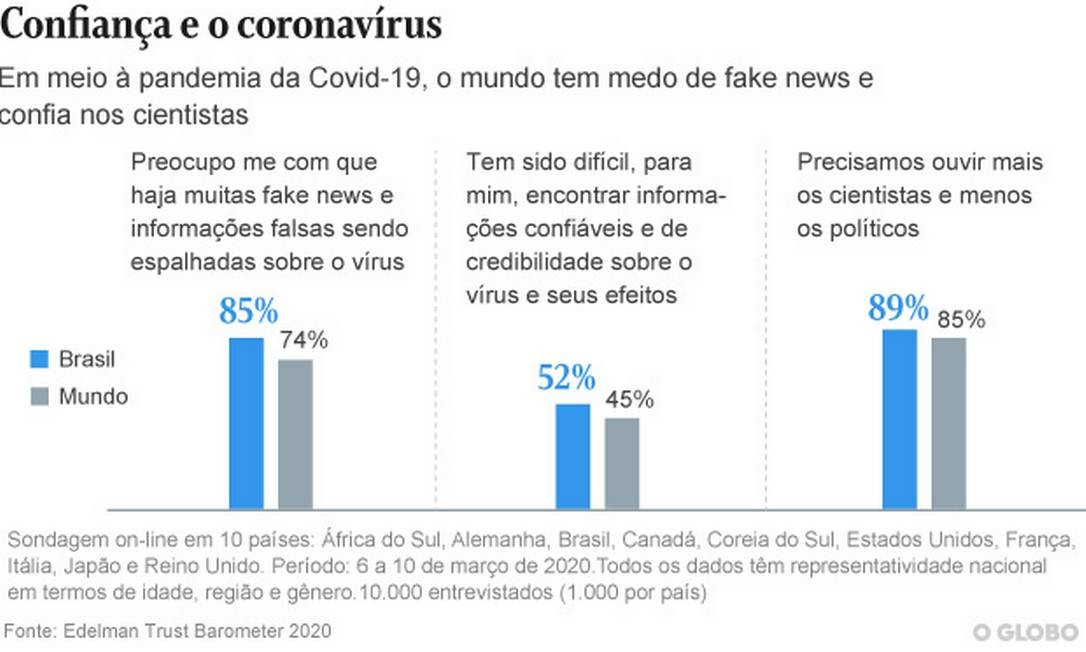


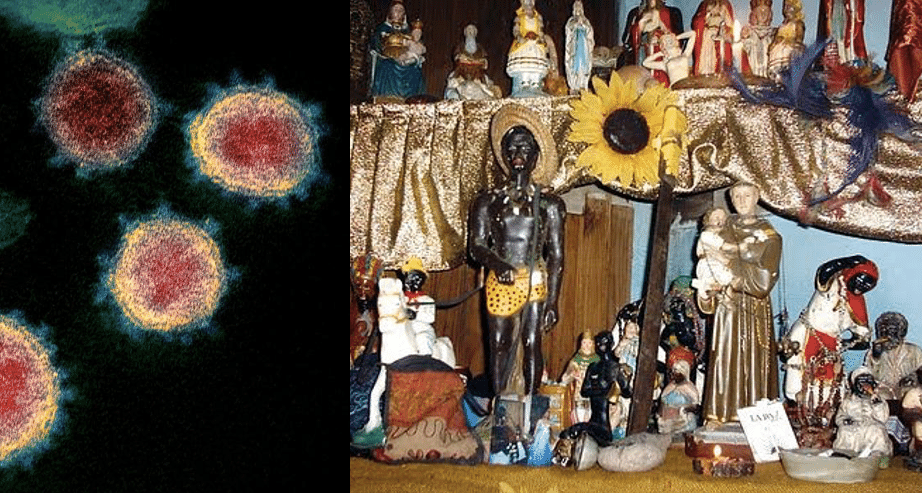
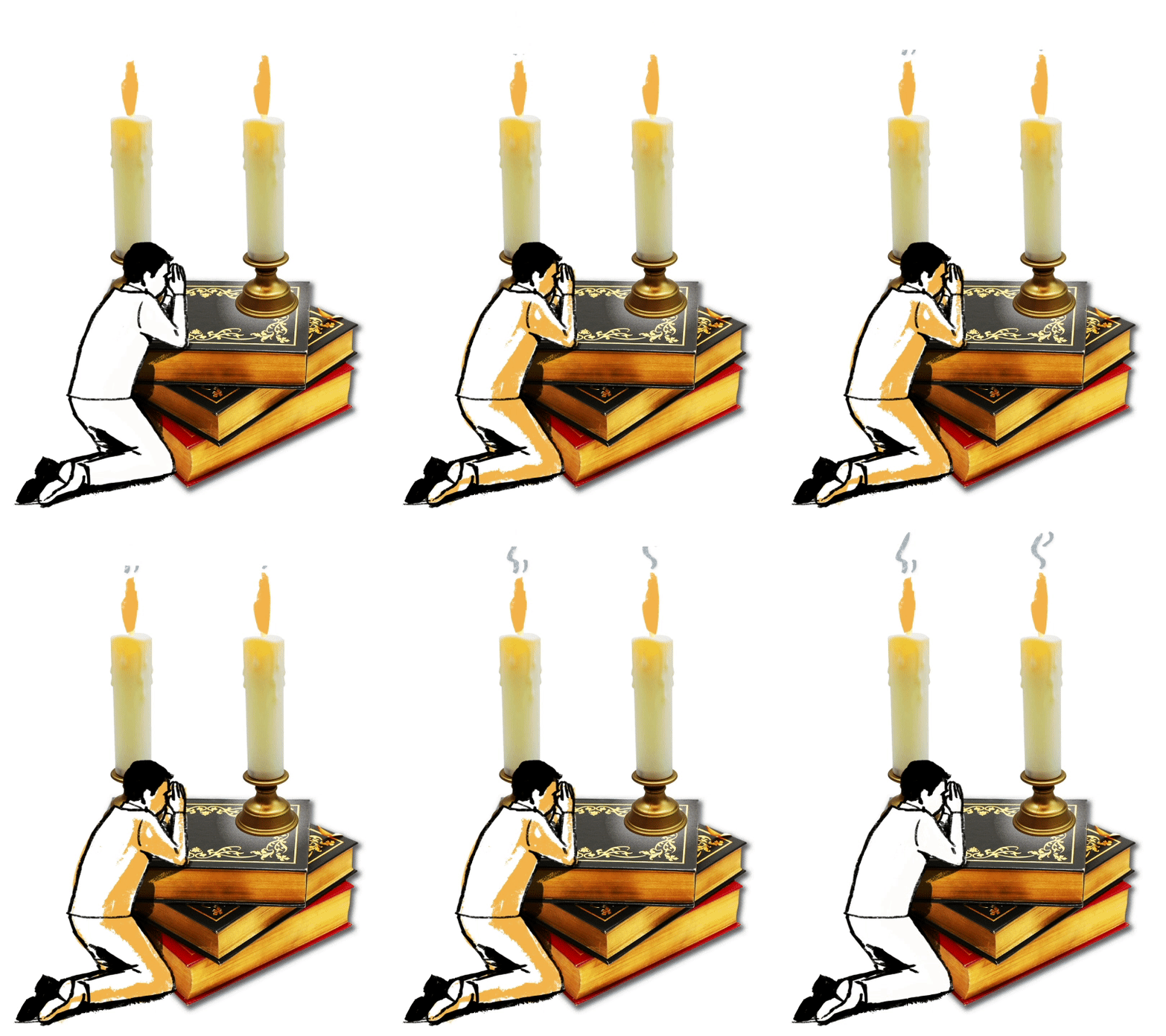
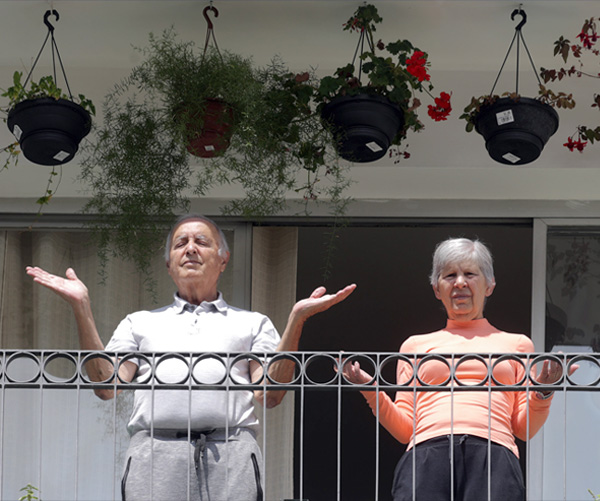
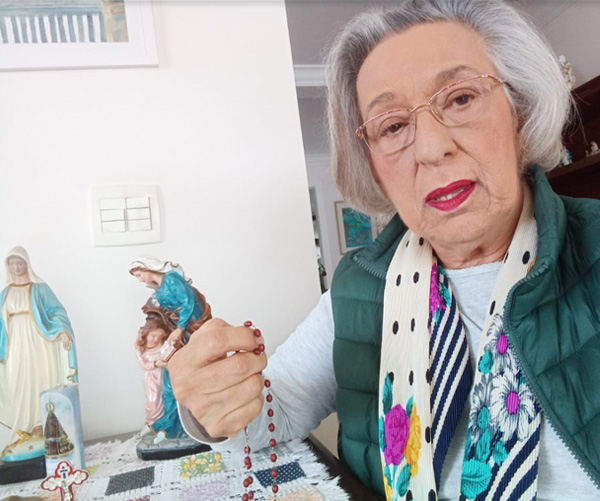
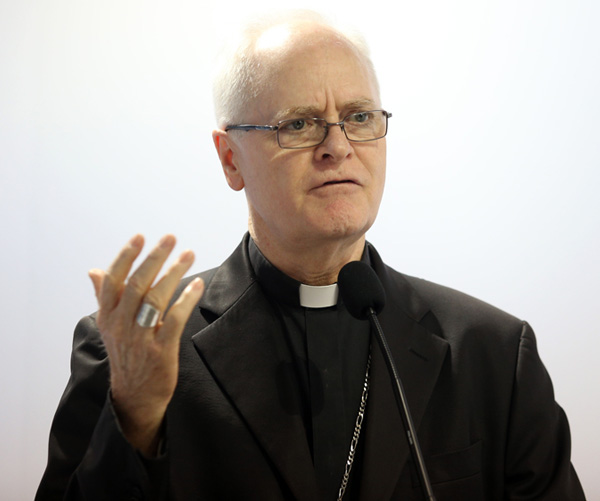
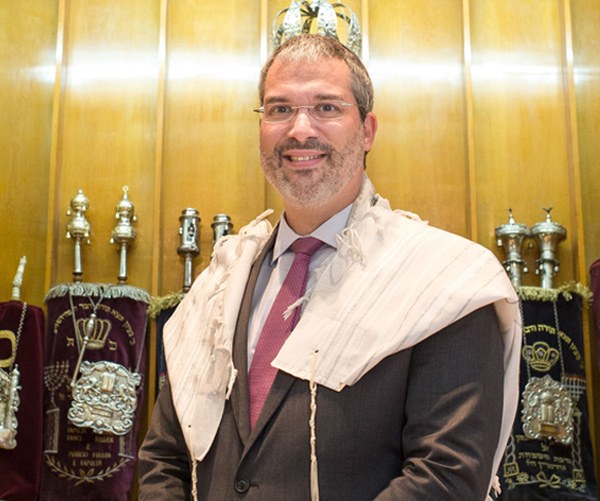


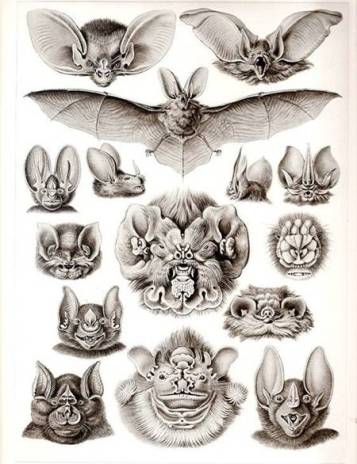









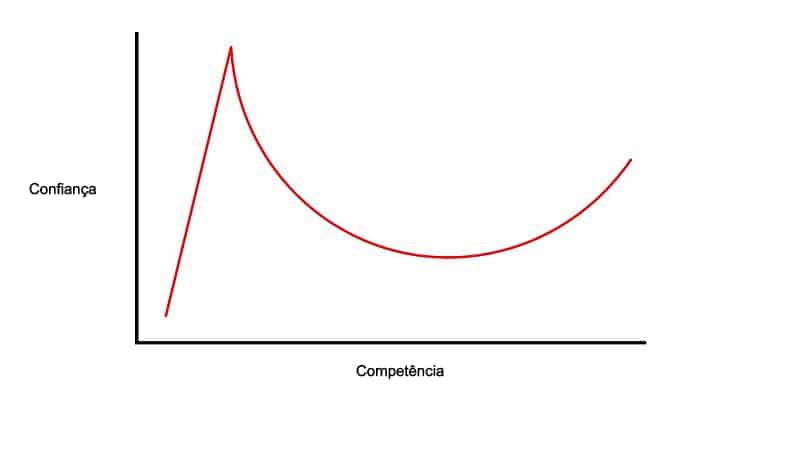


Você precisa fazer login para comentar.