Arquivo da tag: Psicologia

What Concepts and Emotions Are (and Aren’t) (Knowledge Ecology)

August 1, 2015

Adam Robbert

Lisa Feldman Barrett has an interesting piece up in yesterday’s New York Times that I think is worth some attention here. Barrett is the director of the The Interdisciplinary Affective Science Laboratory, where she studies the nature of emotional experience. Here is the key part of the article, describing her latest findings:

The Interdisciplinary Affective Science Laboratory (which I direct) collectively analyzed brain-imaging studies published from 1990 to 2011 that examined fear, sadness, anger, disgust and happiness. We divided the human brain virtually into tiny cubes, like 3-D pixels, and computed the probability that studies of each emotion found an increase in activation in each cube.

Overall, we found that no brain region was dedicated to any single emotion. We also found that every alleged “emotion” region of the brain increased its activity during nonemotional thoughts and perceptions as well . . .

Emotion words like “anger,” “happiness” and “fear” each name a population of diverse biological states that vary depending on the context. When you’re angry with your co-worker, sometimes your heart rate will increase, other times it will decrease and still other times it will stay the same. You might scowl, or you might smile as you plot your revenge. You might shout or be silent. Variation is the norm.

This highly distributed, variable, and contextual description of emotions matches up quite well with what scientists have found to be true of conceptualization—namely, that it is a situated process drawn from a plurality of bodily forces. For instance, compare Barrett’s findings above to what I wrote about concepts in my paper on concepts and capacities from June (footnote references are in the paper):

In short, concepts are flexible and distributed modes of bodily organization grounded in modality-specific regions of the brain;[1] they comprise semantic knowledge embodied in perception and action;[2] and they underwrite the organization of sensory experience and guide action within an environment.[3] Concepts are tools for constructing in the mind new pathways of relationship and discrimination, for shaping the body, and for attuning it to contrast. Such pathways are recruited in an ecologically specific way as part of the dynamic bringing-to-apprehension of phenomena.

I think the parallel is clear enough, and we would do well to adopt this more ecological view of emotions and concepts into our thinking. The empirical data is giving us a strong argument for talking about the ecological basis of emotion and conceptuality, a basis that continues to grow stronger by the day.

Playing Along: Fieldwork, Emotional Labor and Self-Care (The Geek Anthropologist)

July 24, 2015

By Emma Louise Backe

For any practicing or aspiring anthropologist, fieldwork is the defining, almost qualifying practice of the discipline. As an undergraduate studying sociocultural anthropology, we read the seminal journals of Bronislaw Malinowski, followed by foundational ethnographic research from around the world. Even though the field has ostensibly moved beyond the “exotic”—no longer wholly consumed with discovering new indigenous communities or uncovering a culture untouched by capitalism and globalization—students are still encouraged to conduct their fieldwork in remote, isolated, and, yes, tacitly exotic locations. As my professor lectured during my Anthropology Senior Seminar at Vassar College, you have to conduct your first fieldwork abroad if you want to be taken seriously as an anthropologist. The implication was that if you don’t go somewhere distant and strange, you won’t experience the same level of cultural difference, linguistic estrangement, physical hardship, and existential negotiation that molds the student into a consummate ethnographer. Fieldwork, rather than being a praxis for cultural research, has rather become the test for one’s anthropological training and credentials. Yet, throughout my undergraduate degree, we never discussed the emotional or physical challenges of fieldwork—it was always framed as this transformative, clarifying experience during which the theory we worked so assiduously to grasp could finally be applied. It was understood that everyanthropologist inherently falls in love with their site, integrates into their chosen community, and concludes their fieldwork with a sense of kinship and satisfaction at the rich ethnographic data and knowledge they have been able to accumulate. This silence surrounding the very real personal challenges of fieldwork can, however, be detrimental to a student’s first foray into fieldwork.

After graduating from college, I almost immediately joined the Peace Corps as a community health volunteer in Fiji. I felt certain that my anthropological training had adequately prepared me for my service in the South Pacific, where I was expected to learn the language, integrate into the community, and develop programs based off of local needs-assessments and desire. After spending my Pre-Service Training at a home stay in a remote, mountainous fishing village, I moved to my site in an equally remote town on the Eastern Coast of Viti Levu, one of the bigger islands the country consists of. Throughout my service, in an attempt to adapt to the culture and be accepted into my community, I found myself emptying out my identity to make space for a new “Fijian” version of myself. I struggled with how to translate my personality into my adopted social space, while simultaneously struggling with health issues from the moment of my arrival. Because of my anthropological training, and the ideologies that undergird Peace Corps, I took responsibility for any programmatic failures or difficulties I had connecting with my local partners. If I wasn’t able to befriend a neighbor, I felt that it was my fault—I wasn’t being sensitive or reflexive or open enough, there must be a flaw in my personality. I didn’t feel comfortable reaching out to members of the Peace Corps staff, for fear that my struggles would reflect poorly on me as a volunteer. Similarly, I was anxious to contact my anthropological mentors, afraid that my seeming challenges to connect with my Fijian counterparts meant that despite all my education and devotion to the discipline, I was not personally adept at cultural integration. This concern was perhaps the most devastating and depressing aspect of my service.

Conducting a health screening at a local secondary school

These anxieties, frustrations and feelings of guilt are ones that anthropologists share. As Amy Pollard has written for Anthropology Matters, many of the anthropology students she interviewed about field work experienced feelings of loneliness and isolation, stress, stress, regret, feelings of powerlessness or captivity to your site, disappointment, fear, frustration, guilt, depression coupled with self-hate for feeling depressed during fieldwork, and embarrassment at perceptions of poor success or lack of productivity. Despite these struggles, “Some students reported feeling they should not talk about how difficult they had found fieldwork because other people would perceive them as weak” (Pollard 2009). This feeling of weakness stems from the misapprehension that anthropological training inures you to feelings of culture shock or the other mental health crises others might experience during prolonged periods of time in new cultural habitats. Indeed, as Rachel Irwin writes,

For multiple reasons, researchers admitting to fear or depression during fieldwork may be ridiculed or dismissed as ‘cowardly anthropologists’. I was once strongly encouraged to conduct fieldwork in a remote village rather than a larger town, so that I could be a ‘courageous anthropologist’. Chiefly, I would argue that this is closely linked to a sense of academic bravado and competitive virility. I was given the idea that there is something inherent about studying anthropology that protects one against ‘culture shock,’ and that anthropologists are naturally better at negotiating unfamiliar situations than other sojourners. As such, anthropologists can feel a certain ‘culture shock’ within their own academic community, because their experiences of culture shock ‘in the field remain unacknowledged, and they are feeling something that they believe they ought not feel. (2007)

When anthropologists actively avoid discussing the feelings of anxiety, depression and desperation associated with their fieldwork, they do a disservice to the next generation of aspiring anthropologists. Even though ethnography relies upon qualitative research methods, anthropologists inevitably enter their field site with certain expectations about the questions they want answered, the traditions they intend to explore, the in-depth interviews they hope to conduct. If, for any number of mitigating and complicating reasons and factors, you aren’t able to accomplish these goals, it precipitates yet another watershed of shame and regret that you simply weren’t good enough. Because anthropologists are participant observers, their bodies and identities are essentially the very tools of their practice. Therefore, personality clashes or the development of stress or fear under certain situations place the onus of culpability on the researcher. As an anthropologist, a “failure of fieldwork” is essentially conflated with a failure of yourself. In so doing, “A large number of students felt profound shame over their sense of failure in the field […] For some, going home early was a source of great shame” (Pollard 2009). When I left my Peace Corps service early, after months of illness and the impending signs of depression, it felt like I was abandoning the aspirations I had to become an anthropologist, despite the fact that the majority of my fellow volunteers were struggling with similar programmatic and personal issues. After spending so many years planning my trajectory toward becoming an anthropologist, this belief that my emotional struggles somehow disqualified me as an anthropologist only further tangled the crisis of identity I had undergone during my service. And I didn’t know how to talk about it because I felt completely alone.

Upon returning to the United States, I was covered in scars from persistent skin infections and stress hives, my hair had fallen out, and my mood was ragged. I experienced many of the symptoms of depression, including sleeplessness and moodiness; sometimes interactions or objects would trigger uncontrollable feelings of sadness or anger. I had difficulty being around people and I walked everywhere draped in a cloak of self-loathing. For my friends and family members who haven’t traveled widely or spent long periods abroad, they couldn’t understand why I believed that my difficulties in Fiji were solely my fault. When I sought out therapists to talk through my lingering misgivings, they praised me for my strength and courage, when what I wanted was not to be coddled, but to understand why I hadn’t “worked” in my community, when it felt like I had spent all my energy trying to integrate. Many friends and acquaintances also did not want to hear that I hadn’t had a positive experience—in their minds, Fiji was nothing more than a tropical paradise and it seemed feckless to explain my humanitarian, existential misgivings about it. This was not reverse culture shock per se, yet I was at a loss about how to recuperate and heal, mentally as well as physically, let alone negotiate my anthropological path moving forward. I was simply afraid that I wasn’t cut out to do fieldwork.

During this period of uncertainty, I turned to video games. In the past, I’ve also used video games as a coping mechanism. After suffering from a traumatic brain injury my freshman year, I suffered from sometimes crippling dissociation and self-doubt about my cognitive abilities. My neurologist was unhelpful, and the only option I was offered to heal was to sit and wait for my brain to stop bleeding. Brain injuries are unique in that they often invoke crises of identity. With so much forthcoming research on the connection between the frontal lobe and personality, I experienced an acute crisis of self after my brain contusion. Offered with no other recourse or resilience methods, video games helped coax me back to a space of equilibrium. In both cases, playing video games provided a viable alternative to being social. If I felt disconnected from the world around me, or anxious about having to explain why I had come home early, I could retreat to RPG’s. Video games can put you in touch with a wide online community, thereby facilitating social contact for those who might otherwise feel stress or anxiety at the prospect of socializing with strangers. For me, I felt powerless to help myself—video games were an active way to use my time and process my emotions. Rather than passively consuming other forms of media, such as movies or television shows, video games provide you with tangible goals, objectives that, when achieved, provide players with a sense of success and achievement. As Romeo Vitelli wrote for Psychology Today, “By setting specific tasks and allowing young people to work through obstacles to achieve those tasks, video games can help boost self-esteem and help children learn the value of persistence. By providing immediate feedback as video game players solve problems and achieve greater expertise, players can learn to see themselves as having skills and intelligence they might not otherwise realize they possess” (2014). During a period of such acute self-doubt, it was extremely satisfying to be posed with challenges and obstacles that at first seemed insurmountable, but that could be accomplished through patience, creativity and skill-building.

Video games became a refuge for my cultural concerns as well. Games like BioShock: Infinite (2013) and Dishonored (2012) were dystopian alternatives to human history, new life worlds I could explore and inhabit through a sense of play and constant discovery. I was particularly drawn to games with robust storytelling mechanics, where the developers and programmers had clearly invested a lot of time and attention to the minutia of the world, encouraging players to interact with minor characters, read books and notes scattered around the stages, and learn about the internal mythologies, politics and social dynamics that informed the action of the game. I no longer felt powerless, but had a degree of agency to determine the kind of player I wanted to be. In Dishonored, like other games such as Infamous (2009), your actions as a player determine the internal stability of the virtual play space. Even though I had spent months working on community health empowerment, with few visible signs that my efforts were making any difference, I could immediately see how acts of benevolence positively impacted the city of Dunwall. In recent games, many of the avatars that players inhabit are also saddled with their own traumatic experiences which are explored throughout the game. Booker DeWitt of Bioshock: Infinite has a dark past, and other characters, like Bruce Wayne’s Batman throughout Arkham Asylum, City and Origins, are constantly battling their own demons, whether invented or embodied as supervillains. To a certain extent, I was able to project my internal monsters onto the villains in the games, channeling my anger and frustration in a way that felt both productive and cathartic. I could go to bed at night feeling as though I had accomplished something, and had something in the morning I could look forward to. In the absence of other motivations, and paralyzed by fear about the future, this sense of purpose saved me.

There's always a lighthouse, BioShock: Infinite,http://cdn3.whatculture.com/wp-content/uploads/2013/04/BioShock-Infinite-Explained-Quantum-Theory1.jpg

New literature has begun to indicate the salutary psychological effects of video games. Studiessuggest that video games may have beneficial effects on cognition, motivation, emotion and sociality; some psychologists have even begun to recommend video games as a form of therapyfor patients with mental health issues, including depression. Contemporaneously, programmers and developers are working on video games as tools to cope with mental health issues. Zoe Quinn’s Depression Quest (made famous due to its involvement in the #Gamergate controversy) was created to explore what life was like living with depression; other forms of e-literature build interactive stories around the expression of grief and mourning. Whereas several years ago, critics and concerned parents worried that video games like Grand Theft Auto were producing violent, unempathetic adolescents, practitioners are beginning to understand that the process of play may actually serve a positive psychological function. On a related note, The Mary Sue recently published “Coping With Anxiety and Depression Through Fiction” (2015), a poignant piece outlining the ways in which Guardians of the Galaxy’s character development and musical composition helped the writer overcome anxiety attacks and obtain a sense of emotional stability. Marie-Pierre wrote about rewatching episodes of Star Trek to maintain her equilibrium during fieldwork and Peter Olthoff remarked on the therapeutic efficacy of geek culture. Whether it’s a space opera, a society ravaged by an infection of zombies, or a fantastical universe populated by dragons, elves and other mythological beings, video games help transport you to another world, not necessarily as a form of escapism, but rather as a creative space to process your own lived reality.

As it turned out, the rediscovery of video games upon my return led me back to anthropology. I read about ground-breaking games like The Last of Us (2013) and its place within the larger resurgence in zombie-lore. Through my research, I discovered the work of Louise Krasniewicz, a UPenn Anthropology professor who built a class around The Walking Dead. I was lucky enough to sit down for coffee with Dr. Krasniewicz to discuss her approach to geek anthropology, but after running through our recent favorite shows and theories about monstrosity, we inevitably turned to the topic of fieldwork. Emboldened by our conversation, I opened up to her about my experience in Fiji, my doubts as an anthropologist, and my misgivings about the negative consequences of prolonged sojourns in new cultural territory. Expecting reproach or judgement, my story was instead met by a laugh from her. “Welcome to your first time doing fieldwork! It’s horrible for everyone!” she replied. She then went on to recount her own experience conducting fieldwork in upstate New York—hardly the “exotic” destination one would expect for an Ivy League professor—and how difficult the process was emotionally. Even within her native country, where she spoke the language and shared similar cultural assumptions, she struggled to find a community and sense of connection with her interlocutors. Yet, despite her ethnographic challenges, she went on to become a successful anthropology professor. She did not interpret the issues with immersion as her failure as a practitioner, as I had during my experience in Fiji. While many anthropologists have written about the role of emotion during ethnography, such as James Davies and Dimitrina Spencer’s book Emotions in the Field: The Psychology and Anthropology of Fieldwork Experience (2010), and phenomenological anthropologists encourage attention to the ways we physically and emotionally react to our surroundings, I don’t believe that there has been enough discussion about the emotional labor of fieldwork, both to prepare students and acknowledge that the anthropologist is not wholly culpable for “failure” in the field.

In professional fields that deal with emotionally draining issues, such as gender-based violence, there is a heavy emphasis on self-care for activists. An advocate may experience vicarious trauma if they work with survivors of sexual violence day after day, sometimes leading to emotional fatigue and burn-out. For humanitarian researchers conducting interviews with refugees, internally displaced populations, or war-torn communities still reeling from horrific acts of violence, program managers ensure that the interviewers have sufficient support and counselling mechanisms to decompress and work through the emotional labor of their work. The same practices can and should be applied to anthropology. Indeed, as Amy Pollard points out, “Students reported finding it difficult to let go of the traumas of fieldwork, because the writing-up process meant they were continually having to relive them” (2009); their recuperation process may be only further stymied by the culture of silence that pervades discussions about what occurs in the field. Students of anthropology recognize and perhaps relish in the hardships they will encounter during ethnographic research, but if they are given no inkling of the possibility that they won’t always jive with their chosen community or culture, they will have no coping mechanisms or strategies for resilience. Larissa Begley writes of her experience in Rwanda, “As anthropologists, we are part of the narrative we create. Our fieldwork does not exist detached from our own emotions and our lives. We impact on those we study and they impact on us. It is because of this dialectical relationship we have with the ‘field’ that we must recognize the impact that fieldwork can have emotionally, psychologically and physically on us” (2009). Just because we are academically prepared to live in a different culture, doesn’t mean we have the emotional methodologies to succeed.

How do you translate your personality into a new cultural space while also being sensitive and flexible? Rachel Irwin writes that, “Depression, in the form of culture shock, occurs when the firm grounding in one’s own symbolic world is lost” (2007)—this symbolic world and one’s own identity is thrown into flux when you enter and attempt to become a part of a new cultural space. There are bound to be growing pains and types of people you don’t always get along with. I realize now that I didn’t have to suppress my identity in the process of incorporating into Fijian culture. I wish I had read Jessika Tremblay’s post on “10 Tips For Surviving Anthropological Fieldwork” before my service, especially her recommendations on not taking things so personally and “harnessing the power of your introversion” (2014). I know that there were nights in Fiji I retreated to my house to decompress and write, but felt guilty if I was skipping one of the nightly kava sessions held on my compound. If anthropology is to continue to grow as a discipline, we need to ensure that students are prepared for fieldwork, equipped to be both emotionally vulnerable while mentally sustainable. A vital part of self-care is an institutional support system, one that the anthropological community can strive to cultivate. If we are concerned with cross-cultural psychiatry, we should be equally in tune with the mental health of our comrades. You can never predict how fieldwork will change you, and it’s important to maintain a disposition of self-reflexivity, yet the process of discovery should not necessarily come at the cost of self. We need to turn, yet again, within our own community to analyze our professional and personal predispositions, and clarify how we can support one another through the process.
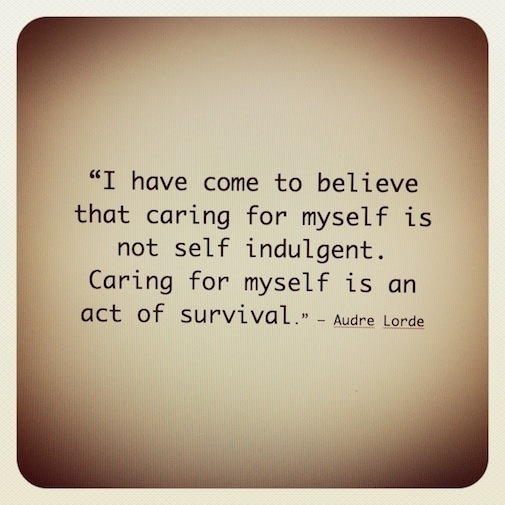
Audre Lorde,http://hellogiggles.com/12-quotes-famous-women-inner-strength/3#read

Works Cited

Backe, Emma Louise (2014). “Geeking Out With Louise Krasniewicz.” The Geek Anthropologist.http://thegeekanthropologist.com/2014/11/07/geeking-out-with-louise-krasniewicz/

Begley, Larissa R. (2009). “The other side of fieldwork: experiences and challenges of conducting research in the border area of Rwanda/eastern Congo.” Anthropology Matters, Vol. 11, No. 2. http://www.anthropologymatters.com/index.php/anth_matters/article/view/17/23

BioShock Infinite (2013). Irrational Games.

“Coping with Anxiety and Depression Through Fiction” (2015). The Mary Sue.http://www.themarysue.com/anxiety-and-depression-through-fiction/

Davies, James & Dimitrina Spencer (2010). Emotions in the Field: The Psychology and Anthropology of Fieldwork Experience . Stanford University Press.

Dishonored (2012). Arkane Studios.

Granic, Isabela et al. (2014). “The Benefits of Playing Video Games.’ American Psychologist, Vo. 69, No. 1, pp. 66-78. https://www.apa.org/pubs/journals/releases/amp-a0034857.pdf

Infamous (2009). Sucker Punch Productions.

Irwin, Rachel (2007). “Culture Shock: Negotiating Feelings in the Field.” Anthropology Matters, Vol. 9, No. 1. http://www.anthropologymatters.com/index.php/anth_matters/article/view/64/123

Olthoff, Peter (2015). “The Many Roles of Popular Culture in Therapy.” The Geek Anthropologist. http://thegeekanthropologist.com/2015/07/17/the-many-roles-of-popular-culture-in-therapy/

Petronzio, Matt (2014). “Your Next Psychologist May Prescribe ‘Legend of Zelda’.” Mashable.http://mashable.com/2014/10/23/video-games-for-therapy/

Pollard, Amy (2009). “Field of Screams: Difficulty and Ethnographic Fieldwork.” Anthropology Matters, Vol. 11, No. 2. http://www.anthropologymatters.com/index.php/anth_matters/article/view/10/10

Renaud, Marie-Pierre (2015). “Note From the Field: Go Home To A Starship.” The Geek Anthropologist.http://thegeekanthropologist.com/2015/02/26/notes-from-the-field-go-home-to-a-starship-2/

The Last of Us (2013). Naughty Dog.

Tremblay, Jessika (2014). “10 Tips For Surviving Anthropological Fieldwork.” Netnographic Encounters.http://netnographicencounters.com/2014/04/07/10-tips-for-surviving-anthropological-fieldwork/

Quinn, Zoe (2014). Depression Quest. http://www.depressionquest.com/

Vitelli, Romeo (2014). “Are There Benefits to Playing Video Games?” Psychology Todayhttps://www.psychologytoday.com/blog/media-spotlight/201402/are-there-benefits-in-playing-video-games

Climate change: world’s wealthiest understand, but only half see it as threat (The Guardian)

In every South American country, along with Mexico, India, Tanzania and Morocco, concern over climate change is above 90%

Waves break into anti-tsunami barriers

A typhoon breaks near the tsunami-crippled Fukushima nuclear power plant. Japan is one of the few rich states whose population is as concerned about climate change as poorer countries. Photograph: Damir Sagolj/REUTERS

People living in the world’s wealthiest nations generally understand what climate change is but in many countries just half perceive it to be a threat, new research has found.

The analysis of perceptions in 119 countries found living standards and relative wealth are “poor predictors” of whether someone considers climate change to be a severe risk.

While more than 75% of people in Australia, the US, UK and most of the rest of Europe were aware of climate change, far fewer considered it to be detrimental to themselves or their families.

In Australia – recently cited as being a world leader in climate science denialism – as well as the US, Germany and the Scandinavian countries, climate change was perceived to be a threat by just over half of those polled.

In Russia, despite widespread understanding of climate change, less than 50% of people thought it was a risk to them.

The risks of climate change are more widely believed by people in France and Spain, but the greatest concern about its impacts are held elsewhere.

In every South American country, concern over climate change is above the 90% mark, with this level of worry shared by Mexico, India, Tanzania and Morocco. Japan is one of the few highly advanced economies in the world to have a population as concerned about the risks of climate change.

The paper, published in Nature Climate Change, found different factors drove awareness and risk perceptions of climate change. Education levels and understanding the human influence upon the climate was the greatest factor in Europe, while perception of changing temperatures is the key influence in many African and Asian countries.

Authors of the paper, who come from a selection of US universities, say the results show “the need to develop tailored climate communication strategies for individual nations. The results suggest that improving basic education, climate literacy, and public understanding of the local dimensions of climate change are vital to public engagement and support for climate action.”

The paper analysed the results of Gallup polls taken in 119 countries, where respondents were asked how much they know about climate change and whether they consider it a threat to them.

Dr Debbie Hopkins, an expert at the social understandings of climate change at the University of Otago, said many people still see climate change as a remote issue.

“People can be aware of it but they see it as a distant risk and don’t engage with it much,” she said. “This disjunction can negate the feeling that we need to act on climate change.

“In many developed countries we have confidence in our adaptive capacity. We think we can adapt and cope, and in many ways we can do so more than developing economies.

“We also talk about global averages and that’s a difficult term for many people because two degrees doesn’t seem like a lot. That risk seems diminished whereas if you’re living somewhere with extreme variability and extreme weather events, two degrees can seem like a lot.”

Hopkins said accurate media reporting of climate change and more engaged conversations with people on the issue at a local level would help illustrate the threat posed by changes such as rising sea levels and increased heat waves.

Climate change is already having its biggest impact upon the world’s most vulnerable, according to the UN, which voiced concern last year that rising temperatures will fuel conflict, war and migration.

The number of natural disasters between 2000 and 2009 was around three times higher than in the 1980s, the UN said.

Climate change: Embed the social sciences in climate policy (Nature)

David Victor

01 April 2015

David G. Victor calls for the IPCC process to be extended to include insights into controversial social and behavioural issues.

Illustration by David Parkins

The Intergovernmental Panel on Climate Change (IPCC) is becoming irrelevant to climate policy. By seeking consensus and avoiding controversy, the organization is suffering from the streetlight effect — focusing ever more attention on a well-lit pool of the brightest climate science. But the insights that matter are out in the darkness, far from the places that the natural sciences alone can illuminate.

With the ink barely dry on the IPCC’s latest reports, scientists and governments are planning reforms for the next big assessment12. Streamlining the review and writing processes could, indeed, make the IPCC more nimble and relevant. But decisions made at February’s IPCC meeting in Nairobi showed that governments have little appetite for change.

The basic report-making process and timing will remain intact. Minor adjustments such as greater coverage of cross-cutting topics and more administration may make the IPCC slower. Similar soul searching, disagreement, indecision and trivial procedural tweaks have followed each of the five IPCC assessments over the past 25 years3.

This time needs to be different. The IPCC must overhaul how it engages with the social sciences in particular (see go.nature.com/vp7zgm). Fields such as sociology, political science and anthropology are central to understanding how people and societies comprehend and respond to environmental changes, and are pivotal in making effective policies to cut emissions and collaborate across the globe.

The IPCC has engaged only a narrow slice of social-sciences disciplines. Just one branch — economics — has had a major voice in the assessment process. In Working Group III, which assesses climate-change mitigation and policy, nearly two-thirds of 35 coordinating lead authors hailed from the field, and from resource economics in particular. The other social sciences were mostly absent. There was one political scientist: me. Among the few bright spots in that report compared with earlier ones is greater coverage of behavioural economics and risk analysis. In Working Group II, which assesses impacts and adaptation, less than one-third of the 64 coordinating lead authors were social scientists, and about half of those were economists.

Bringing the broader social sciences into the IPCC will be difficult, but it is achievable with a strategy that reflects how the fields are organized and which policy-relevant questions these disciplines know well. It will require big reforms in the IPCC, and the panel will have to relinquish part of the assessment process to other organizations that are less prone to paralysis in the face of controversy.

Tunnel vision

The IPCC walks a wavering line between science, which requires independence, and diplomacy, which demands responsiveness to government preference. Although scientists supply and hone the material for reports, governments have a say in all stages of assessment: they adopt the outline for each chapter, review drafts and approve the final reports.

“Insights such as which policies work (or fail) in practice are skirted.”

Such tight oversight creates incentives for scientists to stick to the agreed scope and strip out controversial topics. These pressures are especially acute in the social sciences because governments want to control statements about social behaviour, which implicate policy. This domain covers questions such as which countries will bear the costs of climate change; schemes for allocating the burden of cutting emissions; the design of international agreements; how voters respond to information about climate policy; and whether countries will go to war over climate-related stress. The social sciences can help to provide answers to these questions, key for effective climate policy. In practice, few of these insights are explored much by the IPCC.

The narrowness of what governments will allow the IPCC to publish is particularly evident in the summary for policy-makers produced at the end of each assessment. Governments approve this document line-by-line with consensus. Disagreements range from those over how to phrase concepts such as a ‘global commons’ that requires collective action to those about whole graphs, which might present data in ways that some governments find inconvenient.

For example, during the approval of the summary from Working Group III last April, a small group of nations vetoed graphs that showed countries’ emissions grouped according to economic growth. Although this format is good science — economic growth is the main driver of emissions — it is politically toxic because it could imply that some countries that are developing rapidly need to do more to control emissions4.

Context dependent

The big problem with the IPCC’s output is not the widely levelled charge that it has become too policy prescriptive or is captivated by special interests5. Its main affliction is pabulum — a surfeit of bland statements that have no practical value for policy. Abstract, global numbers from stylized, replicable models get approved because they do not implicate any country or action. Insights such as which policies work (or fail) in practice are skirted. Caveats are buried or mangled.

Readers of the Working Group III summary for policy-makers might learn, for instance, that annual economic growth might decrease by just 0.06 percentage points by 2050 if governments were to adopt policies that cut emissions in line with the widely discussed goal of 2 °C above pre-industrial levels6. They would have to wade through dense tables to realize that only a fraction of the models say that the goal is achievable, and through the main report to learn that the small cost arises only under simplified assumptions that are far from messy reality.

Source: Ref. 6

That said, the social sciences are equally culpable. Because societies are complex and are in many ways harder to study than cells in a petri dish, the intellectual paradigms across most of the social sciences are weak. Beyond a few exceptions — such as mainstream economics — the major debates in social science are between paradigms rather than within them.

Consider the role of international law. Some social scientists treat law like a contract; others believe that it works mainly through social pressures. The first set would advise policy-makers to word climate deals precisely — to include targets and timetables for emissions cuts — and to apply mechanisms to ensure that countries honour their agreements. The second group would favour bold legal norms with clear focal points — striving for zero net emissions, for example7. Each approach could be useful in the right context.

Multiple competing paradigms make it hard to organize social-science knowledge or to determine which questions and methods are legitimate. Moreover, the incentives within the social sciences discourage focusing on particular substantive topics such as climate change — especially when they require interdisciplinary collaboration. In political science, for example, research on political mobilization, administrative control and international cooperation among other specialities are relevant. Yet no leading political-science department has a tenured professor who works mainly on climate change8.

The paradigm problem need not be paralysing. Social scientists should articulate why different intellectual perspectives and contexts lead to different conclusions. Leading researchers in each area can map out disagreement points and their relevance.

Climate scientists and policy-makers should talk more about how disputes are rooted in different values and assumptions — such as about whether government institutions are capable of directing mitigation. Such disputes help to explain why there are so many disagreements in climate policy, even in areas in which the facts seem clear9.

Unfortunately, the current IPCC report structure discourages that kind of candour about assumptions, values and paradigms. It focuses on known knowns and known unknowns rather than on deeper and wider uncertainties. The bias is revealed in how the organization uses official language to describe findings — half of the statements in the Working Group III summary were given a ‘high confidence’ rating (see ‘Confidence bias’).

Wider vista

Building the social sciences into the IPCC and the climate-change debate more generally is feasible over the next assessment cycle, which starts in October and runs to 2022, with efforts on the following three fronts.

First, the IPCC must ask questions that social scientists can answer. If the panel looks to the social-sciences literature on climate change, it will find little. But if it engages the fields on their own terms it will find a wealth of relevant knowledge — for example, about how societies organize, how individuals and groups perceive threats and respond to catastrophic stresses, and how collective action works best.

Dieter Telemans/Panos

The solar-powered Barefoot College in Rajasthan, India, trains rural villagers in how to install, build and repair solar technologies.

As soon as the new IPCC leadership is chosen later this year, the team should invite major social-sciences societies such as the American Political Science Association, the American and European societies of international law, the American Sociological Association and the Society for Risk Analysis to propose relevant topics that they can assess and questions they can answer. Multidisciplinary scientific organizations in diverse countries — such as the Royal Society in London and the Third World Academy of Sciences — would round out the picture, because social-sciences societies tend to be national and heavily US-based.

These questions should guide how the IPCC scopes its next reports. The agency should also ask such societies to organize what they know about climate by discipline — how sociology examines issues related to the topic, for example — and feed that into the assessment.

Second, the IPCC must become a more attractive place for social-science and humanities scholars who are not usually involved in the climate field and might find IPCC involvement daunting. The IPCC process is dominated by insiders who move from assessment to assessment and are tolerant of the crushing rounds of review and layers of oversight that consume hundreds of hours and require travel to the corners of the globe. Practically nothing else in science service has such a high ratio of input to output. The IPCC must use volunteers’ time more efficiently.

Third, all parties must recognize that a consensus process cannot handle controversial topics such as how best to design international agreements or how to govern the use of geoengineering technologies. For these, a parallel process will be needed to address the most controversial policy-relevant questions.

This supporting process should begin with a small list of the most important questions that the IPCC cannot handle on its own. A network of science academies or foundations sympathetic to the UN’s mission could organize short reports — drawing from IPCC assessments and other literature — and manage a review process that is truly independent of government meddling. Oversight from prominent social scientists, including those drawn from the IPCC process, could give the effort credibility as well as the right links to the IPCC itself.

The list of topics to cover in this parallel mechanism includes how to group countries in international agreements — beyond the crude kettling adopted in 1992 that split the world into industrialized nations and the rest. The list also includes which kinds of policies have had the biggest impact on emissions, and how different concepts of justice and ethics could guide new international agreements that balance the burdens of mitigation and adaptation. There will also need to be a sober re-assessment of policy goals when it becomes clear that stopping warming at 2 °C is no longer feasible10.

The IPCC has proved to be important — it is the most legitimate body that assesses the climate-related sciences. But it is too narrow and must not monopolize climate assessment. Helping the organization to reform itself while moving contentious work into other forums is long overdue.

Nature 520, 27–29 (02 April 2015), doi:10.1038/520027a

References

  1. IPCC. Future Work of the IPCC: Chairman’s Vision Paper on the Future of the IPCC (IPCC, 2015).
  2. IPCC. Future Work of the IPCC: Consideration of the Recommendations by the Task Group on Future Work of the IPCC (IPCC, 2015).
  3. Committee to Review the Intergovernmental Panel on Climate ChangeClimate Change Assessments: Review of the Processes and Procedures of the IPCC (InterAcademy Council, 2010).
  4. Victor, D. G.Gerlagh, R. & Baiocchi, G. Science 3453436 (2014).
  5. Hulme, M. et alNature 463730732 (2010).
  6. IPCCSummary for Policymakers in Climate Change 2014: Mitigation of Climate Change. Contribution of Working Group III to the Fifth Assessment Report of the Intergovernmental Panel on Climate Change (eds Edenhofer, O. et al.) (Cambridge Univ. Press, 2014).
  7. Hafner-Burton, E. M.Victor, D. G. & Lupu, Y. Am. J. Intl Law 1064797 (2012).
  8. Keohane, R. O. PS: Political Sci. & Politics 481926 (2015).
  9. Hulme, M. Why We Disagree About Climate Change: Understanding Controversy, Inaction and Opportunity (Cambridge Univ. Press, 2009).
  10. Victor, D. G. & Kennel C. F. Nature 5143031 (2014).

Why Communicating About Climate Change Is so Difficult: It’s ‘The Elephant We’re All Inside of’ (Huffington Post)

Jim Pierobon

Posted: 02/05/2015 8:48 pm EST Updated: 02/05/2015 8:59 pm EST

How stakeholders communicate about climate change has long been framed by who’s doing the framing as much, or more so, than the information being communicated. So I am forever curious how various stakeholders — believers, skeptics and deniers alike — are talking about it and who, if anybody, is “moving the needle” in either direction.

One of the most salient and recent inputs to the climate communications conundrum is Don’t Even Think About It — Why Our Brains Are Wired To Ignore Climate Change, by George Marshall in Oxford, England.

Marshall’s work deserves to be spotlighted for how it illuminates why skeptics and deniers alike will not be moved to engage in thoughtful exchanges unless those communicating respect certain tenets of what academic and nonprofit research are finding.

Marshall draws on the efforts of the climate information network (COIN) he co-founded along with research by two leading university-based centers: the Project on Climate Change Communications at Yale University in Princeton, NJ and the Center for Climate Change Communications at George Mason University in Fairfax, VA.

George Marshall is the co-founder of the Climate Outreach and Information Network, a nonprofit organization that specializes in public communication around climate change.

Marshall also taps into the works of authorities who’ve written and/or spoken extensively about climate change, such as Harvard Professor of Psychology Daniel Gilbert, GOP pollster Frank Luntz, Princeton Psychology and Public Affairs Professor Daniel Kahneman, former South Carolina Congressman Bob Inglis, Associate Professor of Sociology at University of Oregon Kari Norgaard and ABC-TV network correspondent Bill Blakemore.

Perhaps it would behoove those preparing for the upcoming United Nations Climate Change Conference of the Parties, aka COP21, in Paris November 30 – December 11, 2015 to heed much of what Marshall and other top-tier researchers are finding and sharing if they are serious about forging a legally binding and universal agreement on climate.

Here is my synthesis of the most illuminating take-a-ways from Marshall’s book. I offer it as a checklist with which to gauge climate communications efforts, regardless of which — if any — side of the issue you’re on. Be sure to share your thoughts.

  • Perceptions are shaped by individual psychological coping mechanisms and the collective narratives that they shape with the people around them.
  • A compelling emotional story that speaks to peoples’ core values has more impact than rational scientific data such as hotter global temperatures and rising sea levels.
  • People’s social identity has an extraordinary hold over their behaviors and views.
  • Drawing too much attention to an undesirable norm (e.g. catastrophic weather) can seriously backfire.
  • In high-carbon societies, EVERYone has a strong reason to ignore the problem or to write their own alibi. What might work better are narratives based on cooperation, mutual interests and a common humanity.
  • The real story is about our fear, denial and struggle to accept our own responsibility. “Climate change isn’t the elephant in the room; it’s the elephant we’re all inside of,” said ABC’s Bill Blakemore.
  • Our brains are UNsuited to deal with climate change unless the threats are personal, abrupt, immoral and immediate. A distant, abstract and disputed threat does not have the necessary characteristics for seriously mobilizing public opinion.
  • Without a clear deadline for action, we create our own timeline. We do so in ways that remove the compulsion to act. We make it just current enough to accept that something needs to be done but put it just too far into the future to require immediate action.

We’d all benefit the most from: what models for communicating about climate change are working, and which ones are not?

  • The messenger is more important than the message. The messenger can be the most important — but also the weakest link — between scientific information and personal conviction. Building on that, to break the partisan “deadlock” and public disinterest starts, Marshall asserts educational efforts need to create the means for new messengers to be heard.
  • There may be lessons learned from the campaign by oil giant BP in the early 2000s offering person-on-the-street testimonials about the need to deal with climate change. Full disclosure: While a Senior Vice President of Public Affairs with Ogilvy Public Relations Worldwide from 2001-2006, I helped develop and execute elements of BP’s “Beyond Petroleum” campaign.
  • Until the economy is back on a strong growth track, climate change advocates will struggle to earn attention in their home countries as long as bread-and-butter ‘pocketbook’ issues are more important to an overwhelming majority of citizens.

See George Marshall in action from this recent interview on TalkingStickTV via YouTube.

While we’re on the subject, I recommend reading the excellent work by the MacArthur Foundation’s “Connecting on Climate” guide completed in 2014. It includes 10 principles for effective climate change communication based on research from various social science fields.

Com chuva, Alckmin adia decisão sobre rodízio de água na Grande SP (Folha de S.Paulo)

FABRÍCIO LOBEL e GUSTAVO URIBE

DE SÃO PAULO

11/02/2015  02h00

O volume de chuvas no início de fevereiro, que já se aproxima da média para o mês, levou o governo Geraldo Alckmin (PSDB) a adiar a decisão sobre a implantação de um rodízio de água na Grande SP.

Nas palavras de um assessor do governo, “a Sabesp não jogou a toalha” e, diante de um cenário com chuvas até o final de março e o avanço simultâneo de algumas obras, será até mesmo possível atravessar o período de seca, de maio a setembro, sem rodízio.

Folha teve acesso a esse “plano antirrodízio”, o mais atualizado da Sabesp, a estatal da água. Ele envolve três pontos-chaves, todos interdependentes, sendo que o primeiro nada mais é do que uma ‘torcida meteorológica’:

1) O ritmo de chuvas de fevereiro, que já superou a metade do esperado para o mês e fez aumentar a entrada de água no sistema Cantareira, tem de ao menos permanecer como está até o fim de março;

2) A ligação da represa Billings com o sistema Alto Tietê precisa ser concluída; a obra prevê 11 km de dutos entre os dois mananciais e, segundo o governo de SP, deverá ficar pronta até maio;

3) A capacidade de interligação entre sistemas terá de ser ampliada. Dessa forma, águas do Guarapiranga e do Alto Tietê, por exemplo, poderão atender moradores hoje abastecidos pelo Cantareira em áreas de Guarulhos, na Vila Maria (zona norte), Mooca (zona leste) e Brás (centro).

Editoria de arte/Folhapress

Com tudo isso, aliado principalmente à política de racionamento por meio da redução da pressão na rede de abastecimento, a Sabesp acredita que poderá manter uma vazão de no mínimo 10 mil litros de água por segundo no Cantareira ao longo de 2015, o suficiente, segundo a estatal, para evitar o início do rodízio –a vazão atual é de 14 mil l/seg.

Qualquer falha em um desses três pontos, porém, provocará a reavaliação desse planejamento. O final de fevereiro, por ora, é o prazo tratado internamente como limite para definir o rodízio.

Questionado ontem (10/02) sobre o tema, Alckmin afirmou que não existe nada definido. “É uma decisão técnica, da Sabesp, que faz o monitoramento diário”.

NOVO ÂNIMO

Até o final de janeiro, quando o volume de chuvas seguia bem abaixo da média histórica e o Cantareira caminhava para um colapso completo, o governo paulista tratava o rodízio apenas como uma questão de tempo.

Foi nesse contexto, por exemplo, que um dirigente da Sabesp falou na possibilidade de um rodízio “pesado”, com cinco dias sem água e apenas dois com na semana.

As chuvas de fevereiro não tiraram o Cantareira de uma situação crítica, mas deram uma leve trégua ao governo.

O sistema operou nesta terça (10) com 6,1% de sua capacidade, após mais uma alta. Esse percentual já inclui duas cotas do volume morto, que são as reservas de água abaixo do nível original de captação.

Para evitar um rodízio em 2015, o governo espera que o sistema chegue ao final de março entre 10% e 12% –com o solo úmido após as recentes chuvas, foram reduzidos os danos do chamado “efeito esponja”, que impede o armazenamento da água da chuva.

Doomsday Clock Set at 3 Minutes to Midnight (Live Science)

by Megan Gannon, News Editor   |   January 22, 2015 01:25pm ET

Of gods and men: Societies living in harsh environments are more likely to believe in moralizing gods (Science Daily)

Date: November 10, 2014

Source: National Evolutionary Synthesis Center (NESCent)

Summary: New research finds that cultures living in harsher ecosystems with limited resources are more prone to a belief in moralizing, high gods. The results indicate that other cross-disciplinary factors, including as political complexity, also influence this belief.


Just as physical adaptations help populations prosper in inhospitable habitats, belief in moralizing, high gods might be similarly advantageous for human cultures in poorer environments. A new study from the National Evolutionary Synthesis Center (NESCent) suggests that societies with less access to food and water are more likely to believe in these types of deities.

“When life is tough or when it’s uncertain, people believe in big gods,” says Russell Gray, a professor at the University of Auckland and a founding director of the Max Planck Institute for History and the Sciences in Jena, Germany. “Prosocial behavior maybe helps people do well in harsh or unpredictable environments.”

Gray and his coauthors found a strong correlation between belief in high gods who enforce a moral code and other societal characteristics. Political complexity–namely a social hierarchy beyond the local community– and the practice of animal husbandry were both strongly associated with a belief in moralizing gods.

The emergence of religion has long been explained as a result of either culture or environmental factors but not both. The new findings imply that complex practices and characteristics thought to be exclusive to humans arise from a medley of ecological, historical, and cultural variables.

“When researchers discuss the forces that shaped human history, there is considerable disagreement as to whether our behavior is primarily determined by culture or by the environment,” says primary author Carlos Botero, a researcher at the Initiative for Biological Complexity at North Carolina State University. “We wanted to throw away all preconceived notions regarding these processes and look at all the potential drivers together to see how different aspects of the human experience may have contributed to the behavioral patterns we see today.”

The paper, which is now available online, will be published in an upcoming issue of the Proceedings of the National Academies of Science. To study variables associated with the environment, history, and culture, the research team included experts in biology, ecology, linguistics, anthropology, and even religious studies. The senior author, Gray, studies the intersection of psychology and linguistics, while Botero, an evolutionary ecologist, has examined coordinated behaviors in birds.

This study began with a NESCent working group that explored the evolution of human cultures. On a whim, Botero plotted ethnographic data of societies that believe in moralizing, high gods and found that their global distribution is quite similar to a map of cooperative breeding in birds. The parallels between the two suggested that ecological factors must play a part. Furthermore, recent research has supported a connection between a belief in moralizing gods and group cooperation. However, prior to this study, evidence supporting a relationship between such beliefs and the environment was elusive.

“A lot of evolutionists have been busy trying to bang religion on the head. I think the challenge is to explain it,” Gray says.

“Although some aspects of religion appear maladaptive, the near universal prevalence of religion suggests that there’s got to be some adaptive value and by looking at how these things vary ecologically, we get some insight.”

Botero, Gray, and their coauthors used historical, social, and ecological data for 583 societies to illustrate the multifaceted relationship between belief in moralizing, high gods and external variables. Whereas previous research relied on rough estimates of ecological conditions, this study used high-resolution global datasets for variables like plant growth, precipitation, and temperature. The team also mined the Ethnographic Atlas– an electronic database of more than a thousand societies from the 20th century– for geographic coordinates and sociological data including the presence of religious beliefs, agriculture, and animal husbandry.

“The goal became not just to look at the ecological variables, but to look at the whole thing. Once we accounted for as many other factors as we could, we wanted to see if we could still detect an environmental effect,” Botero says. “The overall picture is that these beliefs are ultimately shaped by a combination of historical, ecological, and social factors.”

Botero believes that this study is just the tip of the iceberg in examining human behavior from a cross-disciplinary standpoint. The team plans to further this study by exploring the processes that have influenced the evolution of other human behaviors including taboos, circumcision, and the modification of natural habitats.

“We are at an unprecedented time in history,” Botero says. “Now we’re able to harness both data and a combination of multidisciplinary expertise to explore these kinds of questions in an empirical way.”


Journal Reference:

  1. C. A. Botero, B. Gardner, K. R. Kirby, J. Bulbulia, M. C. Gavin, R. D. Gray. The ecology of religious beliefsProceedings of the National Academy of Sciences, 2014; DOI: 10.1073/pnas.1408701111

Mudança climática (Folha de S.Paulo)

7/11/2014

Eduardo Giannetti

Em “Reasons and Persons”, uma das mais inovadoras obras de filosofia analítica dos últimos 30 anos, o filósofo Derek Parfit propõe um intrigante “experimento mental”. A situação descrita é hipotética, mas ajuda a explicitar um ponto nevrálgico do maior desafio humano: limitar o aquecimento global a 2°C acima do nível pré-industrial até o final do século 21.

Imagine uma pessoa afivelada a uma cama com eletrodos colados em suas têmporas. Ao se girar um botão situado em outro local a corrente nos eletrodos aumenta em grau infinitesimal, de modo que o paciente não chegue a sentir. Um Big Mac gratuito é então ofertado a quem girar o botão. Ocorre, contudo, que quando milhares de pessoas fazem isso –sem que cada uma saiba dos outros– a descarga de energia produzida é suficiente para eletrocutar a vítima.

Quem é responsável pelo que? Algo tenebroso foi perpetrado, mas a quem atribuir a culpa? O efeito isolado de cada giro do botão é por definição imperceptível –são todos “torturadores inofensivos”. Mas o resultado conjunto dessa miríade de ações é ofensivo ao extremo. Até que ponto a somatória de ínfimas partículas de culpa se acumula numa gigantesca dívida moral coletiva?

A mudança climática em curso equivale a uma espécie de eletrocussão da biosfera. Quem a deseja? Até onde sei, ninguém. Trata-se da alquimia perversa de inumeráveis atos humanos, cada um deles isoladamente ínfimo, mas que não resulta de nenhuma intenção humana. E quem assume –ou deveria assumir– a culpa por ela? A maioria e ninguém, ainda que alguns sejam mais culpados que outros.

Os 7 bilhões de habitantes do planeta pertencem a três grupos: cerca de 1 bilhão respondem por 50% das emissões totais de gases-estufa, ao passo que os 3 bilhões seguintes por 45%. Os 3 bilhões na base da pirâmide de energia (metade sem acesso a eletricidade) respondem por apenas 5%. Por seu modo de vida e vulnerabilidade, este grupo –o único inocente– será o mais tragicamente afetado pelo “giro de botão” dos demais.

Descarbonizar é preciso. Segundo o recém-publicado relatório do painel do clima da ONU, limitar o aquecimento a 2°C exigirá cortar as emissões antropogênicas de 40% a 70% em relação a 2010 até 2050 e zerá-las até o final do século. Como chegar lá?

A complexidade do desafio é esmagadora. Contar com a gradual conscientização dos “torturadores inocentes” parece irrealista. Pagar para ver e apostar na tecnologia como tábua de salvação seria temerário ao extremo. O protagonista da ação, creio eu, deveria ser a estrutura de incentivos: precificar o carbono e colocar a força do sistema de preços para trabalhar no âmbito da descarbonização.

Denying problems when we don’t like the political solutions (Duke University)

6-Nov-2014

Steve Hartsoe

Duke study sheds light on why conservatives, liberals disagree so vehemently

DURHAM, N.C. — There may be a scientific answer for why conservatives and liberals disagree so vehemently over the existence of issues like climate change and specific types of crime.

A new study from Duke University finds that people will evaluate scientific evidence based on whether they view its policy implications as politically desirable. If they don’t, then they tend to deny the problem even exists.

“Logically, the proposed solution to a problem, such as an increase in government regulation or an extension of the free market, should not influence one’s belief in the problem. However, we find it does,” said co-author Troy Campbell, a Ph.D. candidate at Duke’s Fuqua School of Business. “The cure can be more immediately threatening than the problem.”

The study, “Solution Aversion: On the Relation Between Ideology and Motivated Disbelief,” appears in the November issue of the Journal of Personality and Social Psychology (viewable athttp://psycnet.apa.org/journals/psp/107/5/809/).

The researchers conducted three experiments (with samples ranging from 120 to 188 participants) on three different issues — climate change, air pollution that harms lungs, and crime.

“The goal was to test, in a scientifically controlled manner, the question: Does the desirability of a solution affect beliefs in the existence of the associated problem? In other words, does what we call ‘solution aversion’ exist?” Campbell said.

“We found the answer is yes. And we found it occurs in response to some of the most common solutions for popularly discussed problems.”

For climate change, the researchers conducted an experiment to examine why more Republicans than Democrats seem to deny its existence, despite strong scientific evidence that supports it.

One explanation, they found, may have more to do with conservatives’ general opposition to the most popular solution — increasing government regulation — than with any difference in fear of the climate change problem itself, as some have proposed.

Participants in the experiment, including both self-identified Republicans and Democrats, read a statement asserting that global temperatures will rise 3.2 degrees in the 21st century. They were then asked to evaluate a proposed policy solution to address the warming.

When the policy solution emphasized a tax on carbon emissions or some other form of government regulation, which is generally opposed by Republican ideology, only 22 percent of Republicans said they believed the temperatures would rise at least as much as indicated by the scientific statement they read.

But when the proposed policy solution emphasized the free market, such as with innovative green technology, 55 percent of Republicans agreed with the scientific statement.

For Democrats, the same experiment recorded no difference in their belief, regardless of the proposed solution to climate change.

“Recognizing this effect is helpful because it allows researchers to predict not just what problems people will deny, but who will likely deny each problem,” said co-author Aaron Kay, an associate professor at Fuqua. “The more threatening a solution is to a person, the more likely that person is to deny the problem.”

The researchers found liberal-leaning individuals exhibited a similar aversion to solutions they viewed as politically undesirable in an experiment involving violent home break-ins. When the proposed solution called for looser versus tighter gun-control laws, those with more liberal gun-control ideologies were more likely to downplay the frequency of violent home break-ins.

“We should not just view some people or group as anti-science, anti-fact or hyper-scared of any problems,” Kay said. “Instead, we should understand that certain problems have particular solutions that threaten some people and groups more than others. When we realize this, we understand those who deny the problem more and we improve our ability to better communicate with them.”

Campbell added that solution aversion can help explain why political divides become so divisive and intractable.

“We argue that the political divide over many issues is just that, it’s political,” Campbell said. “These divides are not explained by just one party being more anti-science, but the fact that in general people deny facts that threaten their ideologies, left, right or center.”

The researchers noted there are additional factors that can influence how people see the policy implications of science. Additional research using larger samples and more specific methods would provide an even clearer picture, they said.

###

The study was funded by The Fuqua School of Business.

CITATION: Troy Campbell, Aaron Kay, Duke University (2014). “Solution Aversion: On the Relation Between Ideology and Motivated Disbelief.” Journal of Personality and Social Psychology, 107(5), 809-824.http://dx.doi.org/10.1037/a0037963

Change your walking style, change your mood (Science Daily)

Date: October 15, 2014

Source: Canadian Institute for Advanced Research

Summary: Our mood can affect how we walk — slump-shouldered if we’re sad, bouncing along if we’re happy. Now researchers have shown it works the other way too — making people imitate a happy or sad way of walking actually affects their mood.

Man walking (stock image). Subjects in this study who were prompted to walk in a more depressed style, with less arm movement and their shoulders rolled forward, experienced worse moods than those who were induced to walk in a happier style. Credit: © connel_design / Fotolia

Our mood can affect how we walk — slump-shouldered if we’re sad, bouncing along if we’re happy. Now researchers have shown it works the other way too — making people imitate a happy or sad way of walking actually affects their mood.

Subjects who were prompted to walk in a more depressed style, with less arm movement and their shoulders rolled forward, experienced worse moods than those who were induced to walk in a happier style, according to the study published in theJournal of Behavior Therapy and Experimental Psychiatry.

CIFAR Senior Fellow Nikolaus Troje (Queen’s University), a co-author on the paper, has shown in past research that depressed people move very differently than happy people.

“It is not surprising that our mood, the way we feel, affects how we walk, but we want to see whether the way we move also affects how we feel,” Troje says.

He and his colleagues showed subjects a list of positive and negative words, such as “pretty,” “afraid” and “anxious” and then asked them to walk on a treadmill while they measured their gait and posture. A screen showed the subjects a gauge that moved left or right depending on whether their walking style was more depressed or happier. But the subjects didn’t know what the gauge was measuring. Researchers told some subjects to try and move the gauge left, while others were told to move it right.

“They would learn very quickly to walk the way we wanted them to walk,” Troje says.

Afterward, the subjects had to write down as many words as they could remember from the earlier list of positive and negative words. Those who had been walking in a depressed style remembered many more negative words. The difference in recall suggests that the depressed walking style actually created a more depressed mood.

The study builds on our understanding of how mood can affect memory. Clinically depressed patients are known to remember negative events, particularly those about themselves, much more than positive life events, Troje says. And remembering the bad makes them feel even worse.

“If you can break that self-perpetuating cycle, you might have a strong therapeutic tool to work with depressive patients.”

The study also contributes to the questions asked in CIFAR’s Neural Computation & Adaptive Perception program, which aims to unlock the mystery of how our brains convert sensory stimuli into information and to recreate human-style learning in computers.

“As social animals we spend so much time watching other people, and we are experts at retrieving information about other people from all sorts of different sources,” Troje says. Those sources include facial expression, posture and body movement. Developing a better understanding of the biological algorithms in our brains that process stimuli — including information from our own movements — can help researchers develop better artificial intelligence, while learning more about ourselves in the process.


Journal Reference:

  1. Johannes Michalak, Katharina Rohde, Nikolaus F. Troje. How we walk affects what we remember: Gait modifications through biofeedback change negative affective memory bias. Journal of Behavior Therapy and Experimental Psychiatry, 2015; 46: 121 DOI: 10.1016/j.jbtep.2014.09.004

The Most Terrifying Thing About Ebola (Slate)

The disease threatens humanity by preying on humanity.

Photo by John Moore/Getty ImagesSuspected Ebola patient Finda “Zanabo” prays over her sick family members before being admitted to the Doctors Without Borders Ebola treatment center on Aug. 21, 2014, near Monrovia, Liberia. Photo by John Moore/Getty Images

As the Ebola epidemic in West Africa has spiraled out of control, affecting thousands of Liberians, Sierra Leonians, and Guineans, and threatening thousands more, the world’s reaction has been glacially, lethally slow. Only in the past few weeks have heads of state begun to take serious notice. To date, the virus has killed more than 2,600 people. This is a comparatively small number when measured against much more established diseases such as malaria,HIV/AIDS, influenza, and so on, but several factors about this outbreak have some of the world’s top health professionals gravely concerned:

  • Its kill rate: In this particular outbreak, a running tabulation suggests that 54 percent of the infected die, though adjusted numbers suggest that the rate is much higher.
  • Its exponential growth: At this point, the number of people infected is doubling approximately every three weeks, leading some epidemiologists to projectbetween 77,000 and 277,000 cases by the end of 2014.
  • The gruesomeness with which it kills: by hijacking cells and migrating throughout the body to affect all organs, causing victims to bleed profusely.
  • The ease with which it is transmitted: through contact with bodily fluids, including sweat, tears, saliva, blood, urine, semen, etc., including objects that have come in contact with bodily fluids (such as bed sheets, clothing, and needles) and corpses.
  • The threat of mutation: Prominent figures have expressed serious concerns that this disease will go airborne, and there are many other mechanisms through which mutation might make it much more transmissible.

Terrifying as these factors are, it is not clear to me that any of them capture what is truly, horribly tragic about this disease.

The most striking thing about the virus is the way in which it propagates. True, through bodily fluids, but to suggest as much is to ignore the conditions under which bodily contact occurs. Instead, the mechanism Ebola exploits is far more insidious. This virus preys on care and love, piggybacking on the deepest, most distinctively human virtues. Affected parties are almost all medical professionals and family members, snared by Ebola while in the business of caring for their fellow humans. More strikingly, 75 percent of Ebola victims are women, people who do much of the care work throughout Africa and the rest of the world. In short, Ebola parasitizes our humanity.

More than most other pandemic diseases (malaria, cholera, plague, etc.) and more than airborne diseases (influenza, swine flu, H5N1, etc.) that are transmitted indiscriminately through the air, this disease is passed through very minute amounts of bodily fluid. Just a slip of contact with the infected party and the caregiver herself can be stricken.

The images coming from Africa are chilling. Little boys, left alone in the street without parents, shivering and sick, untouchable by the throngs of people around them. Grown men, writhing at the door to a hospital, hoping for care as their parents stand helplessly, wondering how to help. Mothers and fathers, fighting weakness and exhaustion to move to the edge of a tent in order to catch a distant, final glimpse of a get-well video that their children have made for them.

If Ebola is not stopped, this disease can destroy whole families within a month, relatives of those families shortly thereafter, friends of those relatives after that, and on and on. As it takes hold (and it is taking hold fast), it cuts out the heart of family and civilization. More than the profuse bleeding and high kill rate, this is why the disease is terrifying. Ebola sunders the bonds that make us human.

Aid providers are now working fastidiously to sever these ties themselves, fighting hopelessly against the natural inclinations that people have to love and care for the ill. They have launched aggressive public information campaigns, distributedupdates widely, called for more equipment and gear, summoned the military, tried to rein in the hysteria, and so on. Yet no sheet of plastic or latex can disrupt these human inclinations.

Such heroic efforts are the appropriate medical response to a virulent public health catastrophe. The public health community is doing an incredible job, facing unbelievable risks, relying on extremely limited resources. Yet these efforts can only do half of the work. Infected parties—not all, to be sure, but some (enough)—cannot abide by the rules of disease isolation. Some will act without donning protective clothing. Some will assist without taking proper measures. And still others will refuse to enter isolation units because doing so means leaving their families and their loved ones behind, abandoning their humanity, and subjecting themselves to the terror of dying a sterile, lonely death.

It is tempting, at these times, to focus on the absurd and senseless actions of a few. One of the primary vectors in Sierra Leone is believed to have been a traditional healer who had been telling people that she could cure Ebola. In Monrovia a few weeks back, angry citizens stormed a clinic and removed patients from their care. “There is no Ebola!” they are reported to have been shouting. More recently, the largest newspaper in Liberia published an article suggesting that Ebola is a conspiracy of the United States, aimed to undermine Africa. And, perhaps even more sadly, a team of health workers and journalists was just brutally murdered in Guinea. It is easy, in other words, to blame the spread on stupidity, or illiteracy, or ritualism, or conspiracy theories, or any number of other irrational factors.

Photo by John Moore/Getty ImagesA man checks on a very sick Saah Exco, 10, in a back alley of the West Point slum on Aug. 19, 2014, in Monrovia, Liberia. Photo by John Moore/Getty Images

But imagine: You are a parent whose child has suddenly come ill with a fever. Do you cast your child away and refuse to touch him? Do you cover your face and your arms? Stay back! Unclean! Or do you comfort your child when he asks for you, arms outstretched, to make the pain go away?

Imagine: You live in a home with five other family members. Your sister falls ill, ostensibly from Ebola, but possibly from malaria, typhoid, yellow fever, or the flu. You are aware of the danger to yourself and your other family members, but you have no simple means to move her, and she is too weak to move herself. What do you do?

Imagine: You are a child of 5 years old. Your mother is sick. She implores you to back away. But you are scared. What you need, more than anything, is a hug and a cry.

Who can blame a person for this? It is a terrible, awful predicament. A moral predicament. To stay, comfort, and give love and care to those who are in desperate need, or to shuttle them off into an isolation ward, perhaps never to see them again? What an inhumane decision this is.

What makes the Ebola virus so terrifying is not its kill rate, its exponential growth, the gruesome way in which it kills, the ease of transmission, or the threat of mutation, but rather that people who care can do almost nothing but sit on the sidelines and watch.

* * *

Many have asked whether Ebola could come here, come West. (The implication, in its way, is crass—as if to suggest that we need not be concerned about a tragedy unless it poses a threat to us.) We have been reassured that it will never spread widely here, because our public health networks are too strong, our hospitals too well-stocked. The naysayers may be right about this. But they are not right that it does not pose a threat to us.

For starters, despite the pretense, the West is not immune from absurd, unscientific thinking. We have our fair share of scientific illiteracy, skepticism, ritualism, and foolishness. But beyond this, it is our similarities, not our differences, that make us vulnerable to this plague. We are human. Every mechanism we have for caring—touching, holding, feeding, playing, warming, comforting, caressing—every mechanism that we use to bind us to our families and our neighbors, is preyed upon by Ebola. We cannot seal each other into hyperbaric chambers and expect that once we emerge, the carnage will be over. We are humans, and we will care about our children and our families even if it means that we may die in doing so.

The lesson here is a vital one: People do not give up on humanity so very easily. Even if we persuade all of the population to forgo rituals like washing the dead, we will not easily persuade parents to keep from holding their sick children, children from clinging to their ailing parents, or children from playing and wrestling and slobbering all over one another. We tried to alter such behaviors with HIV/AIDS. A seemingly simple edict—“just lay off the sex with infected parties”—would seem all that is required to halt that disease. But we have learned over the decades that people do not give up sex so readily.

If you think curtailing sex is hard, love and compassion will be that much harder. Humans will never give this up—we cannot give this up, for it is fundamental to who we are. The more that medical personnel require this of people without also giving them methods to manifest care, the more care and compassion will manifest in pockets outside of quarantine. And the more humanity that manifests unchecked, the more space this virus has to grow. Unchecked humanity will seep through the cracks and barriers that we build to keep our families safe, and if left to find its own way, will carry a lethal payload.

The problem is double-edged. Ebola threatens humanity by preying on humanity. The seemingly simple solution is to destroy humanity ourselves—to seal everything off and let the disease burn out on its own. But doing so means destroying ourselves in order to save ourselves, which is no solution at all.

Photo by John Moore/Getty ImagesA medical worker in a protective suit works near Ebola patients in a Doctors Without Borders hospital on Sept. 7, 2014, in Monrovia, Liberia. Photo by Dominique Faget/AFP/Getty Images

We must find a method of caring without touching, of contacting without making contact. The physiological barriers are, for the time being, necessary. But we cannot stop people from caring about one another, so we must create, for the time being, mechanisms for caring. Since we will never be able to beat back humanity, we must coordinate humanity, at the family level, the local level, and the global level.

The only one way to battle a disease that affixes itself parasitically to our humanity is to overwhelm it with greater, stronger humanity. To immunize Africa and the rest of the world with a blast of humanity so powerful that the disease can no longer take root. What it will take to beat this virus is to turn its most powerful vehicle, our most powerful weapon, against it.

Here are some things we can do:

Donate to the great organizations that are working tirelessly to bring this disease under control. They need volunteers, medical supplies, facilities, transportation, food, etc. Share information about Ebola, so people will learn about it, know about it, and know how to address it when it comes. And inform and help others. It is natural at a time of crisis to call for sealing the borders, to build fences and walls that separate us further from outside threats. But a disease that infects humanity cannot easily be walled off in this way. Walling off just creates unprotected pockets of humanity, divisions between us and them: my family, your family; that village, this village; inside, outside.

* * *

One final thing.

When Prince Prospero, ill-fated protagonist of Edgar Allan Poe’s story “The Masque of the Red Death,” locked himself in his castle to avoid a contagion that was sweeping his country—a disease that caused “profuse bleeding at the pores”—he assumed mistakenly that the only reasonable solution to his problem was to remove himself from the scene. For months he lived lavishly, surrounded by courtiers, improvisatori, buffoons, musicians, and wine, removed from danger while the pestilence wrought havoc outside.

As with much of Poe’s writing, Prospero’s tale does not end well. For six months, all was calm. He and his courtiers enjoyed their lives, secure and isolated from the plague laying waste to the countryside. Then, one night during a masquerade ball, the Red Death snuck into the castle, hidden behind a mask and a cloak, to afflict Prospero and his revelers, dropping them one by one in the “blood-bedewed halls.” Prospero’s security was a façade, leaving darkness and decay to hold “illimitable dominion over all.” The eventual intrusion that would be his undoing foretells of a danger in believing that we can keep the world’s ills at bay by keeping our distance.

If we seek safety by shutting out the rest of the world, we are in for a brutally ugly awakening. Nature is a cruel mistress, but Ebola is her cruelest, most devious trick yet.

Benjamin Hale is associate professor of philosophy and environmental studies at the University of Colorado–Boulder. He is vice president of the International Society of Environmental Ethics and co-editor of the journal Ethics, Policy & Environment.

Dogs can be pessimists, too (Science Daily)

Date: September 18, 2014

Source: University of Sydney

Summary: Dogs generally seem to be cheerful, happy-go-lucky characters, so you might expect that most would have an optimistic outlook on life. In fact some dogs are distinctly more pessimistic than others, new research shows.

English bulldog puppies. Some dogs are distinctly more pessimistic than others. In fact some dogs are distinctly more pessimistic than others, research from the University of Sydney shows. Credit: © B.Stefanov / Fotolia

Dogs generally seem to be cheerful, happy-go-lucky characters, so you might expect that most would have an optimistic outlook on life.

In fact some dogs are distinctly more pessimistic than others, research from the University of Sydney shows.

“This research is exciting because it measures positive and negative emotional states in dogs objectively and non-invasively. It offers researchers and dog owners an insight into the outlook of dogs and how that changes,” said Dr Melissa Starling, from the Faculty of Veterinary Science. Her PhD research findings are published in PLOS One today.

“Finding out as accurately as possible whether a particular dog is optimistic or pessimistic is particularly helpful in the context of working and service dogs and has important implications for animal welfare.”

Dogs were taught to associate two different sounds (two octaves apart) with whether they would get the preferred reward of milk or instead get the same amount of water. Once the dogs have learnt the discrimination task, they are presented with ‘ambiguous’ tones.

If dogs respond after ambiguous tones, it shows that they expect good things will happen to them, and they are called optimistic. They can show how optimistic they are by which tones they respond to. A very optimistic dog may even respond to tones that sound more like those played before water is offered.

“Of the dogs we tested we found more were optimistic than pessimistic but it is too early to say if that is true of the general dog population,” said Dr Starling.

However it does mean that both individuals and institutions (kennels, dog minders) can have a much more accurate insight into the emotional make-up of their dogs.

According to the research a dog with an optimistic personality expects more good things to happen, and less bad things. She will take risks and gain access to rewards. She is a dog that picks herself up when things don’t go her way, and tries again. Minor setbacks don’t bother her.

If your dog has a pessimistic personality, he expects less good things to happen and more bad things. This may make him cautious and risk averse. He may readily give up when things don’t go his way, because minor setbacks distress him. He may not be unhappy per se, but he is likely to be most content with the status quo and need some encouragement to try new things.

“Pessimistic dogs appeared to be much more stressed by failing a task than optimistic dogs. They would whine and pace and avoid repeating the task while the optimistic dogs would appear unfazed and continue,” said Dr Starling.

“This research could help working dog trainers select dogs best suited to working roles. If we knew how optimistic or pessimistic the best candidates for a working role are, we could test dogs’ optimism early and identify good candidates for training for that role. A pessimistic dog that avoids risks would be better as a guide dog while an optimistic, persistent dog would be more suited to detecting drugs or explosives.”

Dr Starling has been working with Assistance Dogs Australia, a charity organisation that provides service and companion dogs to people with disabilities, to investigate whether an optimism measure could aid in selecting suitable candidates for training.

The research not only suggests how personality may affect the way dogs see the world and how they behave but how positive or negative their current mood is.

“This research has the potential to completely remodel how animal welfare is assessed. If we know how optimistic or pessimistic an animal usually is, it’s possible to track changes in that optimism that will indicate when it is in a more positive or negative emotional state than usual,” said Dr Starling.

“The remarkable power of this is the opportunity to essentially ask a dog ‘How are you feeling?’ and get an answer. It could be used to monitor their welfare in any environment, to assess how effective enrichment activities might be in improving welfare, and pinpoint exactly what a dog finds emotionally distressing.”

Journal Reference:
  1. Melissa J. Starling, Nicholas Branson, Denis Cody, Timothy R. Starling, Paul D. McGreevy. Canine Sense and Sensibility: Tipping Points and Response Latency Variability as an Optimism Index in a Canine Judgement Bias Assessment. PLoS ONE, 2014; 9 (9): e107794 DOI:10.1371/journal.pone.0107794

Number-crunching could lead to unethical choices, says new study (Science Daily)

Date: September 15, 2014

Source: University of Toronto, Rotman School of Management

Summary: Calculating the pros and cons of a potential decision is a way of decision-making. But repeated engagement with numbers-focused calculations, especially those involving money, can have unintended negative consequences.


Calculating the pros and cons of a potential decision is a way of decision-making. But repeated engagement with numbers-focused calculations, especially those involving money, can have unintended negative consequences, including social and moral transgressions, says new study co-authored by a professor at the University of Toronto’s Rotman School of Management.

Based on several experiments, researchers concluded that people in a “calculative mindset” as a result of number-crunching are more likely to analyze non-numerical problems mathematically and not take into account social, moral or interpersonal factors.

“Performing calculations, whether related to money or not, seemed to encourage people to engage in unethical behaviors to better themselves,” says Chen-Bo Zhong, an associate professor of organizational behavior and human resource management at the Rotman School, who co-authored the study with Long Wang of City University of Hong Kong and J. Keith Murnighan from Northwestern University’s Kellogg School of Management.

Participants in a set of experiments displayed significantly more selfish behavior in games where they could opt to promote their self-interest over a stranger’s after exposure to a lesson on a calculative economics concept. Participants who were instead given a history lesson on the industrial revolution were less likely to behave selfishly in the subsequent games. A similar but lesser effect was found when participants were first asked to solve math problems instead of verbal problems before playing the games. Furthermore, the effect could potentially be reduced by making non-numerical values more prominent. The study showed less self-interested behavior when participants were shown pictures of families after calculations.

The results may provide further insight into why economics students have shown more self-interested behavior in previous studies examining whether business or economics education contributes to unethical corporate activity, the researchers wrote.

The study was published in Organizational Behavior and Human Decision Processes.

Journal Reference:

  1. Long Wang, Chen-Bo Zhong, J. Keith Murnighan. The social and ethical consequences of a calculative mindset. Organizational Behavior and Human Decision Processes, 2014; 125 (1): 39 DOI: 10.1016/j.obhdp.2014.05.004

Why are consumers willing to spend more money on ethical products? (Science Daily)

Date: September 16, 2014

Source: Journal of Consumer Research, Inc.

Summary: What motivates consumers to make ethical choices such as buying clothing not made in a sweat shop, spending more money on fair-trade coffee, and bringing their own bags when they go shopping? According to a new study, ethical consumption is motivated by a need for consumers to turn their emotions about unethical practices into action.


What motivates consumers to make ethical choices such as buying clothing not made in a sweat shop, spending more money on fair-trade coffee, and bringing their own bags when they go shopping? According to a new study in the Journal of Consumer Research, ethical consumption is motivated by a need for consumers to turn their emotions about unethical practices into action.

“Advocates of ethical consumerism suggest that consumers should consider the environmental and human costs of the products they choose, but unfortunately only a small number of people in North America consume ethically on a regular basis while most consumers just look for good deals and ignore the social impact of the products they buy. Why are some consumers willing to spend time, money, and energy on making more responsible choices?” writes author Ahir Gopaldas (Fordham University).

After analyzing dozens of websites of advocacy groups and companies driven by ethical mission statements, and conducting at-home interviews with people who identify as ethical consumers, the author identified three common emotions driving ethical behavior — contempt, concern, and celebration.

Contempt happens when ethical consumers feel anger and disgust toward the corporations and governments they consider responsible for environmental pollution and labor exploitation. Concern stems from a concern for the victims of rampant consumerism, including workers, animals, ecosystems, and future generations.Celebration occurs when ethical consumers experience joy from making responsible choices and hope from thinking about the collective impact of their individual choices.

Advocates of ethical consumerism should consider the role of emotions in motivating consumers to make more responsible decisions. For example, anger can motivate consumers to reject unethical products and concern can encourage consumers to increase charitable donations, while joy and hope can lead consumers to cultivate ethical habits such as participating in recycling programs.

“This research has critical implications for advocacy groups, ethical brand managers, and anyone else trying to encourage mainstream consumers to make more ethical choices. It is simply not enough to change people’s minds. To change society, one must also change people’s hearts. Sentiments ignite passion, fuel commitment, and literally move people to action,” the author concludes.

Journal Reference:

  1. Ahir Gopaldas. Marketplace Sentiments. Journal of Consumer Research, 2014; 000 DOI: 10.1086/678034

The Climate Swerve (The New York Times)

CreditRobert Frank Hunter


AMERICANS appear to be undergoing a significant psychological shift in our relation to global warming. I call this shift a climate “swerve,” borrowing the term used recently by the Harvard humanities professor Stephen Greenblatt to describe a major historical change in consciousness that is neither predictable nor orderly.

The first thing to say about this swerve is that we are far from clear about just what it is and how it might work. But we can make some beginning observations which suggest, in Bob Dylan’s words, that “something is happening here, but you don’t know what it is.” Experience, economics and ethics are coalescing in new and important ways. Each can be examined as a continuation of my work comparing nuclear and climate threats.

The experiential part has to do with a drumbeat of climate-related disasters around the world, all actively reported by the news media: hurricanes and tornadoes, droughts and wildfires, extreme heat waves and equally extreme cold, rising sea levels and floods. Even when people have doubts about the causal relationship of global warming to these episodes, they cannot help being psychologically affected. Of great importance is the growing recognition that the danger encompasses the entire earth and its inhabitants. We are all vulnerable.

This sense of the climate threat is represented in public opinion polls and attitude studies. A recent Yale survey, for instance, concluded that “Americans’ certainty that the earth is warming has increased over the past three years,” and “those who think global warming is not happening have become substantially less sure of their position.”

Falsification and denial, while still all too extensive, have come to require more defensive psychic energy and political chicanery.

But polls don’t fully capture the complex collective process occurring.

The most important experiential change has to do with global warming and time. Responding to the climate threat — in contrast to the nuclear threat, whose immediate and grotesque destructiveness was recorded in Hiroshima and Nagasaki — has been inhibited by the difficulty of imagining catastrophic future events. But climate-related disasters and intense media images are hitting us now, and providing partial models for a devastating climate future.

At the same time, economic concerns about fossil fuels have raised the issue of value. There is a wonderfully evocative term, “stranded assets,” to characterize the oil, coal and gas reserves that are still in the ground. Trillions of dollars in assets could remain “stranded” there. If we are serious about reducing greenhouse gas emissions and sustaining the human habitat, between 60 percent and 80 percent of those assets must remain in the ground, according to the Carbon Tracker Initiative, an organization that analyzes carbon investment risk. In contrast, renewable energy sources, which only recently have achieved the status of big business, are taking on increasing value, in terms of returns for investors, long-term energy savings and relative harmlessness to surrounding communities.

Pragmatic institutions like insurance companies and the American military have been confronting the consequences of climate change for some time. But now, a number of leading financial authorities are raising questions about the viability of the holdings of giant carbon-based fuel corporations. In a world fueled by oil and coal, it is a truly stunning event when investors are warned that the market may end up devaluing those assets. We are beginning to see a bandwagon effect in which the overall viability of fossil-fuel economics is being questioned.

Can we continue to value, and thereby make use of, the very materials most deeply implicated in what could be the demise of the human habitat? It is a bit like the old Jack Benny joke, in which an armed robber offers a choice, “Your money or your life!” And Benny responds, “I’m thinking it over.” We are beginning to “think over” such choices on a larger scale.

This takes us to the swerve-related significance of ethics. Our reflections on stranded assets reveal our deepest contradictions. Oil and coal company executives focus on the maximum use of their product in order to serve the interests of shareholders, rather than the humane, universal ethics we require to protect the earth. We may well speak of those shareholder-dominated principles as “stranded ethics,” which are better left buried but at present are all too active above ground.

Such ethical contradictions are by no means entirely new in historical experience. Consider the scientists, engineers and strategists in the United States and the Soviet Union who understood their duty as creating, and possibly using, nuclear weapons that could destroy much of the earth. Their conscience could be bound up with a frequently amorphous ethic of “national security.” Over the course of my work I have come to the realization that it is very difficult to endanger or kill large numbers of people except with a claim to virtue.

The climate swerve is mostly a matter of deepening awareness. When exploring the nuclear threat I distinguished between fragmentary awareness, consisting of images that come and go but remain tangential, and formed awareness, which is more structured, part of a narrative that can be the basis for individual and collective action.

In the 1980s there was a profound worldwide shift from fragmentary awareness to formed awareness in response to the potential for a nuclear holocaust. Millions of people were affected by that “nuclear swerve.” And even if it is diminished today, the nuclear swerve could well have helped prevent the use of nuclear weapons.

With both the nuclear and climate threats, the swerve in awareness has had a crucial ethical component. People came to feel that it was deeply wrong, perhaps evil, to engage in nuclear war, and are coming to an awareness that it is deeply wrong, perhaps evil, to destroy our habitat and create a legacy of suffering for our children and grandchildren.

Social movements in general are energized by this kind of ethical passion, which enables people to experience the more active knowledge associated with formed awareness. That was the case in the movement against nuclear weapons. Emotions related to individual conscience were pooled into a shared narrative by enormous numbers of people.

In earlier movements there needed to be an overall theme, even a phrase, that could rally people of highly divergent political and intellectual backgrounds. The idea of a “nuclear freeze” mobilized millions of people with the simple and clear demand that the United States and the Soviet Union freeze the testing, production and deployment of nuclear weapons.

Could the climate swerve come to include a “climate freeze,” defined by a transnational demand for cutting back on carbon emissions in steps that could be systematically outlined?

With or without such a rallying phrase, the climate swerve provides no guarantees of more reasonable collective behavior. But with human energies that are experiential, economic and ethical it could at least provide — and may already be providing — the psychological substrate for action on behalf of our vulnerable habitat and the human future.

Is empathy in humans and apes actually different? ‘Yawn contagion’ effect studied (Science Daily)

Date: August 12, 2014

Source: PeerJ

Summary: Whether or not humans are the only empathic beings is still under debate. In a new study, researchers directly compared the ‘yawn contagion’ effect between humans and bonobos — our closest evolutionary cousins. By doing so they were able to directly compare the empathic abilities of ourselves with another species, and found that a close relationship between individuals is more important to their empathic response than the fact that individuals might be from the same species.


Scientists have found that differences in levels of emotional contagion between humans and bonobos are attributable to the quality of relationships shared by individuals. Credit: Elisa Demuru
 

Whether or not humans are the only empathic beings is still under debate. In a new study, researchers directly compared the ‘yawn contagion’ effect between humans and bonobos (our closest evolutionary cousins). By doing so they were able to directly compare the empathic abilities of ourselves with another species, and found that a close relationship between individuals is more important to their empathic response than the fact that individuals might be from the same species.

The ability to experience others’ emotions is hard to quantify in any species, and, as a result, it is difficult to measure empathy in an objective way. The transmission of a feeling from one individual to another, something known as ‘emotional contagion,’ is the most basic form of empathy. Feelings are disclosed by facial expressions (for example sorrow, pain, happiness or tiredness), and these feelings can travel from an “emitting face” to a “receiving face.” Upon receipt, the mirroring of facial expressions evokes in the receiver an emotion similar to the emotion experienced by the sender.

Yawn contagion is one of the most pervasive and apparently trivial forms of emotional contagion. Who hasn’t been infected at least once by another person’s yawn (especially over dinner)? Humans and bonobos are the only two species in which it has been demonstrated that yawn contagion follows an empathic trend, being more frequent between individuals who share a strong emotional bond, such as friends, kin, and mates. Because of this similarity, researchers sought to directly compare the two species. Over the course of five years, they observed both humans and bonobos during their everyday activities and gathered data on yawn contagion by applying the same ethological approach and operational definitions. The results of their research are published today in the peer-reviewed journal PeerJ.

Two features of yawn contagion were compared: how many times the individuals responded to others’ yawns and how quickly. Intriguingly, when the yawner and the responder were not friends or kin, bonobos responded to others’ yawns just as frequently and promptly as humans did. This means that the assumption that emotional contagion is more prominent in humans than in other species is not necessarily the case.

However, humans did respond more frequently and more promptly than bonobos when friends and kin were involved, probably because strong relationships between humans are built upon complex and sophisticated emotional foundations linked to cognition, memory, and memories. In this case, the positive feedback linking emotional affinity and the mirroring process seems to spin faster in humans than in bonobos. In humans, such over-activation may explain the potentiated yawning response and also other kinds of unconscious mimicry response, such as happy, pained, or angry facial expressions.

In conclusion, this study suggests that differences in levels of emotional contagion between humans and bonobos are attributable to the quality of relationships shared by individuals. When the complexity of social bonds, typical of humans, is not in play,Homo sapiens climb down the tree of empathy to go back to the understory which we share with our ape cousins.


Journal Reference:

  1. Elisabetta Palagi, Ivan Norscia, Elisa Demuru. Yawn contagion in humans and bonobos: emotional affinity matters more than species. PeerJ, 2014; 2: e519 DOI: 10.7717/peerj.519

Treating mental illness by changing memories of things past (Science Daily)

Date: August 12, 2014

Source: Elsevier

Summary: Author Marcel Proust makes a compelling case that our identities and decisions are shaped in profound and ongoing ways by our memories. This truth is powerfully reflected in mental illnesses, like posttraumatic stress disorder (PTSD) and addictions. In PTSD, memories of traumas intrude vividly upon consciousness, causing distress, driving people to avoid reminders of their traumas, and increasing risk for addiction and suicide. In addiction, memories of drug use influence reactions to drug-related cues and motivate compulsive drug use.


“Memory reconsolidation is probably among the most exciting phenomena in cognitive neuroscience today. It assumes that memories may be modified once they are retrieved which may give us the great opportunity to change seemingly robust, unwanted memories,” explains Dr. Lars Schwabe of Ruhr-University Bochum in Germany. Credit: Image courtesy of Elsevier

In the novel À la recherche du temps perdu (translated into English as Remembrance of Things Past), Marcel Proust makes a compelling case that our identities and decisions are shaped in profound and ongoing ways by our memories.

This truth is powerfully reflected in mental illnesses, like posttraumatic stress disorder (PTSD) and addictions. In PTSD, memories of traumas intrude vividly upon consciousness, causing distress, driving people to avoid reminders of their traumas, and increasing risk for addiction and suicide. In addiction, memories of drug use influence reactions to drug-related cues and motivate compulsive drug use.

What if one could change these dysfunctional memories? Although we all like to believe that our memories are reliable and permanent, it turns out that memories may indeed be plastic.

The process for modifying memories, depicted in the graphic, is called memory reconsolidation. After memories are formed and stored, subsequent retrieval may make them unstable. In other words, when a memory is activated, it also becomes open to revision and reconsolidation in a new form.

“Memory reconsolidation is probably among the most exciting phenomena in cognitive neuroscience today. It assumes that memories may be modified once they are retrieved which may give us the great opportunity to change seemingly robust, unwanted memories,” explains Dr. Lars Schwabe of Ruhr-University Bochum in Germany. He and his colleagues have authored a review paper on the topic, published in the current issue of Biological Psychiatry.

The idea of memory reconsolidation was initially discovered and demonstrated in rodents.

The first evidence of reconsolidation in humans was reported in a study in 2003, and the findings have since continued to accumulate. The current report summarizes the most recent findings on memory reconsolidation in humans and poses additional questions that must be answered by future studies.

“Reconsolidation appears to be a fundamental process underlying cognitive and behavioral therapies. Identifying its roles and mechanisms is an important step forward to fully harnessing the reconsolidation process in psychotherapy,” said Dr. John Krystal, Editor of Biological Psychiatry.

The translation of the animal data to humans is a vital step for the potential application of memory reconsolidation in the context of mental disorders. Memory reconsolidation could open the door to novel treatment approaches for disorders such as PTSD or drug addiction.


Journal Reference:

  1. Lars Schwabe, Karim Nader, Jens C. Pruessner. Reconsolidation of Human Memory: Brain Mechanisms and Clinical Relevance. Biological Psychiatry, 2014; 76 (4): 274 DOI: 10.1016/j.biopsych.2014.03.008

Climate change has created a new literary genre (Washington Post)

 July 11

Dan Bloom is a climate activist who graduated from Tufts University in 1971 and now blogs about cli-fi issues.

The Jet Star roller coaster is seen in the ocean at dawn as it was left by Hurricane Sandy, in Seaside Heights, New Jersey (Michael Reynolds/EPA)

Is climate change due for an “Uncle Tom’s Cabin” moment? The 1852 bestseller helped transform abolitionism into a mainstream cause. Now, “cli-fi” is trying to do the same for environmentalism.

The emerging genre is a cousin of sci-fi. But its books are set, NPR writes, “in worlds, not unlike our own, where the Earth’s systems are noticeably off-kilter.” And it’s gaining both fans and writers.

The climate-change canon dates back to the 1962 novel ”The Drowned World” by British writer J. G. Ballard. In it, polar ice-caps have melted and global temperatures have soared. Presciently, some coastal American and European cities are under water.

But Ballard’s work didn’t pinpoint humans as the cause of Earth’s precipitous decline. It wasn’t until the mid-2000′s that authors started grappling seriously with our role in impending environmental catastrophe.

In 2004, Michael Crichton released “State of Fear,” a novel about eco-terrorists. Ian McEwan followed up in 2010 with “Solar,” a story about a jaded physicist who tries to solve global warming. And in 2012, Barbara Kingsolver’s “Flight Behavior” gracefully explored how one town is reshaped by a changing ecosystem. As ‘The New York Times wrote in its review of the book:

How do we live, Kingsolver asks, and with what consequences, as we hurtle toward the abyss in these times of epic planetary transformation?

Perhaps the best-known “cli-fi” work is Nathaniel Rich’s “Odds Against Tomorrow,” released in 2013. That book sold more than 100,000 copies and drew major media attention.

In it, a near-future New York is submerged when a Category 3 hurricane hits. As Rich was editing the final proofs, Sandy submerged much of the East Coast, a strange moment of life imitating art.

*   *   *

Rich and others say that fiction can stir emotion and action in a way scientific reports and newscasts don’t.

“You know, scientists and other people are trying to get their message across about various aspects of the climate change issue,” Georgia Institute of Technology professor Judith Curry told NPR. She went on:

“And it seems like fiction is an untapped way of doing this — a way of smuggling some serious topics into the consciousness” of readers who may not be following the science.

That means finding characters or stories that resonate. And it also means getting rid of jargon and cliches. In Rich’s 300-page book, for example, the word “climate change” doesn’t appear once.

“I think the language around climate change is horribly bankrupt and, for the most part, are examples of bad writing, really,” Rich told NPR last year. “I think we need a new type of novel to address a new type of reality … which is that we’re headed toward something terrifying and large and transformative. And it’s the novelist’s job to try to understand, what is that doing to us?”

A growing number of YA books also attack this topic, including Mindy McGinnis’s “Not a Drop to Drink,” Staci Lloyd’s “The Carbon Diaries 2015″ and Joshua David Bellin’s “Survival Colony 9″. Even the post-apocalyptic  “Hunger Games” trilogy hints at a climate-ravaged earth.

Academia has begun paying attention to the trend, too. Several U.S. and British universities are now offering literature courses on cli-fi novels and movies. And the professors who teach those classes say students are moved by the literature they read. According to the ‘New York Times’:

Stephen Siperstein … recalled showing the documentary “Chasing Ice,” about disappearing glaciers, to a class of undergraduates, leaving several of them in tears. Em Jackson talked of leading groups on glacier tours, and the profound effect they had on people. Another student, Shane Hall, noted that people experience the weather, while the notion of climate is a more abstract concept that can often be communicated only through media — from photography to sober scientific articles to futuristic fiction.

“In this sense,” he said, “climate change itself is a form of story we have to tell.”

The genesis of climate change activism: from key beliefs to political action (Climatic Change)

Climatic ChangeJuly 2014Volume 125Issue 2pp 163-178,

The genesis of climate change activism: from key beliefs to political action

Connie Roser-RenoufEdward W. MaibachAnthony LeiserowitzXiaoquan Zhao

 Download PDF (660 KB) – Open Access

Abstract

Climate change activism has been uncommon in the U.S., but a growing national movement is pressing for a political response. To assess the cognitive and affective precursors of climate activism, we hypothesize and test a two-stage information-processing model based on social cognitive theory. In stage 1, expectations about climate change outcomes and perceived collective efficacy to mitigate the threat are hypothesized to influence affective issue involvement and support for societal mitigation action. In stage 2, beliefs about the effectiveness of political activism, perceived barriers to activist behaviors and opinion leadership are hypothesized to influence intended and actual activism. To test these hypotheses, we fit a structural equation model using nationally representative data. The model explains 52 percent of the variance in a latent variable representing three forms of climate change activism: contacting elected representatives; supporting organizations working on the issue; and attending climate change rallies or meetings. The results suggest that efforts to increase citizen activism should promote specific beliefs about climate change, build perceptions that political activism can be effective, and encourage interpersonal communication on the issue.

Saving the world should be based on promise, not fear (The Guardian)

For 30 years I banged on about threats. But research shows we must to be true to ourselves – and to the wonder in nature

Monday 16 June 2014 20.41 BST

Le Conte Glacier, alaska

Le Conte Glacier, Alaska: ‘Almost everyone I know in this field is motivated by the love and ­enchantment nature inspires.’ Photograph: Ernest Manewal/Purestock/Super

If we had set out to alienate and antagonise the people we’ve been trying to reach, we could scarcely have done it better. This is how I feel, looking back on the past few decades of environmental campaigning, including my own.

This thought is prompted by responses to the column I wrote last week. It examined the psychological illiteracy that’s driving leftwing politics into oblivion. It argued that the failure by Labour and Democratic party strategists to listen to psychologists and cognitive linguists has resulted in a terrible mistake: the belief that they can best secure their survival by narrowing the distance between themselves and their conservative opponents.

Twenty years of research, comprehensively ignored by these parties, reveals that shifts such as privatisation and cutting essential public services strongly promote people’s extrinsic values (an attraction to power, prestige, image and status) while suppressing intrinsic values (intimacy, kindness, self-acceptance, independent thought and action). As extrinsic values are powerfully linked to conservative politics, pursuing policies that reinforce them is blatantly self-destructive.

One of the drivers of extrinsic values is a sense of threat. Experimental work suggests that when fears are whipped up, they trigger an instinctive survival response. You suppress your concern for other people and focus on your own interests. Conservative strategists seem to know this, which is why they emphasise crime, terrorism, deficits and immigration.

“Isn’t this what you’ve spent your life doing?” several people asked. “Emphasising threats?” It took me a while. If threats promote extrinsic values and if (as the research strongly suggests) extrinsic values are linked to a lack of interest in the state of the living planet, I’ve been engaged in contradiction and futility. For about 30 years. The threats, of course, are of a different nature: climate breakdown, mass extinction, pollution and the rest. And they are real. But there’s no obvious reason why the results should be different. Terrify the living daylights out of people, and they will protect themselves at the expense of others and of the living world.

It’s an issue taken up in a report by several green groups called Common Cause for Nature. “Provoking feelings of threat, fear or loss may successfully raise the profile of an issue,” but “these feelings may leave people feeling helpless and increasingly demotivated, or even inclined to actively avoid the issue”. People respond to feelings of insecurity “by attempting to exert control elsewhere, or retreating into materialistic comforts”.

Where we have not used threat and terror, we have tried money: an even graver mistake. Nothing better reinforces extrinsic values than putting a price on nature, or appealing to financial self-interest. It doesn’t work, even on its own terms. A study published in Nature Climate Change tested two notices placed in a filling station. One asked: “Want to protect the environment? Check your car’s tyre pressure.” The other tried: “Want to save money? Check your car’s tyre pressure.” The first was effective, the second useless.

We’ve tended to assume people are more selfish than they really are. Surveys across 60 countries show that most people consistently hold concern for others, tolerance, kindness and thinking for themselves to be more important than wealth, image and power. But those whose voices are loudest belong to a small minority with the opposite set of values. And often, idiotically, we have sought to appease them.

This is a form of lying – to ourselves and other people. I don’t know anyone who became an environmentalist because she or he was worried about ecological impacts on their bank balance. Almost everyone I know in this field is motivated by something completely different: the love and wonder and enchantment nature inspires. Yet, perhaps because we fear we will not be taken seriously, we scarcely mention them. We hide our passions behind columns of figures. Sure, we need the numbers and the rigour and the science, but we should stop pretending these came first.

Without being fully conscious of the failure and frustration that’s been driving it, I’ve been trying, like others, to promote a positive environmentalism, based on promise, not threat.

This is what rewilding, the mass restoration of ecosystems, is all about; and why I wrote my book Feral, which is a manifesto for rewilding – and for wonder and enchantment. But I’m beginning to see that this is not just another method: expounding a positive vision should be at the centre of attempts to protect the things we love. An ounce of hope is worth a ton of despair.

Part of this means changing the language. The language we use to describe our relations with nature could scarcely be more alienating. “Reserve” is alienation itself, or at least detachment: think of what it means when you apply that word to people. “Site of special scientific interest”, “no-take zone“, “ecosystem services”: these terms are a communications disaster. Even “environment” is a cold and distancing word, which creates no pictures. These days I tend to use natural world or living planet, which invoke vivid images. One of the many tasks for the rewilding campaign some of us will be launching in the next few months is to set up a working group to change the language. There’s a parallel here with the Landreader project by the photographer Dominick Tyler, which seeks to rescue beautiful words describing nature from obscurity.

None of this is to suggest that we should not discuss the threats or pretend that the crises faced by this magnificent planet are not happening. Or that we should cease to employ rigorous research and statistics. What it means is that we should embed both the awareness of these threats and their scientific description in a different framework: one that emphasises the joy and awe to be found in the marvels at risk; one that proposes a better world, rather than (if we work really hard for it), just a slightly-less-shitty-one-than-there-would-otherwise-have-been.

Above all, this means not abandoning ourselves to attempts to appease a minority who couldn’t give a cuss about the living world, but think only of their wealth and power. Be true to yourself and those around you, and you will find the necessary means of reaching others.

• Twitter: @georgemonbiot. A fully referenced version of this article can be found at monbiot.com

For the next generation: Democracy ensures we don’t take it all with us (Science Daily)

Date: June 25, 2014

Source: Yale University

Summary: Given the chance to vote, people will leave behind a legacy of resources that ensures the survival of the next generation, a series of experiments by psychologists show. However, when people are left to their own devices, the next generation isn’t so lucky.

Given the chance to vote, people will leave behind a legacy of resources that ensures the survival of the next generation, a series of experiments by psychologists show. However, when people are left to their own devices, the next generation isn’t so lucky. Credit: © Sunny studio / Fotolia

Given the chance to vote, people will leave behind a legacy of resources that ensures the survival of the next generation, a series of experiments by Yale and Harvard psychologists show. However, when people are left to their own devices, the next generation isn’t so lucky.

“People want to do the right thing; they just need a little help from their institutions,” said David Rand, assistant professor of psychology at Yale and a co-author of the study appearing June 25 in the journalNature.

The experiments shed light on the psychology underlying issues such as Social Security funding or resource conservation, in which the interests of future generations are at stake.

The study builds upon “public goods” economics experiments that consistently show that people are willing to forego immediate reward if convinced the group as a whole will benefit. But Rand and Harvard colleagues Martin Nowak, Oliver Hauer, and Alexander Peysakhovich wanted to know if people would be willing to sacrifice resources if the benefit accrues not to individuals in a group, but to people not yet born.

In their experiments, they broke subjects into groups of five and gave them 100 units to spend. In one experiment, each individual could take out up to 20 units, but if the group as a whole used more than 50 units, all successor groups would get nothing. If a given group showed restraint, a line-up of successor groups — new generations each consisting of five new people — would be given the same choices.

The good news was that more than two out of three people were willing to take only 10 units — the sustainable “fair share” allotment — for their own use and preserve resources for the next generation. The bad news was that the minority of selfish individuals consistently destroyed the resource for future generations. Even one or two people in the group taking more than their “fair share” was enough to push the group over the 50 unit threshold, exhausting the resource. In 18 experiments in which individuals were free to extract more than 10 units, only four groups left enough resources to support a second generation, and by the fourth generation, all resources were exhausted.

The results changed dramatically when democratic principles were introduced. All five members of the group voted for a number of units to take. The median vote was then taken out for all group members. In this scenario, all groups passed on enough resources to sustain future generations. Even when researchers made the sacrifice more costly — reducing the “sustainable” level of units available to the group to 40 or even 30 — a majority of groups passed resources down through generations.

Problems arose in a third scenario when only three of five members voted on how many units to take. The results of the vote were not binding for the other two subjects. Here sustainability failed, because a selfish person not bound by the vote could over-consume and destroy the resource.

The latter results would be equivalent to Kyoto protocols, a non-binding attempt to get nations to reduce carbon emissions, the authors noted.

“You are wasting your time if voting results are not binding on everyone,” Rand said.

While voting may be potentially challenging for global-level international agreements, it is much more promising for local- or national-level sustainability policies, note the researchers. In a final analysis of real-world data, Rand and colleagues show that democratic countries of the world have made most advances toward sustainability, even when accounting for factors such as wealth, population size, economic output, and inequality.

Journal Reference:
  1. Oliver P. Hauser, David G. Rand, Alexander Peysakhovich, Martin A. Nowak.Cooperating with the futureNature, 2014; DOI: 10.1038/nature13530

Pope Francis and the psychology of exorcism and possession (The Guardian)

Endorsement of exorcism by the Vatican will do nothing to prevent future tragedies like the death of Victoria Climbié

Chris French

Wednesday 9 July 2014

Last week it was reported that Pope Francis had formally recognised the International Association of Exorcists, a group of 250 priests spread across 30 countries who supposedly cast out demons. The head of the association, Rev Francesco Bamonte, announced that this was a cause for joy because, “Exorcism is a form of charity that benefits those who suffer.” While Pope Francis, who frequently mentions Satan, no doubt agrees with this sentiment, this granting of legal recognition to the concepts of possession and exorcism has come as something of a shock to those who do not share this world view.

Belief in possession is widespread both geographically and historically and is far from rare in modern western societies. A YouGov poll of 1,000 US adults last year found that over half of the respondents endorsed belief in possession and 20% remained unsure. Only 11% said categorically that they did not believe people could be “possessed by the devil”.

Is it possible that the pope is right and demons can sometimes take control of their victims’ behaviour? Are exorcists really bravely battling against the most powerful, evil forces imaginable? Or are possession and exorcism best explained in terms of psychological factors without any need to postulate the existence of incorporeal spiritual entities? I would argue that the available evidence strongly supports the latter interpretation.

There can be no doubt that some forms of behaviour that would once have been seen as evidence for possession by demons or evil spirits would now be recognised as being caused by neuropathology. Hippocrates, in The Sacred Disease, declared that epileptic convulsions were caused by brain malfunction, not evil spirits. Belief in possession was still widespread some 400 years later, however, when Jesus encountered an individual believed to be possessed but who was, in fact, clearly suffering from epilepsy.

Another condition that would often have been interpreted in a similar manner is Tourette’s syndrome. Interestingly, the first recorded description of a case of Tourette’s may be in Malleus Maleficarum (or Witch’s Hammer) published in the 15th century by Jakob Sprenger and Heinrich Kraemer. This notorious book served as a guide for identifying witches and the possessed and included a description of a priest whose tics were thought to be a result of possession by the devil. Although the symptom that people most readily associate with Tourette’s syndrome is vocal outbursts of foul language, this symptom is in fact quite rare, affecting only around 10% of sufferers. Having said that, this is probably the main symptom that, in times gone by, would have led to suspicion of possession.

There are several other neuropathologies (eg certain forms of schizophrenia) that might also have been interpreted as possession in less enlightened times (and sadly sometimes still are) but it is not plausible to explain all cases of apparent possession in neuropathological terms. It should also be borne in mind that the type of phenomenon that would be the main focus for the International Association of Exorcists is but one example of situations where an individual appears to have been taken over by some agent, resulting in a dramatic change in behaviour, mannerisms, voice and even, allegedly, memories.

Other examples would include mediums “channelling” communications from the dead; shamans inviting possession by the gods, ancestors or animal spirits; individuals apparently reliving past-lives, having gone through a process of hypnotic regression; and volunteers during hypnosis stage shows apparently taking on the identities of celebrities, animals or even aliens.

The controversial diagnosis of dissociative identity disorder (formerly known as multiple personality disorder) is yet another example of this phenomenon, though many commentators, myself included, believe that it is not in fact a genuine psychiatric disorder but is instead a product of dubious forms of therapy.

The sociocognitive approach, as outlined by Nick Spanos in his posthumously published book, Multiple Identities and False Memories, has the potential to explain all the phenomena listed in the previous two paragraphs without the need to invoke disembodied spiritual entities. Essentially, this approach argues that all of these phenomena reflect learned patterns of behaviour that constitute particular recognised roles within specific cultural contexts.

Although it may not always be immediately obvious, there are often benefits to enacting the role of being possessed. Indeed, in many societies, certain forms of possession are welcomed. For example, glossolalia, or “speaking in tongues”, is encouraged in many western Christian societies and is interpreted as possession by the Holy Spirit. During glossolalia, the individual produces vocalisations of meaningless syllables. Although these may sound superficially like a foreign language, analysis shows them to have no true linguistic structure whatsoever. Glossolalia can sometimes involve dramatic behaviour such as convulsions, sweating and rolling eyes but can also be much more subdued. The actual form the glossolalia takes is entirely determined by the expectations of the particular religious community involved.

For less positive forms of possession, the benefits of taking on this role may be harder to identify but they still exist. As Michael Cuneo describes in his excellent book, American Exorcism, the phenomena of alleged possession and exorcism are much more widespread in the US than is officially recognised. For many people, the idea that all of their previous socially and morally unacceptable behaviour was not in fact their fault but due to possession by demons is appealing. Furthermore, once those demons have been exorcised, the repentant sinner is now welcomed back into the loving arms of his or her community.

Anthropologists have pointed out that in some cultures, those with little or no social influence can let off steam and vent their true feelings towards the more powerful members of their society while “possessed” without having to face any repercussions. They are not held to be responsible for their actions, the possessing spirit is. It is notable that historically in Europe, it was women who were much more likely to be “possessed” than men.

Of course, we must not forget that the outcome for the person who is labelled as “possessed” can sometimes be far from positive. To give one notorious example, the parents of 23-year-old Anneliese Michel and two West German priests were convicted in 1978 of causing her death (they received suspended sentences). They had starved the young epileptic as part of a horrendous 11-month exorcism. She weighed just 68 pounds (5 stone or 30 kilograms) at the time of her death. The Guardian has noted that belief in possession has been a factor in several child abuse cases in the UK, including the tragic death of Victoria Climbié in 2000.

The official recognition of such pre-Enlightenment beliefs by the Vatican will do nothing to prevent future tragedies of this kind.

guardian.co.uk Copyright (c) Guardian News and Media Limited. 2014 Registered in England and Wales No. 908396 Registered office: PO Box 68164, Kings Place, 90 York Way, London N1P 2AP

Why Anesthesia Is One of the Greatest Medical Mysteries of Our Time (IO9)

19.jun.2014

Why Anesthesia Is One of the Greatest Medical Mysteries of Our Time

Anesthesia was a major medical breakthrough, allowing us to lose consciousness during surgery and other painful procedures. Trouble is, we’re not entirely sure how it works. But now we’re getting closer to solving its mystery — and with it, the mystery of consciousness itself.

When someone goes under, their cognition and brain activity continue, but consciousness gets shut down. For example, it has been shown that rats can ‘remember’ odor experiences while under general anesthesia. This is why anesthesiologists, like the University of Arizona’s Stuart Hameroff, are so fascinated by the whole thing.

“Anesthetics are fairly selective, erasing consciousness while sparing non-conscious brain activity,” Hameroff told io9. “So the precise mechanism of anesthetic action should point to the mechanism for consciousness.”

The Perils of Going Under

The odds of something bad happening while under anesthetic are exceedingly low. But this hasn’t always been the case.

Indeed, anesthesiology has come a long way since that historic moment back in 1846 when a physician at Massachusetts General Hospital held a flask near a patient’s face until he fell unconscious.

But as late as the 1940s, anesthesia still remained a dicey proposition. Back then, one in every 1,500 perioperative deaths were attributed to anesthesia. That number has improved dramatically since that time, mostly on account of improved techniques and chemicals, modern safety standards, and an influx of accredited anesthesiologists. Today, the chances of a healthy patient suffering an intraoperative death owing to anesthesia is less than 1 in 200,000. That’s a 0.0005% chance of a fatality — which are pretty good odds if you ask me (especially if you consider the alternative, which is to be awake during a procedure).

It should be pointed out, however, that “healthy patient” is the operative term (so to speak). In actuality, anesthesia-related deaths are on the rise, and the aging population has a lot to do with it. After decades of decline, the worldwide death rate during anesthesia has risen to about 1.4 deaths per 200,000. Alarmingly, the number of deaths within a year after general anesthesia is disturbingly high — about one in every 20. For people above the age of 65, it’s one in 10. The reason, says anesthesiologist André Gottschalk, is that there are more older patients being operated on. Anesthesia can be stressful for older patients with heart problems or high blood pressure.

Why Anesthesia Is One of the Greatest Medical Mysteries of Our Time

(Tyler Olson/Shutterstock)

But there are other dangers associated with anesthesia. It can induce a condition known as postoperative delirium, a state of serious confusion and memory loss. Following surgery, some patients complain about hallucinations, have trouble responding to questions, speak gibberish, and forget why they’re in the hospital. Studies have shown that roughly half of all patients age 60 and over suffer from this sort of delirium. This condition usually resolves after a day or two. But for some people, typically those over the age of 70 and who have a history of mental deficits, a high enough dose of anesthesia can result in lingering problems for months and even years afterward, including attention and memory problems.

Researchers speculate that it’s not the quality of the anesthetics, but rather the quantity; the greater the amount, the greater the delerium. This is not an easy problem to resolve; not enough anesthesia can leave a patient awake, but too much can kill. It’s a challenging balance to achieve because, as science writer Maggie Koerth-Baker has pointed out, “Consciousness is not something we can measure.”

Rots the Brain

Deep anesthesia has also been linked to other cognitive problems. New Scientist reports:

Patients received either propofol or one of several anesthetic gases. The morning after surgery, 16 percent of patients who had received light anesthesia displayed confusion, compared with 24 percent of the routine care group. Likewise, 15 percent of patients who received typical anesthesia had postoperative mental setbacks that lingered for at least three months—they performed poorly on word-recall tests, for example—but only 10 percent of those in the light anesthesia group had such difficulties.

To help alleviate these effects, doctors are encouraged to talk to their patients during regional anesthesia, and to make sure their patients are well hydrated and nourished before surgery to improve blood flow to the brain.

But just to be clear, the risks are slight. According to the Mayo Clinic:

Most healthy people don’t have any problems with general anesthesia. Although many people may have mild, temporary symptoms, general anesthesia itself is exceptionally safe, even for the sickest patients. The risk of long-term complications, much less death, is very small. In general, the risk of complications is more closely related to the type of procedure you’re undergoing, and your general physical health, than to the anesthesia itself.

The Neural Correlates of Consciousness

Typically, anesthesia is initiated with the injection of a drug called propofol, which gives a quick and smooth transition into unconsciousness. For longer operations, an inhaled anesthetic, like isoflurane, is added to give better control of the depth of anesthesia.

Here’s a chart showing the most common applications for anesthesia (via University of Toronto):

Why Anesthesia Is One of the Greatest Medical Mysteries of Our Time

It should really come as no surprise that neuroscientists aren’t entirely sure how chemicals like propofol work. We won’t truly understand anesthesia until we fully understand consciousness itself — a so-called hard problem in science. But the neuroscience of anesthesia may shed light on this mystery.

Researchers need to chart the neural correlates of consciousness (NCCs) — changes in brain function that can be observed when a person transitions from being conscious to unconscious. These NCCs can be certain brain waves, physical responses, sensitivity to pain — whatever. They just need to be correlated directly to conscious awareness.

As an aside, we’ll eventually need to identify NCCs in an artificial intelligence to prove that it’s sentient. And in fact, this could serve as a viable substitute to the now-outdated Turing Test.

Scientists have known for quite some time that anesthetic potency correlates with solubility in an olive-oil like environment. The going theory is that they make it difficult for certain neurons to fire; they bind to and incapacitate several different proteins on the surface of neurons that are essential for regulating sleep, attention, learning, and memory. But more than that, by interrupting the normal activity of neurons, anesthetics disrupt communications between the various regions of the brain which, together, triggers unconsciousness.

Cognitive Dissonance

But neuroscientists haven’t been able to figure out which region or regions of the brain are responsible for this effect. And indeed, there may be no single switch, particularly if the “global workspace” theory of consciousness continues to hold sway. This school of thought holds that consciousness is a widely distributed phenomenon where initial incoming sensory information gets processed in separate regions of the brain without us being aware of it. Subjectivity only happens when these signals are broadcast to a network of neurons disbursed throughout the brain, which then start firing in synchrony.

Why Anesthesia Is One of the Greatest Medical Mysteries of Our Time

(New Scientist)

But the degree of synchrony is a very carefully calibrated thing — and anesthetics disrupt this finely tuned harmony.

Indeed, anesthetics may be eliciting unconsciousness by blocking the brain’s ability to properly integrate information. Synchrony between different areas of the cortex (the part of the brain responsible for attention, awareness, thought, and memory), gets scrambled as consciousness fades. According to researcher Andres Engels, long-distance communication gets blocked, so the brain can’t build the global workspace. He says “It’s like the message is reaching the mailbox, but no one is picking it up.” Propofol in particular appears to cause abnormally strong synchrony between the primary cortex and other brain regions — and when too many neurons fire in a strongly synchronized rhythm, there’s no room for exchange of specific messages.

Rebooting the Global Workspace

There’s also the science of coming out of unconsciousness to consider. A new study shows it’s not simply a matter of the anesthetic “wearing off.”

Researchers from UCLA say the return of conscious brain activity occurs in discrete clumps, or clusters — and that the brain does not jump between all of the clusters uniformly. In fact, some of these activity patterns serve as “hubs” on the way back to consciousness.

“Recovery from anesthesia, is not simply the result of the anesthetic ‘wearing off’ but also of the brain finding its way back through a maze of possible activity states to those that allow conscious experience,” noted researcher Andrew Hudson in a statement. “Put simply, the brain reboots itself.”

Relatedly, a separate study from 2012 suggested that post-surgery confusion is the brain reverting to a more primitive evolutionary state as it goes through the “boot-up” process.

Quantum Vibrations in Microtubules?

There’s also the work of Stuart Hameroff to consider, though his approach to consciousness is still considered speculative at this point.

He pointed me to the work of the University of Pennsylvania’s Rod Eckenhoff, who has shown that anesthetics act on microtubules — extremely tiny cylindrically shaped protein polymers that are part of the cellular cytoskeleton.

Why Anesthesia Is One of the Greatest Medical Mysteries of Our Time

Jeffrey81/Wikimedia Commons

“That suggests consciousness derives from microtubules,” Hameroff told io9.

Along with Travis Craddock, he also thinks that anesthetics bind to and affect cytoskeletal microtubules — and that anesthesia-related cognitive dysfunction is linked to microtubule instability. Craddock has found ‘quantum channels’ of aromatic amino acids in a microtubule subunit protein which regulates large scale quantum states and bind anesthetics.

I asked Hameroff where neuroscientists should focus their efforts as they work to understand the nature of consciousness.

“More studies like those of Anirban Bandyopadhyay at NIMS in Tsukuba, Japan (and now at MIT) showing megahertz and kilohertz vibrations in microtubules inside neurons,” he replied. “EEG may be the tip of an iceberg of deeper level, faster, smaller scale activities in microtubules. But they’re quantum, so though smaller, are non-local, and entangled through large regions of brain or more.”

Indeed, brain scans of various sorts are definitely the way to go, and not just for this particular line of inquiry. It will be through the ongoing discovery of NCCs that we may eventually get to the bottom of this thing called consciousness.

More:

The history of anesthesiaBite Down on a Stick: The History of AnesthesiaThere was a time when all the pain alleviation involved in surgery was a little cotton wool in the…Read more

Anesthesia unlocks a more primitive level of consciousness – If you’ve ever been put under anesthesia, you might recall a disoriented, almost delirious…Read more