Arquivo anual: 2010

>The Climategate Chronicle (Spiegel Online)

>
How the Science of Global Warming Was Compromised

By Axel Bojanowski
14 May 2010 – Spiegel Online

To what extent is climate change actually occuring? Late last year, climate researchers were accused of exaggerating study results. SPIEGEL ONLINE has since analyzed the hacked “Climategate” e-mails and provided insights into one of the most unprecedented spats in recent scientific history.

Is our planet warming up by 1 degree Celsius, 2 degrees, or more? Is climate change entirely man made? And what can be done to counteract it? There are myriad possible answers to these questions, as well as scientific studies, measurements, debates and plans of action. Even most skeptics now concede that mankind — with its factories, heating systems and cars — contributes to the warming up of our atmosphere.

But the consequences of climate change are still hotly contested. It was therefore something of a political bombshell when unknown hackers stole more than 1,000 e-mails written by British climate researchers, and published some of them on the Internet. A scandal of gigantic proportions seemed about to break, and the media dubbed the affair “Climategate” in reference to the Watergate scandal that led to the resignation of US President Richard Nixon. Critics claimed the e-mails would show that climate change predictions were based on unsound calculations.

Although a British parliamentary inquiry soon confirmed that this was definitely not a conspiracy, the leaked correspondence provided in-depth insight into the mechanisms, fronts and battles within the climate-research community. SPIEGEL ONLINE has analyzed the more than 1,000 Climategate e-mails spanning a period of 15 years, e-mails that are freely available over the Internet and which, when printed out, fill five thick files. What emerges is that leading researchers have been subjected to sometimes brutal attacks by outsiders and become bogged down in a bitter and far-reaching trench war that has also sucked in the media, environmental groups and politicians.

SPIEGEL ONLINE reveals how the war between climate researchers and climate skeptics broke out, the tricks the two sides used to outmaneuver each other and how the conflict could be resolved.

Part 2: From Staged Scandal to the Kyoto Triumph

The fronts in the climate debate have long been etched in the sand. On the one side there is a handful of highly influential climate researchers, on the other a powerful lobby of industrial associations determined to trivialize the dangers of global warming. This latter group is supported by the conservative wing of the American political spectrum, conspiracy theorists as well as critical scientists.

But that alone would not suffice to divide the roles so neatly into good and evil. Most climate researchers were somewhere between the two extremes. They often had difficulty drawing clear conclusions from their findings. After all, scientific facts are often ambiguous. Although it is generally accepted that there is good evidence to back forecasts of coming global warming, there is still considerable uncertainty about the consequences it will have.

Both sides — the leading climate researchers on the one hand and their opponents in industry and smaller groups of naysayers on the other — played hardball from the very beginning. It all started in 1986, when German physicists issued a dramatic public appeal, the first of its kind. They warned about what they saw as a “climatic disaster.” However, their avowed goal was to promote nuclear power over carbon dioxide-belching coal-fired power stations.

The First Scandal

At the time, there was certainly clear scientific evidence of a dangerous increase in temperatures, prompting the United Nations to form the Intergovernmental Panel on Climate Change (IPCC) in 1988 to look into the matter. However, the idea didn’t take hold in the United States until the country was hit by an unusually severe drought in the summer of 1988. Politicians in Congress used the dry spell to listen to NASA scientist James Hansen, who had been publishing articles in trade journals for years warning about the threat of man-made climate change.

When Washington instructed Hansen to put more emphasis on the uncertainties in his theory, Senator and later Vice President Al Gore cried foul. Gore notified the media about the government’s alleged attempted cover-up, forcing the government’s hand on the matter.

The oil companies reacted with alarm and forged alliances with companies in other sectors who were worried about a possible rise in the price of fossil fuels. They even managed to rope in a few shrewd climate researchers like Patrick Michaels of the University of Virginia.

The aim of the industrial lobby was to focus as much as possible on the doubts about the scientific findings. According to a strategy paper by the Global Climate Science Team, a crude-oil lobby group, “Victory will be achieved when average citizens recognize uncertainties in climate science.” In the meantime, scientists found themselves on the defensive, having to convince the public time and again that their warnings were indeed well-founded.

Industrial Propaganda for the ‘Less Educated’

A dangerous dynamic had been set in motion: Any climate researcher who expressed doubts about findings risked playing into the hands of the industrial lobby. The leaked e-mails show how leading scientists reacted to the PR barrage by the so-called “skeptics lobby.” Out of fear that their opponents could take advantage of ambiguous findings, many researchers tried to simply hide the weaknesses of their findings from the public.

The lobby spent millions on propaganda campaigns. In 1991, the Information Council on the Environment (ICE) issued a strategy paper aimed at what it called “less-educated people.” This proposed a campaign that would “reposition global warming as a theory (not fact).” However, the skeptics also wanted to address better educated sectors of society. The Global Climate Coalition, for example, an alliance of energy companies, specifically tried to influence UN delegates. The advice of skeptical scientists was also given considerable credence in the US Congress.

Nonetheless, the lobbyists had less success on the international stage. In 1997, the international community agreed on the first-ever climate protection treaty: the Kyoto Protocol. “Scientists had issued a warning, the media amplified it and the politicians reacted,” recalls Peter Weingart, a science sociologist at Bielefeld University in Germany, who researched the climate debate.

But just as numerous industrial firms began to acknowledge the need for climate protection and left the Global Climate Coalition, some scientists began getting too cozy with environmental organizations.

Part 3: How Climate Researchers Plotted with Interest Groups

Even before the UN climate conference in Kyoto in 1997, environmentalist groups and leading climate researchers began joining forces to put pressure on industry and politicians. In August 1997, Greenpeace sent a letter to The Times newspaper in London, appealing on behalf of British researchers. All the climatologists had to do was sign on the dotted line. In October of that year, other climate researchers — ostensibly acting on behalf of the World Wildlife Fund, or WWF — e-mailed hundreds of colleagues calling on them to sign an appeal to the politicians in connection with the Kyoto conference.

The tactic was controversial. Whereas German scientists immediately put their names on the list, others had their doubts. In a leaked e-mail dated Nov. 25, 1997, renowned American paleoclimatologist Tom Wigley told a colleague he was worried that such appeals were almost as “dishonest ” as the propaganda employed by the skeptics’ lobby. Personal views, Wigley said, should not be confused with scientific facts.

Researchers ‘Beef Up’ Appeals by Environmental Groups
 
Wigley’s calls fell on deaf ears, and many of his colleagues unthinkingly fell in line with the environmental lobby. Asked to comment by WWF, climate researchers in Australia and Britain, for example, made particularly pessimistic predictions. What’s more, the experts said they had been fully aware that the WWF wanted to have the warnings “beefed up,” as it had stated in an e-mail dated July 1999. One Australian climatologist wrote to colleagues on July 28, 1999, that he would be “very concerned” if environmental protection literature contained data that might suggest “large areas of the world will have negligible climate change.”

Two years later, German climate researchers at the Potsdam Institute for Climate Impact Research (PIK) and from the Hamburg-based Max Planck Institute for Meteorology also drew up a position paper together with WWF. Germany’s Wuppertal Institute for Climate, Environment and Energy scientific research institute was a pioneer in this respect. It was very open about working together with the environmental group BUND, the German chapter of Friends of the Earth, in developing climate protection strategy recommendations in the mid-1990s.

Part 4: Industry and Researchers Fight for Media Supremacy

From then on, the battle was all about dominance of the media. The media are often accused of giving climate-change skeptics too much attention. Indeed theories that cast doubt over global warming with little scientific backing regularly appeared in the press. These included so-called “information brochures” sent to journalists by oil industry lobbyists.

This is partly because the US media, in particular, are extremely keen to ensure what they see as balanced reporting — in other words, giving both sides in a debate a chance to air their views. This has meant that even more outlandish theories by climate-change skeptics have been given just as much airtime as the findings of established experts.

Media researchers believe the phenomenon of newsworthiness is another reason why anti-climate-change theories are reported so widely. The more unambiguous the warnings about an impending disaster, the more interesting critical viewpoints become. The media debate about the issue also focused on the potentially scandalous question of whether climatologists had speculated about nightmare scenarios simply in order to obtain access to research grants.

Renowned climate researcher Klaus Hasselmann of the Max Planck Institute for Meteorology rebuffed these accusations in a much-quoted article in the German newspaper Die Zeit in 1997. Hasselmann pointed out that scientific findings suggest that there is an extremely high likelihood that man was indeed responsible for climate change. “If we wait until the very last doubts have been overcome, it will be too late to do anything about it,” he wrote.

‘Climatologists Tend Not to Mention their More Extreme Suspicions’
 
Hasselmann blamed the media for all the hype. In fact, sociologists have identified “one-up debates” in the media in which darker and darker pictures were painted of the possible consequences of global warming. “Many journalists don’t want to hear about uncertainty in the research findings,” Max Planck Institute researcher Martin Claussen complains. Sociologist Peter Weingart criticizes not just journalists but also scientists. “Climatologists tend not to mention their more extreme suspicions,” he bemoans.
Whereas the debate flared up time and again in the US, “the skeptics in Germany were quickly marginalized again,” recalls sociologist Hans Peter Peters of the Forschungszentrum Jülich research center, who analyzed climate-related reporting in Germany. Peters believes that the communication strategy of leading researchers has proven successful in the long run. “The announced climate problem has been taken seriously by the media,” he says. He even sees signs of a “strong alignment of scientists and journalists in reporting about climate change.”

Nonetheless, scientists have tried to apply pressure on the media if they disagreed with the way stories were reported. Editorial offices have been inundated with protest letters whenever news stories said that the dangers of runaway climate change appeared to be diminishing. E-mails show that climate researchers coordinated their protests, targeting specific journalists to vent their fury on. For instance, when an article entitled “What Happened to Global Warming?” appeared on the BBC website in October 2009, British scientists first discussed the matter among themselves by e-mail before demanding that an apparently balanced editor explain what was going on.

Social scientists are well aware that good press can do wonders for a person’s career. David Philips, a sociologist at the University of San Diego, suggests that the battle for supremacy in the mass media is not only a means to mobilize public support, but also a great way to gain kudos within the scientific community.

Part 5: Scientific Opinion Becomes Entrenched

The leaked e-mails show that some researchers use tactics that are every bit as ruthless as those employed by critics outside the scientific community. Under attack from global-warming skeptics, the climatologists took to the barricades. Indeed, the criticism only seemed to increase the scientists’ resolve. And worried that any uncertainties in their findings might be pounced upon, the scientists desperately tried to conceal such uncertainties.

“Don’t leave anything for the skeptics to cling on to,” wrote renowned British climatologist Phil Jones of the University of East Anglia (UEA) in a leaked e-mail dated Oct. 4, 2000. Jones, who heads UEA’s Climate Research Unit (CRU), is at the heart of the e-mail scandal. But there have always been plenty of studies that critics could quote because the research findings continue to be ambiguous.

At times scientists have been warned by their own colleagues that they may be playing into the enemy’s hands. Kevin Trenberth from the National Center for Atmospheric Research in the US, for example, came under enormous pressure from oil-producing nations while he was drawing up the IPCC’s second report in 1995. In January 2001, he wrote an e-mail to his colleague John Christy at the University of Alabama complaining that representatives from Saudi Arabia had quoted from one of Christy’s studies during the negotiations over the third IPCC climate report. “We are under no gag rule to keep our thoughts to ourselves,” Christy replied.

‘Effective Long-Term Strategies’
 
Paleoclimatologist Michael Mann from Pennsylvania State University also tried to rein in his colleagues. In an e-mail dated Sept. 17, 1998, he urged them to form a “united front” in order to be able to develop “effective long-term strategies.” Paleoclimatologists try to reconstruct the climate of the past. Their primary source of data is found in old tree trunks whose annual rings give clues about the weather in years gone by.

No one knows better than the researchers themselves that tree data can be very unreliable, and an exchange of e-mails shows that they discussed the problems at length. Even so, meaningful climate reconstructions can be made if the data are analyzed carefully. The only problem is that you get different climate change graphs depending on which data you use.

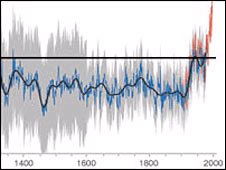
Mann and his colleagues were pioneers in this field. They were the first to draw up a graph of average temperatures in the Northern Hemisphere over the past 1,000 years. That is indisputably an impressive achievement. Because of its shape, his diagram was dubbed the “hockey stick graph.” According to this, the climate changed little for about 850 years, then temperatures rose dramatically (the blade of the stick). However, a few years later, it turned out that the graph was not as accurate as first assumed.

‘I’d Hate to Give It Fodder’
 
In 1999, CRU chief Phil Jones and fellow British researcher Keith Briffa drew up a second climate graph. Perhaps not surprisingly, this led to a row between the two groups about which graph should be published in the summary for politicians at the front of the IPCC report.

The hockey stick graph was appealing on account of its convincing shape. After all, the unique temperature rise of the last 150 years appeared to provide clear proof of man’s influence on our climate. But Briffa cautioned about overestimating the significance of the hockey stick. In an e-mail to his colleagues in September 1999, Briffa said that Mann’s graph “should not be taken as read,” even though it presented “a nice tidy story.”

In contrast to Mann et al’s hockey stick, Briffa’s graph contained a warm period in the High Middle Ages. “I believe that the recent warmth was probably matched about 1,000 years ago,” he wrote. Fortunately for the researchers, the hefty dispute that followed was quickly defused when they realized they were better served by joining forces against the common

. Climate-change skeptics use Briffa’s graph to cast doubt over the assertion that man’s activities have affected our climate. They claim that if our atmosphere is as warm now as it was in the Middle Ages — when there was no man-made pollution — carbon dioxide emissions can’t possibly be responsible for the rise in temperatures.

“I don’t think that doubt is scientifically justified, and I’d hate to be the one to have to give it fodder,” Mann wrote to his colleagues. The tactic proved a successful one. Mann’s hockey stick graph ended up at the front of the UN climate report of 2001. In fact it became the report’s defining element.

An Innocent Phrase Seized by Republicans
 
In order to get unambiguous graphs, the researchers had to tweak their data slightly. In probably the most infamous of the Climategate e-mails, Phil Jones wrote that he had used Mann’s “trick” to “hide the decline” in temperatures. Following the leaking of the e-mails, the expression “hide the decline” was turned into a song about the alleged scandal and seized upon by Republican politicians in the US, who quoted it endlessly in an attempt to discredit the climate experts.

But what appeared at first glance to be fraud was actually merely a face-saving fudge: Tree-ring data indicates no global warming since the mid-20th century, and therefore contradicts the temperature measurements. The clearly erroneous tree data was thus corrected by the so-called “trick” with the temperature graphs.

The row grew more and more bitter as the years passed, as the leaked e-mails between researchers shows. Since the late 1990s, several climate-change skeptics have repeatedly asked Jones and Mann for their tree-ring data and calculation models, citing the legal right to access scientific data.

‘I Think I’ll Delete the File’
 
In 2003, mineralogist Stephen McIntyre and economist Ross McKitrick published a paper that highlighted systematic errors in the statistics underlying the hockey stick graph. However Michael Mann rejected the paper, which he saw as part of a “highly orchestrated, heavily funded corporate attack campaign,” as he wrote in September 2009.

More and more, Mann and his colleagues refused to hand out their data to “the contrarians,” as skeptical researchers were referred to in a number of e-mails. On Feb. 2, 2005, Jones went so far as to write, “I think I’ll delete the file rather than send it to anyone.”

Today, Mann defends himself by saying his university has looked into the e-mails and decided that he had not suppressed data at any time. However, an inquiry conducted by the British parliament came to a very different conclusion. “The leaked e-mails appear to show a culture of non-disclosure at CRU and instances where information may have been deleted to avoid disclosure,” the House of Commons’ Science and Technology Committee announced in its findings on March 31.

Sociologist Peter Weingart believes that the damage could be irreparable. “A loss of credibility is the biggest risk inherent in scientific communication,” he said, adding that trust can only be regained through complete transparency.

Part 6: From Deserved Reputations to Illegitimate Power

The two sides became increasingly hostile toward one another. They debated about whom they could trust, who was a part of their “team” — and who among them might secretly be a skeptic. All those who were between the two extremes or even tried to maintain links with both sides soon found themselves under suspicion.

This distrust helped foster a system of favoritism, as the hacked e-mails show. According to these, Jones and Mann had a huge influence over what was published in the trade press. Those who controlled the journals also controlled what entered the public arena — and therefore what was perceived as scientific reality.

All journal articles are checked anonymously by colleagues before publication as part of what is known as the “peer review” process. Behind closed doors, researchers complained for years that Mann, who is a sought-after reviewer, acted as a kind of “gatekeeper” in relation to magazine articles on paleoclimatology. It’s well-known that renowned scientists can gain influence within journals. But it’s a risky business. “The danger that deserved reputations become illegitimate power is the greatest risk that science faces,” Weingart says.

From Peer Review to Connivance
 
In an e-mail to SPIEGEL ONLINE, Mann rejected the claims that he exercised undue influence. He said the editors of scientific journals — not he — chose the reviewers. However, as Weingart points out, in specialist areas like paleoclimatology, which have only a handful of experts, certain scientists can gain considerable power — provided they have a good connection to the publishers of the relevant journals.

The “hockey team,” as the group around Mann and Jones liked to call itself, undoubtedly had good connections to the journals. The colleagues coordinated and discussed their reviews among themselves. “Rejected two papers from people saying CRU has it wrong over Siberia,” CRU head Jones wrote to Mann in March 2004. The articles he was referring to were about tree data from Siberia, a basis of the climate graphs. In fact, it later turned out that Jones’ CRU group probably misinterpreted the Siberian data, and the findings of the study rejected by Jones in March 2004 were actually correct.

However, Jones and Mann had the backing of the majority of the scientific community in another case. A study published in Climate Research in 2003 looked into findings on the current warm period and the medieval one, concluding that the 20th century was “probably not the warmest nor a uniquely extreme climactic period of the last millennium.” Although climate skeptics were thrilled, most experts thought the study was methodologically flawed. But if the pro-climate-change camp controlled the peer review process, then why was it ever published?

Plugging the Leak
 
In an e-mail dated March 11, 2003, Michael Mann said there was only one possibility: Skeptics had taken over the journal. He therefore demanded that the enemy be stopped in its tracks. The “hockey team” launched a powerful counterattack that shook Climate Research magazine to its foundations. Several of its editors resigned. Vociferous as they were, though, the skeptics did not have that much influence. If it turned out that alarmist climate studies were flawed — and this was the case on several occasions — the consequences of the climate catastrophe would not be as dire as had been predicted.

Yet there were also limits to the influence had by Mann and Jones, as became apparent in 2005, when relentless hockey stick critics Ross McKitrick and Stephen McIntyre were able to publish studies in the most important geophysical journal, Geophysical Research Letters (GRL). “Apparently, the contrarians now have an ‘in’ with GRL,” Mann wrote to his colleagues in a leaked e-mail. “We can’t afford to lose GRL.”

Mann discovered that one of the editors of GRL had once worked at the same university as the feared climate skeptic Patrick Michaels. He therefore put two and two together: “I think we now know how various papers have gotten published in GRL,” he wrote on January 20, 2005. At the same time, the scientists discussed how to get rid of GRL editor James Saiers, himself a climate researcher. Saiers quit his post a year later — allegedly of his own accord. “The GRL leak may have been plugged up now,” a relieved Mann wrote in an e-mail to the “hockey team.”

Internal Conflict and the External Façade
 
Climategate appears to confirm the criticism that scientific systems always benefit cartels. However, Sociologist Hans Peter Peters cautions against over-interpreting the affair. He says alliances are commonplace in every area of the scientific world. “Internal communication within all groups differs from the facade,” Peters says.

Weingart also believes the inner workings of a group should not be judged by the criteria of the outside world. After all, controversy is the very basis of science, and “demarcation and personal conflict are inevitable.” Even so, he says the extent to which camps have built up in climate research is certainly unusual.

Part 7: Conclusive Proof Is Impossible

Weingart says the political ramifications only fuelled the battle between the two sides in the global warming debate. He believes that the more an issue is politicized, the deeper the rifts between opposing stances.

Immense public scrutiny made life extremely difficult for the scientists. On May 2, 2001, paleoclimatologist Edward Cook of the Lamont Doherty Earth Observatory complained in an e-mail: “This global change stuff is so politicized by both sides of the issue that it is difficult to do the science in a dispassionate environment.” The need to summarize complex findings for a UN report appears only to have exacerbated the problem. “I tried hard to balance the needs of the science and the IPCC, which were not always the same,” Keith Briffa wrote in 2007. Max Planck researcher Martin Claussen says too much emphasis was put on consensus in an attempt to satisfy politicians’ demands.

And even scientists are not always interested solely in the actual truth of the matter. Weingart notes that public debate is mostly “only superficially about enlightenment.” Rather, it is more about “deciding on and resolving conflicts through general social agreement.” That’s why it helps to present unambiguous findings.

The Time for Clear Answers Is Over
 
However, it seems all but impossible to provide conclusive proof in climate research. Scientific philosopher Silvio Funtovicz foresaw this dilemma as early as 1990. He described climate research as a “postnormal science.” On account of its high complexity, he said it was subject to great uncertainty while, at the same time, harboring huge risks.

The experts therefore face a dilemma: They have little chance of giving the right advice. If they don’t sound the alarm, they are accused of not fulfilling their moral obligations. However, alarmist predictions are criticized if the predicted changes fail to materialize quickly.

Climatological findings will probably remain ambiguous even if further progress is made. Weingart says it’s now up to scientists and society to learn to come to terms with this. In particular, he warns, politicians must understand that there is no such thing as clear results. “Politicians should stop listening to scientists who promise simple answers,” Weingart says.

Translated from the German by Jan Liebelt
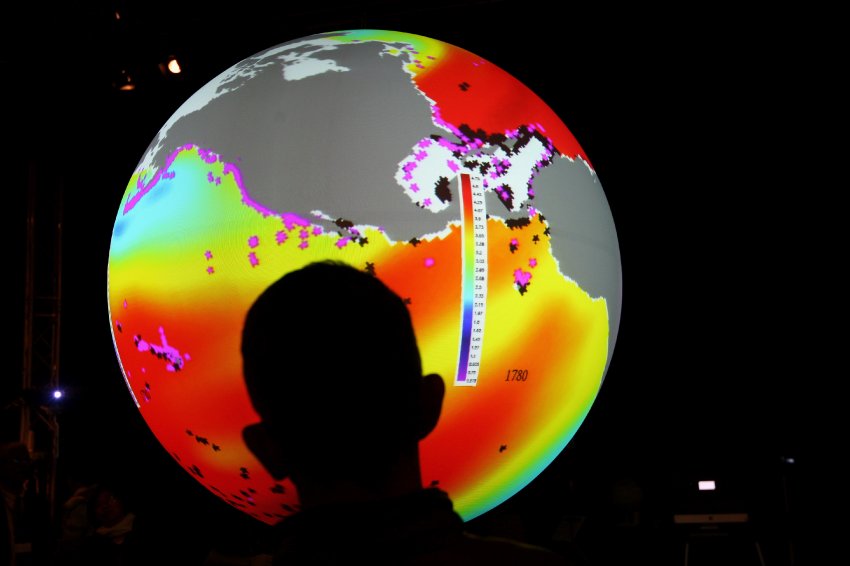
A colorful oracle: A visitor watches an animation demonstrating oceanic acidity levels at the UN Climate Change Conference in Copenhagen in December.
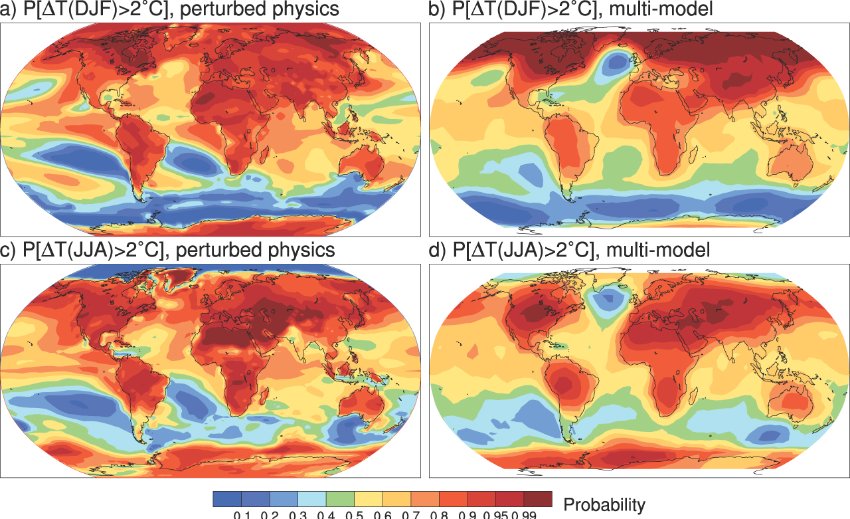
Red colors equals a warmer future: Climate prognoses forecast a noticeable warming of the planet if greenhouse-gas emissions are not curtailed.

Several climate researchers are calling for the resignation of Rajendra Pachauri, a Nobel Peace Prize winner and chairman of the UN’s Intergovernmental Panel on Climate Change, because he took too long to acknowledge that the panel published inaccurate research on climate change.
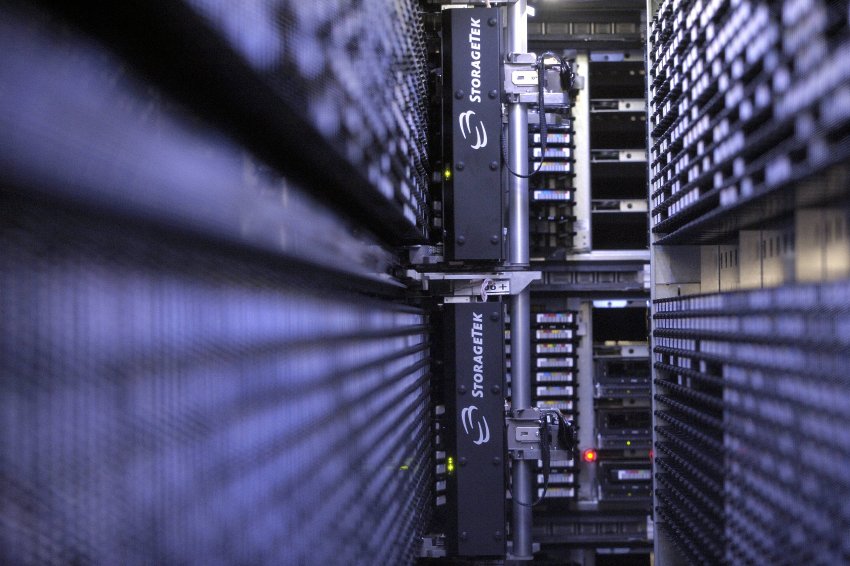
The German Climate Computing Center (DKRZ) in Hamburg uses supercomputers to predict future climates.
>Climate Fears Turn to Doubts Among Britons (N.Y. Times)

>
By ELISABETH ROSENTHAL
Published: May 24, 2010

LONDON — Last month hundreds of environmental activists crammed into an auditorium here to ponder an anguished question: If the scientific consensus on climate change has not changed, why have so many people turned away from the idea that human activity is warming the planet?

Nowhere has this shift in public opinion been more striking than in Britain, where climate change was until this year such a popular priority that in 2008 Parliament enshrined targets for emissions cuts as national law. But since then, the country has evolved into a home base for a thriving group of climate skeptics who have dominated news reports in recent months, apparently convincing many that the threat of warming is vastly exaggerated.

A survey in February by the BBC found that only 26 percent of Britons believed that “climate change is happening and is now established as largely manmade,” down from 41 percent in November 2009. A poll conducted for the German magazine Der Spiegel found that 42 percent of Germans feared global warming, down from 62 percent four years earlier.

And London’s Science Museum recently announced that a permanent exhibit scheduled to open later this year would be called the Climate Science Gallery — not the Climate Change Gallery as had previously been planned.

“Before, I thought, ‘Oh my God, this climate change problem is just dreadful,’ ” said Jillian Leddra, 50, a musician who was shopping in London on a recent lunch hour. “But now I have my doubts, and I’m wondering if it’s been overhyped.”

Perhaps sensing that climate is now a political nonstarter, David Cameron, Britain’s new Conservative prime minister, was “strangely muted” on the issue in a recent pre-election debate, as The Daily Telegraph put it, though it had previously been one of his passions.

And a poll in January of the personal priorities of 141 Conservative Party candidates deemed capable of victory in the recent election found that “reducing Britain’s carbon footprint” was the least important of the 19 issues presented to them.

Politicians and activists say such attitudes will make it harder to pass legislation like a fuel tax increase and to persuade people to make sacrifices to reduce greenhouse gas emissions.

“Legitimacy has shifted to the side of the climate skeptics, and that is a big, big problem,” Ben Stewart, a spokesman for Greenpeace, said at the meeting of environmentalists here. “This is happening in the context of overwhelming scientific agreement that climate change is real and a threat. But the poll figures are going through the floor.”

The lack of fervor about climate change is also true of the United States, where action on climate and emissions reduction is still very much a work in progress, and concern about global warming was never as strong as in Europe. A March Gallup poll found that 48 percent of Americans believed that the seriousness of global warming was “generally exaggerated,” up from 41 percent a year ago.

Here in Britain, the change has been driven by the news media’s intensive coverage of a series of climate science controversies unearthed and highlighted by skeptics since November. These include the unauthorized release of e-mail messages from prominent British climate scientists at the University of East Anglia that skeptics cited as evidence that researchers were overstating the evidence for global warming and the discovery of errors in a United Nations climate report.

Two independent reviews later found no evidence that the East Anglia researchers had actively distorted climate data, but heavy press coverage had already left an impression that the scientists had schemed to repress data. Then there was the unusually cold winter in Northern Europe and the United States, which may have reinforced a perception that the Earth was not warming. (Data from the National Oceanic and Atmospheric Administration, a United States agency, show that globally, this winter was the fifth warmest in history.)

Asked about his views on global warming on a recent evening, Brian George, a 30-year-old builder from southeast London, mused, “It was extremely cold in January, wasn’t it?”

In a telephone interview, Nicholas Stern, a former chief economist at the World Bank and a climate change expert, said that the shift in opinion “hadn’t helped” efforts to come up with strong policy in a number of countries. But he predicted that it would be overcome, not least because the science was so clear on the warming trend.

“I don’t think it will be problematic in the long run,” he said, adding that in Britain, at least, politicians “are ahead of the public anyway.” Indeed, once Mr. Cameron became prime minister, he vowed to run “the greenest government in our history” and proposed projects like a more efficient national electricity grid.

Scientists have meanwhile awakened to the public’s misgivings and are increasingly fighting back. An editorial in the prestigious journal Nature said climate deniers were using “every means at their disposal to undermine science and scientists” and urged scientists to counterattack. Scientists in France, the Netherlands and the United States have signed open letters affirming their trust in climate change evidence, including one published on May 7 in the journal Science.

In March, Simon L. Lewis, an expert on rain forests at the University of Leeds in Britain, filed a 30-page complaint with the nation’s Press Complaints Commission against The Times of London, accusing it of publishing “inaccurate, misleading or distorted information” about climate change, his own research and remarks he had made to a reporter.

“I was most annoyed that there seemed to be a pattern of pushing the idea that there were a number of serious mistakes in the I.P.C.C. report, when most were fairly innocuous, or not mistakes at all,” said Dr. Lewis, referring to the report by the United Nations Intergovernmental Panel on Climate Change.

Meanwhile, groups like the wildlife organization WWF have posted articles like “How to Talk to a Climate Skeptic,” providing stock answers to doubting friends and relatives, on their Web sites.

It is unclear whether such actions are enough to win back a segment of the public that has eagerly consumed a series of revelations that were published prominently in right-leaning newspapers like The Times of London and The Telegraph and then repeated around the world.

In January, for example, The Times chastised the United Nations climate panel for an errant and unsupported projection that glaciers in the Himalayas could disappear by 2035. The United Nations ultimately apologized for including the estimate, which was mentioned in passing within a 3,000-page report in 2007.

Then came articles contending that the 2007 report was inaccurate on a host of other issues, including African drought, the portion of the Netherlands below sea level, and the economic impact of severe storms. Officials from the climate panel said the articles’ claims either were false or reflected minor errors like faulty citations that in no way diluted the evidence that climate change is real and caused by human activity.

Stefan Rahmstorf, a professor at the Potsdam Institute for Climate Impact Research, successfully demanded in February that some German newspapers remove misleading articles from their Web sites. But such reports have become so common that he “wouldn’t bother” to pursue most cases now, he added.

The public is left to struggle with the salvos between the two sides. “I’m still concerned about climate change, but it’s become very confusing,” said Sandra Lawson, 32, as she ran errands near Hyde Park.

*   *   *

A response to the article above appeared at the Climate progress blog: “Brulle: ‘The NY Times doesn’t need to go to European conferences to find out why public opinion on climate change has shifted…. Just look in the mirror.‘” Access the post here.

>Climate sceptics rally to expose ‘myth’ (BBC)

>
By Roger Harrabin
Environment analyst, BBC News
21 May 2010

In the Grand Ballroom Of Chicago’s Magnificent Mile Hotel, dinner was over.

Beef, of course. A great pink hunk of it from the American Mid-West.

At the world’s biggest gathering of climate change sceptics, organised by the right-wing Heartland Institute, vegetarians were an endangered species.

Wine flowed and blood coursed during a rousing address from Heartland’s libertarian president Joseph Bast. Climate change is being used by governments to oppress the people, he believes.

After years of opposing government rules on smoking and the environment, Mr Bast now aims to forge a global movement of climate sceptics to end the “myth” that humans are endangering the atmosphere.

He urged the audience to spread the word among their families, friends and work colleagues that climate science is too uncertain to guide government policy, and that plans for climate laws in the US would bankrupt the nation.

“We just didn’t realise in those days how important and controversial this would all become” – Professor Roy Spencer, University of Alabama

In turn, he introduced an all-American hero, Harrison Schmitt, one of the last people to walk on the Moon and still going strong.

Mr Schmitt trained as a geologist and like some other geologists believes that climate change is part of a natural fluctuation. He’s also a former Republican Senator and he made the case that the American constitution contains no powers for government to legislate CO2.

The audience, containing some international faces, but mostly American libertarians and Republicans, loved the small-government message.

They cheered when a member of the audience demanded that the “Climategate criminals” – the scientists behind the University of East Anglia (UEA) hacked emails – should be jailed for fraud.

‘Anti-climax’

And the fervour reached a peak when the reluctant hero, Steve McIntyre, shambled on to the stage.

Mr McIntyre is the retired mining engineer who started enquiring into climate statistics as a hobby and whose requests for raw data from the UEA led to a chain of events which have thrown climate science into turmoil.

The crowd rose to applaud him to the stage in recognition of his extraordinary statistical battle to disprove the “Hockey Stick” graph that had become an emblem of man-made global warming.

There was a moment of anticipation as Mr McIntyre stood nervously before the podium – a lugubrious bear of a man resembling a character from Garrison Keillor’s Lake Wobegon.

Steve McIntyre has worked to “break” the hockey stick

“I’m not used to speaking in front of such big crowds,” he mumbled. And he winced a little when one emotional admirer blurted that he had travelled 10,000 miles from South Africa for the thrill of hearing him speak.

But then came a sudden and unexpected anti-climax. Mr McIntyre urged the audience to support the battle for open source data on climate change – but then he counselled them to stop clamouring for the blood of the e-mailers. McIntyre does not want them jailed, or even punished. He just wants them to say they are sorry.

The audience disappointment was tangible – like a houndpack denied the kill.

Mr McIntyre then advised sceptics to stop insisting that the Hockey Stick is a fraud. It is understandable for scientists to present their data in a graphic way to “sell” their message, he said. He understood why they had done it. But their motives were irrelevant.

The standard of evidence required to prove fraud over the Hockey Stick was needlessly high, he said. All that was needed was an acknowledgement by the science authorities that the Hockey Stick was wrong.


Political associations

This was clearly not the sort of emollient message the sceptics expected from one of their heavy hitters. And the speech slipped further into climate pacifism when Mr McIntyre confessed that he did not share the libertarian tendencies of many in the ballroom.

As a Canadian, he said, he was brought up to believe that governments should govern on behalf of the people – so if CO2 were reckoned to be dangerous, it would be the duty of politicians to make laws to cut emissions.

The quiet man said he thought that the work of his climate-statistical website was probably done. He sat down to one-handed applause.

Not so much of a call to arms as a whispered advice to the adversary to lay down his weapons and depart the battlefield.

His message of climate conciliation was reinforced by Tom Harris, founder of the International Climate Science Coalition.

He says he’s not a right-winger, and he told the conference that many scientists sharing his political views had misgivings about establishment climate theory, but would not speak out for fear of being associated with their political opponents or with the fossil fuel industry.

Indeed some moderate climate sceptics told me they have shunned this conference for fear of being publicly associated with a highly-politicised group.

And Sonia Boehmer Christiansen, the British-based climate agnostic (her term), brought to a juddering halt an impassioned anti-government breakfast discussion with a warning to libertarians that they would never win the policy argument on climate unless they could carry people from the Left with them.

Governments needed taxes, she said – and energy taxes – were an efficient way of gathering them.

Cloud effect

Even some right-wingers agreed the need to review the language of scam and fraud. Professor Roy Spencer, for instance, is a climate sceptic scientist from the University of Alabama in Huntsville.

But when I asked him about the future of Professor Phil Jones, the man of the heart of the UEA e-mail affair, he said he had some sympathy.

“He says he’s not very organised. I’m not very organised myself,” said Professor Spencer. “If you asked me to find original data from 20 years ago I’d have great difficulty too.

“We just didn’t realise in those days how important and controversial this would all become – now it would just all be stored on computer. Phil Jones has been looking at climate records for a very long time. Frankly our data set agrees with his, so unless we are all making the same mistake we’re not likely to find out anything new from the data anyway.”

Professor Spencer admits that he is regarded by orthodox climate scientists as a renegade. But as a very conservative Christian he is at home here, and his views carry weight at this meeting.

Like most climate sceptic scientists, he accepts that CO2 is a warming gas – this is basic physics, he says, and very hard to dispute.

But he says his studies on incoming and outgoing Earth radiation measured by satellites suggest that changes in cloudiness are mitigating warming caused by CO2.

He thinks all the world’s climate modellers are wrong to assume that the Earth’s natural systems will augment warming from CO2, and he hopes that a forthcoming paper will prove his case.

He admits that he has been wrong often enough to know it’s easy to be wrong on a subject as complex as the climate. But he says that means the modellers can all be wrong, too.

The key question for the future, he said, was the one that has been asked for the past 30 years with inconclusive answers – how sensitive will the climate be to a doubling of CO2?

‘Climate resilience’

The godfather of climate scepticism Richard Lindzen, professor of meteorology at Massachusetts Institute of Technology (MIT), has been pre-occupied with this question for decades.

He is a member of the US National Academy of Sciences and a former lead author for the IPCC. But he is immensely controversial and his views run directly counter to those of his institute, which, he says, is looking forward to his retirement.

He has been accused of ignoring recent developments in science.

He believes CO2 is probably keeping the Earth warmer than it would otherwise be, but says he is more convinced than ever that the climate will prove increasingly resilient to extra CO2.

He thinks that this greenhouse gas will not increase temperature much more than 1C in total because the positive feedbacks predicted by computer models will not occur.

The final word of this conference – part counter-orthodox science brainstorm, part political rally – was left to a man who is not a scientist at all, Christopher Monckton, former adviser to Mrs Thatcher, now the darling of climate sceptics worldwide.

In a bravura performance he had the audience roaring at his mocking impersonation of “railway engineer Rajendra Pachauri – the Casey Jones of climate change”; hissing with pantomime fury at the “scandal” of Climategate, then emotionally applauding the American troops who have given their lives for the freedom that their political masters are surrendering to the global socialist tyranny of global warming.

His closing words were delivered in a weeping whisper, a soft prayer of praise to the American constitution and individual liberty.

As the ecstatic crowd filtered out I pointed one delegate to a copy of the Wall Street Journal on the table. A front page paragraph noted that April had been the warmest on record.

“So what?” he shrugged. “So what?”

>O futebol na terra do homem cordial

>
Fundação Getúlio Vargas abre as portas para o futebol e discute a relação do esporte com a sociedade, a literatura, a museologia e o cinema.

Thiago Camelo
Ciência Hoje, 02/06/2010

Estádio lotado. Um esporte que se confunde com as nossas emoções mais profundas e, por isso, ajuda a entender quem somos (foto: CC BY-NC 2.0 / Yan Boechat).

Kaká, Ronaldinho, Pelé e Tostão. Craques brasileiros, ídolos. Alguns mitos. Mitos com uma singularidade: têm apelidos de gente comum, diminutivos carinhosos. O que poderia ser apenas uma engraçada coincidência é, na verdade, prática repetida à exaustão com milhares de jogadores brasileiros. Então, fica a pergunta: o que será que os inhos no final do nome dos nossos ídolos dizem sobre o Brasil?

Para o ensaísta, compositor, pianista e – também – fã de futebol José Miguel Wisnik, os apelidos dos ídolos dizem muito sobre o que somos.

Os apelidos dos jogadores de futebol 
– Ronaldinho, Robinho, Jairzinho – 
dizem sobre como somos

Em um debate na sexta-feira passada que uniu futebol e ciências sociais e humanas na Fundação Getúlio Vargas (FGV – RJ), o autor do livro Veneno remédio (2008), obra que traça as linhas de encontro e desencontro entre o futebol e os hábitos dos brasileiros, disse:

– A gente não abre mão de chamar nossos heróis de forma infantil. É a nossa clássica mistura do privado e do público, como explica Sérgio Buarque em Raízes do Brasil. Temos medo de assumir responsabilidades. Não somos como os europeus. Quando eles entram em campo, vemos um desfile de sobrenomes.

Wisnik, que estava na mesa junto com o mediador Bernardo Buarque de Hollanda, era só parte de um evento. Durante todo o dia, falou-se também de temas como o Museu do Futebol, em São Paulo, e a relação do cinema com o esporte.

Dribles em palavras

É inegável, no entanto, que o ponto forte do dia foi a manhã, quando Wisnik falou. Quem já o viu dissertar, seja sobre música, política e outros assuntos, sabe o dom que o ensaísta tem com a palavra. E sabe também a sua capacidade – nada leviana – de fazer a ligação de tudo com qualquer coisa. Ouvindo-o, acreditamos que o mundo é feito de conexões.

Assim, a comparação do homem cordial (aquele que pretere as formalidades), de Sérgio Buarque, com o modo que o brasileiro trata o futebol não soa forçada. Também vai bem a analogia entre Macunaíma e Garrincha, “um avatar do personagem de Mário de Andrade”, segundo Wisnik.

Em época de Copa do Mundo, não houve como fugir da pergunta: qual seria o Brasil representado pela seleção de Dunga?

Wisnik responde no vídeo abaixo.

Um museu popular

Na mesa da tarde, foi a vez da diretora do Museu do Futebol, Clara Azevedo, contar sua experiência em São Paulo: tocar um museu destinado à preservação do esporte num lugar que se intitula ‘país do futebol’. E mais: organizar a empreitada dentro do estádio do Pacaembu, casa informal do Corinthians, o maior clube da cidade.

“É muito legal ter um museu sobre futebol 
dentro de um estádio. É a história 
acontecendo debaixo do seu nariz”

– É muito legal ter um museu sobre futebol dentro de um estádio. É a história acontecendo debaixo do seu nariz. Em jogos menores, o estádio funciona junto com o jogo, dá para sentir a vibração da arquibancada – conta Clara, que tem de lidar com algumas críticas. – Muita gente diz que o museu usa só tecnologia, que é um museu sem acervo. Acho isso uma besteira.

Oferta de acervo, aliás, é o que não falta ao Museu do Futebol. Clara diz que vários colecionadores já quiseram deixar aos cuidados dela suas preciosidades, que variam de “15 chaveiros do Corinthians” a “fotos antigas de jogos de futebol”.

A diretora do Museu de Futebol, Clara Azevedo, fala em evento na FGV. Para ela, o futebol permite que as pessoas vão ao museu e opinem com o sentimento de entender sobre o que estão falando (foto: Thiago Camelo).

A diretora acha a questão delicada, já que não pode lidar com tanta demanda para conservação de objetos. Mas avisa que anota todos os pedidos e, otimista, pondera:

– No fundo, é uma questão positiva. Porque em nenhum outro museu acontece de ter gente oferecendo peças de modo gratuito. É sinal de que o país tem uma preocupação com a memória.

A bola na tela

Na última mesa, estavam os professores Hernani Heffner e Victor de Melo, ambos para falar sobre os filmes que têm o futebol como temática. O cerne do discurso dos dois foram “as dificuldades” – os contratempos técnicos de se realizar um filme sobre futebol, esporte tão imprevisível que não comportaria o cinema – e a já conhecida incapacidade de se conservar películas no Brasil. (Esta última ‘dificuldade’ soa irônica num espaço em que, logo antes, a curadora do Museu do Futebol dera o seu relato sobre futebol e memória.)

Outra curiosidade, e agora sobre o evento como um todo, foi o assunto insistente nas três mesas: a imprevisibilidade do futebol e como ela afeta a área de interesse dos palestrantes. São muitos os relatos, mas fica a citação de Wisnik – o homem que acha o elo entre qualquer tema – do trecho da letra de O futebol, de Chico Buarque, que canta o que a mágica do drible pode fazer com a vida.

parábola do homem comum
roçando o céu
um
senhor chapéu

Thiago Camelo
Ciência Hoje On-line

>Política incerta, economia incerta, clima incerto

>
A sucessão de catástrofes é casual ou causal?

Por Mario Soares*
IPS/Envolverde – 21/05/2010 – 10h05

Lisboa, maio/2010 – Até o próprio Pangloss, famoso personagem de Candide de Voltaire, apesar de seu imperturbável otimismo, se veria em dificuldades para enfrentar o mundo contemporâneo. A natureza e a humanidade deram rédeas aos seus respectivos demônios e ninguém pode detê-los. Em diferentes lugares, a Terra reage e nos assesta, sucessivamente: ciclones, maremotos, terremotos, inundações e, ultimamente, a erupção vulcânica na insular Islândia, que paralisou os aeroportos do norte e centro da Europa. Um espetáculo triste e jamais visto.

Trata-se de fenômenos naturais normais, dirão alguns, os menos avisados. Contudo, para aqueles que têm mais de oito décadas vividas, como é meu caso, e nunca viram nem tiveram conhecimento de nada semelhante a esta conjugação sucessiva de catástrofes, é prudente expor a dúvida: será que a mão inconsciente e imprevista do homem, que agride e maltrata o planeta e compromete seu equilíbrio natural, não tem uma boa dose de responsabilidade nestes fatos?

A recente Conferência de Cúpula sobre Mudança Climática em Copenhague, em dezembro passado, que deveria condenar e enfrentar o aquecimento global, resultou em fracasso devido ao suspeito acordo traçado na última hora por China e Estados Unidos. Por uma coincidência – ou talvez não –, estas duas grandes potências são os maiores contaminadores da Terra. A verdade é que conseguiram paralisar o grupo europeu – ao qual não deram a menor importância – e várias delegações procedentes de outros continentes, que esperavam resultados positivos da Conferência Mundial.

Talvez seja mais preocupante a aparição de alguns cientistas que adotam posturas abertamente contrárias ao pensamento e às advertências da esmagadora maioria dos ecologistas, já que afirmam que o aquecimento global não é causado pelas atividades humanas nem pelo abusivo emprego de combustíveis derivados dos hidrocarbonos. Afirmam e reiteram que se trata de um fato natural. Isto me faz pensar que há pessoas capazes de perseguir a todo custo a ganância e sobrepor a qualquer outra consideração a defesa de seus interesses imediatos sem que isso afete suas boas consciências… Se é que as têm.

Estou convencido de que na próxima Conferência Mundial sobre Mudança Climática a verdade científica prevalecerá e que as grandes potências serão obrigadas a respeitar as regras que objetivam conter radicalmente o aquecimento global.

Os riscos que pairam sobre o planeta não são apenas as catástrofes consideradas naturais que se sucedem com inquestionável e preocupante frequência. O terrorismo global continua causando estragos desde 2001, e atualmente são numerosas (excessivas, segundo meu ponto de vista) as nações que dispõem de armamento nuclear. É indispensável colocar um limite a isto. Neste sentido, o acordo que o presidente norte-americano, Barack Obama, conseguiu estabelecer com Rússia e China para reduzir os respectivos arsenais atômicos e obstruir a proliferação por parte de nações que ainda não os possuem – como é o caso do Irã – é um acontecimento notável e de projeções políticas e geoestratégicas extremamente positivas.

Em um mundo tão perigoso como o que nos cabe viver – basta pensar em todos os conflitos armados não resolvidos em todos os continentes –, é preciso reduzir drasticamente a venda livre de armas e propagar a Cultura de Paz, da qual é incansável promotor o ex-diretor-geral da Unesco, Federico Mayor Zaragoza. Ao mesmo tempo, deve-se evitar e controlar até onde for possível todas as formas de incitação à violência que os meios de comunicação, as televisões em particular, propagam constantemente (inconscientemente, ou não), no que não é exagerado qualificar como uma escalada inaceitável.

Todos os governos do mundo que se consideram Estados de Direito e que, portanto, devem respeitar e proteger os direitos humanos têm a consequente obrigação de adotar políticas e medidas para difundir a Cultura de Paz e repudiar, pedagógica e sistematicamente, todas as formas de violência que entram todos os dias em nossas casas para o bem de nossos descendentes e do futuro da humanidade.

Realmente, as ameaças que enfrentamos em nossa época provêm de diversas fontes: de uma política incerta e sem rumo claro, de uma economia sem regras e à espera de melhores dias – não sabemos quantos – para superar a crise, de uma sucessão de calamidades. Já é hora de a cidadania global abrir os olhos, reagir e exigir soluções. IPS/Envolverde

* Mário Soares é ex-presidente e ex-primeiro-ministro de Portugal.

>Craig Venter e a célula artifical

>
O único DNA presente é sintético – entrevista com Craig Venter

Steve Connor, do Independent
O Globo, 21/5/2010 – reproduzido no Jornal da Ciência (JC e-mail 4015)

Para cientista, mau uso da tecnologia pode ser enfrentado com uma nova legislação

A criação, pela primeira vez na História, de uma forma de vida artificial, pelo grupo do geneticista Craig Venter – o mesmo responsável pela apresentação do genoma humano em 2001 – abre caminho para a compreensão das origens da vida, e inaugura uma nova era da biologia sintética. O grupo criou uma célula sintética, a partir de um DNA produzido de forma artificial e transplantado para uma bactéria.

Nesta entrevista concedida ao jornal britânico “Independent”, Venter deixa claro que o seu feito foi, de fato, criar a primeira forma de vida artificial. “O único DNA presente (na célula criada) é o sintético”, afirma.

O próximo passo dessa linha de pesquisa, de acordo com ele, “é entender a natureza básica da vida, quais são os conjuntos de genes mínimos necessários para ela. Ainda não sabemos todas as funções de genes presentes em uma célula. Trata-se, portanto, de um enigma fundamental.”

– Qual é novidade de seu estudo?

Esta foi a primeira vez que alguém construiu um cromossomo inteiro, de 1,08 milhão de pares de bases, transplantou-o para uma célula receptora e o fez assumir o controle desta célula, convertendo-a em uma nova espécie de bactéria.

Estabelecemos, portanto, um novo paradigma – temos uma célula totalmente controlada por um cromossomo artificial.

– É, então, uma vida artificial?

Nós a definimos assim por ela ser totalmente determinada por um cromossomo artificial. Começamos com uma célula viva, mas o cromossomo que construímos a transformou completamente. Não há qualquer elemento da célula receptora. Nossa célula ar tificial passou por um bilhão de réplicas. O único DNA presente ali é o artificial. Todas as proteínas foram codificadas por ele. Isso é importante ressaltar: não produzimos as proteínas nem as células artificialmente. Tudo foi ditado pelo cromossomo.

– Podemos dizer que uma vida foi criada do zero?

Não considero que tenha acontecido isso. Criamos uma nova vida a partir de outra já existente, usando um DNA artificial que reprogramou as células.

– Por que a bactéria Mycoplasma mycoides foi escolhida para a pesquisa?

Este é o primeiro passo, a forma escolhida para estabelecer um novo paradigma. Faz sentido começar com algo que, sabemos, é biologicamente ativo. Provamos, assim, que nosso estudo poderia ser feito, o que não é pouca coisa. Mudamos para real o estágio de algo que, dois meses atrás, era considerado hipotético.

– Essa nova forma de vida é um organismo de vida livre e capaz de replicar?

Sim, se considerarmos que o conceito de “vida livre” também pode ser atribuído ao que cresce em um laboratório. Fora dele, o experimento não sobreviveria. No laboratório, se dermos os nutrientes corretos, este organismo pode se replicar sem qualquer intervenção.

– Qual foi a maior dificuldade enfrentada por sua equipe?

Em um determinado momento, havia apenas um erro em um milhão de pares de bases do cromossomo (e não conseguíamos prosseguir). Chegamos a interpretar este episódio como um sinal de que seria impossível conseguir dali uma vida. Foi um momento difícil, porque contrariava algo que eu havia previsto três anos atrás. Enormes obstáculos precisavam ser superados. Tivemos de aprender e inventar novos sistemas para tornar tudo isso possível, o que nunca é algo trivial.

– E agora, o que o senhor espera atingir?

Queremos entender a natureza básica da vida, quais são os conjuntos de genes mínimos necessários para ela. Ainda não sabemos todas as funções de genes presentes em uma célula. Não sabemos o que fazem e como trabalham. Há 15 anos tentamos achar estas respostas, mesmo em células simples. Trata-se, portanto, de um enigma fundamental para chegarmos à próxima etapa. Com o passar dos anos, o uso de novas tecnologias torna tudo mais evidente para nós. É só lembrar dos anos 40 e 50, quando a revolução dos eletrônicos ainda não havia decolado.

Os cientistas que se dedicavam à construção de circuitos àquela época tinham muito pouca noção sobre o que viriam a ser os celulares e os computadores. É muito difícil imaginar todas as aplicações de uma tecnologia.

Considera-se que a população mundial, hoje de 6,8 bilhões de pessoas, passará para 9 bilhões em três ou quatro décadas. E atualmente nós sequer conseguimos prover comida, energia, água potável e remédios para todos. Então, precisamos urgentemente de novas técnicas para atingir esse objetivo, e isso deve ser feito sem destruir o planeta.

– O senhor está brincando de Deus?

Esta pergunta tornou-se quase um clichê. É lembrada toda vez que há uma grande descoberta científica, particularmente na biologia. Ciência é a compreensão da vida em seus níveis mais básicos, e a tentativa de usar esse conhecimento para a melhoria da Humanidade.

Acredito, portanto, que somos parte do progresso do conhecimento científico, e que contribuímos para o entendimento do mundo ao nosso redor.

– O senhor está preocupado com o mau uso das técnicas aplicadas em sua pesquisa?

Tenho que estar. É uma tecnologia poderosa. Propus novas regulações para esta área, porque sinto que as atuais não vão longe como seria necessário. Por sermos os inventores, queremos que seja feito tudo o possível para proteger nossa técnica contra o mau uso. Sugeri, por exemplo, uma legislação para as empresas que sintetizam DNA, para que não façam o genoma de DNAs que sejam potencialmente perigosos.

Queremos que essa descoberta seja posta em um contexto que as pessoas saibam o que ela significa. Creio que esta tenha sido a primeira vez, na ciência, em que uma extensa análise bioética foi realizada antes de os experimentos estarem concluídos.

Esta é parte de um processo em andamento que estamos conduzindo, a nossa tentativa de ter certeza do que esses procedimentos significarão no futuro.

>Justiça e jurisprudencia no Brasil imperial

>
Especiais
Da resistência aos crimes miúdos

20/5/2010

Por Alex Sander Alcântara

Agência FAPESP – Quando se discutem os crimes cometidos por escravos, geralmente se discutem os chamados “crimes de resistência”, como as insurreições e rebeliões contra a situação de cativeiro. Mas um estudo publicado na revista História (São Paulo) indica que, no Brasil Imperial (1822-1889), diversos crimes cotidianos eram cometidos tanto pela população livre como por escravos.

O trabalho foca em delitos como briga de vizinhos, conflitos em tabernas, conflitos conjugais e crimes contra a pessoa e aponta que muitas foram as situações jurídicas em que não era feita distinção entre réus livres e escravos.

De acordo com Ricardo Alexandre Ferreira, professor do Departamento de História da Universidade Estadual do Centro-Oeste, em Guarapuava (PR), e recém-aprovado no concurso para docente no Departamento de História da Universidade Estadual Paulista (Unesp) no campus de Franca, o estudo busca entender o conceito de criminalidade escrava, com base na análise dos códigos penais e nos relatórios emitidos anualmente pelos ministros de justiça no período em questão.

“Com base nessa documentação, procurei entender a criminalidade escrava, que é um tema vinculado às insurreições, mas verifiquei que também havia um conjunto muito grande de crimes cometidos por escravos que não eram ligados a esse conceito porque foram somados aos problemas mais amplos da criminalidade no Império”, disse à Agência FAPESP.

O artigo é um apanhado das pesquisas que desenvolveu na iniciação científica, mestrado e doutorado, com Bolsa FAPESP nas três modalidades. Sua pesquisa de mestrado “Escravidão, criminalidade e cotidioano: Franca 1830-1888”, foi selecionada com uma das melhores dissertações no ano na Unesp e publicada no livro Senhores de Poucos Escravos – o cativeiro e criminalidade num ambiente rural (1830-1888), pela editora da universidade em 2005.

De acordo com o pesquisador, ao analisar a documentação se percebe que o maior volume de crimes cometidos, principalmente nas regiões de pequenas e médias propriedades no interior do Brasil, estava muito mais vinculado ao cotidiano de uma população livre e pobre.

“Havia uma prática enraizada entre as autoridades de reunir, em seus relatórios, os criminosos escravos, libertos e livres com expressões genéricas como ‘classes menos favorecidas’, ‘classes inferiores’ ou ‘classes ínfimas da sociedade’. Além de reforçar o estereótipo de vadiagem, o que se percebe é uma incapacidade do Estado de coletar, organizar e analisar os registros de criminalidade produzidos em todo o país”, afirmou Ferreira.

Não havia no Império um código criminal exclusivo para julgar e punir os escravos. Segundo o autor, há uma omissão sobre o termo “escravo” na Constituição de 1824. “A ideia era a de que os escravos não faziam parte do contrato social e que, portanto, não existiam”, disse.

Havia no código apenas um artigo – de número 60 – que tratava das punições dos cativos condenados a penas que não fossem de morte ou galés e, pelo menos em teoria, o escravo era julgado e tinha os mesmos direitos a recursos que uma pessoa livre.

“O escravo tinha direito a advogado pago, em muitos casos pelo próprio proprietário. A diferença estava na hora de se aplicar a lei. Ao confirmar a culpa e impor a sentença, o juiz estabelecia uma diferença para o escravo, cuja punição poderia ser açoites ou mesmo carregar ferro no pé ou no pescoço pelo período determinado pelo juiz”, disse.

A única exceção era se o escravo cometesse homicídio a superiores, insurreição e roubo com morte; nesses casos, era condenado à pena de morte. No restante, segundo Ferreira, todos os casos de infração que valiam para o livre eram válidos também para o escravo.

“Analiso o artigo 60 como uma espécie de exceção. Isso se dava porque o Brasil herdou de Portugal uma tradição de não ter códigos específicos para os escravos. Nas colônias francesas, havia o chamado Código Negro (Code Noir)”, destacou Ferreira.

Outro artigo – de número 115 – também punia todos aqueles que participassem da insurreição, incitando ou ajudando os escravos a se rebelar e “fornecendo-lhes armas, munições ou outros meios para o mesmo fim”.

Mesmo julgados culpados por crimes punidos com a morte, cidadãos livres e escravos condenados em primeira instância só subiriam ao patíbulo após terem sido negados todos os recursos jurídicos previstos, como apelação, protesto por novo julgamento e revista.

“Ainda assim, antes da forca era facultado ao condenado o direito de recorrer à Imperial Clemência que, por meio de uma das atribuições do Poder Moderador, podia perdoá-lo, mudar a pena (comutação) ou mandar executar a sentença”, ressaltou Ferreira.

Segundo ele, o Código Criminal do Império, criado em 1830, contemplou também o “mundo da segurança individual”, como disputas por divisas que acabavam em brigas e tiros, conflitos matrimoniais, brigas de rua, entre outros conflitos, como assunto de Estado.

Substituição da pena de morte

A partir da criação do Código, houve um primeiro esforço na produção de um “perfil dos delitos praticados” no país. No relatório de 1837, o então ministro da justiça Bernardo Pereira Vasconcelos argumentou que, diante da recorrente reclamação contra a impunidade que se espalhava por todo o território, ela só poderia ser adequadamente avaliada quando os mapas com os perfis de crimes e criminosos fossem produzidos a partir das informações enviadas pelas províncias.

“No perfil apresentado pelo ministro destaca-se um aumento maior do número de crimes contra a pessoa em relação aos cometidos contra a propriedade e, consequentemente, a impunidade”, disse.

Uma das dificuldades alegadas pelos ministros para obter informações a respeito de homicídios e ferimentos se referia à deficiência das comunicações entre vilas e a capital do Império, o que impedia o estudo dos padrões de criminalidade individual.

A recorrente queixa a respeito da ineficiente integração das autoridades da Corte com as das diferentes províncias figurou, segundo Ferreira, na base dos principais argumentos que conduziram às reformas sofridas pela justiça criminal do Império.

“A reforma do Judiciário de 1840 promoveu uma série de iniciativas para impedir em parte a atuação localizada dos juízes de paz e também dos jurados. Como desdobramento, em 1842 foi criada a figura do delegado de polícia. Na prática, a ideia era acabar com a impunidade nas pequenas vilas e promover uma centralização do judiciário”, disse.

Com as sucessivas modificações de 1840 a 1850, a pena de morte na prática foi abolida e a lei passou a conceder aos escravos a possibilidade dos mesmos recursos que os livres.

“Embora o Código ainda não esteja modificado, na prática o Imperador D. Pedro II, a partir das décadas finais do Império, começou a substituir penas de morte por penas de prisão perpétua”, apontou Ferreira.

Segundo ele, havia um conceito de criminalidade no Brasil Colônia (1500-1822) típico do antigo regime no qual o crime estava vinculado a posições sociais e à relação que as pessoas mantinham com o rei.

“Já no Império vigorou a ideia de liberdade e igualdade entre os homens, apesar da manutenção da escravidão. A grande questão era como criar um conceito moderno de criminalidade em um país que mantinha a escravidão. Os códigos criminais modernos operaram a concepção de que os crimes são os mesmos e as penas deveriam ser as mesmas para todos. Essa é uma forma de conceber crime e punição que, em muitos aspectos, continuou vigente pelo Período Republicano até os nossos dias”, disse.

Para ler o artigo Livres, escravos e a construção de um conceito moderno de criminalidade no Brasil Imperial, disponível na biblioteca on-line SciELO (Bireme/FAPESP), clique aqui.

>Bringing Clouds into Focus: A New Global Climate Model May Reduce the Uncertainty of Climate Forecasting

>
John Hules, Berkeley Lab Computing Sciences
May 11, 2010

Clouds exert two competing effects on the Earth’s temperature: they cool the planet by reflecting solar radiation back to space, but they also warm the planet by trapping heat near the surface. These two effects coexist in a delicate balance.

In our current climate, clouds have an overall cooling effect on the Earth. But as global warming progresses, the cooling effect of clouds might be enhanced or weakened—global climate models are evenly divided on this issue. In fact, inter-model differences in cloud feedbacks are considered the principal reason why various models disagree on how much the average global temperature will increase in response to greenhouse gas emissions, when it will happen, and how it will affect specific regions.

The large data sets generated by the GCRM require new analysis and visualization capabilities. This 3D plot of vorticity isosurfaces was developed using VisIt, a 3D visualization tool with a parallel distributed architecture, which is being extended to support the geodesic grid used by the GCRM.
(Image Courtesy of the NERSC Analytics Team)

Clouds also affect climate in other ways, such as transporting heat and moisture from lower to higher altitudes, producing precipitation, and many other interrelated mechanisms. Current global climate models are unable to directly simulate individual cloud systems from physical principles, because the size and speed of supercomputers place a limit on the number of grid cells that can practically be included in the model. As a result, global models do not have fine enough horizontal resolution to represent large clouds.

Instead, global climate models must rely on parameterizations, which are statistical representations of phenomena, such as cloud cover or precipitation rates, that cannot be directly modeled. Different models use different parameterizations, which is an important reason why their results differ. Cloud parameterizations are the greatest source of uncertainty in today’s climate models.

David Randall, a Professor Atmospheric Science at Colorado State University, is working to clear up that uncertainty by developing and testing a new kind of global climate model, called a global cloud resolving model (GCRM)—a model that’s designed to take advantage of the extreme-scale computers expected in the near future.

Randall is the principal investigator of the “Global Cloud Modeling” project that computes at NERSC, and was one of two coordinating lead authors of Chapter 8, “Climate Models and Their Evaluation,” in the Intergovernmental Panel on Climate Change’s (IPCC’s) Fourth Assessment Report, which was honored with the 2007 Nobel Peace Prize. He also directs the Center for Multiscale Modeling of Atmospheric Processes, sponsored by the National Science Foundation.


From a single thunderstorm to the whole earth

“The GCRM is a computer model that simulates the motions of the atmosphere on scales from a single thunderstorm all the way up to the size of the entire earth,” Randall explains. “It has about a billion little grid cells to represent the three-dimensional structure of the air. Each grid cell has a wind, a temperature, a humidity, and some other things that are needed. So the number of numbers involved is in the tens of billions, just as a snapshot of what’s going on at a given second.”

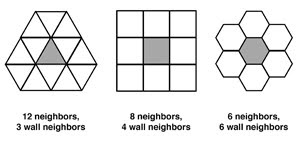
Small grids made up of equilateral triangles, squares, and hexagons. The hexagonal grid has the highest symmetry because all neighboring cells of a given hexagonal cell are located across cell walls. In contrast, with either triangles or squares, some neighbors are across walls, while others are across corners.

Large thunderstorms play an important role in global atmospheric circulation. They pack a lot of energy in the form of updrafts that move, in extreme cases, 30 to 40 meters a second—”scary fast,” Randall says. They “lift air from near Earth’s surface to way up near the stratosphere in just a few minutes.” In this way, thunderstorms carry moisture, momentum, carbon dioxide, and other chemical species through great depths of the atmosphere very quickly.

Cumulus clouds, Randall says, make the upper troposphere wet by transporting water from its source, the oceans. “A lot of it will rain out along the way, but some of it is still left, and it gets spread out up there and makes cirrus clouds, comprised largely of ice, which are very important for climate. We’re especially interested to see how storms that create cirrus affect the climate.” Cirrus clouds block Earth’s infrared radiation from flowing out to space, and that tends to warm the climate. “If we have more cirrus in the future, that will enhance warming. If we have less, it will reduce the warming.”

The GCRM also will give scientists new insights into tropical cyclones, which, Randall says, “are much bigger than thunderstorms, and in fact they contain many thunderstorms simultaneously. They affect the climate in part by cooling the sea surface as they move over the ocean.”

A spherical geodesic grid (a) can be cut into logically rectangular panels (b), which offers a convenient way to organize the data in a computer’s memory. For visual clarity, this depiction shows a very low resolution grid.

The GCRM, supported by the Department of Energy’s Scientific Discovery through Advanced Computing (SciDAC) program, is built on a geodesic grid that consists of about 100 million mostly hexagonal columns, each with 128 levels, representing layers of atmosphere that reach 50 kilometers above the Earth. For each of these grid cells, the model predicts the wind, temperature, and humidity at points just 4 kilometers apart (with a goal of 2 kilometers on the next generation of supercomputers). That’s an unprecedented resolution—most global atmospheric models provide detail at a 100-kilometer scale.

“No one has done this before in quite this manner, and it’s our hope that our project will point the way to future generations of models,” says Randall.

The geodesic grid used in the GCRM, also developed with SciDAC support, is itself quite innovative. If you want to tile a plane with regular polygons, you have only three choices: triangles, squares, or hexagons. Most climate models use some form of square (or rectangular) grid; but the geometry of the grid complicates the calculations, because each square has two different kinds of neighbors—four wall neighbors and four corner neighbors—which require different treatment in the equations. In addition, a square grid poses complications in modeling the Earth’s polar regions, where grid cells lose symmetry because of longitudinal convergence. There are solutions to these problems, but they are computationally expensive.

The GCRM, in contrast, uses a geodesic, hexagonal grid. In a hexagonal grid, all neighbors of a given cell lie across cell walls; there are no corner neighbors. A geodesic grid on a sphere has twelve pentagonal cells in addition to the many hexagonal cells; but each cell still has only wall neighbors, and all cells are roughly the same size. This type of grid also eliminates the pole problem.

As a result, equations constructed on hexagonal grids treat all neighboring cells in the same way, reducing the complexity and increasing the speed, productivity, and accuracy of the code. The number of cells (both grid columns and levels) can easily be changed for a particular computer run, depending on what the researchers want to simulate. Models based on geodesic grids are now being used by several major weather and climate modeling groups around the world.

Vorticity: Where the action is

Climate models are systems of partial differential equations that simulate how the atmosphere and oceans move and change over time, based on the laws of physics, fluid motion, and chemistry. Since the equations are all interrelated, the dynamical core of the model has to solve these equations simultaneously for every grid cell at each time step—which is why climate models require massive computing power.

Because the GCRM has such high resolution, Randall’s research team knew they needed to use equations that reproduce accurate motions at a wide range of scales to get the most realistic results; so team members Akio Arakawa of the University of California, Los Angeles (UCLA), and Celal Konor of Colorado State University (CSU) developed the Unified System of governing equations (so called because it unifies the quasi-hydrostatic compressible system with the nonhydrostatic anelastic system). The Unified System can cover a wide range of horizontal scales, from turbulence to planetary waves. It also filters out vertically propagating sound waves of all scales, without excluding relevant waves such as inertia-gravity waves, Lamb waves, and Rossby waves.

“This project could not have happened without a lot of support from the federal government… We’ve been computing at NERSC for more than a decade, and it’s been an excellent experience. We have a lot of respect for and gratitude to everyone at NERSC for all the excellent support they have given us over the years,”

—David Randall, Professor Atmospheric Science at Colorado State University

“The atmosphere can make lots of different kinds of waves” Randall says, “but in choosing equations we knew we wanted to avoid those that include sound waves, because sound waves are completely irrelevant to weather and climate. Because sound moves too fast, if you include sound waves in your model, you have to take very small time steps. If you eliminate sound waves completely, then you can take much longer time steps. There have been other ways to get rid of them in the past, but they’ve been considerably less accurate. The new method that we’ve developed does involve approximations, because you’re leaving something out, but it has much smaller errors that are, we believe, quite acceptable.”

Another key feature of the Unified System is that it solves the three-dimensional vector vorticity equation rather than the vector momentum equation. Vorticity, or spinning motion, “is really at the core of much of the important fluid dynamics in the atmosphere,” Randall says. “Vortices move around and maintain their identities and live a life, like little animals. Sometimes two vortices will merge and make a bigger one. Almost everything that is interesting and important in the motion of the atmosphere predominantly involves the spinning part.”

Most climate models use the momentum equation because it is easier to solve than the vorticity equation, and vorticity can be derived from momentum. But Akio Arakawa of UCLA and Joon-Hee Jung of CSU found a more efficient way of solving the vorticity equation that represents the important spinning motions much more directly and explicitly than the momentum equation does. “You really have to get that spinning part right, because that’s where most of the action is,” Randall explains. “Working with the vorticity equation directly means focusing in on the part of the physics that is most important to what we care about.

The component algorithms in the GCRM were selected for their good scaling properties, so the model scales linearly with the number of grid cells used. “Depending on the details of the configuration, we can do a few simulated days per wall clock day on 40,000 processors of Franklin,” Randall says. “Which means that doing a whole year is a very big calculation—it might be like a hundred days continuously around the clock on 40,000 processors or more—a big chunk of a very expensive machine. So what we’re doing is just barely doable now.”

“But in ten more years,” he adds, “we expect computers to be a hundred times faster, whether it’s Green Flash or some other system. Then we’ll be getting, say, a simulated year for a wall-clock day. That’s a big improvement. You can start thinking about doing simulated decades or even longer. You’re almost getting into the climate regime of about a century. So that’s exciting.”

“This project could not have happened without a lot of support from the federal government, especially the Department of Energy. We have to use the very fastest, most powerful machines in the world, and DOE, of course, is where you go for that. They’re ‘Supercomputing Central.’ We’ve been computing at NERSC for more than a decade, and it’s been an excellent experience. We have a lot of respect for and gratitude to everyone at NERSC for all the excellent support they have given us over the years.”

Further computational challenges

The development of a geodesic dynamical core with a unique system of equations was the major, but not the only computational challenge. Other challenges include parallel input/output (I/O), including storage, management, and distribution of the voluminous output, and visualization of the results. The SciDAC Scientific Application Partnership titled “Community Access to Global Cloud Resolving Model and Data,” led by Karen Schuchardt of Pacific Northwest National Laboratory, has been working to address those issues (see sidebar).

As for Randall’s group, they are now adding parameterizations of various physical processes, such as cloud microphysics, to the dynamical core of the GCRM, and they are also working on a method to include topography in the model, which will add vertically propagating waves produced by air flow over mountains. While continuing to run various tests on Franklin at NERSC, including numerical accuracy, stability, and parallel scaling performance, they are also running larger tests on up to 80,000 cores of Jaguar, a Cray XT system at the Oak Ridge Leadership Computing Facility (OLCF).

Early tests of the model will span just a few simulated days and will focus on short-range global weather prediction, starting from high-resolution analyses produced by working weather prediction centers. Tropical cyclones and other extreme weather events will be particular areas of focus. By 2011, the researchers plan to use the GCRM to perform two or more annual-cycle simulations, at least one of which will be coupled to the geodesic ocean general circulation model that they developed under SciDAC Phase 1.

Within the next ten years or so, models similar to the GCRM will be used for operational weather prediction, and eventually GCRMs will be used for multi-century climate simulations. The Green Flash project may make this possible sooner rather than later. The long-term target resolution for a Green Flash system is a horizontal grid spacing of about 1 km, which will require approximately 671 million grid columns, each with about 100 layers.

About NERSC and Berkeley Lab

The National Energy Research Scientific Computing Center (NERSC) is the primary high-performance computing facility for scientific research sponsored by the U.S. Department of Energy’s Office of Science. Berkeley Lab is a U.S. Department of Energy national laboratory located in Berkeley, California. It conducts unclassified scientific research and is managed by the University of California for the DOE Office of Science.

For more information about computing sciences at Berkeley Lab, please visit: http://www.lbl.gov/cs

>The root of the climate email fiasco (The Guardian)

>
Learning forced into silos of humanities and science has created closed worlds of specialists who just don’t understand each other

George Monbiot
The Guardian, Tuesday 6 April 2010

The MPs were kind to Professor Phil Jones. During its hearings, the Commons science and technology committee didn’t even ask the man at the centre of the hacked climate emails crisis about the central charge he faces: that he urged other scientists to delete material subject to a freedom of information request. Last week the committee published its report, and blamed his university for the “culture of non-disclosure” over which Jones presided.

Perhaps the MPs were swayed by the disastrous performance of his boss at the hearings. Edward Acton, the vice-chancellor of the University of East Anglia, came across as flamboyant, slippery and insincere. Jones, on the other hand, seemed both deathly dull and painfully honest. How could this decent, nerdy man have messed up so badly?

None of it made sense: the intolerant dismissal of requests for information, the utter failure to engage when the hacked emails were made public, the refusal by other scientists to accept that anything was wrong. Then I read an article by the computer scientist Steve Easterbrook, and for the first time the light began to dawn.

Easterbrook, seeking to defend Jones and his colleagues, describes a closed culture in which the rest of the world is a tedious and incomprehensible distraction. “Scientists normally only interact with other scientists. We live rather sheltered lives … to a scientist, anyone stupid enough to try to get scientific data through repeated FoI requests quite clearly deserves our utter contempt. Jones was merely expressing (in private) a sentiment that most scientists would share – and extreme frustration with people who clearly don’t get it.”

When I read that, I was struck by the gulf between our worlds. To those of us who clamoured for freedom of information laws in Britain, FoI requests are almost sacred. The passing of these laws was a rare democratic victory; they’re among the few means we possess of ensuring that politicians and public servants are answerable to the public. What scientists might regard as trivial and annoying, journalists and democracy campaigners see as central and irreducible. We speak in different tongues and inhabit different worlds.

I know how it happens. Like most people with a science degree, I left university with a store of recondite knowledge that I could share with almost no one. Ill-equipped to understand any subject but my own, I felt cut off from the rest of the planet. The temptation to retreat into a safe place was almost irresistible. Only the extreme specialisation demanded by a PhD, which would have walled me in like an anchorite, dissuaded me.

I hated this isolation. I had a passionate interest in literature, history, foreign languages and the arts, but at the age of 15 I’d been forced, like all students, to decide whether to study science or humanities. From that point we divided into two cultures, and the process made idiots of us all. Perhaps eventually we’ll split into two species. Reproducing only with each other, scientists will soon become so genetically isolated that they’ll no longer be able to breed with other humans.

We all detest closed worlds: the Vatican and its dismissal of the paedophilia scandals as “idle chatter”; the Palace of Westminster, whose members couldn’t understand the public outrage about their expenses; the police forces that refuse to discipline errant officers. Most of us would endorse George Bernard Shaw’s opinion that all professions are conspiracies against the laity. Much of the public hostility to science arises from the perception that it’s owned by a race to which we don’t belong.

But science happens to be the closed world with one of the most effective forms of self-regulation: the peer review process. It is also intensely competitive, and the competition consists of seeking to knock each other down. The greatest scientific triumph is to falsify a dominant theory. It happens very rarely, as only those theories which have withstood constant battery still stand. If anyone succeeded in overturning the canon of climate science, they would soon become as celebrated as Newton or Einstein. There are no rewards for agreeing with your colleagues, tremendous incentives to prove them wrong. These are the last circumstances in which a genuine conspiracy could be hatched.

But it is no longer sufficient for scientists to speak only to each other. Painful and disorienting as it is, they must engage with that irritating distraction called the rest of the world. Everyone owes something to the laity, and science would die if it were not for the billions we spend on it. Scientists need make no intellectual concessions, but they have a duty to understand the context in which they operate. It is no longer acceptable for climate researchers to wall themselves off and leave the defence of their profession to other people.

There are signs that this is changing. The prominent climate change scientist Simon Lewis has just sent a long submission to the Press Complaints Commission about misrepresentation in the Sunday Times. The paper claimed that the Intergovernmental Panel on Climate Change’s contention that global warming could destroy up to 40% of the Amazon rainforest “was based on an unsubstantiated claim by green campaigners who had little scientific expertise”. It quoted Lewis to suggest he supported the story. The article and its claims were reproduced all over the world.

But the claims were wrong: there is solid scientific research showing damage on this scale is plausible in the Amazon. Lewis claims that the Sunday Times falsely represented his views. He left a comment on the website but it was deleted. He sent a letter to the paper but it wasn’t published. Only after he submitted his complaint to the PCC did the Sunday Times respond to him. The paper left a message on his answerphone, which he has made public: “It’s been recognised that the story was flawed.” After seven weeks of stonewalling him, the Sunday Times offered to run his letter. But it has neither taken down the flawed article nor published a correction.

Good luck to Lewis, but as the PCC’s treatment of the News of the World phone-hacking scandal suggests, he’s likely to find himself shut out of another closed world – journalism – in which self-regulation manifestly doesn’t work. Here’s a profession that looks like a conspiracy against the laity even from the inside.

The incomprehension with which science and humanities students regard each other is a tragedy of lost opportunities. Early specialisation might allow us to compete in the ever more specialised labour market, but it equips us for nothing else. As Professor Don Nutbeam, the vice-chancellor of Southampton University, complains: “Young people learn more and more about less and less.”

We are deprived by our stupid schooling system of most of the wonders of the world, of the skills and knowledge required to navigate it, above all of the ability to understand each other. Our narrow, antiquated education is forcing us apart like the characters in a Francis Bacon painting, each locked in our boxes, unable to communicate.

>Should geoengineering tests be governed by the principles of medical ethics?

>
Rules for Planet Hackers

By Eli Kintisch
Thu Apr. 22, 2010 1:00 AM PDT

[Image: Flickr/indigoprime (Creative Commons)]

Nearly 200 scientists from 14 countries met last month at the famed Asilomar retreat center outside Monterey, California, in a very deliberate bid to make history. Their five-day meeting focused on setting up voluntary ground rules for research into giant algae blooms, cloud-brightening, and other massive-scale interventions to cool the planet. It’s unclear how significant the meeting will turn out to be, but the intent of its organizers was unmistakable: By choosing Asilomar, they hoped to summon the spirit of a groundbreaking meeting of biologists that took place on the same site in 1975. Back then, scientists with bushy sideburns and split collars—the forefathers of the molecular revolution, it turned out—established principles for the safe and ethical study of deadly pathogens.

The planners of Asilomar II, as they called it, hoped to accomplish much the same for potentially dangerous experiments in geoengineering. Instead of devising new medical treatments for people, the scientists involved in planet-hacking research are after novel ways to treat the Earth. The analogy of global warming to a curable disease was central to the discussions at the meeting. Climate scientist Steve Schneider of Stanford talked about administering “planetary methadone to get over our carbon addiction.” Others debated what “doses” of geoengineering would be necessary. Most crucially, the thinkers at Asilomar focused on the idea that medical ethics might provide a framework for balancing the risks and benefits of all this new research.

What would it mean to apply the established principles of biomedical research to the nascent field of geoengineering? The ethicists at Asilomar—particularly David Winickoff from Berkeley and David Morrow from the University of Chicago—began with three pillars laid out in the landmark 1979 Belmont Report. The first, respect for persons, says that biomedical scientists should obtain “informed consent” from their test subjects. The second, beneficence, requires that scientists assess the risks and benefits of a given test before they start. The third, justice, invokes the rights of research subjects to whatever medical advances result from the testing. (The people who are placed at risk should be the same ones who might benefit from a successful result.)

Then Winickoff and Morrow proposed applying the Belmont principles to the study of the most aggressive forms of geoengineering—the ones that would block the sun, like a volcanic eruption does, with a spray of sulfur or other particles into the stratosphere. Before we could embark on a radical intervention like that, we’d need to run smaller-scale tests that might themselves pose a risk to the environment. In much the way that a clinical drug trial might produce adverse reactions, so might a real-world trial of, say, the Pinatubo Option. Instead of causing organ failure or death in its subjects, a botched course of geoengineering might damage the ozone layer or reduce rainfall.

The problem, admitted the ethicists, is how to go about applying the Belmont rules outside of medicine. In clinical drug trials, researchers obtain consent from individuals, and they can precisely define the worse-case outcome (like death). But a trial run of hazing up the stratosphere wouldn’t affect specific, identifiable people in any one town, city, or state. The climate is interconnected in many ways, some still mysterious to scientists, and so the risks of even a small-scale test in a particular location might apply across the globe. If everyone on Earth could be affected, how do you figure out whom to ask for informed consent?

One possibility would be to require that all nations of the world agree ahead of time on any tests of consequence. To many gathered at Asilomar, however, this seemed naive; speakers repeatedly invoked the failure of all-inclusive talks to cut global carbon emissions, and it would presumably be much tougher to secure an agreement on work that might damage crop yields or open a hole in the ozone. A more pragmatic approach would be to set up something like a United Nations Planet Hacking Security Council, comprising 15 or so powerful nations whose oversight of research tests would take into account the concerns of a broad swath of countries. But that undemocratic approach would surely face howls of protest.

The principle of beneficence may be just as difficult to follow. Under the Belmont guidelines, doctors must balance the particular risks of a clinical trial with the potential benefit to any individual who might participate. Since it would be impossible to make such a calculation for every person on Earth, planet hackers could at best choose the experiments that minimize harm to the most vulnerable communities—like people living on the coasts of Southeast Asia. But we may not know enough about the risks of geoengineering to make any such credible calculation when the time comes. Consider the Pinatubo Option, by which scientists would mimic the cooling effect of volcanoes. Putting particles in the stratosphere could reduce the total amount of energy that strikes the Earth. Some climate modelers say this would disrupt rainfall by reducing moisture in the atmosphere obtained by evaporation. Others say that geoengineering’s droughts and famines would be less harmful than those caused by unchecked warming. Right now, no one can agree on the nature of the risks, let alone the degree to which they would apply to particular communities.

And what about justice? Among the disruptions that could result from testing the Pinatubo Option is a weakening of the Asian monsoon, a source of water for hundreds of millions of people in India. Those in developing countries will “eat the risk” of geoengineering trials, shouted one of the Asilomar speakers. If representatives from just a small set of countries were appointed as doctors to the planet, then the less powerful nations might end up as the world’s guinea pigs. Of course, the citizens of those nations also would seem to have the most to lose from uninterrupted global warming. These two dangers would have to be measured one against the other—and compensation as part of the experimental program could be one way of making tests more fair.

If medical ethics aren’t quite up to the task of guiding our forays into geoengineering, what other sort of principles should we keep in mind? One important danger to be aware of is the moral hazard that might come with successful trials. That’s the idea that protective circumstances or actions can encourage people to take undue risks—government insurance of banks led to risky investments that caused the savings-and-loan crisis in the 1980s, for example. Moral hazard looms particularly large for geoengineering studies since medium-scale field tests could prematurely give us the sense that we have a low-cost technical fix for global warming, no emissions cuts needed. (Moral hazard isn’t quite as potent in medical research. The availability of cholesterol-lowering drugs may well discourage people from maintaining healthy diets, but it’s unlikely that mere clinical trials would have the same effect.)

Another ethical principle that might apply to geoengineering is minimization—the idea that, a priori, it’s better to tinker at the smallest possible scale necessary to answer vital scientific questions. This notion comes from the ethics of animal experimentation; now we might apply it to planetary systems and the environment more broadly. Up until now, the medical ethics frame for geoengineering has guided discussions of how geoengineering might affect people in various countries. Perhaps we should be talking about how it affects the planet itself.

By that token, we might gain something by thinking of the Earth as a patient on its own terms. The rules and regulations we come up with for tests of geoengineering should take into account the way those experiments might affect ecosystems and nonhuman animals, both under threat from warming. And so maybe the most famous piece of medical ethics ought to apply: the Hippocratic Oath. “First, do no harm” is the crux of the original, but an updated version exhorts doctors to avoid “the twin traps of overtreatment and therapeutic nihilism.” The climate crisis may force us to act despite myriad ethical challenges, for our benefit and for the planet’s.

This piece was produced by Slate as part of the Climate Desk collaboration.

Eli Kintisch is a reporter at Science and author of a new book on geoengineering, Hack the Planet.

>Brasileiro se preocupa com aquecimento global, mas muda pouco

>
Mudança latente

Por Ricardo Voltolini*, da Revista Ideia Socioambienltal
28/04/2010 – 11h04

Pesquisa do Datafolha divulgada no último dia 21 de abril revela que pouco mais de nove entre 10 brasileiros acreditam no fenômeno do aquecimento global. Três quartos dos entrevistados acham que a ação humana é a grande responsável pelas mudanças climáticas.

Os números diferem muito dos registrados em estudos com americanos e ingleses. Nos EUA, metade dos cidadãos não crê na responsabilidade do homem pelo aquecimento global. Na Inglaterra, são 25%. Nesses países, mais do que aqui, o recente ataque dos negacionistas climáticos –que tem confrontado duramente as pesquisas do painel de cientistas do clima das Nações Unidas – fez crescer o número de céticos.

Especialmente no caso dos Estados Unidos, ideias que contestam ou atenuam o impacto humano nas mudanças climáticas costumam ter boa aceitação seja porque oferecem salvo-conduto para não deixar de lançar gases de efeito estufa seja porque reduzem a culpa por um estilo de vida considerado perdulário para o planeta muito conveniente. O país é, como se sabe, o maior emissor de CO2. E, em dezembro último, seu presidente, Barack Obama, ajudou a desandar o acordo do clima justamente por não aceitar metas de redução de emissões mais ambiciosas. Para os EUA e –também para a China, sua grande concorrente no mercado global– diminuir emissões significa abrir mão de crescimento, coisa que causa arrepios no norte-americano médio e seus representantes políticos no senado.

Outros números do estudo do Datafolha merecem atenção. Segundo os dados, o número de brasileiros que se consideram bem informados sobre o tema saltou de 20% (em 2009) para 34%. Isso é bom, claro. Talvez signifique um primeiro passo. Mas sentir-se bem informado não quer dizer estar preparado para fazer as mudanças individuais necessárias visando a reduzir o impacto ao planeta.

Nesse sentido, apenas para estimular uma reflexão, lembro de uma pesquisa feita pela Market Analysis, em 2007, em 18 países. Aquele estudo, o primeiro do gênero no País, revelou que os brasileiros estavam entre os mais preocupados do mundo com as mudanças climáticas. No entanto, 46% achavam que um indivíduo pode fazer muito pouco diante de um problema tão grave.

Considerando as variáveis competência e capacidade para mudar o quadro, o estudo identificou quatro grupos. O mais numeroso (40%) seria formado por pessoas com bom nível de informação sobre o aquecimento global, alinhadas com a atuação das ONG´s, críticas em relação às empresas, mas que não necessariamente fazem algo para mudar seu dia a dia. Apenas um em cada seis integrantes desse grupo, no entanto, mostrava-se consciente e mobilizado.

O segundo grupo reunia 38% de brasileiros bem informados sobre o problema, dispostos a adotar mudanças em seu estilo de vida e sensíveis à idéia de que é possível conciliar crescimento econômico com respeito ao meio ambiente. Eles acreditavam que, individualmente, podiam dar uma resposta mais clara do que a sociedade como um todo. O terceiro grupo (12%) confiava mais na sociedade do que em sua própria capacidade de mudar a situação. E o quarto (10%) não acreditava nem no potencial do indivíduo nem no da sociedade. Ambos se caracterizavam por uma postura desinformada e acrítica.

A considerar que esses dados seguem atuais –e penso honestamente que sim- são grandes os desafios brasileiros. O mais importante é mobilizar os indivíduos, fazendo com que percebam que pequenas ações de redução de pegada ecológica somadas a outras ações de consumo consciente no dia a dia podem fazer diferença na luta para esfriar o planeta. Como já foi dito logo após o fracasso de Copenhague, o aquecimento global é um tema importante demais para esperar que as soluções venham apenas de líderes de estado comprometidos mais com a sua política doméstica do que com o futuro saudável da grande casa que habitamos.

*Ricardo Voltolini é publisher da revista Idéia Socioambiental e diretor da consultoria Idéia Sustentável: Estratégia e Inteligência em Sustentabilidade.

http://www.topblog.com.br/sustentabilidade

(Envolverde/Idéia Socioambiental)

>Mudanças climáticas: "caça às bruxas" direcionada a cientistas na Virginia (EUA)

>
An unwelcome ‘climate’ for scientists?

By Paul Guinnessy, Physics Today on May 11, 2010 6:34 PM

Virginia Attorney General Ken Cuccinelli, in a blatantly political move to help strengthen his support among the right wing for his bid to become the next governor, is causing uproar in the science community by investigating climate scientist and former University of Virginia professor Michael Mann.

Cuccinelli is accusing Mann of defrauding Virginia taxpayers by receiving research grants to study global temperatures. Mann, who is now based at the Pennsylvania State University, hasn’t worked in Virginia since 2005.

The subpoena, which currently isn’t attached to any lawsuit, requires the University of Virginia to provide Cuccinelli with thousands of documents and e-mails dating from 1999 to 2005 regarding Mann’s research. The accusation is tied to Mann and coworkers’ “hockey stick” graph that was included in a 2001 United Nations Intergovernmental Panel on Climate Change report. The graph displays annual global average temperatures by merging a wide variety of data sources that were used in some private e-mails made public when the University of East Anglia’s Climate Research Unit e-mail server got hacked.

Not answering the question

When Cuccinelli appeared on the Kojo Nnamdi Show on WAMU radio on Friday, he claimed the investigation was not into Mann’s academic work, but instead was “directed at the expenditure of dollars. Whether he does a good job, bad job or I don’t like the outcome—and I think everybody already knows his position on some of this is one that I question. But that is not what that’s about.”

However, the letter demanding materials gives a different impression. It asks, along with Mann’s correspondence with 39 other climate scientists, for “any and all computer algorithms, programs, source code, or the like created or edited by … Mann.”

This was emphasized when Cuccinelli spoke to the Washington Post, stating “in light of the Climategate e-mails, there does seem to at least be an argument to be made that a course was undertaken by some of the individuals involved, including potentially Michael Mann, where they were steering a course to reach a conclusion. Our act, frankly, just requires honesty.”

There hasn’t been an investigation by Virginia’s attorney general’s office into the funding of research grants of this nature before. Moreover, only one of the five grants under suspicion was funded by Virginia taxpayers through the university; the others were federal grants from the National Oceanic and Atmospheric Administration and the National Science Foundation.

No backbone?

The University of Virginia was originally going to succumb to Cuccinelli’s request. In a statement released to the press last Thursday the university said it was “required by law to comply.”

Shortly afterward, the University of Virginia Faculty Senate Executive Council issued its own statement, which ends:

We maintain that peer review by the scientific community is the appropriate means by which to identify error in the generation, presentation and interpretation of scientific data. The Attorney General’s use of his power to issue a CID under the provisions of Virginia’s FATA is an inappropriate way to engage with the process of scientific inquiry. His action and the potential threat of legal prosecution of scientific endeavor that has satisfied peer-review standards send a chilling message to scientists engaged in basic research involving Earth’s climate and indeed to scholars in any discipline. Such actions directly threaten academic freedom and, thus, our ability to generate the knowledge upon which informed public policy relies.

This was shortly followed by a joint letter to the university from the American Civil Liberties Union and the American Association of University Professors asking the University of Virginia to follow procedures to appeal the subpoena.

The letters seem to have had some effect: The Washington Post reported that the university is now “considering” its options before the Friday deadline to appeal is up.

State Senator Donald McEachin issued a statement, in which he stated he will submit a bill so that in the future the attorney general cannot issue a subpoena without also issuing a lawsuit.

“This is not only ludicrous and frivolous, wasting more taxpayer dollars and trampling on academic freedom, but the Attorney General has deprived Mr. Mann of his constitutional rights,” said McEachin.

Part of a bigger trend

On Friday, although it was put together before Cuccinelli issued his subpoena, Science published a letter by 255 members of the National Academy of Sciences, decrying “political assaults” against climate scientists and “McCarthy-like threats of criminal prosecution” and spelling out again the basic facts of what we know about the changing climate.

The letter was triggered by veiled threats from Senator James Inhofe, a well-known climate-change denier, to criminally investigate scientists over their research, and the political response to the CRU e-mails.

According to Peter Gleick, president of the Pacific Institute, a research center in Oakland, California—who spoke with New York Times reporter Sindya N. Bhanoo—before the NAS members gave the letter to Science, the group had first submitted it to the Wall Street Journal, the New York Times, and the Washington Post, all of whom declined to run it.

>Marcelo Leite: Águas turvas (FSP)

>
“Preconceitos, estridência, falácias, invenções e estatísticas, aliás, transformam todo o debate público numa bacia amazônica de turbidez. Não é privilégio da questão indígena. Tome a usina hidrelétrica de Belo Monte. Ou o tema explosivo da disponibilidade de terras para o agronegócio”

Marcelo Leite
Folha de S.Paulo, 09/05/2010 – reproduzido no Jornal de Ciência (JC e-mail 4006)

Por uma dessas coincidências sintomáticas que a época produz, duas frases que abrem a reportagem de capa da presente edição do caderno Mais! – “No Brasil todo mundo é índio, exceto quem não é” e “Só é índio quem se garante” – estão no centro de um bate-boca entre seu autor, o antropólogo Eduardo Viveiros de Castro, e a revista “Veja”.

A abertura foi escrita antes do quiproquó, mas pouco importa. Se ela e todo o texto sobre educação indígena forem recebidos como tomada de posição, tanto melhor.

De qualquer maneira, é instrutivo ler a reportagem da revista que deu origem a tudo, assim como as réplicas e tréplicas que se seguiram. Permite vislumbrar a profundidade dos preconceitos anti-indígenas e da estridência jornalística que turvam essa vertente de discussão no país.

Preconceitos, estridência, falácias, invenções e estatísticas, aliás, transformam todo o debate público numa bacia amazônica de turbidez. Não é privilégio da questão indígena. Tome a usina hidrelétrica de Belo Monte. Ou o tema explosivo da disponibilidade de terras para o agronegócio, epicentro da indigitada reportagem da revista “Veja”.

“Áreas de preservação ecológica, reservas indígenas e supostos antigos quilombos abarcam, hoje, 77,6% da extensão do Brasil”, afirmam seus autores, sem citar a fonte. “Se a conta incluir também os assentamentos de reforma agrária, as cidades, os portos, as estradas e outras obras de infraestrutura, o total alcança 90,6% do território nacional.”

É provável que a origem omitida seja o estudo “Alcance Territorial da Legislação Ambiental e Indigenista”, encomendado à Embrapa Monitoramento por Satélite pela Presidência da República e encampado pela Confederação Nacional da Agricultura e Pecuária do Brasil (CNA, leia-se senadora Kátia Abreu, DEM-TO). Seu coordenador foi o então chefe da unidade da Embrapa, Evaristo Eduardo de Miranda. A estimativa terminou bombardeada por vários especialistas, inclusive do Instituto Nacional de Pesquisas Espaciais (Inpe).

Nesta semana veio à luz, graças às repórteres Afra Balazina e Andrea Vialli, mais um levantamento que contradiz a projeção alarmante. O novo estudo foi realizado por Gerd Sparovek, da Escola Superior de Agricultura Luiz de Queiroz (Esalq-USP), em colaboração com a Universidade de Chalmers (Suécia).

Para Miranda, se toda a legislação ambiental, fundiária e indigenista fosse cumprida à risca, faltariam 334 mil km2 – 4% do território do Brasil – para satisfazer todas as suas exigências. O valor dá quase um Mato Grosso do Sul de deficit.

Para Sparovek, mesmo que houvesse completa obediência ao Código Florestal ora sob bombardeio de ruralistas, sobraria ainda 1 milhão de km2, além de 600 mil km2 de pastagens poucos produtivas usadas para pecuária extensiva (um boi por hectare). Dá 4,5 Mato Grosso do Sul de superavit.

A disparidade abissal entre as cifras deveria bastar para ensopar as barbas de quem acredita em neutralidade científica, ou a reivindica. Premissas, interpretações da lei e fontes de dados diversas decerto explicam o hiato.

Mas quem as examina a fundo, entrando no mérito e extraindo conclusões úteis para o esclarecimento do público e a tomada de decisão? Faltam pessoas e instituições, no Brasil, com autoridade para decantar espuma e detritos, clarificando as águas para que se possa enxergar o fundo. De blogueiros e bucaneiros já estamos cheios.

>SBPC: o jornalismo irresponsável da revista Veja

>
Em nota, SBPC repudia reportagem de ‘Veja’

Jornal da Ciência – JC e-mail 4007, de 11 de Maio de 2010

Reportagem trata da demarcação de terras indígenas e é acusada de distorcer informações

Intitulada “A farra da antropologia oportunista”, a reportagem foi publicada na edição de 5 de maio da revista semanal. O texto já havia sido objeto de nota da Associação Brasileira de Antropologia (ABA). Leia a nota da ABA em http://www.jornaldaciencia.org.br/Detalhe.jsp?id=70689.

No domingo, a coluna do jornalista Marcelo Leite, no caderno “Mais!”, da “Folha de SP”, também tratou da polêmica reportagem e da reação de membros da comunidade científica da antropologia. Leia a coluna em http://www.jornaldaciencia.org.br/Detalhe.jsp?id=70771

A reportagem da “Veja” pode ser lida no acervo digital da revista, em http://www.veja.com.br/acervodigital/home.aspx

Leia abaixo a íntegra da nota da SBPC:

“A Sociedade Brasileira para o Progresso da Ciência (SBPC) vem a público hipotecar inteira solidariedade a sua filiada, a Associação Brasileira de Antropologia (ABA), que em notas de sua diretoria e da Comissão de Assuntos Indígenas repudiou cabalmente matéria publicada pela revista ‘Veja’ em sua edição de 5 de maio do corrente, intitulada “Farra da Antropologia Oportunista”.

Registra, também, que a referida matéria vem sendo objeto de repulsa por parte de cientistas e pesquisadores de diversas áreas do conhecimento, os quais inclusive registram precedentes de jornalismo irresponsável por parte da referida revista, caracterizando assim um movimento de indignação que alcança o conjunto da comunidade científica nacional.

Por outro lado, a maneira pela qual foram inventadas declarações, o tratamento irônico e preconceituoso no que diz respeito às populações indígenas e quilombolas e a utilização de dados inverídicos evidenciam o exercício de um jornalismo irresponsável, incitam atitudes preconceituosas, revelam uma falta total de consideração pelos profissionais antropólogos – cuja atuação muito honra o conjunto da comunidade científica brasileira – e mostram profundo e inconcebível desrespeito pelas coletividades subalternizadas e o direito de buscarem os seus próprios caminhos.

Tudo isso indo em direção contrária ao fortalecimento da democracia e da justiça social entre nós e à constituição de uma sociedade que verdadeiramente se nutra e se orgulhe da sua diversidade cultural.

Adicionalmente, a SBPC declara-se pronta a acompanhar a ABA nas medidas que julgar apropriadas no campo jurídico e a levar o seu repúdio ao âmbito da 4ª. Conferência Nacional de Ciência, Tecnologia e Inovação, que se realizará no final deste mês de maio em Brasília.”

>Quase ganhador

>
Agência FAPESP – 17/5/2010

Quase. Passou muito perto. Na próxima vez está no papo. Segundo uma pesquisa feita na Universidade de Cambridge, no Reino Unido, o cérebro do apostador contumaz reage diferentemente na hora de encarar uma derrota.

Para quem não costuma jogar, perder é algo normal e sinaliza a hora de parar. Mas para quem tem no jogo de apostas o seu vício, não é bem assim. De acordo com o estudo, o cérebro desses apostadores reage de modo muito mais intenso a ocasiões em que a vitória esteve muito próxima do que ocorre nos demais.

Essa particularidade poderia explicar por que os jogadores obstinados continuam a apostar mesmo quando estão perdendo sem parar. No estudo, os pesquisadores analisaram os cérebros de 20 apostadores por meio de ressonância magnética funcional enquanto eles jogavam em uma máquina caça-níqueis.

Os pesquisadores observaram que as partes do cérebro envolvidos no processamento de recompensas – chamadas de centros de dopamina – eram mais ativos em pessoas com problemas de apostas do que em pessoas que apostavam socialmente (dois grupos nos quais os voluntários foram divididos).

Durante o experimento, os participantes jogaram uma máquina com duas rodas e ganhavam 50 pences a cada vez que o resultado eram dois ícones iguais. Duas figuras diferentes era considerado uma derrota, mas quando o resultado ficava a um ícone de um par (antes ou depois, na sequência do movimento), o resultado era considerado um “perdeu por pouco”.

Os pesquisadores observaram que esses últimos casos ativaram os mesmos caminhos cerebrais do que as vitórias, mesmo que não houvesse recompensa monetária. Verificaram também que a reação ao resultado era muito mais forte entre os apostadores contumazes.

“Os resultados são interessantes por que sugerem que as ‘derrotas por pouco’ podem estimular uma resposta dopamínica nos jogadores mais frequentes, mesmo quando isso não resulta em um prêmio. Se esses fluxos de dopamina estão direcionando o comportamento aditivo, isso poderá ajudar a explicar por que aqueles que têm nas apostas o seu problema acham tão difícil parar de jogar”, disse Luke Clark, um dos autores do estudo, que foi publicado no Journal of Neuroscience.

O artigo Gambling severity predicts midbrain response to near-miss outcomes (DOI:10.1523/jneurosci.5758-09.2010), de Luke Clark e Henry Chase, pode ser lido por assinantes do Journal of Neuroscience em http://www.jneurosci.org/cgi/content/abstract/30/18/6180.

>Acelerador de gente (FSP)

>
Entrevista com Karin Knorr Cetina

José Galisi-Filho
Folha de SP, 2/5/2010 – reproduzido no Jornal da Ciência (JC e-mail 4001)

Socióloga que estudou os pesquisadores do LHC diz que experimento elimina noções tradicionais de autoria e prestígio

Ao visitar o LHC (Grande Colisor de Hádrons) em abril de 2008, o físico escocês Peter Higgs pôde contrastar sua dimensão humana com a escala gigantesca da maior máquina já construída pela humanidade.

Se a hipótese de Higgs estiver correta, os dados que começaram a jorrar nas últimas semanas do LHC fornecerão a última peça no quebra-cabeças do modelo padrão, a teoria da física que explica a matéria. Mas a saga do LHC é resultado do trabalho de gerações de pesquisadores, cujos nomes finalmente se diluirão na “simbiose homem-máquina” de um novo paradigma, pela primeira vez realmente global, de cooperação cientifica.

Para Karin Knorr Cetina, professora de sociologia do conhecimento da Universidade de Konstanz, Alemanha, o experimento é, antes de tudo, um “laboratório humano” numa escala sem precedentes na história da ciência moderna.

Cetina passou 30 anos observando os pesquisadores do Cern (Centro Europeu de Física Nuclear), laboratório na Suíça que abriga o LHC, numa espécie de estudo “etnológico” da tribo dos físicos, seus usos e costumes. Segundo ela, noções tradicionais na ciência, como carreira, prestigio e autoria, deixam de ter qualquer significado no modelo de produção de conhecimento do Cern.

Da Universidade de Chicago, EUA, onde é pesquisadora visitante, Cetina falou à Folha:

– O que há de novo na forma de produzir conhecimento no Cern, e como isso se compara com as humanidades?

O novo é a dimensão, a duração e o caráter global do experimento. A estrutura dos experimentos é um experimento em si mesmo, com um caráter antecipatório de um tempo global e de uma sociedade do conhecimento. Poderíamos, talvez, fazer uma comparação com aquele espírito arrojado e inovador no desenvolvimento do supersônico Concorde nos anos 1960, que sinalizou uma ruptura de época. Mas não se pode responder com uma simples frase ao “como” esse experimento é coordenado.

Há muitos mecanismos particulares que sustentam o projeto e o transformam numa espécie de “superorganismo”, na íntima colaboração de mais de 2.000 físicos com o gigantesco LHC, que eles mesmo projetaram e no qual, finalmente, trabalham juntos. Um mecanismo muito importante são as publicações coletivas em ordem alfabética. Quem é privilegiado não é o “gênio”, o autor, ou pesquisadores destacados em suas áreas. Um outro mecanismo é que o experimento mesmo, e não os autores, é “convidado” para as conferências internacionais.

Os atores individuais são apenas os representantes daquilo que produziram em conjunto. Um outro mecanismo é que os participantes se encontram, por exemplo, durante toda uma semana no Cern, e esses encontros são organizados de tal maneira que todos possam e devam ser informados sobre tudo que ocorre. Estabelece-se, assim, uma espécie de consciência coletiva do “conhecimento compartilhado”.

Como poderíamos comparar isso com as ciências humanas? Alguns diagnósticos de época importantes, de historiadores e filósofos, por exemplo, ainda encontram ressonância na opinião pública, mas, infelizmente, a estrutura e a segmentação da pesquisa nesse campo do conhecimento não tem mais nada de interessante a oferecer. A sociologia tradicional não sinaliza mais para a frente.

– Depois de muitos anos de pesquisa de campo em laboratórios como uma etnógrafa da ciência, como se diferenciam as culturas científicas diante do papel do indivíduo?

A biologia molecular, que acompanhei por muitos anos, é uma ciência “de bancada”, na qual, por regra, poucos pesquisadores trabalham juntos, na qual também se produz e publica em coletivo, mas não em ordem alfabética. O papel do pesquisador individual ainda permanece importante. Isso leva, como sabemos, a conflitos em torno de autoria e quem está em que posição na publicação. A física de altas energias procura, em contrapartida, liberar a cooperação, na qual é o conjunto que está no ponto central. O fio condutor não é mais a carreira, mas o resultado cientifico. O acelerador é o elemento dominante, pois ele somente pode ser construído e avaliado por muitos.

– Seria a natureza mesma do projeto incompatível com um novo “insight” individual que poderia mudar tudo de forma imprevisível?

É bem mais provável, no caso do Cern, que a pesquisa em equipe deva produzir excelentes resultados empíricos. Muitos pesquisadores em sociologia e nas humanidades, de maneira geral, produzem resultados parciais, fragmentados, que não se agregam dentro de um sistema numa perspectiva cumulativa -não porque a natureza do social seja fragmentada, mas porque nossa maneira de conduzir pesquisas, nossas convenções de pesquisa, não se agregam. Em muitas ciências empíricas devemos investigar no processo cooperativo -já que na natureza todas as partes de uma sistema se interrelacionam- ou todo o sistema ou saber qual é, realmente, a parte central desse sistema que deve ser isolada e destacada. Esse reducionismo experimental não pode ser levado a cabo na ciência social por motivos éticos, por se tratar de pessoas em sua integridade, que não podemos reduzir a células de cultura. Para tanto, seria necessário muito mais cooperação e pesquisa.

>Testes genéticos e a compreensão popular dos fenômenos probabilísticos

>
Teste genético chega à farmácia

Fernando Eichenberg
O Globo, 13/5/2010 – reproduzido no Jornal da Ciência (JC e-mail 4009)

EUA começam a vender polêmicos exames para detectar risco de doenças

A partir de na sexta-feira (14/5), além de aspirina, vitamina C ou pasta de dente, os americanos poderão comprar na farmácia da esquina testes genéticos personalizados, que prometem indicar o risco de contrair 23 doenças, como os males de Alzheimer e Parkinson, câncer de mama, leucemia ou diabetes.

Isso será possível em cerca de 6 mil das 7,5 mil lojas da rede Walgreens, uma das duas maiores dos EUA. É a primeira vez que testes de análise de DNA estarão disponíveis para consumo de massa.

A iniciativa é da Pathway Genomics, uma empresa de San Diego. Os kits, chamados de Insight Saliva Collection, ao preço unitário entre US$ 20 e US$ 30, têm um recipiente de plástico e um envelope padrão, pelo qual a saliva coletada é enviada a um dos laboratórios para análise. Após a remessa, é necessário pagar um valor adicional, no site da empresa, pelos tipos de testes de DNA desejados.

Por US$ 79, são avaliadas as reações do organismo a substâncias como cafeína, drogas de redução do colesterol ou tamoxifeno, usado no tratamento do câncer de mama. Por US$ 179, futuros pais poderão conhecer a probabilidade de serem portadores de 23 problemas genéticos, como diabetes ou talassemia beta (um tipo de anemia), passíveis de transmissão aos seus filhos. Pelo mesmo preço, são testados riscos pessoais referentes a ataques cardíacos, câncer do pulmão, leucemia ou esclerose múltipla. Para aqueles dispostos a desembolsar ainda mais, por US$ 249 é possível fazer todos os testes disponíveis.

Especialista diz que testes são nocivos

A chegada dos testes genéticos às farmácias causou polêmica. A Pathway Genomics alega que, embora não sejam definitivos, os resultados fornecidos pelas análises poderão estimular as pessoas a mudar de hábitos e a adotar atitudes mais saudáveis em suas vidas. Nem todos concordam. Para Hank Greely, diretor do Centro de Direito e de Biociências da Universidade de Stanford, trata-se de uma péssima ideia. Segundo ele, para a grande maioria das pessoas, as informações genéticas não serão de grande valia e poderão, inclusive, ser mal interpretadas, provocando sérios riscos. Ele dá o exemplo de uma mulher que descobre, pelos testes, não ter a mutação nos genes relacionada ao câncer de mama.

– Ela pode concluir que está salva. Mas o que isso significa? Que você não tem 70% de chances de ter câncer de mama, mas ainda está acima da média de risco de 12%. Ela poderá decidir parar de fazer exames, o que será um enorme erro – explica.

Greely cita também o caso de alguém que é informado possuir o dobro de propensão para sofrer da doença de Alzheimer.

– Talvez essa pessoa não vá cometer suicídio, mas poderá ter sua vida alterada com esse dado. Ela não irá perceber o fato de que ter 20% em vez de 10% de possibilidade de sofrer de Alzheimer significa que em 80% do tempo ela viverá como alguém que não terá a doença – pondera.

Para o especialista, um dos maiores perigos dessa nova iniciativa é a falta de aconselhamento médico na hora de fornecer os resultados.

– Por US$ 99 a hora, você pode telefonar para um número que está no site da empresa para fazer consultas sobre o seu teste, mas é claro que a maioria das pessoas não vai pagar por isso – ressalta.

Por essa razão, embutida em sua legislação, o Estado de Nova York não permitirá que os kits sejam vendidos nas farmácias locais. O FDA, órgão do governo americano que regulamenta o mercado de remédios e alimentos, anunciou que está avaliando o caso e dará um parecer em breve. Mas a ideia já inspirou a CVS, cadeia de farmácias concorrente da Walgreens, que promete também vender seus kits genéticos a partir de agosto.

>"A ciência não é um deus que sabe tudo", diz líder ianomâmi (FSP)

>
Folha de S.Paulo, da Redação
12/05/2010 – 09h24

O líder ianomâmi Davi Kopenawa disse estar “muito contente” com a notícia de que as mais de 2.000 amostras de sangue de seu povo, que desde 1967 repousam em centros de pesquisa dos Estados Unidos, serão devolvidas à tribo. Conforme a Folha adiantou no último domingo, há um acordo sendo finalizado entre cinco universidades e o governo brasileiro para a devolução, que ainda não tem data.

Da Alemanha, onde está para assistir a uma ópera que tem seu povo como protagonista, o líder indígena respondeu por e-mail, por intermédio do antropólogo Bruce Albert, a perguntas feitas pela reportagem. (CA)

Folha – Como o sr. recebeu a notícia de que as universidades aceitaram devolver o sangue?

Davi Kopenawa Yanomami – Foi uma luta de dez anos. Agora, fiquei muito contente que os brancos acabaram entendendo a importância desse retorno.

Folha – O sangue foi coletado nos anos 1960, mas só nesta última década os ianomâmis começaram a se esforçar para tê-lo de volta. Por quê?

Kopenawa – O sangue foi tirado do nosso povo quando eu era menino. Os cientistas não explicaram nada direito. Só deram presentes, panelas, facas, anzóis e falaram que era para coisa de saúde. Depois todo mundo esqueceu. Ninguém pensou que o sangue seria guardado nas geladeiras deles, como se fosse comida! Só em 2000 que eu soube que esse sangue estava ainda guardado e sendo usado para pesquisa. Aí me lembrei da minha infância, e os velhos também se lembraram de que nosso sangue foi tirado. Todo mundo ficou muito triste de saber que esse sangue nosso e de nossos parentes mortos ainda estava guardado.

Folha – Napoleon Chagnon e James Neel agiram errado com vocês?

Kopenawa – Eu acho que estavam muito errados, porque eles pensaram que os ianomâmis podem ser tratados como crianças e não têm pensamento próprio. Não dá para fazer pesquisa com povos indígenas sem explicação. Pesquisa que interessa à gente é para melhorar nossa saúde. Não dá para pesquisar e deixar a gente depois morrer de doenças. Um tempo depois que esses cientistas foram embora, em 1967, morreu quase todo o meu povo do Toototobi de sarampo.

Folha – Por que o sangue será jogado no rio quando ele voltar?

Kopenawa – Vamos entregar esse sangue do povo ianomâmi ao rio porque o nosso criador, Omama, pescou sua mulher, nossa mãe, no rio no primeiro tempo. Mas não gosto da palavra “jogar”, não vamos jogar o sangue dos nossos antigos; vamos devolver para as águas.

Folha – Os cientistas dizem que, sem poderem estudar o sangue e o DNA de vocês, informações que podem ser preciosas para toda a humanidade se perderão para sempre. Como o sr. reage a essa crítica?

Kopenawa – A ciência não é um deus que sabe tudo para todos os povos. Se querem pesquisar o sangue do povo deles, eles podem. Quem decide se pesquisas são boas para nosso povo somos nós, ianomâmis.

>The delicate wine grape has become our best early-warning system for the effects of global warming (Slate)

>
climate desk – In Vino Veritas

The delicate wine grape has become our best early-warning system for the effects of global warming.

By Mark Hertsgaard
Posted Monday, April 26, 2010, at 11:01 AM ET

John Williams has been making wine in California’s Napa Valley for nearly 30 years, and he farms so ecologically that his peers call him Mr. Green. But if you ask him how climate change will affect Napa’s world-famous wines, he gets irritated, almost insulted. “You know, I’ve been getting that question a lot recently, and I feel we need to keep this issue in perspective,” he told me. “When I hear about global warming in the news, I hear that it’s going to melt the Arctic, inundate coastal cities, displace millions and millions of people, spread tropical diseases and bring lots of other horrible effects. Then I get calls from wine writers and all they want to know is, ‘How is the character of cabernet sauvignon going to change under global warming?’ I worry about global warming, but I worry about it at the humanity scale, not the vineyard scale.”

Williams is the founder of Frog’s Leap, one of the most ecologically minded wineries in Napa and, for that matter, the world. Electricity for the operation comes from 1,000 solar panels erected along the merlot vines; the heating and cooling are supplied by a geothermal system that taps into the Earth’s heat. The vineyards are 100 percent organic and—most radical of all, considering Napa’s dry summers—there is no irrigation.

Yet despite his environmental fervor, Williams dismisses questions about preparing Frog’s Leap for the impacts of climate change. “We have no idea what effects global warming will have on the conditions that affect Napa Valley wines, so to prepare for those changes seems to me to be whistling past the cemetery,” he says, a note of irritation in his voice. “All I know is, there are things I can do to stop, or at least slow down, global warming, and those are things I should do.”

Williams has a point about keeping things in perspective. At a time when climate change is already making it harder for people in Bangladesh to find enough drinking water, it seems callous to fret about what might happen to premium wines. But there is much more to the question of wine and climate change than the character of pinot noir. Because wine grapes are extraordinarily sensitive to temperature, the industry amounts to an early-warning system for problems that all food crops—and all industries—will confront as global warming intensifies. In vino veritas, the Romans said: In wine there is truth. The truth now is that the Earth’s climate is changing much faster than the wine business, and virtually every other business on Earth, is preparing for.

All crops need favorable climates, but few are as vulnerable to temperature and other extremes as wine grapes. “There is a fifteenfold difference in the price of cabernet sauvignon grapes that are grown in Napa Valley and cabernet sauvignon grapes grown in Fresno,” in California’s hot Central Valley, says Kim Cahill, a consultant to the Napa Valley Vintners’ Association. “Cab grapes grown in Napa sold [in 2006] for $4,100 a ton. In Fresno the price was $260 a ton. The difference in average temperature between Napa and Fresno was 5 degrees Fahrenheit.”

Numbers like that help explain why climate change is poised to clobber the global wine industry, a multibillion-dollar business whose decline would also damage the much larger industries of food, restaurants, and tourism. Every business on Earth will feel the effects of global warming, but only the ski industry—which appears doomed in its current form—is more visibly targeted by the hot, erratic weather that lies in store over the next 50 years. In France, the rise in temperatures may render the Champagne region too hot to produce fine champagne. The same is true for the legendary reds of Châteauneuf du Pape, where the stony white soil’s ability to retain heat, once considered a virtue, may now become a curse. The world’s other major wine-producing regions—California, Italy, Spain, Australia—are also at risk.

If current trends continue, the “premium wine grape production area [in the United States] … could decline by up to 81 percent by the late 21st century,” a team of scientists wrote in a study published in the Proceedings of the National Academy of Sciences in 2006. The culprit was not so much the rise in average temperatures but an increased frequency of extremely hot days, defined as above 35 degrees Celsius (95 degrees Fahrenheit). If no adaptation measures were taken, these increased heat spikes would “eliminate wine grape production in many areas of the United States,” the scientists wrote.

In theory, winemakers can defuse the threat by simply shifting production to more congenial locations. Indeed, Champagne grapes have already been planted in England and some respectable vintages harvested. But there are limits to this strategy. After all, temperature is not the sole determinant of a wine’s taste. What the French call terroir—a term that refers to the soil of a given region but also includes the cultural knowledge of the people who grow and process grapes—is crucial. “Wine is tied to place more than any other form of agriculture, in the sense that the names of the place are on the bottle,” says David Graves, the co-founder of the Saintsbury wine company in the Napa Valley. “If traditional sugar-beet growing regions in eastern Colorado had to move north, nobody would care. But if wine grapes can’t grow in the Napa Valley anymore—which is an extreme statement, but let’s say so for the sake of argument—suddenly you have a global warming poster child right up there with the polar bears.”

A handful of climate-savvy winemakers such as Graves are trying to rouse their colleagues to action before it is too late, but to little avail. Indeed, some winemakers are actually rejoicing in the higher temperatures of recent years. “Some of the most expensive wines in Spain come from the Rioja Alta and Rioja Alavesa regions,” Pancho Campo, the founder and president of the Wine Academy of Spain, says. “They are getting almost perfect ripeness every year now for Tempranillo. This makes the winemakers say, ‘Who cares about climate change? We are getting perfect vintages.’ The same thing has happened in Bordeaux. It is very difficult to tell someone, ‘This is only going to be the case for another few years.’ “

The irony is, the wine business is better situated than most to adapt to global warming. Many of the people in the industry followed in their parents’ footsteps and hope to pass the business on to their kids and grandkids someday. This should lead them to think further ahead than the average corporation, with its obsessive focus on this quarter’s financial results. But I found little evidence this is happening.

The exception: Alois Lageder’s family has made wine in Alto Adige, the northernmost province in Italy, since 1855. The setting, at the foot of the Alps, is majestic. Looming over the vines are massive outcroppings of black and gray granite interspersed with flower-strewn meadows and wooded hills that inevitably call to mind The Sound of Music. Locals admire Lageder for having led Alto Adige’s evolution from producing jug wine to boasting some of the best whites in Italy. In October 2005, Lageder hosted the world’s first conference on the future of wine under climate change. “We must recognize that climate change is not a problem of the future,” Lageder told his colleagues. “It is here today and we must adapt now.”

As it happens, Alto Adige is the location of one of the most dramatic expressions of modern global warming: the discovery of the so-called Iceman—the frozen remains of a herder who lived in the region 5,300 years ago. The corpse was found in 1991 in a mountain gully, almost perfectly preserved—even the skin was intact—because it had lain beneath mounds of snow and ice since shortly after his death (a murder, forensic investigators later concluded from studying the trajectory of an arrowhead lodged in his left shoulder). He would not have been found were it not for global warming, says Hans Glauber, the director of the Alto Adige Ecological Institute: “Temperatures have been rising in the Alps about twice as fast as in the rest of the world,” he notes.

Lageder heard about global warming in the early 1990s and felt compelled to take action. It wasn’t easy—”I had incredible fights with my architect about wanting good insulation,” he says—but by 1996 he had installed the first completely privately financed solar-energy system in Italy. He added a geothermal energy system as well. Care was taken to integrate these cutting-edge technologies into the existing site; during a tour, I emerged from a dark fermentation cellar with its own wind turbine into the bright sunlight of a gorgeous courtyard dating to the 15th century. Going green did make the renovation cost 30 percent more, Lageder says, “but that just means there is a slightly longer amortization period. In fact, we made up the cost difference through increased revenue, because when people heard about what we were doing, they came to see it and they ended up buying our wines.”

The record summer heat that struck Italy and the rest of Europe in 2003, killing tens of thousands, made Lageder even more alarmed. “When I was a kid, the harvest was always after Nov. 1, which was a cardinal date,” he told me. “Nowadays, we start between the 5th and 10th of September and finish in October.” Excess heat raises the sugar level of grapes to potentially ruinous levels. Too much sugar can result in wine that is unbalanced and too alcoholic—wine known as “cooked” or “jammy.” Higher temperatures may also increase the risk of pests and parasites, because fewer will die off during the winter. White wines, whose skins are less tolerant of heat, face particular difficulties as global warming intensifies. “In 2003, we ended up with wines that had between 14 and 16 percent alcohol,” Lageder recalled, “whereas normally they are between 12 and 14 percent. The character of our wine was changing.”

A 2 percent increase in alcohol may sound like a tiny difference, but the effect on a wine’s character and potency is considerable. “In California, your style of wine is bigger, with alcohol levels of 14 and 15, even 16 percent,” Lageder continued. “I like some of those wines a lot. But the alcohol level is so high that you have one glass and then”—he slashed his hand across his throat—”you’re done; any more and you will be drunk. In Europe, we prefer to drink wine throughout the evening, so we favor wines with less alcohol. Very hot weather makes that harder to achieve.”

There are tricks grape growers and winemakers can use to lower alcohol levels. The leaves surrounding the grapes can be allowed to grow bushier, providing more shade. Vines can be replaced with different clones or rootstocks. Growing grapes at higher altitudes, where the air is cooler, is another option. So is changing the type of grapes being grown.

But laws and cultural traditions currently stand in the way of such adaptations. So-called AOC laws (Appellation d’Origine Côntrollée) govern wine-grape production throughout France, and in parts of Italy and Spain, as well. As temperatures rise further, these AOC laws and kindred regulations are certain to face increased challenge. “I was just in Burgundy,” Pancho Campo told me in March 2008, “and producers there are very concerned, because they know that chardonnay and pinot noir are cool-weather wines, and climate change is bringing totally the contrary. Some of the producers were even considering starting to study Syrah and other varieties. At the moment, they are not allowed to plant other grapes, but these are questions people are asking.”

The greatest resistance, however, may come from the industry itself. “Some of my colleagues may admire my views on this subject, but few have done much,” says Lageder. “People are trying to push the problem away, saying, ‘Let’s do our job today and wait and see in the future if climate change becomes a real problem.’ But by then it will be too late to save ourselves.”

If the wine industry does not adapt to climate change, life will go on—with less conviviality and pleasure, perhaps, but it will go on. Fine wine will still be produced, most likely by early adapters such as Lageder, but there will be less of it. By the law of supply and demand, that suggests the best wines of tomorrow will cost even more than the ridiculous amounts they fetch today. White wine may well disappear from some regions. Climate-sensitive reds such as pinot noir are also in trouble. It’s not too late for winemakers to save themselves through adaptation. But it’s disconcerting to see so much dawdling in an industry with so much incentive to act. If winemakers aren’t motivated to adapt to climate change, what businesses will be?

The answer seems to be very few. Even in Britain, where the government is vigorously championing adaptation, the private sector lags in understanding the adaptation imperative, much less implementing it. “I bet if I rang up 100 small businesses in the U.K. and mentioned adaptation, 90 of them wouldn’t know what I was talking about,” says Gareth Williams, who works with the organization Business in the Community, helping firms in northeast England prepare for the storms and other extreme weather events that scientists project for the region. “When I started this job, I gave a presentation to heads of businesses,” said Williams, who spent most of his career in the private sector. “I presented the case for adaptation, and in the question-and-answer period, one executive said, ‘We’re doing quite a lot on adaptation already.’ I said, ‘Oh, what’s that?’ He said, ‘We’re recycling, and we’re looking at improving our energy efficiency.’ I thought to myself, ‘Oh, my, he really didn’t get it at all. This is going to be a struggle.’ “

“Most of us are not very good at recognizing our risks until we are hit by them,” explains Chris West, the director of the U.K. government’s Climate Impact Program. “People who run companies are no different.” Before joining UKCIP in 1999, West had spent most of his career working to protect endangered species. Now, the species he is trying to save is his own, and the insights of a zoologist turn out to be quite useful. Adapting to changing circumstances is, after all, the essence of evolution—and of success in the modern economic marketplace. West is fond of quoting Darwin: “It is not the strongest of the species that survives … nor the most intelligent that survives. It is the one that is the most adaptable to change.”

This story comes from the Climate Desk collaboration.

Article URL: http://www.slate.com/id/2251870/

>Quando é melhor ter sotaque estrangeiro

>
Accented teachers may be better for English language learners: study

By Valerie Strauss – The Answer Sheet
The Washington Post, May 5, 2010

A new study on how well students learn second languages from teachers with accents suggests that Arizona may be making a mistake by trying to remove heavily accented Hispanic teachers from classrooms filled with Hispanics trying to learn English.

School districts in Arizona are under orders from the state Department of Education to remove teachers who speak English with a very heavy accent (and/or whose speech is ungrammatical) from classrooms with students who are learning to speak English. Officials say they want students who don’t know much English to have teachers who can best model how to speak the language.

I wrote the other day about the difficulties in determining just how deep an accent has to be to be considered a problem, but here’s another side of the issue.

According to a new research study conducted in Israel, students learn a second language better from a teacher who speaks in the same accent as they do.

The study, published in the Journal of Psycholinguistic Research, said that students learning from a teacher with the same accent have an easier time understanding the material. They don’t have to spend time trying to understand the English in a different accent.

According to one of the report’s co-authors, Psychology Professor Zohar Eviatar, the concentration a student would have to summon to understand English in a different accent is considerably greater than if the student were a native English speaker.

In Arizona, that would mean that Hispanic kids studying English would learn better from teachers with Spanish accents.

The research, conducted at the University of Haifa, has implications not just for second language acquisition, but for how well students learn new subjects, Eviatar said.

The study was performed by researchers from different backgrounds. Dr. Raphiq Ibrahim is an Israeli Arab with an Arabic accent; Dr. Mark Leikin hails from the former Soviet Union and speaks with a Russian accent; Eviatar is a fluently bilingual Hebrew-English speaker. The team was both personally and professionally curious to know more about the accent effect.

Here’s how the study was done:

Sixty participants from ages 18 to 26 were chosen: Twenty were native Hebrew speakers, 20 were from the former Soviet Union, and 20 were Israeli Arabs who had started learning Hebrew at about seven years of age.

Researchers made recordings of Hebrew phrases where the last word was recorded with one of four different accents: Hebrew, Arabic, Russian or English. The students were then tested to see how long it took for them to recognize the Hebrew word in one of the four accents.

They found, according to the Innovation News Service, that the Hebrew speakers could decipher Hebrew words adequately regardless of the accent in which they were spoken, while the Russian and Arabic speakers needed more time to understand the Hebrew words presented in an accent foreign to their own.

The researchers feel that additional research is needed to determine just how much extra effort is involved in the attempt to process both an unfamiliar accent as well as new material.

The study suggests that English taught to Mexican students as a second language, for example, can be taught just as well by a Mexican teacher speaking English, as by a native American who’s been speaking English since birth.

“If you are an Arab, you would understand English better if taught by a native Arab English teacher,” Eviatar believes, adding, “This research isn’t even just about learning language but can be expanded to any topic like math or geography.

“If you have a Spanish accent and your teacher has a Chinese accent it will be much harder for you to concentrate on your studies,” Eviatar continues. “It’s best to learn from a teacher who teaches with a majority accent – the accent of the language being spoken, or an accent like your own. If not, it’s an added burden for the student.”

Someone should give this study to Arizona education officials.

>História e arqueologia do mundo digital

>
Site arqueológico

25 de abril de 2010 – 17h40
Por Heloisa Lupinacci
Estadão.com.br

Em 2001, o cientista Joseph Miller pediu à Nasa dados coletados pela sonda Viking em Marte nos anos 70. A Nasa achou as fitas, mas os dados gravados ali não puderam ser abertos. O software que os lia não existia mais, e, como disse Miller à época à agência de notícias Reuters, os técnicos que conheciam o formato estavam todos mortos.

Essa é uma história. Há muitas outras. Parte do conhecimento produzido de maneira digital já era. De dados científicos a modinhas da internet. “Temos poucos serviços de preservação da história da cultura digital e muito conteúdo já se perdeu ao longo dos últimos anos”, diz Roberto Taddei, coordenador do Simpósio Internacional de Políticas Públicas para Acervos Digitais, que discutirá o tema em São Paulo de hoje até quinta.

Decifra-me ou… Se um pergaminho pode ser desenrolado por qualquer pessoa, um cartão perfurado, bisavô do disquete, não se deixa abrir facilmente. Carlos Augusto Ditadi, da Câmara Técnica de Documentos Eletrônicos do Conselho Nacional de Arquivo (CONARQ, que já cuida de parte patrimônio digital do País), dá a medida da encrenca: “o disco depende do driver, que depende do computador, que depende do software, que depende do sistema operacional: isso se chama interdependência”. Some a essa equação o fato de computadores ficarem obsoletos, programas saírem de linha e linguagens caírem em desuso: o cartão perfurável fica tão indecifrável quanto hieróglifos egípcios.

A preocupação com o patrimônio digital é recente. Em 2002, foi apresentada pela Unesco a Carta pela Preservação do Patrimônio Digital. Diz o documento: “Muitas dessas fontes têm valor e relevância duradouros e, assim, constituem um patrimônio a ser preservado”. A organização criou o órgão E-Heritage, dedicado, sobretudo, à conscientização de governos e à capacitação de arquivistas. É um bom começo, mas o patrimônio digital tem lá seus obstáculos específicos.

A interdependência é um deles. E, nesse caso, uma das melhores soluções veio de um jeito que é a cara da web: dos usuários. “A primeira geração de gamers percebeu, nos anos 90, que não tinha mais acesso a jogos da infância. Eles foram os primeiros a usar emuladores, que sempre existiram, como ferramentas de preservação. Graças a eles há emuladores para quase qualquer plataforma computacional”, diz Andreas Lange, diretor do Museu de Jogos de Computador, em Berlim, que tenta evitar o desaparecimento de games. O emulador é um programa que recria qualquer ambiente de computador: softwares extintos, consoles não mais fabricados, etc.

…devoro-te. Outro desafio evidente é o volume. Em 2009, de acordo com o Instituto de Pesquisas IDC, a humanidade produziu 750 bilhões de GB de informação. Como escolher o que preservar? “Não fazemos nenhuma seleção. Tentamos fazer o registro mais exaustivo. Arquivamos tudo o que encontramos sob o domínio .pt”, diz Daniel Gomes, coordenador do projeto Arquivo da Web Portuguesa. A declaração da Unesco sugere: “Os principais critérios devem ser significância e durabilidade (cultural, científica). Materiais ‘nativos digitais’ devem ter prioridade”.

Decidido o que guardar, falta definir como guardar e arrumar dinheiro para isso. Duas questões nada simples. Segundo Ditadi, o site é das coisas mais difíceis de preservar. “Ele deve permanecer navegável, mas como garantir os links? E eles levam a coisas protegidas por direitos autorais. É um registro muito dinâmico.” E o armazenamento custa caro. É preciso fazer uma cópia no formato nativo, chamada cópia de testemunho, que é a garantia de que aquele documento é real. Então, é feita a versão de preservação, em uma extensão mais duradoura – quase sempre um formato aberto, baseado em software livre. Daí, grava-se a cópia de acesso, aquela que fica disponível para consulta. Multiplique, portanto, tudo por três.

Por essas e outras, muitas vezes a memória da web é preservada justo por quem a alimenta. De novo, o usuário. Mas daí não há novidade. “Muitas bibliotecas foram montadas por usuários e depois doadas a instituições ou bibliotecas”, lembra Taddei.

* Visite os marcos: Parceria firmada entre Google e Unesco colocará todos os 890 sítios tombados pelo órgão no Google Earth e no Maps. O Street View permite a ‘visita’ em 19 patrimônios da humanidade.

* Histórico e natural: A Unesco divide o patrimônio da humanidade em duas categorias, o patrimônio histórico e o patrimônio natural. Há sítios mistos, tombados em ambas, como Ibiza, na Espanha.

* Patrimônio no Brasil: Há três esferas de tombamento histórico no Brasil, a municipal (na cidade de São Paulo é o Conpresp), a estadual (no Estado de São Paulo é o Condephaat) e a federal, o Iphan.

* Biblioteca de tweets: A coordenadora de mídias digitais da Biblioteca do Congresso dos EUA, que arquivará tweets, fala sobre a preservação de informações digitais na insituição.

* Biblioteca de tudo: A Wayback Machine, parte do Internet Archive que guarda sites, foi incorporada à Biblioteca de Alexandria após parceria com o E-Heritage. Para navegar pelo acervo, vá a Archive.org.

* Todos juntos: Comparando o fim do Geocities à destruição, pelo Taleban, dos budas de Bamyan, no Afeganistão, o holandês Jacques Matthei conclama todos a resgatá-lo em seu Reocities.com

>Navios roubam água dos rios da Amazônia – mito ou verdade?

>
Erik von Farfan

Eco 21 – http://www.eco21.com.br
Ano XIV – nº 93 – Agosto – 2004

Depois de sofrer com a biopirataria, com o roubo de minérios e madeiras nobres, agora a Amazônia está enfrentando o tráfico de água doce. Uma nova modalidade de saque aos recursos naturais denominada hidropirataria. Cientistas e autoridades brasileiras foram informadas que navios petroleiros estão reabastecendo seus reservatórios no Rio Amazonas antes de sair das águas nacionais. Porém a falta de uma denúncia formal tem impedido a Agência Nacional de Águas (ANA), responsável por esse tipo de fiscalização, de atuar no caso.

Enquanto as grandes embarcações estrangeiras recriam a pirataria do Século 16, a burocracia impede o bloqueio desta nova forma de saque das riquezas nacionais.

Ivo Brasil, Diretor de Outorga, Cobrança e Fiscalização da Agência Nacional de Águas, sabe desta ação ilegal; contudo, aguarda uma denúncia oficial chegar à entidade para poder tomar as providências necessárias. “Só assim teremos condições legais para agir contra essa apropriação indevida”, afirmou.

O dirigente está preocupado com a situação. Precisa, porém, dos amparos legais para mobilizar tanto a Marinha como a Polícia Federal, que necessitam de comprovação do ato criminoso para promover uma operação na foz dos rios de toda a região amazônica próxima ao Oceano Atlântico. “Tenho ouvido comentários neste sentido, mas ainda nada foi formalizado”, observa.

A defesa das águas brasileiras está na Constituição Federal, no Artigo 20, que trata dos Bens da União. Em seu inciso III, a legislação determina que rios e quaisquer correntes de água no território nacional, inclusive o espaço do mar territorial, é pertencente à União.

Isto é complementado pela Lei 9.433/97, sobre Política Nacional de Recursos Hídricos, em seu Art. 1, inciso II, que estabelece ser a água um recurso limitado, dotado de valor econômico. E ainda determina que o poder público seja o responsável pela licença para uso dos recursos hídricos, “como derivação ou captação de parcela de água”. O gerente do Projeto Panamazônia, do INPE, o geólogo Paulo Roberto Martini, também tomou conhecimento do caso em conversa com técnicos de outros órgãos estatais. “Têm nos chegado diversas informações neste sentido, infelizmente sempre estão tirando irregularmente algo da Amazônia”, comentou o cientista, preocupado com o contrabando.

Os cálculos preliminares mostram que cada navio tem se abastecido com 250 milhões de litros. A ingerência estrangeira nos recursos naturais da região amazônica tem aumentado significativamente nos últimos anos.

Águas amazônicas

Seja por ação de empresas multinacionais, pesquisadores estrangeiros autônomos ou pelas missões religiosas internacionais. Mesmo com o Sistema de Vigilância da Amazônia (SIVAM) ainda não foi possível conter os contrabandos e a interferência externa dentro da região.

A hidropirataria também é conhecida dos pesquisadores da Petrobras e de órgãos públicos estaduais do Amazonas. A informação deste novo crime chegou, de maneira não oficial, ao Instituto de Proteção Ambiental do Amazonas (IPAAM), órgão do governo local. “Uma mobilização até o local seria extremamente dispendiosa e necessitaríamos do auxílio tanto de outros órgãos como da comunidade para coibir essa prática”, reafirmou Ivo Brasil. A captação é feita pelos petroleiros na foz do rio ou já dentro do curso de água doce. Somente o local do deságüe do Amazonas no Atlântico tem 320 km de extensão e fica dentro do território do Amapá. Neste lugar, a profundidade média é em torno de 50 m, o que suportaria o trânsito de um grande navio cargueiro. O contrabando é facilitado pela ausência de fiscalização na área.

Essa água, apesar de conter uma gama residual imensa e a maior parte de origem mineral, pode ser facilmente tratada. Para empresas engarrafadoras, tanto da Europa como do Oriente Médio, trabalhar com essa água mesmo no estado bruto representaria uma grande economia. O custo por litro tratado seria muito inferior aos processos de dessalinizar águas subterrâneas ou oceânicas. Além de livrar-se do pagamento das altas taxas de utilização das águas de superfície existentes, principalmente, dos rios europeus.

As águas salinizadas estão presentes no subsolo de vários países do Oriente Médio, como a Arábia Saudita, Kuwait e Israel. Eles praticamente só dispõem desta fonte para seus abastecimentos. O Brasil importa desta região cerca de 5% de todo o petróleo que será convertido para gasolina e outros derivados considerados de densidade leve. Esse procedimento de retirada do sal é feito por osmose reversa, algo extremamente caro.

Na dessalinização é gasto US$ 1,50 por metro cúbico e US$ 0,80 com o mesmo volume de água doce tratada.

Hidro ou biopirataria?

O diretor de operações da empresa Águas do Amazonas, o engenheiro Paulo Edgard Fiamenghi, trata as águas do Rio Negro, que abastece Manaus, por processos convencionais. E reconhece que esse procedimento seria de baixo custo para países com grandes dificuldades em obter água potável. “Levar água para se tratar no processo convencional é muito mais barato que o tratamento por osmose reversa”, comenta.

O avanço sobre as reservas hídricas do maior complexo ambiental do mundo, segundo os especialistas, pode ser o começo de um processo desastroso para a Amazônia. E isto surge num momento crítico, cujos esforços estão concentrados em reduzir a destruição da flora e da fauna, abrandando também a pressão internacional pela conservação dos ecossistemas locais.

Entretanto, no meio científico ninguém poderia supor que o manancial hídrico seria a próxima vítima da pirataria ambiental. Porém os pesquisadores brasileiros questionam o real interesse em se levar as águas amazônicas para outros continentes. O que suscita novamente o maior drama amazônico, o roubo de seus organismos vivos. “Podem estar levando água, peixes ou outras espécies e isto envolve diretamente a soberania dos países na região”, argumentou Martini.

A mesma linha de raciocínio é utilizada pelo professor do Departamento de Hidráulica e Saneamento da Universidade Federal do Paraná, Ary Haro. Para ele, o simples roubo de água doce está longe de ser vantajoso no aspecto econômico. “Como ainda é desconhecido, só podemos formular teorias e uma delas pode estar ligada ao contrabando de peixes ou mesmo de microorganismos”, observou.

Essa suposição também é tida como algo possível para Fiamenghi, pois o volume levado na nova modalidade, denominada “hidropirataria” seria relativamente pequeno. Um navio petroleiro armazenaria o equivalente a meio dia de água utilizada pela cidade de Manaus, de 1,5 milhão de habitantes. “Desconheço esse caso, mas podemos estar diante de outros interesses além de se levar apenas água doce”, comentou.

Segundo o pesquisador do INPE, a saturação dos recursos hídricos utilizáveis vem numa progressão mundial e a Amazônia é considerada a grande reserva do Planeta para os próximos mil anos. Pelos seus cálculos, 12% da água doce de superfície se encontram no território amazônico. “Essa é uma estimativa extremamente conservadora, há os que defendem 26% como o número mais preciso”, explicou.

Em todo o Planeta, dois terços são ocupado por oceanos, mares e rios. Porém, somente 3% desse volume são de água doce. Um índice baixo, que se torna ainda menor se for excluído o percentual encontrado no estado sólido, como nas geleiras polares e nos cumes das grandes cordilheiras. Contando ainda com as águas subterrâneas. Atualmente, na superfície do Planeta, a água em estado líquido, representa menos de 1% deste total disponível.

A previsão é que num período entre 100 e 150 anos, as guerras sejam motivadas pela detenção dos recursos hídricos utilizáveis no consumo humano e em suas diversas atividades, com a agricultura. Muito disto se daria pela quebra dos regimes de chuvas, causada pelo aquecimento global. Isto alteraria profundamente o cenário hidrológico mundial, trazendo estiagem mais longas, menores índices pluviométricos, além do degelo das reservas polares e das neves permanentes.

Sob esse aspecto, a Amazônia se transforma num local estratégico. Muito devido às suas características particulares, como o fato de ser a maior bacia existente na Terra e deter a mais complexa rede hidrográfica do planeta, com mais de mil afluentes. Diante deste quadro, a conclusão é óbvia: a sobrevivência da biodiversidade mundial passa pela preservação desta reserva.

Mas a importância deste reduto natural poderá ser, num futuro próximo, sinônimo de riscos à soberania dos territórios panamazônicos. O que significa dizer que o Brasil seria um alvo prioritário numa eventual tentativa de se internacionalizar esses recursos, como já ocorre no caso das patentes de produtos derivados de espécies amazônicas. Pois 63,88% das águas que formam o rio se encontram dentro dos limites nacionais.

Esse potencial conflito é algo que projetos como o Sistema de Vigilância da Amazônia procuram minimizar. Outro aspecto a ser contornado é a falta de monitoramento da foz do rio. A cobertura de nuvens em toda Amazônia é intensa e os satélites de sensoriamento remoto não conseguem obter imagens do local. Já os satélites de captação de imagens via radar, que conseguiriam furar o bloqueio das nuvens e detectar os navios, estão operando mais ao norte.

As águas amazônicas representam 68% de todo volume hídrico existente no Brasil. E sua importância para o futuro da humanidade é fundamental. Entre 1970 e 1995 a quantidade de água disponível para cada habitante do mundo caiu 37% em todo mundo, e atualmente cerca de 1,4 bilhão de pessoas não têm acesso a água limpa. Segundo a Water World Vision, somente o Rio Amazonas e o Congo podem ser qualificados como limpos.

* * *

O professor José Nilson Campos, da UFC, me mandou o seguinte comentário, baseado em questionamentos meus sobre o tema:

“Vou fazer um pequeno relato. Deveria ter sido feito há algum tempo, porém agora vou aproveitar o requentamento do assunto.

Quando presidente da ABRH (1993-1995) fui convidado a proferir uma palestra em Santarém, onde há um grupo bem atuante e interessado nas questões da água e do meio ambiente da Amazônia. Havia na grande platéia com pessoas de diversas visões da questão ambiental e hídrica.

Nos debates um participante comentou que havia registros de que navios estrangeiros estavam “pirateando” água da Amazônia e perguntou minha opinião sobre o assunto. Respondi que não poderia informar sobre a veracidade ou não da informação mas que, no atual momento (1994) os custos de transportar água em navios da Amazônia para a Europa ou Estados Unidos seriam bem maiores do que conseguir água por outros meios alternativos (…).

Na Platéia havia um comandante da Marinha Mercante Brasileira que comentou que não podia precisar a veracidade, porém havia situações nas quais os navios precisavam fazer lastro (colocar peso) e que a água doce era uma alternativa. Para mim, aquela afirmação vindo de um Comandante da Marinha era bastante convincente e a aceitei como verdadeira.

Esse é um relato. Não significa que eu não acredite que haja entre as grandes potências econômicas mundiais grupos que pratiquem algum tipo de pirataria. Na bio pirataria da Amazônia eu acredito, na hidro pirataria ainda não.

Saudações a todos.”

>Militares pedem ao STF a punição dos torturadores

>
15/04/2010 – 10h04

Por Redação Agência Carta Maior

Grupo de militares que não apoiaram o golpe de 1964, e por isso foram punidos, consideram que “os crimes comuns e de tortura praticados pelos agentes do Estado e da Repressão durante o regime militar brasileiro são atos absolutamente nulos e impassíveis também de anistia”. Os postulantes usam argumentos com base na legislação nacional e internacional para afirmar que a Lei da Anistia não a não pode provocar um esquecimento artificial dos fatos ocorridos. STF adia julgamento sobre o caso que estava marcado para esta quarta-feira.

O Major Brigadeiro Rui Moreira Lima – um dos três heróis de guerra remanescentes da Força Expedicionária Brasileira combatente do nazi-fascismo, durante a II Guerra Mundial – protocolou segunda-feira (12), no Supremo Tribunal Federal (STF) um pedido para que a lei de Anistia não abarque os crimes de tortura. O documento, assinado pelo Brigadeiro como presidente da Associação Democrática e Nacionalista de Militares (ADNAM), afirma:

“Pede-se a este Pretório Excelso uma interpretação da Lei 6.683/79 conforme a Constituição de tal modo que a anistia concedida pela referida lei aos crimes políticos e conexos não abarque os crimes comuns praticados pelos agentes repressores da oposição ao regime militar à época vigente (1964/1985), devendo, assim, a presente ADPF ser julgada integralmente procedente.”

A petição, protocolada pelos militares, requer ingresso, como amicus curiae na ação de Argüição de Descumprimento de Preceito Fundamental proposta pela Ordem dos Advogados do Brasil. A ação da OAB questiona quais tipos de violação podem ser classificadas como crimes comuns e quais continuam a ser entendidos como ações políticas, – o que as enquadra dentro da Lei de Anistia. A lei concede perdão a todos os envolvidos com crimes políticos entre 1961 e 1979. Com quase dois anos de atraso, foi marcado, de forma repentina, para quarta-feira (14), o julgamento da referida ação pelo STF. Esse julgamento foi adiado nesta terça-feira (ver abaixo).

Segundo a petição assinada por Moreira Lima, “anistia não pode significar que atos de terror cometidos pelo Estado através de seus agentes e que ensejaram verdadeiros crimes contra a humanidade não possam ser revistos”. A Associação Democrática e Nacionalista de Militares congrega militares das três forças armadas, policiais militares e corpos de bombeiros que se comprometem com a manutenção da democracia no país e lutam pela preservação do patrimônio nacional. A ADNAM visa também a promoção e a defesa dos direitos dos seus associados nas esferas executiva, legislativa e judiciária e dos militares punidos com fundamento nos Atos Institucionais e complementares ou outros diplomas legais emitidos durante o período de 1964-1985, sob o qual o país foi governado por sucessivos governos militares.

Na peça jurídica de 26 páginas os militares que não apoiaram o golpe de 1964, e por isso foram punidos, consideram que “os crimes comuns e de tortura praticados pelos agentes do Estado e da Repressão durante o regime militar brasileiro são atos absolutamente nulos e impassíveis também de anistia”. Os postulantes usam argumentos com base na legislação nacional e internacional para afirmar que:

“Anistia não é esquecimento. (…) A Lei de Anistia não pode provocar um esquecimento artificial dos fatos ocorridos. (…) Anistia não é perdão. (…) A questão que se coloca, é se a Lei da Anistia significa o auto-perdão, ou seja, o Estado na condição de perpetrador da violência deve ser por ele mesmo perdoado? Se anistia não se confunde com perdão, muito menos pode significar auto-perdão”.

Sobre a alegação de que a anistia foi um pacto político, escrevem os militares:

“Não se pode justificar o Estado Democrático de Direito atual sob o esquecimento e negação da violação de direitos perpetrada pelo regime militar. Não há acordo, pacificação, reconciliação, perdão e/ou reconstrução se a uma das partes é vedada o conhecimento do que efetivamente se passou e quem foram os responsáveis”.

Julgamento adiado
A Arguição de Descumprimento de Preceito Fundamental (ADPF) 153, que contesta a Lei da Anistia (Lei nº 6.683/79), não entrará na pauta da sessão ordinária desta quarta-feira (14) como estava previsto. Embora haja o quórum mínimo exigido para análise de matéria constitucional (oito ministros), a Presidência do STF decidiu adiar o julgamento alegando que “a importância e complexidade da questão recomendam a análise do processo com quórum completo”. Ainda não há previsão acerca da nova data para julgamento do processo.

A norma, que completou 30 anos em agosto de 2009, é questionada na Suprema Corte pela Ordem dos Advogados do Brasil (OAB). O relator da ADPF é o ministro Eros Grau. A OAB contesta o artigo 1º da Lei da Anistia, defendendo uma interpretação mais clara quanto ao que foi considerado como perdão aos crimes conexos “de qualquer natureza” quando relacionados aos crimes políticos ou praticados por motivação política.

Segundo a OAB, a lei “estende a anistia a classes absolutamente indefinidas de crime” e, nesse contexto, a anistia não deveria alcançar os autores de crimes comuns praticados por agentes públicos acusados de homicídio, abuso de autoridade, lesões corporais, desaparecimento forçado, estupro e atentado violento ao pudor, contra opositores ao regime político da época.

Com informações do STF e da Comissão de Anistia.