Arquivo da tag: Enquadramento
Indigenous Voices on Climate Change
Michael Pollan: The omnivore’s next dilemma (TED)
https://ted.com/talks/view/id/214
“Looking at the world from other species’ points of view is a cure for the disease of human self-importance.”
Weathering Fights – Science: What’s It Up To? (The Daily Show with Jon Stewart)
http://media.mtvnservices.com/mgid:cms:video:thedailyshow.com:400760
Science claims it’s working to cure disease, save the planet and solve the greatest human mysteries, but Aasif Mandvi finds out what it’s really up to. (05:47) – Comedy Central
The Post-Normal Seduction of Climate Science (Forbes)
William Pentland, 10/14/2011 @ 12:22AM |2,770 views
In early 2002, former U.S. Defense Secretary Donald Rumsfeld explained why the lack of evidence linking Saddam Hussein with terrorist groups did not mean there was no connection during a televised press conference.
“[T]here are known ‘knowns’ – there are things we know we know,” said Rumsfeld. “We also know there are known ‘unknowns’ – that is to say we know there are some things we do not know. But there are also unknown ‘unknowns’ – the ones we don’t know we don’t know . . . it is the latter category that tend to be the difficult ones.”
Rumsfeld turned out to be wrong about Hussein, but what if he had been talking about global warming? Well, he probably would have been on to something there. Unknowns of any ilk are a real pickle in climate science.
Indeed, uncertainty in climate science has induced a state of severe political paralysis. The trouble is that nobody really knows why. A rash of recent surveys and studies have exonerated most of the usual suspects – scientific illiteracy, industry distortions, skewed media coverage.
Now, the climate-science community is scrambling to crack the code on the “uncertainty” conundrum. Exhibit A: the October 2011 issue of the journal Climatic Change, the closest thing in climate science to gospel truth, which is devoted entirely to the subject of uncertainty.
While I have yet to digest all of the dozen or so essays, I suspect they are only the opening salvo in what is will soon become a robust debate about the significance of uncertainty in climate-change science. The first item up on the chopping block is called post-normal science (PNS).
PNS is a model of the scientific process pioneered by Jerome Ravetz and Silvio Funtowicz, which describes the peculiar challenges science encounters where “facts are uncertain, values in dispute, stakes high and decisions urgent.” Unlike “normal” science in the sense described by the philosopher of science Thomas Kuhn, post-normal science commonly crosses disciplinary lines and involves new methods, instruments and experimental systems.
Judith Curry, a professor at Georgia Tech, weighs the wisdom of taking the plunge on PNS in an excellent piece called “Reasoning about climate uncertainty.” Drawing on the work of Dutch wunderkind, Jeroen van der Sluijs, Curry calls on the Intergovernmental Panel on Climate Change to stop marginalizing uncertainty and get real about bias in the consensus building process. Curry writes:
The consensus approach being used by the IPCC has failed to produce a thorough portrayal of the complexities of the problem and the associated uncertainties in our understanding . . . Better characterization of uncertainty and ignorance and a more realistic portrayal of confidence levels could go a long way towards reducing the “noise” and animosity portrayed in the media that fuels the public distrust of climate science and acts to stymie the policy process.
PNS is especially seductive in the context of uncertainty. Not surprisingly, Curry suggests that instituting PNS-like strategies at the IPCC “could go a long way towards reducing the ‘noise’ and animosity” surrounding climate-change science.
While I personally believe PNS is persuasive, the PNS model provokes something closer to revulsion in many people. Last year, members of the U.S. House of Representatives filed a petition challenging the U.S. Environmental Protection Agency‘s Greenhouse Gas Endangerment seemed less sanguine about post-normal science:
. . . the conclusions of organizing bodies, especially the IPCC, cannot be said to reflect scientific “consensus” in any meaningful sense of that word. Instead, they reflect a political movement that has commandeered science to the service of its agenda. This is “post-normal science”: the long-dreaded arrival of deconstructionism to the natural sciences, according to which scientific quality is determined not by its fidelity to truth, but by its fidelity to the political agenda.
It seems unlikely that taking the PNS plunge would appreciably improve the U.S. public’s perception of the credibility, legitimacy and salience of climate-change assessments. This probably says more about Americans than it does about the analytic force of the PNS model.
Let’s face it. Americans do not agree on a whole hell of a lot. And they never have. Many U.S. institutions were deliberately designed to tolerate the coexistence of free states and slave-owning states. Ironically, Americans appear to agree more on climate-change science than other high-profile scientific controversies like the safety of genetically-modified organisms.

While it pains me to admit this, I am increasingly convinced that the IPCC’s role in assessing the science of climate change needs to be scaled back. The IPCC was an overly optimistic experiment in international governance designed for a world that never materialized. The U.N. General Assembly established the IPCC in the months immediately preceding the fall of the Berlin Wall. Only two few years later, the IPCC’s first assessment report and the creation of the U.N. Framework Convention on Climate Change coincided with the collapse of the Soviet Union and the end of the Cold War.
A new world order seemed to be dawning in those days, which is probably why it seemed like a good idea to ask scientists to tell us what constitutes “dangerous climate change.” Two decades and two world trade towers later, the world is a decidedly less hospitable place for institutions like the IPCC.
The proof is in the pudding – or, in this case, the atmosphere.
Demora em demarcações impulsiona ocupações (Carta Capital)
Joana Moncau e Spensy Pimentel 25 de outubro de 2011 às 14:56h
 A paciência de muitos grupos se esgotou, porque até mesmo áreas já declaradas indígenas há décadas estão ocupadas por colonos. Fotos: Joana Moncau e Spensy Pimentel
É a convite das próprias lideranças indígenas que chegamos ao local onde estão montadas as barracas de lona preta das quase 70 famílias guarani-kaiowá. No fim do mês de maio, elas deixaram suas casas na reserva de Panambi para criar o acampamento de Guyra Kambi’y, a apenas algumas centenas de metros de outro deles, o Yta’y Ka’aguyrusu, formado em setembro do ano passado, em meio a conflitos com os colonos que vieram para a região a convite do governo federal, entre os anos 40 e 50 do século passado.
Poucas semanas antes da visita, um índio de 56 anos que estava residindo no local foi encontrado enforcado no terreno onde costumava buscar lenha. “Não entendemos bem o que aconteceu, ele estava ajudando a preparar uma casa de reza, inclusive. Essa demora toda, às vezes, deixa as pessoas tristes”, comenta um dos indígenas.
A demora nas demarcações de terras indígenas em Mato Grosso do Sul tem impulsionado a formação de mais e mais acampamentos. A paciência de muitos grupos se esgotou, porque até mesmo áreas já declaradas indígenas há décadas estão ocupadas por colonos – é o que ocorre em Panambi, onde, de 2000 hectares demarcados nos anos 70, os indígenas só ocupam efetivamente 300. Só em Dourados, onde está a reserva cuja situação é mais crítica – fala-se em até 15 mil indígenas em 3,5 mil hectares –, surgiram dois acampamentos este ano.
 Índios acampam em MS, enquanto esperam a demarcação
Um levantamento do Conselho Indigenista Missionário atualizado este mês encontrou 31 acampamentos guarani-kaiowá na região sul de Mato Grosso do Sul. Nem sempre eles estão em situação de conflito como acontece em casos como os de Ypo’i, Pyelito e Kurusu Amba (ver matéria anterior), mas a vulnerabilidade é uma constante – alguns grupos vivem na miséria, à beira das estradas, há décadas, com acesso precário aos direitos mais básicos, como saúde, educação e documentação civil.
A partir do momento em que os grupos deixam as reservas superlotadas para realizar ocupações nas fazendas a fim de reivindicar seu direito sobre suas terras, expõem-se ainda mais. A única assistência que passam a ter é federal e vem da Fundação Nacional do Índio (Funai) e da Secretaria Especial de Saúde Indígena (Sesai). Benefícios sociais como cestas básicas dadas pelo estado são automaticamente cortados. “O estado e os municípios não dão absolutamente nenhuma assistência a esses grupos”, afirma Maria Aparecida Mendes de Oliveira, coordenadora regional da Funai, em Dourados.
Em áreas dentro de fazendas, muitas vezes mesmo a Sesai e a Funai só conseguem agir com ordem judicial. Em Ypo’i, por exemplo, segundo a Funai, as equipes de saúde e de assistência social só podem entrar uma vez a cada 15 dias. “O problema é que as pessoas não escolhem hora para ficar doentes”, reclama Maria Aparecida. Mesmo o programa de distribuição de cestas básicas da Funai apresenta problemas, pois depende de doações feitas pela Companhia Nacional de Abastecimento (Conab). Em alguns meses, a comida simplesmente não chega.
O discurso do governo estadual prega a necessidade de políticas públicas para os indígenas, em contraposição às demandas por terra. Em 2009, o governador André Puccinelli chegou a afirmar: “Eles não querem tanta terra como a Funai quer dar a eles. Os índios querem menos terra e mais programas sociais”. Só que, mesmo nas reservas já demarcadas, o atendimento é péssimo. No caso da saúde, as denúncias de desvios e ineficiência são constantes. Casas recentemente construídas com verba federal são entregues cheias de defeitos e com acabamento precário. Nas escolas, atualmente, está ameaçada a política de educação diferenciada, que pressupõe o ensino em língua guarani, entre outros elementos – prefeitos de diversas cidades têm demitido professores indígenas sem a menor consulta às comunidades, muitas vezes contratando brancos para seus postos.
 Acampamento indígena no MS
A crise nas aldeias também se intensifica pela falta de alternativas econômicas com a escassez de terras. Atualmente, está ameaçado até o trabalho precário no corte da cana para as usinas de açúcar e álcool. O plantio da cana está sendo progressivamente mecanizado, o que significa que haverá mais desemprego e fome entre os indígenas, caso o problema das terras não seja resolvido logo.
Para enfrentar recentes agressões como as de Pyelito e Ypo’i, o movimento político guarani-kaiowá, conhecido como Aty Guasu (grande reunião), está solicitando à Secretaria de Direitos Humanos da Presidência da República que intensifique sua presença nas áreas em conflito. Desde 2006, por meio do Conselho de Defesa dos Direitos da Pessoa Humana (CDDPH), órgão de Estado vinculado à SDH, a crise por que passam os Guarani-Kaiowá tem sido reconhecida pelo governo como um dos mais sérios desafios do país na área dos direitos humanos. Diversas lideranças indígenas já integram atualmente o Programa de Proteção aos Defensores dos Direitos Humanos.
Um sinal de atendimento à reivindicação por mais segurança foi a renovação, na semana passada, da portaria do Ministério da Justiça que autoriza a presença da Força Nacional de Segurança Pública para apoiar a Polícia Federal em ações nas aldeias guarani-kaiowá. A esperança dos indígenas é que a ação da chamada Operação Tekoha, hoje focada hoje nas hiperviolentas reservas de Dourados, Amambai e Caarapó, se estenda às áreas localizadas na fronteira e ajude a coibir ataques contra os indígenas em regiões de conflito como Paranhos e Tacuru.
As ações de segurança pública são paliativos necessários, porque a disputa pelas terras ainda deve se estender por vários anos. Atualmente, a grande discussão é sobre a possibilidade de, em caso de demarcação, haver pagamento não só pelas benfeitorias sobre as terras consideradas indígenas, mas também pelo próprio terreno – algo vetado pela Constituição. Como, no estado, a colonização contou com amplo apoio tanto do governo federal como do estadual, uma boa parte dos fazendeiros tem títulos sobre as terras, o que torna a situação particularmente delicada.
 Liderança mostra marcas de violência em área de demarcação
Para driblar o lento processo de tramitação de uma Proposta de Emenda à Constituição (PEC) no Congresso, o deputado estadual Laerte Tetila (PT) apresentou na Assembleia Legislativa de MS o projeto para a criação de um Fundo Estadual para Aquisição de Terras Indígenas. Do movimento indígena aos fazendeiros, os diversos atores envolvidos no conflito agora analisam a proposta de lei.
O debate sobre a questão das terras em MS também chegou ao Conselho Nacional de Justiça este ano. Em maio, uma comissão especial foi formada para discutir o impasse judicial que cerca as demarcações – um levantamento de 2009 encontrou 87 ações na Justiça envolvendo o conflito sobre terras indígenas no estado. Com a previsão de que venham a público até o início do ano que vem os seis relatórios de identificação de áreas guarani-kaiowá iniciados em 2008, espera-se que a negociação no CNJ previna o completo travamento do processo por conta das batalhas nos tribunais.
A crise envolvendo os Guarani-Kaiowá é a mais grave, mas não a única em MS a envolver disputa por terras indígenas. Os Terena, o segundo maior povo indígena do estado, com pouco mais de 20 mil pessoas, também têm reivindicado a demarcação de suas terras, atualmente reduzidas a umas poucas reservas definidas no início do século XX. Em assembleia recente, eles anunciaram que voltarão a ocupar terras reivindicadas como indígenas antes do fim do ano. Como se vê, a tendência é que os problemas se agravem no estado, caso o governo federal não aja com rapidez.
Segundo a Constituição, a demarcação das terras indígenas em todo o Brasil já deveria ter sido concluída há 18 anos, em 1993. O governo Lula só homologou três terras guarani-kaiowá, e dois desses processos estão suspensos pelo STF até hoje – e a única das novas terras que está efetivamente ocupada pelos indígenas, a Panambizinho, em Dourados, tem pouco mais de 1.200 hectares. Como ministro da Justiça, Tarso Genro vinha garantindo o seguimento do processo iniciado em 2008 em MS, apesar das pressões dos ruralistas e do PMDB. Está chegando a hora de seu sucessor, José Eduardo Cardozo, mostrar a que veio.
Para enfrentar crise em MS, governo federal lançará comitê especial
O governo federal deve recriar oficialmente no próximo mês uma coordenação especial das políticas públicas voltadas para os indígenas Guarani-Kaiowá do sul de Mato Grosso do Sul. O chamado Comitê Gestor de Políticas Indigenistas Integradas do Cone Sul de MS será instalado em uma reunião com participação de representantes de mais de dez ministérios, em Dourados, principal cidade da região, entre os dias 28 e 29 de novembro.
 Balas de disparo contra índios de área de conflito
O anúncio foi feito na última quinta-feira (20) pelo secretário Nacional de Articulação Social da Secretaria Geral da Presidência da República, Paulo Maldos, após visita ao acampamento indígena de Ypo’i, onde três pessoas já foram mortas desde 2009 e a comunidade, atualmente, vive uma situação que o secretário definiu como de “crise humanitária” (veja matéria anterior).
“A situação no Cone Sul do Mato Grosso do Sul já ultrapassou todos os limites imagináveis”, afirmou Maldos, em entrevista à CartaCapital. “O governo federal não admite mais esse clima de violência nessa região. Sabemos que o único caminho é a demarcação de terras, mas é um caminho longo, e não podemos esperar. Vamos fortalecer a rede de proteção que está sendo formada entre as comunidades indígenas vítimas de violência. O objetivo é garantir a vida e a integridade das comunidades.”
Em 2006, após a divulgação pela imprensa de mortes por desnutrição entre as crianças guarani-kaiowá, o governo federal já havia criado um comitê gestor semelhante. Depois que o caso arrefeceu no debate público, a iniciativa perdeu impulso. Agora, Maldos promete que essa coordenação das ações federais voltadas para os indígenas será para valer: “Haverá prioridade máxima em todos os sentidos. Vamos agir nas mais variadas áreas: saúde, educação, apoio à produção, segurança, cultura, comunicação e o que mais for preciso”. “Queremos sinalizar para a região que buscamos fazer justiça aos direitos históricos dos Guarani-Kaiowá a partir de agora. Não vamos esperar as demarcações.”
Maldos disse ainda que todas as comunidades guarani-kaiowá serão alvo das políticas do comitê, independente de onde se localizam: “O Estado vai chegar a todas as comunidades, estejam em terras demarcadas ou não, em beiras de estrada ou mesmo dentro de fazendas”.
 Índios durante protesto por demarcação. Foto: Cimi
Nos últimos anos, alguns dos principais relatórios internacionais sobre direitos humanos têm apontado a situação dos Guarani-Kaiowá como uma das mais graves entre os povos indígenas das Américas. No ano passado, a Aty Guasu (grande reunião, em guarani), assembleia que congrega os representantes das dezenas de comunidades desses indígenas, recebeu da Presidência da República o Prêmio Direitos Humanos. “Tudo o que for feito será feito em conjunto com eles. A Aty Guasu é nossa parceira”, diz Maldos.
O secretário disse que a escolha de ir ao MS e fazer o anúncio dessas novidades em Ypo’i foi proposital. “Fomos visitar a comunidade mais violentada das violentadas. Além de tudo o que os Guarani-Kaiowá em geral sofrem, lá eles estão sujeitos a um verdadeiro confinamento”, relata ele. “Eu já acompanhava as informações sobre as violências contra os Guarani-Kaiowá havia muitos anos, mas ir até lá me deixou ainda mais indignado com tudo o que vi.”
No final do mês, completam-se dois anos de um crime emblemático: o assassinato de dois professores guarani em Ypo’i, Rolindo e Genivaldo Vera. “Nenhum crime vai ficar impune. Nós vamos identificar esses criminosos”, comprometeu-se Maldos. Entre as violências que têm sido cometidas, o secretário lembra que houve, inclusive, ameaças aos próprios antropólogos que participam dos processos de demarcação de terras.
Estudo americano confirma aquecimento da superfície terrestre (BBC)
Richard Black
Da BBC News
 Grupo afirma que estações meteorológicas dão dados precisos sobre aquecimento
Uma nova análise de um grupo de cientistas dos Estados Unidos concluiu que a superfície da Terra está ficando mais quente.
Desde 1950, a temperatura média em terra aumentou em um grau centígrado, segundo as descobertas do grupo Berkeley Earth Project.
O Berkeley Earth Project usou novos métodos e novos dados, mas as descobertas do grupo seguem a mesma tendência climática vista pela Nasa e pelo Escritório de Meteorologia da Grã-Bretanha, por exemplo.
“Nossa maior surpresa foi que os novos resultados concordam com os valores de aquecimento publicados anteriormente por outras equipes nos Estados Unidos e Grã-Bretanha”, afirmou o professor Richard Muller, que estabeleceu o Berkeley Earth Project na Universidade da Califórnia reunindo dez cientistas renomados.
“Isto confirma que estes estudos foram feitos cuidadosamente e que o potencial de (estudos) tendenciosos, identificados pelos céticos em relação ao aquecimento global, não afetam seriamente as conclusões”, acrescentou.
O grupo de cientistas também relata que, apesar de o efeito de aumento de calor perto de cidades – o chamado efeito de ilha de calor urbana – ser real e já ter sido estabelecido, ele não é o responsável pelo aquecimento registrado pela maioria das estações climáticas no mundo todo.
Ceticismo
O grupo examinou as alegações de blogueiros “céticos” em relação ao fenômeno, que afirmam que os dados de estações meteorológicas não mostram uma tendência verdadeira de aquecimento global.
Eles dizem que muitas estações meteorológicas registraram aquecimento pois estão localizadas perto de cidades e as cidades crescem, aumentando o calor.
No entanto, o grupo de cientistas descobriu cerca de 40 mil estações meteorológicas no mundo todo cujas informações foram gravadas e armazenadas no formato digital.
Os pesquisadores então desenvolveram uma nova forma de analisar os dados para detectar a tendência das temperaturas globais em terra desde 1800.
O resultado foi um gráfico muito parecido com aqueles produzidos pelos grupos mais importantes do mundo, que tiveram seus trabalhos criticados pelos céticos.
Dois destes três registros são mantidos pelos Estados Unidos, na Administração Oceânica e Atmosférica Nacional (NOAA) e na Nasa. O terceiro é uma colaboração entre o Escritório de Meteorologia da Grã-Bretanha e o Centro de Pesquisa Climática da Universidade de East Anglia (UEA).
O professor Phil Jones, do Centro de Pesquisa Climática da UEA, encarou o trabalho do grupo com cautela e afirmou que espera ler “o relatório final”, quando for publicado.
“Estas descobertas iniciais são muito encorajadoras e ecoam nossos resultados e nossa conclusão de que o impacto das ilhas urbanas de calor na média global de temperatura é mínimo”, disse.
 Céticos dizem que proximidade de cidades alteram dados de estações
Phil Jones foi um dos cientistas britânicos acusados de manipular dados para exagerar a influência humana no aquecimento global. Os cientistas foram inocentados em 2010.
O caso teve início em 2009, com o vazamento de e-mails de Jones nos quais o cientista parecia sugerir que alguns dados de pesquisas sobre o aquecimento global fossem excluídos de apresentações que seriam realizadas na conferência da ONU sobre mudanças climáticas.
O episódio deu munição aos céticos em relação ao papel dos seres humanos nas alterações climáticas. Mas a sindicância da Universidade de East Anglia concluiu que não havia dúvidas sobre o rigor e a honestidade dos cientistas.
Sem publicação
Bob Ward, diretor de política e comunicações para o Instituto Graham de Mudança Climática e Meio Ambiente, de Londres, afirmou que o aquecimento global é claro.
“Os chamados céticos devem deixar de lado sua alegações de que o aumento na temperatura média global pode ser atribuído ao impacto do crescimento das cidades”, disse.
A equipe do Berkeley Earth Project decidiu divulgar os dados de suas pesquisas inicialmente em seu próprio website, ao invés de fazê-lo em uma publicação especializada.
Os pesquisadores estão pedindo para que os internautas comentem e forneçam suas opiniões antes de preparar os manuscritos para a publicação científica formal.
Richard Muller, que criou o grupo de pesquisa, afirmou que esta livre circulação de informações marca uma volta à forma como a ciência precisa ser feita, ao invés de apenas publicar o estudo em revistas científicas.
Too Much Undeserved Self-Praise Can Lead to Depression (Science Daily)
ScienceDaily (Oct. 20, 2011) — People who try to boost their self-esteem by telling themselves they’ve done a great job when they haven’t could end up feeling dejected instead, according to new research published by the American Psychological Association.
High and low performers felt fine when they assessed themselves accurately, probably because the high performers recognized their strengths and low performers acknowledged their weaknesses and could try to improve their future performance, according to a study in the October issue of the APA journal Emotion®.
“These findings challenge the popular notion that self-enhancement and providing positive performance feedback to low performers is beneficial to emotional health. Instead, our results underscore the emotional benefits of accurate self-assessments and performance feedback,” said lead author Young-Hoon Kim, PhD, of the University of Pennsylvania. . The study involved experiments with four different groups of young people from the United States and Hong Kong. Three U.S. groups totaled 295 college undergraduates, with 186 women and a mean age of 19, and one Hong Kong group consisted of 2,780 high school students, with 939 girls, from four different schools and across grades 7-12.
In the first two experiments, one of the U.S. groups and the Hong Kong students took academic tests and were asked to rate and compare their own performances with other students at their schools. Following their assessments, all the participants completed another widely used questionnaire to assess symptoms of depression.
In the third and fourth experiments, researchers evaluated the other two sets of U.S. undergraduates with feedback exercises that made high performers think their performance was low and low performers think their performance was high. Control groups participated in both and received their scores with no feedback.
Across all the studies, results showed that those who rated their own performance as much higher than it actually was were significantly more likely to feel dejected. “Distress following excessive self-praise is likely to occur when a person’s inadequacy is exposed, and because inaccurate self-assessments can prevent self-improvement,” said co-author Chi-Yue Chiu, of Nanyang Technological University in Singapore.
The results also revealed cross-cultural differences that support past findings that Asians are more humble than Americans. The U.S. undergraduates had a higher mean response when rating their performance than the Hong Kong students, at 63 percent compared to 49 percent, the researchers found. Still, they found that excessive self-enhancement was related to depression for both cultures.
Future-Directed Therapy Helps Depression Patients Cultivate Optimistic Outlook (Science Daily)
ScienceDaily (Oct. 20, 2011) — Patients with major depression do better by learning to create a more positive outlook about the future, rather than by focusing on negative thoughts about their past experiences, researchers at Cedars-Sinai say after developing a new treatment that helps patients do this.
While Major Depressive Disorder patients traditionally undergo cognitive-behavior therapy care that seeks to alter their irrational, negative thoughts about past experiences, patients who were treated with the newly-developed Future-Directed Therapy™ demonstrated significant improvement in depression and anxiety, as well as improvement in overall reported quality of life, the researchers found.
Results were published recently in the peer-reviewed journal CNS Neuroscience & Therapeutics.
“Recent imaging studies show that depressed patients have reduced functioning in the regions of the brain responsible for optimism,” said Jennice Vilhauer, PhD, study author and clinical director of Adult Outpatient Programs for the Cedars-Sinai Department of Psychiatry and Behavioral Neurosciences. “Also, people with depression tend to have fewer skills to help them develop a better future. They have less ability to set goals, problem solve or plan for future events.”
According to the U.S. Centers for Disease Control and Prevention, an estimated one in 10 American adults meet the diagnostic criteria for depression.
Anand Pandya, MD, interim chair of Cedars-Sinai’s Department of Psychiatry and Behavioral Neurosciences, said, “Future-Directed Therapy is designed to reduce depression by teaching people the skills they need to think more positively about the future and take the action required to create positive future experiences. This is the first study that demonstrates this intervention intended to increase positive expectations about the future can reduce symptoms of Major Depressive Disorder.”
When people talk only about the negative aspects of their lives, it causes them to focus more attention on what makes them unhappy, Vilhauer said. “Talking about what makes you unhappy in life doesn’t generate the necessary thinking patterns or action needed to promote a state of thriving and create a more positive future,” Vilhauer said. “Future-Directed Therapy helps people shift their attention constructing visions of what they want more of in the future and it helps them develop the skills that they will need to eventually get there.”
In the study conducted at Cedars-Sinai, 16 adult patients diagnosed with Major Depressive Disorder attended future-directed group therapy sessions led by a licensed psychologist twice a week for 10 weeks. Each week, patients read a chapter from a Future-Directed Therapy manual and completed worksheets aimed at improving certain skills, such as goal-setting. Another group of 17 patients diagnosed with depression underwent standard cognitive group therapy. The study team measured the severity of depression and anxiety symptoms, and quality of life before and after treatment, using the Quick Inventory of Depressive Symptoms, the Beck Anxiety Inventory, and the Quality-of-Life Enjoyment and Satisfaction Questionnaire short form.
Results include:
Patients in the Future-Directed Therapy group experienced on average a 5.4 point reduction in their depressive symptoms on the Quick Inventory of Depressive Symptoms scale, compared to a two point reduction in the cognitive therapy group.
Patients in the Future-Directed Therapy group on average reported a 5.4 point reduction in anxiety symptoms on the Beck Anxiety Inventory, compared to a reduction of 1.7 points in the cognitive therapy group.
Patients in the Future-Directed Therapy group reported on average an 8.4 point improvement in their self-reported quality of life on the Quality of Life Enjoyment and Satisfaction scale, compared to a 1.2 point improvement in the cognitive therapy group.
Number of Facebook Friends Linked to Size of Brain Regions, Study Suggests (Science Daily)
ScienceDaily (Oct. 20, 2011) — Scientists funded by the Wellcome Trust have found a direct link between the number of ‘Facebook friends’ a person has and the size of particular brain regions. Researchers at University College London (UCL) also showed that the more Facebook friends a person has, the more ‘real-world’ friends they are likely to have.
The researchers are keen to stress that they have found a correlation and not a cause, however: in other words, it is not possible from the data to say whether having more Facebook friends makes the regions of the brain larger or whether some people are ‘hardwired’ to have more friends.
The social networking site Facebook has more than 800 million active users worldwide. Nearly 30 million of these are believed to be in the UK.
The site allows people to keep in touch online with a network of friends. The sizes of individual networks vary considerably, and some users have only a handful of online friends while others have over a thousand; however, whether this variability is reflected in the size of real-world social networks has not been clear.
Professor Geraint Rees, a Wellcome Trust Senior Clinical Research Fellow at UCL, said: “Online social networks are massively influential, yet we understand very little about the impact they have on our brains. This has led to a lot of unsupported speculation that the internet is somehow bad for us.
“Our study will help us begin to understand how our interactions with the world are mediated through social networks. This should allow us to start asking intelligent questions about the relationship between the internet and the brain — scientific questions, not political ones.”
Professor Rees and colleagues at the UCL Institute of Cognitive Neuroscience and the Wellcome Trust Centre for Neuroimaging studied brain scans of 125 university students — all active Facebook users — and compared them against the size of the students’ network of friends, both online and in the real world. Their findings, which they replicated in a further group of 40 students, are published October 20 in the journal Proceedings of the Royal Society B.
Professor Rees and colleagues found a strong connection between the number of Facebook friends an individual had and the amount of grey matter (the brain tissue where the processing is done) in several regions of the brain. One of these regions was the amygdala, a region associated with processing memory and emotional responses. A study published recently showed that the volume of grey matter in this area is larger in people with a larger network of real-world friends — the new study shows that the same is true for people with a larger network of online friends.
The size of three other regions — the right superior temporal sulcus, the left middle temporal gyrus and the right entorhinal cortex — also correlated with online social networks but did not appear to correlate with real-world networks.
The superior temporal sulcus has a role in our ability to perceive a moving object as biological, and structural defects in this region have been identified in some children with autism. The entorhinal cortex, meanwhile, has been linked to memory and navigation — including navigating through online social networks. Finally, the middle temporal gyrus has been shown to activate in response to the gaze of others and so is implicated in perception of social cues.
Dr Ryota Kanai, first author of the study, added: “We have found some interesting brain regions that seem to link to the number of friends we have — both ‘real’ and ‘virtual’. The exciting question now is whether these structures change over time — this will help us answer the question of whether the internet is changing our brains.”
As well as examining brain structure, the researchers also examined whether there was a link between the size of a person’s online network of friends and their real-world network. Previous studies have looked at this, but only in relatively small sample sizes.
The UCL researchers asked their volunteers questions such as ‘How many people would send a text message to you marking a celebratory event (e.g. birthday, new job, etc.)?’, ‘What is the total number of friends in your phonebook?’ and ‘How many friends have you kept from school and university that you could have a friendly conversation with now?’ The responses suggest that the size of their online networks also related to the size of their real world networks.
“Our findings support the idea that most Facebook users use the site to support their existing social relationships, maintaining or reinforcing these friendships, rather than just creating networks of entirely new, virtual friends,” adds Professor Rees.
Commenting on the study, Dr John Williams, Head of Neuroscience and Mental Health at the Wellcome Trust, said: “We cannot escape the ubiquity of the internet and its impact on our lives, yet we understand little of its impact on the brain, which we know is plastic and can change over time. This new study illustrates how well-designed investigations can help us begin to understand whether or not our brains are evolving as they adapt to the challenges posed by social media.”
Radiação vaza em indústria nuclear no Rio (Correio Braziliense)
JC e-mail 4367, de 19 de Outubro de 2011.
Ocorreram três vazamentos dentro da Fábrica de Combustível Nuclear, pertencente ao governo federal, em Resende (RJ). Dois deles, envolvendo substâncias químicas. Outro, urânio enriquecido altamente radioativo. A empresa admite “falhas”, mas descarta danos a funcionários e ao meio ambiente
Produto radioativo vaza em indústria nuclear de Resende (RJ). A empresa, pertencente ao governo federal, confirma o caso, reconhece “falhas” em equipamentos, mas descarta danos aos funcionários e ao meio ambiente
Engenheiros e técnicos de segurança do trabalho detectaram três vazamentos dentro da Fábrica de Combustível Nuclear (FCN), em Resende (RJ), dois deles envolvendo substâncias químicas e um de urânio enriquecido (UO2), elemento altamente radioativo. A constatação dos vazamentos foi comunicada pelos engenheiros e técnicos a seus superiores por e-mails internos. O Correio teve acesso a cópias desses e-mails.
O pó de urânio vazou de um equipamento chamado homogeneizador e caiu no piso da sala. O episódio foi registrado em 14 de julho de 2009. Em janeiro de 2010, o alarme de atenção da fábrica foi acionado em razão do vazamento de gás liquefeito usado no forno que queima os excessos de gases resultantes da produção de pastilhas de urânio. E, em julho deste ano, um engenheiro suspeitou do vazamento de amônia e comunicou o ocorrido aos gerentes.
Os três casos não representaram riscos aos trabalhadores, ao meio ambiente e ao funcionamento da fábrica, garantem a diretoria da fábrica – pertencente ao governo federal – e a presidência da Comissão Nacional de Energia Nuclear (Cnen), órgão responsável pela fiscalização de atividades radioativas no Brasil. “O urânio ficou numa sala confinada, hermeticamente fechada, não foi para o meio ambiente”, diz o diretor de Produção de Combustível Nuclear da FCN, Samuel Fayad Filho. Ele reconhece “falhas” nos equipamentos e diz que “todos os procedimentos foram tomados” em relação aos problemas detectados. “Não há vazamento de material radioativo em Resende”, assegura.
O Correio consultou especialistas para saber o que significam as informações que circularam internamente na FCN. Para o engenheiro nuclear Aquilino Senra, “é evidente que houve uma falha”. “Não era para o pó de UO2 sair dessa prensa”, diz o engenheiro nuclear, vice-diretor do Instituto Alberto Luiz Coimbra de Pós-Graduação e Pesquisa de Engenharia (Coppe), da Universidade Federal do Rio de Janeiro. “É uma anormalidade clara o vazamento de UO2 da prensa e a presença da substância no solo.”
Em relação ao vazamento de gás liquefeito, Aquilino afirma que “gás vazado não é boa coisa”. “Detectores existem para isso, mas o ponto é por que o gás vazou.” O Correio ouviu também um técnico ligado à Presidência da República, sob a condição de anonimato: “Não me parece um problema grave, pois a Presidência não foi avisada”, diz.
Funções – A FCN é um conjunto de fábricas responsáveis pela montagem do elemento combustível, pela fabricação do pó e da pastilha de urânio e por uma pequena parte do enriquecimento de urânio. O mineral é extraído em Caetité (BA). O processo de enriquecimento é feito quase todo fora do país, mas parte dele já ocorre na FCN. Cabe à fábrica, além dessa pequena fatia do enriquecimento, produzir as pastilhas que serão utilizadas na geração de energia nuclear pelas usinas Angra 1 e Angra 2, em Angra dos Reis (RJ).
Hoje, a FCN é responsável pelo enriquecimento de 10% do urânio necessário para Angra 1 e de 5% para Angra 2, segundo Samuel Fayad. A FCN faz parte da estatal Indústrias Nucleares do Brasil (INB), subordinada ao Ministério de Ciência, Tecnologia e Inovação (MCT).
O episódio do vazamento de pó de urânio foi relatado por um técnico de segurança do trabalho às coordenações superiores. A Cnen confirmou ao Correio o alerta. “O fato é irrelevante em termos de segurança. O referido pó foi identificado em área controlada, dentro de ambiente com contenção para material radioativo, não afetando trabalhadores da unidade ou o meio ambiente”, sustenta o órgão, por meio da assessoria de imprensa.
Crise – O setor de geração de energia nuclear vive um conflito e uma crise dentro do governo federal. O presidente da Comissão Nacional de Energia Nuclear (Cnen), Angelo Padilha, assumiu o cargo em 7 de julho, depois de o ministro da Ciência e Tecnologia, Aloizio Mercadante, demitir Odair Dias Gonçalves. Odair perdeu o cargo após revelações de que a usina Angra 2 operou por 10 anos sem licença definitiva e de que o Brasil passou a importar urânio em razão de licenças travadas. Até agora, a Agência Reguladora de Energia Nuclear é apenas um projeto, em razão de conflitos dentro do setor. A agência vai retirar da Cnen – principal acionista das Indústrias Nucleares do Brasil – a função de regulação e fiscalização.
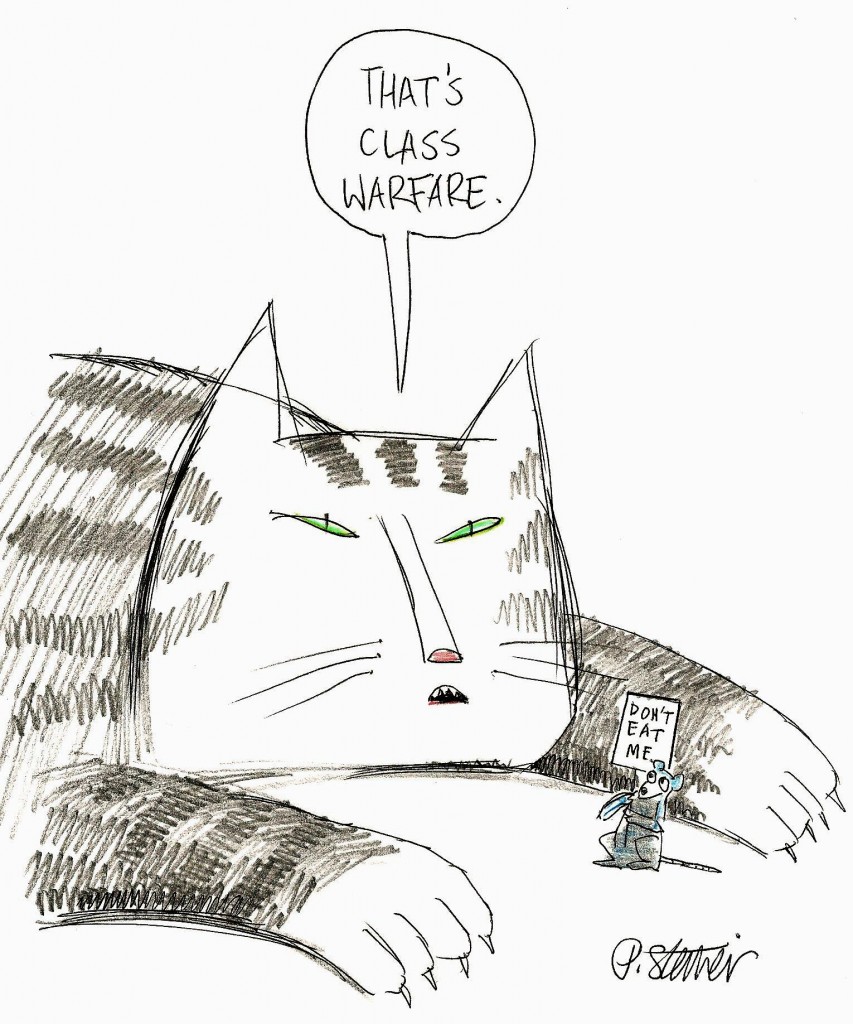
Class warfare
Rick Perry officials spark revolt after doctoring environment report (The Guardian)
Scientists ask for names to be removed after mentions of climate change and sea-level rise taken out by Texas officials
Suzanne Goldenberg, US environment correspondent
guardian.co.uk, Friday 14 October 2011 13.05 BST

Rick Perry’s administration deleted references to climate change and sea-level rise from the report. Photograph: Evan Vucci/AP
Officials in Rick Perry’s home state of Texas have set off a scientists’ revolt after purging mentions of climate change and sea-level rise from what was supposed to be a landmark environmental report. The scientists said they were disowning the report on the state of Galveston Bay because of political interference and censorship from Perry appointees at the state’s environmental agency.
By academic standards, the protest amounts to the beginnings of a rebellion: every single scientist associated with the 200-page report has demanded their names be struck from the document. “None of us can be party to scientific censorship so we would all have our names removed,” said Jim Lester, a co-author of the report and vice-president of the Houston Advanced Research Centre.
“To me it is simply a question of maintaining scientific credibility. This is simply antithetical to what a scientist does,” Lester said. “We can’t be censored.” Scientists see Texas as at high risk because of climate change, from the increased exposure to hurricanes and extreme weather on its long coastline to this summer’s season of wildfires and drought.
However, Perry, in his run for the Republican nomination, has elevated denial of science, from climate change to evolution, to an art form. He opposes any regulation of industry, and has repeatedly challenged the authority of the Environmental Protection Agency.
Texas is the only state to refuse to sign on to the federal government’s new regulations on greenhouse gas emissions. “I like to tell people we live in a state of denial in the state of Texas,” said John Anderson, an oceanography at Rice University, and author of the chapter targeted by the government censors.
That state of denial percolated down to the leadership of the Texas Commission on Environmental Quality. The agency chief, who was appointed by Perry, is known to doubt the science of climate change. “The current chair of the commission, Bryan Shaw, commonly talks about how human-induced climate change is a hoax,” said Anderson.
But scientists said they still hoped to avoid a clash by simply avoiding direct reference to human causes of climate change and by sticking to materials from peer-reviewed journals. However, that plan began to unravel when officials from the agency made numerous unauthorised changes to Anderson’s chapter, deleting references to climate change, sea-level rise and wetlands destruction.
“It is basically saying that the state of Texas doesn’t accept science results published in Science magazine,” Anderson said. “That’s going pretty far.”
Officials even deleted a reference to the sea level at Galveston Bay rising five times faster than the long-term average – 3mm a year compared to .5mm a year – which Anderson noted was a scientific fact. “They just simply went through and summarily struck out any reference to climate change, any reference to sea level rise, any reference to human influence – it was edited or eliminated,” said Anderson. “That’s not scientific review that’s just straight forward censorship.”
Mother Jones has tracked the changes. The agency has defended its actions. “It would be irresponsible to take whatever is sent to us and publish it,” Andrea Morrow, a spokeswoman said in an emailed statement. “Information was included in a report that we disagree with.”
She said Anderson’s report had been “inconsistent with current agency policy”, and that he had refused to change it. She refused to answer any questions. Campaigners said the censorship by the Texas state authorities was a throwback to the George Bush era when White House officials also interfered with scientific reports on climate change.
In the last few years, however, such politicisation of science has spread to the states. In the most notorious case, Virginia’s attorney general Ken Cuccinelli, who is a professed doubter of climate science, has spent a year investigating grants made to a prominent climate scientist Michael Mann, when he was at a state university in Virginia.
Several courts have rejected Cuccinelli’s demands for a subpoena for the emails. In Utah, meanwhile, Mike Noel, a Republican member of the Utah state legislature called on the state university to sack a physicist who had criticised climate science doubters.
The university rejected Noel’s demand, but the physicist, Robert Davies said such actions had had a chilling effect on the state of climate science. “We do have very accomplished scientists in this state who are quite fearful of retribution from lawmakers, and who consequently refuse to speak up on this very important topic. And the loser is the public,” Davies said in an email.
“By employing these intimidation tactics, these policymakers are, in fact, successful in censoring the message coming from the very institutions whose expertise we need.”
Risco é coisa séria (JC)
JC e-mail 4364, de 14 de Outubro de 2011.
Artigo de Francisco G. Nóbrega enviado ao JC Email pelo autor.
A sociedade moderna está banhada em comunicação. Como “boa notícia não é notícia”, a lente psicológica humana registra sempre um cenário pior que a realidade. A percepção usual é que os riscos de todos os tipos aumentam dia a dia. A redução global da violência, por exemplo, é tema do livro recente do psicólogo da Universidade Harvard, Steven Pinker (http://www.samharris.org/blog/item/qa-with-steven-pinker). Ao arrepio do senso comum, ele demonstra, objetivamente, que estamos progredindo neste quesito.
Mas nossa mente não descança em sua aguda capacidade de detectar outras fontes de risco. Temos alguns campeões de audiência: energia nuclear para eletricidade, alimentos geneticamente modificados e aquecimento global catastrófico e antropogênico. O dano potencial das três ameaças mencionadas, objetivamente, não se concretizou de maneira alguma, embora a terceira ameaça deva se realizar no futuro, segundo seus defensores. As pessoas se encantam com o automóvel e seus acessórios, cada vez mais atraentes. Não se pensa em baní-lo, apesar de resultar em cerca de 40.000 mortos e inúmeros incapacitados cada ano, só no Brasil. David Ropeik, que pertence ao Centro Harvard para Análise de Risco, explica como facilmente se distorce o perigo real de situações. Quanto mais afastadas do senso comum (como radiação e plantas geneticamente modificadas), mais facilmente são manipuladas, por ignorância ou interesses outros, apavorando o cidadão comum. Ropeik explica como este medo sem sentido passa a ser um fator de estresse e um risco objetivo para a saúde das pessoas, devendo ser evitado.
Dentro desse universo, são justificadas as preocupações do Dr. Ferraz (“O feijão nosso de cada dia”, Jornal da Ciência, 6/10/2011). Ele é membro da CTNBio, atua na setorial vegetal/ambiental e sua área de concentração é em agroecologia, o que explica, pelo menos em parte, suas dúvidas. No entanto essas preocupações não têm a consistência sugerida pelo autor e a análise da CTNBio, que resultou na aprovação deste feijão, é confiável.
A comissão se pauta sempre pelas diretivas da legislação que são amplas, para dar conta de todas as possibilidades de risco para os consumidores e meio ambiente. No entanto o corpo técnico existe exatamente para atuar de maneira seletiva e consciente, examinando caso a caso. Os testes são examinadas com o rigor que a modificação introduzida na planta exige para plena segurança. Se as modificações são consideradas sem qualquer risco significativo, os testes são avaliados à luz deste fato.
Testes com muitos animais, altamente confiáveis estatisticamente, seriam exigidos pela comissão na eventualidade de uma planta transgênica produzir, por exemplo, uma molécula pesticida não protéica que seria em tudo semelhante a uma droga produzida pela indústria farmacêutica. Isto poderá acontecer em certo momento, já que as plantas têm capacidade de produzir os mais variados pesticidas naturais para se defenderem na natureza. A substância seria absorvida no intestino e se disseminaria por órgãos e tecidos, possivelmente exercendo efeitos sistêmicos e localizados que exigem avaliação. Isso já aconteceu, sem querer, com uma batata produzida por melhoramento convencional nos EUA. Seu consumo levou a mal estar e foi recolhida apressadamente: portava altos níveis de glicoalcalóides tóxicos para o homem, o que explicava sua excelente resistência às pragas da cultura.
No caso do feijão Embrapa, nenhuma molécula não protéica nova é produzida e o pequeno RNA que interfere com a replicação do vírus, caso alguém venha a ingerir folhas e caules, será um entre centenas ou milhares de RNAs que ingerimos diariamente com qualquer produto vegetal. O RNA introduzido, no entanto, não foi detectado no grão do feijão cozido, usando técnicas extremamente poderosas.
As variações detectadas, se estatisticamente significativas (concentração de vitamina B2 ou cisteína por exemplo) não representam risco algum. A técnica clássica de cultura de tecidos, usada para gerar variedades de qualidade em horticultura e propagação de árvores, reconhecidamente resulta em variações naturais que introduzem certas modificações desejáveis e algumas indesejáveis, que o melhorista depois seleciona. É a variação somaclonal, que também afeta os clones geneticamente modificados na sua fase de seleção.
Portanto, é no mínimo ingênuo dizer que o feijão Embrapa 5.1 “deveria ser idêntico” a variedade de origem pois as manipulações necessárias para gerar o transgênico resultam em certas alterações que, se irrelevantes, são ignoradas e se deletérias são descartadas pelos cientistas. Se fizermos as mesmas análises, cujos resultados preocupam alguns, com as muitas variedades convencionais consumidas no país, as diferenças serão impressionantes e irrelevantes para a questão “segurança”.
Como já foi comentado anteriormente, não existe base factual (bioquímica ou genética) para imaginar que o feijão Embrapa apresente risco maior do que um feijão comum ou melhorado por mutagênese química ou física, que por sinal, não é supervisionado nutricional e molecularmente antes de sua comercialização. Sem base biológica, os testes tornam-se formalidades supérfluas e o ruído experimental, principalmente com amostras pequenas, quase inevitavelmente vai gerar resultados que são irrelavantes a menos que se amplie muito o número de animais (para amostras controle e transgênicas) além de ser prudente incluir animais alimentados com outros feijões convencionais para uma idéia realista do significado das variações detectadas. Imaginem o custo dessa busca “caça fantasma”, desencadeada simplesmente devido a uma aplicação pouco esclarecida do princípio da precaução. As preocupações sem base racional, levantadas a todo momento pelos que temem a tecnologia, se aplicariam com maior lógica aos produtos convencionais.
Caso isso aconteça, do dia para a noite estaria inviabilizada a produção agrícola do planeta. Por que não fazer estudos com Rhizobium e nodulação em todos os feijões comercializados? Por que não conduzir estudos nutricionais de longo prazo com os alimentos convencionais derivados de mutagênese? Qual a razão lógica que exclui essas preocupações com as plantas convencionais? Ou a razão seria metafísica? A alteração introduzida seria “contra a natureza”, algo como o pecado original, que, em muitas interpretações, consistiu apenas em comer o fruto da “árvore do conhecimento”? Recentemente 41 cientistas suecos da área vegetal lançaram um manifesto contra a sobre-regulação da genética moderna na Europa (reproduzido no blog GenPeace: genpeace.blogspot.com). Os autores observam que, fazendo um paralelo com as exigências para os produtos farmacêuticos, a “lógica da legislação atual sugere que apenas drogas produzidas por meio de engenharia genética deveriam ser avaliadas quando a efeitos indesejáveis”.
Instilar o medo com base em suposições não ajuda a proteger a população ou o meio ambiente. Marie Curie teria dito “Na vida nada deve ser temido. Mas tudo deve ser compreendido”. Considero irresponsável usar o “princípio da precaução” como alguns o fazem. Inclusive a OMS caiu nesta armadilha, classificando os telefones celulares no grupo 2B de risco para causar câncer. A radiação destes equipamentos é cerca de um milhão de vezes inferior à energia que pode produzir radicais livres e gerar dano ao DNA. A classe 2B inclui o risco de câncer relativo ao café, resíduos da queima de combustíveis fósseis e uso de dentadura…. O que a WHO manteve viva, irresponsavelmente, é a justificativa para a dúvida, que vai legitimar pesquisas caras e irrelevantes, cujo resultado será inconclusivo, como o mega estudo anterior. Incrivelmente mais perigoso é o uso do celular enquanto se dirige.
Francisco G. da Nóbrega é professor da Universidade de São Paulo (USP).
Saber tradicional e lógica científica beneficiam a pesca (Agência USP)
Por Sandra O. Monteiro
Publicado em 13/outubro/2011
 Cotidiano e tradições são relevantes para pesca e políticas regionais
Na Lagoa dos Patos, no Rio Grande do Sul, um desacordo entre a forma de exploração de uma comunidade de pescadores e a maneira de pensar a exploração de alguns pesquisadores das ciências naturais impede que políticas públicas para a região sejam efetivas. Isso estimula movimentos socias de desobediência civil contrários a normas estatais firmadas apenas em conceitos “científicos”.
A comunidade em questão está localizada na Ilha dos Marinheiros, segundo distrito da cidade de Rio Grande (RS), na Lagoa dos Patos. O local foi base de um estudo etnográfico desenvolvido pelo oceanógrafo Gustavo Moura, desenvolvido durante seu mestrado no Programa de Pós-graduação em Ciência Ambiental (Procam) da USP. Segundo o pesquisador, as comunidades locais denominam “nosso mar” o pedaço da Lagoa dos Patos em que cada grupo vive e desenvolve sua pesca. “Tal desentendimento impede que políticas públicas para a região sejam efetivas e atuem realmente na conservação dos recursos naturais ou na expansão das liberdades de quem vive da pesca na região”, observa Moura.
A pesquisa foi realizada por meio da vivência (observação de fenômenos naturais e sociais) e de entrevistas com os moradores locais. Para o pesquisador, a ciência por meio de suas metodologias e cálculos não consegue respostas para todos os fatos ou para dar a efetiva precisão a dados sobre fenômenos naturais. E as respostas que a ciência oferece é apenas uma das formas culturais de ver o mundo. A oceanografia clássica, por exemplo, preocupa-se em preservar o ambiente dentro de uma perspectiva exclusiva de análise técnica de um suposto comportamento matemático da natureza. Esquece, no entanto, que nem tudo é exato e exclui, da sua busca por respostas, o diálogo com as ciências humanas e as culturas tradicionais por considerá-las imprecisas. À respeito disto, Moura diz que a ciência oceanográfica não deve ser desconsiderada, mas experiências e valores humanos também são relevantes no estudo de fenômenos naturais e na formulação de políticas públicas.
Oceanografia Humana e Políticas Públicas
A etnoocenagrafia, uma das linhas de pesquisa da Oceanografia Humana, considera as tradições e observações sobre a natureza, que passam de pai para filho, que levam em conta o tempo cíclico da natureza (o vento, a lua e as chuvas, por exemplo). Além disso também observam a forma como cada comunidade interage com o “seu próprio mar” a partir de situações de comércio e em datas religiosas como a Páscoa “em que muitos pescadores não trabalham”, relata o pesquisador.
 Oceanografia e antropologia favorecem conservação de recursos pesqueiros
Uma das questões polêmicas relaciona-se à melhor época para se pescar uma determinada espécie. Tem a ver com o tamanho do camarão-rosa, por exemplo. Nem sempre a melhor época para se pescar é de 01 de fevereiro a 31 de maio, como determina a lei de defesa do Instituto Brasileiro do Meio Ambiente e dos Recursos Naturais (Ibama). “Pois a natureza vista pelos pescadores tem uma lógica diferente da lógica científica. Uma espécie atinge o tamanho considerado bom pelos pescadores, frequentemente, numa data diversa da prevista em lei em quase todos os anos, antes ou depois de primeiro de fevereiro”, reflete o Moura.
A troca de informações diárias entre os próprios pescadores é outra situação que alguns pesquisadores e agentes de fiscalização locais não entendem e discriminam pela fato de ocorrerem em festas e bares. Estas trocas de informação tem relação, por exemplo, com a construção das decisões de quando, como e onde pescar dentro do território tradicional de pesca e com um conjunto de relações sociais instituídas pela posse informal de “pedaços de mar”.
Segundo Moura, quando regras tradicionais de uso dos recursos naturais são incorporadas nas políticas públicas, elas podem trazer menores prejuízos ambientais do que se baseadas em pura lógica científica. “Além disso, pode trazer mais liberdade para os pescadores trabalharem, em vez da castração de liberdades como ocorre com a política atual.”
A dissertação Águas da Coréia: pescadores, espaço e tempo na construção de um território de pesca na Lagoa dos Patos (RS) numa perspectiva etnooceanográfica foi orientada pelo professor Antonio Carlos Sant’Ana Diegues. O estudo será publicado na forma de livro pela editora NUPEEA, em 2012. “Águas da Coréia…” será o primeiro livro de etnooceanografia já publicado dentro e fora do Brasil, e uma das poucas publicações disponíveis na área de Oceanografia Humana.
Com informações da Agência Universitária de Notícias (AUN)
Fotos cedidas pelo pesquisador
Tim Ingold: Projetando ambientes para a vida – um esboço (Blog Noquetange)
Projetando ambientes para a vida – um esboço*
Por Maycon Lopes
10/10/2011
Imbuído de pensar uma antropologia do vir-a-ser, uma antropologia do devir, quer dizer, aquela que não seja sobre as coisas, mas que se mova com elas, Ingold esboçou, no que os organizadores chamaram desde o início da série de conferências na UFMG de sua “grande conferência”, críticas e proposições para trilharmos o futuro. Trilhar não se trata de percorrer um caminho pré-definido; é deixar pegadas no seu percorrer, marcar com trilho, traçar. O traçado é como um desenho, um projeto, e o ato de fazê-lo já nos desloca da condição de “meros usuários” do design. Para Ingold, os designs têm de falhar, para que o futuro possa deles se apropriar, destruí-los. Eles poderiam ser pensados como previsões – e toda previsão é errada. Ou, seguindo a linha de análise deleuziana, o design poderia ser compreendido como uma tentativa de controlar o devir.
Tim Ingold propõe que ele (o design) seja concebido, no âmbito de um processo vital cuja essência é de abertura e improvisação, como um aspecto, menos como meta pré-determinada que como a continuidade de um andamento. Neste sentido, o design seria produção de futuros e não definição de. Essa ideia contudo contrasta – e esse é o ponto, creio eu, de Ingold e desse post – com a forma como tem sido predominantemente compreendida a natureza no discurso tecnocientífico: com objetivos precisos, o ambiente seria nada mais que um meio, uma coisa manipulável, vida sequestrada tendo em vista a atingir determinados fins. A natureza dos cientistas e dos criadores de política é conhecida através de cálculos, gráficos, imagens independentes daquelas do mundo que conhecemos (ou mundo fenomenal) e com o qual estamos familiarizados pelo próprio habitar. Essa dissociação artificial, que para nós aparece na figura do “globo”, espaço a que não sentimos pertencer, em contraposição com a terra, que de fato habitamos, é um modo nada adequado de abordar as constantes ameaças sofridas pela natureza. A mesma dissociação provoca uma lacuna entre o mundo diário e o mundo projetado pelos instrumentos de conhecimento a que me referi anteriormente, opondo conhecimento do habitante a conhecimento científico, como se os cientistas não habitassem mundo.
Uma expressão muito em voga como “desenvolvimento sustentável”, em geral usada tanto por políticos como por grandes corporações com intuito de proteger o lucro, é amparada por registros contábeis, ou pela perspectiva, segundo Tim Ingold do ex-habitante. Nós outros, habitantes, não temos acesso a essa linguagem contábil, e somos assim furtados da responsabilidade de cuidar do meio ambiente, sendo dele (verticalmente) expelidos, em vez de fazer do mesmo um projeto comum, pela via do que Ingold denominou de “projetar ambientes para a vida”. Repousaria pois na unidade da vida esse elo ontológico, unidade esta que nem o catálogo taxonômico “biodiversidade” e nem a concepção kantiana de superfície – palco das nossas habilidades – dão conta. Tim Ingold se esforça, em nome de uma vida social sempre indivisível da vida ecológica (se é que é possível já assim polarizá-las – ressalta Ingold), por uma genealogia da unidade da vida, uma partilha histórica entre sociedade e natureza, sendo a última em geral concebida como facticidade, coisa bruta do mundo.
Para Ingold os conceitos são inerentemente políticos, e deste modo é interessante para alguns distinguir humanos de inumanos, que, embora estejam num único mundo, apenas os primeiros, pelo viés da “ação humana”, são passíveis de construir. Seriam assim os humanos “menos naturais”, todavia envolvidos mutuamente ao longo do mundo orgânico. Que pensar a respeito do vento, do sol, das árvores e suas raízes (onde residiria o seu caminhar)? Ele propõe, a fim de evitar – e agravar – essa infeliz dicotomia, a concepção de ambiente como uma zona de envolvimento mútuo, cujo relacionamento entre os seres se dá justamente por feixes de linhas, como luz, como ar, e caminhos. Contra as tentativas coercitivas de suprimir o ambiente cobrindo-o de superfícies duras/impermeáveis, Ingold oferece o rolar sobre o mundo e não através do. Segundo ele, o rolar sobre significa o nosso envolvimento com o ambiente, a nossa própria experiência, que difere do global da tecnociência. Aqui se situa o design, mas não o design que inova, e sim o design que improvisa. A inovação seria oriunda de uma leitura de “trás pra frente”, já a improvisação uma leitura do ler para a frente, por onde o mundo se desdobra. Toda improvisação para o antropólogo consiste em criatividade, e criatividade implica já crescimento. O design não prevê, o design antecipa.
Assim a sua ideia é a de caminhar com o mundo, “crescer junto”, mas não num mundo pré-ordenado e sim um mundo incipiente. O design não é uma pré-figura, mas um traço, um desenho, uma linha para uma caminhada, no entanto sempre passível de fuga do enredo como personagens de um romance – com vida própria. Ingold então defende o projetar como um verbo intransitivo, responsável – ao contrário do que pensava o pintor Paul Klee, do julgamento da forma como morte – por atribuir vida. Para a proposta de Timothy Ingold, finalmente, seria necessário o aumento da flexibilidade dos habitantes de mundo, em que tensão seria convertida em conversa, em diálogo, em projeto.
Eli Pariser: Beware online “filter bubbles” (TED)
Will the information superhighway turn into a cul-de-sac because of automated filters? (The Wall Street Journal)
BOOKSHELFMAY 20, 2011
Your Results May Vary
By PAUL BOUTIN
Last year Eli Pariser, president of the board of the liberal-activist site MoveOn.org, had a shocking realization. A heavy Facebook user, he had become friends—at least on Facebook—with an assortment of conservative thinkers and pundits. As a serious thinker, he wanted to have his opinions on current events challenged by those with opposing political ideologies.
But it struck Mr. Pariser one day that he hadn’t seen a single status update from any of the loyal opposition in a while. Had his sources of conservative thought stopped posting? Had they unfriended him? No, Facebook had quietly stopped inserting their updates into his news feed on the site. Had the social-networking giant figured out that he was a liberal?
It turned out that Facebook had changed the algorithm for its news feeds, in response to its users’ complaints that they were being overwhelmed by updates from “friends” whom they hardly knew. The 600-million-member social network now filters status updates so that, by default, users see only those from Facebook friends with whom they’ve recently interacted—say, by sending a message or commenting on a friend’s post.
For Mr. Pariser, the algorithm change meant that his news feed was filtered to let him know about only the mostly left-leaning people with whom he bantered, leaving out conservative voices that he simply monitored. Facebook’s algorithm has no political parameters, but for Mr. Pariser it effectively muffled the people he most disagreed with but wanted to hear.
This sifting-out of seemingly dead connections—which might strike many people as a wonderful service—spurred Mr. Pariser to undertake a months-long exploration of the growing trend of personalized content on websites. In “The Filter Bubble,” he recounts what he found. “I was struck by the degree to which personalization is already upon us. Not only on Facebook and Google, but on almost every major site on the Web.”
It’s no secret that Amazon, for example, customizes its pages to suggest products that are most likely to be of interest, based on shoppers’ past purchases. But most Google users don’t realize that, since 2009, their search results have been gradually personalized based on the user’s location, search history and other parameters. By tracking individual Web browsers with cookies, Google has been able to personalize results even for users who don’t create a personal Google account or are not logged into one. Mr. Pariser asked two friends to search for “BP” shortly after the Deepwater Horizon oil spill last year. The two were shown strikingly different pages—one full of news about the disaster, the other mostly investor information about the energy company.
Personalization is meant to make Internet users happy: It shows them information that mathematical calculations indicate is more likely than generalized content to be of interest. Google’s personalized search results track dozens of variables to deliver the links that a user is predicted to be most likely to click on. As a result, Google users click on more of the results that they get. That’s good for Google, good for its advertisers, good for other websites and presumably good for the user.
But Mr. Pariser worries that there’s a dark downside to giving people their own custom version of the Internet. “Personalization isn’t just shaping what we buy,” he writes. “Thirty-six percent of Americans under thirty get their news through social networking sites.” As we become increasingly dependent on the Internet for our view of the world, and as the Internet becomes more and more fine-tuned to show us only what we like, the would-be information superhighway risks becoming a land of cul-de-sacs, with each of its users living in an individualized bubble created by automated filters—of which the user is barely aware.
To Mr. Pariser, these well-intended filters pose a serious threat to democracy by undermining political debate. If partisans on either side of the issues seem uninterested in the opposition’s thinking nowadays, wait until Google’s helpful sorters really step up their game.
Through interviews with influential Internet experts including Google News chief Krishna Bharat, Search Engine Land editor Danny Sullivan and Microsoft researcher Danah Boyd, Mr. Pariser exposes the problem with personalization: It’s hard enough for an army of researchers to create algorithms that can match each of us with things we like. It’s nearly impossible, by contrast, to craft a formula that will show us something we wouldn’t seek out but really ought to read—and will be glad we did. Beyond throwing random links onto a screen, it’s hard to model serendipity on a computer.
And there’s another problem with filters: People like them. The Internet long ago became overwhelming. Filters help make it manageable without our having to do the work of sorting through its content entirely by ourselves.
What to do? Mr. Pariser’s opening argument in “The Filter Bubble” is a powerful indictment of the current system. But his closing chapters fumble around in search of a solution—from individuals, from companies like Google or from government oversight. How do you tell the Internet to back it off a bit on the custom content?
For now, the best Mr. Pariser can hope for is to educate readers who don’t want to live in a solipsistic subset of the Internet, especially regarding political matters. Just knowing that Google and Facebook personalize what you see, and that you can turn it off if you want—on Facebook, click Most Recent instead of Top News atop your feed; for Google, get instructions by searching “deleting Web history”—is a good start. “The Filter Bubble” is well-timed: The threat is real but not yet pandemic. Major news sites are toying with personalization but haven’t rolled it out en masse. And in a test I conducted myself, I enlisted a handful of heavy Google users across America to search for “Bin Laden raid” soon after the event. The search results that came back were all nearly identical. To tell the truth, we were kind of disappointed.
Mr. Boutin writes about Internet technology and culture for MIT Technology Review, Wired and the New York Times.
The Filter Bubble
By Eli Pariser
The Penguin Press, 294 pages, $25.95
Making Funny with Climate Change (The Yale Forum on Climate Change & The Media)
Keith Kloor September 30, 2011
Comedy may be able to make inroads with audiences in ways that ‘serious journalism’ often cannot. With an issue as serious as climate science suggests, communicators should not shy from taking the risks of injecting humor as appropriate.
Last week, Colorado-based science journalist Michelle Nijhuis lamented the standard environmental news story. She wrote:
“Environmental journalists often feel married to the tragic narrative. Pollution, extinction, invasion: The stories are endless, and endlessly the same. Our editors see the pattern and bury us in the back pages; our readers see it and abandon us on the subway or in the dentist’s office.”
Commentary
A welcome exception to this rule, Nijhuis noted, was New Yorker writer Ian Frazier, who has injected humor into the many environmentally themed nonfiction pieces he’s penned over the years.
This might also be the key to the success of Carl Hiaasen‘s best-selling novels. There is nothing new about the sleazy politics and environmental destruction that are regular themes of his books. But it gets digested through wickedly funny scenes and lampooned characters. There are no sacred cows, either. Tree huggers and traditional eco-villains get equally caricatured.
Writers have had a harder time using humor to communicate global warming. In the non-fiction universe, there are no Ian Fraziers tackling the issue in a quirky, sideways manner. Journalists in mainstream media treat the topic somberly and dutifully. Exhaustion may be setting in for some. Recently NPR’s Robert Krulwich wrote:
“I got a call the other day from some producer I very much admire. They wanted to talk about a series next year on global warming and I thought, why does this subject make me instantly tired? Global warming is important, yes; controversial, certainly; complicated (OK by me); but somehow, even broaching this subject makes me feel like someone’s putting heavy stones in my head.”
But if reporters are getting jaded, TV writers and comedians are eagerly joining the fray. Recent satirical novels by acclaimed writers, such as Jonathan Franzen and Ian McEwan have also tackled climate change.
Whether any of these pop culture and high-minded literary endeavors is influencing attitudes is impossible to know. Still, some climate communicators see humor as their best chance to make climate issues resonate with the public at large, though the tact can be a double-edged sword, as one climate campaigner notes:
“Humor’s capacity for radical imagination creates a mental space for potential change but also comes with a loss of control as it breaks taboos and turns the order of reality upside down and inside out. Indeed, because of this ability to destabilize the established order, George Orwell stated that every joke is a tiny revolution. It denudes power of its authority, which is true of those that we oppose but also those that we cherish. Using humor to communicate on climate change means that scientists and environmentalists lose the monopoly on framing climate change and even risk becoming the butt of the joke. However uncomfortable, this may be necessary if we truly want the public at large to take ownership of the issue.”
That some attempts at humor can backfire has already been demonstrated. But if the stakes are as high as climate science suggests, then that’s a risk climate communicators should not be afraid to take.
A Map of Organized Climate Change Denial (Dot Earth, N.Y. Times)
October 2, 2011, 3:51 PM
By ANDREW C. REVKIN
 Oct. 3, 9:00 p.m. | Updated
 A chart of “key components of the climate change denial machine” has been produced by Riley E. Dunlap, regents professor of sociology at Oklahoma State University, and Aaron M. McCright, an associate professor of sociology at Michigan State University. The diagram below (reproduced here with permission) is from a chapter the two researchers wrote on organized opposition to efforts to curb greenhouse gases for the new Oxford Handbook of Climate Change and Society.
That there are such well-financed and coordinated efforts is not contentious. And this is not the first attempt to map them.
But it’s important to keep in mind that not everyone skeptical of worst-case predictions of human-driven climate disruption, or everyone opposed to certain climate policies, is part of this apparatus.
And there’s plenty to chart on the other edge of the climate debate — thosegroups and outlets pursuing a traditional pollution-style approach to greenhouse gases.
[Oct. 3, 9:00 p.m. | Updated As it happens, the blogger behind Australian Climate Madness has posted a skeptics’ map of “the climate alarmism machine.” (see below) I think some, though by no means all, aspects of the map are not bad. But, as with so much of the climate debate, it is an overdrawn, overblown caricature of reality.]
It’s also important to examine whether a world without such efforts — in which citizens had a clear view of both what is known, and uncertain, about the human factor in shaping climate-related risks — would appreciably change. Some insist the answer is yes. Given the deep-rooted human bias tothe near and now and other aspects of our “inconvenient mind,” I’m not nearly so sure (although this doesn’t stop me from working on this challenge, of course).

Some issues with an anthropology of climate change (Imponderabilia)
By Heid Jerstad
Imponderabilia
Spring ’10 – Issue 2
Introduction: Climate change is something everyone comes across in their personal and day-to-day lives. This article explores some of the possible reasons why anthropology has been slow in taking up this issue and analogies are drawn with the postcolonial and feminist critiques of anthropology.
Some issues with an anthropology of climate change
Is there a stigma in anthropology about climate issues? Do you see this title and think ‘well, I switch off my lights, but this has no place in academia?’ I would like to reflect a little on why this might be so. As students we learn about the ‘personal as political’ in gender theory. I think the issue of climate change (and the related, but not identical, issue of peak oil) may be a fairly close parallel to the attention given to gender issues in anthropology during the 1980s. Both feminism and the climate change movement are political movements in society, wanting to change the way people live their lives. So why is climate change only present on the margins of anthropological research?
Several scholars have issued calls to action, arguing that this area needs further research (Rayner 1989, Battersbury 2008, Crate and Nuttall 2009). So far, however, it has been hard for anthropologists to directly engage with the issue of climate change. I propose in the following to discuss and examine several reasons for this.
Firstly, anthropology has in the past few decades focused on subjectivities of difference (Moore 2009). That is to say on minorities, colonial power imbalances and sexualities, to give a few examples. The theory developed to deal with these identity and power issues is then perhaps badly suited to address phenomena that are affecting the entire globe. All human societies seem to be experiencing some impact, regardless of which categories of difference they might fall into. In some cases, the social, economic and ecological impact of other, non-climatic changes – for instance the effect of mining and tubewells on the groundwater in Rajasthan (Jerstad 2009) – combines with climatic effects to ‘exacerbate . . . existing problems’ (Crate and Nuttall 2009:11). To comprehend this interaction, socially oriented analysis is required. The ethnographic focus of the anthropologist, sharpened as it has been by highlighting issues of difference, can contribute to more complete understandings of the complex agricultural, linguistic, ritual, local-global, differentiated forces and effects operating on various scales and infrastructures. Such research – on the societal effects of climate change – can benefit from the theory base of anthropology, and subjectivities of difference would certainly have their place in such an analysis.
Secondly, the issue of climate change forces contact between academic anthropology and the ‘hard’ sciences and ‘development.’ Each of these points of contact proves problematic in its own way.
‘Science’ has been set aside by mainstream anthropology to the degree that there is a set of ‘replacement’ parallels within the discipline – such as medical anthropology and ethnobiology. But it is within western science that the majority of the research on climate change has been done. Here scientists have become activists and found their scientific material to have ethical relevance. What they lack is an understanding of how climatic effects will impact human societies around the world existing under very different ecological and social conditions.
‘Development’ – though sometimes the site of fruitful collaboration with anthropology – operates under very different assumptions from anthropology (Mosse 2006). The tendency in development is to use climate change as an excuse to deal with existing problems such as drought or extreme weather events. Yet here there is a risk that climate change will be sidelined by governments and other internal social institutions as ‘just another issue’ for the development agencies to deal with.
Thirdly, a reluctance to engage politically, which is not new in the discipline, seems to contribute to anthropologists’ reluctance to tackle climate change as an issue. Could doing fieldwork today while ignoring ecological issues be seen as equivalent to doing fieldwork in the 1930s while ignoring the colonial presence? Both situations are political, placing anthropologists between the countries that fund them and those that provide the data for their work – countries that are themselves caught up in global power relationships. In the colonial instance, the anthropologist was often from the country colonising their area of study. Today issues of power relations are far more complex, but this is all the more reason not to ignore them. I am suggesting not only to place climate change in the ethics or methodology section of a monograph with reference to political relationships and logistical issues, but also to reflect on cultural relationships with the ‘weather,’ how it is changing and how these relationships in turn may be affected. In Crates’ work with the Sakha people of Siberia (2008), she introduces her call for anthropologists to become advocates with a story of the ‘bull of winter’ losing its horns and hence its strength, signalling spring. This meteorological model no longer meshes with experienced reality for the Sakha, highlighting the cultural implications of climatic change beyond ‘mere’ agricultural or economic effects (Vedwan and Rhoades 2001).
Another analogy, touched on in the introduction, is with gender. Problematising the gendered dimension of societies is a political act, but a necessary one in order to avoid the passive politics of unquestioningly reinforcing the status quo. An anthropological study of Indian weddings without mention of the hijras – cross-dressing dancers (Nanda 1990) – for instance, might leave the reader with the general impression that gender/sexuality in India is uniformly dualistic. In the same way, leaving energy relations to economists and political scientists is itself a political act. The impacts of climate change on humans, though mediated by wind and weather, are as social as gender relations, and are products of a particular set of power relations (Hornborg 2008). By ignoring them, anthropologists risk becoming passive supporters of this system.
An anthropology of climate change is emerging (Grodzins Gold 1998, Rudiak-Gould 2009), and anthropologists must reflect on and orient themselves in relation to this. Villagers and other informants are affected by drought, floods, storms and more subtle meteorological changes that are hard to pinpoint as climate-change caused but can be assumed to be climate-change exacerbated. Would anthropological work in these areas and on these issues primarily benefit aid organisations? I don’t think so. Giving academic credibility to problems people are facing can allow governments, corporations and other bodies to act and change policy in a world where the word of a villager tends to carry very little weight.
Bibliography
Battersbury, Simon. 2008. Anthropology and Global Warming: The Need for Environmental Engagement. Australian Journal of Anthropology 19 (1)
Crate, S. A. and Nuttall, 2009. Anthropology and Climate Change: From encounters to actions. Walnut Creek, CA: Left Coast Press.
Crate, S. A. 2008. “Gone the Bull of Winter? Grappling with the Cultural Implications of and Anthropology’s Role(s) in Global Climate Change.” Current Anthropology, 49 (4), 569.
Gold, Ann Grodzins. 1998. “Sin and Rain: Moral Ecology in Rural North India.” In Lance E. Nelson ed. Purifying the Earthly Body of God: Religion and Ecology in Hindu India. Albany: State University of New York Press, 165-195.
Hornberg, A. 2008. Machine fetishism and the consumer’s burden. Anthropology Today, 24 (5).
Jerstad, H. 2009. Climate Change in the Jaisamand Catchment Area: Vulnerability and Adaptation. Unpublished report for SPWD.
Mosse, D. 2006. Anti-social anthropology? Objectivity, objection and the ethnography of public policy and professional communities. Journal of the Royal Anthropological Institute (N.S.). 12 (4), 935-956.
Moore, Henrietta 20th Oct 2009 SOAS departmental seminar.
Nanda, S. 1990. Neither man nor woman: the hijras of India. Wadsworth: Open University Press.
Rayner, S. 1989. Fiddling While the Globe Warms? Anthropology Today 5 (6)
Rudiak-Gould, P. 2009. The Fallen Palm: Climate Change and Culture Change in the Marshall Islands. VDM Verlag.
Vedwan and Rhoades, 2001 Climate change in the western Himalayas of India: a study of local perception and response. Climate research, 19, 109-117.
Heid Jerstad is a Norwegian-English MA Res student at SOAS. After completing a BA in arch and anth at Oxford, she went to India and worked on the impacts of climate change in southern Rajasthan. She is now attempting to pursue related issues in her dissertation. In her spare time she volunteers in a Red Cross shop, hosts dinner parties and fights with her sword.
Science and religion do mix (Rice University)
9/20/2011 – News & Media Relations
Rice University study reveals only 15 percent of scientists at major research universities see religion and science always in conflict
 Throughout history, science and religion have appeared as being in perpetual conflict, but a new study by Rice University suggests that only a minority of scientists at major research universities see religion and science as requiring distinct boundaries.
“When it comes to questions about the meaning of life, ways of understanding reality, origins of Earth and how life developed on it, many have seen religion and science as being at odds and even in irreconcilable conflict,” said Rice sociologist Elaine Howard Ecklund. But a majority of scientists interviewed by Ecklund and colleagues viewed both religion and science as “valid avenues of knowledge” that can bring broader understanding to important questions, she said.
Ecklund summarized her findings in “Scientists Negotiate Boundaries Between Religion and Science,” which appears in the September issue of the Journal for the Scientific Study of Religion. Her co-authors were sociologists Jerry Park of Baylor University and Katherine Sorrell, a former postbaccalaureate fellow at Rice and current Ph.D. student at the University of Notre Dame.
They interviewed a scientifically selected sample of 275 participants, pulled from a survey of 2,198 tenured and tenure-track faculty in the natural and social sciences at 21 elite U.S. research universities. Only 15 percent of those surveyed view religion and science as always in conflict. Another 15 percent say the two are never in conflict, and 70 percent believe religion and science are only sometimes in conflict. Approximately half of the original survey population expressed some form of religious identity, whereas the other half did not.
“Much of the public believes that as science becomes more prominent, secularization increases and religion decreases,” Ecklund said. “Findings like these among elite scientists, who many individuals believe are most likely to be secular in their beliefs, definitely call into question ideas about the relationship between secularization and science.”
Many of those surveyed cited issues in the public realm (teaching of creationism versus evolution, stem cell research) as reasons for believing there is conflict between the two. The study showed that these individuals generally have a particular kind of religion in mind (and religious people and institutions) when they say that religion and science are in conflict.
The study identified three strategies of action used by these scientists to manage the religion-science boundaries and the circumstances that the two could overlap.
- Redefining categories – Scientists manage the science-religion relationship by changing the definition of religion, broadening it to include noninstitutionalized forms of spirituality.
- Integration models – Scientists deliberately use the views of influential scientists who they believe have successfully integrated their religious and scientific beliefs.
- Intentional talk – Scientists actively engage in discussions about the boundaries between science and religion.
“The kind of narrow research available on religion and science seems to ask if they are in conflict or not, when it should really ask the conditions under which they are in conflict,” Ecklund said. “Our research has found that even within the same person, there can be differing views. It’s very important to dispel the myth that people believe that religion and science either do or don’t conflict. Our study found that many people have much more nuanced views.”
These nuanced views often find their way into the classroom, according to those interviewed. One biologist, an atheist not part of any religious tradition, admitted that she makes a sincere effort to present science such that “religious students do not need to compromise their own selves.” Although she is not reconsidering her personal views on religion, she seeks out resources to keep her religious students engaged with science.
Other findings:
- Scientists as a whole are substantially different from the American public in how they view teaching “intelligent design” in public schools. Nearly all of the scientists – religious and nonreligious alike – have a negative impression of the theory of intelligent design.
- Sixty-eight percent of scientists surveyed consider themselves spiritual to some degree.
- Scientists who view themselves as spiritual/religious are less likely to see religion and science in conflict.
- Overall, under some circumstances even the most religious of scientists were described in very positive terms by their nonreligious peers; this suggests that the integration of religion and science is not so distasteful to all scientists.
Ecklund said the study’s findings will go far in improving the public’s perception of science. “I think it would be helpful for the public to see what scientists are actually saying about these topics, rather than just believe stereotypes,” she said. “It would definitely benefit public dialogue about the relationship between science and religion.”
Ecklund is the author of “Science vs. Religion: What Scientists Really Think,” published by Oxford University Press last year.
The study was supported by a grant from the John Templeton Foundation and additional funding from Rice University.
Unshakeable stereotypes of science (New Scientist)
13 September 2011 by Roger Highfield
Magazine issue 2829.
Science has transformed our world, so why does the public have such an old-fashioned view of scientists, asks Quentin Cooper
What is the problem with the public’s image of scientists?
If you ask anyone, they will tell you that science has transformed their world with amazing discoveries. But then if you invite them to draw a scientist, what they depict is precisely what people would have described 50 years ago, back when the anthropologist Margaret Mead came up with what we now call the “draw a scientist” test.
How do people generally depict scientists?
It is uncanny: they draw someone with a hangdog look, frizzy hair and test tube in hand, all in a scene where things are going wrong. There are national variations. In Italy, scientists tend to be scarred and have bolts in their necks, like Frankenstein’s monster. In general, though, they are mostly white, male, bald and wearing a white coat. No wonder we have a problem recruiting scientists.
What do you think of attempts to make scientists cool, like the Studmuffins of Science calendar and GQ’s Rock Stars of Science?
They are doomed because for geek calendars and suchlike to work, they have to bounce off the stereotype. As a result, they reinforce it.
On TV there are plenty of science presenters who defy the stereotype, such as the physicist Brian Cox. Surely that helps?
It is true. They are not all white, male and old. Some have hair. Some, like Brian, arguably have too much! But while people know them and are familiar with their TV programmes, it is surprising what happens when you ask the public about their favourite science presenters. In the UK they usually nominate veterans, such as David Attenborough. In fact, in the last poll I saw, half the people could not name a TV science presenter. They don’t seem to recognise them as scientists because they don’t conform to the stereotype.
And this stereotype also applies to the best known scientist of all time, Einstein?
The image of the old Einstein with tongue out is the one everyone knows – the one taken on his 72nd birthday. But he was a dapper 26-year-old when he had his “annus mirabilis” and wrote the four papers that changed physics.
What do you think about the depiction of scientists in films?
What I find striking is you almost never see scientists on screen unless they are doing science. There are very few characters who happen to be scientists. And those scientists shown tend to be at best eccentric, at worst mad and/or evil.
How can we improve the image of scientists?
Even though the “draw a scientist” test started half a century ago, it was only in the 1980s that someone had the idea of introducing children to a real scientist after they had drawn one, and then asking them to have another go at drawing. One of my favourite examples is of the schoolgirl who initially drew a man with frizzy hair and a white coat, but afterwards depicted a smiling young woman holding a test tube. Above it is the word “me”. I still find myself choking up when I show it.
Profile
Quentin Cooper is a science journalist and presenter of the BBC radio programme Material World. He is hosting the Cabaret of the Elements at the British Science Festival in Bradford on 10 September.
 Uma (in)certa antropologia
Você precisa fazer login para comentar.