Os brasileiros estão dispostos a modificar hábitos de consumo para ajudar na luta contra o aquecimento global, mostra uma nova pesquisa Datafolha, divulgada nesta segunda-feira (1º).
Em uma questão em que foram apresentadas possíveis medidas individuais para combater as mudanças climáticas, 100% dos entrevistados afirmaram que adotariam alguma delas.
Quase a totalidade concordaria com atitudes simples, como trocar as lâmpadas de casa por modelos mais econômicos (99%) e reduzir o uso de plástico e embalagens descartáveis (94%). Os índices de aceitação são altos mesmo entre atitudes de custo superior, como colocar painéis solares em casa (89%) ou pagar mais caro por produtos com baixa emissão de carbono (74%) Dois em cada três (63%) investiriam mais por um carro elétrico (63%).
A pesquisa sobre a compreensão e a relação da população com as mudanças climáticas foi realizada presencialmente, com 2.457 pessoas de 16 anos ou mais em 130 municípios pelo Brasil, entre os dias 17 e 22 de junho. A margem de erro é de dois pontos percentuais, com taxa de confiança de 95%.
O levantamento mostra que a maioria das pessoas também aceitaria usar mais o transporte público ou a bicicleta (82%), escolher viagens para lugares mais próximos para evitar usar avião (77%) e até mesmo reduzir o consumo de carne (68%) em prol do meio ambiente.
A queima de combustíveis fósseis, como petróleo, carvão e gás, para produção de energia, transporte e pela indústria é a maior fonte de emissões de gases de efeito estufa no mundo. No Brasil, a principal fonte de emissões é o desmatamento, que tem no setor agropecuário o seu motor mais significativo.
Além disso, o plástico, que é um derivado do petróleo, ainda causa um problema ambiental por si só —especialmente aquele de uso único, como embalagens ou produtos descartáveis. Cerca de 450 milhões de toneladas desse material são descartadas por ano no mundo e apenas 9% é reciclado. Até 2050, as previsões são de que haja mais plástico do peixe nos oceanos.
Os resultados da pesquisa Datafolha apontam, ainda, que 83% dos brasileiros acreditam que atitudes individuais têm um papel importante para resolver problemas ambientais.
Metade (51%) das pessoas diz acreditar que ações individuais contribuem muito para a sustentabilidade e preservação do meio ambiente, e um terço (32%) que contribuem um pouco, enquanto apenas 16% dizem que essas atitudes não contribuem.
O índice de quem acredita na importância de ações individuais para a conservação chega a 93% entre aqueles com ensino superior, 86% para quem tem nível médio e cai a 73% entre os de nível fundamental.
A taxa também cresce, atingindo 88%, na parcela mais jovem dos entrevistados, de 16 a 24 anos. O número fica em 86% para o estrato de 25 a 44 anos, 82% para a faixa etária entre 45 e 59 anos e reduz para 76% na parcela mais velha, de 60 anos ou mais.
Ao mesmo tempo que metade dos brasileiros acreditam que ações individuais são muito significativas para a sustentabilidade, apenas 25% se sentem, pessoalmente, muito responsáveis pelas mudanças climáticas. Outros 51% dizem se sentir um pouco responsáveis e 23%, nada responsáveis. Só 1% não soube opinar.
De modo geral, ações tomadas individualmente pelos cidadãos podem contribuir para reduzir as emissões de gases que aquecem o planeta, como abrir mão de meios de transporte movidos a combustão, fazer adaptações na dieta e consumir produtos de origem sustentável, como recomendado pelo Programa das Nações Unidas para o Meio Ambiente.
Contudo, para mudar significativamente o cenário e as previsões para o futuro do clima, são necessárias grandes transformações em setores econômicos, o que requer medidas contundentes de governos e corporações.
O dado pertence a uma nova pesquisa Datafolha, divulgada nesta segunda-feira (1º), que aponta que apenas 2% dos entrevistados negam a existência das alterações no clima, enquanto 1% não soube responder.
O levantamento foi realizado presencialmente, com 2.457 pessoas de 16 anos ou mais em 130 municípios pelo Brasil, entre os dias 17 e 22 de junho. A margem de erro é de dois pontos percentuais, com taxa de confiança de 95%.
Os resultados mostram que essa percepção quase unânime se repete mesmo considerando diferentes recortes, como gênero, nível de escolaridade e faixa etária —chegando, por exemplo, a 100% de concordância sobre a ocorrência das mudanças climáticas entre os mais jovens, de 16 a 24 anos.
Os índices caem, porém, quando questionados sobre os agentes que provocam essa transformação. São 77% quem acha que as mudanças climáticas são causadas principalmente pelas ações humanas, enquanto 20% defendem que a causa delas é a oscilação natural da temperatura.
Conforme aponta o consenso científico, a crise do clima atual é provocada pelos gases de efeito estufa emitidos pelas atividades humanas, principalmente a queima de combustíveis fósseis e o desmatamento, que aquecem o planeta. Em 2021, uma análise de quase 90 mil artigos científicos mostrou que mais de 99,9% dos pesquisadores do mundo concordam sobre essas causas e efeitos.
Os altos índices gerais de reconhecimento da mudança do clima podem estar relacionados ao aumento da intensidade, frequência e exposição a eventos climáticos extremos. A pesquisa perguntou se nas últimas semanas o lugar onde o entrevistado mora passou por diferentes tipos de fenômenos desta natureza, e 77% disseram que sim.
Entre esses, o número mais expressivo foi o de pessoas que passaram por calor extremo (65%), seguido de chuva intensa ou tempestade (33%), e seca extrema (29%). Enchentes atingiram 20% dos entrevistados e deslizamentos de terra, 7%.
Um quarto dos respondentes (23%) afirmou não ter vivenciado nenhum destes eventos recentemente.
Para Paulo Artaxo, professor de física da USP (Universidade de São Paulo) e membro do IPCC (Painel Intergovernamental sobre Mudanças Climáticas), vinculado à ONU, no mundo inteiro a população está percebendo que o clima mudou para pior, o que é reforçado pela ocorrência de fenômenos extremos.
“As mudanças climáticas se dão em dois níveis. Primeiro, um lento e gradual: degradação ambiental com o aumento lento da temperatura, redução ou aumento lento da precipitação, o aumento do nível do mar que afeta as áreas costeiras e assim por diante”, explica.
“Um segundo componente é a intensificação dos eventos climáticos extremos, que cada vez mais se tornam muito perceptíveis para a população em geral, causando enormes danos na saúde, na economia e na sociedade em geral”.
Marcio Astrini, secretário-executivo do Observatório do Clima, que reúne mais de uma centena de organizações ambientais, concorda.
“As pessoas não precisam mais procurar um relatório científico para se informar. Elas abrem a janela de casa, ligam a televisão e as mudanças climáticas estão acontecendo —não são mais uma previsão, são o presente”, diz. “Isso, obviamente, faz com que as pessoas tenham mais capacidade de compreender o que está acontecendo”.
O Datafolha mostra que a escolaridade é um fator que impacta a percepção dos brasileiros sobre o clima. Entre pessoas com educação de nível fundamental, 67% acreditam que as mudanças climáticas são causadas pela humanidade, 26% dizem que elas fazem parte da natureza e 4%, que não existem, Entre aquelas com ensino superior, os números são, respectivamente, 87%, 13% e 1%.
Astrini afirma que os resultados estão relacionados à falta de acesso à informação qualificada e à abundância de fake news disseminadas sobre o tema.
“Nós vivemos em um mundo em que existe desinformação em larga escala e alguns setores são alvos preferenciais de quem provoca a desinformação. O meio ambiente é um deles”, diz. “Em meio ambiente há muito, muito tempo, a gente enfrenta um verdadeiro batalhão —que vem enfraquecendo, mas ainda existe— de negacionismo, de desinformação”.
Também é entre os que passaram menos tempo na educação formal que está a taxa mais alta de descrença nas previsões da ciência sobre as consequências do aquecimento global. Daqueles que estudaram até o ensino fundamental, 43% dizem acreditar que cientistas e ambientalistas exageram sobre os impactos das mudanças climáticas, enquanto na população geral o índice é de 31%.
O nível mais alto de confiança nos especialistas está entre os mais jovens, com 77% dos que têm entre 16 e 24 anos afirmando que não há exagero a respeito do tema; 21% dizem o contrário.
Já entre aqueles com 60 anos ou mais o patamar de descrença está acima da média nacional, com mais de um terço (36%) concordando com a afirmação de que cientistas e ambientalistas exageram ao tratar dos impactos da crise do clima.
“É esperado que os mais jovens e os com mais acesso à informação mostrem maior concordância com as avaliações científicas. Os mais velhos têm a memória de condições mais estáveis e se formaram em um ambiente onde o tema não estava tão difundido, estudado ou documentado”, avalia Mercedes Bustamante, professora do departamento de ecologia da UnB (Universidade de Brasília).
Cruzando os dados da pesquisa, é possível notar, ainda, que aqueles que relatam não terem vivenciado um evento climático extremo no local onde moram são mais propensos a duvidar do parecer científico sobre os impactos do aquecimento global. Neste grupo, 36% das pessoas acham que os especialistas exageram, 61% acham que não e 3% não souberam responder.
A taxa de descrédito cai para 29% entre aqueles que passaram por alguma situação climática extrema recentemente, enquanto 69% deste estrato acha que não há exagero e 2% não soube responder.
Mais da metade (52%) dos brasileiros acha que as mudanças climáticas são um risco imediato para a população do planeta, enquanto 43% opinam que elas só representarão perigo para quem viverá daqui a muitos anos. Apenas 5% dizem que a crise do clima não representa risco algum.
Os números são da pesquisa Datafolha divulgada nesta segunda-feira (1º), que trata das percepções e opiniões sobre as alterações no clima. O levantamento ouviu 2.457 pessoas de 16 anos ou mais em 130 municípios pelo Brasil, entre os dias 17 e 22 de junho. A margem de erro é de dois pontos percentuais, com taxa de confiança de 95%.
“O percentual de brasileiros que compreende a mudança climática é elevado em comparação a outros países (por exemplo, os Estados Unidos)”, analisa Mercedes Bustamante, professora do departamento de Ecologia da Universidade de Brasília. Ela se refere a outros dados da pesquisa, que mostram que 77% das pessoas dizem acreditar que as mudanças climáticas são provocadas principalmente pelas atividades humanas.
A pesquisadora pondera, porém, que é interessante comparar esses índices com a divisão que aparece quando os entrevistados são questionados sobre os efeitos do aquecimento global. “Isso talvez seja uma indicação [de que há uma] percepção da existência do problema, mas ainda não [percebe-se] como seus mais variados efeitos já estão no dia a dia.”
Estudos mostram que o planeta já aqueceu mais de 1,2°C desde o período pré-industrial (1850-1900), que marca o grande aumento na emissão de carbono pela humanidade, e que fenômenos climáticos extremos, como tempestades e ondas de calor, já estão mais intensos e frequentes.
O Datafolha aponta ainda que, para 58% dos entrevistados, a humanidade não conseguirá agir para reverter os impactos das mudanças climáticas. Menos de um terço da população (31%) acha que será possível retornar a um clima mais ameno, enquanto 7% dizem que isso não faz diferença para a humanidade e o planeta.
O patamar de descrença na capacidade da humanidade de reverter as mudanças climáticas varia de acordo com a escolaridade, sendo mais alto entre aqueles que têm ensino de nível médio (60%). No estrato da população com ensino superior, 36% acreditam na possibilidade dos humanos conseguirem frear a crise climática.
Quase a totalidade diz que concordaria em adotar atitudes simples, como trocar as lâmpadas de casa por modelos mais econômicos (99%) e reduzir o uso de plástico (94%), e os índices de aceitação são altos mesmo diante de uma atitude custosa, como colocar paineis solares em casa (89%) e pagar mais caro por produtos com baixa emissão de carbono (74%) ou para ter um carro elétrico (63%).
Para especialistas, o que pode parecer uma contradição pode ser, na verdade, apenas desesperança com a inação de governantes e grandes corporações –que são os maiores culpados pelas emissões de gases de efeito estufa e, portanto, os principais responsáveis por reduzi-las.
“A ciência mostra caminhos para a resolução da mudança do clima. No entanto, creio que a percepção de que não haverá reversão indica a avaliação da morosidade ou mesmo falta de ações políticas concretas e robustas para abordar as soluções”, afirma Bustamante.
“A falta de ação das indústrias do petróleo e dos governos que são associados a elas, que financiam uma enorme quantidade de governos no mundo todo, está fazendo com que o planeta esteja indo por uma trajetória de aumento de temperatura médio da ordem de 3°C”, afirma o físico Paulo Artaxo, pesquisador da USP.
“Isto pode comprometer muito a qualidade de vida das próximas gerações, e isso não é para o final do século, já é para as próximas décadas”, acrescenta ele.
Para Marcio Astrini, secretário-executivo do Observatório do Clima, rede que reúne mais de uma centena de organizações ambientais, o impacto dessa desesperança da população em reverter as mudanças climáticas pode ter um efeito nocivo, de diminuir esforços nesse sentido.
“Quando o ser humano pensa, ‘olha, já que não tem jeito, então para que que eu vou me esforçar? Para resolver algo que não tem solução?’. Isso, inclusive, se reflete no voto, na escolha dos governantes que vão gerenciar a máquina estatal, que é quem vai resolver o problema”, explica.
“Isso desencadeia um problema em cima do outro, porque é uma imobilização. E quanto mais passa o tempo, mais estreita vai ficar a janela para termos alguma esperança de solução”, diz Astrini.
Talvez o fator mais determinante para essa opinião unânime decorra da repetição de eventos extremos, como secas incendiárias, ondas de calor mortíferas e tempestades avassaladoras. Em 2020 o fogo já devastara o pantanal, e o Sul fora açoitado por sucessivas chuvas torrenciais no segundo semestre de 2023.
Com a reincidência e o porte desses desastres, muita gente passou a ter experiência direta com flagelos. Ao Datafolha, 65% relataram ter enfrentado calor extremo, assim como 33% apontaram chuva intensa ou tempestade e 29%, seca extrema. Só um quarto (23%) afirmou não ter vivido nenhum desses eventos.
Eram favas contadas que a maioria dos 2.457 brasileiros entrevistados pelo Datafolha, de 17 a 22 de junho, acusaria os golpes seguidos do aquecimento global, diante da avalanche de imagens dantescas a cada noite na TV. Poucos ainda negam a mudança climática, mas isso não significa que o negacionismo morreu.
Só 77% dos ouvidos atribuem as alterações aos gases do efeito estufa produzidos pela atividade humana, como a queima de combustíveis fósseis (derivados de petróleo, carvão e gás natural), o desmatamento e a agropecuária. Um contingente expressivo de 20% prefere enxergar causas naturais para a crise.
Menos gente ainda, 53%, diz acreditar que o fim da normalidade seja um risco imediato para a população da Terra. Outros 43% afirmam que o impacto afetará apenas as gerações futuras.
Quase um terço dos entrevistados (31%) avalia haver exagero de pesquisadores e ambientalistas quanto a impactos da mudança climática. Esse grupo de céticos alcança 43% entre pessoas que têm nível fundamental de escolaridade.
O dado da pesquisa que causa mais alarme aponta um excesso de fatalismo: 58% dos brasileiros opinam que a humanidade será incapaz de reverter a crise do clima. Meros 31% consideram possível manter o clima sob relativo controle, e 7% dizem que não faz diferença para a humanidade ou a natureza.
Esses bolsões remanescentes de ceticismo climático refletem o sucesso parcial da propaganda negacionista em sua tática de semear dúvidas múltiplas e variadas. Quando se torna impossível contradizer a existência do aquecimento global, dado o acúmulo de evidências e medições, lança-se suspeita sobre a contribuição humana para o fenômeno.
No mesmo diapasão, argumenta-se que a sociedade humana não tem meios para contra-arrestar fenômenos em escala planetária. Em paralelo, assegura-se que os impactos não serão tão graves assim, quem sabe até benéficos.
E pensar que há supostos cientistas dispostos a propagar tais fake news, em realidade pesquisadores argentários, aposentados ou desacreditados. Essa traição à ciência tem consequências, porém.
Embora tenha muito a perder com o desvario climático, a banda atrasada do agronegócio aplaude os mercadores de dúvidas e ajuda a eleger parlamentares, sobretudo no centrão, que tanto retrocesso impuseram à pauta ambiental no governo Bolsonaro (PL) e ainda dão suas mordidas sob a ambivalência de Lula (PT).
Hundreds of looming projects will force communities to weight the climate claims and environmental risks of capturing, moving, and storing carbon dioxide.
James Temple
June 12, 2024
Pump jacks and pipelines clutter the Elk Hills oil field of California, a scrubby stretch of land in the southern Central Valley that rests above one of the nation’s richest deposits of fossil fuels.
Oil production has been steadily declining in the state for decades, as tech jobs have boomed and legislators have enacted rigorous environmental and climate rules. Companies, towns, and residents across Kern County, where the poverty rate hovers around 18%, have grown increasingly desperate for new economic opportunities.
Late last year, California Resources Corporation (CRC), one of the state’s largest oil and gas producers, secured draft permits from the US Environmental Protection Agency to develop a new type of well in the oil field, which it asserts would provide just that. If the company gets final approval from regulators, it intends to drill a series of boreholes down to a sprawling sedimentary formation roughly 6,000 feet below the surface, where it will inject tens of millions of metric tons of carbon dioxide to store it away forever.
They’re likely to become California’s first set of what are known as Class VI wells, designed specifically for sequestering the planet-warming greenhouse gas. But many, many similar carbon storage projects are on the way across the state, the US, and the world—a trend driven by growing government subsidies, looming national climate targets, and declining revenue and growth in traditional oil and gas activities.
Since the start of 2022, companies like CRC have submitted nearly 200 applications in the US alone to develop wells of this new type. That offers one of the clearest signs yet that capturing the carbon dioxide pollution from industrial and energy operations instead of releasing it into the atmosphere is about to become a much bigger business.
Proponents hope it’s the start of a sort of oil boom in reverse, kick-starting a process through which the world will eventually bury more greenhouse gas than it adds to the atmosphere. They argue that embracing carbon capture and storage (CCS) is essential to any plan to rapidly slash emissions. This is, in part, because retrofitting the world’s massive existing infrastructure with carbon dioxide–scrubbing equipment could be faster and easier than rebuilding every power plant and factory. CCS can be a particularly helpful way to cut emissions in certain heavy industries, like cement, fertilizer, and paper and pulp production, where we don’t have scalable, affordable ways of producing crucial goods without releasing carbon dioxide.
“In the right context, CCS saves time, it saves money, and it lowers risks,” says Julio Friedmann, chief scientist at Carbon Direct and previously the principal deputy assistant secretary for the Department of Energy’s Office of Fossil Energy.
But opponents insist these efforts will prolong the life of fossil-fuel plants, allow air and water pollution to continue, and create new health and environmental risks that could disproportionately harm disadvantaged communities surrounding the projects, including those near the Elk Hills oil field.
“It’s the oil majors that are proposing and funding a lot of these projects,” says Catherine Garoupa, executive director of the Central Valley Air Quality Coalition, which has tracked a surge of applications for carbon storage projects throughout the district. “They see it as a way of extending business as usual and allowing them to be carbon neutral on paper while still doing the same old dirty practices.”
A slow start
The US federal government began overseeing injection wells in the 1970s. A growing number of companies had begun injecting waste underground, sparking a torrent of water pollution lawsuits and the passage of several major laws designed to ensure clean drinking water. The EPA developed standards and rules for a variety of wells and waste types, including deep Class I wells for hazardous or even radioactive refuse and shallower Class V wells for non-hazardous fluids.
In 2010, amid federal efforts to create incentives for industries to capture more carbon dioxide, the agency added Class VI wells for CO2 sequestration. To qualify, a proposed well site must have the appropriate geology, with a deep reservoir of porous rock that can accommodate carbon dioxide molecules sitting below a layer of nonporous “cap rock” like shale. The reservoir also needs to sit well below any groundwater aquifers, so that it won’t contaminate drinking water supplies, and it must be far enough from fault lines to reduce the chances that earthquakes might crack open pathways for the greenhouse gas to escape.
But there’s been a flurry of proposals since—both to the EPA and to the three states that have secured permission to authorize such wells themselves, which include North Dakota, Wyoming, and Louisiana. The Clean Air Task Force, a Boston-based energy policy think tank keeping track of such projects, says there are now more than 200 pending applications.
What changed is the federal incentives. The Inflation Reduction Act of 2022 dramatically boosted the tax credits available for permanently storing carbon dioxide in geological formations, bumping it up from $50 a ton to $85 when it’s captured from industrial and power plants. The credit rose from $50 to $180 a ton when the greenhouse gas is sourced from direct-air-capture facilities, a different technology that sucks greenhouse gas out of the air. Tax credits allow companies to directly reduce their federal tax obligations, which can cover the added expense of CCS across a growing number of sectors.
CRC became an independent company in 2014, when Occidental Petroleum, one of the world’s largest oil and gas producers, spun it off along with many of its California assets. But the new company quickly ran into financial difficulties, filing for bankruptcy protection in 2020 amid plummeting energy demand during the early stages of the covid-19 pandemic. It emerged several months later, after restructuring its debt, converting loans into equity, and raising new lines of credit.
The following year, CRC created a carbon management subsidiary, Carbon TerraVault, seizing an emerging opportunity to develop a new business around putting carbon dioxide back underground, whether for itself or for customers. The company says it was also motivated by the chance to “help advance the energy transition and curb rising global temperatures at 1.5 °C.”
CRC didn’t respond to inquiries from MIT Technology Review.
In its EPA application the company, based in Long Beach, California, says that hundreds of thousands of tons of carbon dioxide would initially be captured each year from a gas treatment facility in the Elk Hills area as well as a planned plant designed to produce hydrogen from natural gas. The gas is purified and compressed before it’s pumped underground.
The company says the four wells for which it has secured draft permits could store nearly 1.5 million tons of carbon dioxide per year from those and other facilities, with a total capacity of 38 million tons over 26 years. CRC says the projects will create local jobs and help the state meet its pressing climate targets.
“We are committed to supporting the state in reaching carbon neutrality and developing a more sustainable future for all Californians,” Francisco Leon, chief executive of CRC, said of the draft EPA decision in a statement.
Those wells, however, are just the start of the company’s carbon management plans: Carbon TerraVault has applied to develop 27 additional wells for carbon storage across the state, including two more at Elk Hills, according to the EPA’s permit tracker. If those are all approved and developed, it would transform the subsidiary into a major player in the emerging business of carbon storage—and set it up for a windfall in federal tax credits.
Carbon sequestration projects can qualify for 12 years of US subsidies. If Carbon TerraVault injects half a million tons of carbon dioxide into each of the 31 wells it has applied for over that time period, the projects could secure tax credits worth more than $15.8 billion.
That figure doesn’t take inflation into account and assumes the company meets the most stringent requirements of the law and sources all the carbon dioxide from industrial facilities and power plants. The number could rise significantly if the company injects more than that amount into wells, or if a significant share of the carbon dioxide is sourced through direct air capture.
Chevron, BP, ExxonMobil, and Archer Daniels Midland, a major producer of ethanol, have also submitted Class VI well applications to the EPA and could be poised to secure significant IRA subsidies as well.
To be sure, it takes years to secure regulatory permits, and not every proposed project will move forward in the end. The companies involved will still need to raise financing, add carbon capture equipment to polluting facilities, and in many cases build out carbon dioxide pipelines that require separate approvals. But the increased IRA tax credits could drive as much as 250 million metric tons of additional annual storage or use of carbon dioxide in the US by 2035, according to the latest figures from the Princeton-led REPEAT Project.
“It’s a gold rush,” Garoupa says. “It’s being shoved down our throats as ‘Oh, it’s for climate goals.’” But if we’re “not doing it judiciously and really trying to achieve real emissions reductions first,” she adds, it’s merely a distraction from the other types of climate action needed to prevent dangerous levels of warming.
Carbon accounting
Even if CCS can help drive down emissions in the aggregate, the net climate benefits from any given project will depend on a variety of factors, including how well it’s developed and run—and what other changes it brings about throughout complex, interconnected energy systems over time.
Notably, adding carbon capture equipment to a plant doesn’t trap all the climate pollution. Project developers are generally aiming for around 90%. So if you build a new project with CCS, you’ve increased emissions, not cut them, relative to the status quo.
In addition, the carbon capture process requires a lot of power to run, which may significantly increase emissions of greenhouse gas and other pollutants elsewhere by, for example, drawing on additional generation from natural-gas plants on the grid. Plus, the added tax incentives may make it profitable for a company to continue operating a fossil-fuel plant that it would otherwise have shut down or to run the facilities more hours of the day to generate more carbon dioxide to bury.
All the uncaptured emissions associated with those changes can reduce, if not wipe out, any carbon benefits from incorporating CCS, says Danny Cullenward, a senior fellow with the Kleinman Center for Energy Policy at the University of Pennsylvania.
But none of that matters as far as the carbon storage subsidies are concerned. Businesses could even use the savings to expand their traditional oil and gas operations, he says.
“It’s not about the net climate impact—it’s about the gross tons you stick under ground,” Cullenward says of the tax credits.
A study last year raised a warning about how that could play out in the years to come, noting that the IRA may require the US to provide hundreds of billions to trillions of dollars in tax credits for power plants that add CCS. Under the scenarios explored, those projects could collectively deliver emissions reductions of as much as 24% or increases as high as 82%. The difference depends largely on how much the incentives alter energy production and the degree to which they extend the life of coal and natural-gas plants.
Coauthor Emily Grubert, an associate professor at Notre Dame and a former deputy assistant secretary at the Department of Energy, stressed that regulators must carefully consider these complex, cascading emissions impacts when weighing whether to approve such proposals.
“Not taking this seriously risks potentially trillions of dollars and billions of tonnes of [greenhouse-gas] emissions, not to mention the trust and goodwill of the American public, which is reasonably skeptical of these potentially critically important technologies,” she wrote in an op-ed in the industry outlet Utility Dive.
Global goals
Other nations and regions are also accelerating efforts to capture and store carbon as part of their broader efforts to lower emissions and combat climate change. The EU, which has dedicated tens of billions of euros to accelerating the development of CCS, is working to develop the capacity to store 50 million tons of carbon dioxide per year by 2030, according to the Global CCS Institute’s 2023 industry report.
Likewise, Japan hopes to sequester 240 million tons annually by 2050, while Saudi Arabia is aiming for 44 million tons by 2035. The industry trade group said there were 41 CCS projects in operation around the world at the time, with another 351 under development.
A handful of US facilities have been capturing carbon dioxide for decades for a variety of uses, including processing or producing natural gas, ammonia, and soda ash, which is used in soaps, cosmetics, baking soda, and other goods.
But Ben Grove, carbon storage manager at the Clean Air Task Force, says the increased subsidies in the IRA made CCS economical for many industry segments in the US, including: chemicals, petrochemicals, hydrogen, cement, oil, gas and ethanol refineries, and steel, at least on the low end of the estimated cost ranges.
In many cases, the available subsidies still won’t fully cover the added cost of CCS in power plants and certain other industrial facilities. But the broader hope is that these federal programs will help companies scale up and optimize these processes over time, driving down the cost of CCS and making it feasible for more sectors, Grove says.
Still other sources could include renewable fuels plants, which may mean biofuel facilities, steam generators, and a proposed direct-air-capture plant that would be developed by the carbon-removal startup Avnos, according to the EPA filing. Carbon TerraVault is part of a consortium, which includes Avnos, Climeworks, Southern California Gas Company, and others, that has proposed developing a direct-air-capture hub in Kern County, where the Elk Hills field is located. Last year, the Department of Energy awarded the so-called California DAC Hub nearly $12 million to conduct engineering design studies for direct-air-capture facilities.
CCS may be a helpful tool for heavy industries that are really hard to clean up, but that’s largely not what CRC has proposed, says Natalia Ospina, legal director at the Center on Race, Poverty & the Environment, an environmental-justice advocacy organization in Delano, California.
“The initial source will be the Elk Hills oil field itself and the plant that refines gas in the first place,” she says. “That is just going to allow them to extend the life of the oil and gas industry in Kern County, which goes against all the evidence in front of us in terms of how we should be addressing the climate crisis.”
Natalia Ospina, legal director at the Center on Race, Poverty & the Environment.
Critics of the project also fear that some of these facilities will continue producing other types of pollution, like volatile organic compounds and fine particulate matter, in a region that’s already heavily polluted. Some analyses show that adding a carbon capture process reduces those other pollutants in certain cases. But Ospina argues that oil and gas companies can’t be trusted to operate such projects in ways that reduce pollution to the levels necessary to protect neighboring communities.
‘You need it’
Still, a variety of studies, from the state level to the global, conclude that CCS may play an essential role in cutting greenhouse-gas emissions fast enough to moderate the global dangers of climate change.
California is banking heavily on capturing carbon from plants or removing it from the air through various means to meet its 2045 climate neutrality goal, aiming for 20 million metric tons by 2030 and 100 million by midcentury. The Air Resources Board, the state’s main climate regulator, declared that “there is no path to carbon neutrality without carbon removal and sequestration.”
Recentreports from the UN’s climate panel have also stressed that carbon capture could be a “critical mitigation option” for cutting emissions from cement and chemical production. The body’s modeling study scenarios that limit global warming to 1.5 °C over preindustrial levels rely on significant levels of CCS, including tens to hundreds of billions of tons of carbon dioxide captured this century from plants that use biomatter to produce heat and electricity—a process known as BECCS.
Meeting global climate targets without carbon capture would require shutting down about a quarter of the world’s fossil-fuel plants before they’ve reached the typical 50-year life span, the International Energy Agency notes. That’s an expensive proposition, and one that owners, investors, industry trade groups, and even nations will fiercely resist.
“Everyone keeps coming to the same conclusion, which is that you need it,” Friedmann says.
Lorelei Oviatt, director of the Kern County Planning and Natural Resources Department, declined to express an opinion about CRC’s Elk Hills project while local regulators are reviewing it. But she strongly supports the development of CCS projects in general, describing it as a way to help her region restore lost tax revenue and jobs as “the state puts the area’s oil companies out of business” through tighter regulations.
County officials have proposed the development of a more than 4,000-acre carbon management park, which could include hydrogen, steel, and biomass facilities with carbon-capture components. An economic analysis last year found that the campus and related activities could create more than 22,000 jobs, and generate more than $88 million in sales and property taxes for the economically challenged county and cities, under a high-end scenario.
Oviatt adds that embracing carbon capture may also allow the region to avoid the “stranded asset” problem, in which major employers are forced to shut down expensive power plants, refineries, and extraction wells that could otherwise continue operating for years to decades.
“We’re the largest producer of oil in California and seventh in the country; we have trillions and trillions of dollars in infrastructure,” she says. “The idea that all of that should just be abandoned does not seem like a thoughtful way to design an economy.”
In a 2022 letter to the EPA, the Center for Biological Diversity raised the possibility that the sequestered carbon dioxide could leak out of wells or pipelines, contributing to climate change and harming local residents.
These concerns are not without foundation.
In February 2020, Denbury Enterprises’ Delta pipeline, which stretches more than 100 miles between Mississippi and Louisiana, ruptured and released more than 30,000 barrels’ worth of compressed, liquid CO2 gas near the town of Satartia, Mississippi.
The leak forced hundreds of people to evacuate their homes and sent dozens to local hospitals, some struggling to breathe and others unconscious and foaming at the mouth, as the Huffington Postdetailed in an investigative piece. Some vehicles stopped running as well: the carbon dioxide in air displaced oxygen, which is essential to the combustion in combustion engines.
There have also been repeated carbon dioxide releases over the last two decades at an enhanced oil recovery project at the Salt Creek oil field in Wyoming. Starting in the late 1800s, a variety of operators have drilled, abandoned, sealed, and resealed thousands of wells at the site, with varying degrees of quality, reliability, and documentation, according to the Natural Resources Defense Council. A sustained leak in 2004 emitted 12,000 cubic feet of the gas per day, on average, while a 2016 release of carbon dioxide and methane forced a school near the field to relocate its classes for the remainder of the year.
Some fear that similar issues could arise at Elk Hills, which could become the nation’s first carbon sequestration project developed in a depleted oil field. Companies have drilled and operated thousands of wells over decades at the site, many of which have sat idle and unplugged for years, according to a 2020 investigation by the Los Angeles Times and the Center for Public Integrity.
Ospina argues that CRC and county officials are asking the residents of Kern County to act as test subjects for unproven and possibly dangerous CCS use cases, compounding the health risks facing a region that is already exposed to too many.
Whether the Elk Hills project moves forward or not, the looming carbon storage boom will soon force many other areas to wrestle with similar issues. What remains to be seen is whether companies and regulators can adequately address community fears and demonstrate that the climate benefits promised in modeling studies will be delivered in reality.
Update: This story was updated to remove a photo that was not of the Elk Hills oil field and had been improperly captioned.
City officials decided to block testing of an experimental technology to fight global warming, even though experts hired by the city found that it posed no health risk to residents.
June 5, 2024 Updated 8:21 a.m. ET
A cloud brightening system test from the University of Washington and SRI on the decommissioned U.S.S. Hornet in Alameda in April. Credit: Ian C. Bates for The New York Times
The international debate over how much to interfere with nature to slow the planet’s warming was fought on a surprising stage this week: a City Council meeting in Alameda, on the eastern edge of San Francisco Bay.
Researchers had chosen Alameda, a city of about 75,000 residents built on a group of islands south of Oakland, as the first place to field test a device intended to brighten clouds, so that they would reflect more light back into space.
But concerns about the experiment led Alameda officials last month to ask the scientists to suspend the testing. And early Wednesday, at the end of a contentious meeting that dragged on past 1 a.m., the Alameda City Council voted unanimously to call it off entirely.
“I don’t have a huge desire to be on the cutting edge,” Mayor Marilyn Ezzy Ashcraft said.
Strong emotions are stirred by cloud brightening, and more broadly, by what is called solar geoengineering or climate intervention: attempts to temporarily cool the Earth at a time when global warming is accelerating. Scientists see these interventions as possible ways to buy time for the world to move away from the main driver of global warming, the use of fossil fuels. But the concepts tend to be divisive, because some people are uncomfortable with trying to intervene in the climate.
In Alameda, a team of researchers led by the University of Washington began conducting cloud brightening experiments in April, spraying tiny sea-salt particles into the air across the flight deck of a decommissioned aircraft carrier, the U.S.S. Hornet, that is moored in the city. The scientists wanted to see whether they could consistently spray the right size of particle.
If the device works, the idea is to eventually use it to change the composition of clouds above the ocean, boosting their reflectivity and bouncing more of the sun’s rays back into space before they can warm the Earth’s surface. The experiment in Alameda was the first outdoor test of such a device in the United States.
Alameda residents began expressing alarm about the technology being used in their backyard. Soon after the experiment began, the city asked the researchers to stop testing while they evaluated the risks.
“If there are issues, we want to understand it, and we want to put limits on what they’re doing,” Griff Neal, a chemical engineer who has lived in Alameda for 25 years, said this week. He said he was worried about the effects of inhaling the particles on older residents who work as volunteers on the Hornet, which is now a floating museum, and students at a nearby high school.
He questioned why scientists from Washington State were conducting the experiments in his community and not their own. “There are certainly neighbors of mine who have said, ‘Why aren’t they doing it in Puget Sound?’” he said.
The researchers said that the often foggy conditions in San Francisco Bay made it an ideal spot for the experiment, which they hoped to run for at least 20 weeks in various kinds of weather.
The deck of the Hornet offered conditions similar to the open ocean, and the ship’s role as a museum would allow the public to engage with the research, one of the primary goals of the program, according to Sarah Doherty, an atmospheric scientist and the program director of the Marine Cloud Brightening Program at the University of Washington.
Analysts hired by the City of Alameda to assess the experiment found that it posed no health risk. They said the salt water being sprayed by scientists was similar to natural sea spray from the ocean. The city manager recommended Tuesday evening that the Council approve the project. But the councilors ultimately decided that they still weren’t sure the experiments were harmless.
“I don’t think it’s appropriate for our community to be asked to bear that risk,” Trish Herrera Spencer, one of the five councilors, said at the meeting. “I don’t think this is the right place.”
It is unclear what will happen next. Alameda officials say that the project cannot continue on the Hornet without their approval. The University of Washington research team could not immediately be reached for comment.
During the meeting, the debate moved beyond the impact of the salt particles and got into whether climate interventions like cloud brightening should be attempted at all. Some environmentalists worry that the technology could distract people from addressing the causes of climate change, and could slow the momentum of efforts like switching to renewable energy and electric vehicles.
“While this is a local decision, it has far-reaching consequences,” Gary Hughes of the environmental group Hands Off Mother Earth Alliance said at the meeting. “There are global climate justice dynamics at stake.”
Another public commenter who was a youth climate leader in Honduras urged the Council to approve the project, saying that the University of Washington had expertise that could help countries like his that are most affected by climate change. He also called on the lawmakers to consider “the bigger implications that this has for countries like mine.”
Tony Daysog, the vice mayor of Alameda, said he and other elected officials had been inundated with emails from residents with strong opinions about the project. He said Alameda, a rare California city on an archipelago, was particularly susceptible to problems like sea-level rise.
“We do have to take climate change seriously, more so than many others,” Daysog said. “At the end of the day, you can’t make everybody happy. You just have to do what you think is right.”
With the World Stumbling Past 1.5 Degrees of Warming, Scientists Warn Climate Shocks Could Trigger Unrest and Authoritarian Backlash
Most of the public seems unaware that global temperatures will soon push past the target to which the U.N. hoped to limit warming, but researchers see social and psychological crises brewing.
Activists march in protest on day nine of the COP28 Climate Conference on Dec. 9, 2023 in Dubai, United Arab Emirates. Credit: Sean Gallup/Getty Images
As Earth’s annual average temperature pushes against the 1.5 degree Celsius limit beyond which climatologists expect the impacts of global warming to intensify, social scientists warn that humanity may be about to sleepwalk into a dangerous new era in human history. Research shows the increasing climate shocks could trigger more social unrest and authoritarian, nationalist backlashes.
Established by the 2015 Paris Agreement and affirmed by a 2018 report from the Intergovernmental Panel on Climate Change, the 1.5 degree mark has been a cliff edge that climate action has endeavored to avoid, but the latest analyses of global temperature data showed 2023 teetering on that red line.
Paris negotiators were intentionally vague about the endeavor to limit warming to 1.5 degrees, and the Intergovernmental Panel on Climate Change put the goal in the context of 30-year global averages. Earlier this month, the Berkeley Earth annual climate report showed Earth’s average temperature in 2023 at 1.54 degrees Celsius above the 1850-1900 pre-industrial average, marking the first step past the target.
“The real danger is that there are so many other crises around us that there is no effort left for the climate crisis,” he said. “We will find all kinds of reasons not to put more effort into climate protection, because we are overburdened with other things like inflation and wars all around us.”
Steurer said he doesn’t expect any official announcement from major climate institutions until long after the 1.5 degree threshold is actually crossed, when some years will probably already be edging toward 2 degrees Celsius. “I think most scientists recognize that 1.5 is gone,” he said.
“We’ll be doing this for a very long time,” he added, “not accepting facts, pretending that we are doing a good job, pretending that it’s not going to be that bad.”
In retrospect, using the 1.5 degree temperature rise as the key metric of whether climate action was working may have been a bad idea, he said.
“It’s language nobody really understands, unfortunately, outside of science,” he said. ”You always have to explain that 1.5 means a climate we can adapt to and manage the consequences, 2 degrees of heating is really dangerous, and 3 means collapse of civilization.”
Absent any formal notification of breaching the 1.5 goal, he hopes more scientists talk publicly about worst-case outcomes.
“It would really make a difference if scientists talked more about societal collapse and how to prepare for that because it would signal, now it’s getting real,” he said. “It’s much more tangible than 1.5 degrees.”
Instead, recent public climate discourse was dominated by feel-good announcements about how COP28 kept the 1.5 goal alive, he added.
“This is classic performative politics,” he said. “If the fossil fuel industry can celebrate the outcome of the COP, that’s not a good sign.”
Like many social scientists, Steurer is worried that the increasingly severe climate shocks that warming greater than 1.5 degrees brings will reverberate politically as people reach for easy answers.
“That is usually denial, in particular when it comes to right-wing parties,” he said. “That’s the easiest answer you can find.”
“Global warming will be catastrophic sooner or later, but for now, denial works,” he said. “And that’s all that matters for the next election.”
‘Fear, Terror and Anxiety’
Social policy researcher Paul Hoggett, professor emeritus at the University of the West of England in Bristol, said the scientific roots of 1.5-degree target date back to research in the early 2000s that culminated in a University of Exeter climate conference at which scientists first spelled out the risks of triggering irreversible climate tipping points above that level of warming.
“I think it’s still seen very much as that key marker of where we move from something which is incremental, perhaps to something which ceases to be incremental,” he said. “But there’s a second reality, which is the reality of politics and policymaking.”
The first reality is “profoundly disturbing,” but in the political world, 1.5 is a symbolic maker, he said.
“It’s more rhetorical; it’s a narrative of 1.5,” he said, noting the disconnect of science and policy. “You almost just shrug your shoulders. As the first reality worsens, the political and cultural response becomes more perverse.”
A major announcement about breaching the 1.5 mark in today’s political and social climate could be met with extreme denial in a political climate marked by “a remorseless rise of authoritarian forms of nationalism,” he said. “Even an announcement from the Pope himself would be taken as just another sign of a global elite trying to pull the wool over our eyes.”
An increasing number of right-wing narratives simply see this as a set of lies, he added.
“I think this is a huge issue that is going to become more and more important in the coming years,” he said. “We’re going backwards to where we were 20 years ago, when there was a real attempt to portray climate science as misinformation,” he said. “More and more right wing commentators will portray what comes out of the IPCC, for example, as just a pack of lies.”
The IPCC’s reports represent a basic tenet of modernity—the idea that there is no problem for which a solution cannot be found, he said.
“Even an announcement from the Pope himself would be taken as just another sign of a global elite trying to pull the wool over our eyes.”
“However, over the last 100 years, this assumption has periodically been put to the test and has been found wanting,” Hoggett wrote in a 2023 paper. The climate crisis is one of those situations with no obvious solution, he wrote.
“Those are crucial political and individual emotions,” he said. “And it’s those things that drive this non-rational refusal to see what’s in front of your eyes.”
“At times of such huge uncertainty, a veritable plague of toxic public feelings can be unleashed, which provide the effective underpinning for political movements such as populism, authoritarianism, and totalitarianism,” he said.
“When climate reality starts to get tough, you secure your borders, you secure your own sources of food and energy, and you keep out the rest of them. That’s the politics of the armed lifeboat.”
The Emotional Climate
“I don’t think people like facing things they can’t affect,” said psychotherapist Rebecca Weston, co-president of the Climate Psychology Alliance of North America. “And in trauma, people do everything that they possibly can to stop feeling what is unbearable to feel.”
That may be one reason why the imminent breaching of the 1.5 degree limit may not stir the public, she said.
“We protect ourselves from fear, we protect ourselves from deep grief on behalf of future generations and we protect ourselves from guilt and shame. And I think that the fossil fuel industry knows that,” she said. “We can be told something over and over and over again, but if we have an identity and a sense of ourselves tied up in something else, we will almost always refer to that, even if it’s at the cost of pretending that something that is true is not true.”
Such deep disavowal is part of an elaborate psychological system for coping with the unbearable. “It’s not something we can just snap our fingers and get ourselves out of,” she said.
People who point out the importance of the 1.5-degree warming limit are resented because they are intruding on peoples’ psychological safety, she said, and they become pariahs. “The way societies enforce this emotionally is really very striking,” she added.
But how people will react to passing the 1.5 target is hard to predict, Weston said.
“I do think it revolves around the question of agency and the question of meaning in one’s life,” she said. “And I think that’s competing with so many other things that are going on in the world at the same time, not coincidentally, like the political crises that are happening globally, the shift to the far right in Europe, the shift to the far right in the U.S. and the shift in Argentina.”
Those are not unrelated, she said, because a lack of agency produces a yearning for false, exclusionary solutions and authoritarianism.
“If there’s going to be something that keeps me up at night, it’s not the 1.5. It’s the political implications of that feeling of helplessness,” she said. “People will do an awful lot to avoid feeling helpless. That can mean they deny the problem in the first place. Or it could mean that they blame people who are easier targets, and there is plenty of that to witness happening in the world. Or it can be utter and total despair, and a turning inward and into a defeatist place.”
She said reaching the 1.5 limit will sharpen questions about addressing the problem politically and socially.
“I don’t think most people who are really tracking climate change believe it’s a question of technology or science,” she said. “The people who are in the know, know deeply that these are political and social and emotional questions. And my sense is that it will deepen a sense of cynicism and rage, and intensify the polarization.”
Unimpressed by Science
Watching the global temperature surging past the 1.5 degree mark without much reaction from the public reinforces the idea that the focus on the physical science of climate change in recent decades came at the expense of studying how people and communities will be affected and react to global warming, said sociologist and author Dana Fisher, a professor in the School of International Service at American University and director of its Center for Environment, Community, and Equity.
“It’s a fool’s errand to continue down that road right now,” she said. “It’s been an abysmal ratio of funds that are going to understand the social conflict that’s going to come from climate shocks, the climate migration and the ways that social processes will have to shift. None of that has been done.”
Passing the 1.5 degree threshold will “add fuel to the fire of the vanguard of the climate movement,” she said. “Groups that are calling for systemic change, that are railing against incremental policy making and against business as usual are going to be empowered by this information, and we’re going to see those people get more involved and be more confrontational.”
“When you see a big cycle of activism growing, you get a rise in counter-movements, particularly as activism becomes more confrontational, even if it’s nonviolent, like we saw during the Civil Rights period,” she said. “And it will lead to clashes.”
Looking at the historic record, she said, shows that repressive crackdowns on civil disobedience is often where the violence starts. There are signs that pattern will repeat, with police raids and even pre-emptive arrests of climate activists in Germany, and similar repressive measures in the United Kingdom and other countries.
“I think that’s an important story to talk about, that people are going to push back against climate action just as much as they’re going to push for it,” she said. “There are those that are going to feel like they’re losing privileged access to resources and funding and subsidies.”
“When you see a big cycle of activism growing, you get a rise in counter-movements, particularly as activism becomes more confrontational, even if it’s nonviolent, like we saw during the Civil Rights period.”
A government dealing effectively with climate change would try to deal with that by making sure there were no clear winners and losers, she said, but the climate shocks that come with passing the 1.5 degree mark will worsen and intensify social tensions.
“There will be more places where you can’t go outside during certain times of the year because of either smoke from fires, or extreme heat, or flooding, or all the other things that we know are coming,” she said. “That’s just going to empower more people to get off their couches and become activists.”
‘A Life or Death Task For Humanity’
Public ignorance of the planet’s passing the 1.5 degree mark depends on “how long the powers-that-be can get away with throwing up smokescreens and pretending that they are doing something significant,” said famed climate researcher James Hansen, who recently co-authored a paper showing that warming is accelerating at a pace that will result in 2 degrees of warming within a couple of decades.
“As long as they can maintain the 1.5C fiction, they can claim that they are doing their job,” he said. “They will keep faking it as long as the scientific community lets them get away with it.”
But even once the realization of passing 1.5 is widespread, it might not change the social and political responses much, said Peter Kalmus, a climate scientist and activist in California.
“Not enough people care,” he said. “I’ve been a climate activist since 2006. I’ve tried so many things, I’ve had so many conversations, and I still don’t know what it will take for people to care. Maybe they never will.”
Hovering on the brink of this important climate threshold has left Kalmus feeling “deep frustration, sadness, helplessness, and anger,” he said. “I’ve been feeling that for a long time. Now, though, things feel even more surreal, as we go even deeper into this irreversible place, seeming not to care.”
“No one really knows for sure, but it may still be just physically possible for Earth to stay under 1.5C,” he said, “if humanity magically stopped burning fossil fuels today. But we can’t stop fossil fuels that fast even if everyone wanted to. People would die. The transition takes preparation.”
And there are a lot of people who just don’t want to make that transition, he said.
“We have a few people with inordinate power who actively want to continue expanding fossil fuels,” he said. “They are the main beneficiaries of extractive capitalism; billionaires, politicians, CEOs, lobbyists and bankers. And the few people who want to stop those powerful people haven’t figured out how to get enough power to do so.”
Kalmus said he was not a big fan of setting a global temperature threshold to begin with.
“For me it’s excruciatingly clear that every molecule of fossil fuel CO2 or methane humanity adds to the atmosphere makes irreversible global heating that much worse, like a planet-sized ratchet turning molecule by molecule,” he said. “I think the target framing lends itself to a cycle of procrastination and failure and target moving.”
Meanwhile, climate impacts will continue to worsen into the future, he said.
“There is no upper bound, until either we choose to end fossil fuels or until we simply aren’t organized enough anymore as a civilization to burn much fossil fuel,” he said. “I think it’s time for the movement to get even more radical. Stopping fossil-fueled global heating is a life-or-death task for humanity and the planet, just most people haven’t realized it yet.”
Bob Berwyn an Austria-based reporter who has covered climate science and international climate policy for more than a decade. Previously, he reported on the environment, endangered species and public lands for several Colorado newspapers, and also worked as editor and assistant editor at community newspapers in the Colorado Rockies.
By David Marchese Photo Illustration by Bráulio Amado
With the 2021 publication of his unsettling book, “How to Blow Up a Pipeline,” Andreas Malm established himself as a leading thinker of climate radicalism. The provocatively titled manifesto, which, to be clear, does not actually provide instructions for destroying anything, functioned both as a question — why has climate activism remained so steadfastly peaceful in the face of minimal results? — and as a call for the escalation of protest tactics like sabotage. The book found an audience far beyond that of texts typically published by relatively obscure Marxist-influenced Swedish academics, earning thoughtful coverage in The New Yorker, The Economist, The Nation, The New Republicand a host of other decidedly nonradical publications, including this one. (In another sign of the book’s presumed popular appeal, it waseven adapted into a well-reviewed movie thriller.) Malm’s follow-up, “Overshoot: How the World Surrendered to Climate Breakdown,” written with Wim Carton and scheduled to be published this year, examines the all-consuming pursuit of fossil-fuel profits and what the authors identify as the highly dubious and hugely dangerous new justifications for that pursuit. But, says Malm, who is 46, “the hope is that humanity is not going to let everything go down the drain without putting up a fight.”
It’s hard for me to think of a realm outside of climate where mainstream publications would be engaging with someone, like you, who advocates political violence.1Why are people open to this conversation?
If you know something about the climate crisis, this means that you are aware of the desperation that people feel. It is quite likely that you feel it yourself.With this desperation comes an openness to the idea that what we’ve done so far isn’t enough. But the logic of the situation fundamentally drives this conversation: All attempts to rein in this problem have failed miserably. Which means that, virtually by definition, we have to try something more than we’ve tried.
How confident are you that when you open the door to political violence, it stays at the level of property and not people? You’ve written about the need to be careful, but the emotions that come with violence are not careful emotions.
Political history is replete with movements that have conducted sabotage without taking the next step. But the risk is there. One driver of that risk is that the climate crisis itself is exacerbating all the time. It’s hard-wired to get worse. So people might well get more desperate. Now, in the current situation, in every instance that I know of, climate movements that experiment with sabotage steer clear of deliberately targeting people. We might smash things, which people are doing here and there,2 but no one is seriously considering that you should get a gun and shoot people. Everyone knows that would be completely disastrous. The point that’s important to make is that the reason that people contemplate escalation is that there are no risk-free options left.
I know you’re saying historically this is not the case, but it’s hard to think that deaths don’t become inevitable if there is more sabotage.
Sure, if you have a thousand pipeline explosions per year, if it takes on that extreme scale. But we are some distance from that, unfortunately.
Don’t say “unfortunately.”
Well, I want sabotage to happen on a much larger scale than it does now. I can’t guarantee that it won’t come with accidents. But what do I know? I haven’t personally blown up a pipeline, and I can’t foretell the future.
The prospect of even accidental violence against people —
But the thing we need to keep in mind is that existing pipelines, new pipelines, new infrastructure for extracting fossil fuels are not potentially, possibly — they arekilling people as we speak. The more saturated the atmosphere is with CO2, putting more CO2 into the atmosphere causes more destruction and death. In Libya in September, in the city of Derna, you had thousands of people killed in floods in one night. Scientists could conclude that global warming made these floods 50 times as likely as if there hadn’t been such warming.3 We need to start seeing these people as victims of the violence of the climate crisis. In the light of this, the idea of attacking infrastructure and closing down new pipelines is a disarmament. It’s about taking down a machine that actually kills people.
I’m curious: How do you communicate with your kids4about climate?
I’m not sure that I’ve had any deliberate plan, but it has been inevitable, with my 9-year-old at least, that we’ve had conversations.
Do you anticipate having the conversation where you explain the radical nature of your ideas?
Well, yeah. Both of them have watched the film, “How to Blow Up a Pipeline.”5
Your 4-year-old?
Yes. There were a couple of scenes that stayed with them, particularly when people were wounded. They found this fascinating. They know that their father is a little politically crazy, if I can put it that way.
Generally we teach kids that violence or breaking people’s things is bad.Do you feel you can honestly give your kids the same message?
I hope that I communicate through my parenting that generally you shouldn’t break things. But I hope that they get the impression that I consider there to be exceptions to this rule. My 4-year-old, for instance, when we were biking around Malmo,6 where we live, he would be on the lookout for S.U.V.s. He knows these are the bad cars. I think they have an awareness of the tactic of deflating S.U.V. tires.7
Is there not a risk that smashing things would cause a backlash that would actually impede progress on climate?
I fundamentally disagree with the idea that there is progress happening and that we might ruin it by escalating. In 2022, we had the largest windfall of profits in the fossil-fuel industry8 ever. These profits are reinvested into expanded production of fossil fuels. The progress that people talk about is often cast in terms of investment in renewables and expansion in the capacity of solar and wind power around the world. However, that is not a transition. That is an addition of one kind of energy on top of another. It doesn’t matter how many solar panels we build if we also keep building more coal power plants, more oil pipelines, and on that crucial metric there simply is no progress. I struggle to see how anyone could interpret the trends as pointing in the right direction. Now, on the question of what kind of reaction would we get from society if we as a climate movement radicalized: There might be more repression of the movement. There might be more aggressive defense of fossil-fuel interests. We also see signs that radical forms of climate protest alienate popular audiences. But the kind of tactic that mostly pisses people off, and I’m talking about the European context, is random targeting of commuters by means of road blockades. Sabotage of particular installations for fossil-fuel extraction can gain more support from people because these actions make sense. The target is obviously the source of the problem, and it doesn’t necessarily hurt ordinary people in their daily lives. We have to be careful about not doing things that alienate the target audience, which is ordinary working people.
Don’t you think, with companies as wealthy as the oil giants, if activists smash their stuff, they’ll just fix it and get back to business?
Here’s a big problem that we deal with quite extensively in the “Overshoot” book: stranded assets. ExxonMobil and Aramco and these giants exude this worry that a transition would destroy their capital and that this shift could happen quickly. So in this context, the rationale of sabotage is to bring home the message to these companies: Yes, your assets are at risk of destruction. When something happens that makes the threat of stranded assets credible, investors will suddenly realize, there’s a real risk that if I invest a lot of money, I might lose everything.
Explain the term “overshoot.”
The simplest definition of “overshoot” is that you shoot past the limits that you have set for global warming. So you go over 1.5 or 2 degrees. But the term has come to mean something more in climate science and policy discourse, which is that you can go over and then go back down. So you shoot past 1.5 or 2, but then you return to 1.5 or 2, primarily by means of carbon-dioxide removal. I think this is extremely implausible. But the idea is that you can exceed a temperature limit but respect it at a later point by rolling out technologies for taking it down.
And your argument is that overshoot just provides a cover for business as usual?
Yes. What’s happening now is that you see ExxonMobil or Occidental or ADNOC9 — these companies are at the forefront of expanding DAC10 capacity. What Al Jaber11 is talking about all the time is that the problem isn’t fossil fuels; the problem is emissions. So we can continue to have fossil fuels; we’re just going to take down the CO2 that we emit by DAC. It isn’t a reality. It’s like an ideological promise that we’re going to be able to clean up the mess while continuing to create the same mess.
A few minutes ago, you said you’ve never blown up a pipeline. If that’s what you think is necessary, why haven’t you?
I have engaged in as much militant climate activism as I have had access to in my activist communities and contexts. I’ve done things that I can’t tell you or that I wouldn’t tell others publicly. I live my life in Malmo, pretty isolated from activist communities. Let’s put it this way: If I were part of a group where something like blowing up a pipeline was perceived as a tactic that could be useful for our struggle, then I would gladly participate. But this is not where I am in my life.
I don’t want to encourage you, but if people did only the activism that was congruent with where they were at in their life, hardly anybody who lives a comfortable life would do anything.
Like I said, I’ve participated in things that I can’t tell you about because they’ve been illegal and they’ve been militant. I’ve done it recently. But I can do that only as part of a collective of people who do something that they have decided on together. We shouldn’t think of activism as something that is invented out of thin air, deduced from abstract principles, and then you just shoot off and do something crazy. I can’t tell you what things I have done, but the things that I do and that any other climate activist should be doing cannot be an individual project.
Greta Thunberg went by herself and sat in front of a building instead of going to school.12
Sure, sure, sure, and she became the person she became thanks to the millions who joined her. Maybe I should do something similar.
In “Overshoot,” you write this about the very wealthy: “There is no escaping the conclusion that the worst mass killers in this rapidly warming world are the billionaires, merely by dint of their lifestyles.” That doesn’t feel like a bathetic overstatement whenwe live in a world of terrorist violence and Putin turning Ukraine into a charnel house? Why is that a useful way of framing the problem?
Precisely for the reason I tried to outline previously, which is that spewing CO2 into the atmosphere at an excessive scale — and when it comes to luxury emissions, it is completely excessive — is an act that leads to the death of people.
But by that logic, unless we live a carbon-neutral lifestyle, we should all be looking in the mirror and saying, I am a killer.
I don’t live a zero-carbon lifestyle. No one who lives in a capitalist society can do so. But the people on top, they are the ones who have power when it comes to investment. Are they going to invest the money in fossil fuels or in renewables? The overwhelming decision they make is to invest it in fossil fuels. They belong to a class that shapes the structure, and in their own private consumption habits, they engage in completely extravagant acts of combustion of fossil fuels.13 On the level of private morals:Do I practice what I preach? I try to avoid flying. I don’t have a car. I should be vegan, but I’m just a vegetarian. I’m not claiming to be any climate angel in my private consumption, and that’s problematic. But I don’t think that is the issue — that each of us in the middle strata or working class in advanced capitalist countries, through our private consumption choices, decide what’s going to happen with this society. This is not how it works.
We live in representative democracies where certain liberties are respected. We vote for the policies and the people we want to represent us. And if we don’t get the things we want, it doesn’t give us license to then say, “We’re now engaging in destructive behavior.” Right? Either we’re against political violence or not. We can’t say we’re for it when it’s something we care about and against it when it’s something we think is wrong.
Of course we can. Why not?
That is moral hypocrisy.
I disagree.
Why?
The idea that if you object to your enemy’s use of a method, you therefore also have to reject your own use of this method would lead to absurd conclusions. The far right is very good at running electoral campaigns. Should we thereby conclude that we shouldn’t run electoral campaigns? This goes for political violence too, unless you’re a pacifist and you reject every form of political violence — that’s a reasonably coherent philosophical position. Slavery was a system of violence. The Haitian revolution was the violent overthrow of that system. It is never the case that you defeat an enemy by renouncing every kind of method that enemy is using.
ButI’m specifically thinking about our liberal democracy, however debased it may be. How do you rationalize advocacy for violence within what are supposed to be the ideals of our system?
Imagine you have a Trump victory in the next election — doesn’t seem unimaginable — and you get a climate denialist back in charge of the White House and he rolls back whatever good things President Biden has done. What should the climate movement do then? Should it accept this as the outcome of a democratic election and protest in the mildest of forms? Or should it radicalize and consider something like property destruction? I admit that this is a difficult question, but I imagine that a measured response to it would need to take into account how democracy works in a country like the United States and whether allowing fossil-fuel companies to wreck the planet because they profit from it can count as a form of democracy and should therefore be respected.
Could you give me a reason to live?14
What do you mean?
Your work is crushing.But I have optimism about the human project.
I’m not an optimist about the human project.
So give me a reason to live.
Well, here’s where we enter the virgin territories of metaphysics.
Those are my favorite territories.
Wonderful.
I’m not joking.
Yeah, I’m not sure that I have the qualifications to give people advice about reasons to live. My daily affective state is one of great despair about the incredible destructive forces at work in this world — not only at the level of climate. What has been going on in the Middle East just adds to this feeling of destructive forces completely out of control. The situation in the world, as far as I can tell, is incredibly bleak. So how do we live with what we know about the climate crisis? Sometimes I think that the meaning of life is to not give up, to keep the resistance going even though the forces stacked against you are overwhelmingly strong. This often requires some kind of religious conviction, because sometimes it seems irrational.
I think all you need to do is look at your children.
Yes, but I have to admit to some kind of cognitive dissonance, because, rationally, when you think about children and their future, you have to be dismal. Children are fundamentally a source of joy, and psychologically you want to keep them that way. I try to keep my children in the category of the nonapocalyptic. I’m quite happy to go and swim with my son and be in that moment and not think, Ah, 30 years from now he’s going to lie dead on some inundated beach. You know what I mean?
Which of your arguments are you most unsure of?
I cannot claim to have a good explanation for what is essentially a mystery, namely that humanity is allowing the climate catastrophe to spiral on. One of my personal intellectual journeys in recent years has been psychoanalysis. Once you start looking into the psychic dimensions of a problem like the climate crisis, you have to open yourself to the fundamental difficulty in understanding what’s happening.
Is it possible for you to summarize your psychoanalytic understanding of the climate crisis?
Not simply, because it’s so complex. On the far right, you see this aggressive defense of cars and fossil fuels that verges on a desire for destruction, which of course is part of Freud’s latent theory of the two categories of drives: eros and thanatos.15 Another fundamental category in the psychic dimension of the climate crisis is denial. Denial is as central to the development of the climate crisis as the greenhouse effect.
What about you, psychoanalytically speaking?
I have my weekly therapy on Thursday.
But what’s your deal?
You mean in my private life?
Yeah.
On a deeper level, the point for the psychoanalysis is that you go back to your childhood and try to process your relation to your parents and how they have constituted you. Do you really want me to go there?
Yes.
I have to try to figure out how this ties in with my climate activism. I guess this is some sort of a superego part of it: a strong sense of duty or obligation; that I have to try to do what I can to intervene in this situation. That’s a very strong affective mechanism. For instance, I constantly give up on an intellectual project that would be far more satisfying, a nerdy historical project,16 because I feel that I cannot with good conscience do this when the world is on fire.
But I’m asking what caused your impulses.
Now we’re into the deep psychoanalytic stuff. I had a vicious Oedipal conflict with my father. One way that this came to express itself was that in the preteen years, I clashed with my father — even more violently during my teenage years. My way to defend myself against what I perceived as his tyranny was to become as proficient as he was in arguing and beat him in his own game by rhetorically defeating him. I think I did. I think he accepted that I’m his superior when it comes to writing and arguing. Psychoanalytically, of course, the things that I’ve continued to do can be understood as an extension of my formative rebellion against my authoritarian father in a classically Oedipal setting, if you see what I mean.17
I asked why you aren’t blowing up pipelines, and you gave this answer about how action has to happen in the context of a community and “Oh, but I have done very serious stuff” — there’s something fishy. You have actually engaged in property destruction? Or are you just scared of somebody calling you a hypocrite?
There are things that I have done when it comes to militant activism recently that I, as a matter of principle and political expediency, do not reveal. Part of the whole point of it is to not reveal it. Sure, someone could accuse me of being a hypocrite because I don’t offer evidence that I have done anything militant. But those close to me know. That’s good enough for me.
I also said, “Give me a reason to live.”
I will always remember this. No one ever asked me this before.
And I said that one of the reasons to keep going is kids. But you said their future is rationally going to be terrible. If you think your children’s future is going to be terrible, why keep going?
One of the arguments in this “Overshoot” book is that the technical possibilities are all there. It’s a matter of the political trends. This feeling that my kids will face a terrible future isn’t based on the idea that it’s impossible to save us by technical means. It’s just, to quote Walter Benjamin, the enemy has never ceased to be victorious18 — and it’s more victorious than ever. That’s how it feels.
Opening illustration: Source photograph by Jeremy Chan/Getty Images
This interview has been edited and condensed for clarity from two conversations.
Notes
1. Just to be explicit about this: Malm does not endorse or advocate any political violence that targets people. His aim is violence against property.
2. To cite one example, last March in western France, thousands of people arrived at a site of a “megabasin” water reservoir for agricultural use and sabotaged a pump. The action was against what the protesters believe is water hoarding. Malm has been particularly influential in France, where the authorities have questioned arrested activists about their feelings on his work.
3. To reach this conclusion, scientists working with the World Weather Attribution research group employed computer simulations to compare weather events today, including the Syrian flooding, with the weather that was most likely to have occurred if the climate had not already warmed, as it has, by 1.2 degrees Celsius above the average preindustrial temperature.
4. I knew Malm had children because in setting up our discussions, he explained that we had to talk in the evening on Swedish time, after he had put his kids to bed.
5. The film, directed by Daniel Goldhaber, uses Malm’s book as a launching pad for a story about young radicals who plan to blow up a pipeline in Texas. From The Times’s review: “A truly radical film wouldn’t go out of its way to concoct sympathetic motives, or to keep its plotting so clean.”
6. Malm teaches at Lund University, near Malmo, where he’s an associate professor of human geography.
7. Malm was among a group of activists who used this protest tactic in Stockholm in 2007. Deflating S.U.V. tires in protest has not been uncommon in Europe. In 2022, the tires of roughly 900 S.U.V.s were deflated in a single night of coordinated protest, according to the protesters.
8. For 2022, the Saudi state-controlled Aramco reported a record profit of $161.1 billion; Exxon reported a record profit of $56 billion; BP reported a record profit of nearly $28 billion. (Full 2023 profits have not been reported yet.)
9. The Abu Dhabi National Oil Company.
10. Direct air capture, a technology to remove carbon dioxide from the air.
11. Sultan Ahmed Al Jaber, the chief executive of ADNOC, who somewhat counterintuitively was president of the recent COP28 climate conference. (Where, it must be said, more than 200 countries agreed to a pact that calls for “transitioning away from fossil fuels.”) Al Jaber was criticized for saying, shortly before COP28, that “there is no science out there, or no scenario out there, that says that the phaseout of fossil fuel is what’s going to achieve 1.5.”
12. In 2018, rather than go to school, Greta Thunberg, then 15, sat alone in front of the Swedish Parliament with a sign announcing that she was on a school strike for the climate. The act is widely credited for kicking off a global wave of peaceful climate activism.
13. According to a 2023 report by Oxfam, The Guardian and the Stockholm Environment Institute, the richest 1 percent of humanity is responsible for more carbon emissions than the poorest two-thirds. The report drew on data from 2019.
14. I just blurted this out. I don’t even think Malm’s pessimism is wrong, but I find it suffocating. People need hope.
15. In Freud’s writings, he argued that individuals wrestle with the desire to live, eros, and the desire to die, widely known as thanatos.
16. That project is about what Malm calls a “people’s histories of wilderness,” with a focus on how some have withdrawn “into the wild to get away from oppression and potentially fight back.”
17. Malm also wanted to point out the following: “My father and I have generally been on good terms and have become quite close in our worldview — with remaining differences — over the past decade or two.”
18. This is a paraphrase of a line from the visionary German-Jewish cultural critic’s 1940 essay “On the Concept of History.” Benjamin died from suicide that same year.
Uma pesquisa inédita feita pelo Ipec (Inteligência em Pesquisa e Consultoria Estratégica) a pedido do Instituto Pólis revela que 7 em cada 10 brasileiros já vivenciaram ao menos um evento extremo ligado às mudanças climáticas.
Entre os episódios sofridos mais citados pelos entrevistados estão chuvas muito fortes (20%), seca e escassez de água (20%), alagamentos, inundações e enchentes (18%), temperaturas extremas (10%), apagão (7%), ciclones e tempestades de vento (6%) e queimadas e incêndios (5%).
O Ipec ouviu 2.000 pessoas com 16 anos ou mais entre os dias 22 e 26 de julho deste ano. A pesquisa encomendada pelo Instituto Pólis, com apoio do Instituto Clima e Sociedade, tem uma margem de erro de dois pontos percentuais, para mais ou para menos, e um índice de confiança de 95%.
O levantamento mostra que as temperaturas extremas —seja muito frio ou muito calor— são as ocorrências mais associadas pela população (44%) à crise climática. Em termos práticos, porém, a falta de água e a seca são os eventos que mais preocupam, sendo apontados por 34% dos respondentes.
Na sequência são citados temores em relação a alagamento, inundação e enchente (23%), incêndios e queimadas (18%) e chuva forte (17%). A preocupação com o advento do calor ou do frio extremo surge em quinto lugar, sendo temido por 16% dos entrevistados.
Ainda de acordo com a pesquisa, as apreensões variam de acordo com a classe e com cor dos entrevistados. Alagamentos, inundações e enchentes preocupam mais as classes D e E, sendo indicadas por 25% dos entrevistados desses segmentos, do que as classes A e B (19%). A média nacional é de 23%.
A população negra, por sua vez, apresenta maior preocupação (25%) em relação a essas mesmas ocorrências do que a população branca (21%).
Para pesquisadores que integram o Pólis, as respostas também indicam que a população brasileira defende o investimento em fontes renováveis de energia para combater as mudanças climáticas.
Do total de entrevistados, 84% dizem se preocupar com o futuro e apoiar o investimento nessas modalidades. Para 57%, a energia solar deveria ser priorizada em termos de investimentos públicos. Fontes hídricas (14%) e a eólicas (13%) são citadas na sequência.
Por outro lado, os entrevistados afirmam que o petróleo (73%), o carvão mineral (72%) e o gás fóssil (67%) são as categorias que mais contribuem para o agravamento das mudanças climáticas.
“A pesquisa indica, de forma inédita, que há uma tendência de custo político cada vez mais elevado se o caminho das decisões governamentais continuar sendo no investimento de fontes não renováveis”, afirma o diretor-executivo do Instituto Pólis, Henrique Frota.
“Os números mostram que os brasileiros querem investimento prioritário em fontes renováveis e entendem essa decisão como fundamental para o combate às mudanças climáticas”, completa Frota.
Technologically speaking, we live in a time of plenty. Today, I can ask a chatbot to render TheCanterbury Tales as if written by Taylor Swift or to help me write a factually inaccurate autobiography. With three swipes, I can summon almost everyone listed in my phone and see their confused faces via an impromptu video chat. My life is a gluttonous smorgasbord of information, and I am on the all-you-can-eat plan. But there is one specific corner where technological advances haven’t kept up: weather apps.
Weather forecasts are always a game of prediction and probabilities, but these apps seem to fail more often than they should. At best, they perform about as well as meteorologists, but some of the most popular ones fare much worse. The cult favorite Dark Sky, for example, which shut down earlier this year and was rolled into the Apple Weather app, accurately predicted the high temperature in my zip code only 39 percent of the time, according to ForecastAdvisor, which evaluates online weather providers. The Weather Channel’s app, by comparison, comes in at 83 percent. The Apple app, although not rated by ForecastAdvisor, has a reputation for off-the-mark forecasts and has been consistently criticized for presenting faulty radar screens, mixing up precipitation totals, or, as it did last week, breaking altogether. Dozens of times, the Apple Weather app has lulled me into a false sense of security, leaving me wet and betrayed after a run, bike ride, or round of golf.
People love to complain about weather forecasts, dating back to when local-news meteorologists were the primary source for those planning their morning commutes. But the apps have produced a new level of frustration, at least judging by hundreds of crankytweets over the past decade. Nearly two decades into the smartphone era—when anyone can theoretically harness the power of government weather data and dissect dozens of complex, real-time charts and models—we are still getting caught in the rain.
Weather apps are not all the same. There are tens of thousands of them, from the simply designed Apple Weather to the expensive, complex, data-rich Windy.App. But all of these forecasts are working off of similar data, which are pulled from places such as the National Oceanic and Atmospheric Administration (NOAA) and the European Centre for Medium-Range Weather Forecasts. Traditional meteorologists interpret these models based on their training as well as their gut instinct and past regional weather patterns, and different weather apps and services tend to use their own secret sauce of algorithms to divine their predictions. On an average day, you’re probably going to see a similar forecast from app to app and on television. But when it comes to how people feel about weather apps, these edge cases—which usually take place during severe weather events—are what stick in a person’s mind. “Eighty percent of the year, a weather app is going to work fine,” Matt Lanza, a forecaster who runs Houston’s Space City Weather, told me. “But it’s that 20 percent where people get burned that’s a problem.”
No people on the planet have a more tortured and conflicted relationship with weather apps than those who interpret forecasting models for a living. “My wife is married to a meteorologist, and she will straight up question me if her favorite weather app says something different than my forecast,” Lanza told me. “That’s how ingrained these services have become in most peoples’ lives.” The basic issue with weather apps, he argues, is that many of them remove a crucial component of a good, reliable forecast: a human interpreter who can relay caveats about models or offer a range of outcomes instead of a definitive forecast.
Lanza explained the human touch of a meteorologist using the example of a so-called high-resolution forecasting model that can predict only 18 hours out. It is generally quite good, he told me, at predicting rain and thunderstorms—“but every so often it runs too hot and over-indexes the chances of a bad storm.” This model, if left to its own devices, will project showers and thunderstorms blanketing the region for hours when, in reality, the storm might only cause 30 minutes of rain in an isolated area of the mapped region. “The problem is when you take the model data and push it directly into the app with no human interpretation,” he said. “Because you’re not going to get nuance from these apps at all. And that can mean a difference between a chance of rain all day and it’s going to rain all day.”
But even this explanation has caveats; all weather apps are different, and their forecasts have varying levels of sophistication. Some pipe model data right in, whereas others are curated using artificial intelligence. Peter Neilley, the Weather Channel’s director of weather forecasting sciences and technologies, said in an email that the company’s app incorporates “billions of weather data points,” adding that “our expert team of meteorologists does oversee and correct the process as needed.”
Weather apps might be less reliable for another reason too. When it comes to predicting severe weather such as snow, small changes in atmospheric moisture—the type of change an experienced forecaster might notice—can cause huge variances in precipitation outcomes. An app with no human curation might choose to average the model’s range of outcomes, producing a forecast that doesn’t reflect the dynamic situation on the ground. Or consider cities with microclimates: “Today, in Chicago, the lakefront will sit in the lower 40s, and the suburbs will be 50-plus degrees,” Greg Dutra, a meteorologist at ABC 7 Chicago, told me. “Often, the difference is even more stark—20-degree swings over just miles.” These sometimes subtle temperature disparities can mean very different forecasts for people living in the same region—something that one-size-fits-all weather apps don’t always pick up.
Naturally, meteorologists think that what they do is superior to forecasting by algorithm alone, but even weather-app creators told me that the challenges are real. “It’s impossible for a weather-data provider to be accurate everywhere in the world,” Brian Mueller, the founder of the app Carrot Weather, told me. His solution to the problem of app-based imprecision is to give users more ability to choose what they see when they open Carrot, letting them customize what specific weather information the app surfaces as well as what data sources the app will draw from. Mueller said that he learned from Dark Sky’s success how important beautiful, detailed radar maps were—both as a source of weather data and for entertainment purposes. In fact, meteorology seems to be only part of the allure when it comes to building a beloved weather app. Carrot has a pleasant design interface, with bright colors and Easter eggs scattered throughout, such as geography challenges based off of its weather maps. He’s also hooked Carrot up to ChatGPT to allow people to chat with the app’s fictional personality.
But what if these detailed models and dizzying maps, in the hands of weather rubes like myself, are the real problem? “The general public has access to more weather information than ever, and I’d posit that that’s a bad thing,” Chris Misenis, a weather-forecasting consultant in North Carolina who goes by the name “Weather Moose,” told me. “You can go to PivotalWeather.com right now and pull up just about any model simulation you want.” He argues that these data are fine to look at if you know how to interpret them, but for people who aren’t trained to analyze them, they are at best worthless and at worst dangerous.
In fact, forecasts are better than ever, Andrew Blum, a journalist and the author of the book The Weather Machine: A Journey Inside the Forecast, told me. “But arguably, we are less prepared to understand,” he said, “and act upon that improvement—and a forecast is only as good as our ability to make decisions with it.” Indeed, even academic research around weather apps suggests that apps fail worst when they give users a false sense of certainty around forecasting. A 2016 paper for the Royal Meteorological Society argued that “the current way of conveying forecasts in the most common apps is guilty of ‘immodesty’ (‘not admitting that sometimes predictions may fail’) and ‘impoverishment’ (‘not addressing the broader context in which forecasts … are made’).”
The conflicted relationship that people have with weather apps may simply be a manifestation of the information overload that dominates all facets of modern life. These products grant anyone with a phone access to an overwhelming amount of information that can be wildly complex. Greg Dutra shared one such public high-resolution model from the NOAA with me that was full of indecipherable links to jargony terms such as “0-2 km max vertical vorticity.” Weather apps seem to respond mostly to this fire hose of data in two ways: By boiling them down to a reductive “partly sunny” icon, or by bombarding the user with information they might not need or understand. At its worst, a modern weather app seems to flatter people, entrusting them to do their own research even if they’re not equipped. I’m not too proud to admit that some of the fun of toying around with Dark Sky’s beautiful radar or Windy.App’s endless array of models is the feeling of role-playing as a meteorologist. But the truth is that I don’t really know what I’m looking at.
What people seem to be looking for in a weather app is something they can justify blindly trusting and letting into their lives—after all, it’s often the first thing you check when you roll over in bed in the morning. According to the 56,400 ratings of Carrot in Apple’s App Store, its die-hard fans find the app entertaining and even endearing. “Love my psychotic, yet surprisingly accurate weather app,” one five-star review reads. Although many people need reliable forecasting, true loyalty comes from a weather app that makes people feel good when they open it.
Our weather-app ambivalence is a strange pull between feeling grateful for instant access to information and simultaneously navigating a sense of guilt and confusion about how the experience is also, somehow, dissatisfying—a bit like staring down Netflix’s endless library and feeling as if there’s nothing to watch. Weather apps aren’t getting worse. In fact they’re only getting more advanced, inputting more and more data and offering them to us to consume. Which, of course, might be why they feel worse.
Preocupação com eventos extremos une apoiadores de Lula (PT) e Bolsonaro (PL)
Lucas Lacerda
6 de abril de 2023
Nove entre dez brasileiros acham que vão sofrer impactos das mudanças climáticas na vida pessoal, e dois terços da população enxergam que a vida será muito prejudicada por eventos climáticos extremos nos próximos cinco anos.
Também há consenso sobre a distribuição desse impacto: 95% das pessoas acham que a parcela mais pobre sofrerá com esses efeitos.
Os dados fazem parte de pesquisa do Datafolha que ouviu 2.028 pessoas, de 126 municípios, com mais de 16 anos, nos dias 29 e 30 de março. A margem de erro é de dois pontos percentuais.
Enquanto a maioria acha que as mudanças climáticas vão prejudicar muito a parcela mais pobre da população (82%), uma minoria acha que a população rica vai sofrer da mesma forma (24%).
Quando avaliam a preocupação com os impactos na vida pessoal, 70% das mulheres afirmam que haverá muito prejuízo —índice que cai para 62% entre os homens.
Para Lori Regattieri, senior fellow da Mozilla Foundation, o destaque indica ainda que as mulheres podem estar mais atentas a riscos para a saúde própria e da família, além de reagirem mais rápido.
“Elas despontam em nível de preocupação principalmente quando temos questões que envolvem a saúde delas, da família e dos filhos”, diz a pesquisadora, que estuda comportamento digital e desinformação na agenda climática e socioambiental.
Regattieri destaca que a percepção também precisa considerar aspectos de cor e renda. “Quando falamos de mulheres negras, há maior probabilidade de morarem em áreas de risco. É onde se percebe o racismo ambiental.”
A percepção de muito prejuízo na vida pessoal foi apontada por 69% das pessoas pretas e pardas ouvidas na pesquisa, contra 61% entre pessoas brancas. A margem de erro é de três pontos percentuais para pessoas pardas, e quatro e seis para brancos e negros, respectivamente.
A pesquisa revela ainda uma preocupação com as mudanças climáticas muito similar entre quem declarou voto no presidente Luiz Inácio Lula da Silva (PT) e quem disse ter votado no ex-presidente Jair Bolsonaro (PL) no segundo turno das eleições de 2022. Os percentuais também são próximos quando comparam-se os de apoiadores de PT e PL (quando citadas apenas as siglas, sem mencionar os candidatos em questão).
O prejuízo na vida pessoal decorrente de mudanças no clima é apontado por 89% dos eleitores de Lula e 88% dos de Bolsonaro. A pesquisa, assim, pode indicar que o medo de impactos na própria vida supera o posicionamento político —em campanha, Lula disse que priorizaria a agenda climática, enquanto a gestão Bolsonaro promoveu um desmonte das políticas públicas ambientais.
Na visão de Marcio Astrini, secretário-executivo do Observatório do Clima, rede de organizações socioambientais, isso ocorre porque a relação entre o apoio político e mudanças climáticas ainda não é tão direta no Brasil quanto problemas de emprego, fome, pobreza e saúde.
“Para a composição do voto, a questão de clima e ambiente não é tão decisiva [no Brasil] como em países que já venceram esses problemas”, diz.
“O que verificamos é que há uma narrativa criada para esse público: que o Bolsonaro não é uma pessoa ruim para a agenda de meio ambiente, que as acusações são invenção de esquerdistas, que o movimento ambiental do mundo é bancado por comunistas contra o desenvolvimento do país.”
Os danos imediatos que possam ser causados por uma chuva extremamente forte são outra preocupação em destaque na pesquisa. Para mais da metade da população (61%), a precipitação extrema é um risco para a casa onde moram, e 86% apontam risco para a infraestrutura —ruas, pontes e avenidas— da cidade em que vivem.
A percepção ampla sobre mudanças climáticas não é novidade no Brasil, de acordo com pesquisas anteriores do Datafolha. Levantamento realizado em 2010 mostrou que 75% dos brasileiros achavam que as atividades humanas contribuíam muito para o aquecimento global —o que é um consenso científico, amplamente difundido. Em 2019, esse índice caiu para 72%.
O mais recente relatório do painel científico do clima da ONU (IPCC, na sigla em inglês), lançado em 20 de março —poucos dias antes da realização da pesquisa do Datafolha, portanto—, enfatiza que o mundo vive sob pressão climática sem precedentes e que alguns danos já são irreversíveis.
Os cientistas alertam que o prazo para agir e frear o aquecimento do planeta em 1,5°C, meta do Acordo de Paris, é curto e exige ações rápidas dos países.
O projeto Planeta em Transe é apoiado pela Open Society Foundations.
Indigenous peoples around the world tell myths which contain warning signs for natural disasters. Scientists are now listening.
Native knowledge. A Moken woman stares out to sea. Photo by Taylor Weidman/LightRocket/Getty
Carrie Arnold is a freelance science writer, whose work has appeared in the Washington Post, Scientific American and Slate, among others. Her latest book is Decoding Anorexia (2012). She lives in Virginia.
Shortly before 8am on 26 December 2004, the cicadas fell silent and the ground shook in dismay. The Moken, an isolated tribe on the Andaman Islands in the Indian Ocean, knew that the Laboon, the ‘wave that eats people’, had stirred from his ocean lair. The Moken also knew what was next: a towering wall of water washing over their island, cleansing it of all that was evil and impure. To heed the Laboon’s warning signs, elders told their children, run to high ground.
The tiny Andaman and Nicobar Islands were directly in the path of the tsunami generated by the magnitude 9.1 earthquake off the coast of Sumatra. Final totals put the islands’ death toll at 1,879, with another 5,600 people missing. When relief workers finally came ashore, however, they realised that the death toll was skewed. The islanders who had heard the stories about the Laboon or similar mythological figures survived the tsunami essentially unscathed. Most of the casualties occurred in the southern Nicobar Islands. Part of the reason was the area’s geography, which generated a higher wave. But also at the root was the lack of a legacy; many residents in the city of Port Blair were outsiders, leaving them with no indigenous tsunami warning system to guide them to higher ground.
Humanity has always courted disaster. We have lived, died and even thrived alongside vengeful volcanoes and merciless waves. Some disasters arrive without warning, leaving survival to luck. Often, however, there is a small window of time giving people a chance to escape. Learning how to crack open this window can be difficult when a given catastrophe strikes once every few generations. So humans passed down stories through the ages that helped cultures to cope when disaster inevitably struck. These stories were fodder for anthropologists and social scientists, but in the past decade, geologists have begun to pay more attention to how indigenous peoples understood, and prepared for, disaster. These stories, which couched myth in metaphor, could ultimately help scientists prepare for cataclysms to come.
Anyone who has spent time around small children gets used to the question ‘why?’ Why is the sky blue? Why do birds fly? Why does thunder make such a loud noise? A friend’s mother told us that thunder was God going bowling in the sky. Nature need not be scary and unpredictable, even if it was controlled by forces we could neither see nor understand.
The human penchant for stories and meaning is nothing new. Myths and legends provide entertainment, but they also transmit knowledge of how to behave and how the world works. Breaking the code of these stories, however, takes skill. Tales of gods gone bowling during summer downpours seems nonsensical on the surface, but know a little about the sudden thunderclaps and the clatter of bowling pins as they’re struck by a ball, and the story makes sense.
In 1968, Dorothy Vitaliano, a geologist at Indiana University, pioneered the study of cultural myths that told of real geological events. Ancient Sanskrit tales told of entire cities that sunk beneath the waves with all the hallmarks of a tsunami. Plato’s story of the utopian Atlantis, destroyed by the gods in a wreckage of fire, might have referred to a volcano that partially destroyed the Greek island of Thera more than 3,500 years ago.
this story wasn’t simply a saga of angry gods but a geological record of an ancient eruption
Vitaliano published her work in a folklore journal, not a scientific one. It would take another geologist, Patrick Nunn of the University of the Sunshine Coast in Australia, to bring the field more fully into the physical sciences. Nunn’s work in the paradisiacal South Pacific gave him the opportunity to immerse himself in the islands’ traditional cultures. A group on Fiji regaled him with a story of Tanovo, the ancient chief of the Fijian island of Ono. One day, Tanovo ran across his main rival, the chief of the volcano Nabukelevu. To intimidate Tanovo, the volcano chief made Nabukelevu rise up and belch gas and burning rock into the air. Tanovo responded by weaving massive baskets to remove the mountain, dropping the debris in the ocean to create new islands. To Nunn, this story wasn’t simply a saga of angry gods but a geological record of an ancient eruption. Pressure from magma can make a volcano expand in size before the release of gas and ash. Geologists knew that small islands around Fiji were the result of volcanic rubble, but Nunn was the first geologist to hear these stories and read between the lines.
The problem was that the best geological evidence Nunn could find dated the last eruption of Nabukelevu to 50,000 years in the past, long before any humans inhabited Fiji. Nunn wrote off the tale as merely a fanciful story, and it would have remained that way if not for a new road being built near the volcano. When construction workers dug out the roadbed, they discovered pottery fragments mixed in a three-foot layer of ash. Further analysis revealed that the fragments were 3,000 years old, dating to 1,000 years after humans first arrived on Fiji.
These stories, in synch with archaeological finds, provided evidence of ‘geological events we don’t have access to any other way. There are not many examples of wholly invented myths – ancient humans were not like modern fiction writers. The point of these stories was to pass knowledge along,’ Nunn explained.
Brian McAdoo, a tsunami scientist at Yale-NUS in Singapore, began his career plumbing the depths of the ocean in high-tech submersibles to understand the earthquakes that triggered tsunamis. In 1998, a magnitude 7.1 earthquake struck off the northern coast of Papua New Guinea, triggering a tsunami estimated to have killed more than 2,000 on the island. The quake was comparatively gentle for such a deadly tsunami, which led McAdoo to begin looking at the social and cultural factors that made some geological disasters deadlier than others. His research introduced him to local tribes who told him traditional stories about earthquakes and tsunamis from the past.
‘A lot of the people we talked to said that their grandmothers would tell these stories about how their grandmothers survived a tsunami,’ McAdoo said.
As McAdoo was delving into the mysteries of Fijian stories in the southwestern Pacific, other scientists were using a similar strategy to study seismic events in the Pacific Northwest. Brian Atwater, an employee of the United States Geological Survey (USGS) in the 1970s and ’80s, was tasked with mapping the earthquake risks across Northern California, Oregon, and Washington. To do that, Atwater needed information about previous earthquakes that had struck the area. Written records dated back only about 200 years, so Atwater, now at the University of Washington in Seattle, initially relied on information that he could glean from the soil and rocks.
His work sent him into areas where native peoples had lived for thousands of years, and they told the government scientist their own myths about gods who walked the earth, stomping their feet and making the ground shake, as well as giant waves that swept over the land shortly thereafter.
In 2007, Atwater identified a massive earthquake that spawned an equally massive tsunami, decimating villages and forever altering the landscape of the Pacific Northwest. When his team dated the debris from the earthquake, he discovered it had occurred around the year 1700.
‘It was a horrible thing – the burial of a house and no doubt its occupants. It’s a really sobering experience to sift through those artefacts’
When Japanese seismologists heard of this date, they immediately contacted Atwater about a rogue tsunami that no one could explain. The Japanese, of course, were long familiar with tsunamis, having coined the word. They knew that the wall of water always followed an earthquake, and people living along the coast had learned to seek higher ground when they felt the ground start to shake. Yet in the 12th year of the Genroku era, or 1700 CE, a tsunami had hurtled itself into Japan’s eastern shore, but without an accompanying earthquake.
Modern seismologists guessed that the tsunami must have been spawned by an earthquake on the other side of the Pacific, but they couldn’t be any more specific. Atwater’s work gave them the missing information: in the Cascades, the Juan de Fuca plate dives beneath the North American plate, but it doesn’t move smoothly. The rocks get stuck, and tension builds. When the stress becomes too high, the fault ruptures and the plates move – a process that humans describe as an earthquake. Based on the precise recordings of the Japanese tsunami, the researchers provided a much more precise date for the earthquake that devastated the Pacific Northwest. Sometime around 9pm on Tuesday, 26 January 1700, a magnitude 9.0 earthquake hit as the plates violently released the stress pent up in the rocks.
‘It was a horrible thing to contemplate – the burial of a house and no doubt its occupants, as well as so many other parts of their lives. It’s a really sobering experience to sift through those artefacts,’ Atwater said.
Linking traditional Native American stories to historic records of a Japanese tsunami was considered an exception, not the start of a fruitful geological collaboration. It seemed that McAdoo, Nunn and Atwater’s explorations would be confined to the fringes of geology.
Then the 2004 tsunami struck.
A century before, a tsunami had slammed into the Indonesian island of Simeulue, killing hundreds and leaving even more homeless. The event was seared into the memory of those who survived, determined to pass their hard-earned wisdom along to their children. Their instructions were devastatingly simple: if the water recedes after an earthquake, run immediately to high ground. They didn’t invoke gods or the supernatural, but these types of warnings likely formed the kernel of later myths and traditional stories, Nunn says. During the tsunami of 2004, their efficacy was clear. On Simeulue, with a population of more than 80,000, only seven people died. Before the roar of the waves drowned out human voices, the island was filled with shouts of ‘Smong! Smong! Smong!’, the local word for a tsunami.
Such stories regularly cropped up in the weeks and months following the tsunami. Residents of remote villages knew exactly what to do and survived with relatively few casualties. As the stories gained in popularity, the idea that they had valid geological merit began to grow.
‘The 2004 tsunami completely changed how science looked at disasters. There were more conversations between social scientists, natural scientists, and engineers, which led to more insights on how and why these disasters happened,’ McAdoo said.
Most recently, a paper in Science published in August 2016 revealed geological evidence for a massive ancient flood in China that had long been rumoured to have spurred the formation of the country’s first imperial dynasty. Around 4,000 years ago, the stories go, an ‘Emperor Yu’ rose to power based on his ability to drain lowlands of flood. No one knew whether Emperor Yu was a real person or whether the floodwaters he tamed actually existed.
Yet studying the landslides in the Jishi Gorge that dammed the Yellow River high in the Tibetan plateau, a team of Chinese scientists gathered archaeological and geological evidence to demonstrate that the dams failed right around the time that China’s first dynasty emerged. The failure rerouted the Yellow River, a dynamic that could lead to persistent flooding downstream. The researchers also found evidence of large-scale drainage projects in the Yellow River delta that popped up not long after the Jishi Gorge landslides.
My personal suburban legends left me intimately familiar with what to do if I ever saw a funnel cloud
The destructive power of natural disasters hasn’t diminished in the thousands of years during which these stories were told and retold. And humanity now faces an even greater catastrophe in the form of climate change. Unlike floods, earthquakes, tsunamis and volcanoes, the devastation from global warming isn’t sudden and violent. It has been creeping up on us for decades, but that doesn’t mean it will be any less deadly. To fight these changes, humanity needs a new set of tales.
On Fiji, 25-year-old Betty Barkha is traversing her homeland to gather stories of how locals are responding to increased cyclones and flooding caused by our changing climate. These stories might not have the nail-biting drama of oral epics filled with supernatural forces, but they can connect with readers and listeners in ways that dry data from government agencies can’t.
Most humans don’t spend their evenings swapping stories around a campfire, but we haven’t lost our penchant for myth. The same summer storms caused by gods gone bowling could also generate tornadoes. As a child in the Midwest, I knew all the signs: a sky that looked like pea soup, wind that had the angry roar of an oncoming train, and the plaintive wail of a warning siren. A few years before I was born, a tornado had ripped through my town, leaving a path of debris less than a quarter mile from my home. Decades later, stories are still told of how a gas station was levelled on one side of the street but a building diagonally across was untouched. My personal suburban legends left me intimately familiar with what to do if I ever saw a funnel cloud.
Whether the disaster is earthquake, volcano or ocean wave, modern responses will likely involve cutting-edge science, but chances are we’ll also be spinning stories for aeons to come.
By Kate T. Luong (Postdoctoral Research Fellow, George Mason University), Ed Maibach (Director of Center for Climate Communication, George Mason University), and John Kotcher (Assistant Professor of Communications, George Mason University)
People’s views about climate change, from how worried they are about it affecting them to how willing they are to do something about it, have shifted in developed countries around the world in recent years, a new survey by the Pew Research Center finds.
The study polled more than 16,000 adults in 17 countries considered to be advanced economies. Many of these countries have been large contributors to climate change and will be expected to lead the way in fixing it.
In general, the survey found that a majority of people are concerned about global climate change and are willing to make lifestyle changes to reduce its effects.
However, underneath this broad pattern lie more complicated trends, such as doubt that the international community can effectively reduce climate change and deep ideological divides that can hinder the transition to cleaner energy and a climate-friendly world. The survey also reveals an important disconnect between people’s attitudes and the enormity of the challenge climate change poses.
In all the countries surveyed in early 2021 except Sweden, between 60% and 90% of the citizens reported feeling somewhat or very concerned about the harm they would personally face from climate change. While there was a clear increase in concern in several countries between 2015, when Pew conducted the same survey, and 2021, this number did not change significantly in the U.S.
Similarly, in all countries except Japan, at least 7 out of 10 people said they are willing to make some or a lot of changes in how they live and work to help address global climate change.
Across most countries, young people were much more likely than older generations to report higher levels of both concern about climate change and willingness to change their behaviors.
Perceptions about government responses
Clearly, on a global level, people are highly concerned about this existential threat and are willing to change their everyday behaviors to mitigate its impacts. However, focusing on changing individual behaviors alone will not stop global warming.
When we look at people’s attitudes regarding how their own country is handling climate change and how effective international actions would be, the results painted a more complex picture.
On average, most people evaluated their own government’s handling of climate change as “somewhat good,” with the highest approval numbers in Sweden, the United Kingdom, Singapore and New Zealand. However, data shows that such positive evaluations are not actually warranted. The 2020 U.N. Emissions Gap Report found that greenhouse gas emissions have continued to rise. Many countries, including the U.S., are projected to miss their target commitments to reduce emissions by 2030; and even if all countries achieve their targets, annual emissions need to be reduced much further to reach the goals set by the Paris climate agreement.
When it comes to confidence in international actions to address climate change, the survey respondents were more skeptical overall. Although the majority of people in Germany, the Netherlands, South Korea and Singapore felt confident that the international community can significantly reduce climate change, most respondents in the rest of the countries surveyed did not. France and Sweden had the lowest levels of confidence with more than 6 in 10 people being unconvinced.
Together, these results suggest that people generally believe climate change to be a problem that can be solved by individual people and governments. Most people say they are willing to change their lifestyles, but they may not have an accurate perception of the scale of actions needed to effectively address global climate change. Overall, people may be overly optimistic about their own country’s capability and commitment to reduce emissions and fight climate change, and at the same time, underestimate the value and effectiveness of international actions.
These perceptions may reflect the fact that the conversation surrounding climate change so far has been dominated by calls to change individual behaviors instead of emphasizing the necessity of collective and policy-level actions. Addressing these gaps is an important goal for people who are working in climate communication and trying to increase public support for stronger domestic policies and international collaborations.
Deep ideological divide in climate attitudes
As with most surveys about climate change attitudes, the new Pew report reveals a deep ideological divide in several countries.
Perhaps not surprisingly, the U.S. leads in ideological differences for all but one question. In the U.S., 87% of liberals are somewhat or very concerned about the personal harms from climate change, compared to only 28% of conservatives – a stark 59-point difference. This difference persists for willingness to change one’s lifestyle (49-point difference), evaluation of government’s handling of climate change (41-point difference), and perceived economic impacts of international actions (41-point difference).
And the U.S. is not alone; large ideological differences were also found in Canada, Australia and the Netherlands. In fact, only Australians were more divided than Americans on how their government is handling the climate crisis.
This ideological divide is not new, but the size of the gap between people on the two ends of the ideological spectrum is astounding. The differences lie not only in how to handle the issue or who should be responsible but also in the scope and severity of climate change in the first place. Such massive, entrenched differences in public understanding and acceptance of the scientific facts regarding climate change will present significant challenges in enacting much-needed policy changes.
Better understanding of the cultural, political and media dynamics that shape those differences might reveal helpful insights that could ease the path toward progress in slowing climate change.
C A firefighter battled the Sugar Fire in Doyle, Calif., this month. Credit: Noah Berger/Associated Press
Floods swept Germany, fires ravaged the American West and another heat wave loomed, driving home the reality that the world’s richest nations remain unprepared for the intensifying consequences of climate change.
July 17, 2021
Some of Europe’s richest countries lay in disarray this weekend, as raging rivers burst through their banks in Germany and Belgium, submerging towns, slamming parked cars against trees and leaving Europeans shellshocked at the intensity of the destruction.
Only days before in the Northwestern United States, a region famed for its cool, foggy weather, hundreds had died of heat. In Canada, wildfire had burned a village off the map. Moscow reeled from record temperatures. And this weekend the northern Rocky Mountains were bracing for yet another heat wave, as wildfires spread across 12 states in the American West.
The extreme weather disasters across Europe and North America have driven home two essential facts of science and history: The world as a whole is neither prepared to slow down climate change, nor live with it. The week’s events have now ravaged some of the world’s wealthiest nations, whose affluence has been enabled by more than a century of burning coal, oil and gas — activities that pumped the greenhouse gases into the atmosphere that are warming the world.
“I say this as a German: The idea that you could possibly die from weather is completely alien,” said Friederike Otto, a physicist at Oxford University who studies the links between extreme weather and climate change. “There’s not even a realization that adaptation is something we have to do right now. We have to save people’s lives.”
The floods in Europe have killed at least 165 people, most of them in Germany, Europe’s most powerful economy. Across Germany, Belgium, and the Netherlands, hundreds have been reported as missing, which suggests the death toll could rise. Questions are now being raised about whether the authorities adequately warned the public about risks.
Credit: Sebastien Bozon/Agence France-Presse — Getty ImagesCredit: David Swanson/Reuters
The bigger question is whether the mounting disasters in the developed world will have a bearing on what the world’s most influential countries and companies will do to reduce their own emissions of planet-warming gases. They come a few months ahead of United Nations-led climate negotiations in Glasgow in November, effectively a moment of reckoning for whether the nations of the world will be able to agree on ways to rein in emissions enough to avert the worst effects of climate change.
Disasters magnified by global warming have left a long trail of death and loss across much of the developing world, after all, wiping out crops in Bangladesh, leveling villages in Honduras, and threatening the very existence of small island nations. Typhoon Haiyan devastated the Philippines in the run-up to climate talks in 2013, which prompted developing-country representatives to press for funding to deal with loss and damage they face over time for climate induced disasters that they weren’t responsible for. That was rejected by richer countries, including the United States and Europe.
“Extreme weather events in developing countries often cause great death and destruction — but these are seen as our responsibility, not something made worse by more than a hundred years of greenhouse gases emitted by industrialized countries,” said Ulka Kelkar, climate director at the India office of the World Resources Institute. These intensifying disasters now striking richer countries, she said, show that developing countries seeking the world’s help to fight climate change “have not been crying wolf.”
Indeed, even since the 2015 Paris Agreement was negotiated with the goal of averting the worst effects of climate change, global emissions have kept increasing. China is the world’s biggest emitter today. Emissions have been steadily declining in both the United States and Europe, but not at the pace required to limit global temperature rise.
A reminder of the shared costs came from Mohamed Nasheed, the former president of the Maldives, an island nation at acute risk from sea level rise.
“While not all are affected equally, this tragic event is a reminder that, in the climate emergency, no one is safe, whether they live on a small island nation like mine or a developed Western European state,” Mr. Nasheed said in a statement on behalf of a group of countries that call themselves the Climate Vulnerable Forum.
Credit: Alexander Nemenov/Agence France-Presse — Getty ImagesCredit: John Hendricks/Oregon Office of State Fire Marshal, via Associated Press
The ferocity of these disasters is as notable as their timing, coming ahead of the global talks in Glasgow to try to reach agreement on fighting climate change. The world has a poor track record on cooperation so far, and, this month, new diplomatic tensions emerged.
Among major economies, the European Commission last week introduced the most ambitious road map for change. It proposed laws to ban the sale of gas and diesel cars by 2035, require most industries to pay for the emissions they produce, and most significantly, impose a tax on imports from countries with less stringent climate policies.
But those proposals are widely expected to meet vigorous objections both from within Europe and from other countries whose businesses could be threatened by the proposed carbon border tax, potentially further complicating the prospects for global cooperation in Glasgow.
The events of this summer come after decades of neglect of science. Climate models have warned of the ruinous impact of rising temperatures. An exhaustive scientific assessment in 2018 warned that a failure to keep the average global temperature from rising past 1.5 degrees Celsius, compared to the start of the industrial age, could usher in catastrophic results, from the inundation of coastal cities to crop failures in various parts of the world.
The report offered world leaders a practical, albeit narrow path out of chaos. It required the world as a whole to halve emissions by 2030. Since then, however, global emissions have continued rising, so much so that global average temperature has increased by more than 1 degree Celsius (about 2 degrees Fahrenheit) since 1880, narrowing the path to keep the increase below the 1.5 degree Celsius threshold.
As the average temperature has risen, it has heightened the frequency and intensity of extreme weather events in general. In recent years, scientific advances have pinpointed the degree to which climate change is responsible for specific events.
Credit: Maksim Slutsky/Associated PressCredit: Darryl Dyck/The Canadian Press, via Associated Press
And even though it will take extensive scientific analysis to link climate change to last week’s cataclysmic floods in Europe, a warmer atmosphere holds more moisture and is already causing heavier rainfall in many storms around the world. There is little doubt that extreme weather events will continue to be more frequent and more intense as a consequence of global warming. A paper published Friday projected a significant increase in slow-moving but intense rainstorms across Europe by the end of this century because of climate change.
“We’ve got to adapt to the change we’ve already baked into the system and also avoid further change by reducing our emissions, by reducing our influence on the climate,” said Richard Betts, a climate scientist at the Met Office in Britain and a professor at the University of Exeter.
That message clearly hasn’t sunk in among policymakers, and perhaps the public as well, particularly in the developed world, which has maintained a sense of invulnerability.
The result is a lack of preparation, even in countries with resources. In the United States, flooding has killed more than 1,000 people since 2010 alone, according to federal data. In the Southwest, heat deaths have spiked in recent years.
Sometimes that is because governments have scrambled to respond to disasters they haven’t experienced before, like the heat wave in Western Canada last month, according to Jean Slick, head of the disaster and emergency management program at Royal Roads University in British Columbia. “You can have a plan, but you don’t know that it will work,” Ms. Slick said.
Other times, it’s because there aren’t political incentives to spend money on adaptation.
“By the time they build new flood infrastructure in their community, they’re probably not going to be in office anymore,” said Samantha Montano, a professor of emergency management at the Massachusetts Maritime Academy. “But they are going to have to justify millions, billions of dollars being spent.”
This week, the C.D.C. acknowledged what scientists have been saying for months: The risk of catching the coronavirus from surfaces is low.
Credit: Celeste Noche for The New York Times
April 8, 2021
When the coronavirus began to spread in the United States last spring, many experts warned of the danger posed by surfaces. Researchers reported that the virus could survive for days on plastic or stainless steel, and the Centers for Disease Control and Prevention advised that if someone touched one of these contaminated surfaces — and then touched their eyes, nose or mouth — they could become infected.
Americans responded in kind, wiping down groceries, quarantining mail and clearing drugstore shelves of Clorox wipes. Facebook closed two of its offices for a “deep cleaning.” New York’s Metropolitan Transportation Authority began disinfecting subway cars every night.
“People can be affected with the virus that causes Covid-19 through contact with contaminated surfaces and objects,” Dr. Rochelle Walensky, the director of the C.D.C., said at a White House briefing on Monday. “However, evidence has demonstrated that the risk by this route of infection of transmission is actually low.”
The admission is long overdue, scientists say.
“Finally,” said Linsey Marr, an expert on airborne viruses at Virginia Tech. “We’ve known this for a long time and yet people are still focusing so much on surface cleaning.” She added, “There’s really no evidence that anyone has ever gotten Covid-19 by touching a contaminated surface.”
During the early days of the pandemic, many experts believed that the virus spread primarily through large respiratory droplets. These droplets are too heavy to travel long distances through the air but can fall onto objects and surfaces.
In this context, a focus on scrubbing down every surface seemed to make sense. “Surface cleaning is more familiar,” Dr. Marr said. “We know how to do it. You can see people doing it, you see the clean surface. And so I think it makes people feel safer.”
Credit: Hiroko Masuike/The New York Times
But over the last year, it has become increasingly clear that the virus spreads primarily through the air — in both large and small droplets, which can remain aloft longer — and that scouring door handles and subway seats does little to keep people safe.
“The scientific basis for all this concern about surfaces is very slim — slim to none,” said Emanuel Goldman, a microbiologist at Rutgers University, who wrote last summer that the risk of surface transmission had been overblown. “This is a virus you get by breathing. It’s not a virus you get by touching.”
The C.D.C. has previously acknowledged that surfaces are not the primary way that the virus spreads. But the agency’s statements this week went further.
“The most important part of this update is that they’re clearly communicating to the public the correct, low risk from surfaces, which is not a message that has been clearly communicated for the past year,” said Joseph Allen, a building safety expert at the Harvard T.H. Chan School of Public Health.
Catching the virus from surfaces remains theoretically possible, he noted. But it requires many things to go wrong: a lot of fresh, infectious viral particles to be deposited on a surface, and then for a relatively large quantity of them to be quickly transferred to someone’s hand and then to their face. “Presence on a surface does not equal risk,” Dr. Allen said.
In most cases, cleaning with simple soap and water — in addition to hand-washing and mask-wearing — is enough to keep the odds of surface transmission low, the C.D.C.’s updated cleaning guidelines say. In most everyday scenarios and environments, people do not need to use chemical disinfectants, the agency notes.
“What this does very usefully, I think, is tell us what we don’t need to do,” said Donald Milton, an aerosol scientist at the University of Maryland. “Doing a lot of spraying and misting of chemicals isn’t helpful.”
Still, the guidelines do suggest that if someone who has Covid-19 has been in a particular space within the last day, the area should be both cleaned and disinfected.
“Disinfection is only recommended in indoor settings — schools and homes — where there has been a suspected or confirmed case of Covid-19 within the last 24 hours,” Dr. Walensky said during the White House briefing. “Also, in most cases, fogging, fumigation and wide-area or electrostatic spraying is not recommended as a primary method of disinfection and has several safety risks to consider.”
And the new cleaning guidelines do not apply to health care facilities, which may require more intensive cleaning and disinfection.
Saskia Popescu, an infectious disease epidemiologist at George Mason University, said that she was happy to see the new guidance, which “reflects our evolving data on transmission throughout the pandemic.”
But she noted that it remained important to continue doing some regular cleaning — and maintaining good hand-washing practices — to reduce the risk of contracting not just the coronavirus but any other pathogens that might be lingering on a particular surface.
Dr. Allen said that the school and business officials he has spoken with this week expressed relief over the updated guidelines, which will allow them to pull back on some of their intensive cleaning regimens. “This frees up a lot of organizations to spend that money better,” he said.
Schools, businesses and other institutions that want to keep people safe should shift their attention from surfaces to air quality, he said, and invest in improved ventilation and filtration.
“This should be the end of deep cleaning,” Dr. Allen said, noting that the misplaced focus on surfaces has had real costs. “It has led to closed playgrounds, it has led to taking nets off basketball courts, it has led to quarantining books in the library. It has led to entire missed school days for deep cleaning. It has led to not being able to share a pencil. So that’s all that hygiene theater, and it’s a direct result of not properly classifying surface transmission as low risk.”
Summary: Natural disasters alone are not enough to motivate local communities to engage in climate change mitigation or adaptation, a new study has found. Rather, policy change in response to extreme weather events appears to depend on a combination of factors, including fatalities, sustained media coverage, the unusualness of the event and the political makeup of the community.
Natural disasters alone are not enough to motivate local communities to engage in climate change mitigation or adaptation, a new study from Oregon State University found.
Rather, policy change in response to extreme weather events appears to depend on a combination of factors, including fatalities, sustained media coverage, the unusualness of the event and the political makeup of the community.
Climate scientists predict that the frequency and severity of extreme weather events will only continue to increase in coming decades. OSU researchers wanted to understand how local communities are reacting.
“There’s obviously national and state-level climate change policy, but we’re really interested in what goes on at the local level to adapt to these changes,” said lead author Leanne Giordono, a post-doctoral researcher in OSU’s College of Public Health and Human Sciences. “Local communities are typically the first to respond to extreme events and disasters. How are they making themselves more resilient — for example, how are they adapting to more frequent flooding or intense heat?”
For the study, which was funded by the National Science Foundation, Giordono and co-authors Hilary Boudet of OSU’s College of Liberal Arts and Alexander Gard-Murray at Harvard University examined 15 extreme weather events that occurred around the U.S. between March 2012 and June 2017, and any subsequent local climate policy change.
These events included flooding, winter weather, extreme heat, tornadoes, wildfires and a landslide.
The study, published recently in the journal Policy Sciences, found there were two “recipes” for local policy change after an extreme weather event.
“For both recipes, experiencing a high-impact event — one with many deaths or a presidential disaster declaration — is a necessary condition for future-oriented policy adoption,” Giordono said.
In addition to a high death toll, the first recipe consisted of Democrat-leaning communities where there was focused media coverage of the weather event. These communities moved forward with adopting policies aimed at adapting in response to future climate change, such as building emergency preparedness and risk management capacity.
The second recipe consisted of Republican-leaning communities with past experiences of other uncommon weather events. In these locales, residents often didn’t engage directly in conversation about climate change but still worked on policies meant to prepare their communities for future disasters.
In both recipes, policy changes were fairly modest and reactive, such as building fire breaks, levees or community tornado shelters. Giordono referred to these as “instrumental” policy changes.
“As opposed to being driven by ideology or a shift in thought process, it’s more a means to an end,” she said. “‘We don’t want anyone else to die from tornadoes, so we build a shelter.’ It’s not typically a systemic response to global climate change.”
In their sample, the researchers didn’t find any evidence of mitigation-focused policy response, such as communities passing laws to limit carbon emissions or require a shift to solar power. And some communities did not make any policy changes at all in the wake of extreme weather.
The researchers suggest that in communities that are ideologically resistant to talking about climate change, it may be more effective to frame these policy conversations in other ways, such as people’s commitment to their community or the community’s long-term viability.
Without specifically examining communities that have not experienced extreme weather events, the researchers cannot speak to the status of their policy change, but Giordono said it is a question for future study.
“In some ways, it’s not surprising that you see communities that have these really devastating events responding to them,” Giordono said. “What about the vast majority of communities that don’t experience a high-impact event — is there a way to also spark interest in those communities?”
“We don’t want people to have to experience these types of disasters to make changes.”
Story Source:
Materials provided by Oregon State University. Original written by Molly Rosbach. Note: Content may be edited for style and length.
Journal Reference:
Leanne Giordono, Hilary Boudet, Alexander Gard-Murray. Local adaptation policy responses to extreme weather events. Policy Sciences, 2020; DOI: 10.1007/s11077-020-09401-3
Summary: Psychologists find that we are less likely to amplify fears in social exchange if we are stressed.
New psychology research from the University of Konstanz reveals that stress changes the way we deal with risky information — results that shed light on how stressful events, such as a global crisis, can influence how information and misinformation about health risks spreads in social networks.
“The global coronavirus crisis, and the pandemic of misinformation that has spread in its wake, underscores the importance of understanding how people process and share information about health risks under stressful times,” says Professor Wolfgang Gaissmaier, Professor in Social Psychology at the University of Konstanz, and senior author on the study. “Our results uncovered a complex web in which various strands of endocrine stress, subjective stress, risk perception, and the sharing of information are interwoven.”
The study, which appears in the journal Scientific Reports, brings together psychologists from the DFG Cluster of Excellence “Centre for the Advanced Study of Collective Behaviour” at the University of Konstanz: Gaissmaier, an expert in risk dynamics, and Professor Jens Pruessner, who studies the effects of stress on the brain. The study also includes Nathalie Popovic, first author on the study and a former graduate student at the University of Konstanz, Ulrike Bentele, also a Konstanz graduate student, and Mehdi Moussaïd from the Max Planck Institute for Human Development in Berlin.
In our hyper-connected world, information flows rapidly from person to person. The COVID-19 pandemic has demonstrated how risk information — such as about dangers to our health — can spread through social networks and influence people’s perception of the threat, with severe repercussions on public health efforts. However, whether or not stress influences this has never been studied.
“Since we are often under acute stress even in normal times and particularly so during the current health pandemic, it seems highly relevant not only to understand how sober minds process this kind of information and share it in their social networks, but also how stressed minds do,” says Pruessner, a Professor in Clinical Neuropsychology working at the Reichenau Centre of Psychiatry, which is also an academic teaching hospital of the University of Konstanz.
To do this, researchers had participants read articles about a controversial chemical substance, then report their risk perception of the substance before and after reading the articles, and say what information they would pass on to others. Just prior to this task, half of the group was exposed to acute social stress, which involved public speaking and mental arithmetic in front of an audience, while the other half completed a control task.
The results showed that experiencing a stressful event drastically changes how we process and share risk information. Stressed participants were less influenced by the articles and chose to share concerning information to a significantly smaller degree. Notably, this dampened amplification of risk was a direct function of elevated cortisol levels indicative of an endocrine-level stress response. In contrast, participants who reported subjective feelings of stress did show higher concern and more alarming risk communication.
“On the one hand, the endocrine stress reaction may thus contribute to underestimating risks when risk information is exchanged in social contexts, whereas feeling stressed may contribute to overestimating risks, and both effects can be harmful,” says Popovic. “Underestimating risks can increase incautious actions such as risky driving or practising unsafe sex. Overestimating risks can lead to unnecessary anxieties and dangerous behaviours, such as not getting vaccinated.”
By revealing the differential effects of stress on the social dynamics of risk perception, the Konstanz study shines light on the relevance of such work not only from an individual, but also from a policy perspective. “Coming back to the ongoing COVID-19 pandemic, it highlights that we do not only need to understand its virology and epidemiology, but also the psychological mechanisms that determine how we feel and think about the virus, and how we spread those feelings and thoughts in our social networks,” says Gaissmaier.




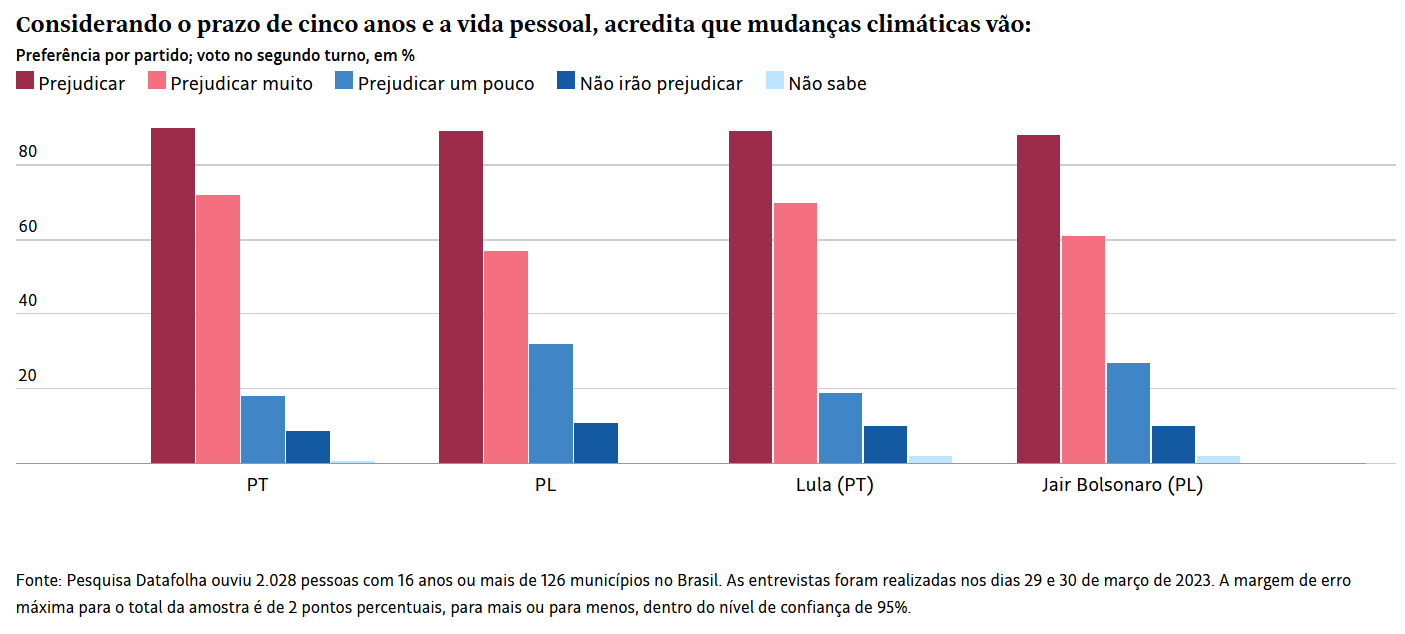
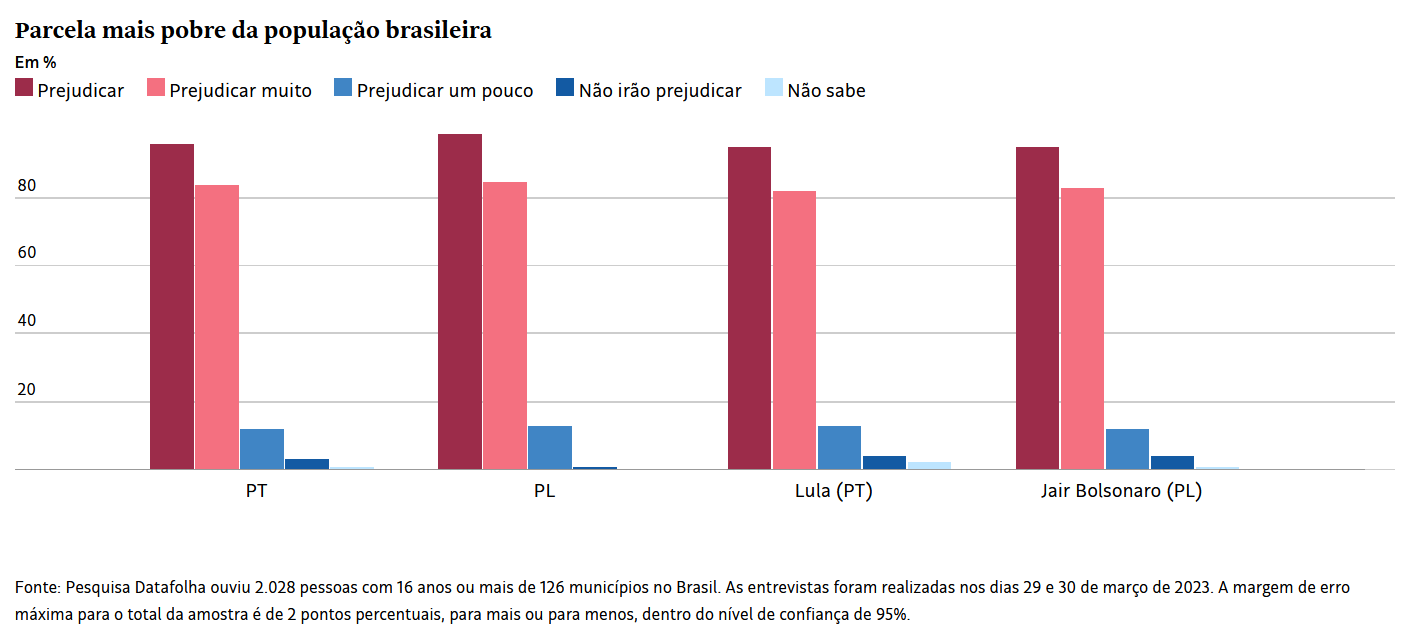
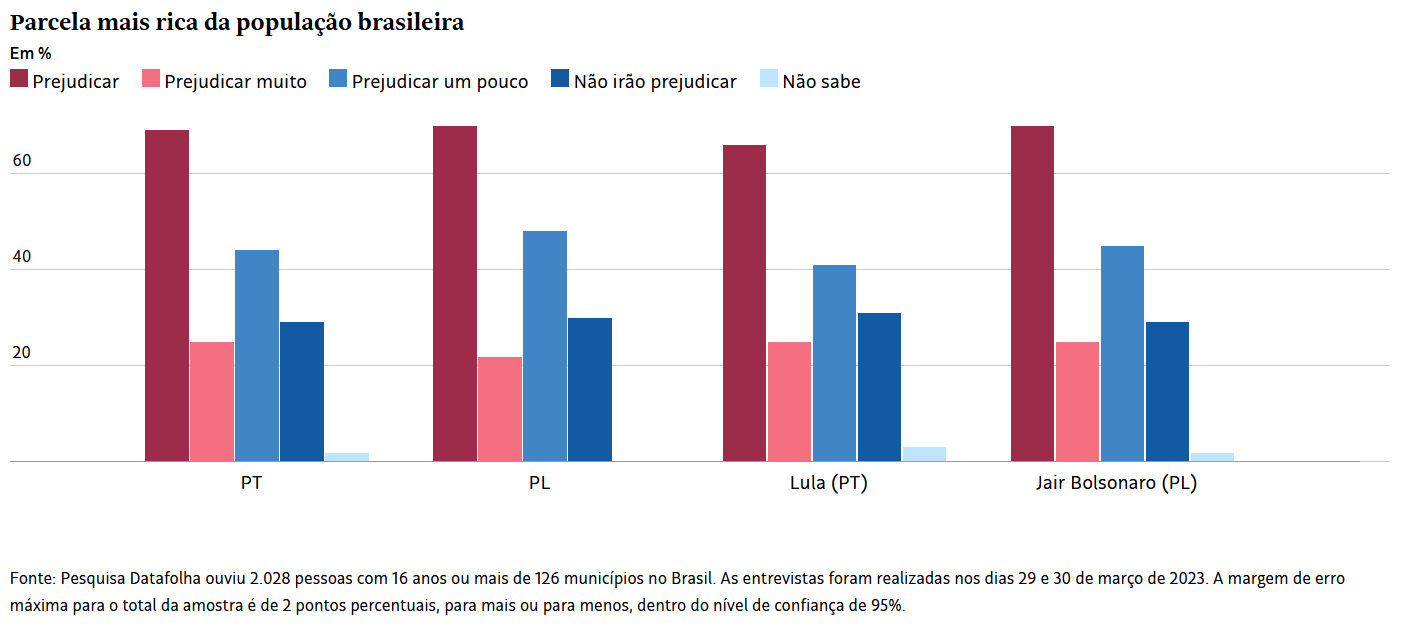

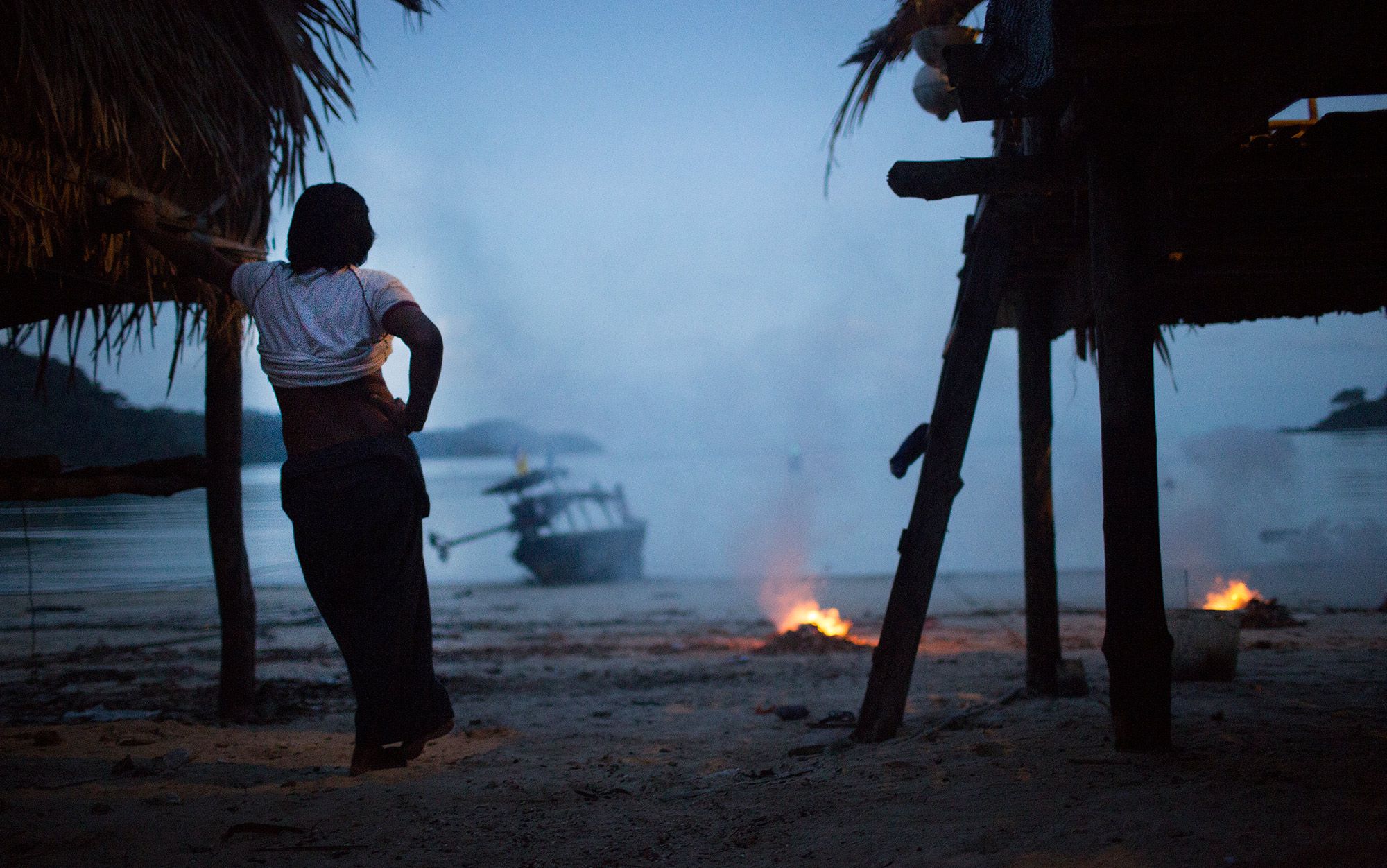
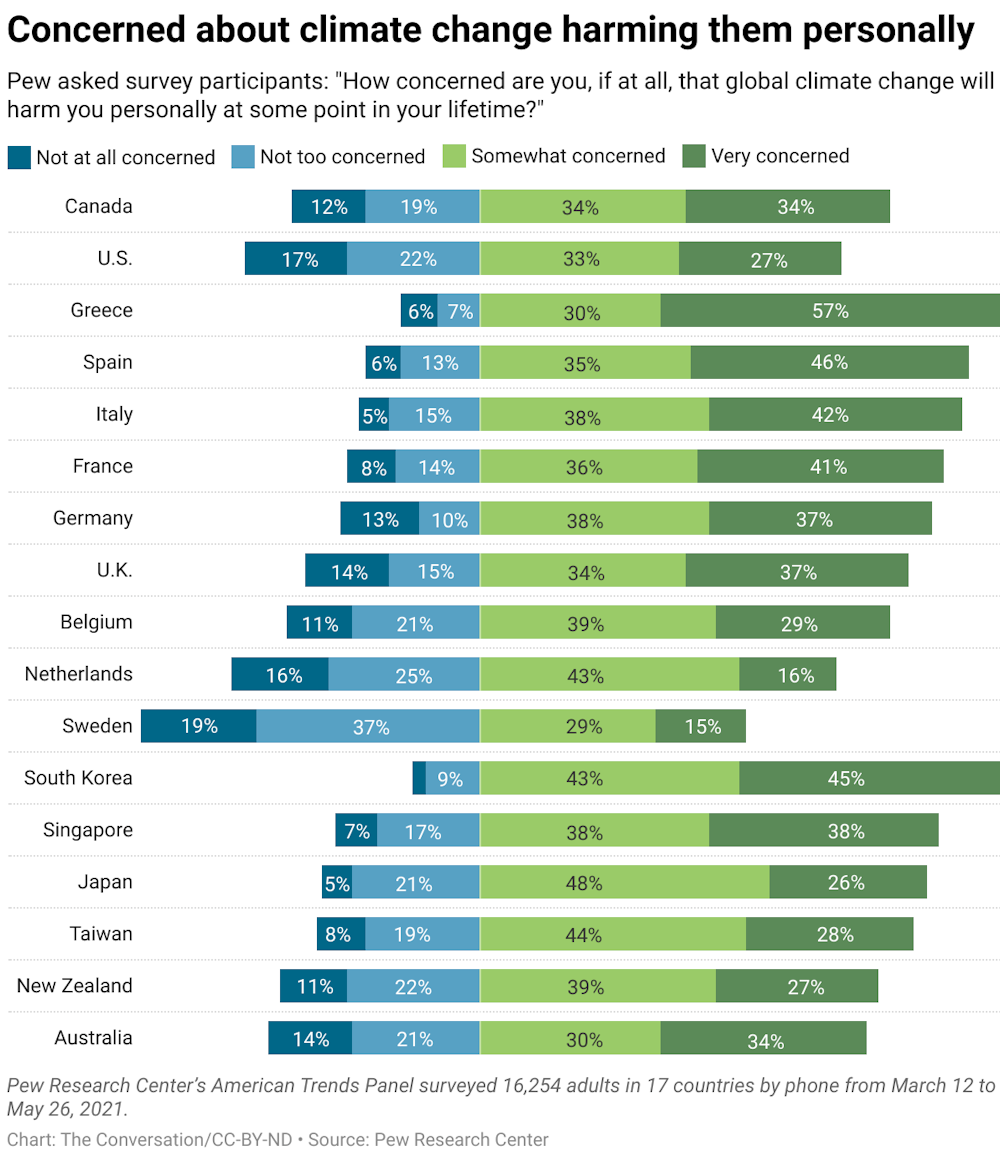


 Uma (in)certa antropologia

Você precisa fazer login para comentar.