Public release date: 13-Oct-2011
Contact: Louis Bergeron
Stanford University
No one is in a better position to monitor environmental conditions in remote areas of the natural world than the people living there. But many scientists believe the cultural and educational gulf between trained scientists and indigenous cultures is simply too great to bridge — that native peoples cannot be relied on to collect reliable data.
But now, researchers led by Stanford ecologist Jose Fragoso have completed a five-year environmental study of a 48,000-square-kilometer piece of the Amazon Basin that demonstrates otherwise. The results are presented in a paper published in the October issue of BioScience and are available online.
The study set out to determine the state of the vertebrate animal populations in the region and how they are affected by human activities. But Fragoso and his colleagues knew they couldn’t gather the data over such a huge area by themselves.
“The only way you are going to understand what is in the Amazon in terms of plants and animals and the environment, is to use this approach of training indigenous and the other local people to work with scientists,” Fragoso said.
“If I had tried to use only scientists, postdocs and graduate students to do the work, it would not have been accomplished.”
Fragoso and his colleagues worked in the Rupununi region in Guyana, a forest-savanna ecosystem occupied by the Makushi and Wapishana peoples. They support themselves primarily through a mix of subsistence hunting, fishing and agriculture, along with some commercial fishing, bird trapping and small-scale timber harvesting.
The researchers recruited 28 villages and trained more than 340 villagers in methods of collecting field data in a consistent, systematic way. The villagers were shown how to walk a transect through an area, recording sightings and signs of animals, noting the presence of plants that animals feed on and marking their observations on a map.
The training was not without its challenges. Many of the older villagers were expert bushmen, but could not read, write or do arithmetic. Many of the younger villagers, who had received some formal education, were literate but lacked knowledge of the animals and plants in the wilds around their communities. So researchers paired younger and older villagers to go into the field together. All the villagers were paid for the work they did.
Part of any scientific study is validating the accuracy of the data and Fragoso’s team knew that no matter how well they trained their indigenous technicians, they would have to analyze the data for errors and possible fabrications.
The researchers used a variety of methods, including having a different team of technicians or researchers walk some transects a second time, to verify that they were regularly walked by technicians, that data were accurate and that reported animal sightings were plausible. They also had technicians fill out monthly questionnaires about their work and did statistical analyses for patterns of discrepancy in the data.
The most consistently accurate data was recorded by technicians in communities that had strong leadership and that were part of a larger indigenous organization, such as an association of villages. Fabricated data was most common among technicians from villages unaffiliated or loosely affiliated with such an association, where there was less oversight.
The other main factor was whether a technician’s interest in the work went beyond a salary, whether he was interested in acquiring knowledge.
After all the data verification was done, the researchers found that on average, the indigenous technicians were every bit as able to systematically record accurate data as trained scientists. They were also probably better than scientists at detecting animals and their signs.
“This is the first study at a really large scale that shows that consistently valid field data can be collected by trained, indigenous peoples and it can be done really well,” Fragoso said. “We have measured the error and discovered that 28 percent of villages experienced some data fabrication. This originated from about 5 percent (18 out of 335) of technicians fabricating data, which may not be much different than what occurs in the community of scientists.”
“The indigenous technicians are no more corrupt, sloppy, or lazy than we are,” he said, noting that every year papers published in peer-reviewed science journals have to be withdrawn because of falsified or inaccurate data.
In all, the technicians walked over 43,000 kilometers through the wild, recording data. That’s once around the world and then some. They logged 48,000 sightings of animals of 267 species. They also recorded over 33,000 locations of fruit patches on which various species of animals feed.
Working with indigenous technicians enables researchers to gather far more data over a much larger area than would otherwise be possible, Fragoso said. Such data can be used by governments, scientists and conservation organizations to get an understanding of remote areas, from tropical forests to the Arctic tundra.
Fragoso is optimistic about how the results of the study will be received by the scientific community.
“I have presented this study to some pretty unreceptive groups, such as at scientific meetings, but by the end of the presentation audience members are either convinced, or at least they doubt their argument, which is a major achievement in itself,” he said.
“One thing about the scientific community – if you have enough solid data and the analysis is well done, there is very little you can argue against.”
* * *
[One should ask as well: Can scientists be relied on to gather reliable environmental data? Or journalists? Or politicians?]
Por Sandra O. Monteiro
Publicado em 13/outubro/2011
Cotidiano e tradições são relevantes para pesca e políticas regionais
Na Lagoa dos Patos, no Rio Grande do Sul, um desacordo entre a forma de exploração de uma comunidade de pescadores e a maneira de pensar a exploração de alguns pesquisadores das ciências naturais impede que políticas públicas para a região sejam efetivas. Isso estimula movimentos socias de desobediência civil contrários a normas estatais firmadas apenas em conceitos “científicos”.
A comunidade em questão está localizada na Ilha dos Marinheiros, segundo distrito da cidade de Rio Grande (RS), na Lagoa dos Patos. O local foi base de um estudo etnográfico desenvolvido pelo oceanógrafo Gustavo Moura, desenvolvido durante seu mestrado no Programa de Pós-graduação em Ciência Ambiental (Procam) da USP. Segundo o pesquisador, as comunidades locais denominam “nosso mar” o pedaço da Lagoa dos Patos em que cada grupo vive e desenvolve sua pesca. “Tal desentendimento impede que políticas públicas para a região sejam efetivas e atuem realmente na conservação dos recursos naturais ou na expansão das liberdades de quem vive da pesca na região”, observa Moura.
A pesquisa foi realizada por meio da vivência (observação de fenômenos naturais e sociais) e de entrevistas com os moradores locais. Para o pesquisador, a ciência por meio de suas metodologias e cálculos não consegue respostas para todos os fatos ou para dar a efetiva precisão a dados sobre fenômenos naturais. E as respostas que a ciência oferece é apenas uma das formas culturais de ver o mundo. A oceanografia clássica, por exemplo, preocupa-se em preservar o ambiente dentro de uma perspectiva exclusiva de análise técnica de um suposto comportamento matemático da natureza. Esquece, no entanto, que nem tudo é exato e exclui, da sua busca por respostas, o diálogo com as ciências humanas e as culturas tradicionais por considerá-las imprecisas. À respeito disto, Moura diz que a ciência oceanográfica não deve ser desconsiderada, mas experiências e valores humanos também são relevantes no estudo de fenômenos naturais e na formulação de políticas públicas.
Oceanografia Humana e Políticas Públicas
A etnoocenagrafia, uma das linhas de pesquisa da Oceanografia Humana, considera as tradições e observações sobre a natureza, que passam de pai para filho, que levam em conta o tempo cíclico da natureza (o vento, a lua e as chuvas, por exemplo). Além disso também observam a forma como cada comunidade interage com o “seu próprio mar” a partir de situações de comércio e em datas religiosas como a Páscoa “em que muitos pescadores não trabalham”, relata o pesquisador.
Oceanografia e antropologia favorecem conservação de recursos pesqueiros
Uma das questões polêmicas relaciona-se à melhor época para se pescar uma determinada espécie. Tem a ver com o tamanho do camarão-rosa, por exemplo. Nem sempre a melhor época para se pescar é de 01 de fevereiro a 31 de maio, como determina a lei de defesa do Instituto Brasileiro do Meio Ambiente e dos Recursos Naturais (Ibama). “Pois a natureza vista pelos pescadores tem uma lógica diferente da lógica científica. Uma espécie atinge o tamanho considerado bom pelos pescadores, frequentemente, numa data diversa da prevista em lei em quase todos os anos, antes ou depois de primeiro de fevereiro”, reflete o Moura.
A troca de informações diárias entre os próprios pescadores é outra situação que alguns pesquisadores e agentes de fiscalização locais não entendem e discriminam pela fato de ocorrerem em festas e bares. Estas trocas de informação tem relação, por exemplo, com a construção das decisões de quando, como e onde pescar dentro do território tradicional de pesca e com um conjunto de relações sociais instituídas pela posse informal de “pedaços de mar”.
Segundo Moura, quando regras tradicionais de uso dos recursos naturais são incorporadas nas políticas públicas, elas podem trazer menores prejuízos ambientais do que se baseadas em pura lógica científica. “Além disso, pode trazer mais liberdade para os pescadores trabalharem, em vez da castração de liberdades como ocorre com a política atual.”
A dissertação Águas da Coréia: pescadores, espaço e tempo na construção de um território de pesca na Lagoa dos Patos (RS) numa perspectiva etnooceanográfica foi orientada pelo professor Antonio Carlos Sant’Ana Diegues. O estudo será publicado na forma de livro pela editora NUPEEA, em 2012. “Águas da Coréia…” será o primeiro livro de etnooceanografia já publicado dentro e fora do Brasil, e uma das poucas publicações disponíveis na área de Oceanografia Humana.
Com informações da Agência Universitária de Notícias (AUN)
Fotos cedidas pelo pesquisador
By Heid Jerstad
Imponderabilia
Spring ’10 – Issue 2
Introduction: Climate change is something everyone comes across in their personal and day-to-day lives. This article explores some of the possible reasons why anthropology has been slow in taking up this issue and analogies are drawn with the postcolonial and feminist critiques of anthropology.
Some issues with an anthropology of climate change
Is there a stigma in anthropology about climate issues? Do you see this title and think ‘well, I switch off my lights, but this has no place in academia?’ I would like to reflect a little on why this might be so. As students we learn about the ‘personal as political’ in gender theory. I think the issue of climate change (and the related, but not identical, issue of peak oil) may be a fairly close parallel to the attention given to gender issues in anthropology during the 1980s. Both feminism and the climate change movement are political movements in society, wanting to change the way people live their lives. So why is climate change only present on the margins of anthropological research?
Several scholars have issued calls to action, arguing that this area needs further research (Rayner 1989, Battersbury 2008, Crate and Nuttall 2009). So far, however, it has been hard for anthropologists to directly engage with the issue of climate change. I propose in the following to discuss and examine several reasons for this.
Firstly, anthropology has in the past few decades focused on subjectivities of difference (Moore 2009). That is to say on minorities, colonial power imbalances and sexualities, to give a few examples. The theory developed to deal with these identity and power issues is then perhaps badly suited to address phenomena that are affecting the entire globe. All human societies seem to be experiencing some impact, regardless of which categories of difference they might fall into. In some cases, the social, economic and ecological impact of other, non-climatic changes – for instance the effect of mining and tubewells on the groundwater in Rajasthan (Jerstad 2009) – combines with climatic effects to ‘exacerbate . . . existing problems’ (Crate and Nuttall 2009:11). To comprehend this interaction, socially oriented analysis is required. The ethnographic focus of the anthropologist, sharpened as it has been by highlighting issues of difference, can contribute to more complete understandings of the complex agricultural, linguistic, ritual, local-global, differentiated forces and effects operating on various scales and infrastructures. Such research – on the societal effects of climate change – can benefit from the theory base of anthropology, and subjectivities of difference would certainly have their place in such an analysis.
Secondly, the issue of climate change forces contact between academic anthropology and the ‘hard’ sciences and ‘development.’ Each of these points of contact proves problematic in its own way.
‘Science’ has been set aside by mainstream anthropology to the degree that there is a set of ‘replacement’ parallels within the discipline – such as medical anthropology and ethnobiology. But it is within western science that the majority of the research on climate change has been done. Here scientists have become activists and found their scientific material to have ethical relevance. What they lack is an understanding of how climatic effects will impact human societies around the world existing under very different ecological and social conditions.
‘Development’ – though sometimes the site of fruitful collaboration with anthropology – operates under very different assumptions from anthropology (Mosse 2006). The tendency in development is to use climate change as an excuse to deal with existing problems such as drought or extreme weather events. Yet here there is a risk that climate change will be sidelined by governments and other internal social institutions as ‘just another issue’ for the development agencies to deal with.
Thirdly, a reluctance to engage politically, which is not new in the discipline, seems to contribute to anthropologists’ reluctance to tackle climate change as an issue. Could doing fieldwork today while ignoring ecological issues be seen as equivalent to doing fieldwork in the 1930s while ignoring the colonial presence? Both situations are political, placing anthropologists between the countries that fund them and those that provide the data for their work – countries that are themselves caught up in global power relationships. In the colonial instance, the anthropologist was often from the country colonising their area of study. Today issues of power relations are far more complex, but this is all the more reason not to ignore them. I am suggesting not only to place climate change in the ethics or methodology section of a monograph with reference to political relationships and logistical issues, but also to reflect on cultural relationships with the ‘weather,’ how it is changing and how these relationships in turn may be affected. In Crates’ work with the Sakha people of Siberia (2008), she introduces her call for anthropologists to become advocates with a story of the ‘bull of winter’ losing its horns and hence its strength, signalling spring. This meteorological model no longer meshes with experienced reality for the Sakha, highlighting the cultural implications of climatic change beyond ‘mere’ agricultural or economic effects (Vedwan and Rhoades 2001).
Another analogy, touched on in the introduction, is with gender. Problematising the gendered dimension of societies is a political act, but a necessary one in order to avoid the passive politics of unquestioningly reinforcing the status quo. An anthropological study of Indian weddings without mention of the hijras – cross-dressing dancers (Nanda 1990) – for instance, might leave the reader with the general impression that gender/sexuality in India is uniformly dualistic. In the same way, leaving energy relations to economists and political scientists is itself a political act. The impacts of climate change on humans, though mediated by wind and weather, are as social as gender relations, and are products of a particular set of power relations (Hornborg 2008). By ignoring them, anthropologists risk becoming passive supporters of this system.
An anthropology of climate change is emerging (Grodzins Gold 1998, Rudiak-Gould 2009), and anthropologists must reflect on and orient themselves in relation to this. Villagers and other informants are affected by drought, floods, storms and more subtle meteorological changes that are hard to pinpoint as climate-change caused but can be assumed to be climate-change exacerbated. Would anthropological work in these areas and on these issues primarily benefit aid organisations? I don’t think so. Giving academic credibility to problems people are facing can allow governments, corporations and other bodies to act and change policy in a world where the word of a villager tends to carry very little weight.
Bibliography
Battersbury, Simon. 2008. Anthropology and Global Warming: The Need for Environmental Engagement. Australian Journal of Anthropology 19 (1)
Crate, S. A. and Nuttall, 2009. Anthropology and Climate Change: From encounters to actions. Walnut Creek, CA: Left Coast Press.
Crate, S. A. 2008. “Gone the Bull of Winter? Grappling with the Cultural Implications of and Anthropology’s Role(s) in Global Climate Change.” Current Anthropology, 49 (4), 569.
Gold, Ann Grodzins. 1998. “Sin and Rain: Moral Ecology in Rural North India.” In Lance E. Nelson ed. Purifying the Earthly Body of God: Religion and Ecology in Hindu India. Albany: State University of New York Press, 165-195.
Hornberg, A. 2008. Machine fetishism and the consumer’s burden. Anthropology Today, 24 (5).
Jerstad, H. 2009. Climate Change in the Jaisamand Catchment Area: Vulnerability and Adaptation. Unpublished report for SPWD.
Mosse, D. 2006. Anti-social anthropology? Objectivity, objection and the ethnography of public policy and professional communities. Journal of the Royal Anthropological Institute (N.S.). 12 (4), 935-956.
Moore, Henrietta 20th Oct 2009 SOAS departmental seminar.
Nanda, S. 1990. Neither man nor woman: the hijras of India. Wadsworth: Open University Press.
Rayner, S. 1989. Fiddling While the Globe Warms? Anthropology Today 5 (6)
Rudiak-Gould, P. 2009. The Fallen Palm: Climate Change and Culture Change in the Marshall Islands. VDM Verlag.
Vedwan and Rhoades, 2001 Climate change in the western Himalayas of India: a study of local perception and response. Climate research, 19, 109-117.
Heid Jerstad is a Norwegian-English MA Res student at SOAS. After completing a BA in arch and anth at Oxford, she went to India and worked on the impacts of climate change in southern Rajasthan. She is now attempting to pursue related issues in her dissertation. In her spare time she volunteers in a Red Cross shop, hosts dinner parties and fights with her sword.
Research at the University of Liverpool has found that periods of rapid fluctuation in temperature coincided with the emergence of the first distant relatives of human beings and the appearance and spread of stone tools.
Dr Matt Grove from the School of Archaeology, Classics and Egyptology reconstructed likely responses of human ancestors to the climate of the past five million years using genetic modelling techniques. When results were mapped against the timeline of human evolution, Dr Grove found that key events coincided with periods of high variability in recorded temperatures.
Dr Grove said: “The study confirmed that a major human adaptive radiation – a pattern whereby the number of coexisting species increases rapidly before crashing again to near previous levels – coincided with an extended period of climatic fluctuation. Following the onset of high climatic variability around 2.7 million years ago a number of new species appear in the fossil record, with most disappearing by 1.5 million years ago. The first stone tools appear at around 2.6 million years ago, and doubtless assisted some of these species in responding to the rapidly changing climatic conditions.
“By 1.5 million years ago we are left with a single human ancestor – Homo erectus. The key to the survival of Homo erectus appears to be its behavioural flexibility – it is the most geographically widespread species of the period, and endures for over one and a half million years. Whilst other species may have specialized in environments that subsequently disappeared – causing their extinction – Homo erectus appears to have been a generalist, able to deal with many climatic and environmental contingencies.”
Dr Grove’s research is the first to explicitly model ‘Variability Selection’, an evolutionary process proposed by Professor Rick Potts in the late 1990s, and supports the pervasive influence of this process during human evolution. Variability selection suggests that evolution, when faced with rapid climatic fluctuation, should respond to the range of habitats encountered rather than to each individual habitat in turn; the timeline of variability selection established by Dr Grove suggests that Homo erectus could be a product of exactly this process.
Linking climatic fluctuation to the evolutionary process has implications for the current global climate change debate. Dr Grove said: “Though often discussed under the banner term of ‘global warming’, what we see in many areas of the world today is in fact an increased annual range of temperatures and conditions; this means in particular that third world human populations, many living in what are already marginal environments, will face ever more difficult situations. The current pattern of human-induced climate change is unlike anything we have seen before, and is disproportionately affecting areas whose inhabitants do not have the technology required to deal with it.”
The research is published in The Journal of Human Evolution and The Journal of Archaeological Science.
Rice University study reveals only 15 percent of scientists at major research universities see religion and science always in conflict
Throughout history, science and religion have appeared as being in perpetual conflict, but a new study by Rice University suggests that only a minority of scientists at major research universities see religion and science as requiring distinct boundaries.
“When it comes to questions about the meaning of life, ways of understanding reality, origins of Earth and how life developed on it, many have seen religion and science as being at odds and even in irreconcilable conflict,” said Rice sociologist Elaine Howard Ecklund. But a majority of scientists interviewed by Ecklund and colleagues viewed both religion and science as “valid avenues of knowledge” that can bring broader understanding to important questions, she said.
They interviewed a scientifically selected sample of 275 participants, pulled from a survey of 2,198 tenured and tenure-track faculty in the natural and social sciences at 21 elite U.S. research universities. Only 15 percent of those surveyed view religion and science as always in conflict. Another 15 percent say the two are never in conflict, and 70 percent believe religion and science are only sometimes in conflict. Approximately half of the original survey population expressed some form of religious identity, whereas the other half did not.
“Much of the public believes that as science becomes more prominent, secularization increases and religion decreases,” Ecklund said. “Findings like these among elite scientists, who many individuals believe are most likely to be secular in their beliefs, definitely call into question ideas about the relationship between secularization and science.”
Many of those surveyed cited issues in the public realm (teaching of creationism versus evolution, stem cell research) as reasons for believing there is conflict between the two. The study showed that these individuals generally have a particular kind of religion in mind (and religious people and institutions) when they say that religion and science are in conflict.
The study identified three strategies of action used by these scientists to manage the religion-science boundaries and the circumstances that the two could overlap.
Redefining categories – Scientists manage the science-religion relationship by changing the definition of religion, broadening it to include noninstitutionalized forms of spirituality.
Integration models – Scientists deliberately use the views of influential scientists who they believe have successfully integrated their religious and scientific beliefs.
Intentional talk – Scientists actively engage in discussions about the boundaries between science and religion.
“The kind of narrow research available on religion and science seems to ask if they are in conflict or not, when it should really ask the conditions under which they are in conflict,” Ecklund said. “Our research has found that even within the same person, there can be differing views. It’s very important to dispel the myth that people believe that religion and science either do or don’t conflict. Our study found that many people have much more nuanced views.”
These nuanced views often find their way into the classroom, according to those interviewed. One biologist, an atheist not part of any religious tradition, admitted that she makes a sincere effort to present science such that “religious students do not need to compromise their own selves.” Although she is not reconsidering her personal views on religion, she seeks out resources to keep her religious students engaged with science.
Other findings:
Scientists as a whole are substantially different from the American public in how they view teaching “intelligent design” in public schools. Nearly all of the scientists – religious and nonreligious alike – have a negative impression of the theory of intelligent design.
Sixty-eight percent of scientists surveyed consider themselves spiritual to some degree.
Scientists who view themselves as spiritual/religious are less likely to see religion and science in conflict.
Overall, under some circumstances even the most religious of scientists were described in very positive terms by their nonreligious peers; this suggests that the integration of religion and science is not so distasteful to all scientists.
Ecklund said the study’s findings will go far in improving the public’s perception of science. “I think it would be helpful for the public to see what scientists are actually saying about these topics, rather than just believe stereotypes,” she said. “It would definitely benefit public dialogue about the relationship between science and religion.”
Witch tax: Superstitions are no laughing matter in Romania and have been part of its culture for centuries. President Traian Basescu and his aides have been known to wear purple on certain days, supposedly to ward off evil.
By Alison Mutler, Associated Press / January 7, 2011
Romanian witch Mihaela Minca deals cards during an interview with The Associated Press in Mogosoaia, Romania, Wednesday, Jan. 5, 2011. Trouble is brewing for Romania’s witches, whose toil is being taxed for the first time despite their threats of putting curses on the government. Also being taxed for the first time are fortune tellers, who probably saw this coming. Vadim Ghirda/AP
CHITILA, ROMANIA
Everyone curses the tax man, but Romanian witches angry about having to pay up for the first time hurled poisonous mandrake into the Danube River on Thursday to cast spells on the president and government.
Romania’s newest taxpayers also included fortune tellers — but they probably should have seen it coming.
Superstitions are no laughing matter in Romania — the land of the medieval ruler who inspired the “Dracula” tale — and have been part of its culture for centuries. President Traian Basescu and his aides have been known to wear purple on certain days, supposedly to ward off evil.
A witch at the Danube named Alisia called the new tax law “foolish.”
“What is there to tax, when we hardly earn anything?” she said, identifying herself with only one name as many Romanian witches do.
Yet on the Chitila River in southern Romania, other witches gathered around a fire Thursday and threw corn into an icy river to celebrate Epiphany. They praised the new government measure, saying it gives them official recognition.
Witch Melissa Minca told The Associated Press she was “happy that we are legal,” before chanting a spell to call for a good harvest, clutching a jar of charmed river water, a sprig of mistletoe and a candle.
The new tax law is part of the government’s drive to collect more revenue and crack down on tax evasion in a country that is in recession.
In the past, the less mainstream professions of witch, astrologer and fortune teller were not listed in the Romanian labor code, as were those of embalmer, valet and driving instructor. People who worked those jobs used their lack of registration to evade paying income tax.
Under the new law, like any self-employed person, they will pay 16 percent income tax and make contributions to health and pension programs.
Some argue the law will be hard to enforce, as the payments to witches and astrologers usually are small cash amounts of 20 to 30 lei ($7-$10) per consultation.
Mircea Geoana, who lost the presidential race to Basescu in 2009, performed poorly during a crucial debate, and his camp blamed attacks of negative energy by their opponent’s aides.
Geoana aide Viorel Hrebenciuc alleged there was a “violet flame” conspiracy during the campaign, saying Basescu and other aides dressed in purple on Thursdays to increase his chances of victory.
Romanian officials still wear purple clothing on important days, because the color supposedly makes the wearer superior and wards off evil.
Such spiritualism has long been tolerated by the Orthodox Church in Romania, and the late Communist dictator Nicolae Ceausescu and his wife, Elena, had their own personal witch.
Queen witch Bratara Buzea, 63, who was imprisoned in 1977 for witchcraft under Ceausescu’s repressive regime, is furious about the new law.
Sitting cross-legged in her villa in the lake resort of Mogosoaia, just north of Bucharest, she said Wednesday she planned to cast a spell using a particularly effective concoction of cat excrement and a dead dog.
“We do harm to those who harm us,” she said. “They want to take the country out of this crisis using us? They should get us out of the crisis because they brought us into it.”
“My curses always work!” she cackled in a smoky voice, sitting next to a wood-burning stove, surrounded by potions, charms, holy water and ceramic pots.
But not every witch threatened fire and brimstone.
“This law is very good,” said Mihaela Minca, sister of Melissa. “It means that our magic gifts are recognized and I can open my own practice.”
In West Africa, widespread belief in witchcraft, black magic, and superstition undermine the fundamentals of journalism.
By Walter Rodgers / July 6, 2009
ABUJA, NIGERIA
In Nigeria recently, an angry mob demanded that police jail a goat. Vigilantes insisted the animal was a human car thief who transmogrified upon being apprehended. Nigerian law doesn’t recognize magic, witchcraft, or voodoo. Yet, faced with an angry mob, police acquiesced, arresting the goat.
This story was my object lesson for a Practical Reporting 101 class I taught to Nigerian journalism students this spring. There was just one problem: Some felt the goat was guilty. “These things actually happen,” one woman protested.
Objective truth is the ideal of journalism. It’s a destination reached through rigorous reporting rooted in skepticism. That’s a tall order in a society that’s so heavily riddled with superstition. In Nigeria, the sharp line between fact and fiction is badly blurred by centuries of animism and occultism that infects contemporary Muslim and Christian thinking as well as secular thought.
Journalistic skepticism is hard to teach where public imagination supersedes rational disbelief. As a result, journalism’s leavening effect on society is diminished. Reporters must always tread lightly in matters of religion, of course. Nearly all faiths hold to beliefs that defy everyday evidence. But, in the West at least, it’s understood that private religious beliefs – along with political beliefs – should be compartmentalized from the practice of journalism. A reporter’s religious beliefs, no matter how odd, don’t necessarily preclude good journalism. But when those beliefs clearly interfere with basic fact-checking and verification, then it’s worth examining how collective belief in magic can impede the civic development that good journalism fosters.
Black magic, malevolent curses, and witch doctors are woven into the fabric of West African society. “I don’t believe in witches, but I know they exist,” one of my students said. Television soap operas feature a villain sprinkling green powder on the doorstep of the woman next door. The following day she is shown writhing in agony. Great swaths of Nigerian society take these curses seriously.
Not infrequently, police hear reports that a man claims someone cast a spell to capture his spirit. Tradition here holds that if you sleep in bed with your feet at the headboard, you are communing with witches. Criminals buy charms from witch doctors to become invisible and escape arrest. A hairdresser tells of a client of another customer who reported a snake in her house that turned into a young woman. When the girl was taken to a Pentecostal church service she turned back into a snake. The journalistic canon of having two independent sources to confirm a news story becomes irrelevant when an entire congregation insists “it really happened.”
In Nigeria hearsay becomes conviction, then “truth,” and credibility grows in the retelling.
TV coverage lends currency to rumor. Take the story of four thieves apprehended by vigilantes who tied and bound them. According to dozens of village witnesses, there was supposedly a puff of smoke and the bound villains became four tethered crocodiles. One student insisted this was more credible than transubstantiation at Roman Catholic communion – the doctrine that the bread and wine become the body and blood of Jesus Christ – because “the TV news showed video of the four crocodiles.”
“We believe in God,” says Lydia Tolulope Adeleru, an American-educated daughter of a Baptist minister. “We also believe in our cultural gods like Sango, the god of iron, as well as Esu, the devil. We are a deeply religious people but we never left the old ways.” Africans often look for an unknown element to blame for disasters, floods, and crop failures. “If Christians have a God who makes Lucifer fall from heaven,” adds Ms. Adeleru, “what’s so strange about our juju [black magic]?”
The “rules of evidence” are easily contaminated here. Beatrice Funmilayo, a diplomat’s daughter, was a rare skeptic. “Nigerians have rich traditions of storytelling, but as journalists, we have to divorce ourselves from our cultural inclinations.” “Besides,” she said, “if these things really happened, wouldn’t they happen everywhere and not just [in] Nigeria?”
Shebanjo Ola is a university-educated attorney. He told of a woman in his village mixing sand and stones in a bowl and covering it with paper. When she removed the paper, the contents had magically turned into rice and meat. I asked, “Did you see it?” “No, but my mother did, and she never lies,” he replied. So much for the journalistic canon: “When your mother tells you she loves you, check it out.”
In one class I abruptly asked, “Has anyone here actually seen someone magically disappear?” Temple Ojutalayo assured me he had. He said his university professor teaching traditional folk medicine “disappeared in front of the entire class.”
I asked how many of these aspiring journalists believed in ghosts. The hands shot up. “What about UFOs?”
No response. Then a voice from the rear said, “Those only happen in America.”
Walter Rodgers is a former senior international correspondent for CNN. He writes a biweekly column for the Monitor’s weekly edition.
For years, Ghanaians have banished women from their villages who were suspected of witchcraft. Now, Ghana is trying to ban this practice.
By Clair MacDougall, Correspondent / September 15, 2011
ACCRA, GHANA
Ghanaian leaders and civil society groups met in the nation’s capital, Accra earlier this week to develop a plan to abolish the witches’ camps in the northern region, where over a thousand women and children who have been accused of sorcery are currently living in exile.
Deputy Minister for Women and Children’s Affairs Hajia Hawawu Boya Gariba said the ministry would be doing everything that it could to ensure the practice of families and neighbors banishing women from communities whom they suspected of being witches is abolished by developing legislation that would make it illegal to accuse someone of being a witch and gradually closing down camps and reintegrating women back into their communities.
“This practice has become an indictment on the conscience of our society,” Ms. Gariba said at the conference called Towards Banning “Witches” Camps. “The labeling of some of our kinsmen and women as witches and wizards and banishing them into camps where they live in inhuman and deplorable conditions is a violation of their fundamental human rights.”
Supreme Court Justice Rose Owusu also said that the practice violated numerous clauses in section 5 of Ghana’s 1992 Constitution. That section protects human rights and outlaws cultural practices which “dehumanize or are injurious to the physical and mental well-being of a person.” Ms. Owusu also called for the development of new legislation to outlaw the camps and the practice.
The witch camps of Ghana’s north
There are currently around 1,000 women and 700 children living in 6 of the witches’ camps in Ghana’s northern region.
Many of them are elderly women who have been accused of inflicting death, misfortune, and calamity on their neighbors and villages through sorcery, witchcraft, or “juju,” a term used throughout West Africa.
The women enjoy a certain degree of protection within these camps, located some distance from their communities in which they could be tortured, beaten to death, or lynched, but the conditions of the camps are often poor. The “accused witches,” as they are sometimes referred to, live in tiny thatched mud huts, and have limited access to food and must fetch water from nearby streams and creeks.
Forced to flee
An elderly woman named Bikamila Bagberi who has lived in Nabule witch camp in Gushegu a district in the Northern Region for the past 13 years, told the story of how she was forced to leave her village. Dressed in a headscarf, faded T-shirt, and cotton skirt, Ms. Bagberi spoke softly with her head bowed as a district assemblyman translated for the conference delegates.
Bagberi’s nephew, her brother-in-law’s son, had died unexpectedly and after the village soothsayer said she caused the death of the child her family tried make her confess to murdering him through sorcery. She said that when she refused she was beaten with an old bicycle chain, and later her nephew’s family members rubbed Ghanaian pepper sauce into her eyes and open wounds.
When asked whether she could return back to her village she said the family couldn’t bring her back into the community because of the fear that she will harm others. Bagberi said she expected to spend the rest of her life in the camp.
Catalyst for action
Human rights groups have been campaigning for the closure of the witches’ camps since the 1990s, but have had little success in abolishing the practice of sending women suspected of witchcraft into exile, in part because of lack of political will and the pervasiveness of the belief in witchcraft throughout Ghana. But the brutal murder of 72-year-old Ama Hemmah in the city of Tema in Novermber of last year, allegedly by six people, among them a Pentecostal pastor and his neighbors who are accused of dousing her with kerosene and setting her alight, caused public outrage and made headlines across the world. Since Hemmah’s death, opinion pieces and articles about the issue have featured in Ghana’s major newspapers, along with feature stores on local news programs.
Emmanuel Anukun-Dabson from Christian Outreach Fellowship, a group working with the accused witches at the Nabule camp and one of the organizers of the conference, suggested that a broader cultural shift needed to take place if the camps were to be abolished.
“In Ghana, we know that when a calamity happens or something befalls a family or a community the question is not what caused it, but rather who caused it?” Anukun-Dabson said. “We are a people who do not take responsibility for our actions; rather we find scapegoats and women are the targets.”
Chief Psychiatrist of Ghana’s Health Services Dr. Akwesi Osei, who spearheaded the conference, argued that a public awareness campaign on psychological disorders, dementia, and the mental and behavioral changes associated with menopause might help the public understand behaviors and perceived eccentricities that are often associated with witchcraft.
Belief in witchcraft and supernatural powers is common throughout Ghana, and Africa countries and is often encouraged by pastors who preach in the nation’s many charismatic churches. Supernatural themes and sorcery also feature strongly in Ghanaian and West African films and television programs.
Deputy Minister Gariba has called for another meeting to develop a more concrete road map and said that the National Disaster Management Organisation would be providing the witches’ camps with water tanks and additional food supplies.
Joojo Eenstua, another organizer of the camp who works with Christian Outreach Fellowship at Nabule, said the conference marked a new era in activism on the issue and believed that significant changes and improvements to the livelihoods of the women and children living in these witches camps would follow.
“There is more public awareness than before and there is more political will and momentum around this issue,” Ms. Eenstua says.
13 September 2011 by Roger Highfield
Magazine issue 2829.
Science has transformed our world, so why does the public have such an old-fashioned view of scientists, asks Quentin Cooper
What is the problem with the public’s image of scientists?
If you ask anyone, they will tell you that science has transformed their world with amazing discoveries. But then if you invite them to draw a scientist, what they depict is precisely what people would have described 50 years ago, back when the anthropologist Margaret Mead came up with what we now call the “draw a scientist” test.
How do people generally depict scientists?
It is uncanny: they draw someone with a hangdog look, frizzy hair and test tube in hand, all in a scene where things are going wrong. There are national variations. In Italy, scientists tend to be scarred and have bolts in their necks, like Frankenstein’s monster. In general, though, they are mostly white, male, bald and wearing a white coat. No wonder we have a problem recruiting scientists.
What do you think of attempts to make scientists cool, like the Studmuffins of Science calendar and GQ’s Rock Stars of Science?
They are doomed because for geek calendars and suchlike to work, they have to bounce off the stereotype. As a result, they reinforce it.
On TV there are plenty of science presenters who defy the stereotype, such as the physicist Brian Cox. Surely that helps?
It is true. They are not all white, male and old. Some have hair. Some, like Brian, arguably have too much! But while people know them and are familiar with their TV programmes, it is surprising what happens when you ask the public about their favourite science presenters. In the UK they usually nominate veterans, such as David Attenborough. In fact, in the last poll I saw, half the people could not name a TV science presenter. They don’t seem to recognise them as scientists because they don’t conform to the stereotype.
And this stereotype also applies to the best known scientist of all time, Einstein?
The image of the old Einstein with tongue out is the one everyone knows – the one taken on his 72nd birthday. But he was a dapper 26-year-old when he had his “annus mirabilis” and wrote the four papers that changed physics.
What do you think about the depiction of scientists in films?
What I find striking is you almost never see scientists on screen unless they are doing science. There are very few characters who happen to be scientists. And those scientists shown tend to be at best eccentric, at worst mad and/or evil.
How can we improve the image of scientists?
Even though the “draw a scientist” test started half a century ago, it was only in the 1980s that someone had the idea of introducing children to a real scientist after they had drawn one, and then asking them to have another go at drawing. One of my favourite examples is of the schoolgirl who initially drew a man with frizzy hair and a white coat, but afterwards depicted a smiling young woman holding a test tube. Above it is the word “me”. I still find myself choking up when I show it.
Profile Quentin Cooper is a science journalist and presenter of the BBC radio programme Material World. He is hosting the Cabaret of the Elements at the British Science Festival in Bradford on 10 September.
Environment
Posted on Monday, 08.29.11
BY ANDREW DESSLER
Texas Gov. Rick Perry stirred up controversy on the campaign trail recently when he dismissed the problem of climate change and accused scientists of basically making up the problem.
As a born-and-bred Texan, it’s especially disturbing to hear this now, when our state is getting absolutely hammered by heat and drought. I’ve got to wonder how any resident of Texas – and particularly the governor who not so long ago was asking us to pray for rain – can be so cavalier about climate change.
As a climate scientist at Texas A&M University, I can also tell you from the data that the current heat wave and drought in Texas is so bad that calling it “extreme weather” does not do it justice. July was the single hottest month in the observational record, and the 12 months that ended in July were drier than any corresponding period in the record. I know that climate change does not cause any specific weather event. But I also know that humans have warmed the climate over the last century, and that this warming has almost certainly made the heat wave and drought more extreme than it would have otherwise been.
I am not alone in these views. There are dozens of atmospheric scientists at Texas institutions like Rice, the University of Texas, and Texas A&M, and none of them dispute the mainstream scientific view of climate change. This is not surprising, since there are only a handful of atmospheric scientists in the entire world who dispute the essential facts – and their ranks are not increasing, as Gov. Perry claimed.
And I can assure Gov. Perry that scientists are not just another special interest looking to line their own pockets. I left a job as an investment banker on Wall Street in 1988 to go to graduate school in chemistry. I certainly didn’t make that choice to get rich, and I didn’t do it to exert influence in the international arena either.
I went into science because I wanted to devote my life to the search for scientific knowledge. and to make the world a better place. That’s the same noble goal that motivates most scientists. The ultimate dream is to make a discovery so profound and revolutionary that it catapults one into the pantheon of the greatest scientific minds of history: Newton, Einstein, Maxwell, Planck, etc.
This is just one of the many reasons it is inconceivable for an entire scientific community to conspire en masse to mislead the public. In fact, if climate scientists truly wanted to maximize funding, we would be claiming that we had no idea why the climate is changing – a position that would certainly attract bipartisan support for increased research.
The economic costs of the Texas heat wave and drought are enormous. The cost to Texas alone will be many billion dollars (hundreds of dollars for every resident), and these costs will ripple through the economy so that everyone will eventually pay for it. Gov. Perry needs to squarely face the choice confronting us; either we pay to reduce emissions of greenhouse gases, or we pay for the impacts of a changing climate. There is no free lunch.
Economists have looked at this problem repeatedly over the last two decades, and virtually every mainstream economist has concluded that the costs of reducing emissions are less than the costs of unchecked climate change. The only disagreement is on the optimal level of emissions reductions.
I suppose it should not be surprising when politicians like Gov. Perry choose to shoot the messenger rather than face this hard choice. He may view this as a legitimate policy on climate change, but it’s not one that the facts support.
A melancolia, da excentricidade romântica à patologia farmacêutica
Folha de S.Paulo, Ilustríssima
São Paulo, Domingo, 04 de Setembro de 2011
Por MARIA RITA KEHL
Descrita até a modernidade como um fenômeno da cultura, sinal de excentricidade e reclusão, a melancolia perdeu, com o advento da psicanálise, o caráter criativo. No século 21, se converte em patologia “bipolar”. Publicação de clássico do século 17 e filme de Lars von Trier trazem o melancólico de volta à cena.
O PLANETA MELANCHOLIA não é o Sol negro do poema de Nerval. É uma Lua incansável, cuja órbita desgovernada a aproxima da Terra indefesa até provocar uma colisão devastadora.
O filme de Lars von Trier mistura ficção científica com parábola moral, sofisticada e um tanto ingênua, como convém ao gênero. A destruição do mundo pela melancolia é precedida de um longo comentário sobre a perda de sentido da vida, pelo menos entre os habitantes da sociedade que Trier critica desde “Dançando no Escuro” (2000) e cujo imaginário o cineasta dinamarquês, confiante em seu método paranoico-crítico, conhece pelo cinema sem jamais ter pisado lá: os EUA.
Ao longo do filme, Trier semeia indicações de sua familiaridade com a história da melancolia no Ocidente. O cineasta, que se fez “persona non grata” em Cannes com provocações descabidas em defesa de Hitler, mostrou compreender a posição do melancólico como a de um sujeito em desacordo com o que se considera o Bem, no mundo em que vive. Em “Melancholia”, esta é a posição de Justine (Kirsten Dunst), prestes a se casar com um rapaz tão obsequioso em contentá-la que presenteia a noiva com a foto das macieiras em cuja sombra ela deverá ser feliz.
Feliz? A perspectiva do futuro congelado numa imagem perpétua congela também o desejo de Justine, que se desajusta de seu papel e estraga a festa caríssima organizada pela irmã, cheia de rituais destinados a produzir os efeitos de “happiness” exigidos dos filhos da sociedade da abundância.
SINTOMA SOCIAL Se não tivesse o mérito de desvendar a estupidez da fé contemporânea nos “efeitos de felicidade” como medida de todas as coisas, o filme de Trier já terá valido por reabilitar a figura da melancolia como indicador do sintoma social.
Por mais de dois milênios, as oscilações da sensibilidade melancólica indagaram a cultura ocidental a respeito da fronteira que separa o louco e o gênio. Desde a Antiguidade clássica, o melancólico, incapaz de corresponder à “demanda do Outro”, denunciava o que não ia bem, no laço social.
A crise que leva Justine a arrebentar seu compromisso amoroso, sua festa de casamento e seu emprego numa única noite é conduzida com precisão didática pelo diretor. Uma observação cruel da mãe (representação perfeita da mãe do melancólico freudiano), seguida da indiferença do pai, deflagra em Justine uma verdadeira crise de fé. De repente, a noiva se exclui da cena na qual deveria ser a principal protagonista. Não acredita mais. Despenca da rede imaginária que sustenta o que se costuma chamar de realidade, ficção coletiva capaz de dotar a vida de significado e valor.
Justine, incapaz de olhar o mundo através do véu de fantasia que conforta aos outros, “os tais sãos” (como no verso de Pessoa), enxerga o que a cena encobre. Ela não teme a chegada de Melancholia porque nunca foi capaz de se iludir sobre a finitude de tudo o que existe. Justine “vê coisas”. Árida vida a de quem vê demais porque não sabe fantasiar.
EXCEÇÃO Desde a Antiguidade o melancólico foi entendido, no Ocidente, como aquele que ocupa um lugar de exceção na cultura. O pathos melancólico foi explicado por Hipócrates e Galeno com base na teoria dos quatro humores que regulam o funcionamento do corpo e da alma. As oscilações da bile negra fariam do melancólico um ser inconstante, a um só tempo doentio e genial, impelido a criar para aplacar as oscilações de seu temperamento.
No cerne de sua reflexão “O Homem de Gênio e a Melancolia” (O Problema XXX), Aristóteles já discernira uma questão ética a respeito dos excessos emocionais do melancólico e uma questão estética sobre o gênio criador. Daí o incômodo papel que lhe coube: questionar os significantes que sustentam o imaginário de sua época.
SÉCULO 19 A tradição inaugurada por Aristóteles termina com Baudelaire já no século 19 -o último dos românticos, o primeiro dos modernos, segundo outro melancólico genial, Walter Benjamin. Para suportar os altos e baixos de seu temperamento e dar algum destino à sua excentricidade, alguns melancólicos dedicaram-se a tentar compreender seu mal.
O classicismo inglês produziu o mais completo compêndio sobre a melancolia de que se tem conhecimento, obra da vida inteira do bibliotecário de Oxford Robert Burton (1577-1640).
Sua “A Anatomia da Melancolia”, publicada em 1621 e reeditada várias vezes nas décadas seguintes, é um compêndio de mais de 1.400 páginas contendo tudo o que se podia saber sobre a “doença” de seu autor. A editora da Universidade Federal do Paraná acaba de lançar no Brasil o primeiro volume de “A Anatomia da Melancolia” [trad. Guilherme Gontijo Flores, 265 págs., preço não definido].
É pena que o primeiro volume se limite ao longo introito do autor a seus leitores. Esperamos que em breve a Editora UFPR publique uma seleção dos capítulos do livro, que inicia com as causas da melancolia -“Delírio, frenesi, loucura” […] “Solidão e ócio” […] “A força da imaginação”…- segue com a descrição dos paliativos para aliviar o sofrimento (“alegria, boa companhia, belos objetos…”) para ao final abordar a melancolia amorosa e a melancolia religiosa.
O autor assinou a obra como Demócrito Júnior, a afirmar sua identificação com o filósofo que, segundo a descrição de Hipócrates, afastou-se do convívio com os homens e, diante da vacuidade do mundo, costumava rir de tudo. O riso do melancólico é expressão do escárnio ante as ilusões alheias.
A empreitada de Burton só foi possível em uma época em que a melancolia era entendida não apenas como uma doença, mas como um fenômeno da cultura. O texto seminal de Aristóteles já continha uma reflexão sobre a capacidade criativa do melancólico, atribuída à instabilidade que o impele a expandir sua alma em todas as direções do universo.
FREUD Tal processo de desidentificação encontra-se também no diagnóstico freudiano, ao qual falta, entretanto, a contrapartida da mimesis. Solto da rede imaginária que o enlaça a si mesmo e ao mundo, o melancólico contemporâneo só conta de encarar o Real com a aridez do simbólico.
Algo se passou, na modernidade, para que a inconsistência imaginária do melancólico deixasse de estimulá-lo a reinventar as representações do mundo e ficasse à mercê da Coisa. A receita preparada para Justine tem gosto de cinzas; fios de lã invisíveis impedem suas pernas de andar. Diante desse horror, ela prefere a colisão com Melancholia.
A melancolia deixou de ser entendida como um desajuste referido às normas da vida pública quando Freud arrebatou o significante de seu sentido tradicional a fim de trazer para o campo da psicanálise o diagnóstico psiquiátrico da então chamada psicose maníaco-depressiva -que hoje a medicina retomou sob a designação de transtorno bipolar.
Freud não privatizou a melancolia por acaso: a própria psicanálise deve sua existência ao surgimento do sujeito neurótico gerado nas tramas da família burguesa, fechada sobre si mesma e fundada em compromissos de amor. A psicanálise freudiana é contemporânea ao acabamento da forma subjetiva do indivíduo e à privatização das tarefas de socialização das crianças.
Vem daí que o melancólico freudiano não se pareça em nada com seus colegas pré-modernos: o valente guerreiro exposto à vergonha diante de seus pares (Ajax), o anacoreta em crise de fé (santo Antônio), o pensador renascentista ocupado em restaurar a ordem de um mundo em constante transformação (como na gravura de Dürer). Nem faz lembrar, na aurora modernidade, o “flâneur” a recolher restos de um mundo em ruínas pelas ruas de uma grande cidade (Baudelaire) de modo a compor um monumento poético para fazer face à barbárie.
O melancólico freudiano é o bebê repudiado pela mãe, pobre eu transformado em dejeto sobre o qual caiu a sombra de um objeto mau. O que se perdeu na transição efetuada pela psicanálise foi o valor criativo que se atribuía ao melancólico, da Antiguidade ao romantismo. Perdeu-se o valor do polo maníaco do que hoje a medicina chama de transtorno bipolar.
Onde o melancólico pré-moderno, em seus momentos de euforia, era dado a expansões da imaginação poética, hoje a mania leva os pacientes “bipolares” a torrar dinheiro no cartão de crédito. O consumo é o ato que expressa os atuais clientes da psicofarmacologia, apartados da potência criadora que sua inadaptação ao mundo poderia lhes conferir.
DEPRESSÃO Já não existem melancólicos como os de antigamente? Os neurocientistas que o digam. A psiquiatria e a indústria farmacêutica já escolheram seu substituto no século 21: no lugar do significante melancolia, instala-se a depressão como grande sintoma do mal-estar na civilização do terceiro milênio. Quanto mais se sofistica a oferta de antidepressivos, mais a depressão se anuncia no horizonte como expressão privilegiada do mal-estar, a ameaçar sociedades que se dedicam a ignorar o saber que ela contém.
Tal produção ativa de ignorância a respeito do sentido da melancolia está no centro da parábola de Lars von Trier. John, cunhado de Justine, afirma sua fé no mundo das mercadorias. Abastece a casa com comida, combustível, geradores de energia. Confia na informação científica divulgada pela internet. Verifica no telescópio a aproximação do planeta ameaçador.
Sua defesa é tão frágil que, diante do inevitável, suicida-se com uma overdose das pílulas da esposa. Claire, por sua vez, tem grande fé na encenação da vida. O fracasso do casamento espetacular da irmã não a impede de planejar outro pequeno ritual, na bela varanda da casa, com música e vinho, para esperar a chegada de Melancholia. Excelente final para um melodrama hollywoodiano, que Justine descarta com desprezo.
Justine não tem ilusões a respeito do fim. Mesmo assim, para proteger o sobrinho do horror final, mostra-se capaz de criar a mais onipotente das fantasias. Constrói com ele uma frágil tenda “mágica” sob a qual se abrigam para esperar a explosão de luz trazida pela colisão com Melancholia.
O triângulo formado por três galhos presos na ponta não chega a criar uma ilusão: são como traços de uma escrita, como um significante a demarcar, “in extremis”, um território humano em face do Real.
FRIDAY, AUGUST 26, 2011 (nakedcapitalism.com) What is Debt? – An Interview with Economic Anthropologist David Graeber
David Graeber currently holds the position of Reader in Social Anthropology at Goldsmiths University London. Prior to this he was an associate professor of anthropology at Yale University. He is the author of ‘Debt: The First 5,000 Years’ which is available from Amazon.
Interview conducted by Philip Pilkington, a journalist and writer based in Dublin, Ireland.
Philip Pilkington: Let’s begin. Most economists claim that money was invented to replace the barter system. But you’ve found something quite different, am I correct?
David Graeber: Yes there’s a standard story we’re all taught, a ‘once upon a time’ — it’s a fairy tale.
It really deserves no other introduction: according to this theory all transactions were by barter. “Tell you what, I’ll give you twenty chickens for that cow.” Or three arrow-heads for that beaver pelt or what-have-you. This created inconveniences, because maybe your neighbor doesn’t need chickens right now, so you have to invent money.
The story goes back at least to Adam Smith and in its own way it’s the founding myth of economics. Now, I’m an anthropologist and we anthropologists have long known this is a myth simply because if there were places where everyday transactions took the form of: “I’ll give you twenty chickens for that cow,” we’d have found one or two by now. After all people have been looking since 1776, when the Wealth of Nations first came out. But if you think about it for just a second, it’s hardly surprising that we haven’t found anything.
Think about what they’re saying here – basically: that a bunch of Neolithic farmers in a village somewhere, or Native Americans or whatever, will be engaging in transactions only through the spot trade. So, if your neighbor doesn’t have what you want right now, no big deal. Obviously what would really happen, and this is what anthropologists observe when neighbors do engage in something like exchange with each other, if you want your neighbor’s cow, you’d say, “wow, nice cow” and he’d say “you like it? Take it!” – and now you owe him one. Quite often people don’t even engage in exchange at all – if they were real Iroquois or other Native Americans, for example, all such things would probably be allocated by women’s councils.
So the real question is not how does barter generate some sort of medium of exchange, that then becomes money, but rather, how does that broad sense of ‘I owe you one’ turn into a precise system of measurement – that is: money as a unit of account?
By the time the curtain goes up on the historical record in ancient Mesopotamia, around 3200 BC, it’s already happened. There’s an elaborate system of money of account and complex credit systems. (Money as medium of exchange or as a standardized circulating units of gold, silver, bronze or whatever, only comes much later.)
So really, rather than the standard story – first there’s barter, then money, then finally credit comes out of that – if anything its precisely the other way around. Credit and debt comes first, then coinage emerges thousands of years later and then, when you do find “I’ll give you twenty chickens for that cow” type of barter systems, it’s usually when there used to be cash markets, but for some reason – as in Russia, for example, in 1998 – the currency collapses or disappears.
PP: You say that by the time historical records start to be written in the Mesopotamia around 3200 BC a complex financial architecture is already in place. At the same time is society divided into classes of debtors and creditors? If not then when does this occur? And do you see this as the most fundamental class division in human history?
DG: Well historically, there seem to have been two possibilities.
One is what you found in Egypt: a strong centralized state and administration extracting taxes from everyone else. For most of Egyptian history they never developed the habit of lending money at interest. Presumably, they didn’t have to.
Mesopotamia was different because the state emerged unevenly and incompletely. At first there were giant bureaucratic temples, then also palace complexes, but they weren’t exactly governments and they didn’t extract direct taxes – these were considered appropriate only for conquered populations. Rather they were huge industrial complexes with their own land, flocks and factories. This is where money begins as a unit of account; it’s used for allocating resources within these complexes.
Interest-bearing loans, in turn, probably originated in deals between the administrators and merchants who carried, say, the woollen goods produced in temple factories (which in the very earliest period were at least partly charitable enterprises, homes for orphans, refugees or disabled people for instance) and traded them to faraway lands for metal, timber, or lapis lazuli. The first markets form on the fringes of these complexes and appear to operate largely on credit, using the temples’ units of account. But this gave the merchants and temple administrators and other well-off types the opportunity to make consumer loans to farmers, and then, if say the harvest was bad, everybody would start falling into debt-traps.
This was the great social evil of antiquity – families would have to start pawning off their flocks, fields and before long, their wives and children would be taken off into debt peonage. Often people would start abandoning the cities entirely, joining semi-nomadic bands, threatening to come back in force and overturn the existing order entirely. Rulers would regularly conclude the only way to prevent complete social breakdown was to declare a clean slate or ‘washing of the tablets,’ they’d cancel all consumer debt and just start over. In fact, the first recorded word for ‘freedom’ in any human language is the Sumerian amargi, a word for debt-freedom, and by extension freedom more generally, which literally means ‘return to mother,’ since when they declared a clean slate, all the debt peons would get to go home.
PP: You have noted in the book that debt is a moral concept long before it becomes an economic concept. You’ve also noted that it is a very ambivalent moral concept insofar as it can be both positive and negative. Could you please talk about this a little? Which aspect is more prominent?
DG: Well it tends to pivot radically back and forth.
One could tell the history like this: eventually the Egyptian approach (taxes) and Mesopotamian approach (usury) fuse together, people have to borrow to pay their taxes and debt becomes institutionalized.
Taxes are also key to creating the first markets that operate on cash, since coinage seems to be invented or at least widely popularized to pay soldiers – more or less simultaneously in China, India, and the Mediterranean, where governments find the easiest way to provision the troops is to issue them standard-issue bits of gold or silver and then demand everyone else in the kingdom give them one of those coins back again. Thus we find that the language of debt and the language of morality start to merge.
In Sanskrit, Hebrew, Aramaic, ‘debt,’ ‘guilt,’ and ‘sin’ are actually the same word. Much of the language of the great religious movements – reckoning, redemption, karmic accounting and the like – are drawn from the language of ancient finance. But that language is always found wanting and inadequate and twisted around into something completely different. It’s as if the great prophets and religious teachers had no choice but to start with that kind of language because it’s the language that existed at the time, but they only adopted it so as to turn it into its opposite: as a way of saying debts are not sacred, but forgiveness of debt, or the ability to wipe out debt, or to realize that debts aren’t real – these are the acts that are truly sacred.
How did this happen? Well, remember I said that the big question in the origins of money is how a sense of obligation – an ‘I owe you one’ – turns into something that can be precisely quantified? Well, the answer seems to be: when there is a potential for violence. If you give someone a pig and they give you a few chickens back you might think they’re a cheapskate, and mock them, but you’re unlikely to come up with a mathematical formula for exactly how cheap you think they are. If someone pokes out your eye in a fight, or kills your brother, that’s when you start saying, “traditional compensation is exactly twenty-seven heifers of the finest quality and if they’re not of the finest quality, this means war!”
Money, in the sense of exact equivalents, seems to emerge from situations like that, but also, war and plunder, the disposal of loot, slavery. In early Medieval Ireland, for example, slave-girls were the highest denomination of currency. And you could specify the exact value of everything in a typical house even though very few of those items were available for sale anywhere because they were used to pay fines or damages if someone broke them.
But once you understand that taxes and money largely begin with war it becomes easier to see what really happened. After all, every Mafiosi understands this. If you want to take a relation of violent extortion, sheer power, and turn it into something moral, and most of all, make it seem like the victims are to blame, you turn it into a relation of debt. “You owe me, but I’ll cut you a break for now…” Most human beings in history have probably been told this by their debtors. And the crucial thing is: what possible reply can you make but, “wait a minute, who owes what to who here?” And of course for thousands of years, that’s what the victims have said, but the moment you do, you are using the rulers’ language, you’re admitting that debt and morality really are the same thing. That’s the situation the religious thinkers were stuck with, so they started with the language of debt, and then they tried to turn it around and make it into something else.
PP: You’d be forgiven for thinking this was all very Nietzschean. In his ‘On the Genealogy of Morals’ the German philosopher Friedrich Nietzsche famously argued that all morality was founded upon the extraction of debt under the threat of violence. The sense of obligation instilled in the debtor was, for Nietzsche, the origin of civilisation itself. You’ve been studying how morality and debt intertwine in great detail. How does Nietzsche’s argument look after over 100 years? And which do you see as primal: morality or debt?
DG: Well, to be honest, I’ve never been sure if Nietzsche was really serious in that passage or whether the whole argument is a way of annoying his bourgeois audience; a way of pointing out that if you start from existing bourgeois premises about human nature you logically end up in just the place that would make most of that audience most uncomfortable.
In fact, Nietzsche begins his argument from exactly the same place as Adam Smith: human beings are rational. But rational here means calculation, exchange and hence, trucking and bartering; buying and selling is then the first expression of human thought and is prior to any sort of social relations.
But then he reveals exactly why Adam Smith had to pretend that Neolithic villagers would be making transactions through the spot trade. Because if we have no prior moral relations with each other, and morality just emerges from exchange, then ongoing social relations between two people will only exist if the exchange is incomplete – if someone hasn’t paid up.
But in that case, one of the parties is a criminal, a deadbeat and justice would have to begin with the vindictive punishment of such deadbeats. Thus he says all those law codes where it says ‘twenty heifers for a gouged-out eye’ – really, originally, it was the other way around. If you owe someone twenty heifers and don’t pay they gouge out your eye. Morality begins with Shylock’s pound of flesh.
Needless to say there’s zero evidence for any of this – Nietzsche just completely made it up. The question is whether even he believed it. Maybe I’m an optimist, but I prefer to think he didn’t.
Anyway it only makes sense if you assume those premises; that all human interaction is exchange, and therefore, all ongoing relations are debts. This flies in the face of everything we actually know or experience of human life. But once you start thinking that the market is the model for all human behavior, that’s where you end up with.
If however you ditch the whole myth of barter, and start with a community where people do have prior moral relations, and then ask, how do those moral relations come to be framed as ‘debts’ – that is, as something precisely quantified, impersonal, and therefore, transferrable – well, that’s an entirely different question. In that case, yes, you do have to start with the role of violence.
PP: Interesting. Perhaps this is a good place to ask you about how you conceive your work on debt in relation to the great French anthropologist Marcel Mauss’ classic work on gift exchange.
DG: Oh, in my own way I think of myself as working very much in the Maussian tradition. Mauss was one of the first anthropologists to ask: well, all right, if not barter, then what? What do people who don’t use money actually do when things change hands? Anthropologists had documented an endless variety of such economic systems, but hadn’t really worked out common principles. What Mauss noticed was that in almost all of them, everyone pretended as if they were just giving one another gifts and then they fervently denied they expected anything back. But in actual fact everyone understood there were implicit rules and recipients would feel compelled to make some sort of return.
What fascinated Mauss was that this seemed to be universally true, even today. If I take a free-market economist out to dinner he’ll feel like he should return the favor and take me out to dinner later. He might even think that he is something of chump if he doesn’t and this even if his theory tells him he just got something for nothing and should be happy about it. Why is that? What is this force that compels me to want to return a gift?
This is an important argument, and it shows there is always a certain morality underlying what we call economic life. But it strikes me that if you focus too much on just that one aspect of Mauss’ argument you end up reducing everything to exchange again, with the proviso that some people are pretending they aren’t doing that.
Mauss didn’t really think of everything in terms of exchange; this becomes clear if you read his other writings besides ‘The Gift’. Mauss insisted there were lots of different principles at play besides reciprocity in any society – including our own.
For example, take hierarchy. Gifts given to inferiors or superiors don’t have to be repaid at all. If another professor takes our economist out to dinner, sure, he’ll feel that he should reciprocate; but if an eager grad student does, he’ll probably figure just accepting the invitation is favor enough; and if George Soros buys him dinner, then great, he did get something for nothing after all. In explicitly unequal relations, if you give somebody something, far from doing you a favor back, they’re more likely to expect you to do it again.
Or take communistic relations – and I define this, following Mauss actually, as any ones where people interact on the basis of ‘from each according to their abilities to each according to their needs’. In these relations people do not rely on reciprocity, for example, when trying to solve a problem, even inside a capitalist firm. (As I always say, if somebody working for Exxon says, “hand me the screwdriver,” the other guy doesn’t say, “yeah and what do I get for it?”) Communism is in a way the basis of all social relations – in that if the need is great enough (I’m drowning) or the cost small enough (can I have a light?) everyone will be expected to act that way.
Anyway that’s one thing I got from Mauss. There are always going to be lots of different sorts of principles at play simultaneously in any social or economic system – which is why we can never really boil these things down to a science. Economics tries to, but it does it by ignoring everything except exchange.
PP: Let’s move onto economic theory then. Economics has some pretty specific theories about what money is. There’s the mainstream approach that we discussed briefly above; this is the commodity theory of money in which specific commodities come to serve as a medium of exchange to replace crude barter economies. But there’s also alternative theories that are becoming increasingly popular at the moment. One is the Circuitist theory of money in which all money is seen as a debt incurred by some economic agent. The other – which actually integrates the Circuitist approach – is the Chartalist theory of money in which all money is seen as a medium of exchange issued by the Sovereign and backed by the enforcement of tax claims. Maybe you could say something about these theories?
DG: One of my inspirations for ‘Debt: The First 5,000 Years’ was Keith Hart’s essay ‘Two Sides of the Coin’. In that essay Hart points out that not only do different schools of economics have different theories on the nature of money, but there is also reason to believe that both are right. Money has, for most of its history, been a strange hybrid entity that takes on aspects of both commodity (object) and credit (social relation.) What I think I’ve managed to add to that is the historical realization that while money has always been both, it swings back and forth – there are periods where credit is primary, and everyone adopts more or less Chartalist theories of money and others where cash tends to predominate and commodity theories of money instead come to the fore. We tend to forget that in, say, the Middle Ages, from France to China, Chartalism was just common sense: money was just a social convention; in practice, it was whatever the king was willing to accept in taxes.
PP: You say that history swings between periods of commodity money and periods of virtual money. Do you not think that we’ve reached a point in history where due to technological and cultural evolution we may have seen the end of commodity money forever?
DG: Well, the cycles are getting a bit tighter as time goes by. But I think we’ll still have to wait at least 400 years to really find out. It is possible that this era is coming to an end but what I’m more concerned with now is the period of transition.
The last time we saw a broad shift from commodity money to credit money it wasn’t a very pretty sight. To name a few we had the fall of the Roman Empire, the Kali Age in India and the breakdown of the Han dynasty… There was a lot of death, catastrophe and mayhem. The final outcome was in many ways profoundly libratory for the bulk of those who lived through it – chattel slavery, for example, was largely eliminated from the great civilizations. This was a remarkable historical achievement. The decline of cities actually meant most people worked far less. But still, one does rather hope the dislocation won’t be quite so epic in its scale this time around. Especially since the actual means of destruction are so much greater this time around.
PP: Which do you see as playing a more important role in human history: money or debt?
DG: Well, it depends on your definitions. If you define money in the broadest sense, as any unit of account whereby you can say 10 of these are worth 7 of those, then you can’t have debt without money. Debt is just a promise that can be quantified by means of money (and therefore, becomes impersonal, and therefore, transferable.) But if you are asking which has been the more important form of money, credit or coin, then probably I would have to say credit.
PP: Let’s move on to some of the real world problems facing the world today. We know that in many Western countries over the past few years households have been running up enormous debts, from credit card debts to mortgages (the latter of which were one of the root causes of the recent financial crisis). Some economists are saying that economic growth since the Clinton era was essentially run on an unsustainable inflating of household debt. From an historical perspective what do you make of this phenomenon?
DG: From an historical perspective, it’s pretty ominous. One could go further than the Clinton era, actually – a case could be made that we are seeing now is the same crisis we were facing in the 70s; it’s just that we managed to fend it off for 30 or 35 years through all these elaborate credit arrangements (and of course, the super-exploitation of the global South, through the ‘Third World Debt Crisis’.)
As I said Eurasian history, taken in its broadest contours, shifts back and forth between periods dominated by virtual credit money and those dominated by actual coin and bullion. The credit systems of the ancient Near East give way to the great slave-holding empires of the Classical world in Europe, India, and China, which used coinage to pay their troops. In the Middle Ages the empires go and so does the coinage – the gold and silver is mostly locked up in temples and monasteries – and the world reverts to credit. Then after 1492 or so you have the return world empires again; and gold and silver currency together with slavery, for that matter.
What’s been happening since Nixon went off the gold standard in 1971 has just been another turn of the wheel – though of course it never happens the same way twice. However, in one sense, I think we’ve been going about things backwards. In the past, periods dominated by virtual credit money have also been periods where there have been social protections for debtors. Once you recognize that money is just a social construct, a credit, an IOU, then first of all what is to stop people from generating it endlessly? And how do you prevent the poor from falling into debt traps and becoming effectively enslaved to the rich? That’s why you had Mesopotamian clean slates, Biblical Jubilees, Medieval laws against usury in both Christianity and Islam and so on and so forth.
Since antiquity the worst-case scenario that everyone felt would lead to total social breakdown was a major debt crisis; ordinary people would become so indebted to the top one or two percent of the population that they would start selling family members into slavery, or eventually, even themselves.
Well, what happened this time around? Instead of creating some sort of overarching institution to protect debtors, they create these grandiose, world-scale institutions like the IMF or S&P to protect creditors. They essentially declare (in defiance of all traditional economic logic) that no debtor should ever be allowed to default. Needless to say the result is catastrophic. We are experiencing something that to me, at least, looks exactly like what the ancients were most afraid of: a population of debtors skating at the edge of disaster.
And, I might add, if Aristotle were around today, I very much doubt he would think that the distinction between renting yourself or members of your family out to work and selling yourself or members of your family to work was more than a legal nicety. He’d probably conclude that most Americans were, for all intents and purposes, slaves.
PP: You mention that the IMF and S&P are institutions that are mainly geared toward extracting debts for creditors. This seems to have become the case in the European monetary union too. What do you make of the situation in Europe at the moment?
DG: Well, I think this is a prime example of why existing arrangements are clearly untenable. Obviously the ‘whole debt’ cannot be paid. But even when some French banks offered voluntary write-downs for Greece, the others insisted they would treat it as if it were a default anyway. The UK takes the even weirder position that this is true even of debts the government owes to banks that have been nationalized – that is, technically, that they owe to themselves! If that means that disabled pensioners are no longer able to use public transit or youth centers have to be closed down, well that’s simply the ‘reality of the situation,’ as they put it.
These ‘realities’ are being increasingly revealed to simply be ones of power. Clearly any pretence that markets maintain themselves, that debts always have to be honored, went by the boards in 2008. That’s one of the reasons I think you see the beginnings of a reaction in a remarkably similar form to what we saw during the heyday of the ‘Third World debt crisis’ – what got called, rather weirdly, the ‘anti-globalization movement’. This movement called for genuine democracy and actually tried to practice forms of direct, horizontal democracy. In the face of this there was the insidious alliance between financial elites and global bureaucrats (whether the IMF, World Bank, WTO, now EU, or what-have-you).
When thousands of people begin assembling in squares in Greece and Spain calling for real democracy what they are effectively saying is: “Look, in 2008 you let the cat out of the bag. If money really is just a social construct now, a promise, a set of IOUs and even trillions of debts can be made to vanish if sufficiently powerful players demand it then, if democracy is to mean anything, it means that everyone gets to weigh in on the process of how these promises are made and renegotiated.” I find this extraordinarily hopeful.
PP: Broadly speaking how do you see the present debt/financial crisis unravelling? Without asking you to peer into the proverbial crystal-ball – because that’s a silly thing to ask of anyone – how do you see the future unfolding; in the sense of how do you take your bearings right now?
DG: For the long-term future, I’m pretty optimistic. We might have been doing things backwards for the last 40 years, but in terms of 500-year cycles, well, 40 years is nothing. Eventually there will have to be recognition that in a phase of virtual money, safeguards have to be put in place – and not just ones to protect creditors. How many disasters it will take to get there? I can’t say.
But in the meantime there is another question to be asked: once we do these reforms, will the results be something that could even be called ‘capitalism’?
No Cariri, conta a tradição indígena que uma pedra rolará da Chapada do Araripe, inundando toda a região
20.08.2011| 16:00
A pedra fica na nascente do rio Batateiras, na Chapada do Araripe (DIVULGAÇÃO)
Conta-se no Cariri que a pedra da nascente do rio Batateiras, o maior olho d’água da Chapada do Araripe, um dia irá rolar, inundando toda a região e despertando uma serpente que vem devolver as terras dos índios escravizados pelos brancos.
A lenda da catástrofe, seguida da volta do povoamento dos índios cariris, contada há séculos, ganha nova leitura com a pesquisa do historiador Eldinho Pereira. O texto inédito “A Pedra da Batateiras e a restauração do ‘Paraíso’” reconta a história dos índios cariris e as origens da lenda que cerca a nascente.
Pesquisador do Instituto da Memória do Povo Cearense (Imopec), com sede em Fortaleza, Eldinho explica que muitos aspectos da lenda são recuperados por relatos que chegaram até os dias atuais.
“Desde criança tenho ouvido histórias fantásticas. Comecei a colocar alguma coisa no papel e os depoimentos de pessoas locais diferentes acabaram convergindo”, detalha o historiador, natural de Farias Brito, no Cariri.
Eldinho é adepto da tese do cineasta Rosemberg Cariry, para quem os movimentos de Canudos, liderado por Antônio Conselheiro, de Juazeiro do Norte, por Padre Cícero, e do Caldeirão, pelo beato José Lourenço, “constituíram verdadeiras tentativas de recriações do ‘Paraíso’ dos índios cariris e dos mestiços despojados de suas próprias terras”.
Mar e Sertão
O historiador relaciona a lenda da “pedra da Batateiras” à percepção dos índios cariris de que a região um dia abrigou mar.
“Como os índios não tinham conhecimentos específicos, apelaram para o imaginário. Para eles, o mar tinha se evacuado, descido para o subsolo e a água voltaria pela nascente do rio Batateiras”, conta Eldinho.
O pesquisador cita ainda a importância de movimentos como a tentativa de reorganização de povos cariri no sítio Poço Dantas, na zona rual do Crato, onde vivem entre 30 e 40 famílias descendentes da etnia.
Como
ENTENDA A NOTÍCIA
O mais provável é que a lenda tenha surgido entre os índios aldeados na Missão do Miranda, no século XVIII. De acordo com Rosemberg Cariry, os pajés profetizavam que a pedra rolaria e, quando as águas baixassem, a terra voltaria a ser fértil e os cariris voltariam para o “Paraíso”.
SAIBA MAIS
Eldinho Pereira conta que, sob a ótica católica, a lenda da serpente é trocada por uma baleia que habitaria o subterrâneo do centro do Crato. “Quando ela sair, anunciará o novo tempo, expulsando os homens maus. Anjos suspenderiam Juazeiro e a água passaria por baixo”, relata.
As forte chuvas no Crato, em janeiro, foram motivo para que a população da cidade lembrasse a lenda. “A pedra da Batateira rolou”, comentava-se.
Segundo Eldinho, Antônio Conselheiro teria tomado conhecimento da lenda em sua passagem pelo sul do Ceará e Nordeste da Bahia, onde também habitavam os cariris. Daí as menções de que o “sertão vai virar mar” em seus discursos.
Não deixa de ser curioso que o ser vivo mais consciente da própria morte, o animal mais certo de que sua única certeza é um limite final e definitivo — a morte —, seja o bicho que mais inventa e questiona limites. Os seus limites e os dos outros. Mais os dos outros que os seus.
A reflexão sobre os limites, sobre o que é suficiente ou bastante para cada um de nós (e consequentemente para os outros), é o resultado de mais igualdade, liberdade, oportunidade, poder de consumo e daquilo que se chama de “modernidade”: de mercado e competição eleitoral e de democracia. Da operação consistente de um sistema que tem no centro o indivíduo-cidadão livre e igual perante a lei. Todas as sociedades que passaram por uma aguda transformação no sentido de maior igualdade, acoplada a uma consciência mais aguda de liberdade, vivem um aparente paradoxo. Como usufruir a liberdade e a igualdade sem ofender os outros e, mais que isso, sem levar o sistema a uma anarquia e a um caos no qual alguns podem fazer tudo, o outro não existe e — como consequência — quem ocupa cargos importantes sobretudo no governo e do Estado acaba virando um mandão (ou mandona) de modo que, em vez de igualdade e limite, temos o justo oposto: uma hierarquia e o enriquecimento dos poderosos por meio daquilo que é o teste mais claro do limite e da igualdade: o sistema eleitoral que os elegeu.
Neste momento em que o Brasil consolida sua democracia e torna-se um ator global, é crucial discutir esse equilíbrio entre o que aspiramos construir como coletividade mais justa e humana e as leis e normas que agindo sobre todos nós e governando por assim dizer esse jogo democrático que vem sendo jogado faz um tempo considerável, considerando nossa história republicana, limitam os nossos movimentos indicando o que é correto e ético realizar.
Não nos parece uma tarefa fácil conciliar desejos (que geralmente são ilimitados e odeiam controles) e a questão fundamental de cumprir regras, seguir leis e construir espaços públicos seguros e igualitários, válidos para todos, numa sociedade que também tem o seu lado claramente aristocrático e hierárquico. Um sistema que ama a democracia, mas também gosta de usar o “Você sabe com quem está falando?”, que é justamente a prova, conforme disse em Carnavais, malandros e heróis, um livro publicado, imagine, em 1979!
Ali, eu descobri o nosso amor simultâneo pela igualdade e, a seu lado, o nosso afeto pelo familismo e pelo partidarismo governados pela ética de condescendência tão nossa conhecida, que diz: nós somos diferentes e temos biografia; para os amigos tudo, aos inimigos (e estranhos, os que não conhecemos) a lei!
Não há nada mais claro da nossa aversão aos limites do que essa recusa de obedecer a lei, o cargo público para o qual fomos eleitos ou o sinal de trânsito. Uma pessoa, como digo no citado ensaio, que não foi criada para pensar em limites, porque todos somos (ou fomos) filhinhos de mamãe e criados em ambientes onde sabíamos perfeitamente bem quem era superior, quem era subordinado, quem mandava e quem obedecia, não pode funcionar igualitariamente na rua, onde ninguém é de ninguém ou sabe quem são os outros.
A dificuldade em usar com tranquilidade o “Você sabe com quem está falando?” decorre da massificação da sociedade brasileira, que, com o aumento de renda e dos mecanismos destinados a melhorar o consumo das camadas mais pobres, torna todo mundo muito mais parecido e de certo modo obriga tanto o milionário filho de família tradicional quanto o pedreiro, o padeiro, o garçom, o estudante, o operário e o empregado doméstico a entrar numa fila. E, nela, a pensar que somos todos realmente iguais em certas situações públicas porque o limite do outro garante o meu limite.
O resultado dessa tomada de posição, básica numa democracia, é simples, mas muitas vezes ignorado entre nós: a minha liberdade teoricamente ilimitada tem que se ajustar à sua e as duas acabam promovendo uma conformidade voluntária com limites, com fronteiras cívicas que não podem ser ultrapassadas, como a de furar a fila ou a de dar uma carteirada.
Na sua simplicidade, a fila é um dos melhores, se não for o melhor, exemplos de como operam os limites numa democracia. Seus princípios são simples e reveladores: quem chega primeiro é atendido em primeiro lugar. Numa fila, portanto, não vale o oculto. Ou temos uma clara linha de pessoas, umas atrás das outras, ou a vaca vai para o brejo. Quando eu era menino, lembro-me bem como era impossível ter uma fila no Brasil. As velhas senhoras e as pessoas importantes (sobretudo os políticos) não se conformavam com suas regras e traziam como argumento para serem atendidos, passando na frente dos outros, ou a idade, ou o cargo, ou conhecimento com quem estava atendendo, ou algum laço de família. Afinal quem vai deixar a vovó esperando para depois tomar uma bronca em casa? Hoje, sabemos que idosos e deficientes não entram em fila. Mas estamos igualmente alertas para o fato de que um cargo ou um laço de amizade não faz de alguém um supercidadão com poderes ilimitados junto aos que estão penando numa fila por algumas horas. O princípio do quem primeiro chega é primeiro atendido revela uma outra dimensão da democracia e dos limites que deve ser igualmente discutida.
Refiro-me ao fato de que a fila anda (ou deve andar!). Ela é construída, como tudo que é governado por regras simples e conhecidas de todos, pelo princípio da rotatividade. Se “a fila anda”, ela faz com que o último acabe em primeiro e quem estava na frente seja obrigado a sair depois de ter sido atendido. Mais: se ele (ou ela) quiser voltar, vai para o “fim da fila”. Ora, isso não é um belo exemplo dos limites que tornam todos iguais, fazendo-os primeiros ou últimos e, consequentemente, tornando o primeiro e o último relativos? Numa hora e em dado lugar sou o primeiro, noutro sou um cara comum e apenas sigo as normas gerais da cidadania. Mas sei — e esse é um ponto capital — que, mesmo em primeiro lugar ou no último, tenho limites, tolerâncias, direitos sem dúvida, mas um monte de deveres. Uma vez atendido, cedo lugar a um outro que faz o mesmo com o seguinte e assim, meus amigos, a fila da democracia anda!
Tal como num jogo de futebol ou numa disputa política liberal e competitiva, a fila requer conformidade com as regras, com os limites impostos pela disputa, bem como um mínimo de honradez diante delas. Se entro na fila, espero que todos honrem o meu e os seus lugares. Isto é: o meu senso de limites é despertado pelo senso de limites dos outros. Se, numa disputa política, um partido não segue as regras e compra políticos e votos, então o sistema de disputa fica abalado ou deixa de existir. Todo jogador quer vencer, todo atacante quer o gol da vitória, mas ele não pode vencer quebrando as pernas dos seus adversários.
Do mesmo modo e pela mesma lógica, ninguém pode ser sempre o primeiro da fila (e nem o último), como ninguém pode ser campeão para sempre. Se isso acontece, ou seja, se um time campeão mudar as regras para ser campeão para sempre, então o futebol vai pros quintos dos infernos. Ele simplesmente acaba com o jogo como uma disputa. Na disputa, o adversário não é um inimigo, do mesmo modo que, numa fila, quem está na frente não é um superior. O poder ilimitado e congelado ou fixo em pessoas ou partidos, como ocorre nas ditaduras, liquida a democracia justamente porque ele usurpa os limites nos quais se baseia a fila. Justamente porque ele acaba com a disputa e a esperança banal, mas básica, de que a fila anda e que amanhã podemos ser campeões! O fim do rodízio do poder que obriga o respeito aos limites de todos é a raiz dos autoritarismos que são hoje impensáveis no Brasil. Sem ele, a oposição e a esquerda não estariam no poder honrando e ajudando a provar que, onde há disputa, alguém vai perder ou ganhar.
— III —
Termino com uma história que é, de fato, uma parábola que fala tanto de democracia quanto de capitalismo, com seu poder de despertar inveja e aristocratizar pelo dinheiro.
Conta-se que, numa reunião na mansão de um milhardário americano, o escritor Kurt Vonnegut Jr. (autor, entre outros, do incrível Matadouro 5) perguntou ao seu colega Joseph Heller (autor do não menos perturbador Ardil 22): “Joe, você não fica chateado sabendo que esse cara ganha mais num dia do que você jamais ganhou com a venda de Ardil 22 no mundo todo?”. Heller respondeu: “Não, porque eu tenho alguma coisa que esse cara não tem”. Vonnegut olhou firme para ele e disse: “E o que é que você pode ter que esse sujeito já não tenha?”. Resposta do Heller: “Eu conheço o significado da palavra suficiente”.
Ora, é justamente esse suficiente que nos torna resistentes tanto ao poder do dinheiro como fim valor absoluto, capaz de suspender limites numa sociedade de iguais, quanto a uma dimensão muito importante da vida. É ele que permite valorizar o que somos e temos, o modo como vivemos, os nossos prazeres e escolhas. É essa reflexão sobre o que nos basta que nos faz ver a olho nu que ninguém pode ter (ou tem) tudo. E, se ninguém pode ter tudo, todos temos alguma coisa.
A ideia de suficiência e de limite, portanto, traz de volta uma dimensão humana importante e não conformista. A dimensão que assegura por linhas tortas, é certo, que nenhum ser humano pode ser belo, bonito, rico, saudável e feliz ao mesmo tempo. Os reveses da vida, que nos fazem estar sempre no fim ou no início da fila, que nos dão a impressão de impotência ou onipotência, têm muito a ver com essa reflexão que pouco fazemos no Brasil. A saber: o que queremos do nosso país e deste mundo? O que precisamos e em que quantidade ou escala? Será que sendo quem sou eu não tenho mais do que o mais rico dos ricos ou o mais poderoso dos poderosos? Afinal de contas, a igualdade na diferença é uma alternativa para estilos de ser. Não se pode negar o valor do dinheiro, mas não se pode aceitar que o dinheiro seja tudo e que o amor, a compaixão, a honestidade, a honradez e a alegria de viver em harmonia consigo mesmo sejam inferiores à riqueza ou ao poder. Afinal de contas, o que seria da vida sem esses pequenos-grandes prazeres e gozos que são de fato o seu sal e a sua pimenta? Vale a pena ser infeliz com uma grande conta bancária, ou ser feliz com uma conta bancária? Ou, quem sabe, viver sem ir ao banco?
Porque, afinal de contas, o limite não está apenas nas coisas externas, ele está em todos nós — mortais complexos destinados ao gozo e ao sofrimento neste maravilhoso e único vale de lágrimas, nesta interminável fila que, andando, nos obriga a dialogar com os nossos limites e com o lado ilimitado de cada um de nós.
*Antropólogo, escritor e professor da PUC-RJ. Autor de vários ensaios sobre sociedades tribais e o Brasil, como Um Mundo Dividido; Carnavais, malandros e heróis; O que faz o Brasil, Brasil; Relativizando: uma introdução à antropologia social, todos editados pela Rocco. Seu último livro, Fé em Deus e pé na tábua, é um ensaio sobre o trânsito no Brasil. DaMatta tem uma coluna semanal nos jornais O Estado de São Paulo, no Globo e Diário de Fortaleza
Movimento ‘Slow Science’ defende o direito de cientistas fugirem da corrida pelo grande número de publicações e priorizarem qualidade da pesquisa.
Um movimento que começou na Alemanha está ganhando, aos poucos, os corredores acadêmicos. A causa é nobre: mais tempo para os cientistas fazerem pesquisa. Quem encabeça a ideia é a organização “Slow Science” (http://slow-science.org), criada por cientistas gabaritados da Alemanha.
Aderir ao movimento significa não se render à produção desenfreada de artigos em revistas especializadas, que conta muitos pontos nos sistemas de avaliação de produção científica. Hoje, quem publica em revistas científicas muito lidas e mencionadas por outros cientistas consegue mais recursos para pesquisa.
Por isso, os cientistas acabam centrando seu trabalho nos resultados (publicações). “Somos uma guerrilha de neurocientistas que luta para que o modelo midiático de produção científica seja revisto”, disse à Folha o neurocientista Jonas Obleser, do Instituto Max Planck, um dos criadores do “Slow Science”. O grupo chegou a criar um manifesto, no final do ano passado, em que proclama: “Somos cientistas, não blogamos, não tuitamos, temos nosso tempo”.
“A ciência lenta sempre existiu ao longo de séculos. Agora, precisa de proteção.” O documento está na porta da geladeira do laboratório do médico brasileiro Rachid Karam, que faz pós-doutorado na Universidade da Califórnia em San Diego.
“O manifesto faz sentido. Temos de verificar os dados antes de tirarmos conclusões precipitadas”, analisa. “A ‘Slow Science’ nos daria tempo para analisar uma hipótese em profundidade e tirar conclusões acertadas.”
De acordo com Obleser, o número de cientistas simpatizantes do movimento está crescendo, “especialmente na América Latina”. “Mas não é preciso se filiar formalmente. Basta imprimir o manifesto e montar guarda no seu departamento”, diz.
O Slow Science é um braço do já conhecido “Slow Food”, que defende uma alimentação mais lenta e saudável, tanto no preparo quanto no consumo dos alimentos. Na ciência, a ideia é pregar a pesquisa que não se paute só pelo resultado rápido.
Ceticismo – “É improvável que o ritmo de fazer pesquisa seja diminuído por meio de um acordo mundial em que cada cientista assume o compromisso de desacelerar seus trabalhos”, diz o especialista em cientometria (medição da produtividade científica) Rogério Meneghini. Ele é coordenador científico do Projeto SciELO, que reúne publicações da América Latina com acesso livre.
Para Meneghini, o “Slow Science” é um movimento “anêmico” num contexto em que a rapidez do fluxo de ideias e informações acelera as descobertas. “Parece uma reivindicação de um velho movimento com uma roupagem nova. É certamente a sensação de quem está perdendo as pernas para correr”, conclui.
(Folha de São Paulo)
“There is one great difficulty with a good hypothesis. When it is completed and rounded, the corners smooth and the content cohesive and coherent, it is likely to become a thing in itself, a work of art. It is then like a finished sonnet or a painting completed. One hates to disturb it. Even if subsequent information should shoot a hole in it, one hates to tear it down because it once was beautiful and whole.”
From The Log from the Sea of Cortez, by John Steinbeck.
Posted by Douglas Joseph La Rose at the EANTH list. 23/07/2011 12:20
“This Wednesday, I had one of the most powerful experiences of my life. I went to a small village in the Upper West Region of Ghana named Bakbamba to help conduct research on climate change and social-cultural adaptations to a changing environment. I have been doing this work for a few weeks now, beginning in coastal eastern Ghana and moving north. But what I experienced today was a life-changing experience. I will do my best to convey my feelings here, but no words would ever be ample to describe the emotion, compassion, and appreciation I felt in this community.
The Upper West Region of Ghana is the poorest region in the country. Outside of the regional capital, Wa, there is really nothing else but vast savanna covered with Shea and baobab trees. The people are primarily subsistence farmers and fishers. The farmers plant guinea corn, maize, yams, beans, bambara beans, millet, groundnuts, and some other crops. Fishers set traps and mobilize nets in the black Volta river that separates Ghana from Burkina Faso. Women also gather Shea nuts and sell them to foreign buyers who process them into cosmetics and edibles. Over the past ten years, rainfall has become sporadic, inconsistent, unpredictable, and unreliable. In these Wala, Fulani, and Lobi communities that have been surviving for centuries, people are beginning to give up and move out. They are suffering from observable climate change and often becoming climate change refugees.
In the course of doing interviews with rural farmers, fishers, and gatherers I heard many stories about failed crops, declining catches in fish, and even lack of fruits from Shea trees, which have been a productive alternative economic resource for decades. Their story is a bleak one. Most crops fail and the only foods Wala and Lobi people can depend on are fish and maize, which takes three months to grow and can be opportunistically planted. Though they plant other crops, many of them are failing because rains are becoming increasingly unpredictable and deluges and floods more common. There is no source of potable water, so people in the village drink from stagnant, muddy ponds. Guinea worm is still a widespread problem. There is no other option. Most of the people we were able to interview were only in their 30s and 40s – because that is about as old as they live. In this village of 300 people, 20 have already died this year. One particular woman I interviewed was 30 years old, but she looked like she was 60. Poor nutrition, hard work, and no access to clean water are taking their toll.
At the end of the day, the women in the town gathered in a circle and began a traditional dance. The women around the circle were clapping poly-rhythmically and singing with beautifully sculpted, angelic voices. I watched as, one by one, the women would enter the circle and do an energetic, stomping dance. At the end of the dance they would throw themselves into the surrounding circle and be caught by the other women. This went on for almost 45 minutes. I asked one of our local research assistants what they were singing and he explained that the dance was about a fighting couple, and they were saying that if the husband no longer loved the wife he should leave her. The women who were catching each other represented the community. “We should support each other,” a woman told me. I sat down and watched the dance, how the women were moving around in passionate whirls, heaving themselves into the boundaries of the circle to be caught by other community members. In this poor village of hunger, desperation, and confusion about a changing environment they were finding the energy to remember and celebrate the perseverance of the human spirit. It was an overwhelming experience to watch frustration and unity translated into cultural performance.
Throughout our interviews and participation in the community, I felt both alarmed and reassured. Alarmed that the situation in this part of upper Ghana is much worse than I expected, and reassured that people are forging ways to adapt.”
Formas completamente novas de narrativa surgirão a partir da revolução tecnológica. A previsão é de Bob Stein, editor de 65 anos que desde os anos 1980, bem antes do advento da internet, dedica-se à produção de conteúdo eletrônico.
Foi pioneiro ao lançar uma enciclopédia para computadores pessoais e como criador de CD-ROMs interativos e multimídias. Fundador do Institute for the Future of the Book, com pesquisadores sediados em Nova York e Londres, Stein promete abalar as convicções da plateia de editores do 2º Congresso Internacional do Livro Digital da Câmara Brasileira do Livro, que acontece amanhã e quarta-feira em São Paulo.
O futuro do livro, prevê o especialista, é se tornar uma praça pública virtual, um mundo no qual leitores se reúnem e criam suas próprias histórias, uma forma de contar histórias bem parecida com a dos games. A leitura como uma experiência solitária e silenciosa está com os dias contados, assim como o livro impresso, cujo futuro é sobreviver apenas como objeto de arte para consumo dos mais afortunados.
Como surgiu e qual foi a função do Institute for the Future of the Book?
BOB STEIN: Há sete anos, fui convidado pela MacArthur Foundation a voltar a ser editor. Mas naquela época, com a internet, eu acreditava que já não havia mais lugar para um editor, não entendia qual seria sua função. Relutei em aceitar o convite. Tive então a ideia de propor à fundação que financiasse uma pesquisa sobre o papel do editor nesta nova era. Eles foram extremamente generosos, doaram US$ 1 milhão para a criação do instituto. O instituto foi criado em 2004. A princípio, era um projeto de cinco anos de duração cujo objetivo era entender como as narrativas, o discurso, mudam ao deixar as páginas impressas rumo às mídias eletrônicas e à internet. Acredito que conseguimos entender como o mercado editorial vai evoluir. O livro será uma praça, um ponto de encontro e reunião de leitores. Não é algo que acontecerá da noite para o dia, mas chegaremos lá. Fundei recentemente uma nova empresa, a Social Books, e estamos criando plataformas para publicações eletrônicas e sociais.
A geração digital será capaz de ler um livro impresso como fazemos, sozinhos, concentrados, em silêncio por horas a fio ou ela não terá mais as habilidades cognitivas para tanto?
Ler da maneira que você descreveu é algo recente, não é uma prática tão tradicional e arraigada assim. No século XIX, o normal era as pessoas lerem em voz alta, em grupo. Uma biblioteca pessoal com estantes cheias de livros era raríssimo, privilégio dos ricos até depois da Segunda Guerra Mundial. Os comportamentos que envolvem a leitura solitária são recentes. Temos medo de perder algo se estes hábitos mudarem. Mas a Humanidade evoluiu durante muito tempo sem isso. As novas gerações encontrarão algo novo que será tão valioso quanto este tipo de leitura foi para nós.
Como a revolução digital está transformando o mercado editorial?
O mercado editorial sabia há muito tempo da iminência dos livros digitais. Mas, em vez de investir, permitiu que Amazon e Apple pilotassem o navio. Foi um erro grave. As editoras perderam a dianteira e agora têm de correr atrás do prejuízo. O problema é que estão acostumadas e se agarram a um modelo de negócios no qual vendem objetos impressos por uma quantidade justa de dinheiro. Agora todas estão convertendo e lançando seus livros em formatos eletrônicos e acreditam que assim será possível manter a mesma margem de lucro. Isto nunca vai acontecer. A verdadeira energia de transformação vem de fora do mercado editorial, principalmente do mundo dos games. As editoras terão de seguir este exemplo para aprender como integrar diferentes formas de mídia – não apenas adicionar fotos, vídeos e áudios aos textos -, e como lidar com comunidades de leitores. A indústria dos games já sabe muito bem como fazer isso. Um exemplo é “World of warcraft”, espécie de role-playing game on-line, com mais de 12 milhões de assinaturas por mês. É um conceito a ser estudado. Talvez o futuro da literatura esteja em autores que criam um mundo a ser habitado pelos leitores, que dentro deste universo escrevem suas próprias histórias. Não me surpreenderá se uma empresa de game comprar uma grande editora em algum momento dos próximos dez anos.
O mercado editorial vai passar pela mesma crise da indústria fonográfica?
Sim, é bem parecido. As editoras acreditam que o que aconteceu com as gravadoras e a indústria do cinema não acontecerá com elas. Infelizmente não é verdade. No Pirate Bay é possível encontrar milhares de livros, muito mais do que seremos capazes de ler a vida inteira.
Houve um momento em que o futuro parecia estar nos enhanced books (o primeiro foi uma adaptação interativa, com áudio e vídeo de “Alice no País das Maravilhas, lançada em 2010 como um aplicativo para iPad). Este formato já está ultrapassado?
Sim. Embora muito do meu trabalho seja aprimorar livros, filmes ou músicas adicionando conteúdo para que eles sejam mais bem compreendidos e apreciados, no fim do dia isto jamais será tão importante quanto criar uma maneira completamente nova de se consumir conteúdo. A revolução tecnológica propicia a criação de novas formas de narrativas. Algo como a invenção de um novo gênero literário, adequado aos novos tempos, a exemplo do que aconteceu quando Miguel de Cervantes inventou, com “Dom Quixote” o romance moderno.
Livros impressos vão sobreviver?
Sim. Mas irão se tornar uma espécie de objeto de arte. Só quem é muito rico será capaz de comprá-los. Algo como os livros para mesas de centro que compramos hoje em dia porque são bonitos, decorativos. No futuro, o livro como uma forma de transmitir ideias será eletrônico.
Maioria dos estados já não obriga o aprendizado; especialistas veem tendência.
O estado de Indiana, localizado no Meio-Oeste americano, acabou com a exigência de que as suas escolas ensinem a escrita cursiva, aquele estilo de escrever em que as palavras são formadas com letras emendadas pelas pontas. Com isso, juntou-se a uma onda crescente nos Estados Unidos de privilegiar no currículo outras habilidades hoje consideradas mais úteis, como digitar textos em teclados dos computadores.
Com a mudança, Indiana alinha-se a um padrão comum de ensino adotado por 46 Estados americanos. Nele, não há nenhuma menção à escrita cursiva, mas recomenda-se o ensino de digitação. É um reconhecimento de que, com as novas tecnologias, como computadores e telefones inteligentes, as pessoas cada vez menos precisam escrever de forma cursiva, seja no trabalho ou nas suas atividades do dia-a-dia. Basta aprender a escrever com a mão – exigência que ainda faz parte do currículo de Indiana e dos padrões comuns adotados pelos estados – seja com letras de forma, cursiva ou um misto dos dois estilos.
Também é um reflexo do que muitos nos Estados Unidos veem como uma sobrecarga no currículo escolar, com tempo sempre insuficiente para ensinar disciplinas consideradas fundamentais para passar nos testes usados para admissão nas faculdades, como matemática e leitura de textos. Pesquisas nacionais sobre como o tempo é gasto nas salas de aula mostram que 90% dos professores da 1ª a 3ª séries do ensino primário dedicam apenas 60 minutos por semana ao desenvolvimento da escrita com a mão.
A tendência de abandonar o ensino da escrita cursiva é vista com preocupação por parte dos americanos. Para alguns, as novas gerações terão mais dificuldades para fazer atividades básicas, como preencher e assinar cheques. Outros ponderam que os jovens não serão capazes de ler a declaração de independência no original, toda escrita de forma cursiva, num argumento que apela para o patriotismo americano.
Richard S. Christen, professor da Escola de Educação da Universidade de Portland, no Estado do Oregon, é um dos que dizem que as escolas devem pensar duas vezes antes de suspender o ensino da escrita cursiva, embora ele considere cada vez mais difícil defender a tese de que essa é uma habilidade com valor prático.
Divulgação – Richard Christen, professor da Escola de Educação da Universidade de Portland. “Se você voltar ao século XVII ou XIX, seria impossível fechar negócios sem os escrivãos, que foram cuidadosamente treinados na técnica de escrever com as mãos para registrar os fatos”, disse Christen ao Valor. “Mas hoje o valor prático disso é bem menor.”
Ele pondera, porém, que a escrita cursiva também tem um valor estético em si mesma e diz respeito a valores importantes como civilidade. “A escrita cursiva é um jeito de as pessoas se comunicarem com as outras de forma elegante, valorizando a beleza”, afirma. “Essa é uma chance para as crianças fazerem algo com suas mãos todos os dias, prestando atenção para os elementos de beleza, como formas, contornos e linhas”, afirma. Além disso, estimula as crianças a prestarem atenção na forma como se dirigem e se comunicam com as outras pessoas.
Para o professor Steve Graham, da Universidade de Vanderbilt, uma das maiores autoridades americanas no assunto, a questão central não é necessariamente a escrita cursiva, mas sim preservar o espaço para a escrita à mão de forma geral no currículo.
Apesar de todo o barulho em torno das novas tecnologias, a realidade, afirma ele ao Valor, é que hoje a maioria das crianças nas escolas americanas ainda faz os seus trabalhos em sala de aula com as mãos, pois de forma geral ainda não existe um computador para cada uma delas. Num ambiente como esse, a boa grafia é crucial para o bom aprendizado e para o sucesso na vida acadêmica, ainda que no mundo fora das salas de aula predominem computadores, iPads e telefones inteligentes.
Pesquisa recente conduzida por Graham mostra que, se trabalhos escolares ou provas são apresentados numa grafia sofrível, as notas tendem a ser mais baixas, a despeito do conteúdo. “As pessoas formam opiniões sobre a qualidade de suas ideias com base na sua qualidade de sua escrita”, afirma Graham.
Nesse estudo, alunos escreveram redações, que foram submetidas em seguida a avaliações com notas entre 0 e 100. O passo seguinte foi pegar redações medianas, que tiveram nota 50, e reproduzir seu conteúdo em duas versões, uma com grafia impecável e outra com grafia sofrível, embora legível. Submetidas a uma nova avaliação, a conclusão é que a mesma redação mediana ganhou notas muito boas quando escrita com letras caprichadas e notas inferiores quando escritas com garranchos.
A habilidade de escrever à mão também tem influência sobre a capacidade da criança de produzir bons conteúdos na escrita. Velocidade é crucial. Quando a escrita se torna um processo automático, afirma Graham, as ideias fluem mais rapidamente do cérebro para o papel e, portanto, não se perdem no meio do caminho. Pessoas bem treinadas para escrever com as mãos fazem tudo de forma automática e não precisam pensar sobre o que ocorre com o lápis – e sobram assim mais neurônios para serem dedicados a coisas mais importantes, como refletir sobre a mensagem, organizar as ideias e formar frases e parágrafos.
São bons argumentos para não se abandonar o ensino da escrita à mão pela digitação. Mas qual técnica é mais importante: a cursiva ou a simples escrita à mão? Graham diz que a escrita em letras de forma é em geral mais legível do que a cursiva, mas a escrita cursiva é mais rápida do que a escrita em letra de forma. “As diferenças não são grandes o suficiente para justificar muito debate”, disse. “O importante é ter um estilo de escrita à mão que seja ao mesmo tempo legível e rápido.”
Mas no futuro, reconhece ele, o ensino da escrita à mão pode se tornar menos importante, à medida que ter um computador para cada aluno se torne algo universal. O ensino de digitação, por outro lado, torna-se cada vez mais relevante. “Eles são muito bons com seus telefones, com o twitter, mas não com os computadores”, afirma Graham.
No Brasil, educadores se dividem sobre benefícios – Pais decepcionados com o aprendizado dos filhos poderiam dizer que tudo não passa de um debate bizantino sobre se é melhor tentar decifrar garranchos escritos com letra de médico ou torpedos criptografados numa novilíngua que aboliu as vogais. De qualquer forma, as opiniões se dividem também entre os educadores brasileiros quando se discute a validade de um abandono do ensino da escrita em cursivo.
Para Telma Weisz, doutora em psicologia da aprendizagem e do desenvolvimento pela Universidade de São Paulo (USP) e supervisora pedagógica do Programa Ler e Escrever, do governo do Estado de São Paulo, “a escrita manuscrita é um resto da Idade Média”. “Do ponto de vista da aprendizagem, não há perda em não usar a manuscrita”, afirma. Segundo ela, a escrita cursiva ajuda o aluno a memorizar a forma ortográfica das palavras, mas um programa de computador processador de texto tem a mesma eficiência, “com mais recursos, aliás”.
Weisz diz que o problema não é desprezar a escrita cursiva e mergulhar de vez na digitação, e sim que “no Brasil não há condições de se fazer isso. Temos escolas onde não há luz, que dirá escola onde todos os alunos tenham um computador”.
João Batista Araujo e Oliveira, doutor em pesquisa educacional pela Florida State University (EUA) e presidente do Instituto Alfa e Beto, ONG dedicada à alfabetização, discorda de Weisz. “Há pesquisas que comparam crianças que aprenderam com a letra cursiva e que aprenderam no teclado, e quem escreve mais à mão grava mais a forma ortográfica da palavra”, diz.
No entanto, Oliveira não tem uma posição radical contra a política adotada pela maioria dos Estados americanos, de não obrigar o ensino do cursivo. “Essas coisas mudam mesmo, é inevitável. Sempre que você tem uma tecnologia nova você procura um meio mais eficiente de avançar. A letra cursiva, por exemplo, é um grande avanço em relação à letra de forma, porque o aluno não tira o lápis do papel.”
Oliveira acredita que antes de se fazer uma mudança dessas é preciso pensar nos “efeitos colaterais”, dando como exemplo a tabuada e a máquina de calcular. “Para pagar o táxi, o cafezinho, você tem que fazer conta de cabeça. Quem só ensina usando a calculadora priva o cidadão de uma competência que dá uma eficiência social muito grande.”
Luis Marcio Barbosa, diretor-geral do colégio Equipe, de São Paulo, descarta adotar a política na sua escola. “Há um conjunto de aprendizado que vem junto com o aprendizado da escrita cursiva que é imprescindível para o desenvolvimento das crianças, que tem a ver com a motricidade, com a organização espacial.” E, além de tudo, diz, “as crianças podem aprender as duas coisas, não precisa ser uma em detrimento da outra.”
The trade in dried geckos, such as these from Indonesia, is on the rise amid growing demand for their use as an ingredient in medicinal and skin care products in Asia.
Traditional forms of medicine used in China and elsewhere in Asia make use of some wild ingredients — literally — from rhino horn to pangolin scales.
But geckos? Yep, in some places even those lizards, thrust into many Americans’ consciousness by omnipresent insurance ads, are used as remedies.
The description of a scientific paper published back in 1998 by the journal Zhong Yao Cai, or the Journal of Chinese Medicinal Materials, says the heads and feet of geckos “have obvious pharmacological action without any toxic or side effects….” The article is in Chinese, though, which is beyond Shots.
But health officials in the Philippines are now warning people not to rely on geckos as medical treatments for some serious conditions, including infection with HIV. “The folkloric practice of using geckos (or “tuko”) as cure for AIDS and asthma persists to this day and is of serious concern….” the Philippines Department of Health said in a statement. “There is no basis that this practice cures ailments like AIDS or brings relief from symptoms of asthma. Thus, we do not recommend it as cure for any ailment.”
Folk healers in the country sometimes recommend “pulverized, fried geckos” sprinkled over water as a remedy for asthma sufferers, according to Agence France-Presse.
The Tokay Gecko, also called “tuko” in the Philippines, is the principal target of hunters. Besides telling people not to use the lizards for medicine, the Philippines government is reminding its citizens not to trap and sell them, because it’s against the law.
The demand for geckos as traditional medicine ingredients has reportedly led to “rampant collection and trade,” the government has said. And that’s putting the gecko population under pressure. In recent years, Chinese demand for sea cucumbers harvested in the Philippines has pushed some species toward extinction.
Geckos can be pretty nasty and give quite a bite. A gecko hunter in Indonesia describes his own battles with the geckos in the Al Jazeera video below.


 Throughout history, science and religion have appeared as being in perpetual conflict, but a new study by Rice University suggests that only a minority of scientists at major research universities see religion and science as requiring distinct boundaries.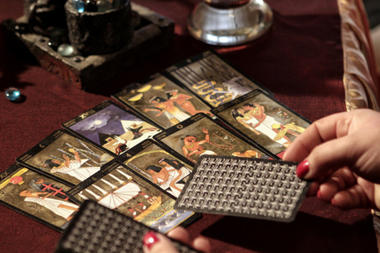
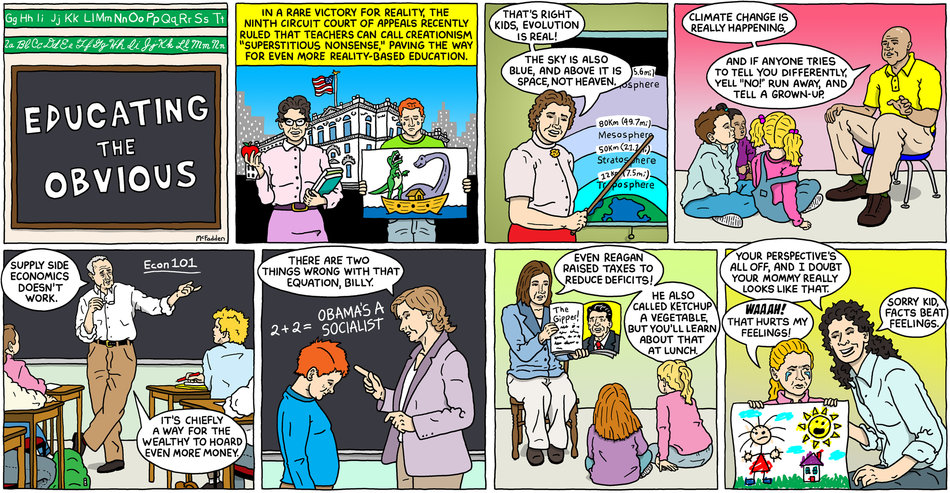 By BRIAN McFADDEN
 Roy Wagner: paper
 Uma (in)certa antropologia
Você precisa fazer login para comentar.