Arquivo da tag: Cidadania

José Goldemberg: Cotas raciais – quem ganha, quem perde? (OESP)

JC e-mail 4501, de 21 de Maio de 2012.

José Goldemberg é professor emérito da Universidade de São Paulo. Artigo publicado no jornal O Estado de São Paulo de hoje (21).

O Supremo Tribunal Federal (STF) decidiu recentemente, por unanimidade, que a introdução de cotas raciais no acesso às universidades públicas federais não viola a Constituição da República, seguindo a linha adotada nos Estados Unidos há algumas décadas de introduzir “ações afirmativas” para corrigir injustiças feitas no passado. A decisão flexibiliza a ideia básica de que todos são iguais perante a lei, um dos grandes objetivos da Revolução Francesa.

Ela se origina na visão de que é preciso aceitar a “responsabilidade histórica” dos malefícios causados pela escravidão e compensar, em parte, as vítimas e seus descendentes. A mesma ideia permeia negociações entre países, entre ex-colônias e as nações industrializadas, na área comercial e até nas negociações sobre o clima.

Sucede que, de modo geral, “compensar” povos ou grupos sociais por violências, discriminações e até crimes cometidos no passado raramente ocorreu ao longo da História. Um bom exemplo é o verdadeiro “holocausto” resultante da destruição dos Impérios Inca e Asteca, na América Latina, ou até da destruição de Cartago pelos romanos, que nunca foram objeto de compensações. Se o fossem, a Espanha deveria estar compensando até hoje o que Hernán Cortez fez ao conquistar o México e destruir o Império Asteca.

É perfeitamente aceitável e desejável que grupos discriminados, excluídos ou perseguidos devam ser objeto de tratamento especial pelos setores mais privilegiados da sociedade e do próprio Estado, por meio de assistência social, educação, saúde e criação de oportunidades. Contudo, simplificar a gravidade dos problemas econômicos e sociais que afligem parte da população brasileira, sobretudo os descendentes de escravos, estabelecendo cotas raciais para acesso às universidades públicas do País, parece-nos injustificado e contraprodutivo, porque revela uma falta de compreensão completa do papel que essas instituições de ensino representam.

Universidades públicas e gratuitas atendem apenas a um terço dos estudantes que fazem curso superior no Brasil, que é uma rota importantíssima para a progressão social e o sucesso profissional. As demais universidades são pagas, o que prejudica a parte mais pobre da população estudantil. Essa é uma distorção evidente do sistema universitário do País. Mas o custo do ensino superior é tão elevado que apenas países ricos como a França, a Suécia ou a Alemanha podem oferecer ensino superior gratuito para todos. Não é o nosso caso. Essa é a razão por que existem vestibulares nas universidades públicas, onde a seleção era feita exclusivamente pelo mérito até recentemente.

A decisão recente do Supremo Tribunal Federal deixa de reconhecer o mérito como único critério para admissão em universidades públicas. E abre caminho para a adoção de outras cotas, além das raciais, talvez, no futuro.

Acontece que o sistema universitário tem sérios problemas de qualidade e desempenho, como bem o demonstra o resultado dos exames da Ordem dos Advogados do Brasil (OAB) – garantia da qualidade dos profissionais dessa área -, que reprova sistematicamente a maioria dos que se submetem a ele, o mesmo ocorrendo com os exames na área médica.

Órgãos do governo como a Coordenação de Aperfeiçoamento de Pessoal de Nível Superior (Capes), do Ministério da Educação, ou o Conselho Nacional de Desenvolvimento Científico e Tecnológico (CNPq), do Ministério de Ciência, Tecnologia e Inovação, têm feito esforços para melhorar o desempenho das universidades brasileiras por meio de complexos processos de avaliação, que têm ajudado, mas não se mostraram suficientes.

Esses são mecanismos externos às universidades. Na grande maioria delas, os esforços internos são precários em razão da falta de critérios e de empenho do Ministério da Educação, que escolhe os reitores, alguns dos quais, como os da Universidade de Brasília, iniciaram o processo de criação de cotas raciais como se esse fosse o principal problema das universidades e do ensino superior no Brasil.

O populismo que domina muitas dessas universidades, há décadas, é a principal razão do baixo desempenho das universidades brasileiras na classificação mundial. Somente a Universidade de São Paulo (USP) conseguiu colocar-se entre as melhores 50 nesse ranking.

O problema urgente das universidades brasileiras é, portanto, melhorar de nível, e não resolver problemas de discriminação racial ou corrigir “responsabilidades históricas”, que só poderão ser solucionadas por meio do progresso econômico e educacional básico.

O governo federal parece ter tomado consciência desse problema ao lançar o programa Ciência sem Fronteiras, que se propõe a enviar ao exterior, anualmente, milhares de estudantes universitários, imitando o que o Japão fez no século 19 ou a China no século 20 e foi a base da modernização e do rápido progresso desses países.

Daí o desapontamento com a decisão da Suprema Corte não só por ter sido unânime, mas também por não ter sido objeto de uma tomada de posição de muitos intelectuais formadores de opinião, exceto notáveis exceções, como Eunice R. Durham, Simon Schwartzman, Demétrio Magnoli e poucos outros que se manifestaram sobre a inconveniência da decisão.

O único aspecto positivo na decisão do Supremo Tribunal Federal foi o de que simplesmente aceitou a constitucionalidade das cotas raciais, cabendo aos reitores, em cada universidade, adotá-las e implementá-las.

Há aqui uma oportunidade para que os professores mais esclarecidos assumam a liderança e se esforcem para manter elevado o nível de suas universidades sem descuidar de tornar o acesso pelo mérito mais democrático, e sem a adoção de cotas raciais, como algumas universidades estaduais de São Paulo estão fazendo.

* A equipe do Jornal da Ciência esclarece que o conteúdo e opiniões expressas nos artigos assinados são de responsabilidade do autor e não refletem necessariamente a opinião do jornal.

Ellen Cantarow: “… bizarre weather that seemed to be sending a meteorological message” (Tom Dispatch)

Tomgram: Ellen Cantarow, The New Eco-Devastation in Rural America

Posted by Ellen Cantarow at 5:25pm, May 20, 2012.

When workers drilling tunnels at Gauley Bridge, West Virginia, began to die, Union Carbide had an answer.  It hadn’t been taking adequate precautions against the inhalation of silica dust, a known danger to workers since the days of ancient Greece.  Instead, in many cases, a company doctor would simply tell the families of the workers that they had died of “tunnelitis,” and a local undertaker would be paid $50 to dispose of each corpse.  A few years later, in 1935, a congressional subcommittee discovered that approximately 700 workers had perished while drilling through Hawk’s Nest Mountain, many of them buried in unmarked graves at the side of the road just outside the tunnel.  The subcommittee concluded that Union Carbide’s project had been accomplished through a “grave and inhuman disregard of all considerations for the health, lives and future of the employees.”

Despite the “Hawk’s Nest Incident” and thousands of Depression-era lawsuits against foundries, mines, and construction companies, silicosis never disappeared.  In the decades since, asTomDispatch authors David Rosner and Jerry Markowitz have repeatedly demonstrated, industry worked tirelessly to label silicosis a “disease of the past,” even while ensuring that it would continue to be a disease of the present.  By the late 1990s, the Columbia University researchers found that from New York to California, from Texas all the way back to West Virginia, millions of workers in foundries, shipyards, mines, and oil refineries, among other industries, were endangered by silica dust.

Today, there’s a new silicosis scare on the horizon and a new eco-nightmare brewing in the far corners of rural America.  Like the Hawk’s Nest disaster it has flown under the radar — until now.

Once upon a time, mining companies tore open hills or bored through or chopped off mountain tops to get at vital resources inside.  They were intent on creating quicker paths through nature’sobstacles, or (as at Gauley Bridge) diverting the flow of mighty rivers. Today, they’re doing it merely to find the raw materials — so-called frac sand — to use in an assault on land several states away.  Multinational corporations are razing ancient hills of sandstone in the Midwest and shipping that silica off to other pastoral settings around the United States.  There, America’s prehistoric patrimony is being used to devastating effect to fracture shale deposits deep within the earth — they call it “hydraulic fracturing” — and causing all manner of environmental havoc.  Not everyone, however, is keen on this “sand rush” and coalitions of small-town farmers, environmentalists, and public health advocates are now beginning to stand firm against the big energy corporations running sand-mining operations in their communities.

Ground zero in this frac-fight is the rural Wisconsin towns to which TomDispatch’s rovingenvironmental reporter Ellen Cantarow traveled this spring to get the biggest domestic environmental story that nobody knows about.  Walking the fields of family farms under siege and talking to the men and women resisting the corporations, Cantarow offers up a shocking report of vital interest.  There’s a battle raging for America’s geological past and ecological future — our fresh food and clean water supplies may hinge on who wins it. Nick Turse

How Rural America Got Fracked

The Environmental Nightmare You Know Nothing About

By Ellen Cantarow

If the world can be seen in a grain of sand, watch out.  As Wisconsinites are learning, there’s money (and misery) in sand — and if you’ve got the right kind, an oil company may soon be at your doorstep.

March in Wisconsin used to mean snow on the ground, temperatures so cold that farmers worried about their cows freezing to death. But as I traveled around rural townships and villages in early March to interview people about frac-sand mining, a little-known cousin of hydraulic fracturing or “fracking,” daytime temperatures soared to nearly 80 degrees — bizarre weather that seemed to be sending a meteorological message.

In this troubling spring, Wisconsin’s prairies and farmland fanned out to undulating hills that cradled the land and its people. Within their embrace, the rackety calls of geese echoed from ice-free ponds, bald eagles wheeled in the sky, and deer leaped in the brush. And for the first time in my life, I heard the thrilling warble of sandhill cranes.

Yet this peaceful rural landscape is swiftly becoming part of a vast assembly line in the corporate race for the last fossil fuels on the planet. The target: the sand in the land of the cranes.

Five hundred million years ago, an ocean surged here, shaping a unique wealth of hills and bluffs that, under mantles of greenery and trees, are sandstone. That sandstone contains a particularly pure form of crystalline silica.  Its grains, perfectly rounded, are strong enough to resist the extreme pressures of the technology called hydraulic fracturing, which pumps vast quantities of that sand, as well as water and chemicals, into ancient shale formations to force out methane and other forms of “natural gas.”

That sand, which props open fractures in the shale, has to come from somewhere.  Without it, the fracking industry would grind to a halt. So big multinational corporations are descending on this bucolic region to cart off its prehistoric sand, which will later be forcefully injected into the earth elsewhere across the country to produce more natural gas.  Geology that has taken millions of years to form is now being transformed into part of a system, a machine, helping to drive global climate change.

“The valleys will be filled… the mountains and hills made level”

Boom times for hydraulic fracturing began in 2008 when new horizontal-drilling methods transformed an industry formerly dependent on strictly vertical boring. Frac-sand mining took off in tandem with this development.

“It’s huge,” said a U.S. Geological Survey mineral commodity specialist in 2009. “I’ve never seen anything like it, the growth. It makes my head spin.” That year, from all U.S. sources, frac-sand producers used or sold over 6.5 million metric tons of sand — about what the Great Pyramid of Giza weighs.  Last month, Wisconsin’s Department of Natural Resources (DNR) Senior Manager and Special Projects Coordinator Tom Woletz said corporations were hauling at least 15 million metric tons a year from the state’s hills.

By July 2011, between 22 and 36 frac-sand facilities in Wisconsin were either operating or approved. Seven months later, said Woletz, there were over 60 mines and 45 processing (refinement) plants in operation. “By the time your article appears, these figures will be obsolete,” claims Pat Popple, who in 2008 founded the first group to oppose frac-sand mining, Concerned Chippewa Citizens (now part of The Save the Hills Alliance).

Jerry Lausted, a retired teacher and also a farmer, showed me the tawny ridges of sand that delineated a strip mine near the town of Menomonie where he lives. “If we were looking from the air,” he added, “you’d see ponds in the bottom of the mine where they dump the industrial waste water. If you scan to the left, you’ll see the hills that are going to disappear.”

Those hills are gigantic sponges, absorbing water, filtering it, and providing the region’s aquifer with the purest water imaginable. According to Lausted, sand mining takes its toll on “air quality, water quality and quantity. Recreational aspects of the community are damaged. Property values [are lowered.] But the big thing is, you’re removing the hills that you can’t replace.  They’re a huge water manufacturing factory that Mother Nature gave us, and they’re gone.”

It’s impossible to grasp the scope of the devastation from the road, but aerialvideos and photographs reveal vast, bleak sandy wastelands punctuated with waste ponds and industrial installations where Wisconsin hills once stood.

When corporations apply to counties for mining permits, they must file “reclamation” plans. But Larry Schneider, a retired metallurgist and industrial consultant with a specialized knowledge of mining, calls the reclamation process “an absolute farce.”

Reclamation projects by mining corporations since the 1970s may have made mined areas “look a little less than an absolute wasteland,” he observes. “But did they reintroduce the biodiversity? Did they reintroduce the beauty and the ecology? No.”

Studies bear out his verdict. “Every year,” wrote Mrinal Ghose in the Journal of Scientific and Industrial Research, “large areas are continually becoming unfertile in spite of efforts to grow vegetation on the degraded mined land.”

Awash in promises of corporate jobs and easy money, those who lease and sell their land just shrug. “The landscape is gonna change when it’s all said and done,” says dairy farmer Bobby Schindler, who in 2008 leased his land in Chippewa County to a frac-sand company called Canadian Sand and Proppant. (EOG, the former Enron, has since taken over the lease.) “Instead of being a hill it’s gonna be a valley, but all seeded down, and you’d never know there’s a mine there unless you were familiar with the area.”

Of the mining he adds, “It’s really put a boost to the area. It’s impressive the amount of money that’s exchanging hands.” Eighty-four-year-old Letha Webster, who sold her land 100 miles south of Schindler’s to another mining corporation, Unimin, says that leaving her home of 56 years is “just the price of progress.”

Jamie and Kevin Gregar — both 30-something native Wisconsinites and military veterans — lived in a trailer and saved their money so that they could settle down in a pastoral paradise once Kevin returned from Iraq. In January 2011, they found a dream home near tiny Tunnel City. (The village takes its name from a nearby rail tunnel). “It’s just gorgeous — the hills, the trees, the woodland, the animals,” says Jamie. “It’s perfect.”

Five months after they moved in, she learned that neighbors had leased their land to “a sand mine” company. “What’s a sand mine?” she asked.

Less than a year later, they know all too well.  The Gregars’ land is now surrounded on three sides by an unsightly panorama of mining preparations. Unimin is uprooting trees, gouging out topsoil, and tearing down the nearby hills. “It looks like a disaster zone, like a bomb went off,” Jamie tells me.

When I mention her service to her country, her voice breaks. “I am devastated. We’ve done everything right. We’ve done everything we were supposed to. We just wanted to raise our family in a good location and have good neighbors and to have it taken away from us for something we don’t support…” Her voice trails off in tears.

For Unimin, the village of Tunnel City in Greenfield township was a perfect target. Not only did the land contain the coveted crystalline silica; it was close to a rail spur. No need for the hundreds of diesel trucks that other corporations use to haul sand from mine sites to processing plants. No need, either, for transport from processing plants to rail junctions where hundreds of trains haul frac-sand by the millions of tons each year to fracture other once-rural landscapes. Here, instead, the entire assembly line operates in one industrial zone.

There was also no need for jumping the hurdles zoning laws sometimes erect. Like many Wisconsin towns where a culture of diehard individualism sees zoning as an assault on personal freedom, Greenfield and all its municipalities, including Tunnel City, are unzoned. This allowed the corporation to make deals with individual landowners. For the 8.5 acres where Letha Webster and her husband Gene lived for 56 years, assessed in 2010 at $147,500, Unimin paid $330,000. Overall, between late May and July 2011, it paid $5.3 million for 436 acres with a market value of about $1.1 million.

There was no time for public education about the potential negative possibilities of frac-sand mining: the destruction of the hills, the decline in property values, the danger of silicosis (once considered a strictly occupational lung disease) from blowing silica dust, contamination of ground water from the chemicals used in the processing plants, the blaze of lights all night long, noise from hundreds of train cars, houses shaken by blasting. Ron Koshoshek, a leading environmentalist who works with Wisconsin’s powerful Towns Association to educate townships about the industry, says that “frac-sand mining will virtually end all residential development in rural townships.” The result will be “a large-scale net loss of tax dollars to towns, increasing taxes for those who remain.”

Town-Busting Tactics

Frac-sand corporations count on a combination of naïveté, trust, and incomprehension in rural hamlets that previously dealt with companies no larger than Wisconsin’s local sand and gravel industries. Before 2008, town boards had never handled anything beyond road maintenance and other basic municipal issues.  Today, multinational corporations use their considerable resources to steamroll local councils and win sweetheart deals.  That’s how the residents of Tunnel City got taken to the cleaners.

On July 6, 2011, a Unimin representative ran the first public forum about frac-sand mining in the village.  Other heavily attended and often heated community meetings followed, but given the cascades of cash, the town board chairman’s failure to take a stand against the mining corporation, and Unimin’s aggressiveness, tiny Tunnel City was a David without a slingshot.

Local citizens did manage to get the corporation to agree to give the town $250,000 for the first two million tons mined annually, $50,000 more than its original offer. In exchange, the township agreed that any ordinance it might pass in the future to restrict mining wouldn’t apply to Unimin. Multiply the two million tons of frac-sand tonnage Unimin expects to mine annually starting in 2013 by the $300 a ton the industry makes and you’ll find that the township only gets .0004% of what the company will gross.

For the Gregars, it’s been a nightmare.  Unimin has refused five times to buy their land and no one else wants to live near a sand mine. What weighs most heavily on the couple is the possibility that their children will get silicosis from long-term exposure to dust from the mine sites. “We don’t want our kids to be lab rats for frac-sand mining companies,” says Jamie.

Drew Bradley, Unimin’s senior vice president of operations, waves such fears aside. “I think [citizens] are blowing it out of proportion,” he told a local publication. “There are plenty of silica mines sited close to communities. There have been no concerns exposed there.”

That’s cold comfort to the Gregars. Crystalline silica is a known carcinogen and the cause of silicosis, an irreversible, incurable disease. None of the very few rules applied to sand mining by the state’s Department of Natural Resources (DNR) limit how much silica gets into the air outside of mines. That’s the main concern of those living near the facilities.

So in November 2011, Jamie Gregar and ten other citizens sent a 35-page petitionto the DNR. The petitioners asked the agency to declare respirable crystalline silica a hazardous substance and to monitor it, using a public health protection level set by California’s Office of Environmental Health Hazard Assessment. The petition relies on studies, including one by the DNR itself, which acknowledge the risk of airborne silica from frac-sand mines for those who live nearby.

The DNR denied the petition, claiming among other things that — contrary to its own study’s findings — current standards are adequate. One of the petition’s signatories, Ron Koshoshek, wasn’t surprised. For 16 years he was a member of, and for nine years chaired, Wisconsin’s Public Intervenor Citizens Advisory Committee.  Created in 1967, its role was to intercede on behalf of the environment, should tensions grow between the DNR’s two roles: environmental protector and corporate licensor. “The DNR,” he says, “is now a permitting agency for development and exploitation of resources.”

In 2010, Cathy Stepp, a confirmed anti-environmentalist who had previously railedagainst the DNR, belittling it as “anti-development, anti-transportation, and pro-garter snakes,” was appointed to head the agency by now-embattled Governor Scott Walker who explained: “I wanted someone with a chamber-of-commerce mentality.”

As for Jamie Gregar, her dreams have been dashed and she’s determined to leave her home. “At this point,” she says, “I don’t think there’s a price we wouldn’t accept.”

Frac-Sand vs. Food

Brian Norberg and his family in Prairie Farm, 137 miles northwest of Tunnel City, paid the ultimate price: he died while trying to mobilize the community against Procore, a subsidiary of the multinational oil and gas corporation Sanjel. The American flag that flies in front of the Norbergs’ house flanks a placard with a large, golden NORBERG, over which pheasants fly against a blue sky.  It’s meant to represent the 1,500 acres the family has farmed for a century.

“When you start talking about industrial mining, to us, you’re violating the land,” Brian’s widow, Lisa, told me one March afternoon over lunch.  She and other members of the family, as well as a friend, had gathered to describe Prairie Farm’s battle with the frac-sanders. “The family has had a really hard time accepting the fact that what we consider a beautiful way to live could be destroyed by big industry.”

Their fight against Procore started in April 2011: Sandy, a lifelong friend and neighbor, arrived with sand samples drillers had excavated from her land, and began enthusiastically describing the benefits of frac-sand mining. “Brian listened for a few minutes,” Lisa recalls. “Then he told her [that]… she and her sand vials could get the heck — that’s a much nicer word than what he used  — off the farm.  Sandy was hoping we would also be excited about jumping on the bandwagon. Brian informed her that our land would be used for the purpose God intended, farming.”

Brian quickly enlisted family and neighbors in an organizing effort against the company. In June 2011, Procore filed a reclamation plan — the first step in the permitting process — with the county’s land and water conservation department. Brian rushed to the county office to request a public hearing, but returned dejected and depressed. “He felt completely defeated that he could not protect the community from them moving in and destroying our lives,” recalls Lisa.

He died of a heart attack less than a day later at the age of 52. The family is convinced his death was a result of the stress caused by the conflict. That stress is certainly all too real.  The frac-sand companies, says family friend Donna Goodlaxson, echoing many others I interviewed for this story, “go from community to community. And one of the things they try to do is pit people in the community against each other.”

Instead of backing off, the Norbergs and other Prairie Farm residents continued Brian’s efforts. At an August 2011 public hearing, the town’s residents directly addressed Procore’s representatives. “What people had to say there was so powerful,” Goodlaxson remembers. “Those guys were blown out of their chairs. They weren’t prepared for us.”

“I think people insinuate that we’re little farmers in a little community and everyone’s an ignorant buffoon,” added Sue Glaser, domestic partner of Brian’s brother Wayne. “They found out in a real short time there was a lot of education behind this.”

“About 80% of the neighborhood was not happy about the potential change to our area,” Lisa adds. “But very few of us knew anything about this industry at [that] time.” To that end, Wisconsin’s Farmers’ Union and its Towns Association organized a day-long conference in December 2011 to help people “deal with this new industry.”

Meanwhile, other towns, alarmed by the explosion of frac-sand mining, were beginning to pass licensing ordinances to regulate the industry. In Wisconsin, counties can challenge zoning but not licensing ordinances, which fall under town police powers.  These, according to Wisconsin law, cannot be overruled by counties or the state. Becky Glass, a Prairie Farm resident and an organizer with Labor Network for Sustainability, calls Wisconsin’s town police powers “the strongest tools towns have to fight or regulate frac-sand mining.” Consider them so many slingshots employed against the corporate Goliaths.

In April 2012, Prairie Farm’s three-man board voted 2 to 1 to pass such an ordinance to regulate any future mining effort in the town. No, such moves won’t stop frac-sand mining in Wisconsin, but they may at least mitigate its harm. Procore finally pulled out because of the resistance, says Glass, adding that the company has since returned with different personnel to try opening a mine near where she lives.

“It takes 1.2 acres per person per year to feed every person in this country,” says Lisa Norberg. “And the little township that I live in, we have 9,000 acres that are for farm use. So if we just close our eyes and bend over and let the mining companies come in, we’ll have thousands of people we can’t feed.”

Food or frac-sand: it’s a decision of vital importance across the country, but one most Americans don’t even realize is being made — largely by multinational corporations and dwindling numbers of yeoman farmers in what some in this country would call “the real America.”  Most of us know nothing about these choices, but if the mining corporations have their way, we will soon enough — when we check out prices at the supermarket or grocery store. We’ll know it too, as global climate change continues to turn Wisconsin winters balmy and supercharge wild weather across the country.

While bucolic landscapes disappear, aquifers are fouled, and countless farms across rural Wisconsin morph into industrial wastelands, Lisa’s sons continue to work the Norberg’s land, just as their father once did. So does Brian’s nephew, 32-year-old Matthew, who took me on a jolting ride across his fields. The next time I’m in town, he assured me, we’ll visit places in the hills where water feeds into springs. Yes, you can drink the water there. It’s still the purest imaginable. Under the circumstances, though, no one knows for how long.

Ellen Cantarow’s work on Israel/Palestine has been widely published for over 30 years. Her long-time concern with climate change has led her to investigate the global depredations of oil and gas corporations atTomDispatch. Many thanks to Wisconsin filmmaker Jim Tittle, whosedocumentary, “The Price of Sand,” will appear in August 2012, and who shared both his interviewees and his time for this article.

Follow TomDispatch on Twitter @TomDispatch and join us on Facebook. 

Copyright 2012 Ellen Cantarow

A Student’s Conversation With Michael Mann on Climate Science and Climate Wars (Dot Earth, N.Y.Times)

May 3, 2012, 4:00 PM

By ANDREW C. REVKIN

Casey Doyle, a student at Warren Wilson College who writes for the Swannanoa Journal, the publication of the school’s Environmental Leadership Center, had the opportunity to speak with the climate scientist Michael Mann when he visited the campus to speak about his book, “The Hockey Stick and the Climate Wars.”

Here’s their exchange, which counts as a Dot Earth “Book Report” (you are welcome to contribute one as well, when you find some book, new or old, particularly relevant to the discussions on this blog):

Q.

In your book, you talk about the importance of the general public being able to understand climate change, and how the hockey stick graph allows for this. When writing your book how did you keep this accessibility in mind and who were your target readers?

A.

I was hoping that the book would be accessible to a pretty broad range of readers because I really wanted to use my personal story as sort of this reluctant and accidental public figure in the debate over climate change, to talk about the bigger issues, the reality of the problem, the threat that it represents, the need to have a good faith discussion about what to do about it. There are aspects of my story that are intrinsically a little technical, and I have to get a little into the science and technical issues, and so I do that briefly in certain places in the book. My hope was that readers who didn’t want to struggle through those sections could more or less skip them, and the rest of the story still remains intact. My hope is that it will be accessible to a lay audience, a non-technical audience.

Q.

What did you expect to find when you began your research on climate change?

A.

Well, the work that ultimately led to the so-called Hockey Stick— this reconstruction that demonstrates recent warming to be unprecedented in a long time frame— arose from an effort that really had nothing to do with climate change per se. My colleagues and I were using what we call proxy records, like corals and tree rings, and ice cores to try and extend the climate record back in time so that we could learn more about natural climate variability. As we began to untangle what these data were telling us, it did lead us inescapably to a conclusion that did have implications for climate change, but it really wasn’t what we had set out to try to understand. We were interested in natural climate variations and accidentally found ourselves once again in the center of the climate change debate because of the implications of our findings.

Q.

What were some of the biggest surprises you found during your research?

A.

When we tried to reconstruct past climate patterns we learned that there was this interesting relationship between past very large volcanic eruptions and the timing of some of the large El Nino events in past centuries. It actually ended up reinforcing a controversial hypothesis that had been put forward more than two decades ago by a scientist who had argued there was a relationship between tropical volcanic eruptions and El Nino events. But the instrumental record was so short that he was never able to convince people that this was a real relationship… so, by extending the record back in time, one surprise was that we ended up confirming his hypothesis, that there really does appear to be this relationship. And it’s just not academic because it has implications for one of the big uncertainties about climate change. One thing that the various climate models don’t yet agree upon is how climate change will influence the behavior of the El Nino phenomenon. And it turns out that’s really critical if you want to know how regional weather patterns will be influenced and what will happen with Atlantic hurricanes, which is something that at least the coastal regions of North Carolina worry about. Then you actually need to be able to say something about how climate change will influence El Nino, and by studying the past relationship between El Nino and natural factors like volcanic eruptions we could potentially better inform our understanding of how the El Nino phenomenon will respond to climate change. That was probably one surprise, and it turned out having some relevance for certain issues relating to climate change as well.

Q.

In your book, you explain your research began with natural climate variability and you said you believed this was a more important aspect to climate change than many scientists thought. How did you start with these ideas and end up where you are today?

A.

My Ph.D. thesis was about natural climate variability. It was specifically about understanding the role of natural oscillations in the climate system that might explain some recent trends. Our foray into analyzing proxy data was to give us a longer data set with which we could explore the persistence of these long-term oscillations. One of my earlier papers showed that in the proxy data was evidence for a 50-70 year time scale oscillation that ended up getting named the Atlantic Multidecadal Oscillation. It’s the interest in these natural oscillations and what impact they may have on things like hurricanes that led us to investigate these proxy data. But as we started to try to piece together the puzzle of what those data were telling us, they also were telling us about natural variations in temperature in the past and how they compared to the warming trends of the past century. What our reconstruction of temperatures showed was that the recent warming was outside the range of the natural variations that we saw, eventually that we were able to extend back to 1,000 years– that there was no precedent in our entire 1,000 year reconstruction for the warming of the past century. It was clear at that point, once we put together this curve depicting that finding, and it became featured in the IPCC summary for policy makers. It got a name, the Hockey Stick, then it sort of took on a life of its own, and we found ourselves in the middle of the climate change debate.

Q.

What is the proxy data used in your studies and why is it being challenged?

A.

In science, there is a very important role for legitimate skepticism and scientists in this field have been debating for decades how reliable different kinds of proxy data are. In fact, just a few months ago I published a paper in the journal Nature Geoscience that demonstrated one potential flaw in using tree rings to estimate past volcanic cooling events. So real scientists are engaged in real skepticism, basically subjecting all findings to appropriate scrutiny and critical analysis, and challenging other scientists in the field to either disprove what you’ve done or validate it independently. That’s how science moves forward, that’s what keeps science progressing, is… what I would call a good faith, honest debate between scientists… To some extent, this good faith debate has been hijacked. This has been true in climate science, but as I describe in the book, it dates back decades to the debate over tobacco and the influence of tobacco products on human health. Whenever the findings of science have found themselves on a collision course with powerful vested interests, unfortunately those interests have seen the need to try to discredit the science. Then we are no longer talking about a good faith debate, we’re not talking about honest scientific skepticism, but what I would call contrarianism or denial. It’s a cynical effort to put forward disingenuous arguments, often to attack the integrity of the scientists themselves to try to discredit their findings, not because of a belief that the science is wrong but because of the threat that the science opposes to vested interests.

We saw this with the debate over tobacco products and lung cancer decades ago, where the tobacco industry did their best to try to discredit the science linking their products with adverse health effects. We saw this with acid rain and ozone depletion, where industry groups and front groups advocating for industry special interests, again did their best to try and discredit the science. Unfortunately, we‘ve seen that in the climate change debate, and it’s not just with our work on Paleoclimate, though I think our work became a touchstone because it was very simple. You didn’t need to understand the physics of how a theoretical climate model works to understand the picture that our hockey stick was telling about the unprecedented nature of climate change; it represented a potent icon and it was attacked.

There were legitimate debates between scientists working in this field about how reliable different kinds of proxy data are and what are the limits, what are the uncertainties, and then there were the dishonest attacks against the science. We experienced both; the good faith back and forth with our scientific colleagues, all of us just interested in figuring out the truth, and we were also subject to attack by those that saw our findings as a threat to particularly fossil fuel interests who don’t want to see the regulation of greenhouse gas emissions.

Q.

What do you say to those who accuse you of keeping your research process secretive? Would you regard this process as your intellectual property?

A.

All of our research is out in the public domain, all of our data. Unfortunately, those looking to smear us have made false accusations of us not making the data available, which was just a lie… There are legitimate issues over whether a computer program you have written to implement an algorithm; if you’re talking about a Microsoft or Apple computer, they would defend to the end their right to keep that. You can’t get access to Microsoft’s computer code because they consider it their intellectual property. Scientists for a long time have argued that a code that you write to implement algorithms is your intellectual property, and the National Science Foundation has stood firmly behind that.

When our critics asked us to turn over our computer code, we understood what they were doing: if it was the computer code, they didn’t care, because then it would be something else. It would be our personal emails, and in fact they ended up stealing our personal emails. They weren’t interested in seeing our computer code or trying to independently implement it. They were looking for something to try to discredit us, to be able to say ‘oh look how sloppy their computer code is, they’re not good computer programmers, you shouldn’t trust anything they do.’

We were aware of that and so we didn’t want to go down that slippery slope of saying yes, we’ll turn that over and then pretty soon you’re turning over personal emails, you’re turning over your private diaries. We didn’t want to set a precedent that would allow those looking to smear scientists, to go down this endless road of subjecting scientists to vexatious demands that would basically tie us up — we wouldn’t have any time to even do research any more. Unfortunately that’s what we’ve seen ever since. We’ve seen politicians try to subject us to subpoena all of our private emails. Its part of this cynical effort to discredit scientists, confuse the public, to intimidate scientists.

…But in the end, we even put our computer program out there in the public domain, recognizing that maybe it was going down a slippery slope, because what were they going to demand next? We knew there was nothing wrong with it at all, we put it out there, and what we predicted was exactly what we saw. We didn’t see any discussion, nobody ever even downloaded, as far as I can tell, the code or try to run it, because they didn’t care about the code, they were just looking for something that they could say, ‘oh look, scientists won’t provide this’, and then once you provide it—’oh well they won’t provide this’, and then once you provide that, ‘oh well they won’t provide that.’ And pretty soon what do they want? Do they want you to provide them literally with the dirty laundry from your house? So sadly, scientists have been subjected… to smear campaigns for decades and it is no different in this field. There are all sorts of lies that you can read on the Internet about me and many of my climate science colleagues. I think I’ve been accused of just about everything under the sun, and its part of the life of being a scientist in this field, and having to deal with efforts to impugn your integrity and discredit you

Q.

How do you feel now that State Attorney General Ken Cuccinelli’s case against you in the Virginia Supreme Court has been brought to a halt?

A.

On the one hand, we’re glad that the Supreme Court rejected it without merit, in fact they rejected it with prejudice, meaning that he can’t even try to appeal that decision to the court…. So that’s a good development, but what saddens me is the fact that he spent millions of dollars of Virginia taxpayer money and forced the University of Virginia to come up with significant funds themselves, wasted on this witch hunt, wasted on this personal vendetta, this effort that he was using to try to discredit climate science, to do the bidding of the fossil fuel interests that fund his campaigns. All of that money could have been spent on helping Virginians for example, adapt to the impacts that they are already seeing with the Chesapeake Bay from sea level rise and increased coastal erosion.

There are things that can be done to try to adapt to those changes that are already in the pipeline and that we are going to have to contend with because there is nothing we can do about them. We are committed to a certain amount of future climate change even if we curtail our emissions quickly. Wouldn’t it have been great if Virginians had been able to use those millions of dollars productively to deal with the already very real impacts of climate change rather than to bury their heads in the sands because this attorney general wanted to not only discredit us, but send a message to all scientists in Virginia that… if you too decide to talk about the impacts of climate change then you too can be subject to a subpoena from the attorney general? It was a very chilling development and I think Virginians recognized that and I think it was overwhelmingly decried even by newspaper editorial boards that had supported Cuccinelli’s candidacy, that basically called him out for what was transparently an effort to intimidate scientists.

Q.

I understand that you have received threats due to your reporting on climate data. Who or what is the threat?

A.

Many climate scientists have received hundreds, and probably now even thousands of threatening emails… attacking us, or using very nasty language to criticize us… Some emails, letters, and phone messages that have been left on my office phone contain thinly veiled threats of violence, death threats. I had an envelope sent to my work address that contained a white powder, obviously it was intended to make we think I had been exposed to anthrax. The FBI had to send that off to the regional lab to test it, and it turns out it was just cornmeal, but using the mail to intimidate in that way is a felony… I’m not sure if they were ever able to track down the person who was responsible, but there are dozens of climate scientists who had been subjected to threats of violence and death threats…. Anytime that the findings of science have come into conflict with the interests of certain industries there has been a fairly nasty effort to try and intimidate the scientists through whatever means possible, and I’ve seen some of the worst aspects of that myself.

Q.

Do you in any way regret the fame of the hockey stick graph?

A.

I am often asked the question, if I could go to that point in my career, back in the early 90s where I had made the decision whether to continue on in theoretical physics or to move into this new field of climate research… would I do it differently? And the answer is that I wouldn’t. I mean even though I became this reluctant and accidental public figure in the debate over climate change, over time I’ve learned to embrace the opportunity that has given me to talk to the public about this problem and the threat that it represents, to inform the public discourse on this issue. Frankly, I can’t imagine anything more important that I could be doing with my life than trying to educate the public about the reality of this problem, to do my best to make sure that we make decisions today as far as the environment and in particular carbon emissions, that will preserve the planet for my daughter — I have a six year old daughter — our children and our grandchildren. So no, I wouldn’t do it over because I’ve found myself in a position to try to inform the discussion of what might be the greatest challenge we have ever faced as a civilization, and I consider that a blessing rather than a curse.

New issue of the journal Ephemera – Theory and Politics in Organization, on “The atmosphere business”

volume 12, number 1/2 (may 2012)
editorial
Steffen Böhm, Anna-Maria Murtola and Sverre Spoelstra The atmosphere business
notes
Mike Childs Privatising the atmosphere: A solution or dangerous con?
Oscar Reyes Carbon markets after Durban
Gökçe Günel A dark art: Field notes on cardon capture and storage policy negotiations at COP17
Patrick Bond Durban’s conference of polluters, market failure and critic failure
Tadzio Mueller The people’s climate summit in Cochabamba: A tragedy in three acts
interview
Larry Lohmann and Steffen Böhm Critiquing carbon markets: A conversation
articles
Robert Fletcher Capitalizing on chaos: Climate change and disaster capitalism
Jerome Whitington The prey of uncertainty: Climate change as opportunity
Ingmar Lippert Carbon classified? Unpacking heterogenous relations inscribed into corporate carbon emissions
Joanna Cabello and Tamra Gilbertson A colonial mechanism to enclose lands: A critical review of two REDD+-focused special issues
Rebecca Pearse Mapping REDD in the Asia-Pacific: Governance, marketisation and contention
Esteve Corbera and Charlotte Friedli Planting trees through the Clean Development Mechanism: A critical assessment
reviews
Siddhartha Dabhi The ‘third way’ for climate action
Peter Newell Carbon trading in South Africa: Plus ça change?
David L. Levy Can capitalism survive climate change?

Brasileiros podem debater tema da Rio+20 em site lançado pela ONU (Agência Brasil)

JC e-mail 4497, de 15 de Maio de 2012.

Outra iniciativa lançada é a Agenda Total (AT), uma plataforma de conversação na internet que vai reunir todas as agendas da Rio+20, incluindo os eventos oficiais da ONU e os paralelos, promovidos pela prefeitura e pelo governo do estado, além da programação da Cúpula dos Povos e da sociedade civil.

Os brasileiros que desejem contribuir com as discussões sobre desenvolvimento sustentável, tema da conferência Rio+20, que a Organização das Nações Unidas (ONU) realiza no Rio de Janeiro em junho, pode enviar textos, fotos ou vídeos para o site http://www.ofuturoquenosqueremos.org.br.

A iniciativa, apresentada ontem (14), faz parte de uma campanha de conversa global lançada mundialmente pela ONU, com versões para o árabe, chinês, espanhol, inglês, francês e russo, línguas oficiais das Nações Unidas.

De acordo com o diretor do Centro de Informação das Nações Unidas para o Brasil (Unic Rio) e porta-voz adjunto da Rio+20, Giancarlo Summa, a criação do site pretende mobilizar os brasileiros para que manifestem seu pensamento sobre como seria o futuro num mundo mais sustentável, apresentando problemas e sugestões.

“A discussão sobre desenvolvimento sustentável só será um sucesso se a opinião pública em cada país se envolver e fizer pressão sobre governos e empresas, com contribuições envolvendo o tripé economia, ambiente e social. A nossa proposta aqui no Brasil é envolver a sociedade civil nessa discussão, para que se manifeste sobre o que queremos para daqui a 20 anos”, explicou.

Summa ressaltou que parte do conteúdo postado será apresentada em telões de led no Riocentro, onde chefes de Governo e de Estado se reunirão durante a conferência. “Também estamos pensando em outras formas de fazer chegar diretamente ao governo brasileiro e a outros governos as propostas dessa conversa global, com formas mais inovadoras, com muita internet e pouco papel”, disse.

Ele explicou que o site já está no ar e que vai receber as contribuições até o fim do ano. “O Brasil é um país muito conectado, onde a internet faz parte da vida de milhões de pessoas. Usando a rede, achamos que vamos influenciar as conversas sobre desenvolvimento sustentável”, destacou.

Para convocar a população a contribuir, foi produzida uma campanha multimídia exclusiva para o público brasileiro, intitulada ‘Eu Sou Nós’. Com depoimentos de pessoas famosas e brasileiros comuns, as peças serão veiculadas em televisão, rádio, jornais, revistas e internet. Além disso, uma série de anúncios será exposta em lugares púbicos explicando como participar da mobilização.

Outra iniciativa, também lançada ontem (14) pela ONU é a Agenda Total (AT), uma plataforma de conversação na internet que vai reunir todas as agendas da Rio+20, incluindo os eventos oficiais da ONU e os paralelos, promovidos pela prefeitura e pelo governo do estado, além da programação da Cúpula dos Povos e da sociedade civil.

Segundo Silvana de Matos, coordenadora da AT, o instrumento será a principal forma de interação da ONU com a sociedade brasileira durante a conferência. “São milhares de agendas e precisávamos integrá-las. Ao mesmo tempo, essa ferramenta vai ser o centro de documentação de todo o evento. As pessoas que estão ligadas às instituições [que vão participar da Rio+20] receberão login e senha e poderão publicar data e horário de seus eventos, além de disponibilizar vídeos e imagens em alta resolução”, explicou.

Silvana acrescentou que o projeto vai ajudar aos profissionais da imprensa na organização da cobertura dos eventos e também ao público em geral, que vai ficar sabendo o que vai acontecer na cidade durante a Rio+20. “O público em geral vai ver o que foi publicado, os eventos que acontecerão, os locais e como chegar a eles. Poderá também assistir a palestras e até fazer perguntas por chats”, enfatizou.

O serviço estará disponível no site http://www.agendatotal.org a partir de 8 de junho.

O debate online ‘Rio+20, o Futuro que Queremos’ lançado pela ONU servirá para promover o evento no Brasil e torná-lo mais popular. No Rio de Janeiro, por exemplo, enquanto a cidade se prepara para receber a conferência, nas ruas muitos cariocas ainda desconhecem o que será tratado durante a conferência.

A estudante Tatiana Cerqueira, de 17 anos, sabe apenas que não vai ter aula nos dias do evento. “Não estou sabendo de absolutamente nada. Só sei que não vai ter aula, porque os professores já comentaram, mas o que é o evento, eu não sei”, afirmou. O contador Marciele de Souza, de 49 anos, também disse não ter ideia do que se trata. “Não sei nada de Rio+20. Já ouvi falar, mas não sei o que é nem quando vai acontecer”, contou.

A auxiliar de escritório Cirlane de Jesus Santos, de 32 anos, disse ter “um pouco de conhecimento sobre o assunto”, mas não sabe como se envolver ou como participar. “Eu sei que é um projeto que aconteceu há vinte anos e que vai acontecer de novo esse ano e que vem muita gente de vários lugares. Mas não sei como participar ou o que eles vão discutir”, garantiu.

A Rio+20 acontece de 20 a 22 de junho, no Rio de Janeiro, e deve reunir milhares de pessoas, entre políticos, membros de organizações não governamentais (ONGs), representantes da sociedade civil e empresários, além dos chefes de Estado e de Governo. De acordo com a ONU, dos seus 193 países-membros, 183 já confirmaram presença.

Occupy’s Global May manifesto

May 11, 2012

We are living in a world controlled by forces incapable of giving freedom and dignity to the world’s population (if, indeed, they ever were). A world where we are told ‘there is no alternative’ to the loss of rights achieved through the long, hard struggles of our ancestors.

We find ourselves in a world where success is defined in seeming opposition to the most fundamental values of humanity, such as solidarity and mutual support. Moreover, anything that does not promote competitiveness, selfishness and greed is seen as dysfunctional. This immoral ideology is reinforced by the monopoly of the mainstream media, the instrument that manufactures false consensus around this unfair and unsustainable system.

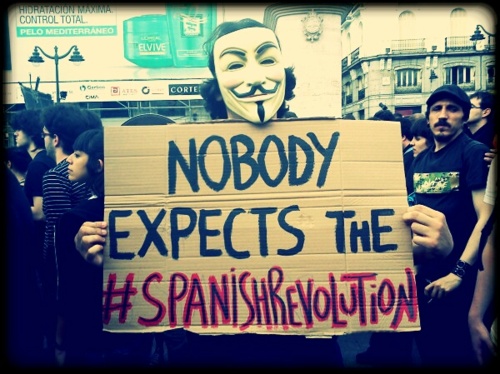
But we have not remained silent! Our consciousness has awakened, and we have joined the wave of collective consciousness now spreading light and hope to every corner of the world. From Tunisia to Tahrir Square, Madrid to Rejkavik, New York to Brussels, people are rising up. In the Arab Spring, in the dignity of Iceland, in the dignified rage of 15M and Occupy Wall Street. Together we have denounced the status quo. Our effort states clearly ‘enough!’, and has even begun to push changes forward, worldwide.

This is why we, women and men, inhabitants of this planet, are uniting once again to make our voices heard this May 12th. All over the world. We denounce the current condition of our planet, and urge the application of different policies, designed to encourage and promote the common good.

We condemn the current distribution of economic resources whereby only a tiny minority escape poverty and insecurity. Whereby future generations are condemned to a poisoned legacy thanks to the environmental crimes of the rich and powerful. ‘Democratic’ political systems, where they exist, have been emptied of meaning, put to the service of those few interested in increasing the power of corporations and financial institutions, regardless of the fate of the planet and its inhabitants.

We declare the current crisis is not a natural accident. It was caused by the greed of those who would bring the world down, with the help of an economics that has lost its true sense. No longer about management of the common good, but simply an ideology at the service of financial power, seeking to impose measures that stifle billions of people, without asking their opinion. They say there is no alternative. They say we must leave our future in the hands of the same experts who destroy it.

Here and now, we’re back. We have awakened, and not just to complain! Here and now, we aim at the true causes of the crisis: their policies and lies hidden in empty rhetoric. Here and now we propose alternatives, because we want to fix the problem while also moving towards a more democratic world. Simply put, we want a world ruled by the values of liberty, equality, and fraternity – the old dream of our ancestors when they rose against oppression in previous generations, throughout the planet! Simply put we want a world where every woman, man and child is guaranteed the right to the free pursuit of personal and collective happiness.

The statement below does not speak, or claim to speak, on behalf of everyone in the global spring/Occupy/Take the Square movements. This is an attempt by some inside the movements to reconcile statements written and endorsed in the different assemblies around the world. The process of writing the statement was consensus based, open to all, and regularly announced on our international communications platforms, that are also open to all (like the ‘squares’ mailing list, the weekly global roundtables and the ‘international’ facebook group). It was a hard and long process, full of compromises. This statement is offered to people’s assemblies around the world for discussions, revisions and endorsements.

There will be a process of a global dialogue, and this statement is part of it, a work-in-progress. We do not make demands from governments, corporations or parliament members, which some of us see as illegitimate, unaccountable or corrupt. We speak to the people of the world, both inside and outside our movements. We want another world, and such a world is possible:

1. The economy must be put to the service of people’s welfare, and to support and serve the environment, not private profit. We want a system where labour is appreciated by its social utility, not its financial or commercial profit. Therefore, we demand:

  • Free and universal access to health, education from primary school through higher education and housing for all human beings, through appropriate policies to get this. We reject outright the privatization of public services management, and the use of these essential services for private profit.
  • Full respect for children’s rights, including free child care for everyone.
  • Retirement/pension so we may have dignity at all ages. Mandatory universal sick leave and holiday pay.
  • Every human being should have access to an adequate income for their livelihood, so we ask for work or, alternatively, universal basic income guarantee.
  • Corporations should be held accountable to their actions. For example, corporate subsidies and tax cuts should be done away with if said company outsources jobs to decrease salaries, violates the environment or the rights of workers.
  • Apart from bread, we want roses. Everyone has the right to enjoy culture, participate in a creative and enriching leisure at the service of the progress of humankind . Therefore, we demand the progressive reduction of working hours, without reducing income.
  • Food sovereignty through sustainable farming should be promoted as an instrument of food security for the benefit of all. This should include an indefinite moratorium on the production and marketing of GMOs and immediate reduction of agrochemicals use.
  • We demand policies that function under the understanding that our changing patterns of life should be organic/ecologic or should never be. These policies should be based on a simple rule: one should not spoil the balance of ecosystems for simple profit. Violations of this policy should be prosecuted around the world as an environmental crime, with severe sanctions for convicted.
  • Policies to promote the change from fossil fuels to renewable energy, through massive investment which should help to change the production model.
  • We demand the creation of international environmental standards, mandatory for countries, companies, corporations, and individuals. Ecocide (wilful damage to the environment, ecosystems, biodiversity) should be internationally recognised as a crime of the greatest magnitude.

2. To achieve these objectives, we believe that the economy should be run democratically at all levels, from local to global. People must get democratic control over financial institutions, transnational corporations and their lobbies. To this end, we demand:

  • Control and regulation of financial speculation by abolishing tax havens, and establishing a Financial Transaction Tax (FTT). As long as they exist, the IMF, World Bank and the Basel Committee on Banking Regulation must be radically democratised. Their duty from now on should be fostering economic development based on democratic decision making. Rich governments cannot have more votes because they are rich. International Institutions must be controlled by the principle that each human is equal to all other humans – African, Argentinian or American; Greek or German.
  • As long as they exist, radical reform and democratisation of the global trading system and the World Trade Organization must take place. Commercialization of life and resources, as well as wage and trade dumping between countries must stop.
  • We want democratic control of the global commons, defined as the natural resources and economic institutions essential for a proper economic management. These commons are: water, energy, air, telecommunications and a fair and stable economic system. In all these cases, decisions must be accountable to citizens and ensure their interests, not the interests of a small minority of financial elite.
  • As long as social inequalities exist, taxation at all levels should maintain the principle of solidarity. Those who have more should contribute to maintain services for the collective welfare. Maximum income should be limited, and minimum income set to reduce the outrageous social divisions in our societies and its social political and economic effects.
  • No more money to rescue banks. As long as debt exists, following the examples of Ecuador and Iceland, we demand a social audit of the debts owed by countries. Illegitimate debt owed to financial institutions should not be paid.
  • Absolute end of fiscal austerity policies that only benefit a minority, and cause great suffering to the majority.
  • As long as banks exist, separation of commercial and financial banks, avoiding banks “too big to fail”.
  • End of the legal personhood of corporations. Companies cannot be elevated to the same level of rights as people. The public’s right to protect workers, citizens and the environment should prevail over the protections of private property or investment.

3. We believe that political systems must be fully democratic. We therefore demand full democratization of international institutions, and the elimination of the veto power of a few governments. We want a political system which really represent the variety and diversity of our societies:

  • All decisions affecting all mankind should be taken in democratic forums like a participatory and direct UN Parliamentary Assembly or a UN people’s assembly, not rich clubs such as G20 or G8.
  • At all levels we ask for the development of a democracy that is as participatory as possible, including non representative direct democracy.
  • As long as they are practiced, electoral systems should be as fair and representative as possible, avoiding biases that distort the principle of proportionality.
  • We call for the democratization of access and management of media (MSM). These should serve to educate the public, as opposed to the creation of an artificial consensus about unjust policies.
  • We ask for democracy in companies and corporations. Workers, despite wage level or gender, should have real decision power in the companies and corporations they work in. We want to promote cooperative companies and corporations, as real democratic economic institutions.
  • Zero tolerance to corruption in economic policy. We must stop the excessive influence of big business in politics, which is today a major threat to true democracy.
  • We demand complete freedom of expression, assembly and demonstration, as well as the cessation of attempts to censor the Internet.
  • We demand respecting privacy rights on and off the internet. Companies and the government should not engaged in data mining.
  • We believe that military spending is politically counterproductive to a society’s advance, so we demand its reduction to a minimum.
  • Ethnic, cultural and sexual minorities should have their civil, cultural, political and economic rights fully recognized.
  • Some of us believe a new Universal Declaration of Human Rights, fit for the 21st century, written in a participatory, direct and democratic way, needs to be written. As long as the current Declaration of Human Rights defines our rights, it must be enforced in relation to all – in both rich and poor countries. Implementing institutions that force compliance and penalize violators need to be established, such as a Global Court to prosecute social, economic and environmental crimes perpetrated by governments, corporations and individuals. At all levels, local, national, regional and global, new constitutions for political institutions need to be considered, like in Iceland or in some Latin American countries. Justice and law must work for all, otherwise justice is not justice, and law is not law.

This is a worldwide Global Spring. We will be there on May 2012; we will fight until we win. We will not stop being people. We are not numbers. We are free women and men.

For a Global Spring!

For global democracy and social justice!

Take to the streets on May 2012!

Cúpula dos Povos rejeita conceito de economia verde da Rio+20 (Agência Brasil)

JC e-mail 4496, de 14 de Maio de 2012.

As principais lideranças responsáveis pela organização da Cúpula dos Povos, reunião de movimentos populares paralela à Conferência das Nações Unidas sobre o Desenvolvimento Sustentável (Rio+20), divulgaram ontem (13) um documento condenando o conceito de economia verde, defendido por integrantes de governos que participarão da Rio+20, que ocorrerá em junho no Rio.

O documento critica, em três páginas, o foco das discussões em torno da Rio+20, que não estaria tocando nas questões fundamentais da crise global, que na visão dos participantes da Cúpula dos Povos, “é o capitalismo, com suas formas clássicas e renovadas de dominação, que concentra a riqueza e produz desigualdades sociais”.

Os organizadores elaboraram o documento durante encontro internacional no Rio e divulgaram o conteúdo em coletiva de imprensa. A mexicana Silvia Ribeiro, diretora da organização ETC, dedicada a temas agroalimentares, disse que a economia verde é um nome enganoso.

“Muitos creem que é algo positivo, mas é um disfarce para mais negócios e mais exploração dos ecossistemas. O outro aspecto é que eles querem se apropriar da natureza usando tecnologias perigosas. É uma solução falsa dizer que vai se resolver tudo com tecnologia, em vez de se ir às causas para baixar as emissões do efeito estufa, os padrões de produção e o consumo”, criticou Silvia.

A canadense Nettie Wiebe, produtora de alimentos orgânicos e ligada à Via Campesina, alertou para o perigo de se liberar as sementes de tecnologia terminator, que geram plantas modificadas geneticamente para serem inférteis, forçando agricultores a comprarem novas sementes a cada safra. Segundo ela, apesar de haver embargo internacional contra esse tipo de semente, grupos internacionais do agronegócio estão interessados em patrocinar sua liberação.

A norte-americana Cindy Wiesner, dirigente da organização Grassroots Global Justice Alliance, criticou a provável ausência do presidente Barack Obama na Rio+20. “Historicamente somos o país que mais destrói o planeta e temos uma responsabilidade muito grande de oferecer outras práticas. Mas o que vemos, com a ausência do presidente Obama, é que ele não se importa com isso. É uma pena que não venha, pois seria uma oportunidade para ouvir milhões de pessoas que querem uma alternativa”, disse a americana.

Outro ponto destacado no documento da Cúpula dos Povos é a luta contra a sanção do projeto original do Código Florestal, conforme aprovado pelo Congresso e que agora depende da decisão da presidente Dilma Rousseff em modificar ou não a matéria através de veto. “Conclamamos todos os povos do mundo a apoiarem a luta do povo brasileiro contra a destruição de um dos mais importantes quadros legais de proteção às florestas [Código Florestal], o que abre caminhos para mais desmatamentos em favor dos interesses do agronegócio e da ampliação da monocultura”, assinala trecho do documento.

Mais informações sobre o encontro da Cúpula dos Povos, que vai acontecer de 15 a 23 de junho, podem ser acessadas na página http://www.cupuladospovos.org.br.

UK aid helps to fund forced sterilisation of India’s poor [climate change](The Guardian)

Money from the Department for International Development has helped pay for a controversial programme that has led to miscarriages and even deaths after botched operations

Gethin Chamberlain
The Observer, Sunday 15 April 2012

Sterilisation remains the most common method of family planning in India’s bid to curb its burgeoning population of 1.2 billion. Photograph: Mustafa Quraishi/AP

Tens of millions of pounds of UK aid money have been spent on a programme that has forcibly sterilised Indian women and men, theObserver has learned. Many have died as a result of botched operations, while others have been left bleeding and in agony. A number of pregnant women selected for sterilisation suffered miscarriages and lost their babies.

The UK agreed to give India £166m to fund the programme, despite allegations that the money would be used to sterilise the poor in an attempt to curb the country’s burgeoning population of 1.2 billion people.

Sterilisation has been mired in controversy for years. With officials and doctors paid a bonus for every operation, poor and little-educated men and women in rural areas are routinely rounded up and sterilised without having a chance to object. Activists say some are told they are going to health camps for operations that will improve their general wellbeing and only discover the truth after going under the knife.

Court documents filed in India earlier this month claim that many victims have been left in pain, with little or no aftercare. Across the country, there have been numerous reports of deaths and of pregnant women suffering miscarriages after being selected for sterilisation without being warned that they would lose their unborn babies.

Yet a working paper published by the UK’s Department for International Development in 2010 cited the need to fight climate change as one of the key reasons for pressing ahead with such programmes. The document argued that reducing population numbers would cut greenhouse gases, although it warned that there were “complex human rights and ethical issues” involved in forced population control.

The latest allegations centre on the states of Madhya Pradesh and Bihar, both targeted by the UK government for aid after a review of funding last year. In February, the chief minister of Madhya Pradesh had to publicly warn off his officials after widespread reports of forced sterilisation. A few days later, 35-year-old Rekha Wasnik bled to death in the state after doctors sterilised her. The wife of a poor labourer, she was pregnant with twins at the time. She began bleeding on the operating table and a postmortem cited the operation as the cause of death.

Earlier this month, India’s supreme court heard how a surgeon operating in a school building in the Araria district of Bihar in January carried out 53 operations in two hours, assisted by unqualified staff, with no access to running water or equipment to clean the operating equipment. A video shot by activists shows filthy conditions and women lying on the straw-covered ground.

Human rights campaigner Devika Biswas told the court that “inhuman sterilisations, particularly in rural areas, continue with reckless disregard for the lives of poor women”. Biswas said 53 poor and low-caste women were rounded up and sterilised in operations carried out by torchlight that left three bleeding profusely and led to one woman who was three months pregnant miscarrying. “After the surgeries, all 53 women were crying out in pain. Though they were in desperate need of medical care, no one came to assist them,” she said.

The court gave the national and state governments two months to respond to the allegations.

Activists say that it is India’s poor – and particularly tribal people – who are most frequently targeted and who are most vulnerable to pressure to be sterilised. They claim that people have been threatened with losing their ration cards if they do not undergo operations, or bribed with as little as 600 rupees (£7.34) and a sari. Some states run lotteries in which people can win cars and fridges if they agree to be sterilised.

Despite the controversy, an Indian government report shows that sterilisation remains the most common method of family planning used in its Reproductive and Child Health Programme Phase II, launched in 2005 with £166m of UK funding. According to the DfID, the UK is committed to the project until next year and has spent £34m in 2011-12. Most of the money – £162m – has been paid out, but no special conditions have been placed on the funding.

Funding varies from state to state, but in Bihar private clinics receive 1,500 rupees for every sterilisation, with a bonus of 500 rupees a patient if they carry out more than 30 operations on a particular day. NGO workers who convince people to have the operations receive 150 rupees a person, while doctors get 75 rupees for each patient.

A 2009 Indian government report said that nearly half a million sterilisations had been carried out the previous year but warned of problems with quality control and financial management.

In 2006, India’s ministry of health and family welfare published a report into sterilisation, which warned of growing concerns, and the following year an Indian government audit of the programme warned of continuing problems with sterilisation camps. “Quality of sterilisation services in the camps is a matter of concern,” it said. It also said the quality of services was affected because much of the work was crammed into the final part of the financial year.

When it announced changes to aid for India last year, the DfID promised to improve the lives of more than 10 million poor women and girls. It said: “We condemn forced sterilisation and have taken steps to ensure that not a penny of UK aid could support it. The UK does not fund sterilisation centres anywhere.

“The coalition government has completely changed the way that aid is spent in India to focus on three of the poorest states, and our support for this programme is about to end as part of that change. Giving women access to family planning, no matter where they live or how poor they are, is a fundamental tenet of the coalition’s international development policy.”

Charting Hybridised Realities (Tactical Media Files)

Posted on April 15, 2012 by 

This text was originally written for the Re-Public on-line journal, which focuses on innovative developments in contemporary political theory and practice, and is published from Greece. As the journal has ground to a (hopefully just temporary) halt under severe austerity pressures we decided to post the current first draft of the text on the Tactical Media Files blog. This posting is one of two, the second of which will follow shortly. Both texts build on my recent Network Notebook on the ‘Legacies of Tactical Media‘.

The second text is a collection of preliminary notes that expand on recent discussions following Marco Deseriis and Jodi Dean’s essay “A Movement Without Demands”. It is conceivable that both texts will merge into a more substantive essay in the future, but I haven’t made up my mind about that as yet.

Hope this will be of interest,
Eric

Charting Hybridised Realities

Tactical Cartographies for a densified present

In the midst of an enquiry into the legacies of Tactical Media – the fusion of art, politics, and media which had been recognised in the middle 1990s as a particularly productive mix for cultural, social and political activism [1], the year 2011 unfolded. The enquiry had started as an extension of the work on the Tactical Media Files, an on-line documentation resource for tactical media practices worldwide [2], which grew out of the physical archives of the infamous Next 5 Minutes festival series on tactical media (1993 – 2003) housed at the International Institute of Social History in Amsterdam. After making much of tactical media’s history accessible again on-line, our question, as editors of the resource, had been what the current significance of the term and the thinking and practices around it might be?

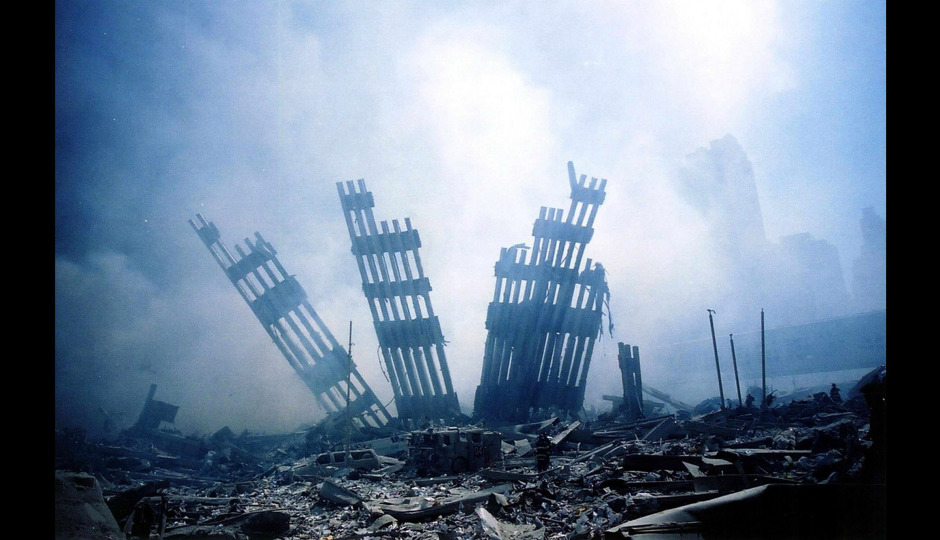
Prior to 2011 this was something emphatically under question. The Next 5 Minutes festival series had been ended with the 2003 edition, following a year that had started on September 11, 2002, convening local activists gatherings named as Tactical Media Labs across six continents. [3] Two questions were at the heart of the fourth and last edition of the Next 5 Minutes: How has the field of media activism diversified since it was first named ‘tactical media’ in the middle 1990s? And what could be significance and efficacy of tactical media’s symbolic interventions in the midst of the semiotic corruption of the media landscape after the 9/11 terrorist attacks?

This ‘crash of symbols’ for obvious reasons took centre stage during this fourth and last edition of the festival. Naomi Klein had famously claimed in her speedy response to the horrific events of 9/11 that the activist lever of symbolic intervention had been contaminated and rendered useless in the face of the overpowering symbolic power of the terrorist attacks and their real-time mediation on a global scale. [4] The attacks left behind an “utterly transformed semiotic landscape” (Klein) in which the accustomed tactics of culture jammers had been ‘blown away’ by the symbolic power of the terrorist atrocities. Instead ‘we’ (Klein appealing to an imaginary community of social activists) should move from symbols to substance. What Klein overlooked in this response in ‘shock and awe’, however, was that while the semiotic landscape had indeed been dramatically transformed (and corrupted) in the wake of the 9/11 attacks, it still remained a semiotic landscape – symbols were still the only lever and entry point into the wider real-time mediated public domain.

Therefore, as unlikely as it may have seemed at the time, the question about the diversification of the terrain and the practices of media activism(s) was ultimately of far greater importance. What the 9/11 crash of symbols and the semiotic corruption debate contributed here was ‘merely’ an added layer of complexity. In a society permeated by media flows, social activism necessarily had to become media activism, and thus had to operate in a significantly more complex and contested environment. The diversification of the media and information landscape, however, also implied that a radical diversification of activist strategies was needed to address these increasingly hybridised conditions.

To name but a few of the emerging concerns: Witnessing of human rights abuses around the world, and creating public visibility and debate around them remained a pivotal concern for many tactical media practitioners, as it had been right from the early days of camcorder activism. But now new concerns over privacy in networked media environments, coupled with security and secrecy regimes of information control entered the scene. Critical media arts spread in different directions, claiming new terrains as diverse as life sciences and bio-engineering, as well as ‘contestational robotics’, interventions into the space of computer games, and even on-line role playing environments. Meanwhile the free software movement made its strides into developing more autonomous toolsets and infrastructures for a variety of social and cultural needs – adding a more strategic dimension to what had hitherto been mostly an interventionist practice. In a parallel movement on-line discussion groups, mailing lists, and activity on various social media platforms started to coalesce slowly into what media theorist Geert Lovink has described as ‘organised networks’. [5] Or finally the rapid development of wireless transmission technologies, smart phones and other wireless network clients, which introduced a paradoxical superimposition of mediated and embodied spatial logics, best be captured in the multilayered concept of Hybrid Space. [6]

Our question was therefore entirely justified, to ask how the term ‘tactical media’ could possibly bring together such a diversified, heterogeneous, and hybridised set of practices in a meaningful way? It had become clear that more sophisticated cartographies would be necessary to begin charting this intensely hybridised landscape.

A digital conversion of public space

If the events in 2011 have made one thing clear it is that the ominous claim of Critical Art Ensemble that “the streets are dead capital” [7] has been declared null and void by an astounding resurgence of street protest, whatever their longer term political significance and fallout might be. These protests staged in the streets and squares, ranging from anti-austerity protests in Southern Europe to the various uprisings in Arab countries in North Africa and the Middle East, to the Occupy protests in the US and Northern Europe, have by no means been staged in physical spaces out of a rejection of the semiotic corruption of the media space. Much rather the streets and squares have acted as a platform for the digital and networked multiplication of protest across a plethora of distribution channels, cutting right across the spectrum of alternative and mainstream, broadcast and networked media outlets.

What remained true to the origin of the term ‘tactical media’ was to build on Michel de Certeau’s insight that the ‘tactics of the weak’ operate on the terrain of strategic power through highly agile displacements and temporary interventions [8], creating a continuous nomadic movement, giving voice to the voiceless by means of ‘any media necessary’ (Critical Art Ensemble). However, the radical dispersal of wireless and mobile media technologies meant that mediated and embodied public spaces increasingly started to coincide, creating a new hybridised logic for social contestation. As witnessed in the remarkable series of public square occupations in 2011, through the digital conversion of public space the streets have become networks and the squares the medium for collective expression in a transnationally interconnected but still highly discontinuous media network.

Horizontal networks / lateral connections

One of the remarkable characteristics of the various protests is not simply the adoption of similar tactics (most notably occupations of public city squares), but the conscious interlinking of events as they unfold. Italian activists of the Unicommons movement physically linked up with revolting students in Tunisia, Egyptian bloggers and occupiers of Tahrir Square linked up with the ‘take the square’ activists in Spain, who in turn expressed solidarity and even co-initiated transnational actions with #occupy activists in the United States and elsewhere. It is the first time that the new organisational logic of transnational horizontal networks that has been theorised for instance in the seminal work “Territory, Authority, Rights” by sociologist Saskia Sassen, has become so evidently visible in activists practices across a set of radically dispersed geographic assemblages.

Horizontal networks by-pass traditional vertically integrated hierarchies of the local / national / international to create specific spatio-temporal transnational linkages around common interests, but also around affective ties. By and large these ties and linkages are still extra-institutional, largely informal, and because of their radically dispersed make up and their ‘affective’ constitution highly unstable. Political institutions have not even begun assembling an adequate response to these new emergent political constellations (other than traditional repressive instruments of strategic power, i.e. evictions, arrests, prohibitions). Given the structural inequalities that fuel the different strands of protest the longer term effectiveness of these measures remains highly uncertain. The institutional linkages at the moment seem mostly limited to anti-institutional contestation on the part of protestors and repressive gestures of strategic authority. The truly challenging proposition these new transnational linkages suggest, however, is their movement to bypass the nested hierarchies of vertically integrated power structures in a horizontal configuration of social organisation. They link up a bewildering array of local groups, sites, networks, geographies, and cultural contexts and sensitivities, taking seriously for the first time the networked space as a new ‘frontier zone’ (Sassen) where the new constellations of lateral transnational politics are going to be constructed.

Charting the layered densities of hybrid space

Hybrid Space is discontinuous. It’s density is always variable, from place to place, from moment to moment. Presence of carrier signals can be interrupted or restored at any moment. Coverage is never guaranteed. The economics of the wireless network space is a matter of continuous contestation, and transmitters are always accompanied by their own forms of electromagnetic pollution (electrosmog). Charting and navigating this discontinuous and unstable space, certainly for social and political activists, is therefore always a challenge. Some prominent elements in this cartography are emerging more clearly, however:

– connectivity: presence or absence of the signal carrier wave is becoming an increasingly important factor in staging and mediating protest. Exclusive reliance on state and corporate controlled infrastructures thus becomes increasingly perilous.

– censorship: censorship these days comes in many guises. Besides the continued forms of overt repression (arrests, confiscations, closures) of media outlets, new forms are the excessive application of intellectual property rights regimes to weed out unwarranted voices from the media landscape, but also highly effective forms of  dis-information and information overflow, something that has called the political efficacy of a project like WikiLeaks emphatically into question.

– circumvention: Great Information Fire Walls and information blockages are obvious forms of censorship, widely used during the Arab protests and common practice in China, now also spreading throughout the EU (under the guise of anti-piracy laws). These necessitate an ever more sophisticated understanding and deployment of internet censorship circumvention techniques, an understanding that should become common practice for contemporary activists. [9]

– attention economies: attention is a sought after commodity in the informational society. It is also fleeting. (Media-) Activists need to become masters at seizing and displacing public attention. Agility and mobility are indispensable here.

– public imagination management: Strategic operators try to manage public opinion. Activists cannot rely on this strategy. They do not have the means to keep and maintain public opinion in favour of their temporary goals. Instead activists should focus on ‘public imagination management’ – the continuous remembrance that another world is possible.

Beyond semiotic corruption: A perverse subjectivity

The immersion in extended networks of affect that now permeate both embodied and mediated spaces introduces a new and inescapable corruption of subjectivity. Critical theory already taught us that we cannot trust subjectivity. However, the excessive self-mediation of protestors on the public square has shown that a deep desire for subjective articulation drives the manifestation in public. The dynamic is underscored further by upload statistics of video platforms such as youtube that continue to outpace the possibility for the global population to actually see and witness these materials.

Rather than dismissing subjectivity it should be embraced. This requires a new attitude ‘beyond good and evil’, beyond critique and submission. A new perverse subjectivity is able to straddle the seemingly impossible divide between willing submission to various forms of corporate, state and social coercion, and vital social and political critique and contestation. It’s maxim here: Relish your own commodification, embrace your perverse subjectivity, in order to escape the perversion of subjectivity.

Eric Kluitenberg
Amsterdam, April 15, 2012.

References:

1 – See: David Garcia & Geert Lovink, The ABC of Tactical Media, May 1997, a.o.:
www.tacticalmediafiles.net/article.jsp?objectnumber=37996

2 – www.tacticalmediafiles.net

3 – Documentation of the Tactical Media Labs events can be found at:
www.n5m4.org

4 – Naomi Klein – Signs of the Times, in The Nation, October 5, 2001.
Archived at: www.tacticalmediafiles.net/article.jsp?objectnumber=46632

5 – Geert Lovink and Ned Rossiter, Dawn of the Organised Networks, in; Fibreculture Journal, Issue 5, 2005.
http://five.fibreculturejournal.org/fcj-029-dawn-of-the-organised-networks/

6 – See my article The Network of Waves, and the theme issue Hybrid Space of Open – Journal for Art and the Public Domain, Amsterdam, 2006;
www.tacticalmediafiles.net/article.jsp?objectnumber=48405
(the complete issue is linked as pdf file to the article).

7 – Critical Art Ensemble, Digital Resistance, Autonomedia, New York, 2001.
www.critical-art.net/books/digital/

8 – Michel de Certeau, The Practice of Everyday Life, University of California Press, 1984.

9 – A useful manual can be found here: www.flossmanuals.net/bypassing-censorship/

Community Media: A Good Practice Handbook (UNESCO)

Compiled and edited by Steve Buckley

Published by UNESCO and available free online at:
http://unesdoc.unesco.org/images/0021/002150/215097E.pdf

Among its activities to mark World Radio Day 2012, UNESCO has
launched a new good practice handbook with case studies of community
media from around the world. The publication draws on a diversity of
experiences to provide inspiration and support for those engaged in
community media practice and advocacy and to raise awareness and
understanding of community media among policy makers and other stakeholders.

13 February has been proclaimed by UNESCO as a date to celebrate
radio broadcast, improve international cooperation among radio
broadcasters and encourage decision-makers to create and provide
access to information through radio. Community Media: A Good Practice
Handbook is a compilation of 30 community radio and other community
media examples demonstrating successful approaches to strengthening
public voice.

“The value of this publication lies in the fact that it highlights
problems while at the same time offering possible solutions. It
presents a useful empirical basis for replicating time-tested
decisions about how community media can become an even more effective
element of a free, independent and pluralistic media system of any
democratic society. This book will be a useful reference to community
media practitioners, policy-makers, researchers, community
organizers, and other media development stakeholders.”

From the Foreword by Wijayananda Jayaweera, former Director,
Communication Development Division/IPDC, UNESCO, Paris

Guerra linguística na Espanha (2004)

Camps pide una entrevista urgente a Zapatero para exigir respeto al valenciano (Terra Notícias)

12/11/2004

Tras constatar que el Gobierno hacía explícita su cesión ante el ultimátum lanzado por ERC, Camps advirtió ayer de que la denominación del valenciano ‘es innegociable’ y que la Generalitat ‘no va a permitir que en ninguna instancia o ámbito’ desaparezca esta denominación para referirse a la lengua que se habla en la Autonomía que gobierna.

Camps recordó que la Constitución y el Estatuto de Autonomía reconocen el valenciano como una de las cuatro lenguas cooficiales del Estado, por cuanto ‘recurrirá cualquier documento, memorándum o ponencia’ que contravenga la ley ‘en menosprecio de unas señas de indentidad que no serán moneda de cambio de nadie’.

El aviso de Camps llegó después de un día entero a la espera de una aclaración oficial sobre el contenido de la reunión de urgencia celebrada el martes entre Zapatero, Carod-Rovira y Josep Bargalló, en la que, según los republicanos, el presidente del Gobierno dio marcha atrás en su decisión de reconocer el valenciano en la UE, pese a haber elevado ya un ejemplar de la Constitución Europea traducido a esa lengua.

La Generalitat valenciana dio su respuesta después de que el secretario de Estado de Asuntos Europeos, Alberto Navarro, confirmara que el Gobierno decidirá el próximo día 22 una ‘denominación única’ para referirse al valenciano y al catalán en el memorándum sobre diversidad lingüística que presentará a la UE.

Camps consideró que esa decisión es un golpe en la línea de flotación del modelo territorial vigente, ya que ‘pone en riesgo el modelo autonómico porque cuestiona la competencia de exclusividad que la Generalitat tiene sobre la lengua valenciana’. En esta línea, Camps señaló que la polémica ‘afecta muy mal’ al clima de entendimiento y cordialidad sobre el que ha de debatirse la reforma de los Estatutos y de la Constitución promovida por el Ejecutivo.

‘Zapatero ha vuelto a ceder ante los radicales, ya lo hizo con la derogación del trasvase del Ebro, y demuestra que está dispuesto a cometer una ilegalidad para lograr el respaldo de ERC a los Presupuestos’, proclamó Camps. Y por ello pidió ‘lealtad y apoyo’ del resto de Autonomías, y exigió una reunión urgente con el presidente del Gobierno.

Camps pide una entrevista urgente a Zapatero para exigir respeto al valenciano (ABC Madrid, 12/11/2004): link

Entrevista con el antropólogo estadunidense James Scott: Los movimientos autónomos causan miedo a los movimientos sociales formales y al Estado (Desinformémonos)

“Los grandes cambios radicales no han sucedido como producto de una legislación o elecciones; han sucedido en las calles, en levantamientos que amenazan con salirse de control”.

ENTREVISTA DE MARINA DEMETRIADOU, ATZÉLBI HERNÁNDEZ E ISABEL SANGINÉS

Ciudad de México. James Scott es profesor de Ciencias Políticas y Antropología en la Universidad de Yale y director de estudios agrarios en la misma institución.

Su trabajo se ha centrado en la manera que la gente de abajo se opone a la dominación. En diversos libros como “Economía moral del campesino: subsistencia y rebelión en Asia suroriental” “Armas del débil: formas diarias de resistencia campesina” y “Los dominados y el arte de la resistencia”, Scott teoriza sobre la manera en que el pueblo resiste a la autoridad y trata de describir las interacciones entre dominados y opresores.

En la siguiente entrevista con Desinformémonos, el investigador y antropólogo habla sobre la forma en que las experiencias autónomas pueden funcionar alejadas del Estado y sobre el impacto que pueden tener a mediano y largo plazo los movimientos sociales que surgen espontáneamente y que no tienen jerarquía.

¿Cómo los movimientos y experiencias autónomas pueden ocupar espacios del Estado- nación?

Históricamente los movimientos sociales han pedido cosas concretas al Estado. Empiezan con la idea de que el Estado es algo dado.

Los movimientos autónomos deben ver cómo hacer para crear espacios autogestionados, como centros sociales de capacitación y de educación, que no sean una imitación del Estado. Y esto incluye también a las ocupaciones.

Un movimiento autónomo debe crear lo más posible, dentro de un espacio que esté fuera del Estado para poder crear algo distinto. Esto no es fácil, pero sólo pedir cosas al Estado, de acuerdo con sus leyes y sus reglas, no es estar creando autonomía.

La mayoría de los movimientos sociales en la historia han creado estructuras que son parecidas al Estado, son jerárquicas. Tienen un nombre, una organización, eligen representantes y copian la estructura del Estado. Son pequeños Estados.

Hablando de mi propio país, los Estados Unidos, creo que cada movimiento progresivo y radical que ha tenido éxito, ha sido producto de irrupciones masivas, no organizadas, que no llegan de los movimientos sociales existentes. Como los movimientos por los derechos civiles y por el voto de las mujeres que surgieron de manera espontánea, fuera de movimientos sociales organizados.

Estos movimientos radicales no tienen jerarquía, así que el Estado no tiene con quién hablar (negociar). No hay liderazgos. Son movimientos populares sin estructura jerárquica, así que no los pueden cooptar.

La paradoja de la democracia es que – supuestamente – debe crear un sistema para hacer posibles cambios sociales a gran escala, sin violencia y sin irrupciones, mediante un proceso legal en el que se eligen personas; pero el hecho es que los grandes cambios radicales no han sucedido como producto de una legislación o elecciones, sino que han sucedido en las calles, en levantamientos que amenazan con salirse de control y en los que las élites estaban asustadas, aterrorizadas y tomaron cartas en el asunto rápidamente para poder apagar la revuelta.

¿Qué experiencias organizativas comunitarias han logrado hacer cambios alternativos y radicales alejados de la estructura de Estado?

El autor uruguayo Raúl Zibechi habla de muchos ejemplos de movimientos autónomos en América Latina que, de acuerdo con él, han logrado organizarse alternativamente; Zibechi habla de comunidades de base que han construido interrelaciones con otras comunidades y que después pueden movilizarse juntas en movimientos sociales más grandes.

Otro ejemplo se ha dado en Estados Unidos. Se trata de Occupy Wall Street, un movimiento espontáneo, que empezó con 200 ó 300 personas, y luego mucha gente de Cleveland, San Francisco y muchas ciudades más comenzaron a imitarlos; ésta es la clase de cosas que nadie podía haber predicho, nadie puede organizar estas revueltas, pero cuando suceden se debe saber tomar ventaja de la situación. Estas cosas nacen de forma espontáneas y nadie de nosotros sabe qué forma tomarán; pero después, el rol de los movimientos sociales deberá ser ayudar a estas ocupaciones espontáneas a logar un calendario.

El hecho es que aunque haya capacidad para la movilización autónoma local y ésta sea el punto central de las resistencias, no importa tanto hasta qué punto estos grupos logren o no sus objetivos inmediatas, pues lo realmente importante es que están creando redes que son un muy valioso recurso para la movilización popular.

Si surgen ocupaciones espontáneas, hay que aprovechar la capacidad de los movimientos autónomos locales de crear redes sociales.

¿Qué impacto pueden tener en el largo plazo los movimientos espontáneos que no tienen organización, ni planeación, y que no se acercan al Estado ni lo golpean directamente?

Los movimientos sociales organizados y jerarquizados, la mayoría de los que conocemos, fueron creados por la base del levantamiento popular, pero estas organizaciones no crearon nada por sí mismas en términos de cambios en el Estado; sin embargo, todos los movimientos sociales formales, que son pequeños Estados, están aterrorizados también por las revueltas de los de abajo, así que si quieres cambiar un movimiento, hay que amenazarlo desde abajo, desde los movimientos espontáneos. Los movimientos autónomos causan mucho miedo a los movimientos sociales formales y al Estado.

Desenvolvimento e destruição (Ciência Hoje)

O antropólogo Luiz Fernando Dias Duarte aborda na sua coluna de dezembro as contribuições críticas de uma antropologia voltada ao enfrentamento direto dos desafios que o projeto de desenvolvimento econômico apresenta para o planeta e as sociedades contemporâneas.

Por: Luiz Fernando Dias Duarte

Publicado em 02/12/2011 | Atualizado em 02/12/2011

Desenvolvimento e destruiçãoA locomotiva a vapor, ícone da Revolução Industrial, foi ao mesmo tempo um símbolo do progresso triunfante e um agourento fantasma a recobrir de cinza e fumaça os campos e as cidades. (foto: Jim Daly/ Sxc.hu)

Há poucas categorias tão onipresentes nas discussões atuais sobre a condição de nossas sociedades quanto a de ‘desenvolvimento’. Cadernos inteiros de nossos jornais dedicam-se regularmente aos desafios e dilemas que cercam o projeto do desenvolvimento econômico de nosso país ou de toda a humanidade.

De um modo geral, estamos informados sobre a permanente busca das políticas governamentais modernas de progresso material por meio da expansão das bases da atividade econômica, de sua circulação mercantil e de sua apropriação pelo consumo generalizado.

Mas sabemos provavelmente mais ainda sobre os riscos e ameaças que essa expansão vem acarretando para nossa população e para o planeta em geral. Nos últimos dias, quem não se assustou com o vazamento de petróleo na costa fluminense ou não se preocupou com a retomada das obras da hidrelétrica de Belo Monte no Rio Xingu e com a possibilidade de abertura do Parque Nacional da Serra da Canastra à exploração de diamantes?

Ainda aqui na Ciência Hoje On-line, meu colega Jean Remy Guimarães acaba de descrever com detalhes os desastres ambientais decorrentes da mineração desenfreada de ouro no Equador (Leia coluna Sobre ouro, ceviche e arroz).

A questão não é nova, porém. Desde o começo da Revolução Industrial contrapõem-se sistematicamente os desejos de uma constante e infinita melhoria das condições de reprodução econômica das populações e os alertas sobre a destruição física e a degradação humana acarretadas pelo industrialismo e pelas relações capitalistas de produção.

A imagem da locomotiva a vapor foi ao mesmo tempo um símbolo do progresso triunfante e um agourento fantasma a recobrir de cinza e fumaça os campos e as cidades. O próprio socialismo, crítico da desumanização proletária, não renegou o princípio do avanço ilimitado das forças produtivas e dá, ainda hoje, o aval à desastrosa modernização chinesa.

Mancha de óleo provocada pelo vazamento no poço da Chevron na Bacia de Campos, no norte fluminense. Ao mesmo tempo em que somos informados sobre a busca permanente das políticas governamentais de progresso material, sabemos dos riscos envolvidos, para a população e o planeta em geral. (foto: Agência Brasil)

Antropologia e desenvolvimento

Acaba de se realizar em Brasília a 2ª Conferência de Desenvolvimento (Code), organizada pelo Instituto de Pesquisa Econômica Aplicada (Ipea), com o propósito de “debater e problematizar as diversas formulações possíveis para conceitos, trajetórias, atores, instituições e políticas públicas para o desenvolvimento brasileiro”.

Diversas associações de ciências humanas juntaram-se a esse debate, tendo a Associação Brasileira de Antropologia organizado e participado de duas séries de mesas em que se assumiu o desafio do encontro.

Todos reconhecem a insanidade do sistema atual de exploração a qualquer custo dos recursos ambientais

Há duas vias possíveis para a discussão da relação entre desenvolvimento e antropologia.

A primeira segue o rumo da institucionalização crescente de uma ‘antropologia do desenvolvimento’, dedicada ao conhecimento das formas pelas quais se organiza esse campo, ou seja, as ações voltadas para o progresso material e a promoção social das populações humanas em situações desprivilegiadas ou vulneráveis em todo o planeta. Isso envolve particularmente o que se desenrola no plano internacional, associado à dinâmica da globalização.

A segunda via é a do reconhecimento e articulação de um vasto número de linhas de pesquisa antropológica que tem em comum abordar questões de reprodução, identidade e transformação social em contextos desprivilegiados, vulneráveis e subordinados a dinâmicas de grande escala, inclusive transnacionais.

No entanto, esses trabalhos não se voltam prioritariamente a uma problemática do ‘desenvolvimento’ em si. Constituem, assim, não uma especialização disciplinar, mas um foco, a que se pode chamar de ‘antropologia e desenvolvimento’.

No encontro de Brasília, antropólogos, sociólogos, economistas e cientistas políticos examinaram de diversos ângulos as formas contemporâneas do dilema do desenvolvimento.

“Todos reconhecem a insanidade do sistema atual de exploração a qualquer custo dos recursos ambientais e todos denunciam a violência com que os grandes projetos de desenvolvimento são implantados, em detrimento do interesse de amplas populações locais.”

Debate sobre Belo Monte no Congresso
Congressistas discutem com comunidades indígenas violações de direitos humanos na região onde funcionará a usina de Belo Monte, um dos grandes empreendimentos desenvolvimentistas do governo federal. (foto: Antonio Cruz/ ABr)

Desatino coletivo

Embora haja um grande ceticismo por parte desses atores em relação às possibilidades de plena assunção pelos governos atuais de uma nova visão de ‘desenvolvimento sustentável’, eles não pretendem esmorecer em sua ação combinada de estudos e intervenção pública, visando a conscientização e responsabilização pelo destino não apenas de nossa geração, mas de todo o planeta e, com ele, de toda a humanidade.

Essa verdadeira militância científica denuncia os procedimentos autoritários com que se afirmam os empreendimentos desenvolvimentistas e também os saberes que justificam tais políticas com argumentos naturalistas, tecnicistas, em que um abstrato ‘bem comum’ ocupa o lugar concreto do bem de todos e de cada um.

Luta por uma disposição democrática na condução dos projetos econômicos de grande escala, atenta ao que já se vem chamando de ‘justiça ambiental’ ou de ‘modernidades alternativas’.

É generalizada a consciência de que não se poderá mudar de um dia para o outro o paradigma do melhorismo iluminista, dessa aspiração de construção de um paraíso de consumo sobre a terra.

“Há conhecimento suficiente sobre a vida social, econômica e política de todo este mundo para deixar claro que o paradigma terá que ser desviado de um curso insano”

Há hoje, porém, conhecimento suficiente sobre a vida social, econômica e política de todo este mundo para deixar claro que o paradigma terá que ser modificado, nuançado, desviado de um curso insano.

A política da competição entre as nações, armada pela crescente interdependência econômica global, é por ora um estímulo ao desatino coletivo. A destruição se dá no Brasil, assim como no Equador, na China ou na África do Sul.

A antropologia se esforça para conhecer e dar a conhecer os infindáveis nódulos de tão grande trama e, nessa luta, não pode calar ao se deparar com os mil infernos localizados que essa inglória busca de gozo incendeia aqui e ali.

Mais do que o sentido, é o destino global do humano que está em jogo.

Luiz Fernando Dias Duarte
Museu Nacional
Universidade Federal do Rio de Janeiro

Drillers using counterinsurgency experts (Pittsburgh Post-Gazette)

Marcellus industry taking a page from the military to deal with media, resident opposition
Sunday, November 13, 2011
By Don Hopey, Pittsburgh Post-Gazette

Marcellus Shale gas drilling spokesmen at an industry conference in Houston said their companies are employing former military counterinsurgency officers and recommended using military-style psychological operations strategies, or psyops, to deal with media inquiries and citizen opposition to drilling in Pennsylvania communities.

Matt Pitzarella, a Range Resources spokesman speaking to other oil and gas industry spokespeople at the conference last week, said the company hires former military psyops specialists who use those skills in Pennsylvania.

Mr. Pitzarella’s statements and related comments made by a spokesman for Anadarko Petroleum were recorded by a member of an environmental group who provided them to the Pittsburgh Post-Gazette.

“We have several former psyops folks that work for us at Range because they’re very comfortable in dealing with localized issues and local governments,” Mr. Pitzarella said during the last half of a 23-minute presentation in a conference session. The session was titled “Designing a Media Relations Strategy to Overcome Concerns Surrounding Hydraulic Fracturing.”

“Really all they do is spend most of their time helping folks develop local ordinances and things like that,” he continued. “But very much having that understanding of psyops in the Army and the Middle East has applied very helpfully here for us in Pennsylvania.”

Matt Carmichael, manager of external affairs for Anadarko Petroleum, which has nearly 300,000 acres of Marcellus Shale gas holdings under lease in Central Pennsylvania, gave a speech urging industry media spokesmen to read a military counterinsurgency manual for tips in dealing with opponents to shale gas development.

“Download the U.S. Army/Marine Corps Counterinsurgency Manual, because we are dealing with an insurgency,” Mr. Carmichael said in a session titled “Understanding How Unconventional Oil & Gas Operators are Developing a Comprehensive Media Relations Strategy to Engage Stakeholders and Educate the Public.”

“There’s a lot of good lessons in there,” he said, “and coming from a military background, I found the insight extremely remarkable.”

The remarks of both Mr. Pitzarella and Mr. Carmichael were recorded at the conference by Sharon Wilson, an activist and member of the Earthworks Oil and Gas Accountability Project, a national environmental nonprofit focused on the impacts of mineral and energy development.

She said the term “insurgent” shows what the industry thinks about the communities where it is drilling.

“What’s clear to me is that they are having to use some very extreme measures in our neighborhoods. And it seems like they view it as an occupation,” Ms. Wilson said.

Psychological operations is a term used in the military and intelligence agencies and involves use of selective communications and sometimes misinformation and deception to manipulate public perception. According to a U.S. Army careers website, psyops specialists “assess the information needs of a target population and develop and deliver the right message at the right time and place to create the intended result.”

Environmental groups and residents of communities where Marcellus drilling has been controversial and sometimes contentious were quick to seize on the comments. They said they reflected the industry’s battlefield mentality and disinformation strategy when dealing with communities and individuals.

“This is the level of disdain, deception and belligerence that we are dealing with,” said Arthur Clark, an Oil & Gas Committee co-chair and member of the executive committee of the Pennsylvania chapter of the Sierra Club.

“On tape and in print, for once, an industry literally at war with local residents, even labeling them ‘insurgents.’ I don’t recall seeing anyone toting an AK-47 at any of the public meetings or rallies regarding frack gas development.”

“It sounds like the gas companies are utilizing military ‘psyops’ in gas patch communities,” said Bill Walker, a spokesman for Earthworks.

Mr. Carmichael did not return calls requesting comment, but John Christiansen, director of external communications for Anadarko, issued a statement, addressing Mr. Carmichael’s use of the term insurgency.

“The reference was not reflective of our core values. Our community efforts are based upon open communication, active engagement and transparency, which are all essential in building fact-based knowledge and earning public trust.”

Mr. Pitzarella explained his remarks by saying the industry employs large numbers of veterans, including an attorney with a psyops background who “spent time in the Middle East,” with temperaments “well suited” to handling the sometimes “emotional situations” at community meetings the company holds to explain its well drilling and fracking operations.

“To suggest that the two comments made at unrelated [conference sessions] are a strategy is dishonest,” Mr. Pitzarella said. “[Range has] been transparent and accountable, and that’s not something we would do if we were trying to mislead people.”

But despite repeated questions, Mr. Pitzarella would not name the Range attorney with a psyops background. The company does employ James Cannon, whose LinkIn page lists him as a “public affairs specialist” for Range and a member of the U.S. Army’s “303 Psyop Co.,” a reserve unit in Pittsburgh.

Mr. Cannon could not be reached for comment.

Dencil Backus of Mount Pleasant, a California University of Pennsylvania communications professor who teaches public relations, once had Mr. Pitzarella in his class. Mr. Backus said it’s “obvious we have all been targeted” with a communications strategy that employs misinformation and intimidation, and includes homespun radio and television ads touting “My drilling company? Range Resources”; community “informational” meetings that emphasize the positive and ignore potential problems caused by drilling and fracking; and recent lawsuits, threats of lawsuits and commercial boycotts.

“There’s just been a number of ways in which they’ve sought to intimidate us,” said Mr. Backus, who has been a coordinator of a citizens committee that advised Mount Pleasant on a proposed Marcellus ordinance. “It’s one of the most unethical things I have ever seen.”

Don Hopey: dhopey@post-gazette.com or 412-263-1983

Arjun Appadurai: A Nation of Business Junkies (Anthropology News)

Guest Columnist
Arjun Appadurai

By Anthropology News on November 3, 2011

I first came to this country in 1967. I have been either a crypto-anthropologist or professional anthropologist for most of that time. Still, because I came here with an interest in India and took the path of least resistance in choosing to maintain India as my principal ethnographic referent, I have always been reluctant to offer opinions about life in these United States. I have begun to do so recently, but mainly in occasional blogs, twitter posts and the like. Now seems to be a good time to ponder whether I have anything to offer to public debate about the media in this country. Since I have been teaching for a few years in a distinguished department of media studies, I feel emboldened to offer my thoughts in this new AN Forum.

My examination of changes in the media over the last few decades is not based on a scientific study. I read the New York Times every day, the Wall Street Journal occasionally, and I subscribe to The Atlantic, Harper’s, The New York Review of Books, the Economist, and a variety of academic journals in anthropology and area studies. I get a smattering of other useful media pieces from friends on Facebook and other social media sites. I also use the Internet to keep up with as much as I can from the press in and about India. At various times in the past, I have subscribed to The Nation, Money Magazine, Foreign Policy, the Times Literary supplement and a few other periodicals.

I have long been interested in how culture and economy interact. Today, I want to make an observation about the single biggest change I have seen over my four decades in the United States, which is a growing and now hegemonic domination of the news and of a great deal of opinion, both in print and on television, by business news. Business news was a specialized affair in the late 1960’s, confined to a few magazines such as Money and Fortune, and to newspapers and TV reporters (not channels). Now, it is hard to find anything but business as the topic of news in all media. Consider television: if you spend even three hours surfing between CNN and BBC on any given day ( surfing for news about Libya or about soccer, for example) you will find yourself regularly assaulted by business news, not just from London, New York and Washington, but from Singapore, Hong Kong, Mumbai and many other places. Look at the serious talk shows and chances are that you will find a talking CEO, describing what’s good about his company, what’s bad about the government and how to read his company’s stock prices. Channels like MSNBC are a form of endless, mind-numbing Jerry Lewis telethon about the economy, with more than a hint of the desperation of the Depression era movie “They Shoot Horses Don’t They?”, as they bid the viewer to make insane bets and to mourn the fallen heroes of failed companies and fired CEO’s.

Turn to the newspapers and things get worse. Any reader of the New York Times will find it hard to get away from the business machine. Start with the lead section, and stories about Obama’s economic plans, mad Republican proposals about taxes, the Euro-crisis and the latest bank scandal will assault you. Some relief is provided by more corporate news: the exit of Steve Jobs, the Op-Ed piece about the responsibilities of the super-rich by Warren Buffet, Donald Trump advertising his new line of housewares to go along with his ugly homes and buildings. Turn to the sports section: it is littered with talk of franchises, salaries, trades, owner antics, stadium projects and more. I need hardly say anything about the section on “Business” itself, which has now virtually become redundant. And if you are still thirsty for more business news, check out the “Home”, “Lifestyle” and Real Estate sections for news on houses you can’t afford and mortgage financing gimmicks you have never heard off. Some measure of relief is to be in the occasional “Science Times” and in the NYT Book Review, which do have some pieces which are not primarily about profit, corporate politics or the recession.

The New York Times is not to blame for this. They are the newspaper of “record’ and that means that they reflect broader trends and cannot be blamed for their compliance with bigger trends. Go through the magazines when you take a flight to Detroit or Mumbai and there is again a feast of news geared to the “business traveler”. This is when I catch up on how to negotiate the best deal, why this is the time to buy gold and what software and hardware to use when I make my next presentation to General Electric. These examples could be multiplied in any number of bookstores, newspaper kiosks, airport lounges, park benches and dentist’s offices.

What does all this reflect? Well, we were always told that the business of America is business. But now we are gradually moving into a society in which the business of American life is also business. Who are we now? We have become (in our fantasies) entrepreneurs, start-up heroes, small investors, consumers, home-owners, day-traders, and a gallery of supporting business types, and no longer fathers, mothers, friends or neighbors. Our very citizenship is now defined by business, whether we are winners or losers. Everyone is an expert on pensions, stocks, retirement packages, vacation deals, credit- card scams and more. Meanwhile, as Paul Krugman has argued in a brilliant recent speech to some of his fellow economists, this discipline, especially macro-economics, has lost all its capacities to analyze, define or repair the huge mess we are in.

The gradual transformation of the imagined reader or viewer into a business junkie is a relatively new disease of advanced capitalism in the United States. The avalanche of business knowledge and information dropping on the American middle-classes ought to have helped us predict – or avoid – the recent economic meltdown, based on crazy credit devices, vulgar scams and lousy regulation. Instead it has made us business junkies, ready to be led like sheep to our own slaughter by Wall Street, the big banks and corrupt politicians. The growing hegemony of business news and knowledge in the popular media over the last few decades has produced a collective silence of the lambs. It is time for a bleat or two.

Dr. Arjun Appadurai is a prominent contemporary social-cultural anthropologist, having formerly served as Provost and Senior Vice President for Academic Affairs at The New School in NYC. He has held various professorial chairs and visiting appointments at some of top institutions in the United States and Europe. In addition, he has served on several scholarly and advisory bodies in the United States, Latin America, Europe and India. Dr. Appadurai is a prolific writer having authored numerous books and scholarly articles. The nature and significance of his contributions throughout his academic career have earned him the reputation as a leading figure in his field. He is the author of The Future as a Cultural Fact: Essays on the Global Condition (Verso: forthcoming 2012).

Ken Routon is the contributing editor of Media Notes. He is a visiting professor of cultural anthropology at the University of New Orleans and the author of Hidden Powers of the State in the Cuban Imagination (University Press of Florida, 2010).

Governo apresenta oficialmente oito propostas para a Rio+20 (Jornal da Ciência)

JC e-mail 4376, de 01 de Novembro de 2011.

O governo apresenta nesta terça-feira (1º) a versão oficial do documento com oito propostas para a Conferência das Nações Unidas sobre o Desenvolvimento Sustentável, conhecida como Rio+20, a ser realizada no Rio de Janeiro de 28 de maio a 6 de junho de 2012. O documento foi apresentado hoje pela ministra do Meio Ambiente, Izabella Teixeira e pelo Itamaraty, em coletiva de imprensa, em Brasília.

A primeira proposta é a criação de um programa de proteção socioambiental global, cujo objetivo é assegurar garantia de renda para superar a pobreza extrema no mundo e promover ações estruturantes que garantam qualidade ambiental, segurança alimentar, moradia adequada e acesso à água limpa para todos.

A ideia desse programa, conforme consta do documento, é fazer com que “toda estrutura multilateral opere” para facilitar o acesso a tecnologias, recursos financeiros, infraestrutura e capacitação, a fim de que todas as pessoas tenham a quantidade e qualidade mínima de alimento, água e ambiente saudável.

Pela proposta brasileira, esse programa teria como foco uma estratégia de garantia de renda adequada às condições de cada país, diante de um momento de crise internacional em que se mobilizam vastos recursos globais para a recuperação do sistema financeiro. “O programa seria uma aposta no componente social, importante na solução brasileira para o enfrentamento da crise”, destaca o documento. “Essa é uma plataforma de diálogo global que poderia ser um passo crucial rumo ao desenvolvimento sustentável, com potencial para reforçar o papel virtuoso do multilateralismo”, complementa.

Na segunda proposta, o governo sugere a implementação de “objetivos de desenvolvimento sustentável”, adotando um programa de economia verde inclusiva, em lugar “de negociações complexas que busquem o estabelecimento de metas restritivas vinculantes”. Dentre outros, esses objetivos poderiam estar associados a erradicação da pobreza extrema; a segurança alimentar e nutricional; acesso a empregos adequados (socialmente justos e ambientalmente corretos); acesso a fontes adequadas de energia; a microempreendedorismo e microcrédito; a inovação para a sustentabilidade; acesso a fontes adequadas de recursos hídricos; e adequação da pegada ecológica à capacidade de regeneração do planeta.

Compras públicas sustentáveis – Na terceira proposta, o Brasil sugere um pacto global para produção e consumo sustentáveis. Ou seja, um conjunto de iniciativas para promover mudanças nos padrões de produção e consumo em diversos setores. Dessa forma, poderiam ser adotadas, com caráter prioritário, iniciativas que ofereçam suporte político a compras públicas sustentáveis, já que essas representam parte significativa da economia internacional, de cerca de 15% do Produto Interno Bruto (PIB) mundial; a classificações de consumo e eficiência energética; e financiamento de estudos e pesquisas para o desenvolvimento sustentável (com o objetivo de qualificar recursos humanos de alto nível e apoiar projetos científicos, tecnológicos e inovadores).

A quarta proposta sugere estabelecer repositório de iniciativas para dinamizar os mecanismos nacionais e de cooperação internacional, inclusive a utilização de recursos dos organismos multilaterais. Já a quinta sugestão propõe a criação de protocolo internacional para a sustentabilidade do setor financeiro.

Na sexta proposta o governo sugere novos indicadores para mensuração do desenvolvimento. Hoje os mais importantes são o Índice de Desenvolvimento Humano (IDH) e o Produto Interno Bruto (PIB) que, como medida de desenvolvimento sustentável, “são claramente limitadas”, por não integrarem a grande diversidade de aspectos sociais e ambientais aos valores econômicos, o que induz, segundo o documento, a percepções errôneas do grau de desenvolvimento e de progresso dos países.

Na sétima proposta o governo sugere a implementação de um “pacto pela economia verde inclusiva. A ideia é estimular a divulgação de relatórios e de índices de sustentabilidade por empresas estatais, bancos de fomento, patrocinadoras de entidades de previdência privada, empresas de capital aberto e empresas de grande porte. Ou seja, além dos aspectos econômico-financeiros, essas instituições incluam nas divulgações, obrigatoriamente, e de acordo com padrões internacionalmente aceitos e comparáveis, informações sobre suas atuações em termos sociais, ambientais e de governança corporativa.

Por sua vez, a oitava proposta é ligada a “estrutura institucional do desenvolvimento sustentável. Essa aborda vários tópicos, dentre os quais a adoção de mecanismo de coordenação institucional para o desenvolvimento sustentável”; reforma do Conselho Econômico e Social das Nações Unidas (ECOSOC), transformando-o em Conselho de Desenvolvimento Sustentável das Nações Unidas; aperfeiçoamento da governança ambiental internacional; o lançamento de processo negociador para uma convenção global sobre acesso à informação, participação pública na tomada de decisões e acesso à justiça em temas ambientais; e a governança da água.

(Viviane Monteiro – Jornal da Ciência)

Occupy Wall Street turns to pedal power (The Raw Story)

By Muriel Kane
Sunday, October 30, 2011

The Occupy Wall Street protesters who were left without power after their gas-fueled generators were confiscated by New York City authorities on Friday may have found the idea solution in the form of a stationary bicycle hooked up to charge batteries.

Stephan Keegan of the non-profit environmental group Time’s Up showed off one of the bikes to The Daily News, explaining that OWS’s General Assembly has already authorized payment for additional bikes and that “soon we’ll have ten of these set up and we’ll be powering the whole park with batteries.”

Protester Lauren Minis told CBS New York, “We’ve got five bike-powered generator systems that are coming from Boston and we’ve got five more plus other ones that are going to supplement as well so we’re completely, completely off the grid.”

According to CBS, “Insiders at Occupy Wall Street say they expect to have their media center and the food service area fully powered and illuminated by Monday.”

“We need some exercise,” Keegan explained enthusiastically, “and we’ve got a lot of volunteers, so we should be able to power these, no problem. … We did an energy survey of the whole park, found out how much energy we were using. …. Ten will give us twice as much power.”

Keegan also boasted that the system is “very clean” and is environmentally superior not only to fossil fuel but even to solar panels, because it uses almost entirely recycled materials.

[Click que image to watch video, or click here]

Índios invadem obras de Belo Monte e bloqueiam Transamazônica (FSP)

27/10/2011 – 14h21

AGUIRRE TALENTO
DE BELÉM

O canteiro de obras da hidrelétrica de Belo Monte, localizado no município de Vitória do Xingu (oeste do Pará, a 945 km de Belém), foi invadido na manhã desta quinta-feira (27) em um protesto de indígenas, pescadores e moradores da região.

Eles também bloquearam a rodovia Transamazônica na altura do quilômetro 52, onde fica a entrada do canteiro de obras da usina.

O protesto, que começou às 5h da manhã, foi organizado durante seminário realizado nesta semana, em Altamira (também no oeste, a 900 km de Belém), que discutiu os impactos da instalação de usinas hidrelétricas na região.

Os seguranças permitiram a entrada dos manifestantes sem oferecer resistência, e os funcionários da empresa não apareceram para trabalhar. Com isso, as obras estão paradas.

“Acreditamos que a empresa ficou sabendo de nossa manifestação e não quis entrar em confronto”, afirmou Eden Magalhães, secretário-executivo do Cimi (Conselho Indigenista Missionário), uma das entidades participantes do protesto.

A Polícia Rodoviária Federal confirmou a ocorrência do protesto, mas ainda não sabe estimar a quantidade de pessoas presentes.Segundo ele, há cerca de 600 pessoas no local, entre índios, pescadores, população ribeirinha e até estudantes.

Os manifestantes exigem a presença de algum integrante do governo federal no local e pedem a paralisação das obras.

Ontem, foi adiado mais uma vez o julgamento na Justiça Federal sobre o licenciamento da usina de Belo Monte. O julgamento está empatado com um voto a favor da construção da usina e um voto contra. Falta o voto de desempate, mas ainda não há previsão de quando o processo voltará a ser colocado em pauta.


Demora em demarcações impulsiona ocupações (Carta Capital)

Joana Moncau e Spensy Pimentel 25 de outubro de 2011 às 14:56h

A paciência de muitos grupos se esgotou, porque até mesmo áreas já declaradas indígenas há décadas estão ocupadas por colonos. Fotos: Joana Moncau e Spensy Pimentel

É a convite das próprias lideranças indígenas que chegamos ao local onde estão montadas as barracas de lona preta das quase 70 famílias guarani-kaiowá. No fim do mês de maio, elas deixaram suas casas na reserva de Panambi para criar o acampamento de Guyra Kambi’y, a apenas algumas centenas de metros de outro deles, o Yta’y Ka’aguyrusu, formado em setembro do ano passado, em meio a conflitos com os colonos que vieram para a região a convite do governo federal, entre os anos 40 e 50 do século passado.

Poucas semanas antes da visita, um índio de 56 anos que estava residindo no local foi encontrado enforcado no terreno onde costumava buscar lenha. “Não entendemos bem o que aconteceu, ele estava ajudando a preparar uma casa de reza, inclusive. Essa demora toda, às vezes, deixa as pessoas tristes”, comenta um dos indígenas.

A demora nas demarcações de terras indígenas em Mato Grosso do Sul tem impulsionado a formação de mais e mais acampamentos. A paciência de muitos grupos se esgotou, porque até mesmo áreas já declaradas indígenas há décadas estão ocupadas por colonos – é o que ocorre em Panambi, onde, de 2000 hectares demarcados nos anos 70, os indígenas só ocupam efetivamente 300. Só em Dourados, onde está a reserva cuja situação é mais crítica – fala-se em até 15 mil indígenas em 3,5 mil hectares –, surgiram dois acampamentos este ano.

Índios acampam em MS, enquanto esperam a demarcação

Um levantamento do Conselho Indigenista Missionário atualizado este mês encontrou 31 acampamentos guarani-kaiowá na região sul de Mato Grosso do Sul. Nem sempre eles estão em situação de conflito como acontece em casos como os de Ypo’i, Pyelito e Kurusu Amba (ver matéria anterior), mas a vulnerabilidade é uma constante – alguns grupos vivem na miséria, à beira das estradas, há décadas, com acesso precário aos direitos mais básicos, como saúde, educação e documentação civil.

A partir do momento em que os grupos deixam as reservas superlotadas para realizar ocupações nas fazendas a fim de reivindicar seu direito sobre suas terras, expõem-se ainda mais. A única assistência que passam a ter é federal e vem da Fundação Nacional do Índio (Funai) e da Secretaria Especial de Saúde Indígena (Sesai). Benefícios sociais como cestas básicas dadas pelo estado são automaticamente cortados. “O estado e os municípios não dão absolutamente nenhuma assistência a esses grupos”,  afirma Maria Aparecida Mendes de Oliveira, coordenadora regional da Funai, em Dourados.

Em áreas dentro de fazendas, muitas vezes mesmo a Sesai e a Funai só conseguem agir com ordem judicial. Em Ypo’i, por exemplo, segundo a Funai, as equipes de saúde e de assistência social só podem entrar uma vez a cada 15 dias. “O problema é que as pessoas não escolhem hora para ficar doentes”, reclama Maria Aparecida. Mesmo o programa de distribuição de cestas básicas da Funai apresenta problemas, pois depende de doações feitas pela Companhia Nacional de Abastecimento (Conab). Em alguns meses, a comida simplesmente não chega.

O discurso do governo estadual prega a necessidade de políticas públicas para os indígenas, em contraposição às demandas por terra. Em 2009, o governador André Puccinelli chegou a afirmar: “Eles não querem tanta terra como a Funai quer dar a eles. Os índios querem menos terra e mais programas sociais”. Só que, mesmo nas reservas já demarcadas, o atendimento é péssimo. No caso da saúde, as denúncias de desvios e ineficiência são constantes. Casas recentemente construídas com verba federal são entregues cheias de defeitos e com acabamento precário. Nas escolas, atualmente, está ameaçada a política de educação diferenciada, que pressupõe o ensino em língua guarani, entre outros elementos – prefeitos de diversas cidades têm demitido professores indígenas sem a menor consulta às comunidades, muitas vezes contratando brancos para seus postos.

Acampamento indígena no MS

A crise nas aldeias também se intensifica pela falta de alternativas econômicas com a escassez de terras. Atualmente, está ameaçado até o trabalho precário no corte da cana para as usinas de açúcar e álcool. O plantio da cana está sendo progressivamente mecanizado, o que significa que haverá mais desemprego e fome entre os indígenas, caso o problema das terras não seja resolvido logo.

Para enfrentar recentes agressões como as de Pyelito e Ypo’i, o movimento político guarani-kaiowá, conhecido como Aty Guasu (grande reunião), está solicitando à Secretaria de Direitos Humanos da Presidência da República que intensifique sua presença nas áreas em conflito. Desde 2006, por meio do Conselho de Defesa dos Direitos da Pessoa Humana (CDDPH), órgão de Estado vinculado à SDH, a crise por que passam os Guarani-Kaiowá tem sido reconhecida pelo governo como um dos mais sérios desafios do país na área dos direitos humanos. Diversas lideranças indígenas já integram atualmente o Programa de Proteção aos Defensores dos Direitos Humanos.

Um sinal de atendimento à reivindicação por mais segurança foi a renovação, na semana passada, da portaria do Ministério da Justiça que autoriza a presença da Força Nacional de Segurança Pública para apoiar a Polícia Federal em ações nas aldeias guarani-kaiowá. A esperança dos indígenas é que a ação da chamada Operação Tekoha, hoje focada hoje nas hiperviolentas reservas de Dourados, Amambai e Caarapó, se estenda às áreas localizadas na fronteira e ajude a coibir ataques contra os indígenas em regiões de conflito como Paranhos e Tacuru.

As ações de segurança pública são paliativos necessários, porque a disputa pelas terras ainda deve se estender por vários anos. Atualmente, a grande discussão é sobre a possibilidade de, em caso de demarcação, haver pagamento não só pelas benfeitorias sobre as terras consideradas indígenas, mas também pelo próprio terreno – algo vetado pela Constituição. Como, no estado, a colonização contou com amplo apoio tanto do governo federal como do estadual, uma boa parte dos fazendeiros tem títulos sobre as terras, o que torna a situação particularmente delicada.

Liderança mostra marcas de violência em área de demarcação

Para driblar o lento processo de tramitação de uma Proposta de Emenda à Constituição (PEC) no Congresso, o deputado estadual Laerte Tetila (PT) apresentou na Assembleia Legislativa de MS o projeto para a criação de um Fundo Estadual para Aquisição de Terras Indígenas. Do movimento indígena aos fazendeiros, os diversos atores envolvidos no conflito agora analisam a proposta de lei.

O debate sobre a questão das terras em MS também chegou ao Conselho Nacional de Justiça este ano. Em maio, uma comissão especial foi formada para discutir o impasse judicial que cerca as demarcações – um levantamento de 2009 encontrou 87 ações na Justiça envolvendo o conflito sobre terras indígenas no estado. Com a previsão de que venham a público até o início do ano que vem os seis relatórios de identificação de áreas guarani-kaiowá iniciados em 2008, espera-se que a negociação no CNJ previna o completo travamento do processo por conta das batalhas nos tribunais.

A crise envolvendo os Guarani-Kaiowá é a mais grave, mas não a única em MS a envolver disputa por terras indígenas. Os Terena, o segundo maior povo indígena do estado, com pouco mais de 20 mil pessoas, também têm reivindicado a demarcação de suas terras, atualmente reduzidas a umas poucas reservas definidas no início do século XX. Em assembleia recente, eles anunciaram que voltarão a ocupar terras reivindicadas como indígenas antes do fim do ano. Como se vê, a tendência é que os problemas se agravem no estado, caso o governo federal não aja com rapidez.

Segundo a Constituição, a demarcação das terras indígenas em todo o Brasil já deveria ter sido concluída há 18 anos, em 1993. O governo Lula só homologou três terras guarani-kaiowá, e dois desses processos estão suspensos pelo STF até hoje – e a única das novas terras que está efetivamente ocupada pelos indígenas, a Panambizinho, em Dourados, tem pouco mais de 1.200 hectares. Como ministro da Justiça, Tarso Genro vinha garantindo o seguimento do processo iniciado em 2008 em MS, apesar das pressões dos ruralistas e do PMDB. Está chegando a hora de seu sucessor, José Eduardo Cardozo, mostrar a que veio.

Para enfrentar crise em MS, governo federal lançará comitê especial

O governo federal deve recriar oficialmente no próximo mês uma coordenação especial das políticas públicas voltadas para os indígenas Guarani-Kaiowá do sul de Mato Grosso do Sul. O chamado Comitê Gestor de Políticas Indigenistas Integradas do Cone Sul de MS será instalado em uma reunião com participação de representantes de mais de dez ministérios, em Dourados, principal cidade da região, entre os dias 28 e 29 de novembro.

Balas de disparo contra índios de área de conflito

O anúncio foi feito na última quinta-feira (20) pelo secretário Nacional de Articulação Social da Secretaria Geral da Presidência da República, Paulo Maldos, após visita ao acampamento indígena de Ypo’i, onde três pessoas já foram mortas desde 2009 e a comunidade, atualmente, vive uma situação que o secretário definiu como de “crise humanitária” (veja matéria anterior).

“A situação no Cone Sul do Mato Grosso do Sul já ultrapassou todos os limites imagináveis”, afirmou Maldos, em entrevista à CartaCapital. “O governo federal não admite mais esse clima de violência nessa região. Sabemos que o único caminho é a demarcação de terras, mas é um caminho longo, e não podemos esperar. Vamos fortalecer a rede de proteção que está sendo formada entre as comunidades indígenas vítimas de violência. O objetivo é garantir a vida e a integridade das comunidades.”

Em 2006, após a divulgação pela imprensa de mortes por desnutrição entre as crianças guarani-kaiowá, o governo federal já havia criado um comitê gestor semelhante. Depois que o caso arrefeceu no debate público, a iniciativa perdeu impulso. Agora, Maldos promete que essa coordenação das ações federais voltadas para os indígenas será para valer: “Haverá prioridade máxima em todos os sentidos. Vamos agir nas mais variadas áreas: saúde, educação, apoio à produção, segurança, cultura, comunicação e o que mais for preciso”. “Queremos sinalizar para a região que buscamos fazer justiça aos direitos históricos dos Guarani-Kaiowá a partir de agora. Não vamos esperar as demarcações.”

Maldos disse ainda que todas as comunidades guarani-kaiowá serão alvo das políticas do comitê, independente de onde se localizam: “O Estado vai chegar a todas as comunidades, estejam em terras demarcadas ou não, em beiras de estrada ou mesmo dentro de fazendas”.

Índios durante protesto por demarcação. Foto: Cimi

Nos últimos anos, alguns dos principais relatórios internacionais sobre direitos humanos têm apontado a situação dos Guarani-Kaiowá como uma das mais graves entre os povos indígenas das Américas. No ano passado, a Aty Guasu (grande reunião, em guarani), assembleia que congrega os representantes das dezenas de comunidades desses indígenas, recebeu da Presidência da República o Prêmio Direitos Humanos. “Tudo o que for feito será feito em conjunto com eles. A Aty Guasu é nossa parceira”, diz Maldos.

O secretário disse que a escolha de ir ao MS e fazer o anúncio dessas novidades em Ypo’i foi proposital. “Fomos visitar a comunidade mais violentada das violentadas. Além de tudo o que os Guarani-Kaiowá em geral sofrem, lá eles estão sujeitos a um verdadeiro confinamento”, relata ele. “Eu já acompanhava as informações sobre as violências contra os Guarani-Kaiowá havia muitos anos, mas ir até lá me deixou ainda mais indignado com tudo o que vi.”

No final do mês, completam-se dois anos de um crime emblemático: o assassinato de dois professores guarani em Ypo’i, Rolindo e Genivaldo Vera. “Nenhum crime vai ficar impune. Nós vamos identificar esses criminosos”, comprometeu-se Maldos. Entre as violências que têm sido cometidas, o secretário lembra que houve, inclusive, ameaças aos próprios antropólogos que participam dos processos de demarcação de terras.

20 mil escravos no País (Correio Braziliense)

JC e-mail 4372, de 26 de Outubro de 2011.

A Organização Internacional do Trabalho (OIT) divulgou ontem (25) um perfil do trabalho escravo rural no Brasil, indicando que 81% das pessoas que vivem em condições análogas à escravidão são negras, jovens e com baixa escolaridade.

O estudo foi feito a partir de entrevistas com pessoas libertadas, aliciadores e empregadores em fazendas do Pará, Mato Grosso, Bahia e Goiás entre 2006 e 2007.

Além da predominância da raça negra, o documento aponta que cerca de 93% dessas pessoas iniciaram a vida profissional antes dos 16 anos, o que configura trabalho infantil, e que quase 75% delas são analfabetas. O estudo identificou que a maioria dos empregadores e dos aliciadores, os chamados “gatos”, é branca.

Para o coordenador da área de combate ao trabalho escravo da OIT, Luiz Machado, o dado reflete a condição de vulnerabilidade da população mais pobre ao trabalho escravo, composta maioritariamente por negros. “Isso é um resquício da exploração colonial”, atestou. O fato de não terem frequentado escolas na infância também é destacado pelo coordenador como um indutor do problema. “O trabalho infantil tira as possibilidades futuras e facilita o caminho ao trabalho escravo. Pessoas sem escolaridade não têm oportunidades.”

O Ministério Público do Trabalho (MPT) estima que cerca de 20 mil pessoas estejam submetidas ao trabalho forçado ou degradante no Brasil hoje. Desde 1995, mais de 40 mil trabalhadores foram libertados no país, que assumiu um compromisso internacional para erradicar a prática até 2015. A coordenadora nacional de Combate ao Trabalho Escravo do MPT, Débora Tito, relata que as políticas sobre o tema têm se concentrado no que ela chama “pedagogia do bolso”.

A ideia é enfrentar o problema por meio de multas altas e da inserção de nomes de empregadores em cadastros negativos para que deixem de conseguir financiamentos de bancos. “Temos que tornar essa prática economicamente inviável, para que os fazendeiros parem de economizar à custa da dignidade do trabalhador”, disse a procuradora. Segundo ela, a pena para punir o empregador de trabalho análogo ao escravo é de dois a oito anos de prisão, mas existem poucas condenações no país.

Convenção – As centrais sindicais que representam os servidores públicos das três esferas do governo estão se debatendo para definir o projeto de lei que tratará de temas como direito de greve, negociação coletiva e liberação de dirigentes sindicais de bater o ponto para se dedicar aos assuntos das categorias, itens da Convenção 151 da Organização Internacional do Trabalho (OIT), que deverá ser regulamentada até o fim do ano. Em audiência pública na Câmara ontem, a queda de braço girou em torno da cobrança do imposto sindical, um desconto no contracheque de um dia de salário ao ano, a exemplo do que ocorre com os trabalhadores da iniciativa privada.

Occupy Wall Street’s ‘Political Disobedience’ (N.Y. Times)

October 13, 2011, 4:15 PM

By BERNARD E. HARCOURT

Our language has not yet caught up with the political phenomenon that is emerging in Zuccotti Park and spreading across the nation, though it is clear that a political paradigm shift is taking place before our very eyes. It’s time to begin to name and in naming, to better understand this moment. So let me propose some words: “political disobedience.”

Occupy Wall Street is best understood, I would suggest, as a new form of what could be called “political disobedience,” as opposed to civil disobedience, that fundamentally rejects the political and ideological landscape that we inherited from the Cold War.

Civil disobedience accepted the legitimacy of political institutions, but resisted the moral authority of resulting laws. Political disobedience, by contrast, resists the very way in which we are governed: it resists the structure of partisan politics, the demand for policy reforms, the call for party identification, and the very ideologies that dominated the post-War period.

Occupy Wall Street, which identifies itself as a “leaderless resistance movement with people of many … political persuasions,” is politically disobedient precisely in refusing to articulate policy demands or to embrace old ideologies. Those who incessantly want to impose demands on the movement may show good will and generosity, but fail to understand that the resistance movement is precisely about disobeying that kind of political maneuver. Similarly, those who want to push an ideology onto these new forms of political disobedience, like Slavoj Zizek or Raymond Lotta, are missing the point of the resistance.

When Zizek complained last August, writing about the European protesters in the London Review of Books, that we’ve entered a “post-ideological era” where “opposition to the system can no longer articulate itself in the form of a realistic alternative, or even as a utopian project, but can only take the shape of a meaningless outburst,” he failed to understand that these movements are precisely about resisting the old ideologies. It’s not that they couldn’t articulate them; it’s that they are actively resisting them — they are being politically disobedient.

And when Zizek now declares at Zuccotti Park “that our basic message is ‘We are allowed to think about alternatives’ . . . What social organization can replace capitalism?” ― again, he is missing a central axis of this new form of political resistance.

One way to understand the emerging disobedience is to see it as a refusal to engage these sorts of  worn-out ideologies rooted in the Cold War. The key point here is that the Cold War’s ideological divide — with the Chicago Boys at one end and the Maoists at the other — merely served as a weapon in this country for the financial and political elite: the ploy, in the United States, was to demonize the chimera of a controlled economy (that of the former Soviet Union or China, for example) in order to prop up the illusion of a free market and to legitimize the fantasy of less regulation — of what was euphemistically called “deregulation.” By reinvigorating the myth of free markets, the financial and political architects of our economy over the past three plus decades — both Republicans and Democrats — were able to disguise massive redistribution toward the richest by claiming they were simply “deregulating” when all along they were actually reregulating to the benefit of their largest campaign donors.

This ideological fog blinded the American people to the pervasive regulatory mechanisms that are necessary to organize a colossal late-modern economy and that necessarily distribute wealth throughout society — and in this country, that quietly redistributed massive amounts of wealth to the richest 1 percent. Many of the voices at Occupy Wall Street accuse political ideology on both sides, on the side of free markets but also on the side of big government, for serving the few at the expense of the other 99 percent — for paving the way to an entrenched permissive regulatory system that “privatizes gains and socializes losses.”

A protest march through the financial district of New York on October 12.Lucas Jackson/ReutersA protest march through the financial district of New York on October 12.

The central point, of course, is that it takes both a big government and the illusion of free markets to achieve such massive redistribution. If you take a look at the tattered posters at Zuccotti Park, you’ll see that many are intensely anti-government and just as many stridently oppose big government.

Occupy Wall Street is surely right in holding the old ideologies to account. The truth is, as I’ve argued in a book, “The Illusion of Free Markets,” and recently in Harper’s magazine, there never have been and never will be free markets. All markets are man-made, constructed, regulated and administered by often-complex mechanisms that necessarily distribute wealth — that inevitablydistribute wealth — in large and small ways. Tax incentives for domestic oil production and lower capital gains rates are obvious illustrations. But there are all kinds of more minute rules and regulations surrounding our wheat pits, stock markets and economic exchanges that have significant wealth effects: limits on retail buyers flipping shares after an I.P.O., rulings allowing exchanges to cut communication to non-member dealers, fixed prices in extended after-hour trading, even the advent of options markets. The mere existence of a privately chartered organization like the Chicago Board of Trade, which required the state of Illinois to criminalize and forcibly shut down competing bucket shops, has huge redistributional wealth effects on farmers and consumers — and, of course, bankers, brokers and dealers.

The semantic games — the talk of deregulation rather than reregulation — would have been entertaining had it not been for their devastating effects. As the sociologist Douglas Massey minutely documents in “Categorically Unequal,” after decades of improvement, the income gap between the richest and poorest in this country has dramatically widened since the 1970s, resulting in what social scientists now refer to as U-curve of increasing inequality. Recent reports from the Census Bureau confirm this, with new evidence last month that “the number of Americans living below the official poverty line, 46.2 million people, was the highest number in the 52 years the bureau has been publishing figures on it.” Today, 27 percent of African-Americans and 26 percent of Hispanics in this country — more than 1 in 4 — live in poverty; and 1 in 9 African-American men between the ages of 20 and 34 are incarcerated.

It’s these outcomes that have pushed so many in New York City and across the nation to this new form of political disobedience. It’s a new type of resistance to politics tout court — to making policy demands, to playing the political games, to partisan politics, to old-fashioned ideology. It bears a similarity to what Michel Foucault referred to as “critique:” resistance to being governed “in this manner,” or what he dubbed “voluntary insubordination” or, better yet, as a word play on the famous expression of Etienne de la Boétie, “voluntary unservitude.”

If this concept of “political disobedience” is accurate and resonates, then Occupy Wall Street will continue to resist making a handful of policy demands because it would have little effect on the constant regulations that redistribute wealth to the top. The movement will also continue to resist Cold War ideologies from Friedrich Hayek to Maoism — as well as their pale imitations and sequels, from the Chicago School 2.0 to Alain Badiou and Zizek’s attempt to shoehorn all political resistance into a “communist hypothesis.”

On this account, the fundamental choice is no longer the ideological one we were indoctrinated to believe — between free markets and controlled economies — but rather a continuous choice between kinds of regulation and how they distribute wealth in society. There is, in the end, no “realistic alternative,” nor any “utopian project” that can avoid the pervasive regulatory mechanisms that are necessary to organize a complex late-modern economy — and that’s the point. The vast and distributive regulatory framework will neither disappear with deregulation, nor with the withering of a socialist state. What is required is constant vigilance of all the micro and macro rules that permeate our markets, our contracts, our tax codes, our banking regulations, our property laws — in sum, all the ordinary, often mundane, but frequently invisible forms of laws and regulations that are required to organize and maintain a colossal economy in the 21st-century and that constantly distribute wealth and resources.

In the end, if the concept of “political disobedience” accurately captures this new political paradigm, then the resistance movement needs to occupy Zuccotti Park because levels of social inequality and the number of children in poverty are intolerable. Or, to put it another way, the movement needs to resist partisan politics and worn-out ideologies because the outcomes have become simply unacceptable. The Volcker rule, debt relief for working Americans, a tax on the wealthy — those might help, but they represent no more than a few drops in the bucket of regulations that distribute and redistribute wealth and resources in this country every minute of every day. Ultimately, what matters to the politically disobedient is the kind of society we live in, not a handful of policy demands.

Can indigenous peoples be relied on to gather reliable environmental data? (Stanford University)

Public release date: 13-Oct-2011
Contact: Louis Bergeron
Stanford University

No one is in a better position to monitor environmental conditions in remote areas of the natural world than the people living there. But many scientists believe the cultural and educational gulf between trained scientists and indigenous cultures is simply too great to bridge — that native peoples cannot be relied on to collect reliable data.

But now, researchers led by Stanford ecologist Jose Fragoso have completed a five-year environmental study of a 48,000-square-kilometer piece of the Amazon Basin that demonstrates otherwise. The results are presented in a paper published in the October issue of BioScience and are available online.

The study set out to determine the state of the vertebrate animal populations in the region and how they are affected by human activities. But Fragoso and his colleagues knew they couldn’t gather the data over such a huge area by themselves.

“The only way you are going to understand what is in the Amazon in terms of plants and animals and the environment, is to use this approach of training indigenous and the other local people to work with scientists,” Fragoso said.

“If I had tried to use only scientists, postdocs and graduate students to do the work, it would not have been accomplished.”

Fragoso and his colleagues worked in the Rupununi region in Guyana, a forest-savanna ecosystem occupied by the Makushi and Wapishana peoples. They support themselves primarily through a mix of subsistence hunting, fishing and agriculture, along with some commercial fishing, bird trapping and small-scale timber harvesting.

The researchers recruited 28 villages and trained more than 340 villagers in methods of collecting field data in a consistent, systematic way. The villagers were shown how to walk a transect through an area, recording sightings and signs of animals, noting the presence of plants that animals feed on and marking their observations on a map.

The training was not without its challenges. Many of the older villagers were expert bushmen, but could not read, write or do arithmetic. Many of the younger villagers, who had received some formal education, were literate but lacked knowledge of the animals and plants in the wilds around their communities. So researchers paired younger and older villagers to go into the field together. All the villagers were paid for the work they did.

Part of any scientific study is validating the accuracy of the data and Fragoso’s team knew that no matter how well they trained their indigenous technicians, they would have to analyze the data for errors and possible fabrications.

The researchers used a variety of methods, including having a different team of technicians or researchers walk some transects a second time, to verify that they were regularly walked by technicians, that data were accurate and that reported animal sightings were plausible. They also had technicians fill out monthly questionnaires about their work and did statistical analyses for patterns of discrepancy in the data.

The most consistently accurate data was recorded by technicians in communities that had strong leadership and that were part of a larger indigenous organization, such as an association of villages. Fabricated data was most common among technicians from villages unaffiliated or loosely affiliated with such an association, where there was less oversight.

The other main factor was whether a technician’s interest in the work went beyond a salary, whether he was interested in acquiring knowledge.

After all the data verification was done, the researchers found that on average, the indigenous technicians were every bit as able to systematically record accurate data as trained scientists. They were also probably better than scientists at detecting animals and their signs.

“This is the first study at a really large scale that shows that consistently valid field data can be collected by trained, indigenous peoples and it can be done really well,” Fragoso said. “We have measured the error and discovered that 28 percent of villages experienced some data fabrication. This originated from about 5 percent (18 out of 335) of technicians fabricating data, which may not be much different than what occurs in the community of scientists.”

“The indigenous technicians are no more corrupt, sloppy, or lazy than we are,” he said, noting that every year papers published in peer-reviewed science journals have to be withdrawn because of falsified or inaccurate data.

In all, the technicians walked over 43,000 kilometers through the wild, recording data. That’s once around the world and then some. They logged 48,000 sightings of animals of 267 species. They also recorded over 33,000 locations of fruit patches on which various species of animals feed.

Working with indigenous technicians enables researchers to gather far more data over a much larger area than would otherwise be possible, Fragoso said. Such data can be used by governments, scientists and conservation organizations to get an understanding of remote areas, from tropical forests to the Arctic tundra.

Fragoso is optimistic about how the results of the study will be received by the scientific community.

“I have presented this study to some pretty unreceptive groups, such as at scientific meetings, but by the end of the presentation audience members are either convinced, or at least they doubt their argument, which is a major achievement in itself,” he said.

“One thing about the scientific community – if you have enough solid data and the analysis is well done, there is very little you can argue against.”

* * *
[One should ask as well: Can scientists be relied on to gather reliable environmental data? Or journalists? Or politicians?]