Arquivo da tag: Mapeamento genético

The Mystery Genes That Are Keeping You Alive (Wired)

Nobody knows what around a fifth of your genes actually do. It’s hoped they could hold the secret to fixing developmental disorders, cancer, neurodegeneration, and more.
Original article

dna molecule illustration

Roger Highfield – Aug 8, 2023 2:00 PM

One could be forgiven for a little genetic déjà vu.

Launched in 1990, the Human Genome Project unveiled its first readout of the human DNA sequence with great fanfare in 2000. The human genome was declared essentially complete in 2003—but it took nearly 20 more years before the final, complete version was released.

This did not mark the end of humankind’s genetic puzzle, however. A new study has mapped the yawning gap between reading our genes and understanding them. Vast parts of the genome—areas the study authors have nicknamed the “Unknome”—are made of genes whose function we still don’t know.

This has important implications for medicine: Genes are the instructions for making the protein building blocks of the body. Plenty of those still shrouded in darkness could have profound medical significance and may hold the keys to disorders of development, cancer, neurodegeneration, and more.

The study makes it embarrassingly clear just how many important genes we know little to nothing about. It estimates that a fifth of human genes with a vital function are still essentially a mystery. The good news is that the research also outlines how scientists can focus on those mystery genes. “We might now be at the beginning of the end of the Unknome,” says Matthew Freeman of the Dunn School of Pathology at the University of Oxford, a coauthor of the study.

The research team used two tools to find the gaps in our knowledge. First, using the plethora of existing databases of genetic information, they compared the genetic codes of many different species to reveal genes that look roughly similar.

These riffs on a genetic theme are known as conserved genes, and even if we don’t understand what they do, we know that they must be important because nature is parsimonious and tends to use the same genetic machinery to do important jobs in different organisms. “The one thing we could be confident of is that, if important, these genes would be quite well-conserved across evolution,” says Freeman.

Once they had found similar genetic riffs in worms, humans, flies, bacteria, and other organisms, the researchers could look at what was known about the function of these clearly important genes and score them accordingly, with a high “knownness” score reflecting solid understanding.

Because so much genetic information is already available on hundreds of genomes and recorded in a standardized way, it was possible to automate this scoring process. “We then asked how many of those [conserved genes] have a score of less than one, where essentially nothing is known about them,” says Freeman. “To our surprise, two decades after the first human genome, it is still an extraordinary number.”

In all, the total number of human genes with a knownness score of 1 or less is currently 1,723 out of 19,664.

By the same token, the top 10 genes identified by the team’s rummage through genetic databases corresponded with “all the most famous genes, which is reassuring,” says Sean Munro of the Laboratory of Molecular Biology in Cambridge, a study coauthor. “We recognized every single one of them, and there are already thousands of papers about each of them.”

When it came to the substantial number that were unknown, the team conducted one more study, using the best understood (at the genetic level) organism of all: Drosophila melanogaster. These fruit flies have been the subject of research for more than a century because they are easy and inexpensive to breed, have a short life cycle, produce lots of young, and can be genetically modified in numerous ways.

The team used gene editing to dial down the use of around 300 low-scoring genes found in both humans and fruit flies. “We found that one-quarter of these unknown genes were lethal—when knocked out, they caused the flies to die, and yet nobody had ever known anything about them,” says Freeman. “Another 25 percent of them caused changes in the flies—phenotypes—that we could detect in many ways.” These genes were linked with fertility, development, locomotion, protein quality control, and resilience to stress. “That so many fundamental genes are not understood was eye-opening,” Freeman says. It’s possible that variation in these genes could have very big impacts on human health.

All of this “unknomics” information is held on a database, which the team is making available for other researchers to use to discover new biology. The next step may be to hand the data on these mystery genes and the mystery proteins they create over to AI.

DeepMind’s AlphaFold, for example, can provide important insights into what mystery proteins do, notably by revealing how they interact with other proteins, says Alex Bateman of the European Bioinformatics Institute, based near Cambridge, UK. So can cryo-EM, which is a way of producing images of large, complex molecules, he says. And a University College London team has shown a systematic way to use machine learning to figure out what proteins do in yeast.

The Unknome is unusual in that it’s a biology database that will shrink as we understand it better. The paper shows that over the past decade “we have moved from 40 percent to 20 percent of the human proteome having a certain level of unknownness,” says Bateman. However, at current progress rates, working out the function of all human protein-coding genes could take more than half a century, Freeman estimates.

The discovery that so many genes remain misunderstood reflects what is called the streetlight effect, or the drunkard’s search principle, an observational bias that occurs when people only search for something where it is easiest to look. In this case, it has caused what Freeman and Munro call a “bias in biological research toward the previously studied.”

The same goes for researchers, who tend to get funding for research in relatively well-understood areas, rather than going off into what Freeman calls the wilderness. This is why the database is so important, Munro explains—it fights back against the economics of academia, which avoids things that are very poorly understood. “There is a need for a different type of support to address these unknowns,” says Munro.

But even with the database becoming available and researchers picking through it, there will still be some knowledge blind spots. The study focused on genes that are responsible for proteins. Over the past two decades, uncharted areas of the genome have also been found to harbor the code for small RNAs—scraps of genetic material that can affect other genes, and which are critical regulators of normal development and bodily functions. There may be more “unknown unknowns” lurking in the human genome.

For now, there’s still plenty to get into, and Freeman hopes this work will encourage others to study the genetic Terra Incognita: “There’s more than enough Unknome for anyone who wants to explore genuinely new biology.”
Why Africa urgently needs its own genetic library (BBC)

bbc.com

By Elna Schutz – Nov. 1, 2021


By Elna Schutz
Business reporter, South Africa

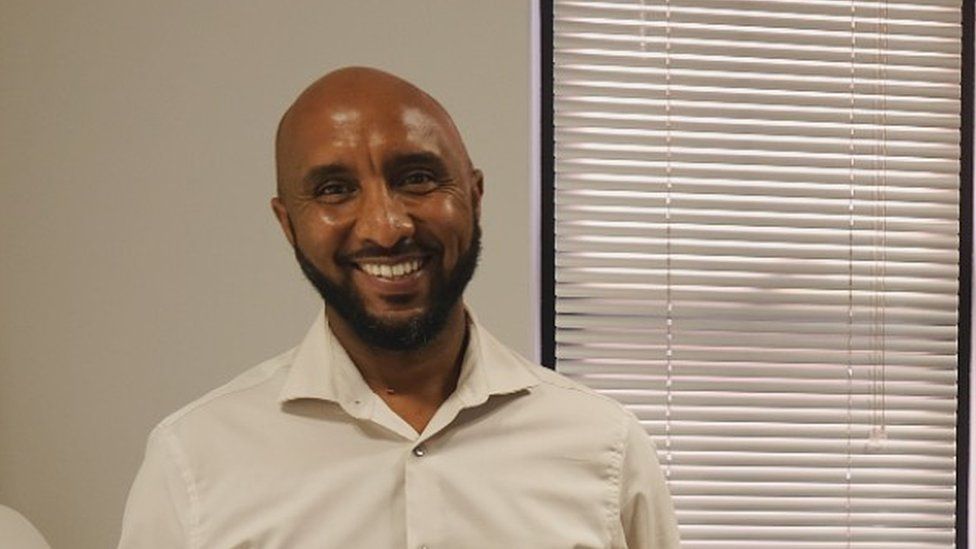
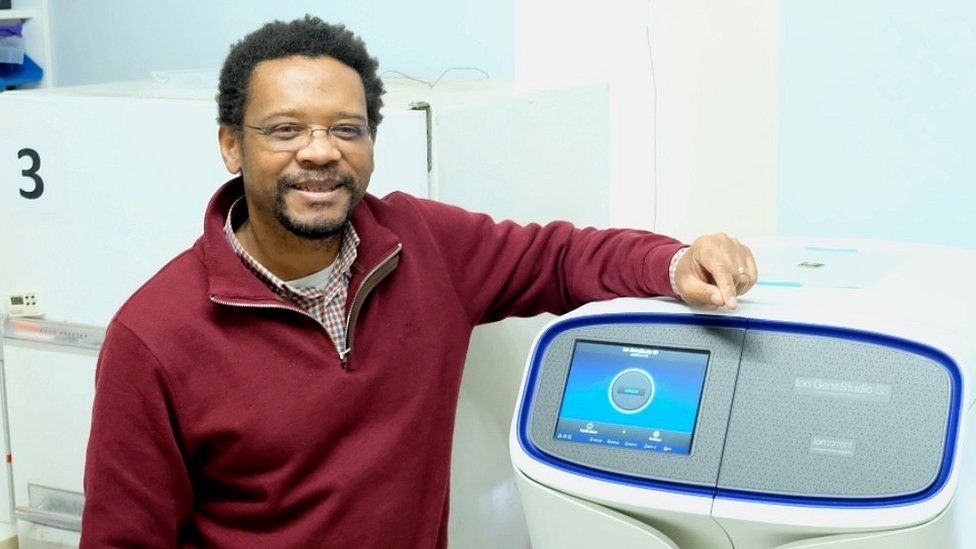
Ambroise Wonkam, Professor of Medical Genetics at the University of Cape Town.
Prof Ambroise Wonkam hopes to create a vast database of African genomes

It was just a “crazy idea” to start with, says Ambroise Wonkam, professor of medical genetics at Cape Town university in South Africa.

He is talking about his vision of creating a huge library of genetic information about the population of Africa, outlined in the science journal Nature, earlier this year.

The Three Million African Genomes (3MAG) project emerged from his work on how genetic mutations among Africans contribute to conditions like sickle-cell disease and hearing impairments.

He points out that African genes hold a wealth of genetic variation, beyond that observed by scientists in Europe and elsewhere.

“We are all African but only a small fraction of Africans moved out of Africa about 20-40,000 years ago and settled in Europe and in Asia,” he says.

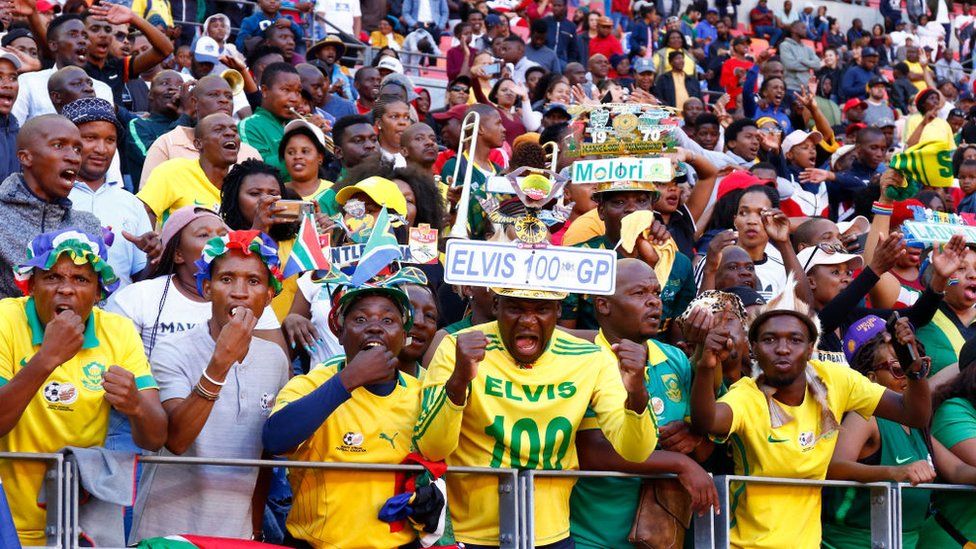
Spectators in the crowd cheer at the international friendly football match between South Africa and Mali at the Nelson Mandela Bay Stadium, Port Elizabeth, on October 13, 2019.
Only about 2% of the human genomes that have been mapped are African

Prof Wonkam is also concerned about equity. “Too little of the knowledge and applications from genomics have benefited the global south because of inequalities in health-care systems, a small local research workforce and lack of funding,” he says.

Only about 2% of the genomes mapped globally are African, and a good proportion of these are African American. This comes from a lack of prioritising funding, policies and training infrastructure, he says, but it also means the understanding of genetic medicine as a whole is lopsided.

Studies of African genomes will also help to correct injustices, he says: “Estimates of genetic risk scores for people of African descent that predict, say, the likelihood of cardiomyopathies or schizophrenia can be unreliable or even misleading using tools that work well in Europeans.”

To address these inequities, Prof Wonkam and other scientists are talking to governments, companies and professional bodies across Africa and internationally, in order to build up capacity over the next decade to make the vision a reality.

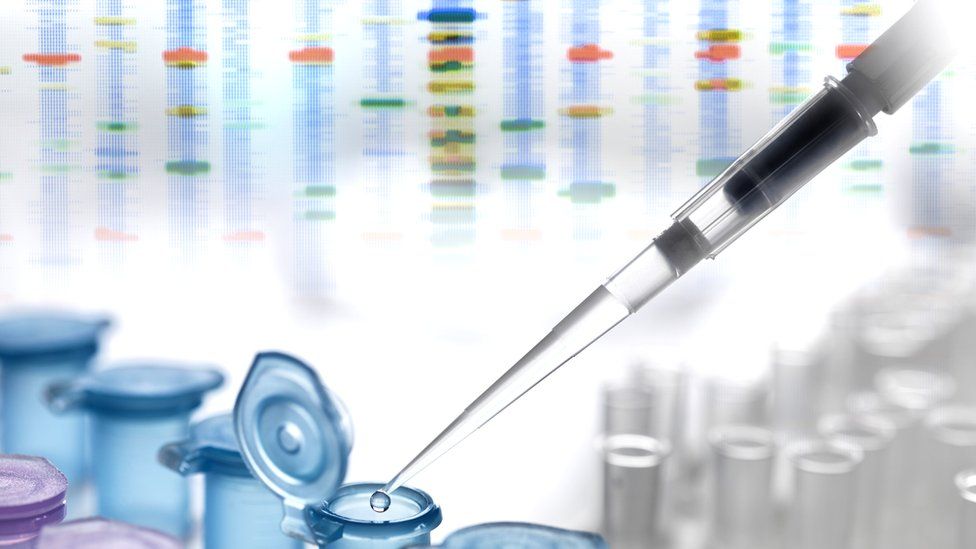
A DNA sample being pipetted into a tube for automated analysis
Estimates of genetic risk scores for people of African descent can be unreliable, says Prof Wonkam

The number of three million is the minimum he expects to accurately map genetic variations across Africa. As a comparison, the UK Biobank currently aims to sequence half a million genomes in under three years, but the UK’s 68 million population is just a fraction of Africa’s 1.3 billion.

Prof Wonkam says the project will take 10 years, and will cost around $450m (£335m) per year, and says industry is already showing an interest in it.

Biotech firms say they welcome any expansion of the library of African genomes.

The Centre for Proteomic and Genomic Research (CPGR) in Cape Town works with biotech firm Artisan Biomed on a variety of diagnostic tests. The firm says it is affected by the gaps in the availability of genomic information relevant to local populations.

For example, it may find a genetic mutation in someone and not know for certain if that variation is associated with a disease, especially as a marker for that particular population.

The Centre for Proteomic and Genomic Research (CPGR) in Cape Town
The Centre for Proteomic and Genomic Research works with private firms to further their research

“The more information you have at that level, the better the diagnosis, treatment and eventually care can be for any individual, regardless of your ethnicity,” says Dr Lindsay Petersen, chief operations officer.

Artisan Biomed says the data it collects feeds back into CPGR’s research – allowing them to design a better diagnostic toolkit that is better suited to African populations, for instance.

“Because of the limited data sets of the African genome, it needs that hand in hand connection with research and innovation, because without that it’s just another test that has been designed for a Caucasian population that may or may not have much of an effect within the African populations,” says Dr Judith Hornby Cuff.

She says the 3MAG project would help streamline processes and improve the development of research, and perhaps one day provide cheaper, more effective and more accessible health care, particularly in the strained South African system.

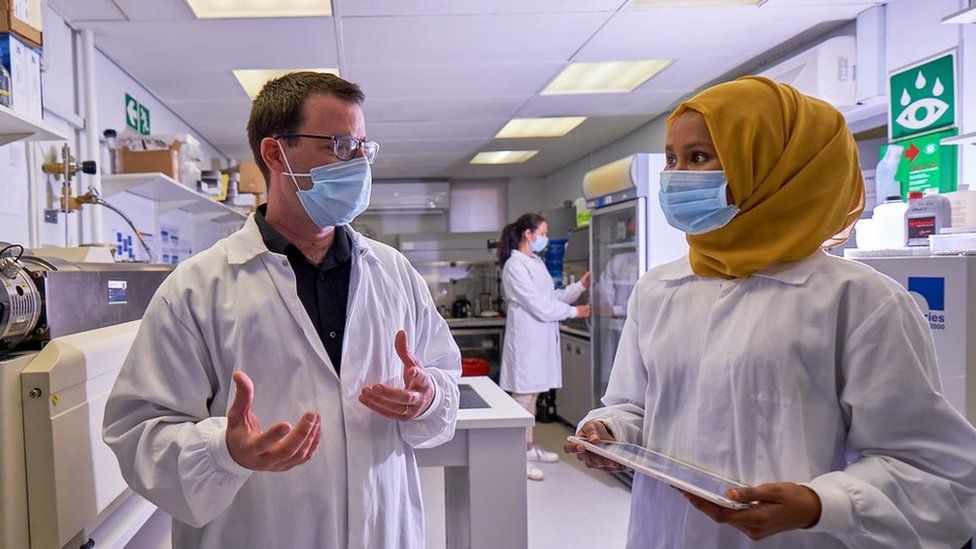
Dr Aron Abera is a genomics scientist at Inqaba Biotech in Pretoria
Dr Aron Abera hopes his company can build labs and train staff outside South Africa

One of those hoping to take part in the 3MAG project is Dr Aron Abera, genomics scientist at Inqaba Biotech in Pretoria, which offers genetic sequencing and other services to research and industry.

The firm employs over 100 people in South Africa, Ghana, Kenya, Mali, Nigeria Senegal, Tanzania, Uganda and Zimbabwe. Currently, most of the genetics samples collected in these countries are still processed in South Africa, but Dr Abera hopes to increase the number of laboratories soon.

The gaps are not only in infrastructure, but also in staff. Over the last 20 years, Inqaba has focused on using staff and interns from the African continent – but it now has to expand its training programme as well.

Back in Cape Town, Prof Wonkam says that while the costs are huge, the project will “improve capacity in a whole range of biomedical disciplines that will equip Africa to tackle public-health challenges more equitably”.

He says: “We have to be ambitious when we are in Africa. You have so many challenges you cannot see small, you have to see big – and really big.”

Genomes Show the History and Travels of Indigenous Peoples (Scientific American)

Scientific American

A new study demonstrates “I ka wā mamua, ka wā ma hope,” or “the future is in the past”

October 13, 2021 – DNASocial Justice

Keolu Fox is an assistant professor at the University of California, San Diego, where he is affiliated with the department of anthropology, the Global Health Program, the Halıcıoğlu Data Science Institute, the Climate Action Lab, the Design Lab and the Indigenous Futures Institute. His work focuses on designing and engineering genome sequencing and editing technologies to advance precision medicine for Indigenous communities.

Genomes Show the History and Travels of Indigenous Peoples
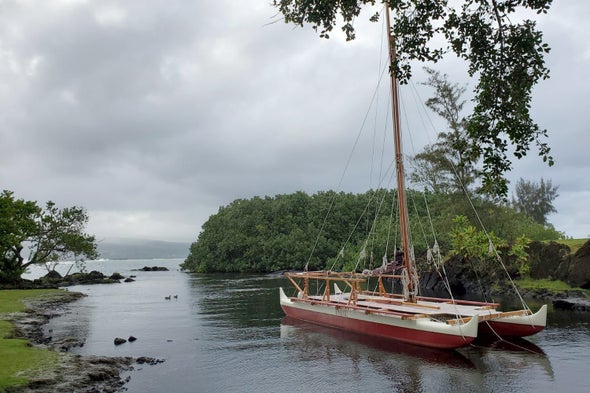
Wa’a Kiakahi in Keaukaha, Hawaii. Credit: Keolu Fox

I am the proud descendant of people who, at least 1,000 years ago, made one of the riskiest decisions in human history: to leave behind their homeland and set sail into the world’s largest ocean. As the first Native Hawaiian to be awarded a Ph.D. in genome sciences, I realized in graduate school that there is another possible line of evidence that can give insights into my ancestors’ voyaging history: our moʻokuʻauhau, our genome. Our ancestors’ genomes were shaped by evolutionary and cultural factors, including our migration and the ebb and flow of the Pacific Ocean. They were also shaped by the devastating history of colonialism.

Through analyzing genomes from present-day peoples, we can do incredible things like determine the approximate number of wa‘a (voyaging canoes) that arrived when my ancestors landed on the island of Hawaii or even reconstruct the genomes of some of the legendary chiefs and navigators that discovered the islands of the Pacific. And beyond these scientific and historical discoveries, genomics research can also help us understand and rectify the injustices of the past. For instance, genomics might clarify how colonialism affected things like genetic susceptibility to illness—information crucial for developing population-specific medical interventions. It can also help us reconstruct the history of land use, which might offer new evidence in court cases over disputed territories and land repatriation.

First, let’s examine what we already know from oral tradition and experimental archeology about our incredible voyaging history in the Pacific. Using complex observational science and nature as their guide, my ancestors drew on bird migration patterns, wind and weather systems, ocean currents, the turquoise glint on the bottom of a cloud reflecting a lagoon, and a complex understanding of stars, constellations and physics to find the most remote places in the world. These intrepid voyagers were the first people to launch what Kanaka Maoli (Hawaiian) master navigator Nainoa Thompson refers to as the original “moonshot.”

This unbelievably risky adventure paid off: In less than 50 generations (1,000 years), my ancestors mastered the art of sailing in both hemispheres. Traveling back and forth along an oceanic superhighway the space of Eurasia in double-hulled catamarans filled to the brim with taro, sweet potatoes, pigs and chickens, using the stars at night to navigate and other advanced techniques and technologies, iteratively perfected over time. This would be humankind’s most impressive migratory feat—no other culture in human history has covered so much distance in such a short amount of time.

The history of my voyaging ancestors and their legacy has been passed to us traditionally through our ʻōlelo (language), mo‘olelo (oral history) and hula. As a Kanaka Maoli, I have grown up knowing them: of how Maui pulled the Hawaiian Islands from the sea and how Herb Kāne, Ben Finney, Tommy Holmes, Mau Piailug and many other members of the Polynesian Voyaging Society enabled the first noninstrumental voyage from Tahiti to Hawaii in over 600 years onboard the wa‘a Hōkūle‘a.

Genomes from modern Pacific Islanders have enabled us to reconstruct precise timings, paths and branching patterns, or bifurcations, of these ancient voyages, giving a refined understanding of the order in which many archipelagoes in the Pacific were settled. By working collaboratively with communities, our approach has directly challenged colonial science’s legacy of taking artifacts and genetic materials without consent. Similar tools to the new genomics have no doubt been misused in the past to justify racist and social Darwinist ends. Yet by using genetic data graciously provided by multiple communities across the Pacific, and by allowing them to shape research priorities, my colleagues and I have been able to “I ka wā mamua, ka ma hope,” or “walk backward into the future.”

So how can our knowledge of the genomic past allow us to walk toward this better future? Genome sequence data are not just helpful in providing refined historical information, they also help us understand and treat important contemporary matters such as population-specific disease. The time frame of these ancestors’ arrival in the Pacific, and the order in which the most remote islands in the world were settled, matters for understanding the incidence and severity among Islander populations of many complex diseases today.

Think of our genetic history as a tree, with present-day populations at the tips of branches and older ones closer to the trunk. Moving backward in time—or from the tips to the trunk—you encounter places where two branches, or populations, were descended from the same ancestor. The places where the branches split represent events in settlement histories in which two populations split, often because of a migration to a new place.

These events provide key insights into what geneticists call “founder effects” and “population bottlenecks,” which are extremely important for understanding disease susceptibility. For example, if there is a specific condition in a population at the trunk of a branching event, then populations on islands that are settled later will have a higher chance of presenting that same health condition as well. Founder populations have provided key insights into rare population-specific diseases. Some examples include Ashkenazi Jews and susceptibility to Tay-Sachs disease and Mennonite communities and susceptibility to maple syrup urine disease (MSUD).

This research also sheds important light on colonialism. As European settlers arrived in the Pacific in places such as Hawaii, Tahiti, and Aotearoa (New Zealand), they didn’t just bring the printing press, the Bible and gunpowder, they brought deadly pathogens. In the case of many Indigenous peoples, historical contact with Europeans resulted in a population collapse (a loss of approximately 80 percent of an Indigenous population’s size), mostly as a result of virgin-soilepidemics of diseases such as smallpox. From Hernán Cortés to James Cook, these bottlenecks have shaped the contemporary genetics of Indigenous peoples in ways that directly impact our susceptibility to disease.

By integrating digital sequence information (DSI) from both modern and ancient Indigenous genomes in genetic regions such as the human leukocyte antigen (HLA) system, we can observe a reduction in human genetic variation in contemporary populations, as compared with ancient ones. In this way, we can observe empirically how colonialism has shaped the genomes of modern Indigenous populations.

Today fewer than 1 percent of genome-wide association studies, which identify associations between diseases and genetic variants, and less than 5 percent of clinical trials include Indigenous peoples. We have just begun to develop mRNA vaccine-based therapies that have already shown their ability to “save the world.” Given their success and potential, why not design treatments, such as gene therapies, that are population specific and reflect the local complexity that speaks to Indigenous peoples’ unique migratory histories and experiences with colonialism?

Finally, genomics also has the potential to impact the politics of Indigenous rights and specifically how we think about the history of land stewardship and belonging. For instance, emerging genomics evidence can empirically verify who first lived on contested territories—e.g., indigenous groups could prove how many generations they arrived before colonists—which could be used in a court of law to settle land and resource repatriation claims.

Genetics gives us insights into the impact of both our peoples’ proud history of migration and the shameful legacy of colonialism. We need to encourage the use of these data to design treatments for the least, the last, the looked over and the left out, and to generate policies and legal decisions that can rectify the history of injustice. In this way, genomics can connect where we come from to where we will go. Once used to make claims about Indigenous peoples’ inferiority, today the science of the genome can be part of an Indigenous future we can all believe in.

‘Mind blowing’: Grizzly bear DNA maps onto Indigenous language families (Science)

sciencemag.org

By Rachel FrittsAug. 13, 2021 , 1:25 PM 5-7 minutes


Grizzly bears in the central coastal region of British Columbia. Michelle Valberg

The bears and Indigenous humans of coastal British Columbia have more in common than meets the eye. The two have lived side by side for millennia in this densely forested region on the west coast of Canada. But it’s the DNA that really stands out: A new analysis has found that the grizzlies here form three distinct genetic groups, and these groups align closely with the region’s three Indigenous language families.

It’s a “mind-blowing” finding that shows how cultural and biological diversity in the region are intertwined, says Jesse Popp, an Indigenous environmental scientist at the University of Guelph who was not involved with the work.

The research began purely as a genetics study. Grizzlies had recently begun to colonize islands along the coast of British Columbia, and scientists and Indigenous wildlife managers wanted to know why they were making this unprecedented move. Luckily, in 2011, the region’s five First Nations set up a collaborative “bear working group” to answer exactly that sort of question. Lauren Henson, a conservation scientist with the Raincoast Conservation Foundation, partnered with working group members from the Nuxalk, Haíɫzaqv, Kitasoo/Xai’xais, Gitga’at, and Wuikinuxv Nations to figure out which mainland grizzlies were most genetically similar to the island ones.

Henson used bear hair samples that researchers involved with the working group had collected over the course of 11 years. To get the samples, the team went to remote areas of British Columbia—some of them only accessible via helicopter—and piled up leaves and sticks, covering them with a concoction of dogfish oil or a fish-based slurry. It “smells really, really terrible to us, but is intriguing to bears,” Henson says.

The researchers then surrounded this tempting pile with a square of barbed wire, which harmlessly snagged tufts of fur—and the DNA it contains—when bears came to check out the smell. In all, the group collected samples from 147 bears over about 23,500 square kilometers—an area roughly the size of Vermont.

Henson and her colleagues then used microsatellite DNA markers—regions of the genome that change frequently compared with other sections—to determine how related the bears were to each other. The scientists found three distinct genetic groups of bears living in the study area, they report this month in Ecology and Society.

DNA analysis reveals three distinct genetic groups of grizzly bears, which align with the boundaries between Indigenous language families (gray lines). L. H. Henson et. al. Ecology and Society, 26(3): 7, 2021

But they could not find any obvious physical barriers keeping them apart. The boundaries between genetic groupings didn’t correspond to the location of waterways or especially rugged or snow-covered landscapes. It’s possible, Henson says, that the bears remain genetically distinct not because they can’t travel, but because the region is so resource-rich that they haven’t needed to do so to meet their needs.

One thing did correlate with the bears’ distribution, however: Indigenous language families. “We were looking at language maps and noticed the striking visual similarity,” Henson says. When the researchers analyzed the genetic interrelatedness of bears both within and outside the area’s three language families, they found that grizzly bears living within a language family’s boundaries were much more genetically similar to one another than to bears living outside them.

The findings don’t surprise Jenn Walkus, a Wuikinuxv scientist who co-authored the study. Growing up in a remote community called Rivers Inlet, she saw firsthand that humans and bears have a lot of the same needs in terms of space, food, and other resources. It would make sense, she says, for them to settle in the same areas—ones with a steady supply of salmon, for instance. This historic interrelatedness means Canada should manage key resources with both bears and people in mind, she says. The Wuikinuxv Nation, for example, is looking into reducing its annual salmon harvest to support the bears’ needs, she notes.

Lauren Eckert, a conservation scientist at the University of Victoria who was not involved with the study, agrees that the findings could have important implications for managing the area’s bears. It’s “fascinating” and “really shocking” work, she says. The resources that shaped grizzly bear distribution in the region clearly also shaped humans, Eckert says, “which I think reinforces the idea that local knowledge and localized management are really critical.”

doi:10.1126/science.abl9306