Arquivo da tag: discurso ambiental

Profits Before Environment (N.Y. Times)

August 30, 2011, 10:27 PM
By MARK BITTMAN

I wasn’t surprised when the administration of George W. Bush sacrificed the environment for corporate profits. But when the same thing happens under a Democratic administration, it’s depressing. With little or no public input, policies that benefit corporations regardless of the consequences continue to be enacted.

No wonder an April 2010 poll from the Pew Research Center found that about only 20 percent of Americans have faith in the government (it’s one thing upon which the left and right and maybe even the center agree). But maybe this is nothing new: as Glenda Farrell, as Genevieve “Gen” Larkin, put it in “Gold Diggers of 1937,” “It’s so hard to be good under the capitalistic system.”

But is anyone in power even trying? Last winter, the Department of Agriculture deregulated Monsanto’s genetically modified alfalfa, despite concerns about cross-pollination of non-genetically modified crops. It then defied a court order banning the planting of genetically modified sugar beets pending completion of an environmental impact study.

Monsanto engineers these plants and makes Roundup, the herbicide they resist. But Roundup-ready crops don’t increase long-term yields, a host of farmers are now dealing with “superweeds” and there is worry about superbugs, nearly all courtesy of Monsanto. In fact, this system doesn’t contribute to much of anything except Monsanto’s bottom line. Yet Agriculture Secretary Tom Vilsack gave Monsanto the nod, perhaps yielding to pressure from the White House.

The United States exerts that same kind of pressure abroad. WikiLeaks cables show that U.S. “biotechnology outreach programs” have promoted genetically modified crops in Africa, Asia and South America; they’ve also revealed that diplomats schemed to retaliate against any European Union countries that oppose those crops.

Sacrificing the environment for profits didn’t stop with Bush, and it doesn’t stop with genetically modified organisms. Take, for example, the Keystone XL pipeline extension. XL is right: the 36-inch-wide pipeline, which will stretch from the Alberta tar sands across the Great Plains to the Gulf Coast, will cost $7 billion and run for 1,711 miles — more than twice as long as the Alaska pipeline. It will cross nearly 2,000 rivers, the huge wetlands ecosystem called the Nebraska Sandhills and the Ogallala aquifer, the country’s biggest underground freshwater supply.

If Keystone is built, we’ll see rising greenhouse gas emissions right away (tar sands production creates three times as many greenhouse gases as does conventional oil), and our increased dependence on fossil fuels will further the likelihood of climate-change disaster. Then there is the disastrous potential of leaks of the non-Wiki-variety. (It’s happened before.)

Proponents say the pipeline will ease gas prices and oil “insecurity.” But domestic drilling has raised, not lowered, oil prices, and as for the insecurity — what we need is to develop wiser ways to use the oil we have.

They say, too, that the pipeline could create 100,000 new jobs. But even the Amalgamated Transit Union and the Transport Workers Union oppose the pipeline, saying, “We need jobs, but not ones based on increasing our reliance on Tar Sands oil.”

Sounds as if union officials have been reading the writer and activist Bill McKibben, who calls the pipeline “a fuse to the biggest carbon bomb on the continent,” and NASA scientist Jim Hansen, who says the oil Keystone will deliver “is essentially game over” for the planet.

Game over? No problem, says the State Department, which concluded that the project will have no significant impact on “most resources along the proposed pipeline corridor.” The Sierra Club quickly responded by calling the report “an insult to anyone who expects government to work for the interests of the American people.”

I do expect that, and I am insulted. President Obama can deny Keystone the permit. A truly environmentally friendly president (like the one candidate Obama appeared to be) would be looking for creative ways to leave fossil fuels underground, not extract them. Perhaps he doesn’t “believe in” global warming at this point, like many Republicans?

When government defends corporate interests, citizens must fight. McKibben has helped organize protests at the White House against Keystone, and he’s one of hundreds who’ve been arrested in the last couple of weeks. These people are showing that the role of government as corporate ally must be challenged.

As it will be in the fight against carte blanche for genetically modified organisms: From Oct. 1 to Oct. 16, there will be a march from New York City to Washington to demand that genetically modified foods be labeled, something a majority of Americans want. This small, perfectly reasonable request has run into joint opposition from the biotech industry and (here we go again) the Food and Drug Administration.

Why are most of us are filled with mistrust of the government? Maybe because we, like Gen Larkin, know it’s so hard to be good under the capitalistic system.

Climate Chaos (Against the Grain)

Tues 6.28.11| Climate Chaos

Christian Parenti speaking at a KPFA benefit on July 14th, on Tropic of Chaos: Climate Change and the New Geography of Violence, Nation Books, 2011

Listen to this Program here.

Download program audio (mp3, 49.82 Mbytes)

Residents of the Global North may be justly wringing their hands about flooding, droughts, and freak weather, but the most worrying effects of climate change are expected to hit the countries of the Global South, especially those in the broad regions on either side of the equator. Christian Parenti has reported from that vast area and discusses the shape that climate-related social dislocation is already taking, as well as the militarized plans of the rich countries to keep poor climate refugees out.

© Against the Grain, a program of KPFA Radio, 94.1fm Berkeley CA and online at KPFA.org.

She’s Alive… Beautiful… Finite… Hurting… Worth Dying for.

This is a non-commercial attempt to highlight the fact that world leaders, irresponsible corporates and mindless ‘consumers’ are combining to destroy life on earth. It is dedicated to all who died fighting for the planet and those whose lives are on the line today. The cut was put together by Vivek Chauhan, a young film maker, together with naturalists working with the Sanctuary Asia network (www.sanctuaryasia.com).

Can a Candid Climate Modeler Convince Contrarians? (Scientific American)

Intrepid British climate scientist sets out to win over global warming doubters

By Jeremy Lovell and ClimateWire | July 19, 2011

CONVINCING CONTRARIANS: Scientists attempt to win over climate change doubters. Image: Courtesy of NOAA

LONDON — David Stainforth is a brave man. His mission is to try to remove some of the confusion over the climate debate by explaining why uncertainty has to be a part of the computerized climate models that scientists use to forecast the expected impacts of climate change, including more violent storms as well as more flooding and droughts.

Stainforth, a climate modeler and senior research fellow at the London School of Economics, hopes that by coming clean on the degree of difficulty in making such predictions, he and his fellow climate scientists will find it easier to make — and win — the argument that prompt action now is not only necessary but the far cheaper alternative to inaction.

“Governments and people want certainty about what will happen with climate change, so scientists tend to turn to climate modeling. But the models are wrong in so many ways because there are so many uncertainties and unknowns built into them,” Stainforth told ClimateWire here at the Royal Academy’s recent annual Summer Science Exhibition.

“The reason is that they are just that, models, not reality. The bottom line is that they give a quite useful message from science to the adaptation community. But it is all relative and hedged about with qualifications. They give likelihoods not certainties, ranges of probabilities, not absolutes. That is where the discussion then must start, not end,” he added.

It is a bold step to take at a time when the climate skeptics appear to be making the most of the continuing public confusion and denial over the issues shown in repeated polls in the United States and United Kingdom. Skeptics have taken advantage of the revelations of scientific infighting with the leaked emails from the United Kingdom’s University of East Anglia in late 2009. They have also pointed to evidence of some sloppy science by the Intergovernmental Panel on Climate Change to assert that the feared results of climate change may be more fiction than science.

Take that, add the diplomatic bickering and backsliding in international climate change talks, then fold in the news of the continuing global economic crisis and reports that renewable energy will drive up energy costs. You will get a sense that what Stainforth is attempting is a very hard sell.

The ‘trouble’ with climate models

“You can explain in five or 10 minutes why we need to do something about climate change — and do it without using climate models. But it is far harder to persuade people of the degree and speed of what needs to be done without the models, and that is where the trouble starts,” said Stainforth.

“Governments and the media demand certainty. They don’t want uncertainties and probabilities. For example, all our models predict wetter winters and warmer summers, but they are far less certain about wetter or drier summers, and that has major implications for the siting and size of flood defenses,” he explained, referring to dams and levees.

“Climate scientists have moved a long way beyond discussing whether climate change is a threat to our societies and economies. That is settled. But that is not to say they do not still disagree about a lot of things like the design of the models and the degree of change,” he added.

He remains hopeful that the non-scientific public will understand the strong consensus among climate scientists that makes the remaining bickering look small. “There is uncertainty, but there is also probability. By showing and discussing the degree of each in public and with the public, we hope to involve them and therefore get out of the loop and move forward.”

Stainforth’s mission is backed by an array of groups including the United Kingdom’s Natural Environment Research Council, the Economic and Social Research Council and the Centre for Climate Change Economics and Policy as well as the London School of Economics. There is also the Grantham Research Institute on Climate Change and the Environment — headed by Lord Nicholas Stern, whose report on the economics of climate change in 2006 electrified governments worldwide on the issue.

Trying some interactive games

Using literature and interactive games at the Confidence in Climate website, the project sets out to show how probabilities work and why different models may come up with quite widely differing predictions. It then applies this to a composite of theories and observations on the climate conundrum.

“When you make a decision about the future — whether it is based on theory or observation — it is a sort of gamble. You can never know what is going to happen. When we make decisions about how to tackle climate change it is no different,” the website says.

“Because of the uncertainty we can’t be sure exactly what degree of challenge we will face. None the less, some things are clear — uncertainty doesn’t mean ignorance. … We also know that bigger increases in atmospheric greenhouse gas levels are likely to lead to much bigger impacts; the impact of a 4 degree warming is likely to be more than twice the impact of a 2 degree warming,” it adds.

As for Stainforth, he thinks the debate urgently needs to be widened considerably from the rather restricted inner core of scientists, modelers, meteorologists and statisticians who have monopolized it to date.

“We need ecologists, farmers, doctors, anthropologists, sociologists, engineers, psychologists, hydrologists, social scientists. The climate change problem involves everyone and should therefore include everyone,” he said.

“We have to grasp the nettle here and communicate openly the uncertainty, to explain what is uncertain, where, why and to what degree. We don’t want it split into ‘believers’ and ‘unbelievers’; we want people to understand.”

Reprinted from Climatewire with permission from Environment & Energy Publishing, LLC. http://www.eenews.net, 202-628-6500

On Experts and Global Warming (N.Y. Times)

July 12, 2011, 4:01 PM
By GARY GUTTING

Experts have always posed a problem for democracies. Plato scorned democracy, rating it the worst form of government short of tyranny, largely because it gave power to the ignorant many rather than to knowledgeable experts (philosophers, as he saw it). But, if, as we insist, the people must ultimately decide, the question remains: How can we, nonexperts, take account of expert opinion when it is relevant to decisions about public policy?

Once we accept the expert authority of climate science, we have no basis for supporting the minority position.

To answer this question, we need to reflect on the logic of appeals to the authority of experts. First of all, such appeals require a decision about who the experts on a given topic are. Until there is agreement about this, expert opinion can have no persuasive role in our discussions. Another requirement is that there be a consensus among the experts about points relevant to our discussion. Precisely because we are not experts, we are in no position to adjudicate disputes among those who are. Finally, given a consensus on a claim among recognized experts, we nonexperts have no basis for rejecting the truth of the claim.

These requirements may seem trivially obvious, but they have serious consequences. Consider, for example, current discussions about climate change, specifically about whether there is long-term global warming caused primarily by human activities (anthropogenic global warming or A.G.W.). All creditable parties to this debate recognize a group of experts designated as “climate scientists,” whom they cite in either support or opposition to their claims about global warming. In contrast to enterprises such as astrology or homeopathy, there is no serious objection to the very project of climate science. The only questions are about the conclusions this project supports about global warming.

There is, moreover, no denying that there is a strong consensus among climate scientists on the existence of A.G.W. — in their view, human activities are warming the planet. There are climate scientists who doubt or deny this claim, but even they show a clear sense of opposing a view that is dominant in their discipline. Nonexpert opponents of A.G.W. usually base their case on various criticisms that a small minority of climate scientists have raised against the consensus view. But nonexperts are in no position to argue against the consensus of scientific experts. As long as they accept the expert authority of the discipline of climate science, they have no basis for supporting the minority position. Critics within the community of climate scientists may have a cogent case against A.G.W., but, given the overall consensus of that community, we nonexperts have no basis for concluding that this is so. It does no good to say that we find the consensus conclusions poorly supported. Since we are not experts on the subject, our judgment has no standing.

It follows that a nonexpert who wants to reject A.G.W. can do so only by arguing that climate science lacks the scientific status needed be taken seriously in our debates about public policy. There may well be areas of inquiry (e.g., various sub-disciplines of the social sciences) open to this sort of critique. But there does not seem to be a promising case against the scientific authority of climate science. As noted, opponents of the consensus on global warming themselves argue from results of the discipline, and there is no reason to think that they would have had any problem accepting a consensus of climate scientists against global warming, had this emerged.

Some nonexpert opponents of global warming have made much of a number of e-mails written and circulated among a handful of climate scientists that they see as evidence of bias toward global warming. But unless this group is willing to argue from this small (and questionable) sample to the general unreliability of climate science as a discipline, they have no alternative but to accept the consensus view of climate scientists that these e-mails do not undermine the core result of global warming.

I am not arguing the absolute authority of scientific conclusions in democratic debates. It is not a matter of replacing Plato’s philosopher-kings with scientist-kings in our polis. We the people still need to decide (perhaps through our elected representatives) which groups we accept as having cognitive authority in our policy deliberations. Nor am I denying that there may be a logical gap between established scientific results and specific policy decisions. The fact that there is significant global warming due to human activity does not of itself imply any particular response to this fact. There remain pressing questions, for example, about the likely long-term effects of various plans for limiting CO2 emissions, the more immediate economic effects of such plans, and, especially, the proper balance between actual present sacrifices and probable long-term gains. Here we still require the input of experts, but we must also make fundamental value judgments, a task that, pace Plato, we cannot turn over to experts.

The essential point, however, is that once we have accepted the authority of a particular scientific discipline, we cannot consistently reject its conclusions. To adapt Schopenhauer’s famous remark about causality, science is not a taxi-cab that we can get in and out of whenever we like. Once we board the train of climate science, there is no alternative to taking it wherever it may go.

Our Extreme Future: Predicting and Coping with the Effects of a Changing Climate (Scientific American)

Adapting to extreme weather calls for a combination of restoring wetland and building drains and sewers that can handle the water. But leaders and the public are slow to catch on. Final part of a three-part series

By John Carey | Thursday, June 30, 2011 | 97

Image: Fikret Onal/Flickr

Editor’s note: This article is the last of a three-part series by John Carey. Part 1, “Storm Warning: Extreme Weather Is a Product of Climate Change,” was posted on June 28. Part 2, “Global Warming and the Science of Extreme Weather,” was posted on June 29.

Extreme weather events have become both more common and more intense. And increasingly, scientists have been able to pin at least part of the blame on humankind’s alteration of the climate. What’s more, the growing success of this nascent science of climate attribution (finding the telltale fingerprints of climate change in extreme events) means that researchers have more confidence in their climate models—which predict that the future will be even more extreme.

Are we prepared for this future? Not yet. Indeed, the trend is in the other direction, especially in Washington, D.C., where a number of members of Congress even argue that climate change itself is a hoax.

Scientists hope that rigorously identifying climate change’s contribution to individual extreme events can indeed wake people up to the threat. As the research advances, it should be possible to say that two extra inches (five centimeters) of rain poured down in a Midwestern storm because of greenhouse gases, or that a California heat wave was 10 times more likely to occur thanks to humans’ impacts on climate. So researchers have set up rapid response teams to assess climate change’s contribution to extreme events while the events are still fresh in people’s minds. In addition, the Intergovernmental Panel on Climate Change (IPCC) is preparing a special report on extreme events and disasters, due out by the end of 2011. “It is important for us emphasize that climate change and its impacts are not off in the future, but are here and now,” explained Rajendra Pachauri, chair of the IPCC, during a briefing at United Nations climate talks in Cancún last December.

The message is beginning to sink in. The Russian government, for instance, used to doubt the existence of climate change, or argue that it might be beneficial for Russia. But now, government officials have realized that global warming will not bring a gradual and benign increase in temperatures. Instead, they’re likely to see more crippling heat waves. As Russian President Dmitry Medvedev told the Security Council of the Russian Federation last summer: “Everyone is talking about climate change now. Unfortunately, what is happening now in our central regions is evidence of this global climate change, because we have never in our history faced such weather conditions.”

Doubts persist despite evidence

Among the U.S. public, the feeling is different. Opinion pollsand anecdotal reports show that most Americans do not perceive a threat from climate change. And a sizable number of Americans, including many newly elected members of Congress, do not even believe that climate change exists. Extreme weather? Just part of nature, they say. After all, disastrous floods and droughts go back to the days of Noah and Moses. Why should today’s disasters be any different? Was the July 23, 2010, storm that spawned Les Scott’s record hailstone evidence of a changing climate, for instance? “Not really,” Scott says. “It was just another thunderstorm. We get awful bad blizzards that are a lot worse.”

And yes, 22 of Maryland’s 23 counties were declared natural disaster areas after record-setting heat and drought in 2010. “It was the worst corn crop I ever had,” says fourth-generation farmer Earl “Buddy” Hance. But was it a harbinger of a more worrisome future? Probably not, says Hance, the state’s secretary of agriculture. “As farmers we are skeptical, and we need to see a little more. And if it does turn out to be climate change, farmers would adapt.” By then, adaptation could be really difficult, frets Minnesota organic farmer Jack Hedin, whose efforts to raise the alarm are “falling on deaf ears,” he laments.

Many scientists share Hedin’s worry. “The real honest message is that while there is debate about how much extreme weather climate change is inducing now, there is very little debate about its effect in the future,” says Michael Wehner, staff scientist at Lawrence Berkeley National Laboratory and member of the lead author teams of the interagency U.S. Climate Change Science Program’s Synthesis and Assessment reports on climate extremes. For instance, climate models predict that by 2050 Russia will have warmed up so much that every summer will be as warm as the disastrous heat wave it just experienced, says Richard Seager of Columbia University’s Lamont–Doherty Earth Observatory. In other words, many of today’s extremes will become tomorrow’s everyday reality. “Climate change will throw some significant hardballs at us,” says Martin Hoerling, a research meteorologist at the National Oceanic and Atmospheric Administration’s Earth System Research Laboratory in Boulder, Colo. “There will be a lot of surprises that we are not adapted to.”

A dusty future

One of the clearest pictures of this future is emerging for the U.S. Southwest and a similar meteorological zone that stretches across Italy, Greece and Turkey. Work by Tim Barnett of the Scripps Institution of Oceanography, Seager and others predicts that these regions will get hotter and drier—and, perhaps more important, shows that the change has already begun. “The signal of a human influence on climate pops up in 1985, then marches on getting strong and stronger,” Barnett says. By the middle of the 21st century, the models predict, the climate will be as dry as the seven-year long Dust Bowl drought of the 1930s or the damaging 1950s drought centered in California and Mexico, Seager says: “In the future the drought won’t last just seven years. It will be the new norm.”

That spells trouble. In the Southwest the main worry is water—water that makes cities like Los Angeles and Las Vegas possible and that irrigates the enormously productive farms of California’s Central Valley. Supplies are already tight. During the current 11-year dry spell, the demand for water from the vast Colorado River system, which provides water to 30 million people and irrigates four million acres (1.6 million hectares) of cropland, has exceeded the supply. The result: water levels in the giant Lake Mead reservoir dropped to a record low in October (before climbing one foot, or 30 centimeters, after torrential winter rains in California reduced the demand for Colorado River water). Climate change will just make the problem worse. “The challenge will be great,” says Terry Fulp, deputy regional director of the U.S. Department of the Interior’s Bureau of Reclamation’s Lower Colorado Region. “I rank climate change as probably my largest concern. When I’m out on my boat on Lake Mead, it’s on my mind all the time.”

The Southwest is just a snapshot of the challenges ahead. Imagine the potential peril to regions around the world, scientists say. “Our civilization is based on a stable base climate—it doesn’t take very much change to raise hell,” Scripps’s Barnett says. And given the lag in the planet’s response to the greenhouse gases already in the atmosphere, many of these changes are coming whether we like them or not. “It’s sort of like that Kung Fu guy who said, ‘I’m going to kick your head off now, and there’s not a damn thing you can do about it,'” Barnett says.

Grassroots action

Although efforts to fight climate change are now stalled in Washington, many regions do see the threat and are taking action both to adapt to the future changes and to try to limit the amount of global warming itself. The Bureau of Reclamation’s Lower Colorado Region office, for instance, has developed a plan to make “manageable” cuts in the amounts of water that the river system supplies, which Fulp hopes will be enough to get the region through the next 15 years. In Canada, after experiencing eight extreme storms (of more than one-in-25-year intensity) between 1986 and 2006, Toronto has spent hundreds of millions of dollars to upgrade its sewer and storm water system for handling deluges. “Improved storm drains are the cornerstone of our climate adaptation policy,” explains Michael D’Andrea, Toronto’s director of water infrastructure management.

In Iowa, even without admitting that climate change is real, farmers are acting as if it is, spending millions of dollars to alter their practices. They are adding tile drainage to their fields to cope with increased floods, buying bigger machinery to move more quickly because their planting window has become shorter, planting a month earlier than they did 50 years ago, and sowing twice as many corn plants per acre to exploit the additional moisture, says Gene Takle, professor of meteorology at Iowa State University in Ames. “Iowa’s floods are in your face—and in your basement—evidence that the climate has changed, and the farmers are adapting,” he says.

Local officials have seen the connection, too. After the huge floods of 2008, the Iowa town of Cedar Falls passed an ordinance requiring that anyone who lives in the 500-year flood plain must have flood insurance—up from the previous 200-year flood requirement. State Sen. Robert Hogg wants to make the policy statewide. He also is pushing to restore wetlands that can help soak up floodwaters before they devastate cities. “Wetland restoration costs money, but it’s cheaper than rebuilding Cedar Rapids,” he says. “I like to say that dealing with climate change is not going to require the greatest sacrifices, but it is going to require the greatest foresight Americans have ever had.”

Right now, that foresight is more myopia, many scientists worry. So when and how will people finally understand that far more is needed? It may require more flooded basements, more searing heat waves, more water shortages or crop failures, more devastating hurricanes or other examples of the increases in extreme weather that climate change will bring. “I don’t want to root for bad things to happen, but that’s what it will take,” says one government scientist who asked not to be identified. Or as Nashville resident Rich Hays says about his own experience with the May 2010 deluge: “The flood was definitely a wake-up call. The question is: How many wake-up calls do we need?”

Reporting for this story was funded by the Pew Center on Global Climate Change.

Global Warming and the Science of Extreme Weather (Scientific American)

How rising temperatures change weather and produce fiercer, more frequent storms. Second of a three-part series

By John Carey | Wednesday, June 29, 2011 | 46

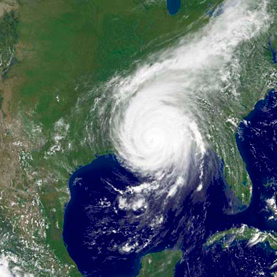
HURRICANE KATRINA battered New Orleans in 2005. Image: NOAA

Editor’s note: This article is the second of a three-part series by John Carey. Part 1, posted on June 28, is “Storm Warning: Extreme Weather Is a Product of Climate Change”.

Extreme floods, prolonged droughts, searing heat waves, massive rainstorms and the like don’t just seem like they’ve become the new normal in the last few years—they have become more common, according to data collected by reinsurance company Munich Re (see Part 1 of this series). But has this increase resulted from human-caused climate change or just from natural climatic variations? After all, recorded floods and droughts go back to the earliest days of mankind, before coal, oil and natural gas made the modern industrial world possible.

Until recently scientists had only been able to say that more extreme weather is “consistent” with climate change caused by greenhouse gases that humans are emitting into the atmosphere. Now, however, they can begin to say that the odds of having extreme weather have increased because of human-caused atmospheric changes—and that many individual events would not have happened in the same way without global warming. The reason: The signal of climate change is finally emerging from the “noise”—the huge amount of natural variability in weather.

Scientists compare the normal variation in weather with rolls of the dice. Adding greenhouse gases to the atmosphere loads the dice, increasing odds of such extreme weather events. It’s not just that the weather dice are altered, however. As Steve Sherwood, co-director of the Climate Change Research Center at the University of New South Wales in Australia, puts it, “it is more like painting an extra spot on each face of one of the dice, so that it goes from 2 to 7 instead of 1 to 6. This increases the odds of rolling 11 or 12, but also makes it possible to roll 13.”

Why? Basic physics is at work: The planet has already warmed roughly 1 degree Celsius since preindustrial times, thanks to CO2and other greenhouse gases emitted into the atmosphere. And for every 1-degree C (1.8 degrees Fahrenheit) rise in temperature, the amount of moisture that the atmosphere can contain rises by 7 percent, explains Peter Stott, head of climate monitoring and attribution at the U.K. Met Office’s Hadley Center for Climate Change. “That’s quite dramatic,” he says. In some places, the increase has been much larger. Data gathered by Gene Takle, professor of meteorology at Iowa State University in Ames, show a 13 percent rise in summer moisture over the past 50 years in the state capital, Des Moines.

The physics of too much rain

The increased moisture in the atmosphere inevitably means more rain. That’s obvious. But not just any kind of rain, the climate models predict. Because of the large-scale energy balance of the planet, “the upshot is that overall rainfall increases only 2 to 3 percent per degree of warming, whereas extreme rainfall increases 6 to 7 percent,” Stott says. The reason again comes from physics. Rain happens when the atmosphere cools enough for water vapor to condense into liquid. “However, because of the increasing amount of greenhouse gases in the troposphere, the radiative cooling is less efficient, as less radiation can escape to space,” Stott explains. “Therefore the global precipitation increases less, at about 2 to 3 percent per degree of warming.” But because of the extra moisture, when precipitation does occur (in both rain and snow), it’s more likely to be in bigger events.

Iowa is one of many places that fits the pattern. Takle documented a three- to seven-fold increase in high rainfall events in the state, including the 500-year Mississippi River flood in 1993, the 2008 Cedar Rapids flood as well as the 500-year event in 2010 in Ames, which inundated the Hilton Coliseum basketball court in eight feet (2.5 meters) of water . “We can’t say with confidence that the 2010 Ames flood was caused by climate change, but we can say that the dice are loaded to bring more of these events,” Takle says.

And more events seem to be in the news every month, from unprecedented floods in Riyadh, Saudi Arabia, to massive snowstorms that crippled the U.S. Northeast in early 2011, to the November 2010 to January 2011 torrents in Australia that flooded an area the size of Germany and France . This “disaster of biblical proportions,” as local Australian officials called it, even caused global economic shock waves: The flooding of the country’s enormously productive coal mines sent world coal prices soaring.

More stormy weather

More moisture and energy in the atmosphere, along with warmer ocean temperatures also mean more intense hurricanes, many scientists say. In fact, 2010 was the first year in decades in which two simultaneous category 4 hurricanes, Igor and Julia, formed in the Atlantic Ocean. In addition, the changed conditions bring an increased likelihood of more powerful thunderstorms with violent updrafts, like a July 23, 2010, tempest in Vivian, S.D., that produced hailstones that punched softball-size holes through roofs—and created a behemoth ball of ice measured at a U.S. record 8 inches (20 centimeters) in diameter even after it had partially melted. “I’ve never seen a storm like that before—and hope I’ll never go through anything like it,” says Les Scott, the Vivian farmer and rancher who found the hailstone .

Warming the planet alters large-scale circulation patterns as well. Scientists know that the sun heats moist air at the equator, causing the air to rise. As it rises, the air cools and sheds most of its moisture as tropical rain. Once six to 10 miles (9.5 to 16 kilometers) aloft, the now dry air travels toward the poles, descending when it reaches the subtropics, normally at the latitude of the Baja California peninsula. This circulation pattern, known as a Hadley cell, contributes to desertification, trade winds and the jet stream.

On a warmer planet, however, the dry air will travel farther north and south from the equator before it descends, climate models predict, making areas like the U.S. Southwest and the Mediterranean even drier. Such an expanded Hadley cell would also divert storms farther north. Are the models right? Richard Seager of Columbia University’s Lamont–Doherty Earth Observatory has been looking for a climate change–induced drying trend in the Southwest, “and there seems to be some tentative evidence that it is beginning to happen,” he says. “It gives us confidence in the models.” In fact, other studies show that the Hadley cells have not only expanded, they’ve expanded more than the models predicted.

Such a change in atmospheric circulation could explain both the current 11-year drought in the Southwest and Minnesota’s status as the number one U.S. state for tornadoes last year. On October 26, 2010, the Minneapolis area even experienced record low pressure in what Paul Douglas, founder and CEO of WeatherNation in Minnesota, dubbed a “landicane”—a hurricanelike storm that swept across the country. “I thought the windows of my home would blow in,” Douglas recalls. “I’ve chased tornados and flown into hurricanes but never experienced anything like this before.” Yet it makes sense in the context of climate change, he adds. “Every day, every week, another piece of the puzzle falls into place,” he says. “More extreme weather seems to have become the rule, not just in the U.S. but in Europe and Asia.”

The rise of climate attribution

Is humankind really responsible? That’s where the burgeoning field of climate attribution, pioneered by Hadley’s Peter Stott and other scientists, comes in. The idea is to look for trends in the temperature or precipitation data that provide evidence of overall changes in climate. When those trends exist, it then becomes possible to calculate how much climate change has contributed to extreme events. Or in more technical terms, the probability of a particular temperature or rainfall amount is shaped roughly like a bell curve. A change in climate shifts the whole curve. That, in turn, increases the likelihood of experiencing the more extreme weather at the tail end of the bell curve. Whereas day-to-day weather remains enormously variable, the underlying human-caused shift in climate increases the power and number of the events at the extreme. The National Oceanic and Atmospheric Administration’s (NOAA) Deke Arndt puts it more colorfully: “Weather throws the punches, but climate trains the boxer,” he says. By charting the overall shift, then, it’s possible to calculate the increased chances of extreme events due to global warming.

This idea was already in the air in 2003 when Stott traveled though the worst heat wave in recorded European history on a wedding anniversary trip to Italy and Switzerland. One of the striking consequences he noticed was that the Swiss mountains were missing their usual melodious tinkling of cowbells. “There was no water in the mountains, and the farmers had to take all their cows down in the valley,” he says. He decided to see if he could pin part of the blame on climate change after he returned to his office in Exeter, England. “I didn’t expect to get a positive result,” he says

But he did. In fact, the signal of a warming climate was quite clear in Europe, even using data up to only 2000. In a landmark paper in Nature Stott and colleagues concluded that the chances of a heat wave like the 2003 event have more than doubled because of climate change. (Scientific American is part of Nature Publishing Group.) Data collected since then show that the odds are at least four times higher compared with pre-industrial days. “We are very aware of the risks of misattribution,” Stott says. “We don’t want to point to specific events and say that they are part of climate change when they really are due to natural variability. But for some events, like the 2003 heat wave, we have the robust evidence to back it up.”

Case in point: Hurricane Katrina

Another event with a clear global warming component, says Kevin Trenberth, head of climate analysis at the National Center for Atmospheric Research (NCAR) in Boulder, Colo., was Hurricane Katrina. Trenberth calculated that the combination of overall planetary warming, elevated moisture in the atmosphere, and higher sea-surface temperatures meant that “4 to 6 percent of the precipitation—an extra inch [2.5 centimeters] of rain—in Katrina was due to global warming,” he says. “That may not sound like much, but it could be the straw that breaks the camel’s back or causes a levee to fail.” It was also a very conservative estimate. “The extra heat produced as moisture condenses can invigorate a storm, and at a certain point, the storm just takes off,” he says. “That would certainly apply to Nashville.” So climate change’s contribution to Katrina could have been twice as high as his calculations show, he says. Add in higher winds to the extra energy, and it is easy to see how storms can become more damaging.

This science of attribution is not without controversies. Another case in point: the 2010 Russian heat wave, which wiped out one quarter of the nation’s wheat crop and darkened the skies of Moscow with smoke from fires. The actual meteorological cause is not in doubt. “There was a blocking of the atmospheric circulation,” explains Martin Hoerling, a research meteorologist at the NOAA’s Earth System Research Laboratory, also in Boulder. “The jet stream shifted north, bringing a longer period of high pressure and stagnant weather conditions.” But what caused the blocking? Hoerling looked for an underlying long-term temperature trend in western Russia that might have increased the odds of a heat wave, as Stott had done for the 2003 European event. He found nothing. “The best explanation is a rogue black swan—something that came out of the blue,” he says.

Wrong, retorts NCAR’s Trenberth. He sees a clear expansion of the hot, dry Mediterranean climate into western Russia that is consistent with climate change predictions—and that also intensified the Pakistan monsoon. “I completely repudiate Marty—and it doesn’t help to have him saying you can’t attribute the heat wave to climate change,” he says. “What we can say is that, as with Katrina, this would not have happened the same way without global warming.”

Yet even this dispute is smaller than it first appears. What is not in doubt is that the Russian heat wave is a portent—a glimpse of the future predicted by climate models. Even Hoerling sees it as a preview of coming natural disasters. By 2080, such events are expected to happen, on average, once every five years, he says: “It’s a good wake-up call. This type of phenomenon will become radically more common.”

Storm Warnings: Extreme Weather Is a Product of Climate Change (Scientific American)

More violent and frequent storms, once merely a prediction of climate models, are now a matter of observation. Part 1 of a three-part series

By John Carey | Tuesday, June 28, 2011 | 130

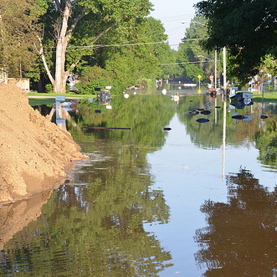
DROWNING: The Souris River overflowed levees in Minot, N.D., as seen here on June 23. Image: Patrick Moes/U.S. Army Corps of Engineers

In North Dakota the waters kept rising. Swollen by more than a month of record rains in Saskatchewan, the Souris River topped its all time record high, set back in 1881. The floodwaters poured into Minot, North Dakota’s fourth-largest city, and spread across thousands of acres of farms and forests. More than 12,000 people were forced to evacuate. Many lost their homes to the floodwaters.

Yet the disaster unfolding in North Dakota might be bringing even bigger headlines if such extreme events hadn’t suddenly seemed more common. In this year alone massive blizzards have struck the U.S. Northeast, tornadoes have ripped through the nation, mighty rivers like the Mississippi and Missouri have flowed over their banks, and floodwaters have covered huge swaths of Australia as well as displaced more than five million people in China and devastated Colombia. And this year’s natural disasters follow on the heels of a staggering litany of extreme weather in 2010, from record floods in Nashville, Tenn., and Pakistan, to Russia’s crippling heat wave.

These patterns have caught the attention of scientists at the National Climatic Data Center in Asheville, N.C., part of the National Oceanic and Atmospheric Administration (NOAA). They’ve been following the recent deluges’ stunning radar pictures and growing rainfall totals with concern and intense interest. Normally, floods of the magnitude now being seen in North Dakota and elsewhere around the world are expected to happen only once in 100 years. But one of the predictions of climate change models is that extreme weather—floods, heat waves, droughts, even blizzards—will become far more common. “Big rain events and higher overnight lows are two things we would expect with [a] warming world,” says Deke Arndt, chief of the center’s Climate Monitoring Branch. Arndt’s group had already documented a stunning rise in overnight low temperatures across the U.S. So are the floods and spate of other recent extreme events also examples of predictions turned into cold, hard reality?

Increasingly, the answer is yes. Scientists used to say, cautiously, that extreme weather events were “consistent” with the predictions of climate change. No more. “Now we can make the statement that particular events would not have happened the same way without global warming,” says Kevin Trenberth, head of climate analysis at the National Center for Atmospheric Research (NCAR) in Boulder, Colo.

That’s a profound change—the difference between predicting something and actually seeing it happen. The reason is simple: The signal of climate change is emerging from the “noise”—the huge amount of natural variability in weather.

Extreme signals

There are two key lines of evidence. First, it’s not just that we’ve become more aware of disasters like North Dakota or last year’s Nashville flood, which caused $13 billion in damage, or the massive 2010 summer monsoon in Pakistan that killed 1,500 people and left 20 million more homeless. The data show that the number of such events is rising. Munich Re, one of the world’s largest reinsurance companies, has compiled the world’s most comprehensive database of natural disasters, reaching all the way back to the eruption of Mount Vesuvius in A.D. 79. Researchers at the company, which obviously has a keen financial interest in trends that increase insurance risks, add 700 to 1,000 natural catastrophes to the database each year, explains Mark Bove, senior research meteorologist in Munich Re’s catastrophe risk management office in Princeton, N.J. The data indicate a small increase in geologic events like earthquakes since 1980 because of better reporting. But the increase in the number of climate disasters is far larger. “Our figures indicate a trend towards an increase in extreme weather events that can only be fully explained by climate change,” says Peter Höppe, head of Munich Re’s Geo Risks Research/Corporate Climate Center: “It’s as if the weather machine had changed up a gear.

The second line of evidence comes from a nascent branch of science called climate attribution. The idea is to examine individual events like a detective investigating a crime, searching for telltale fingerprints of climate change. Those fingerprints are showing up—in the autumn floods of 2000 in England and Wales that were the worst on record, in the 2003 European heat wave that caused 14,000 deaths in France, in Hurricane Katrina—and, yes, probably even in Nashville. This doesn’t mean that the storms or hot spells wouldn’t have happened at all without climate change, but as scientists like Trenberth say, they wouldn’t have been as severe if humankind hadn’t already altered the planet’s climate.This new science is still controversial. There’s an active debate among researchers about whether the Russian heat wave bears the characteristic signature of climate change or whether it was just natural variability, for instance. Some scientists worry that trying to attribute individual events to climate change is counterproductive in the larger political debate, because it’s so easy to dismiss the claim by saying that the planet has always experienced extreme weather. And some researchers who privately are convinced of the link are reluctant to say so publicly, because global warming has become such a target of many in Congress.

But the evidence is growing for a link between the emissions of modern civilization and extreme weather events. And that has the potential to profoundly alter the perception of the threats posed by climate change. No longer is global warming an abstract concept, affecting faraway species, distant lands or generations far in the future. Instead, climate change becomes personal. Its hand can be seen in the corn crop of a Maryland farmer ruined when soaring temperatures shut down pollination or the $13 billion in damage in Nashville, with the Grand Ole Opry flooded and sodden homes reeking of rot. “All of a sudden we’re not talking about polar bears or the Maldives any more,” says Nashville-based author and environmental journalist Amanda Little. “Climate change translates into mold on my baby’s crib. We’re talking about homes and schools and churches and all the places that got hit.”

Drenched in Nashville

Indeed, the record floods in Nashville in May 2010 shows how quickly extreme weather can turn ordinary life into a nightmare. The weekend began innocuously. The forecast was a 50 percent chance of rain. Musician Eric Normand and his wife Kelly were grateful that the weather event they feared, a tornado, wasn’t anticipated. Eric’s Saturday concert in a town south of Nashville should go off without a hitch, he figured.

He was wrong. On Saturday, it rained—and rained. “It was a different kind of rain than any I had experienced in my whole life,” says Nashville resident Rich Hays. Imagine the torrent from an intense summer thunderstorm, the sort of deluge that prompts you to duck under an underpass for a few minutes until the rain stops and it’s safe to go on, Little says. It was like that, she recalls—except that on this weekend in May 2010 it didn’t stop. Riding in the bus with his fellow musicians, Normand “looked through a window at a rain-soaked canopy of green and gray,” he wrote later. Scores of cars were underwater on the roads they had just traveled. A short 14-hour bus gig turned out to be “one of the most stressful and terrifying we had ever experienced,” Normand says.

And still it rained—more than 13 inches (33 centimeters) that weekend. The water rose in Little’s basement—one foot, two feet, three feet (one meter) deep. “You get this panicky feeling that things are out of control,” she says. Over at Hays’s home, fissures appeared in the basement floor, and streams of water turned into a “full-on river,” Hays recalls. Then in the middle of night, “I heard this massive crack, almost like an explosion,” he says. The force of the water had fractured the house’s concrete foundation. He and his wife spent the rest of the night in fear that the house might collapse.

Sunday morning, Normand went out in the deluge to ask his neighbor if he knew when the power might go back on—it was then he realized that his normal world had vanished. A small creek at the bottom of the hill was now a lake one-half mile (0.8 kilometer) wide, submerging homes almost up to their second stories. “My first reaction was disbelief,” Normand says. He and his family were trapped, without power and surrounded by flooded roads. “We were just freaked out,” he recalls.

And all across the flooded city the scenes were surreal, almost hallucinatory, Little says. “There were absurdities heaped upon absurdities. Churches lifted off foundations and floating down streets. Cars floating in a herd down highways.” In her own basement her family’s belongings bobbed like debris in a pond.

By time the deluge ended, more than 13 inches (33 centimeters) of rain had fallen, as recorded at Nashville’s airport. The toll: 31 people dead, more than $3 billion in damage—and an end to the cherished perception that Nashville was safe from major weather disasters. “A community that had never been vulnerable to this incredible force of nature was literally taken by storm,” Little says.

But can the Nashville deluge, the North Dakota floods and the many other extreme weather events around the world be connected with the greenhouse gases that humans have spewed into the atmosphere? Increasingly the answer seems to be yes. Whereas it will never be possible to say that any particular event was caused by climate change, new science is teasing out both the contributions that it makes to individual events—and the increase in the odds of extreme weather occurring as a result of climate change.

Nordeste perde um quinto dos reservatórios de água em 2010 (FSP)

JC e-mail 4304, de 20 de Julho de 2011.

Relatório aponta bacias da região semiárida como as mais críticas.

A região Nordeste do País perdeu, entre outubro de 2009 e outubro de 2010, 20% dos reservatórios de água que possuía no período anterior, segundo a ANA (Agência Nacional de Águas). O dado está em um relatório sobre os recursos hídricos do País, publicado ontem e disponível em http://bit.ly/pnZBqo. Segundo a agência, a perda de reservatórios na região se deve à menor quantidade de chuvas.

Na região ficam as bacias do Semiárido, um dos pontos críticos quanto aos recursos hídricos, segundo o relatório. Também são classificadas assim as bacias do rio Meia Ponte, no Centro-Oeste, e a do Tietê, no Sudeste.

A definição leva em conta a disponibilidade e o uso de água, além da presença ou não de vegetação nativa e como é feito o tratamento dos resíduos sólidos no local. Segundo a ministra do Meio Ambiente, Izabella Teixeira, a ideia é, a partir dos dados do relatório, “focar os esforços nas áreas críticas”.

A ampliação dos serviços de saneamento foi apontada como prioridade pela ministra, principalmente nas cidades de até 50 mil habitantes. O pior índice de qualidade da água é o das áreas de grande densidade urbana.
(Folha de São Paulo)

Rios em péssimas condições (O Globo)

JC e-mail 4304, de 20 de Julho de 2011.

Brasil tem só 4% de recursos hídricos com qualidade ótima, segundo relatório.

Com 12% da oferta de água do planeta, o Brasil tem apenas 4% de seus recursos hídricos com qualidade considerada ótima, percentual que caiu seis pontos de 2008 para 2009. Segundo avaliação do “Informe 2011 da Conjuntura dos Recursos Hídricos do Brasil”, divulgado ontem pela Agência Nacional de Águas (ANA), cem rios estão em situação ruim ou péssima.

Para avaliar o índice de qualidade da água, a agência usa nove parâmetros, que levam em conta principalmente a contaminação dos rios pelo lançamento de esgoto. Essa centena de rios em situação precária não consegue depurar naturalmente a quantidade de resíduos que vêm recebendo. Embora o governo argumente que está fazendo investimentos em políticas públicas de saneamento, mais da metade das cidades do país – 2.926 municípios – não tem tratamento de esgoto. O relatório aponta que em 2009 foram investidos R$21,4 bilhões em saneamento e gestão da água, sendo R$13,2 bilhões em obras de tratamento de esgoto.

A água de pior qualidade se concentra perto das regiões metropolitanas de São Paulo, Curitiba, Belo Horizonte, Porto Alegre, Rio de Janeiro e Salvador e das cidades de médio porte, como Campinas (SP) e Juiz de Fora (MG). Entre os rios cuja água é de péssima ou má qualidade, estão o Tietê, que corta a capital paulista, o Iguaçu, que forma as famosas Cataratas do Iguaçu, e o Guandu-Mirim, no Rio – os dois últimos ficam dentro de unidades de conservação, o Parque Nacional do Iguaçu e a Área de Proteção Ambiental (APA) do Rio Guandu, respectivamente.

Entre 2008 e 2009, a água de qualidade péssima no país se manteve em 2%; a ruim aumentou de 6% para 7%; a regular passou de 12% para 16% e a boa subiu de 70% para 71%. Nesse período, o número de pontos monitorados caiu de 1.812 para 1.747. O superintendente de Planejamento de Recursos Hídricos da agência, Ney Maranhão, mostrou-se satisfeito com os resultados do estudo.

– Temos 90,6% dos rios num estado satisfatório de qualidade e de disponibilidade (quantidade de água). Apenas 2% não apresentam resultado satisfatório – avaliou Maranhão, que coordenou o trabalho.

Estresse hídrico e agricultura – Maranhão ressaltou que as políticas públicas têm sido direcionadas para as bacias que estão em situação crítica, seja por apresentarem baixa disponibilidade ou qualidade de água. A maior parte dos rios e bacias com problema de oferta de água se encontra no Nordeste.

A ministra do Meio Ambiente, Izabella Teixeira, disse que, no futuro, o estresse hídrico (falta de água em algumas regiões do país) vai impactar na agricultura. Ao todo, 69% dos recursos consumidos pela população são usados em irrigação. Izabella aproveitou a ocasião para mandar um recado ao Congresso, onde tramita a reforma do Código Florestal.

– Quando estamos discutindo Código Florestal, não falamos apenas do uso do solo. Estamos falando de recursos hídricos e qualidade de vida. O relatório traz com muita propriedade o estresse hídrico com perda de mata ciliar (vegetação nativa às margens dos rios). Onde se desmata mata ciliar, há comprometimento dos recursos hídricos – afirmou a ministra.

O levantamento da ANA também levou em conta o problema das mudanças climáticas, responsáveis por eventos naturais extremos em datas diferentes no ano passado: a estiagem na Amazônia; as enchentes em Alagoas, Pernambuco e em Minas Gerais; as cheias no Rio, em São Paulo e no Rio Grande do Sul. Um exemplo do agravamento dessa situação: em 2006, foram registradas 135 situações de emergência ou de calamidade pública por conta de fortes chuvas. Em 2010, esse número de ocorrências subiu para 601. No total, quase 10% das cidades brasileiras – 563 municípios – decretaram situação de emergência devido a enchentes, inundações, enxurradas e alagamentos.

No caso das secas, houve uma inversão: 2010 registrou menos casos de emergência (583) do que 2006 (914). Entre 2009 e 2010 houve diminuição de 20,8% no nível dos reservatórios de água construídos no Nordeste para combater estiagens.
(O Globo)

Estudo faz diagnóstico atualizado da situação da água e de sua gestão no Brasil (ANA)

JC e-mail 4303, de 19 de Julho de 2011.

Relatório da ANA aponta desafios para a qualidade das águas e evolução da gestão dos recursos hídricos.

A partir de hoje (19), o Brasil saberá qual é a real situação da água no País em vários aspectos, como: disponibilidade hídrica, qualidade e gestão de recursos hídricos. A Agência Nacional de Águas (ANA) divulga o Relatório de Conjuntura dos Recursos Hídricos no Brasil – Informe 2011. A publicação estará disponível também no site: http://conjuntura.ana.gov.br/conjuntura/.

Com dados consolidados até dezembro de 2010, o estudo da ANA, que atende a uma demanda do Conselho Nacional de Recursos Hídricos, é uma ferramenta de acompanhamento sistemático e anual da condição dos recursos hídricos e de sua gestão em escala nacional, por regiões hidrográficas, em temas fundamentais para o setor de recursos hídricos, como: volume de chuvas; ocorrência de eventos hidrológicos críticos (secas e cheias); disponibilidade hídrica nas diferentes regiões do Brasil; os usos múltiplos da água (irrigação, saneamento e hidroeletricidade, por exemplo); qualidade das águas; a evolução dos comitês de bacias; o planejamento, a regulação e a cobrança pelo uso dos recursos hídricos.

O trabalho registra melhorias na qualidade da água na última década em algumas bacias brasileiras, que receberam investimentos em tratamento de esgotos. Além disso, o estudo mostra que em 2010, 19% dos municípios brasileiros decretaram situação de emergência ou estado de calamidade pública devido à ocorrência de cheias ou problemas de estiagem ou seca, sendo que o número geral desses registros caiu de 1967, em 2009, para 1184 no ano passado. No aspecto da gestão de recursos hídricos, o Informe 2011 indica um aumento do número de comitês de bacias e da área de cobertura do território nacional por planos de recursos hídricos (51% do território nacional) – planos diretores que visam a fundamentar e orientar a implementação do gerenciamento e da Política Nacional de Recursos Hídricos.

O Informe 2011 contém uma análise considerando de forma integrada os aspectos de quantidade (relação entre demanda de água e oferta – balanço quantitativo) e qualidade da água nas bacias brasileiras. Os resultados dessa avaliação apontam para um conjunto de bacias críticas, onde há maior potencial para ocorrência de conflitos pelo uso da água, que deverão merecer atenção crescente por parte dos gestores de recursos hídricos.

Para a ministra do Meio Ambiente, Izabella Teixeira, o Relatório de Conjuntura dos Recursos Hídricos no Brasil – Informe 2011 é uma ferramenta importante para que o País conheça a realidade da condição de suas águas. “O acompanhamento e a avaliação da situação dos recursos hídricos em escala nacional pelo Relatório subsidiam a definição das ações e intervenções necessárias para a melhora da quantidade e da qualidade das águas”, afirma.

Segundo o diretor-presidente da ANA, Vicente Andreu, o Informe 2011 permite o acompanhamento dos desafios e da evolução do setor de recursos hídricos no Brasil. “Por meio do Relatório de Conjuntura, os gestores públicos têm um panorama da situação dos recursos hídricos do País, o que permite a evolução da gestão de nossas águas”, destaca.

Para a elaboração do Relatório de Conjuntura – Informe 2011, a ANA contou com a parceria da Secretaria de Recursos Hídricos e Ambiente Urbano do Ministério do Meio Ambiente (SRHU/MMA), Departamento Nacional de Obras contras as Secas (DNOCS), do Instituto Nacional de Meteorologia (Inmet) e de todos os órgãos gestores estaduais de recursos hídricos e meio ambiente.

A primeira edição do Relatório de Conjuntura foi lançada em 2009, em reunião do Conselho Nacional de Recursos Hídricos (CNRH). No ano seguinte, o trabalho serviu de base para a 1ª atualização do Plano Nacional de Recursos Hídricos. Entre 2010 e 2012, estão previstos Informes anuais que atualizam os dados do estudo.

Qualidade das águas – Em comparação ao Informe 2010, o diagnóstico dos mais de 1.700 pontos analisados quanto à qualidade das águas revela a manutenção do quadro geral do País com várias bacias comprometidas devido ao grande lançamento de esgotos urbanos domésticos sem tratamento adequado, especialmente nas regiões metropolitanas. No entanto, em algumas bacias foi possível associar melhorias na qualidade das águas a investimentos realizados em tratamento de esgotos na última década, como por exemplo nas seguintes bacias: do rio das Velhas, Paraíba do Sul, Grande e Tietê (Reservatório Billings – Braço do Taquacetuba).

Eventos críticos – Em 2010, exatos 563 municípios brasileiros decretaram situação de emergência ou estado de calamidade pública devido à ocorrência de cheias, causadas por chuvas acima da média histórica. São Paulo, Rio de Janeiro, Alagoas, Pernambuco, Bahia e os estados da região Sul foram os mais atingidos. Já o Semiárido e a região Amazônica concentraram a maior parte dos 521 municípios (aproximadamente 9% do total nacional) que tiveram que decretar situação de emergência ou estado de calamidade pública em decorrência de estiagem (evento mais duradouro) ou seca. Em comparação a 2009, o número de ocorrências de 2010 caiu de 1967 para 1184.

Irrigação – Responsável por 69% do consumo de água no Brasil, a irrigação atingia no final da última década 4,5 milhões de hectares irrigados dos 29,6 milhões irrigáveis.

Hidroeletricidade – Entre 2009 e 2010, ocorreu um aumento de 2.093 MW (acréscimo de 3%) na capacidade hidrelétrica instalada que alcançou, ao final de 2010, 80.703 MW, o que representa 71% da matriz elétrica nacional.

Gestão de recursos hídricos – Sobre o planejamento de recursos hídricos em bacias interestaduais, em 2010 foi concluído e aprovado o Plano de Recursos Hídricos da Bacia do Rio Doce. Os planos da Bacia Amazônica – Afluentes da Margem Direita e Verde Grande, concluídos em 2010, tiveram sua aprovação em 2011, respectivamente pelo CNRH e pelo comitê da bacia do Verde Grande. Com isso, a cobertura do território brasileiro por planos de recursos hídricos finalizados chegou a 51%. Com a conclusão de seus planos estaduais de recursos hídricos, Piauí e Minas Gerais fizeram com que 12 das 27 da unidades da Federação tivessem o instrumento. Estes planos diretores visam a fundamentar e orientar a implementação do gerenciamento e da Política Nacional de Recursos Hídricos.

No que diz respeito aos comitês de bacias, em 2007 havia 150 no País. Já em 2010, o número chegou a 173 desses colegiados (um tipo de parlamento das águas), sendo 164 estaduais e 9 interestaduais. Já a cobrança pelo uso dos recursos hídricos entrou em funcionamento na bacia do rio São Francisco, integrando com as bacias do Paraíba do Sul e dos rios Piracicaba, Capivari e Jundiaí (PCJ), o conjunto de bacias interestaduais com cobrança implementada.

Sobre a outorga de direito de uso de recursos hídricos, entre 2009 e 2010 houve um aumento de 8% na vazão total outorgada no País, que chegou a 5.825m³/s, em virtude do avanço da implementação do instrumento pelos estados, do aumento da demanda por água e também devido ao aumento da base de dados considerada neste Informe 2011, quando comparada com a dos relatórios passados.

Nota-se também uma tendência do fortalecimento das políticas estaduais e nacional de recursos hídricos em bacias onde há maior comprometimento quali-quantitativo.
(Ascom da ANA)

Climate of Denial: Can science and the truth withstand the merchants of poison? (Rolling Stone)

By AL GORE
JUNE 22, 2011 7:45 AM ET

Illustration by Matt Mahurin

The first time I remember hearing the question “is it real?” was when I went as a young boy to see a traveling show put on by “professional wrestlers” one summer evening in the gym of the Forks River Elementary School in Elmwood, Tennessee.

The evidence that it was real was palpable: “They’re really hurting each other! That’s real blood! Look a’there! They can’t fake that!” On the other hand, there was clearly a script (or in today’s language, a “narrative”), with good guys to cheer and bad guys to boo.

But the most unusual and in some ways most interesting character in these dramas was the referee: Whenever the bad guy committed a gross and obvious violation of the “rules” — such as they were — like using a metal folding chair to smack the good guy in the head, the referee always seemed to be preoccupied with one of the cornermen, or looking the other way. Yet whenever the good guy — after absorbing more abuse and unfairness than any reasonable person could tolerate — committed the slightest infraction, the referee was all over him. The answer to the question “Is it real?” seemed connected to the question of whether the referee was somehow confused about his role: Was he too an entertainer?

Scorched Earth: How Climate Change Is Spreading Drought Throughout the Globe

That is pretty much the role now being played by most of the news media in refereeing the current wrestling match over whether global warming is “real,” and whether it has any connection to the constant dumping of 90 million tons of heat-trapping emissions into the Earth’s thin shell of atmosphere every 24 hours.

Admittedly, the contest over global warming is a challenge for the referee because it’s a tag-team match, a real free-for-all. In one corner of the ring are Science and Reason. In the other corner: Poisonous Polluters and Right-wing Ideologues.

The referee — in this analogy, the news media — seems confused about whether he is in the news business or the entertainment business. Is he responsible for ensuring a fair match? Or is he part of the show, selling tickets and building the audience? The referee certainly seems distracted: by Donald Trump, Charlie Sheen, the latest reality show — the list of serial obsessions is too long to enumerate here.

But whatever the cause, the referee appears not to notice that the Polluters and Ideologues are trampling all over the “rules” of democratic discourse. They are financing pseudoscientists whose job is to manufacture doubt about what is true and what is false; buying elected officials wholesale with bribes that the politicians themselves have made “legal” and can now be made in secret; spending hundreds of millions of dollars each year on misleading advertisements in the mass media; hiring four anti-climate lobbyists for every member of the U.S. Senate and House of Representatives. (Question: Would Michael Jordan have been a star if he was covered by four defensive players every step he took on the basketball court?)

This script, of course, is not entirely new: A half-century ago, when Science and Reason established the linkage between cigarettes and lung diseases, the tobacco industry hired actors, dressed them up as doctors, and paid them to look into television cameras and tell people that the linkage revealed in the Surgeon General’s Report was not real at all. The show went on for decades, with more Americans killed each year by cigarettes than all of the U.S. soldiers killed in all of World War II.

This time, the scientific consensus is even stronger. It has been endorsed by every National Academy of science of every major country on the planet, every major professional scientific society related to the study of global warming and 98 percent of climate scientists throughout the world. In the latest and most authoritative study by 3,000 of the very best scientific experts in the world, the evidence was judged “unequivocal.”

But wait! The good guys transgressed the rules of decorum, as evidenced in their private e-mails that were stolen and put on the Internet. The referee is all over it: Penalty! Go to your corner! And in their 3,000-page report, the scientists made some mistakes! Another penalty!

And if more of the audience is left confused about whether the climate crisis is real? Well, the show must go on. After all, it’s entertainment. There are tickets to be sold, eyeballs to glue to the screen.

Part of the script for this show was leaked to The New York Times as early as 1991. In an internal document, a consortium of the largest global-warming polluters spelled out their principal strategy: “Reposition global warming as theory, rather than fact.” Ever since, they have been sowing doubt even more effectively than the tobacco companies before them.

To sell their false narrative, the Polluters and Ideologues have found it essential to undermine the public’s respect for Science and Reason by attacking the integrity of the climate scientists. That is why the scientists are regularly accused of falsifying evidence and exaggerating its implications in a greedy effort to win more research grants, or secretly pursuing a hidden political agenda to expand the power of government. Such slanderous insults are deeply ironic: extremist ideologues — many financed or employed by carbon polluters — accusing scientists of being greedy extremist ideologues.

After World War II, a philosopher studying the impact of organized propaganda on the quality of democratic debate wrote, “The conversion of all questions of truth into questions of power has attacked the very heart of the distinction between true and false.”


Is the climate crisis real? Yes, of course it is. Pause for a moment to consider these events of just the past 12 months:

• Heat. According to NASA, 2010 was tied with 2005 as the hottest year measured since instruments were first used systematically in the 1880s. Nineteen countries set all-time high temperature records. One city in Pakistan, Mohenjo-Daro, reached 128.3 degrees Fahrenheit, the hottest temperature ever measured in an Asian city. Nine of the 10 hottest years in history have occurred in the last 13 years. The past decade was the hottest ever measured, even though half of that decade represented a “solar minimum” — the low ebb in the natural cycle of solar energy emanating from the sun.

• Floods. Megafloods displaced 20 million people in Pakistan, further destabilizing a nuclear-armed country; inundated an area of Australia larger than Germany and France combined; flooded 28 of the 32 districts that make up Colombia, where it has rained almost continuously for the past year; caused a “thousand-year” flood in my home city of Nashville; and led to all-time record flood levels in the Mississippi River Valley. Many places around the world are now experiencing larger and more frequent extreme downpours and snowstorms; last year’s “Snowmaggedon” in the northeastern United States is part of the same pattern, notwithstanding the guffaws of deniers.

• Drought. Historic drought and fires in Russia killed an estimated 56,000 people and caused wheat and other food crops in Russia, Ukraine and Kazakhstan to be removed from the global market, contributing to a record spike in food prices. “Practically everything is burning,” Russian president Dmitry Medvedev declared. “What’s happening with the planet’s climate right now needs to be a wake-up call to all of us.” The drought level in much of Texas has been raised from “extreme” to “exceptional,” the highest category. This spring the majority of the counties in Texas were on fire, and Gov. Rick Perry requested a major disaster declaration for all but two of the state’s 254 counties. Arizona is now fighting the largest fire in its history. Since 1970, the fire season throughout the American West has increased by 78 days. Extreme droughts in central China and northern France are currently drying up reservoirs and killing crops.

• Melting Ice. An enormous mass of ice, four times larger than the island of Manhattan, broke off from northern Greenland last year and slipped into the sea. The acceleration of ice loss in both Greenland and Antarctica has caused another upward revision of global sea-level rise and the numbers of refugees expected from low-lying coastal areas. The Arctic ice cap, which reached a record low volume last year, has lost as much as 40 percent of its area during summer in just 30 years.

These extreme events are happening in real time. It is not uncommon for the nightly newscast to resemble a nature hike through the Book of Revelation. Yet most of the news media completely ignore how such events are connected to the climate crisis, or dismiss the connection as controversial; after all, there are scientists on one side of the debate and deniers on the other. A Fox News executive, in an internal e-mail to the network’s reporters and editors that later became public, questioned the “veracity of climate change data” and ordered the journalists to “refrain from asserting that the planet has warmed (or cooled) in any given period without IMMEDIATELY pointing out that such theories are based upon data that critics have called into question.”

But in the “real” world, the record droughts, fires, floods and mudslides continue to increase in severity and frequency. Leading climate scientists like Jim Hansen and Kevin Trenberth now say that events like these would almost certainly not be occurring without the influence of man-made global warming. And that’s a shift in the way they frame these impacts. Scientists used to caution that we were increasing the probability of such extreme events by “loading the dice” — pumping more carbon into the atmosphere. Now the scientists go much further, warning that we are “painting more dots on the dice.”  We are not only more likely to roll 12s; we are now rolling 13s and 14s. In other words, the biggest storms are not only becoming more frequent, they are getting bigger, stronger and more destructive.

“The only plausible explanation for the rise in weather-related catastrophes is climate change,” Munich Re, one of the two largest reinsurance companies in the world, recently stated. “The view that weather extremes are more frequent and intense due to global warming coincides with the current state of scientific knowledge.”

Many of the extreme and destructive events are the result of the rapid increase in the amount of heat energy from the sun that is trapped in the atmosphere, which is radically disrupting the planet’s water cycle. More heat energy evaporates more water into the air, and the warmer air holds a lot more moisture. This has huge consequences that we now see all around the world.

When a storm unleashes a downpour of rain or snow, the precipitation does not originate just in the part of the sky directly above where it falls. Storms reach out — sometimes as far as 2,000 miles — to suck in water vapor from large areas of the sky, including the skies above oceans, where water vapor has increased by four percent in just the last 30 years. (Scientists often compare this phenomenon to what happens in a bathtub when you open the drain; the water rushing out comes from the whole tub, not just from the part of the tub directly above the drain. And when the tub is filled with more water, more goes down the drain. In the same way, when the warmer sky is filled with a lot more water vapor, there are bigger downpours when a storm cell opens the “drain.”)

In many areas, these bigger downpours also mean longer periods between storms — at the same time that the extra heat in the air is also drying out the soil. That is part of the reason so many areas have been experiencing both record floods and deeper, longer-lasting droughts.

Moreover, the scientists have been warning us for quite some time — in increasingly urgent tones — that things will get much, much worse if we continue the reckless dumping of more and more heat-trapping pollution into the atmosphere. Drought is projected to spread across significant, highly populated areas of the globe throughout this century. Look at what the scientists say is in store for the Mediterranean nations. Should we care about the loss of Spain, France, Italy, the Balkans, Turkey, Tunisia? Look at what they say is in store for Mexico. Should we notice? Should we care?

Maybe it’s just easier, psychologically, to swallow the lie that these scientists who devote their lives to their work are actually greedy deceivers and left-wing extremists — and that we should instead put our faith in the pseudoscientists financed by large carbon polluters whose business plans depend on their continued use of the atmospheric commons as a place to dump their gaseous, heat-trapping waste without limit or constraint, free of charge.


The truth is this: What we are doing is functionally insane. If we do not change this pattern, we will condemn our children and all future generations to struggle with ecological curses for several millennia to come. Twenty percent of the global-warming pollution we spew into the sky each day will still be there 20,000 years from now!

We do have another choice. Renewable energy sources are coming into their own. Both solar and wind will soon produce power at costs that are competitive with fossil fuels; indications are that twice as many solar installations were erected worldwide last year as compared to 2009. The reductions in cost and the improvements in efficiency of photovoltaic cells over the past decade appear to be following an exponential curve that resembles a less dramatic but still startling version of what happened with computer chips over the past 50 years.

Enhanced geothermal energy is potentially a nearly limitless source of competitive electricity. Increased energy efficiency is already saving businesses money and reducing emissions significantly. New generations of biomass energy — ones that do not rely on food crops, unlike the mistaken strategy of making ethanol from corn — are extremely promising. Sustainable forestry and agriculture both make economic as well as environmental sense. And all of these options would spread even more rapidly if we stopped subsidizing Big Oil and Coal and put a price on carbon that reflected the true cost of fossil energy — either through the much-maligned cap-and-trade approach, or through a revenue-neutral tax swap.

All over the world, the grassroots movement in favor of changing public policies to confront the climate crisis and build a more prosperous, sustainable future is growing rapidly. But most governments remain paralyzed, unable to take action — even after years of volatile gasoline prices, repeated wars in the Persian Gulf, one energy-related disaster after another, and a seemingly endless stream of unprecedented and lethal weather disasters.

Continuing on our current course would be suicidal for global civilization. But the key question is: How do we drive home that fact in a democratic society when questions of truth have been converted into questions of power? When the distinction between what is true and what is false is being attacked relentlessly, and when the referee in the contest between truth and falsehood has become an entertainer selling tickets to a phony wrestling match?

The “wrestling ring” in this metaphor is the conversation of democracy. It used to be called the “public square.” In ancient Athens, it was the Agora. In the Roman Republic, it was the Forum. In the Egypt of the recent Arab Spring, “Tahrir Square” was both real and metaphorical — encompassing Facebook, Twitter, Al-Jazeera and texting.

In the America of the late-18th century, the conversation that led to our own “Spring” took place in printed words: pamphlets, newsprint, books, the “Republic of Letters.” It represented the fullest flower of the Enlightenment, during which the oligarchic power of the monarchies, the feudal lords and the Medieval Church was overthrown and replaced with a new sovereign: the Rule of Reason.

The public square that gave birth to the new consciousness of the Enlightenment emerged in the dozen generations following the invention of the printing press — “the Gutenberg Galaxy,” the scholar Marshall McLuhan called it — a space in which the conversation of democracy was almost equally accessible to every literate person. Individuals could both find the knowledge that had previously been restricted to elites and contribute their own ideas.

Ideas that found resonance with others rose in prominence much the way Google searches do today, finding an ever larger audience and becoming a source of political power for individuals with neither wealth nor force of arms. Thomas Paine, to take one example, emigrated from England to Philadelphia with no wealth, no family connections and no power other than that which came from his ability to think and write clearly — yet his Common Sense became the Harry Potter of Revolutionary America. The “public interest” mattered, was actively discussed and pursued.

But the “public square” that gave birth to America has been transformed beyond all recognition. The conversation that matters most to the shaping of the “public mind” now takes place on television. Newspapers and magazines are in decline. The Internet, still in its early days, will one day support business models that make true journalism profitable — but up until now, the only successful news websites aggregate content from struggling print publications. Web versions of the newspapers themselves are, with few exceptions, not yet making money. They bring to mind the classic image of Wile E. Coyote running furiously in midair just beyond the edge of the cliff, before plummeting to the desert floor far beneath him.


The average American, meanwhile, is watching television an astonishing five hours a day. In the average household, at least one television set is turned on more than eight hours a day. Moreover, approximately 75 percent of those using the Internet frequently watch television at the same time that they are online.

Unlike access to the “public square” of early America, access to television requires large amounts of money. Thomas Paine could walk out of his front door in Philadelphia and find a dozen competing, low-cost print shops within blocks of his home. Today, if he traveled to the nearest TV station, or to the headquarters of nearby Comcast — the dominant television provider in America — and tried to deliver his new ideas to the American people, he would be laughed off the premises. The public square that used to be a commons has been refeudalized, and the gatekeepers charge large rents for the privilege of communicating to the American people over the only medium that really affects their thinking. “Citizens” are now referred to more commonly as “consumers” or “the audience.”

That is why up to 80 percent of the campaign budgets for candidates in both major political parties is devoted to the purchase of 30-second TV ads. Since the rates charged for these commercials increase each year, the candidates are forced to raise more and more money in each two-year campaign cycle.

Of course, the only reliable sources from which such large sums can be raised continuously are business lobbies. Organized labor, a shadow of its former self, struggles to compete, and individuals are limited by law to making small contributions. During the 2008 campaign, there was a bubble of hope that Internet-based fundraising might even the scales, but in the end, Democrats as well as Republicans relied far more on traditional sources of large contributions. Moreover, the recent deregulation of unlimited — and secret — donations by wealthy corporations has made the imbalance even worse.

In the new ecology of political discourse, special-interest contributors of the large sums of money now required for the privilege of addressing voters on a wholesale basis are not squeamish about asking for the quo they expect in return for their quid. Politicians who don’t acquiesce don’t get the money they need to be elected and re-elected. And the impact is doubled when special interests make clear — usually bluntly — that the money they are withholding will go instead to opponents who are more than happy to pledge the desired quo. Politicians have been racing to the bottom for some time, and are presently tunneling to new depths. It is now commonplace for congressmen and senators first elected decades ago — as I was — to comment in private that the whole process has become unbelievably crass, degrading and horribly destructive to the core values of American democracy.

Largely as a result, the concerns of the wealthiest individuals and corporations routinely trump the concerns of average Americans and small businesses. There are a ridiculously large number of examples: eliminating the inheritance tax paid by the wealthiest one percent of families is considered a much higher priority than addressing the suffering of the millions of long-term unemployed; Wall Street’s interest in legalizing gambling in trillions of dollars of “derivatives” was considered way more important than protecting the integrity of the financial system and the interests of middle-income home buyers. It’s a long list.

Almost every group organized to promote and protect the “public interest” has been backpedaling and on the defensive. By sharp contrast, when a coalition of powerful special interests sets out to manipulate U.S. policy, their impact can be startling — and the damage to the true national interest can be devastating.

In 2002, for example, the feverish desire to invade Iraq required convincing the American people that Saddam Hussein was somehow responsible for attacking the United States on September 11th, 2001, and that he was preparing to attack us again, perhaps with nuclear weapons. When the evidence — the “facts” — stood in the way of that effort to shape the public mind, they were ridiculed, maligned and ignored. Behind the scenes, the intelligence was manipulated and the public was intentionally deceived. Allies were pressured to adopt the same approach with their publics. A recent inquiry in the U.K. confirmed this yet again. “We knew at the time that the purpose of the dossier was precisely to make a case for war, rather than setting out the available intelligence,” Maj. Gen. Michael Laurie testified. “To make the best out of sparse and inconclusive intelligence, the wording was developed with care.” Why? As British intelligence put it, the overthrow of Saddam was “a prize because it could give new security to oil supplies.”

That goal — the real goal — could have been debated on its own terms. But as Bush administration officials have acknowledged, a truly candid presentation would not have resulted in sufficient public support for the launching of a new war. They knew that because they had studied it and polled it. So they manipulated the debate, downplayed the real motive for the invasion, and made a different case to the public — one based on falsehoods.

And the “referee” — the news media — looked the other way. Some, like Fox News, were hyperactive cheerleaders. Others were intimidated into going along by the vitriol heaped on any who asked inconvenient questions. (They know it; many now acknowledge it, sheepishly and apologetically.)


Senators themselves fell, with a few honorable exceptions, into the same two camps. A few weeks before the United States invaded Iraq, the late Robert Byrd — God rest his soul — thundered on the Senate floor about the pitiful quality of the debate over the choice between war and peace: “Yet, this Chamber is, for the most part, silent — ominously, dreadfully silent. There is no debate, no discussion, no attempt to lay out for the nation the pros and cons of this particular war. There is nothing.”

The chamber was silent, in part, because many senators were somewhere else — attending cocktail parties and receptions, largely with special-interest donors, raising money to buy TV ads for their next campaigns. Nowadays, in fact, the scheduling of many special-interest fundraisers mirrors the schedule of votes pending in the House and Senate.

By the time we invaded Iraq, polls showed, nearly three-quarters of the American people were convinced that the person responsible for the planes flying into the World Trade Center Towers was indeed Saddam Hussein. The rest is history — though, as Faulkner wrote, “The past is never dead. It’s not even past.” Because of that distortion of the truth in the past, we are still in Iraq; and because the bulk of our troops and intelligence assets were abruptly diverted from Afghanistan to Iraq, we are also still in Afghanistan.

In the same way, because the banks had their way with Congress when it came to gambling on unregulated derivatives and recklessly endangering credit markets with subprime mortgages, we still have almost double-digit unemployment, historic deficits, Greece and possibly other European countries teetering on the edge of default, and the threat of a double-dip recession. Even the potential default of the United States of America is now being treated by many politicians and too many in the media as yet another phony wrestling match, a political game. Are the potential economic consequences of a U.S. default “real”? Of course they are! Have we gone completely nuts?

We haven’t gone nuts — but the “conversation of democracy” has become so deeply dysfunctional that our ability to make intelligent collective decisions has been seriously impaired. Throughout American history, we relied on the vibrancy of our public square — and the quality of our democratic discourse — to make better decisions than most nations in the history of the world. But we are now routinely making really bad decisions that completely ignore the best available evidence of what is true and what is false. When the distinction between truth and falsehood is systematically attacked without shame or consequence — when a great nation makes crucially important decisions on the basis of completely false information that is no longer adequately filtered through the fact-checking function of a healthy and honest public discussion — the public interest is severely damaged.

That is exactly what is happening with U.S. decisions regarding the climate crisis. The best available evidence demonstrates beyond any reasonable doubt that the reckless spewing of global-warming pollution in obscene quantities into the atmospheric commons is having exactly the consequences long predicted by scientists who have analyzed the known facts according to the laws of physics.

The emergence of the climate crisis seems sudden only because of a relatively recent discontinuity in the relationship between human civilization and the planet’s ecological system. In the past century, we have quadrupled global population while relying on the burning of carbon-based fuels — coal, oil and gas — for 85 percent of the world’s energy. We are also cutting and burning forests that would otherwise help remove some of the added CO2 from the atmosphere, and have converted agriculture to an industrial model that also runs on carbon-based fuels and strip-mines carbon-rich soils.

The cumulative result is a radically new reality — and since human nature makes us vulnerable to confusing the unprecedented with the improbable, it naturally seems difficult to accept. Moreover, since this new reality is painful to contemplate, and requires big changes in policy and behavior that are at the outer limit of our ability, it is all too easy to fall into the psychological state of denial. As with financial issues like subprime mortgages and credit default swaps, the climate crisis can seem too complex to worry about, especially when the shills for the polluters constantly claim it’s all a hoax anyway. And since the early impacts of climatic disruption are distributed globally, they masquerade as an abstraction that is safe to ignore.

These vulnerabilities, rooted in our human nature, are being manipulated by the tag-team of Polluters and Ideologues who are trying to deceive us. And the referee — the news media — is once again distracted. As with the invasion of Iraq, some are hyperactive cheerleaders for the deception, while others are intimidated into complicity, timidity and silence by the astonishing vitriol heaped upon those who dare to present the best evidence in a professional manner. Just as TV networks who beat the drums of war prior to the Iraq invasion were rewarded with higher ratings, networks now seem reluctant to present the truth about the link between carbon pollution and global warming out of fear that conservative viewers will change the channel — and fear that they will receive a torrent of flame e-mails from deniers.

Many politicians, unfortunately, also fall into the same two categories: those who cheerlead for the deniers and those who cower before them. The latter group now includes several candidates for the Republican presidential nomination who have felt it necessary to abandon their previous support for action on the climate crisis; at least one has been apologizing profusely to the deniers and begging for their forgiveness.

“Intimidation” and “timidity” are connected by more than a shared word root. The first is designed to produce the second. As Yeats wrote almost a century ago, “The best lack all conviction, while the worst are full of passionate intensity.”

Barack Obama’s approach to the climate crisis represents a special case that requires careful analysis. His election was accompanied by intense hope that many things in need of change would change. Some things have, but others have not. Climate policy, unfortunately, is in the second category. Why?

First of all, anyone who honestly examines the incredible challenges confronting President Obama when he took office has to feel enormous empathy for him: the Great Recession, with the high unemployment and the enormous public and private indebtedness it produced; two seemingly interminable wars; an intractable political opposition whose true leaders — entertainers masquerading as pundits — openly declared that their objective was to ensure that the new president failed; a badly broken Senate that is almost completely paralyzed by the threat of filibuster and is controlled lock, stock and barrel by the oil and coal industries; a contingent of nominal supporters in Congress who are indentured servants of the same special interests that control most of the Republican Party; and a ferocious, well-financed and dishonest campaign poised to vilify anyone who dares offer leadership for the reduction of global-warming pollution.

In spite of these obstacles, President Obama included significant climate-friendly initiatives in the economic stimulus package he presented to Congress during his first month in office. With the skillful leadership of House Speaker Nancy Pelosi and committee chairmen Henry Waxman and Ed Markey, he helped secure passage of a cap-and-trade measure in the House a few months later. He implemented historic improvements in fuel-efficiency standards for automobiles, and instructed the Environmental Protection Agency to move forward on the regulation of global-warming pollution under the Clean Air Act. He appointed many excellent men and women to key positions, and they, in turn, have made hundreds of changes in environmental and energy policy that have helped move the country forward slightly on the climate issue. During his first six months, he clearly articulated the link between environmental security, economic security and national security — making the case that a national commitment to renewable energy could simultaneously reduce unemployment, dependence on foreign oil and vulnerability to the disruption of oil markets dominated by the Persian Gulf reserves. And more recently, as the issue of long-term debt has forced discussion of new revenue, he proposed the elimination of unnecessary and expensive subsidies for oil and gas.


But in spite of these and other achievements, President Obama has thus far failed to use the bully pulpit to make the case for bold action on climate change. After successfully passing his green stimulus package, he did nothing to defend it when Congress decimated its funding. After the House passed cap and trade, he did little to make passage in the Senate a priority. Senate advocates — including one Republican — felt abandoned when the president made concessions to oil and coal companies without asking for anything in return. He has also called for a massive expansion of oil drilling in the United States, apparently in an effort to defuse criticism from those who argue speciously that “drill, baby, drill” is the answer to our growing dependence on foreign oil.

The failure to pass legislation to limit global-warming pollution ensured that the much-anticipated Copenhagen summit on a global treaty in 2009 would also end in failure. The president showed courage in attending the summit and securing a rhetorical agreement to prevent a complete collapse of the international process, but that’s all it was — a rhetorical agreement. During the final years of the Bush-Cheney administration, the rest of the world was waiting for a new president who would aggressively tackle the climate crisis — and when it became clear that there would be no real change from the Bush era, the agenda at Copenhagen changed from “How do we complete this historic breakthrough?” to “How can we paper over this embarrassing disappointment?”

Some concluded from the failure in Copenhagen that it was time to give up on the entire U.N.-sponsored process for seeking an international agreement to reduce both global-warming pollution and deforestation. Ultimately, however, the only way to address the climate crisis will be with a global agreement that in one way or another puts a price on carbon. And whatever approach is eventually chosen, the U.S. simply must provide leadership by changing our own policy.

Yet without presidential leadership that focuses intensely on making the public aware of the reality we face, nothing will change. The real power of any president, as Richard Neustadt wrote, is “the power to persuade.” Yet President Obama has never presented to the American people the magnitude of the climate crisis. He has simply not made the case for action. He has not defended the science against the ongoing, withering and dishonest attacks. Nor has he provided a presidential venue for the scientific community — including our own National Academy — to bring the reality of the science before the public.

Here is the core of it: we are destroying the climate balance that is essential to the survival of our civilization. This is not a distant or abstract threat; it is happening now. The United States is the only nation that can rally a global effort to save our future. And the president is the only person who can rally the United States.

Many political advisers assume that a president has to deal with the world of politics as he finds it, and that it is unwise to risk political capital on an effort to actually lead the country toward a new understanding of the real threats and real opportunities we face. Concentrate on the politics of re-election, they say. Don’t take chances.

All that might be completely understandable and make perfect sense in a world where the climate crisis wasn’t “real.” Those of us who support and admire President Obama understand how difficult the politics of this issue are in the context of the massive opposition to doing anything at all — or even to recognizing that there is a crisis. And assuming that the Republicans come to their senses and avoid nominating a clown, his re-election is likely to involve a hard-fought battle with high stakes for the country. All of his supporters understand that it would be self-defeating to weaken Obama and heighten the risk of another step backward. Even writing an article like this one carries risks; opponents of the president will excerpt the criticism and strip it of context.

But in this case, the President has reality on his side. The scientific consensus is far stronger today than at any time in the past. Here is the truth: The Earth is round; Saddam Hussein did not attack us on 9/11; Elvis is dead; Obama was born in the United States; and the climate crisis is real. It is time to act.

Those who profit from the unconstrained pollution that is the primary cause of climate change are determined to block our perception of this reality. They have help from many sides: from the private sector, which is now free to make unlimited and secret campaign contributions; from politicians who have conflated their tenures in office with the pursuit of the people’s best interests; and — tragically — from the press itself, which treats deception and falsehood on the same plane as scientific fact, and calls it objective reporting of alternative opinions.

All things are not equally true. It is time to face reality. We ignored reality in the marketplace and nearly destroyed the world economic system. We are likewise ignoring reality in the environment, and the consequences could be several orders of magnitude worse. Determining what is real can be a challenge in our culture, but in order to make wise choices in the presence of such grave risks, we must use common sense and the rule of reason in coming to an agreement on what is true.


So how can we make it happen? How can we as individuals make a difference? In five basic ways:

First, become a committed advocate for solving the crisis. You can start with something simple: Speak up whenever the subject of climate arises. When a friend or acquaintance expresses doubt that the crisis is real, or that it’s some sort of hoax, don’t let the opportunity pass to put down your personal marker. The civil rights revolution may have been driven by activists who put their lives on the line, but it was partly won by average Americans who began to challenge racist comments in everyday conversations.

Second, deepen your commitment by making consumer choices that reduce energy use and reduce your impact on the environment. The demand by individuals for change in the marketplace has already led many businesses to take truly significant steps to reduce their global-warming pollution. Some of the corporate changes are more symbolic than real — “green-washing,” as it’s called — but a surprising amount of real progress is taking place. Walmart, to pick one example, is moving aggressively to cut its carbon footprint by 20 million metric tons, in part by pressuring its suppliers to cut down on wasteful packaging and use lower-carbon transportation alternatives. Reward those companies that are providing leadership.

Third, join an organization committed to action on this issue. The Alliance for Climate Protection (climateprotect.org), which I chair, has grassroots action plans for the summer and fall that spell out lots of ways to fight effectively for the policy changes we need. We can also enable you to host a slide show in your community on solutions to the climate crisis — presented by one of the 4,000 volunteers we have trained. Invite your friends and neighbors to come and then enlist them to join the cause.

Fourth, contact your local newspapers and television stations when they put out claptrap on climate — and let them know you’re fed up with their stubborn and cowardly resistance to reporting the facts of this issue. One of the main reasons they are so wimpy and irresponsible about global warming is that they’re frightened of the reaction they get from the deniers when they report the science objectively. So let them know that deniers are not the only ones in town with game. Stay on them! Don’t let up! It’s true that some media outlets are getting instructions from their owners on this issue, and that others are influenced by big advertisers, but many of them are surprisingly responsive to a genuine outpouring of opinion from their viewers and readers. It is way past time for the ref to do his job.

Finally, and above all, don’t give up on the political system. Even though it is rigged by special interests, it is not so far gone that candidates and elected officials don’t have to pay attention to persistent, engaged and committed individuals. President Franklin Roosevelt once told civil rights leaders who were pressing him for change that he agreed with them about the need for greater equality for black Americans. Then, as the story goes, he added with a wry smile, “Now go out and make me do it.”

To make our elected leaders take action to solve the climate crisis, we must forcefully communicate the following message: “I care a lot about global warming; I am paying very careful attention to the way you vote and what you say about it; if you are on the wrong side, I am not only going to vote against you, I will work hard to defeat you — regardless of party. If you are on the right side, I will work hard to elect you.”

Why do you think President Obama and Congress changed their game on “don’t ask, don’t tell?” It happened because enough Americans delivered exactly that tough message to candidates who wanted their votes. When enough people care passionately enough to drive that message home on the climate crisis, politicians will look at their hole cards, and enough of them will change their game to make all the difference we need.

This is not naive; trust me on this. It may take more individual voters to beat the Polluters and Ideologues now than it once did — when special-interest money was less dominant. But when enough people speak this way to candidates, and convince them that they are dead serious about it, change will happen — both in Congress and in the White House. As the great abolitionist leader Frederick Douglass once observed, “Power concedes nothing without a demand. It never did, and it never will.”

What is now at risk in the climate debate is nothing less than our ability to communicate with one another according to a protocol that binds all participants to seek reason and evaluate facts honestly. The ability to perceive reality is a prerequisite for self-governance. Wishful thinking and denial lead to dead ends. When it works, the democratic process helps clear the way toward reality, by exposing false argumentation to the best available evidence. That is why the Constitution affords such unique protection to freedom of the press and of speech.

The climate crisis, in reality, is a struggle for the soul of America. It is about whether or not we are still capable — given the ill health of our democracy and the current dominance of wealth over reason — of perceiving important and complex realities clearly enough to promote and protect the sustainable well-being of the many. What hangs in the balance is the future of civilization as we know it.

This story is from Rolling Stone issue 1134/1135, available on newsstands and through Rolling Stone All Access on June 24, 2011.

IPCC estuda geoengenharia para minimizar aquecimento (Carbono Brasil)

JC e-mail 4286, de 24 de Junho de 2011

Talvez motivada pela lentidão das negociações climáticas, entidade sugere que cientistas avaliem possibilidades para refletir os raios solares e até o depósito de ferro nos oceanos para estimular o crescimento de algas que absorvam o CO².

O jornal britânico The Guardian teve acesso a documentos do Painel Intergovernamental de Mudanças Climáticas da ONU (IPCC) destinados para os cientistas que formam o grupo de trabalho em geoengenharia da entidade e revelou que utilizar essa opção para lidar com as mudanças climáticas está sendo considerada com seriedade.

O grupo de cientistas se reúne na próxima semana em Lima, no Peru, e tem como principal objetivo fornecer sugestões para os governos de quais tecnologias de geoengenharia seriam mais eficientes e seguras.

Entre as propostas que o IPCC pede para serem avaliadas estão: Dispersar aerossóis de enxofre na estratosfera para refletir parte dos raios solares de volta para o espaço; Depositar grandes quantidades de ferro nos oceanos para o crescimento de algas que absorvam o CO²; Realizar a bioengenharia de culturas agrícolas para que tenham uma cor que reflita os raios solares; Suprimir a formação de nuvens do tipo cirrus, que agem acentuando o efeito estufa.

De acordo com o The Guardian, outras medidas que podem ser estudadas são a dispersão de partículas de água do mar nas nuvens para que reflitam os raios solares, a pintura de branco das estradas e telhadas em todo o mundo e diferentes maneiras de capturar e armazenar os gases do efeito estufa.

Apesar das ideias parecerem ficção científica, algumas delas já foram inclusive tiradas do papel. No começo de 2009, um navio de pesquisas alemão carregado com 20 toneladas de sulfato de ferro partiu em direção à Antártica com o objetivo de injetar o material no fundo do oceano. A operação acabou sendo suspensa no último momento pelo governo alemão que atendeu aos pedidos da comunidade internacional.

Realizar projetos de geoengenharia sempre levantou muita polêmica, tanto que em 2010 a Convenção sobre Diversidade Biológica (CDB) aprovou uma moratória desse tipo de iniciativa. Entretanto, a moratória permite a continuidade de estudos em pequena escala em circunstâncias controladas.

Mesmo a Sociedade Americana de Meteorologia (AMS), entidade que defende o uso da geoengenharia, alerta que ainda são necessários muitos estudos antes que seja feita qualquer alteração de grande porte nos sistemas terrestres.

“O potencial para ajudar a sociedade, assim como os riscos de consequências inesperadas, exigem mais pesquisas, regulamentações e transparência nas iniciativas”, ressalta a instituição.

Contrários até mesmo a continuidade de estudos sobre o assunto, 125 grupos ambientais e de direitos humanos de 40 países, incluindo a Friends of the Earth International e a Via Campesina, entregaram uma carta nesta semana para o presidente do IPCC, Rajendra Pachauri, alertando que a entidade não tem competência para avaliar a opção da geoengenharia.

“Perguntar a um grupo de cientistas que trabalham com geoengenharia se é preciso fazer mais pesquisas sobre o assunto é igual perguntar se um urso quer mel”, afirma a carta. Segundo os ambientalistas, essa não é uma questão apenas cientifica, é política.

A geoengenharia voltou a ganhar força depois que foi registrado que em 2010 as emissões bateram um novo recorde histórico, apesar de todas as promessas dos governos mundiais. De acordo com a Agência Internacional de Energia, o ano passado registrou a emissão de 30,6 gigatoneladas de dióxido de carbono.

Além disso, o ritmo das negociações internacionais está muito lento, tornando praticamente impossível que seja criado um acordo climático global nos próximos meses.

A própria presidente da Convenção-Quadro da ONU sobre Mudanças Climáticas (UNFCCC), Christiana Figueres, afirmou que talvez seja preciso adotar tecnologias mais radicais para conter o aquecimento em no máximo 2°C e evitar as piores consequências das mudanças climáticas.

“Estamos nos colocando em uma situação onde precisaremos utilizar métodos mais drásticos para retirar as emissões da atmosfera”, concluiu Figueres.

Kari Norgaard on climate change denial

Understanding the climate ostrich

BBC News, 15 November 07
By Kari Marie Norgaard
Whitman College, US

Why do people find it hard to accept the increasingly firm messages that climate change is a real and significant threat to livelihoods? Here, a sociologist unravels some of the issues that may lie behind climate scepticism.

“I spent a year doing interviews and ethnographic fieldwork in a rural Norwegian community recently.

In winter, the signs of climate change were everywhere – glaringly apparent in an unfrozen lake, the first ever use of artificial snow at the ski area, and thousands of dollars in lost tourist revenues.

Yet as a political issue, global warming was invisible.

The people I spoke with expressed feelings of deep concern and caring, and a significant degree of ambivalence about the issue of global warming.

This was a paradox. How could the possibility of climate change be both deeply disturbing and almost completely invisible – simultaneously unimaginable and common knowledge?

Self-protection
People told me many reasons why it was difficult to think about this issue. In the words of one man, who held his hands in front of his eyes as he spoke, “people want to protect themselves a bit.”

Community members described fears about the severity of the situation, of not knowing what to do, fears that their way of life was in question, and concern that the government would not adequately handle the problem.

They described feelings of guilt for their own actions, and the difficulty of discussing the issue of climate change with their children.

In some sense, not wanting to know was connected to not knowing how to know. Talking about global warming went against conversation norms.

It wasn’t a topic that people were able to speak about with ease – rather, overall it was an area of confusion and uncertainty. Yet feeling this confusion and uncertainty went against emotional norms of toughness and maintaining control.

Other community members described this sense of knowing and not knowing, of having information but not thinking about it in their everyday lives.

As one young woman told me: “In the everyday I don’t think so much about it, but I know that environmental protection is very important.”

Security risk
The majority of us are now familiar with the basics of climate change.

Worst case scenarios threaten the very basics of our social, political and economic infrastructure.

Yet there has been less response to this environmental problem than any other. Here in the US it seems that only now are we beginning to take it seriously.

How can this be? Why have so few of us engaged in any of the range of possible actions from reducing our airline travel, pressurising our governments and industries to cut emissions, or even talking about it with our family and friends in more than a passing manner?

Indeed, why would we want to know this information?

Why would we want to believe that scenarios of melting Arctic ice and spreading diseases that appear to spell ecological and social demise are in store for us; or even worse, that we see such effects already?

Information about climate change is deeply disturbing. It threatens our sense of individual identity and our trust in our government’s ability to respond.

At the deepest level, large scale environmental problems such as global warming threaten people’s sense of the continuity of life – what sociologist Anthony Giddens calls ontological security.

Thinking about global warming is also difficult for those of us in the developed world because it raises feelings of guilt. We are now aware of how driving automobiles and flying to exotic warm vacations contributes to the problem, and we feel guilty about it.

Tactful denial
If being aware of climate change is an uncomfortable condition which people are motivated to avoid, what happens next?

After all, ignoring the obvious can take a lot of work.

In the Norwegian community where I worked, collectively holding information about global warming at arm’s length took place by participating in cultural norms of attention, emotion, and conversation, and by using a series of cultural narratives to deflect disturbing information and normalise a particular version of reality in which “everything is fine.”

When what a person feels is different from what they want to feel, or are supposed to feel, they usually engage in what sociologists call emotional management.

We have a whole repertoire of techniques or “tools” for ignoring this and other disturbing problems.

As sociologist Evitiar Zerubavel makes clear in his work on the social organisation of denial and secrecy, the means by which we manage to ignore the disturbing realities in front of us are also collectively shaped.

How we cope, how we respond, or how we fail to respond are social as well.

Social rules of focusing our attention include rules of etiquette that involve tact-related ethical obligations to “look the other way” and ignore things we most likely would have noticed about others around us.

Indeed, in many cases, merely following our cultural norms of acceptable conversation and emotional expression serves to keep our attention safely away from that pesky topic of climate change.

Emotions of fear and helplessness can be managed through the use of selective attention; controlling one’s exposure to information, not thinking too far into the future and focusing on something that could be done.

Selective attention can be used to decide what to think about or not to think about, for example screening out painful information about problems for which one does not have solutions: “I don’t really know what to do, so I just don’t think about that”.

The most effective way of managing unpleasant emotions such as fear about your children seems to be by turning our attention to something else, or by focusing attention onto something positive.

Hoodwinking ourselves?
Until recently, the dominant explanation within my field of environmental sociology for why people failed to confront climate change was that they were too poorly informed.

Others pose that Americans are simply too greedy or too individualistic, or suffer from incorrect mental models.

Psychologists have described “faulty” decision-making powers such as “confirmation bias”, and argue that with more appropriate analogies we will be able to manage the information and respond.

Political economists, on the other hand, tell us that we’ve been hoodwinked by increased corporate control of media that limits and moulds available information about global warming.

These are clearly important answers.

Yet the fact that nobody wants information about climate change to be true is a critical piece of the puzzle that also happens to fit perfectly with the agenda of those who have tried to generate climate scepticism.”

Dr Kari Marie Norgaard is a sociologist at Whitman College in Walla Walla, Washington state, US.

See also A Dialog Between Renee Lertzman and Kari Norgaard.

Proposta de alteração do Código Florestal provoca corrida ao desmatamento em Mato Grosso (ICV)

03/05/2011 – Laurent Micol, Ricardo Abad e Sérgio Guimarães / ICV
Novos desmatamentos detectados no município de Nova Ubiratã, Mato Grosso, entre agosto/2010 e abril/2011 Fonte: ICV

Nas últimas semanas acumularam-se provas de que está ocorrendo uma forte retomada do desmatamento no estado de Mato Grosso. Dados do Sistema de Alerta do Desmatamento (SAD), do Imazon, já indicavam uma tendência de alta de 22% do desmatamento e de 225% na degradação florestal entre agosto/2010 e março/2011, com relação ao mesmo período do ano anterior. No mês de abril, operações de fiscalização realizadas pelo Ibama e divulgadas na mídia local e nacional revelaram o reaparecimento de casos de megadesmatamentos (desmatamentos acima de 1.000 hectares), que haviam praticamente desaparecido em Mato Grosso nos últimos três anos. O ICV mapeou o desmatamento recente em três municípios do centro-norte do estado, confirmando a tendência.
Nos meses de agosto/2010 a abril/2011, identificamos 66 novos desmatamentos no município de Nova Ubiratã, totalizando cerca de 37 mil hectares (Figura 1).

Clique aqui para ver o mapa em alta resolução.

No mesmo período, no município de Santa Carmem foram 24 novos desmatamentos totalizando 9 mil hectares e, no município de Cláudia, 22 novos desmatamentos totalizando também 9 mil hectares. No período de agosto/2009 a julho/2010, o desmatamento nesses municípios havia sido de 2.300, 1.200 e 700 hectares, respectivamente. O aumento nesses três municípios, somente até o mês de abril, já foi de mais de 1.200%.
Até o momento, a maior parte dos grandes desmatamentos detectados foi na região centro-norte do estado, que é a primeira a ter abertura da cobertura de nuvens. Nessa região predomina o plantio de grãos em grande escala. No entanto, com o final da estação chuvosa, podem aparecer grandes desmatamentos também nas regiões norte e noroeste. Com base nessas informações, alertamos que a taxa de desmatamento no estado de Mato Grosso, que havia caído abaixo de 100 mil hectares em 2010, pode voltar nesse ano aos níveis do período de pico, de 2001 a 2005, quando a média foi de 900 mil hectares por ano (Figura 2).

Clique aqui para ver a tabela do desmatamento.

Segundo informações de campo, o que está acontecendo é uma corrida para desmatar grandes áreas o quanto antes, visando aproveitar-se da anistia do desmatamento ilegal prometida pela proposta de alteração do Código Florestal. Essas ações estão sendo realizadas à revelia da lei em vigor, com a expectativa de impunidade, mesmo sabendo que certamente haverá fiscalização do órgão ambiental. Como demonstrado por várias análises, nas autuações por desmatamento ilegal, apenas um percentual ínfimo das multas são pagas.

Essa retomada dos desmatamentos em Mato Grosso baseada na aposta da alteração do Código Florestal também ecoa a atuação do próprio governador do estado, Silval Barbosa, que, em 20 de abril do corrente ano, sancionou uma lei do zoneamento estadual que prevê a possibilidade de regularização ambiental para áreas desmatadas até a data de sua publicação e, ainda, pretende isentar de reserva legal propriedades abaixo de 400 hectares, em franca contradição com a legislação federal.

Essa situação pode gerar consequências dramáticas não somente em termos ambientais, mas também políticos e possivelmente econômicos para Mato Grosso e para o Brasil. Mato Grosso vinha sendo responsável por mais de 60% da redução do desmatamento na Amazônia desde 2005, fator primordial para o cumprimento das metas de redução das emissões de gases de efeito estufa contidas na Política Nacional de Mudanças Climáticas. Nesse contexto, a retomada do desmatamento constitui um retrocesso inaceitável e uma demonstração concreta de que a proposta de alteração do código florestal atualmente em tramitação no congresso nacional é extremamente nefasta, assim como foi a sanção da lei do zoneamento de Mato Grosso. É fundamental que o governo federal atue com a máxima urgência, tomando as atitudes necessárias, inclusive junto ao congresso nacional, para reverter essa situação e assim evitar maiores prejuízos à natureza e à sociedade brasileira.

Clique aqui para baixar pdf da análise.

Link original aqui.

A RIO+20, o IV CBJA e a democratização da informação ambiental (REBIA)

Por Vilmar Sidnei Demamam Berna*

Durante a ECO 92, os países se comprometeram a encontrar alternativas para a democratização da informação ambiental sempre que existissem obstáculos como os que existem para a mídia ambiental no Brasil, e até assinaram o capitulo 40.18 da Agenda 21, com este compromisso. Entretanto, vinte anos depois, a promessa ainda esta no papel.

Em 2012, o Brasil estará sediando a RIO+20, de novo na Cidade do Rio de Janeiro, um novo encontro global para avaliar o que avançou das promessas feitas a 20 anos. Pode ser um momento oportuno para a união de forcas dos que estão conscientes sobre a importância estratégica da democratização da informação ambiental para que a sociedade possa fazer escolhas melhores no rumo da sustentabilidade.

Os jornalistas ambientais já saíram na frente e anteciparam seu congresso para outubro desde ano, entre os dias 12 e 15, na Cidade do Rio de Janeiro. O IV Congresso Brasileiro de Jornalismo Ambiental estará sendo realizado em paralelo a outros três eventos, o encontro da RedCalc – Rede Latino-Americana de Periodismo Ambiental, o Iº Encontro Nacional da REBIA – Rede Brasileira de Informação Ambiental e o Iº Encontro da ECOMIDIAS – Associação Brasileira de Mídias Ambientais, uma tentativa ao mesmo tempo de economizar esforços e recursos, e também uma estratégia para facilitar a aglutinação de forcas entre movimentos e organizações com objetivos comuns.

A organização do IV CBJA estará, ainda, identificando e convidando parceiros estratégicos como a FBOMS – Fórum Brasileiro de ONGs e Movimentos Sociais para o Meio Ambiente e o Desenvolvimento, a FENAJ – Federação Nacional dos Jornalistas, a ABI – Associação Brasileira de Imprensa, entre outros cuja missão inclua o compromisso com a democratização e a formação e fortalecimento da cidadania, para reforçar esta luta.

Detalhe: os eventos serão carbono negativo, ou seja, a OSCIP PRIMA estará plantando mais árvores que o necessário para a neutralização das emissões de carbono, além de adotar práticas ecoeficientes, pois os congressistas querem ser o exemplo que esperam ver na sociedade.

Entre os desafios a enfrentar, está o de formar uma Coalizão de organizações pela democratização da informação, com representação permanente em Brasília, capaz de ir além das promessas e reclamações, e pressionar de forma efetiva e constante por políticas publicas e financiamento público para a informação ambiental, por que existe uma diferença entre a informação que o público quer – e se dispõe a pagar por ela – e a informação que ele precisa.  O mercado consegue ser uma solução no primeiro caso, pois para ele a comunicação é vista como um negócio qualquer, precisa dar lucros, ou não terá razão para existir. Para o segundo caso, o país requer políticas públicas inclusive para o financiamento da informação ambiental que o público precisa.  No verão, por exemplo, o público dá audiência aos assuntos das catástrofes provocadas pelas chuvas, mas com o passar dos dias, o interesse vai diminuindo junto com as chuvas, até virar desinteresse e então o assunto some da mídia, como se o problema tivesse sido resolvido, para retornar com as catástrofes do verão seguinte. O mesmo acontece diante de algum acidente ambiental. Enquanto o problema permanecer visível ao interesse público estará na pauta da mídia de massa, mas assim que deixar de ser visível, desaparecerá também da mídia. Quem já acompanhou graves acidentes de vazamentos de petróleo ou de produtos químicos em rios e oceanos sabe bem disso. A informação ambiental precisa ir além apenas da dor. O quanto pior, melhor, é pior para todo mundo, ainda que assegure o interesse do público, e, portanto, da mídia em geral, por alguns breves momentos.

Uma rápida olhada nos títulos das revistas expostas nas bancas mostra a falta de oferta de informação ambiental, para este público, que freqüenta as bancas, em torno de 20% da população. Enquanto existem diversos títulos diferentes sobre a vida dos ricos e famosos, ou de mulheres nuas, ou sobre moda e beleza, automóveis, culinária, arquitetura, não existe nenhuma mídia específica sobre meio ambiente, educação e cidadania ambiental, consumo responsável, sustentabilidade, excetuando-se um ou outro título com viés mais para turismo ou paisagismo. O que não significa que a mídia ambiental não exista. Existe, só não consegue chegar ao Grande Publico, permanecendo como uma mídia marginal, mal conseguindo atender direito a uns poucos segmentos de interesse especializado.

O Governo Federal já dispõe de mecanismos para o repasse de dinheiro público para a iniciativa privada, através das verbas de publicidade, mas não existe uma política pública que priorize a informação que o público precisa, mas não se dispõe a pagar por ela. A maior parte desses recursos é destinada à mídia de massa – inclusive para os veículos de comunicação ligados à base aliada do Governo -, e acaba ajudando a financiar `realyts shows´e outras informações que o público quer. A mídia ambiental costuma ser contemplada com algumas poucas migalhas dessas verbas, mas o suficiente para não deixá-la morrer de inanição, e não o bastante para que chegue a incomodar nem ao próprio governo nem às empresas com suas críticas ao modelo predatório de desenvolvimento.

A mídia ambiental é uma mídia de resistência, e incomoda aos poderosos ao criticar o modelo predatório e injusto que avança sobre os limites e a capacidade de suporte da natureza. E incomoda até quando aponta soluções e caminhos que poderiam ajudar a nos tirar do rumo de um colapso ambiental cada vez mais visível, pois deixa claro que as escolhas pelas tecnologias sujas e predatórias não resultam do acaso ou da falta de opção. E incomoda e desagrada também ao próprio público em geral, ao criticar seus hábitos e atitudes consumistas e ambientalmente irresponsáveis. Então, não é de se estranhar que as pessoas não queiram a informação ambiental, embora precisem dela.

* Vilmar Sidnei Demamam Berna é escritor e jornalista, fundou a REBIA – Rede Brasileira de Informação Ambiental (www.rebia.org.br ) e edita deste janeiro de 1996 a Revista do Meio Ambiente (que substituiu o Jornal do Meio Ambiente) e o Portal do Meio Ambiente (www.portaldomeioambiente.org.br ).  Em 1999, recebeu no Japão o Prêmio Global 500 da ONU Para o Meio Ambiente e, em 2003, o Prêmio Verde das Américas – www.escritorvilmarberna.com.br.


Astonishing Photos of One of Earth's Last Uncontacted Tribes (Fox News)

February 01, 2011 | FoxNews.com


Tribe members painted with red and black vegetable dye watch a Brazilian government plane overhead.

Gleison Miranda/FUNAI/Survival International

Tribe members painted with red and black vegetable dye watch a Brazilian government plane overhead.

Stunning new photos taken over a jungle in Brazil reveal new images of one of the last uncontacted tribal groups on the planet.

The photos reveal a thriving, healthy community living in Brazil near the Peruvian border, with baskets full of manioc and papaya fresh from their gardens, said Survival International, a rights organization working to preserve tribal communities and organizations worldwide.

Survival International created a stir in 2008, when it released similar images of the same tribal groups — images that sparked widespread allegations that the pictures were a hoax. Peru’s President Garcia has publicly suggested uncontacted tribes have been ‘invented’ by ‘environmentalists’ opposed to oil exploration in the Amazon, while another spokesperson compared them to the Loch Ness monster, the group explains on its site.

Survival International strongly disputes those allegations, however. A spokeswoman for the group told FoxNews.com that the Brazilian government has an entire division dedicated to helping out uncontacted tribes.

“In fact, there are more than one hundred uncontacted tribes around the world,” the group explains.

Peru has yet to make a statement about the newly released pictures, which were taken by Brazil’s Indian Affairs Department, the group said. Survival International is using them as part of its campaign to protect the tribe’s survival — they are in serious jeopardy, the organization argues, due to an influx of illegal loggers invading the Peru side of the border.

Brazilian authorities believe the influx of loggers is pushing isolated Indians from Peru into Brazil, and the two groups are likely to come into conflict. Marcos Apurina, coordinator of Brazil’s Amazon Indian organization COIAB said in a statement that releasing the images was necessary to prove the logging was going on — and to protect the native groups.

“It is necessary to reaffirm that these peoples exist, so we support the use of images that prove these facts. These peoples have had their most fundamental rights, particularly their right to life, ignored … it is therefore crucial that we protect them,” he said.

“The illegal loggers will destroy this tribe,” agreed Survival International’s director Stephen Corry. “It’s vital that the Peruvian government stop them before time runs out. The people in these photos are self-evidently healthy and thriving. What they need from us is their territory protected, so that they can make their own choices about their future.”

Read more: http://www.foxnews.com/scitech/2011/02/01/astonishing-photos-reveal-earths-uncontacted-tribes/#ixzz1DKZgWVgW


Biosemiotics: Searching for meanings in a meadow (New Scientist)

23 August 2010 by Liz Else

Are signs and meanings just as vital to living things as enzymes and tissues? Liz Else investigates a science in the making

In your own world, enwrapped in myriad others (Image: WestEnd61/Rex Features)

In your own world, enwrapped in myriad others (Image: WestEnd61/Rex Features)
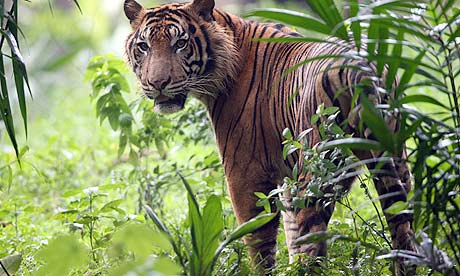

EVERY so often, something shows up on the New Scientist radar that we just can’t identify easily. Is it a bird? Is it a plane? Is it a brand new type of flying machine that we are going to have to study closely?

That was our reaction when we first heard about a small conference held in June at the philosophy department of the Portuguese Catholic University in Braga. There, a group of biologists, neuroscientists, philosophers, information technologists and other scholars from all over the world gathered to discuss some revolutionary ideas for developing the hitherto obscure field of biosemiotics.

Unlike most revolutionaries, it soon became clear that this group’s goal was not to overturn the established order. They don’t attack the current way of doing science- they see its value plainly- but they do believe that for biology to become a more fully explanatory science, it needs a more encompassing framework. This framework needs to be able to explain an under-studied aspect of all living organisms: the capacity to navigate their environments through the processing of signs.

Biology, of course, already concerns itself with information: cell signalling, the genetic code, pheromones and human language, for example. What biosemiotics aims to do is to weave these disparate strands into a single coherent theory of biological meaning.

At first glance, the group seems to have chosen an unfortunate and incomprehensible name for its activity- semiotics is the study of signs and symbols that is most commonly associated with linguistic philosophers such as Ferdinand de Saussure. “Biosemiotics”, then, might sound like the name of some arcane mix of biological science and linguistic philosophy. Luckily, though, the true message of biosemiotics is clear: we may do better to stop thinking about the biological world solely in terms of its physical and chemical properties, but see it also as a world made up of biological signs and “meanings”.

One of the nascent field’s leading lights, Donald Favareau of the National University of Singapore, provides a definition on the group’s website. “Biosemiotics is the study of the myriad forms of communications… observable both within and between living systems. It is thus the study of representation, meaning, sense, and the biological significance of sign processes- from intracellular signalling processes to animal display behaviour to human… artefacts such as language and abstract symbolic thought.”

To get a better sense of what this means, it is best to go back to the field’s roots. Biosemiotics traces its earliest influences to the independent efforts of an Estonian-born biologist in the early 20th century and an American philosopher of the 19th century, who wrote much of his work hidden in an attic to avoid his creditors.

Estonian-born Jakob von Uexküll was an animal physiologist whose 1934 book A Stroll Through the Worlds of Animals and Men: A picture book of invisible worlds – and later works – inspired Konrad Lorenz and Niko Tinbergen, who then went on to win a Nobel prize in 1973 for their studies in animal behaviour, or ethology.

Von Uexküll wrote: “If we stand before a meadow covered with flowers, full of buzzing bees, fluttering butterflies, darting dragonflies, grasshoppers jumping over blades of grass, mice scurrying, and snails crawling about, we would be inclined to ask ourselves the unintended question: Does the meadow present the same view to the eyes of so many various animals as it does to ours?”

“Does the meadow present the same view to so many animals as it does to ours?”

He thought that a naive person would intuitively answer that it is the same meadow to every eye. Physical scientists, he thought, would see all the animals in the meadow as “mere mechanisms, steered here and there by physical and chemical agents, the meadow consists of a confusion of light waves and air vibrations… which operate the various objects in it”.

For von Uexküll, both views were wrong. Each creature in the meadow lived in “its own world filled with the perceptions which it alone knows”, and it was in accordance with that experiential world – and not the entirety of the whole, unseen but physically existing world – that the creature had to coordinate its actions to eat, flee, mate and sustain itself.

For some animals, that subjective perceptual universe, or Umwelt, as von Uexküll called it, writing in German, is narrow. He describes the umwelt of a tick which sits “motionless on the tip of a branch until a mammal passes below it. The smell of the butyric acid awakens it and it lets itself fall. It lands on the coat of its prey, through which it burrows to reach and pierce the warm skin… The pursuit of this simple meaning rule constitutes almost the whole of the tick’s life.” By reacting only to the single odorant of sweat, the tick reduces the countless characteristics of the world of host animals to a simple common denominator in its own world.

So von Uexküll’s meadow is alive with myriad perceptual worlds, with each one, for each species, evolving within, and functioning as, a different web of meaning. To understand why animals are organised the way they are, and why they act on the world as they do, he explained: “Meaning is the guiding star that biology must follow.”

Von Uexküll’s pioneering sensation-action “feedback-cycle” model for explaining the mechanics of biological meaning was revolutionary for its time. Indeed, it anticipated by many decades the science of cybernetics, which studies systems of control. But his model is now considered too mechanical and simplistic by most biosemioticians. To build what they hope might be a more scientifically fertile model, many of them base their understanding on the semiotic logic of the philosopher Charles Sanders Peirce.

Peirce was born in 1839 in Cambridge, Massachusetts. His father was a professor of mathematics and astronomy at Harvard University. Peirce junior was a brilliant but rebellious student, who suffered from both neuralgia and depression. Known today as the father of the philosophical school of pragmatism, as a student Peirce made the serious mistake of angering his chemistry professor, who went on to become president of Harvard. During a life-long feud, he ensured that Peirce never gained a permanent post at any university.

For the 55 years after he graduated, Peirce wrote scientific and philosophic dictionary and encyclopaedia entries to support himself and his ongoing studies, which included producing the world’s first photometric star catalogue at Harvard Astronomical Observatory and working as a geodesist for the US Coastal Service. It was a difficult life: he was often without heat and food, and was kept alive thanks to the kindness of his brother, neighbours and benefactors, including his closest friend and admirer, the psychologist William James.

Peirce’s work in logic, mathematics and philosophy ran to an astonishing 60,000 pages. Much of this has been discovered and re-examined only recently, giving rise to the vigorous field of Peircean studies. He saw logic as a formal doctrine of signs, and his theory of signs is important in modern biosemiotics.

Most of us naively conceive of a “sign” as standing for something concrete: a red traffic light for most of us simply means “stop”. In other words, the two things – a sign and its meaning – are directly connected in a sign relationship. Peirce, however, saw a sign as representing a relation between three things.

Take the everyday example given by Jesper Hoffmeyer, a biochemist at the University of Copenhagen, Denmark, and a leader in biosemiotics, in his book Signs of Meaning in the Universe. Suppose a child breaks out in a rash of red spots and is taken to the doctor by his mother. For the mother, the spots are a sign that her child is sick. The doctor knows they mean that the child has measles. As Peirce put it in its most general form: “a sign is something which stands to someone, for something, in some respect”. The red spots are not automatically something which is a sign of measles to anyone, but only to “someone”, in this case the doctor.

Piece saw all signs as involving a triadic relation: the sign “vehicle” (the red spots); the “object” to which the sign-bearer refers (measles); and the “interpretant”, the system that allows the realisation of the sign-object relation to take place (the doctor’s thinking) and that acts accordingly upon that relation.

He wanted to investigate and uncover the complex logic by which “in every scientific intelligence, one sign gives birth to another, and especially one thought brings forth another”. His insight was to see that even the simplest sign must be considered as a triadic relation, in which the sign vehicle, object and interpreting system all play ineliminable parts – an insight biosemioticians believe science would do well to explore more fully.

This realisation led Peirce away from devising linear chains of logic that relied on just two factors, to the construction of a “sign” logic that is an endlessly branching, multidimensional network. Although Peirce’s work is theoretical, there are clear parallels between von Uexküll’s model of the meadow, filled with different meanings, interpreted by the different biological systems of different creatures, and Peirce’s model of the sign as ultimately a kind of relation that living agents adopt towards things for the accomplishment of various ends and actions.

When Peirce wrote, he was thinking primarily of signs as relations that enable human thought to effectively understand the world. Accordingly, his logic has recently been applied in efforts to understand the origins of human language that reject the idea that language appeared either as a lucky accident that endowed humans with a universal grammar- as posited by the linguist and philosopher Noam Chomsky – or as a by-product of an enlarged brain.

Instead, researchers such as Terrence Deacon, a biological anthropologist at the University of California, Berkeley, have used Peirce’s sign logic to explain how language may have arisen as an evolutionary consequence of pre-linguistic symbolic activity.

But biosemiotics applies the idea of signs and signalling much more widely than just the analysis of human language. Take these sentences from a recent “Perspectives” article in Science magazine: “Living cells are complex systems that are constantly making decisions in response to internal or external signals. Among the most notable carriers of information are… enzymes that receive inputs from cell surface or internal receptors and determine what actions should be taken in response…” (Science, vol 328, p 983).

The broadest scope

Words like “signals”, “information” and “inputs” litter the biology literature. But all of these usages are metaphorical. What biosemioticians really want is an analysis which goes further, says Charbel El-Hani, a biologist at the Federal University of Bahia in Brazil. “The importance of going beyond metaphor and really building a theory of information is underlined by the reiterated claim that biology is a science of information,” El-Hani told New Scientist.

“What biosemioticians really want is an analysis which goes beyond metaphor”

The scope envisioned for the new field is therefore truly broad: a viewpoint which connects everything from biomolecular networks sending signals that control cell behaviour to animal behaviour and human language. That is the agreed goal, but the scientists and philosophers involved each bring their own uniquely interdisciplinary perspective, and so do not always agree on the best way forward. It is safe to say that this new science is very much in ferment.

To get a feel for this, New Scientist asked a range of thinkers attending the Braga conference to explain how they saw the field. More than 20 responded. The wildly different roads they have travelled to reach biosemiotics, and the different areas to which they wanted to apply it, were evident in their responses.

Favareau came to biosemiotics as a result of “growing discontent with the inability of cognitive neuroscience to explain the reality of experiential ‘meaning’ at the same level that it was so successful in, and manifestly committed to, explaining the mechanics of the electrochemical transmission events by which such meanings are asserted (without explanation) to be produced”.

For Gerard Battail, an information theorist at Télécom ParisTech in France, it is the fact that mainstream biology, while loosely using a vocabulary borrowed from communication theory- “pathways”, “codes” and the like- “remains basically concerned with the flow of matter and energy into and between living entities, failing to recognise [that] the information flow is at least as important”.

Frederik Stjernfelt of Aarhus University in Denmark echoes El-Hani: “Notions such as ‘information’, ‘message’, ‘representation’, ‘code’, ‘signal’, ‘cue’, ‘communication’ and ‘sign’ crop up all over biology,” he says. He points out, however, that while the use of such terms is apparently unavoidable in explaining the workings of living systems, rarely, if ever, are such concepts explicitly defined as technical terms. His version of biosemiotics sees this as an explanatory blind spot that should be taken seriously.

“If not, the danger is that biology is trapped in a dualism where all organic communication, from cells to apes, are claimed to be describable as simple physiochemical causes only- while, on the other hand, full intentional meaning is a specifically human privilege. How could such a thing have developed phylogenetically, if not from simpler semiotic processes in biology?” asks Stjernfelt.

Kalevi Kull at the University of Tartu in Estonia stays closer to von Uexküll. “Biology has studied how organisms and living communities are built. But it is no less important to understand what such living systems know, in a broad sense; that is, what they remember (what agent-object sign relations are biologically preserved), what they recognise (what distinctions they are capable and not capable of), what signs they explore (how they communicate, make meanings and use signs) and so on. These questions are all about how different living systems perceive the world, how they model the world, what experience motivates what actions, based on those perceptions.”

These answers and many more are just a taste of how biosemiotics is shaping up. As Favareau explains, we must remember that it is still a “proto-science- closer to a very lively debate between scientists about what such a future science will have to explain about biological meaning, and how it will do so, than it is to a fully realised science with a common terminology and a settled methodology”.

The founders are open to new ideas. “If one truly recognises the need for something like biosemiotics, then one owes it to science to apply one’s best thought and effort to the task,” writes Favareau in the introduction to a recently released anthology Essential Readings in Biosemiotics (Springer, 2009).

Marcello Barbieri, a molecular biologist at the University of Ferrara in Italy, another key figure, echoes Favareau. He brings yet another perspective to the field – a “code model” that he has applied to the genetic code, splicing and other cellular codes. “Nothing is settled yet in biosemiotics,” he says. “Everything is on the move, and the exploration of the scientifically new continent of ‘meaning’ has just begun.” Watch this space.

“The exploration of the scientifically new continent of ‘meaning’ has just begun”

Bibliography

To learn more about biosemiotics and its history, download a free pdf of the first chapter of Donald Favareau’s Essential Readings in Biosemiotics at www.bit.ly/axHqMO, courtesy of Springer Science publishers and Donald Favarea.

Jornalismo e Ciência: "Mais que tradutores" (FAPESP)

Especiais

Mais que tradutores

31/8/2010

Por Fábio de Castro, de Itatiba (SP)

Agência FAPESP – O jornalismo voltado para a cobertura de ciência foi um dos temas debatidos por especialistas em Itatiba (SP), diante de uma plateia composta por alguns dos mais proeminentes cientistas do Brasil e do Reino Unido em diferentes áreas do conhecimento.

O debate ocorreu durante o UK-Brazil Frontiers of Science Symposium, evento que terminou nesta segunda-feira (30/8) e integra o programa Fronteiras da Ciência da Royal Society. A instituição britânica – que comemora 350 anos – e a FAPESP organizaram o evento em parceria com o Consulado Britânico em São Paulo, a Academia Brasileira de Ciências, a Academia Chilena de Ciências e a Cooperação Reino Unido-Brasil em Ciência e Inovação.

Com base em seus estudos sobre jornalismo científico e a percepção pública da ciência, o sociólogo Yurij Castelfranchi defendeu que o envolvimento do público com o universo científico é importante para a sociedade e fundamental para a própria ciência. De acordo com o professor da Universidade Federal de Minas Gerais (UFMG), o Brasil tem atualmente um ambiente favorável para essa aproximação entre ciência e sociedade.

“Quando aprofundamos os estudos sobre o tema, nos surpreendemos ao descobrir que o apoio do público à ciência no Brasil é imenso. Cerca de 80% das pessoas têm uma atitude positiva em relação à ciência. Isso não quer dizer que as pessoas compreendam a ciência. A questão que nos interessa é como transformar essa ‘confiança ignorante’ na ciência e na tecnologia em conhecimento real”, disse.

Segundo ele, não se trata apenas de transmitir informação de forma autoritária, trazendo “a luz do conhecimento” para o público. A tarefa consiste em mostrar ao público, por meio de um jornalismo crítico, como a ciência funciona do ponto de vista político e epistemológico. O jornalista não seria um vulgarizador, mas “uma ponte entre dois mundos”.

“Se transmitirmos a ideia da ciência como uma máquina de invenções maravilhosas, tentando conquistar o interesse do público com uma brilhante lista de descobertas, o efeito pode ser o inverso do desejado. Isso equivale a apresentar a ciência como uma solução mágica. Não temos que fazer marketing da ciência, mas mostrar como ela é feita a partir de um ponto de vista crítico”, afirmou.

A jornalista Mariluce Moura, diretora da revista Pesquisa FAPESP apresentou uma análise da evolução do jornalismo científico no Brasil nas últimas décadas. Segundo ela, nos últimos dez anos, o foco da mídia brasileira sobre o conhecimento científico tem se acentuado de forma extraordinária. A própria revista, derivada do boletim Notícias FAPESP, lançado em 1995, teve um papel central nessa evolução.

“A Pesquisa FAPESP é um exemplo de sucesso em relação à cooperação entre cientistas e jornalistas. A revista se tornou muito próxima da comunidade científica paulista, estabelecendo uma relação de confiança”, disse.

Essa cooperação, segundo Mariluce, é exercida por um procedimento particular adotado na produção da revista: antes de chegar ao público, a informação apurada pelos jornalistas é, em geral, revisada pelos entrevistados.

“Pertencendo a uma instituição pública, normalmente enviamos o texto final para os pesquisadores. Entretanto, há uma recomendação expressa: eles podem corrigir todo tipo de informação científica, mas o texto é a nossa área de excelência. A noção estética e a ideia de produto jornalístico cabem ao profissional da área”, afirmou.

O britânico Tim Hirsch comentou as dificuldades do jornalismo científico e destacou as diferenças marcantes das experiências de divulgação da ciência no Brasil e no Reino Unido. Hirsch foi correspondente da área de meio ambiente da BBC News entre 1997 e 2006 e hoje atua no Brasil como consultor e jornalista independente.

Segundo ele, a interação entre os cientistas e os meios de comunicação de massa é bastante difícil. “Há uma área de cooperação, mas nem sempre isso é possível. O limite entre a informação científica responsável e a liberdade da comunicação não é nada fácil de estabelecer. Não há respostas fáceis nesse terreno. É preciso unir talento e coragem para traduzir um processo de expertise em uma linguagem que seja acessível ao grande público”, afirmou.

Para contornar essas dificuldades, a saída seria desenvolver um relacionamento de confiança entre cientistas e jornalistas. “No Brasil, parece-me, a autocrítica em relação à cobertura jornalística da ciência é muito severa. Há bastante preocupação com a tensão entre jornalistas e cientistas e com a qualidade do material publicado, mas o fato é que grande parte do noticiário é muito bom”, afirmou.

Wildlife conservation projects do more harm than good, says expert

New book claims western-style schemes to protect animals damage the environment and criminalise local people

Amelia Hill
The Guardian
Thursday 29 July 2010

A new book claims that schemes to protect habitats of endangered animals, such as the Sumatran tiger, often end up criminalising local communities. Photograph: Bagus Indahono/EPA

Ecotourism and western-style conservation projects are harming wildlife, damaging the environment, and displacing and criminalising local people, according to a controversial new book.

The pristine beaches and wildlife tours demanded by overseas tourists has led to developments that do not benefit wildlife, such as beaches being built, mangroves stripped out, waterholes drilled and forests cleared, says Rosaleen Duffy, a world expert on the ethical dimensions of wildlife conservation and management.

These picture-perfect images all too often hide a “darker history”, she adds. Her new book, Nature Crime: How We’re Getting Conservation Wrong, which draws on 15 years of research, 300 interviews with conservation professionals, local communities, tour operators and government officials, is published today.

When wildlife reserves are established, Duffy says, local communities can suddenly find that their everyday subsistence activities, such as hunting and collecting wood, have been outlawed.

At the same time, well-intentioned attempts to protect the habitats of animal species on the edge of extinction lead to the creation of wild, “people-free” areas. This approach has led to the displacement of millions of people across the world.

“Conservation does not constitute neat win-win scenarios. Schemes come with rules and regulations that criminalise communities, dressed up in the language of partnership and participation, coupled with promises of new jobs in the tourism industry,” claims Duffy, professor of international politics at Manchester University.

A key failure of the western-style conservation approach is the assumption that people are the enemies of wildlife conservation – that they are the illegal traders, the poachers, the hunters and the habitat destroyers. Equally flawed, she says, is the belief that those engaged in conservation are “wildlife saviours”.

Such images, she argues, are oversimplifications. “The inability to negotiate these conflicts and work with people on the ground is where conservation often sows the seeds of its own doom,” she adds.

“Why do some attempts to conserve wildlife end up pitting local communities against conservationists?” she asks. “It is because they are regarded as unjust impositions, despite their good intentions. This is vital because failing to tackle such injustices damages wildlife conservation in the long run.”

Duffy stresses that her intention is not to persuade people to stop supporting conservation schemes. “Wildlife is under threat and we need to act urgently,” she acknowledges. Instead, she says, she wants to encourage environmentalists to examine what the real costs and benefits of conservation are, so that better practices for people and for animals can be developed.

“The assumption that the ends justify the means results in a situation where the international conservation movement and their supporters around the world assume they are making ethical and environmentally sound decisions to save wildlife,” she says. “In fact, they are supporting practices that have counterproductive, unethical and highly unjust outcomes.”

Duffy focuses on what she says is the fallacious belief that ecotourism is a solution to the problem of delivering economic development in an environmentally sustainable way.

This is, she says, a “bewitchingly simple argument” but the assumption that such tourism necessarily translates into the kinds of development that benefits wildlife is far too simplistic.

“Holiday makers are mostly unaware of how their tourist paradises have been produced,” she says. “They assume that the picture-perfect landscape or the silver Caribbean beach is a natural feature. This is very far from the truth. Tourist playgrounds are manufactured environments, usually cleared of people. Similarly, hotel construction in tropical areas can result in clearing ecologically important mangroves or beach building which harms coral reefs.”

But the World Wildlife Fund for Nature, one of the four biggest environmental NGOs in the world, maintains that the loss of wildlife is one of the most important challenges facing our planet. As such, a powerful focus on conservation is necessary: “Conservation is essential so let’s not throw the baby out with the bathwater,” says a WWF-UK spokesman. “There are examples out there where ecotourism is working and has thrown a lifeline to communities in terms of economics and social benefits, as well as added biodiversity benefits.

“Let’s have more of those projects that are working for everybody and everything,” he adds. “There is no one-size-fits-all when it comes to ecotourism and conservation.”